Beach Chairs With Face Hole
Whether you're soaking up the sun or enjoying a relaxing day at the beach, having a comfortable and functional beach chair is essential. Designed with your ultimate comfort in mind, these chairs are perfect for those who love to lie face down while still being able to enjoy the view. From adjustable reclining positions to durable materials, these beach chairs with face holes offer the perfect combination of relaxation and convenience.
Sort





















































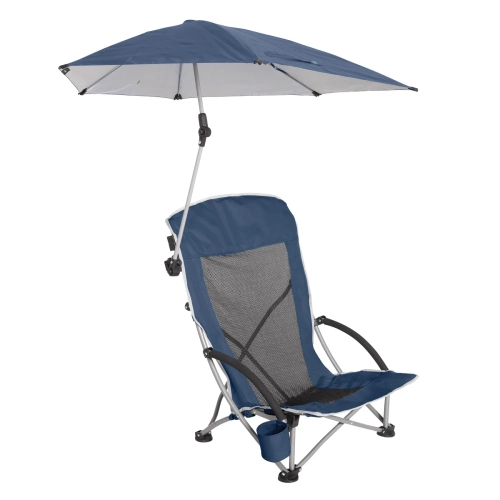


Why face-down comfort depends on more than padding
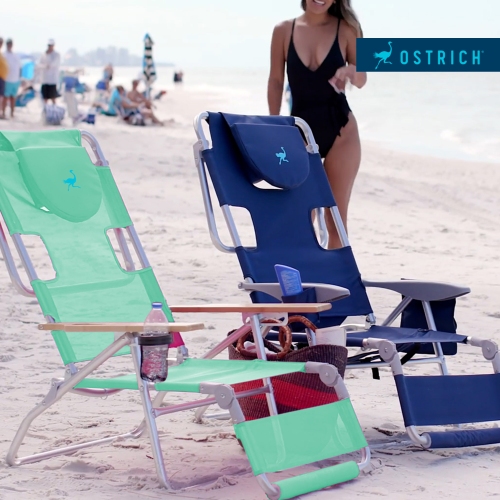
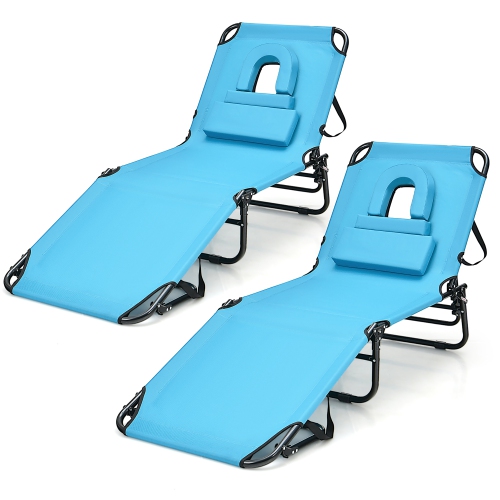
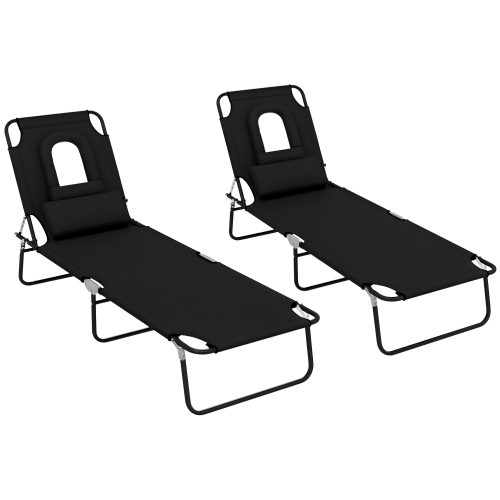
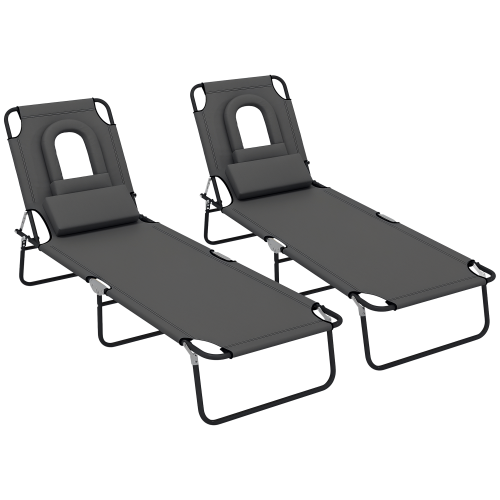
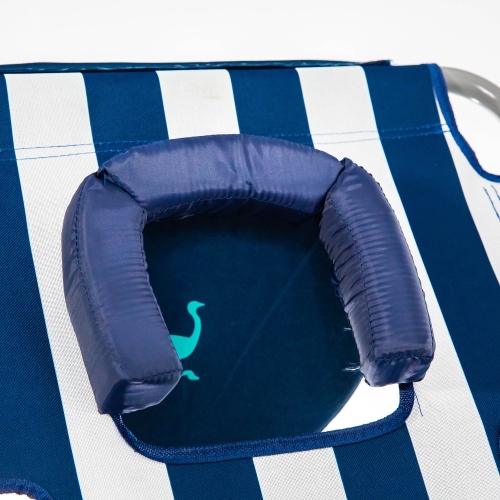
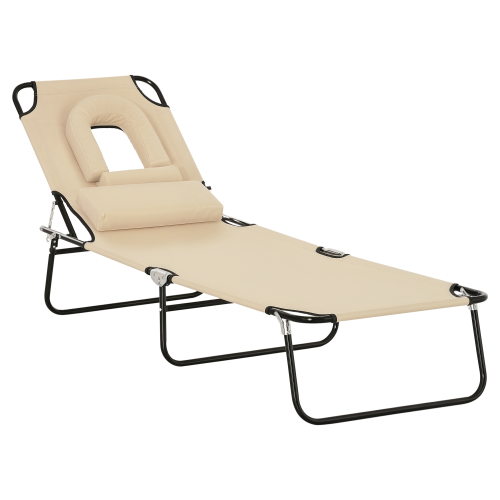
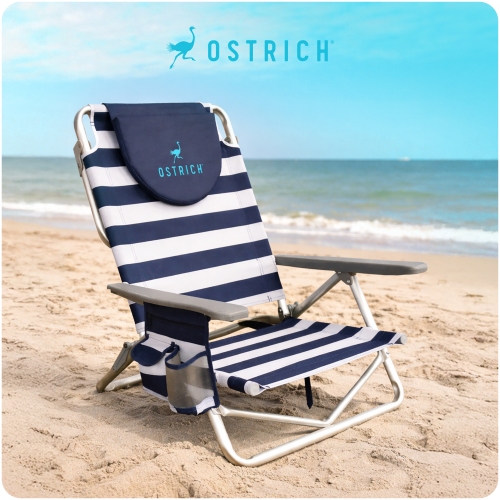
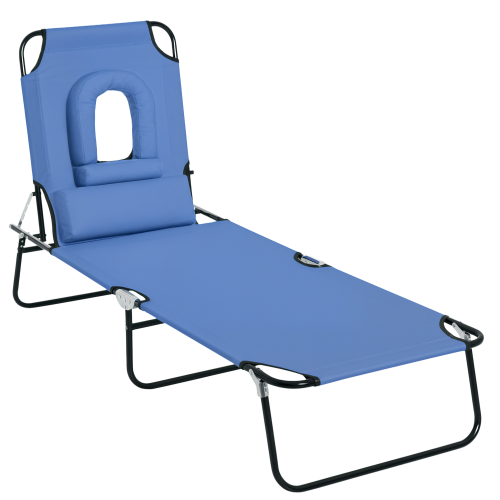
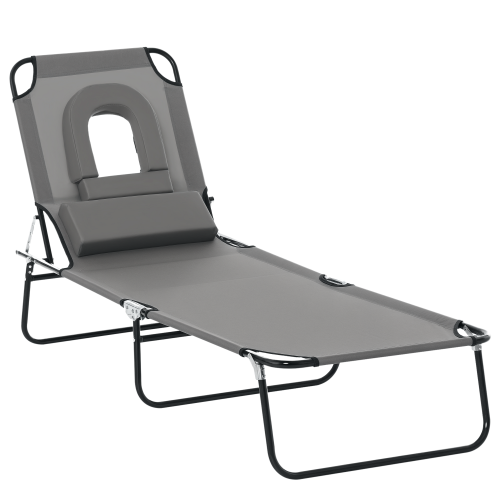
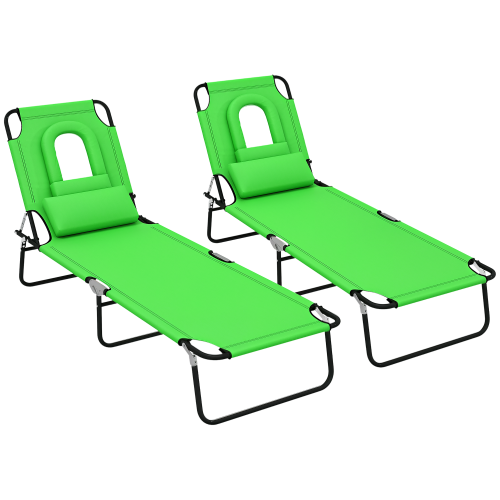
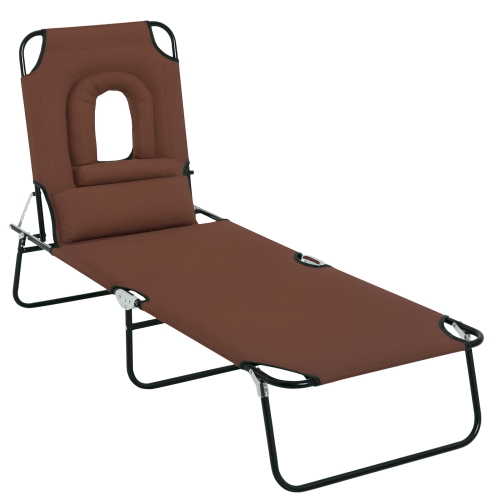
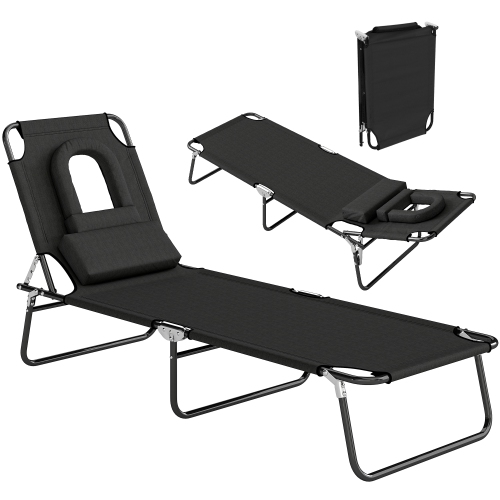
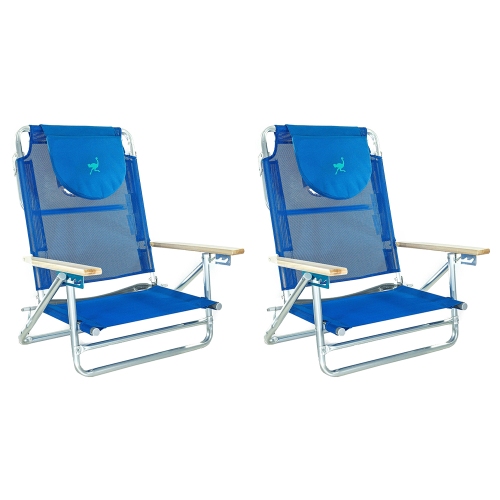
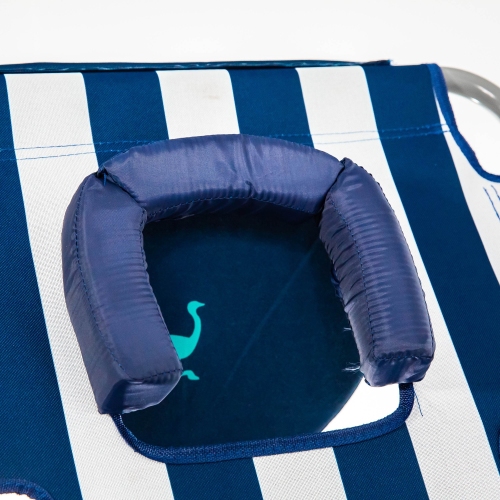
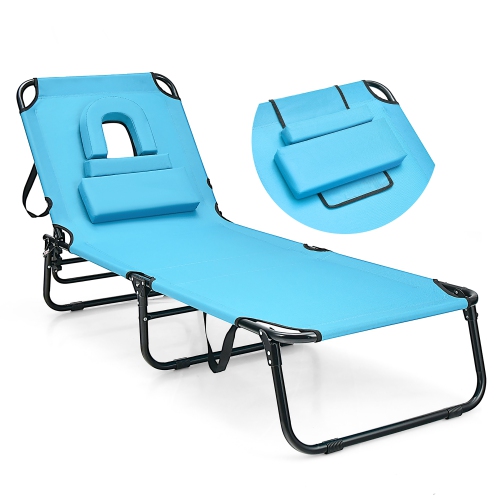
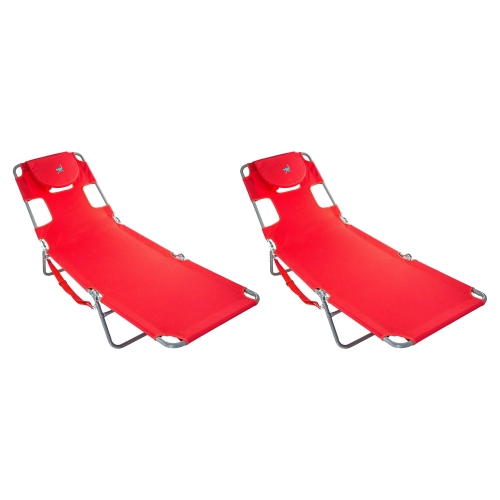
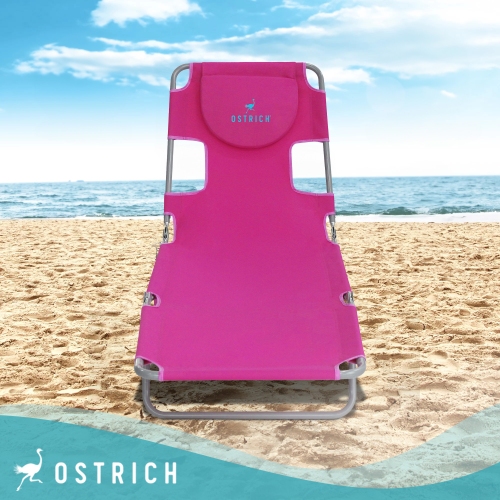
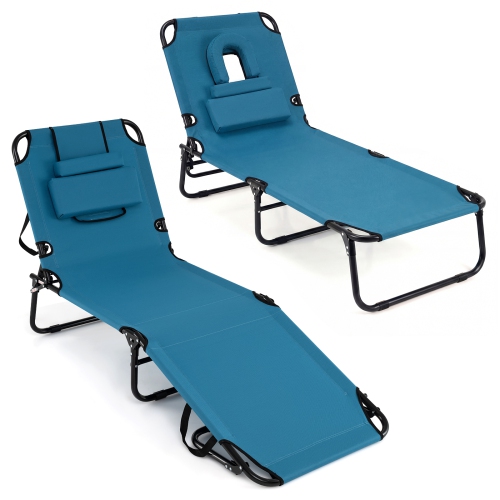
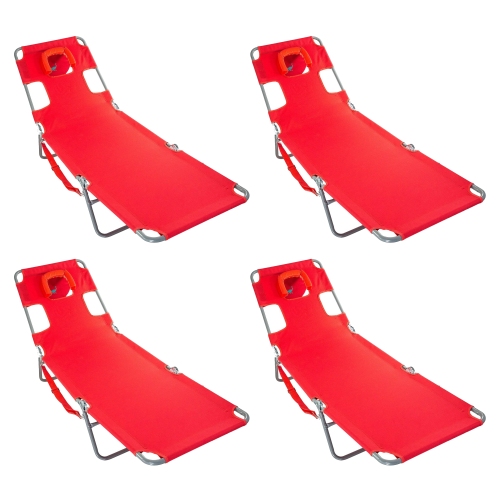
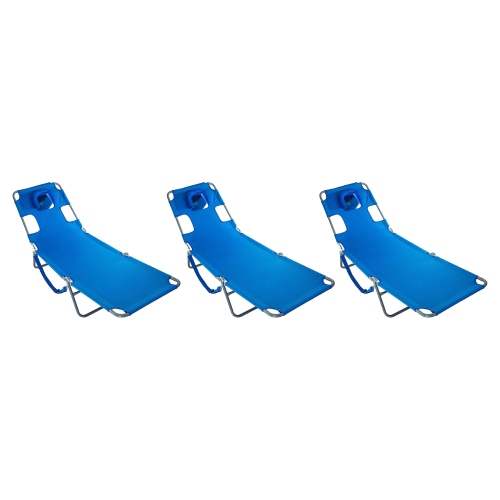
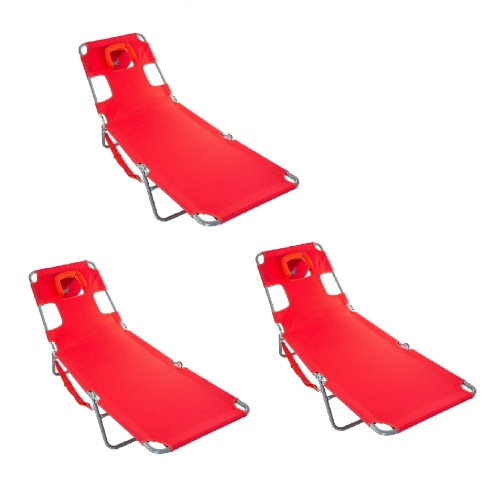
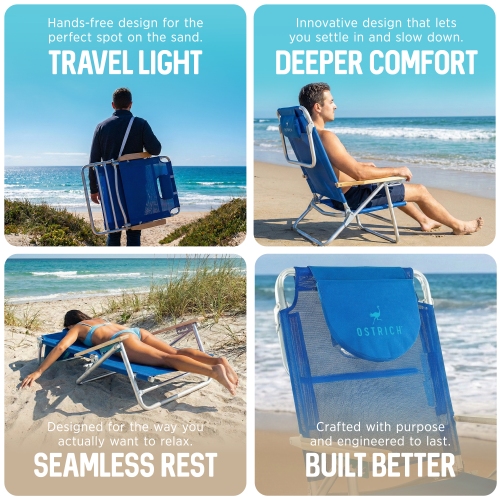
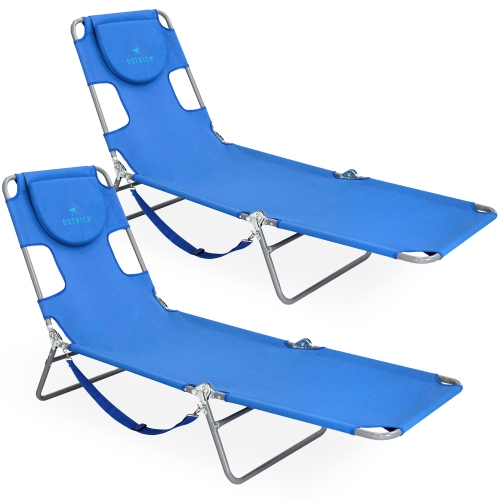
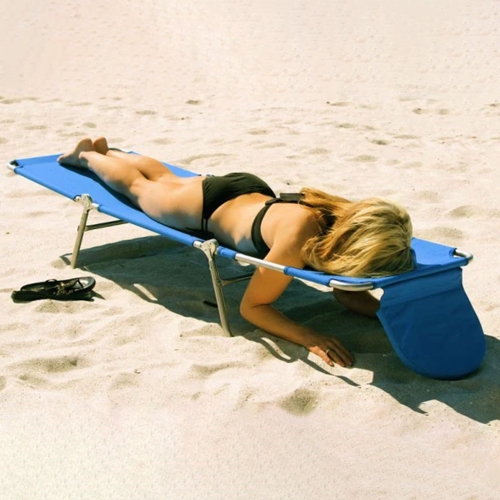
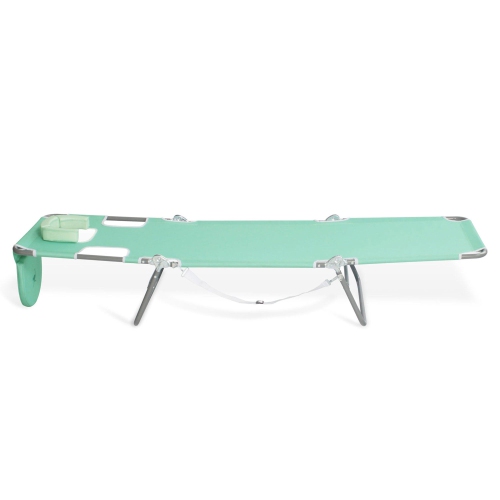
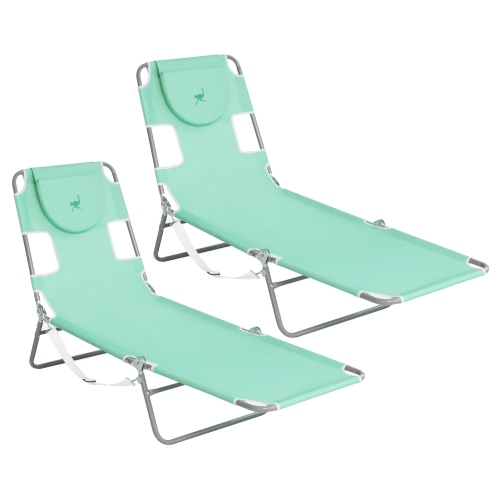
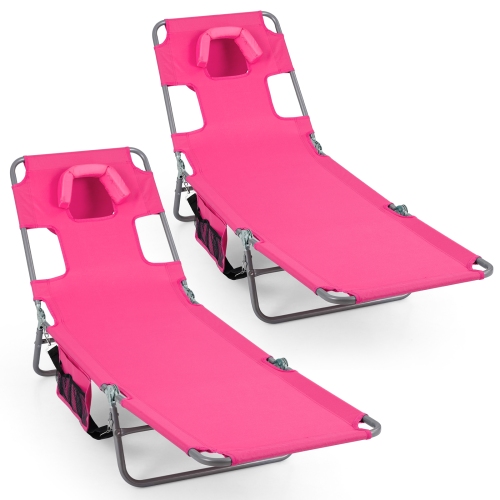
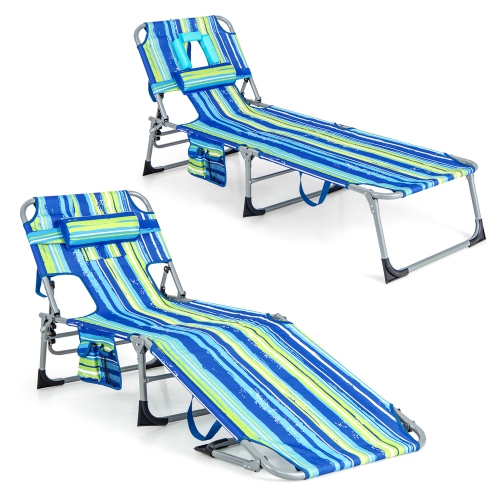
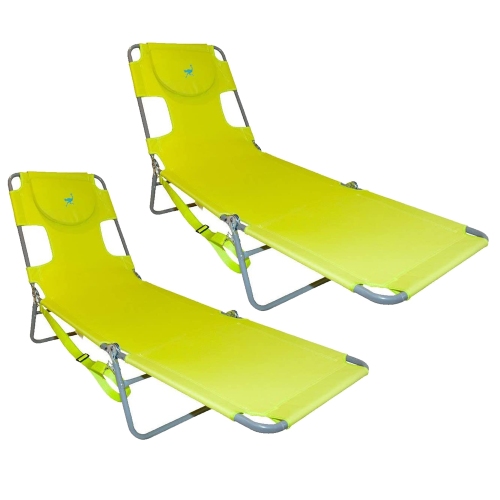
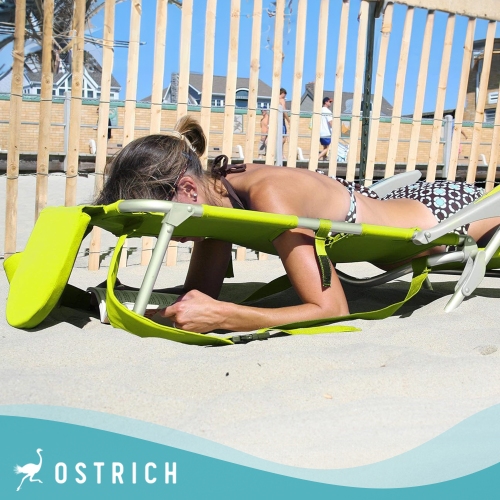
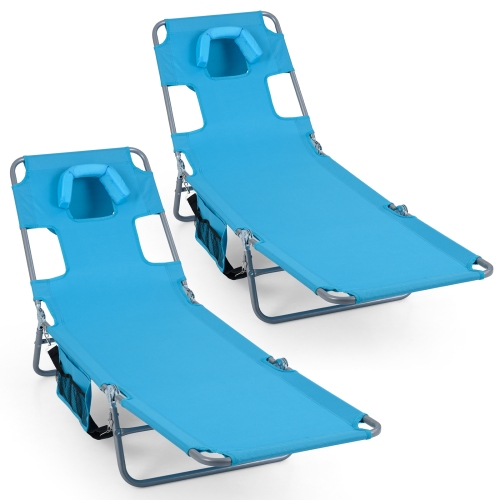
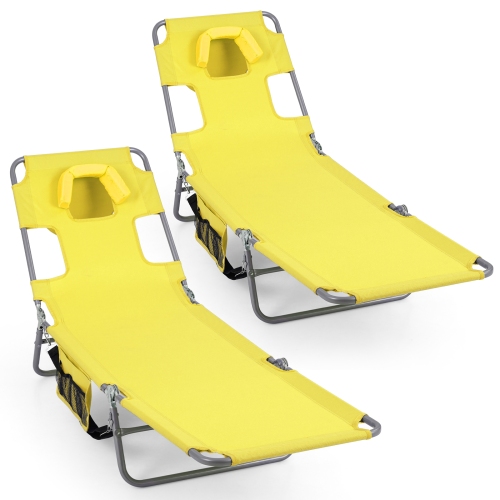
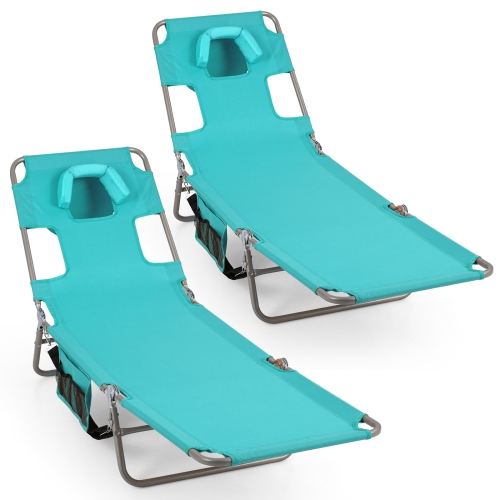
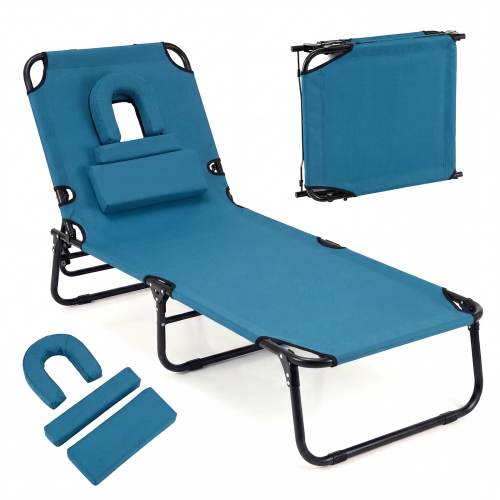
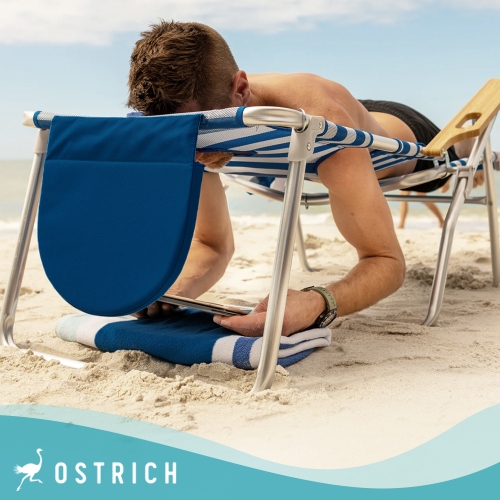
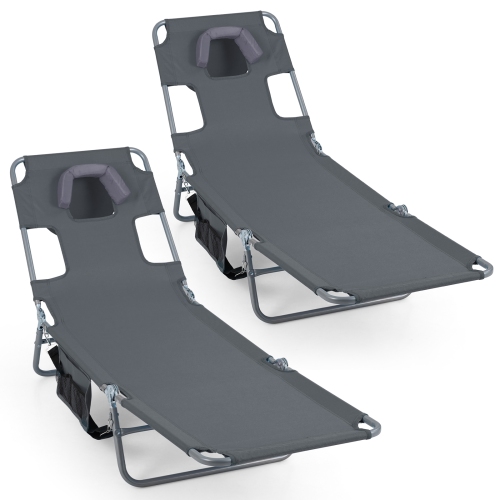
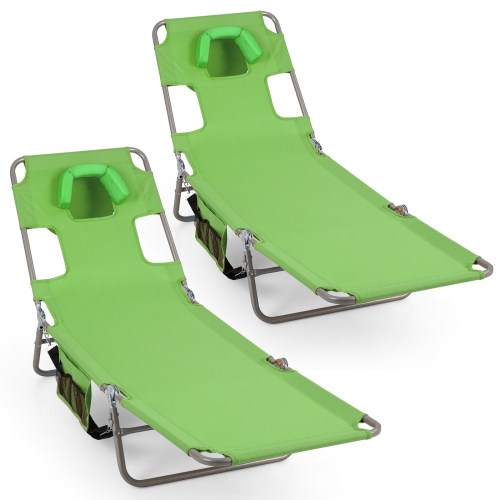
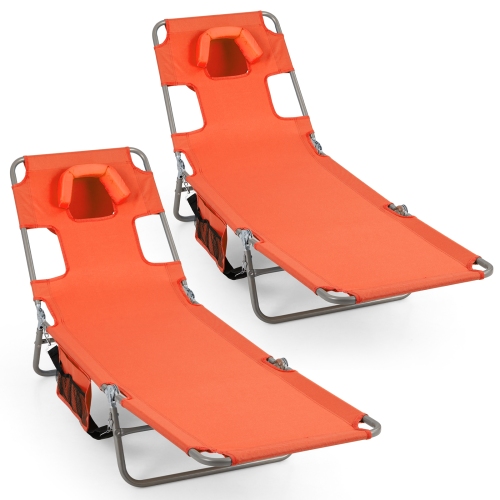
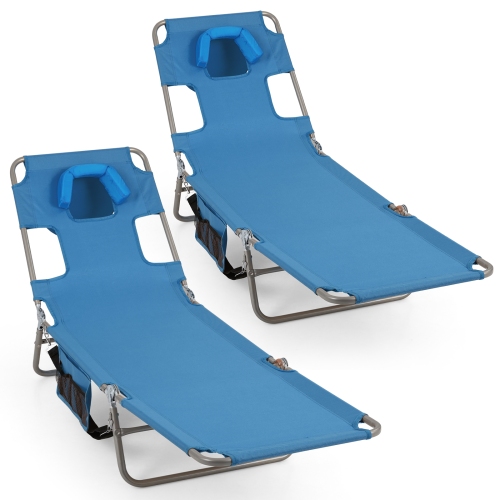
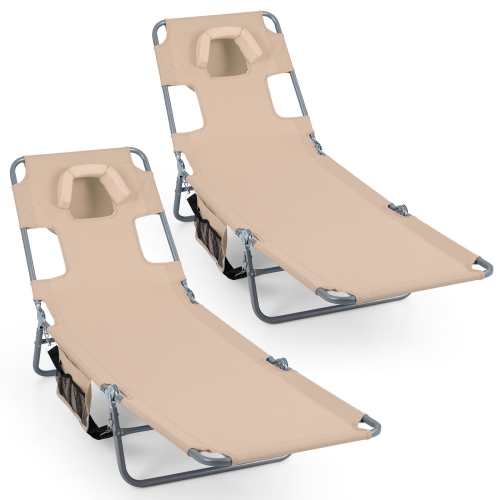
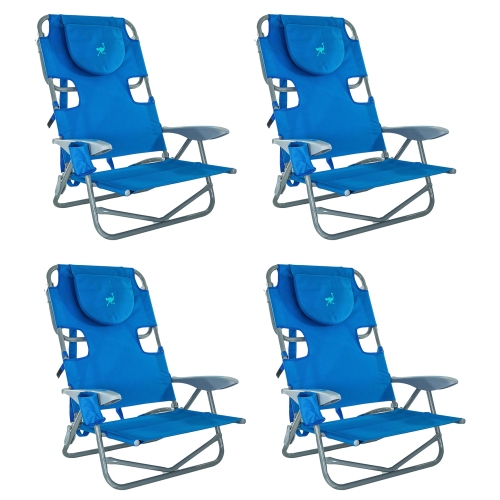
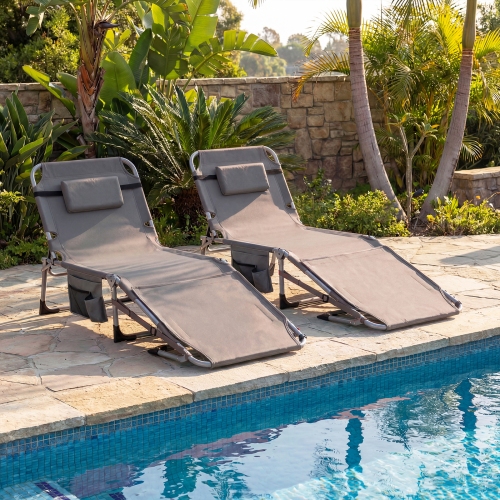
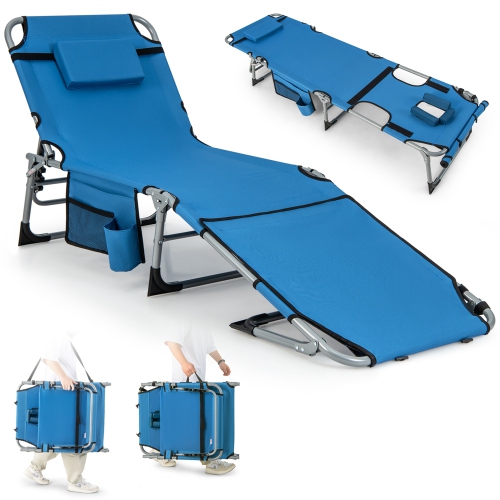
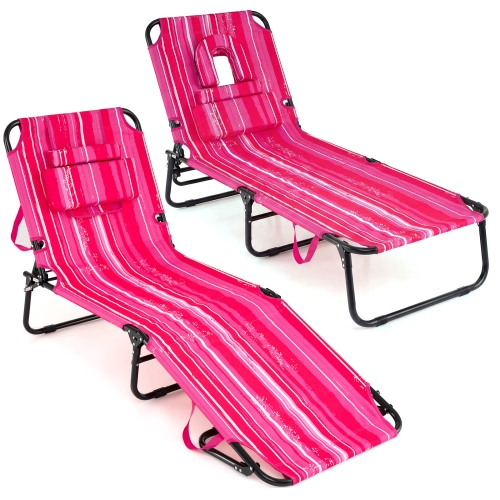
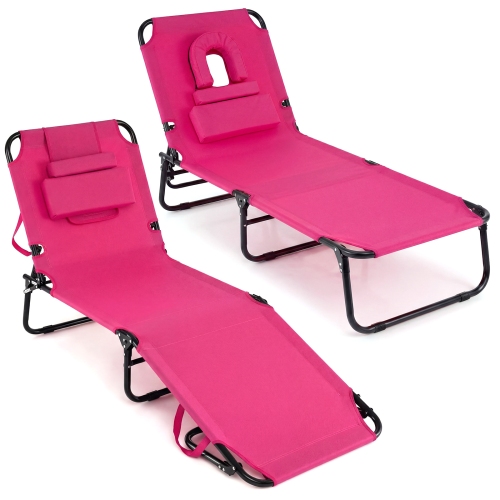
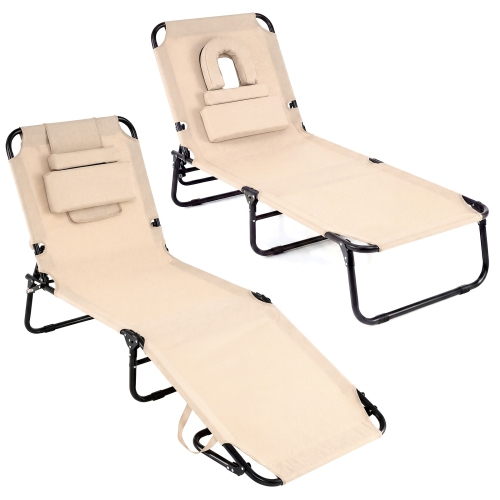
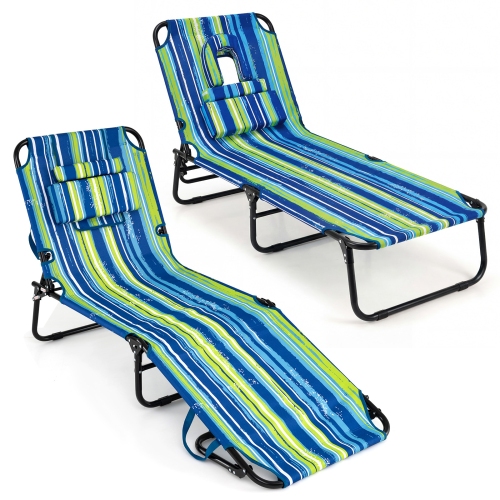
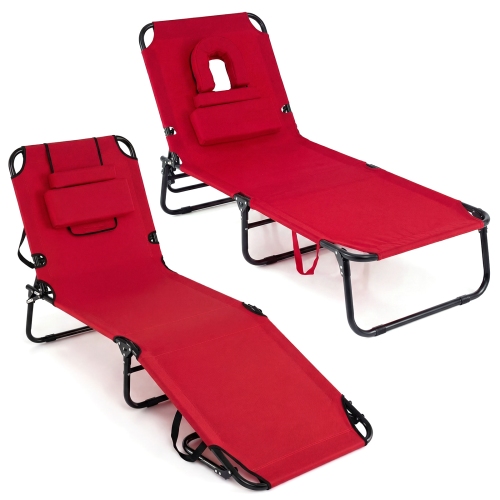
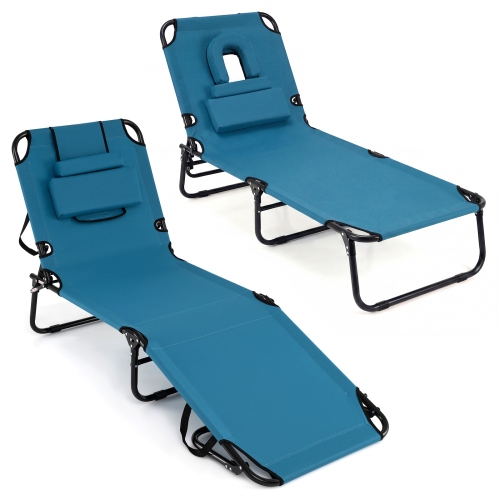
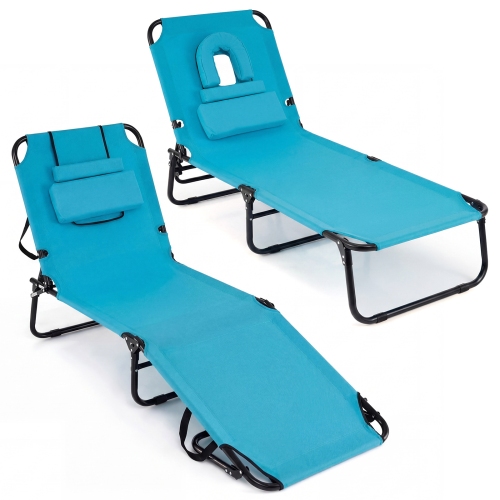
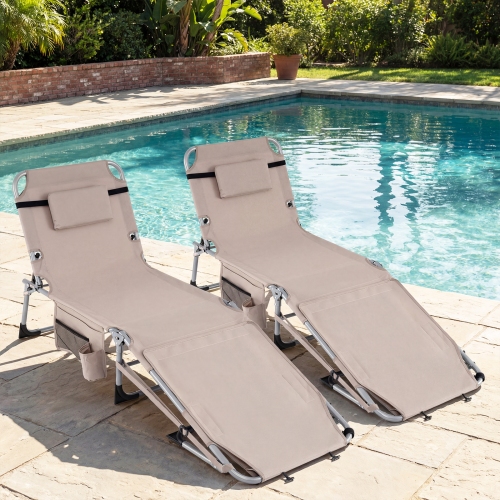
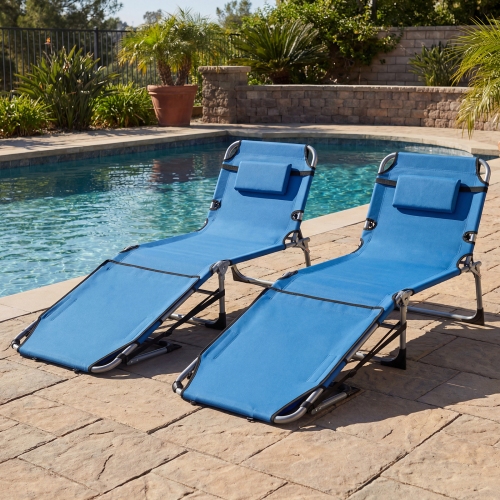
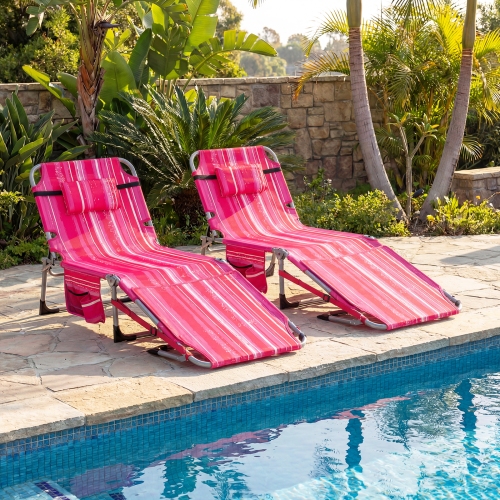
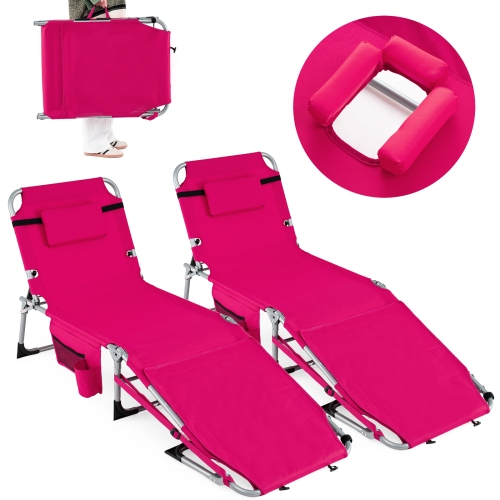
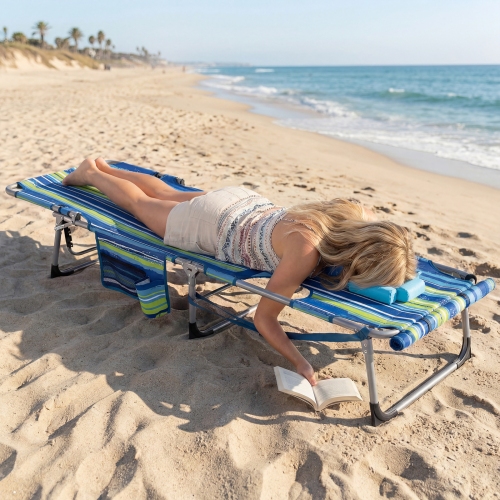
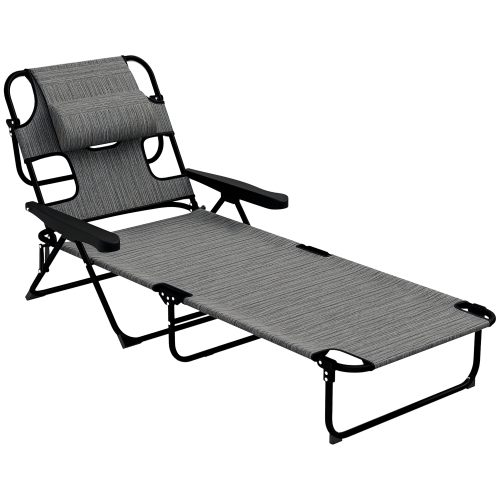
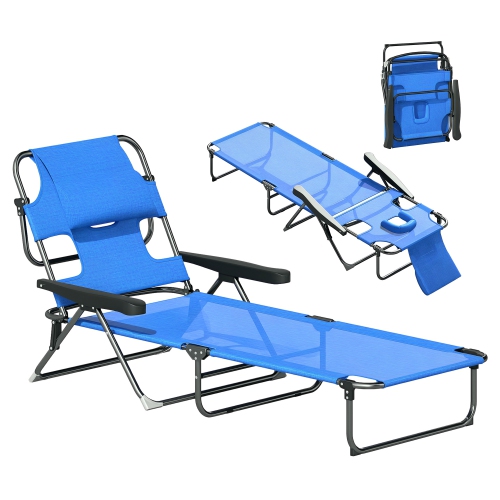
Beach chairs with a face hole bring a different kind of comfort to time spent beside the water, on a patio, or stretched out at a cottage. Rather than requiring a sideways turn of the head when lying on the stomach, these loungers have an opening positioned near the head end so the face can rest downward. The shape and finish of that opening matter: a softly padded surround feels different from a simple cut-out, while the opening’s width and depth affect where the forehead and cheeks make contact. Personal comfort varies, so a face opening is best understood as an alternative resting position rather than a promise of relief from neck or back discomfort. Some designs include arm openings, making it easier to hold a paperback or look at something beneath the chair without keeping both arms tucked alongside the body. Others have a removable cushion or cover that fills the opening when the lounger is used face-up. Adjustable backrests can add flexibility, allowing the same chair to move between a seated position for conversation and a flatter position for stretching out, provided the design supports both. For someone who enjoys reading near the pool, listening to an audiobook by the lake, or taking a quiet break between beach activities, those details can make the chair feel more suited to the way they actually relax. Within the broader selection of Beach Chairs, face-hole loungers are especially relevant when lying down is a priority rather than simply having somewhere to sit. A familiar detail becomes important here, too: getting in and out. A low lounger may feel pleasantly close to the sand, but a taller seat can be easier for someone who finds deep bending awkward. The most useful shape balances the desired resting position with an easy, steady transition back to sitting or standing.
Fit involves more than the overall length printed in a description. The usable space between the frame rails, the position of the face opening, and the distance from the head section to the foot end all influence how naturally a person can settle onto the chair. A taller adult may need extra length to avoid having their ankles rest against a crossbar, while someone with broader shoulders may prefer more width around the upper body. Padding can soften contact points, but thick cushions also add bulk and may take longer to dry after a splash. Fabric tension makes a difference as well: a taut surface offers a different feel from a fabric bed that allows a little give. Checking the stated weight capacity and the supported reclining positions helps clarify whether a design suits its intended user. Construction then determines how that fit holds up through repeated outings. Aluminum frames are often chosen for their relatively light weight and resistance to rust, while coated steel frames may feel more substantial but generally need closer attention wherever the finish becomes scratched. Neither material makes hinges, fasteners, or joints maintenance-free. Woven polyester and coated mesh are common outdoor seating materials, with differences in texture, airflow, stretch, and drying time. Mesh can allow water to pass through rather than collect on the surface, while a more closely woven fabric may feel smoother against bare arms and legs. Reinforced stitching, neatly finished edges, and secure connections between the fabric and frame are useful details in a chair that will be folded, carried, and opened repeatedly. On sand, the shape of the legs also matters. Narrow feet can settle into loose ground, whereas broader contact points may distribute weight more evenly. Any lounger still needs a stable, level spot, with its supports fully opened and its adjustment mechanism securely engaged before someone lies down. A chair that feels steady on a deck may behave differently on a sloping shoreline, so the surface beneath it deserves as much attention as the cushioning above it.
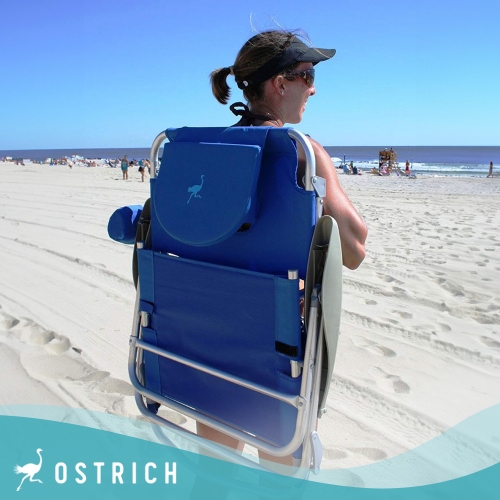
Portability is often what separates a chair that accompanies every outing from one that stays in the garage. A folding face-hole lounger may be comfortable when open yet surprisingly long or wide when packed, making its folded dimensions worth considering alongside its weight. Carry handles, shoulder straps, and backpack-style straps, where included, offer different ways to manage the walk from a parking area while also carrying towels and a beach bag. Removable cushions need their own secure place during transport, and loose accessories are easier to misplace when packing up from a busy beach. At home, care is usually straightforward but should follow the material-specific instructions. Sand caught in hinges or reclining joints can cause wear and interfere with smooth movement; brushing it away before folding helps keep those parts working properly. Salt residue should be rinsed off as directed, and fabric, padding, and metal connections should be allowed to dry thoroughly before storage. A damp towel left folded inside the chair can keep moisture against the fabric long after the rest of the lounger feels dry. Mild soap may be suitable for routine cleaning, but abrasive tools and strong cleaners can damage coatings or finishes. A towel can add a familiar surface for lounging, although it should not block the face opening or bunch up beneath the nose and mouth. The opening needs to remain clear, and changing position regularly is more comfortable than staying face-down for an extended stretch. For outdoor use, shade, suitable sun protection, and drinking water remain important; the chair itself provides none of those protections unless a particular feature is expressly designed to do so. As a gift, this style can suit an adult who regularly takes a lounger to the lake, spends time beside a pool, or enjoys relaxing at a cottage. Matching their preferred resting position, carrying needs, and storage space makes the choice more personal than simply choosing a favourite colour.
Top selling and popular products
-
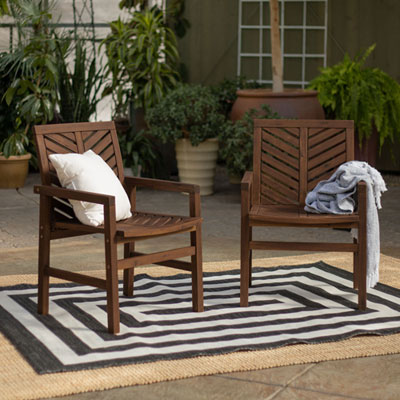 Your price for this item is $604.99
-
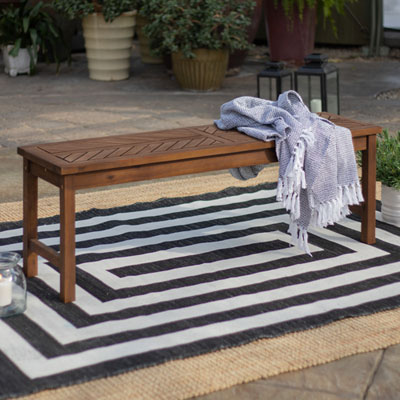 Your price for this item is $371.99
-
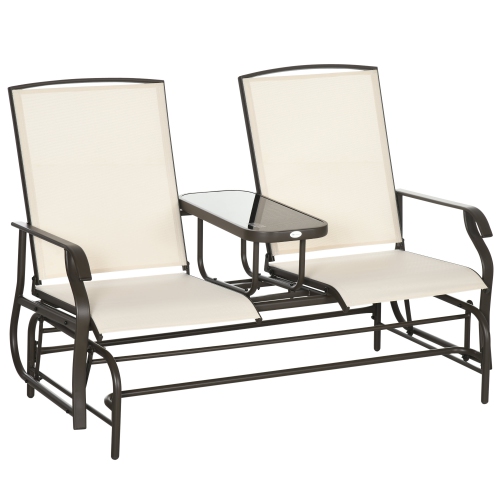 Your price for this item is $209.99
-
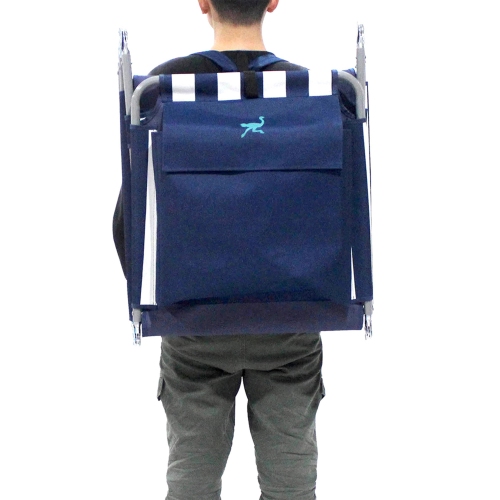 Your price for this item is $174.99
-
 Your price for this item is $461.99
-
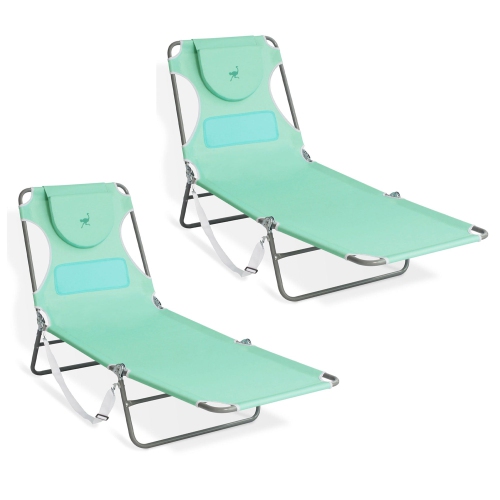 Your price for this item is $335.99
-
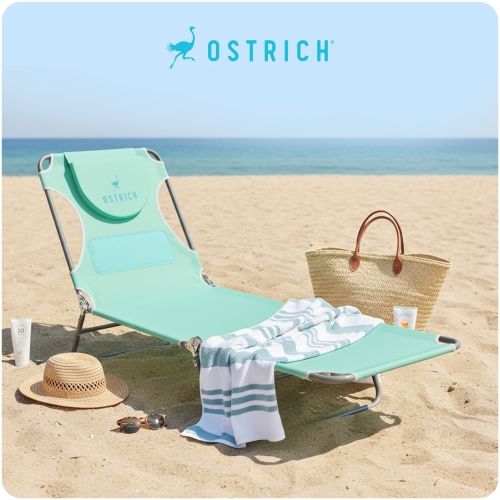 Your price for this item is $170.99
-
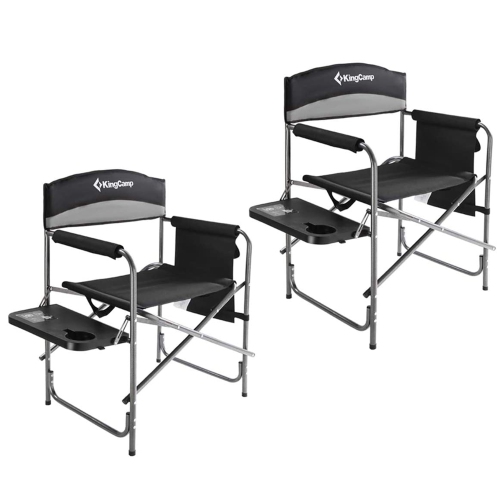 Your price for this item is $205.99
Discover more categories related to Beach Chairs With Face Hole


Top Collections:
Pokemon Centers, Best Cameras for Sports Photography, Kindle Devices, Samsung Galaxy Phones, Canon G7X Cameras, Pokémon 30th Celebration Cards, Refurbished Apple Laptops, iPhone 15 Apple, Laptops for Students, Budget Smartphones
Some products may be subject to Environmental Handling Fees
(EHF) depending on your province.
Learn more about EHFs.