Beautiful Rugs
Transform any room with beautiful rugs that add style and warmth to your home. Whether you’re updating your living space, bedroom, or office, the right rug can make a striking impact and complement your décor. Explore a wide selection of beautiful rugs in various colors, patterns, and sizes to find the perfect match for your unique taste. Refresh your floors and elevate your space with options designed to suit every aesthetic.
Sort






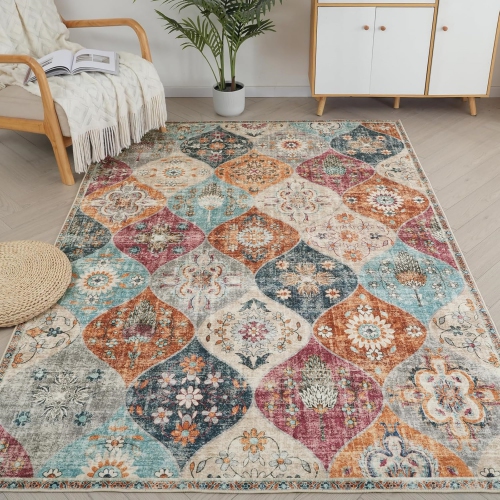
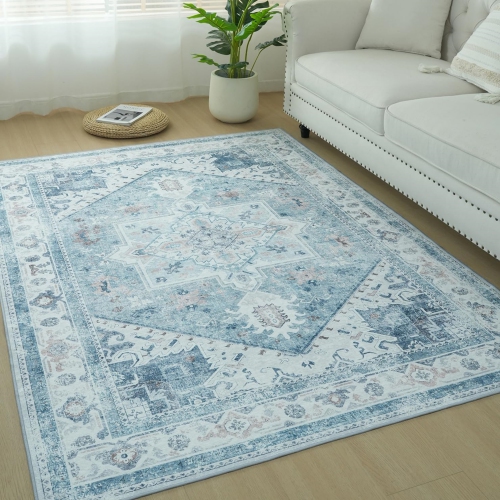


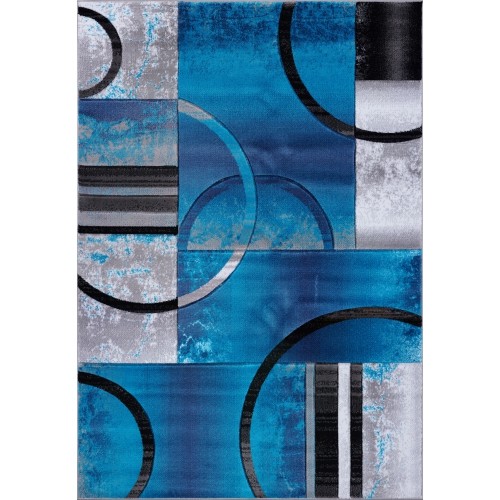

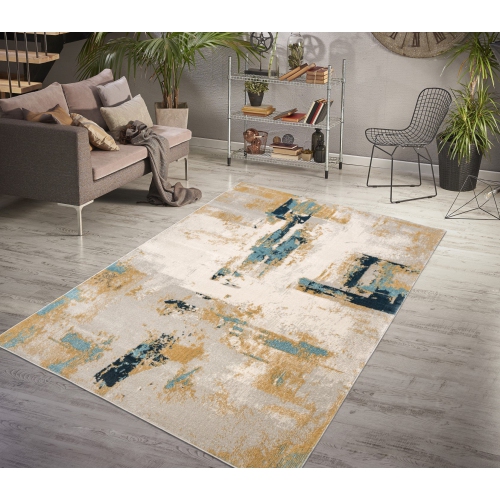
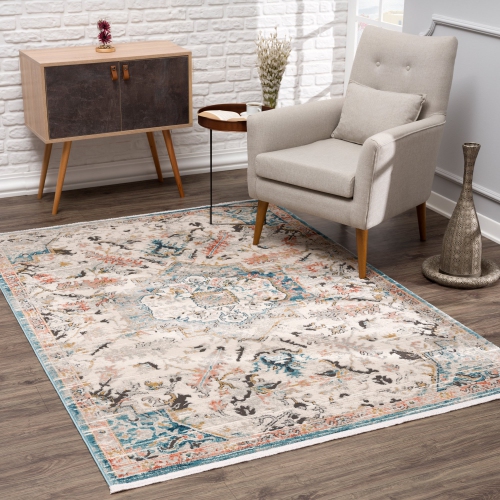
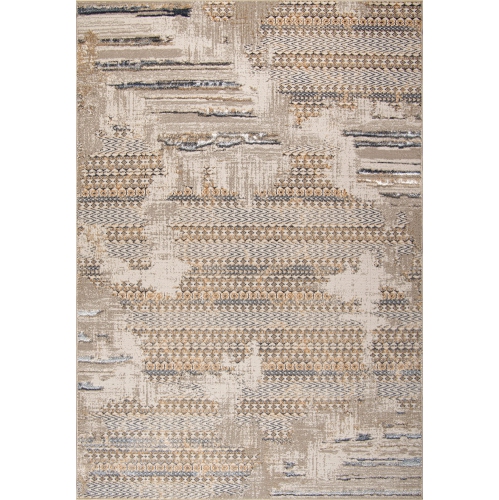
How rug texture and scale shape a room
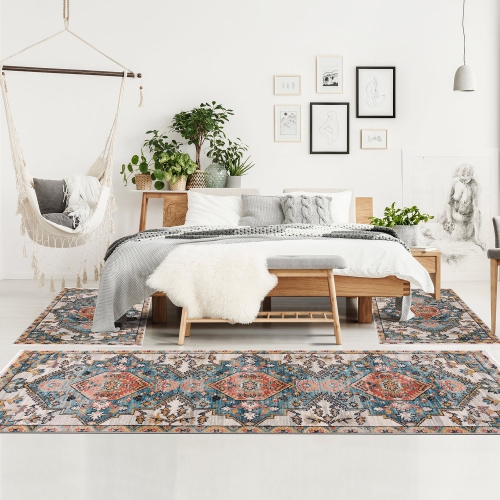
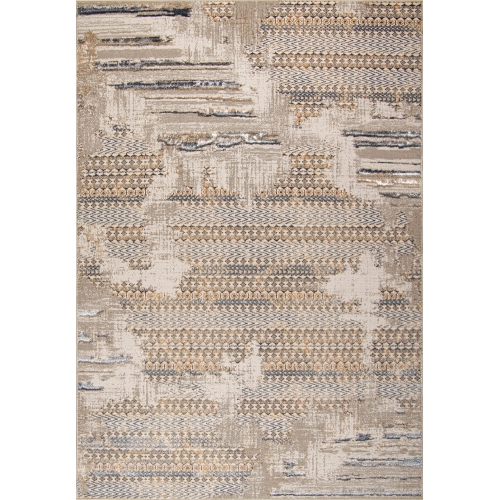
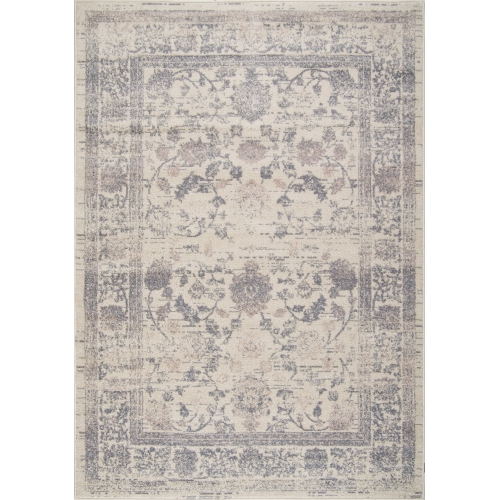
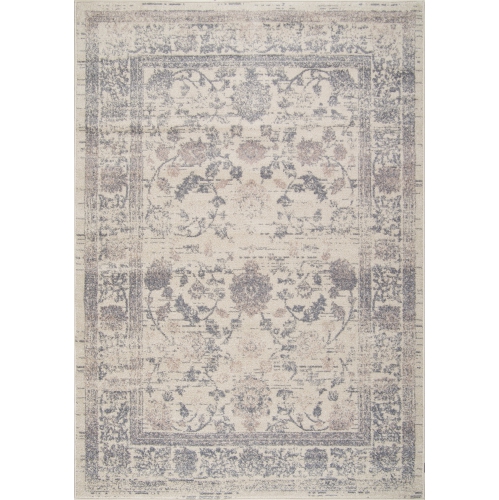
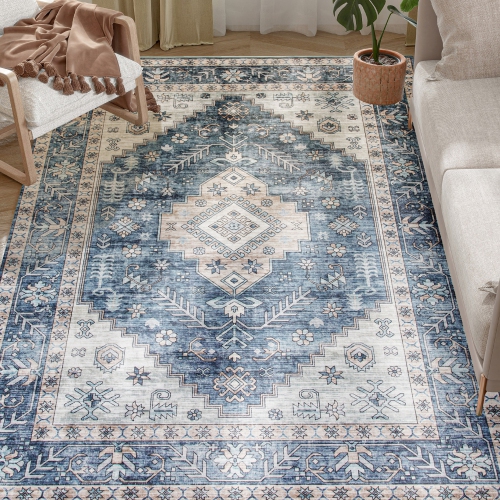
Beautiful rugs bring colour, texture, and a sense of proportion to a room, whether the look is understated and tailored or full of expressive pattern. Area rugs can anchor a living room seating arrangement, soften the space beside a bed, or give a dining area a clear boundary within an open floor plan. Their visual impact comes from more than colour alone: the height of the pile, the texture of the fibres, and the scale of the pattern all affect how a rug feels in the room. A low-pile rug with a faded floral motif creates a different impression from a thick, textured rug in a solid shade, even when both share a similar palette. Traditional medallions, vintage-inspired patterns, geometric designs, and simple woven textures each offer a distinct way to connect furniture, flooring, and accessories. For interiors built around familiar motifs and balanced borders, Classic Rugs complement wood furniture, upholstered seating, and both formal and relaxed arrangements. A patterned rug can supply the starting point for a room’s colours, with a small detail in the design echoed in cushions or artwork. A quieter rug can instead give a patterned sofa or a distinctive coffee table room to stand out. Scale matters here: a large, open pattern remains easy to read across a spacious room, while smaller repeating details can add interest to a compact seating nook. Pale shades create a gentle contrast against dark flooring, while deeper tones can give light furniture a more grounded appearance. Subtle variations in a woven or heathered surface can also make everyday lint and footprints less noticeable than they would be on a completely uniform finish. Rectangular rugs suit many furniture layouts, round rugs soften angular arrangements, and runners bring continuity to narrow spaces. The most appealing choice feels connected to the room without requiring every colour and finish to match.
Materials and construction influence how a beautiful rug looks, feels, and holds up to daily use. Wool is valued for its resilient fibres, comfortable feel, and ability to recover from ordinary compression, although some wool rugs shed loose fibres, particularly early in use. Cotton offers a lighter, more casual texture and is common in flatwoven and braided styles; washing suitability depends on the rug’s construction, backing, and care label rather than the fibre name alone. Jute and sisal provide pronounced woven texture and an earthy appearance, but their firmer feel may be less comfortable for floor play or bare feet. These fibres also need protection from excess moisture, making placement an important consideration. Synthetic fibres such as polypropylene, polyester, and nylon offer different combinations of softness, stain resistance, and resilience. Polypropylene is often chosen for straightforward upkeep, polyester can provide rich colour and a soft feel, and nylon is known for resistance to wear. Performance still depends on fibre quality, pile density, construction, and backing, so material alone does not tell the whole story. A flatweave has little or no pile and can work well where doors need clearance or dining chairs move frequently. Low-pile rugs generally make crumbs and small debris easier to reach with a vacuum, while deeper piles offer a plush surface suited to spaces where softness takes priority. Thick pile can also hold small objects and be harder to clean thoroughly, which matters in a household with pets or young children. Looped textures deserve attention around pets whose claws may catch in the surface. Hand-knotted, hand-tufted, braided, and machine-made construction each creates a different finish, and visible variations are not always signs of poor workmanship. A handmade rug may have slight irregularities that contribute to its character, while a precisely repeated pattern offers a more uniform appearance. Intended use provides useful context for all these details: a quiet bedroom, a busy family room, and a dining area place very different demands on the same decorative surface.
Fit and everyday care help a rug remain both attractive and practical. In a living room, a rug that reaches beneath the front legs of the main seating pieces usually creates a more connected arrangement than one that sits isolated under the coffee table. Larger rooms may accommodate all the furniture legs on the rug, while smaller spaces often benefit from a consistent border of visible flooring. Beneath a dining table, enough rug should extend beyond the edges for chairs to remain on it when pulled out for seating; the necessary allowance depends on the chair size and how far it moves. In a bedroom, the exposed rug should fall where feet naturally land beside the bed rather than disappearing almost entirely beneath it. Door swings, floor vents, transitions between rooms, and nearby drawers also affect whether a particular size and pile height will work comfortably. A suitable rug pad can help reduce movement and add cushioning, but it needs to be compatible with both the rug backing and the flooring finish. This is especially important on wood, vinyl, and heated floors, where the flooring manufacturer’s recommendations may limit acceptable pad materials. Care requirements should suit the household’s routine as well as the room’s appearance. Regular vacuuming helps remove abrasive grit, with suction and brush settings adjusted to the rug’s care instructions; fringes and delicate edges need particular care. Spills are generally best blotted promptly rather than rubbed, and cleaning solutions should be tested in an inconspicuous area when permitted by the care label. Machine washing is appropriate only when explicitly allowed, and a washable rug still needs to fit the machine’s capacity and dry as directed. Occasional rotation can help distribute wear and light exposure more evenly. For busy homes, a manageable pile, forgiving pattern, and clear cleaning instructions can matter as much as softness. These practical details allow a rug’s colour, texture, and design to remain a pleasure in the space it was chosen to complete.
Top selling and popular products
-
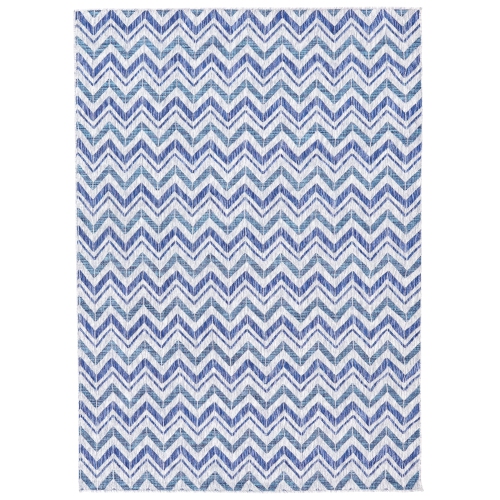 Your price for this item is $129.15
-
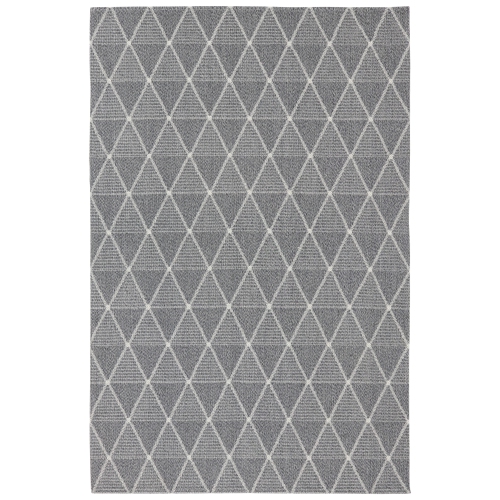 Your price for this item is $130.55
-
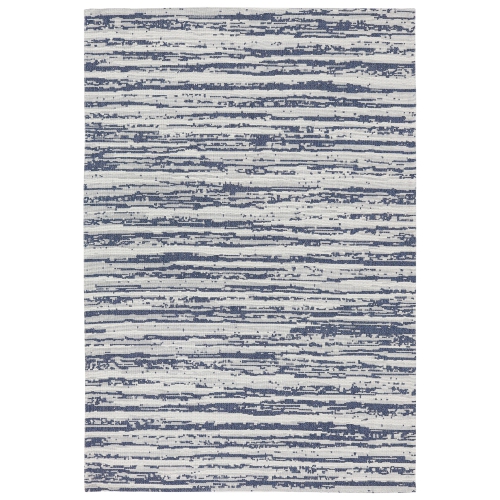 Your price for this item is $130.55
-
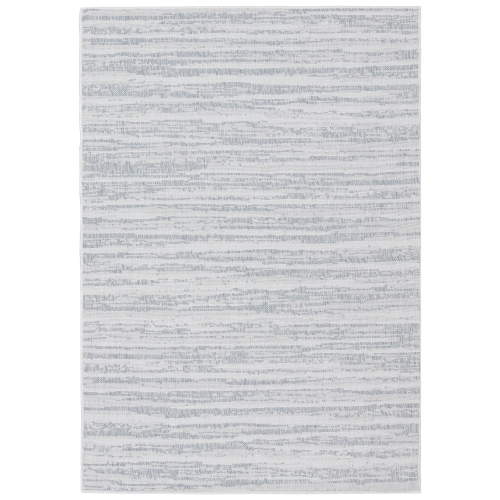 Your price for this item is $129.15
-
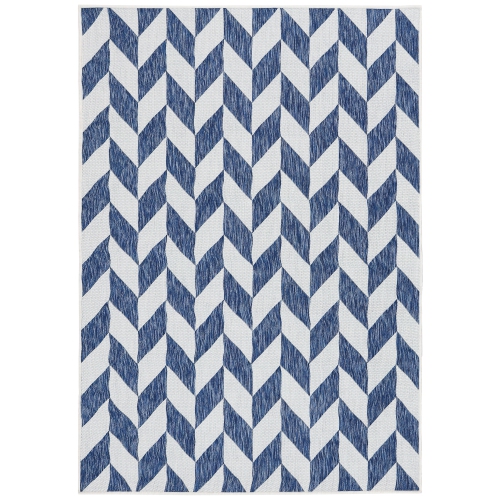 Your price for this item is $129.15
-
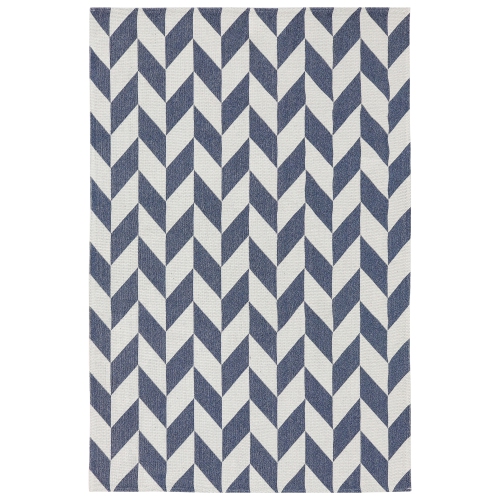 Your price for this item is $130.55
-
 Your price for this item is $111.99
-
 Your price for this item is $124.99
Discover more categories related to Beautiful Rugs


Top Collections:
Pokemon Centers, Kindle Devices, Best Cameras for Sports Photography, Pokémon 30th Celebration Cards, Apple iPhones 16, Canon G7X Cameras, iPhone 15 Apple, Flip Phones, Samsung Galaxy Phones, Alarm Clock
Some products may be subject to Environmental Handling Fees
(EHF) depending on your province.
Learn more about EHFs.