Bed Bug Proof Pillow Covers
Bed bug proof pillow covers offer a reliable solution for protecting your pillows and enhancing your peace of mind while you sleep. Designed to help keep unwanted elements at bay, these covers are an essential addition to any bedroom. Whether you're updating your bedding or looking for extra reassurance during travel, bed bug proof pillow covers make it easy to maintain a cleaner, more comfortable sleeping environment. Explore options that fit standard, queen, or king-sized pillows and find the right cover to suit your needs.
Sort
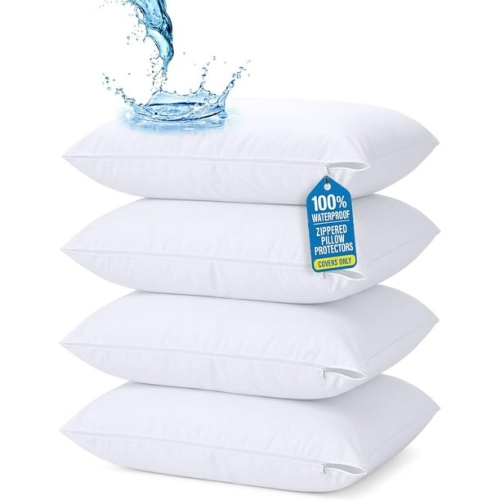
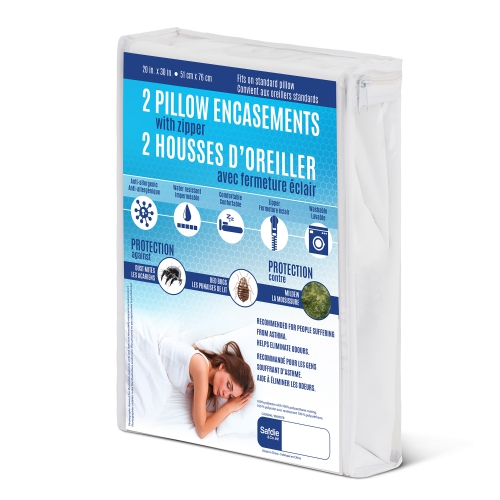
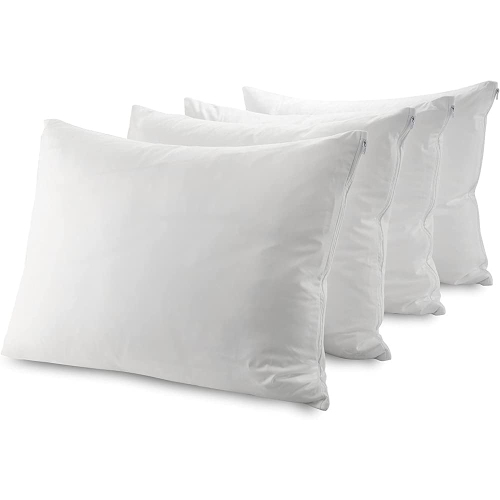
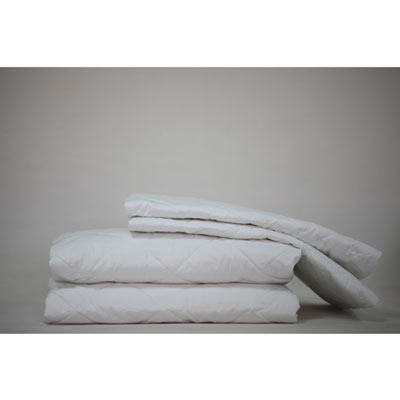

How fit, zipper design and comfort affect protection
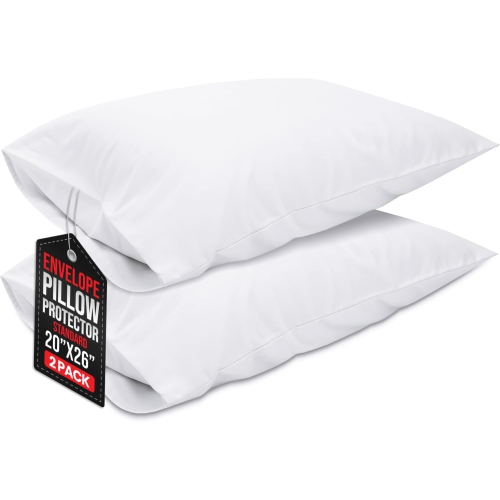
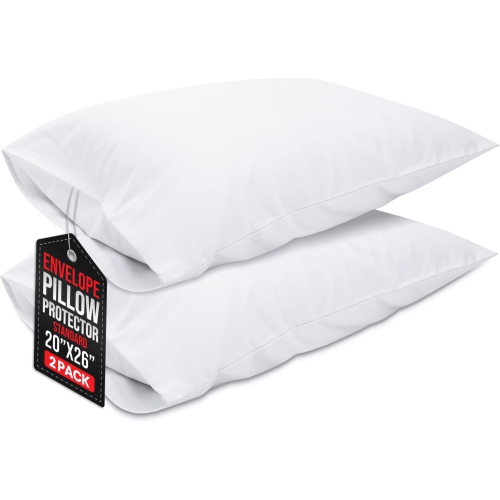
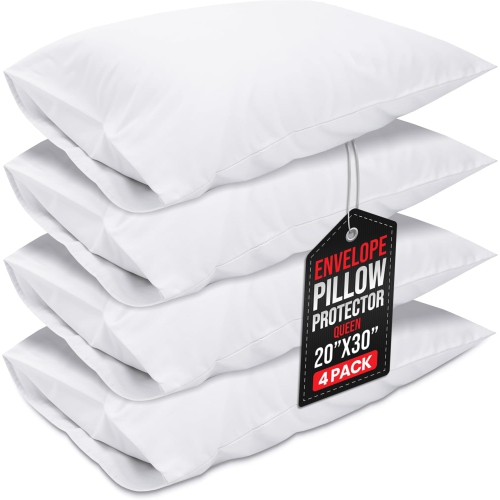
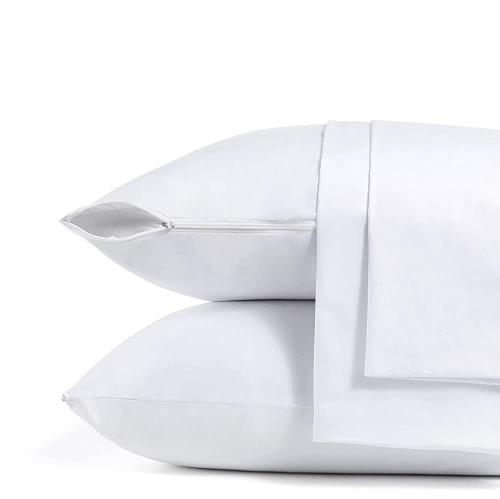
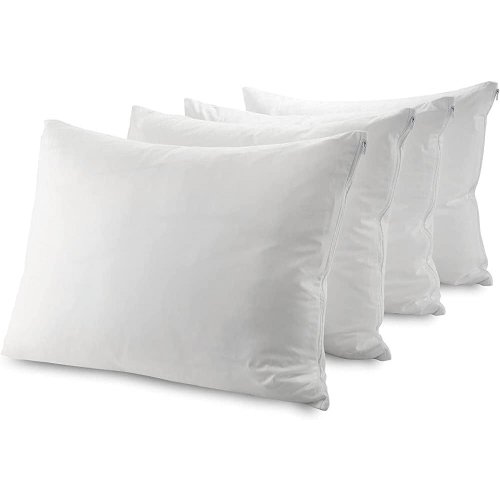
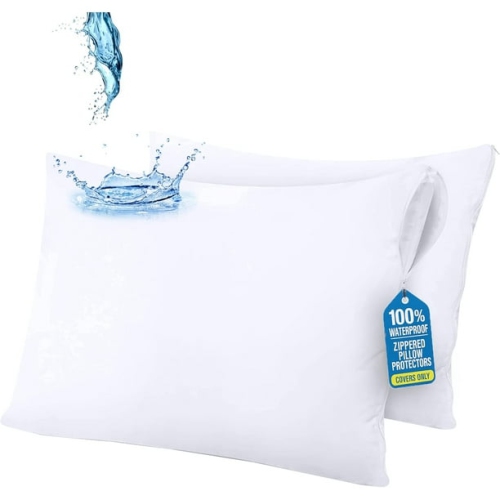
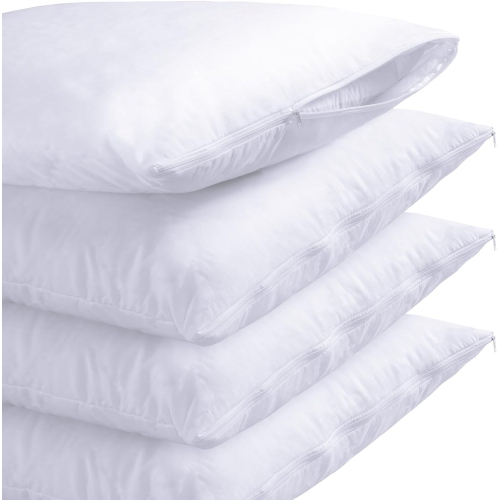
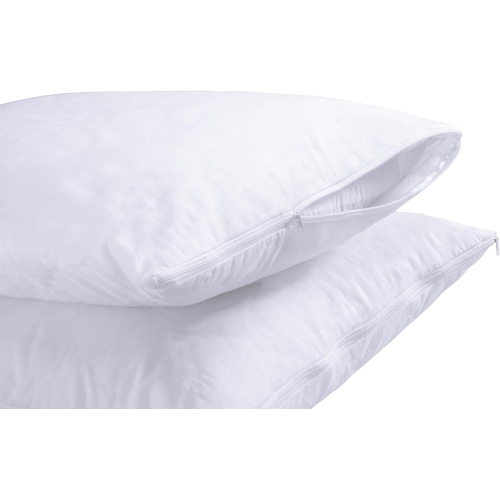
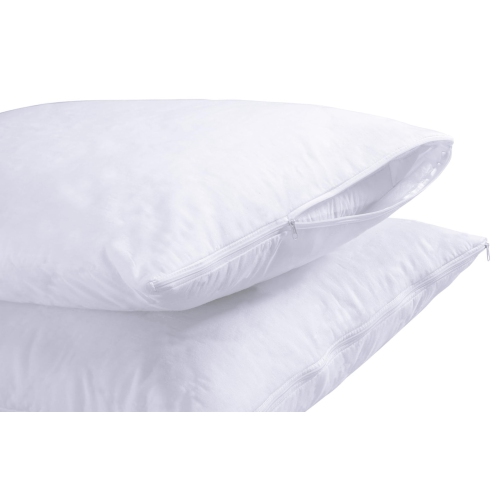
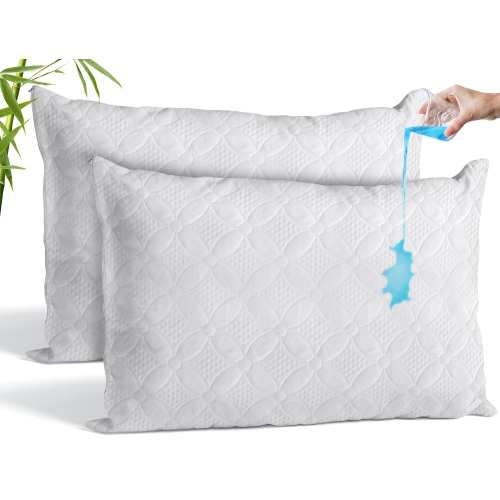
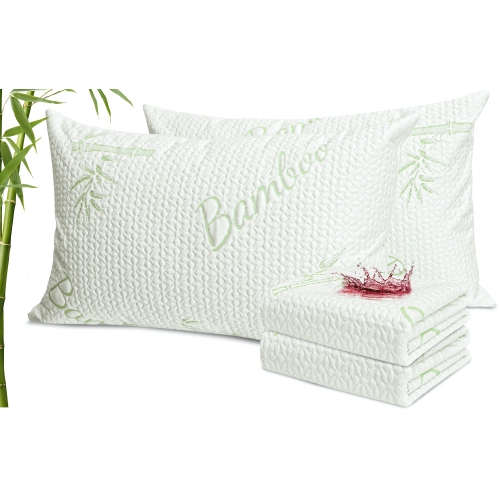
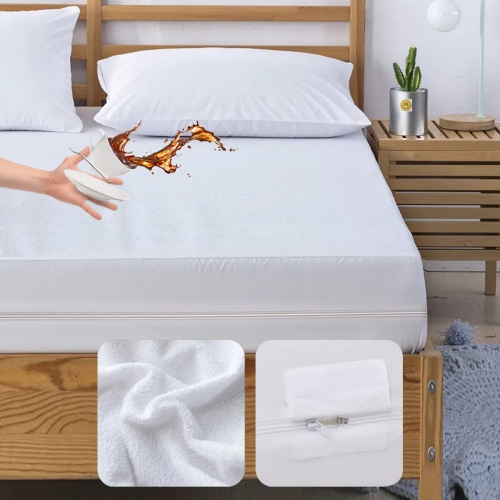
Bed bug proof pillow covers are designed to fully encase a pillow, creating a sealed layer between the pillow and its surroundings. Unlike a standard pillowcase, which protects mainly against skin oils, perspiration and everyday marks, a bed bug protector should surround every side of the pillow and close securely with a zipper. This complete enclosure helps prevent bed bugs from settling inside the pillow and helps contain any insects that may already be present within the encased item. For that reason, the fit and construction matter just as much as the appearance of the fabric. Look for a cover with enclosed seams, a tightly finished zipper and a closure that leaves no visible openings at the corners or along the zipper track. A properly fitted protector should sit smoothly around the pillow without large folds that could interfere with closure. It is also important to select the correct pillow size, whether standard, queen or king, because a cover that is too small may strain the zipper while an oversized cover can bunch beneath the pillowcase. Shoppers comparing Bed Bug Protectors may also find related encasements for other bedroom items, making it easier to create a consistent protection plan. Pillow covers can be useful in bedrooms, guest rooms, dormitories, furnished rentals and travel accommodations, particularly when pillows are shared or moved between locations. They may also provide reassurance for people who have experienced a bed bug concern and want to reduce the number of places where pests can hide while the room is being inspected and treated. A sealed cover is not a replacement for professional pest control, careful cleaning or inspection of the surrounding mattress, bed frame and furniture, but it can form one practical part of a broader response.
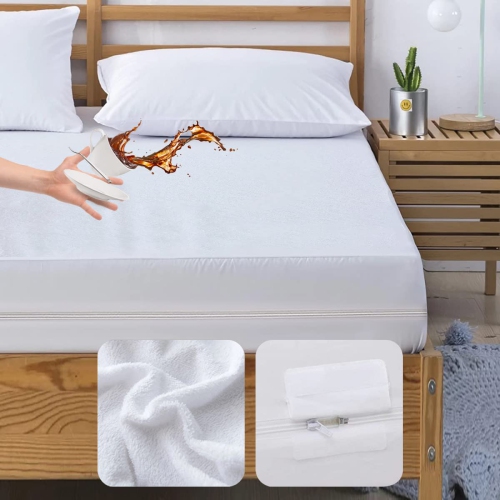
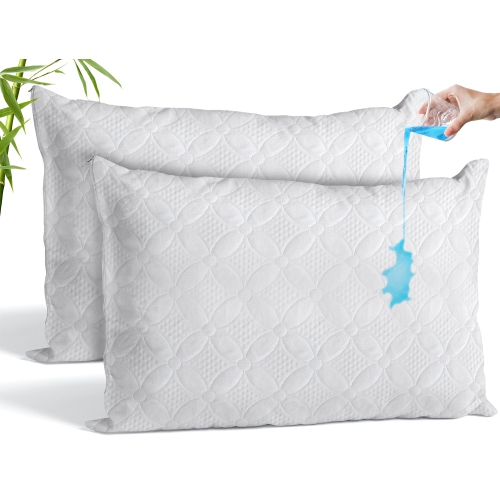
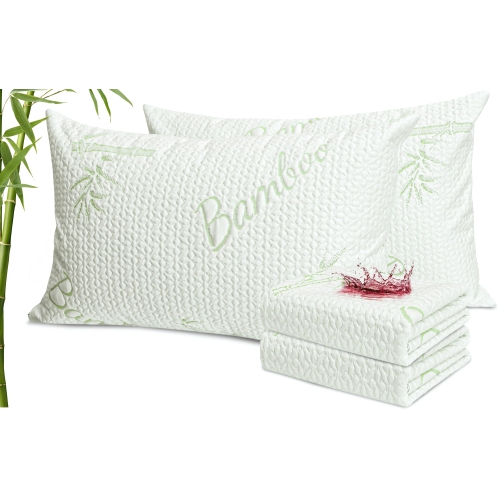
Comfort is a major consideration because a pillow protector stays close to the face for several hours at a time. Choose a material that feels smooth beneath a regular pillowcase and allows reasonable airflow, especially if you tend to sleep warm or shift positions throughout the night. Some waterproof or water-resistant covers are made to help protect against perspiration, accidental spills and other moisture that can reach the pillow, which can be useful for children, guests, people who enjoy breakfast in bed or anyone who wants easier day-to-day maintenance. Breathability still matters; a cover that traps heat or feels clammy may be left unused, limiting its value. Sound is another small detail that becomes noticeable in a quiet bedroom. Certain coated fabrics can make a crinkling noise when the sleeper turns, while softer woven or quilted materials may feel quieter under the pillowcase. Consider the care instructions as well. A washable cover can make it easier to maintain a fresh sleeping surface, but laundering should follow the manufacturer’s directions so that heat, agitation or harsh cleaning products do not damage the fabric, seams or zipper. Before putting a protector on, inspect the pillow and surrounding bedding, then slide the pillow fully inside and close the zipper from end to end. Avoid forcing a stuffed pillow into an undersized cover, since tension may leave the closure partially open. Once installed, check the zipper and seams periodically, particularly after washing, moving the pillow or changing bedding. A pillow protector can be especially helpful for households with children, frequent overnight visitors or multiple bedrooms, and it can make a thoughtful housewarming or practical home-comfort gift when paired with a fresh pillow or new bedding. For travellers, a compact encasement may also offer an additional layer of separation for a personal pillow, although it should be packed clean and kept enclosed when not in use.
The best choice depends on the pillow, the sleeping environment and the type of protection you want from one cover. Measure the pillow rather than relying only on a familiar label, since fill and shape can affect the finished dimensions. Memory foam, down-alternative, feather and fibre-filled pillows can have different heights, so check both length and width as well as the available depth of the encasement. A high-loft pillow may need a more generous fit, while a flatter pillow can sit more neatly in a closer-fitting cover. Pay attention to whether the protector is intended for a single pillow or a multi-pack, and consider keeping an extra cover available so one can be washed while the other is in use. A clean pillowcase should still be placed over the protector for softness and routine washing. When bed bugs are suspected, avoid opening an encasement casually, since disturbing the seal can undermine its purpose; follow the care and pest-control guidance supplied with the product and coordinate with qualified professionals when necessary. Inspect the protector for tears, loose stitching or zipper damage after moving house, storing seasonal bedding or accommodating guests. During the cooler months, when windows are closed and bedrooms may be used with heavier bedding, a quiet, breathable cover can help preserve comfort without adding an overly stiff layer beneath the pillowcase. In warmer conditions, moisture resistance and airflow may take priority. With the right size, a secure full encasement, comfortable fabric and manageable care routine, a bed bug proof pillow cover can be a discreet addition to everyday bedding and a useful way to protect an item that stays close to the sleeper night after night.
Comfort is a major consideration because a pillow protector stays close to the face for several hours at a time. Choose a material that feels smooth beneath a regular pillowcase and allows reasonable airflow, especially if you tend to sleep warm or shift positions throughout the night. Some waterproof or water-resistant covers are made to help protect against perspiration, accidental spills and other moisture that can reach the pillow, which can be useful for children, guests, people who enjoy breakfast in bed or anyone who wants easier day-to-day maintenance. Breathability still matters; a cover that traps heat or feels clammy may be left unused, limiting its value. Sound is another small detail that becomes noticeable in a quiet bedroom. Certain coated fabrics can make a crinkling noise when the sleeper turns, while softer woven or quilted materials may feel quieter under the pillowcase. Consider the care instructions as well. A washable cover can make it easier to maintain a fresh sleeping surface, but laundering should follow the manufacturer’s directions so that heat, agitation or harsh cleaning products do not damage the fabric, seams or zipper. Before putting a protector on, inspect the pillow and surrounding bedding, then slide the pillow fully inside and close the zipper from end to end. Avoid forcing a stuffed pillow into an undersized cover, since tension may leave the closure partially open. Once installed, check the zipper and seams periodically, particularly after washing, moving the pillow or changing bedding. A pillow protector can be especially helpful for households with children, frequent overnight visitors or multiple bedrooms, and it can make a thoughtful housewarming or practical home-comfort gift when paired with a fresh pillow or new bedding. For travellers, a compact encasement may also offer an additional layer of separation for a personal pillow, although it should be packed clean and kept enclosed when not in use.
The best choice depends on the pillow, the sleeping environment and the type of protection you want from one cover. Measure the pillow rather than relying only on a familiar label, since fill and shape can affect the finished dimensions. Memory foam, down-alternative, feather and fibre-filled pillows can have different heights, so check both length and width as well as the available depth of the encasement. A high-loft pillow may need a more generous fit, while a flatter pillow can sit more neatly in a closer-fitting cover. Pay attention to whether the protector is intended for a single pillow or a multi-pack, and consider keeping an extra cover available so one can be washed while the other is in use. A clean pillowcase should still be placed over the protector for softness and routine washing. When bed bugs are suspected, avoid opening an encasement casually, since disturbing the seal can undermine its purpose; follow the care and pest-control guidance supplied with the product and coordinate with qualified professionals when necessary. Inspect the protector for tears, loose stitching or zipper damage after moving house, storing seasonal bedding or accommodating guests. During the cooler months, when windows are closed and bedrooms may be used with heavier bedding, a quiet, breathable cover can help preserve comfort without adding an overly stiff layer beneath the pillowcase. In warmer conditions, moisture resistance and airflow may take priority. With the right size, a secure full encasement, comfortable fabric and manageable care routine, a bed bug proof pillow cover can be a discreet addition to everyday bedding and a useful way to protect an item that stays close to the sleeper night after night.
Top selling and popular products
-
 Your price for this item is $230
 -
 Your price for this item is $260
 -
 Your price for this item is $240
 -
 Your price for this item is $270
 -
 Your price for this item is $270
 -
 Your price for this item is $250
 -
 Your price for this item is $260
 -
 Your price for this item is $65.99
Discover more categories related to Bed Bug Proof Pillow Covers
Top Collections:
Pokemon Centers, Kindle Devices, Best Budget Office Chairs, Apple iPhones 16, Best Laptops for Writers, iPhone 15 Apple, Canon G7X Cameras, Refurbished Apple Laptops, Alarm Clock, Motorola Razr Phones
Some products may be subject to Environmental Handling Fees
(EHF) depending on your province.
Learn more about EHFs.