Bed Bug Protectors
Protect your mattress and ensure a peaceful night's sleep with our selection of bed bug protectors. Designed to safeguard your mattress from unwanted pests and spills, these protectors offer an extra layer of defense without compromising on comfort. Say goodbye to worries about bed bugs and stains, and rest easy knowing that your mattress is well-protected. Explore our range of bed bug protectors to find the perfect fit for your bed and enjoy a hygienic sleep environment every night.
Sort
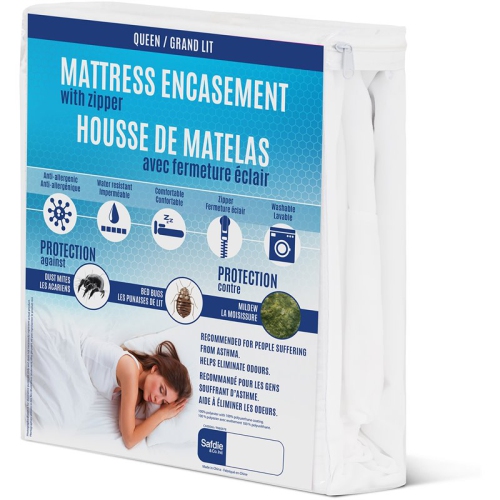
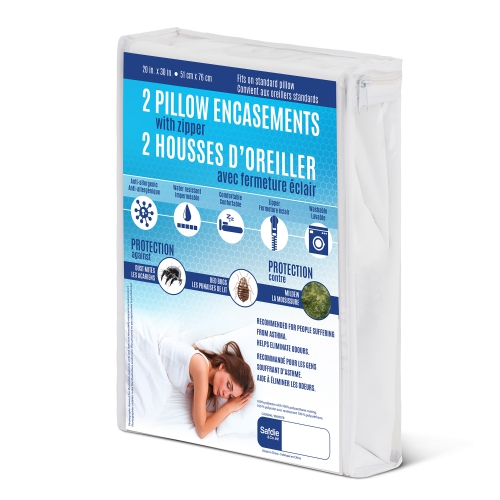
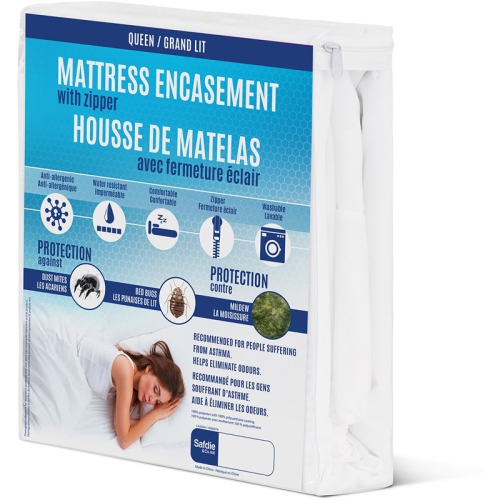
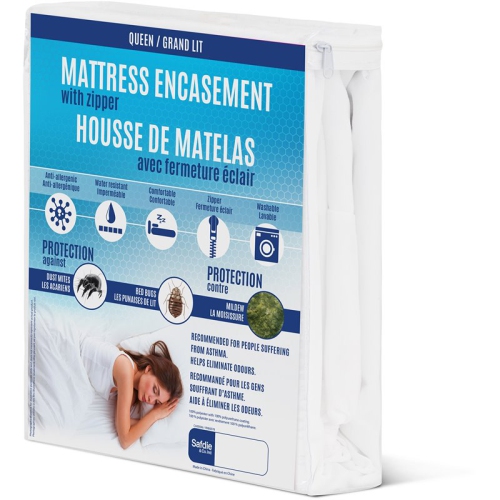
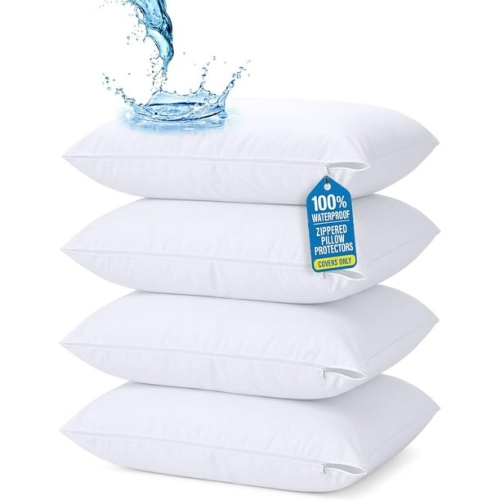
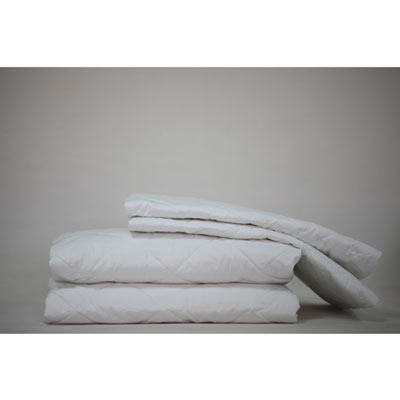
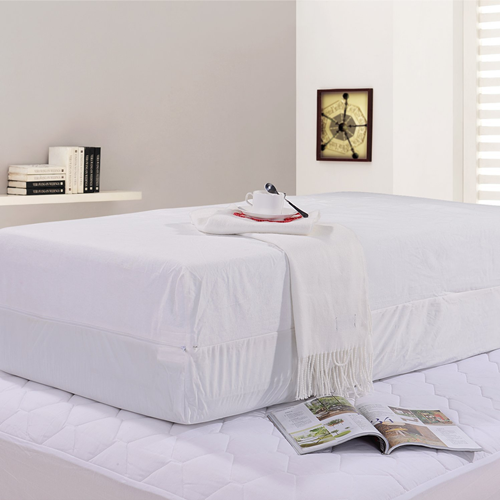
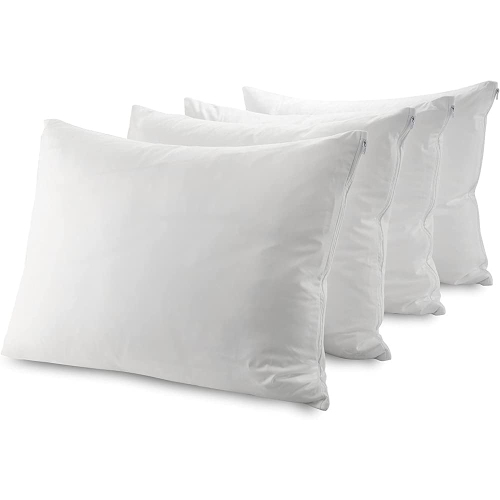
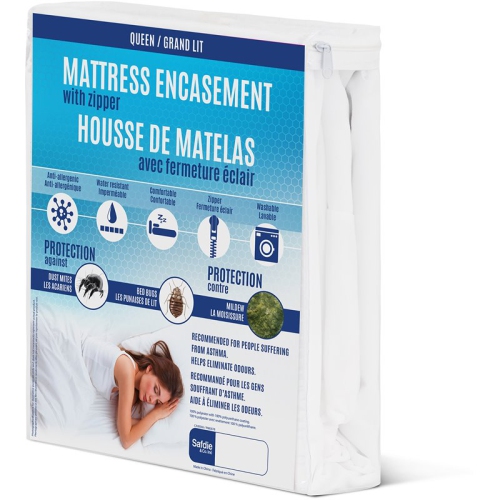
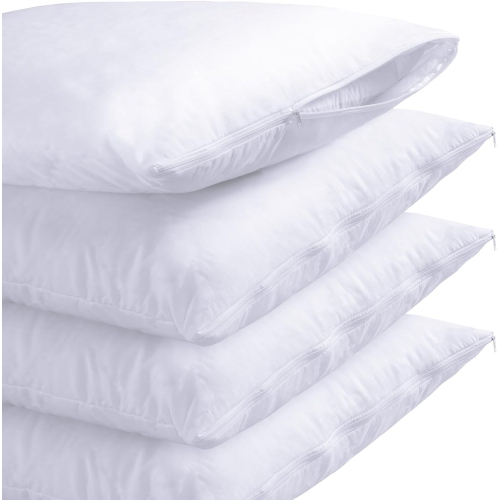
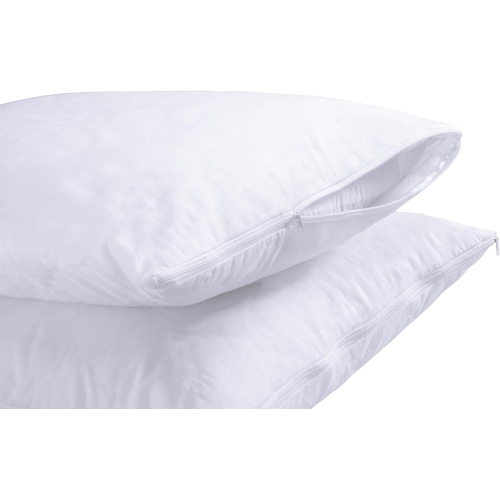
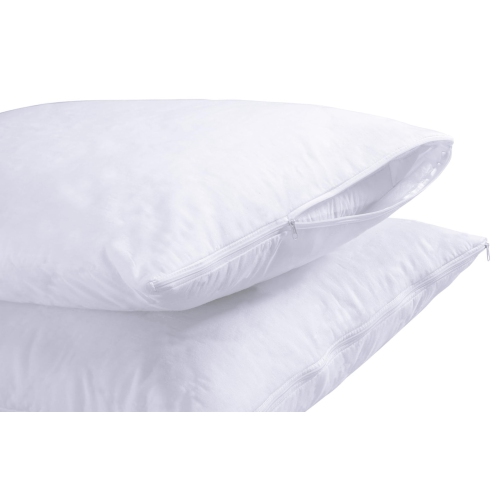
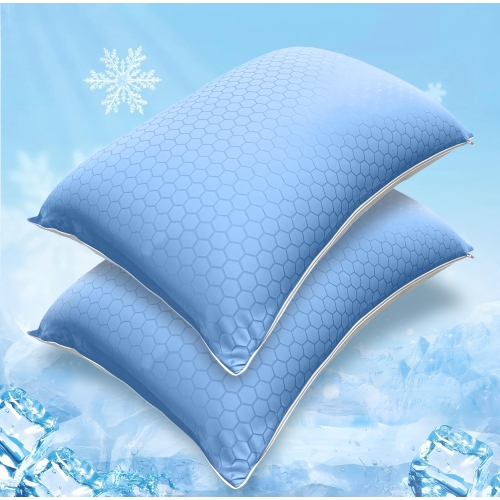
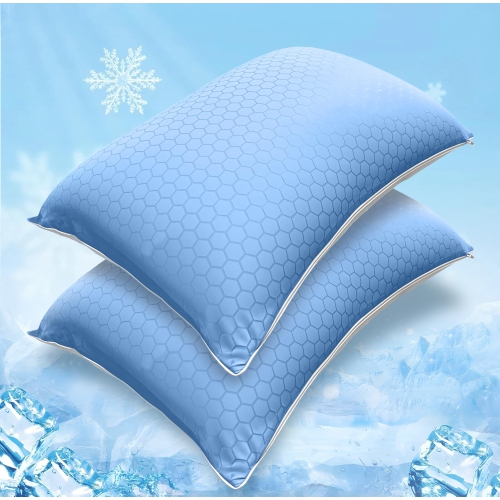
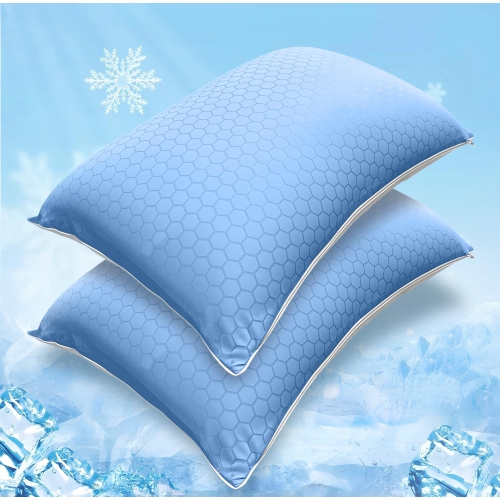
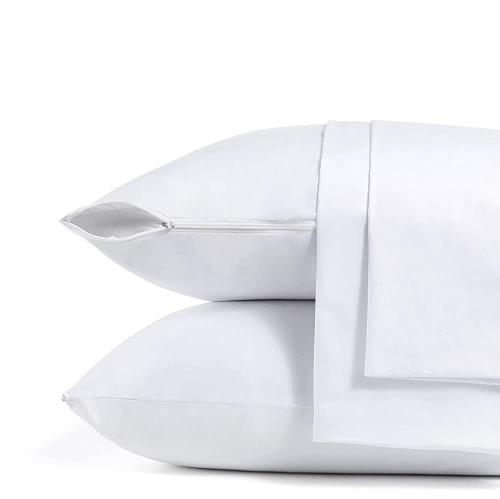
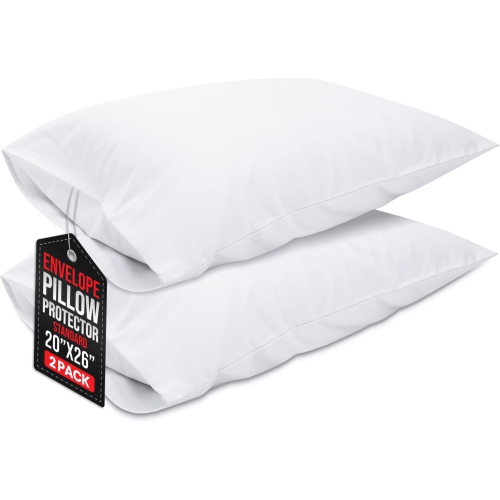
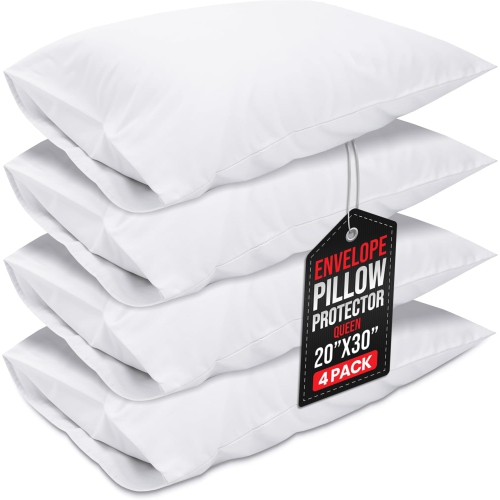
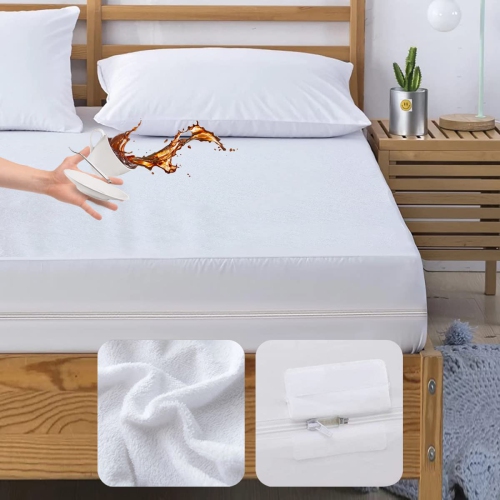
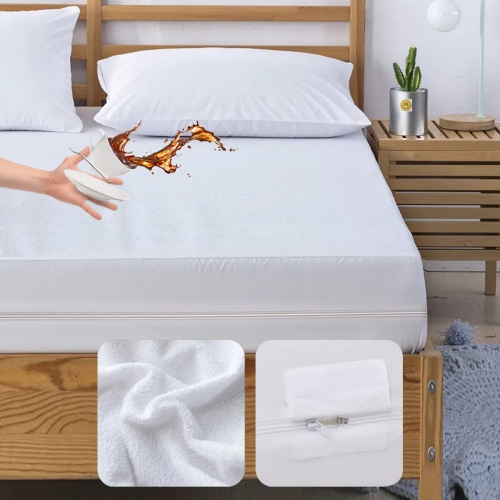
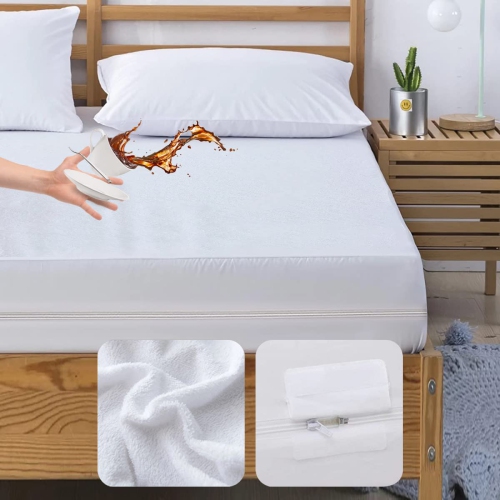
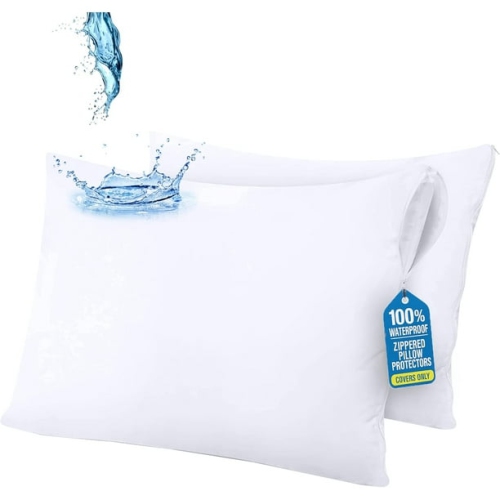
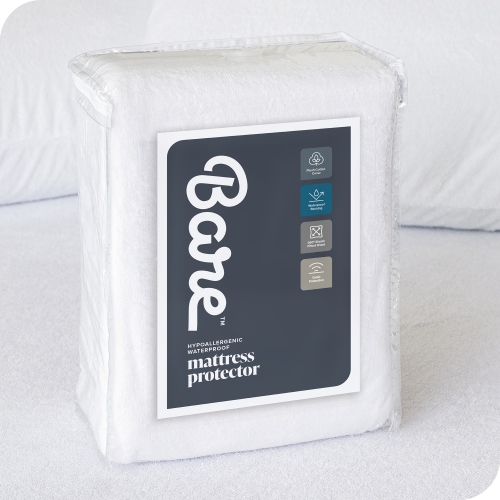

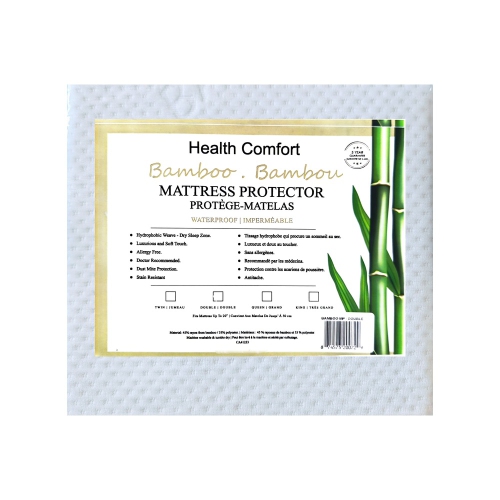


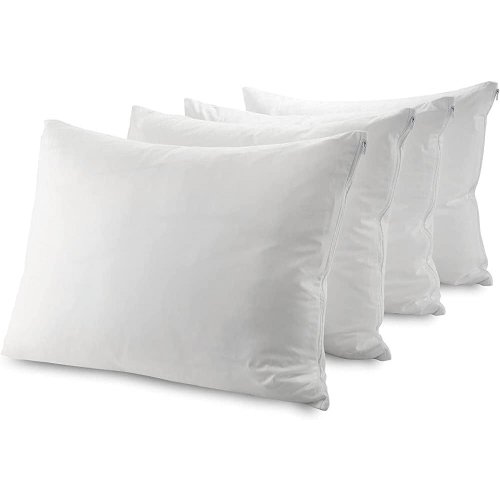
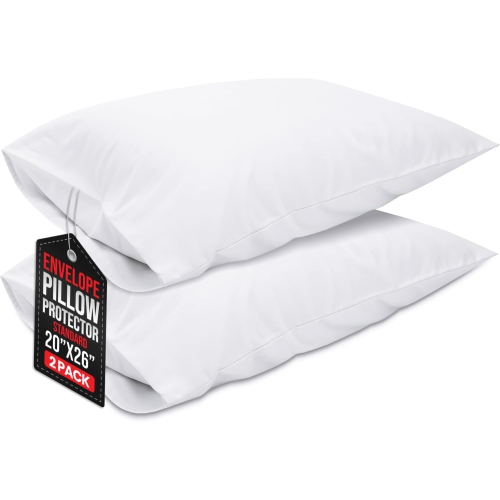
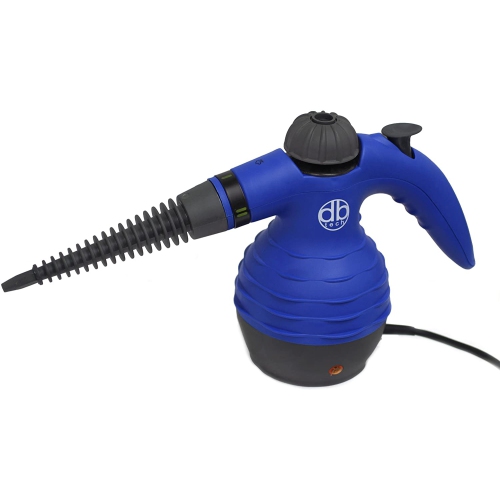

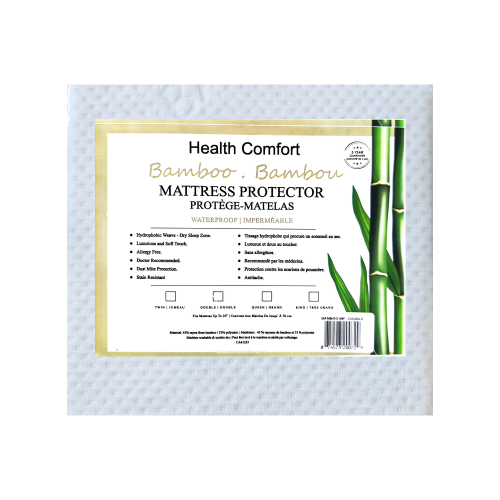
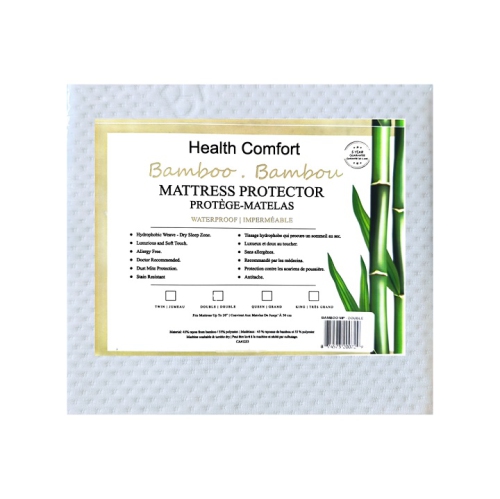
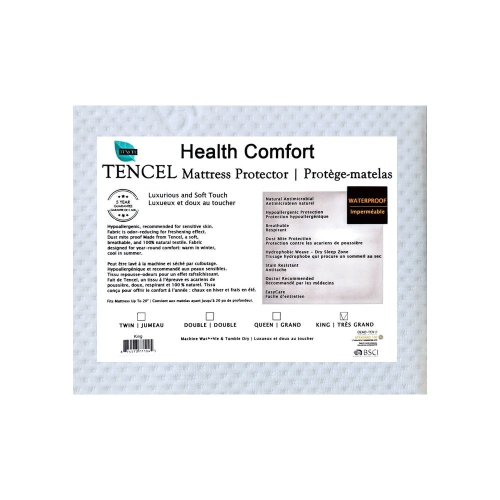
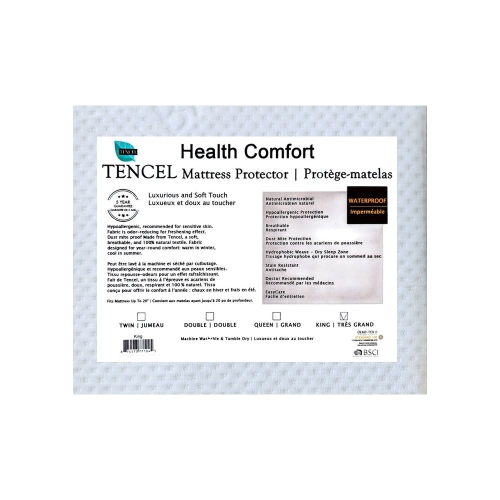
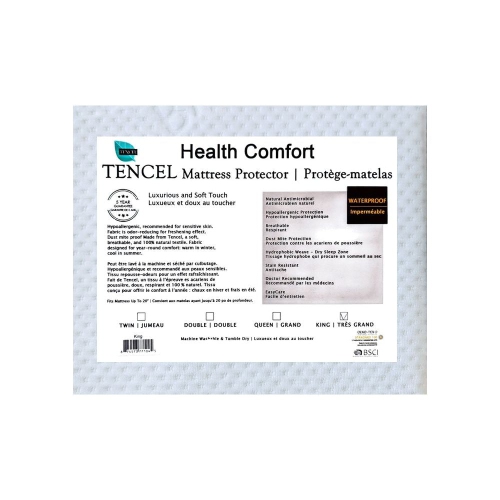
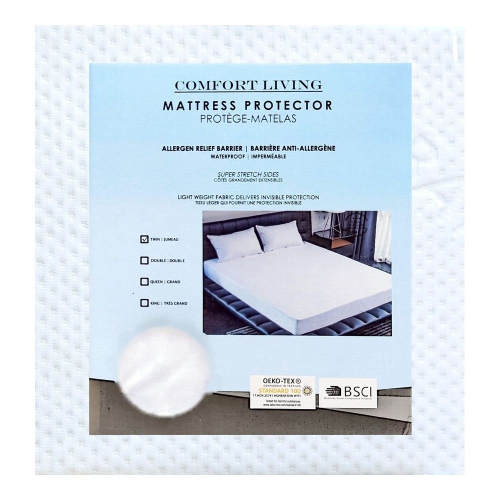
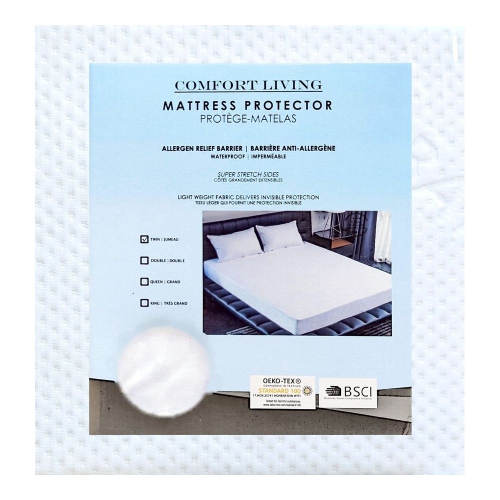
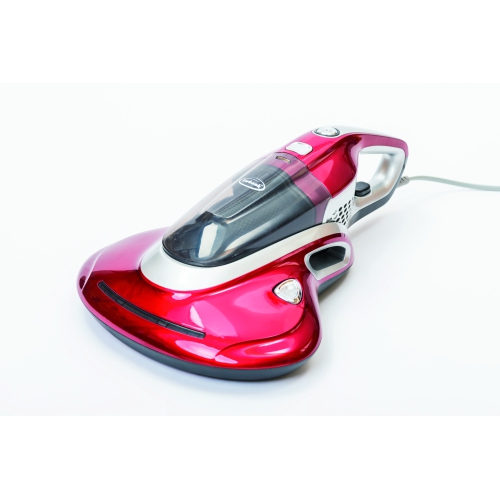
How full encasements support protection and easier monitoring
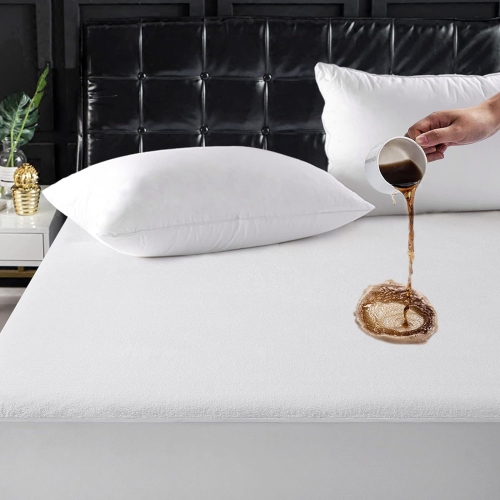
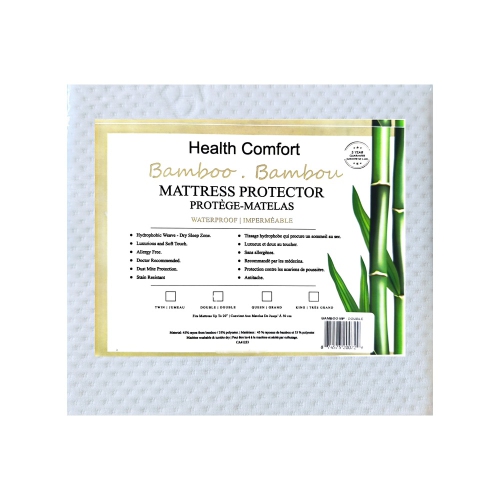
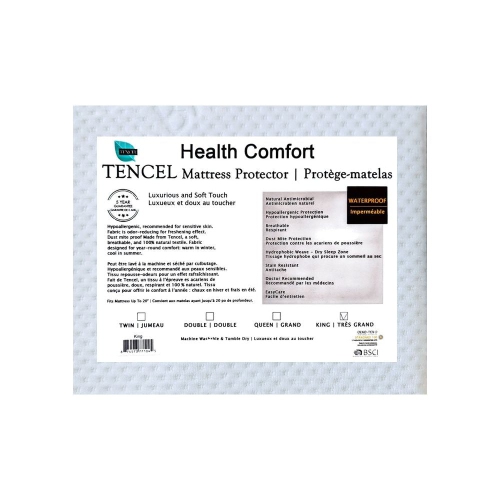
Bed bug protectors are designed to add a practical layer of protection around the places where people sleep, rest, and store bedding. The most comprehensive option is a full six-sided mattress encasement: a zippered cover that surrounds the top, bottom, and all four sides of a mattress, leaving as few openings as possible for bed bugs to enter or escape. This differs from a traditional fitted mattress protector, which generally covers only the sleeping surface and the sides while leaving the underside exposed. A complete encasement can help prevent bed bugs from reaching a mattress and can contain insects already inside, making it easier to monitor the situation over time. For broader coverage, shoppers may also look for a matching box spring encasement, since a box spring has seams, folds, and internal spaces that can provide hiding places. Browse Bed Bug Proof Mattress Covers to explore protective bedding options suited to different mattress sizes and home setups. When comparing materials, consider tightly woven fabric, reinforced seams, and a smooth surface that is comfortable beneath regular sheets. Some covers also include a waterproof or water-resistant membrane to help guard against spills, perspiration, and other moisture, which can make everyday cleaning easier. A protective cover should fit the mattress dimensions closely without excessive bunching, so measure the mattress length, width, and depth before ordering. Account for any pillow-top or foam layers that add height, as a cover that is too shallow may strain the zipper or leave the edges poorly sealed. Mattress protectors are available for common sizes such as Twin, Full, Queen, King, and California King, but dimensions can vary between manufacturers, so checking the listed measurements is an important part of the purchase.
A secure closure is one of the most important details when selecting a bed bug protector. Look for a fine, tightly constructed zipper that runs around the encasement and closes fully at the end, with a zipper lock, hook-and-loop flap, or another feature that helps prevent the pull from moving back and creating a small gap. Bed bugs can hide in very narrow spaces, so a cover with loose stitching, open seams, or an incomplete closure may not provide the intended level of protection. Before placing a mattress inside, inspect the encasement for damage and handle it carefully around bed frames, corners, and other sharp edges. Once installed, check the zipper and seams periodically, particularly after moving the bed, rotating the mattress, or washing nearby bedding. Follow the care instructions closely: some covers can be machine washed and dried, while others require specific water temperatures, gentle cycles, or air drying. Avoid removing an encasement casually if there is concern about an existing infestation. In many cases, a sealed cover needs to remain in place for an extended period to help contain insects and allow time for monitoring, and the exact approach may depend on the severity of the problem and professional pest-control advice. It is also wise to inspect bed frames, headboards, baseboards, upholstered furniture, luggage, and nearby belongings, because a mattress cover protects the mattress itself rather than every area in a bedroom. Bed bug protectors can support a prevention and monitoring routine, but they are not a standalone treatment or cure for an active, heavy infestation. Evidence of bed bugs, such as live insects, shed skins, dark spotting, or recurring bites, should be addressed promptly with a qualified pest-management professional. A protector can still be useful alongside that advice by simplifying inspections and reducing the number of protected surfaces where insects may remain hidden.
These covers can be useful for households preparing a guest room, updating bedding after a move, or adding an extra precaution to a child’s, student’s, or older family member’s bedroom. They are also practical for people who travel frequently, stay in hotels or shared accommodations, or live in apartments and other close-knit housing where bed bugs can be difficult to detect early. Travellers may pair a mattress encasement at home with washable luggage liners, careful inspection of suitcases, and prompt laundering after returning from a trip. In a guest room, a discreet protector can sit beneath ordinary sheets without changing the look or feel of the bed, while waterproof material may offer added value where spills or nighttime accidents are a concern. Bed bug protectors can make a thoughtful housewarming gift for someone moving into a new home, a practical addition to a student’s dorm-room essentials, or a useful item for a family preparing a room for visiting relatives. They can also be helpful during the cooler months, when people spend more time indoors and bedding remains in regular use, as well as during warmer periods when travel and overnight guests may increase. Choose based on the sleeping surface, mattress depth, closure design, fabric feel, cleaning requirements, and whether protection is needed for the mattress, box spring, or both. With the correct fit and careful installation, a bed bug protector can help create a cleaner, easier-to-monitor sleep environment while complementing regular inspections, sensible laundry habits, and professional advice when signs of an infestation appear.
A secure closure is one of the most important details when selecting a bed bug protector. Look for a fine, tightly constructed zipper that runs around the encasement and closes fully at the end, with a zipper lock, hook-and-loop flap, or another feature that helps prevent the pull from moving back and creating a small gap. Bed bugs can hide in very narrow spaces, so a cover with loose stitching, open seams, or an incomplete closure may not provide the intended level of protection. Before placing a mattress inside, inspect the encasement for damage and handle it carefully around bed frames, corners, and other sharp edges. Once installed, check the zipper and seams periodically, particularly after moving the bed, rotating the mattress, or washing nearby bedding. Follow the care instructions closely: some covers can be machine washed and dried, while others require specific water temperatures, gentle cycles, or air drying. Avoid removing an encasement casually if there is concern about an existing infestation. In many cases, a sealed cover needs to remain in place for an extended period to help contain insects and allow time for monitoring, and the exact approach may depend on the severity of the problem and professional pest-control advice. It is also wise to inspect bed frames, headboards, baseboards, upholstered furniture, luggage, and nearby belongings, because a mattress cover protects the mattress itself rather than every area in a bedroom. Bed bug protectors can support a prevention and monitoring routine, but they are not a standalone treatment or cure for an active, heavy infestation. Evidence of bed bugs, such as live insects, shed skins, dark spotting, or recurring bites, should be addressed promptly with a qualified pest-management professional. A protector can still be useful alongside that advice by simplifying inspections and reducing the number of protected surfaces where insects may remain hidden.
These covers can be useful for households preparing a guest room, updating bedding after a move, or adding an extra precaution to a child’s, student’s, or older family member’s bedroom. They are also practical for people who travel frequently, stay in hotels or shared accommodations, or live in apartments and other close-knit housing where bed bugs can be difficult to detect early. Travellers may pair a mattress encasement at home with washable luggage liners, careful inspection of suitcases, and prompt laundering after returning from a trip. In a guest room, a discreet protector can sit beneath ordinary sheets without changing the look or feel of the bed, while waterproof material may offer added value where spills or nighttime accidents are a concern. Bed bug protectors can make a thoughtful housewarming gift for someone moving into a new home, a practical addition to a student’s dorm-room essentials, or a useful item for a family preparing a room for visiting relatives. They can also be helpful during the cooler months, when people spend more time indoors and bedding remains in regular use, as well as during warmer periods when travel and overnight guests may increase. Choose based on the sleeping surface, mattress depth, closure design, fabric feel, cleaning requirements, and whether protection is needed for the mattress, box spring, or both. With the correct fit and careful installation, a bed bug protector can help create a cleaner, easier-to-monitor sleep environment while complementing regular inspections, sensible laundry habits, and professional advice when signs of an infestation appear.
Top selling and popular products
-
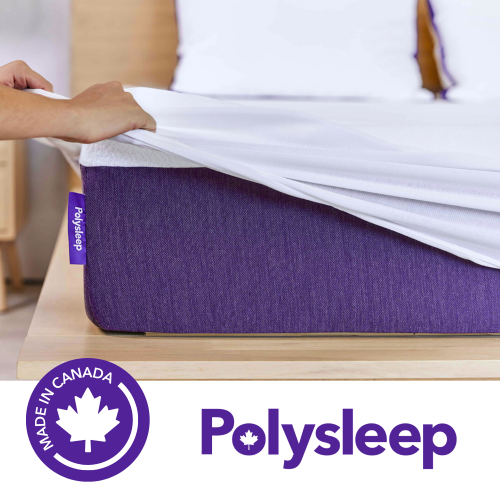 Your price for this item is $230
 -
 Your price for this item is $260
 -
 Your price for this item is $240
 -
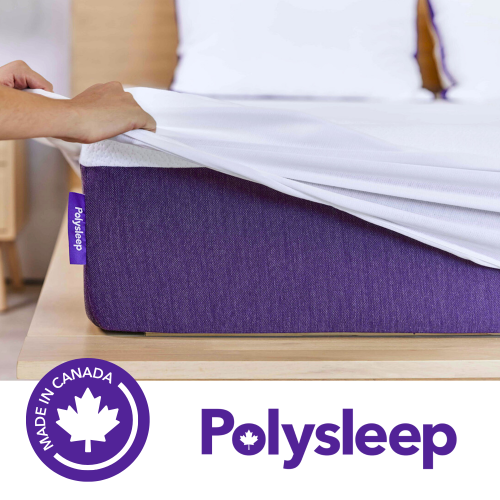 Your price for this item is $270
 -
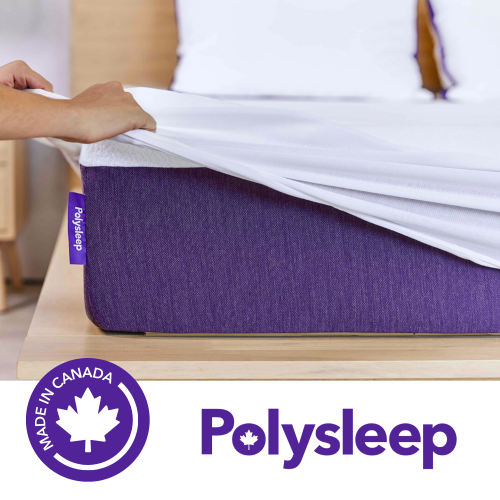 Your price for this item is $270
 -
 Your price for this item is $250
 -
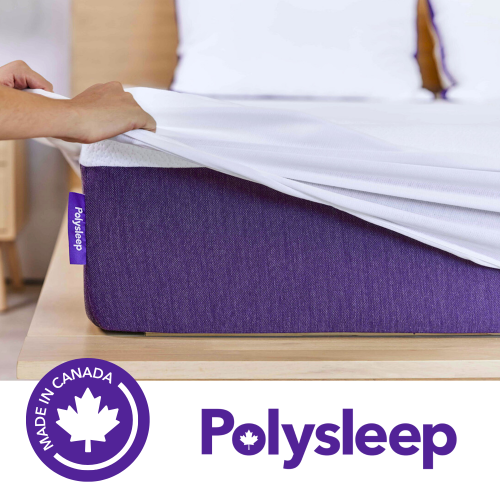 Your price for this item is $260
 -
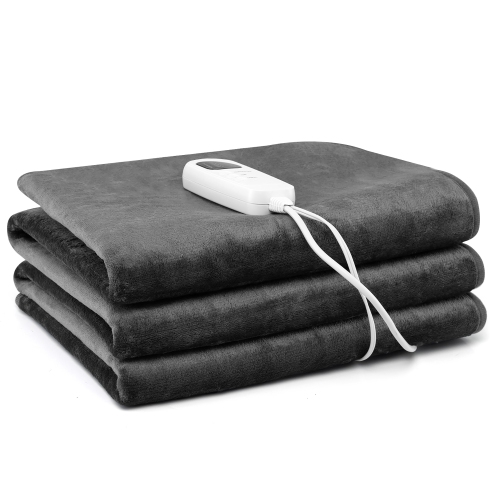 Your price for this item is $65.99
Discover more categories related to Bed Bug Protectors

Top Collections:
Pokemon Centers, Kindle Devices, Best Budget Office Chairs, Apple iPhones 16, Best Laptops for Writers, iPhone 15 Apple, Canon G7X Cameras, Refurbished Apple Laptops, Alarm Clock, Motorola Razr Phones
Some products may be subject to Environmental Handling Fees
(EHF) depending on your province.
Learn more about EHFs.