Bed Frames With Legs
Elevate your bedroom's style and functionality with our diverse selection of bed frames with legs. Designed to offer both robust support and aesthetic appeal, these bed frames cater to various tastes, from minimalist modern to timeless classic. Whether you're looking to maximize under-bed storage or simply want a sleek, elevated look, our collection provides the perfect foundation for a restful night's sleep. Explore options that seamlessly blend durability, comfort, and design to find the ideal match for your bedroom sanctuary.
Sort

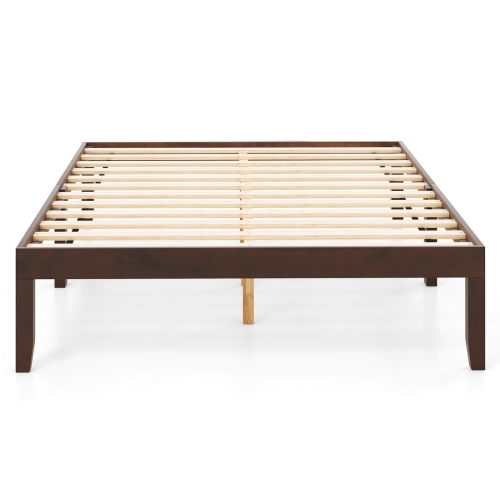


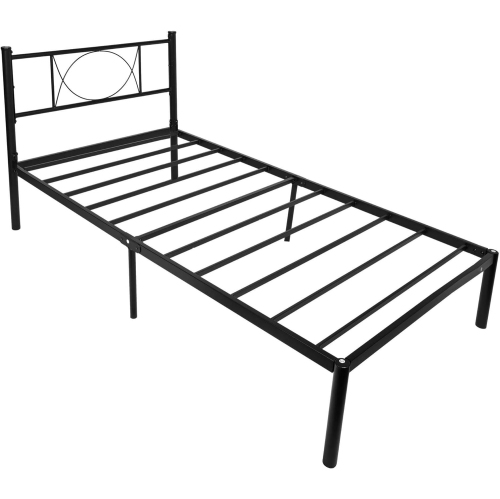
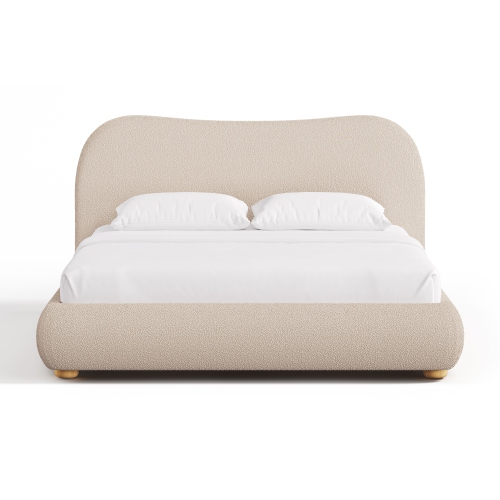
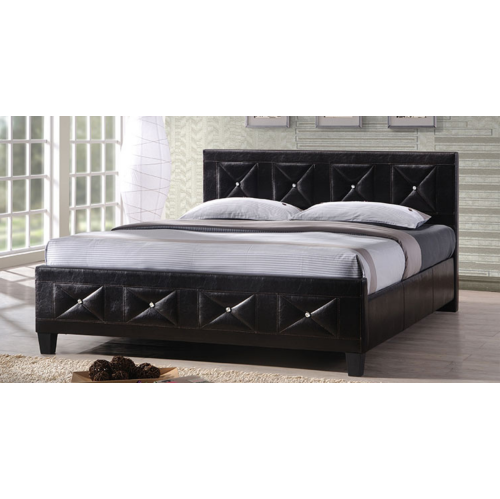
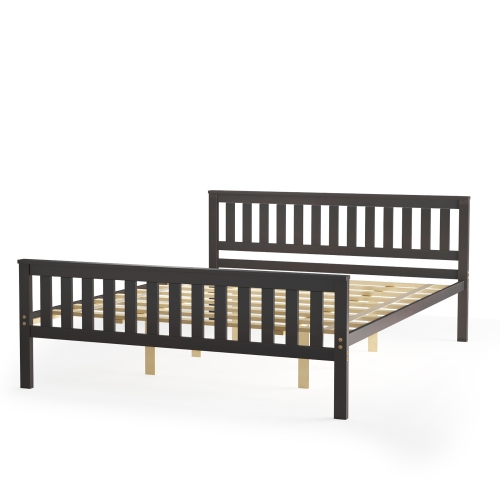
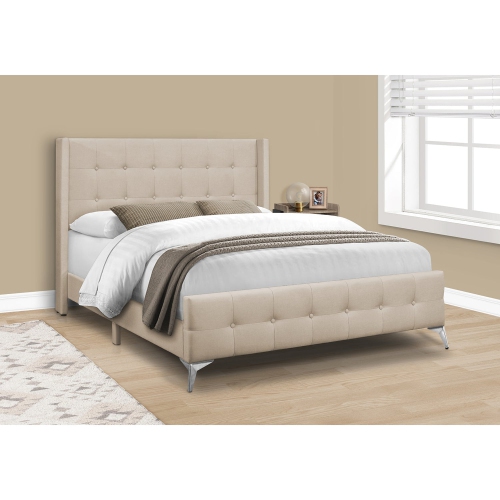
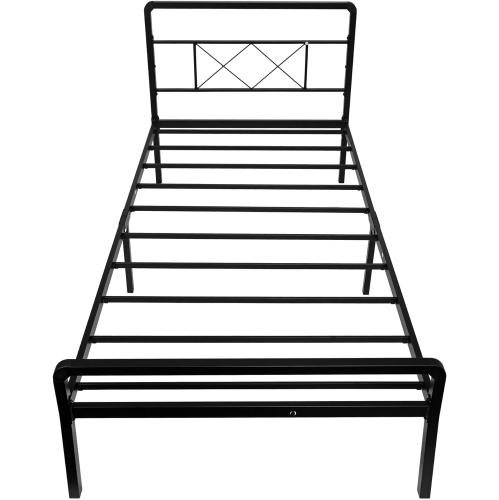
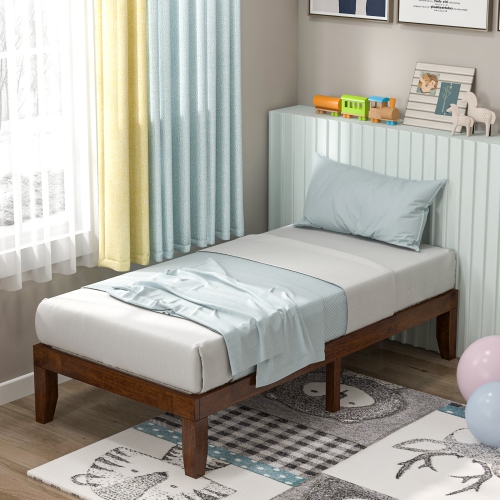

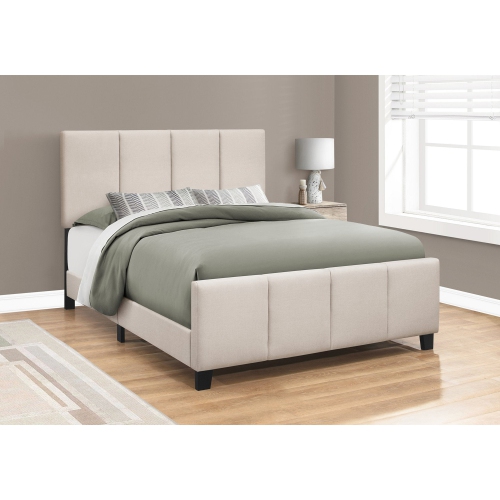
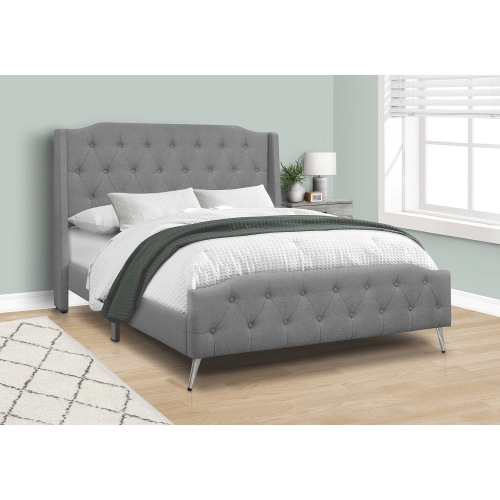

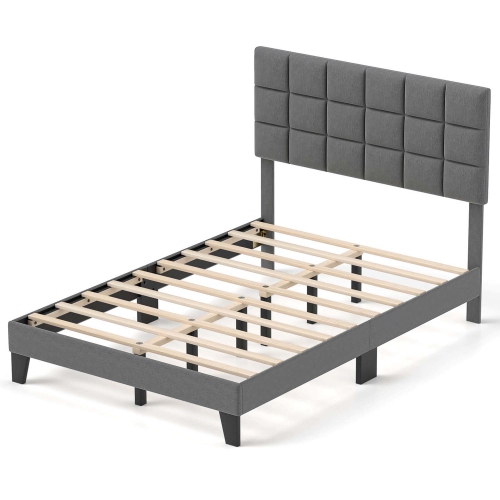
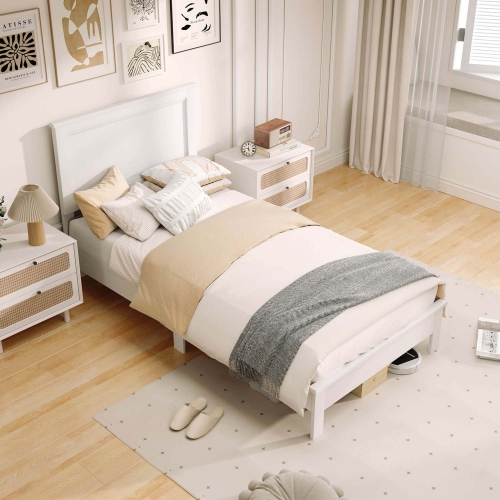

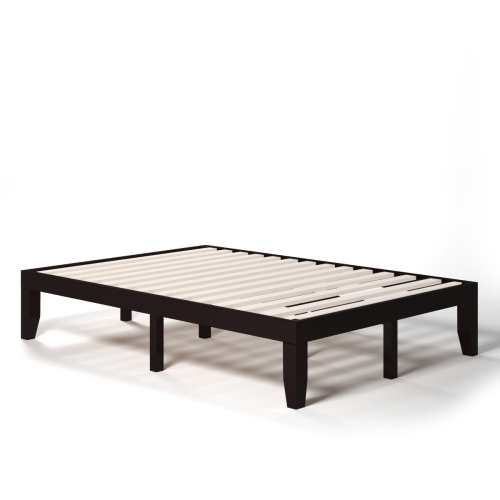
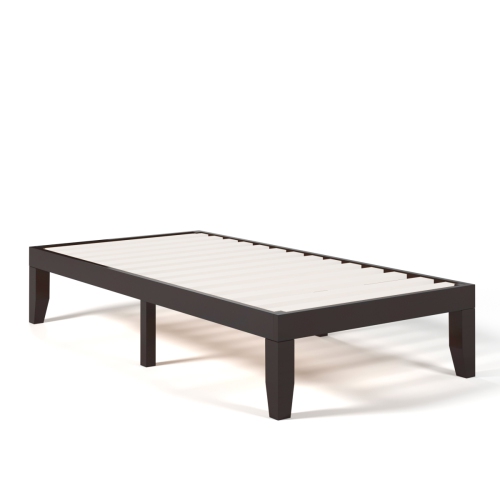
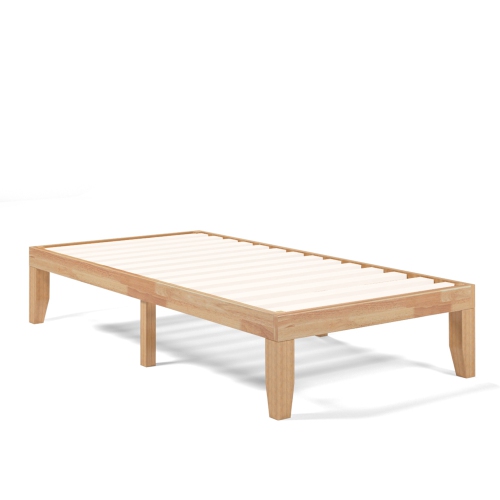



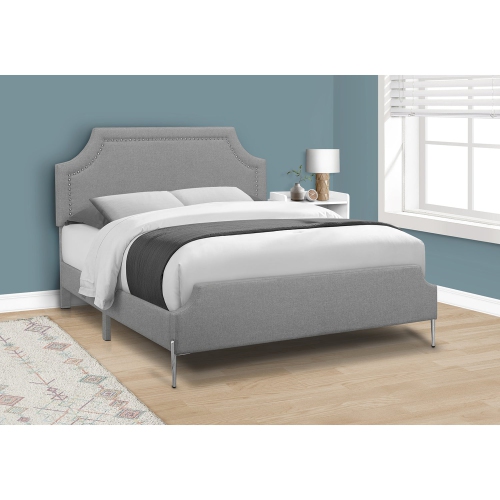
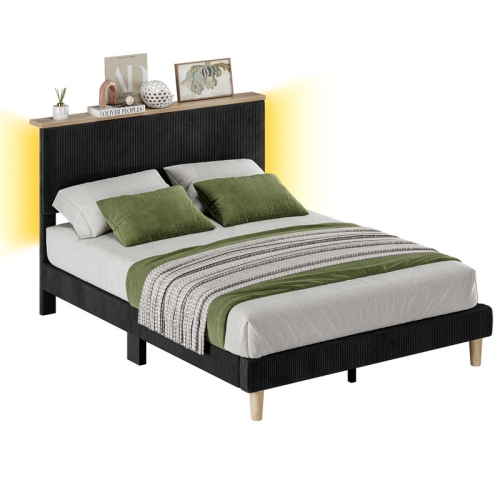
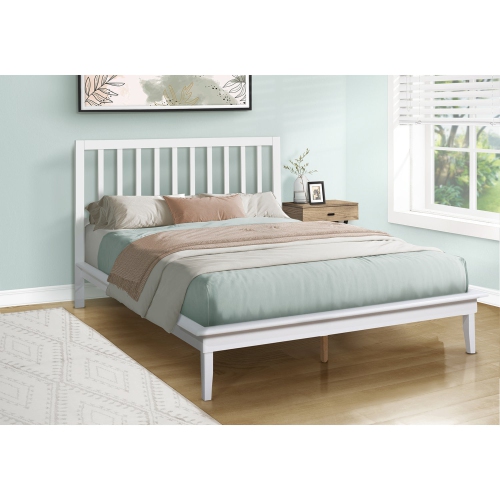
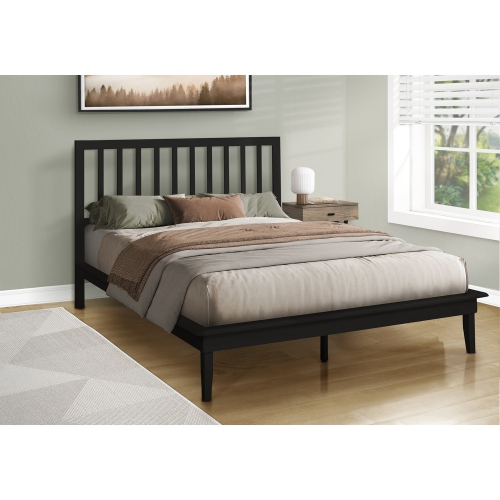
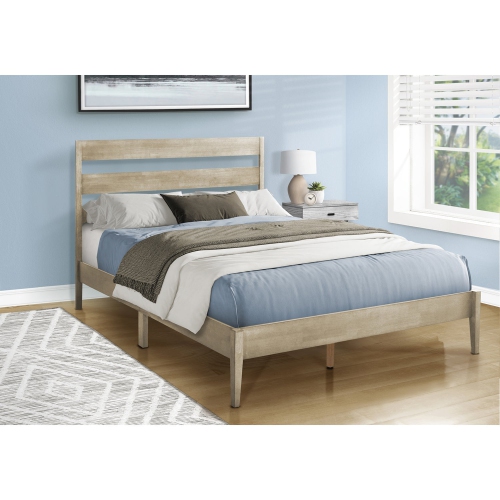
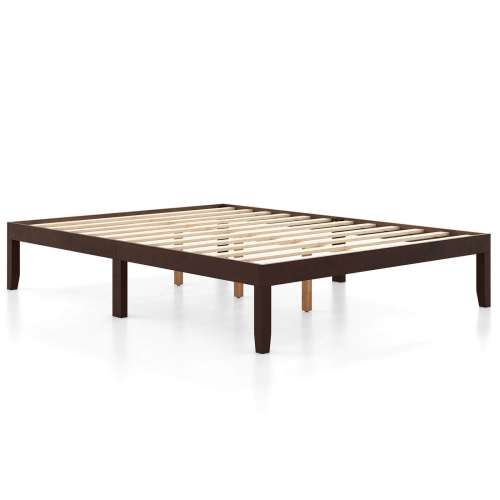
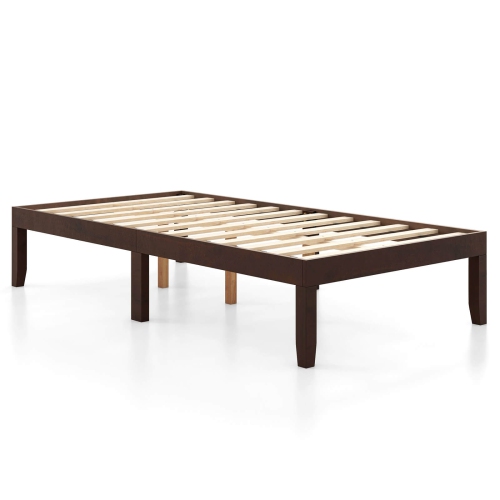


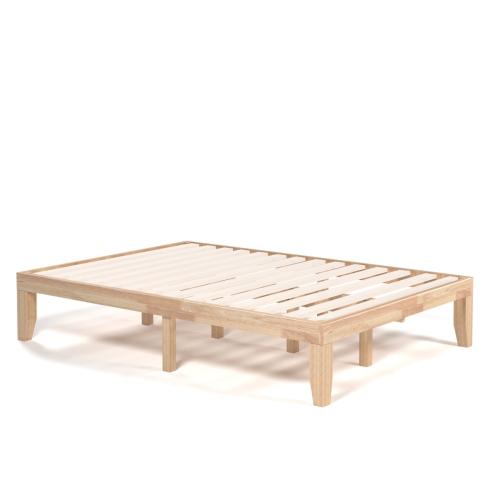
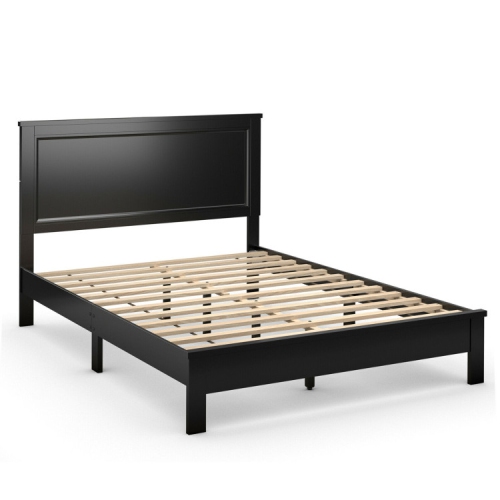
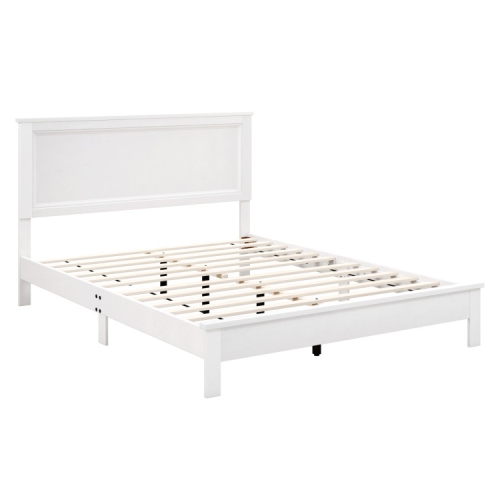
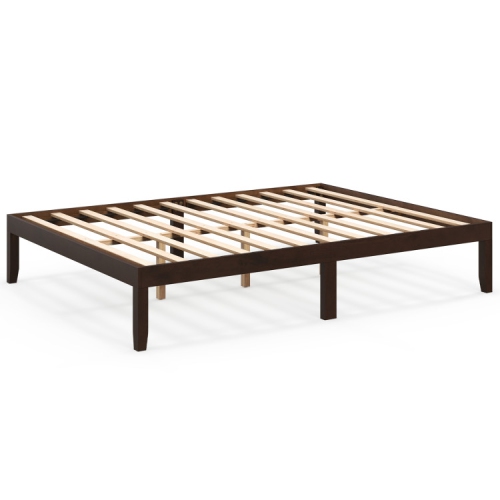
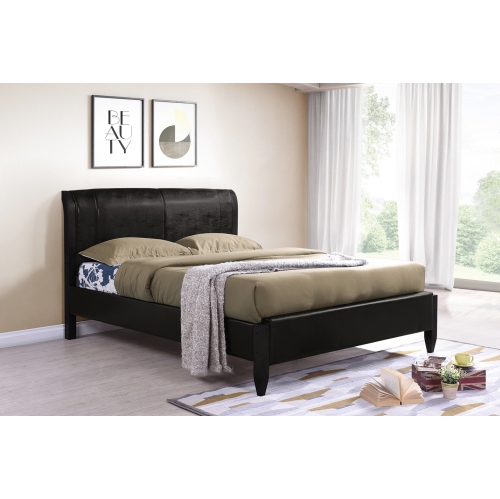
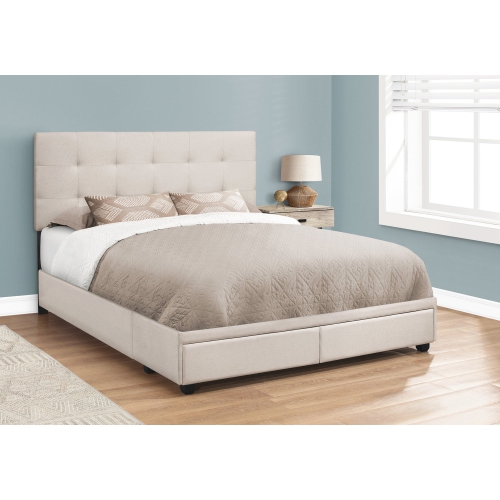
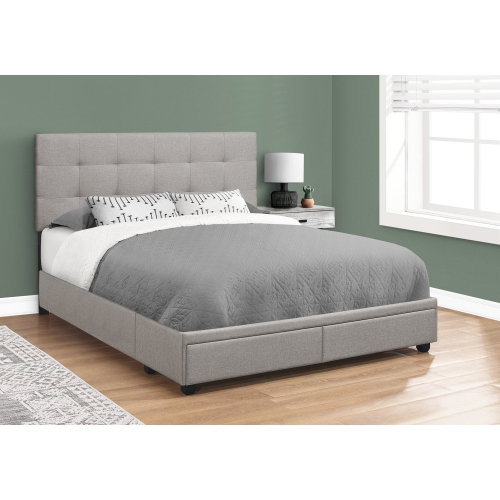
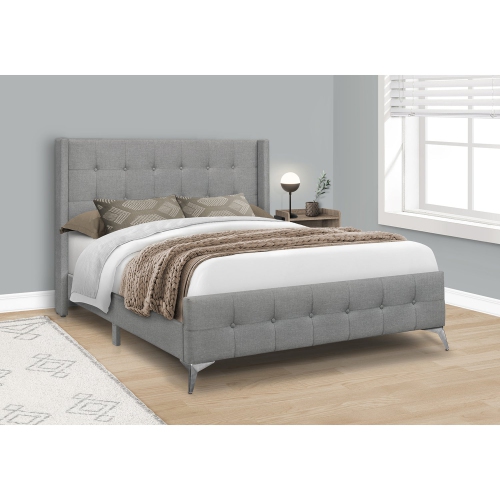
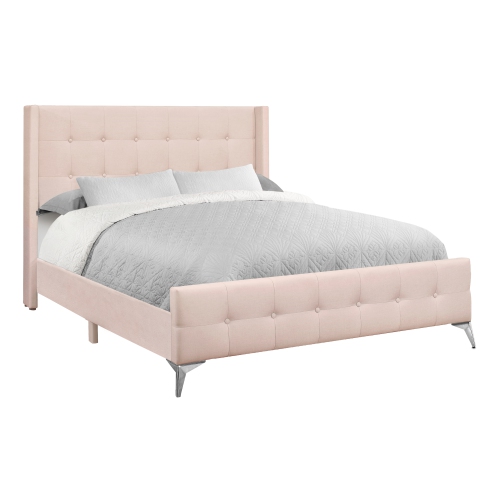
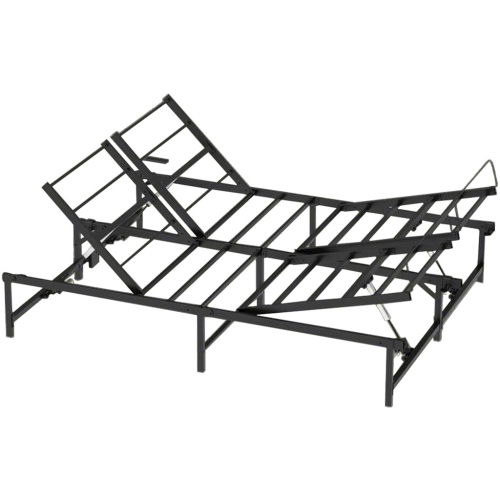
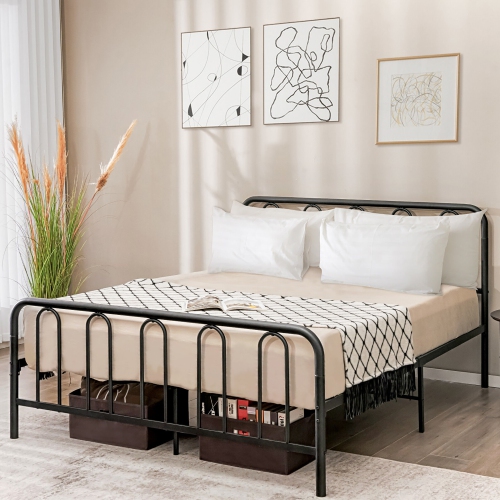
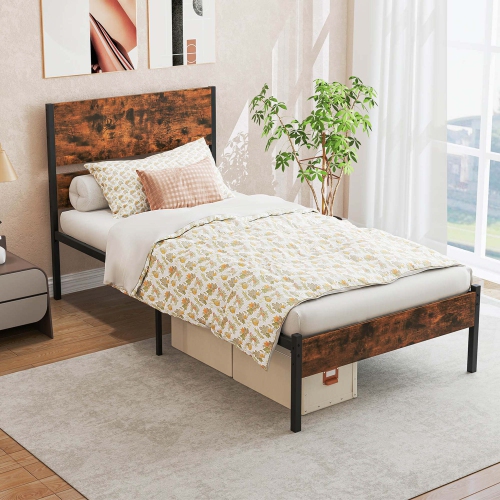

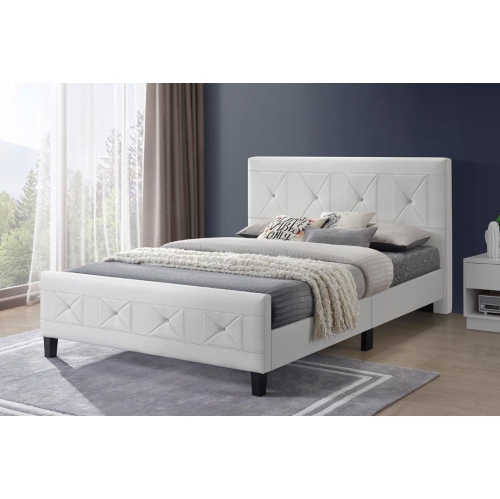
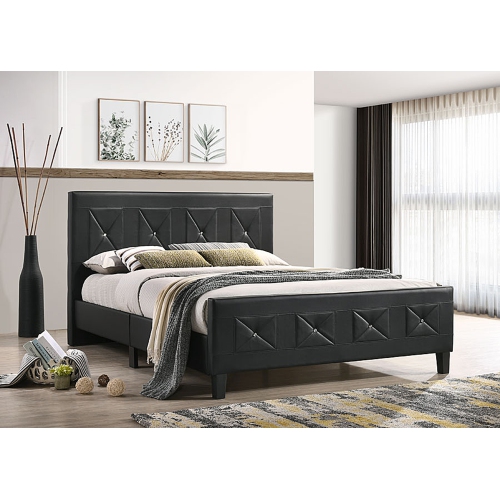
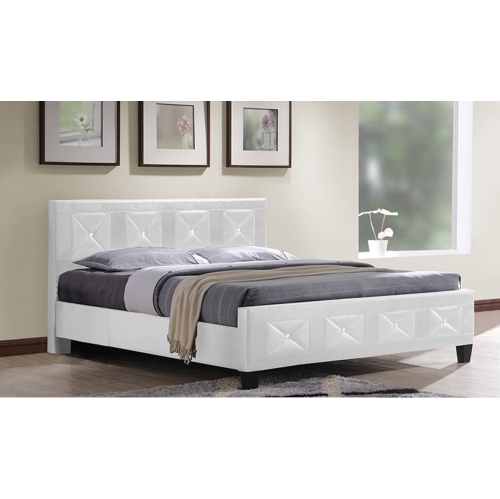
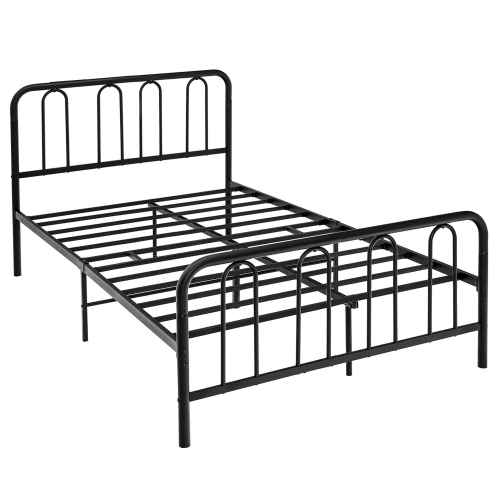
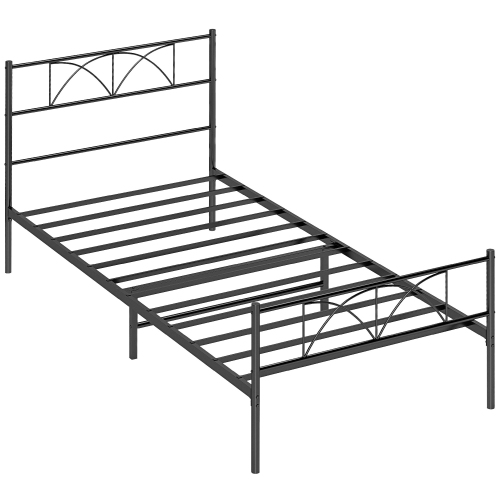
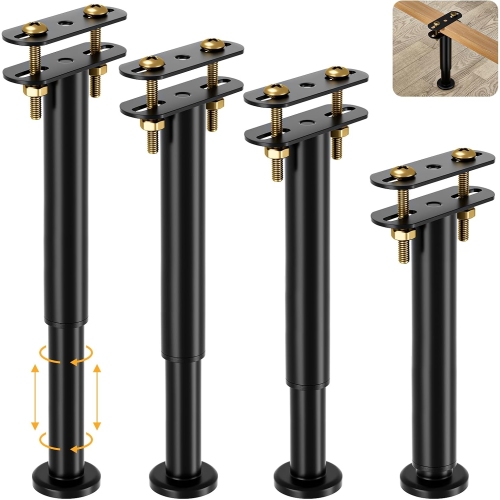
A little lift opens up space beneath your bed
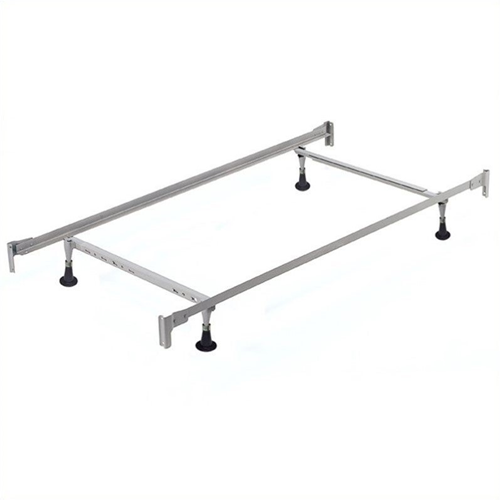
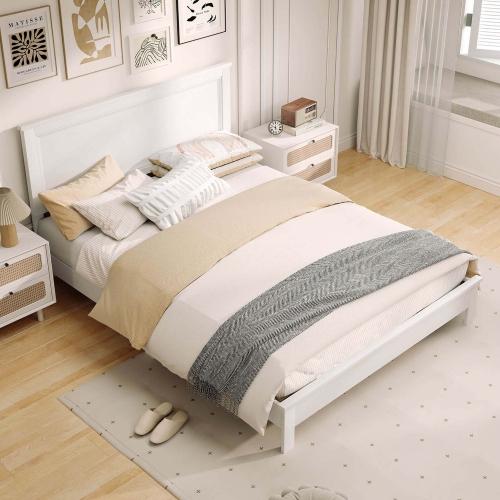
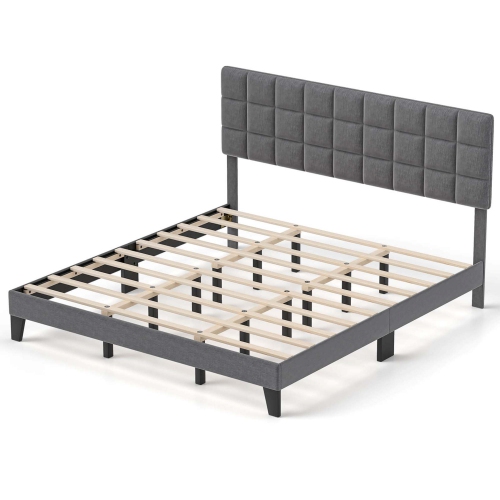
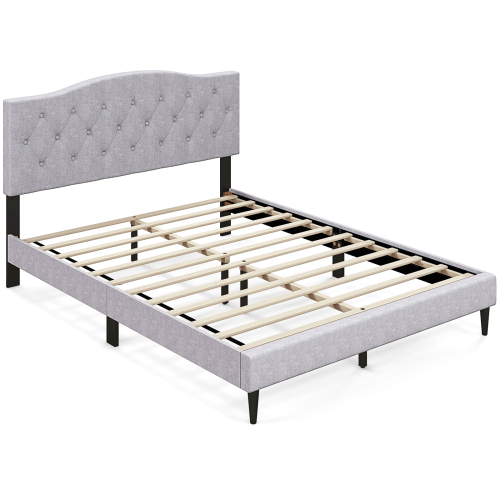
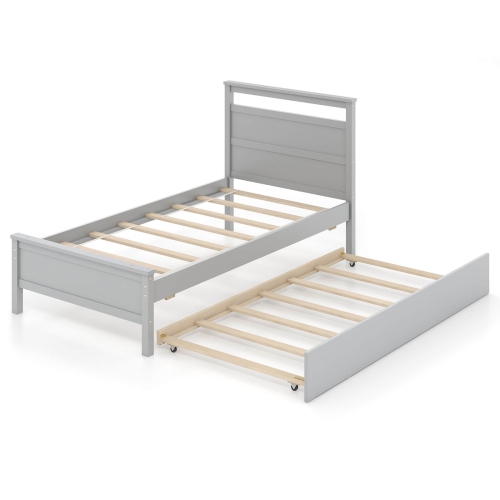
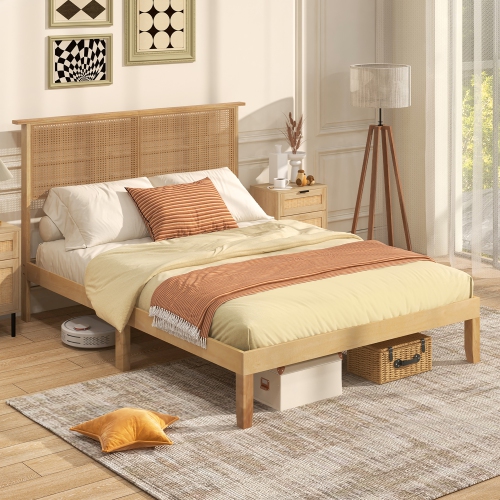
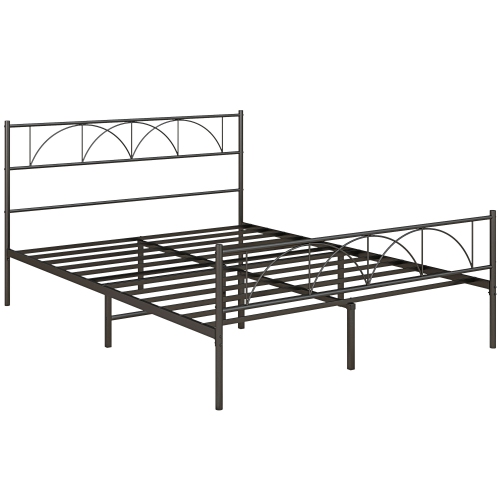
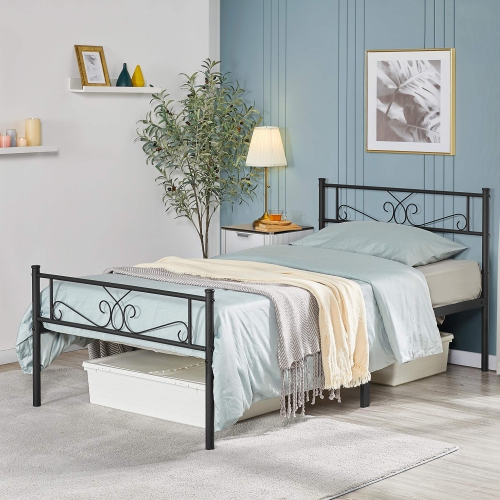
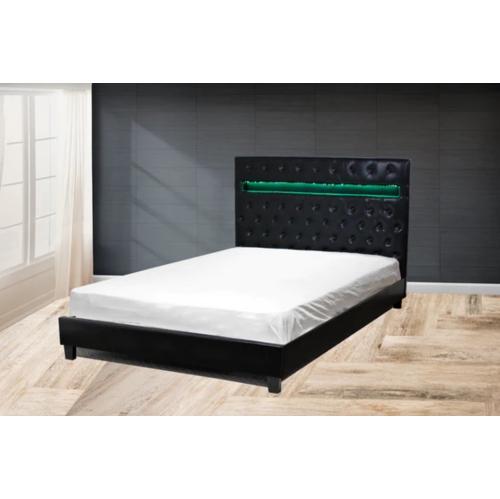
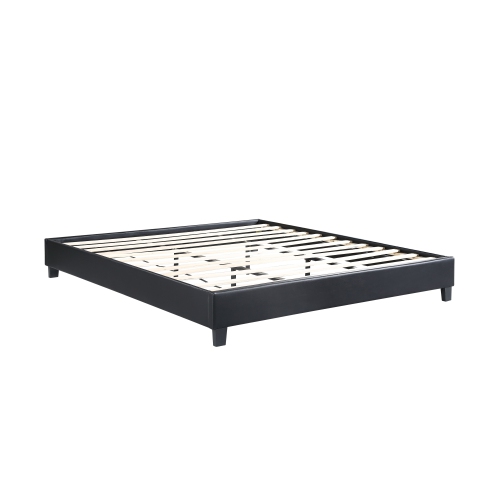
Bed frames with legs support a mattress above the floor, creating an open space beneath the bed and giving the bedroom a lighter, less enclosed look. The raised design can leave room for under-bed storage, make the floor easier to reach for cleaning, and provide a comfortable sitting height when paired with a suitable mattress. Legs appear on several types of frames, including metal platforms, wooden beds, and upholstered designs, so a raised base does not point to just one style or support system. Many platform bed frames have closely spaced slats or a solid deck that supports a mattress without a box spring, while other raised frames require a separate foundation. The frame specifications and mattress requirements determine the right combination; legs alone do not make a bed suitable for use without a box spring. In a compact bedroom, a slim metal frame with visible clearance can keep the bed from looking too bulky. A wood frame with tapered legs brings softer lines and visible grain into the room, while an upholstered frame can add texture through woven fabric and padded edges. Straight, recessed, or angled legs each affect the silhouette and how much floor space the bed occupies. Recessed legs may leave more space for feet near the corners, whereas outward-angled legs can extend beyond the side rails and need extra walking room. These details matter in everyday settings, from a first apartment where the bedroom also holds a desk to a guest room that needs space for luggage. Raised bed frames can also suit shared bedrooms, teen rooms, and primary bedrooms where keeping the floor accessible is a priority. The most useful design balances the look of the frame with the height, support, and clearance needed for the way the room is used, rather than treating the legs as a purely decorative feature.
Size and fit involve more than matching a twin, double, queen, or king mattress to the label on a frame. Mattress dimensions should match the frame’s supported sleeping area, while the frame’s outside dimensions need to fit the room. Upholstered rails, projecting corners, and substantial headboards can add width or length beyond the mattress itself. Space beside the bed allows for getting dressed, opening drawers, and moving around without squeezing between furniture. At the foot of the bed, clearance is especially useful when a dresser or closet sits opposite it. For a more enclosed outline, Bed Frames With Footboard offer a raised end that visually finishes the bed, although footboard height deserves attention for taller sleepers and smaller rooms. The finished sleeping height is another practical detail: it includes the height of the mattress support surface, any required foundation, and the mattress itself. A low frame paired with a thick mattress may sit higher than expected, while a tall frame with a slim mattress can still feel relatively accessible. For someone who finds getting in and out of bed difficult, a height that allows the feet to rest on the floor while seated can be a useful starting point, though individual mobility needs vary. Under-bed clearance is a separate measurement from overall frame height. Storage bins must fit beneath the lowest rail or support, not simply beneath the top of the platform. Centre legs and crossbars may divide that space, making several smaller containers more practical than one wide drawer. A robot vacuum also needs enough vertical clearance and a clear route around the supports. Mattress compatibility remains essential: slat spacing, centre support, and foundation requirements differ across foam, latex, and spring mattresses. Weight capacity should account for the mattress, any foundation, and the people using the bed, with attention to whether the stated limit applies to the complete frame. An adjustable base may require a compatible surrounding frame rather than a conventional slatted platform.
Materials and construction shape how a bed frame with legs feels over years of use. Solid wood can offer substantial joints and distinctive grain, but its durability also depends on the species, finish, rail dimensions, and quality of the connections. Engineered wood can provide a uniform appearance and smooth surfaces; well-finished edges and carefully assembled fasteners help protect areas that receive regular contact. Metal frames often have a slimmer profile, with welded sections or bolted joints connecting the rails and legs. Stability depends on that construction as well as the design of the centre supports, not simply on how heavy the frame feels. Upholstered frames may combine wood or metal structures with foam and fabric, so both the internal support and the covering deserve attention. A tightly woven fabric can be easier to maintain than a deeply textured surface in a room where lint or pet hair collects, although cleaning instructions vary by material. Day-to-day care is usually straightforward when it follows the manufacturer’s directions. Wood and metal surfaces generally benefit from gentle dusting and prompt attention to spills, while upholstery may need regular vacuuming with an appropriate attachment. Excess moisture, abrasive cleaners, and unapproved stain treatments can damage finishes or leave marks. Legs should sit evenly on the floor, and compatible protective pads can help prevent scratches on hard flooring without making the bed unstable. On an uneven surface, built-in levelling feet can be useful when included in the design; improvised supports may shift under movement. Assembly quality matters just as much as maintenance. Secure rail connections, correctly positioned slats, and centre legs adjusted to make proper floor contact help the frame carry weight as intended. Periodic hardware checks, particularly after moving the bed, can address looseness before it becomes persistent movement or noise. For households that relocate often, the ease of disassembly and the size of the largest frame sections are worth considering alongside appearance. A well-suited raised bed frame brings these practical details together, providing dependable mattress support, usable floor clearance, and proportions that feel comfortable in the room.
Size and fit involve more than matching a twin, double, queen, or king mattress to the label on a frame. Mattress dimensions should match the frame’s supported sleeping area, while the frame’s outside dimensions need to fit the room. Upholstered rails, projecting corners, and substantial headboards can add width or length beyond the mattress itself. Space beside the bed allows for getting dressed, opening drawers, and moving around without squeezing between furniture. At the foot of the bed, clearance is especially useful when a dresser or closet sits opposite it. For a more enclosed outline, Bed Frames With Footboard offer a raised end that visually finishes the bed, although footboard height deserves attention for taller sleepers and smaller rooms. The finished sleeping height is another practical detail: it includes the height of the mattress support surface, any required foundation, and the mattress itself. A low frame paired with a thick mattress may sit higher than expected, while a tall frame with a slim mattress can still feel relatively accessible. For someone who finds getting in and out of bed difficult, a height that allows the feet to rest on the floor while seated can be a useful starting point, though individual mobility needs vary. Under-bed clearance is a separate measurement from overall frame height. Storage bins must fit beneath the lowest rail or support, not simply beneath the top of the platform. Centre legs and crossbars may divide that space, making several smaller containers more practical than one wide drawer. A robot vacuum also needs enough vertical clearance and a clear route around the supports. Mattress compatibility remains essential: slat spacing, centre support, and foundation requirements differ across foam, latex, and spring mattresses. Weight capacity should account for the mattress, any foundation, and the people using the bed, with attention to whether the stated limit applies to the complete frame. An adjustable base may require a compatible surrounding frame rather than a conventional slatted platform.
Materials and construction shape how a bed frame with legs feels over years of use. Solid wood can offer substantial joints and distinctive grain, but its durability also depends on the species, finish, rail dimensions, and quality of the connections. Engineered wood can provide a uniform appearance and smooth surfaces; well-finished edges and carefully assembled fasteners help protect areas that receive regular contact. Metal frames often have a slimmer profile, with welded sections or bolted joints connecting the rails and legs. Stability depends on that construction as well as the design of the centre supports, not simply on how heavy the frame feels. Upholstered frames may combine wood or metal structures with foam and fabric, so both the internal support and the covering deserve attention. A tightly woven fabric can be easier to maintain than a deeply textured surface in a room where lint or pet hair collects, although cleaning instructions vary by material. Day-to-day care is usually straightforward when it follows the manufacturer’s directions. Wood and metal surfaces generally benefit from gentle dusting and prompt attention to spills, while upholstery may need regular vacuuming with an appropriate attachment. Excess moisture, abrasive cleaners, and unapproved stain treatments can damage finishes or leave marks. Legs should sit evenly on the floor, and compatible protective pads can help prevent scratches on hard flooring without making the bed unstable. On an uneven surface, built-in levelling feet can be useful when included in the design; improvised supports may shift under movement. Assembly quality matters just as much as maintenance. Secure rail connections, correctly positioned slats, and centre legs adjusted to make proper floor contact help the frame carry weight as intended. Periodic hardware checks, particularly after moving the bed, can address looseness before it becomes persistent movement or noise. For households that relocate often, the ease of disassembly and the size of the largest frame sections are worth considering alongside appearance. A well-suited raised bed frame brings these practical details together, providing dependable mattress support, usable floor clearance, and proportions that feel comfortable in the room.
Top selling and popular products
-
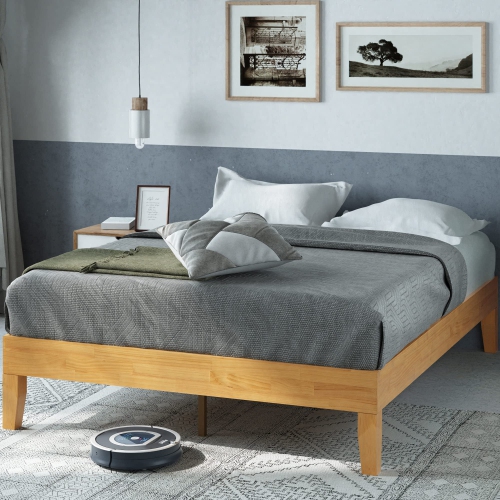 Your price for this item is $493.52
 -
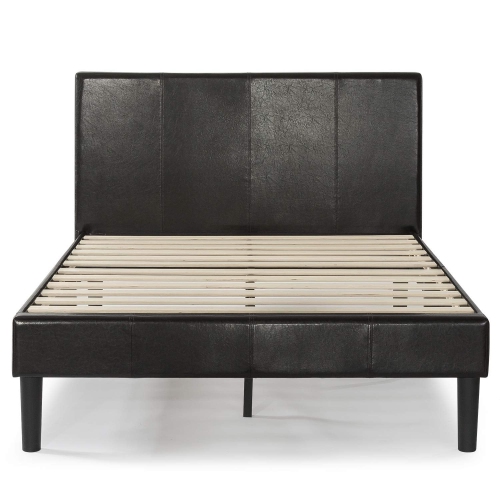 Your price for this item is $611.85
 -
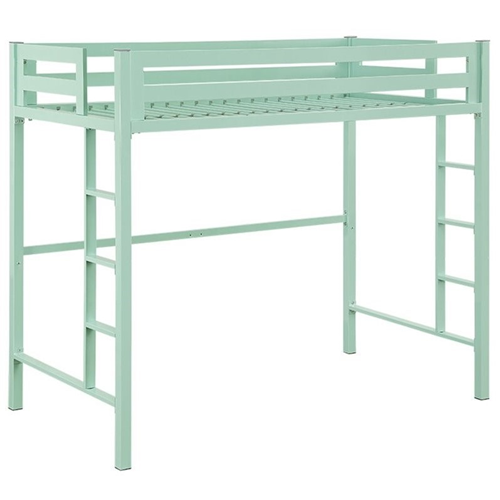 Your price for this item is $824.18
 -
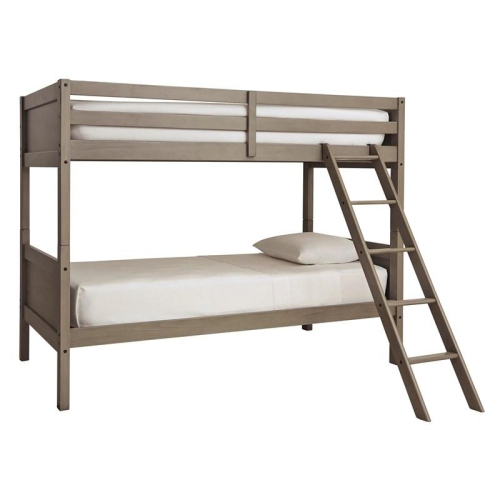 Your price for this item is $799.99
 -
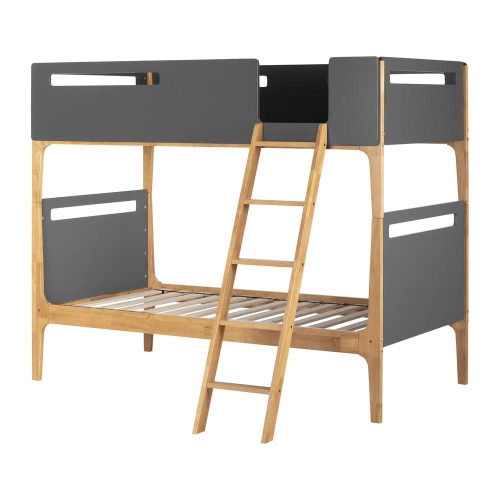 Your price for this item is $985.42
 -
 Your price for this item is $157.99
 -
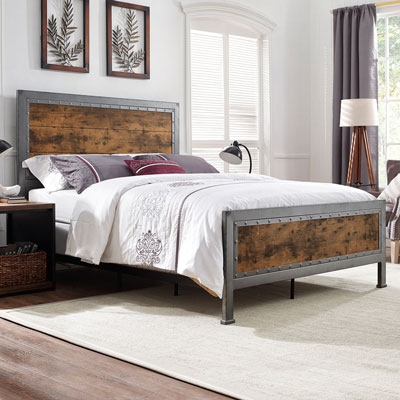 Your price for this item is $862.99
 -
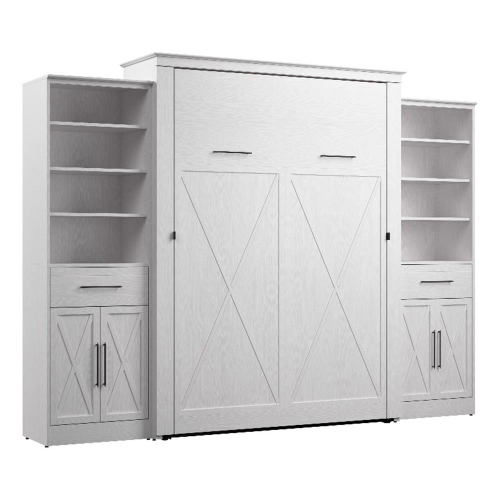 Your price for this item is $3519.99
Discover more categories related to Bed Frames With Legs
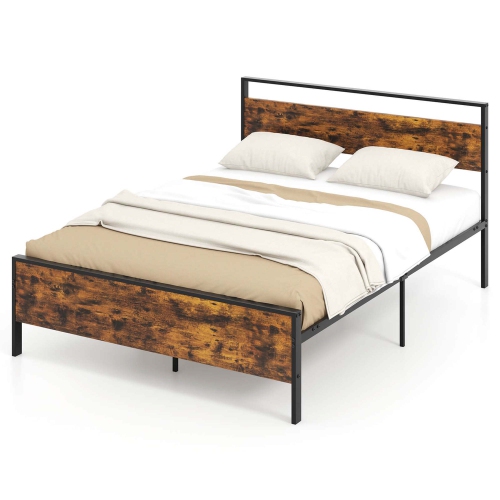
Top Collections:
Pokemon Centers, Kindle Devices, Best Budget Office Chairs, Apple iPhones 16, Best Laptops for Writers, iPhone 15 Apple, Canon G7X Cameras, Refurbished Apple Laptops, Alarm Clock, Motorola Razr Phones
Some products may be subject to Environmental Handling Fees
(EHF) depending on your province.
Learn more about EHFs.