Bed Pillows
Discover a world of comfort and support with our collection of bed pillows. Whether you prefer the plush feel of down pillows, the firmness of memory foam, or the hypoallergenic properties of bamboo pillows, we have options to suit every sleep style. Say goodbye to restless nights and hello to a rejuvenating slumber as you explore our range of pillows designed to enhance your sleep quality and overall well-being. Upgrade your bedding essentials today for a restful night's sleep every night.
Sort
















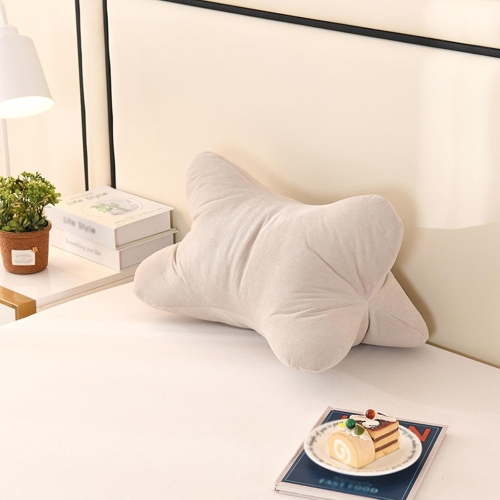


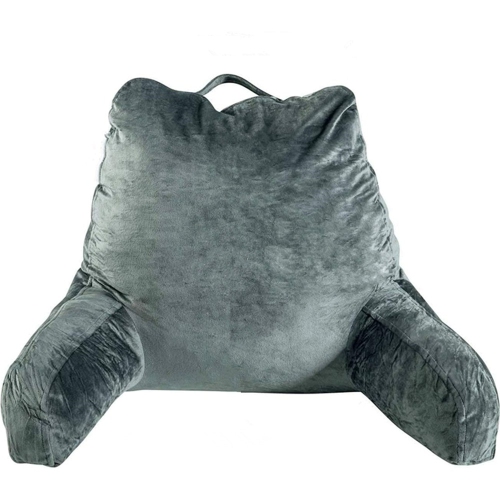


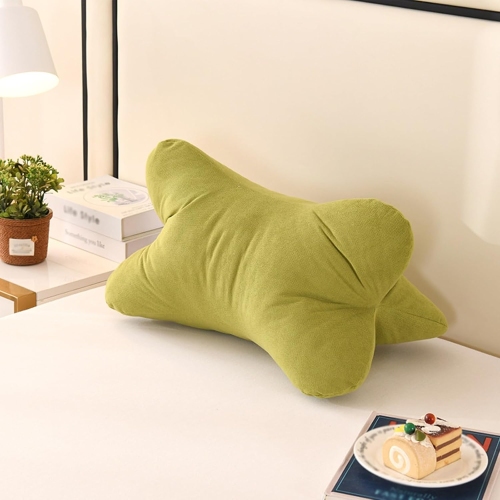
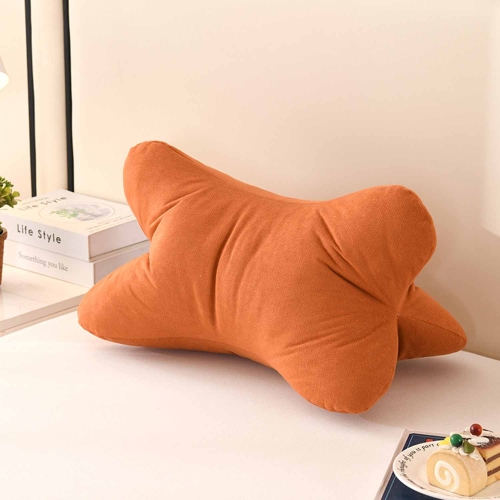







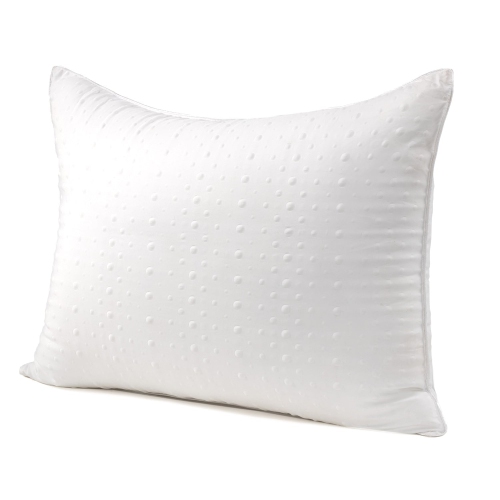


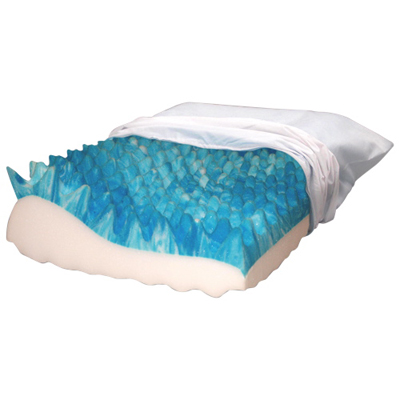
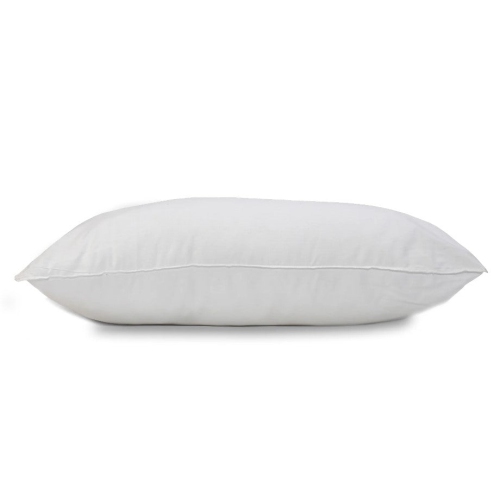

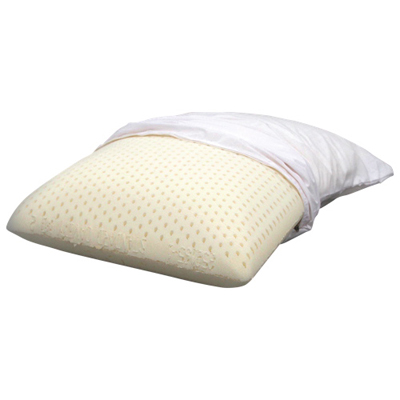
















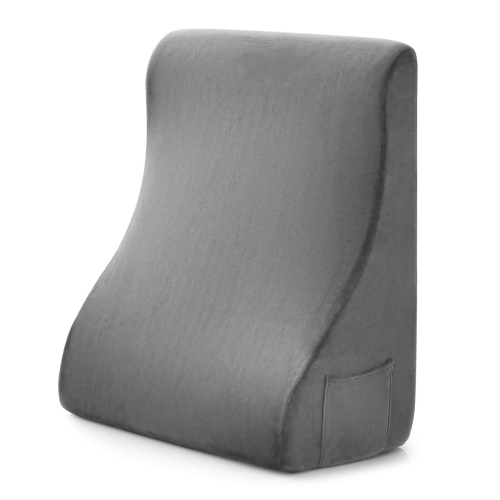
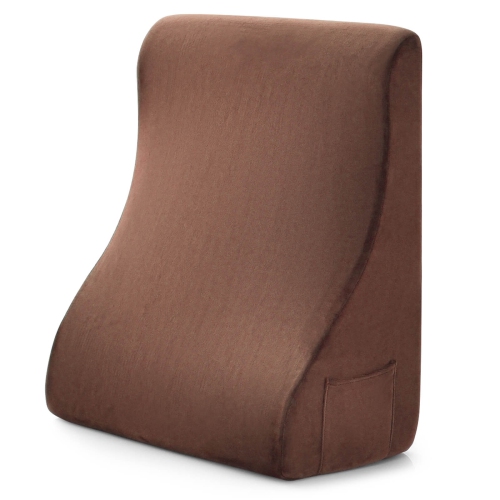
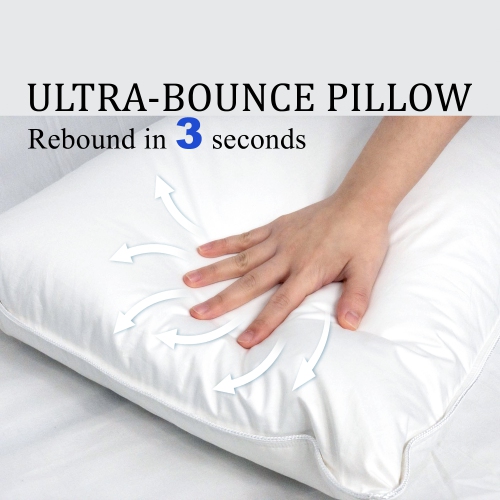


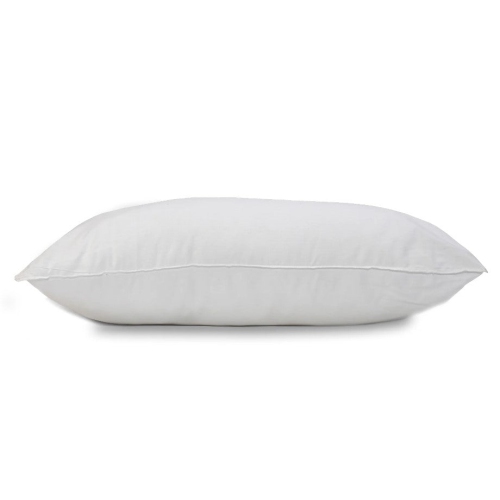

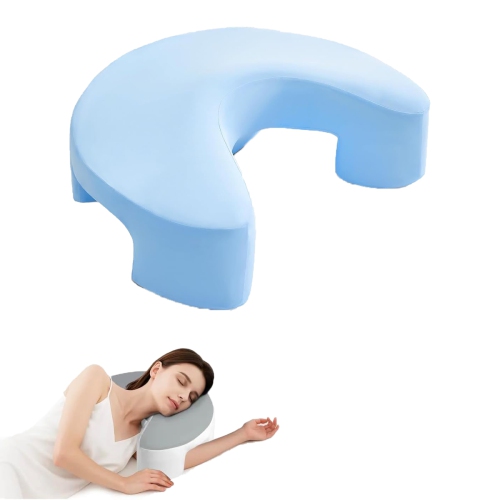

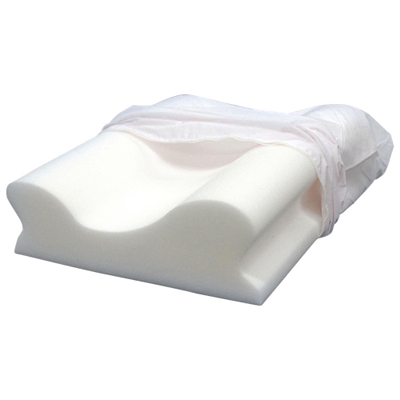


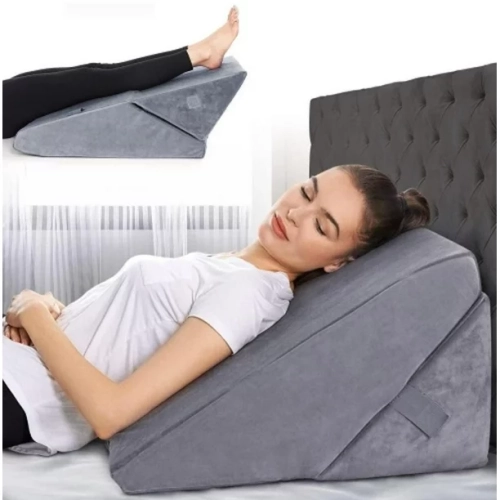






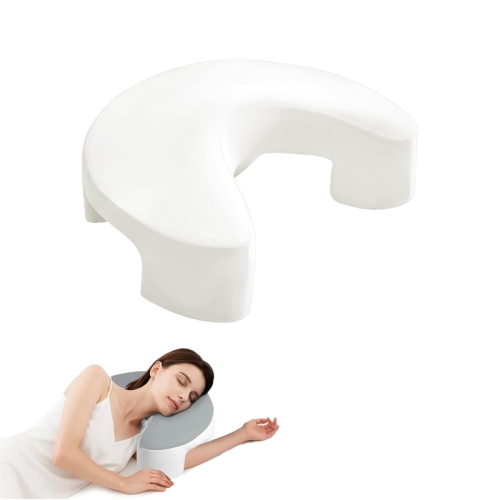
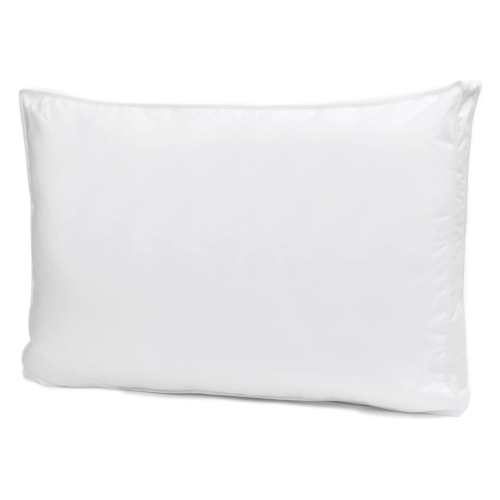
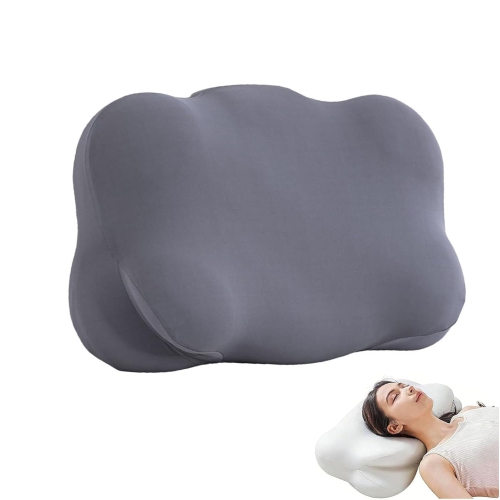
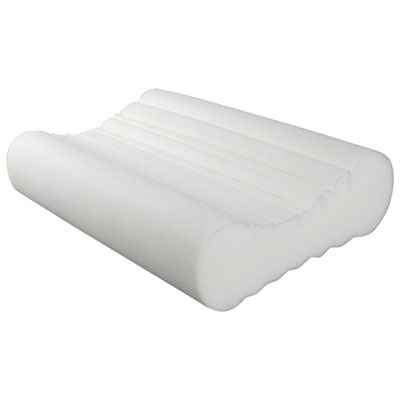
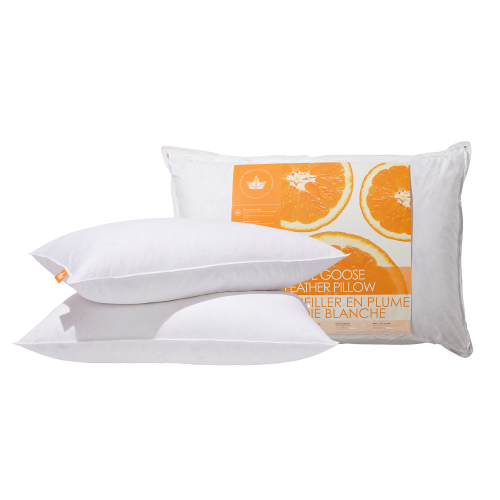
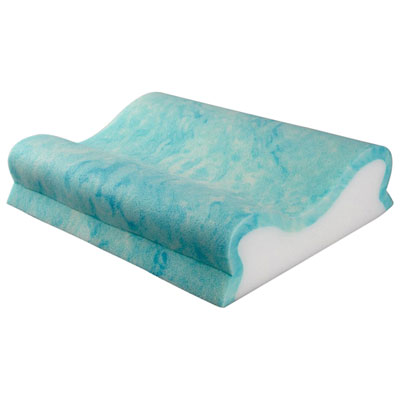
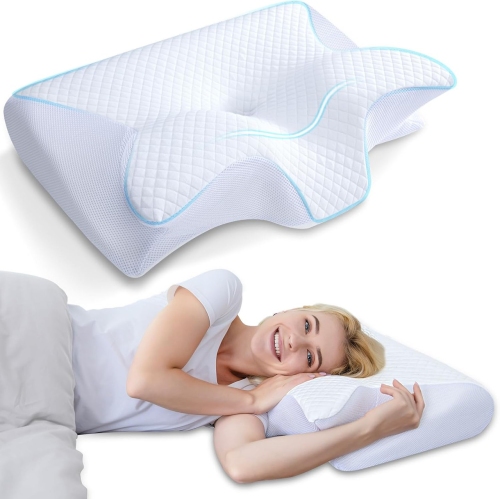
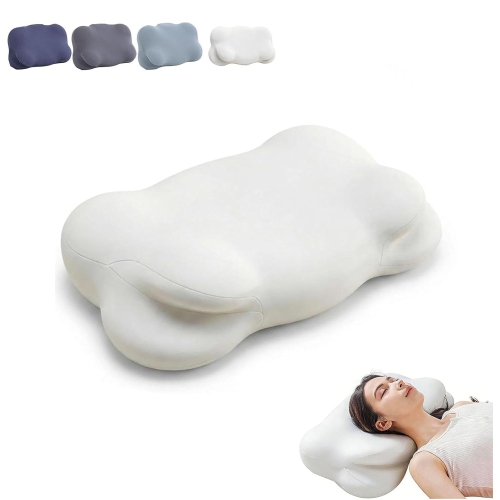
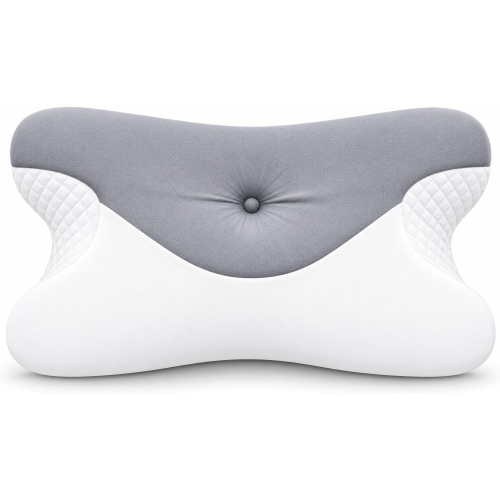
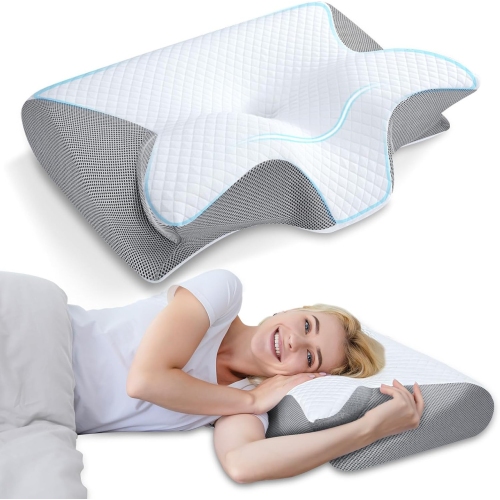
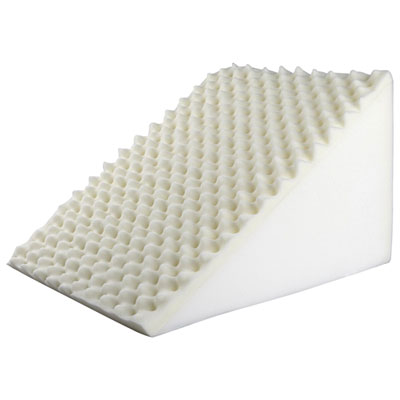
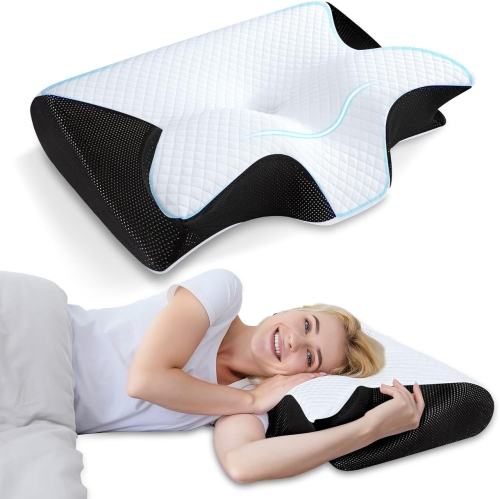





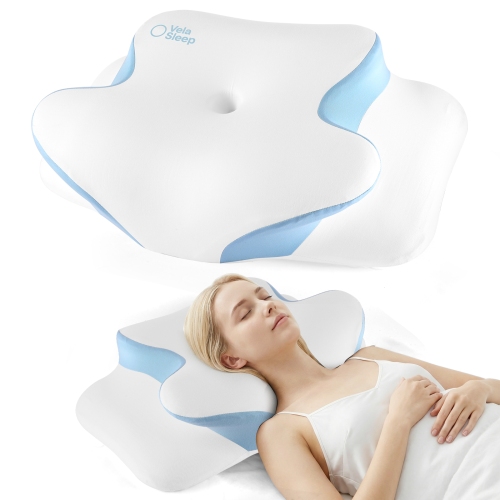
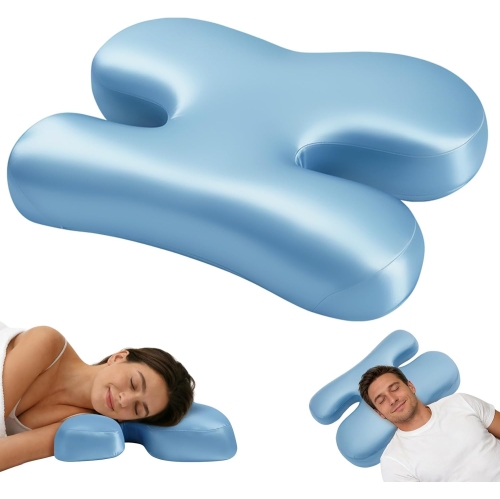
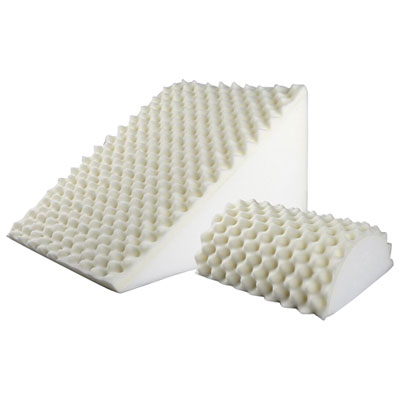




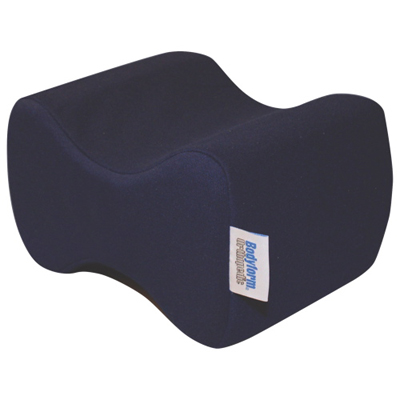

How sleeping position shapes your pillow’s ideal fit
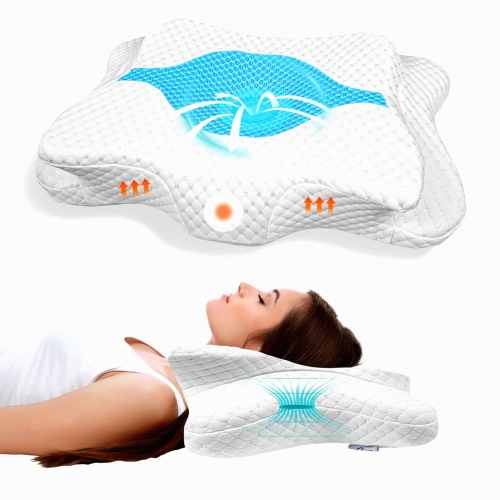
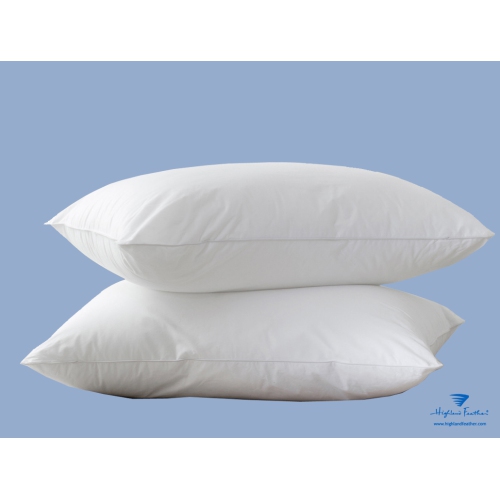
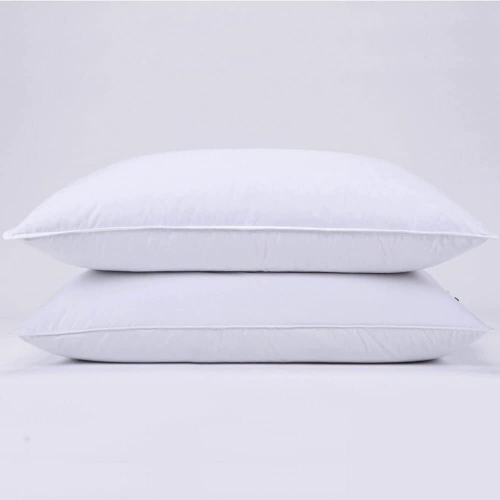
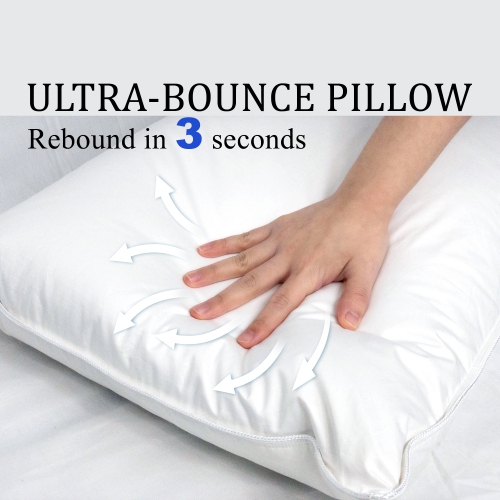
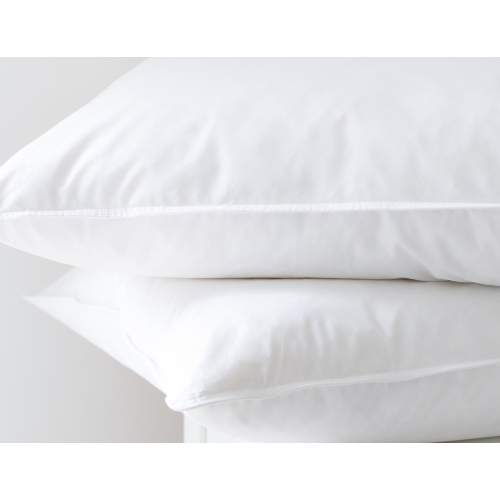
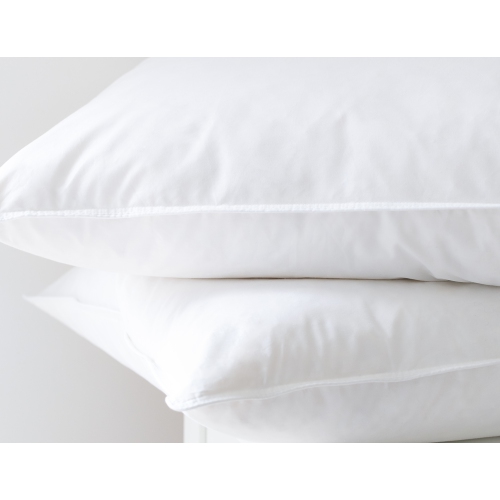
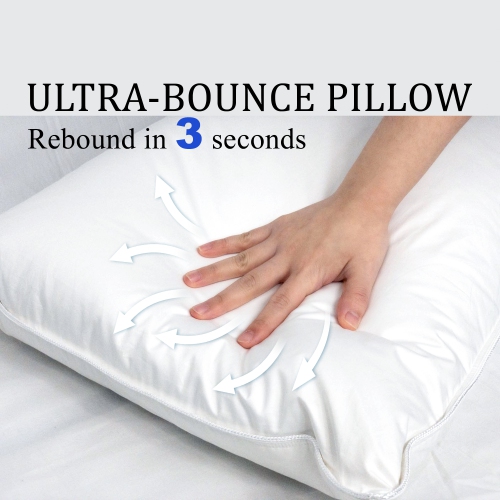
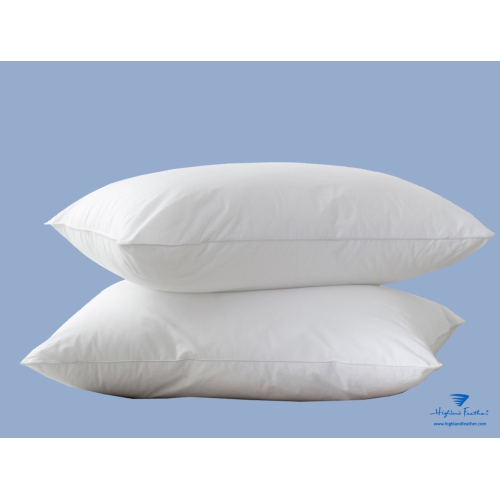
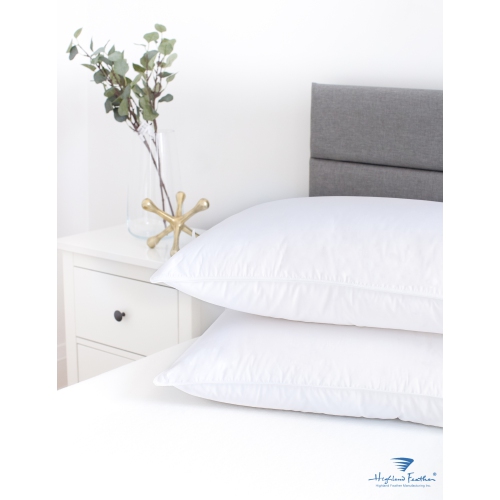
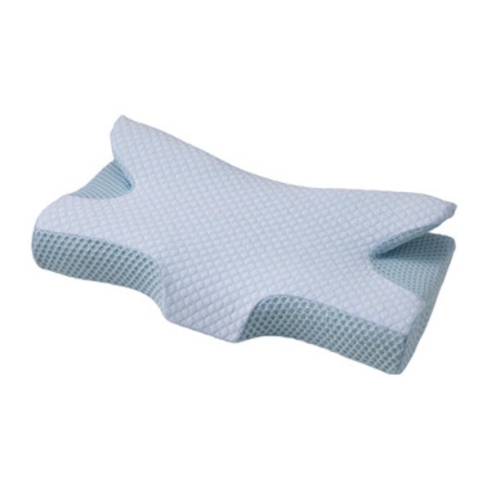
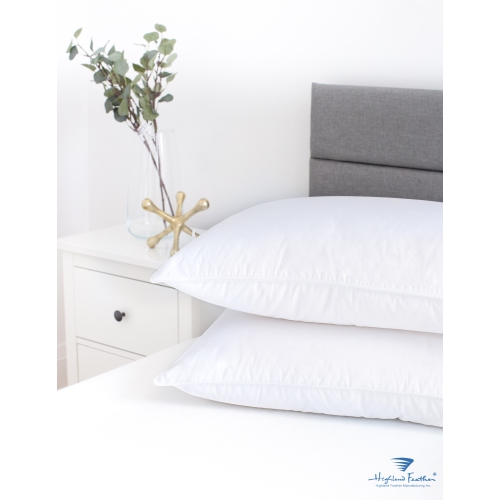
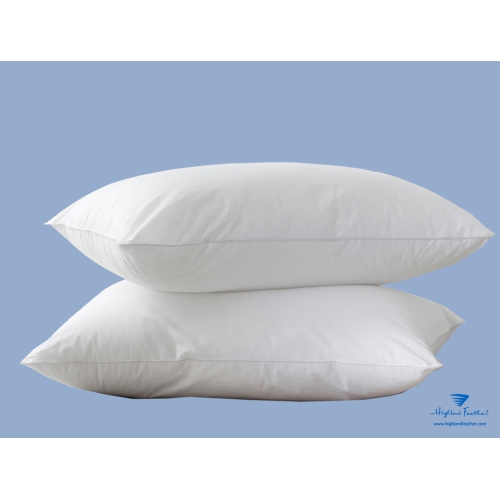
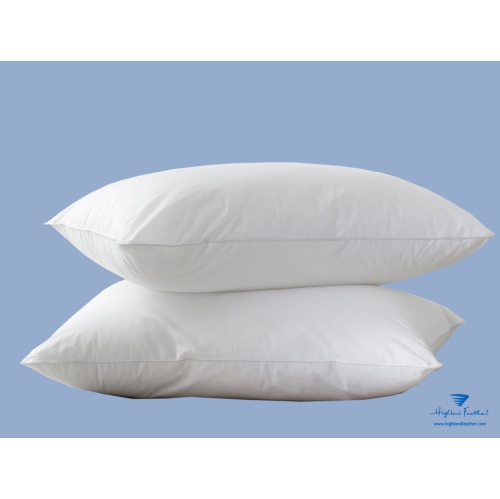
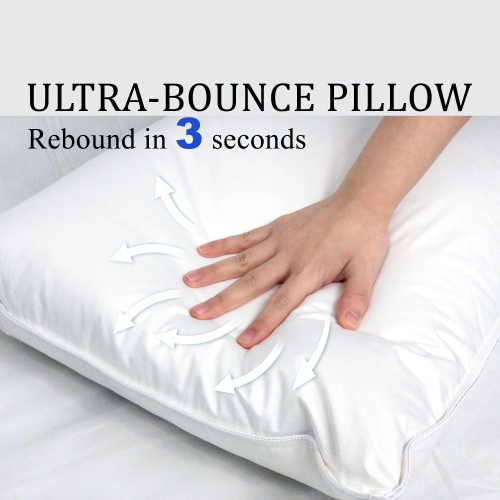
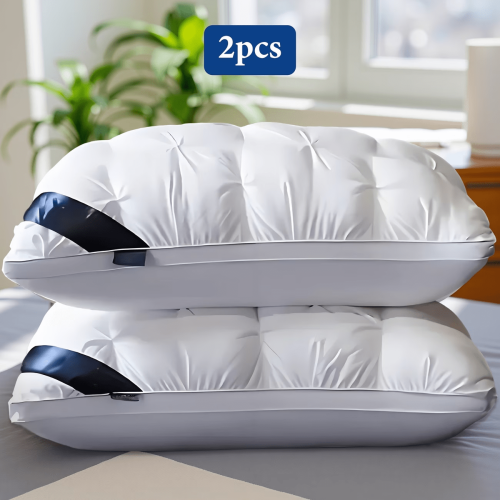
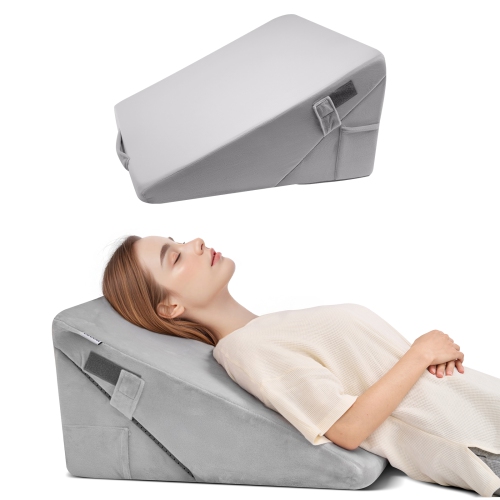
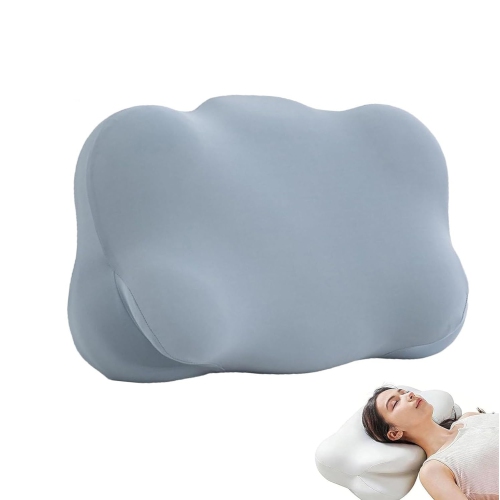
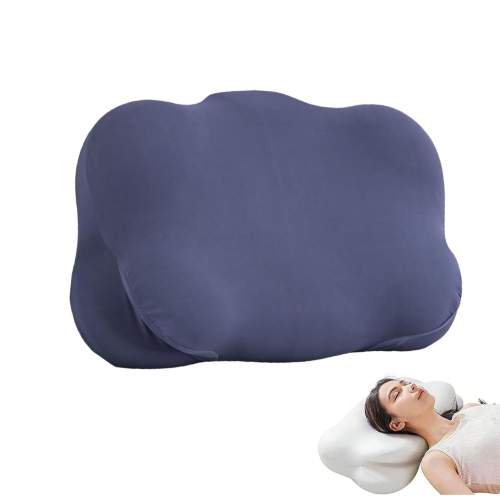
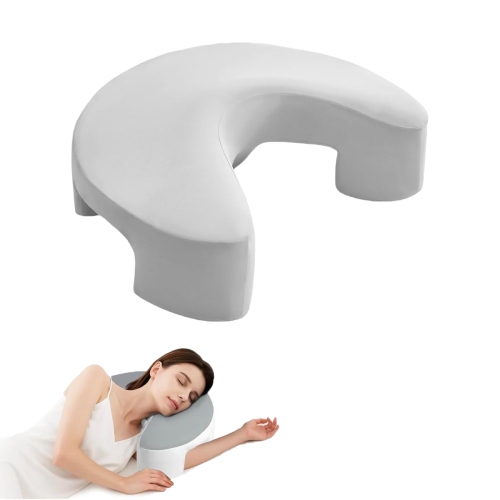
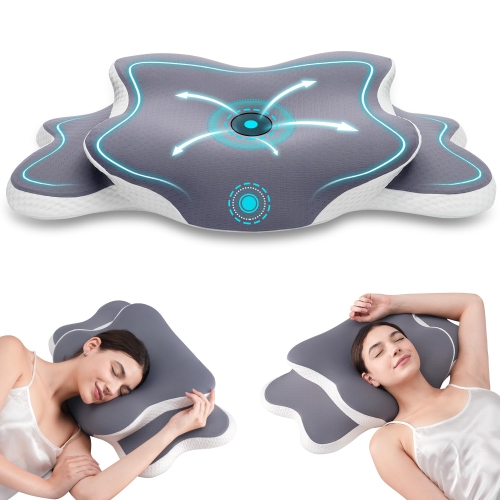
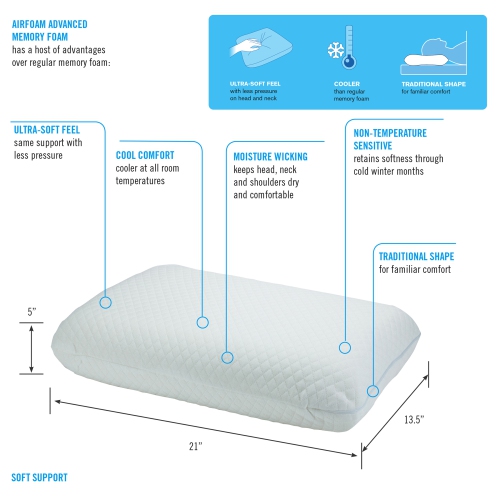
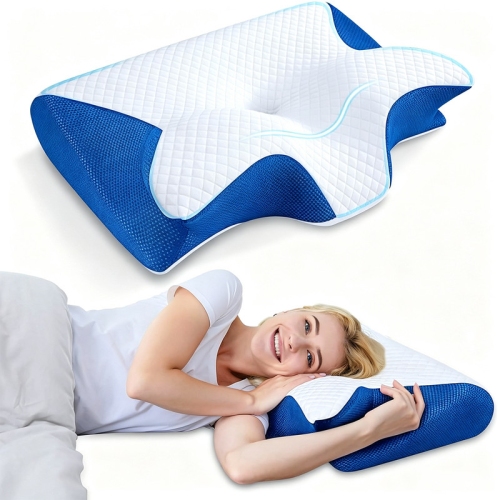
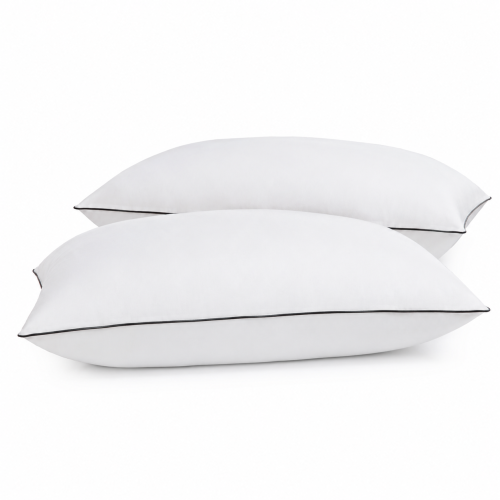
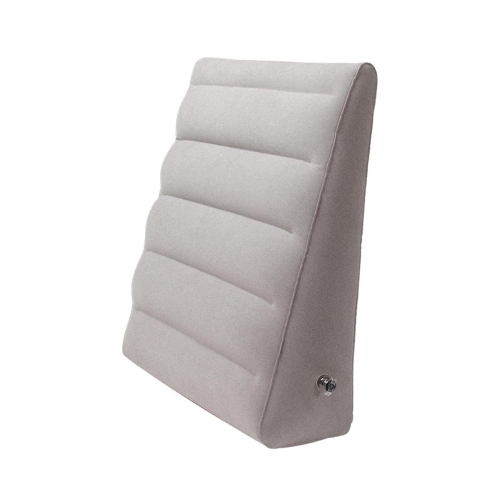
Bed pillows provide a resting surface for the head and neck, with differences in height, firmness, and fill shaping how they feel throughout the night. A well-suited pillow helps keep the head and neck in a comfortable, neutral position rather than tilted sharply upward or allowed to drop too far toward the mattress. Sleeping position is a useful starting point: side sleepers generally benefit from a higher, firmer pillow that fills the space between the head and mattress, while back sleepers often prefer medium height with enough give to cradle the head without pushing the chin toward the chest. Stomach sleepers typically find a low, soft pillow more comfortable because it adds less lift beneath the head. These are general tendencies rather than fixed rules. Shoulder width, body shape, and how deeply someone sinks into their mattress all affect the amount of support needed. A broad-shouldered side sleeper on a firm mattress may need more height than someone whose shoulder settles deeply into a softer surface. Pillow height, also called loft, is different from firmness: a tall pillow can compress substantially, while a thinner, dense pillow may hold its shape under weight. For people who move between positions, a responsive fill or adjustable design can accommodate different resting angles. Size matters, too. Standard, queen, and king bed pillows differ mainly in length, giving sleepers different amounts of room to shift without reaching the edge. A longer pillow can suit someone who changes position frequently, while a more compact size may leave extra space on a shared bed. Matching the pillow’s stated dimensions to the pillowcase helps preserve its intended feel; an overly tight case can bunch the fill or restrict compression. The most useful fit is not necessarily the fullest-looking pillow on the bed, but one that feels supportive once the sleeper is lying in their usual position. Firmness labels offer a helpful comparison, though the same label can feel different across fill materials and constructions.
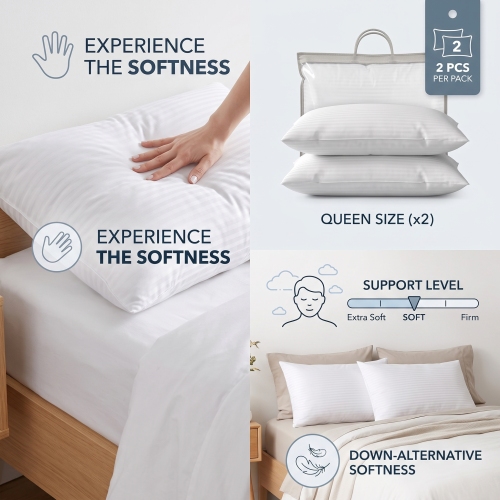
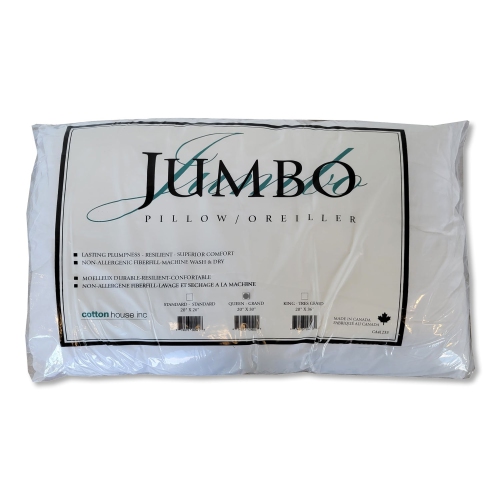
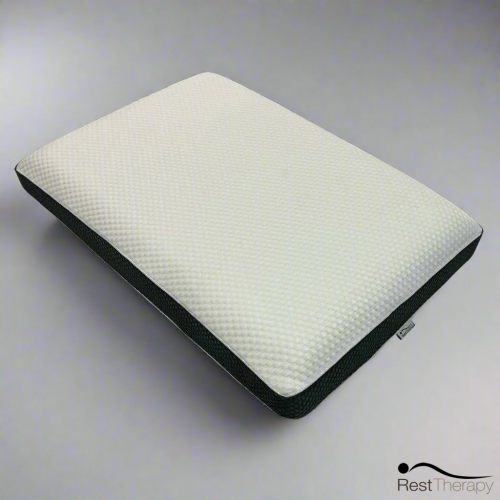
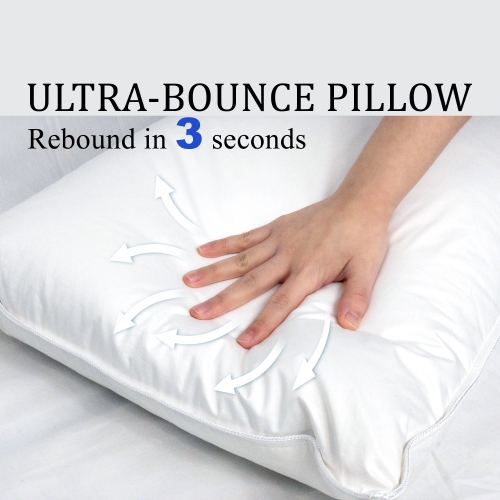
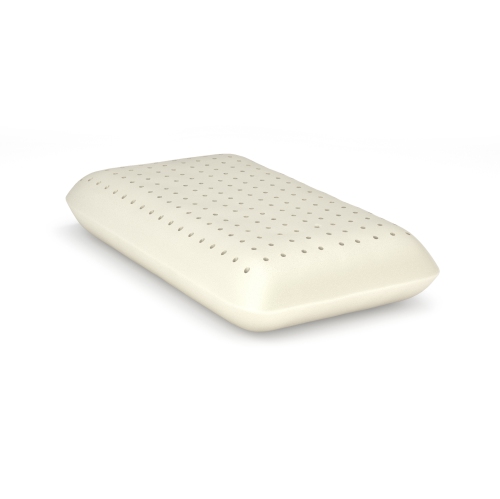
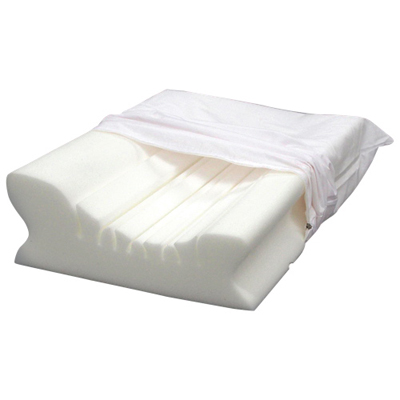
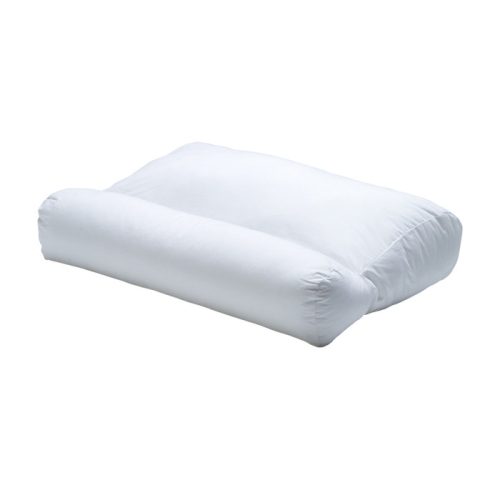
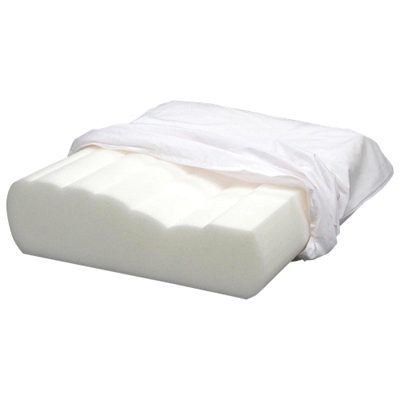
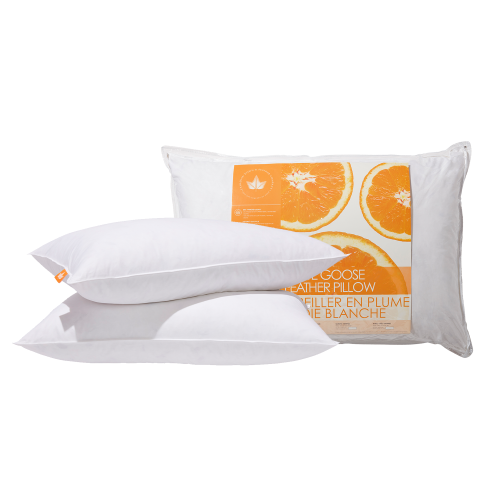
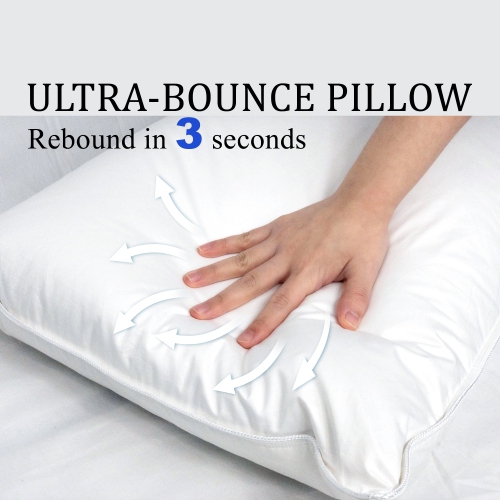
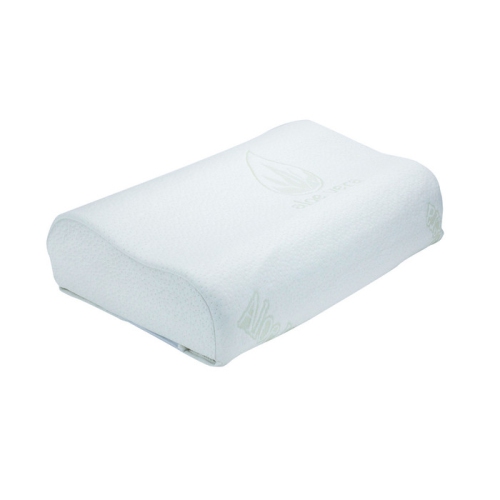
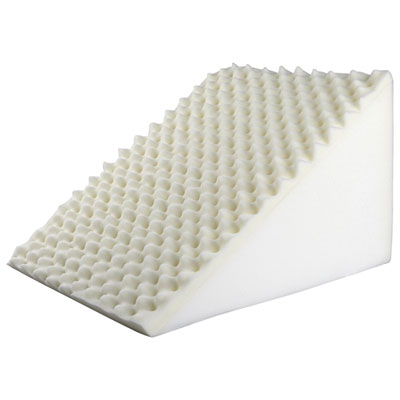
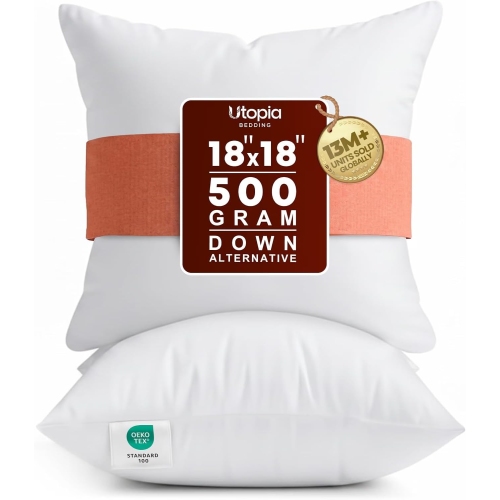
Fill materials give bed pillows much of their character, from the yielding softness of down to the more defined contour of foam. Down pillows tend to feel light and compressible, making them appealing to people who like to scrunch or reshape their pillow beneath a cheek. Feather blends generally have more structure, although the feel depends on the blend and shell construction; a tightly woven cover helps contain the fill and limit quills poking through. Down alternative pillows use synthetic fibres to create a soft, cushioned feel without down or feathers. Their support varies with the amount and type of fill, so a fibre-filled pillow can be plush and low or noticeably fuller and firmer. Solid memory foam moulds gradually around pressure and offers a more consistent shape, which may appeal to sleepers who dislike repeatedly fluffing their pillow. Shredded memory foam has a looser construction that can be redistributed, and some designs allow fill to be removed or added to change the height. Latex typically feels springier and responds more quickly when a sleeper moves, rather than holding an impression in quite the same way as memory foam. Contoured pillows have shaped surfaces, sometimes with different edge heights, intended to cradle the head and support the curve of the neck. Their fit depends on both the contour and the sleeper’s proportions, rather than the shape alone. The outer shell also contributes to everyday comfort. Cotton covers can provide a familiar, breathable surface, while smooth blended fabrics may offer a different texture against the pillowcase. Airflow depends on the complete construction, including the fill, cover, protector, and case, rather than any single fabric claim. For people with sensitivities, clearly stated material content and cleaning instructions are more useful than assuming a particular fill will suit everyone. A hypoallergenic label does not guarantee freedom from allergic reactions, and a washable protective cover can be a practical part of keeping the sleeping surface clean. Removable covers and accessible fill compartments also make a difference for anyone who values straightforward care or wants to fine-tune the pillow’s feel over time.
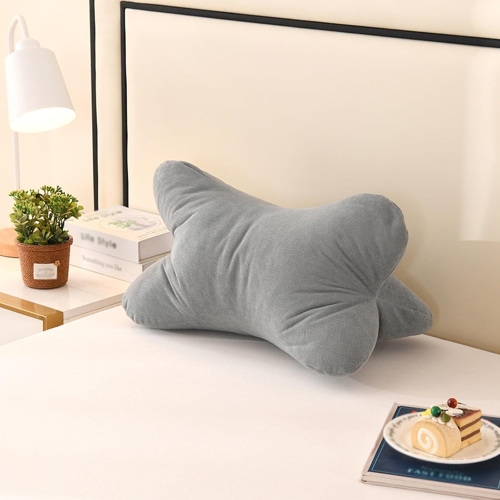
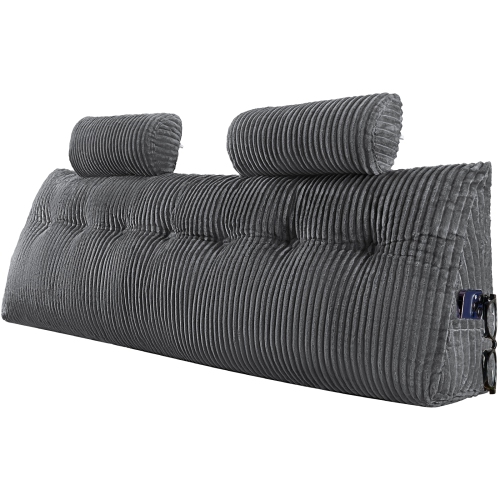
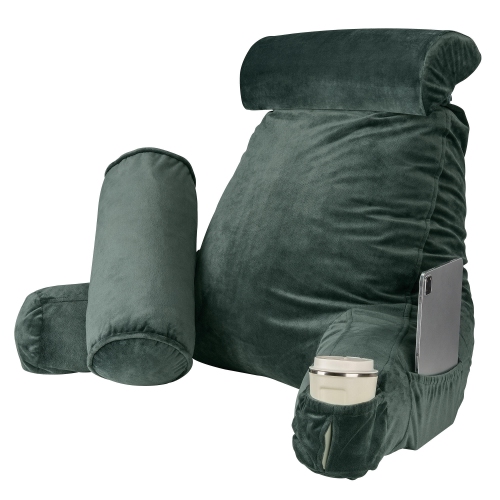
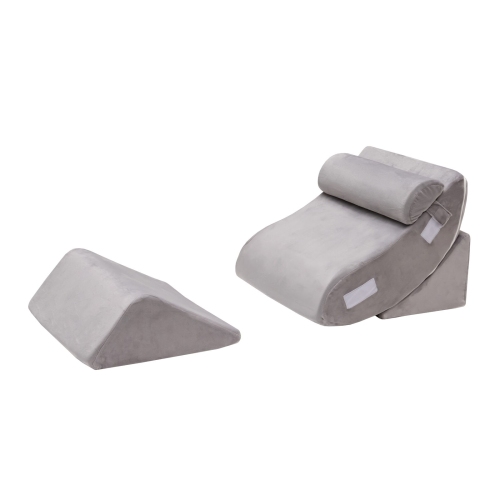
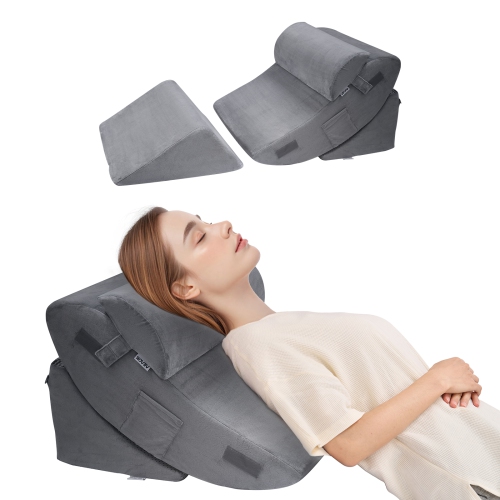
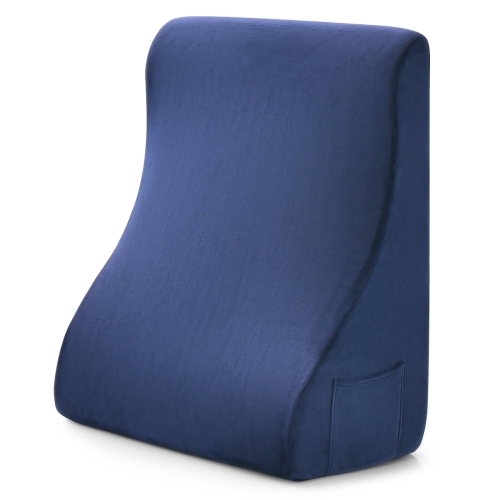
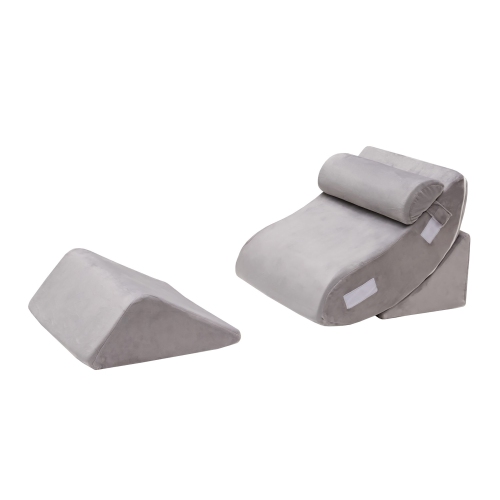
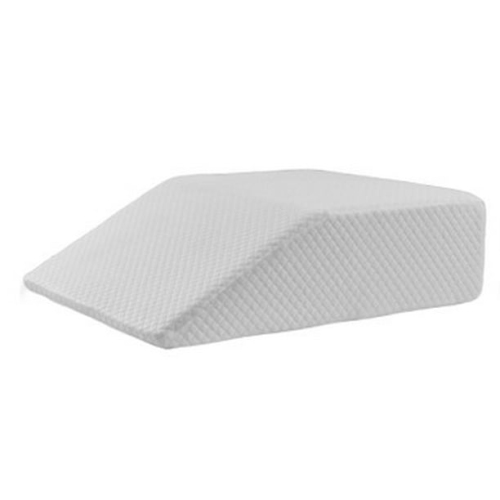
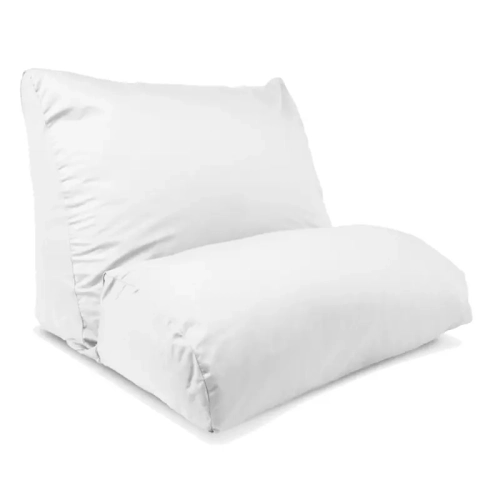
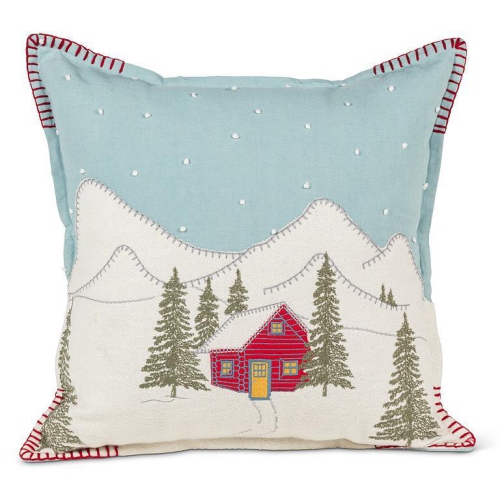
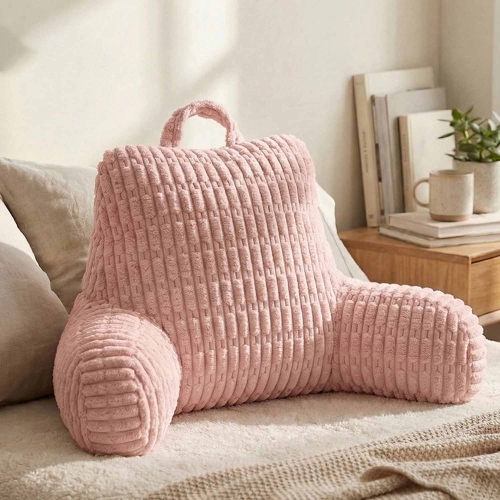
Everyday care plays an important role in how well a bed pillow maintains its comfort and shape. Washing methods vary considerably: some fibre-filled and down-filled pillows can be machine washed according to their care labels, while many solid foam and latex cores require spot cleaning rather than soaking or machine washing. A removable cover may have different washing instructions from the pillow inside it. Thorough drying is especially important for washable fill, since a pillow that feels dry on the outside can still hold moisture at its centre. A pillow protector beneath the pillowcase adds a washable barrier against perspiration, skin oils, and everyday spills, although its fabric and fit can slightly change the surface feel. Loose-fill pillows often benefit from regular fluffing to redistribute material, whereas moulded foam designs generally need less reshaping. Durability is best judged by how the pillow performs rather than by a fixed replacement schedule. Persistent lumps, flattened areas that no longer fluff up, crumbling foam, damaged seams, or a noticeable loss of support can all signal that it is time for a replacement. Intended use matters as much as upkeep. A primary sleeping pillow needs to suit the person using it night after night, while a guest-room pillow may benefit from an easy-care construction and a broadly comfortable feel. Keeping pillows with different heights can give overnight guests a choice without assuming everyone sleeps the same way. Longer body pillows serve a different purpose, offering a surface to hug or place between the knees for added cushioning. Pillows used for sitting up with a book may feel comfortable behind the back but be too tall for sleeping beneath the head. For a layered bed arrangement, Square Pillows can complement rectangular sleeping pillows, adding shape without replacing the need for a suitable nightly resting surface. Bed pillows can also make a thoughtful housewarming gift when the recipient’s preferred fill, sleeping position, and pillowcase size are known. Those practical details help turn a bedding refresh into something genuinely useful, with comfort that fits the person rather than appearance alone.
Top selling and popular products
-
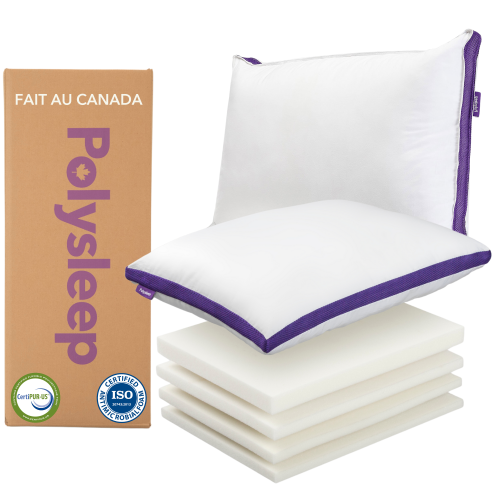 Your price for this item is $350
-
 Your price for this item is $300
-
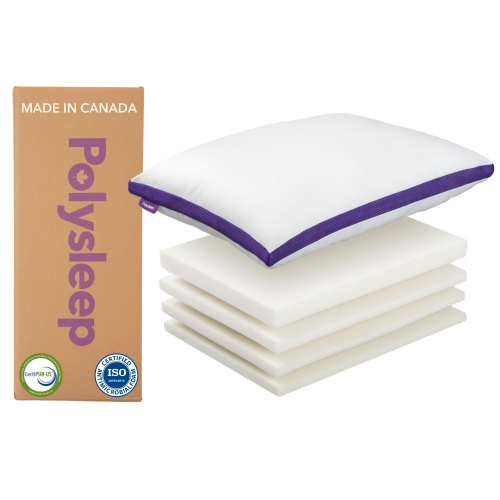 Your price for this item is $105
-
 Your price for this item is $122.5
-
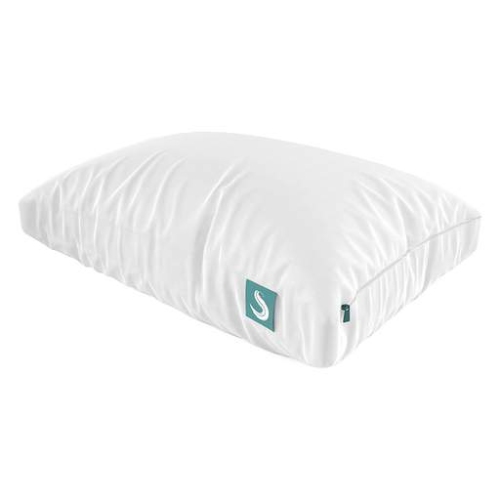 Your price for this item is $153.99
-
 Your price for this item is $295
-
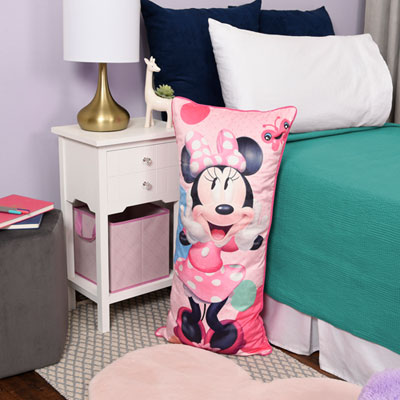 Your price for this item is $24.99
-
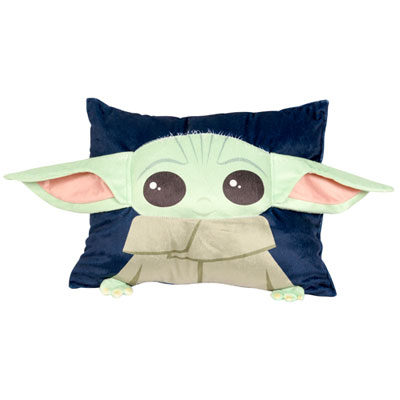 Your price for this item is $19.99
Discover more categories related to Bed Pillows
Top Collections:
Pokemon Centers, Kindle Devices, Best Cameras for Sports Photography, Pokémon 30th Celebration Cards, Apple iPhones 16, Canon G7X Cameras, iPhone 15 Apple, Flip Phones, Samsung Galaxy Phones, Alarm Clock
Some products may be subject to Environmental Handling Fees
(EHF) depending on your province.
Learn more about EHFs.