Bed Skirts for Box Springs
Bed Skirts for Box Springs are the perfect finishing touch to any bedroom, offering a polished look that enhances your bedding ensemble. Whether you're updating your guest room or refreshing your master suite, these bed skirts help create a tidy and inviting appearance by neatly covering box springs and under-bed storage. Explore a range of styles, colors, and sizes designed to complement any décor and bring a cohesive look to your space.
Sort


A finished bed base starts with the right fit
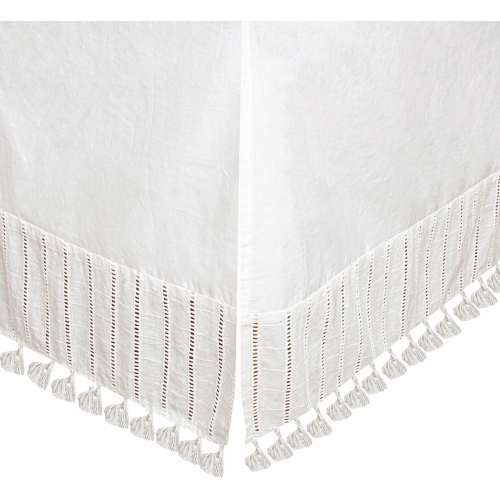
A bed skirt for a box spring is a fabric covering that hangs from the bed base towards the floor, concealing the box spring, exposed frame legs, and the space beneath the bed. Also called a dust ruffle, it gives bedding a finished lower edge and keeps storage bins or spare linens out of sight without changing the mattress or bed frame. Two common constructions offer different ways to achieve that coverage. A traditional bed skirt has a flat fabric platform, sometimes called decking, that sits between the mattress and box spring, with the visible skirt hanging down the sides and foot. A wrap-around bed skirt fits around the outside of the box spring, often using an elastic band or another fastening system, so installation may not require removing the mattress. The right fit depends on both the bed size and the drop length: the distance from the top of the box spring, where the skirt begins, to the floor. A skirt that barely clears the floor creates a tidy outline, while excess length can gather underfoot or get caught during vacuuming. A shorter drop leaves more of the frame or under-bed area visible. Mattress size alone does not determine the drop, since a low frame and a taller foundation can put otherwise identical beds at different heights. Corner construction matters, too. Split corners allow the fabric to fall around bedposts and some footboard supports, whereas continuous corners suit bases without those obstructions. Many traditional designs cover three sides, leaving the head of the bed uncovered, so orientation matters when a bed sits away from the wall. For beds with prominent side rails or an upholstered frame, the skirt’s attachment point and hanging path deserve particular attention. Fabric should fall freely rather than bunch over a rail or stretch across a support. These details help a bed skirt look intentional, whether it finishes a simple metal frame in a guest room or conceals everyday storage beneath a main bedroom bed.
Fabric and styling determine how a bed skirt looks at close range and how it behaves after regular use. Cotton often has a soft, familiar feel and a matte appearance that pairs easily with cotton sheets, although some cotton fabrics need pressing to restore a crisp edge after washing. Polyester and microfibre fabrics can offer a smooth finish and straightforward care, with wrinkle resistance depending on the weave and construction. Cotton-polyester blends combine characteristics of both fibres, while linen brings visible texture and a naturally relaxed look. Fabric weight is just as important as the fibre name. Lightweight cloth can create gentle gathers, but a pale, thin skirt may allow a dark box spring or storage container to show through. Denser fabric or a lined construction generally provides more coverage and a more defined drape. Tailored skirts use straight panels, box pleats, or corner pleats to create clean vertical lines; gathered and ruffled styles introduce softer folds around the base of the bed. Neither approach needs to match every piece of bedding exactly. A white skirt can continue the light edge of a white duvet, while a charcoal or navy skirt can visually connect darker frame legs with patterned bedding. Cream, grey, and beige offer quieter contrasts, though undertones affect how these colours sit beside existing sheets and furniture. For a streamlined finish, Modern Bed Skirts offer a related direction centred on simple shapes and restrained detailing. The relationship between the skirt and the bedcover also changes the overall effect: a shorter quilt exposes more fabric, while a generously sized comforter may leave only the lower portion visible. In a compact bedroom, a straight hem can make the bed base appear orderly without adding much visual detail. In a guest room with simple bedding, subtle pleats or texture can provide interest without requiring extra cushions or accessories. The most useful choice balances that appearance with the amount of handling and laundering the room typically requires.
Everyday practicality becomes especially important when the space beneath a bed is used regularly. A skirt that lifts easily makes it simpler to reach rolling bins, luggage, or folded bedding, while a secure attachment helps keep the upper edge from slipping each time a container is pulled out. Traditional platform styles can shift when the mattress is moved or rotated, so keeping the decking centred helps maintain an even drop on both sides. Wrap-around styles depend on the stated size range and fastening design; an elastic edge that fits one foundation well may not sit correctly on a substantially deeper or differently shaped base. Adjustable beds need particular care because moving sections can pull, trap, or displace loose fabric, and any skirt should be compatible with the bed’s construction and kept clear of mechanisms. Care requirements vary by material, lining, trim, and attachment system, making the sewn-in care label more useful than assumptions based on appearance. Some skirts tolerate machine washing, while others call for gentler treatment or professional cleaning. Where washing is permitted, following the recommended water temperature and drying method helps limit shrinkage, distortion, and damage to elastic. Removable fasteners may need to come off before laundering, and pressing instructions can differ between the visible skirt and its platform fabric. Dust and pet hair can collect along the hem, particularly where it touches the floor; a bed skirt conceals the under-bed area but does not seal it against dust or replace routine cleaning. Durable details include neatly finished seams, secure elastic channels, and hems that lie flat without loose threads. Households that frequently change bedding may value easy removal more than elaborate trim, while a lightly used guest bed may suit a more structured finish. A well-fitted skirt brings together these practical details: it covers what is meant to stay out of view, leaves storage accessible, and gives the bedding a consistent edge without interfering with the way the bed is used.
Top selling and popular products
-
 Your price for this item is $75.99
-
 Your price for this item is $50
-
 Your price for this item is $50
-
 Your price for this item is $30
-
 Your price for this item is $30
-
 Your price for this item is $39.97
-
 Your price for this item is $74.99
-
 Your price for this item is $74.99
Discover more categories related to Bed Skirts for Box Springs
Top Collections:
Pokemon Centers, Best Black Friday Deals This Year, Best Black Friday Deals On Electronics, Kindle Devices, Best Budget Office Chairs, Best Black Friday Deals On Apple Products, Best Cameras for Sports Photography, Pokémon 30th Celebration Cards, Dyson Airwrap, Canon G7X Cameras
Some products may be subject to Environmental Handling Fees
(EHF) depending on your province.
Learn more about EHFs.