Beds With Closet Organizers
Upgrade your bedroom with a multifunctional solution that maximizes space and organization. Our selection of beds with integrated closet organizers combines style and functionality, providing you with the perfect combination of comfort and storage. Say goodbye to cluttered spaces and hello to a well-organized bedroom where everything has its place. Whether you're looking to streamline your morning routine or simply seeking a stylish storage solution, these bed options are designed to meet your needs while enhancing the aesthetic of your bedroom.
Sort
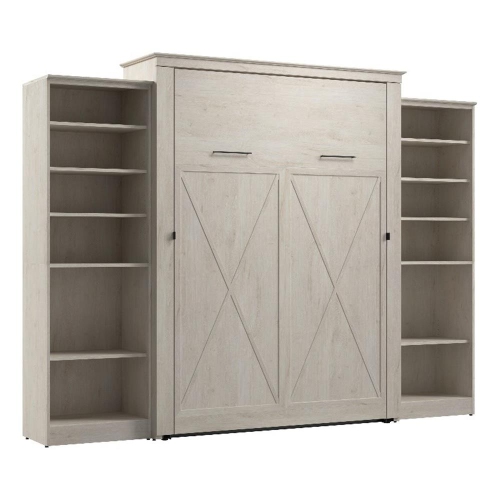
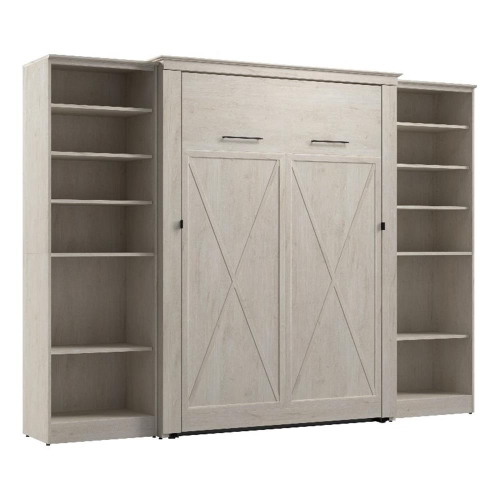


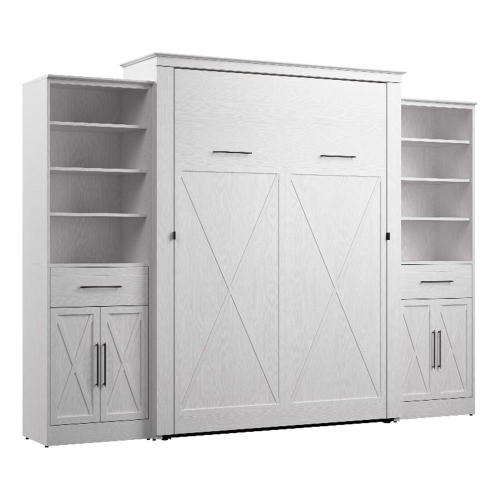


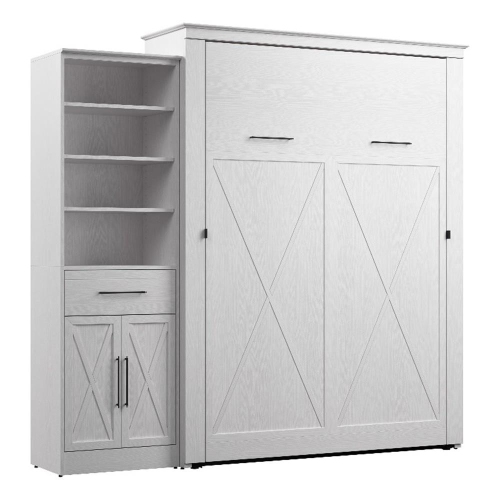
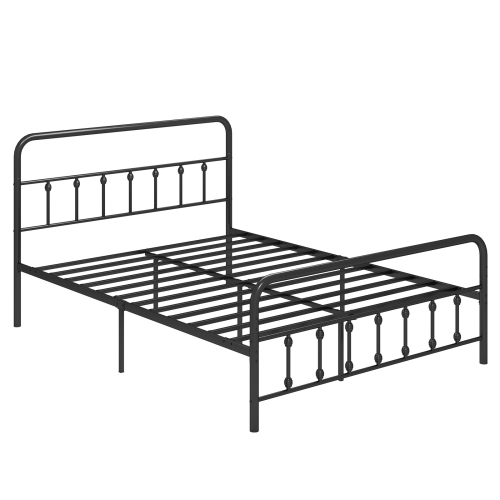
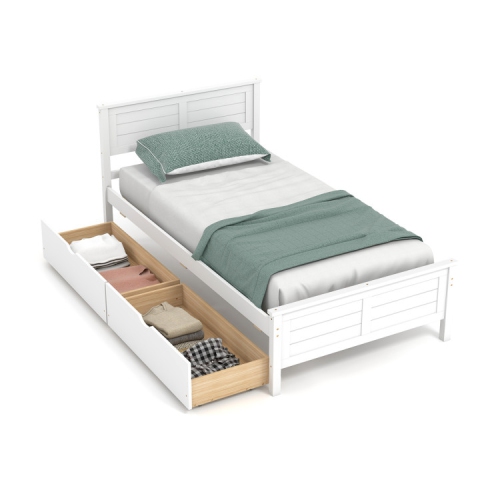
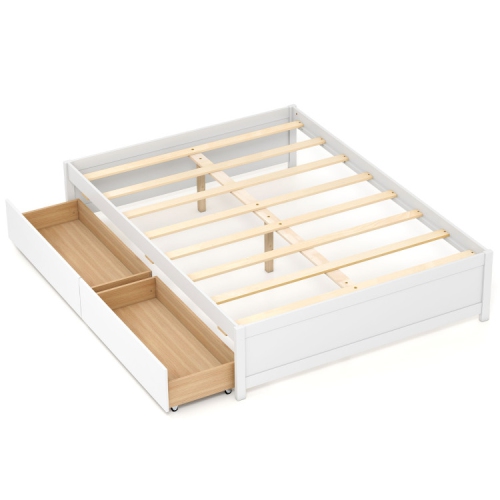

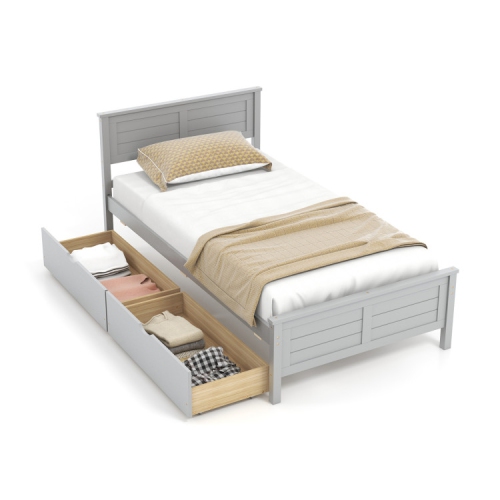
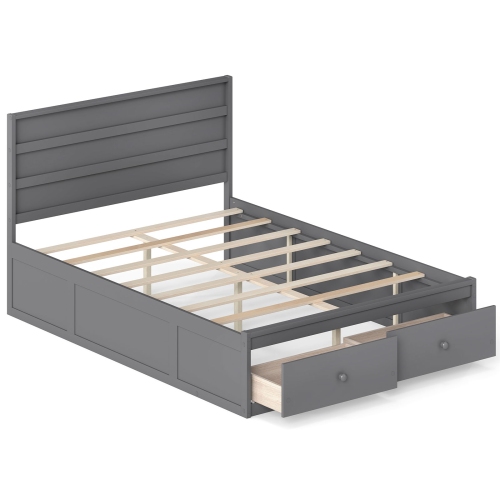
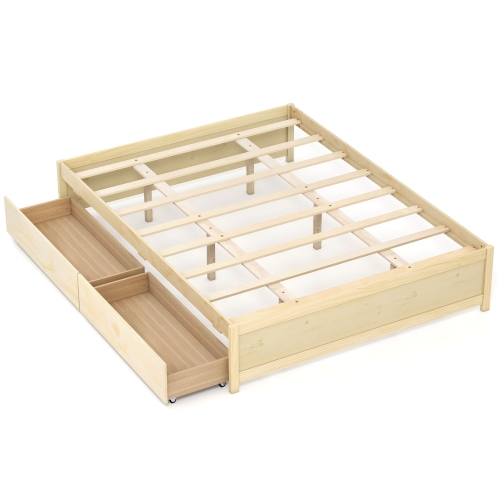
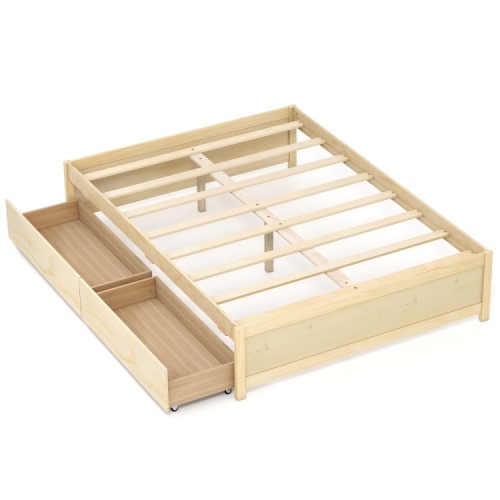
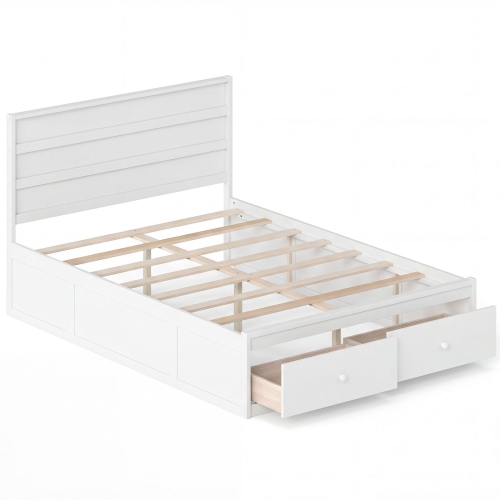

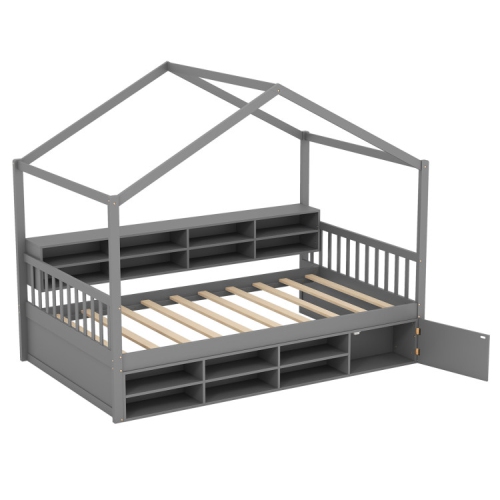
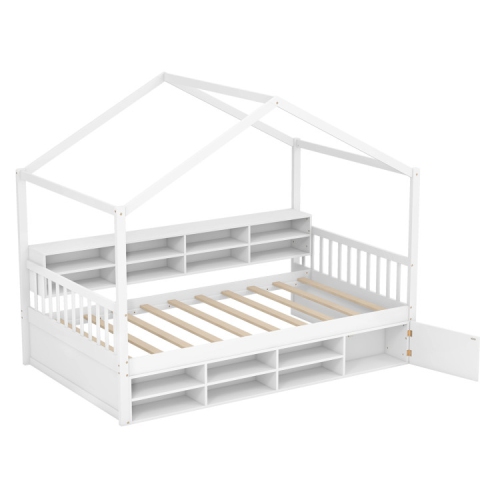
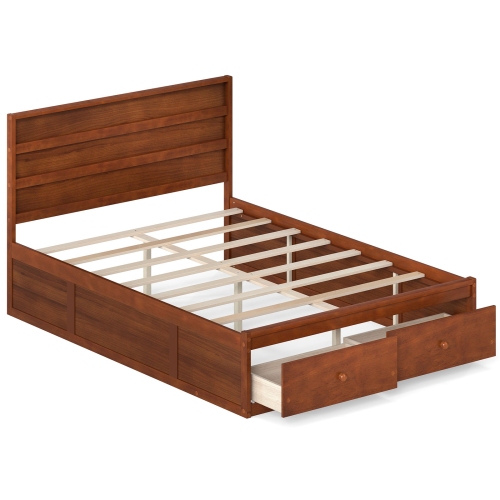
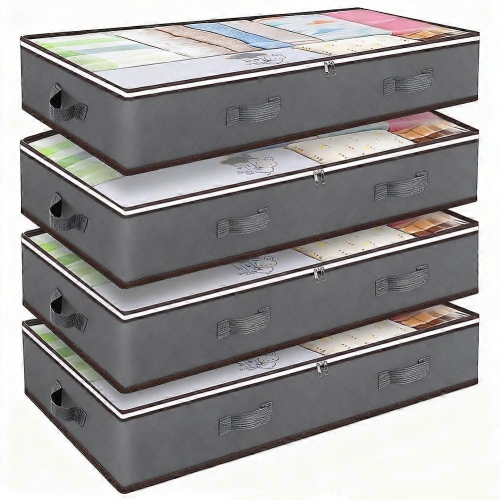


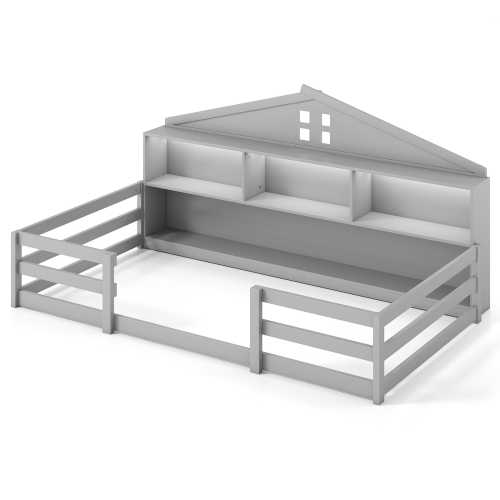
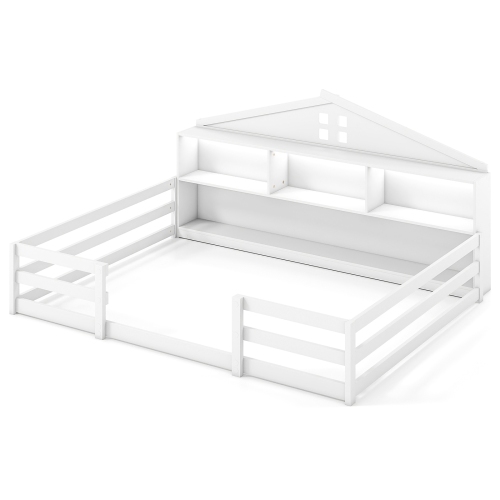
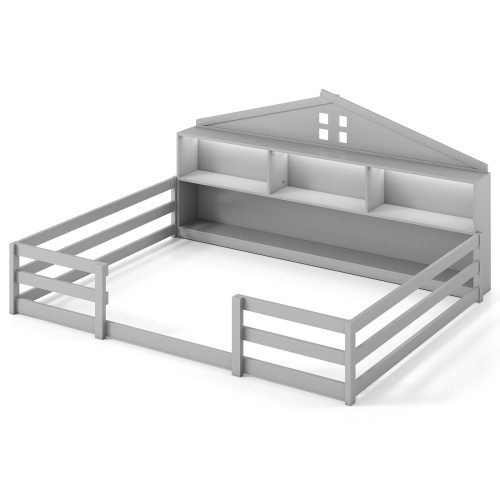
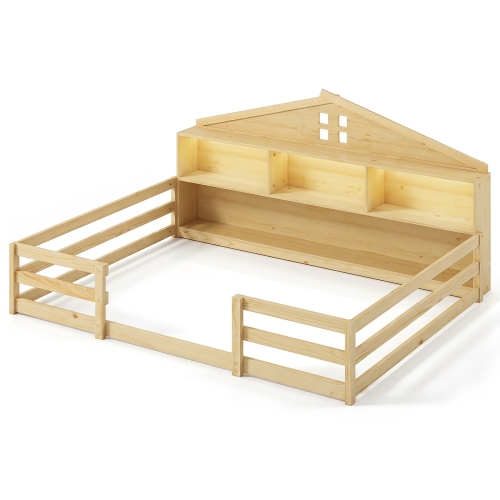



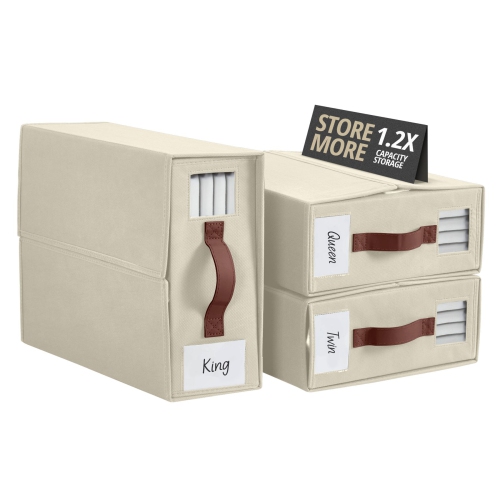

Clothing storage that goes beyond under-bed drawers
Beds with closet organizers bring sleeping space and clothing storage together, helping a bedroom do more without filling every wall with separate furniture. Depending on the design, that storage may take the form of a wardrobe beneath a loft bed, tall cabinets beside a wall bed, or a coordinated arrangement of drawers, shelves, and hanging rails around the bed frame. The distinction matters: a storage bed with drawers is useful for folded clothes and spare bedding, but it does not necessarily provide the hanging space of a closet. For someone who needs room for shirts, dresses, or jackets, a configuration with a wardrobe compartment serves a different purpose from one built mainly around shallow drawers. Loft beds with wardrobes use vertical space by placing the mattress above the storage area, leaving part of the floor below available for clothing, a desk, or other furnishings, depending on the layout. Murphy beds with closet storage fold into a cabinet when not in use, while adjacent wardrobes and shelves can remain accessible. Platform beds with coordinated closet components keep the sleeping surface closer to the floor and can suit people who prefer not to climb a ladder or operate a folding mechanism. These arrangements are especially relevant in condos, studio apartments, shared bedrooms, and multipurpose guest rooms, where a freestanding dresser might otherwise crowd the route between the bed and the door. Their usefulness extends beyond small rooms, too. Keeping hanging clothes, folded garments, and everyday accessories within one planned area can make a larger bedroom feel more orderly. A teen might use separate compartments for school clothes and sports gear, while an adult might value a hanging section that keeps workwear apart from casual clothing. In a guest room, a few clear shelves and a dedicated rail give visitors somewhere to unpack without taking over household storage. The most practical arrangement reflects what needs storing rather than simply offering the greatest number of compartments.
Fit involves more than matching a bed size to an open stretch of wall. The full furniture footprint includes wardrobe depth, drawer extension, cabinet-door swing, and any ladder or steps leading to an elevated sleeping surface. A queen mattress measurement, for example, does not describe the width of a bed with storage towers on both sides. Room planning also needs to account for baseboards, ceiling height, light fixtures, electrical outlets, and access to windows and doors. With a wall bed, the open position determines how much clear floor space is needed for sleeping, while the closed position determines how the room can function during the day. A desk chair that fits comfortably beside the closed cabinet may need another home once the bed is lowered. Loft designs need enough clearance above the mattress for the intended sleeper, as well as usable height within the storage area below. Mattress thickness is particularly important on elevated beds because it affects the effective height of the guardrails; the manufacturer's specified limit should always govern the choice. Elevated sleeping surfaces are not suitable for children under six, and age guidance, weight limits, guardrails, and secure ladder access remain important for older users. Wall beds and tall wardrobe components also require careful installation, including anchoring as directed for the wall construction. Renters may need permission before committing to a system that requires fastening to the building. Beyond those structural details, clothing habits help determine the right interior layout. Long garments need uninterrupted hanging height, folded knitwear benefits from shelves that are not excessively deep, and socks or accessories are easier to manage in divided drawers. Adjustable shelving allows compartments to change as storage needs evolve. Coordinating components such as Closet Organizers With Shelves can extend the arrangement into an existing closet, provided their dimensions and mounting requirements suit the space. Matching finishes can create visual continuity, but keeping frequently used belongings within comfortable reach is just as important as a coordinated appearance.
Materials, hardware, and construction influence how these furniture combinations feel in daily use and how well they stand up to repeated opening, closing, and movement. Solid wood can bring visible grain and character, while wood veneers offer a real-wood surface over a supporting core. Engineered wood with a laminate or melamine finish can provide a uniform appearance and a surface that is straightforward to wipe clean, although exposed edges and standing moisture need attention. Metal frames and rails may offer a slimmer profile, but stability still depends on the complete design, sound joints, and correct assembly rather than the material alone. A drawer used twice a day places different demands on its runners from a shelf holding rarely used bedding. Smooth drawer travel, firmly attached handles, well-aligned hinges, and clearly stated load limits are useful details to consider. Soft-close hardware can reduce abrupt closing, while accessible handles make larger doors easier to operate. For wall beds, the lifting mechanism must be used with the mattress specifications and operating procedures supplied by the manufacturer; extra mattress weight or added components can affect operation. Bed support matters separately from storage capacity, so slats, platforms, and any foundation requirements should suit the intended mattress. Care is usually a matter of regular light cleaning and prompt attention to spills, using products appropriate to the finish rather than abrasive cleaners. Drawer tracks, the space beneath the bed, and the tops of tall cabinets are worth keeping accessible for cleaning. Moving parts and fasteners should be checked at the intervals recommended in the care instructions, and overloaded shelves or drawers should be avoided. Visually, lighter colours and simple cabinet fronts can keep a substantial storage arrangement from dominating the room, while wood tones can connect it with existing furniture. Open shelves make books and baskets easy to reach; closed doors conceal mixed clothing colours and smaller belongings. Balancing the two helps create a bedroom that feels personal without leaving every possession on display, with a comfortable place to sleep and storage that supports everyday routines.
Top selling and popular products
-
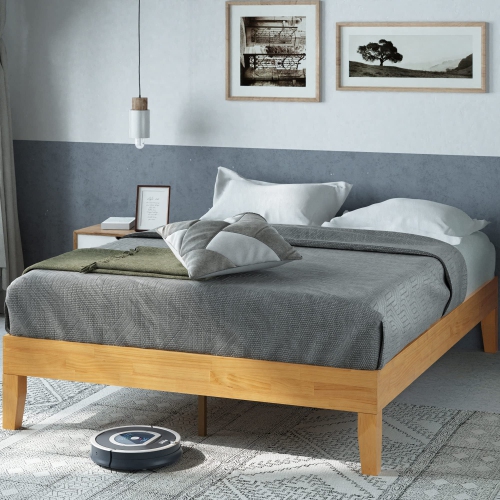 Your price for this item is $493.52
-
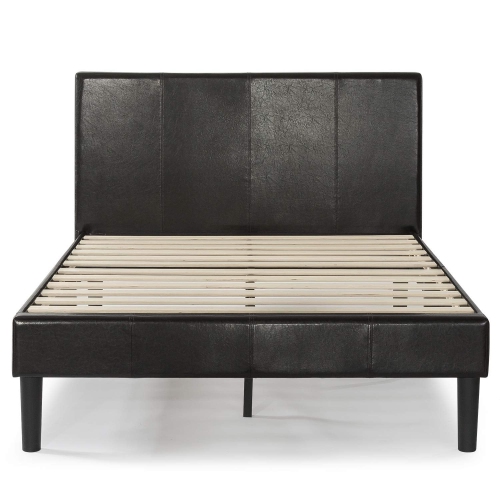 Your price for this item is $611.85
-
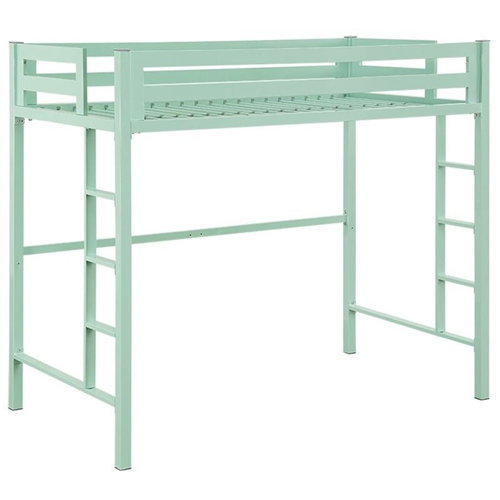 Your price for this item is $825.26
-
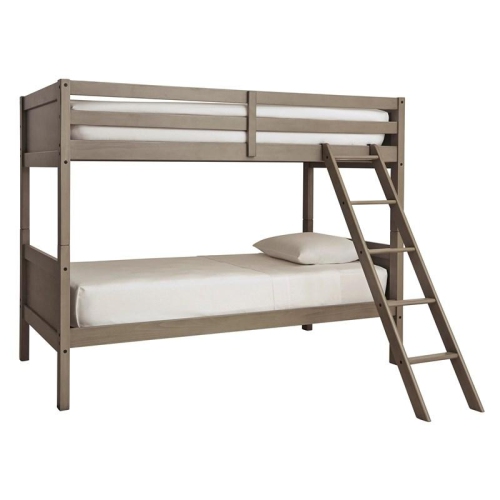 Your price for this item is $799.99
-
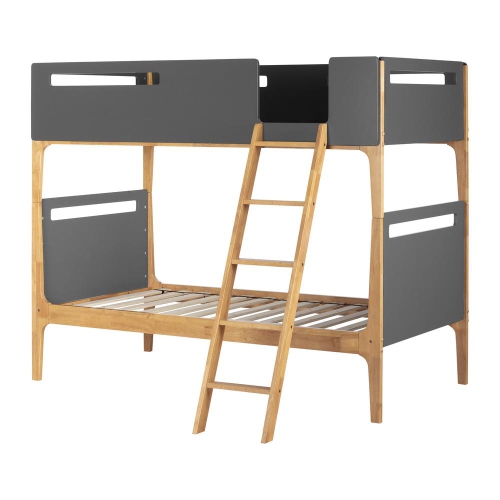 Your price for this item is $985.42
-
 Your price for this item is $157.99
-
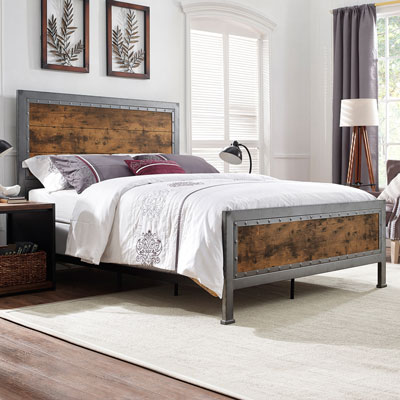 Your price for this item is $862.99
-
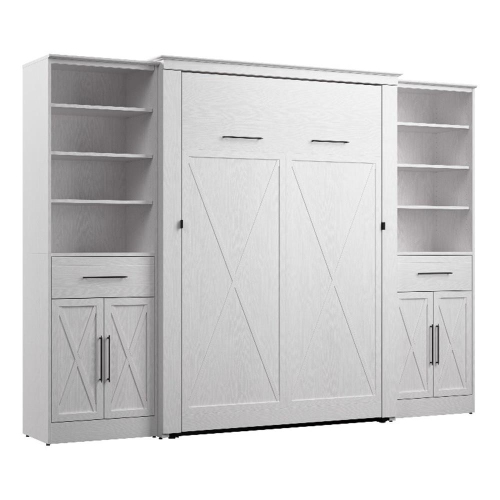 Your price for this item is $3349.99
Discover more categories related to Beds With Closet Organizers

Top Collections:
Pokemon Centers, Kindle Devices, Best Budget Office Chairs, Canon G7X Cameras, Apple iPhones 16, Samsung Galaxy Phones, Refurbished Apple Laptops, Laptops for Students, iPhone 15 Apple, Budget Smartphones
Some products may be subject to Environmental Handling Fees
(EHF) depending on your province.
Learn more about EHFs.