Closet Organizers With Shelves
Are you tired of rummaging through a cluttered closet every morning? Say goodbye to chaos and hello to organization with our selection of closet organizers with shelves. These versatile solutions are designed to maximize your storage space, keeping your clothes, shoes, and accessories neatly arranged and easily accessible. Whether you have a small apartment or a spacious walk-in closet, our range of closet organizers with shelves offers customizable options to suit your needs. From adjustable shelving units to hanging organizers with built-in shelves, we have everything you need to transform your closet into an organized oasis. Say hello to effortless mornings and impeccable style with our collection of closet organizers with shelves.
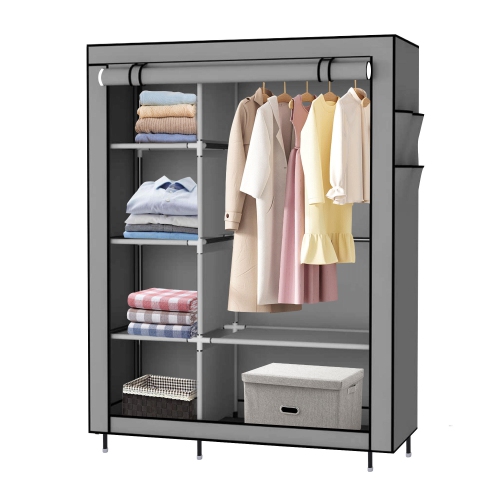
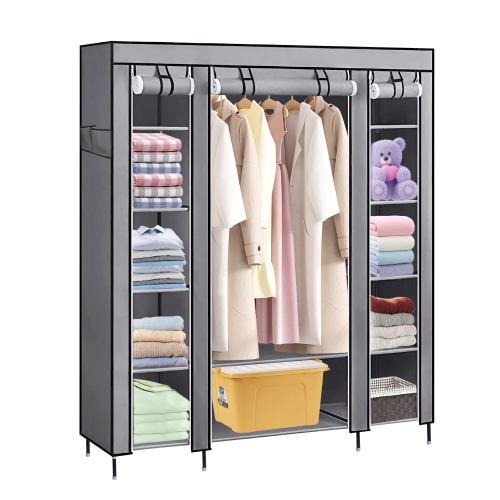
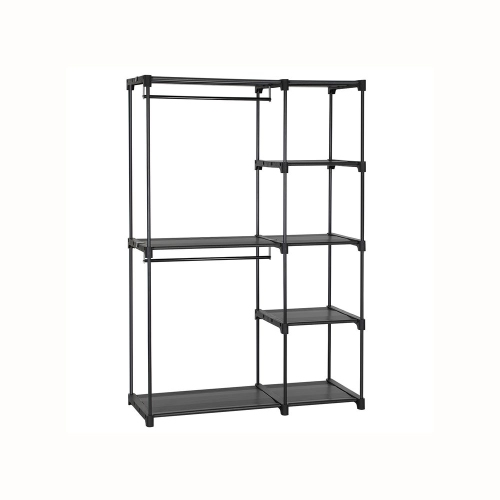

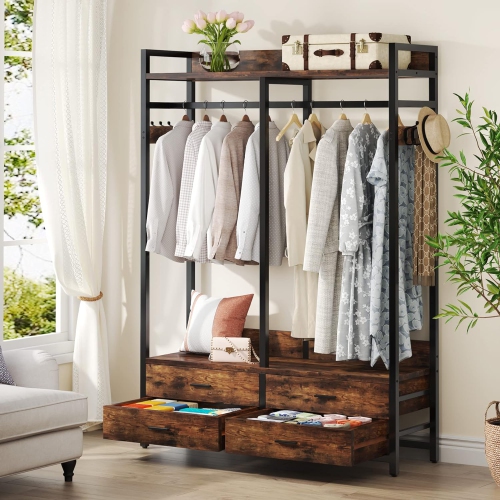
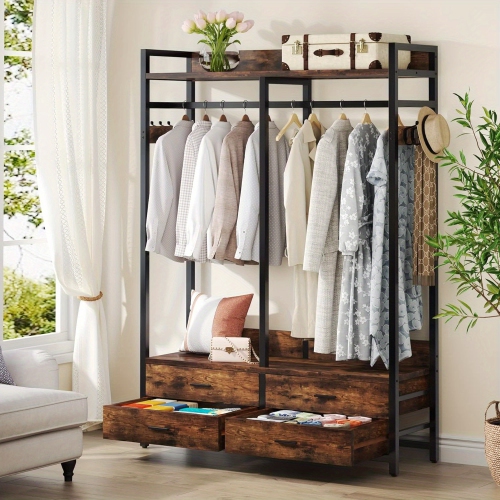


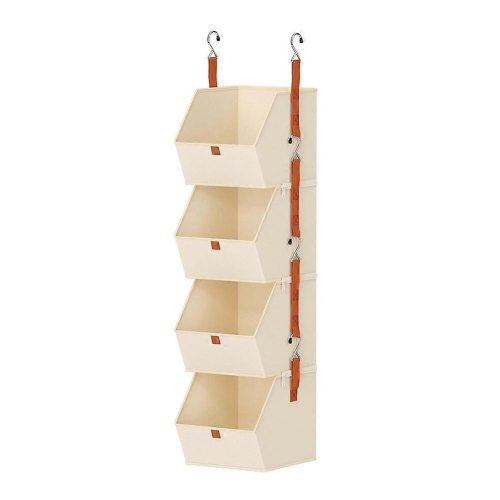

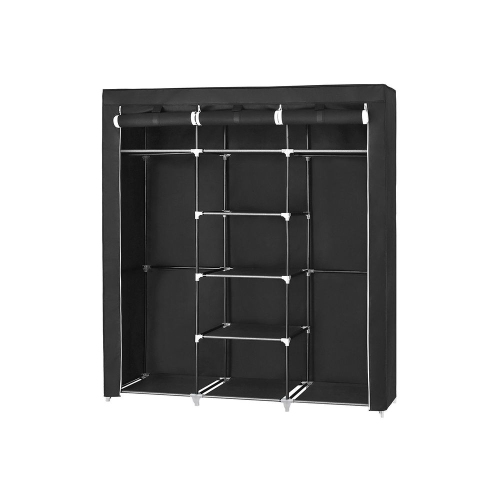

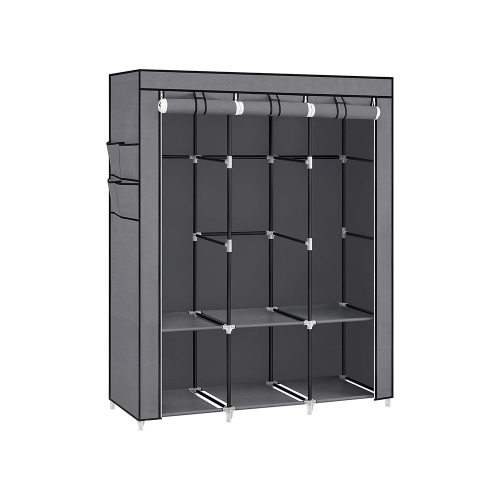

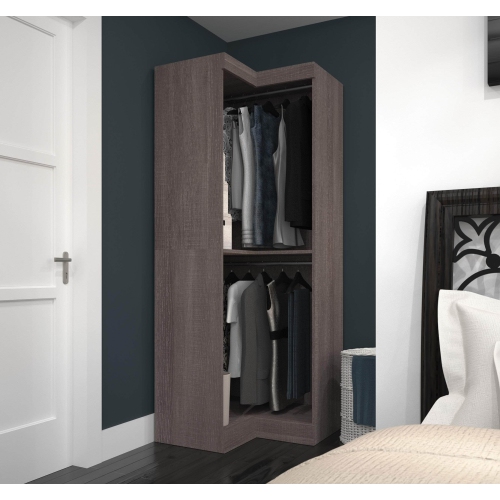

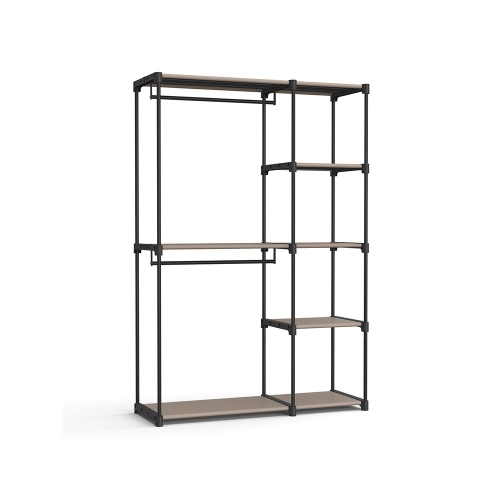
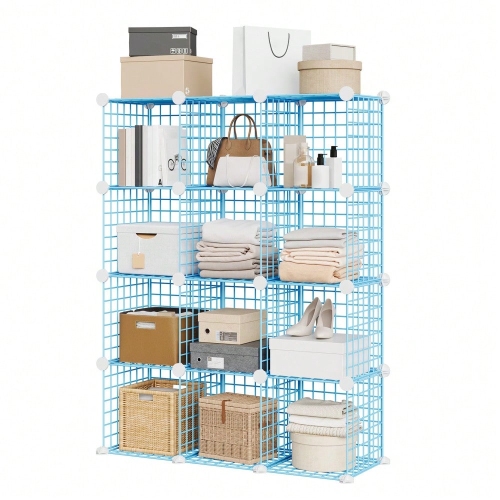
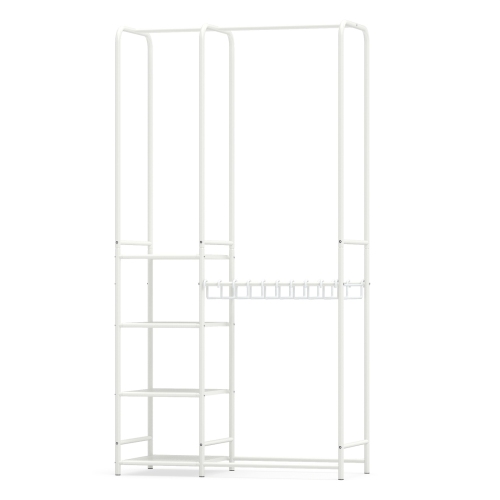

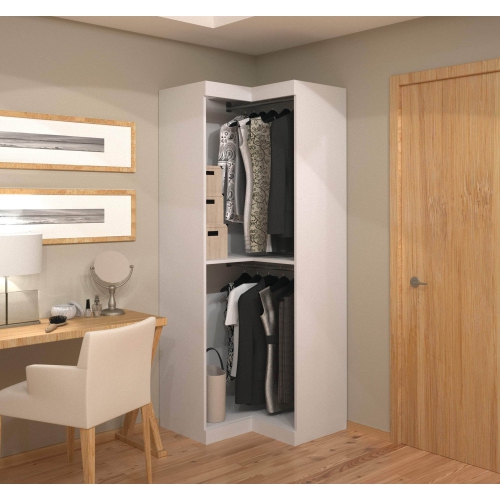
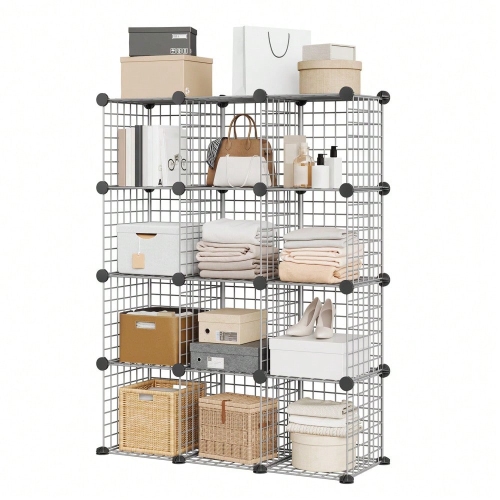
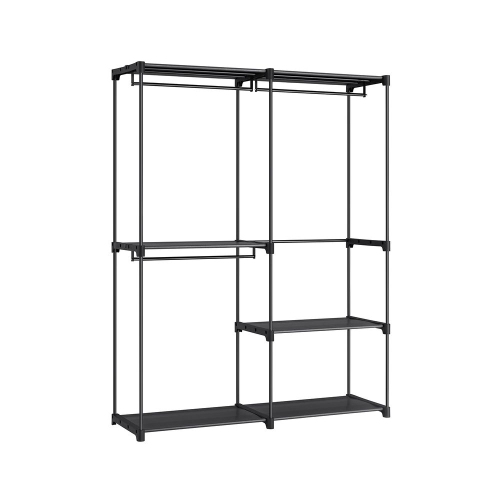
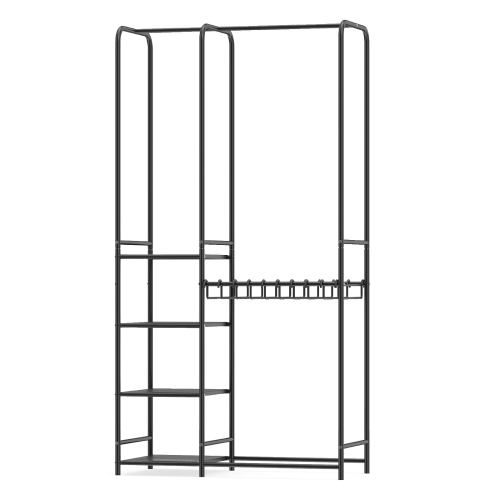
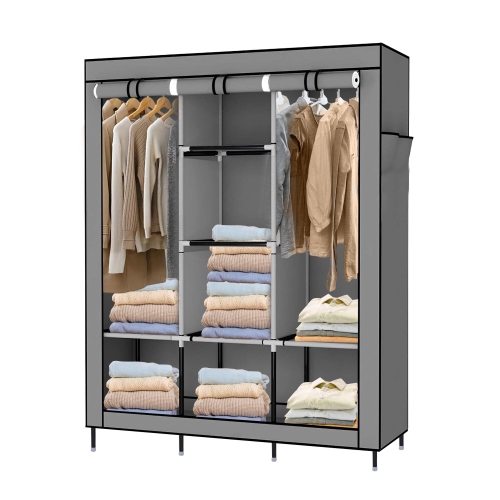


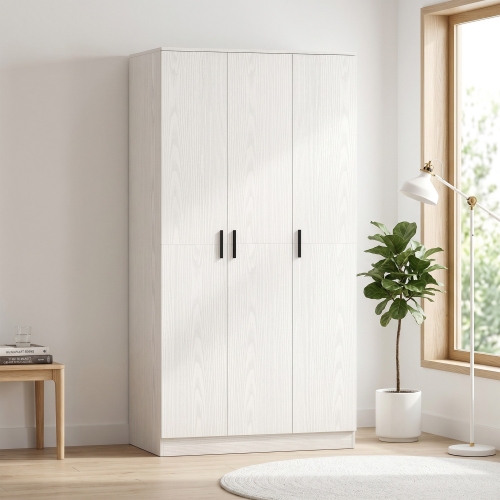
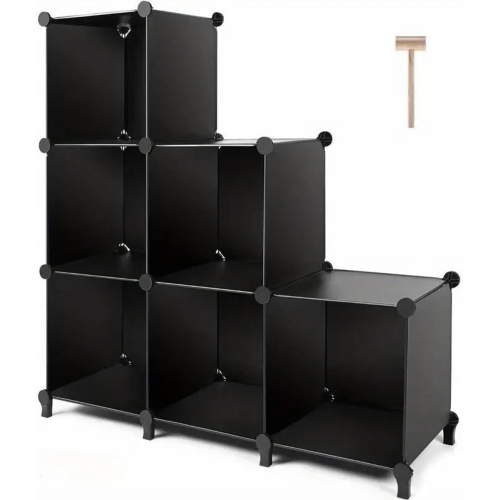
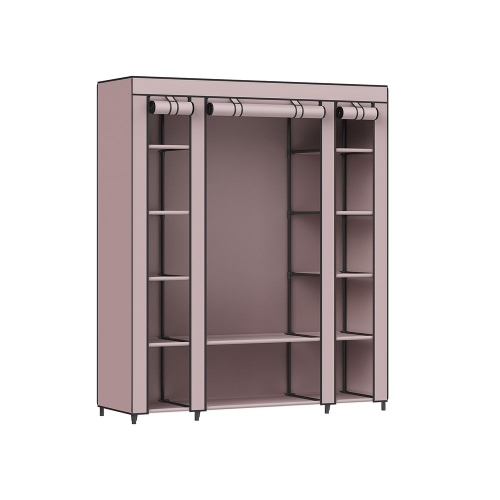
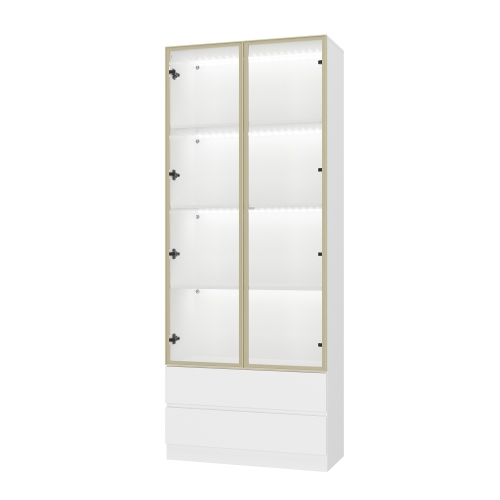
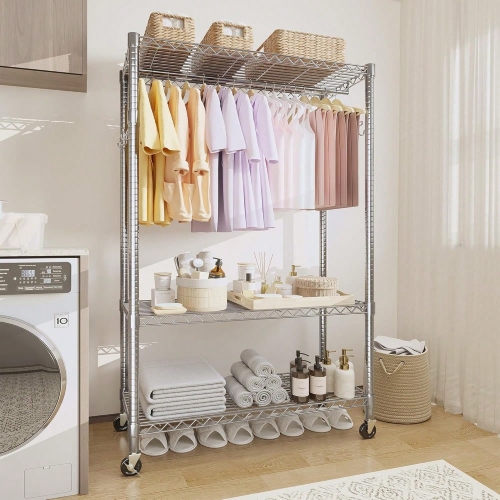
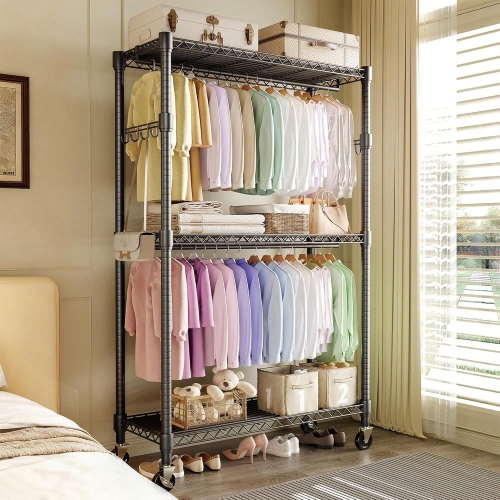
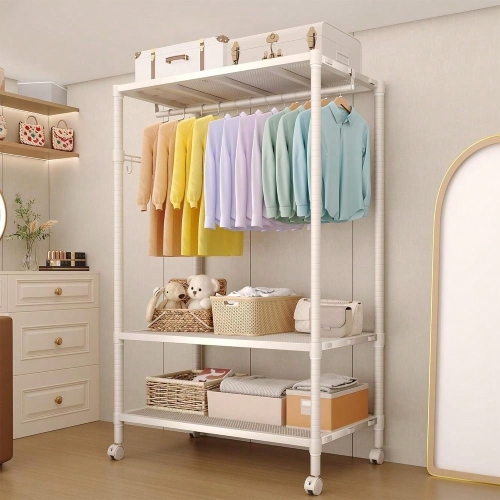
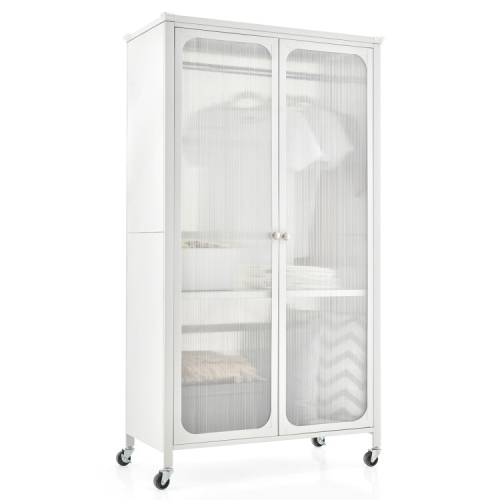

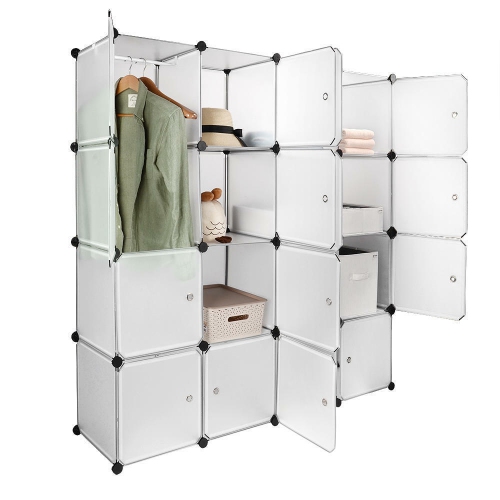

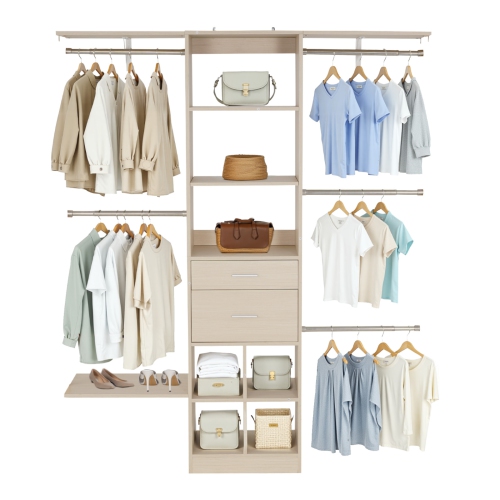
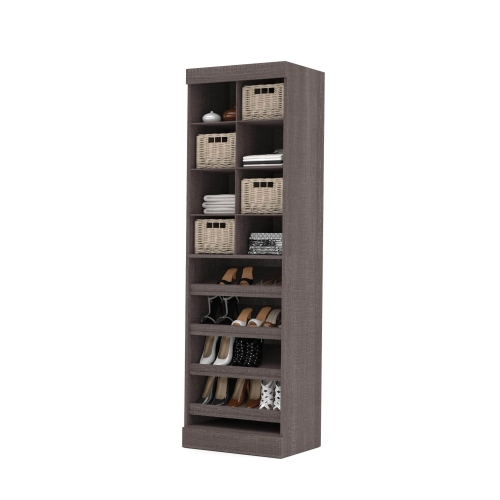

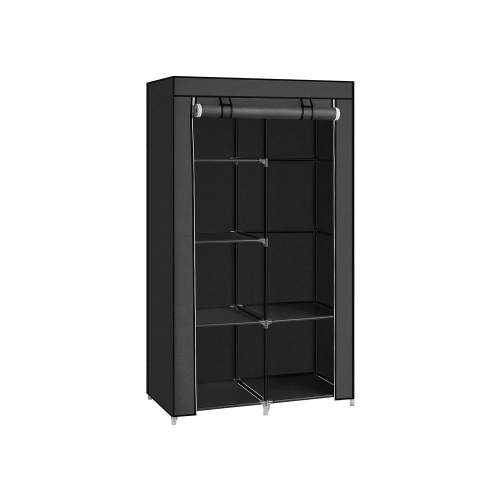


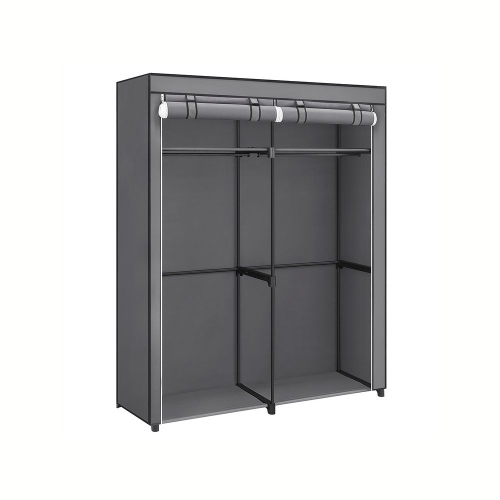
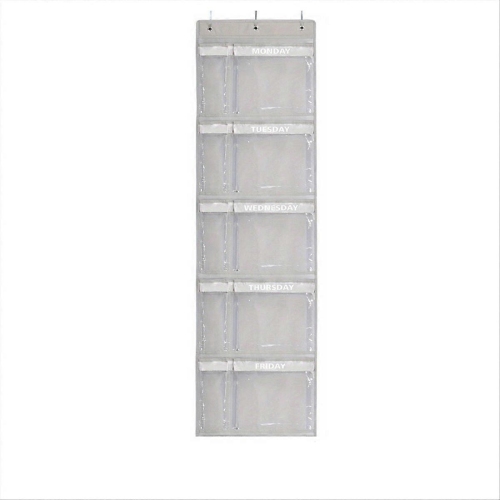
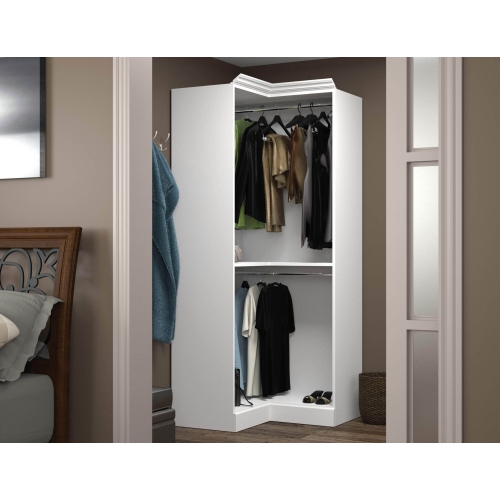


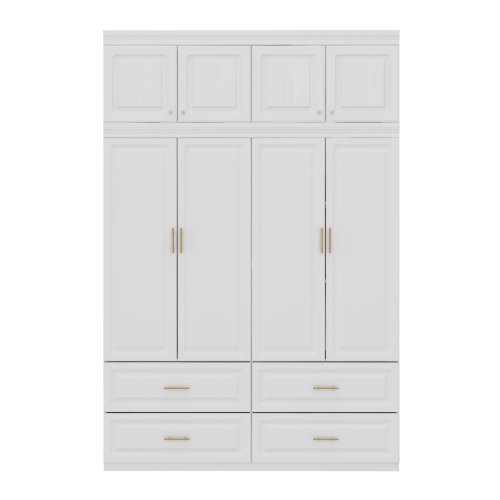


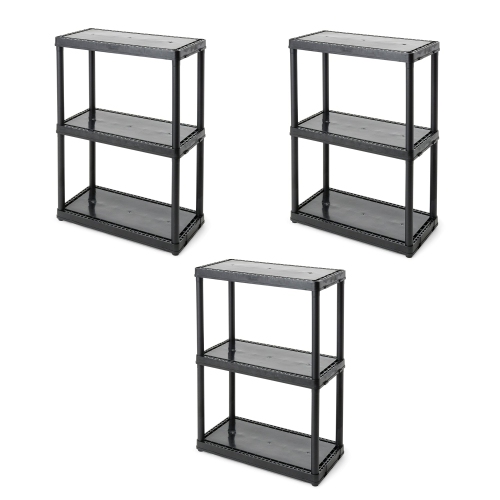

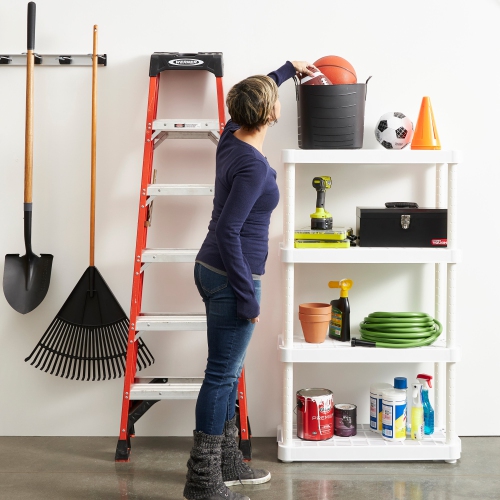


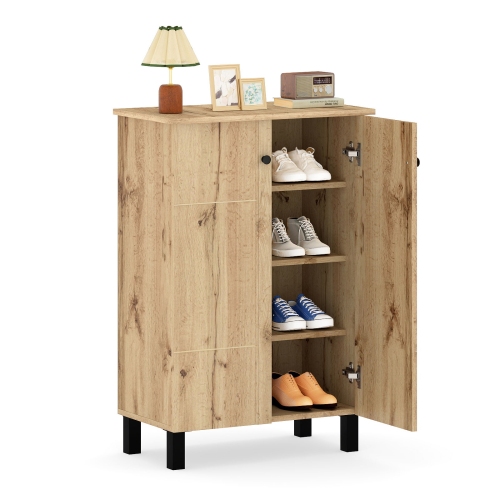
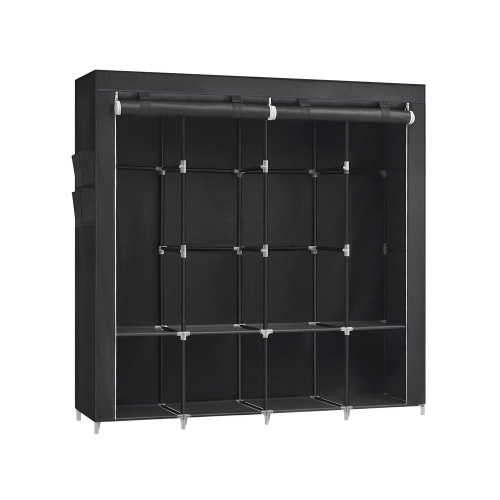

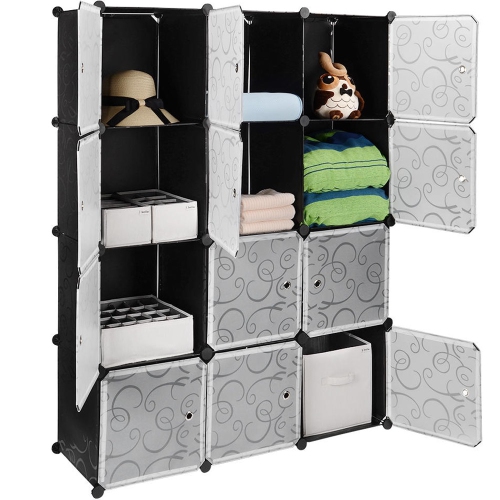
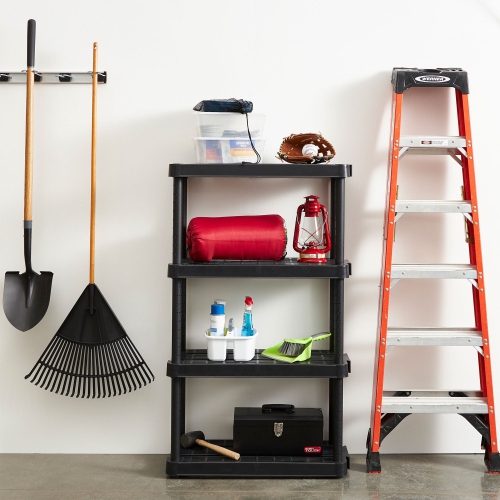



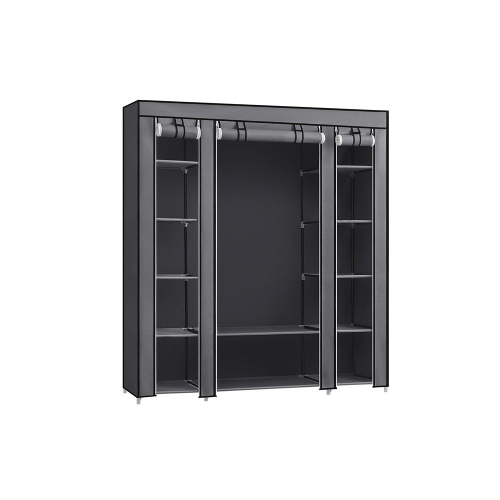
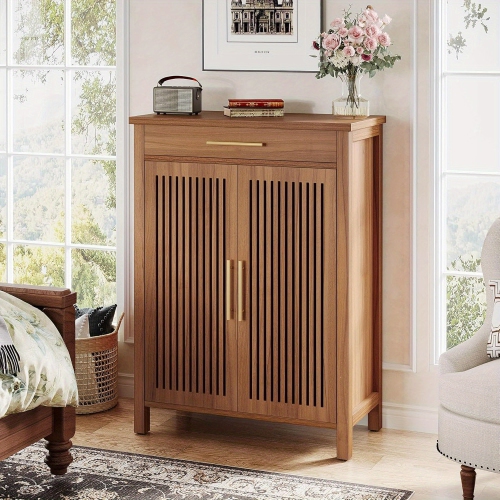
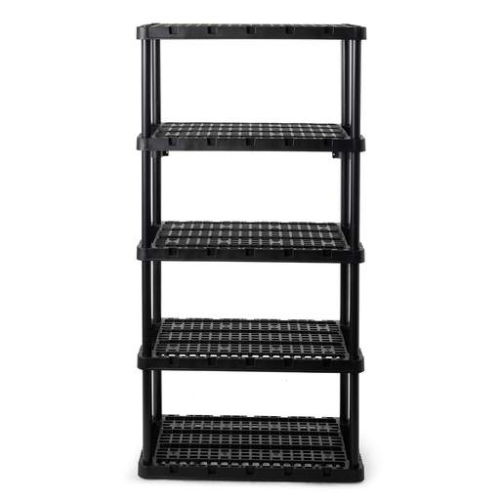
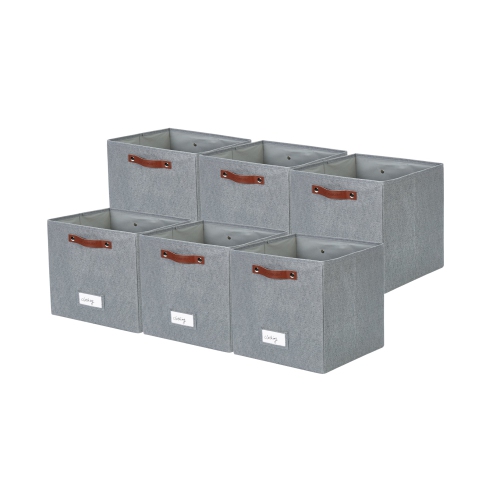

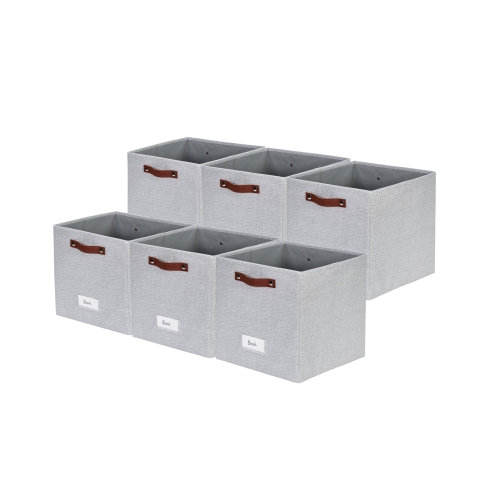
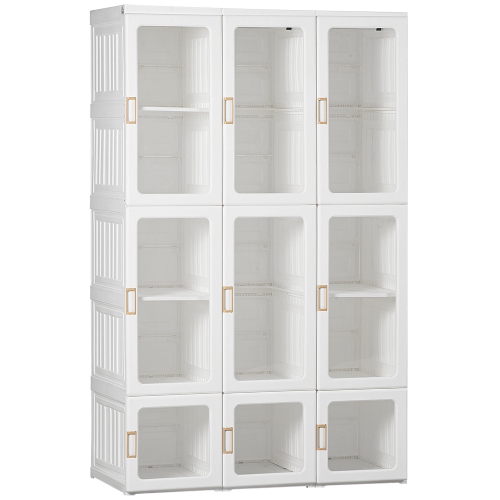


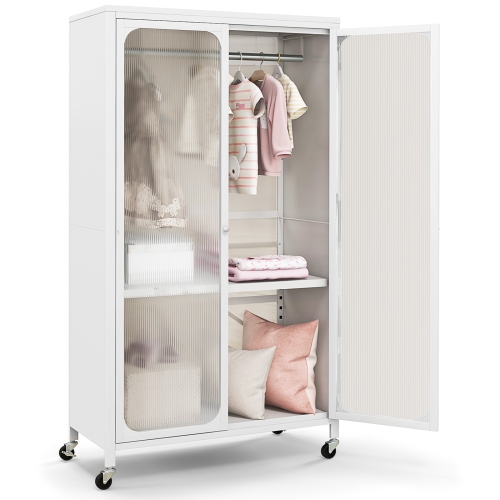
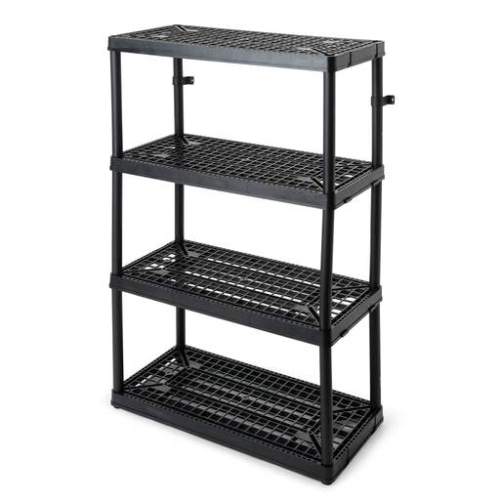
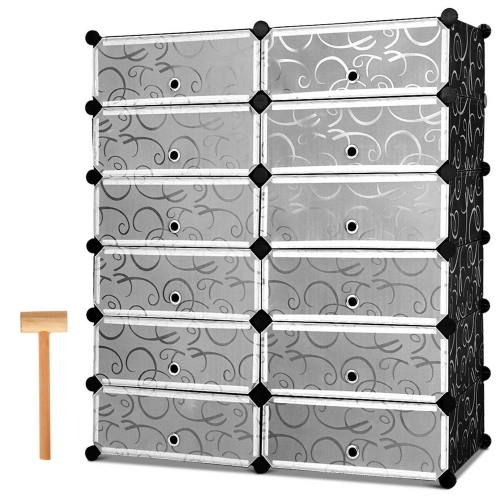
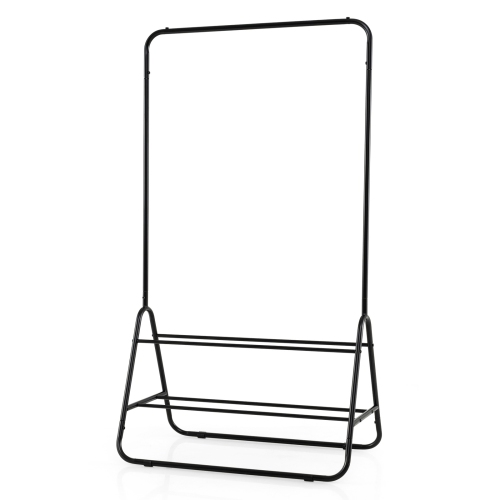
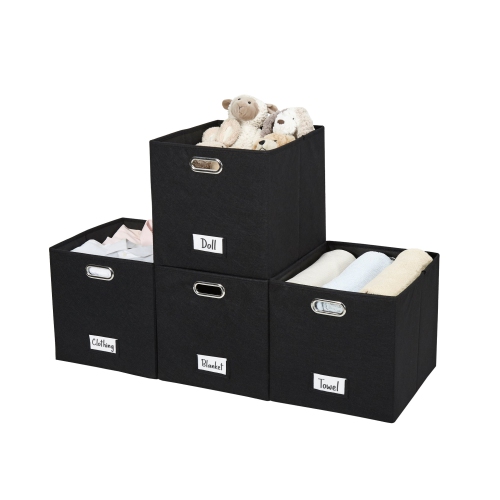
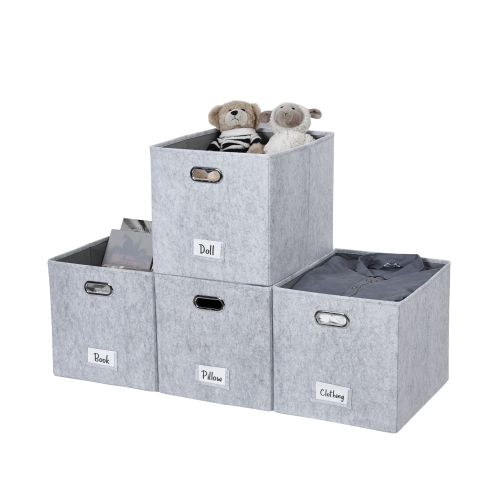



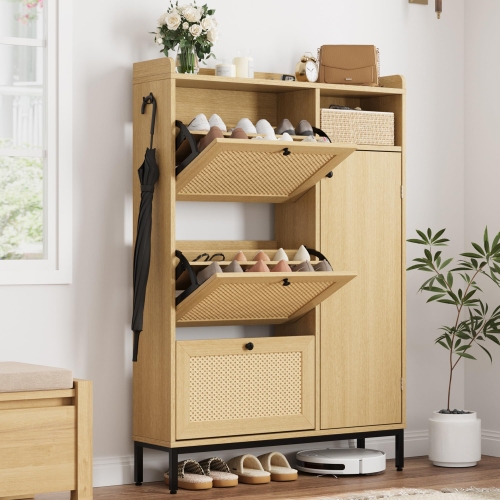
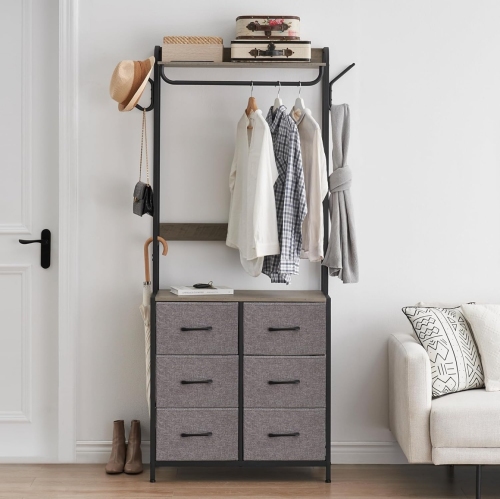
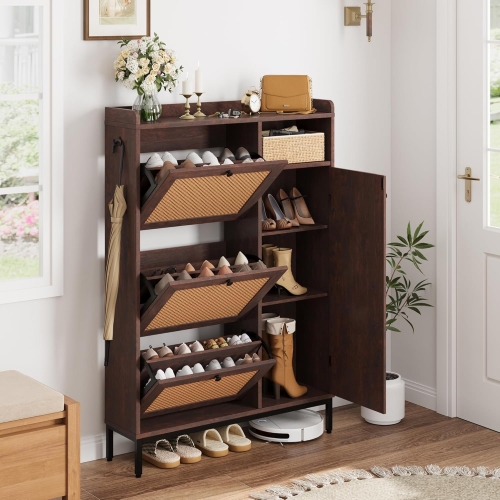
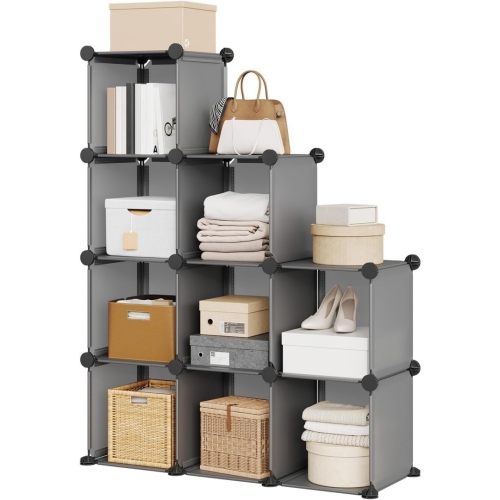
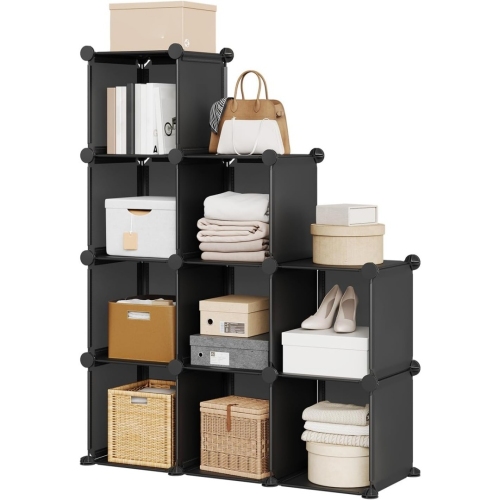
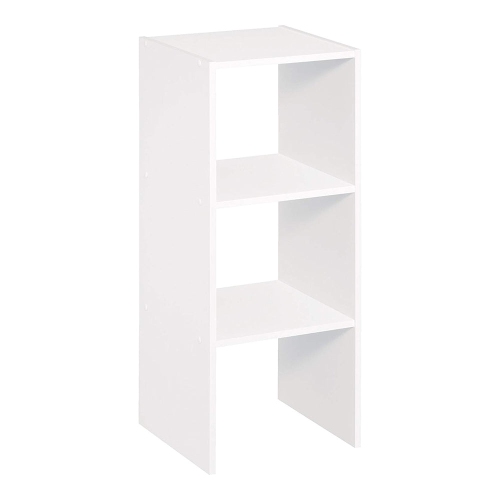
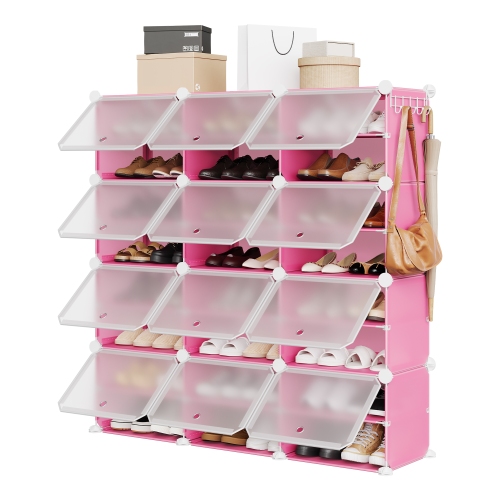
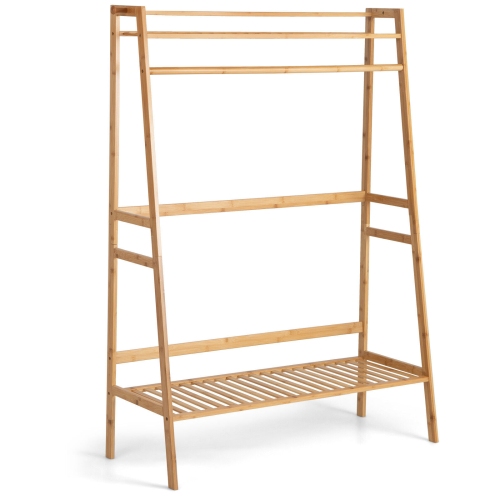


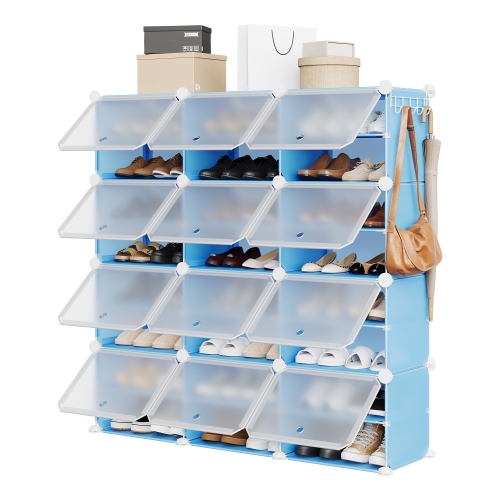
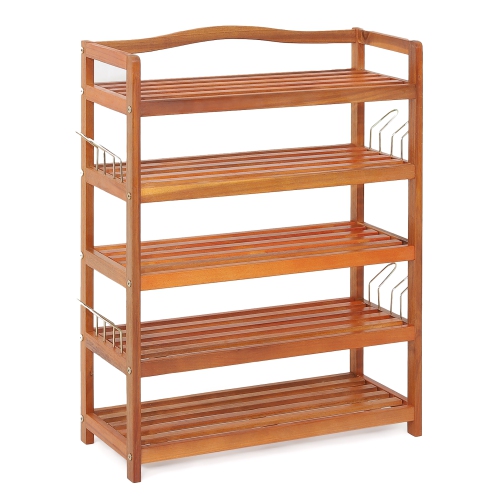

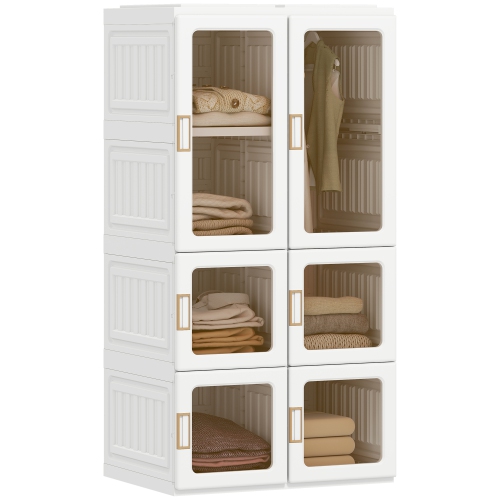
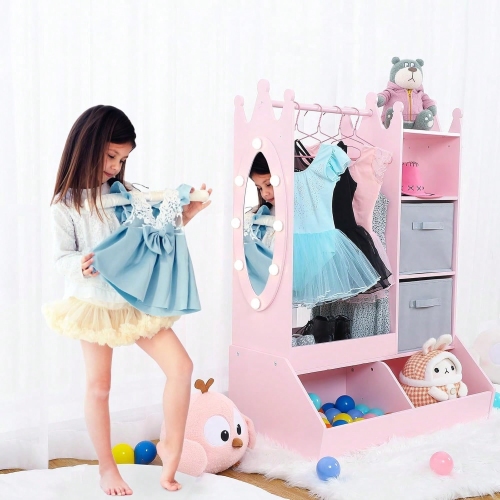


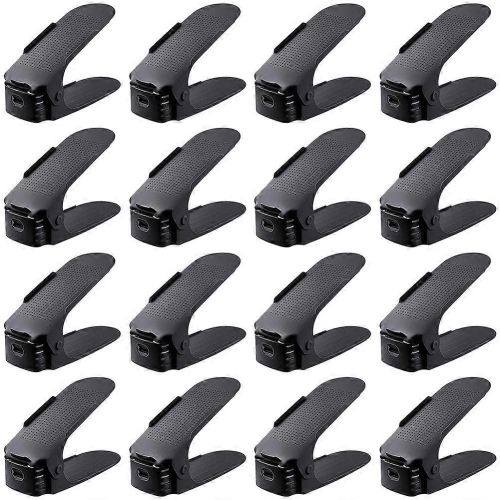
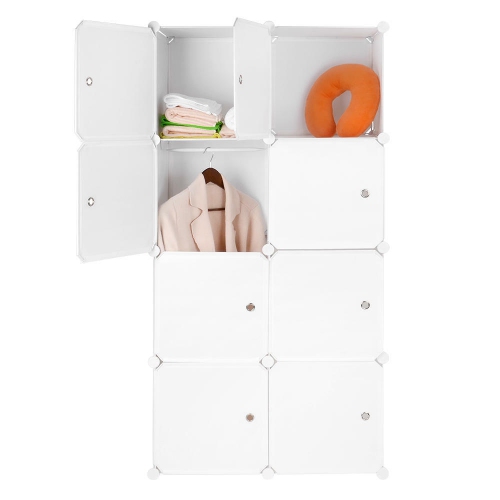
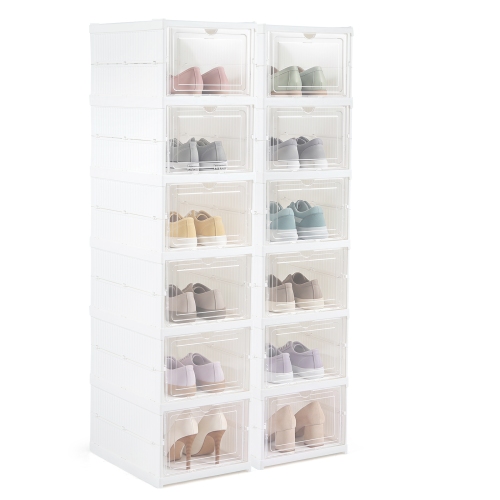
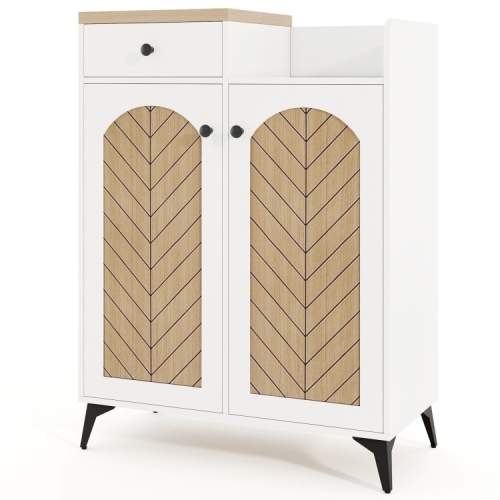
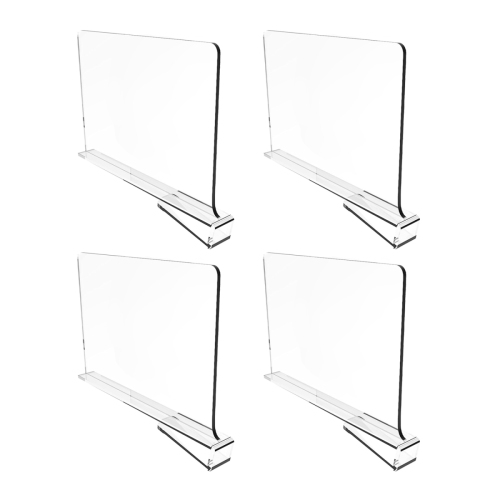
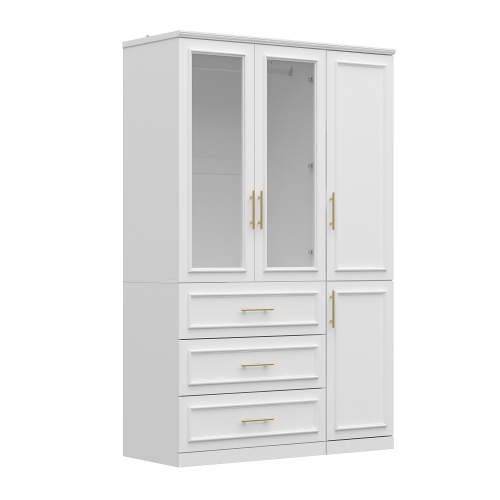
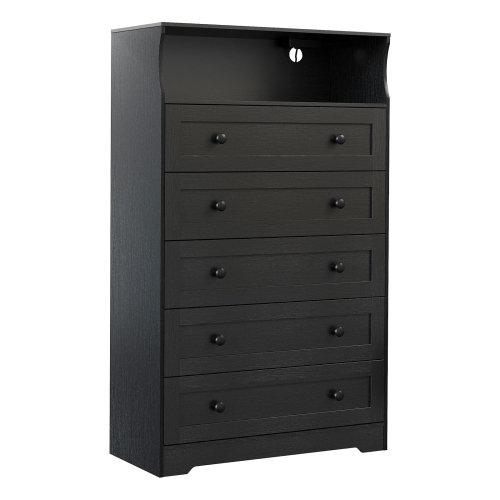
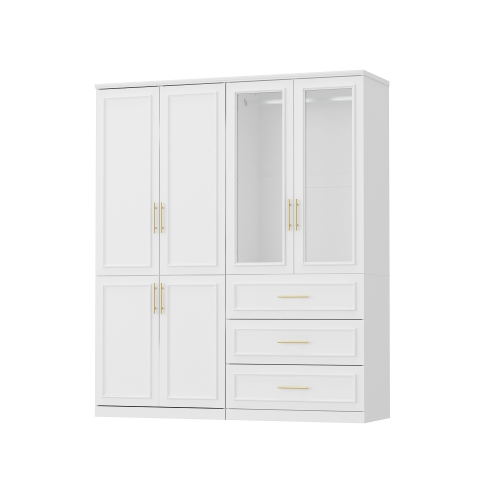
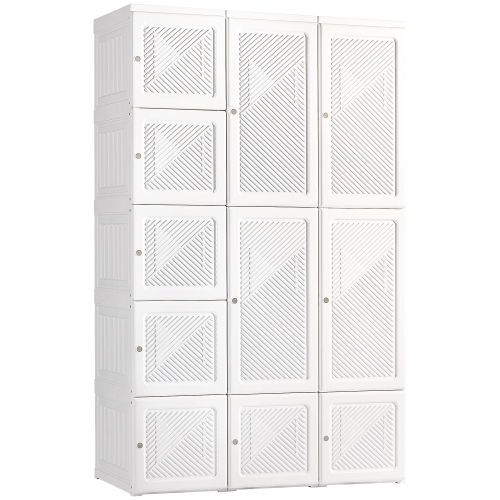

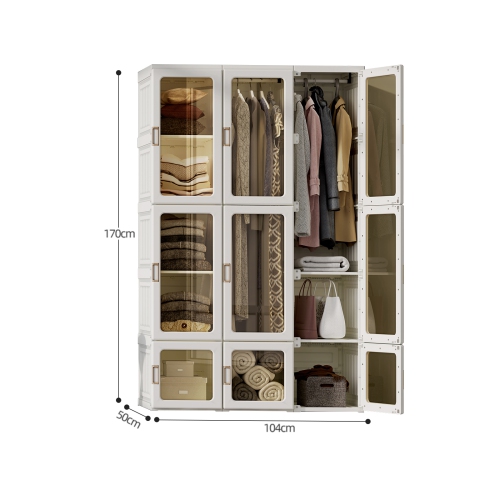


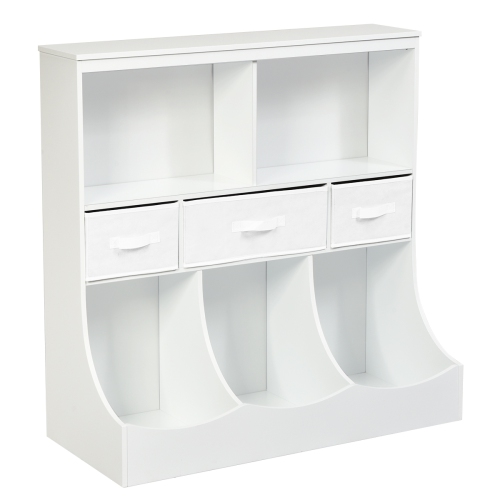
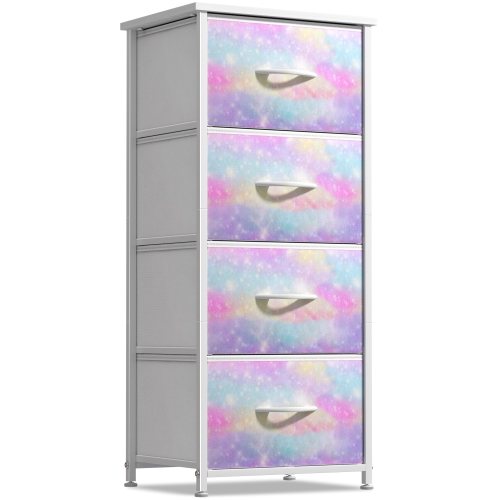
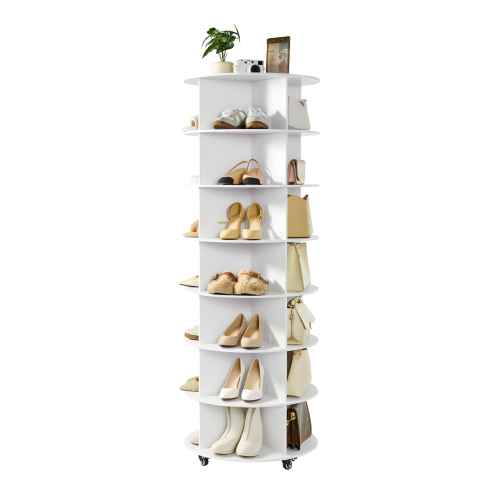
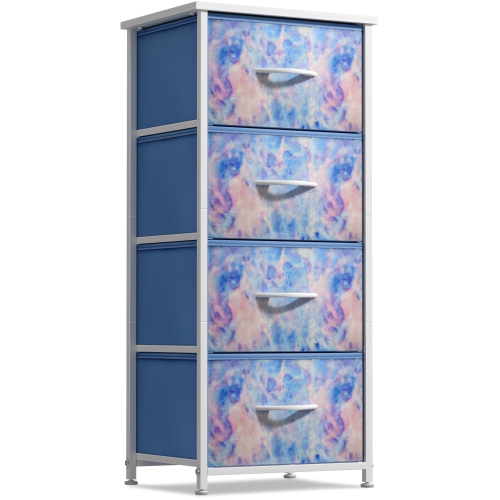
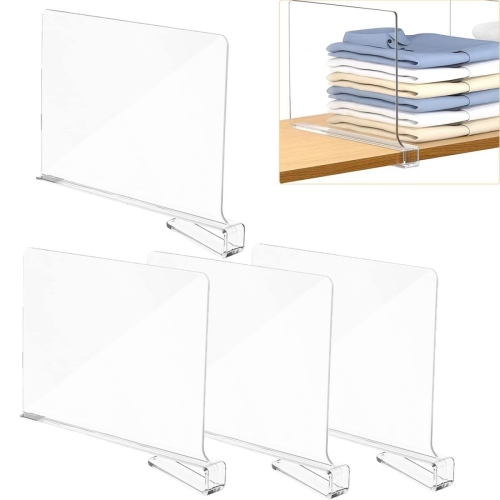
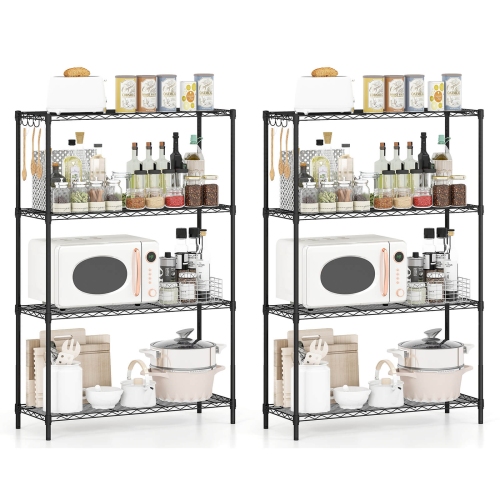
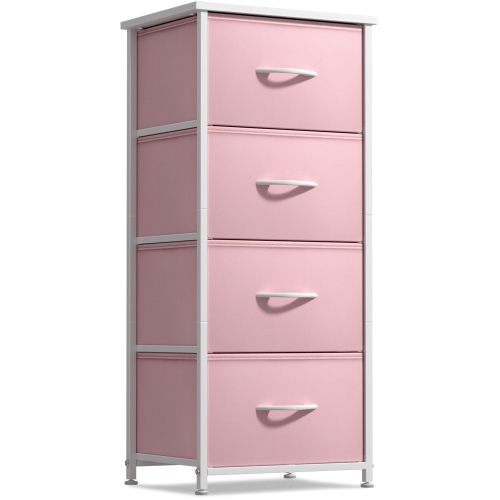


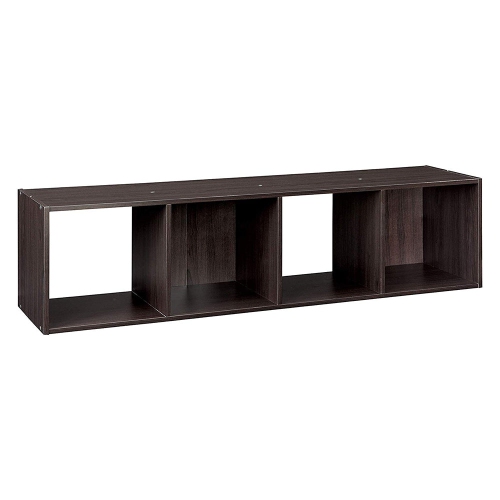
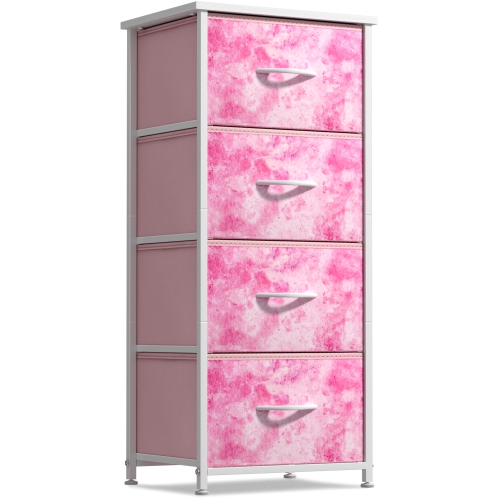
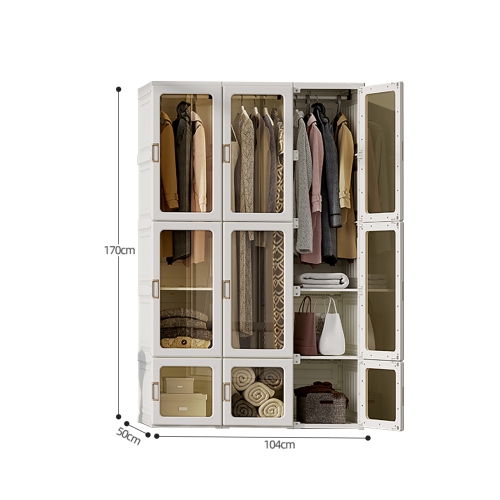

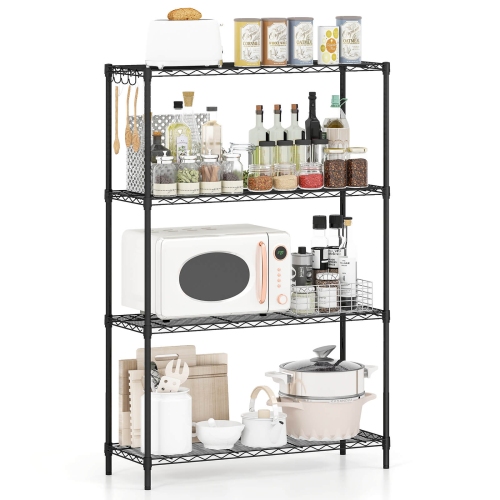
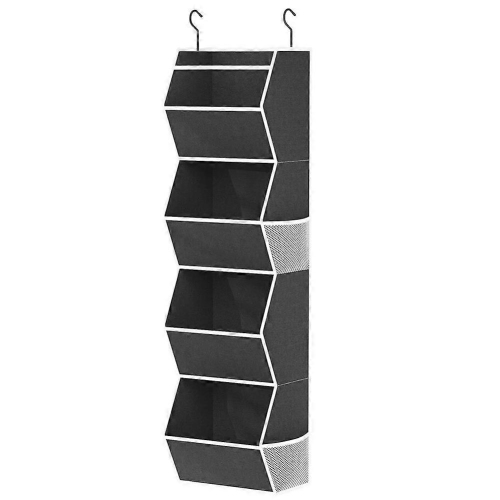
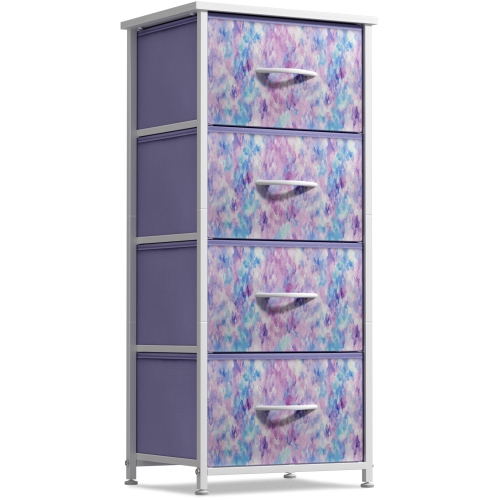

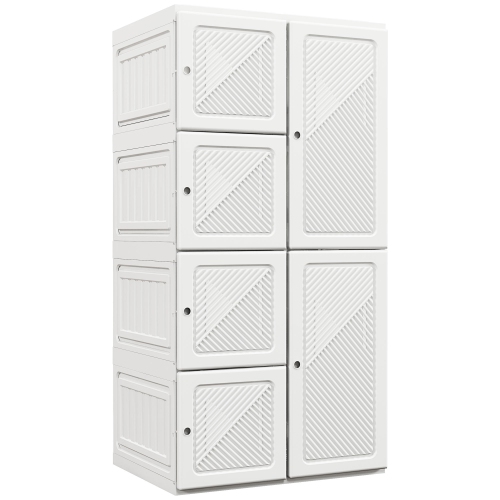
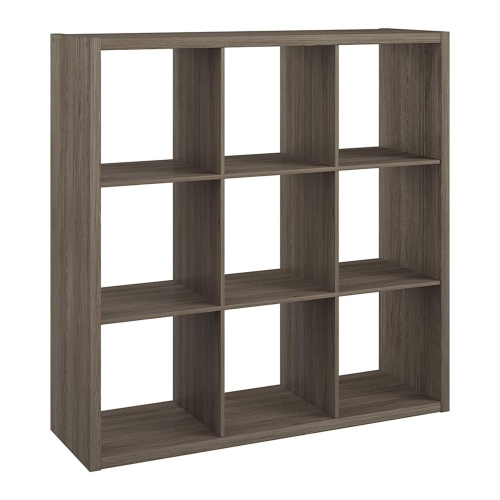
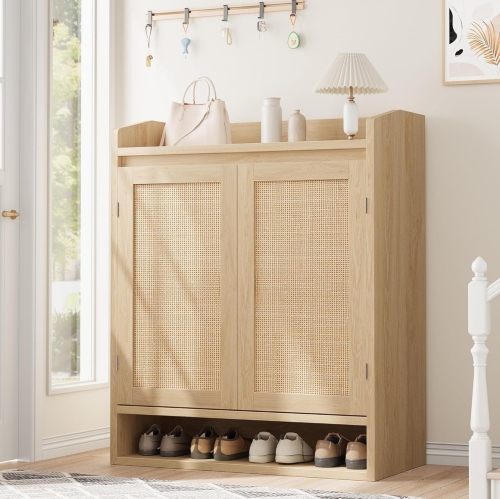
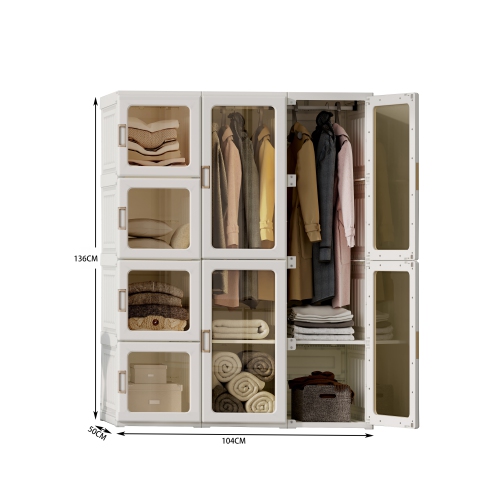
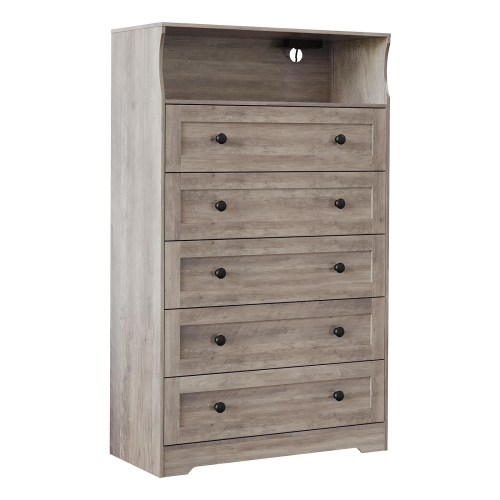
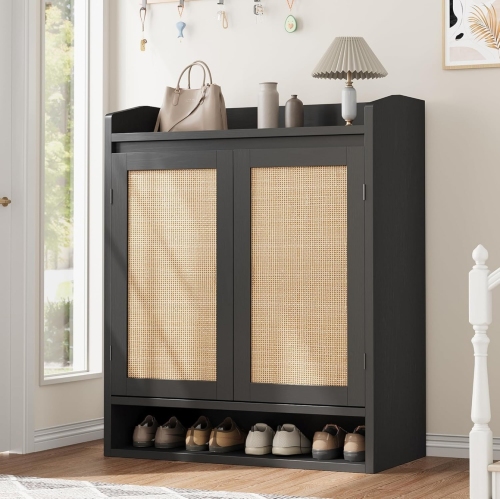

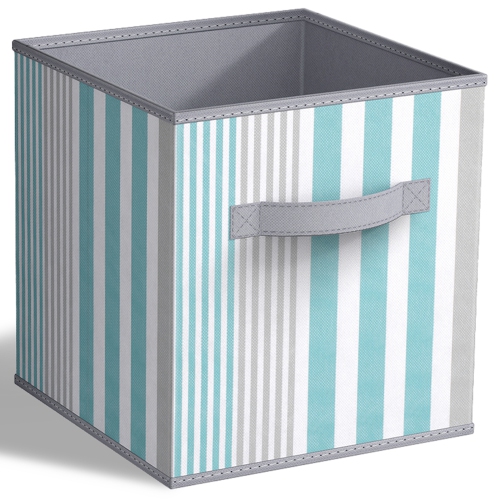

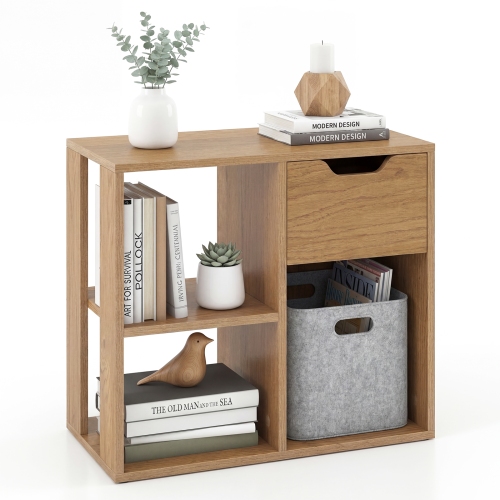

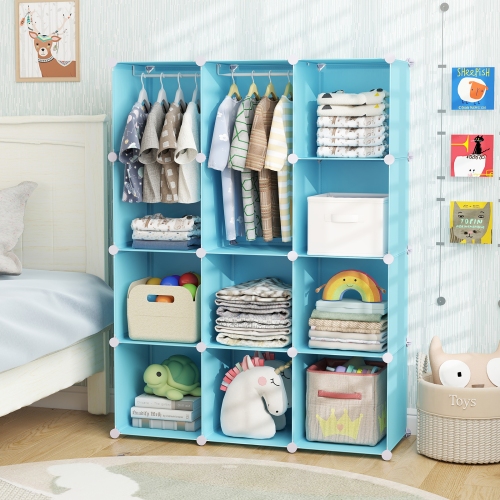
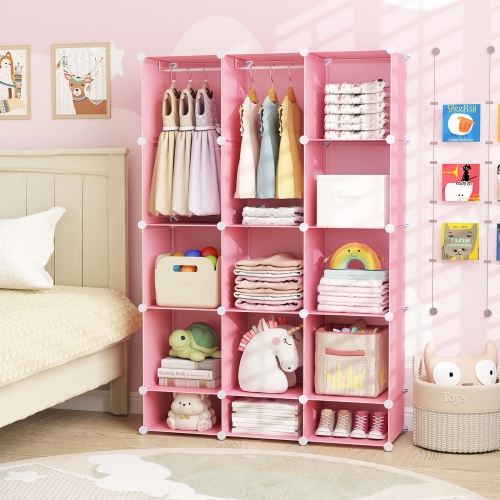

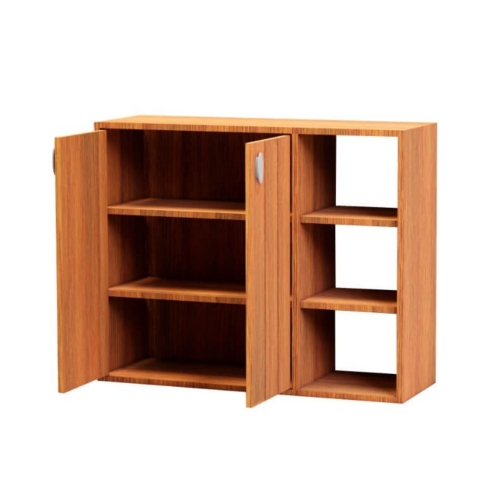

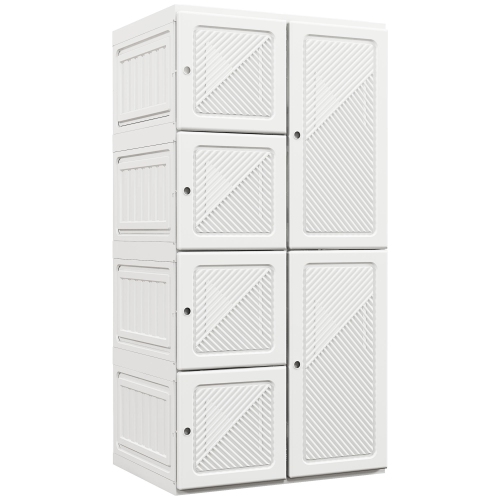
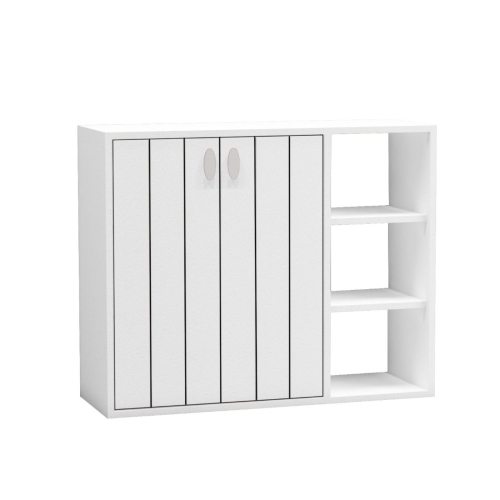


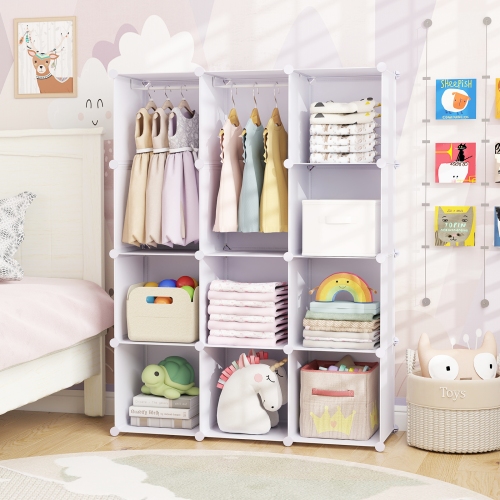

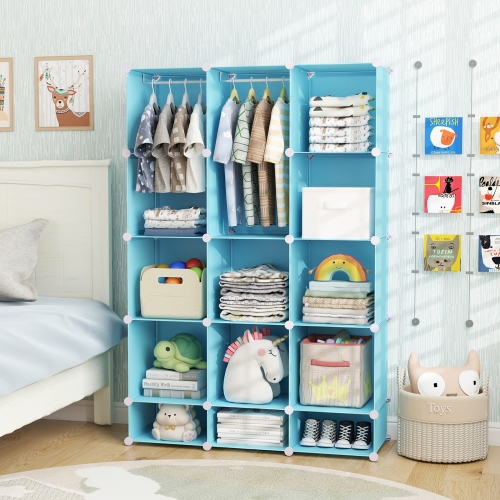
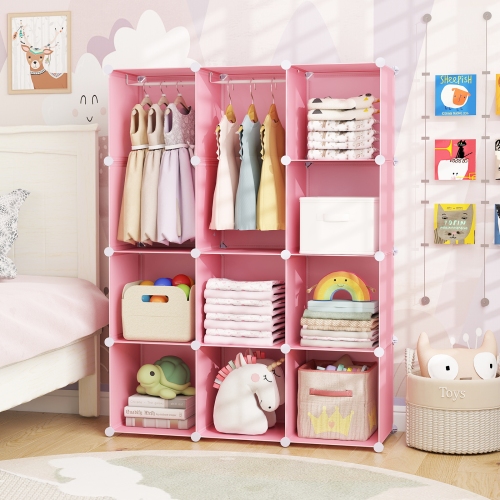
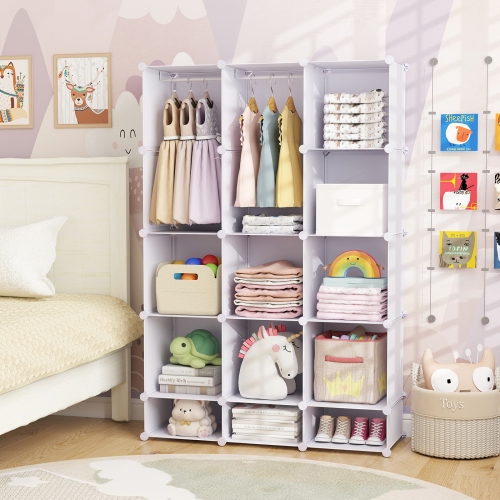
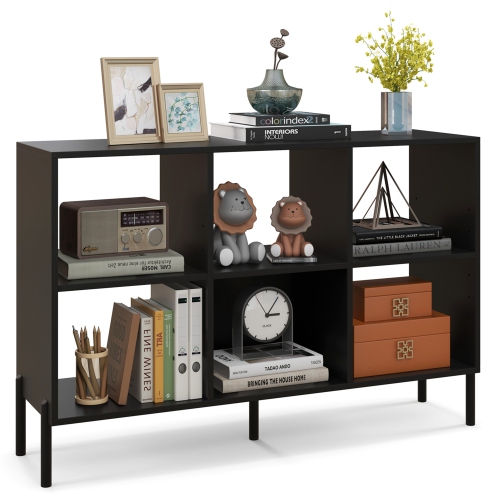
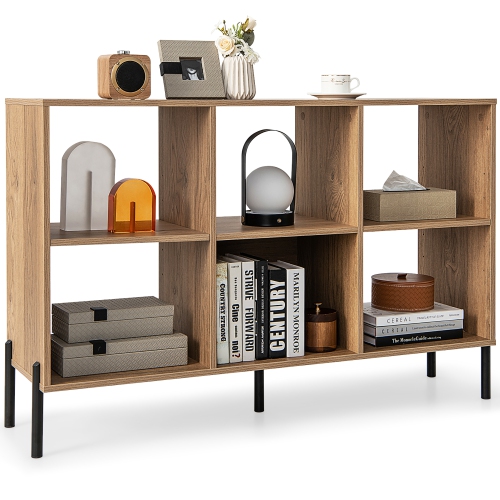
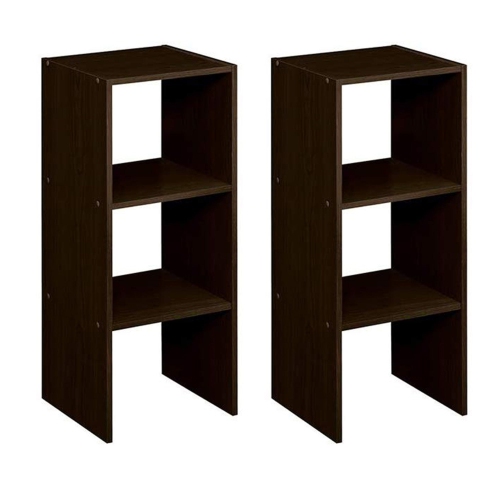
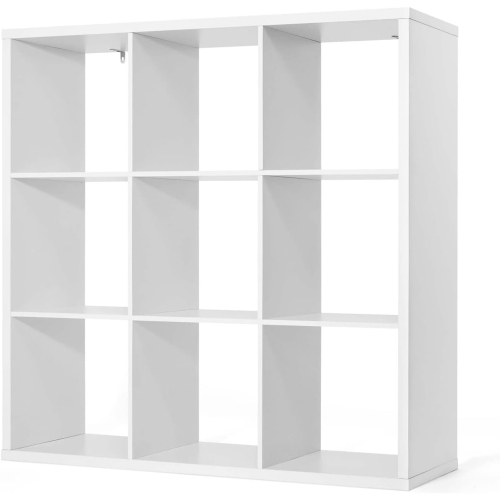
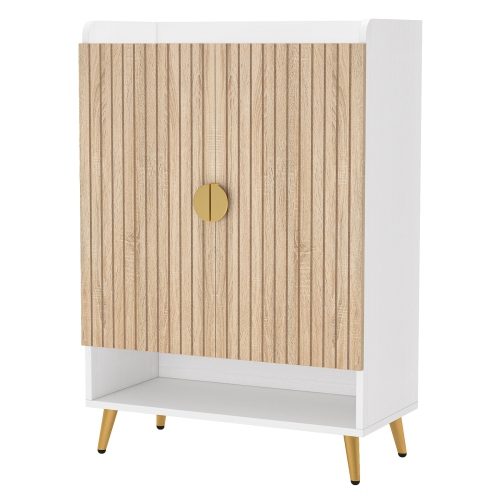
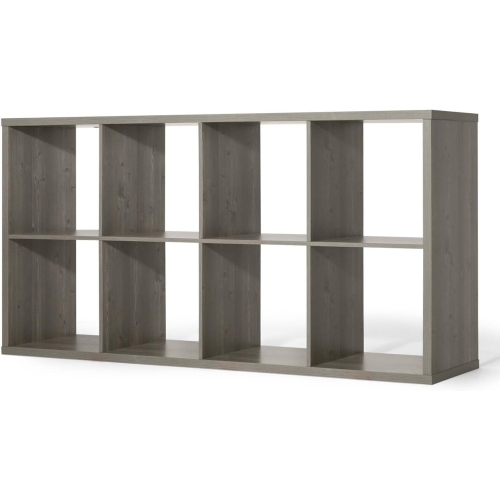

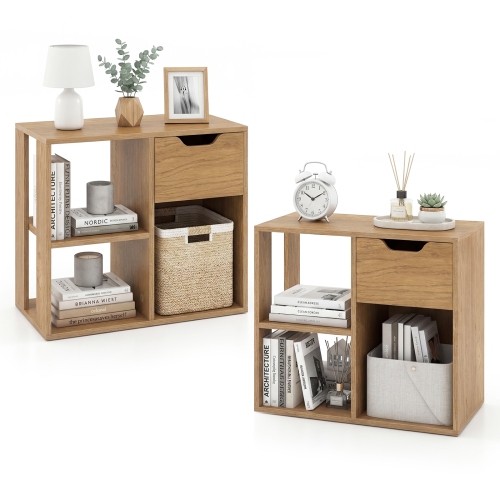

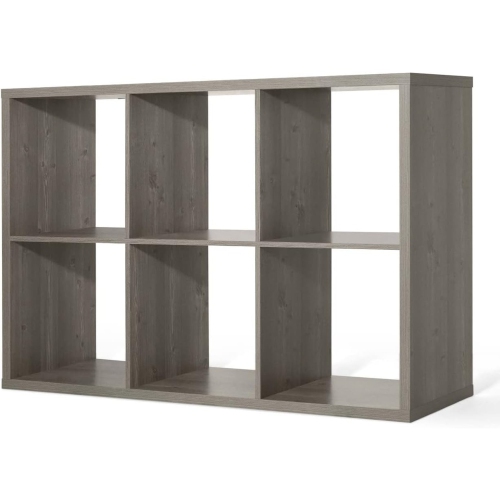
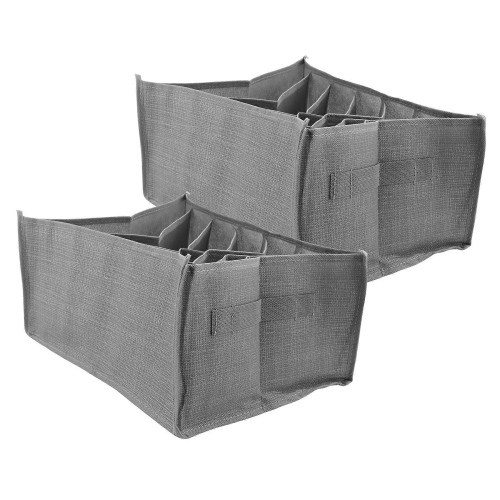
Shelf layouts that put everyday belongings within reach
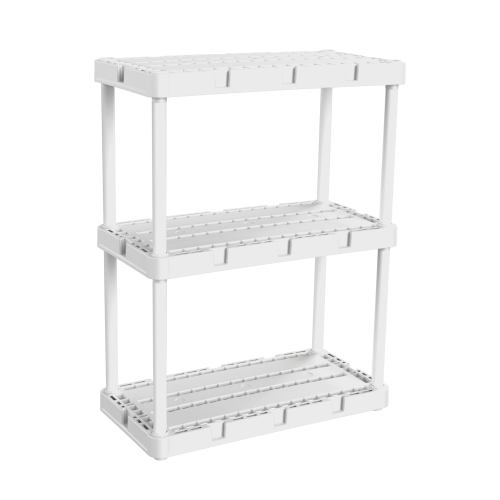
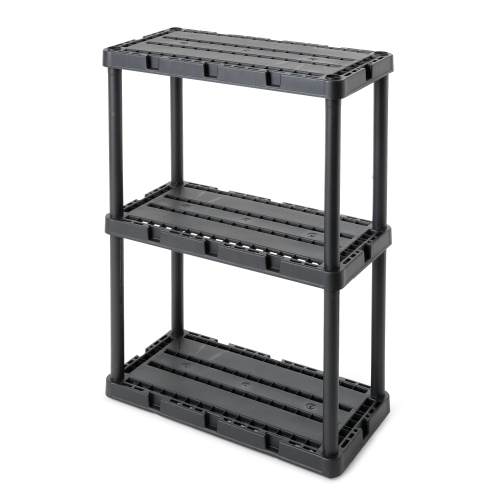
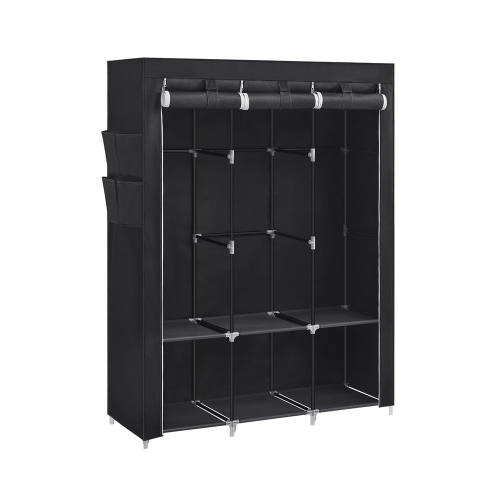
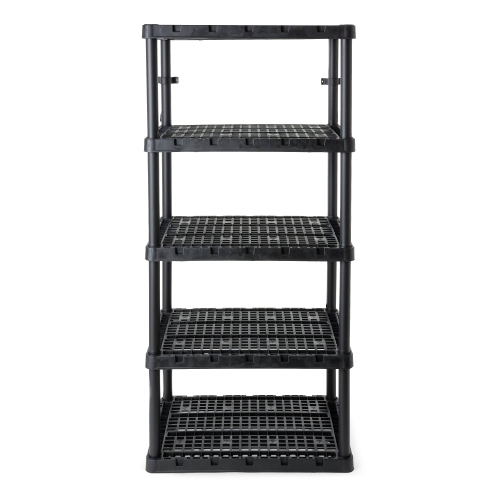
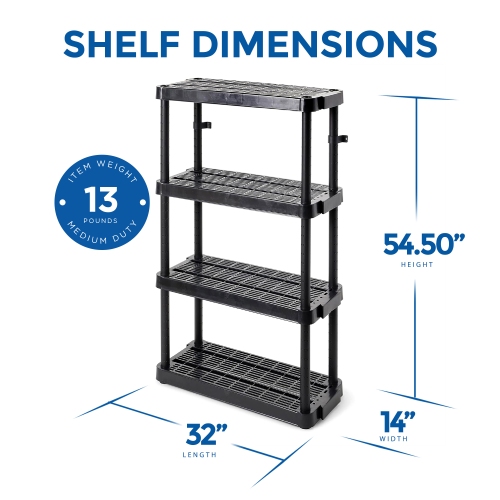
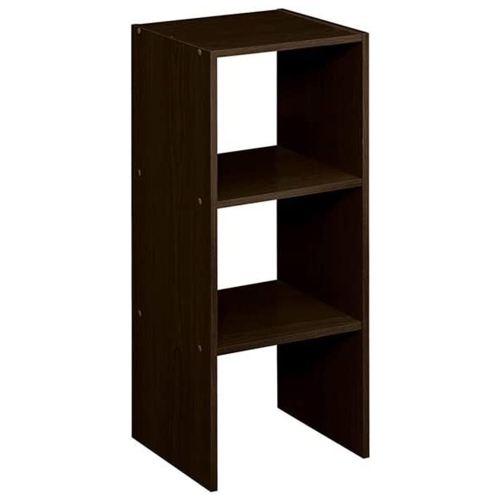
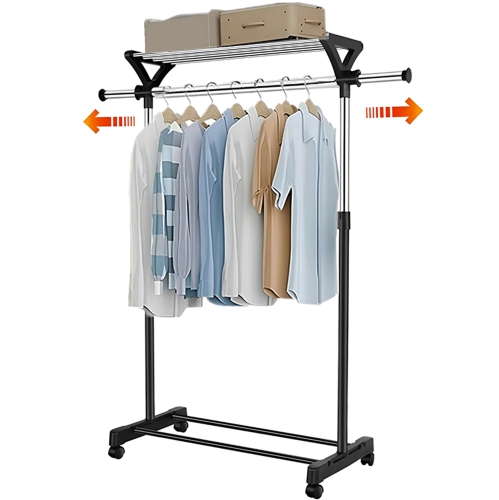
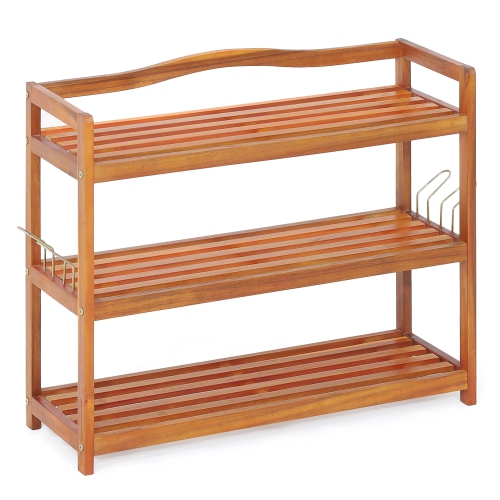
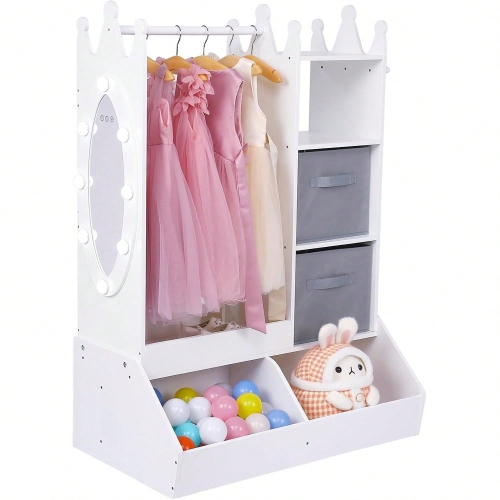
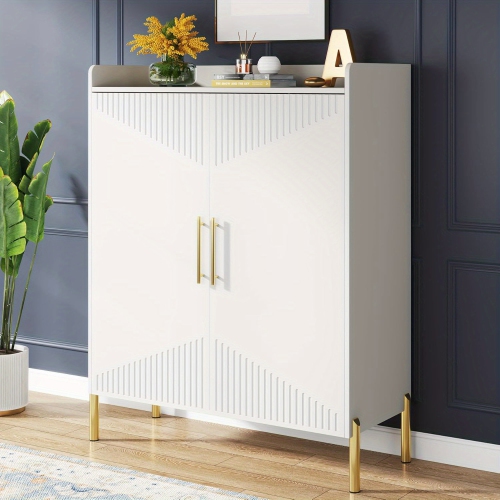
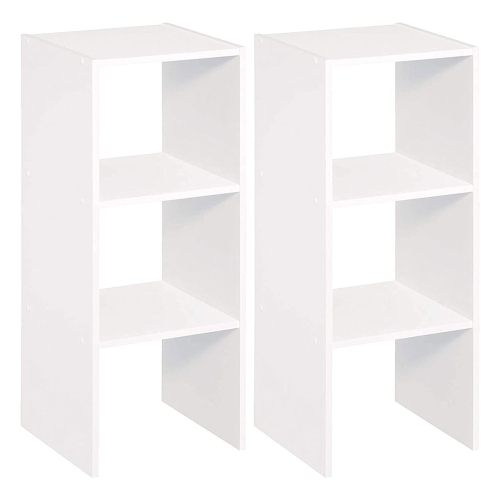
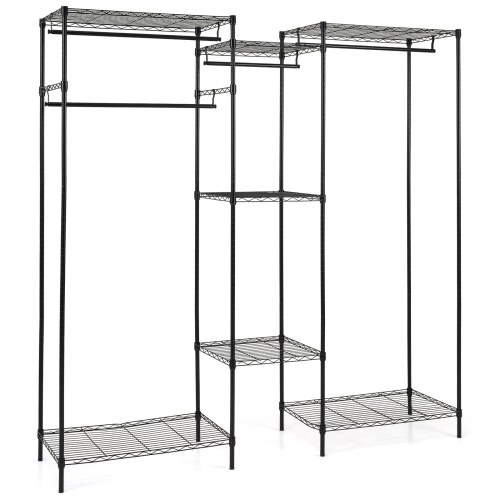
Materials influence how closet organizers look, feel, and stand up to regular use. Wire shelving allows air to circulate and makes it easy to see what is stored above eye level, though narrow gaps can leave marks on soft folded fabrics or make small accessories harder to balance. A compatible shelf liner can create a smoother surface where needed. Solid wood offers a substantial feel and natural variation in grain, while engineered wood with a laminate or melamine finish provides a smooth surface in a range of colours. The quality of the finish, edging, hardware, and shelf supports matters as much as the material name. Well-finished edges are less likely to catch delicate clothing, and secure shelf supports help keep the layout steady through repeated use. Metal frames can suit utility-focused spaces, while fabric hanging organizers provide lightweight compartments for clothing and accessories when supported by a suitable closet rail. Those fabric compartments are generally better suited to lighter contents than dense stacks of books or heavy equipment. Storage built around Closet Shelves can include open sections for folded clothing and baskets for small belongings, with shelf spacing matched to the contents rather than left uniform throughout. A low shelf for slippers and a taller compartment for a backpack often make better use of space than equal-height openings everywhere. Shelf thickness, span, and rated load capacity are important considerations, particularly for wide shelves holding heavier contents. Weight limits can apply to individual shelves as well as the complete system, and adjustable layouts may have specific support requirements. Wall-mounted systems rely on suitable fixings and a supporting wall structure; tall freestanding units may also require anchoring according to their instructions. Rental spaces bring their own constraints, including permission to drill or modify an existing closet. A freestanding format may reduce the need for extensive installation, but its stability, clearances, and any required restraints still matter. Assembly details, including levelling feet and securely tightened connectors, contribute to a dependable finished setup.
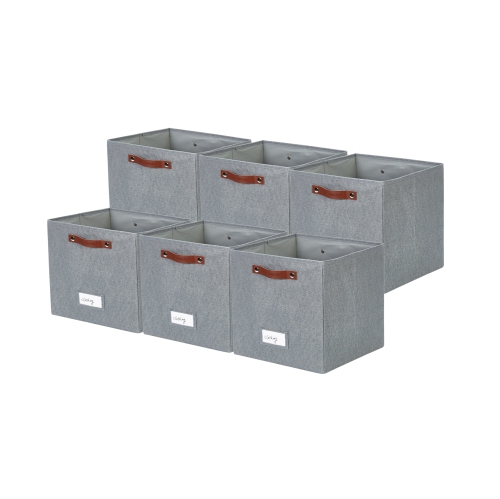
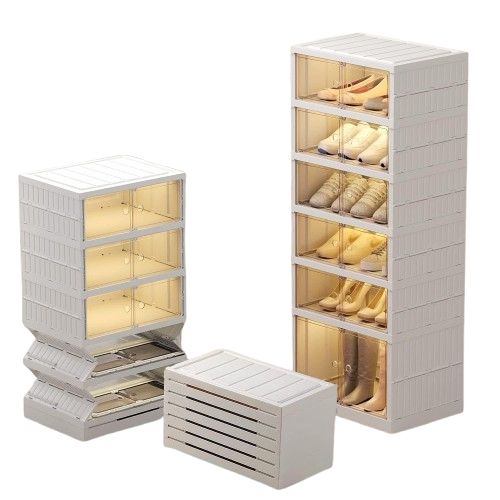
Everyday usability often comes down to the details that are easy to overlook when considering a closet layout. Shelves that are too deep can hide a second row of clothing, while very high stacks can tumble when a single jumper is pulled from the middle. Shorter stacks, divided compartments, and baskets sized to slide out comfortably can keep storage practical without making the closet feel crowded. Open shelves work well for belongings used often, while containers can keep socks, belts, scarves, and other small accessories together. Leaving a little space above each stack makes clothing easier to lift out without disturbing everything around it. In an entryway closet, a shelf organizer can separate footwear, reusable shopping bags, and everyday carry items from hanging coats. In a guest room, a few clear shelves give visitors somewhere to unpack rather than live out of a suitcase. A linen closet benefits from compartments that separate towels from bedding, with enough depth for folded sets but not so much that smaller pieces disappear at the back. Care requirements vary by material, but regular dusting and prompt attention to spills help maintain both appearance and function. Finished wood and engineered wood generally benefit from a soft cloth and cleaning methods approved for their surfaces; excessive water can damage some finishes or cause exposed composite edges to swell. Wire shelves need attention around joints and closely spaced bars, where dust can collect. Fabric components may be spot-cleanable or removable, depending on their care instructions. Periodic checks of brackets, fasteners, shelf supports, and anchors are useful after assembly and whenever the arrangement changes. Smooth corners, sturdy connections, and compartments that remain accessible all contribute to an organizer that is comfortable to use day after day. A well-proportioned shelving system earns its place by making ordinary tasks simpler: finding a matching pair of shoes, returning clean laundry to its spot, or reaching a bag without shifting a pile of clothing first.
Top selling and popular products
-
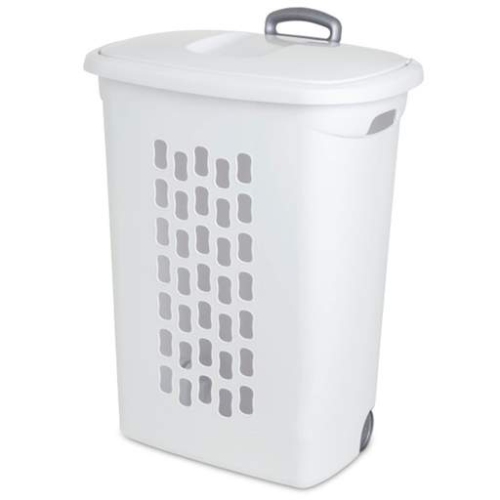 Your price for this item is $517.99
-
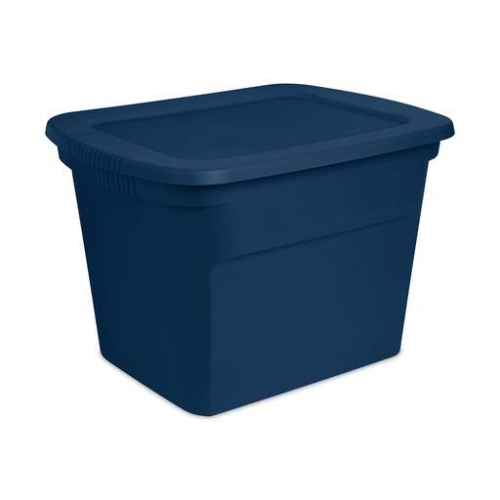 Your price for this item is $881.99
-
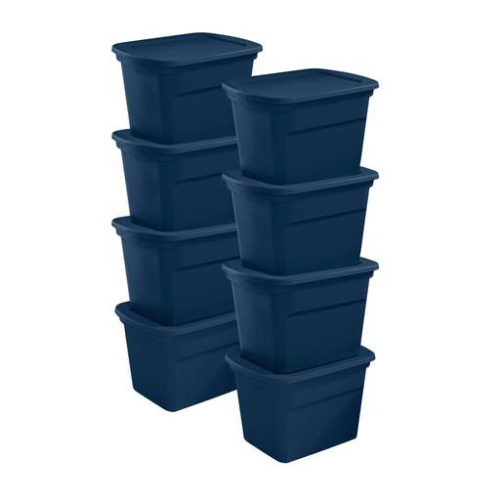 Your price for this item is $227.99
-
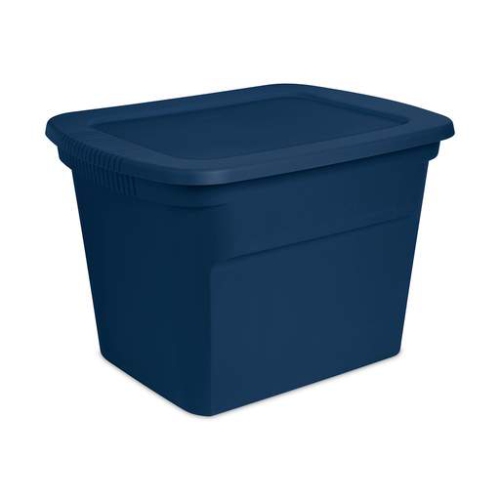 Your price for this item is $661.99
-
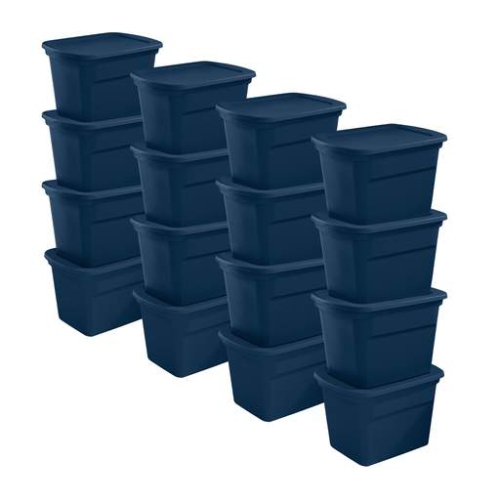 Your price for this item is $440.99
-
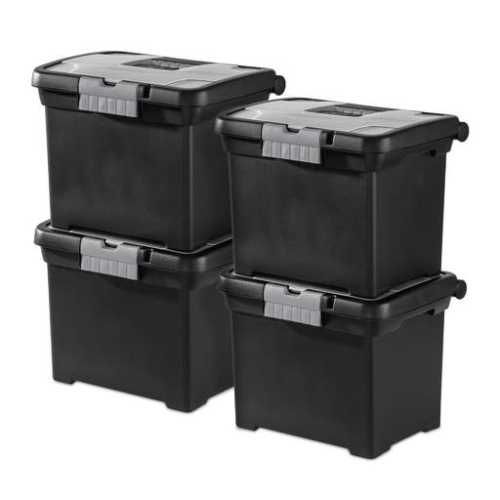 Your price for this item is $132.99
-
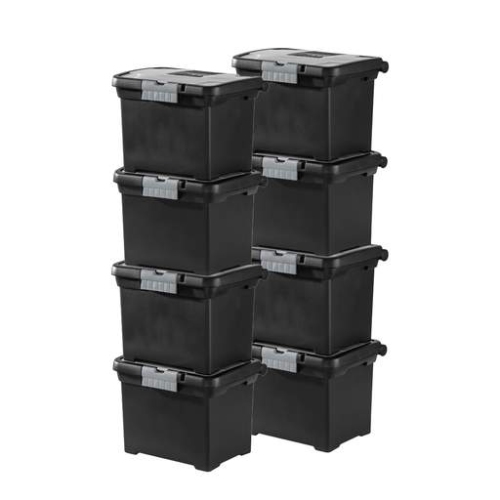 Your price for this item is $260.99
-
 Your price for this item is $64.98