Bedroom Alarm Clocks
Bedroom alarm clocks are essential for starting your day on time and keeping your routine on track. Whether you’re looking for a simple solution to wake up in the morning or an addition to your nightstand décor, there’s a wide range of options to suit every style and preference. Explore bedroom alarm clocks designed to help you stay organized and make mornings more manageable, so you can enjoy a smoother start every day.
Sort
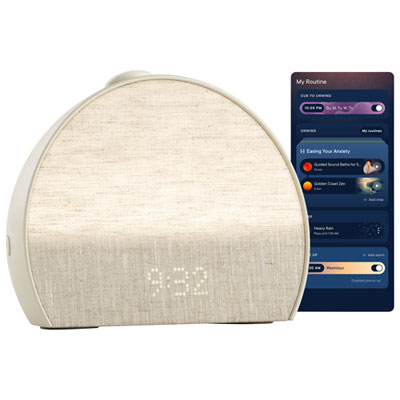
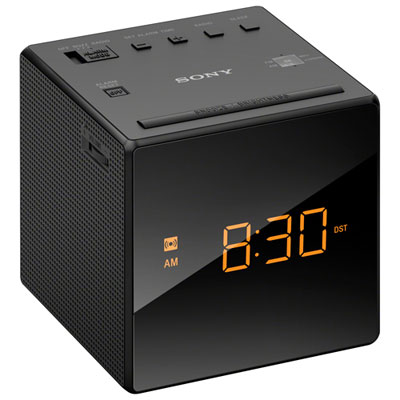
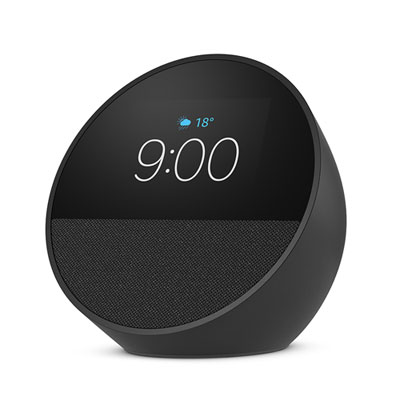
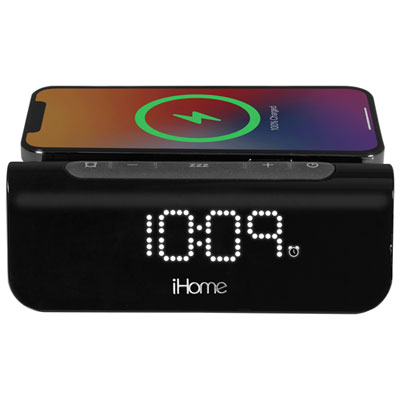
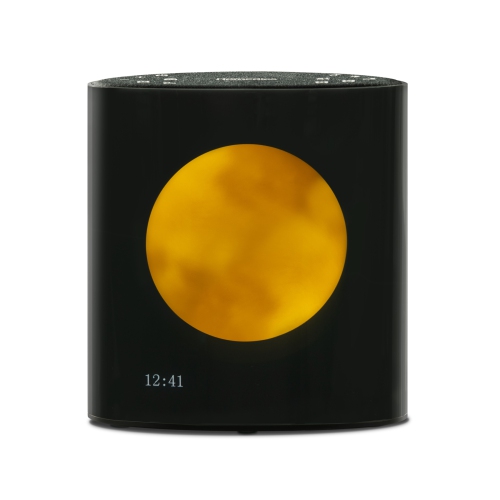

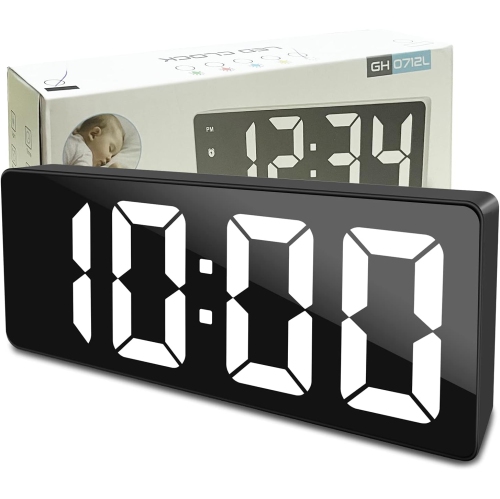
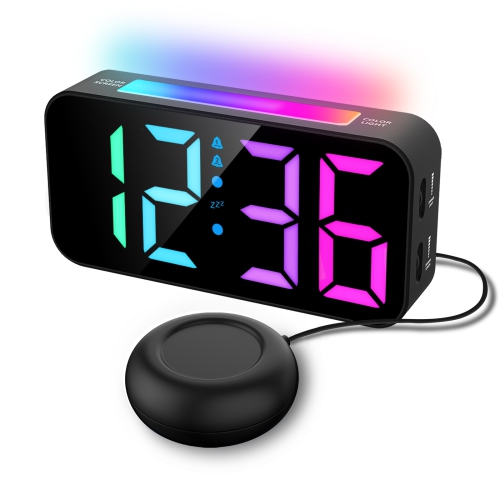
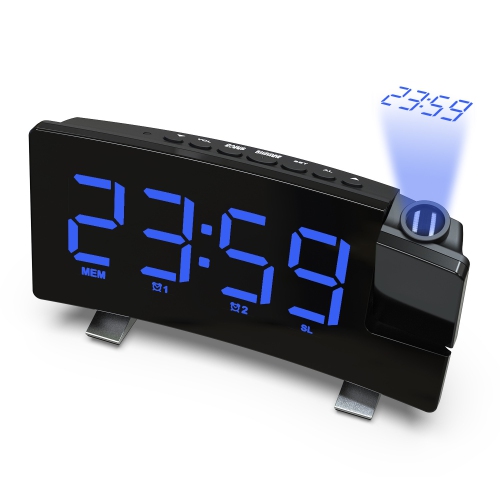

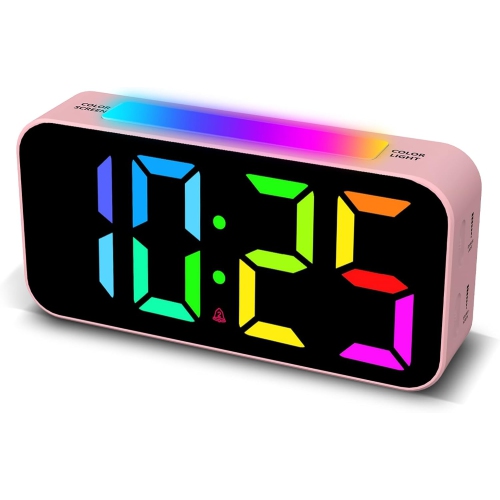
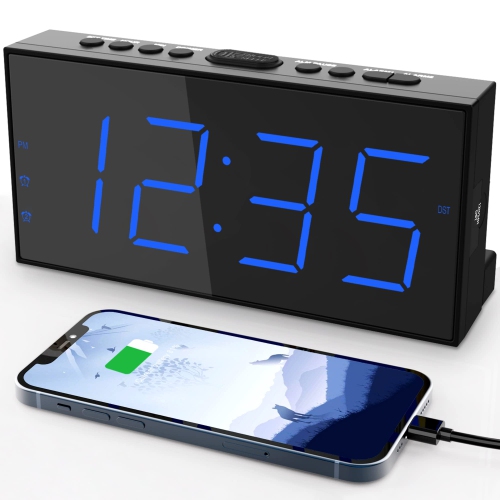
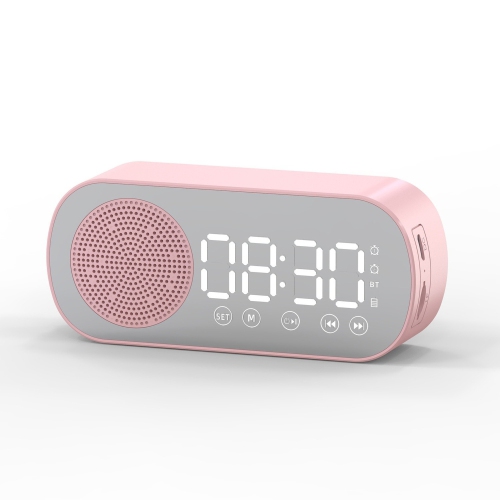


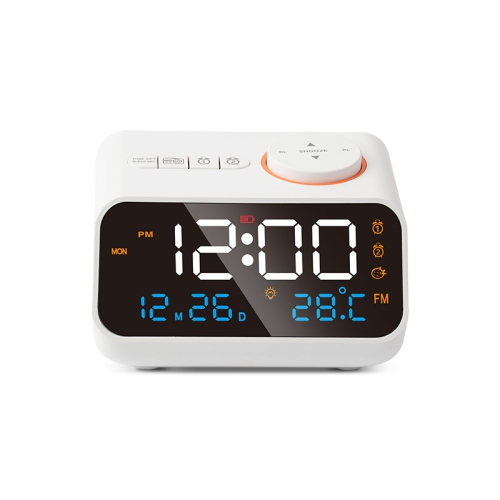
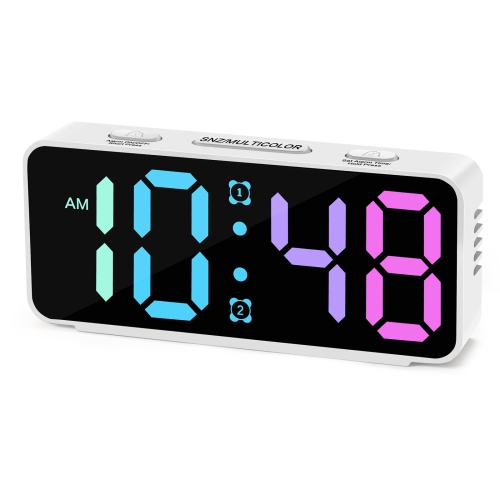
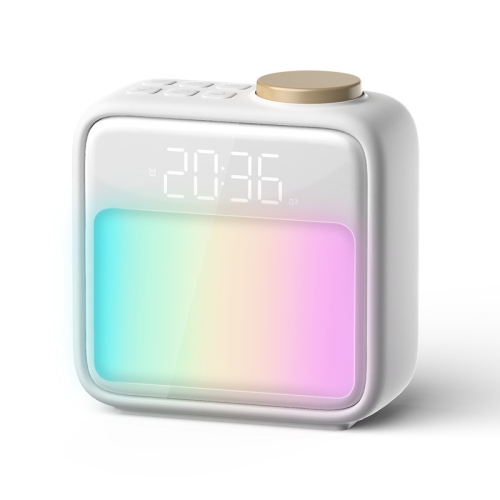
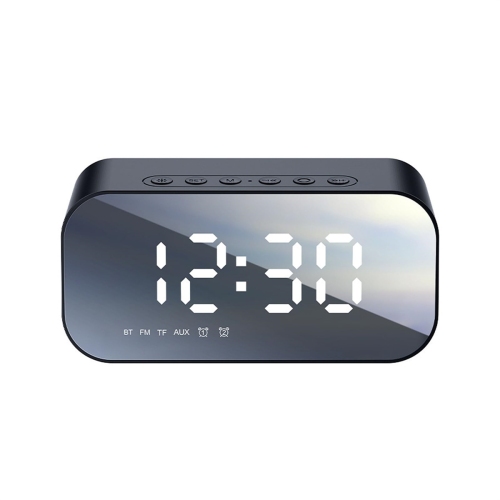


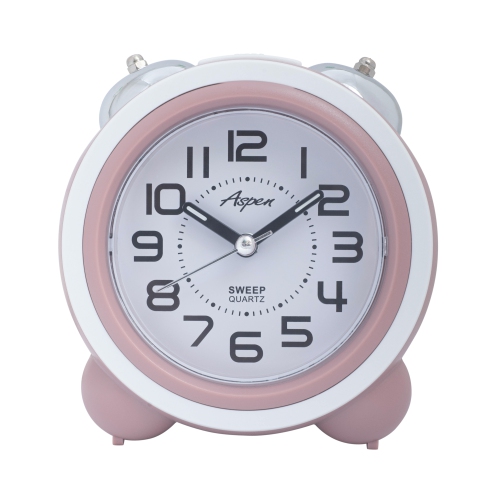
Clear displays and simple controls for sleepy mornings
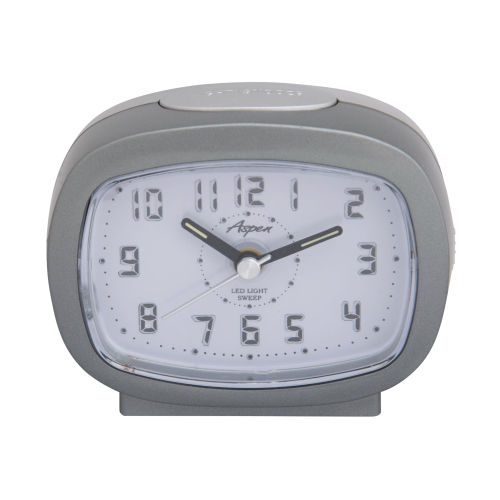
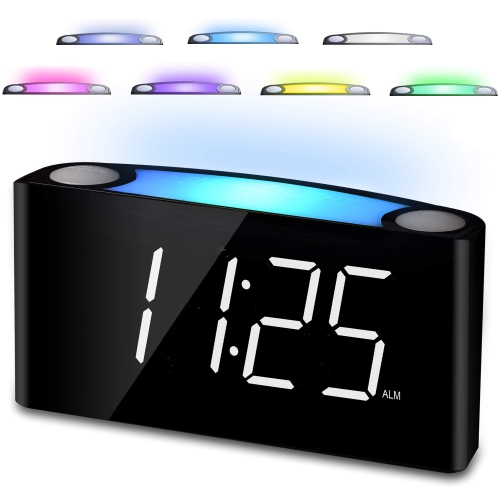
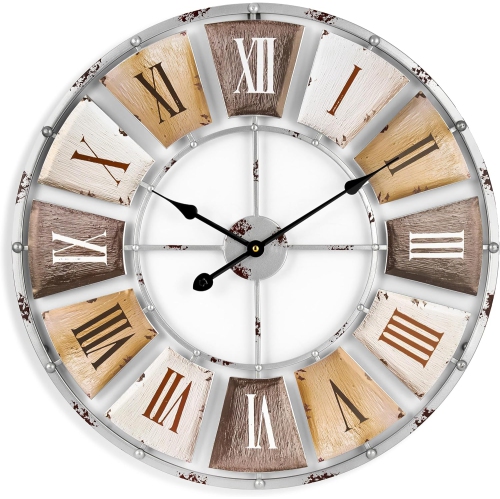
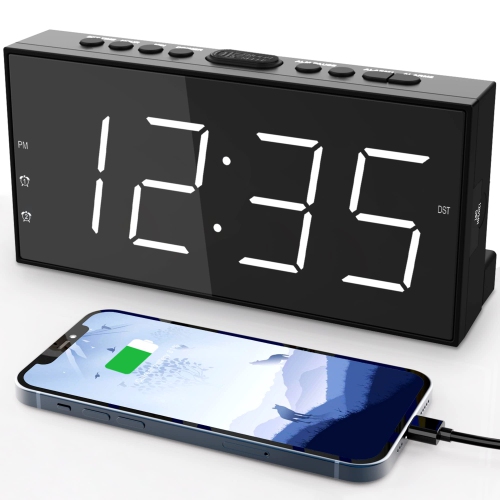
Bedroom alarm clocks keep the time visible and provide a dedicated wake-up signal without making a phone the centre of the bedside table. The main types include analogue clocks with hands, digital clocks with illuminated numbers, projection clocks that cast the time onto a wall or ceiling, and connected clocks with additional features such as voice controls or audio playback. Each suits a slightly different routine. An analogue face offers a familiar, uncluttered display, while a digital readout can be easier to check from across the room or during a brief glance at night. Large numerals, strong contrast, and a clear distinction between the time and smaller indicators matter more than the overall size of the clock alone. Some digital displays support both 12-hour and 24-hour formats, with separate indicators for an active alarm. Projection models can make the time visible without turning towards a nightstand, although the angle, focus adjustment, placement, and room lighting affect how clearly the projected numbers appear. Light-based alarm clocks gradually brighten before the scheduled wake-up time, sometimes alongside a sound alarm, while clock radios add the option of waking to a radio station. Connected designs may combine timekeeping with weather information, music, or smart-home controls, depending on their capabilities and any required services. A straightforward clock with physical buttons can be a comfortable fit for someone who wants fewer features to manage; a more versatile design may suit a person who already uses connected devices throughout the home. In either case, the most useful bedroom alarm clock makes its essential functions easy to understand. Setting the time, confirming that the alarm is on, and finding the stop button should feel manageable when the room is dim and the person using it is still half asleep. For anyone who prefers to leave a phone out of reach overnight, those dedicated controls can help keep the bedtime routine simple.
The alarm itself deserves as much attention as the display. Adjustable volume allows for different preferences, while a gradually increasing tone can offer a less abrupt signal than an alarm that starts at full volume. The character of the sound matters too: a high-pitched beep, a buzzer, a radio broadcast, and recorded nature sounds can feel quite different at the same apparent loudness. No single sound or volume level suits everyone, especially in a shared bedroom. A dual-alarm clock lets two wake-up times remain set independently, which can be useful for partners with different schedules or for someone who needs separate workday and weekend settings. Dual alarms do not necessarily include automatic weekday scheduling, so those functions are worth distinguishing. Snooze controls also vary, from a broad button that is easy to find by touch to a smaller control beside several other settings. A clearly separated alarm-off button helps prevent accidental changes. Display brightness is another everyday consideration. Adjustable dimming, an automatic dimmer, or a display that can be switched off may suit someone who dislikes a bright rectangle beside the bed. A tap-to-light display offers another approach, keeping the face unlit until needed. For analogue clocks, movement design affects whether a ticking sound is noticeable; a quieter movement may be preferable for a light sleeper. Power arrangements influence placement and dependability. Plug-in clocks need a reachable outlet and a safely routed cord, while battery-operated designs offer more flexibility on a small shelf or bedside table. A battery backup in a plug-in clock may preserve time and alarm settings without powering the display or sounding the alarm during an outage; the exact function depends on the model. USB charging ports and wireless charging surfaces can reduce the need for separate bedside accessories, but compatibility, charging output, and phone-case requirements vary. Connected functions may require Wi-Fi, an app, or an account, so the basic alarm operation and any connection requirements are useful details to understand before making a clock part of a daily routine.
Size, construction, and finish help determine how comfortably an alarm clock fits into a bedroom. A compact housing leaves room for a reading lamp, a glass of water, and a book, while a wider display may be easier to read from a bed positioned farther away. The usable surface of the nightstand matters more than its overall dimensions: a clock needs a stable spot where buttons remain accessible and the power cable does not pull against the edge. Plastic housings are often lightweight and easy to move, metal cases can offer a more substantial feel, and wood or wood-look finishes bring a different texture to the bedside arrangement. A wood-look finish may be a veneer or a printed surface rather than solid wood, so material descriptions help clarify what to expect. Glass or clear plastic display covers can collect fingerprints, and glossy finishes may reflect a nearby lamp. Matte surfaces, rounded corners, and well-spaced controls can be practical details as well as design choices. For a pared-back bedside arrangement, Modern Alarm Clocks for Bedroom offers a related direction, with the same everyday considerations around readability, brightness, and ease of use. Routine care is generally straightforward: dust the housing with a soft cloth, follow the manufacturer's cleaning directions, and keep liquids away from buttons, speaker openings, and charging connections. Battery compartments should remain accessible, particularly when a clock sits close to a wall. Durability also depends on secure controls, a steady base, and placement away from edges where the clock could be knocked over while reaching for snooze. As a gift, a bedroom alarm clock can suit a student setting up a study-bedroom, someone furnishing a first apartment, or a family member who prefers a dedicated time display. Simple operation is especially helpful in a guest room, where visitors should not need an app or a lengthy explanation to set an alarm. The best fit is a clock whose display, sound, controls, and footprint work naturally with the person and the space.
Top selling and popular products
-
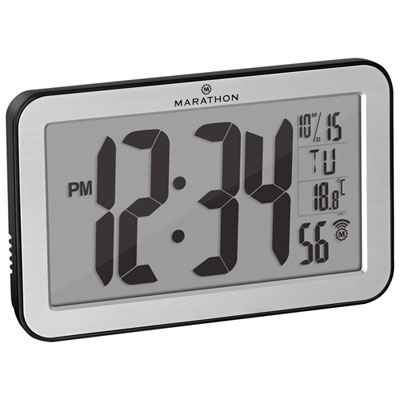 Your price for this item is $42.98
-
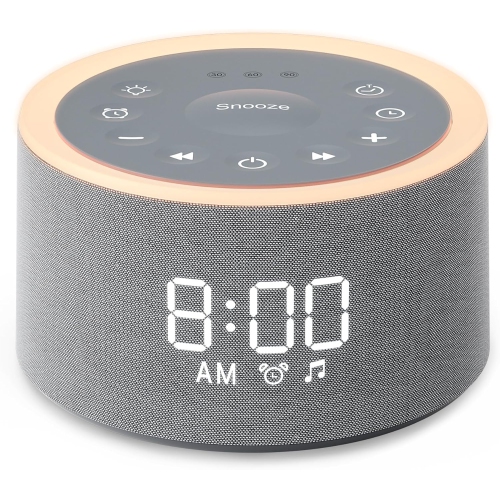 Your price for this item is $44.99
-
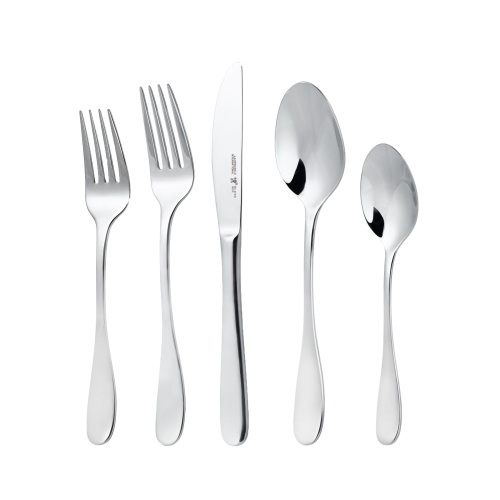 Your price for this item is $89.99
-
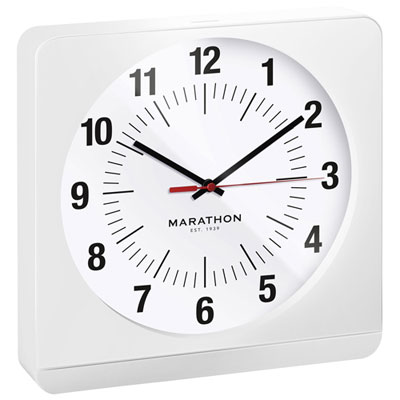 Your price for this item is $114.99
-
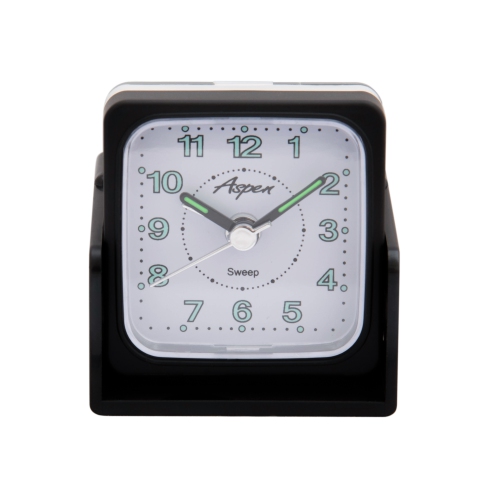 Your price for this item is $19.95
-
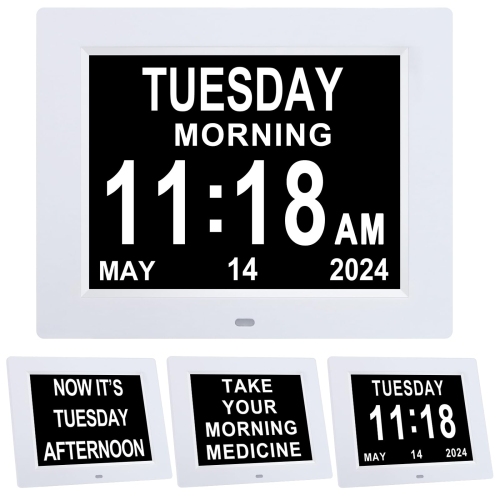 Your price for this item is $90.96
-
 Your price for this item is $79.99
-
 Your price for this item is $45.99
Discover more categories related to Bedroom Alarm Clocks
Top Collections:
Pokemon Centers, Kindle Devices, Best Cameras for Sports Photography, Pokémon 30th Celebration Cards, Apple iPhones 16, Canon G7X Cameras, iPhone 15 Apple, Flip Phones, Samsung Galaxy Phones, Alarm Clock
Some products may be subject to Environmental Handling Fees
(EHF) depending on your province.
Learn more about EHFs.