Bedroom Beds
Looking to transform your bedroom into a cozy sanctuary? Our Bedroom Beds collection offers a wide range of stylish and functional bed frames to suit every taste and space. Whether you prefer a sleek modern look, rustic charm, or classic elegance, we have the perfect bed to complement your bedroom decor. From platform beds to canopy beds, upholstered beds to storage beds, explore our selection to find the ideal centerpiece for your bedroom oasis. Upgrade your sleep experience and add a touch of sophistication to your space with our diverse range of bedroom beds.
Sort


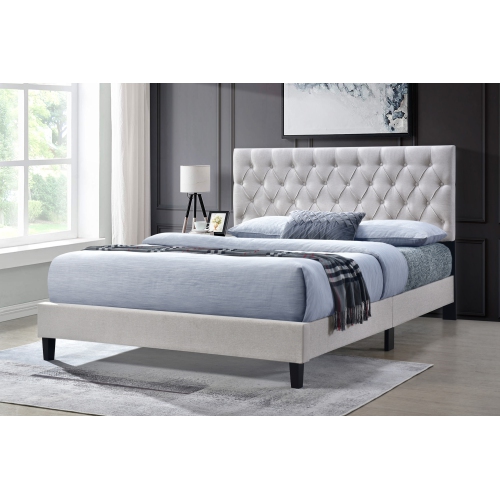
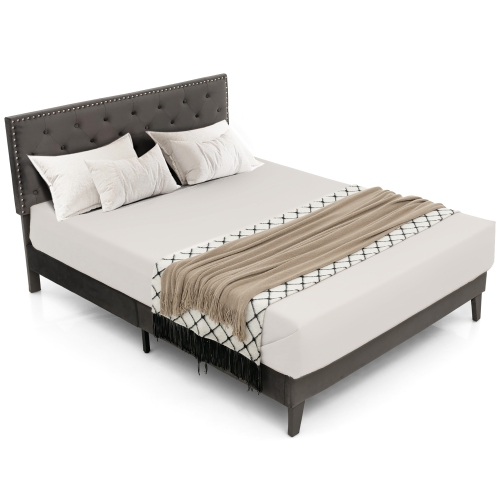
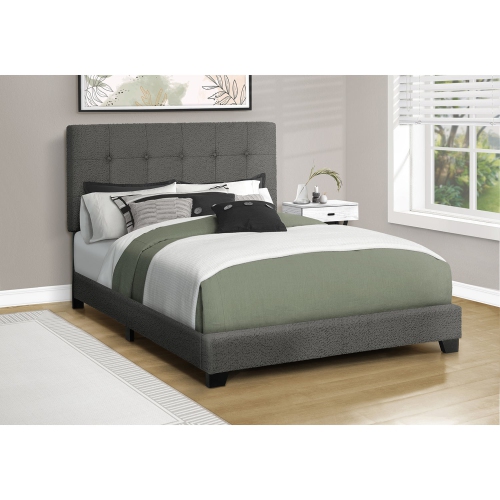
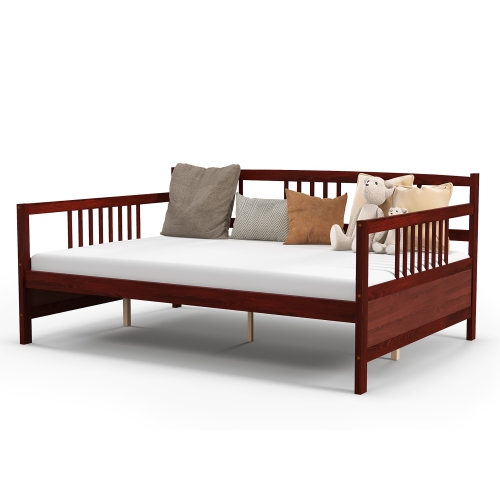
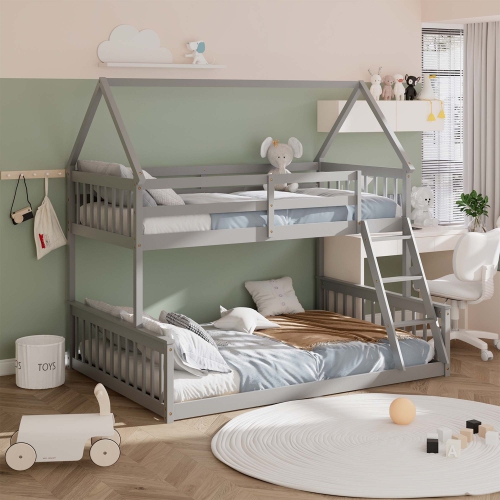
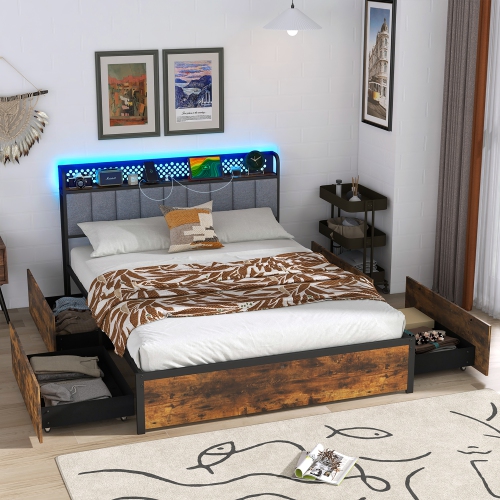
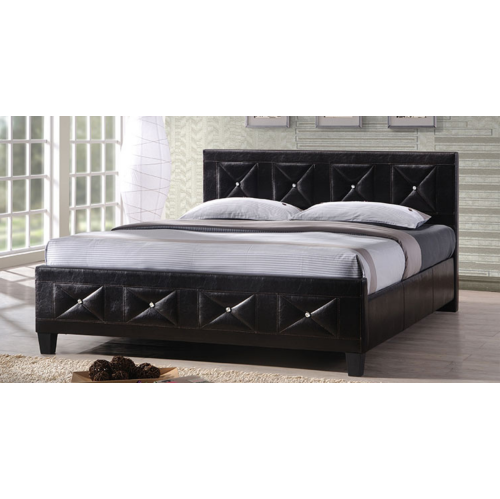
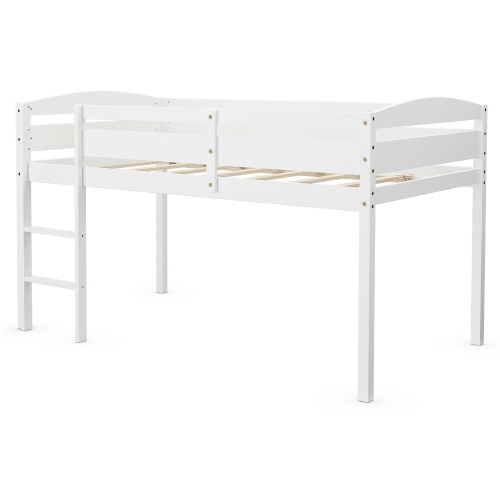

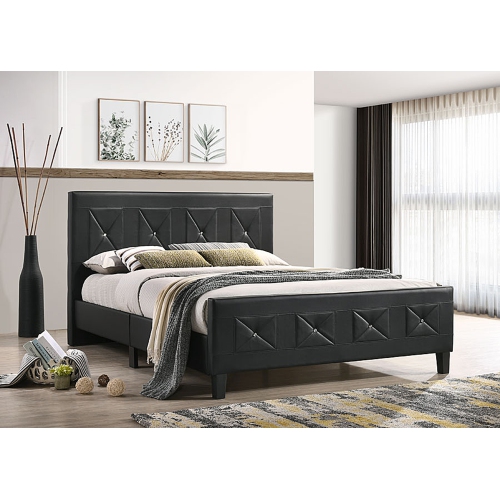
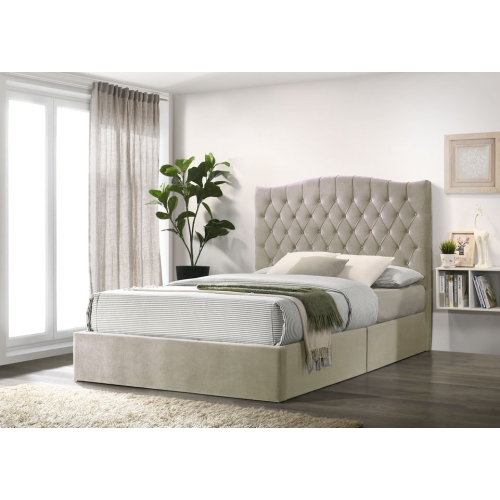
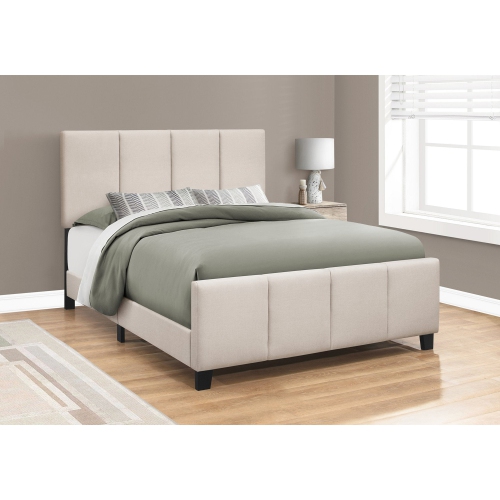
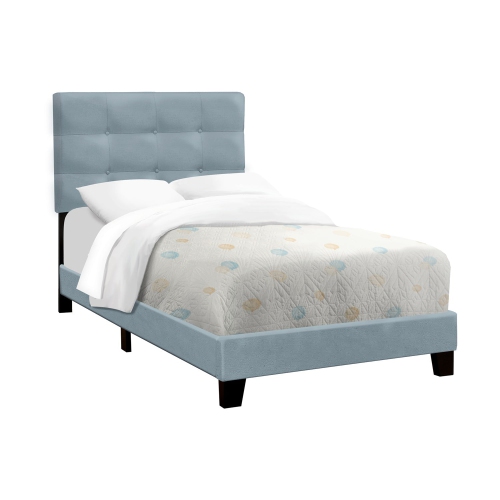

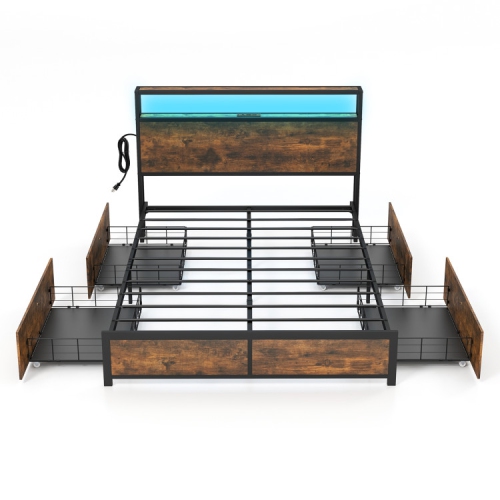
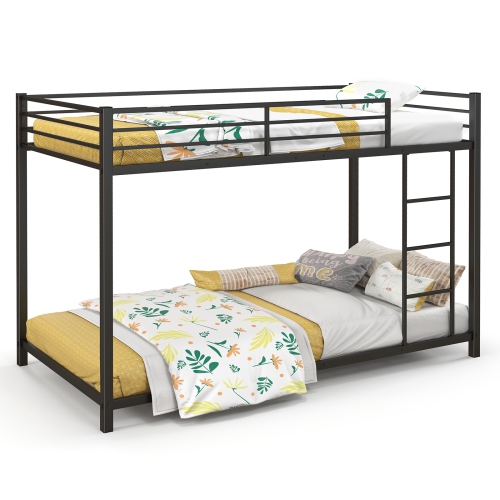
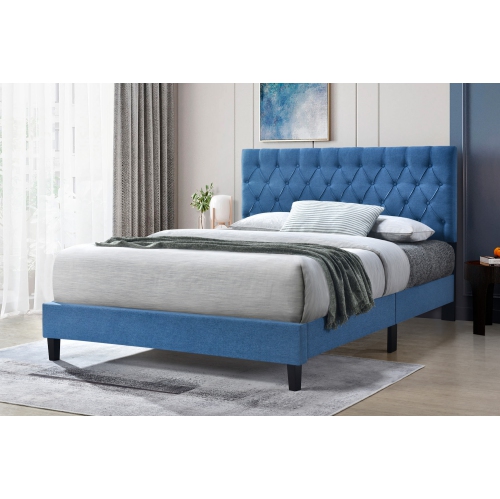

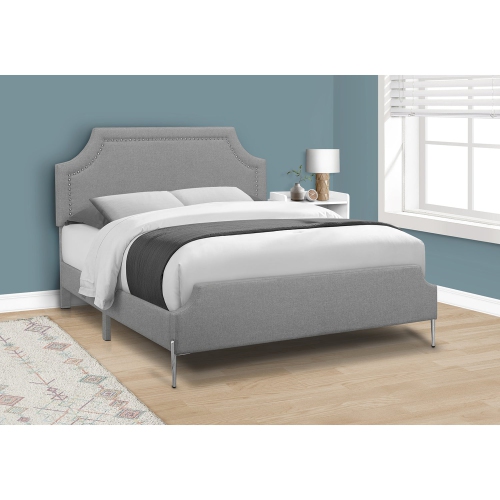
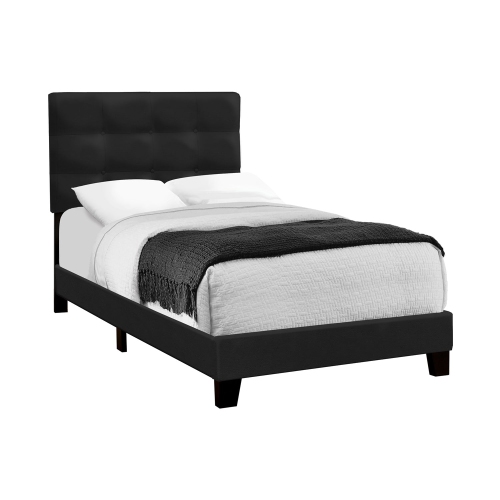
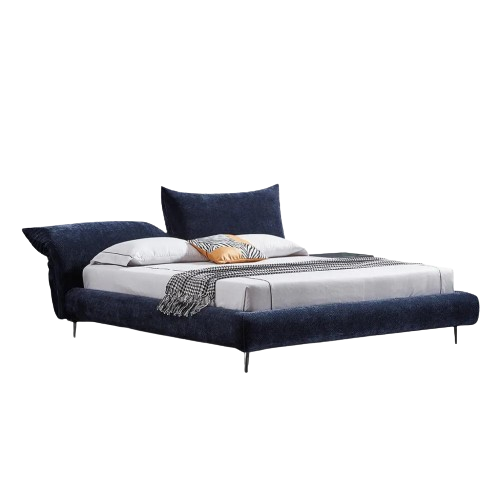
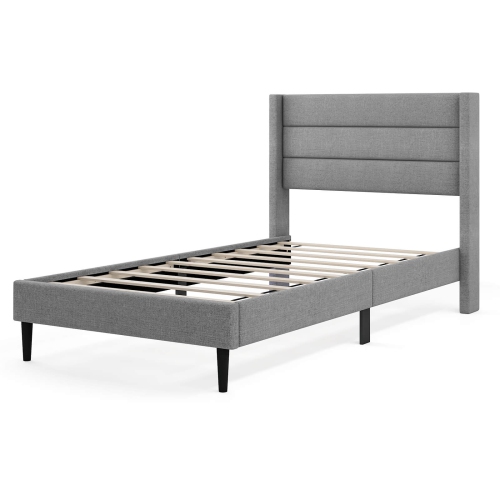
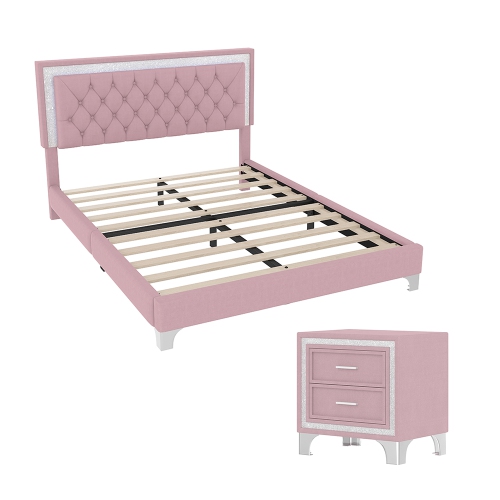
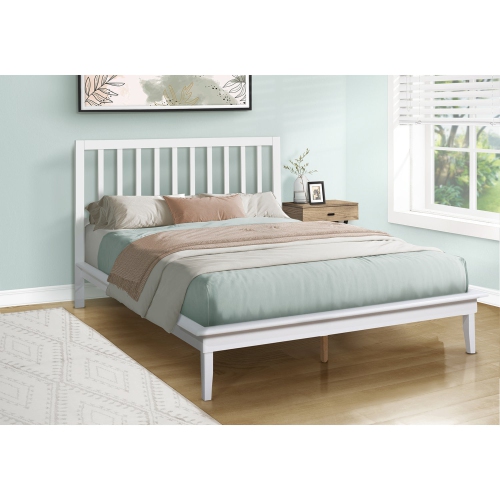
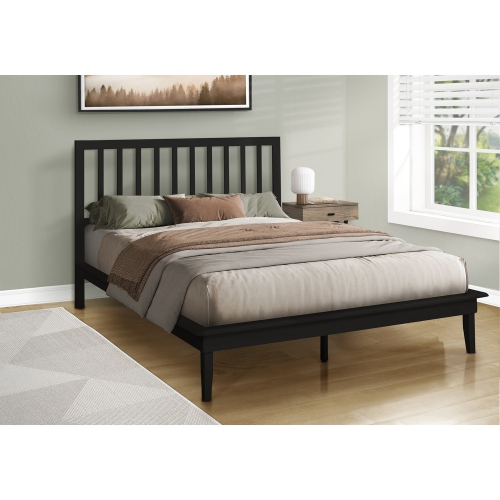
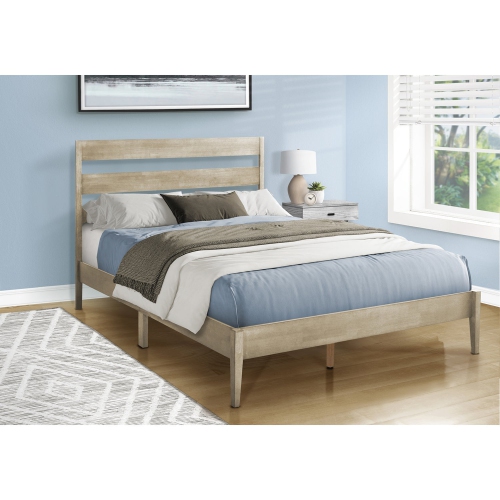
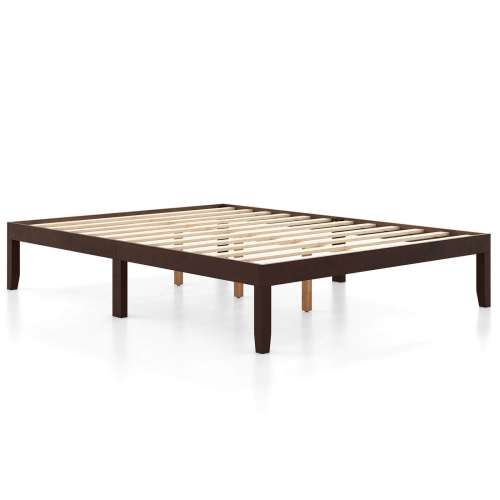


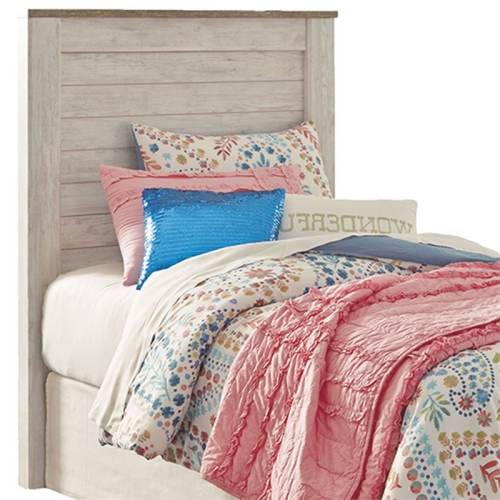
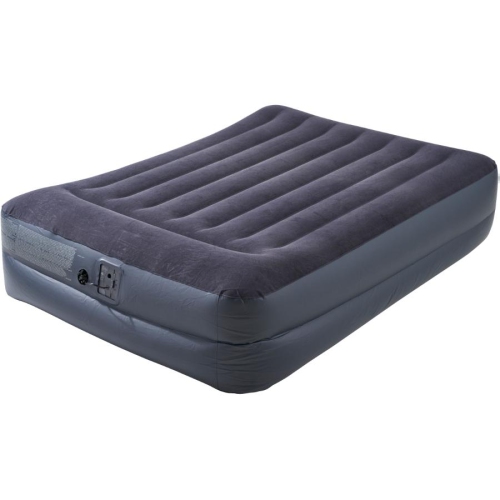

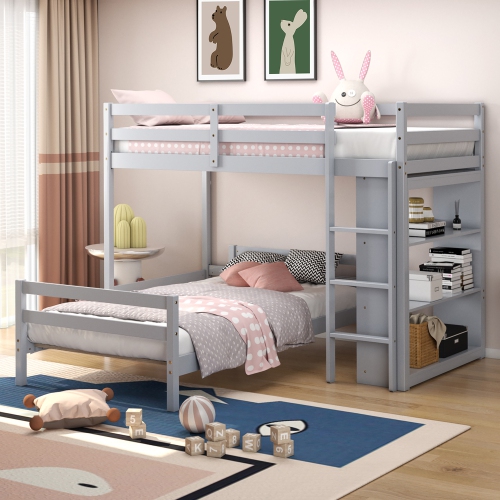


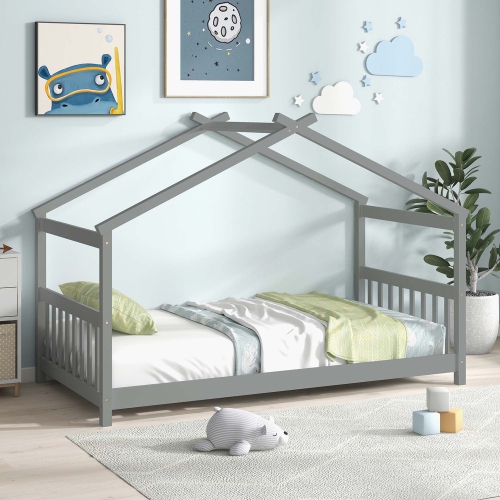
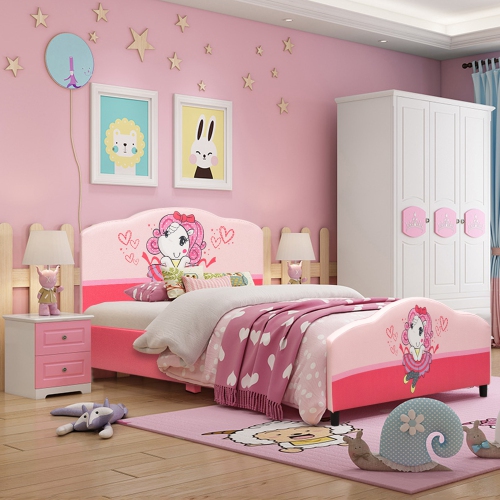
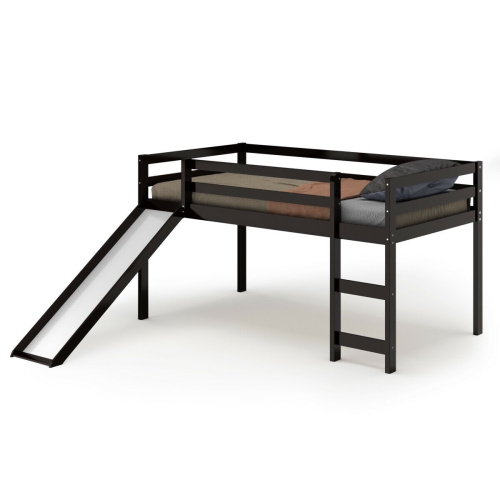
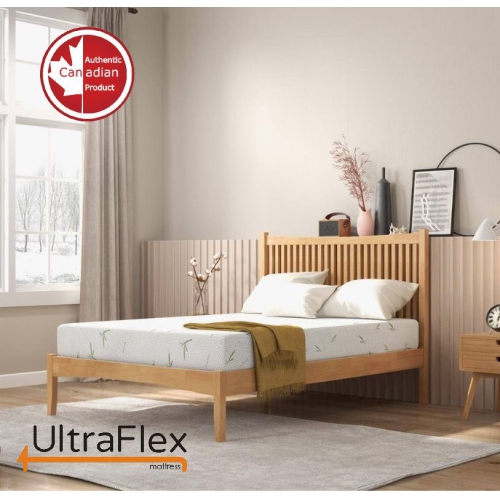
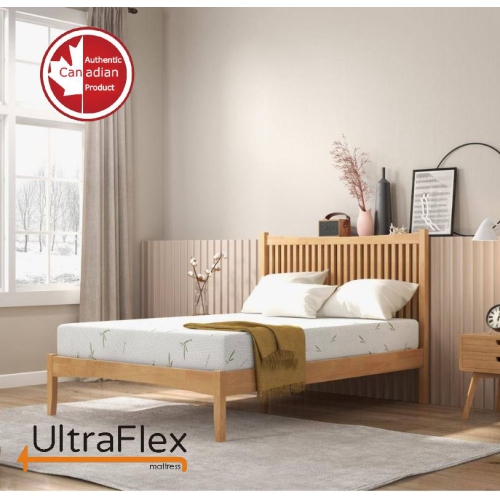
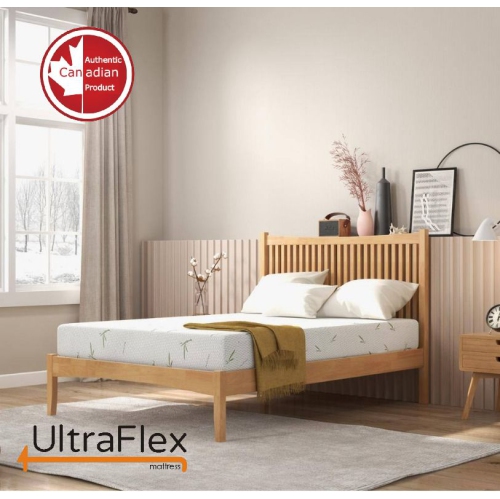
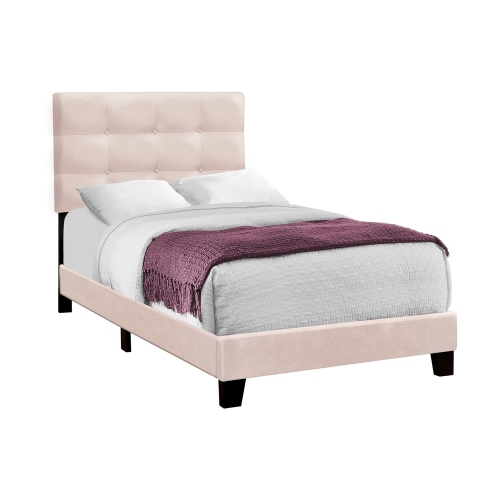
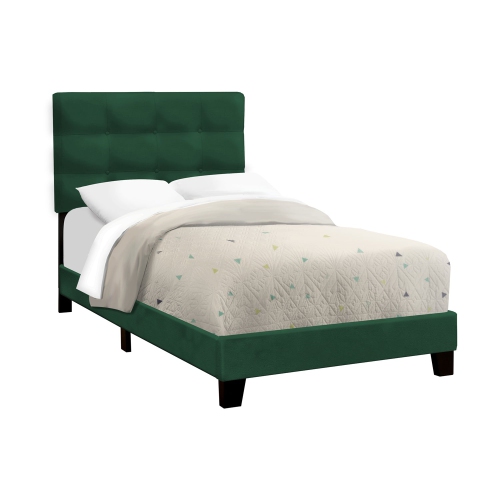
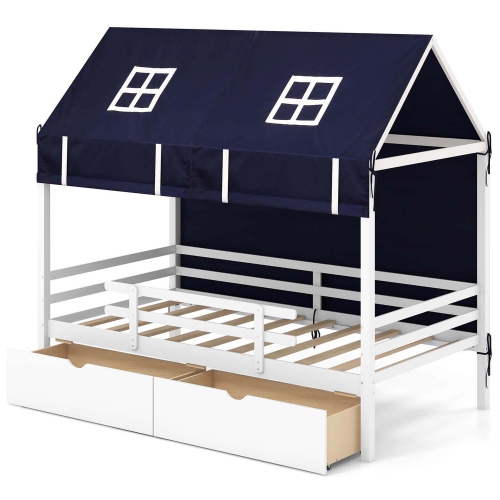
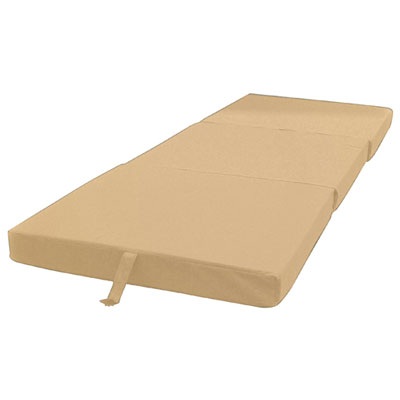
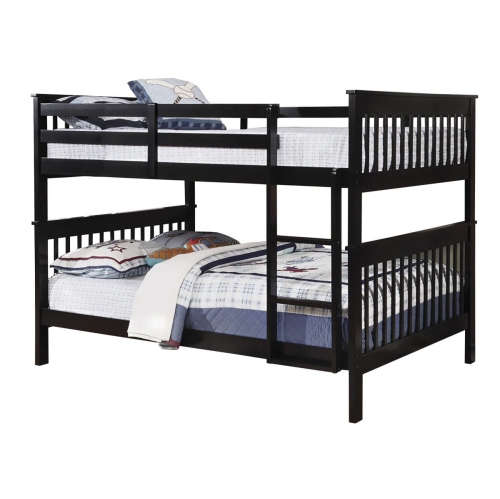
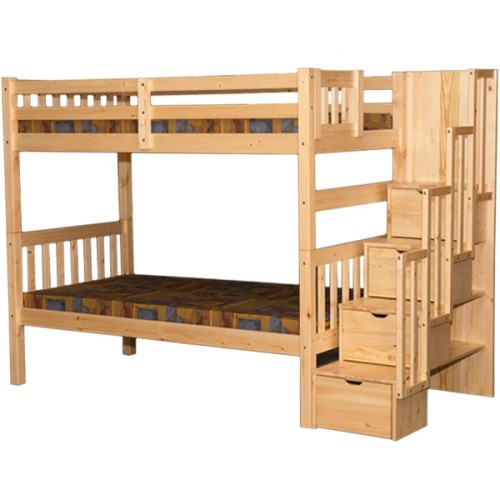
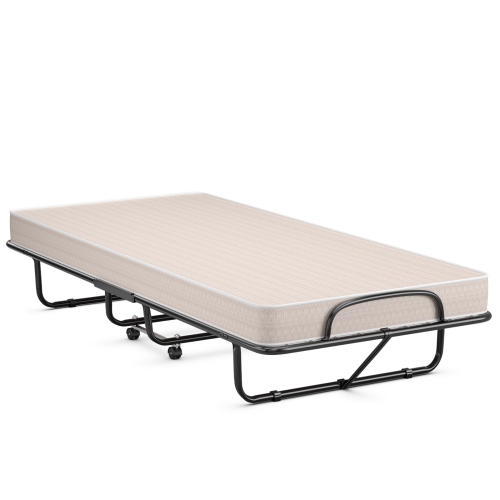
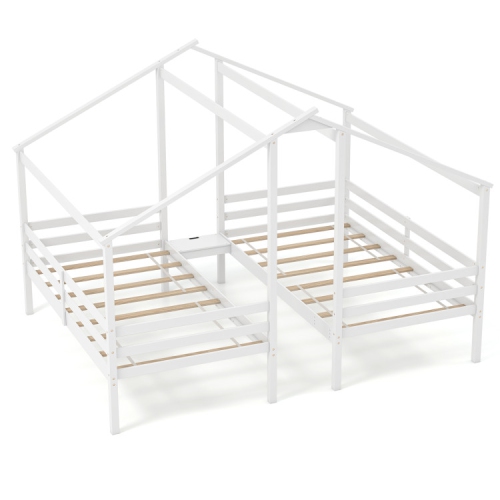
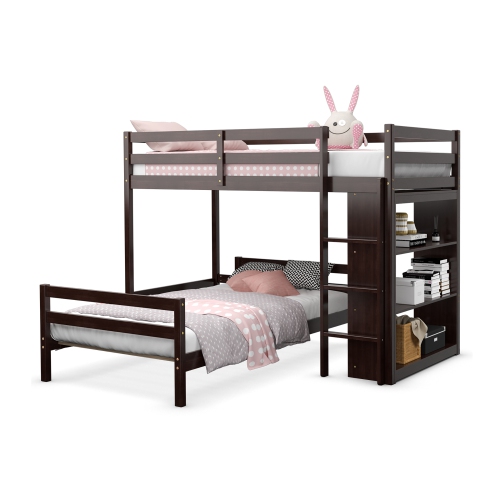
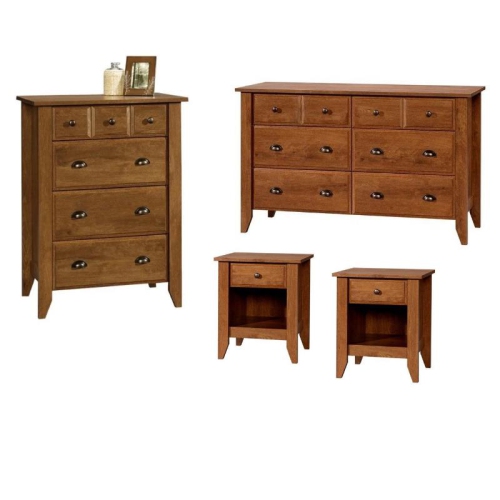
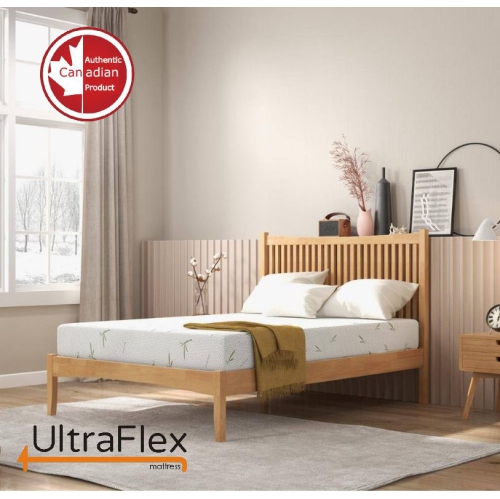
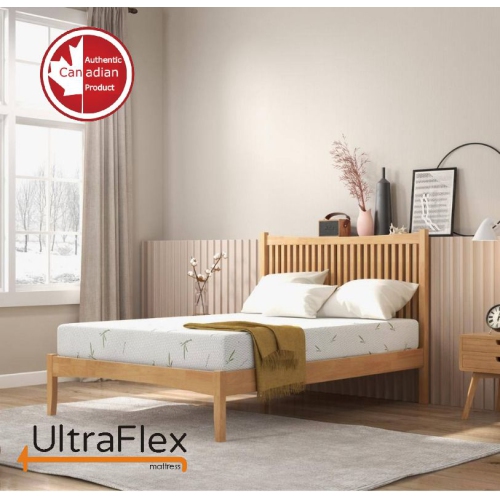
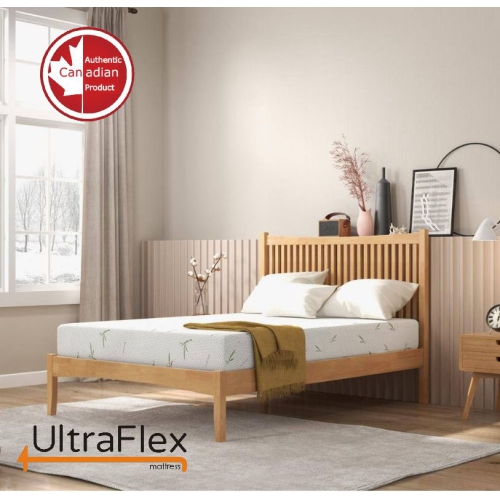
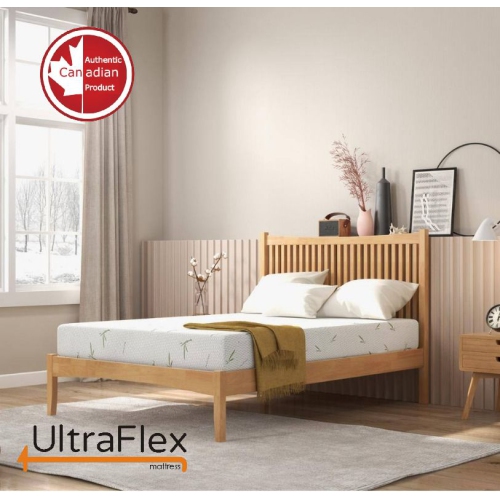



The right bed fit goes beyond mattress size
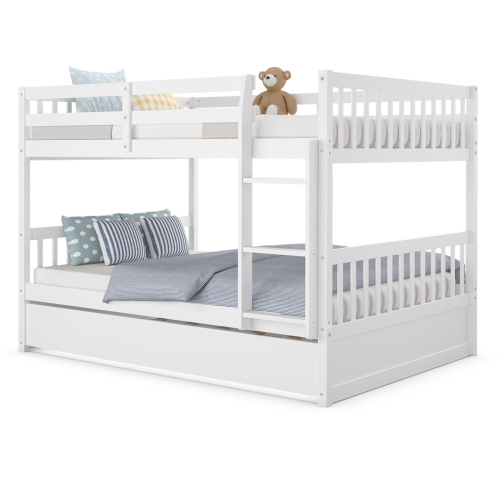
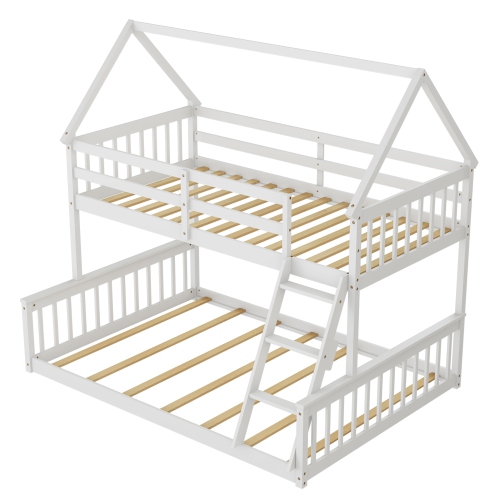
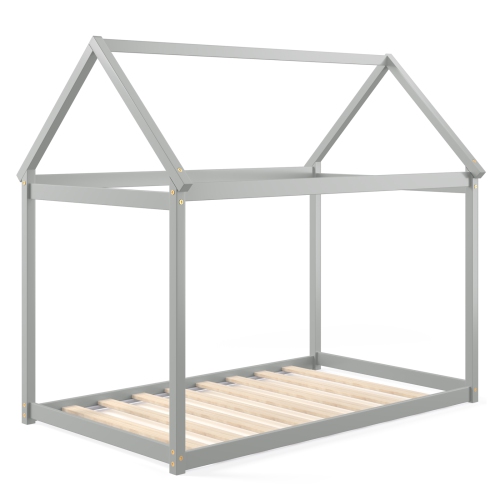
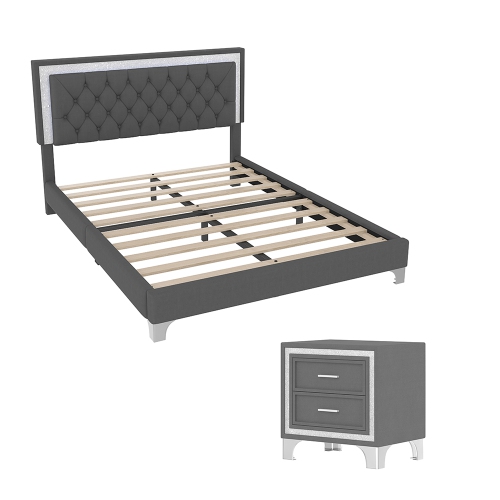
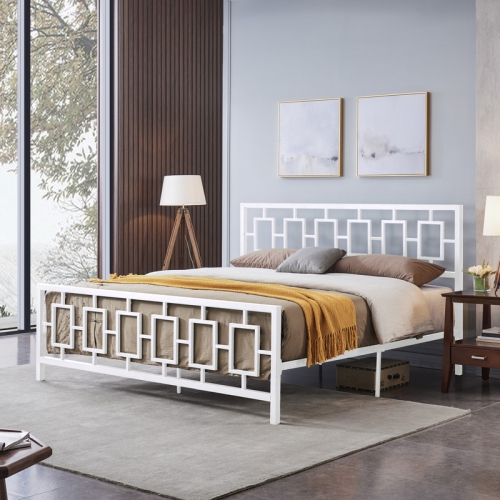
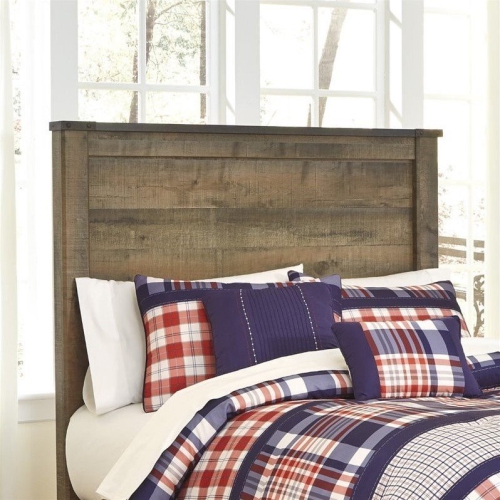
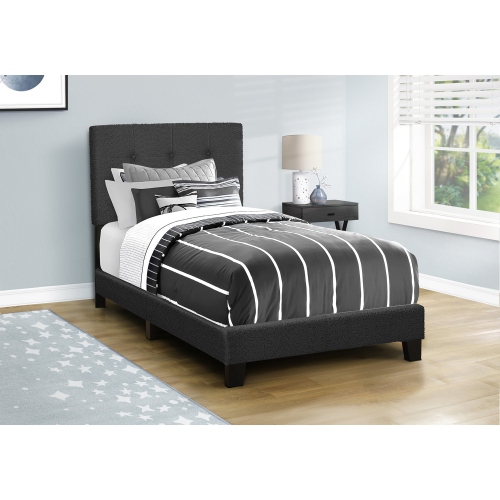
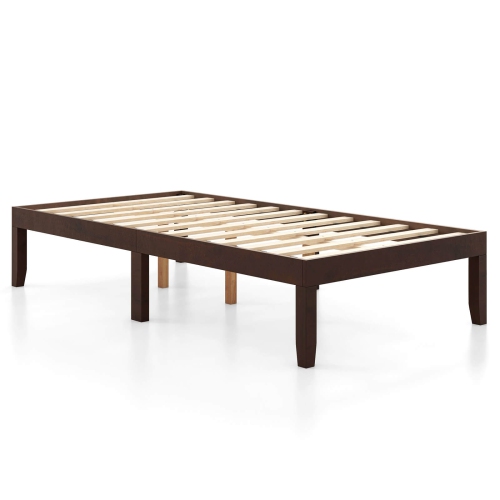
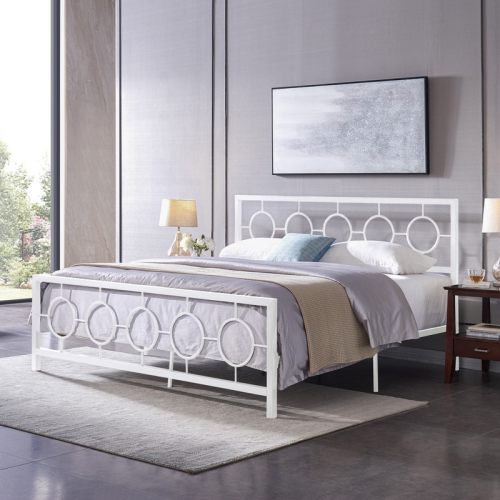
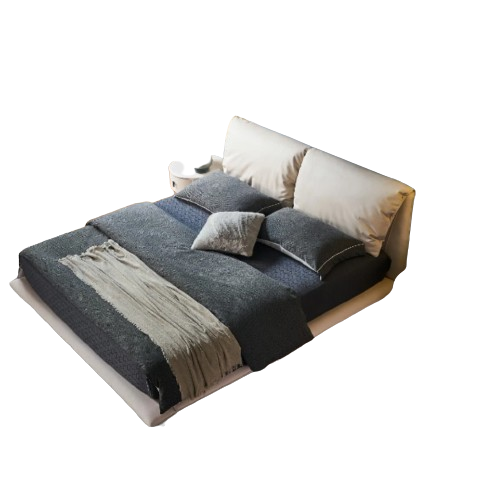
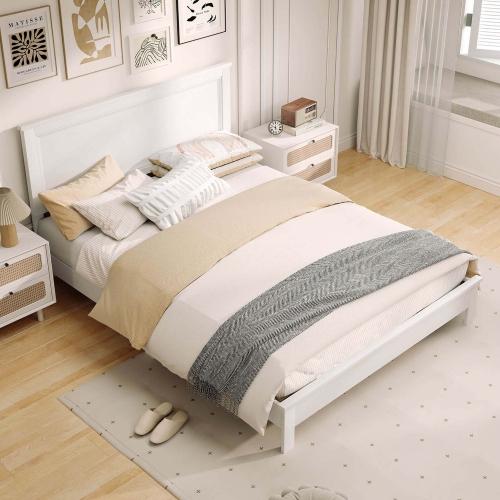
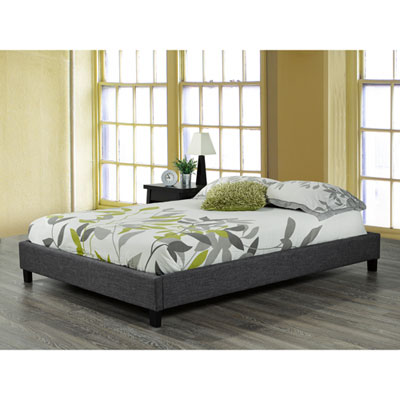
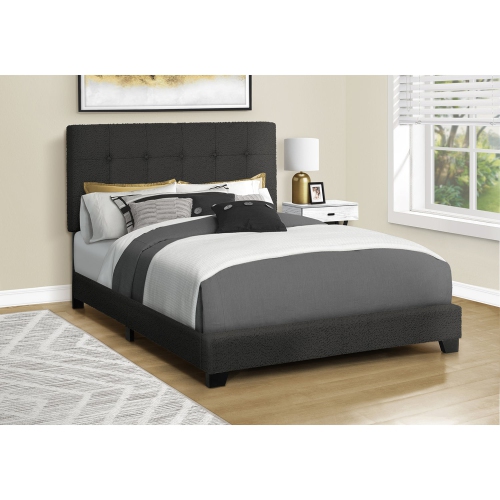
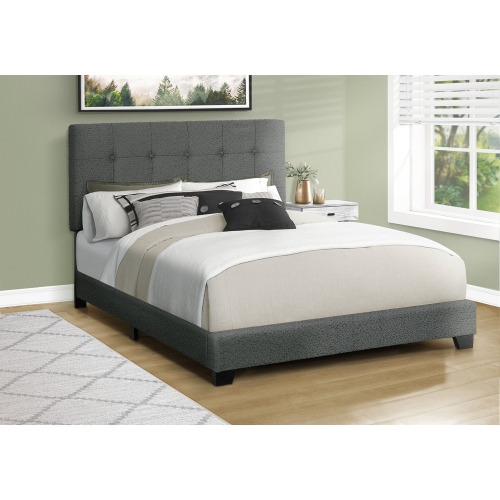
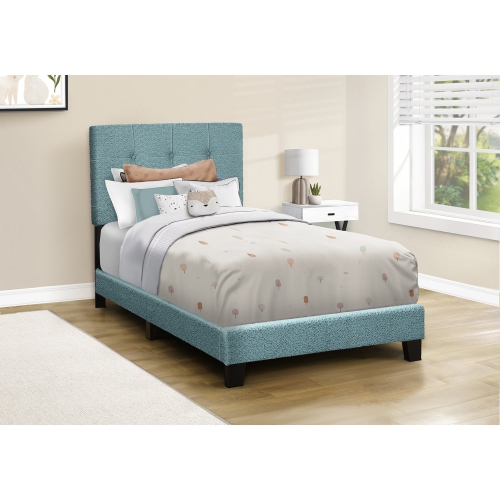
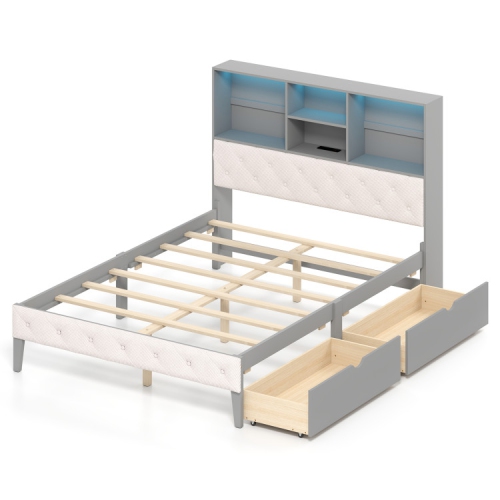
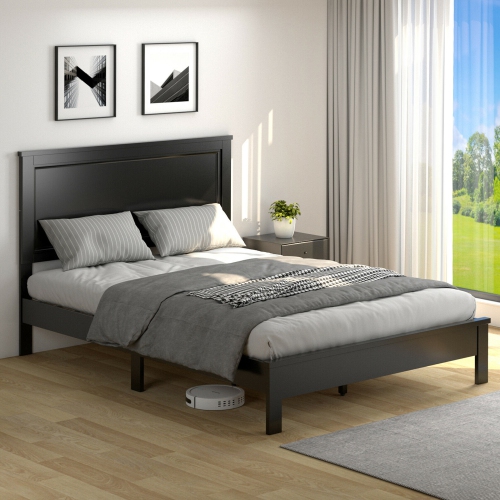
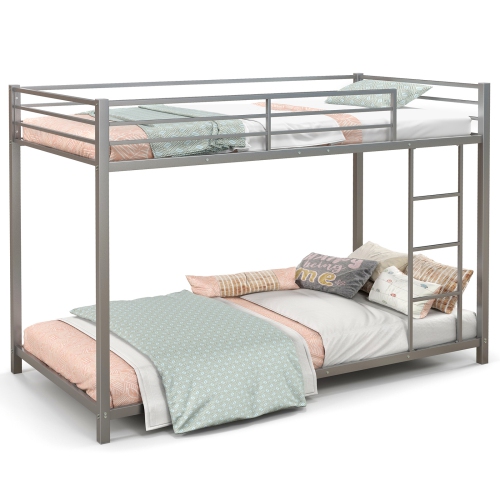
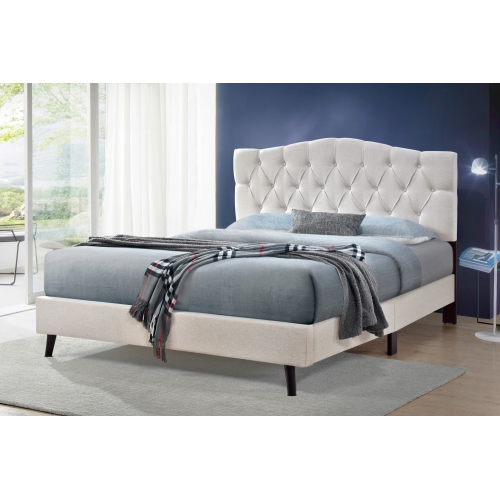
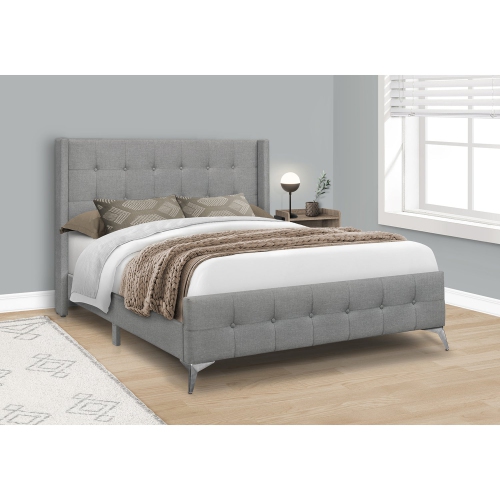
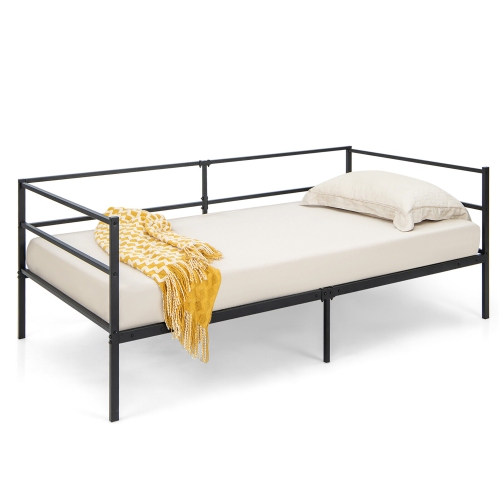
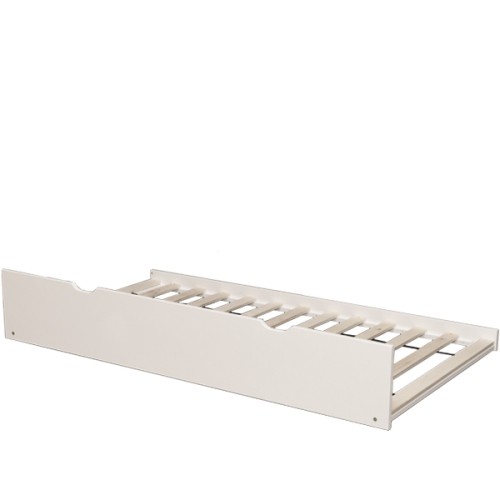
Bedroom beds set the tone for a room, but their most important role is making everyday rest feel comfortable and practical. A bed anchors the space where the day begins and ends, whether that means stretching out after a long shift, reading against a cushioned headboard, or making room for overnight guests. The right shape and scale depend as much on the room as on the person sleeping in it. A twin bed can leave useful floor space in a smaller bedroom, while a full or double bed offers more sleeping width without taking up as much room as a queen. Queen and king beds provide additional space for couples or anyone who prefers a larger sleeping surface, though the frame’s outside dimensions matter just as much as the mattress size. A substantial headboard, wide side rails, or an extended footboard can add noticeably to the overall footprint. In a narrow room, a few extra centimetres may affect whether a wardrobe door opens fully or someone can walk comfortably around the bed. Measuring the intended position, nearby furniture, and the route through doorways and stairwells helps put those proportions into perspective. Bed height also changes the experience of using the room. A low-profile frame can create an open, understated look, while a taller sleeping surface may be more comfortable for someone who finds getting up from low furniture difficult. The finished height includes both the base and the mattress, so a thick mattress can make an otherwise modest frame feel quite tall. An open-ended frame gives taller sleepers more freedom to stretch their legs, while a footboard creates a more enclosed appearance. For a shared bedroom, access from both sides can make daily routines easier. In a guest room that also serves as a workspace, a daybed or a bed with a tucked-away trundle can support different uses, provided there is enough clear floor space when the extra sleeping surface is pulled out.
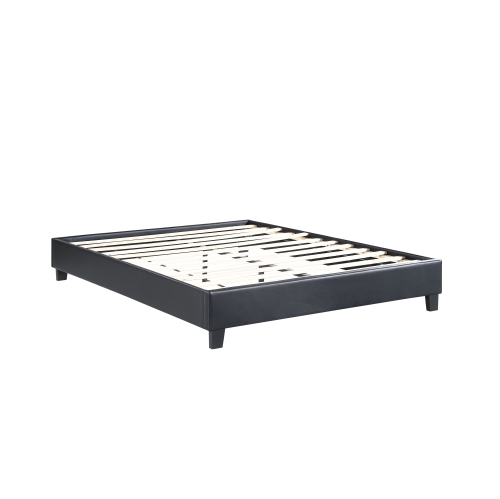
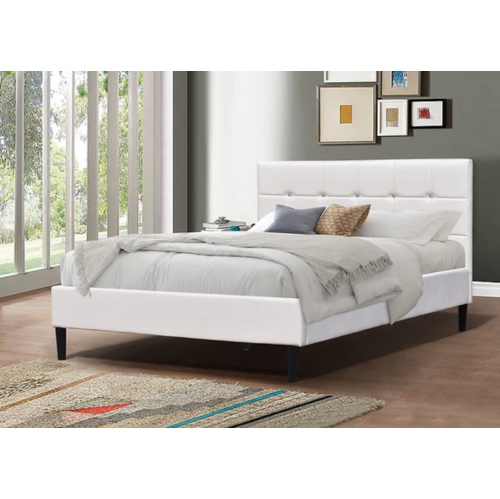
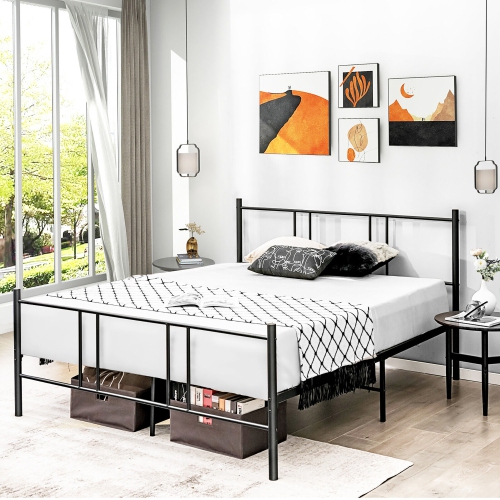
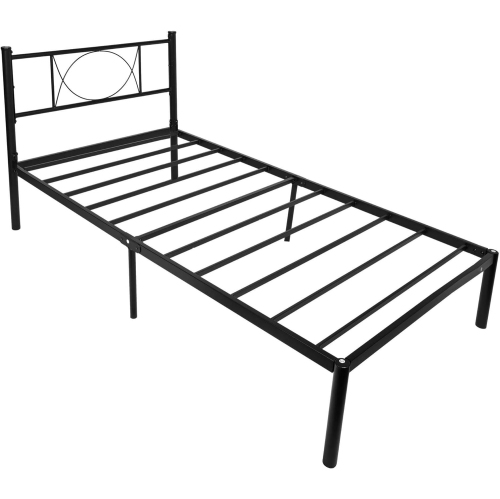
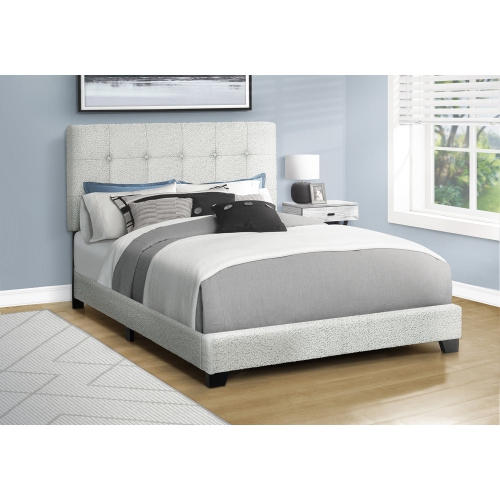
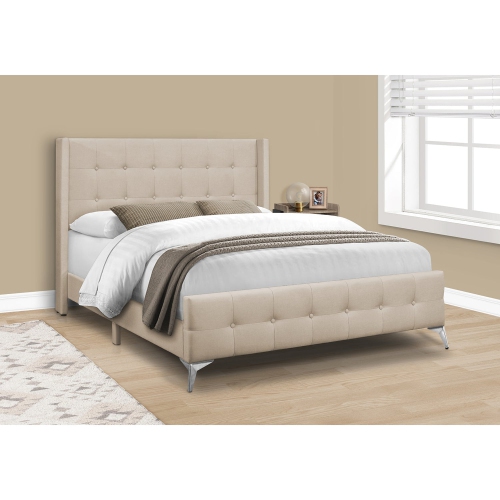
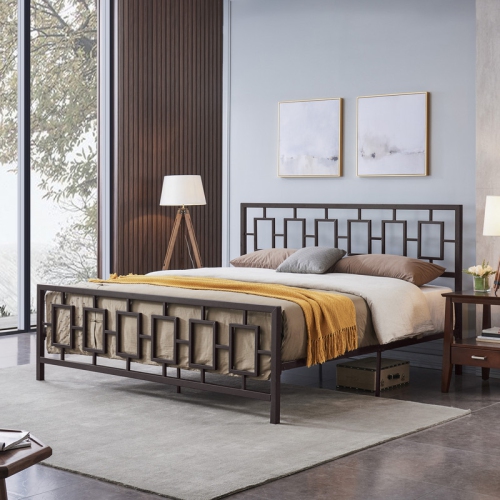
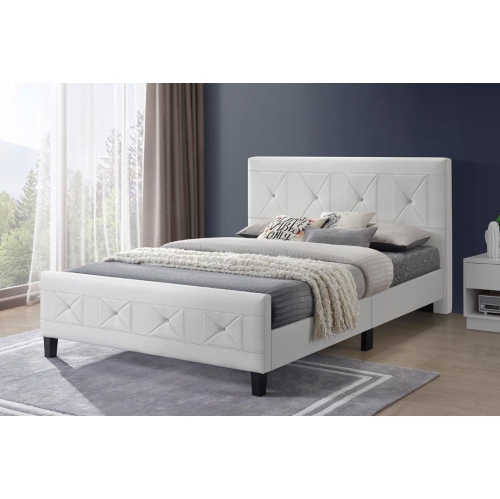
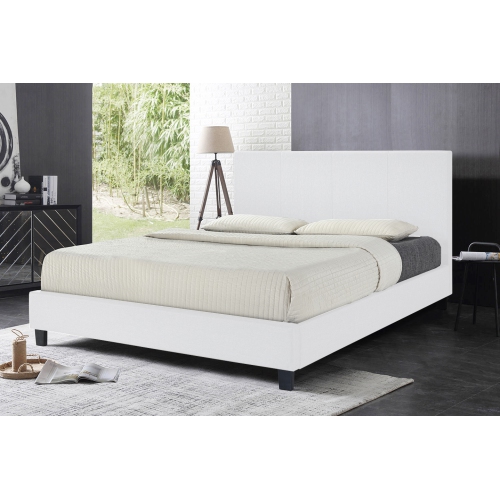
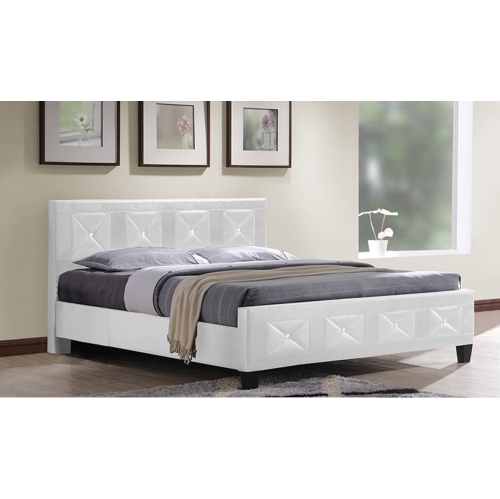
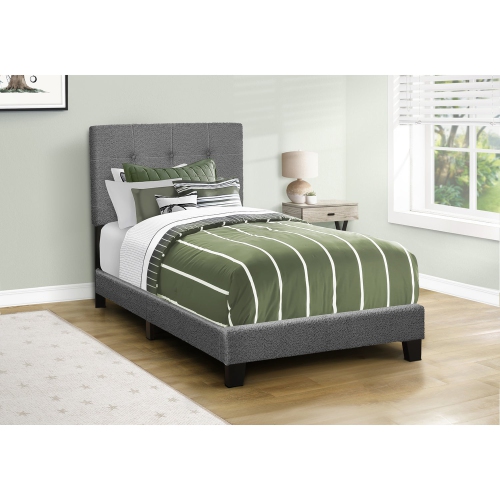
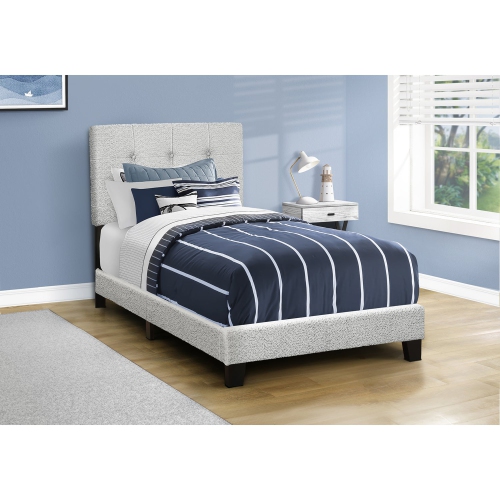
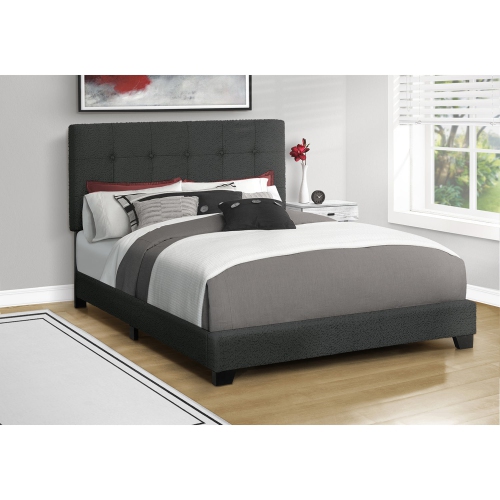
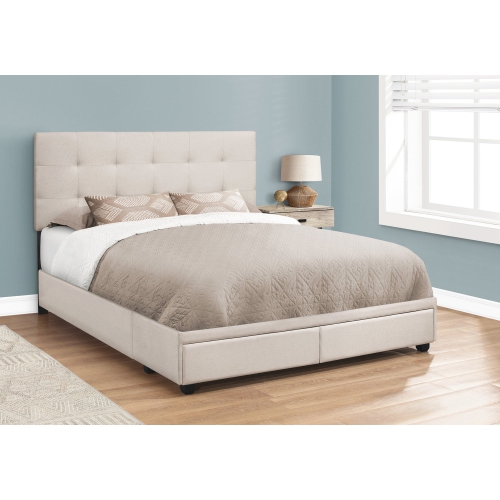
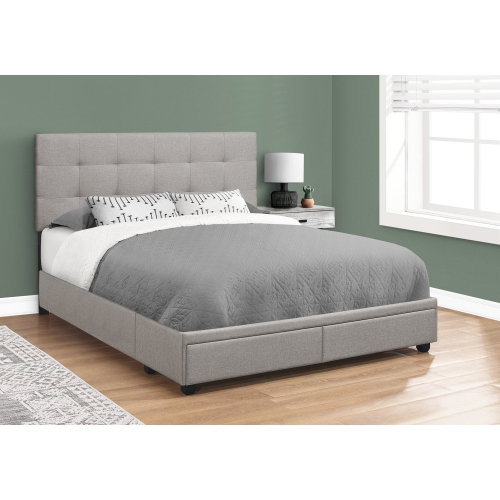
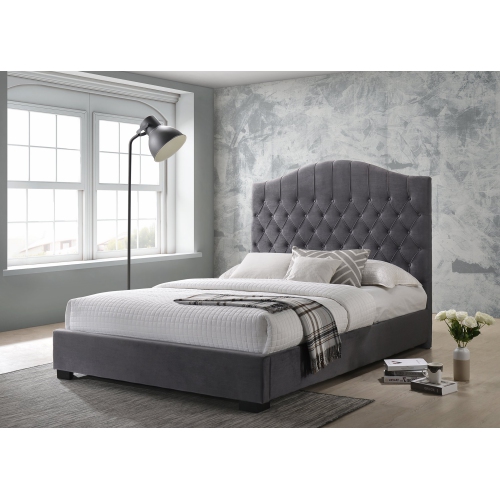
Materials and construction influence how a bedroom bed looks, feels, and holds up to regular use. Wood frames bring visible grain and warmth to a room, with finishes ranging from pale, understated tones to deeper shades that stand out against light bedding. Solid wood and engineered wood have different characteristics, and durability depends on the quality of the joints, hardware, finish, and support system rather than the material name alone. Metal frames can offer slim lines and an airy appearance, making them a useful visual fit where bulky furniture would feel crowded. Upholstered beds soften the outline of a room and provide a padded surface behind the pillows, particularly appealing for people who spend time sitting up to read. Fabric texture matters in daily life: a pronounced weave, a smooth finish, and a plush pile each feel different and call for care suited to the material. In homes with pets, attention to how easily hair can be removed and whether the upholstery is prone to snagging can help narrow the choice. Beneath those visible details, the mattress support deserves equal attention. Platform beds typically use slats or a solid surface, but the required slat spacing and foundation type depend on the mattress manufacturer’s instructions. Some frames require a box spring or another compatible foundation, while others are designed to support a mattress directly. Matching the frame and mattress sizes is only part of achieving a suitable fit; centre supports, support legs, and the stated weight capacity also matter. A properly assembled frame should feel stable during ordinary movement, without loose connections or uneven contact with the floor. For anyone considering an adjustable base, compatibility should be confirmed rather than assumed, since not every surrounding frame provides the necessary clearance. Headboard height is another useful detail: a deeper mattress and stacked pillows can hide much of a low headboard, whereas a taller design remains more visible. These practical differences help distinguish a bed that simply fits the room from one that suits the way it will be used.
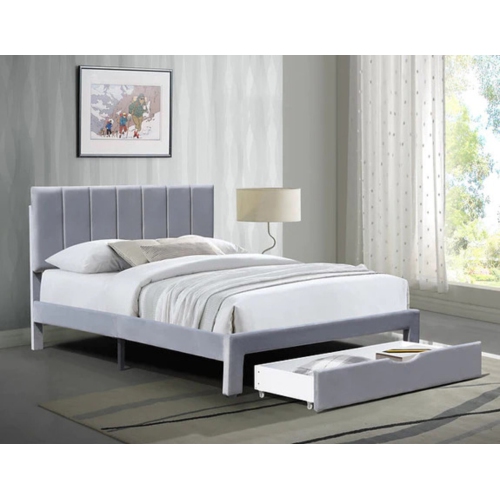
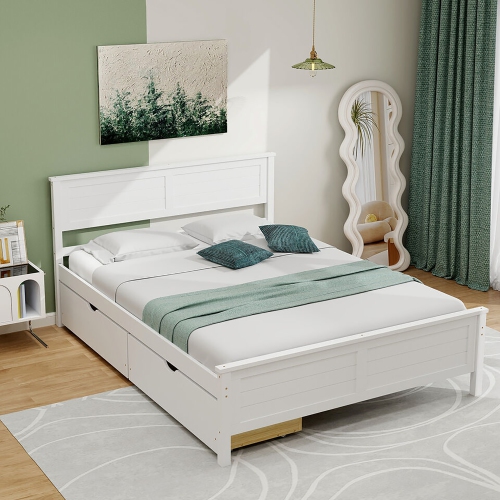
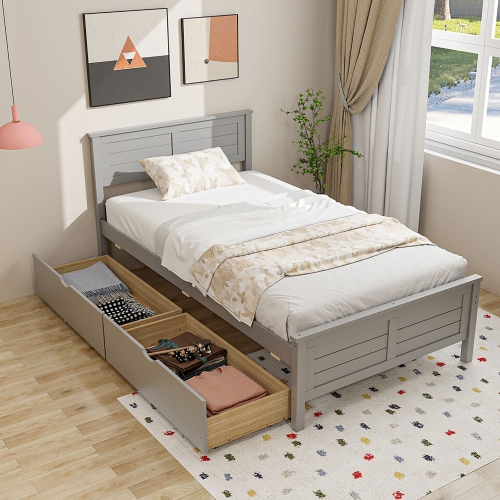
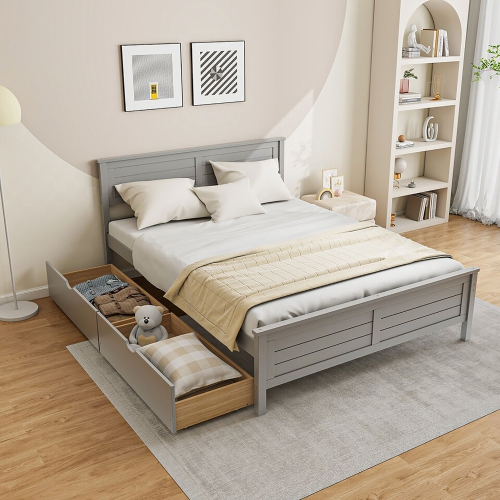
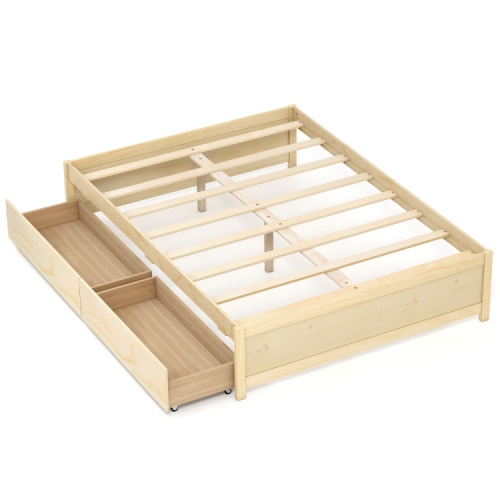
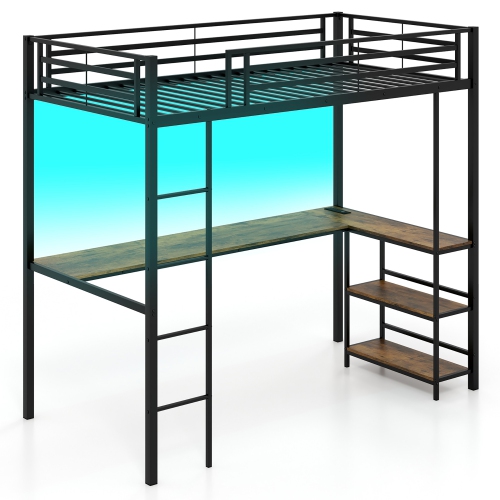
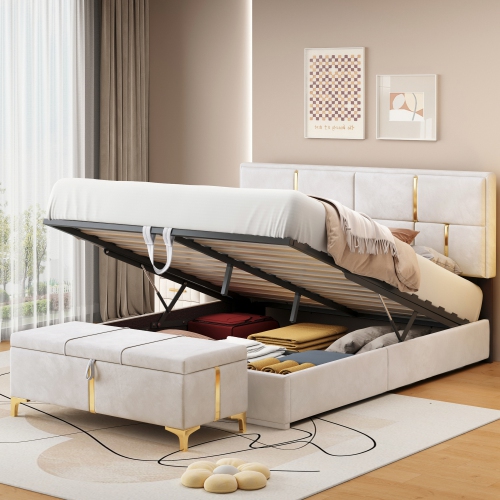
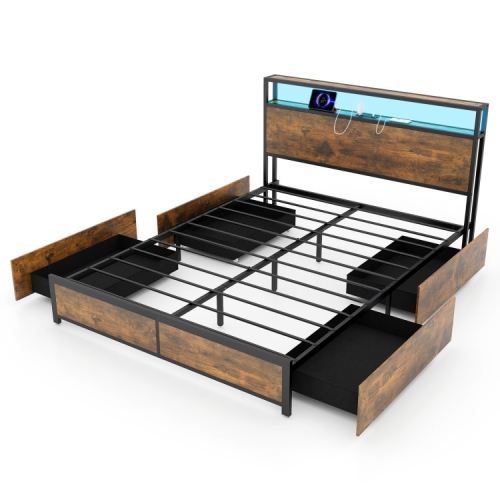
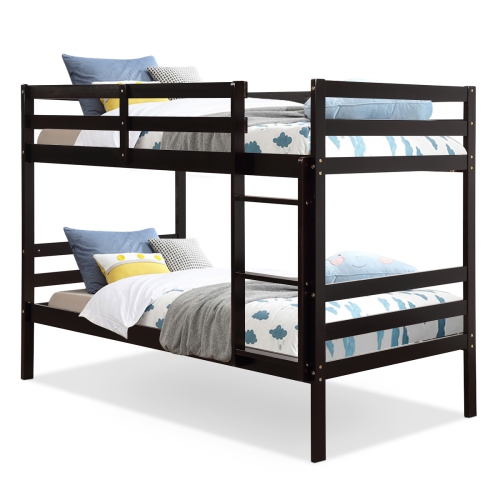
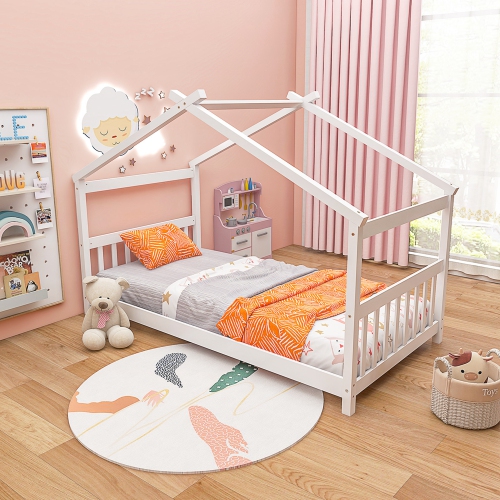
Storage, upkeep, and changing household needs round out the choice of a bedroom bed. Built-in drawers can give spare sheets, folded blankets, and out-of-season clothing a defined place, especially in a room with limited cupboard space. Drawer placement is worth considering alongside bedside tables and walls: storage that looks generous on paper is less useful if a nightstand blocks it from opening. Lift-up storage uses the area beneath the mattress differently and can suit rooms without much side clearance, although the lifting mechanism, mattress weight limits, and ease of access should match the user’s needs. An open space beneath the frame allows room for separate storage containers and may make cleaning simpler, provided there is enough clearance for the tools normally used. Everyday care is generally straightforward when it follows the manufacturer’s directions. Painted and finished surfaces benefit from gentle cleaning and prompt attention to spills, while upholstery may need regular vacuuming with an appropriate attachment and cleaning methods suited to its fabric. Excess moisture and harsh cleaners can damage finishes or leave marks, so care instructions are more useful than a one-size-fits-all approach. After assembly or a move, checking that fasteners remain secure and support legs sit correctly can help prevent unnecessary movement and wear. Beds also need to suit the people who use them as routines change. A student’s room may benefit from a compact frame with storage, while a long-term guest bedroom may call for an easy-to-access sleeping height and a simple layout with space for luggage. For a child’s room, Kid Beds offer a more focused starting point for child-sized spaces and needs. Age suitability, access, and the manufacturer’s safety requirements are particularly important with raised sleeping surfaces, including bunk and loft designs. Across bedrooms of every size, thoughtful proportions and dependable support matter more than adding features that rarely get used. A bed that leaves room to move, works with the mattress, and fits ordinary habits can make the whole room feel more settled, from freshly made sheets in the morning to an extra blanket at night during the cooler months.
Materials and construction influence how a bedroom bed looks, feels, and holds up to regular use. Wood frames bring visible grain and warmth to a room, with finishes ranging from pale, understated tones to deeper shades that stand out against light bedding. Solid wood and engineered wood have different characteristics, and durability depends on the quality of the joints, hardware, finish, and support system rather than the material name alone. Metal frames can offer slim lines and an airy appearance, making them a useful visual fit where bulky furniture would feel crowded. Upholstered beds soften the outline of a room and provide a padded surface behind the pillows, particularly appealing for people who spend time sitting up to read. Fabric texture matters in daily life: a pronounced weave, a smooth finish, and a plush pile each feel different and call for care suited to the material. In homes with pets, attention to how easily hair can be removed and whether the upholstery is prone to snagging can help narrow the choice. Beneath those visible details, the mattress support deserves equal attention. Platform beds typically use slats or a solid surface, but the required slat spacing and foundation type depend on the mattress manufacturer’s instructions. Some frames require a box spring or another compatible foundation, while others are designed to support a mattress directly. Matching the frame and mattress sizes is only part of achieving a suitable fit; centre supports, support legs, and the stated weight capacity also matter. A properly assembled frame should feel stable during ordinary movement, without loose connections or uneven contact with the floor. For anyone considering an adjustable base, compatibility should be confirmed rather than assumed, since not every surrounding frame provides the necessary clearance. Headboard height is another useful detail: a deeper mattress and stacked pillows can hide much of a low headboard, whereas a taller design remains more visible. These practical differences help distinguish a bed that simply fits the room from one that suits the way it will be used.
Storage, upkeep, and changing household needs round out the choice of a bedroom bed. Built-in drawers can give spare sheets, folded blankets, and out-of-season clothing a defined place, especially in a room with limited cupboard space. Drawer placement is worth considering alongside bedside tables and walls: storage that looks generous on paper is less useful if a nightstand blocks it from opening. Lift-up storage uses the area beneath the mattress differently and can suit rooms without much side clearance, although the lifting mechanism, mattress weight limits, and ease of access should match the user’s needs. An open space beneath the frame allows room for separate storage containers and may make cleaning simpler, provided there is enough clearance for the tools normally used. Everyday care is generally straightforward when it follows the manufacturer’s directions. Painted and finished surfaces benefit from gentle cleaning and prompt attention to spills, while upholstery may need regular vacuuming with an appropriate attachment and cleaning methods suited to its fabric. Excess moisture and harsh cleaners can damage finishes or leave marks, so care instructions are more useful than a one-size-fits-all approach. After assembly or a move, checking that fasteners remain secure and support legs sit correctly can help prevent unnecessary movement and wear. Beds also need to suit the people who use them as routines change. A student’s room may benefit from a compact frame with storage, while a long-term guest bedroom may call for an easy-to-access sleeping height and a simple layout with space for luggage. For a child’s room, Kid Beds offer a more focused starting point for child-sized spaces and needs. Age suitability, access, and the manufacturer’s safety requirements are particularly important with raised sleeping surfaces, including bunk and loft designs. Across bedrooms of every size, thoughtful proportions and dependable support matter more than adding features that rarely get used. A bed that leaves room to move, works with the mattress, and fits ordinary habits can make the whole room feel more settled, from freshly made sheets in the morning to an extra blanket at night during the cooler months.
Top selling and popular products
-
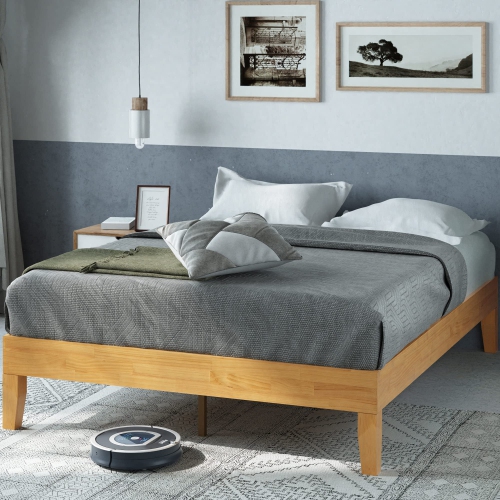 Your price for this item is $493.52
 -
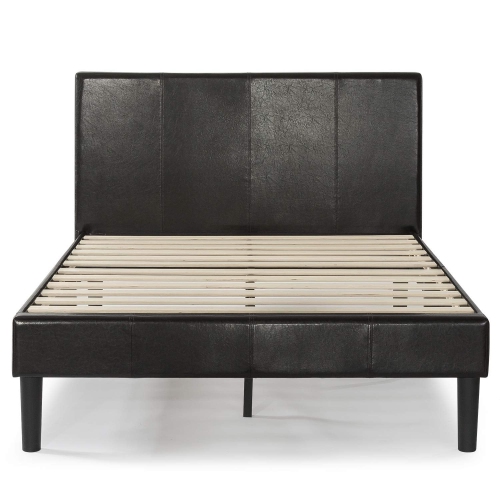 Your price for this item is $611.85
 -
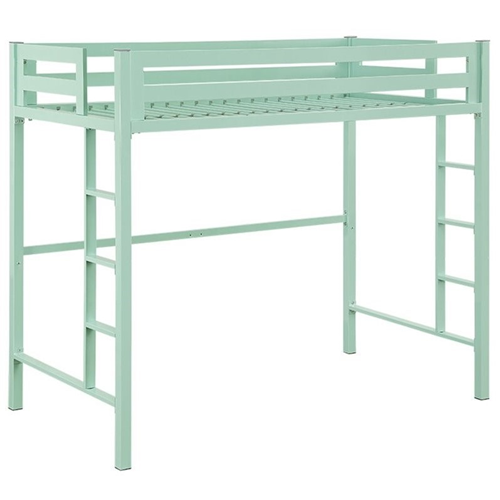 Your price for this item is $824.18
 -
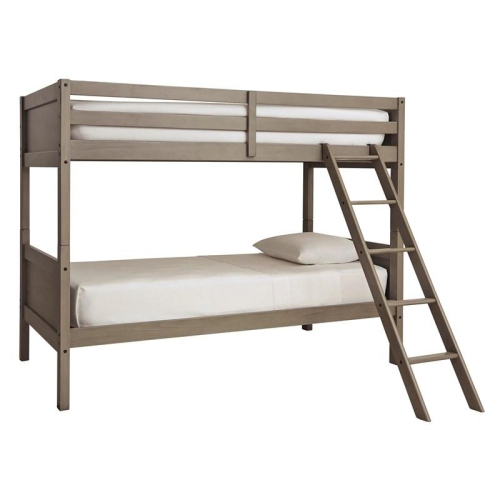 Your price for this item is $799.99
 -
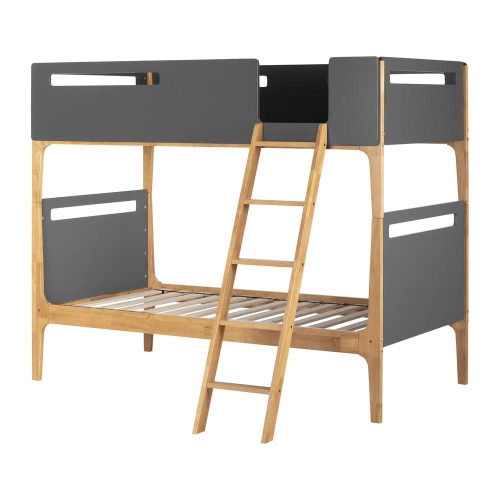 Your price for this item is $985.42
 -
 Your price for this item is $157.99
 -
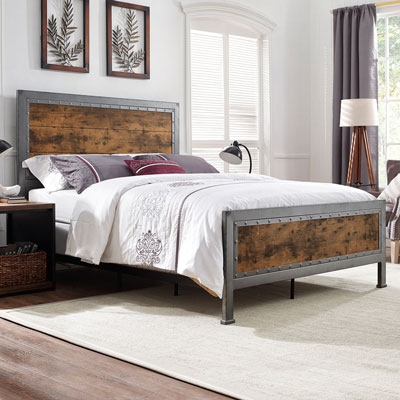 Your price for this item is $862.99
 -
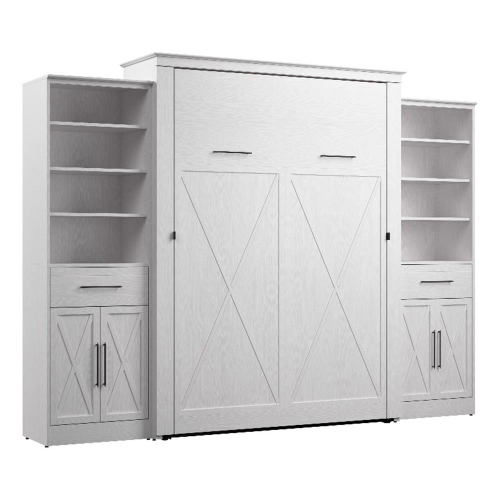 Your price for this item is $3519.99
Discover more categories related to Bedroom Beds
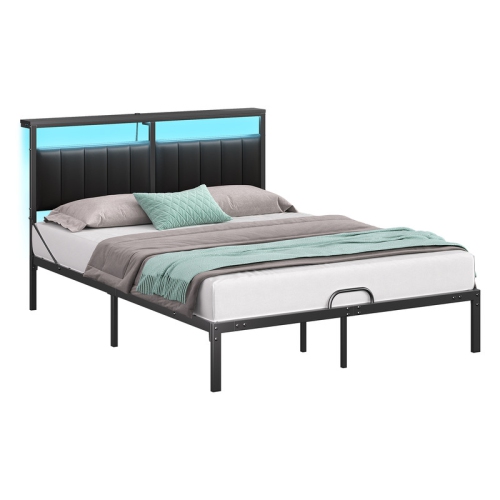
Top Collections:
Pokemon Centers, Kindle Devices, Best Budget Office Chairs, Apple iPhones 16, Best Laptops for Writers, iPhone 15 Apple, Canon G7X Cameras, Refurbished Apple Laptops, Alarm Clock, Motorola Razr Phones
Some products may be subject to Environmental Handling Fees
(EHF) depending on your province.
Learn more about EHFs.