Bedroom Lighting for Teens
Bedroom Lighting for Teens transforms any space into a personalized retreat, perfect for studying, relaxing, or hanging out with friends. Explore a wide selection of lighting options designed to match every style and vibe, from bold and colorful to sleek and modern. With the right lighting, teens can create an atmosphere that reflects their personality and enhances their everyday routines. Discover how Bedroom Lighting for Teens can make any room feel inviting, comfortable, and uniquely their own.
Sort


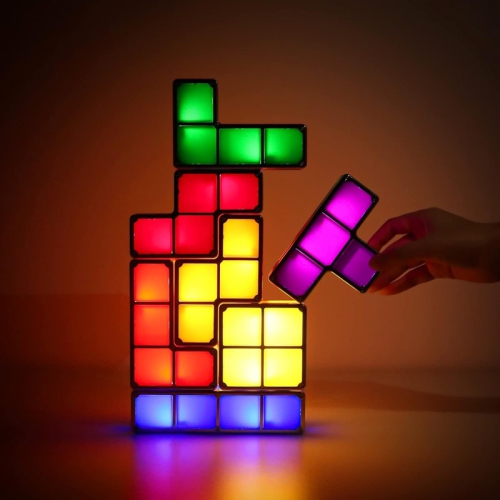
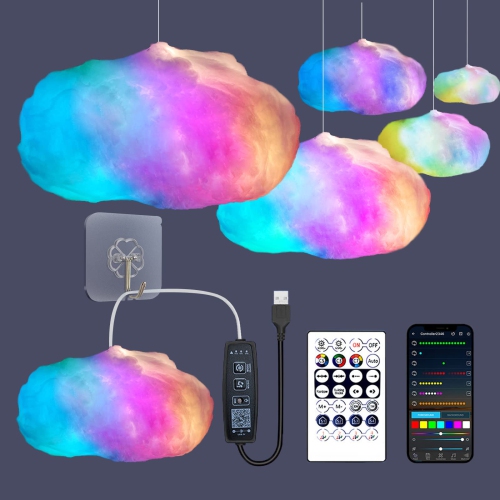
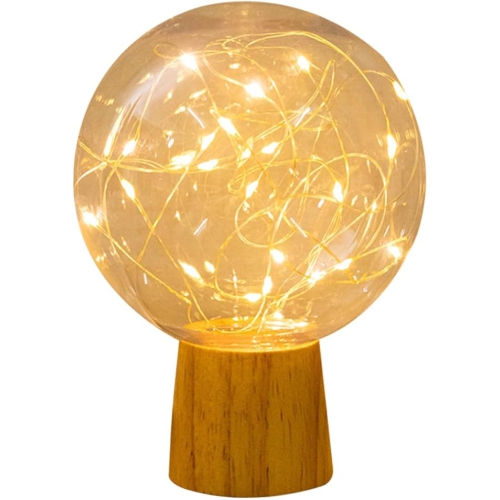

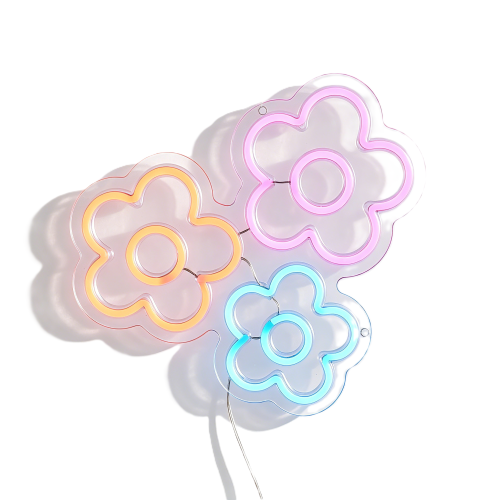


Layered lighting that moves from homework to downtime
Bedroom lighting for teens brings together everyday visibility, focused light for homework, and softer accents that make a room feel personal. A ceiling fixture can brighten the whole space, a desk lamp can illuminate a notebook, and a gentle bedside glow can make reading more comfortable without lighting up every corner. These layers suit a room that often serves as a study space, gaming area, dressing room, and place to unwind. Ambient lighting provides the broad coverage needed for getting dressed, finding supplies, or tidying up. Task lighting directs brightness towards activities such as sketching, building models, or working through an assignment. Accent lighting adds visual interest around shelves, artwork, or a desk setup. LED strip lights, neon-style rope lights, and string lights offer different effects: strips can create a continuous line of colour, flexible rope designs can form outlines, and small points of light can give a photo display a softer finish. Colour-changing lighting adds another way to personalize the space, while a dedicated white-light setting is useful when colour effects would be distracting. Warm white light tends to look softer and more golden; cooler white light appears crisper. Brightness and colour temperature are separate features, so a warm-toned lamp can still provide useful reading light when its output and placement suit the task. Dimmable lighting makes it easier to move from a well-lit homework session to a quieter setting before bed, provided the lamp, bulb, and dimmer are compatible. For teens sharing a bedroom, individually controlled lamps help define each person’s space and reduce the need to switch on an overhead light when someone else is resting. Lighting also connects the larger decorating choices in a room, picking up a colour from bedding or highlighting a favourite wall display. Coordinating it with bedroom decor for teens can bring those details together without making every finish or shape match.
The most useful lighting fits the furniture and the way the room is used, not just its colour scheme. On a compact desk, a slim base or a compatible clamp leaves more room for textbooks and a keyboard. An adjustable arm or tilting shade can direct light onto paper rather than into the eyes, and positioning the lamp opposite the writing hand can help reduce shadows. A light placed beside a monitor, rather than reflected directly in it, is often more comfortable during homework or gaming. Bedside lamps work best when their controls are easy to reach and their shades keep the brightest part of the light out of the reader’s direct view. Touch controls can be convenient on a crowded nightstand, while a clearly defined switch may be preferable for someone who wants straightforward operation without cycling through several settings. Floor lamps need enough clearance around the base to stay out of walking routes, particularly beside a bed or an opening wardrobe door. Ceiling height matters for overhead fixtures: flush and semi-flush designs sit close to the ceiling, while pendants need enough clearance for the location and should not interfere with raised beds or furniture. Fixture weight, mounting requirements, and electrical compatibility also affect fit; hardwired changes are work for a qualified electrician. Materials shape both appearance and upkeep. Metal bases can bring a clean, structured look, wood accents add texture, and fabric shades diffuse light while softening the outline of a lamp. Glass can look crisp and bright but may be less practical where a lamp could be knocked by a backpack or sports bag. Acrylic and other lightweight shade materials offer different handling characteristics, although their resistance to scratches and impacts varies. A stable base, secure joints, and an adjustment mechanism that holds its position are useful details for a lamp that will be moved and used daily. Replaceable bulbs can simplify upkeep, whereas integrated LED designs require attention to the manufacturer’s service information.
Decorative bedroom lighting gives teens room to express their interests without making every choice permanent. A line of indirect light behind a desk can frame a gaming setup, a softly illuminated shelf can draw attention to artwork, and photo-clip string lights can turn snapshots into part of the room’s lighting scheme. Neon-style wall lights contribute a graphic focal point, while an illuminated mirror can add useful light for grooming when its brightness and placement suit the space. Some accent lights offer animated colours or music-responsive effects, but a steady setting is useful for reading, concentration, and times when movement would be distracting. Smart lighting may offer app controls, timers, or voice operation; those features depend on the model and may require compatible devices, a hub, or a particular Wi-Fi connection. Physical controls remain helpful when a phone is charging elsewhere or another family member needs to use the light. Power arrangements deserve equal attention. Plug-in lighting needs a conveniently located outlet and a cord route that does not cross a doorway or sit beneath a rug, while rechargeable lighting needs an accessible charging spot. Light strips should be measured against the intended run, including corners and the distance to the power source, and cut only where the manufacturer permits. Adhesive mounting suits some surfaces better than others and can affect painted finishes, so wall material and removal instructions matter in bedrooms that may be rearranged. Decorative lights and their power supplies should stay clear of bedding, curtains, and other coverings, with ventilation maintained as directed. Care is generally simple: switch off and unplug portable lighting before cleaning, allow it to cool, and use the recommended method for its finish. Dust on shades and diffusers can dull the appearance of the light, while loose fittings or damaged cords need attention before further use. As a birthday gift or part of a bedroom refresh, lighting feels more personal when it reflects the teen’s habits as well as their taste, whether that means an adjustable reading light, subtle shelf accents, or flexible colour settings for a space that changes with them.
Top selling and popular products
-
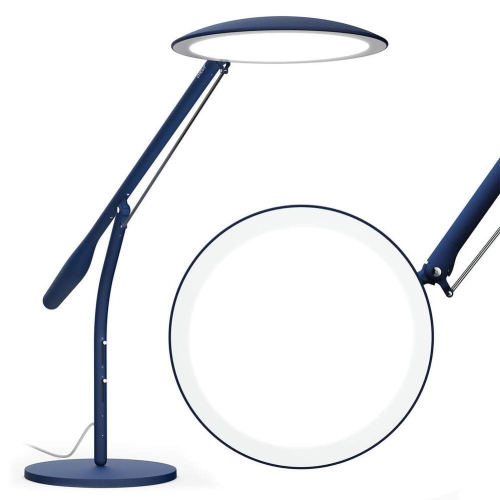 Your price for this item is $198.55
-
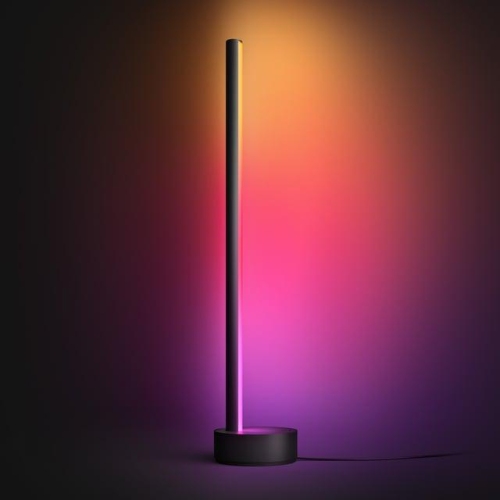 Your price for this item is $199.99
-
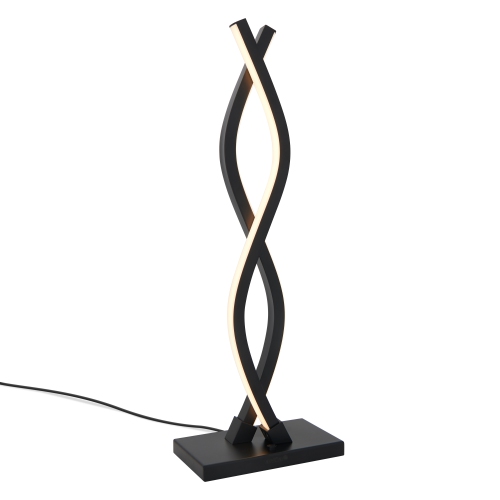 Your price for this item is $79.99
-
 Your price for this item is $119.99
-
 Your price for this item is $119.18
-
 Your price for this item is $141.68
-
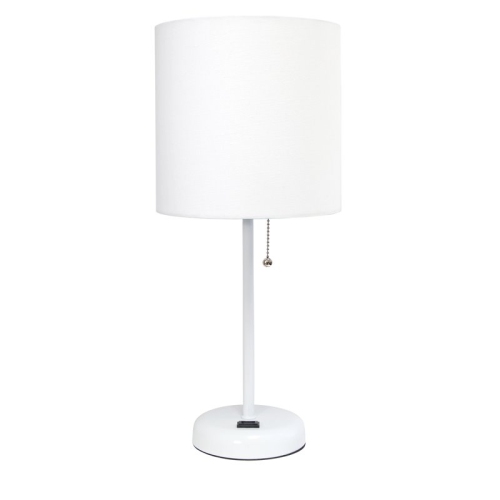 Your price for this item is $108.6
-
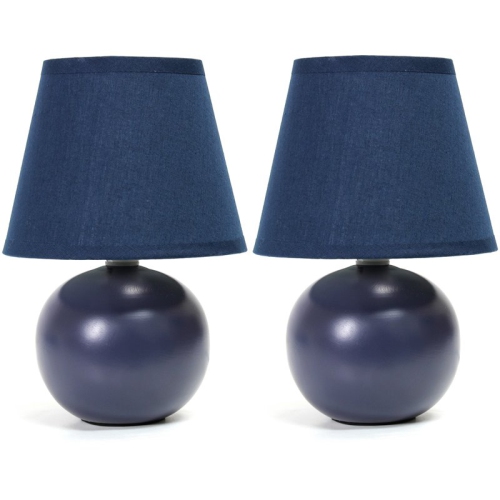 Your price for this item is $117.56
Discover more categories related to Bedroom Lighting for Teens
Top Collections:
Pokemon Centers, Best Cameras for Sports Photography, Kindle Devices, Samsung Galaxy Phones, Canon G7X Cameras, Pokémon 30th Celebration Cards, Refurbished Apple Laptops, iPhone 15 Apple, Laptops for Students, Budget Smartphones
Some products may be subject to Environmental Handling Fees
(EHF) depending on your province.
Learn more about EHFs.