Beige Tufted Accent Chairs
Elevate your living space with the timeless appeal of Beige Tufted Accent Chairs. Perfect for creating a cozy reading nook or adding a stylish touch to your bedroom, these chairs blend effortlessly with a wide range of décor styles. Their versatile beige hue complements both modern and classic interiors, making them an ideal choice for any room in your home. Discover how Beige Tufted Accent Chairs can enhance comfort and charm while providing an inviting spot to relax.
Sort
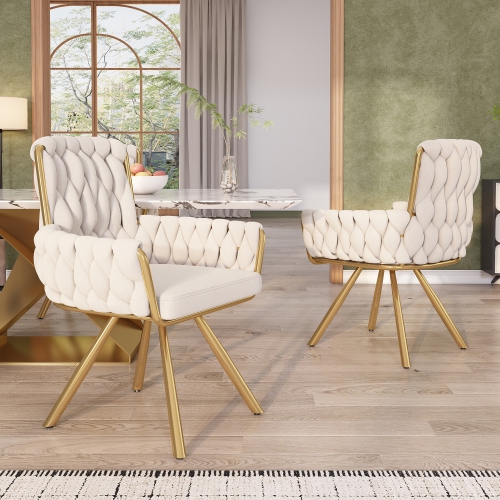
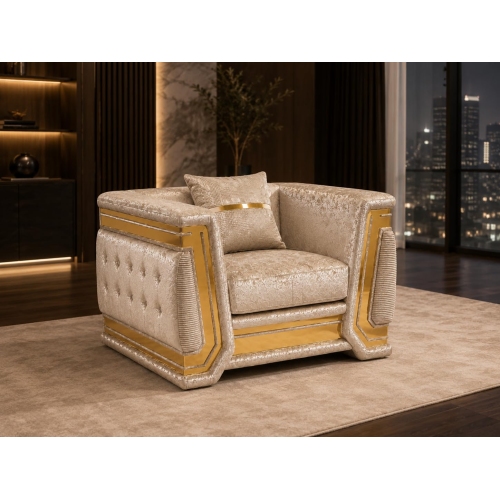
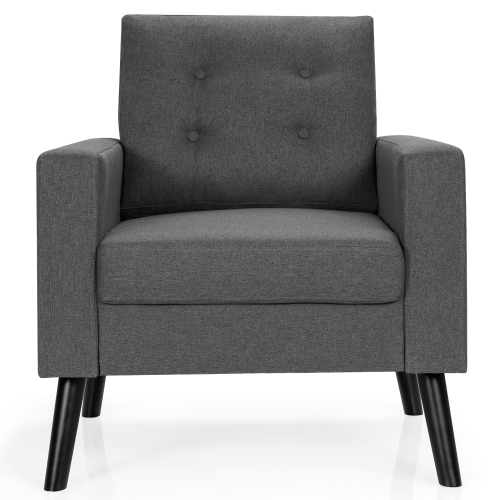


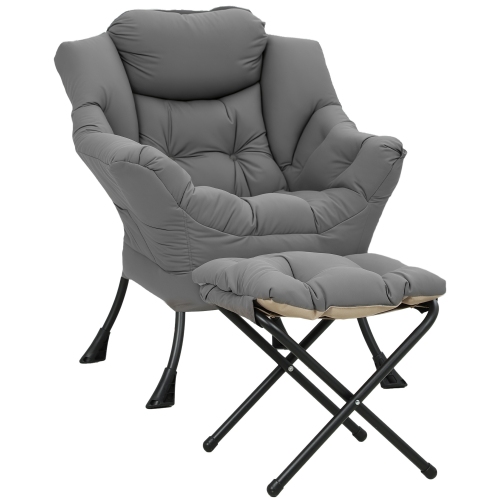




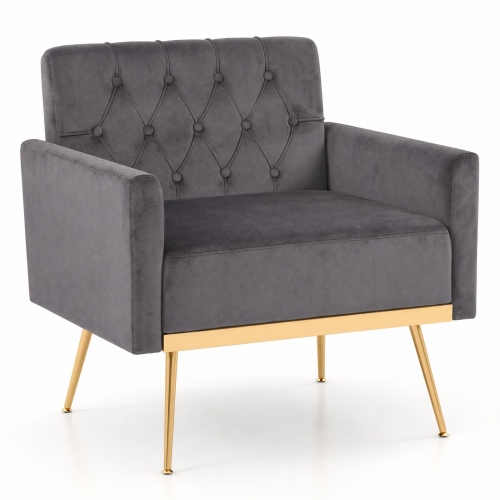
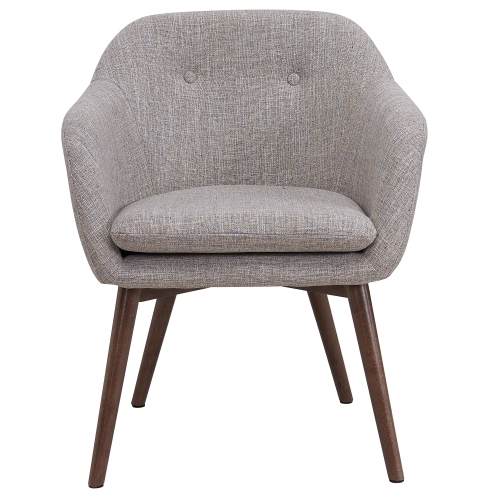
How tufting adds character without a bold colour
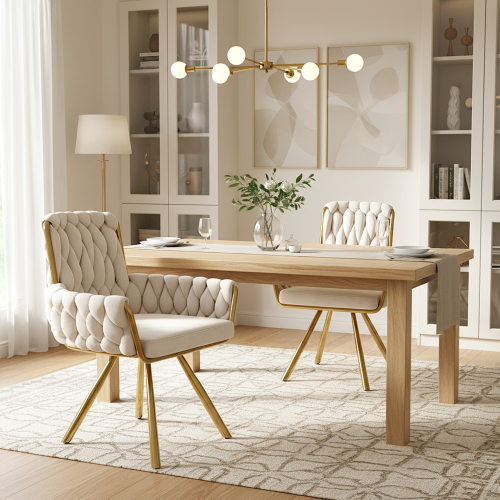
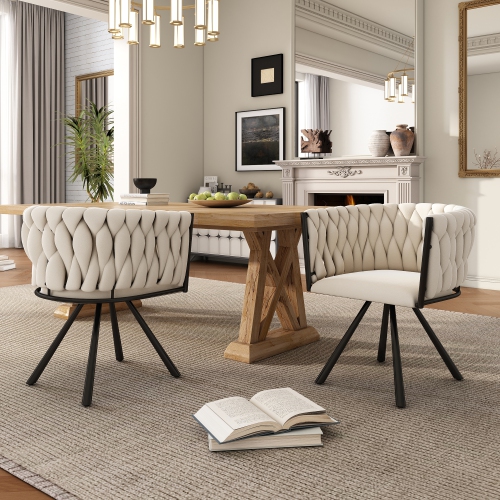
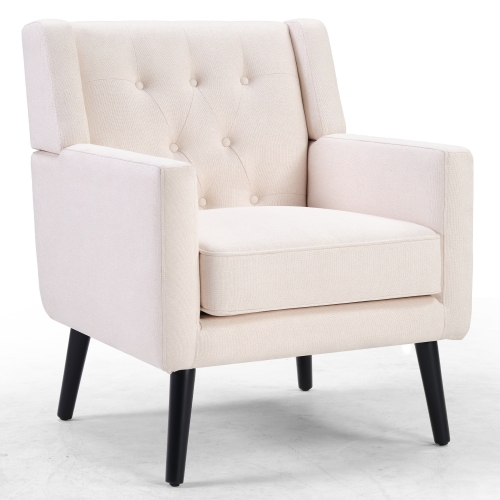
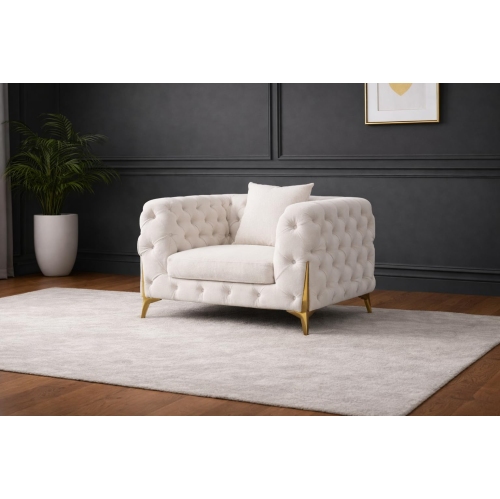
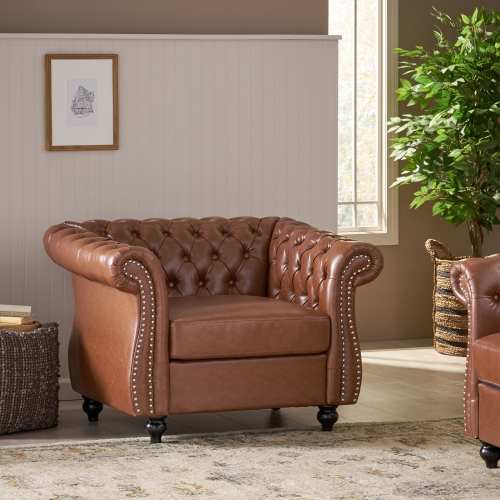
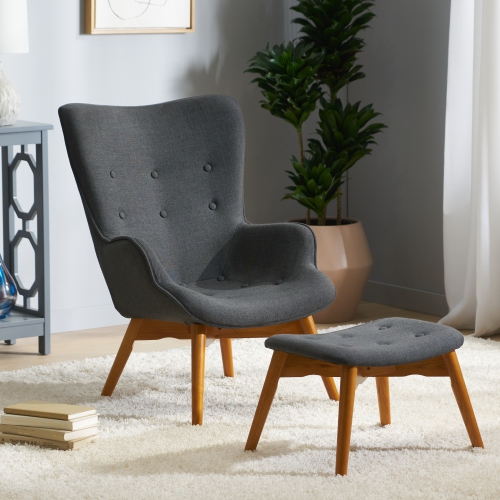
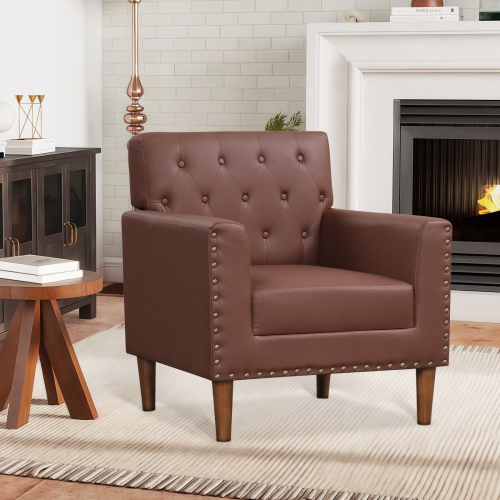
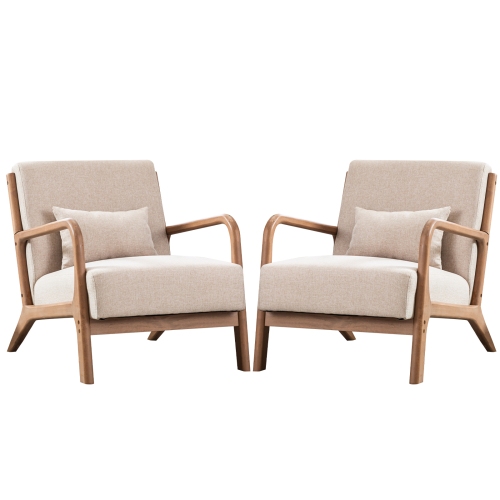
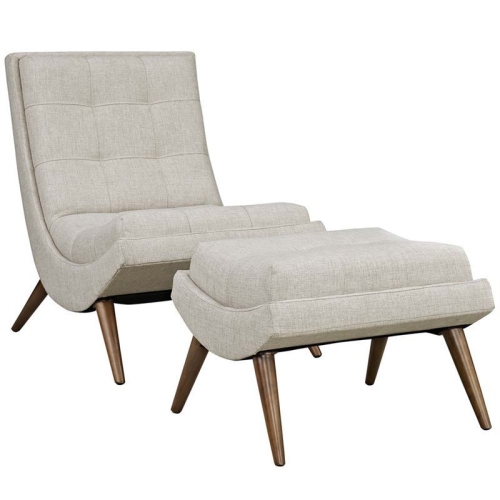
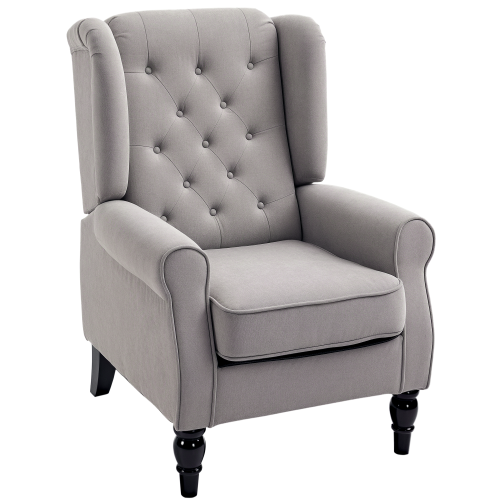
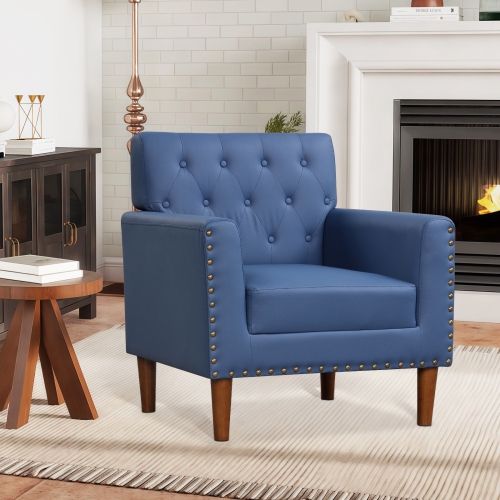
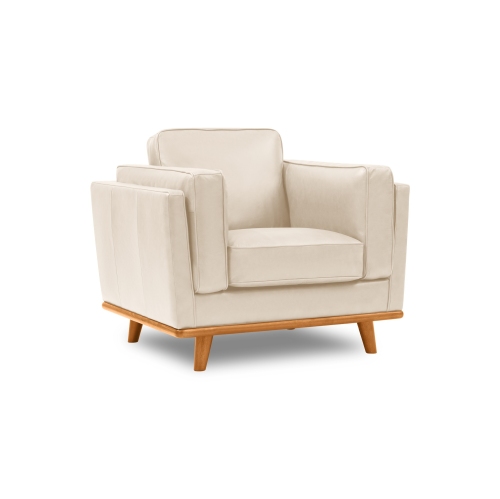
Beige tufted accent chairs combine a neutral upholstery colour with stitched or buttoned detailing that gives the seat or back a textured, dimensional finish. Tufting draws the covering inward at spaced points, creating patterns such as diamonds, squares, or shallow channels, depending on the design. The result can feel tailored and understated or plush and traditional without relying on a strong colour to stand out. Beige also spans more shades than the name suggests: creamy tones have a softer appearance, sandy shades bring a little warmth, and beige with grey undertones sits comfortably beside charcoal or cool-toned flooring. Upholstery can look different beside a white wall than it does against dark wood, so colour photographs, fabric descriptions, and swatches, where offered, are useful when matching existing furniture. Shape makes just as much difference as colour. A button-tufted wingback chair with rolled arms creates a more enclosed seat and a traditional silhouette, while a low-backed design with tapered legs can suit a mid-century-inspired room. Barrel shapes curve around the sitter, and armless profiles offer a visually lighter option where space is limited. In a living room, a pair of beige accent chairs can balance a sofa without requiring every piece to match. A single chair beside a bookcase, with a reading lamp positioned over one shoulder, creates a distinct place to sit without taking over the room. Bedrooms, guest rooms, and home offices can also benefit from an upholstered chair that provides somewhere separate from the bed or desk. Details such as nailhead trim, exposed wood, piping, and leg finish help connect the chair to surrounding furniture. Dark legs can echo a coffee table or shelving unit, while lighter wood complements pale flooring. A patterned cushion or textured throw adds contrast, although a deeply tufted back often looks best with fewer accessories so its detailing remains visible.
Materials influence how a beige tufted chair looks, feels, and handles everyday use. Woven upholstery can have a smooth, tightly structured surface or a more pronounced texture that softens the chair’s outline. Linen and linen-blend fabrics often have visible variation in the weave, while velvet brings a directional pile that changes appearance when brushed or viewed from another angle. Polyester and other synthetic blends vary widely in softness and construction, so fibre content alone does not establish durability or stain resistance. Fabric described as performance upholstery should be assessed according to the manufacturer’s stated properties and cleaning directions rather than assumed to resist every spill. Leather gives tufting a different character, with folds and creases that emphasize the upholstered shape; genuine leather, bonded leather, and synthetic leather coverings have different compositions and care needs. For a broader look at that material and colour pairing, Beige Leather Accent Chairs offer another way to explore neutral seating. Beneath the covering, frame construction, joints, seat support, and cushioning all contribute to how a chair performs. A solid wood or metal frame may provide a sturdy foundation, but the quality of the connections and the chair’s stated weight capacity matter as well. Foam cushioning can feel firm and supportive or softer and more yielding, depending on its formulation and the layers used around it. Tufting is a design feature, not a guarantee of comfort: deep buttons and pronounced folds may be noticeable against the back, while shallow tufting can create a smoother contact surface. For a chair used daily for reading or conversation, the balance of seat firmness, back support, and arm position deserves attention. An occasional bedroom chair may serve a different purpose from the seat someone uses for several hours each evening. Households with pets or young children may also want to consider tightly woven coverings, securely attached buttons, accessible cleaning instructions, and removable cushion covers where specified.
A comfortable fit starts with the chair’s usable seating dimensions, not just its overall footprint. Wide arms and a thick, tufted back can occupy a substantial part of the stated width and depth, leaving less sitting space than the exterior measurements suggest. Seat height affects how easily someone can sit down and stand up, while seat depth influences whether the backrest can be reached with feet resting on the floor. A deeper seat may suit someone who likes to curl up, but a shorter sitter may prefer a shallower profile with support closer behind them. Armrests should allow the shoulders to relax rather than lift, particularly when the chair will be used for reading. An ottoman can provide leg support, but it also needs floor space and should not be treated as extra seating unless designed for that use. Before placing a chair, mark its footprint on the floor and account for doors, drawers, nearby tables, and walking routes. Check delivery access too, including narrow hallways, stair turns, and whether the legs or other components require assembly. Once the chair is in place, routine care helps preserve both the pale upholstery and the tufted detailing. Dust and crumbs can settle around buttons and seams, making gentle vacuuming with an upholstery attachment useful when permitted by the care instructions. Blot spills promptly with a clean, absorbent cloth rather than rubbing them into the fibres, and follow the specified cleaning method before applying water, solvent, or upholstery cleaner. Removable covers are not necessarily machine washable, so their labels still need checking. Prolonged direct sunlight can alter some fabrics and leather finishes, while frequent contact with dark clothing may transfer dye onto light upholstery. Suitable floor protectors under the legs can help prevent marks on hard flooring, and assembly hardware should be checked as directed by the manufacturer. With proportions suited to the sitter and materials matched to the household, a beige tufted accent chair can be both a distinctive furnishing and a genuinely useful everyday seat.
Top selling and popular products
-
 Your price for this item is $13.3
-
 Your price for this item is $108.99
-
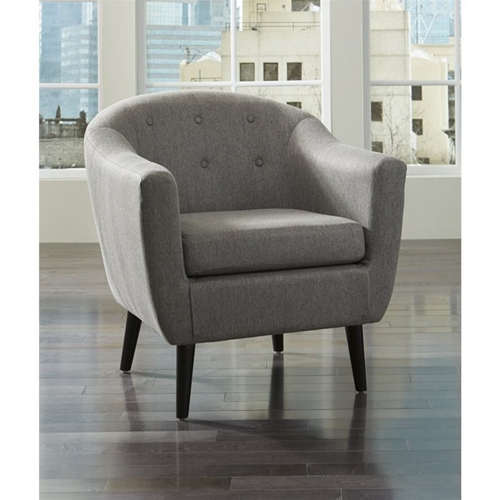 Your price for this item is $544.85
-
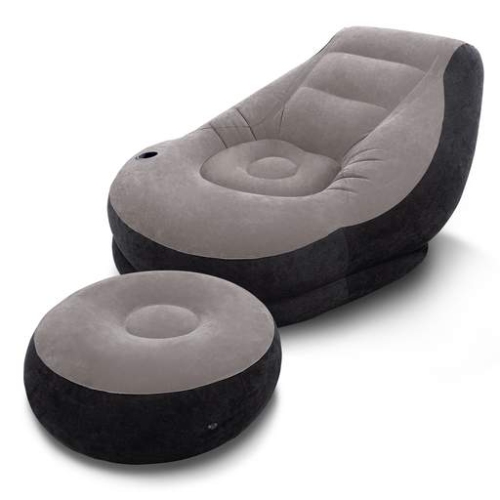 Your price for this item is $289.99
-
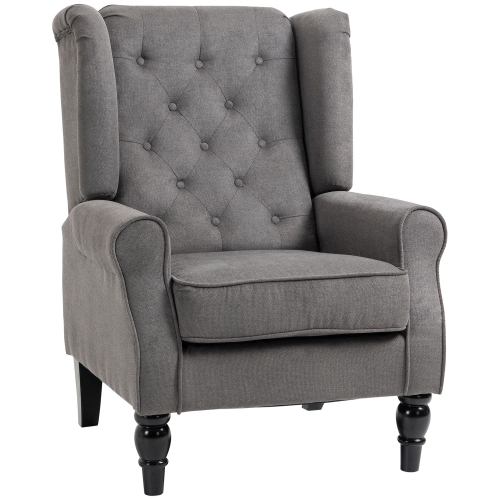 Your price for this item is $249.99
-
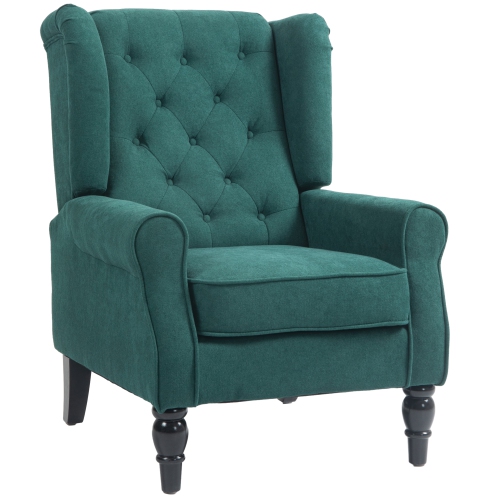 Your price for this item is $244.99
-
 Your price for this item is $249.99
-
 Your price for this item is $157.99
Discover more categories related to Beige Tufted Accent Chairs
Top Collections:
Best Black Friday Deals This Year, Best Black Friday Deals On Electronics, Kindle Devices, Best Black Friday Deals On Apple Products, Best Budget Office Chairs, Best Cameras for Sports Photography, Dyson Airwrap, Canon G7X Cameras, Best Laptops for Writers, Samsung Galaxy Phones
Some products may be subject to Environmental Handling Fees
(EHF) depending on your province.
Learn more about EHFs.