Benches With Metal Legs
Add a touch of modern style and functionality to your space with our wide selection of benches with metal legs. Whether you're looking for a sleek and minimalist design or a bold statement piece, our collections offer a range of options to suit your style. Explore our collection today and discover the perfect benches with metal legs to elevate your space.
Sort
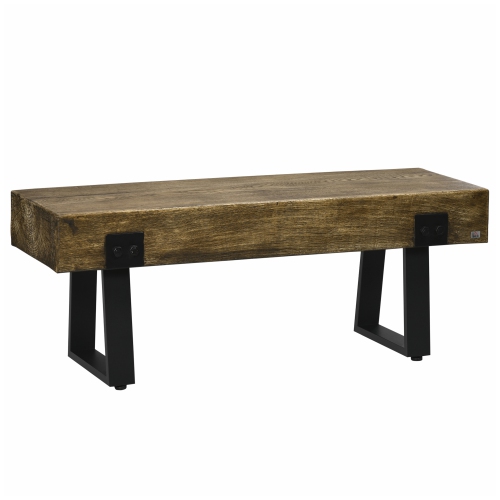
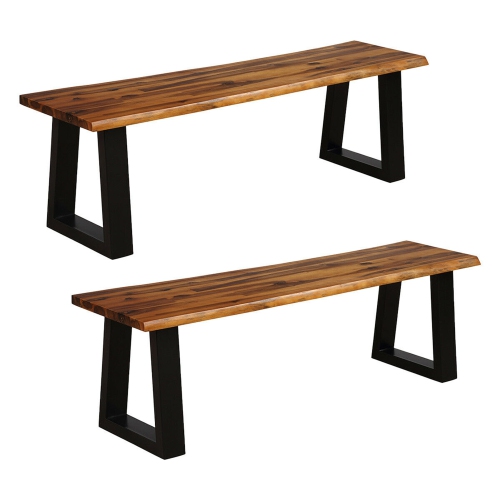
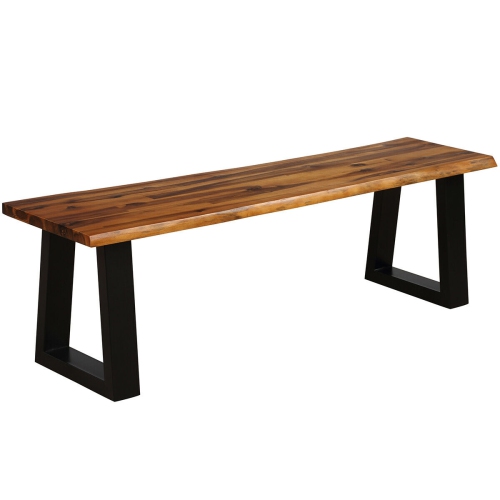
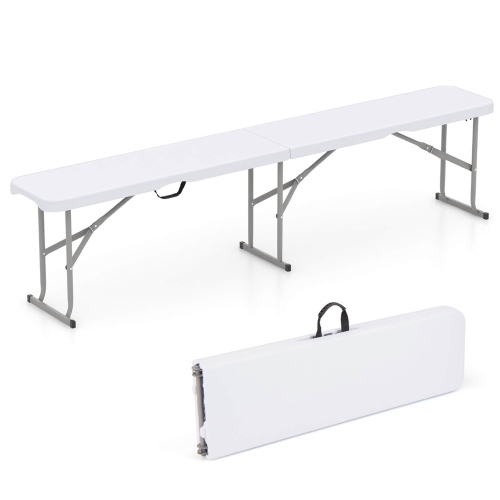
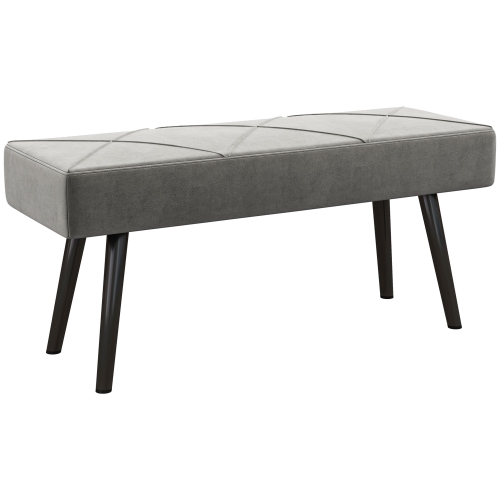
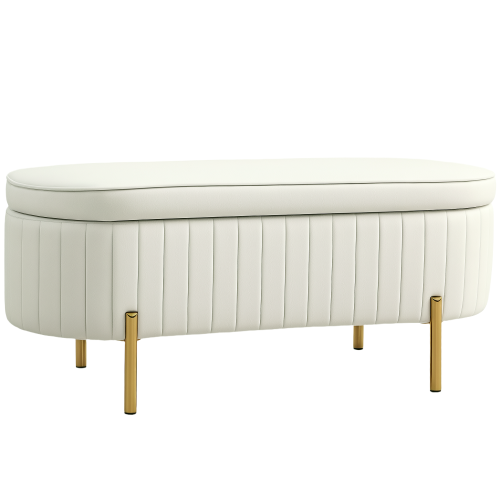
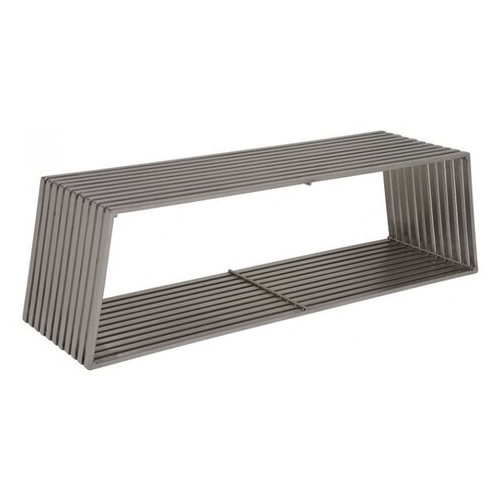
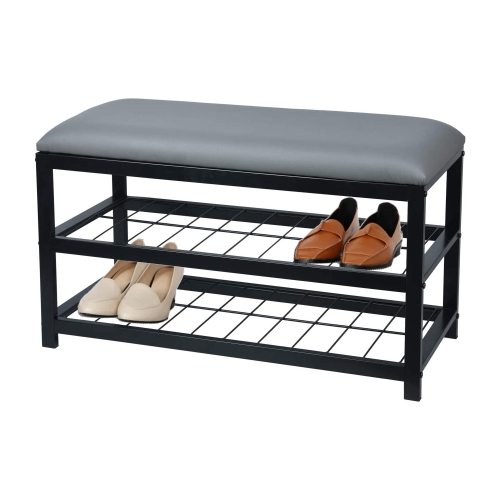
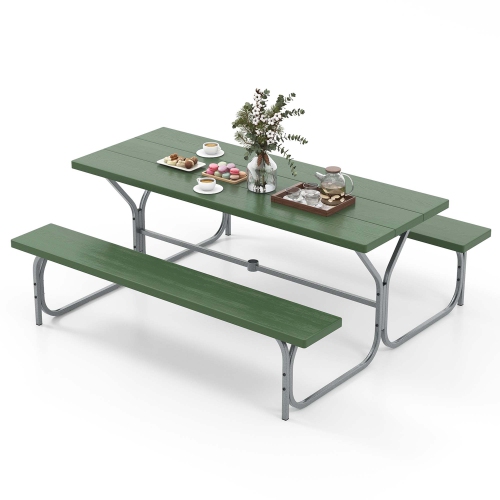
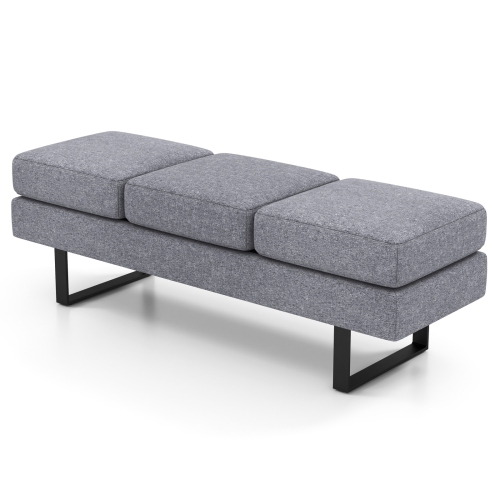
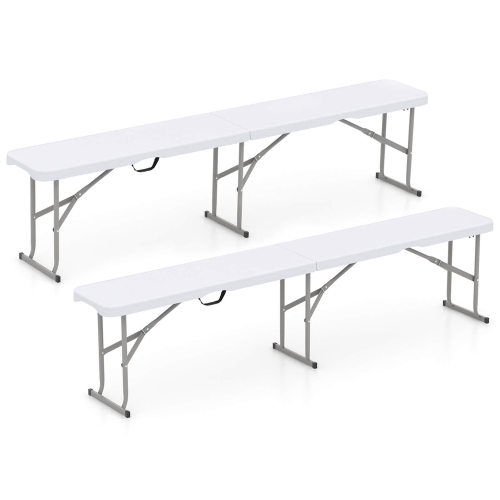
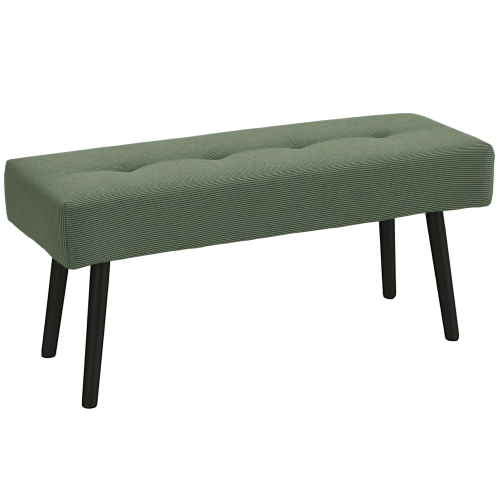
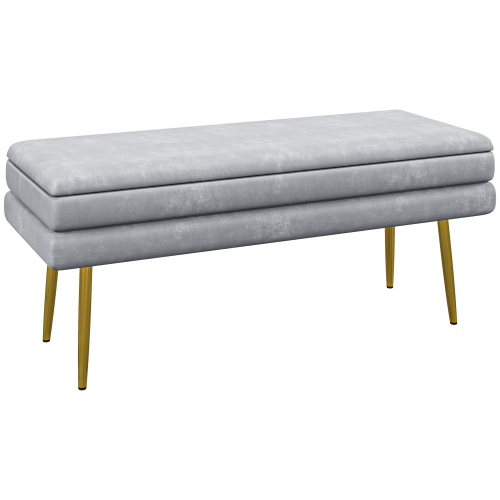
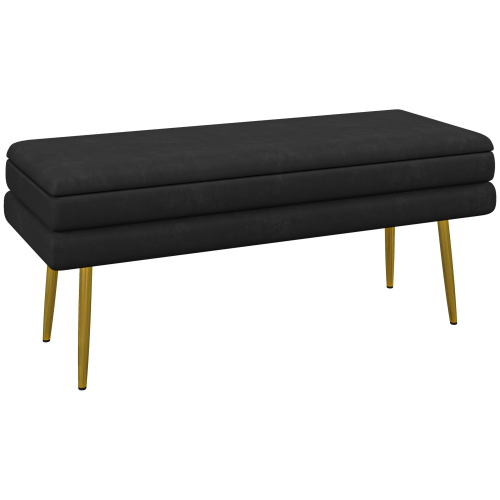
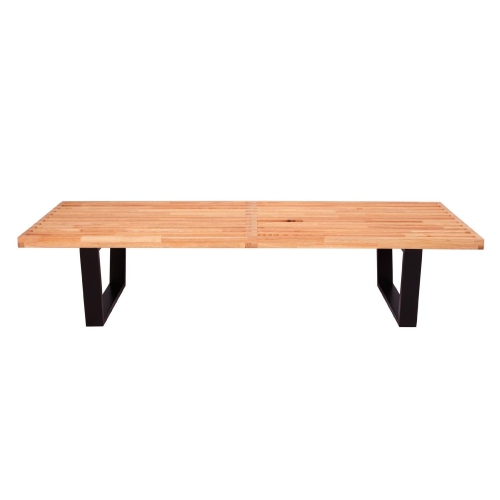
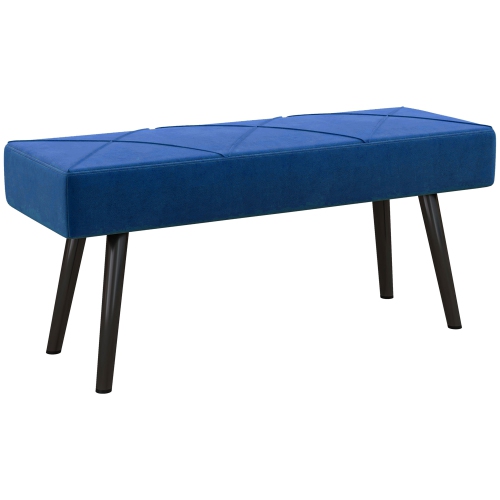
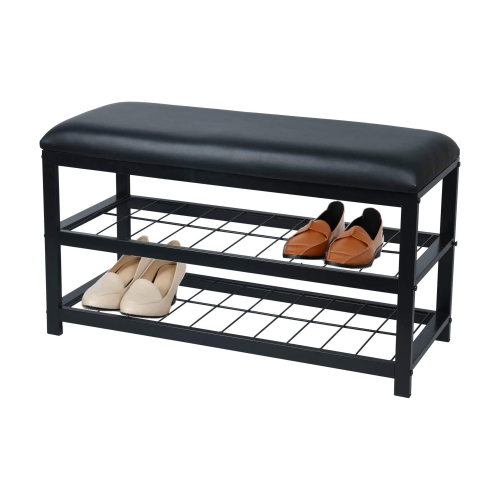
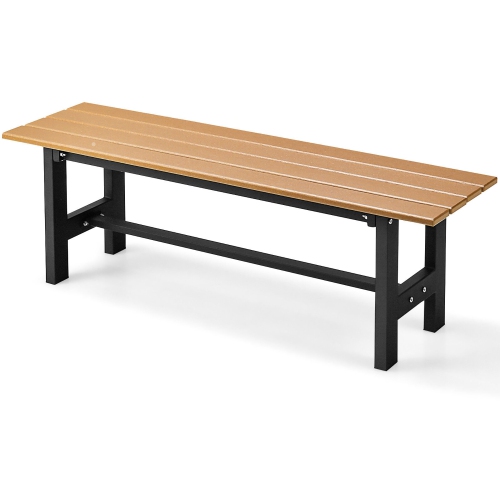
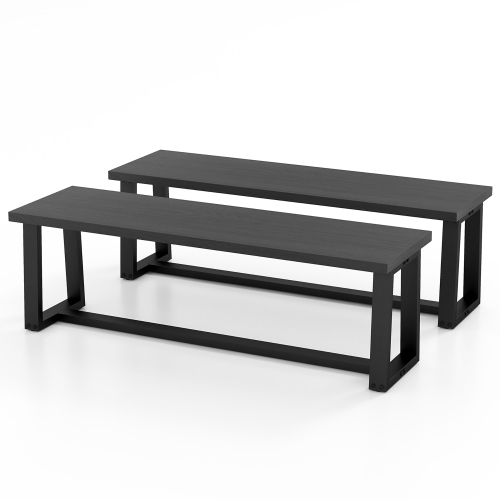
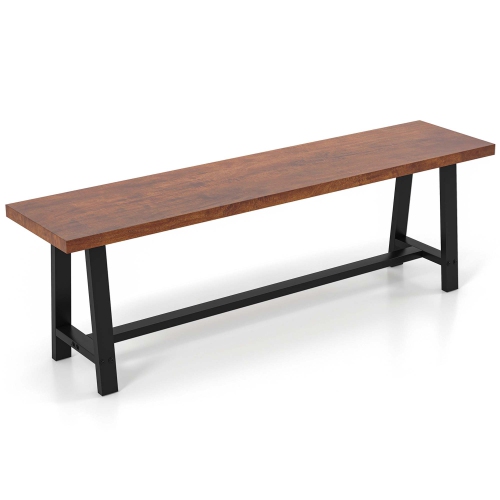
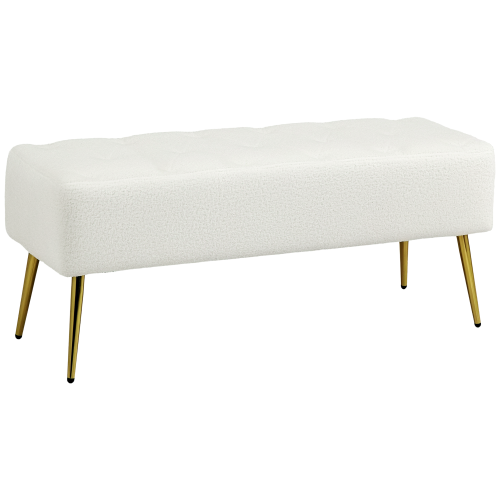
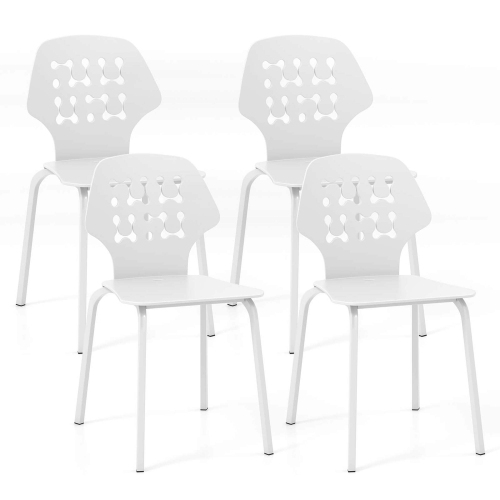
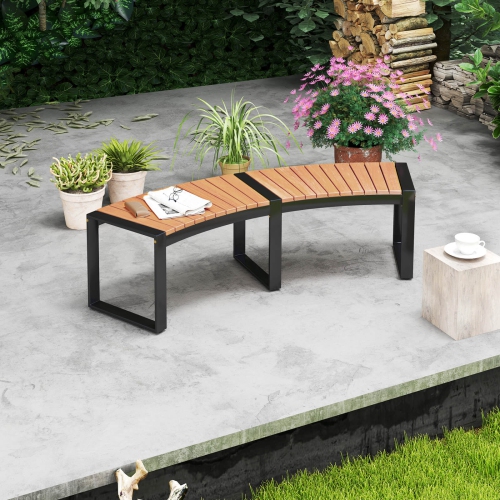
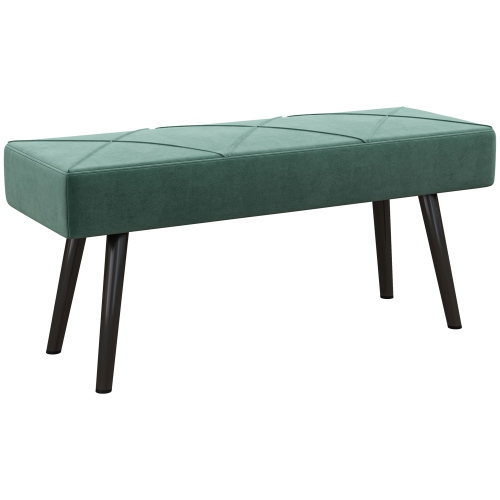
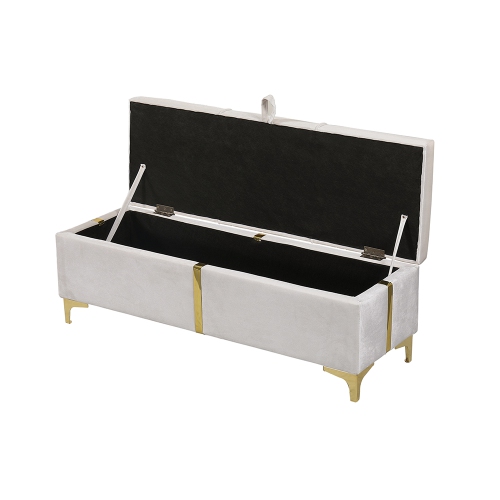
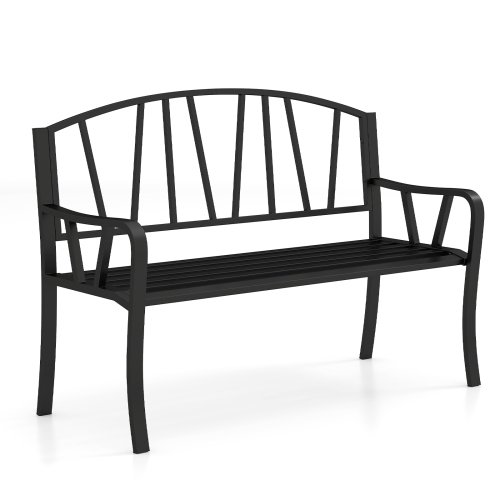
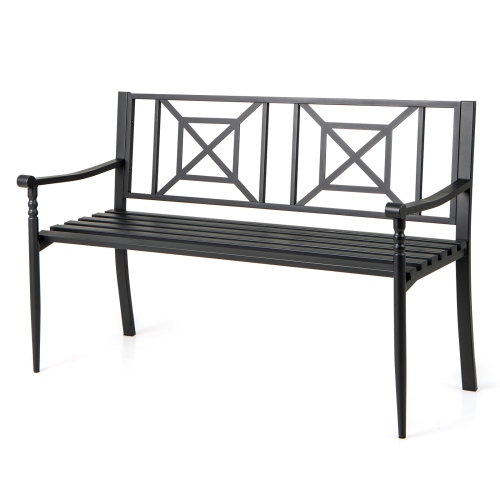
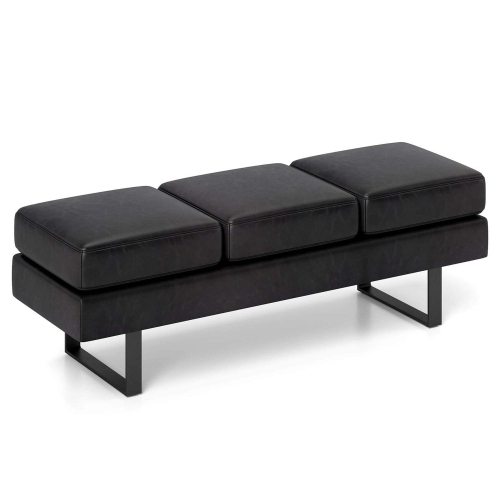
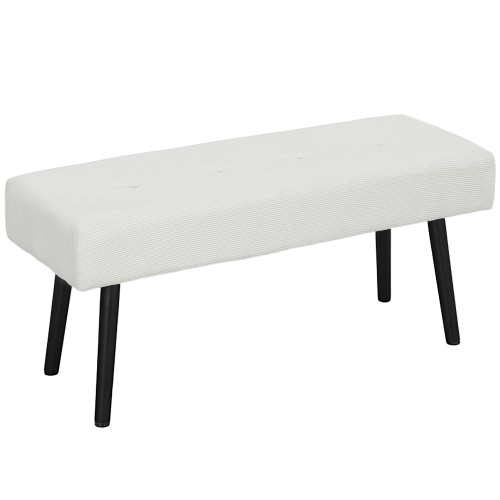
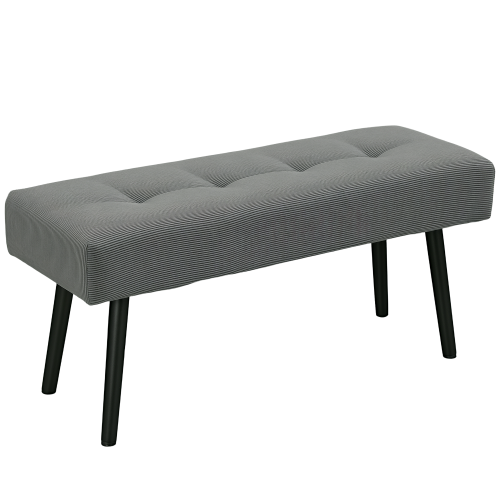
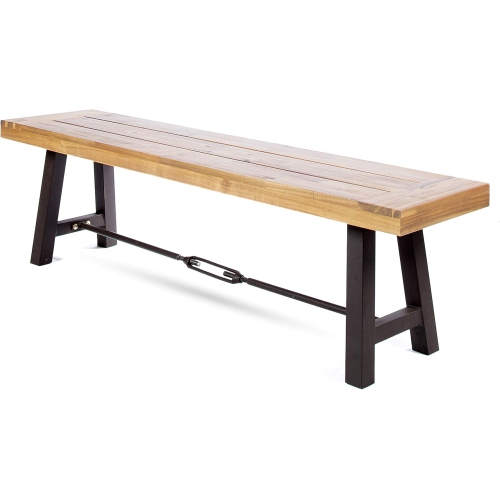
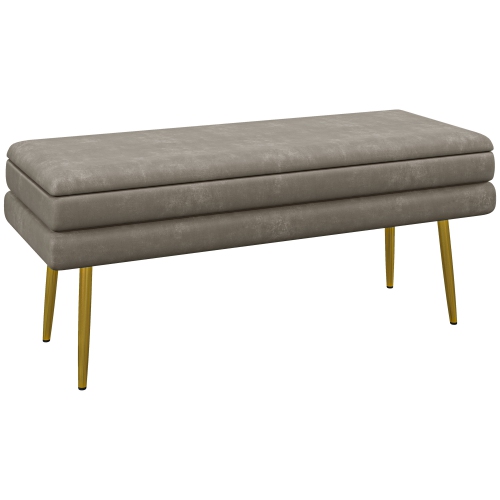
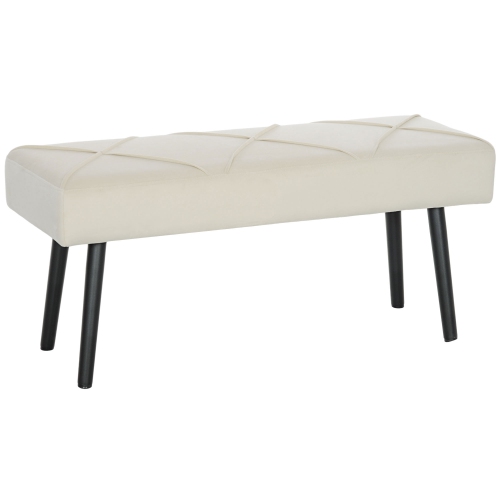
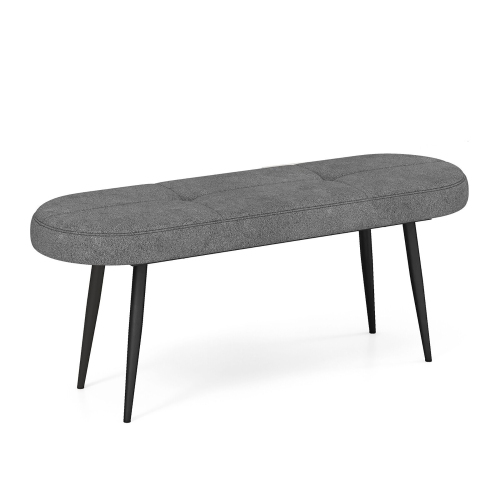
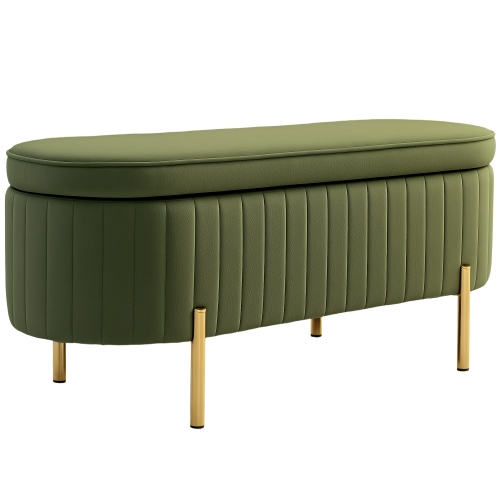
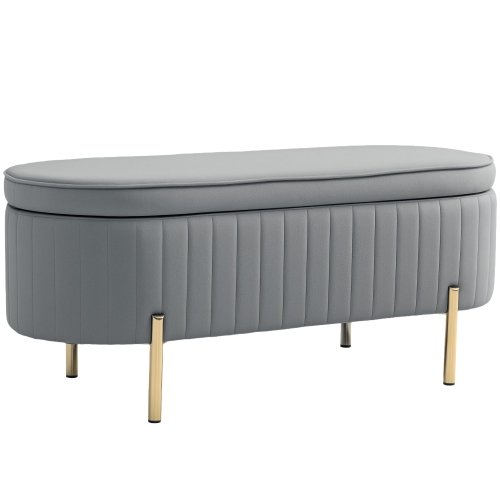
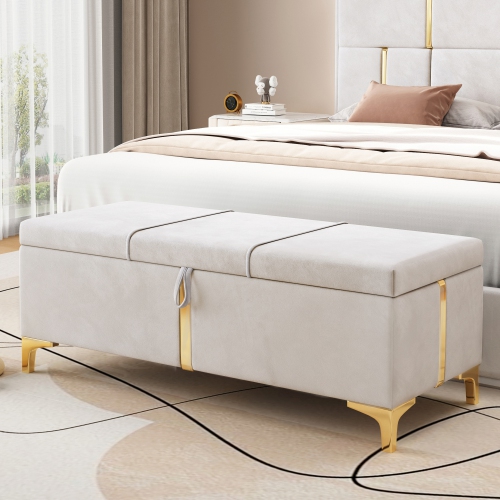
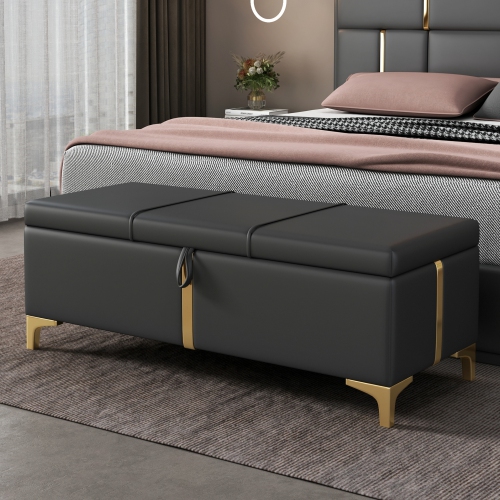
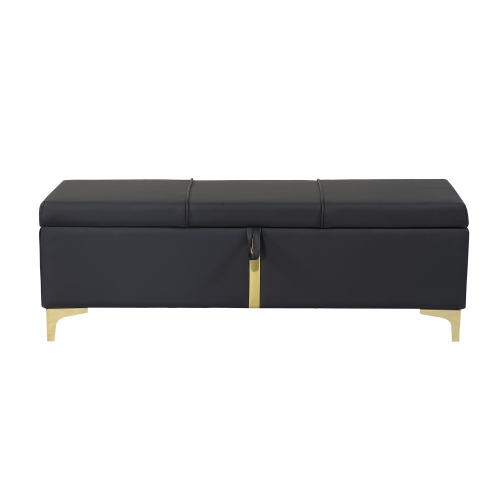
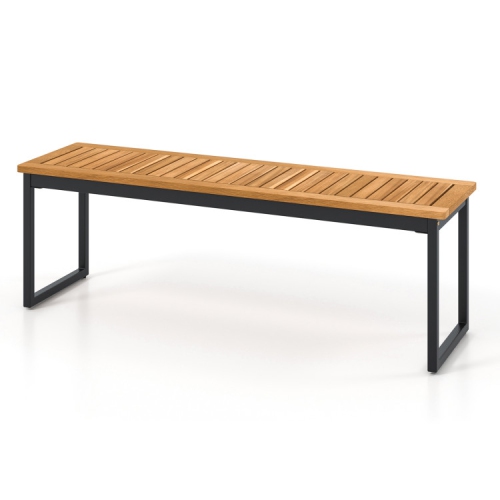
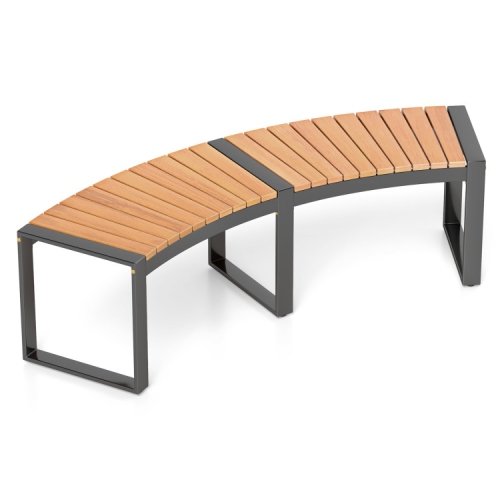
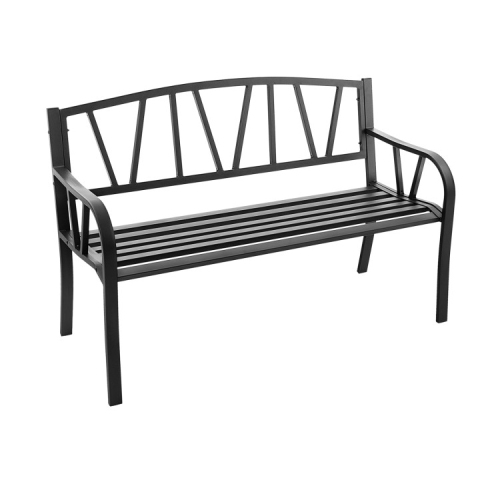
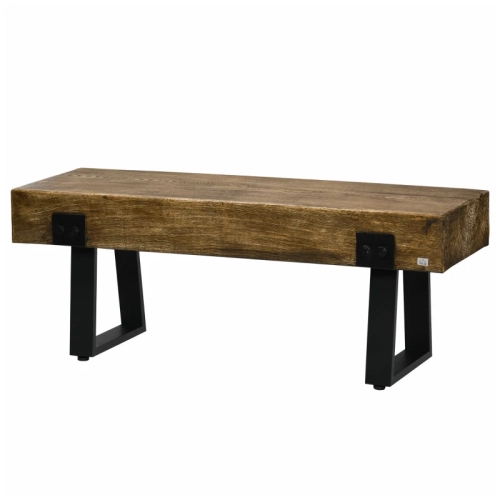
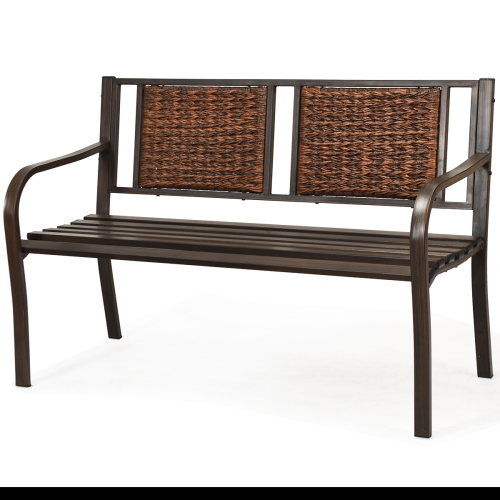
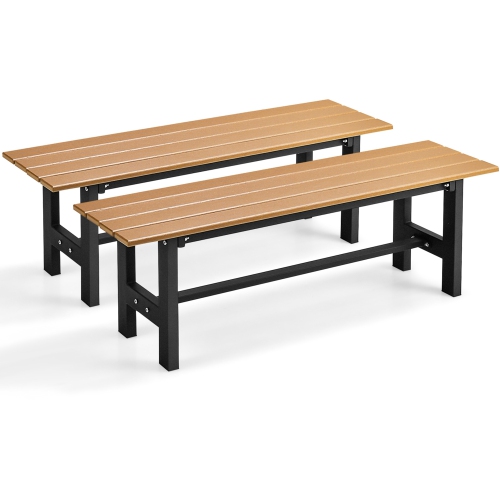
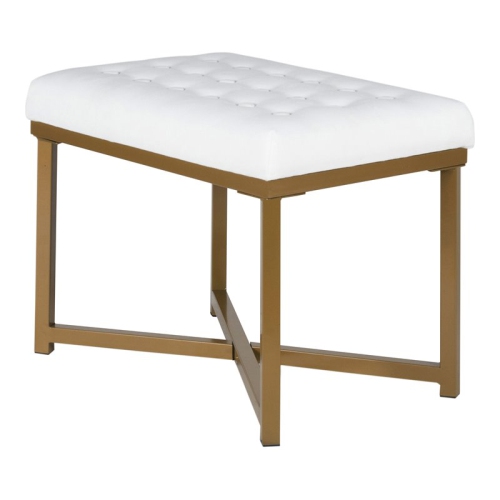
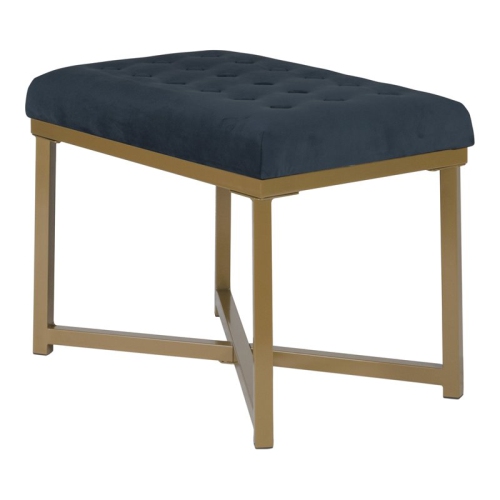
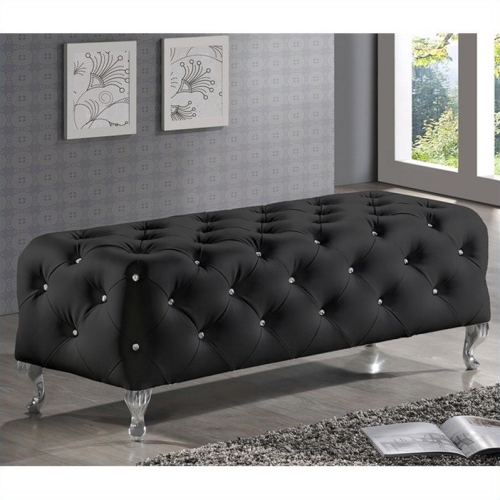
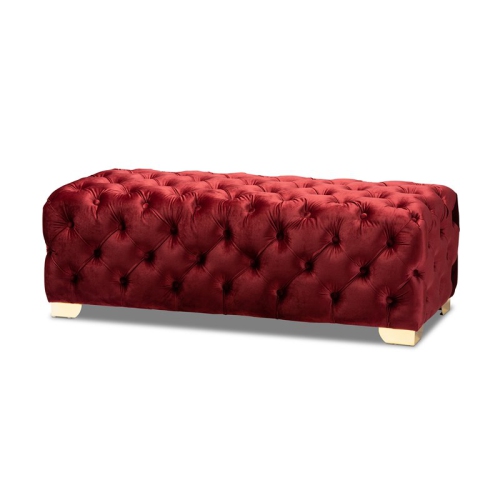
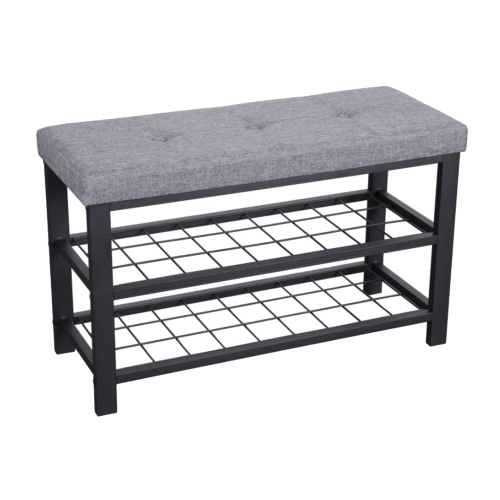
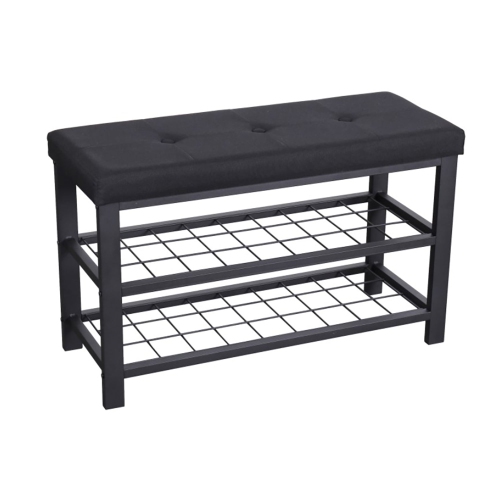
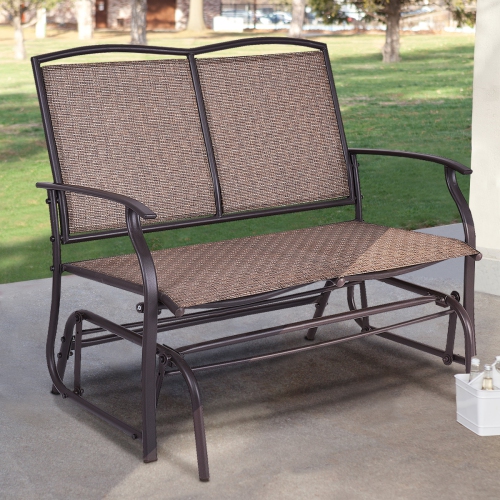
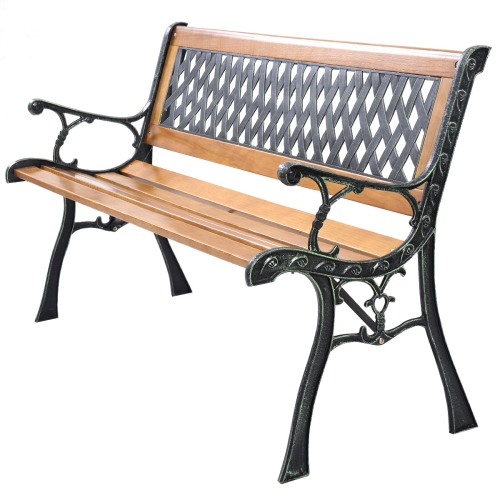
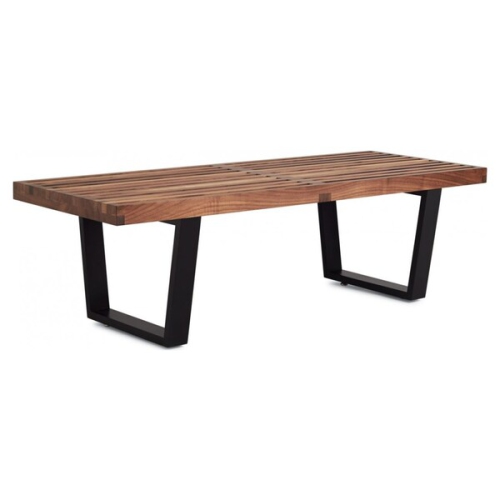
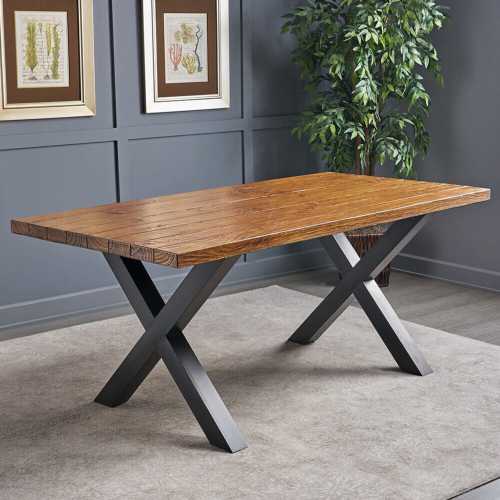
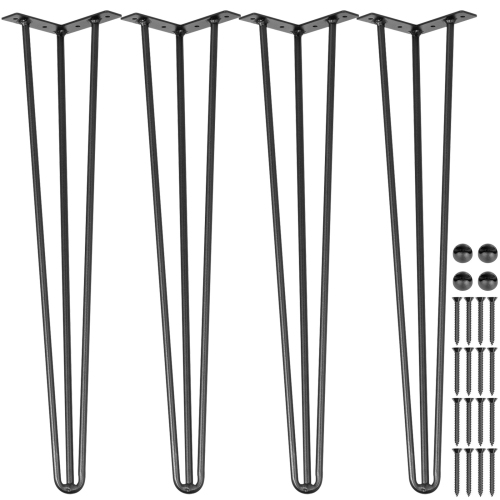
How metal-legged seating adapts across rooms and seasons
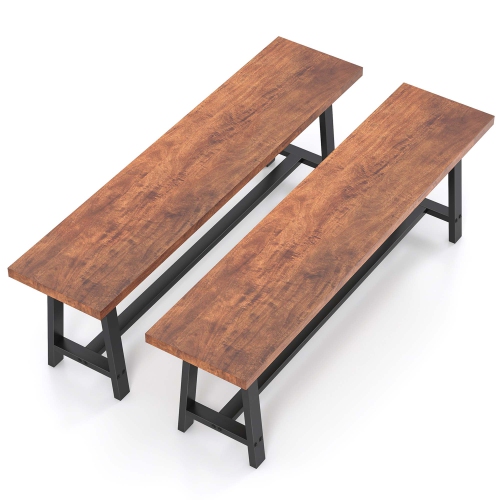
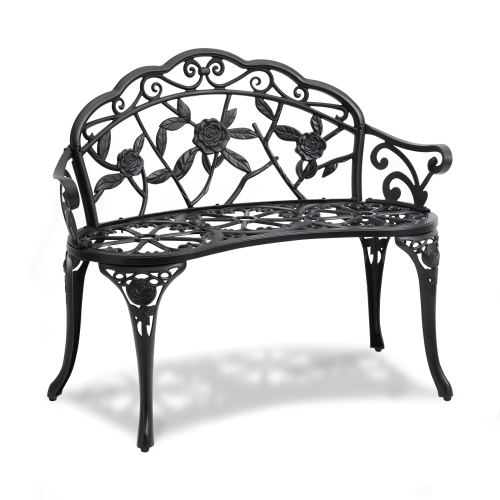
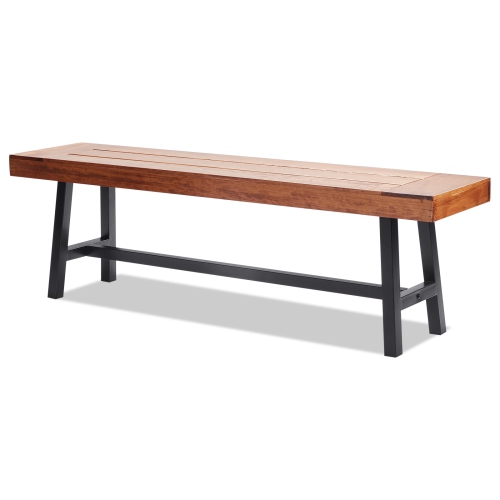
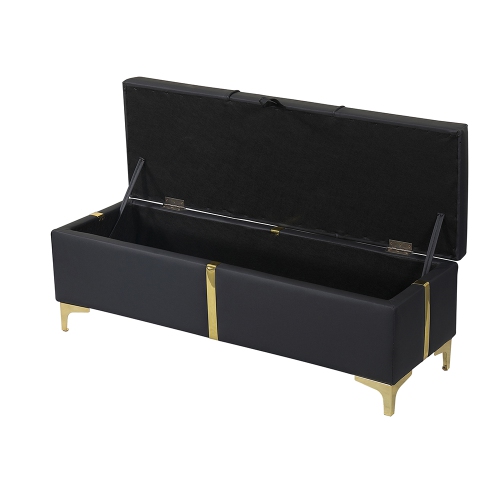
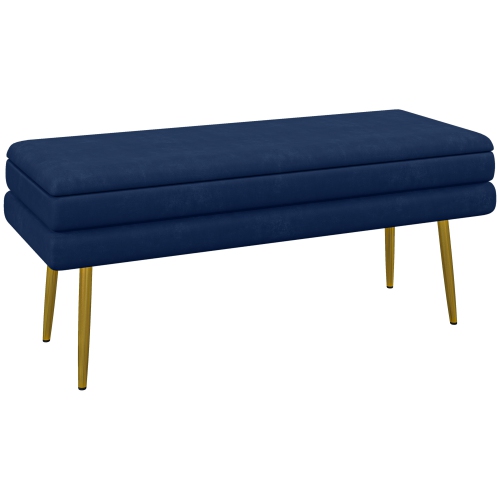
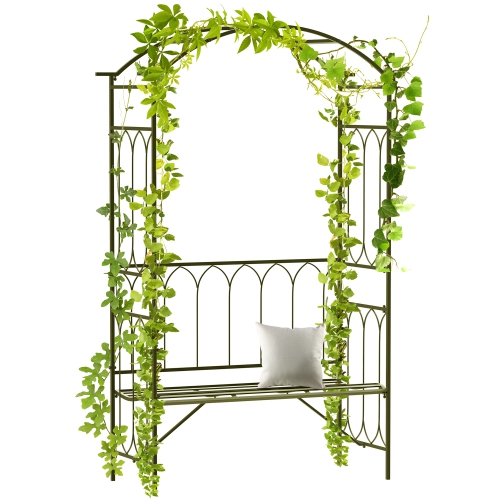
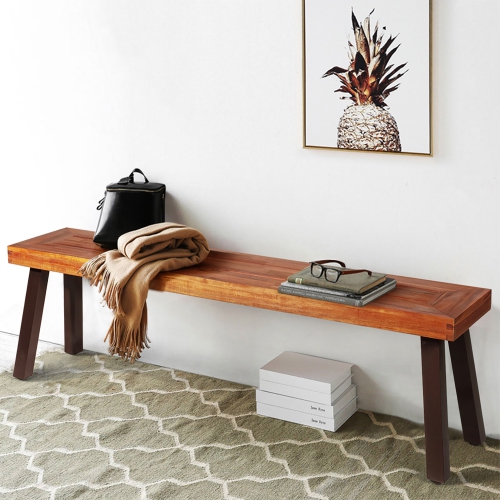
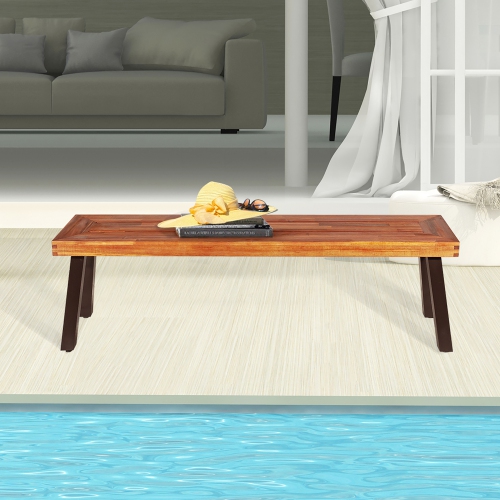
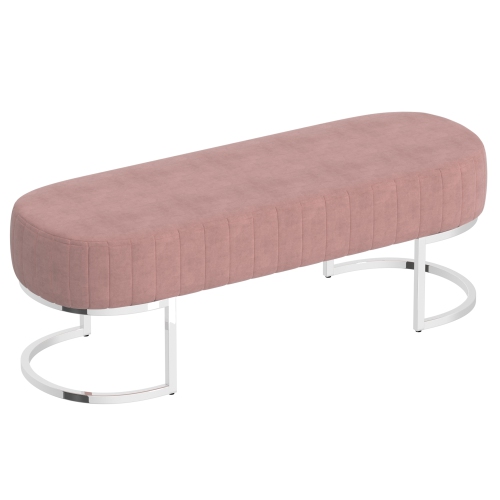
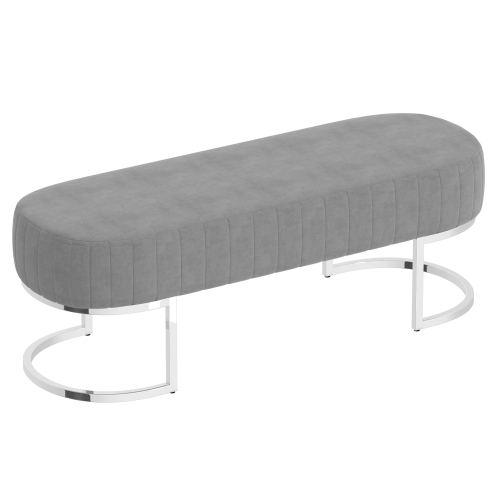
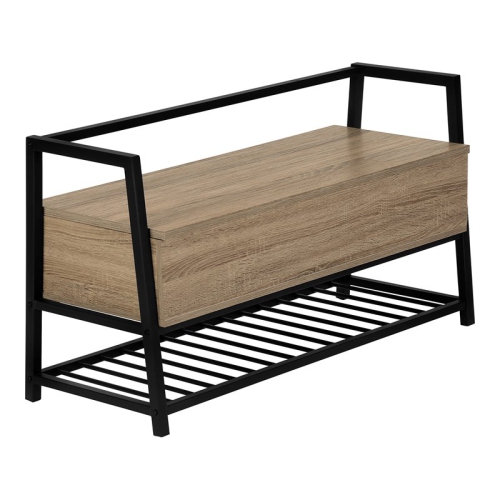
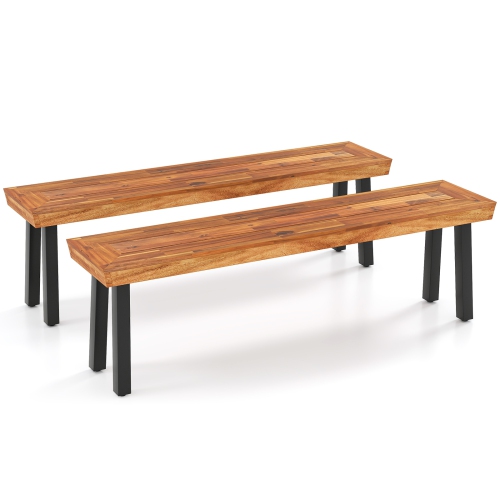
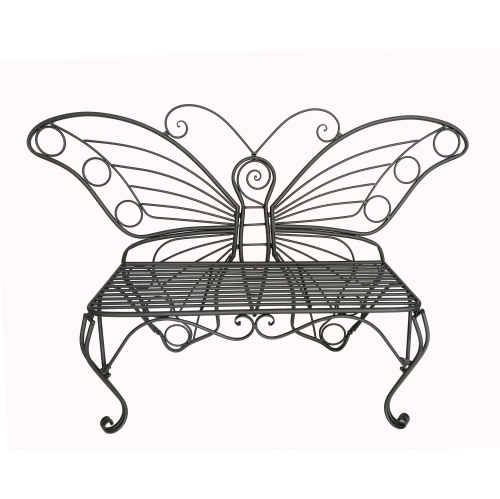
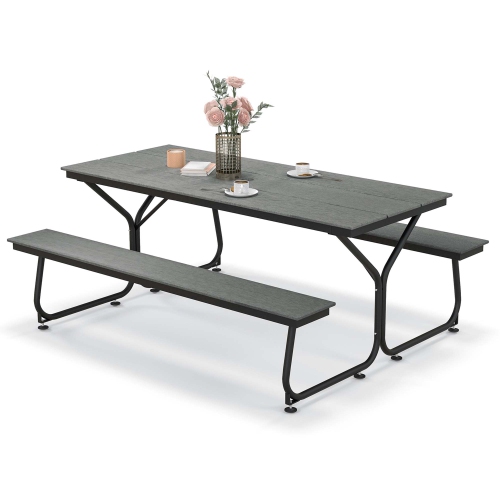
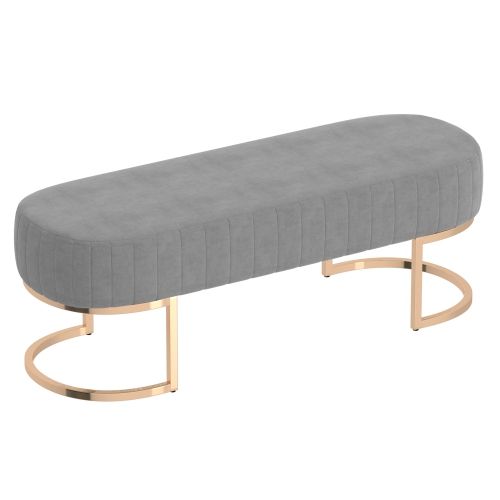
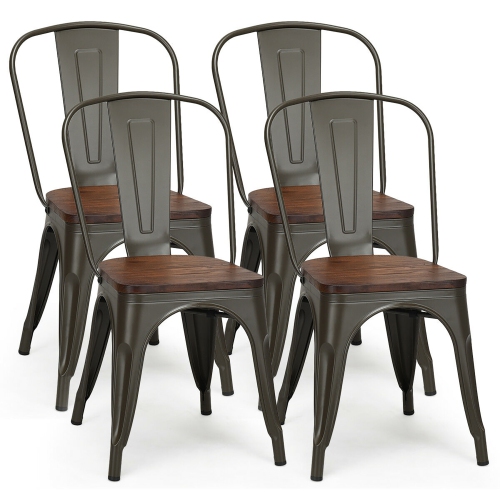
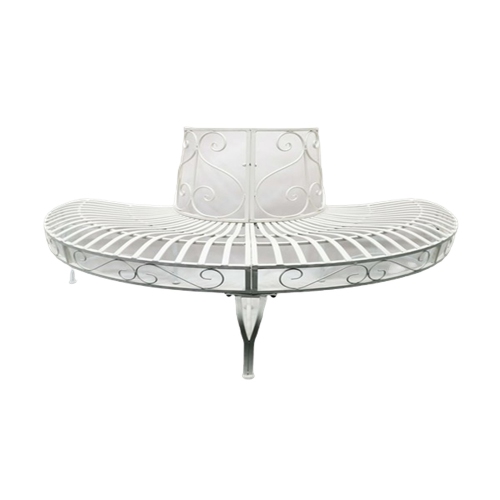
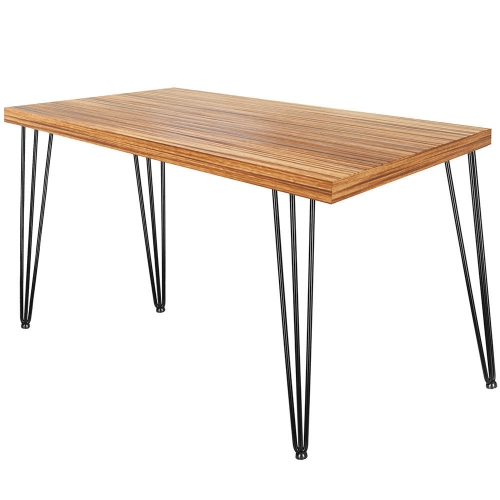
Benches with metal legs bring together practical seating and a distinct furniture look, making them a versatile choice for entryways, dining areas, bedrooms, living rooms, patios, and covered outdoor spaces. The metal base provides a structured, contemporary appearance, while the seat can introduce warmth through wood, a softer feel through upholstery, or an easy-care surface through manufactured materials. This combination works well in homes that blend modern, industrial, farmhouse, rustic, or minimalist décor. A bench with a slim metal frame can make a narrow hallway feel more open than a bulky chair, while a wider design can provide comfortable seating at a dining table without visually crowding the room. In an entryway, it creates a convenient spot for putting on footwear, setting down a bag, or organising everyday items. At the foot of a bed, it can hold folded blankets and clothing, and in a living room it can serve as flexible extra seating when guests arrive. During the cooler months, a bench near the door is especially useful for removing boots and layering up before heading outside; as the weather warms, the same piece may move to a sunroom, covered porch, or sheltered patio. When comparing options, start with the available floor space and measure the intended location carefully, including clearance for doors, drawers, and walkways. Seat length matters as well: compact benches suit smaller foyers and breakfast nooks, while longer styles can seat several people or fit beneath a larger dining table. Check the seat height against the table or counter, and consider the depth if the bench will sit in a tight passage. A stable frame, reinforced joints, and evenly distributed support are important for everyday use, particularly when more than one person may sit down at the same time.
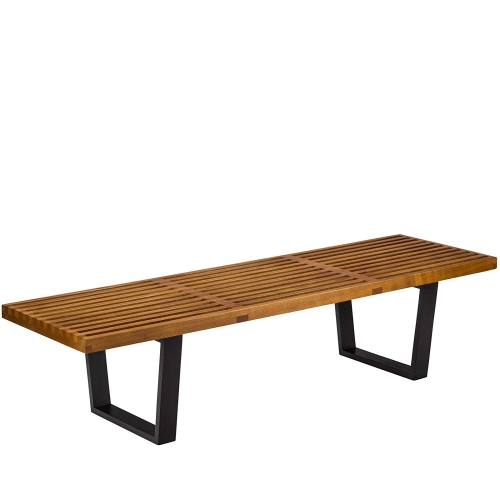
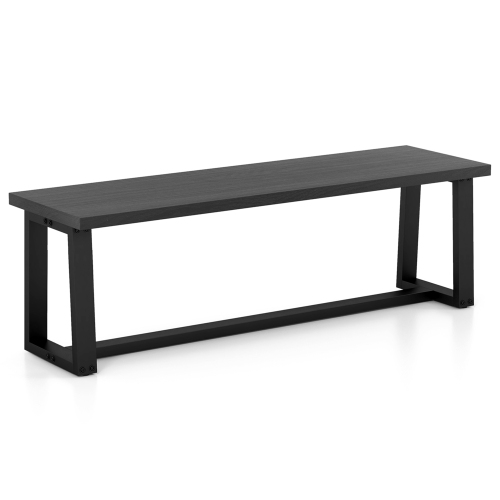
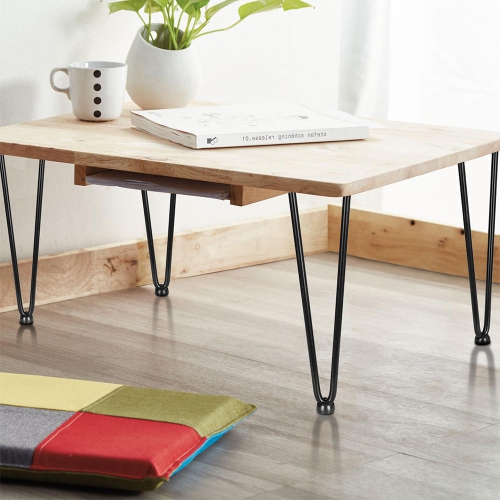
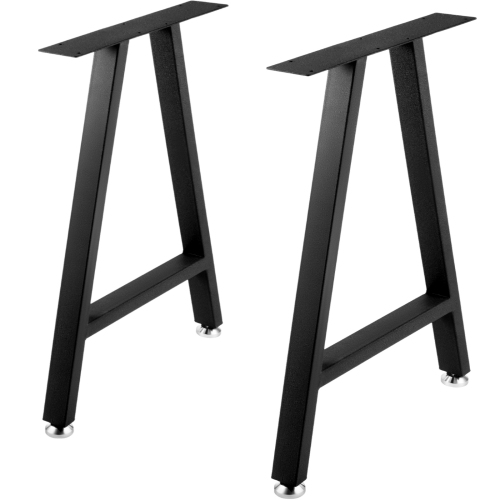
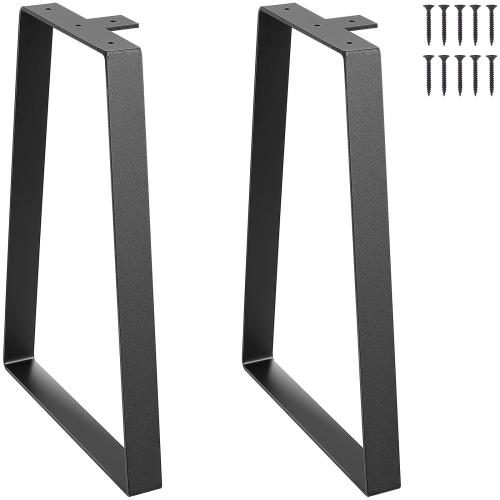
The shape and finish of the metal legs have a strong influence on both appearance and function. X-shaped and cross-braced frames create an industrial or farmhouse-inspired profile and can add a sense of visual weight beneath a wood seat. U-shaped and trapezium-style frames offer clean geometric lines that pair naturally with contemporary dining furniture, while A-frame, wishbone, and other sculptural bases can turn a straightforward bench into a standout accent. Black metal is a popular choice for contrast, though lighter or metallic finishes can coordinate with existing hardware, lighting, and table legs. Look closely at how the legs meet the floor: broad feet can improve stability, and non-marking pads can help protect hardwood, laminate, tile, and other finished surfaces. Outdoor placement calls for additional attention to construction and care. A bench intended for exterior use should be rated for the setting and protected from prolonged exposure to moisture, temperature changes, and direct sunlight. Covered areas generally provide more flexibility than fully exposed locations, but every material has its own care requirements. Metal frames may need occasional wiping and inspection, while the seat surface should be maintained according to its finish. For indoor use, upholstered seating can add comfort in a hallway or bedroom, whereas a hard wood or composite top may be easier to clean in a busy dining area. If you are furnishing a dining space, explore Metal Dining Benches for seating that can coordinate with a table and support a relaxed, shared dining arrangement. Consider the number of people who will use the bench, whether the table allows enough legroom, and whether the bench can be pushed completely underneath when not in use. These details make a noticeable difference in smaller rooms where every centimetre counts.
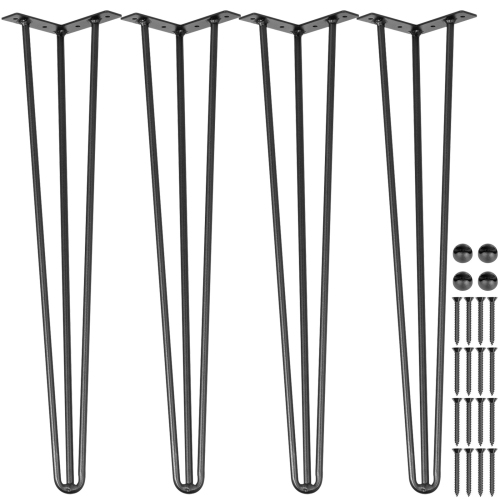
Benches with metal legs are also useful for shoppers planning a custom furniture project. Complete pre-assembled benches are convenient when you want a ready-to-use piece, while replacement metal legs can help transform a reclaimed board, thick wood slab, or existing seat into a personalised bench. Before choosing replacement legs, confirm the seat’s length, width, thickness, and weight, then check the leg spacing and mounting plate dimensions. The finished bench should sit level, with the hardware securely fastened into suitable material and enough clearance from the edges to prevent splitting or instability. Some frames are designed for a particular seat thickness, so reviewing the installation requirements can prevent surprises during assembly. For a DIY project, it is also worth planning for the combined weight of the seat and the people using it rather than judging strength by appearance alone. A well-chosen bench can be a thoughtful housewarming gift, a practical addition to a first apartment, or a useful present for someone setting up a dining area, workshop, mudroom, or home office. It may also suit households that need adaptable furniture: a dining bench can move to an entryway, a bedroom bench can provide occasional seating, and a sturdy frame can support changing room layouts over time. Prices vary according to the materials, dimensions, construction, and whether you are purchasing a complete bench or a pair of legs; shoppers may encounter complete options from roughly $75 to $580, while replacement metal legs can range from about $55 to $190 per pair. Compare these costs with the intended use, required capacity, finish, and assembly needs rather than choosing on appearance alone. The best fit is one that complements the room, feels stable under normal use, allows comfortable seating, and can be cared for easily throughout the changing seasons.
The shape and finish of the metal legs have a strong influence on both appearance and function. X-shaped and cross-braced frames create an industrial or farmhouse-inspired profile and can add a sense of visual weight beneath a wood seat. U-shaped and trapezium-style frames offer clean geometric lines that pair naturally with contemporary dining furniture, while A-frame, wishbone, and other sculptural bases can turn a straightforward bench into a standout accent. Black metal is a popular choice for contrast, though lighter or metallic finishes can coordinate with existing hardware, lighting, and table legs. Look closely at how the legs meet the floor: broad feet can improve stability, and non-marking pads can help protect hardwood, laminate, tile, and other finished surfaces. Outdoor placement calls for additional attention to construction and care. A bench intended for exterior use should be rated for the setting and protected from prolonged exposure to moisture, temperature changes, and direct sunlight. Covered areas generally provide more flexibility than fully exposed locations, but every material has its own care requirements. Metal frames may need occasional wiping and inspection, while the seat surface should be maintained according to its finish. For indoor use, upholstered seating can add comfort in a hallway or bedroom, whereas a hard wood or composite top may be easier to clean in a busy dining area. If you are furnishing a dining space, explore Metal Dining Benches for seating that can coordinate with a table and support a relaxed, shared dining arrangement. Consider the number of people who will use the bench, whether the table allows enough legroom, and whether the bench can be pushed completely underneath when not in use. These details make a noticeable difference in smaller rooms where every centimetre counts.
Benches with metal legs are also useful for shoppers planning a custom furniture project. Complete pre-assembled benches are convenient when you want a ready-to-use piece, while replacement metal legs can help transform a reclaimed board, thick wood slab, or existing seat into a personalised bench. Before choosing replacement legs, confirm the seat’s length, width, thickness, and weight, then check the leg spacing and mounting plate dimensions. The finished bench should sit level, with the hardware securely fastened into suitable material and enough clearance from the edges to prevent splitting or instability. Some frames are designed for a particular seat thickness, so reviewing the installation requirements can prevent surprises during assembly. For a DIY project, it is also worth planning for the combined weight of the seat and the people using it rather than judging strength by appearance alone. A well-chosen bench can be a thoughtful housewarming gift, a practical addition to a first apartment, or a useful present for someone setting up a dining area, workshop, mudroom, or home office. It may also suit households that need adaptable furniture: a dining bench can move to an entryway, a bedroom bench can provide occasional seating, and a sturdy frame can support changing room layouts over time. Prices vary according to the materials, dimensions, construction, and whether you are purchasing a complete bench or a pair of legs; shoppers may encounter complete options from roughly $75 to $580, while replacement metal legs can range from about $55 to $190 per pair. Compare these costs with the intended use, required capacity, finish, and assembly needs rather than choosing on appearance alone. The best fit is one that complements the room, feels stable under normal use, allows comfortable seating, and can be cared for easily throughout the changing seasons.
Top selling and popular products
-
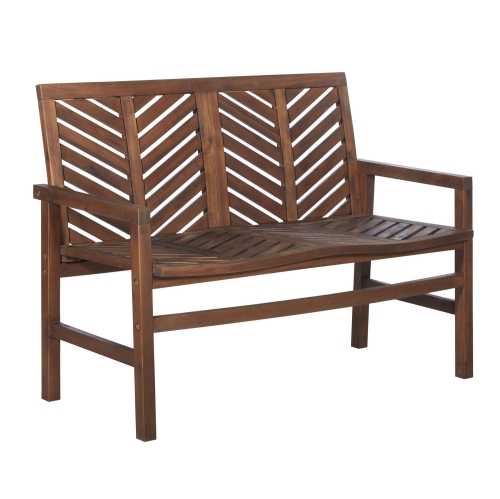 Your price for this item is $404.9
 -
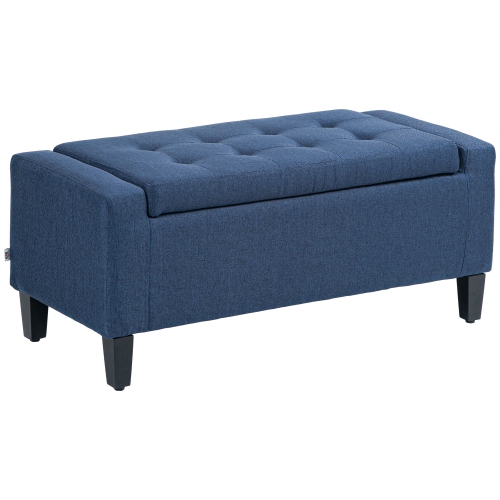 Your price for this item is $139.99
 -
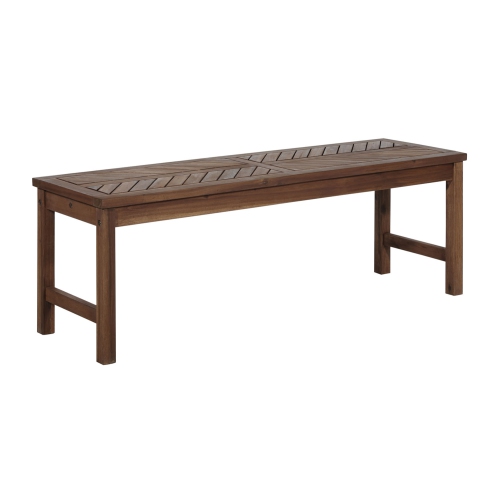 Your price for this item is $365.47
 -
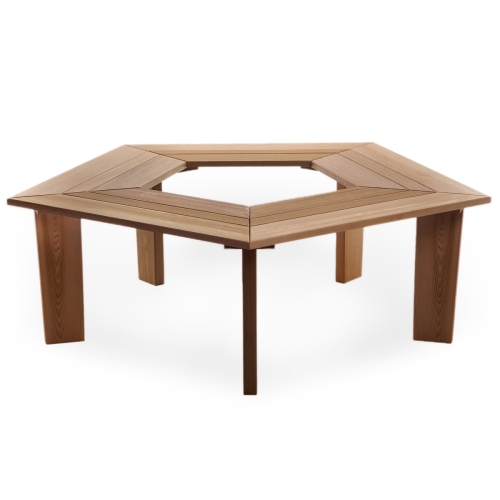 Your price for this item is $893.99
 -
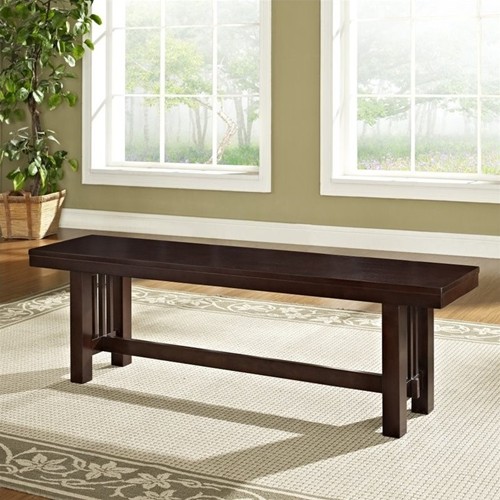 Your price for this item is $292.72
 -
 Your price for this item is $507.08
 -
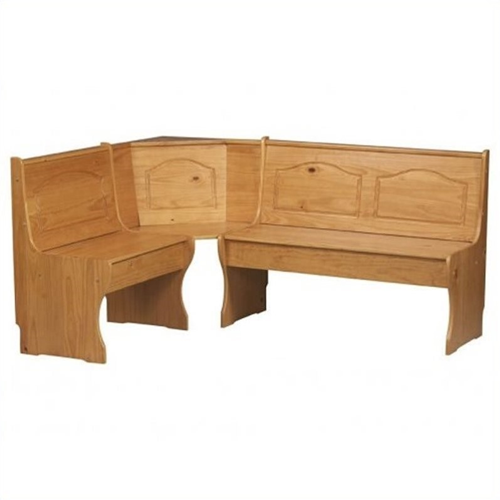 Your price for this item is $908.26
 -
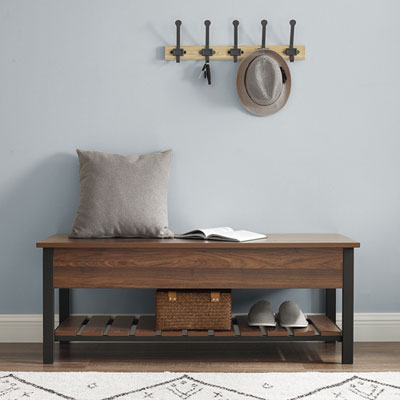 Your price for this item is $339.99
Discover more categories related to Benches With Metal Legs

Top Collections:
Pokemon Centers, Kindle Devices, Best Budget Office Chairs, Apple iPhones 16, Best Laptops for Writers, iPhone 15 Apple, Canon G7X Cameras, Refurbished Apple Laptops, Alarm Clock, Motorola Razr Phones
Some products may be subject to Environmental Handling Fees
(EHF) depending on your province.
Learn more about EHFs.