Metal Dining Benches
Looking to add a sleek and modern touch to your dining area? Metal dining benches might be just what you need. With their clean lines and contemporary design, metal dining benches can effortlessly elevate the style of any space. Whether you're looking for versatile seating options for your kitchen or statement pieces for your dining room, metal dining benches offer both functionality and aesthetic appeal.
Sort
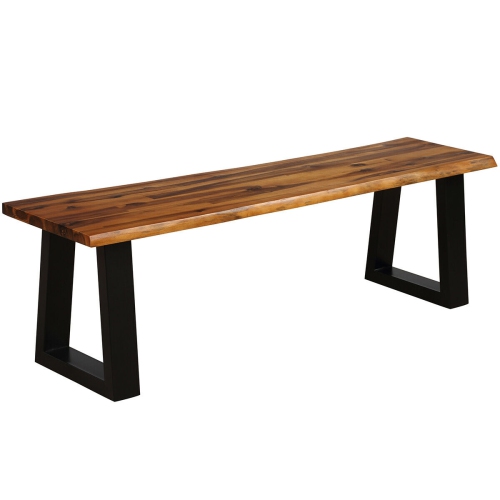
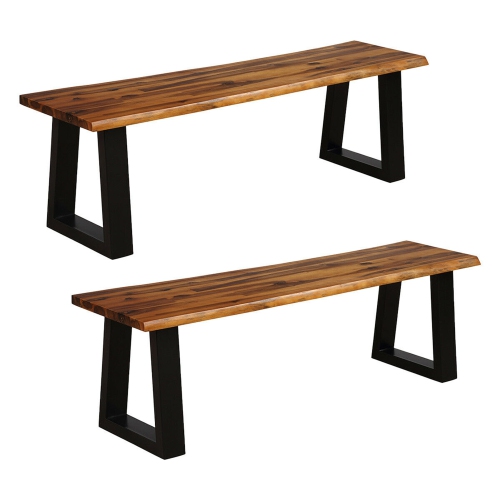
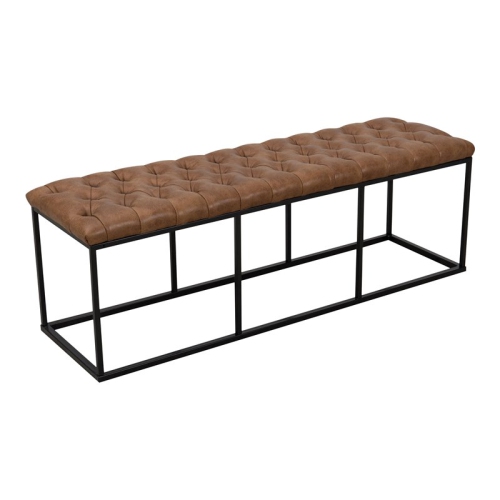
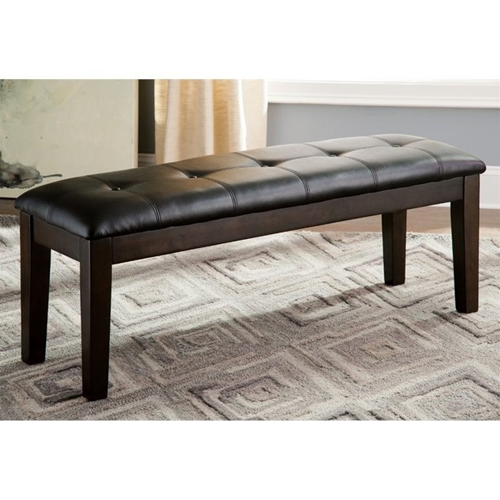
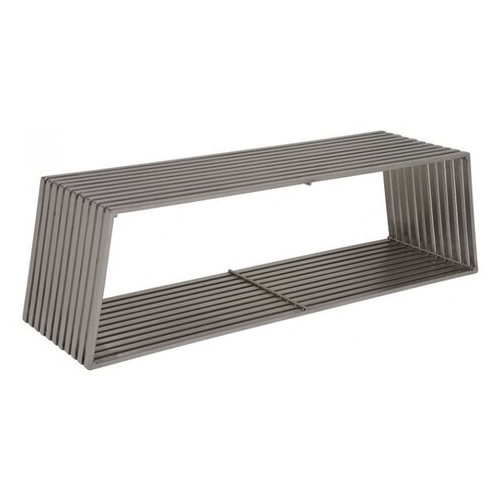
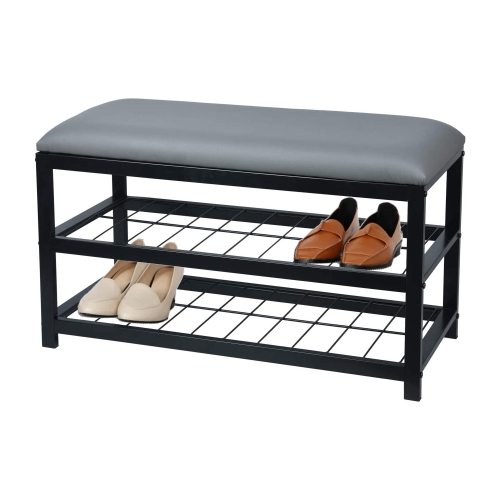
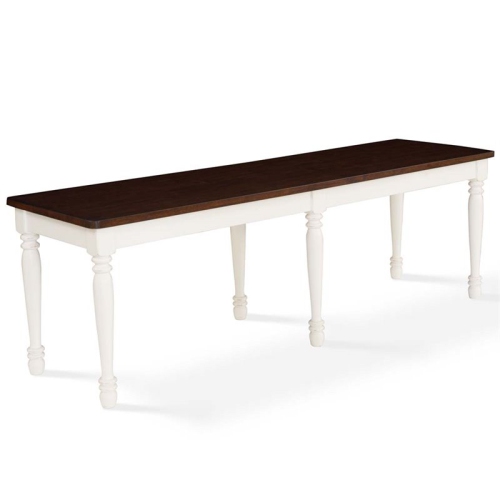
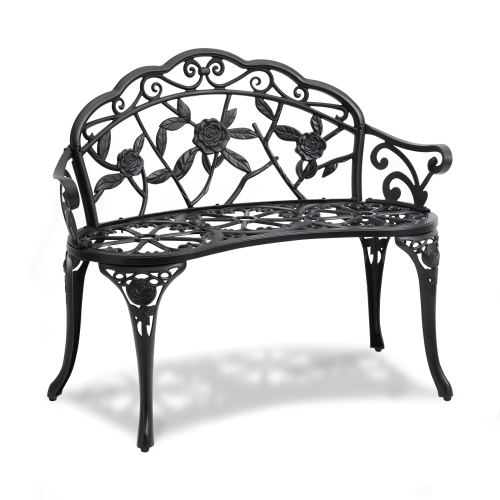
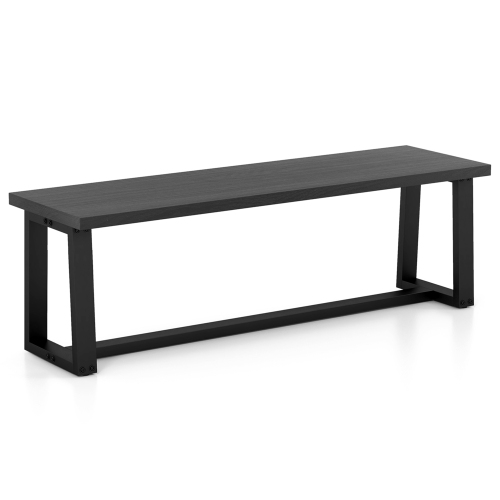
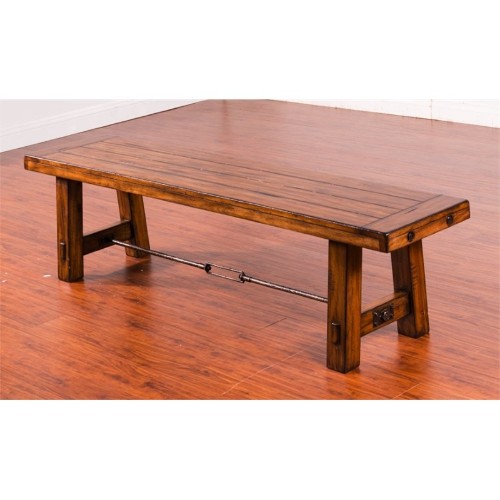
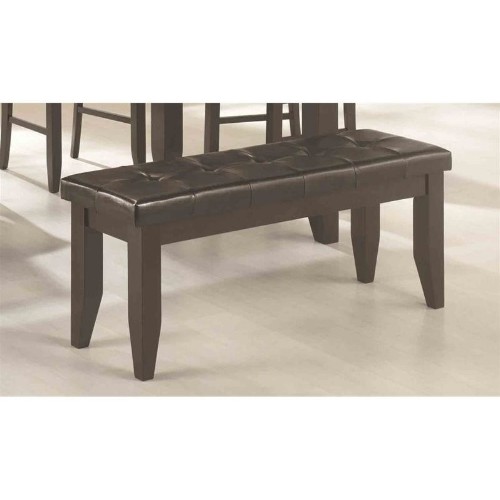
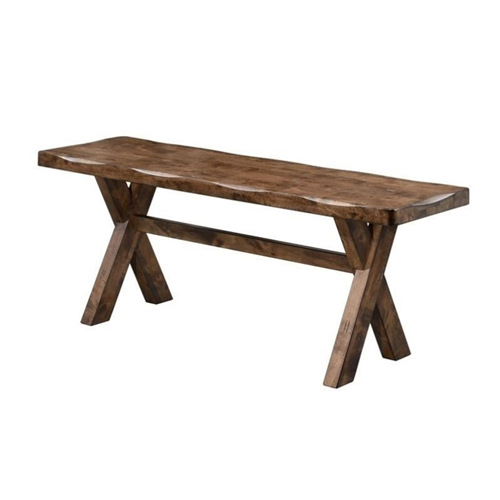
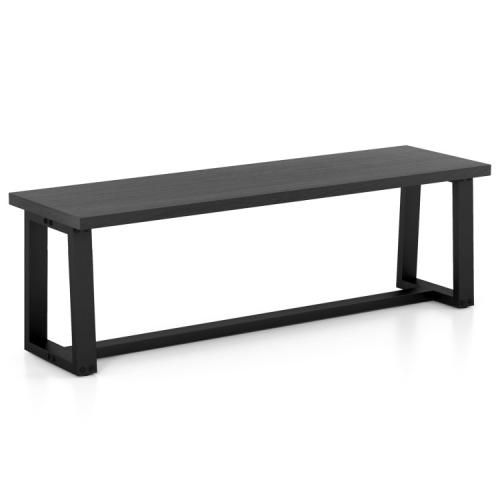
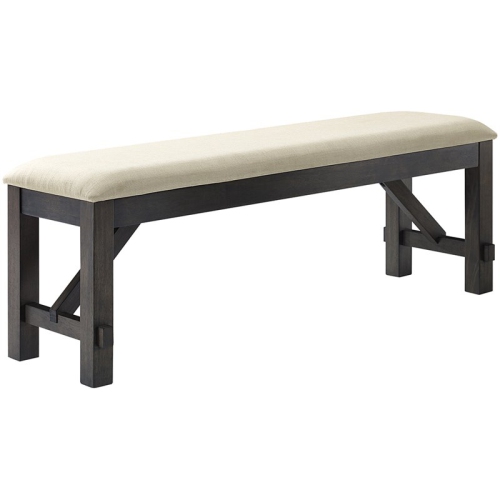
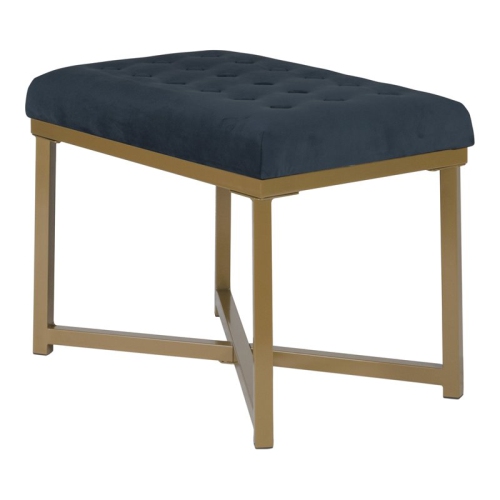
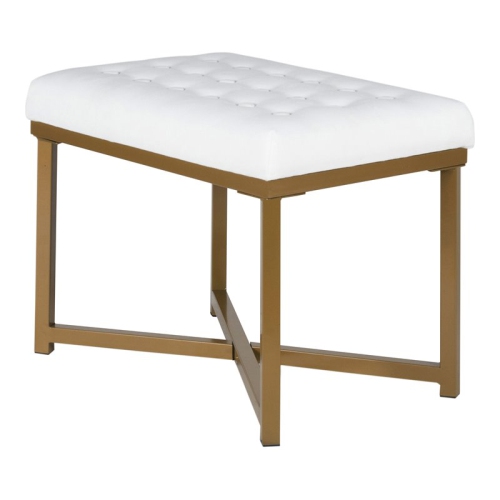
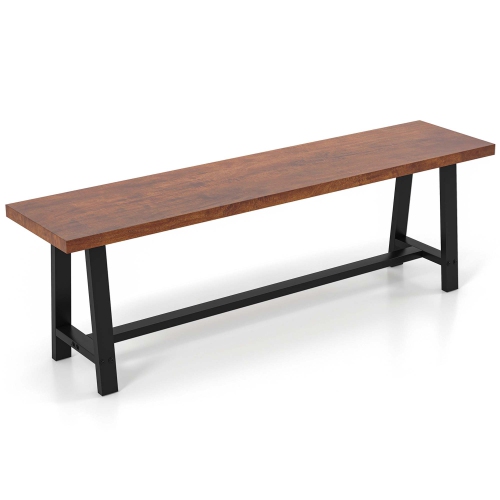
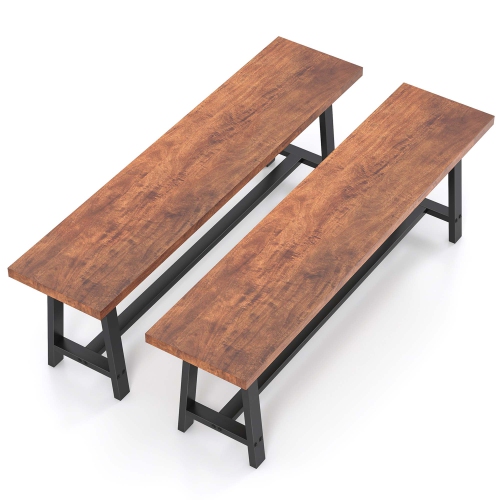
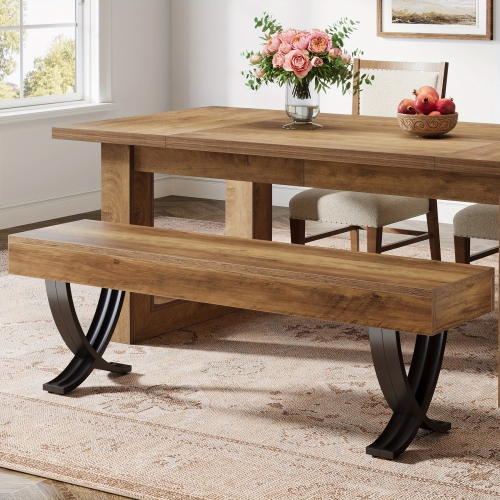
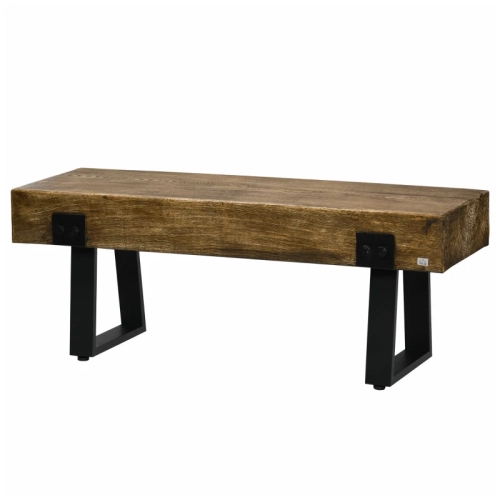

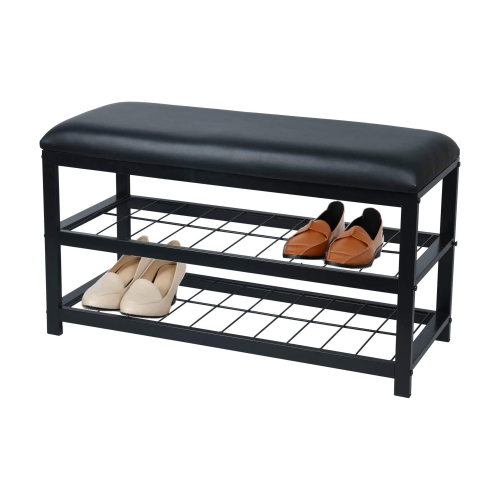
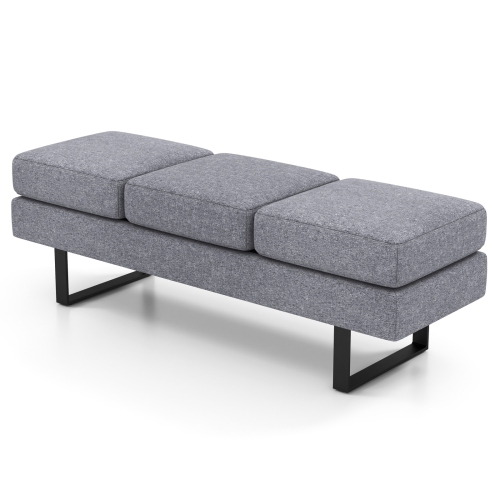
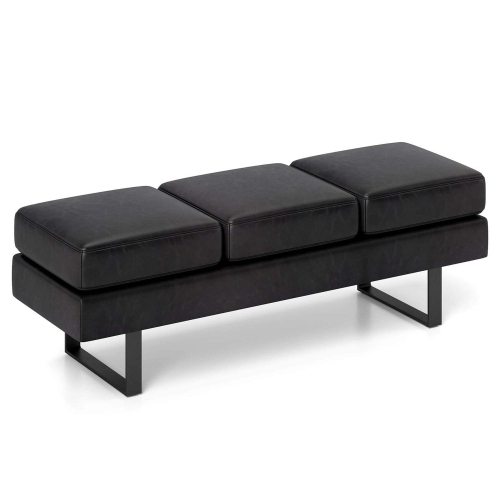
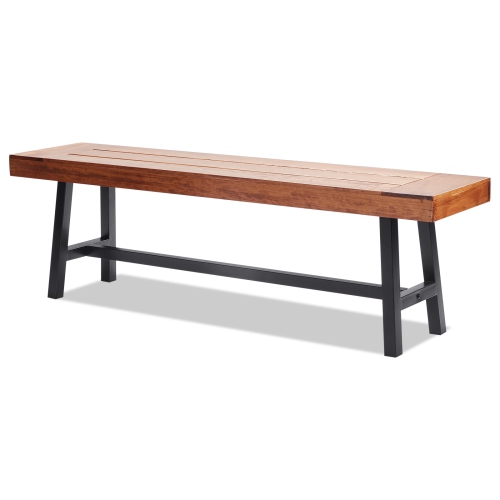
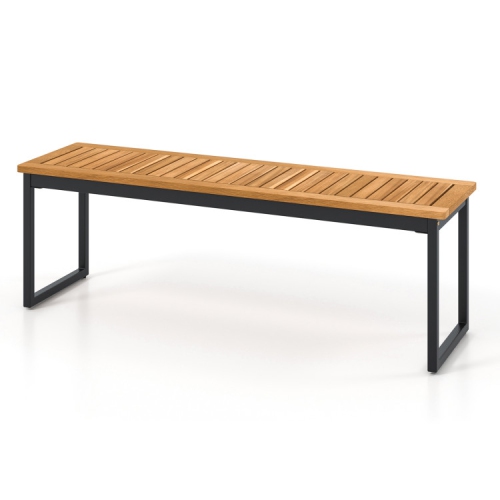
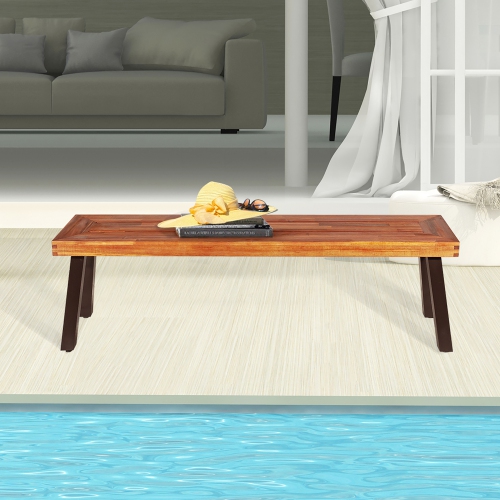
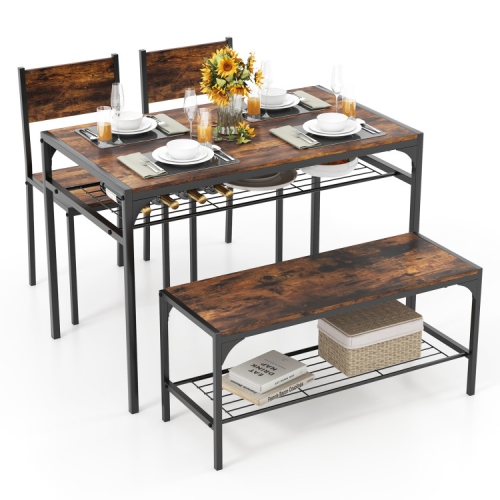
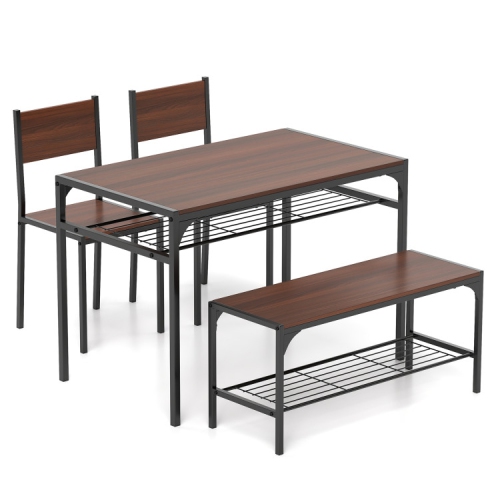
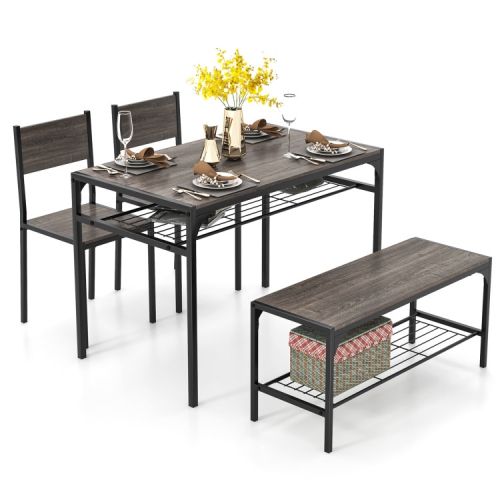
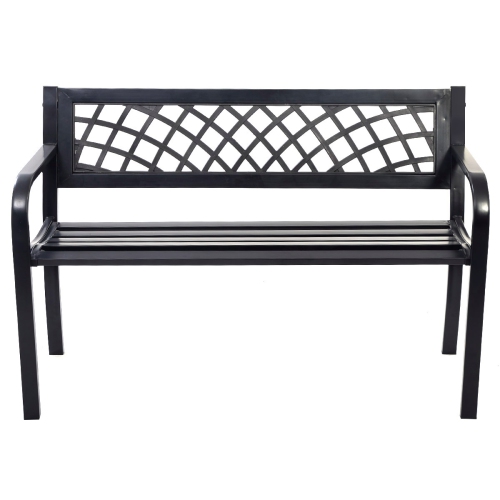
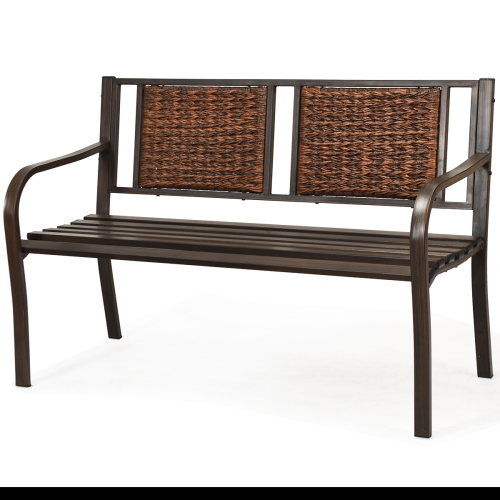
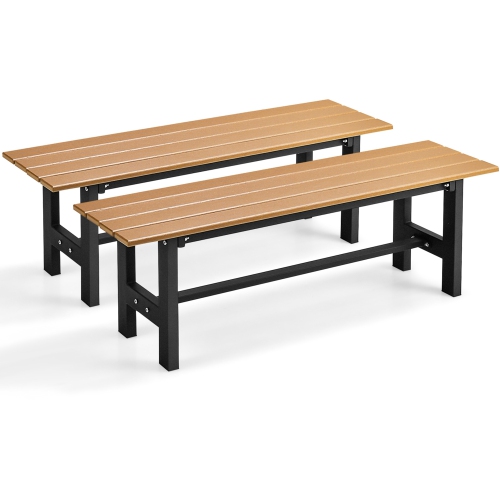
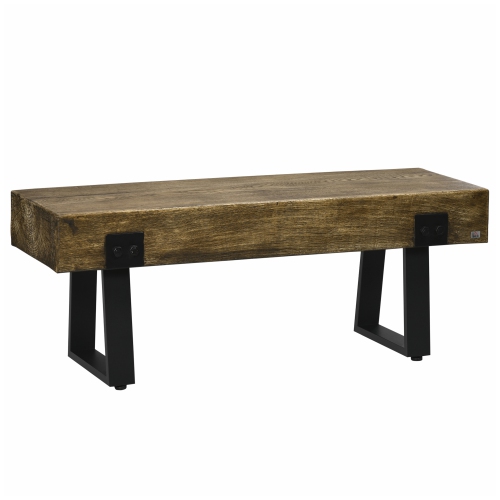
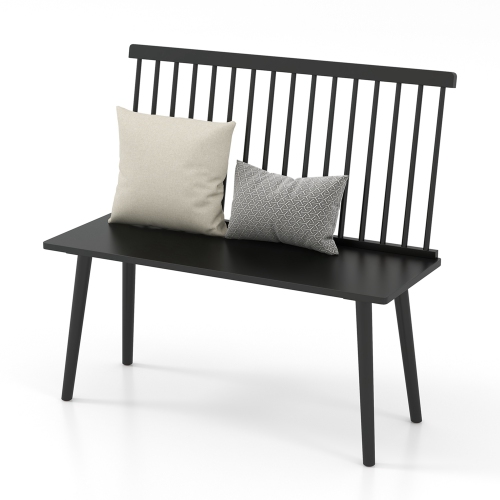
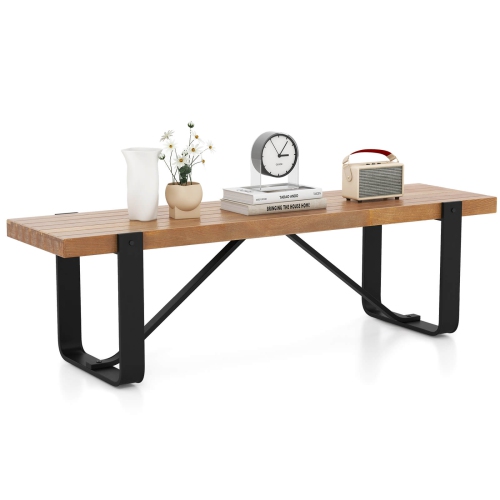
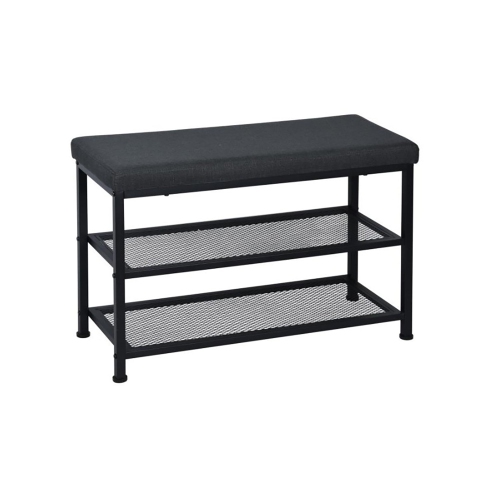
Flexible seating that fits dining rooms and patios
Metal dining benches bring a practical, distinctive look to the dining area while making it easier to seat several people around one table. Their clean lines suit many decorating styles, from industrial rooms with exposed textures to contemporary spaces with simple, streamlined furniture. Depending on the design, a bench may feature a solid metal seat, a metal frame paired with wood or another material, or a metal base supporting a cushioned top. Steel is often chosen for its substantial feel and everyday strength, while aluminum can offer a lighter option that is easier to move when rearranging a room or setting up an outdoor dining area. A bench can also make a smaller dining space feel less crowded than a collection of individual chairs, since it can slide beneath the table when not in use. This is especially useful in apartments, breakfast nooks, open-concept kitchens, and multipurpose rooms where clear floor space matters. When selecting seating, consider the table’s shape, the available wall and walkway space, and how many people you typically seat. Common bench lengths range from approximately 36 to 72 inches, with shorter designs working well for two people and longer options accommodating two to four people depending on seat depth and the amount of personal space desired. Measure the full length of the table and leave enough room for the bench to move in and out comfortably. A bench that is slightly shorter than the tabletop often creates a balanced appearance and makes it easier to tuck the seating neatly underneath.
Height is another important detail when shopping for metal dining benches. Most standard dining tables are about 30 inches high, so a seat height of roughly 17 to 19 inches is generally a comfortable starting point, although the best fit depends on the table apron, cushion thickness, and the proportions of the people using it. Compare the listed measurements rather than relying on appearance alone, and check the space between the seat and tabletop to ensure there is enough legroom. A deep seat can feel relaxed, but it may take up more space and make it harder to slide the bench fully under the table. For narrow rooms, a slimmer profile can preserve a clear path around the dining area. Stability also deserves close attention. Look for a solid frame, reinforced joints, and levelers or adjustable feet if the bench will sit on tile, older flooring, or another surface that is not perfectly even. These small details can reduce rocking and help the bench feel secure during everyday meals, homework, board games, or visits with friends. Think about the finish as well: a dark metal frame can anchor a light wood tabletop, while a brushed or neutral finish can blend more quietly with existing furniture. For indoor use, consider whether the seat is easy to wipe after family meals and whether its shape has edges that feel comfortable against the legs. If you plan to use a bench outdoors, confirm that the materials and finish are intended for outdoor conditions, and consider where it will be stored during cooler months or periods of wet weather. Outdoor dining benches can be useful on a balcony, patio, porch, or deck, but a model designed for indoor rooms may not have the same resistance to moisture, temperature changes, or direct sunlight. Shoppers comparing a complete metal frame with a mixed-material design may also want to browse Benches With Metal Legs for additional seating styles that offer a similar combination of support and visual lightness.
Metal dining benches can be a smart choice for households that need flexible seating without adding visual clutter. A family may use one at a kitchen table for quick breakfasts and craft projects, then move it to a hallway or entryway when extra seating is needed elsewhere. In a dining room, a bench can allow children to sit together comfortably, while adults can use the opposite side of the table with chairs that provide individual back support. It can also help make gatherings more adaptable: slide the bench out for a shared meal, reposition it along a wall between occasions, or bring it outside when the weather is comfortable and the table is set on a patio. A padded version may be preferable for long dinners, while a firm, easy-care seat can be convenient for busy kitchens and frequent use. If comfort is a priority, check for a gently contoured seat, rounded edges, suitable depth, and enough room to avoid crowding. A bench can also be a thoughtful housewarming or wedding gift for someone furnishing a first home, updating a dining area, or creating a more inviting space for family gatherings. To choose a suitable gift, pay attention to the recipient’s table dimensions, preferred finish, indoor or outdoor setup, and available floor space. Neutral colours and uncomplicated shapes are often easier to coordinate, while a more pronounced industrial or modern design can make a statement in a room with complementary décor. Before bringing one home, confirm its weight capacity, assembly requirements, dimensions, and care instructions, especially if it will be moved often or shared by several people. Check whether the feet are protective on hard flooring and whether replacement pads or compatible cushions are available if needed. With the right proportions and placement, a metal dining bench can provide dependable seating, help a room feel less crowded, and add a grounded architectural detail that works through everyday meals and gatherings during the cooler months.
Height is another important detail when shopping for metal dining benches. Most standard dining tables are about 30 inches high, so a seat height of roughly 17 to 19 inches is generally a comfortable starting point, although the best fit depends on the table apron, cushion thickness, and the proportions of the people using it. Compare the listed measurements rather than relying on appearance alone, and check the space between the seat and tabletop to ensure there is enough legroom. A deep seat can feel relaxed, but it may take up more space and make it harder to slide the bench fully under the table. For narrow rooms, a slimmer profile can preserve a clear path around the dining area. Stability also deserves close attention. Look for a solid frame, reinforced joints, and levelers or adjustable feet if the bench will sit on tile, older flooring, or another surface that is not perfectly even. These small details can reduce rocking and help the bench feel secure during everyday meals, homework, board games, or visits with friends. Think about the finish as well: a dark metal frame can anchor a light wood tabletop, while a brushed or neutral finish can blend more quietly with existing furniture. For indoor use, consider whether the seat is easy to wipe after family meals and whether its shape has edges that feel comfortable against the legs. If you plan to use a bench outdoors, confirm that the materials and finish are intended for outdoor conditions, and consider where it will be stored during cooler months or periods of wet weather. Outdoor dining benches can be useful on a balcony, patio, porch, or deck, but a model designed for indoor rooms may not have the same resistance to moisture, temperature changes, or direct sunlight. Shoppers comparing a complete metal frame with a mixed-material design may also want to browse Benches With Metal Legs for additional seating styles that offer a similar combination of support and visual lightness.
Metal dining benches can be a smart choice for households that need flexible seating without adding visual clutter. A family may use one at a kitchen table for quick breakfasts and craft projects, then move it to a hallway or entryway when extra seating is needed elsewhere. In a dining room, a bench can allow children to sit together comfortably, while adults can use the opposite side of the table with chairs that provide individual back support. It can also help make gatherings more adaptable: slide the bench out for a shared meal, reposition it along a wall between occasions, or bring it outside when the weather is comfortable and the table is set on a patio. A padded version may be preferable for long dinners, while a firm, easy-care seat can be convenient for busy kitchens and frequent use. If comfort is a priority, check for a gently contoured seat, rounded edges, suitable depth, and enough room to avoid crowding. A bench can also be a thoughtful housewarming or wedding gift for someone furnishing a first home, updating a dining area, or creating a more inviting space for family gatherings. To choose a suitable gift, pay attention to the recipient’s table dimensions, preferred finish, indoor or outdoor setup, and available floor space. Neutral colours and uncomplicated shapes are often easier to coordinate, while a more pronounced industrial or modern design can make a statement in a room with complementary décor. Before bringing one home, confirm its weight capacity, assembly requirements, dimensions, and care instructions, especially if it will be moved often or shared by several people. Check whether the feet are protective on hard flooring and whether replacement pads or compatible cushions are available if needed. With the right proportions and placement, a metal dining bench can provide dependable seating, help a room feel less crowded, and add a grounded architectural detail that works through everyday meals and gatherings during the cooler months.
Top selling and popular products
-
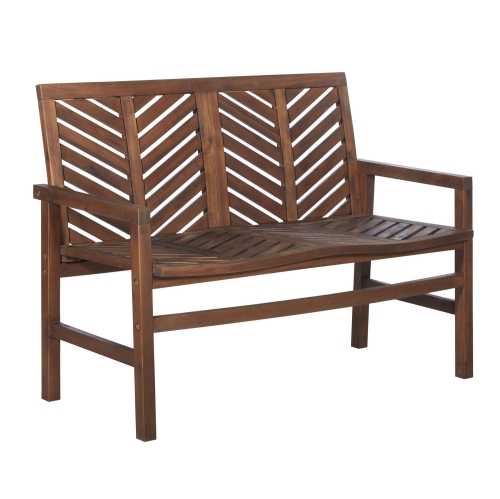 Your price for this item is $404.9
 -
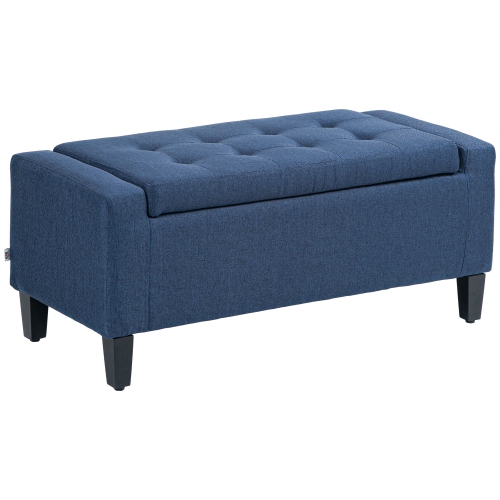 Your price for this item is $139.99
 -
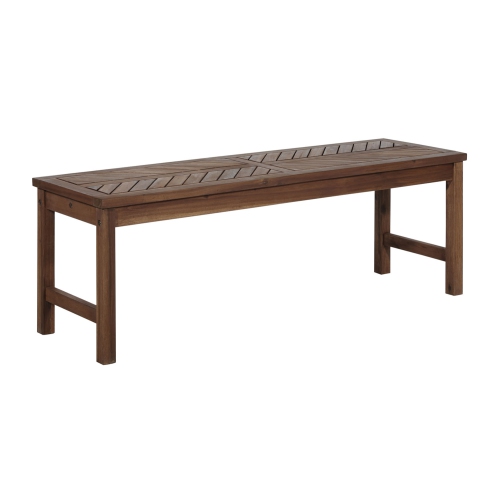 Your price for this item is $365.47
 -
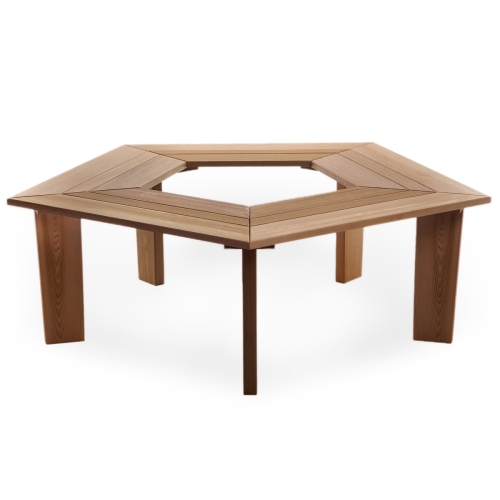 Your price for this item is $893.99
 -
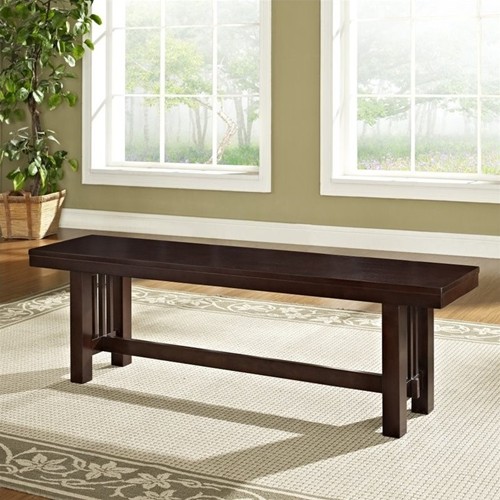 Your price for this item is $292.72
 -
 Your price for this item is $507.08
 -
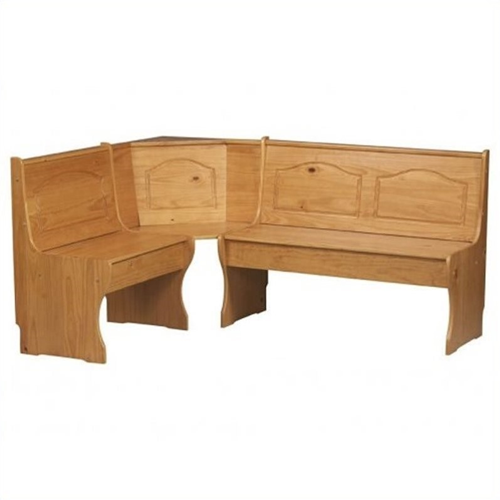 Your price for this item is $908.26
 -
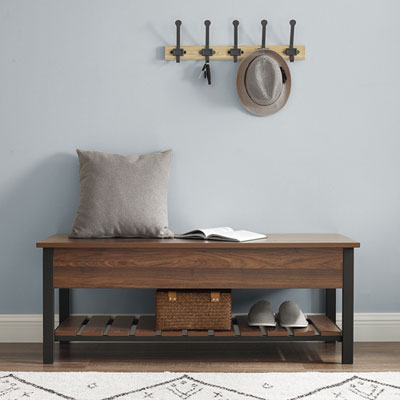 Your price for this item is $339.99
Discover more categories related to Metal Dining Benches
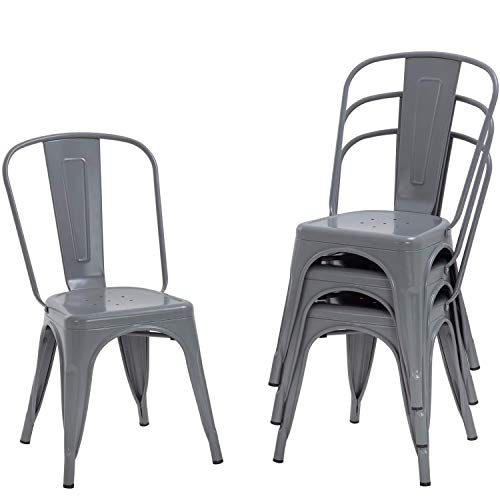
Top Collections:
Pokemon Centers, Kindle Devices, Best Budget Office Chairs, Apple iPhones 16, Best Laptops for Writers, iPhone 15 Apple, Canon G7X Cameras, Refurbished Apple Laptops, Alarm Clock, Motorola Razr Phones
Some products may be subject to Environmental Handling Fees
(EHF) depending on your province.
Learn more about EHFs.