Biking Gifts
Biking gifts are a great way to show your appreciation for the biking enthusiast in your life. These gifts can range from practical items that will help the cyclist with their rides to fun items that show your thoughtfulness and understanding of their passion. Here are some great options available.
Sort

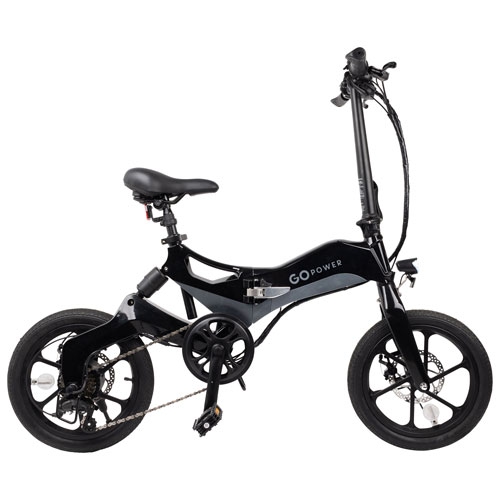
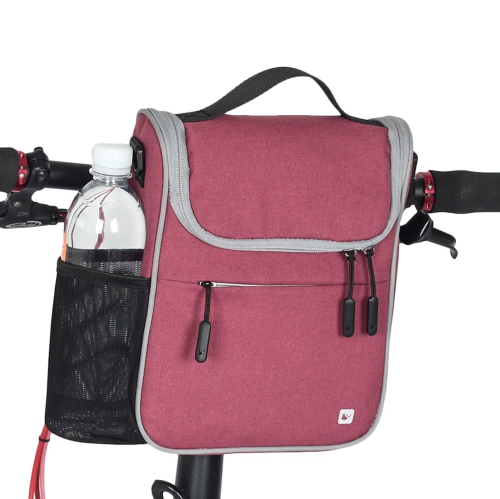
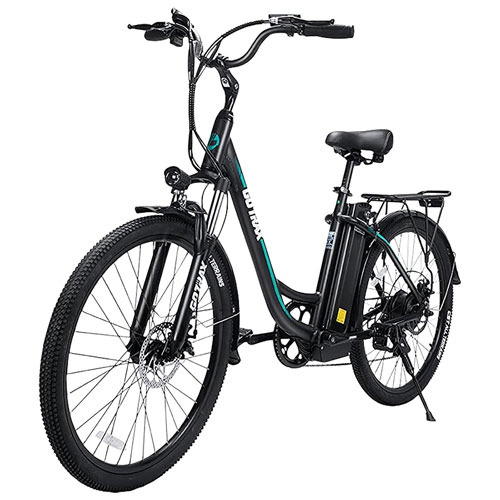
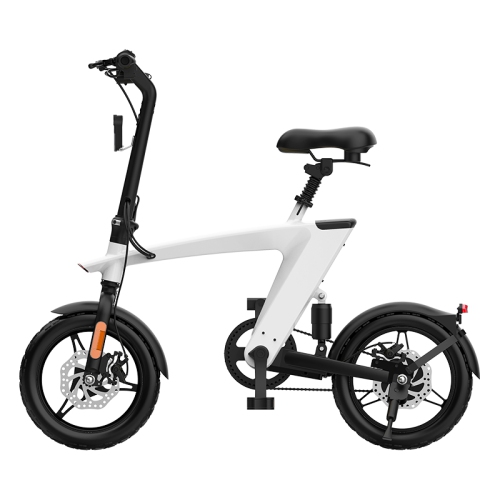
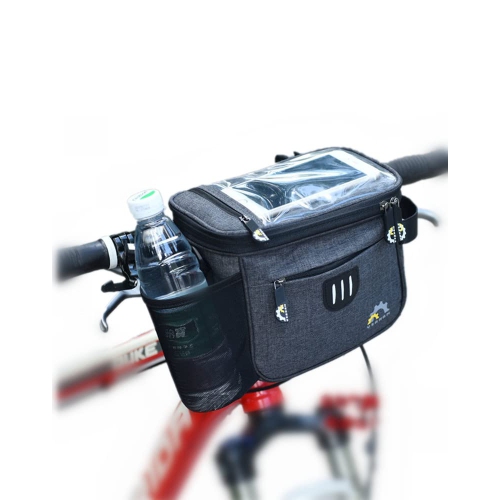
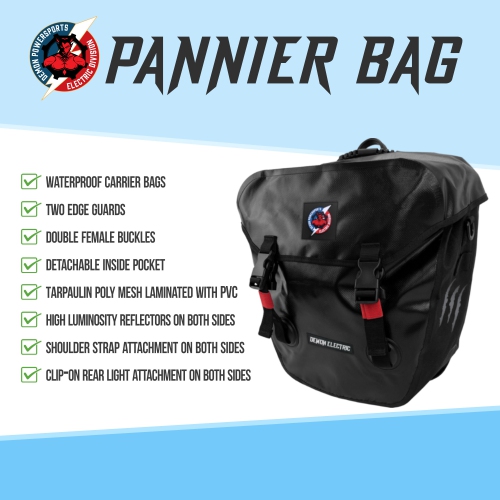
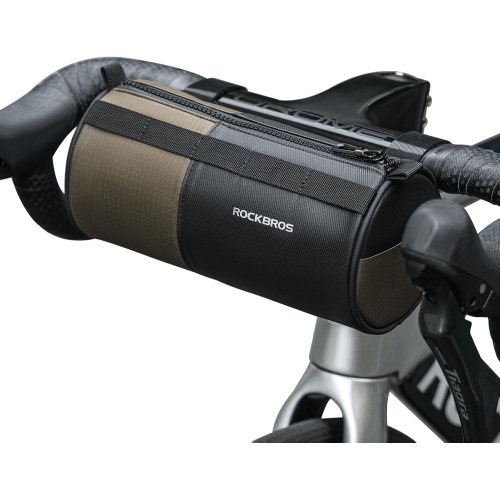
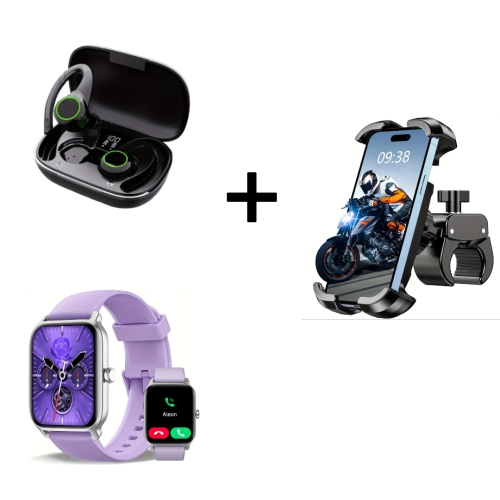
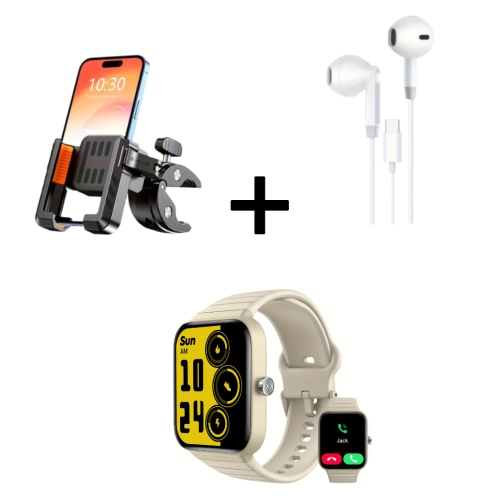
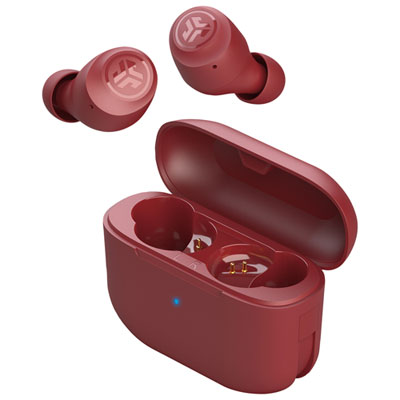
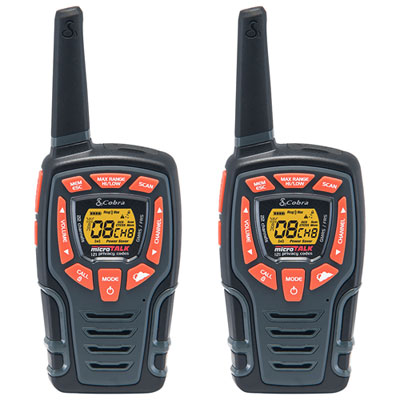
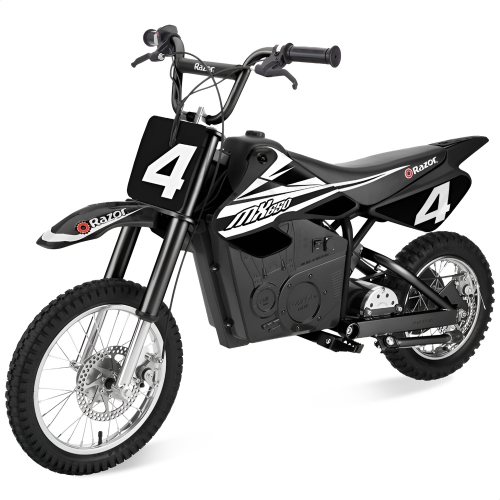
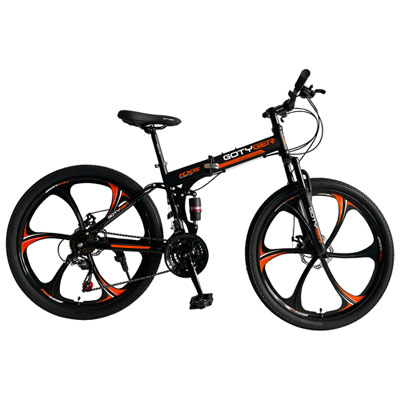
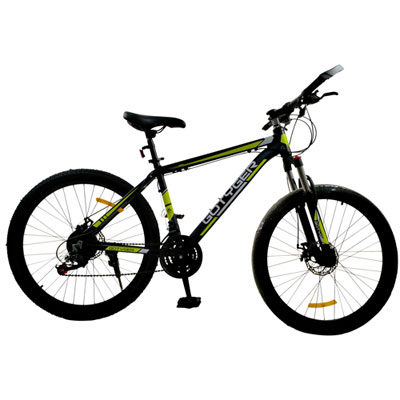
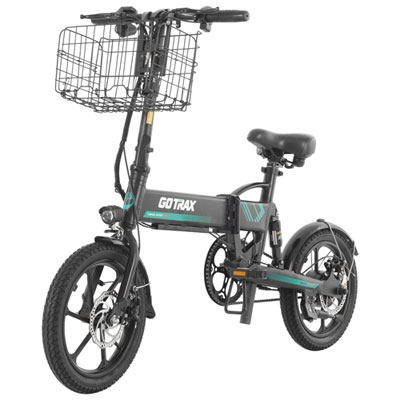
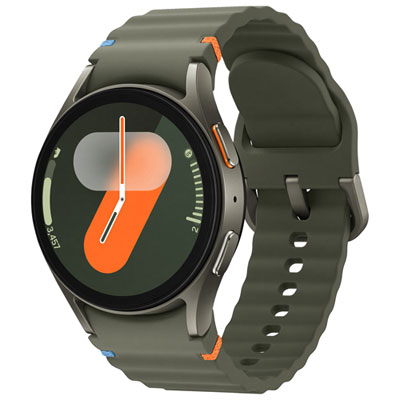
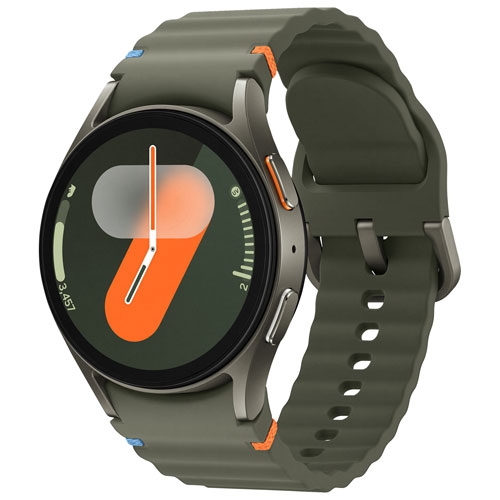
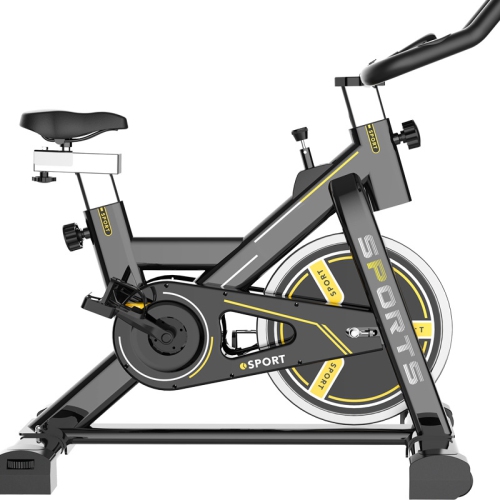
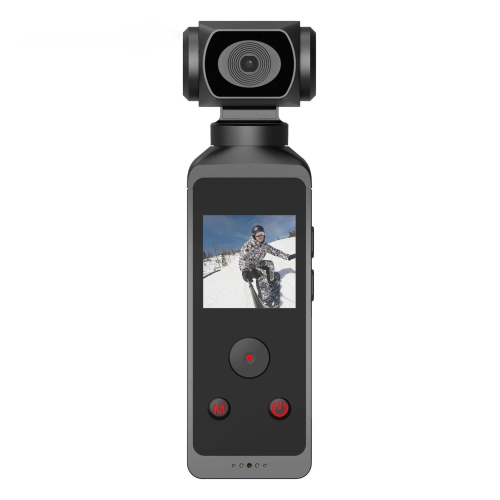
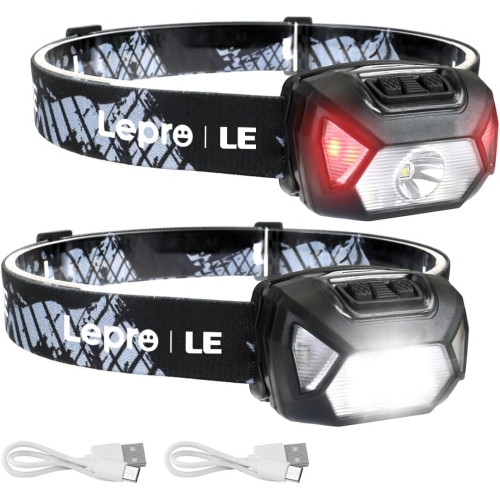
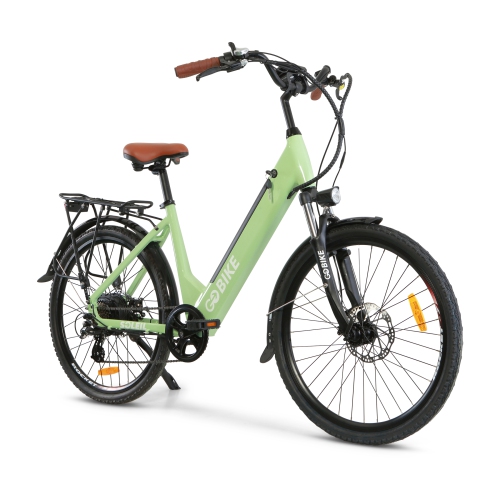
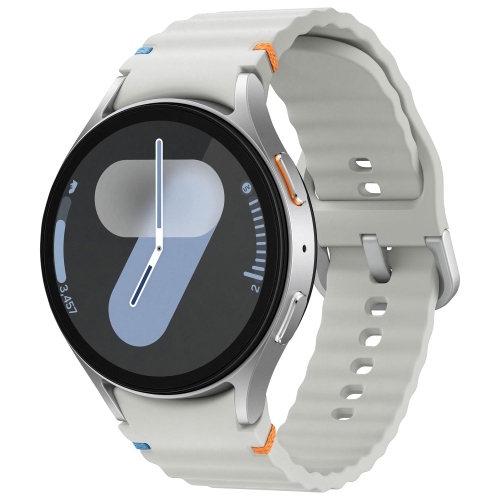
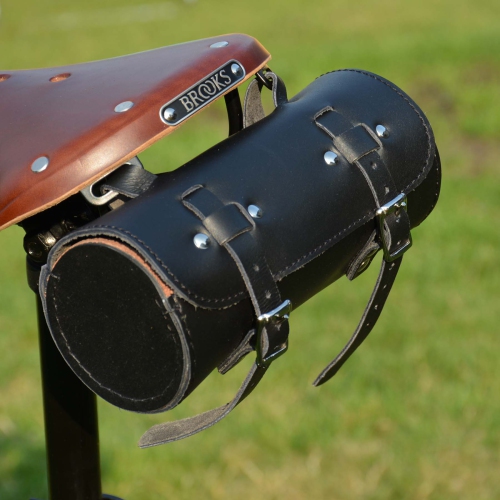
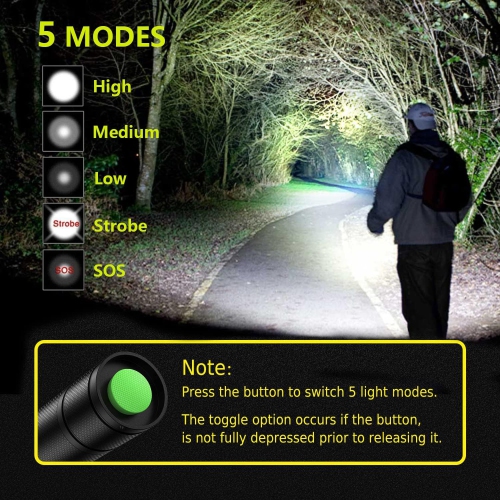
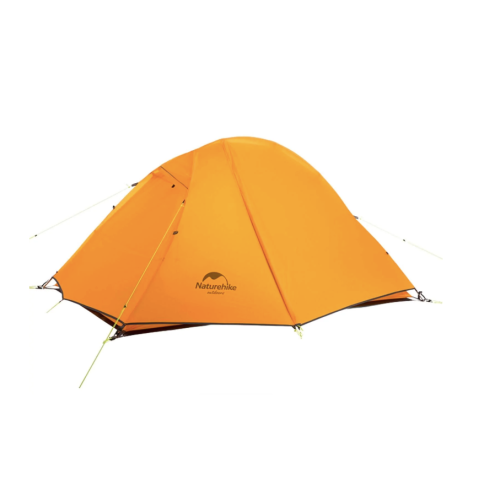
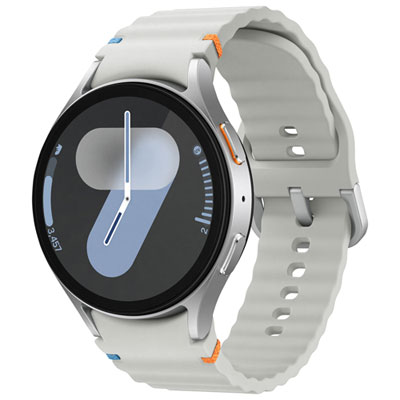
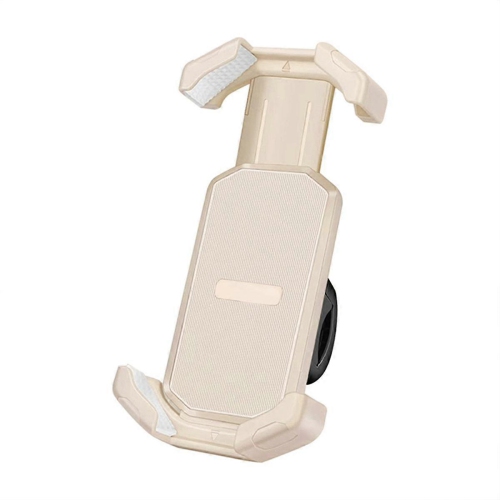
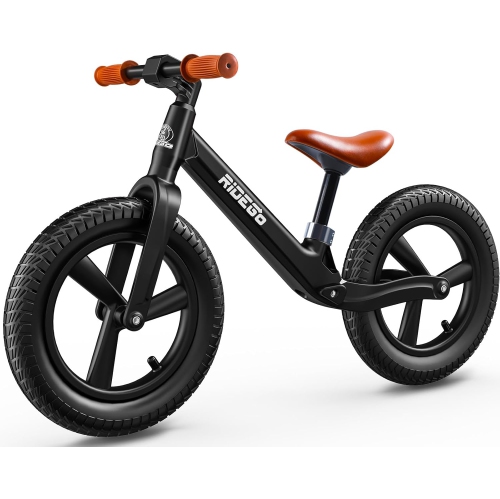
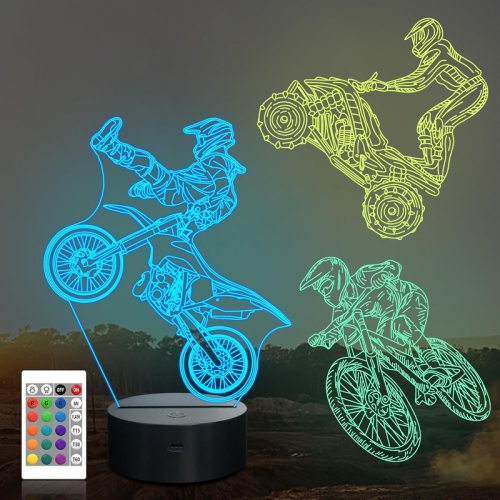
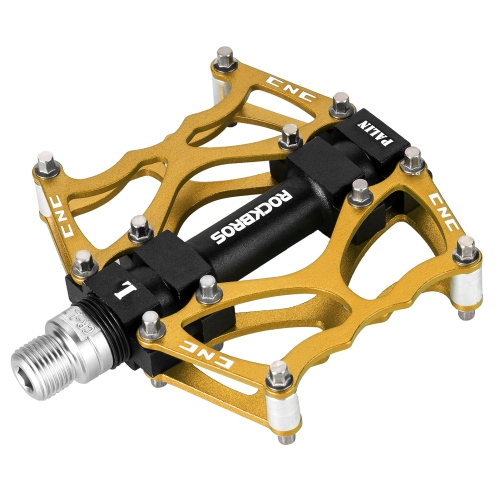
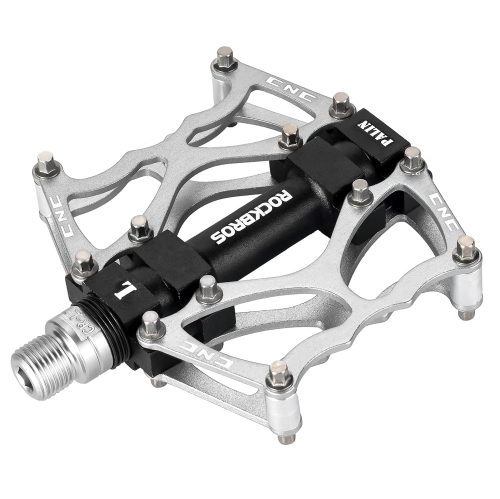
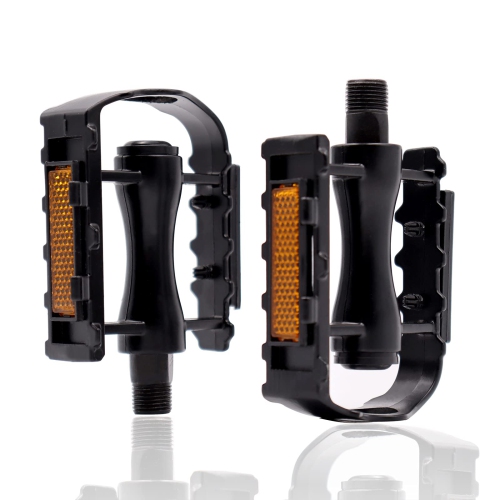
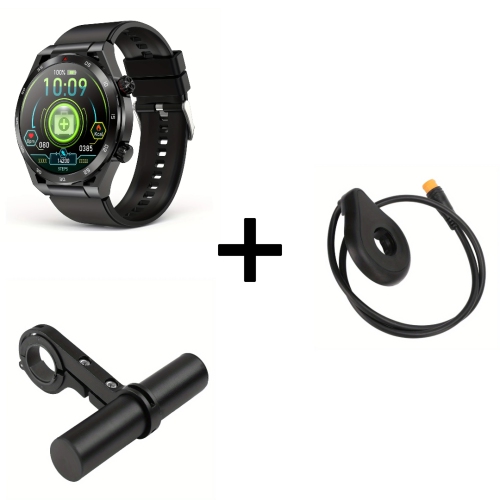
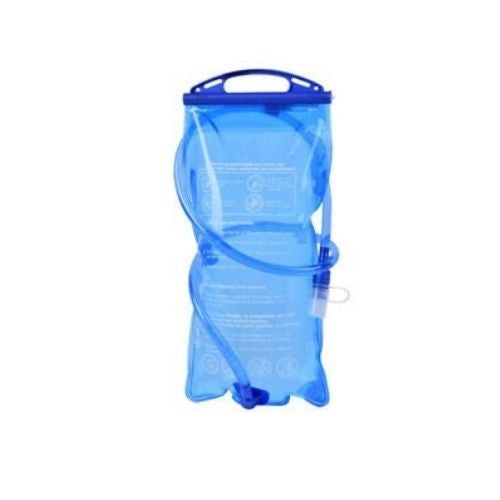
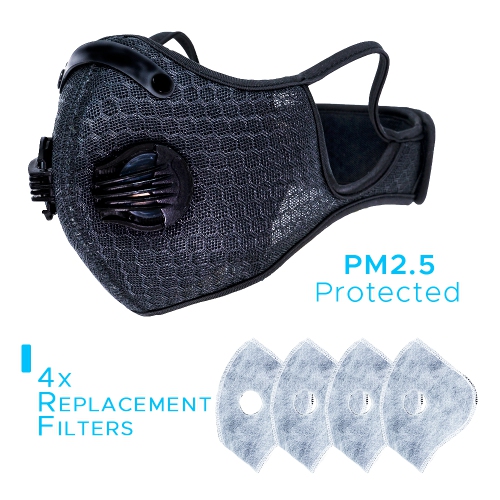
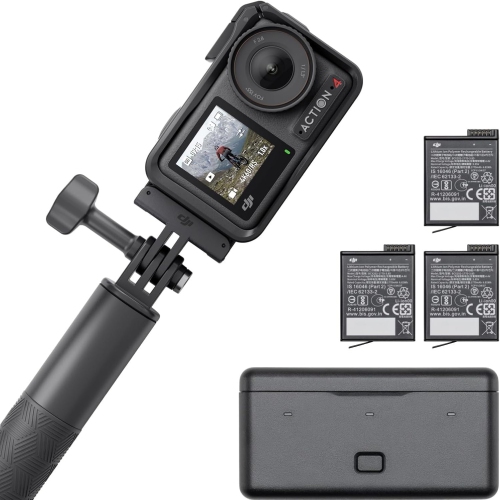
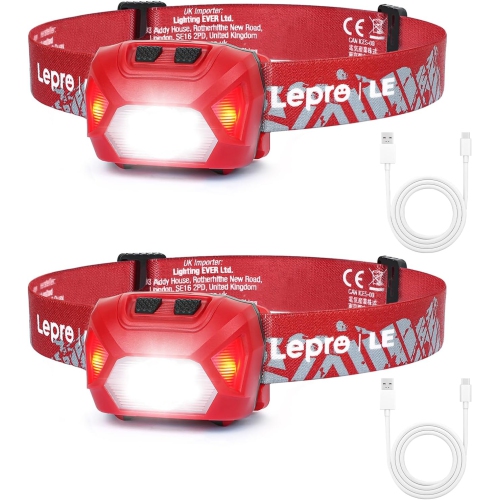
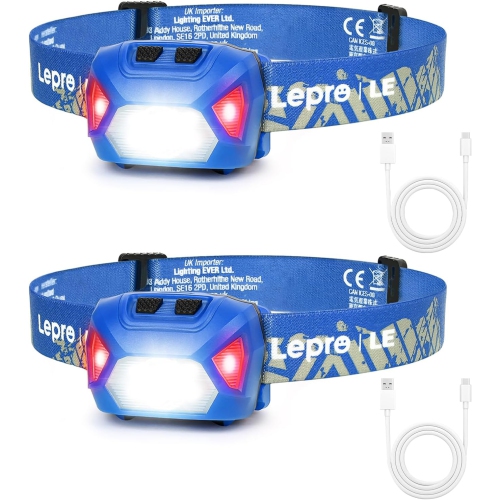

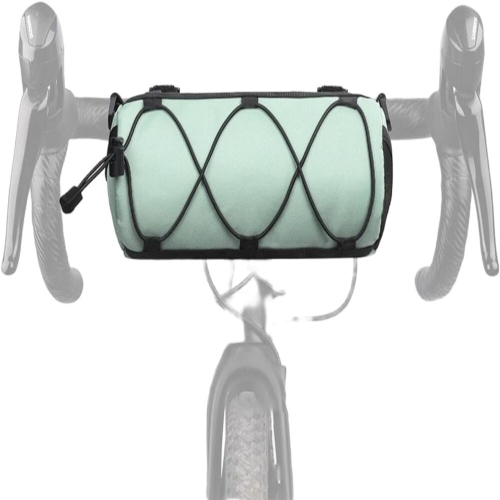
Thoughtful gifts start with how a cyclist rides
Biking gifts bring together practical accessories, riding apparel, and thoughtful extras for people who enjoy getting around on two wheels. The most useful choices reflect how someone rides, whether that means a short trip to work, a steady road ride, an afternoon on local trails, or a relaxed outing with family. Everyday cyclists often appreciate gifts that make carrying belongings, parking, and keeping essentials close at hand less of a hassle. Someone riding longer distances may place more value on comfort, compact storage, and accessories that stay securely attached over repeated hours of use. For a newer cyclist, straightforward gear with intuitive adjustments can be more appealing than equipment that adds another setup routine. Experienced riders may have strong preferences about the shape, feel, and placement of anything they use, so compatibility with an established routine matters as much as the gift itself. A cyclist who carries a laptop across town has different needs from one who wants to keep a phone and a small repair kit from rattling around on a trail. These everyday details give biking gifts their personal appeal: a secure closure, an easy-to-reach pocket, or a strap that does not shift can make a familiar ride feel more organized. Gifts for cyclists can also support the time spent before and after a ride, including preparing equipment, keeping riding essentials together, and storing a bicycle neatly at home. Those shared moments count, too, particularly for families getting several riders ready or friends meeting for a regular ride. For a celebration centred on a rider’s favourite pastime, Holiday Gifts for Cyclists offers another way to explore the theme. Across different gifting occasions, the strongest connection is to the recipient’s own habits rather than an assumption that every cyclist wants to ride farther or faster. A gift that makes a familiar journey easier can be just as meaningful as one that supports a new riding goal.
Fit and materials make a noticeable difference in cycling gear because riders repeat the same movements for long stretches. Apparel needs enough freedom through the shoulders, hips, and knees to accommodate a riding position without excess fabric bunching or catching. Sizing varies between manufacturers, and a close-fitting road style can feel quite different from the relaxed cut someone prefers for recreational rides. Gloves should allow a secure grip and easy use of controls, while seams and padding should sit comfortably rather than create pressure points. For helmets, the recipient’s head measurement, the model’s sizing guidance, and the stated riding application are more useful than age alone. A helmet needs to sit level and fasten correctly, and applicable safety certification should be confirmed for its intended use. Young riders need properly sized equipment rather than oversized gear chosen with room to grow. Materials also shape how a gift feels and holds up: stretch fabrics allow movement, mesh panels support airflow, and tightly woven textiles can help resist abrasion. Reinforced stitching is especially useful around handles, straps, and attachment points that take repeated loads. Metal hardware can offer strength, while well-designed plastic components can keep weight down; the construction and intended use matter more than the material name on its own. For accessories that attach to a bicycle, “universal” does not necessarily mean suitable for every setup. Handlebar diameter, frame shape, mounting space, wheel size, and existing accessories can all affect fit. A bag that works neatly on one frame may interfere with bottle access or pedalling on another. Similarly, an electronic accessory may depend on a particular phone, app, or connection type. Gifts that do not require precise body sizing or bicycle measurements can be easier to match to a recipient, but even simple accessories benefit from clear dimensions and attachment details. The aim is a comfortable, secure addition that feels natural from the first ride, not something the cyclist has to work around.
Durability and care are important for biking gifts that will be handled, packed, adjusted, and used repeatedly. Smooth-running zippers, sturdy buckles, replaceable straps, and accessible fasteners can make an accessory easier to live with over time. A carrying accessory needs to support its stated load without sagging into moving parts, and its contents should stay stable when the rider turns or travels over uneven ground. For someone who locks a bicycle outside a workplace or community centre, security needs depend on the location, parking duration, and suitable attachment points; no lock makes a bicycle theft-proof. Lighting accessories deserve similar attention to intended use. Being visible to other road users and having enough illumination to see a path are different requirements, so light patterns, mounting position, and stated output all matter. Rechargeable electronics add another practical consideration: battery runtime should suit the recipient’s usual rides, with charging connections that fit comfortably into their routine. Controls that are easy to locate and charge indicators that are easy to read can be more useful than a long list of features. Care requirements should also suit the person receiving the gift. Some fabric accessories can be cleaned with a gentle wipe, while others have specific washing and drying instructions; removable inserts or protective components may need separate treatment. Helmets and other protective gear should be cared for and replaced according to the manufacturer’s guidance, including after an impact where specified. Bicycle maintenance supplies must be suitable for the surfaces and components involved, particularly around braking systems, where unsuitable cleaners or lubricants can affect performance. For riders in shared homes or smaller spaces, compact dimensions and tidy storage can be welcome qualities even when the gift is meant mainly for use away from home. Practical biking gifts earn their place through these ordinary details: a fastening that remains secure, a pocket that is easy to reach, or equipment that is simple to clean and put away. When the fit, construction, and purpose match the rider, the gift becomes a useful part of something they already enjoy.
Fit and materials make a noticeable difference in cycling gear because riders repeat the same movements for long stretches. Apparel needs enough freedom through the shoulders, hips, and knees to accommodate a riding position without excess fabric bunching or catching. Sizing varies between manufacturers, and a close-fitting road style can feel quite different from the relaxed cut someone prefers for recreational rides. Gloves should allow a secure grip and easy use of controls, while seams and padding should sit comfortably rather than create pressure points. For helmets, the recipient’s head measurement, the model’s sizing guidance, and the stated riding application are more useful than age alone. A helmet needs to sit level and fasten correctly, and applicable safety certification should be confirmed for its intended use. Young riders need properly sized equipment rather than oversized gear chosen with room to grow. Materials also shape how a gift feels and holds up: stretch fabrics allow movement, mesh panels support airflow, and tightly woven textiles can help resist abrasion. Reinforced stitching is especially useful around handles, straps, and attachment points that take repeated loads. Metal hardware can offer strength, while well-designed plastic components can keep weight down; the construction and intended use matter more than the material name on its own. For accessories that attach to a bicycle, “universal” does not necessarily mean suitable for every setup. Handlebar diameter, frame shape, mounting space, wheel size, and existing accessories can all affect fit. A bag that works neatly on one frame may interfere with bottle access or pedalling on another. Similarly, an electronic accessory may depend on a particular phone, app, or connection type. Gifts that do not require precise body sizing or bicycle measurements can be easier to match to a recipient, but even simple accessories benefit from clear dimensions and attachment details. The aim is a comfortable, secure addition that feels natural from the first ride, not something the cyclist has to work around.
Durability and care are important for biking gifts that will be handled, packed, adjusted, and used repeatedly. Smooth-running zippers, sturdy buckles, replaceable straps, and accessible fasteners can make an accessory easier to live with over time. A carrying accessory needs to support its stated load without sagging into moving parts, and its contents should stay stable when the rider turns or travels over uneven ground. For someone who locks a bicycle outside a workplace or community centre, security needs depend on the location, parking duration, and suitable attachment points; no lock makes a bicycle theft-proof. Lighting accessories deserve similar attention to intended use. Being visible to other road users and having enough illumination to see a path are different requirements, so light patterns, mounting position, and stated output all matter. Rechargeable electronics add another practical consideration: battery runtime should suit the recipient’s usual rides, with charging connections that fit comfortably into their routine. Controls that are easy to locate and charge indicators that are easy to read can be more useful than a long list of features. Care requirements should also suit the person receiving the gift. Some fabric accessories can be cleaned with a gentle wipe, while others have specific washing and drying instructions; removable inserts or protective components may need separate treatment. Helmets and other protective gear should be cared for and replaced according to the manufacturer’s guidance, including after an impact where specified. Bicycle maintenance supplies must be suitable for the surfaces and components involved, particularly around braking systems, where unsuitable cleaners or lubricants can affect performance. For riders in shared homes or smaller spaces, compact dimensions and tidy storage can be welcome qualities even when the gift is meant mainly for use away from home. Practical biking gifts earn their place through these ordinary details: a fastening that remains secure, a pocket that is easy to reach, or equipment that is simple to clean and put away. When the fit, construction, and purpose match the rider, the gift becomes a useful part of something they already enjoy.
Top selling and popular products
-
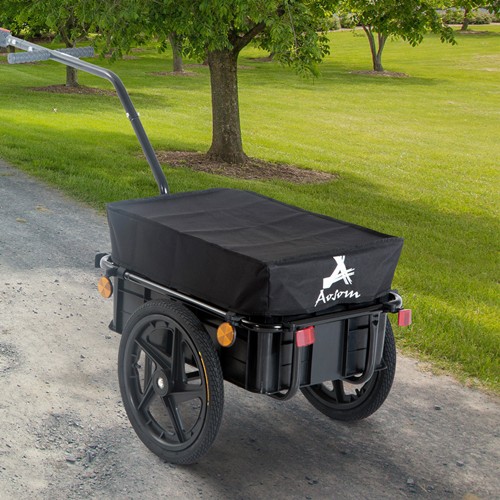 Your price for this item is $155.44
 -
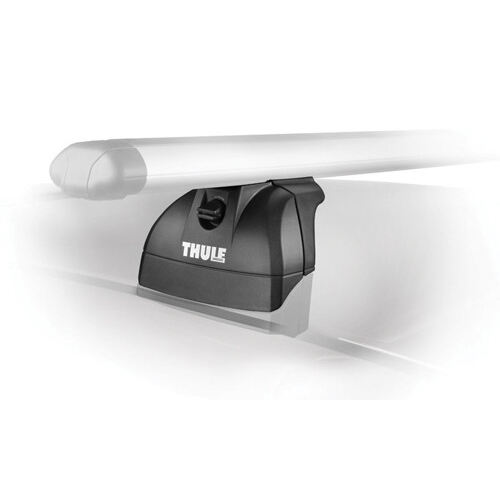 Your price for this item is $285
 -
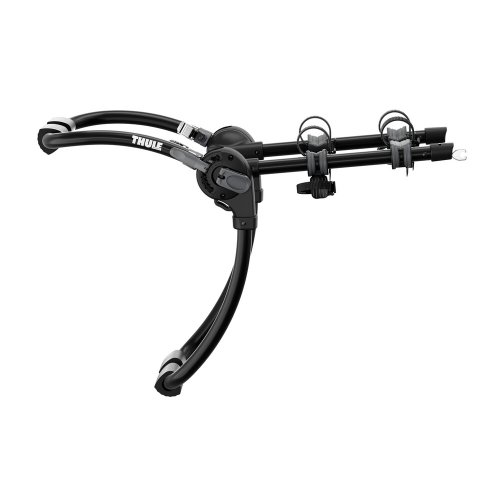 Your price for this item is $499
 -
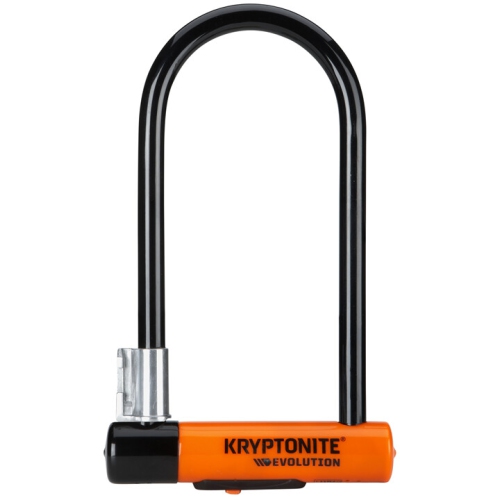 Your price for this item is $209.99
 -
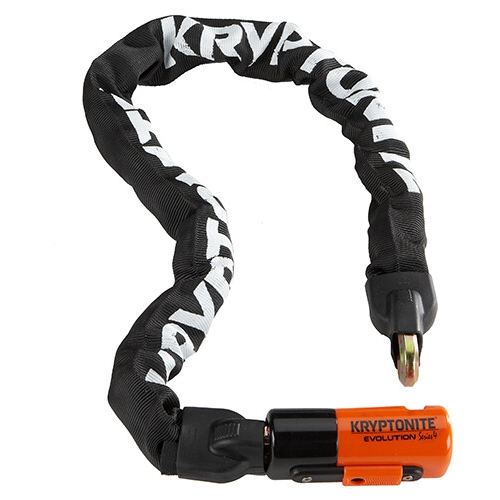 Your price for this item is $199.99
 -
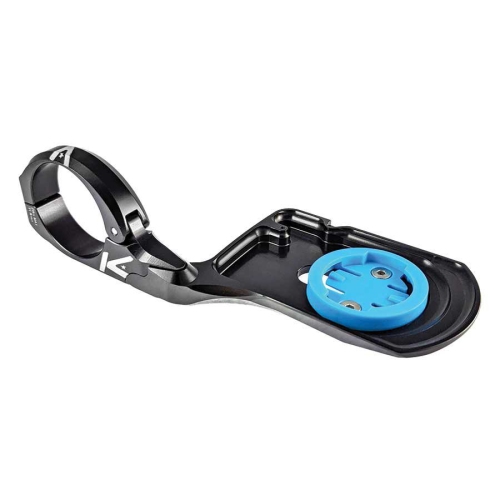 Your price for this item is $134.99
 -
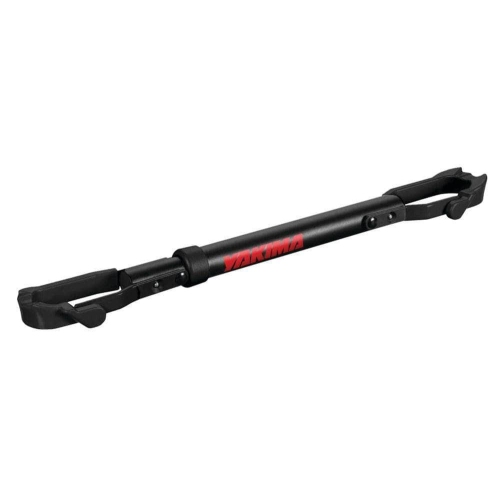 Your price for this item is $96.99
 -
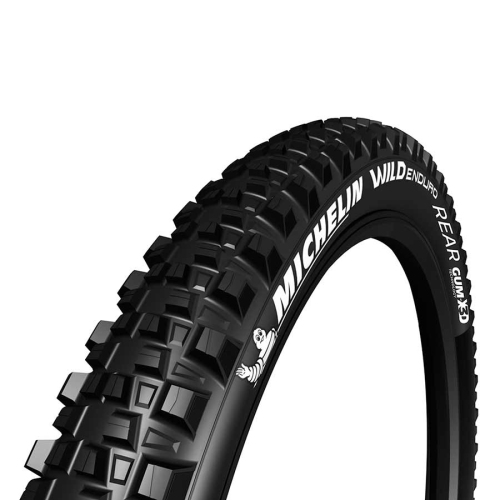 Your price for this item is $120.99
Discover more categories related to Biking Gifts
Top Collections:
Pokemon Centers, Kindle Devices, Best Budget Office Chairs, Apple iPhones 16, Canon G7X Cameras, iPhone 15 Apple, Alarm Clock, Refurbished Apple Laptops, Flip Phones, Best Laptops for Writers
Some products may be subject to Environmental Handling Fees
(EHF) depending on your province.
Learn more about EHFs.