Black Adirondack Chairs
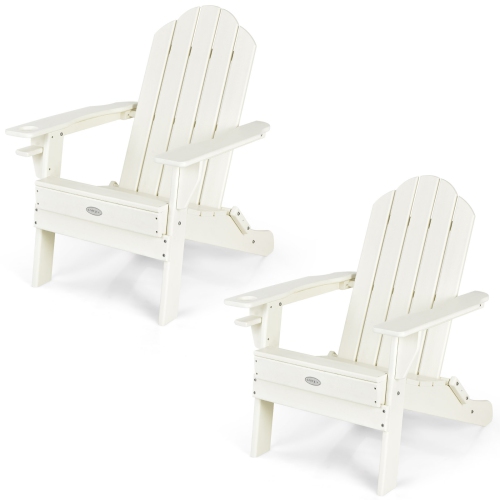
Black Adirondack chairs are a classic summertime staple. Adirondack chairs are designed to provide ergonomic support and a comfortable seating experience. Whether you're on the beach, in your backyard, or just hanging out at the local park, these chairs will provide hours of comfortable relaxation.
Sort


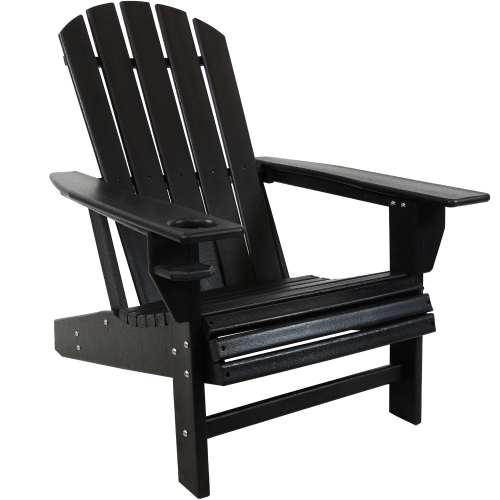

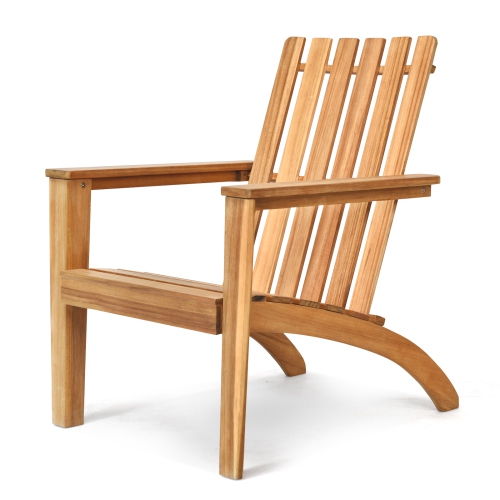
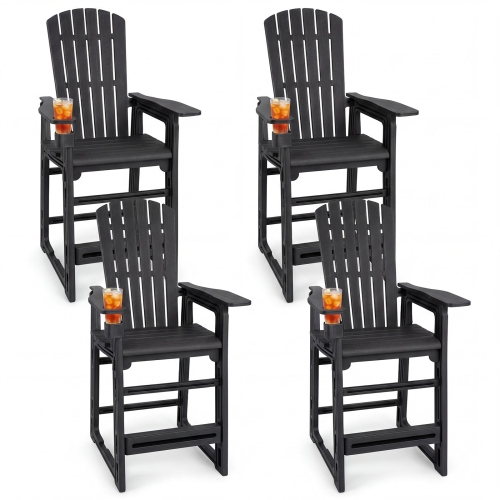
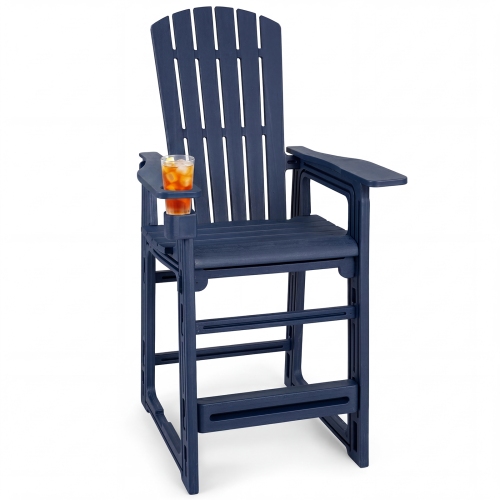



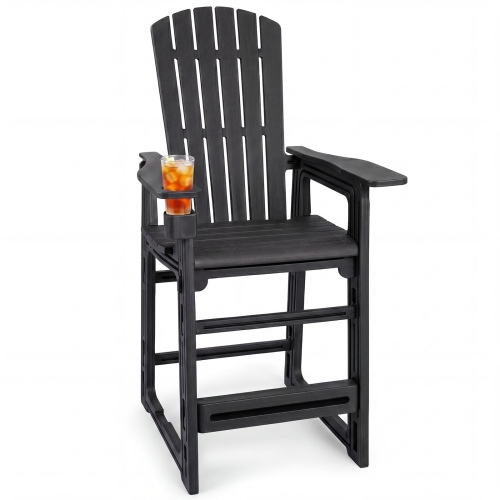


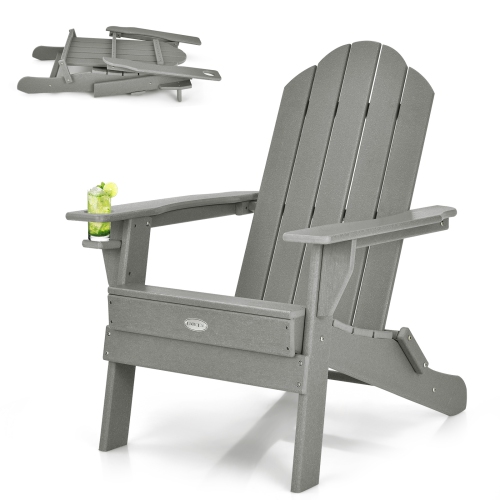

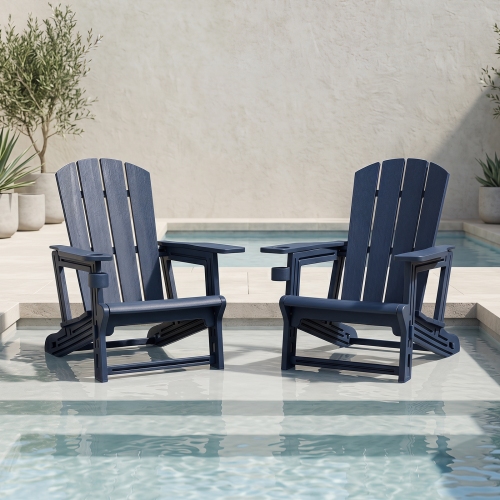
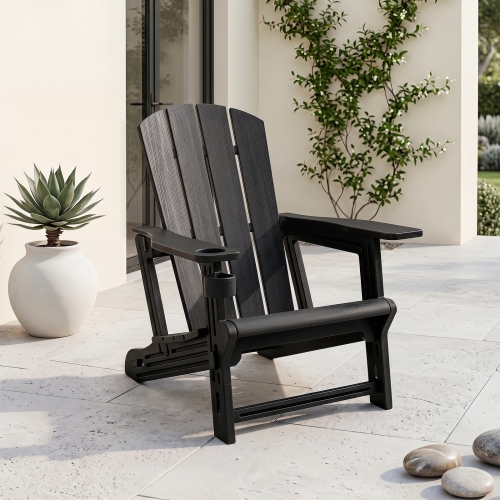

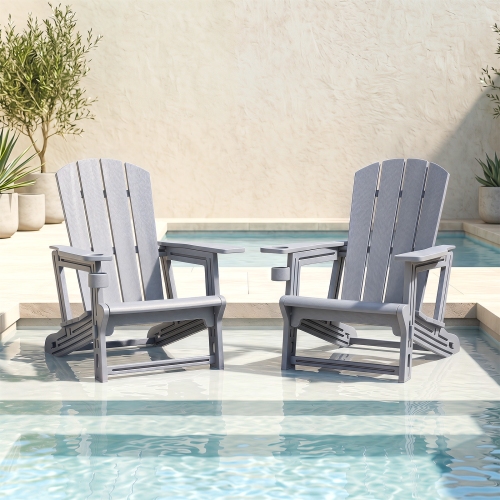
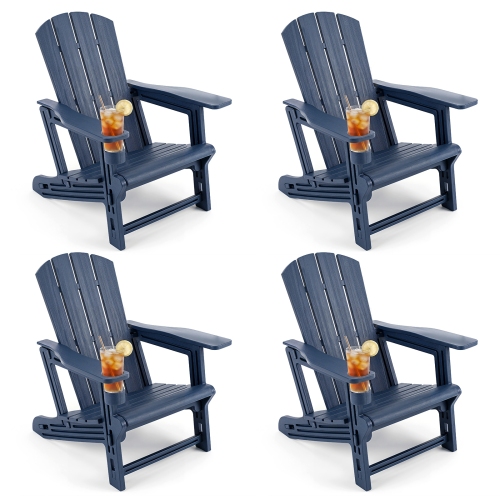
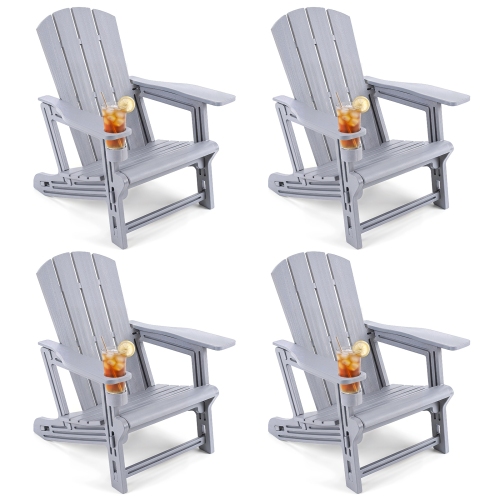
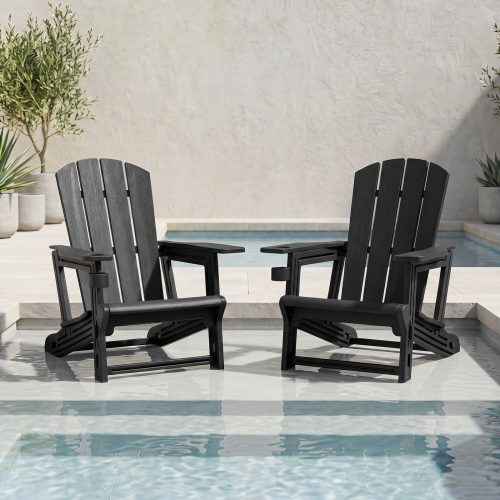

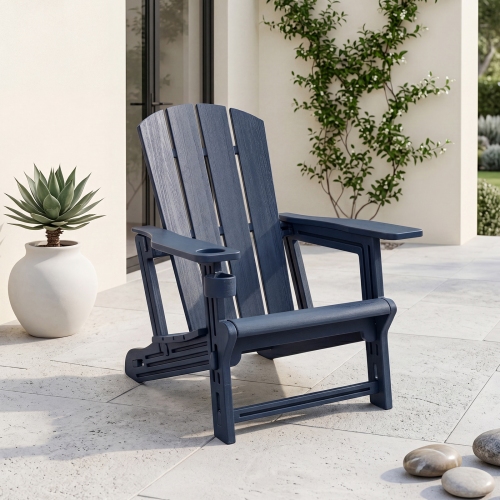
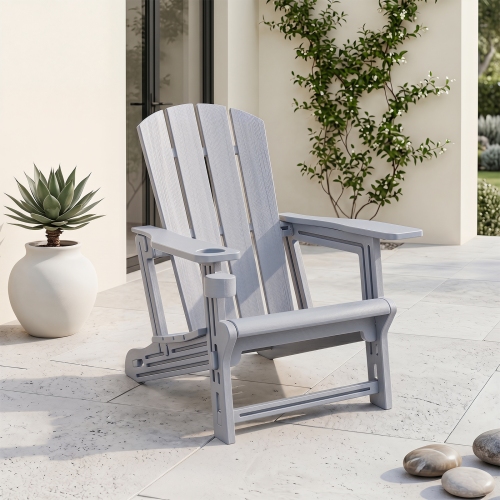


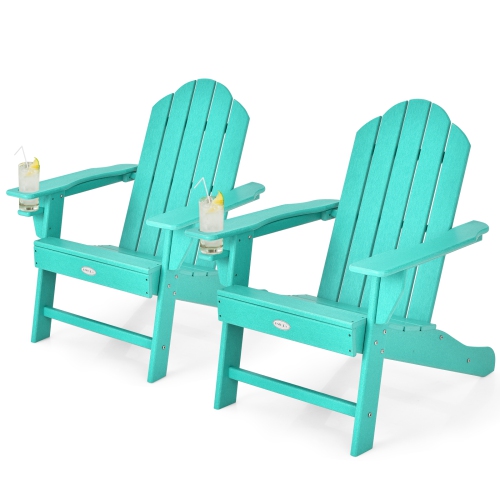


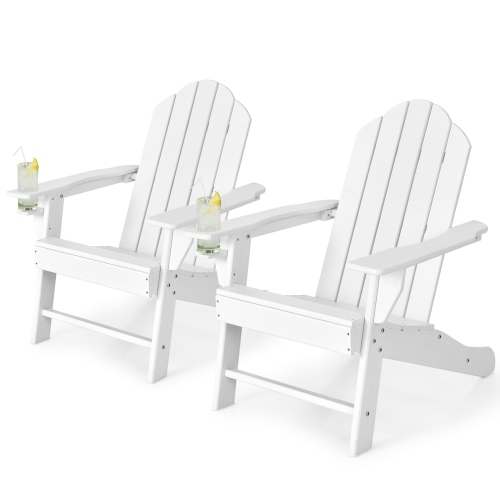
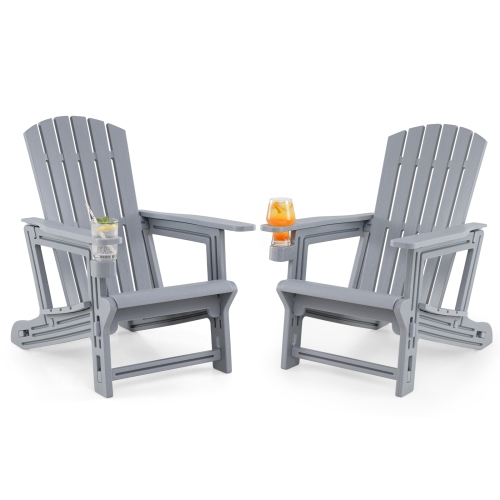
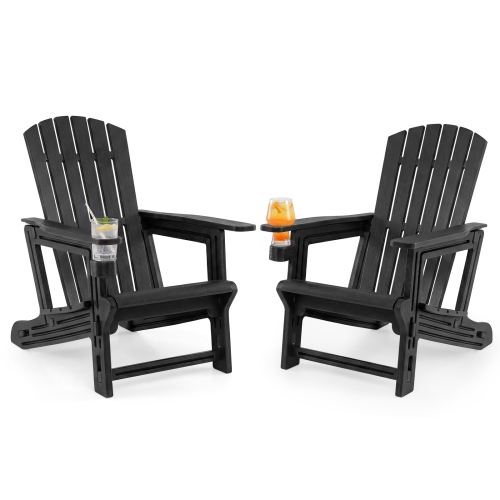
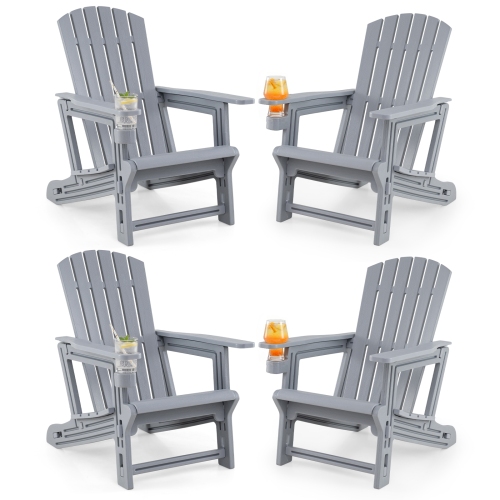
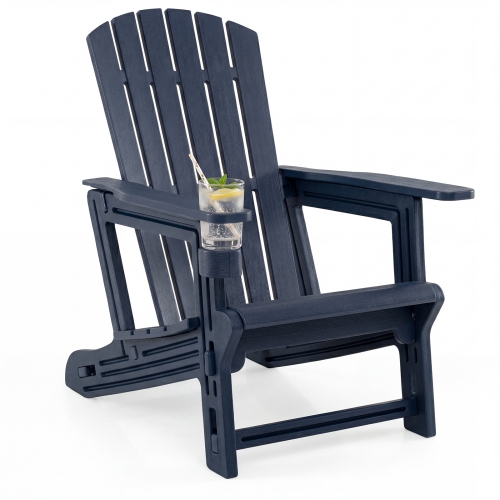
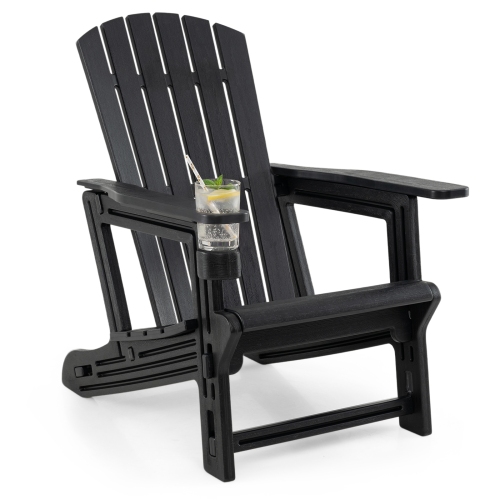
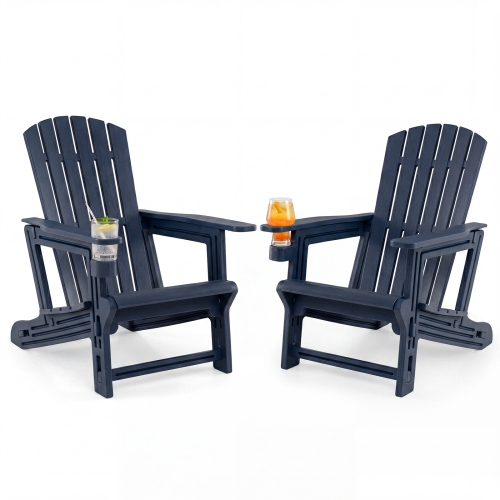
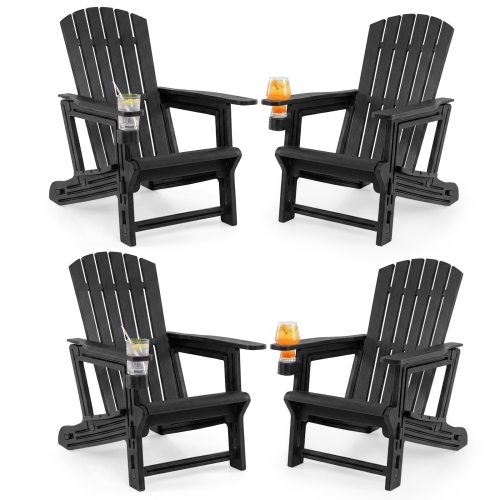
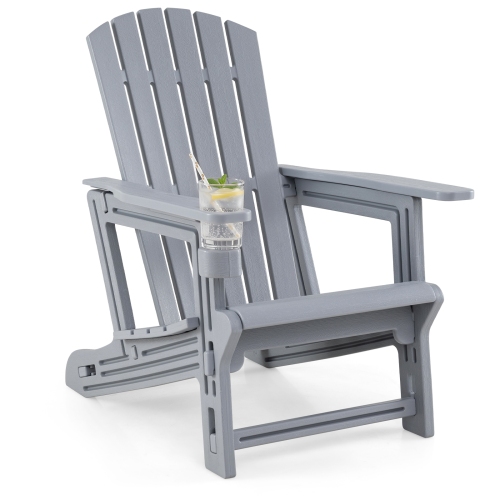
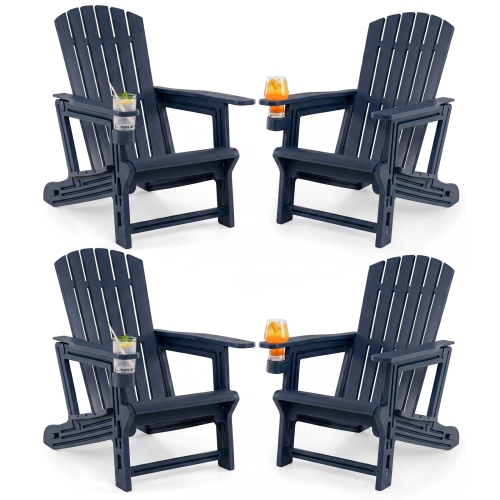


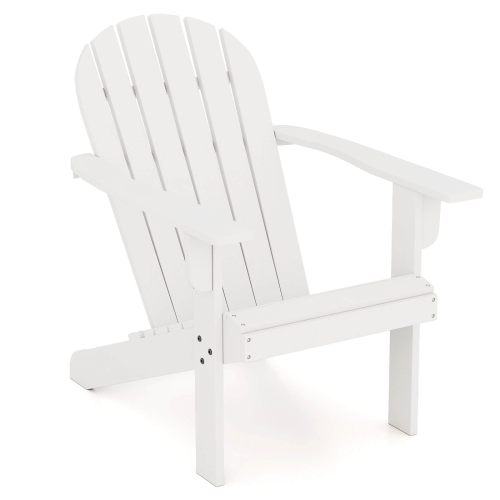


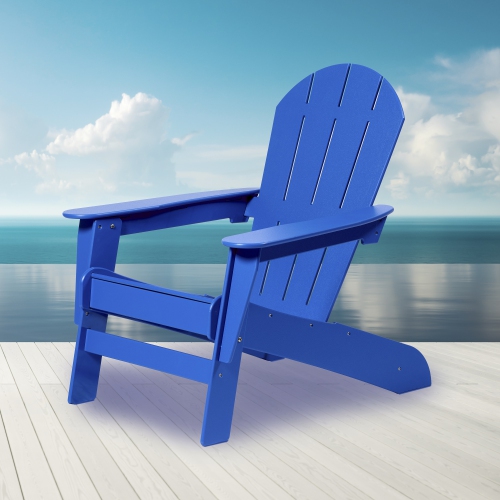


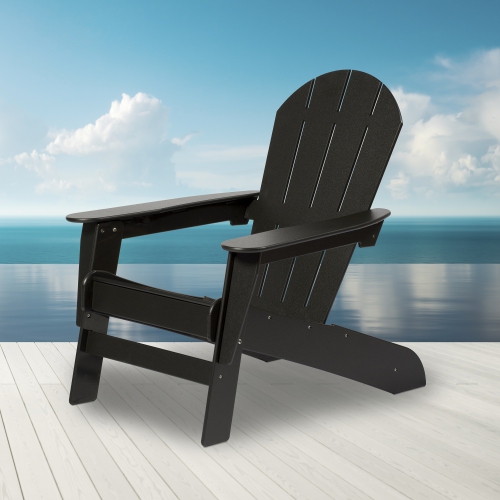
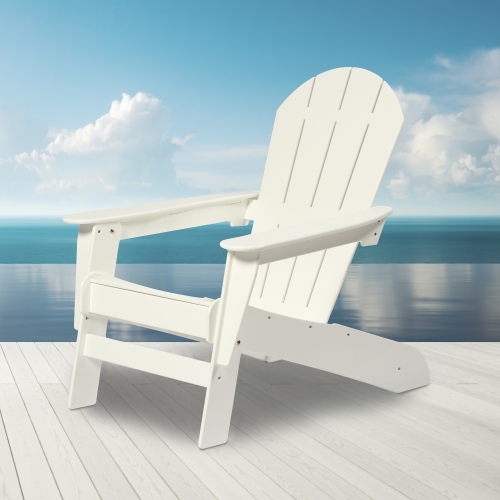
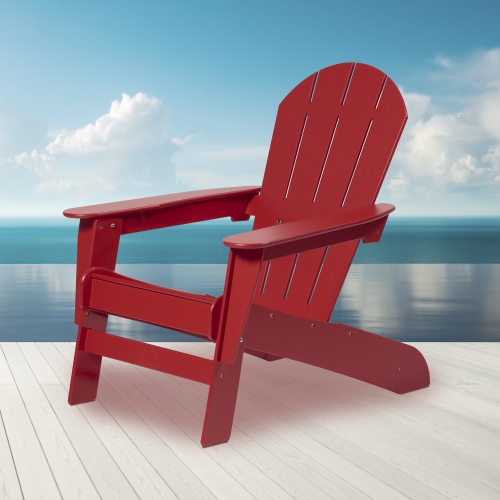


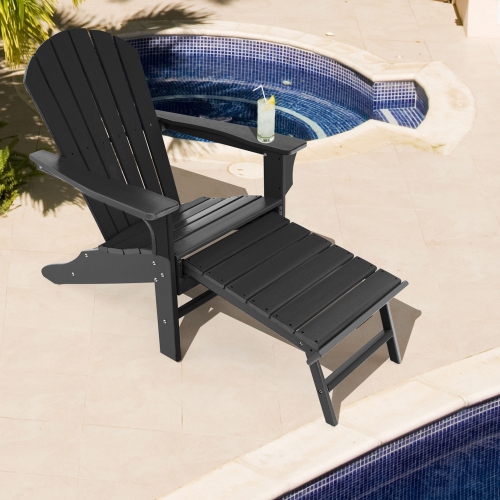


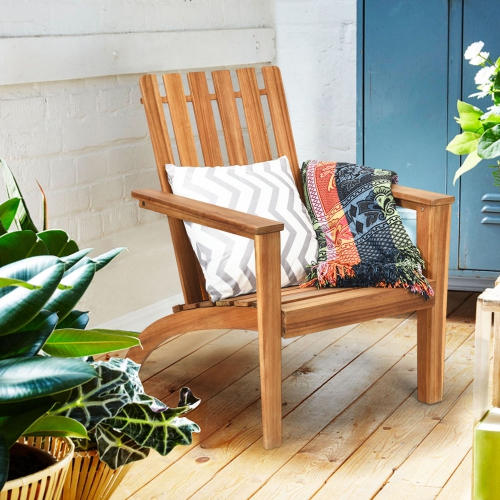


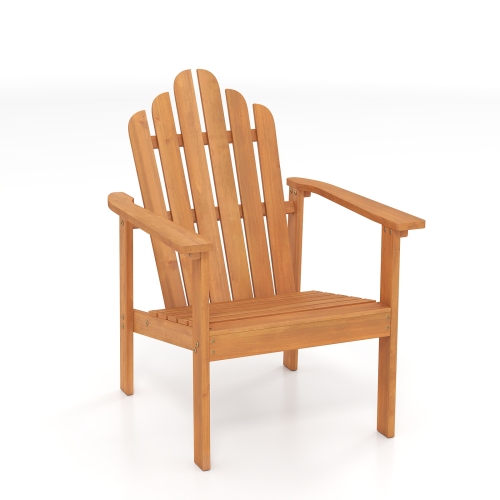


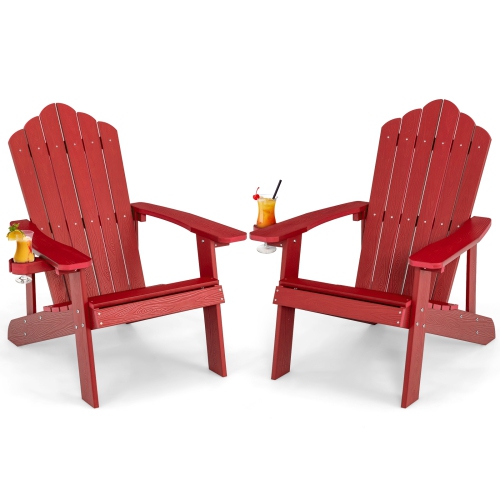


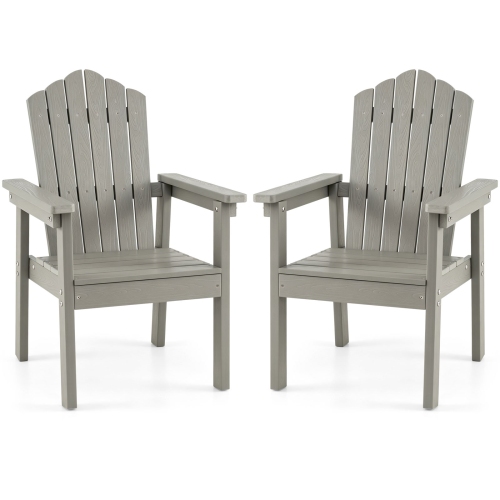


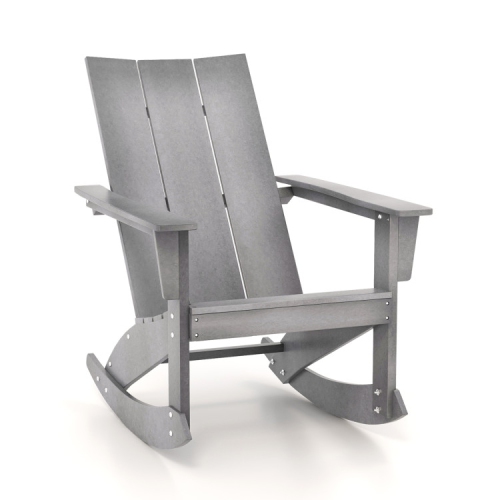


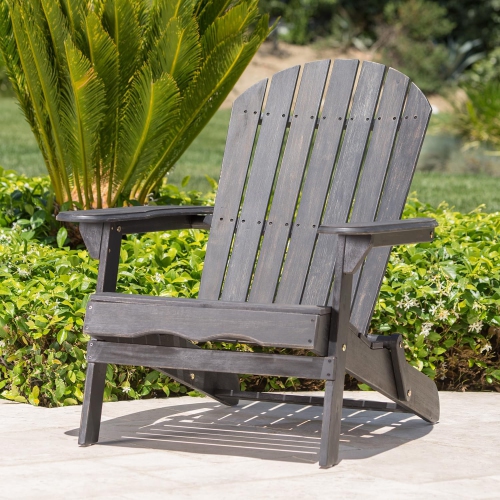


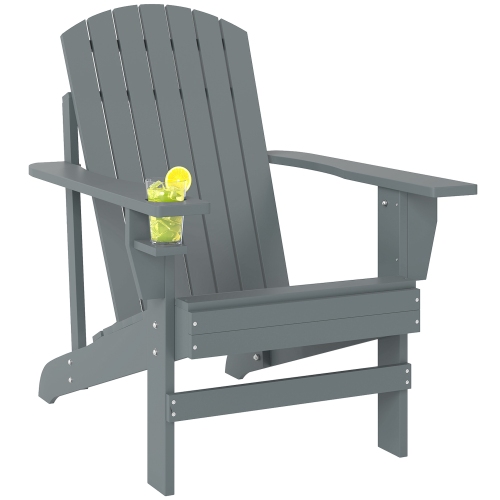
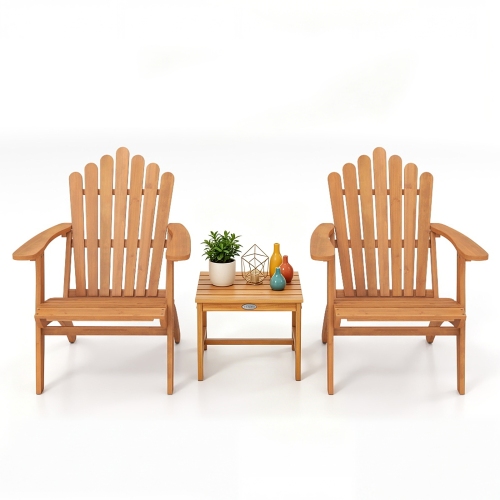

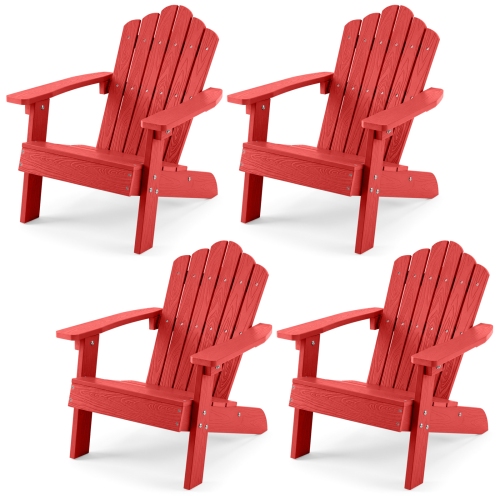
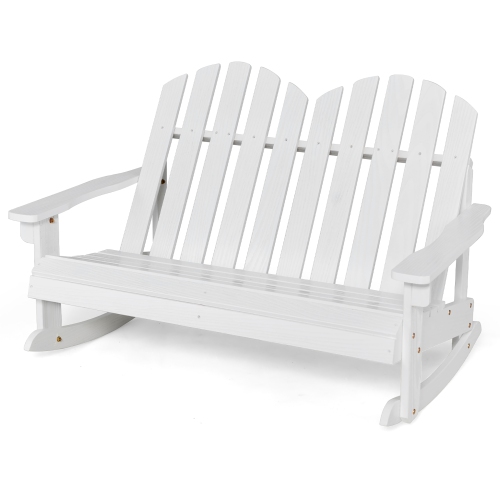
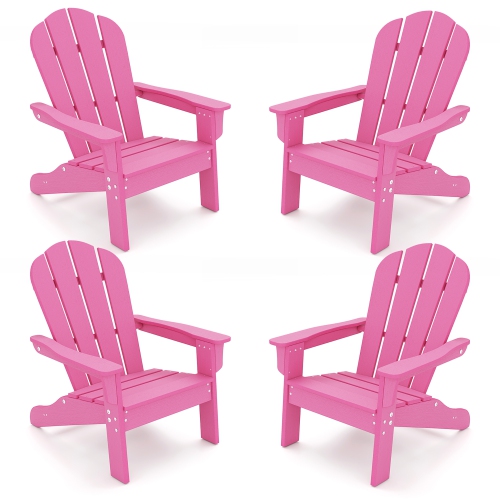

A cottage classic with a crisp black outline
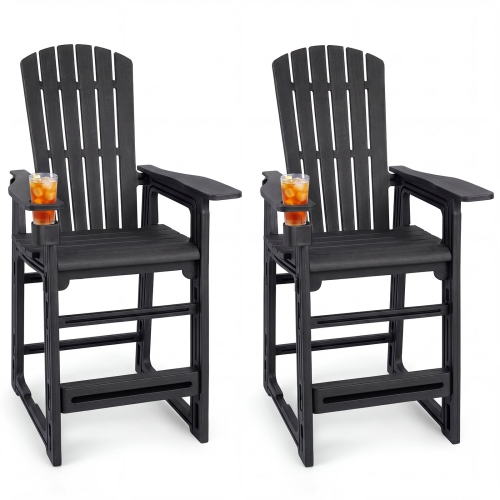
Black Adirondack chairs bring a distinctive silhouette to outdoor seating, pairing a tall, angled back with a broad seat and substantial armrests. The familiar shape invites a more relaxed posture than an upright dining chair, making it well suited to a quiet reading corner, a pair of seats overlooking a garden, or a gathering space on a deck. In Canada, this style is also closely associated with the Muskoka chair, although proportions and details vary between designs. Black gives the traditional form a crisp outline that works alongside natural wood, pale stone, brick, and metal railings. Against a light-coloured patio, the contrast can make each chair feel like a deliberate part of the layout; against darker siding, the same finish can create a quieter, more unified look. Curved backs and rounded arm ends lean towards a classic cottage feel, while straight slats and squared edges suit contemporary spaces. A matching pair can frame a small side table without requiring a full lounge set, and a wider grouping gives family and friends individual seats with room to settle in. Black also provides a neutral base for cushions in muted linen tones, rich colours, or simple stripes, so the seating can complement existing textiles rather than dictate the whole palette. For spaces with warm wood accents, comparing black finishes with Brown Adirondack Chairs can help clarify whether contrast or a closer tonal match feels right. These chairs are primarily lounge seating, not substitutes for dining chairs: their low position and reclined backs generally work best beside a low table rather than beneath a standard dining surface. That distinction matters on smaller patios, where every piece needs a clear purpose. A comfortable place for a morning coffee, an audiobook, or a long conversation can be more useful than a large arrangement that leaves little room to move.
Material makes a noticeable difference to the feel, weight, and upkeep of black Adirondack chairs. Wood brings grain, texture, and a solid furniture-like presence, with a painted or stained black finish that may reveal more or less of the surface beneath it. Its long-term appearance depends on the wood species, construction, finish, and care it receives. Painted surfaces may eventually need touch-ups where arms, edges, or feet show wear, while joints and exposed end grain deserve attention during routine checks. High-density polyethylene, often called HDPE, is another material used for this style. It can have a substantial feel and a textured surface that resembles painted wood, without requiring the same refinishing routine. Moulded plastic versions can be lighter and simpler to move, although thickness, reinforcement, and construction affect how firm the seat feels. The material name alone does not establish strength: stated weight capacity, joint design, and the way the legs support the reclined seat are more meaningful details. Metal frames paired with slatted seats or backs offer another approach, with the condition of the protective finish and the quality of the hardware contributing to durability. For outdoor use, resistance to moisture and fading is worth checking in the chair’s specifications rather than assuming that every black finish performs alike. Colour running through a material may make minor scuffs less conspicuous than damage to a surface coating, but no finish is entirely immune to marks. Black surfaces can also make pale dust and pollen quite visible. Routine care often involves a soft cloth or brush, mild soap, and a thorough rinse, subject to the manufacturer’s directions. Abrasive pads, harsh cleaners, and pressure washing can damage some surfaces. Allowing chairs to dry before covering them, clearing debris from between slats, and checking accessible fasteners can help maintain both appearance and stability. Protective feet can reduce scraping on suitable surfaces, while moving a chair by lifting rather than dragging helps protect its legs, joints, and finish.
Comfort depends as much on proportions as on the Adirondack shape itself. A deeply reclined back and low seat can feel wonderfully restful to one person but make standing up awkward for another, particularly anyone with limited knee or hip mobility. A higher seat, a gentler recline, and firm armrests may be a better fit when easier entry and exit matter. Seat width should leave comfortable room at the hips, while seat depth should support the thighs without pressing behind the knees. Back height and contour also affect where support lands across the shoulders. Overall width is often greater than expected because the armrests extend well beyond the seat, so the usable footprint includes more than the space between the legs. On a balcony or compact deck, room behind the angled back and a clear path in front are just as important as fitting two chairs side by side. A broad, level base helps keep all feet properly supported; uneven paving or soft ground can make a chair feel unstable even when its construction is sound. Cushions can soften a firm seat, but their shape and thickness should suit the chair rather than push the sitter too far forward. Secure ties help keep a cushion positioned, and removable covers make regular cleaning more manageable. A separate footrest changes the sitting position again and needs enough floor space to avoid obstructing a walkway. Folding designs can be useful when seating needs to move between locations or fit into storage, though chair weight, folded dimensions, and locking mechanisms still matter. Rocking versions need clearance for their full range of movement, while fixed-leg chairs suit layouts where a consistent position is preferable. For a housewarming or cottage gift, dimensions and the recipient’s preferred sitting position are more useful considerations than appearance alone. Whether arranged as a single retreat beside a planter or grouped for conversation, black Adirondack chairs work best when their scale, support, and care requirements suit the people and the space they are meant to serve.
Top selling and popular products
-
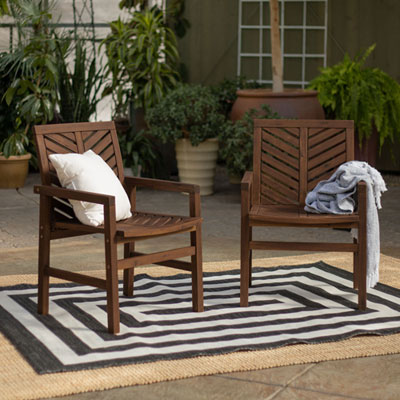 Your price for this item is $604.99
-
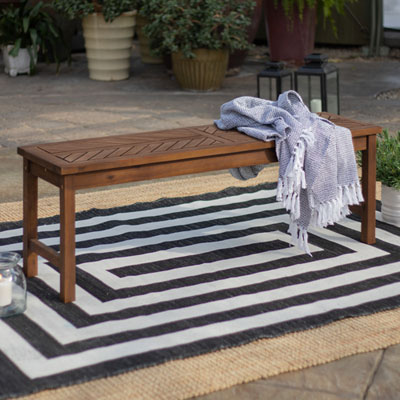 Your price for this item is $371.99
-
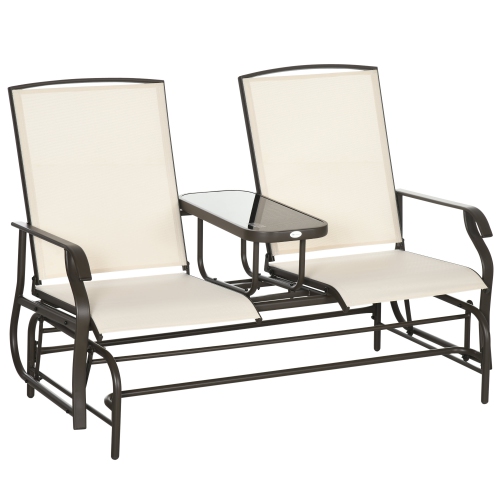 Your price for this item is $209.99
-
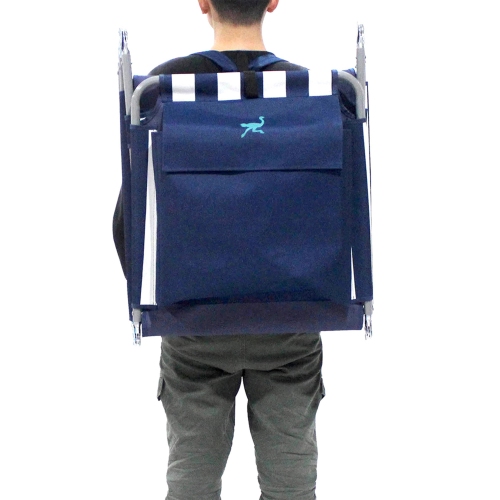 Your price for this item is $174.99
-
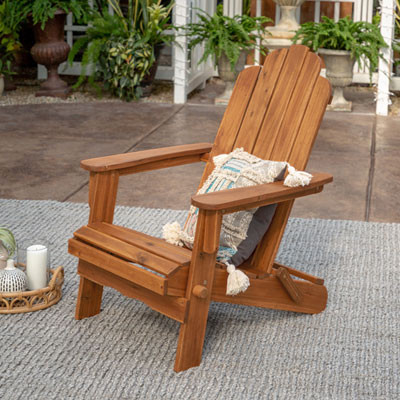 Your price for this item is $461.99
-
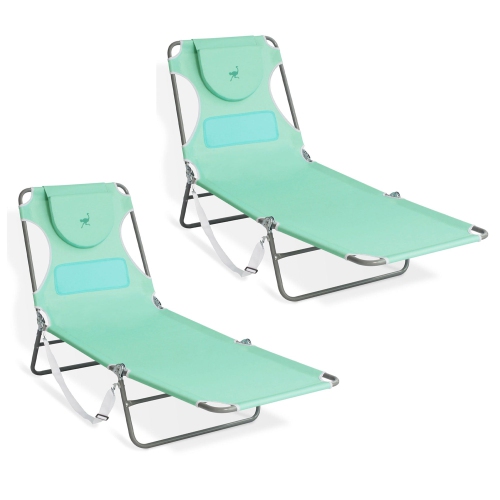 Your price for this item is $335.99
-
 Your price for this item is $170.99
-
 Your price for this item is $205.99
Discover more categories related to Black Adirondack Chairs


Top Collections:
Pokemon Centers, Best Cameras for Sports Photography, Kindle Devices, Samsung Galaxy Phones, Canon G7X Cameras, Pokémon 30th Celebration Cards, Refurbished Apple Laptops, iPhone 15 Apple, Laptops for Students, Budget Smartphones
Some products may be subject to Environmental Handling Fees
(EHF) depending on your province.
Learn more about EHFs.