Black Contemporary Desks
A contemporary desk is a popular choice for home offices. It's a good option for those who want to add a modern touch to their space without going overboard. These desks are available in many different styles, so you can find one that matches your personal style and home decor. Here are some great black options on the market.
Sort
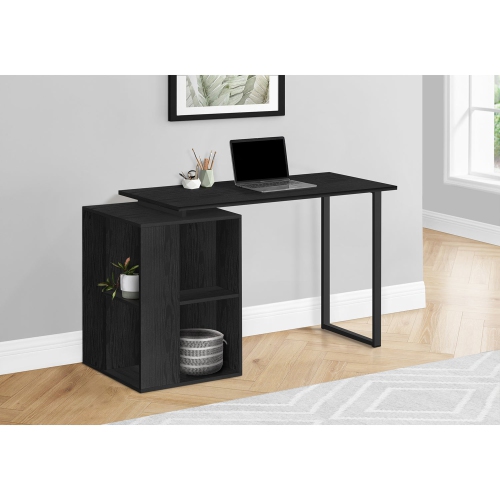
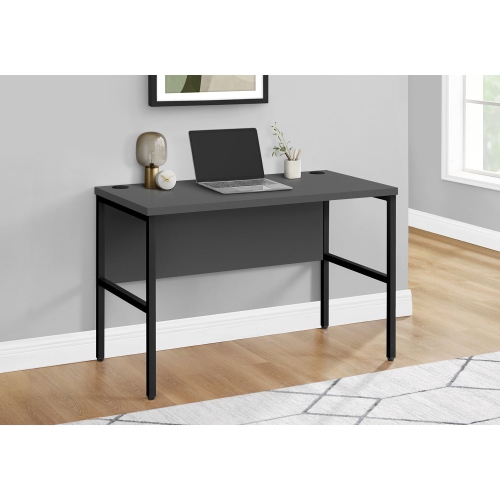

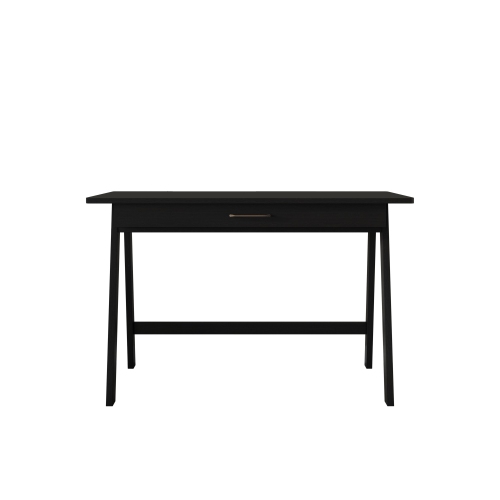
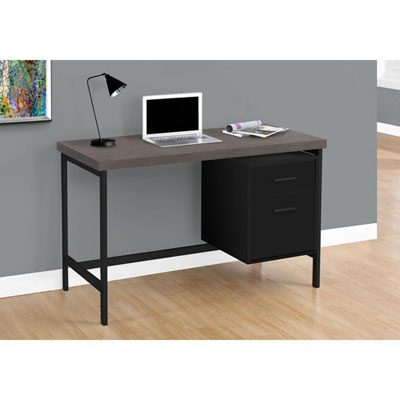
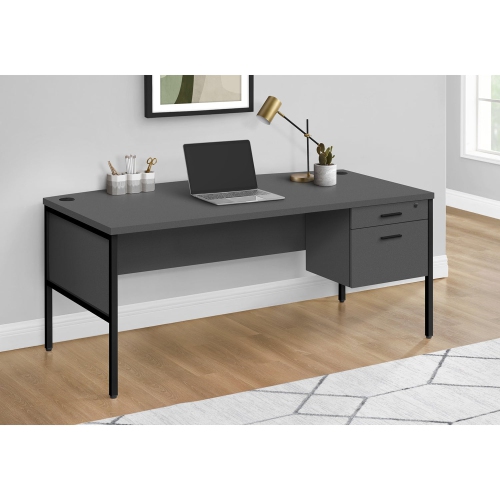
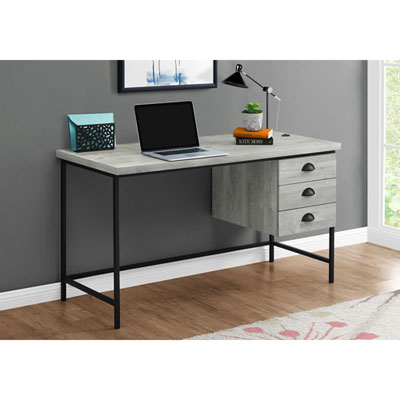
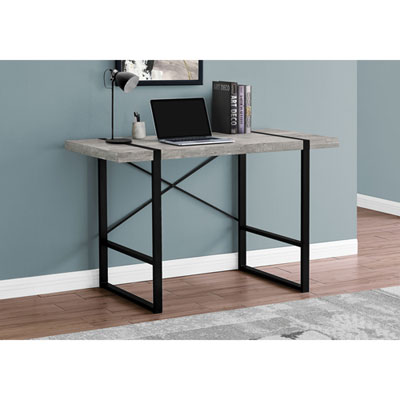
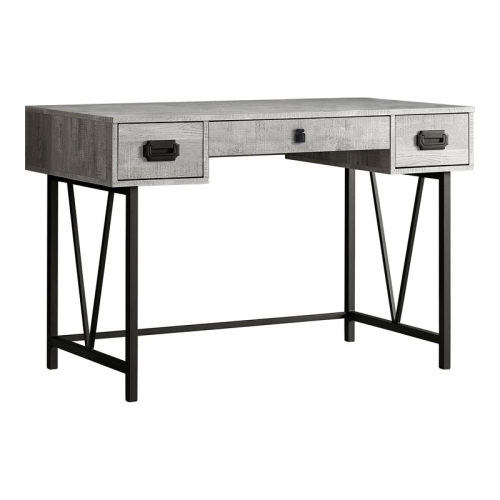
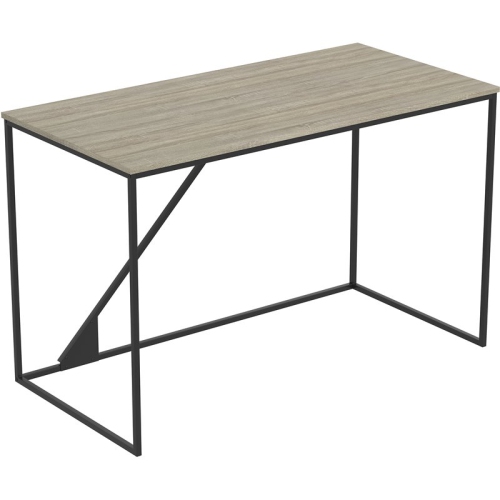
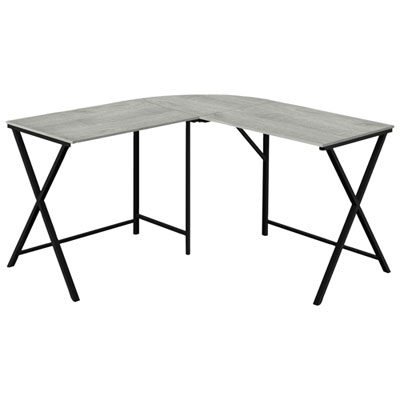
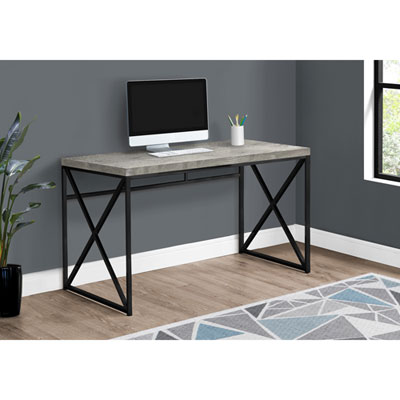
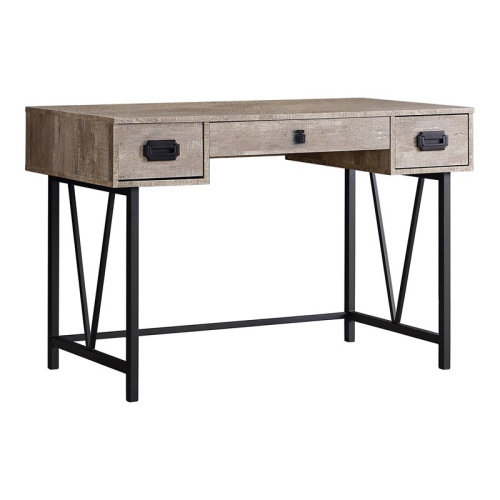

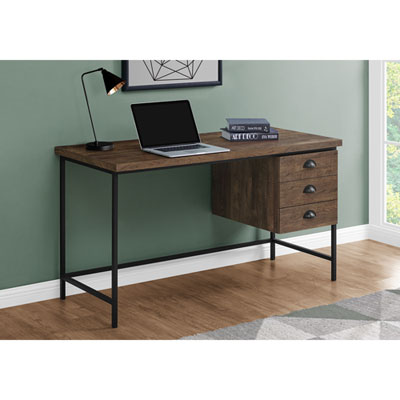
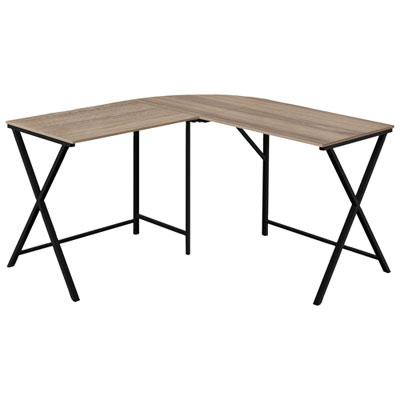
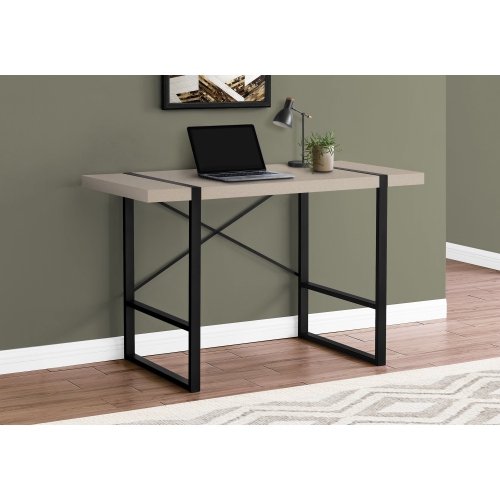
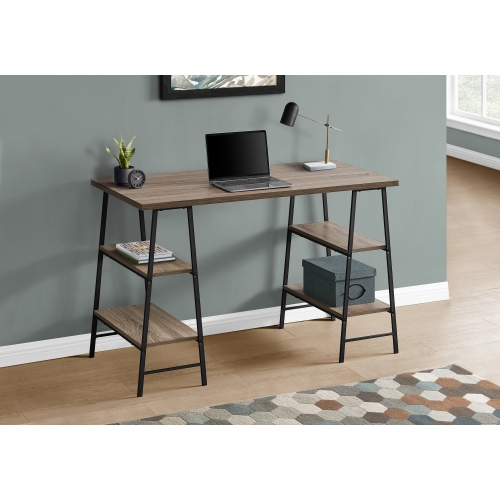


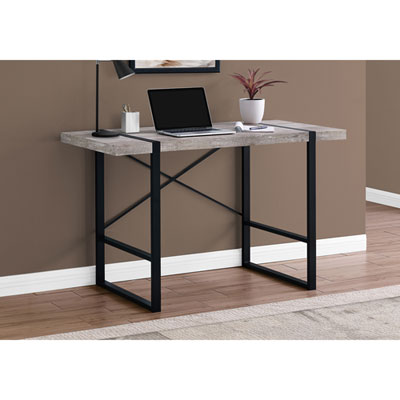
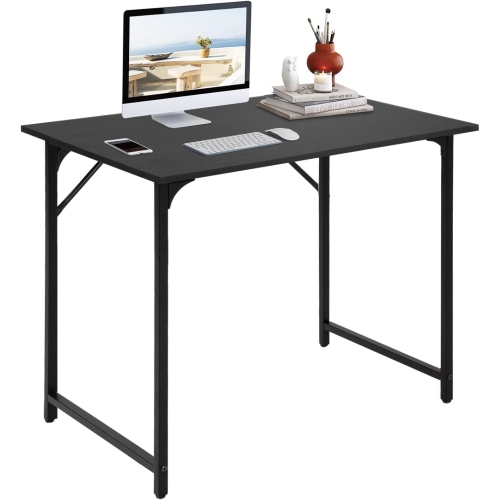
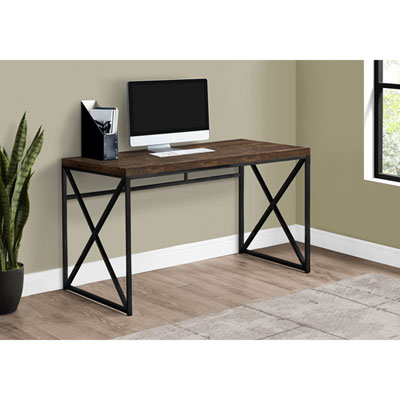
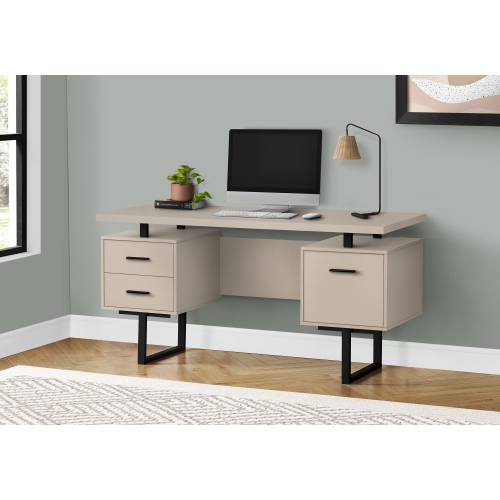
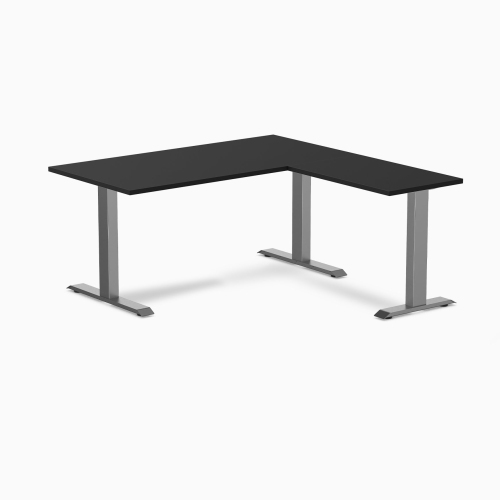
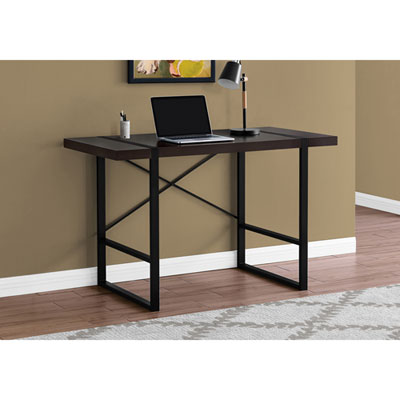

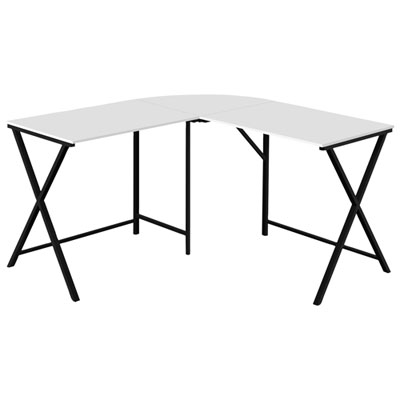
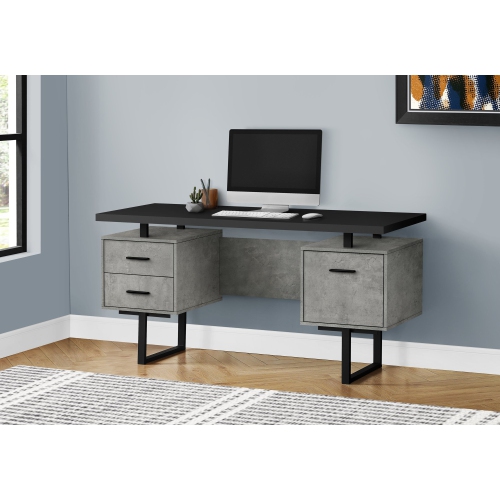
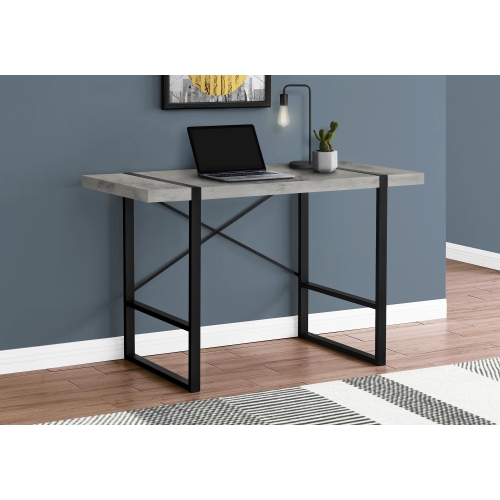
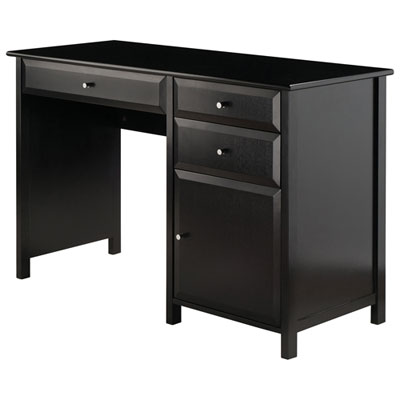
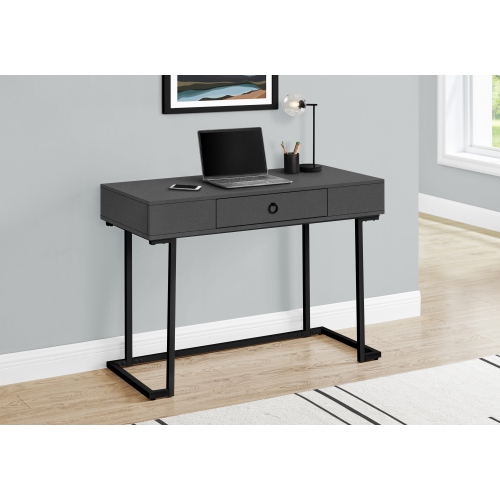
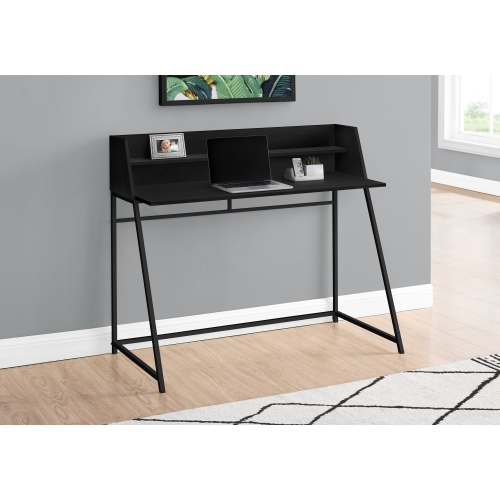
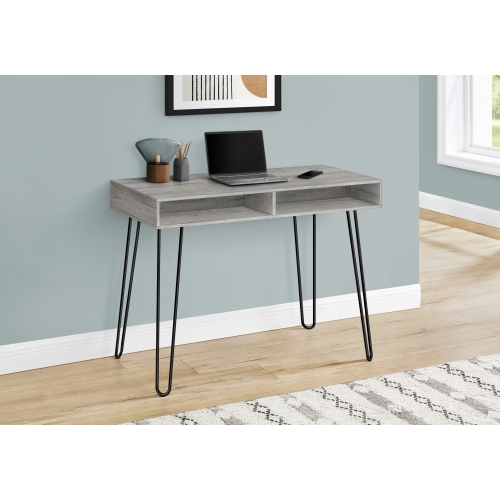
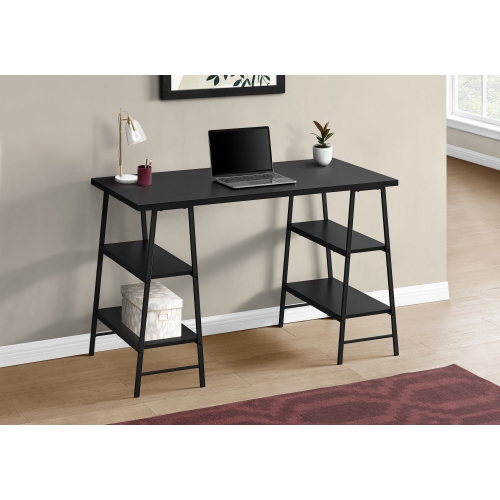
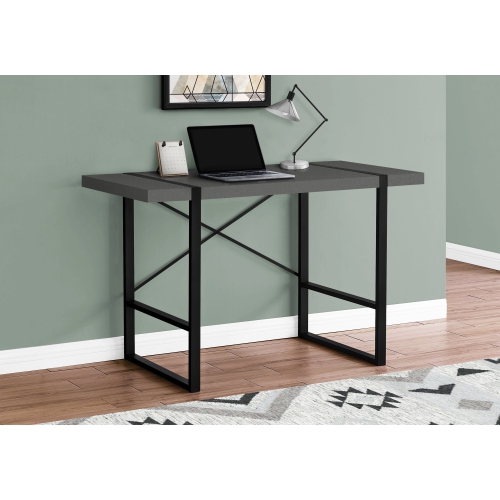
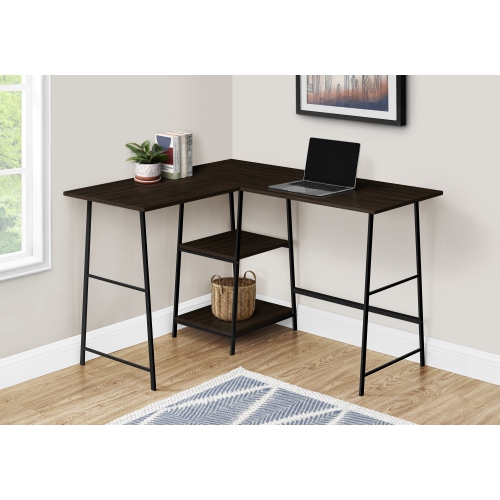
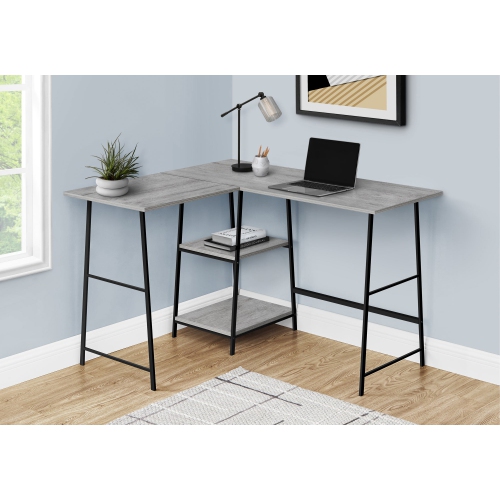


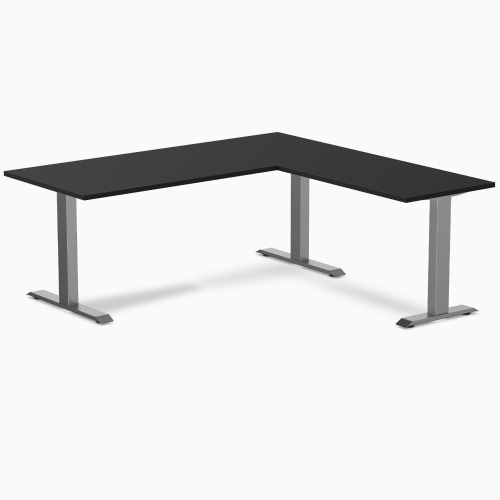
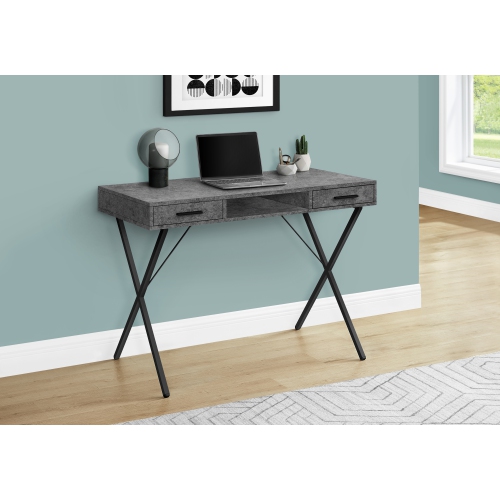
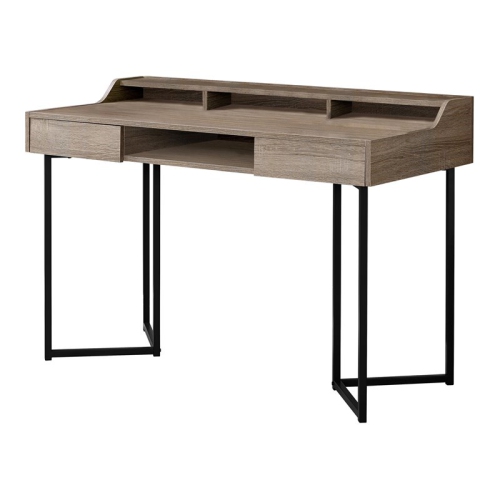
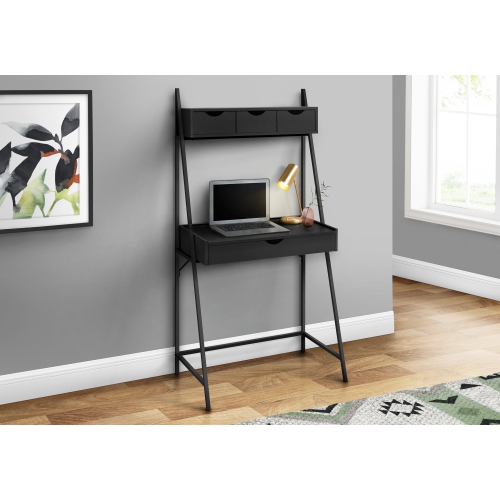
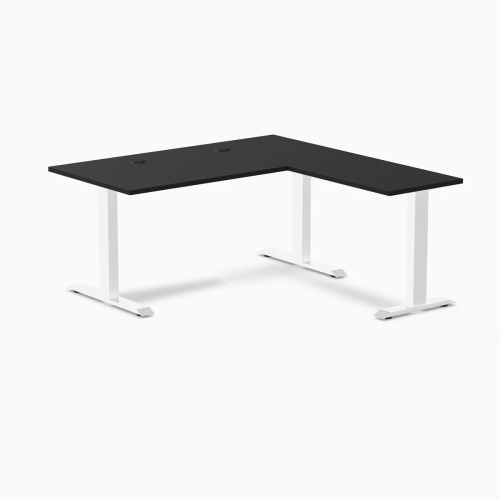
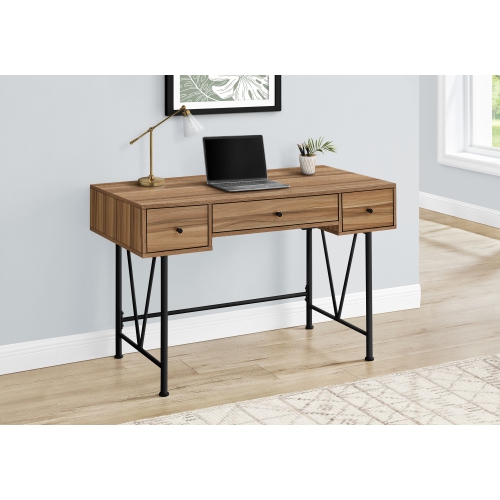
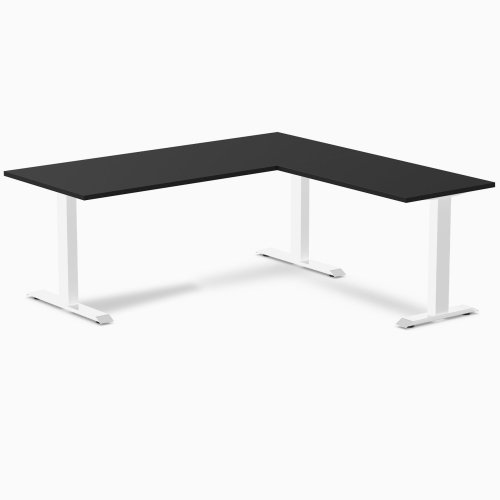

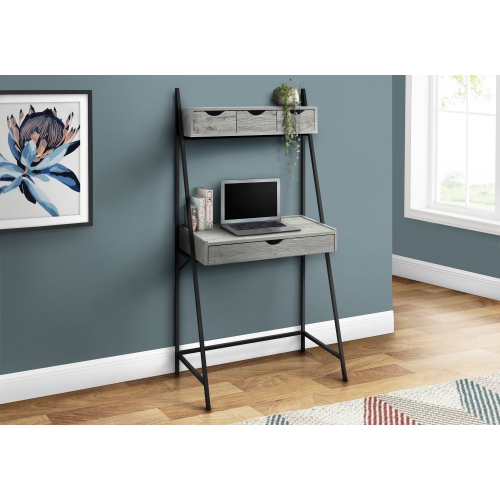
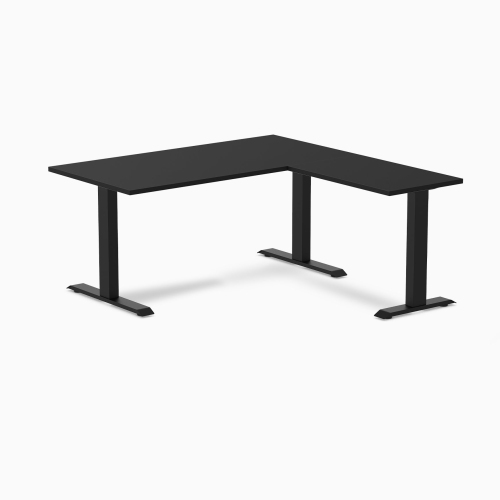
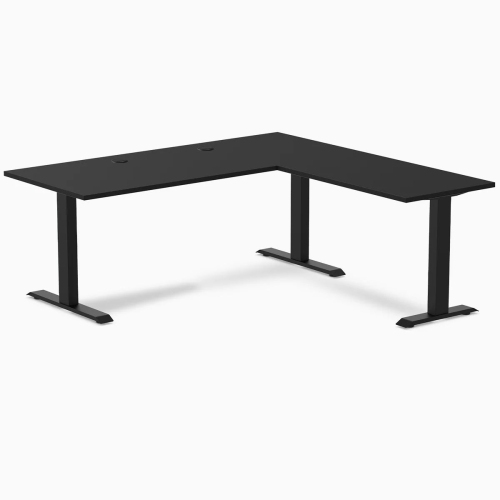
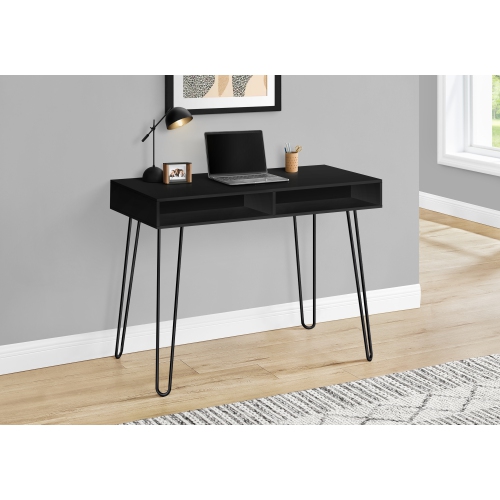
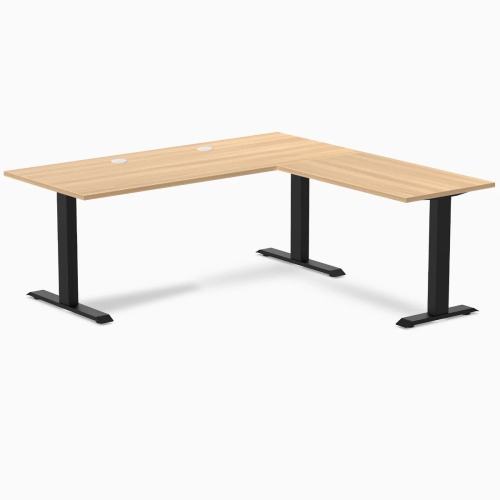
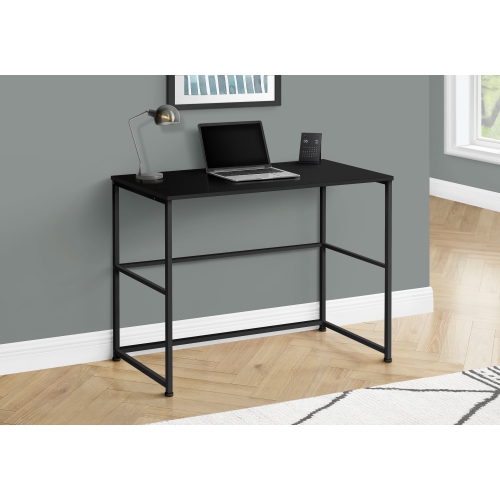
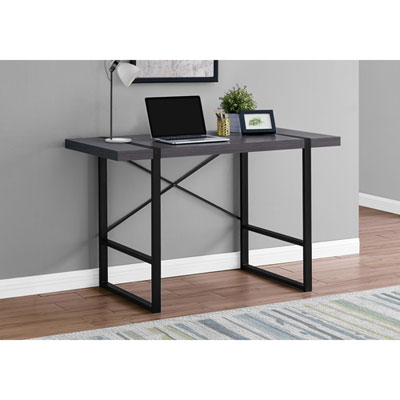
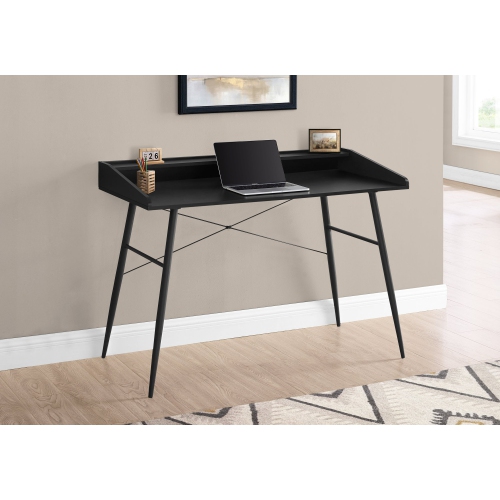

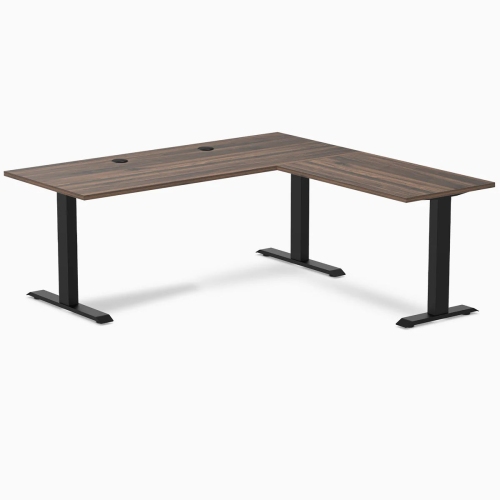
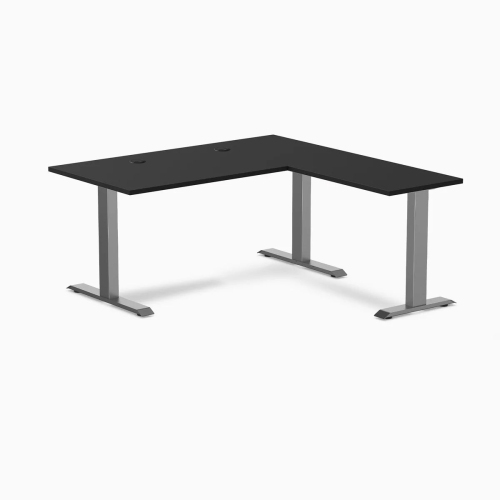
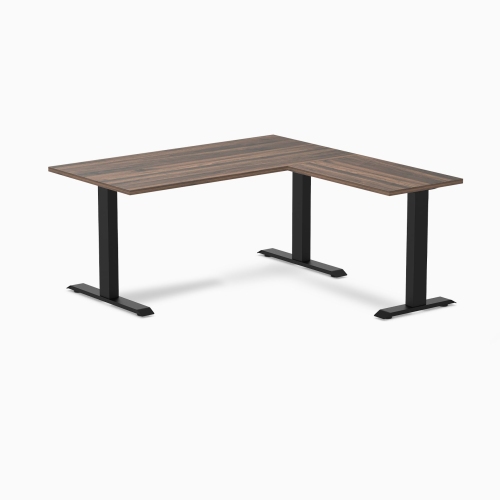
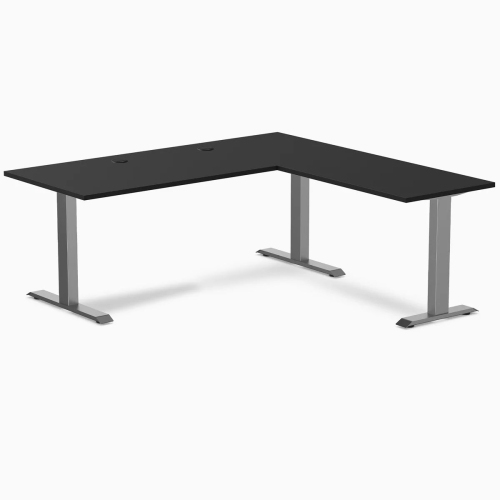
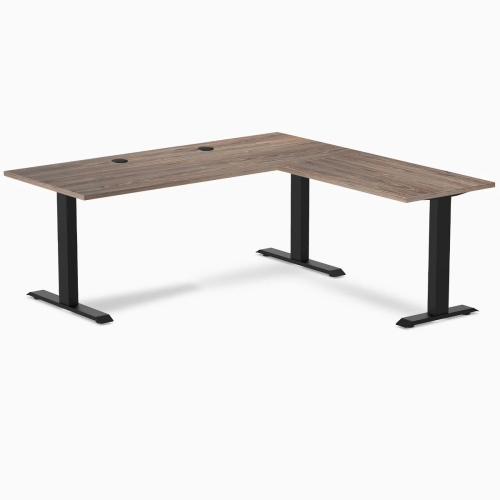
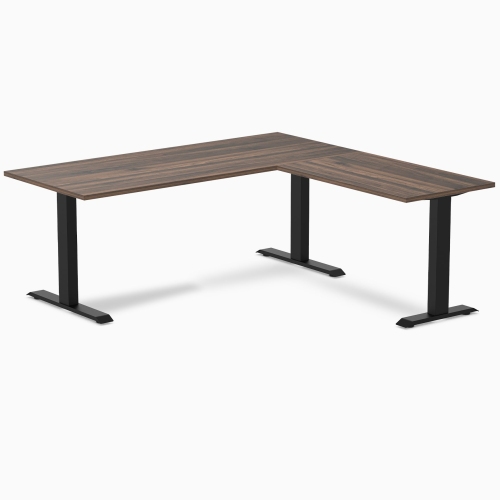
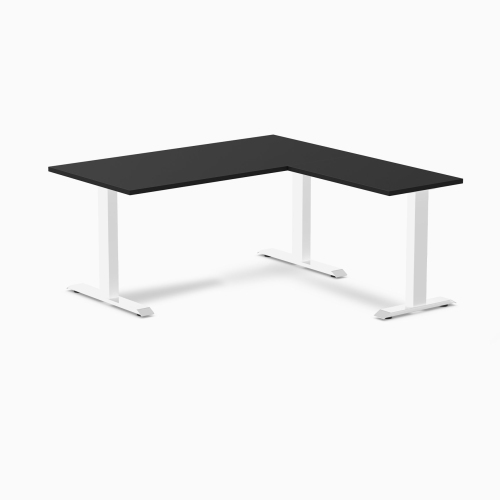
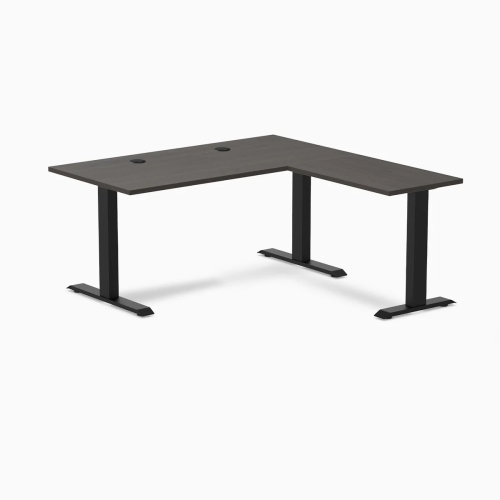
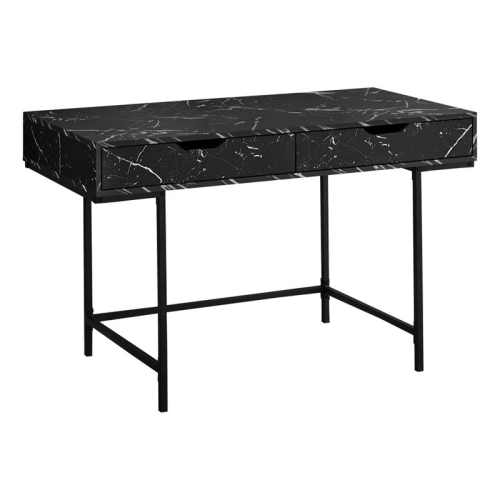
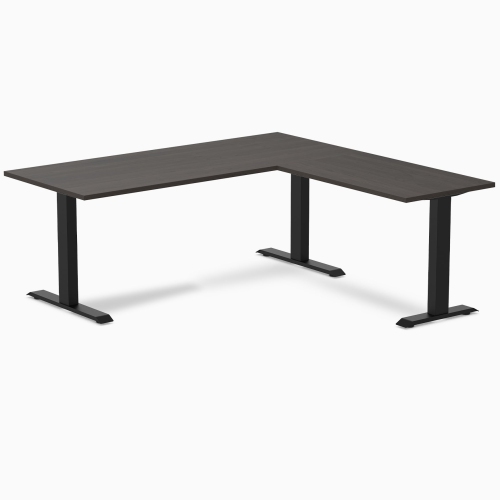
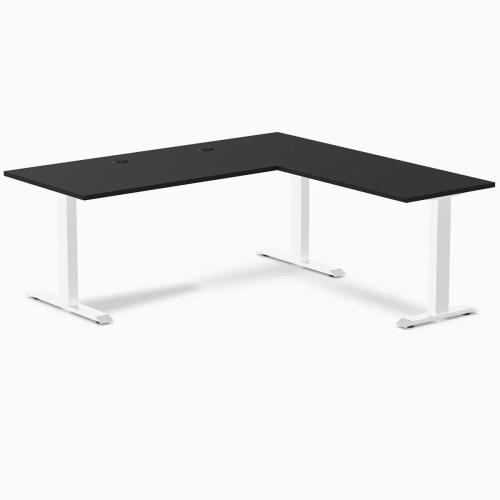
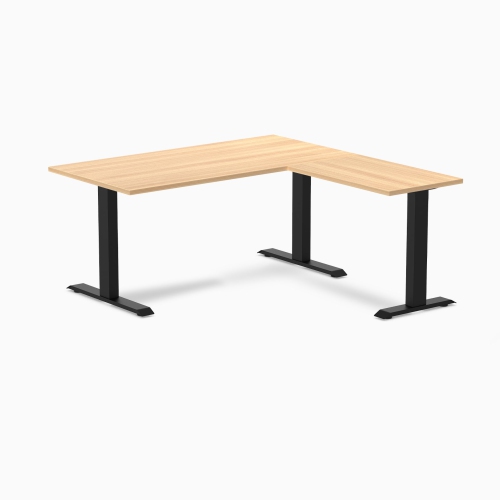
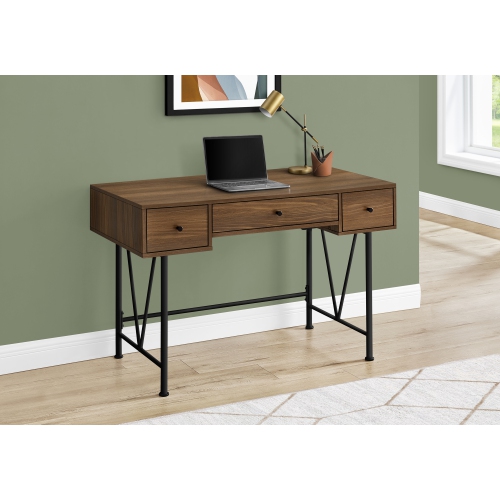
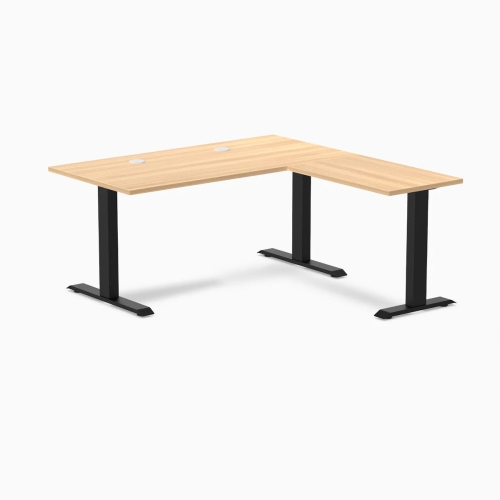
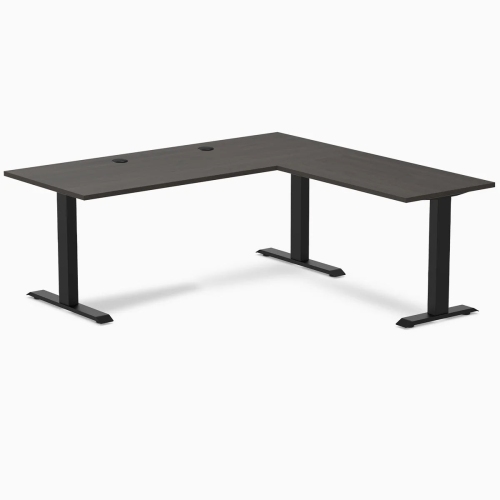
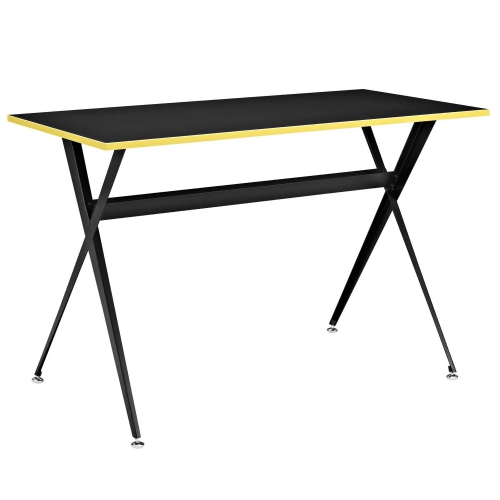
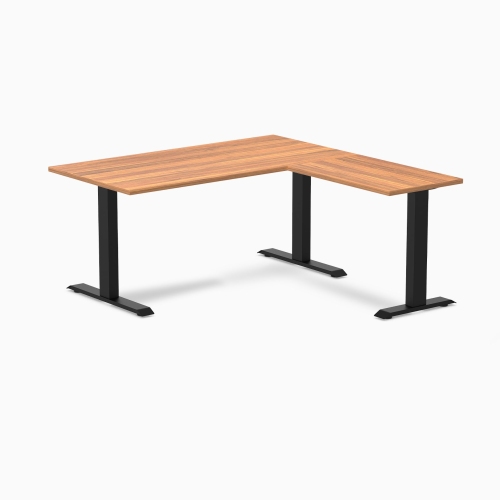
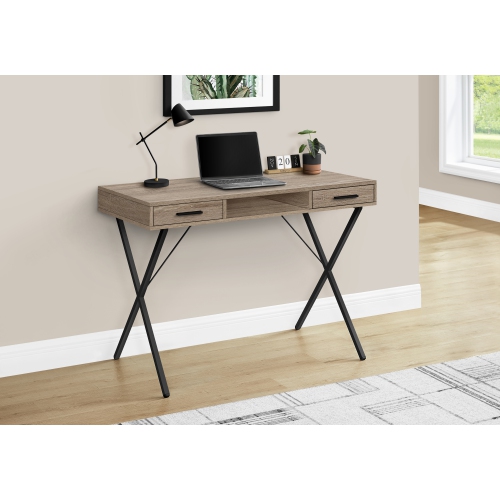
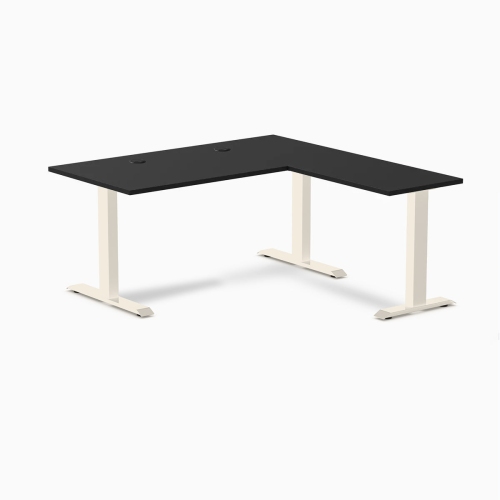
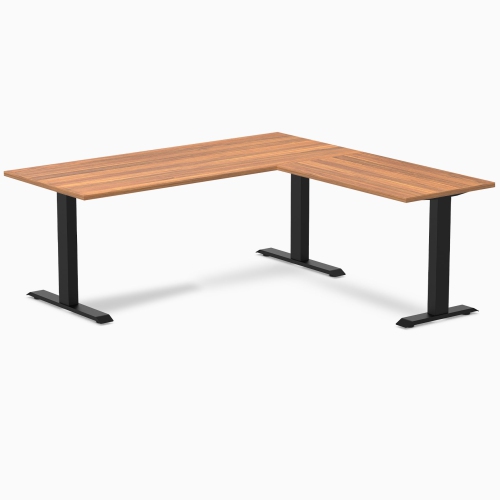
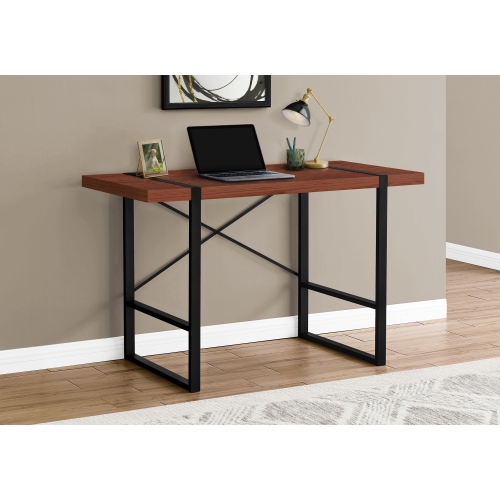
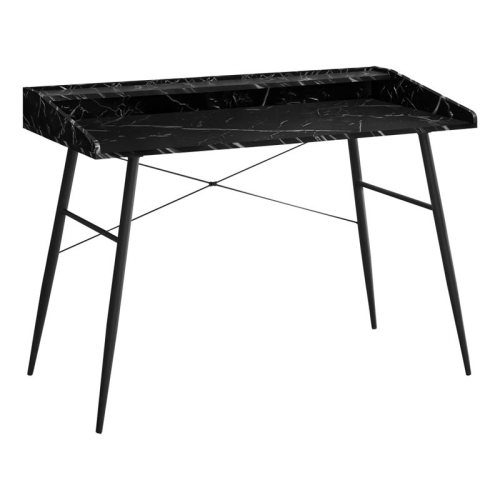
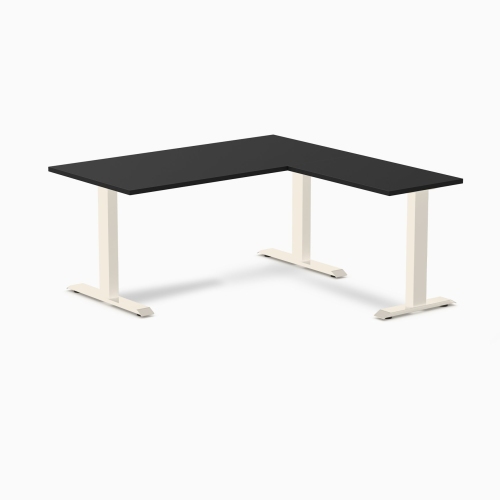
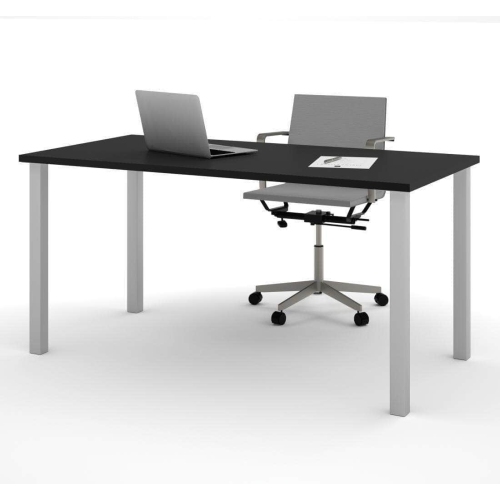
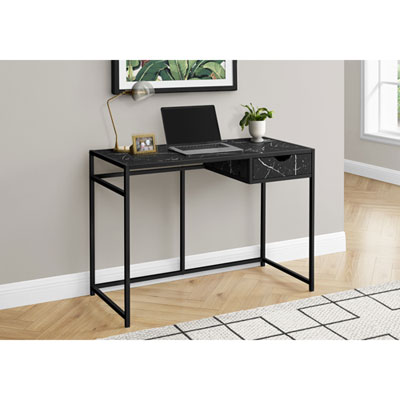
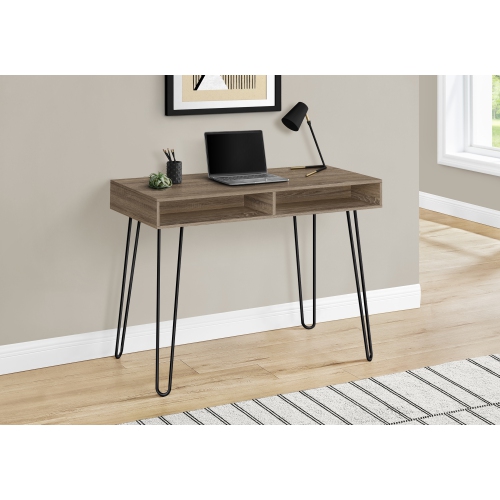
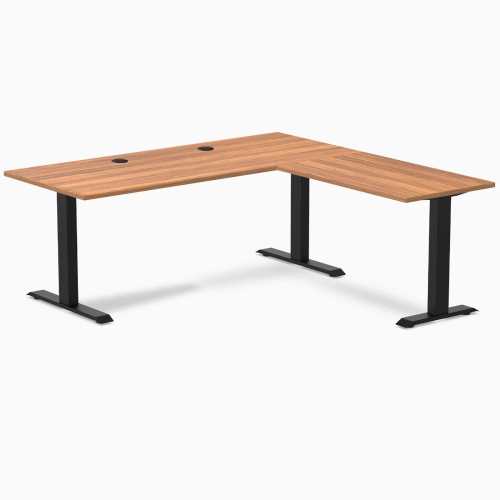
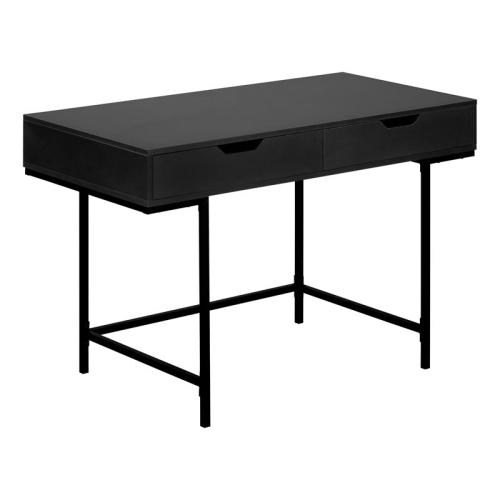
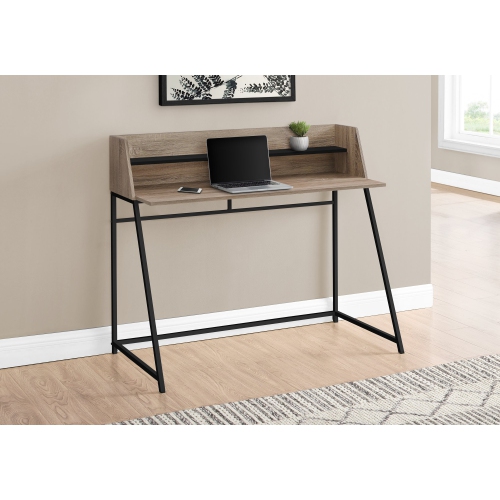
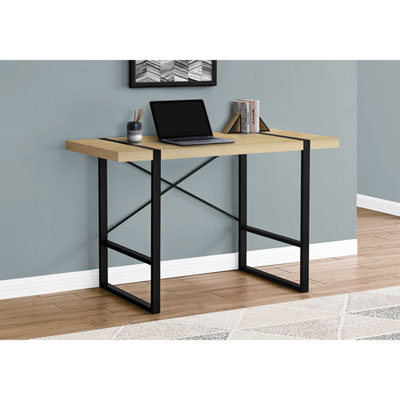
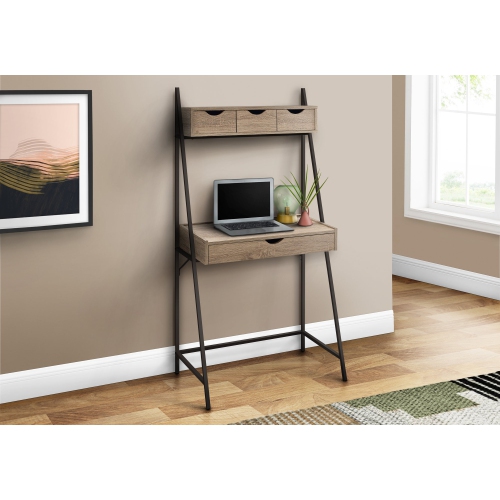
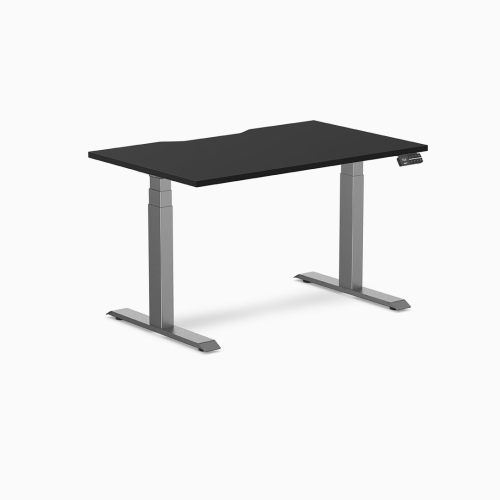

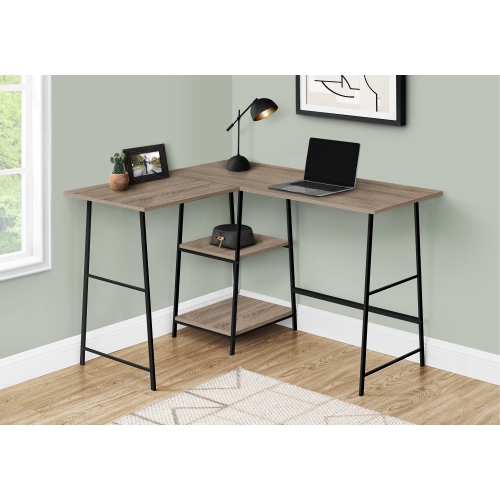
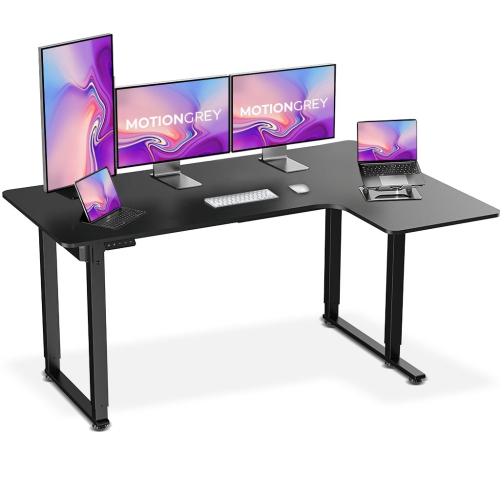

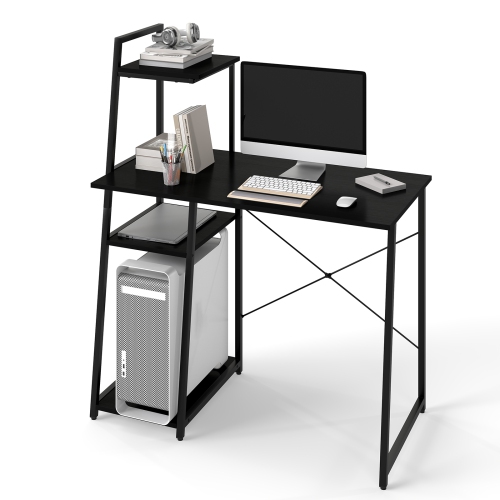
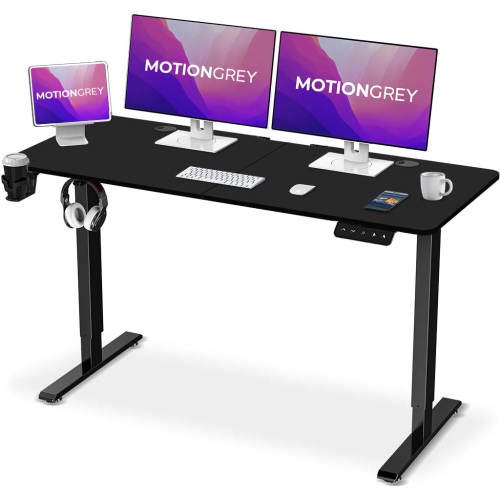
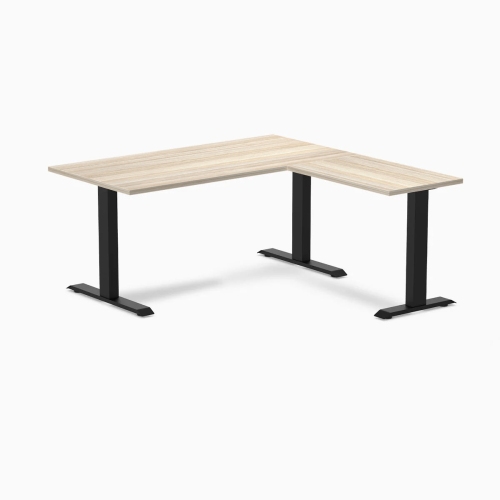
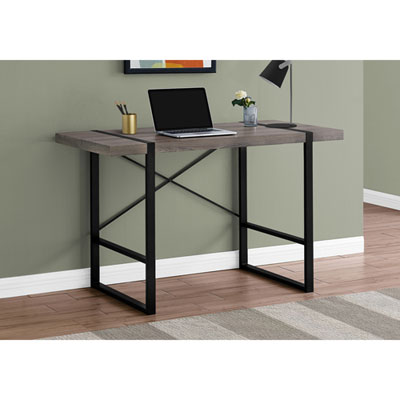
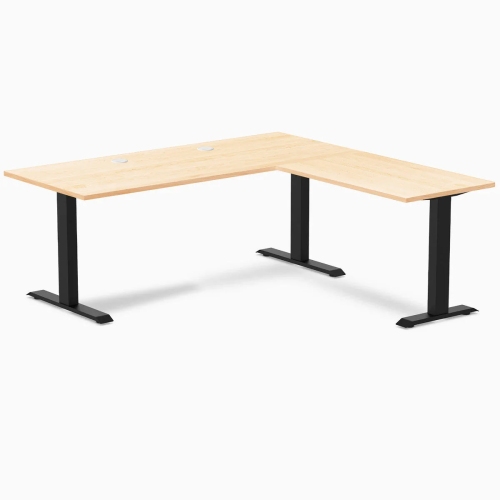
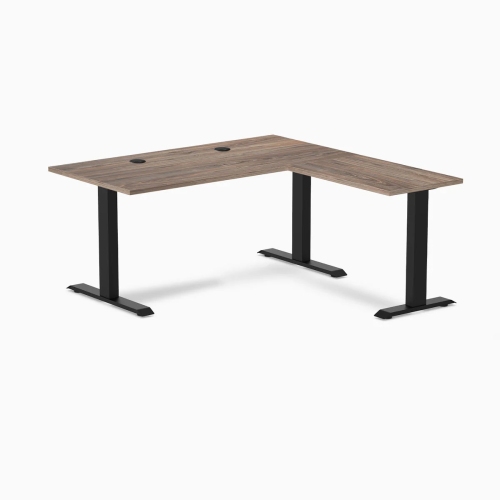
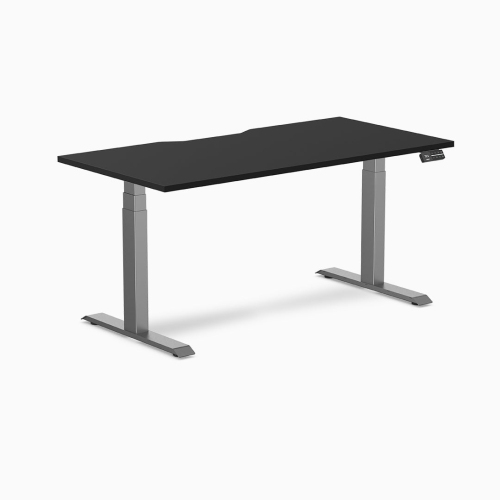
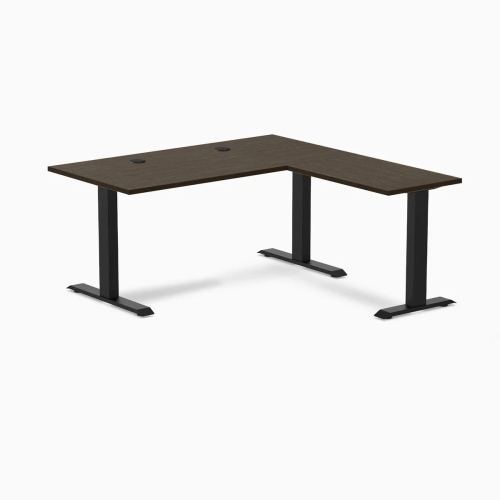
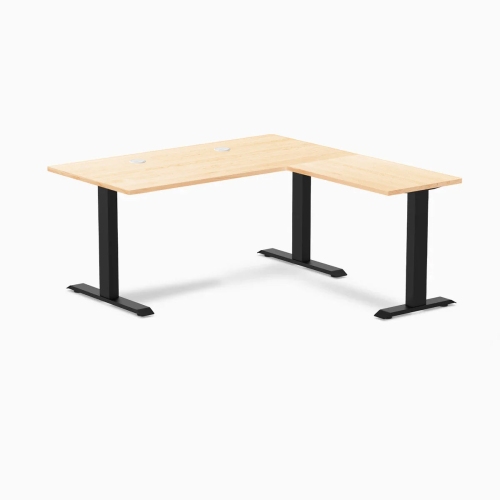
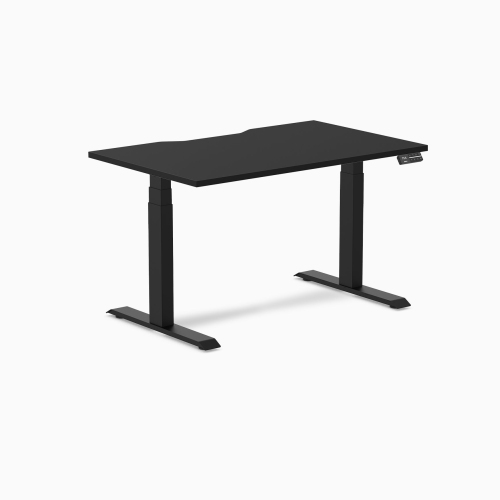
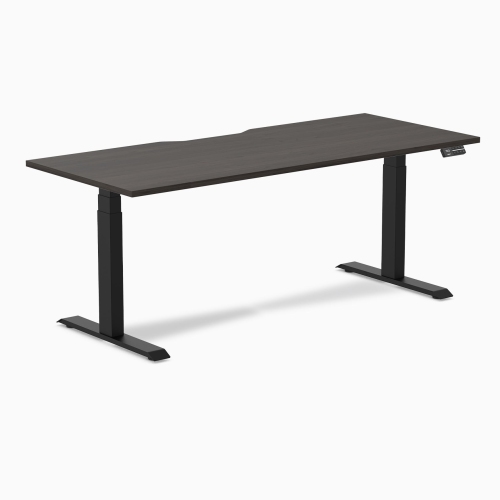
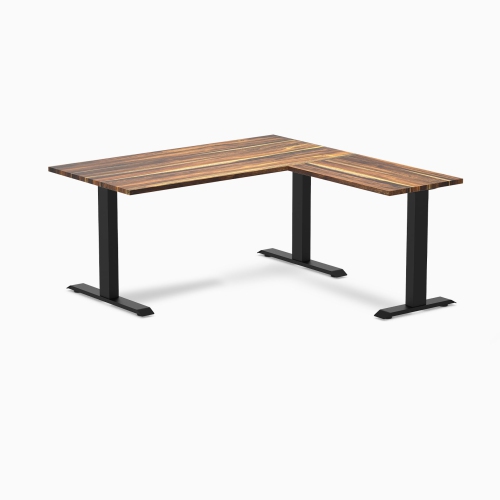
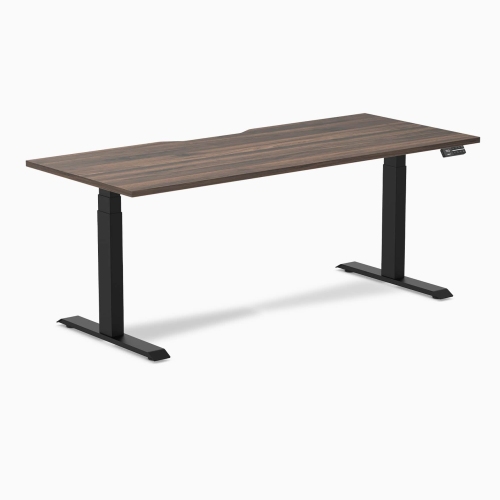
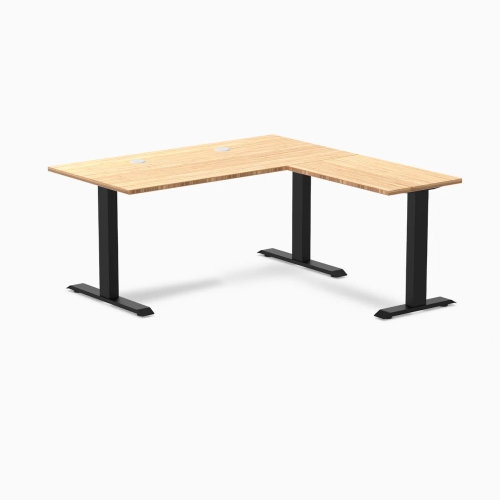
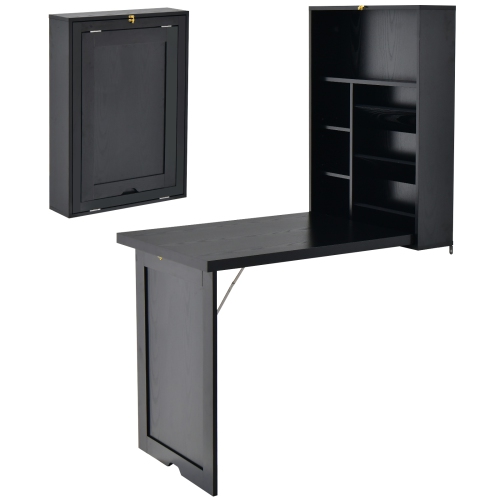
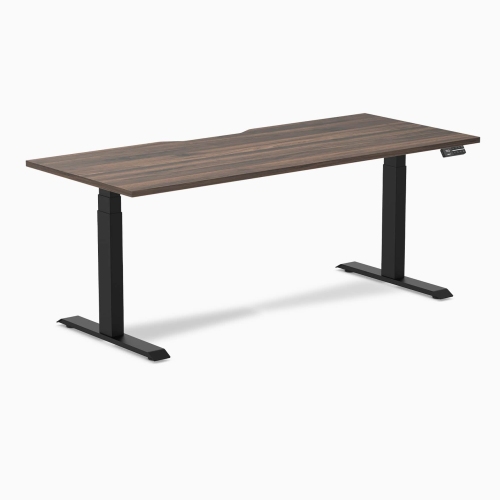
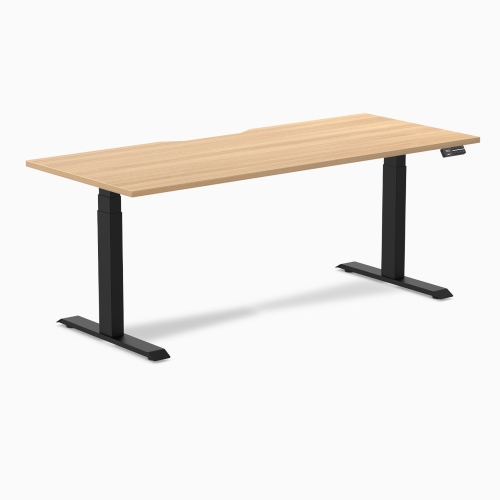
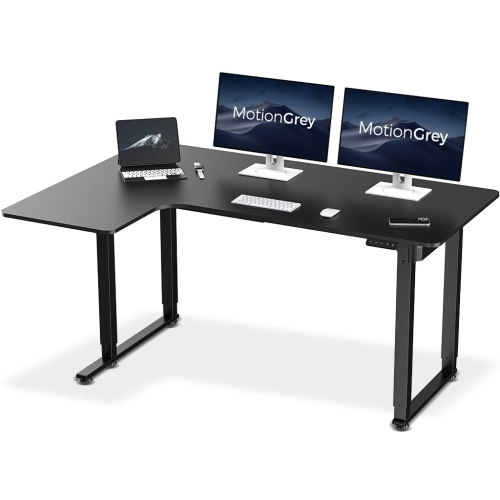
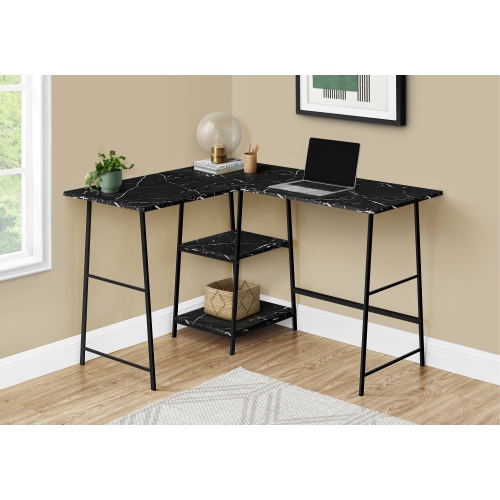
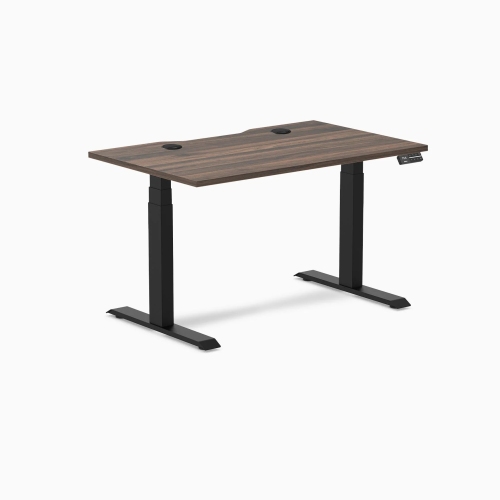
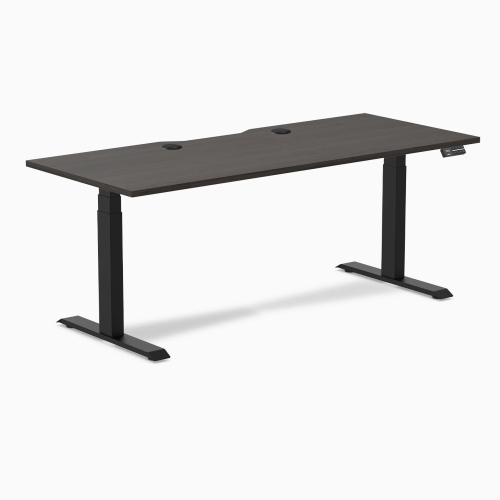
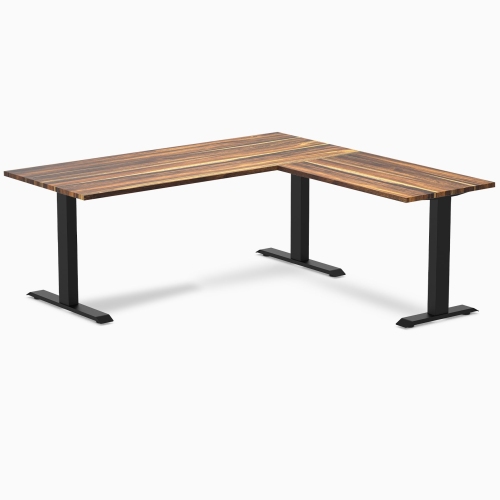
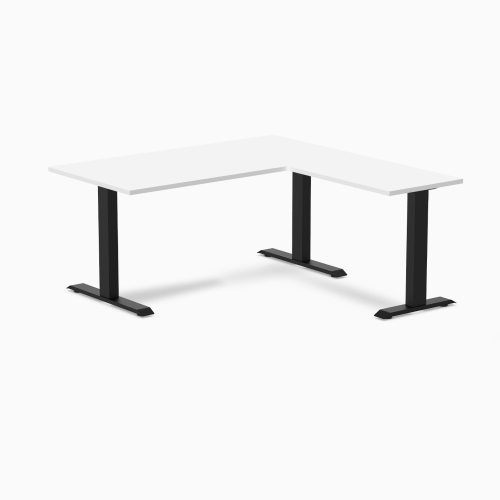
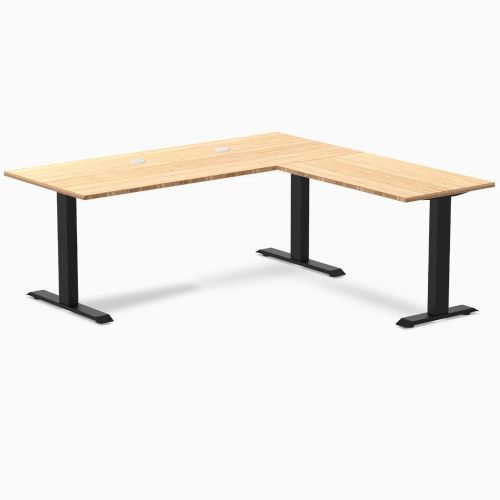
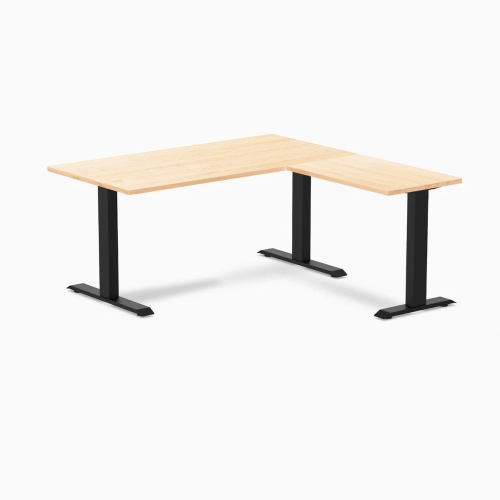
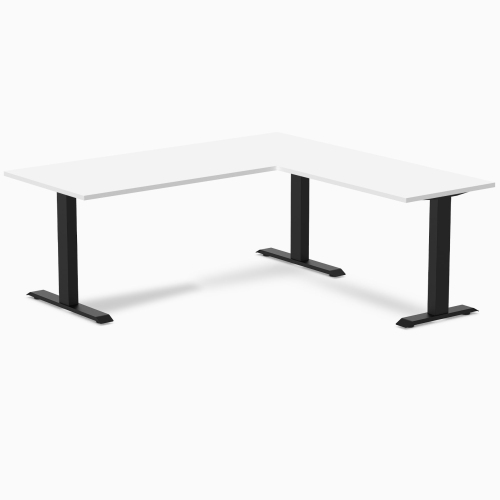
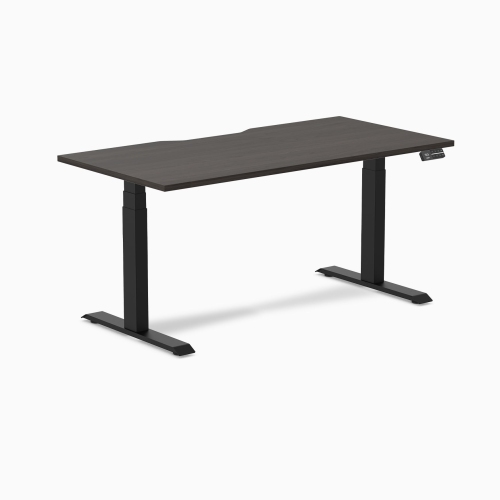
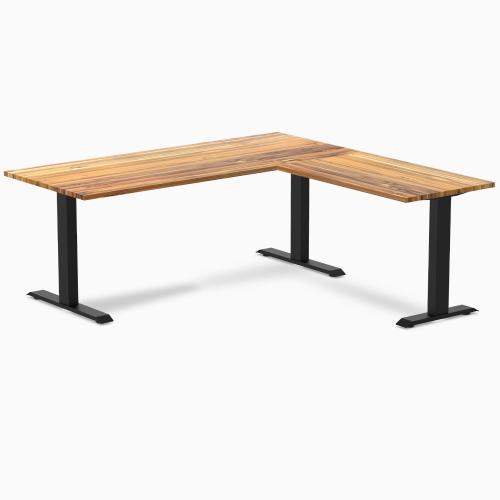
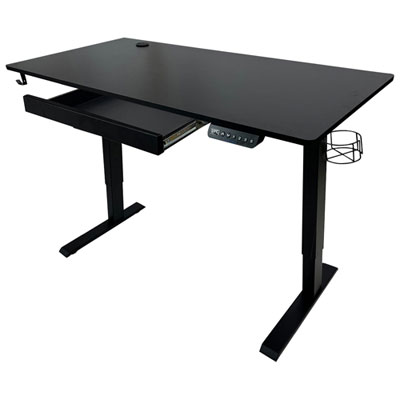
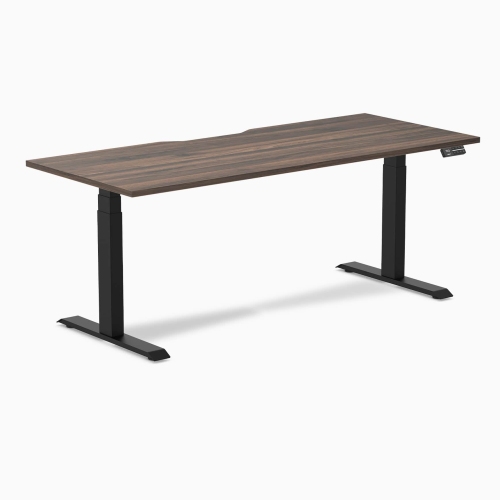
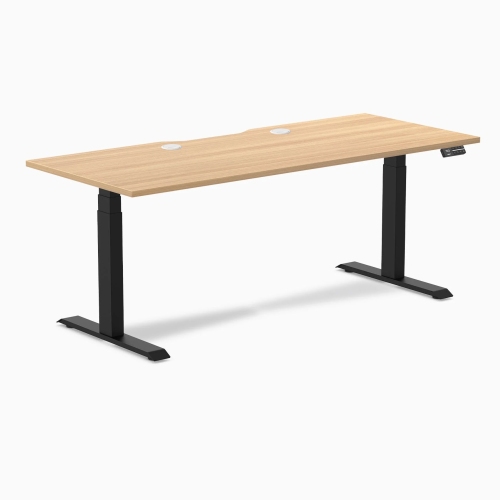
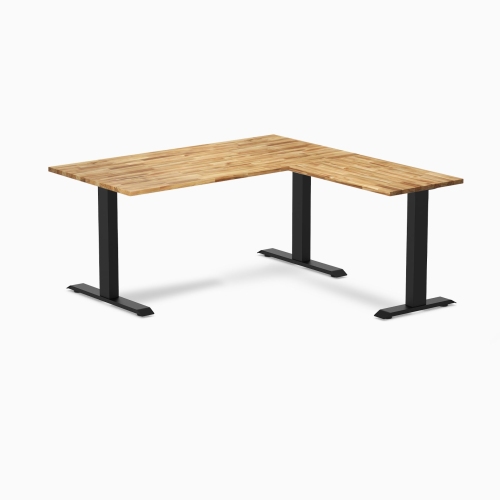
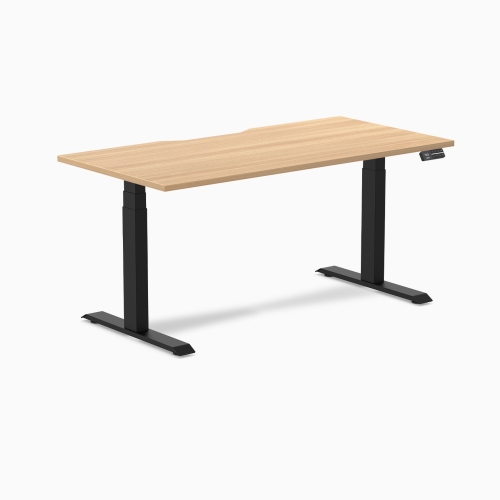
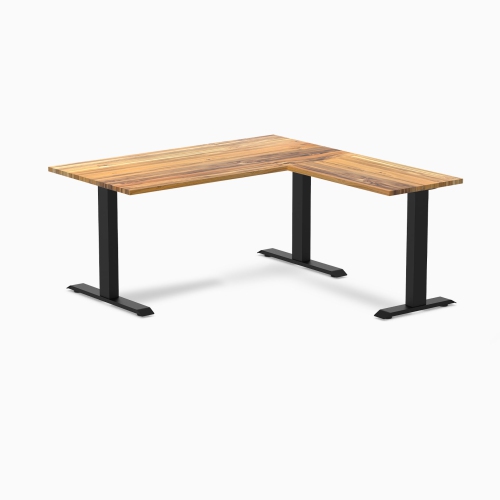
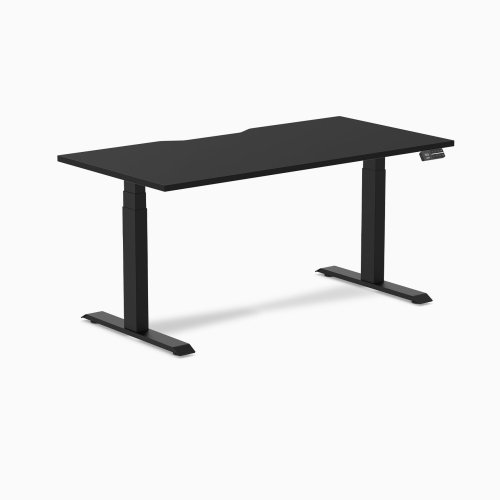
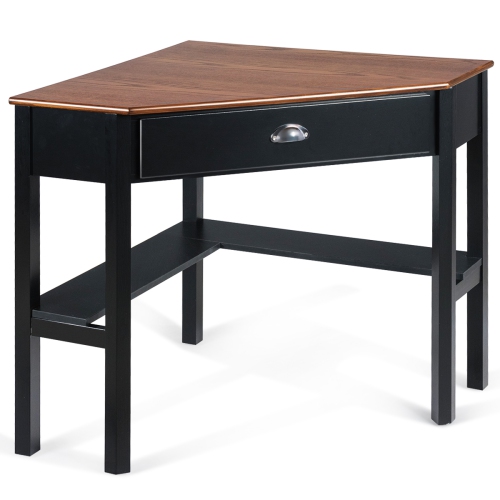
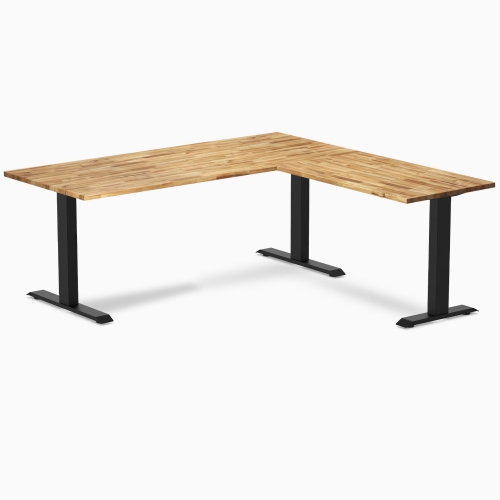
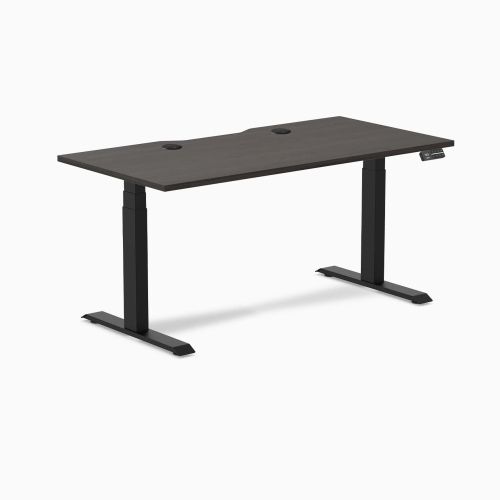
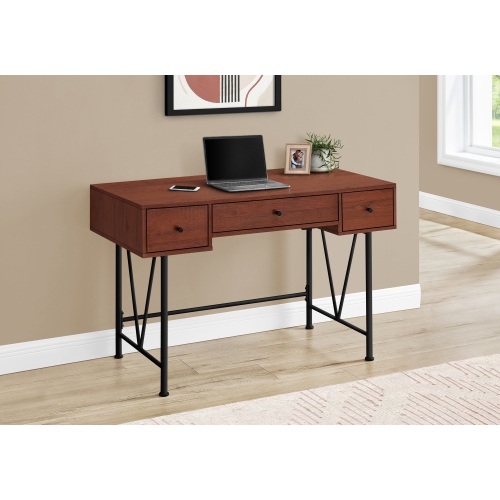
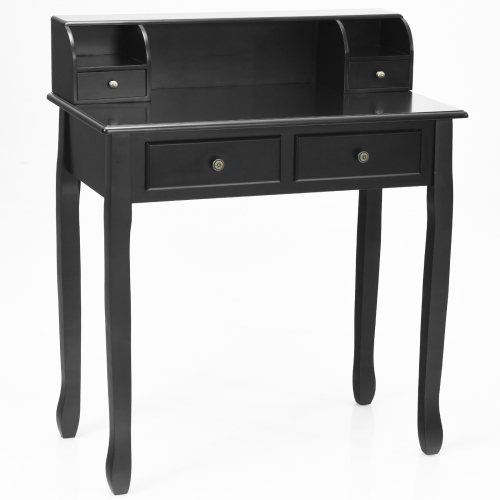
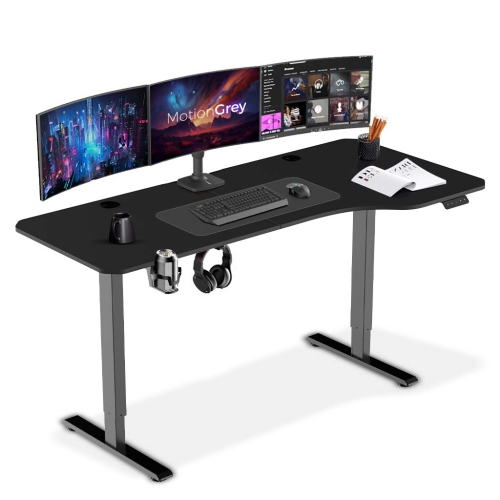
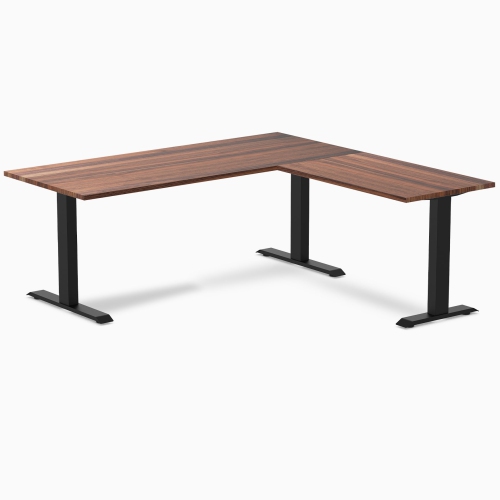
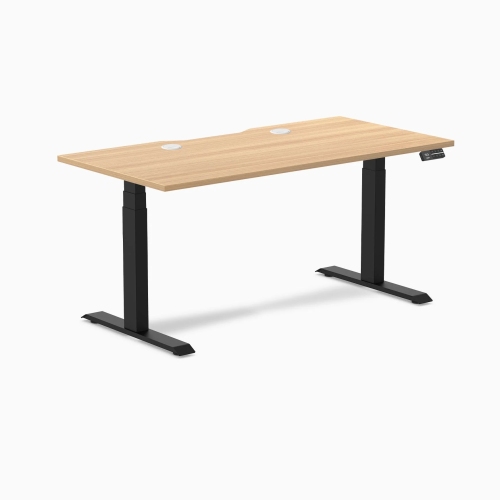
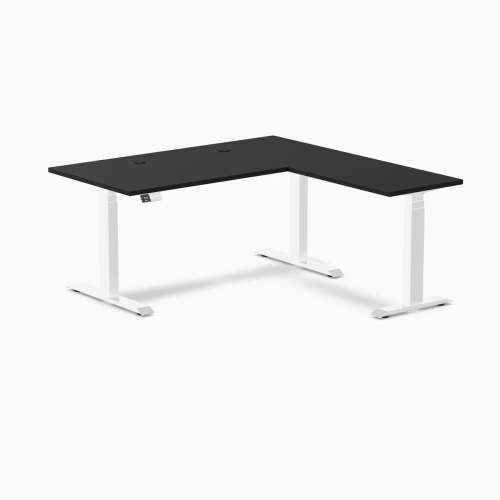
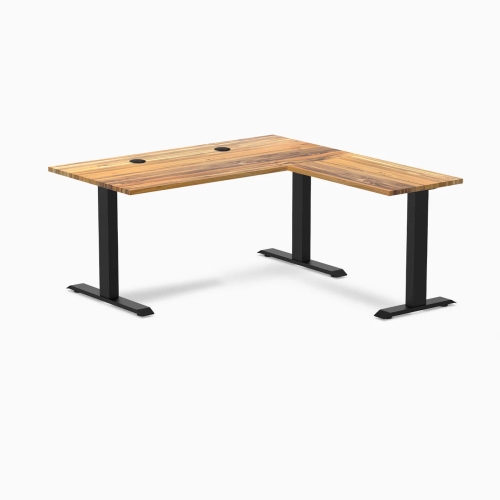
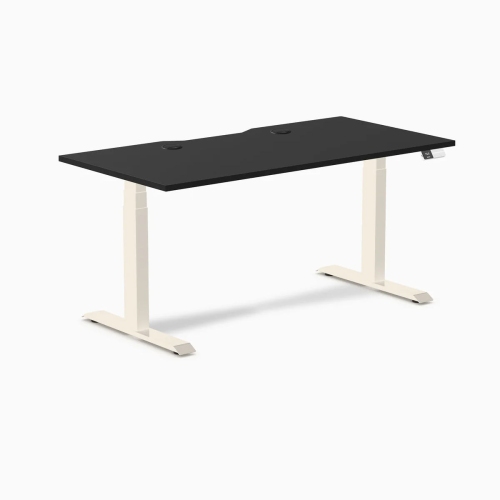
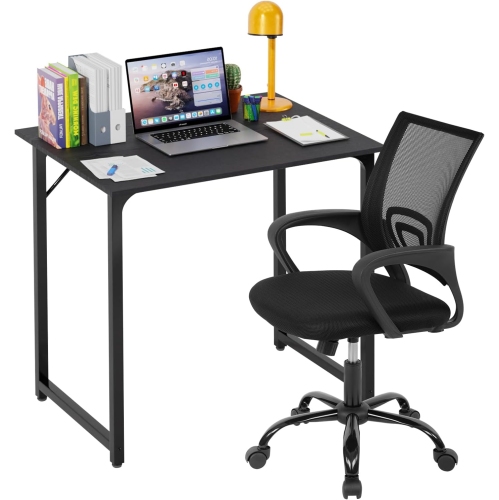
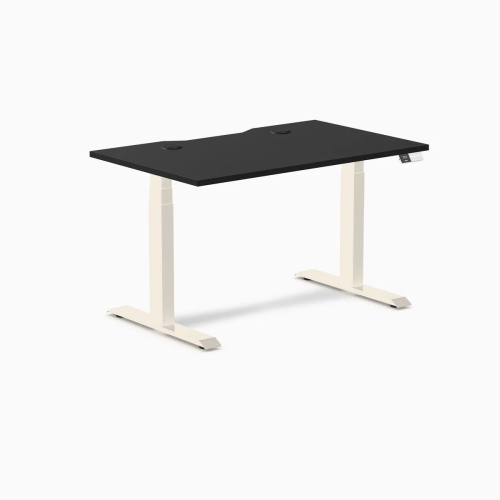
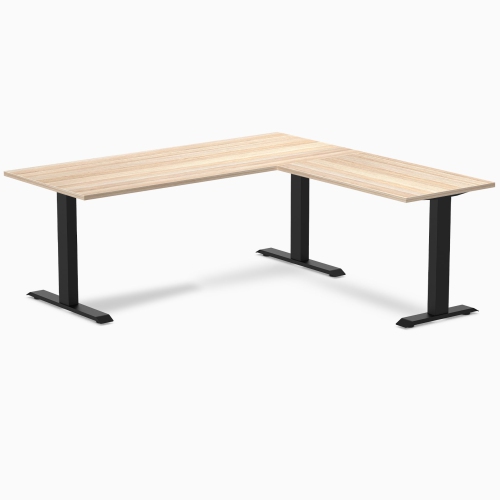
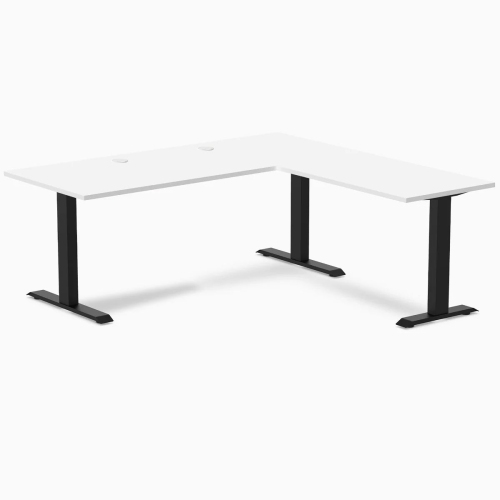
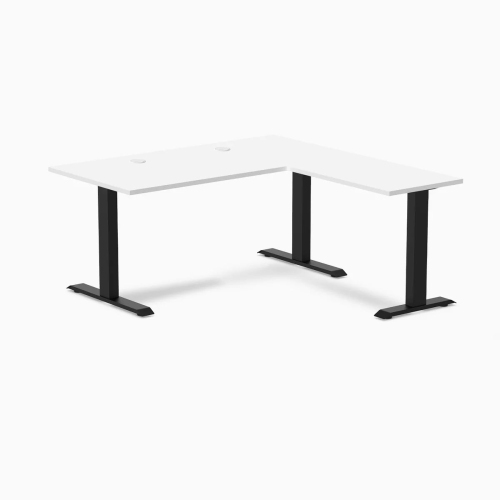
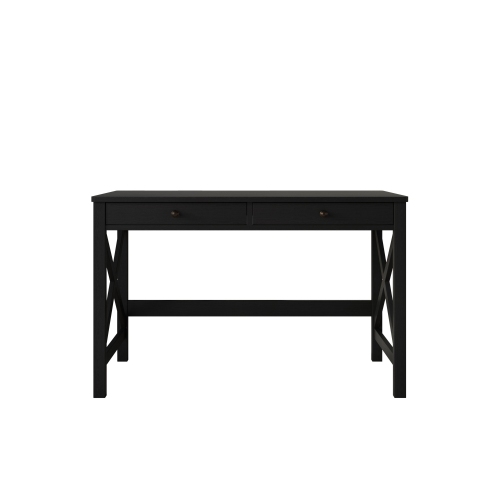
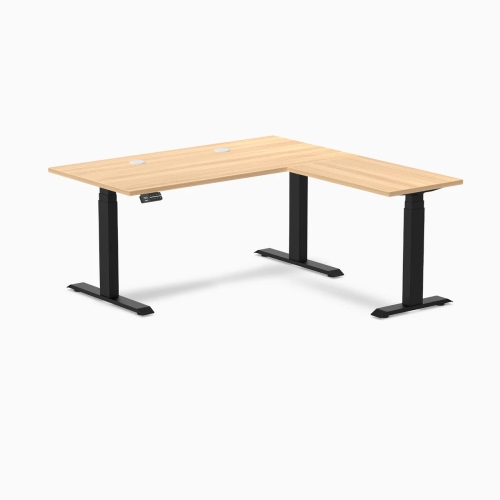
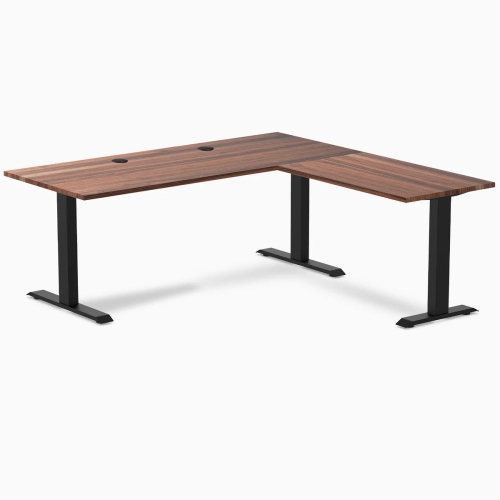
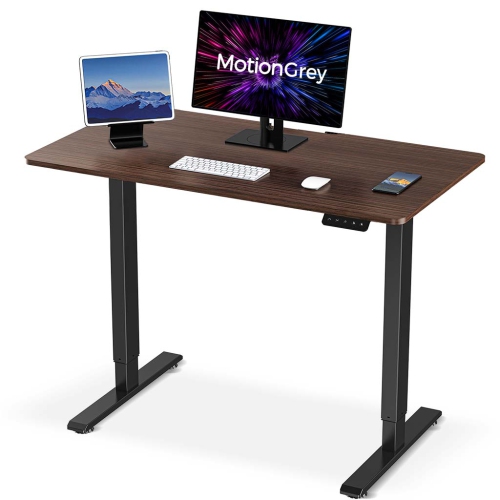
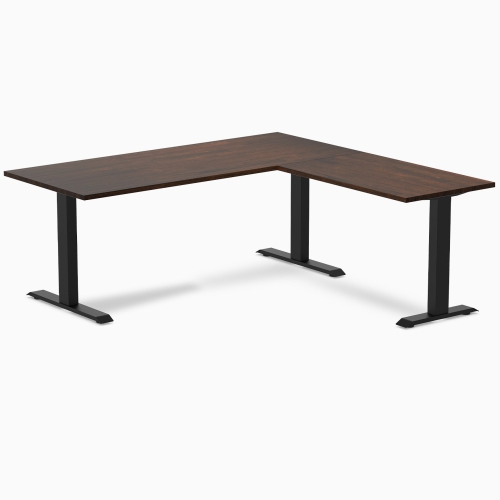
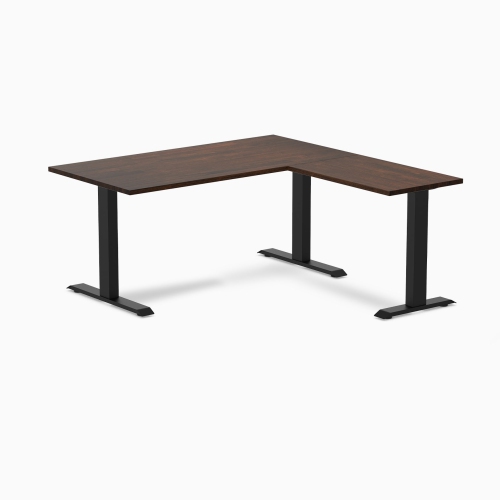
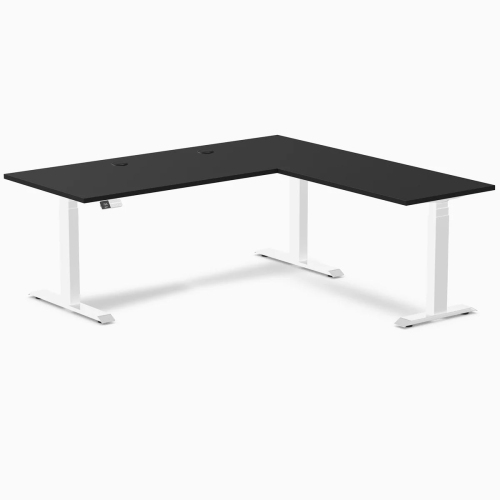
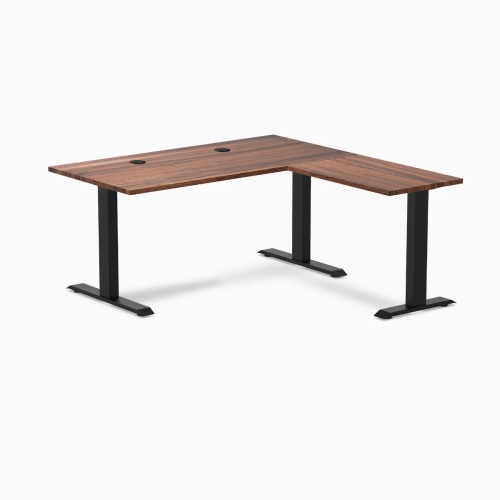
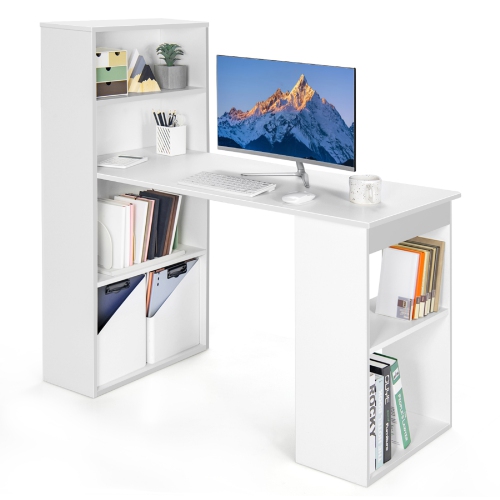
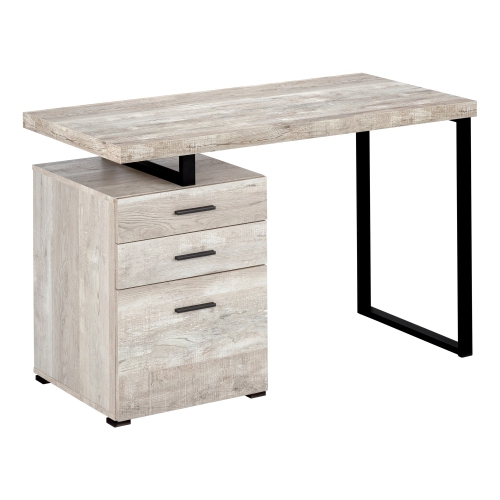
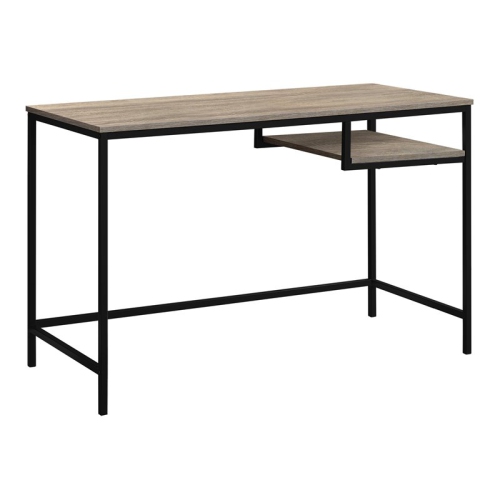

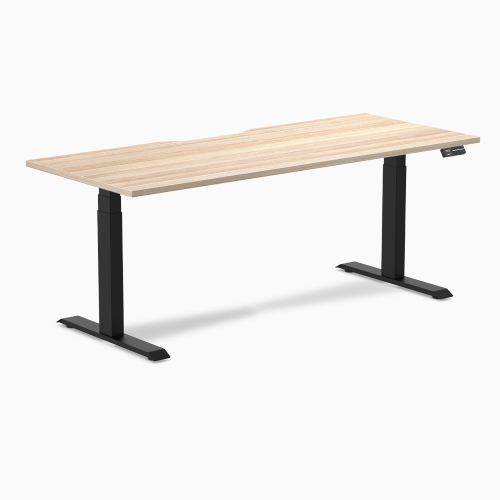
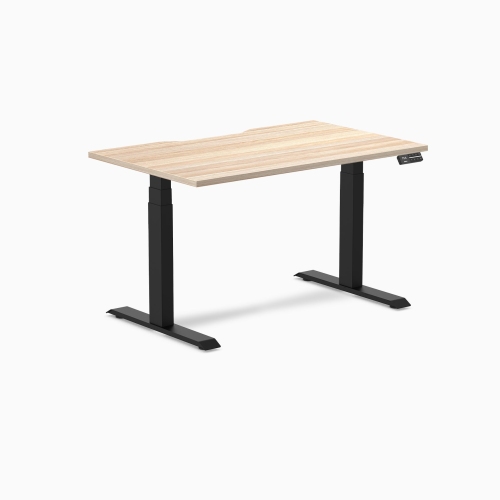
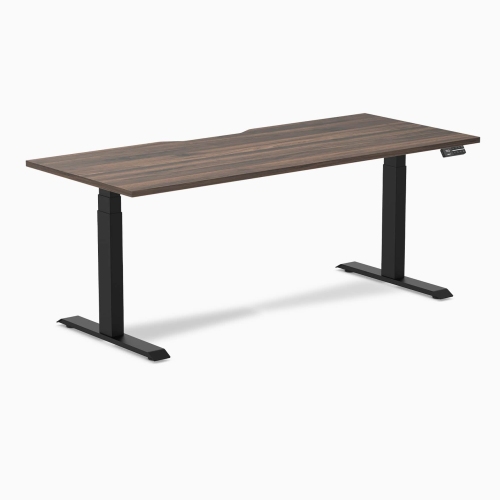
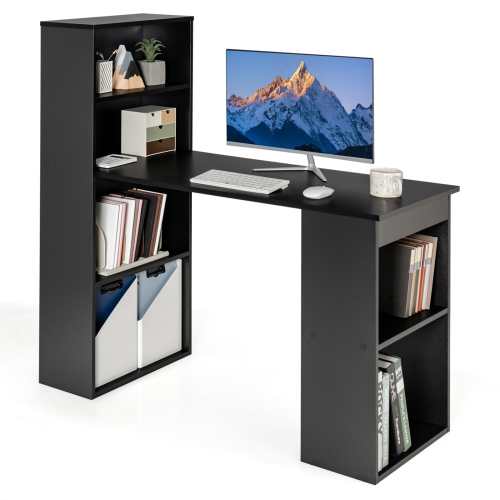
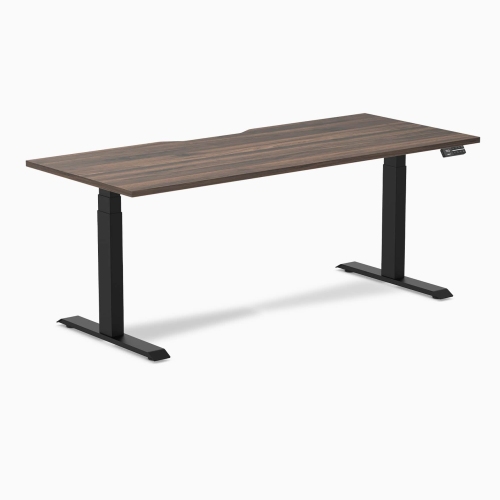
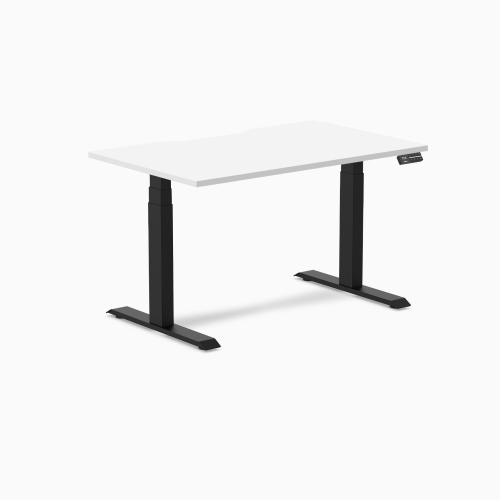
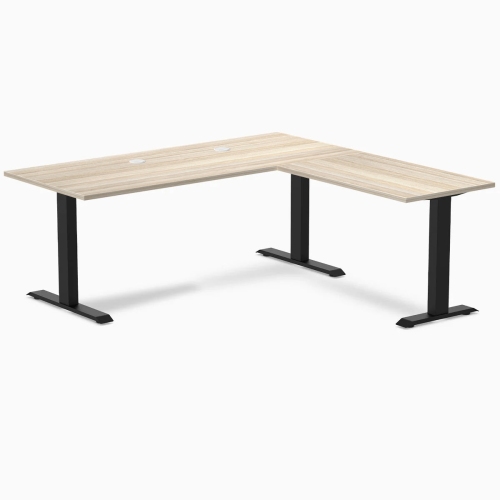
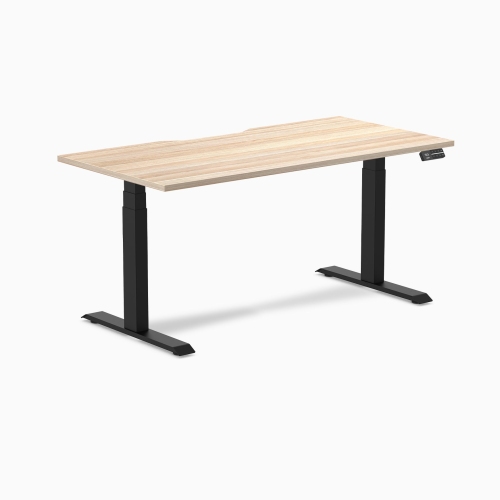
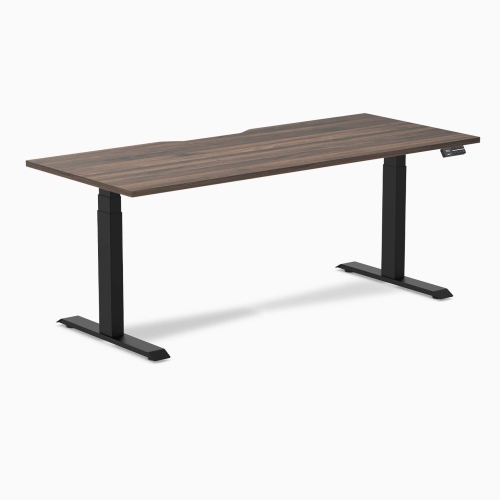
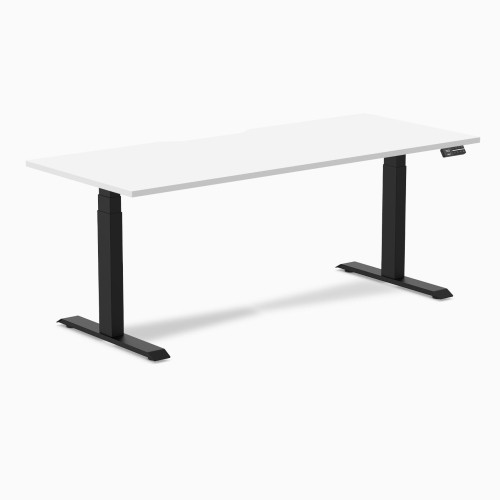
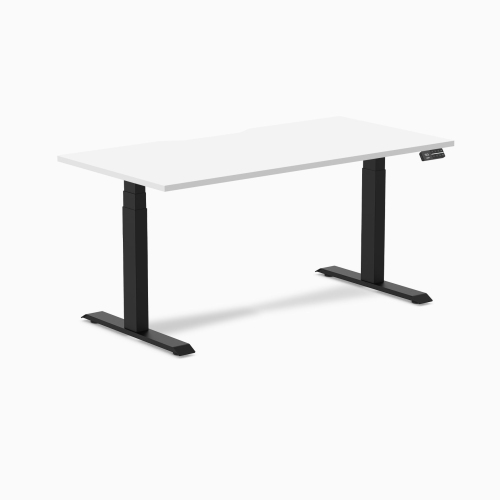
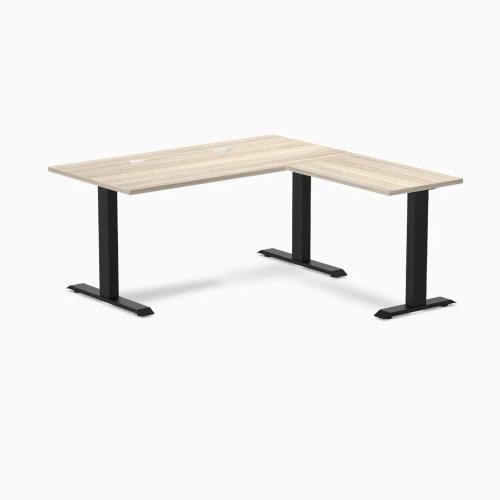
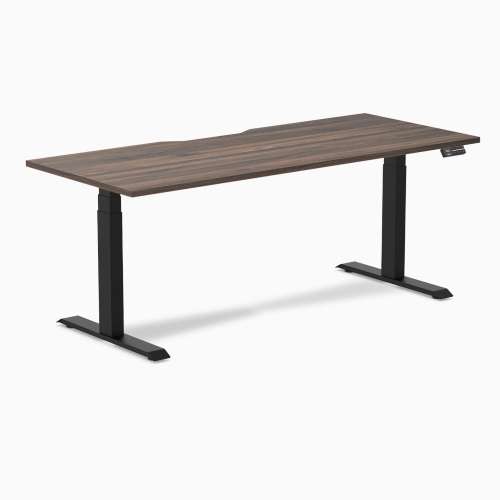
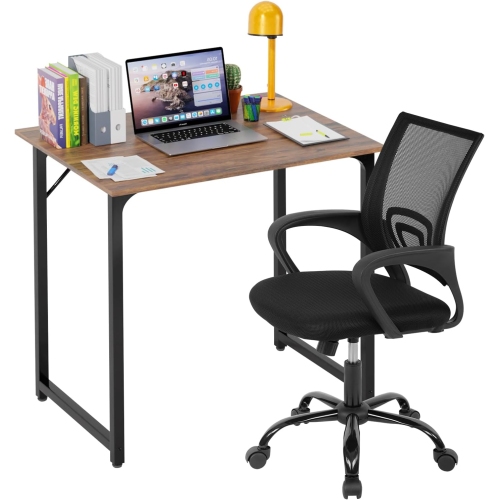
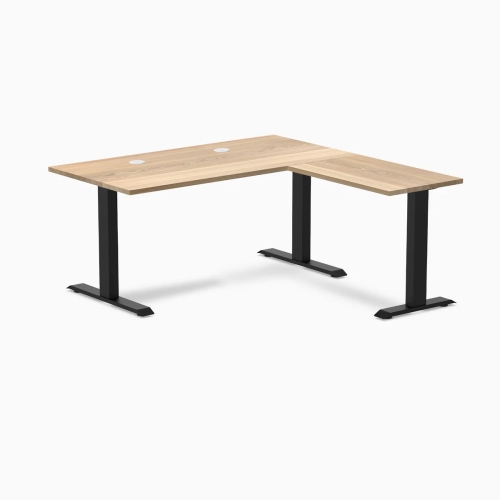
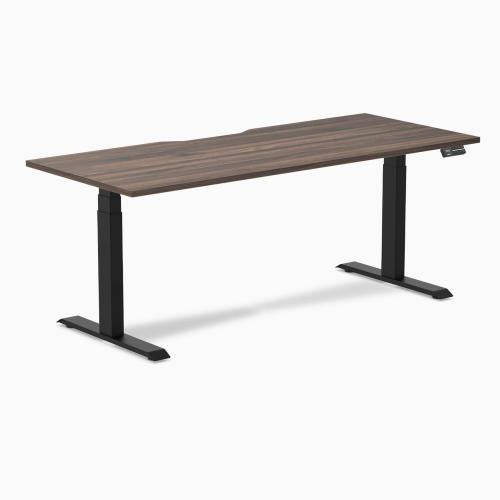
Clean lines and dark finishes that define your workspace
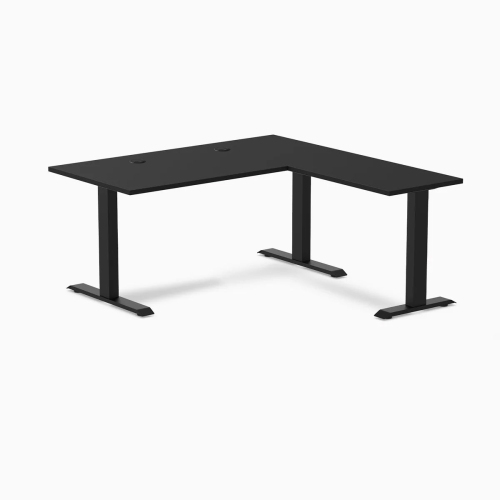
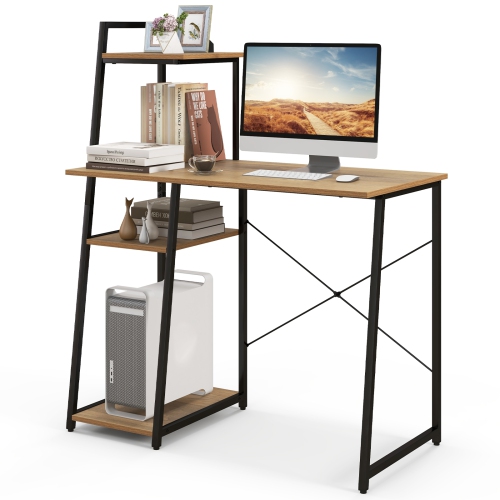
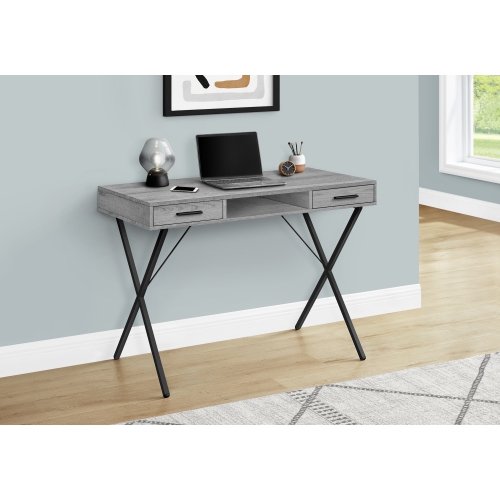
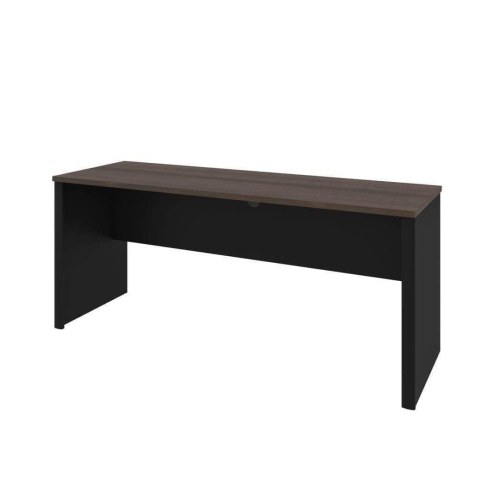
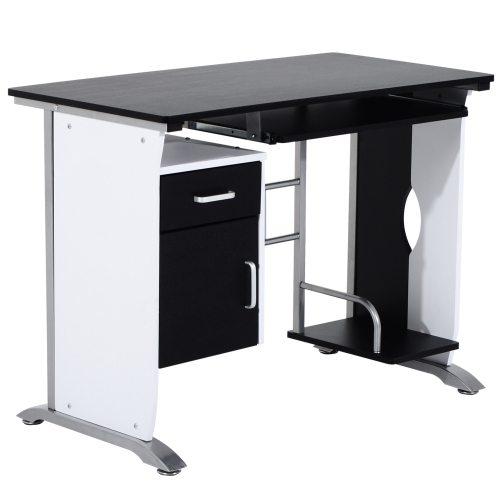
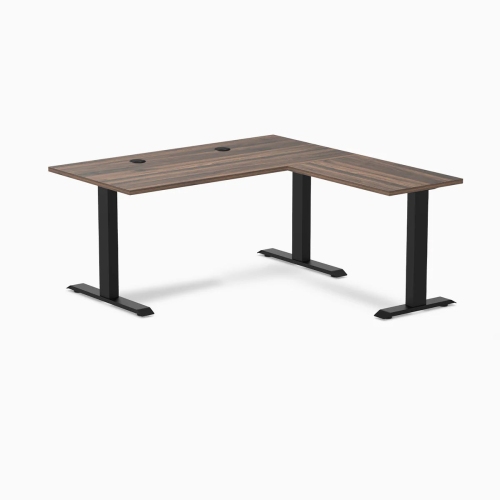
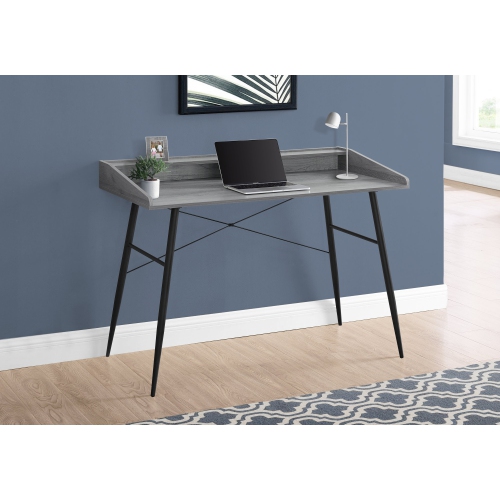
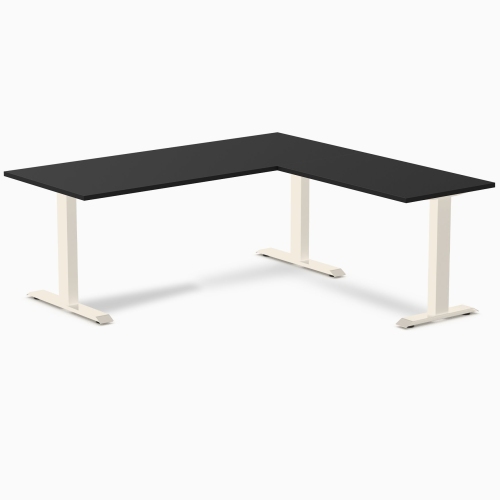
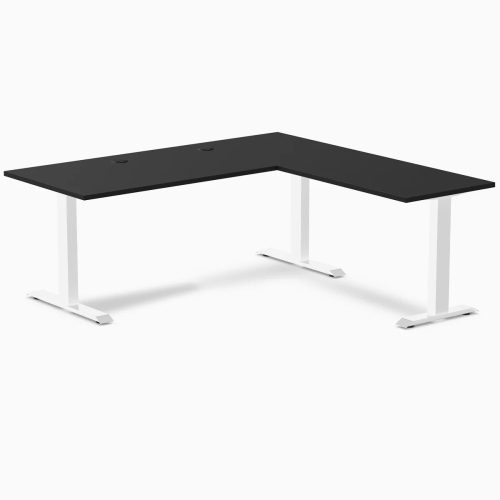
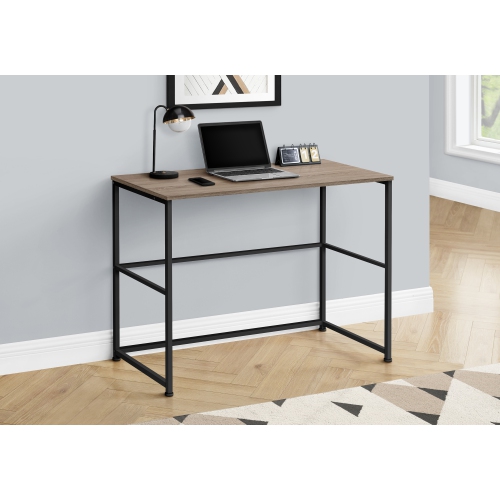
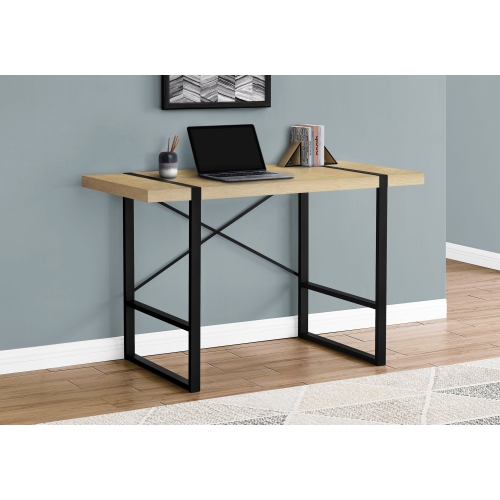
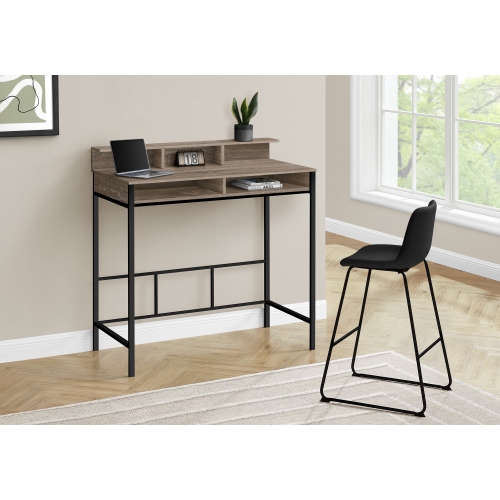
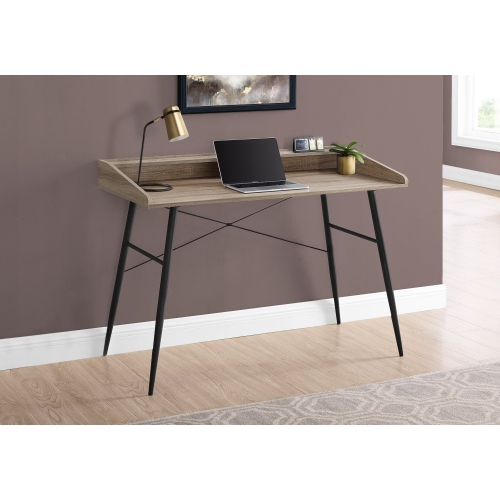
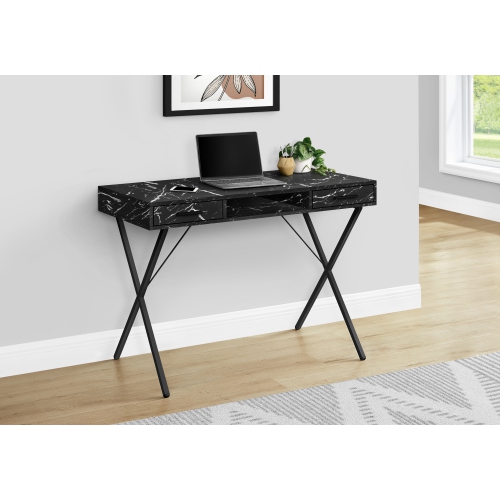
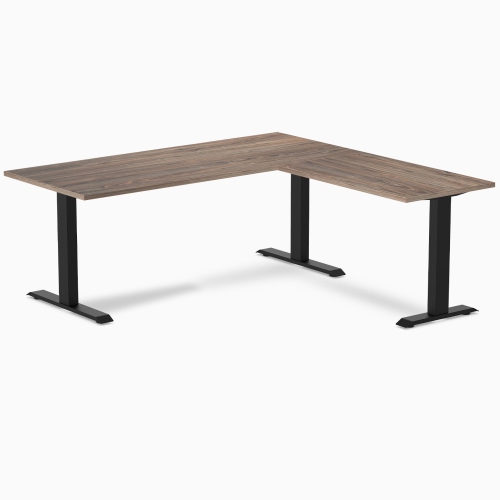
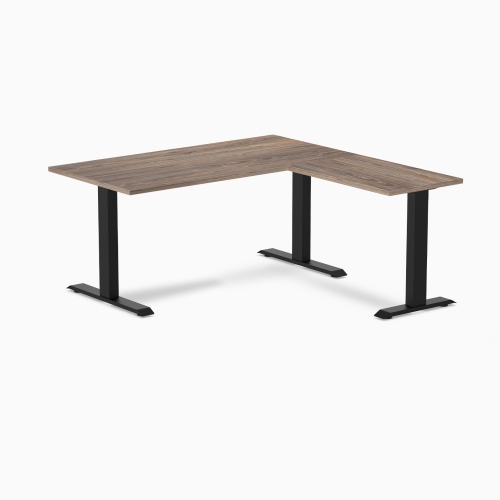
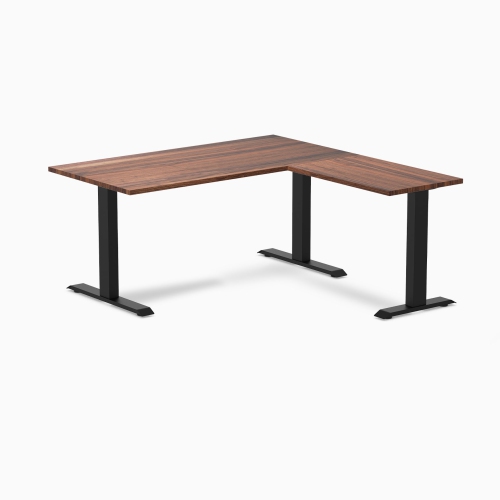
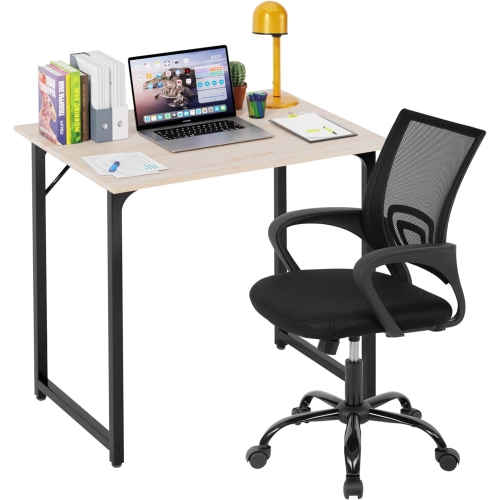
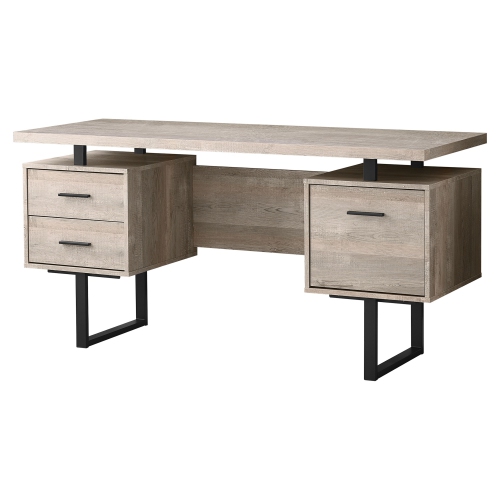
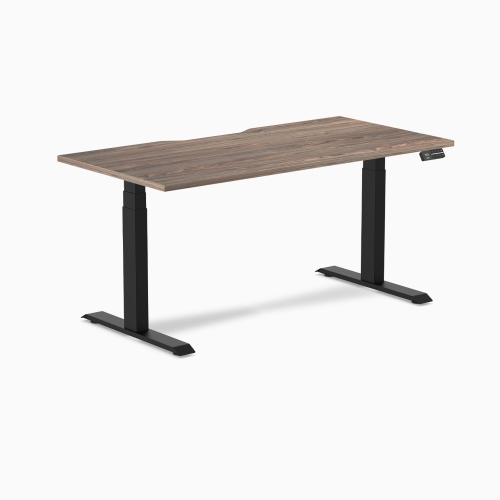
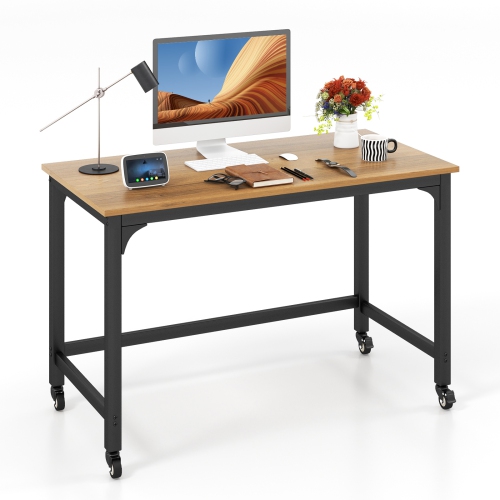
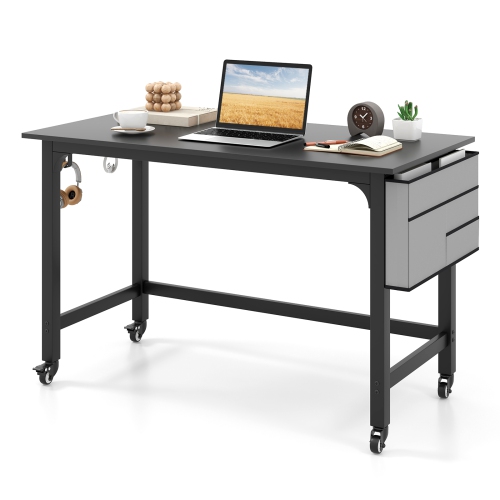
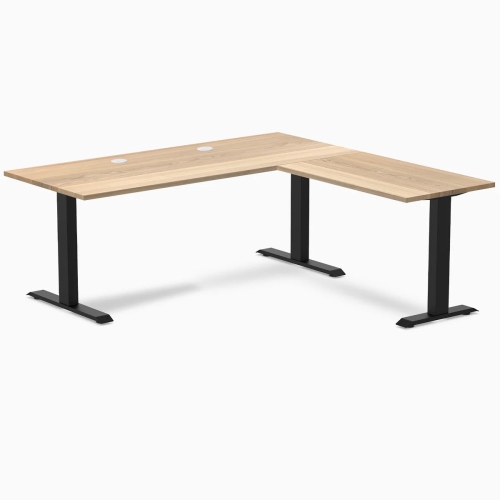
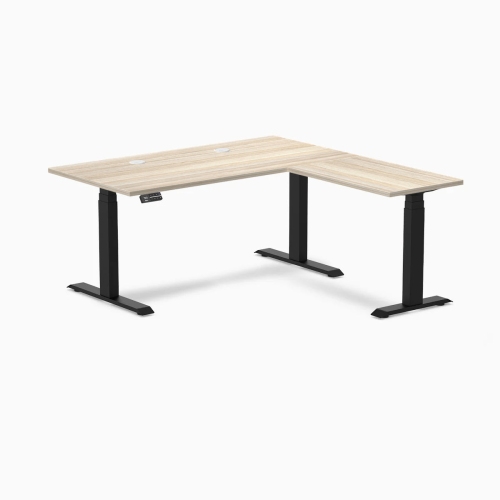
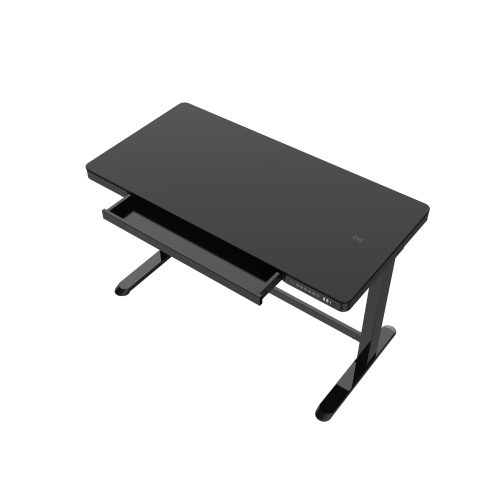
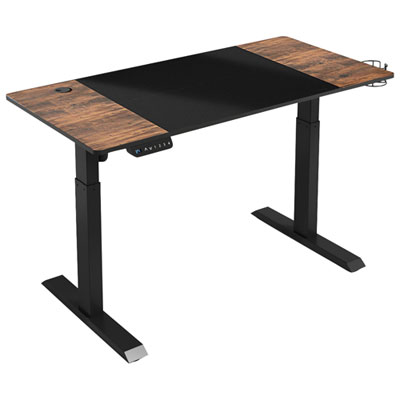
Black contemporary desks combine clean lines, practical work surfaces, and a dark finish that brings definition to a home office, study area, or shared living space. Their appearance can range from understated and minimalist to architectural, with slim metal legs, substantial panel bases, floating drawers, or contrasting wood textures. Black works especially well alongside pale walls, warm flooring, brushed metal accessories, and upholstered seating, creating a clear focal point without requiring a room full of matching furniture. Matte finishes tend to look softer and more subdued, while satin or glossy surfaces catch more light and give the desk a more pronounced presence. For a uniform colour scheme, Solid Black Desks can anchor a workspace without introducing a contrasting desktop colour. Within the contemporary style, different desk formats suit different routines. Writing desks generally provide an uncluttered surface for a laptop, notebook, and task lamp, making them a natural fit for occasional paperwork or a compact study corner. Computer desks may offer more depth for a monitor, keyboard, and mouse, along with features that help organize connected equipment. Desks with drawers keep stationery and documents close at hand, while larger executive-style designs provide a more substantial surface and additional enclosed storage. L-shaped desks extend the work area around a corner, separating screen-based work from reading, sketching, or sorting documents. Height-adjustable desks allow the surface to move between seated and standing positions, although the adjustment range, lifting capacity, and control features vary by design. Open-frame desks leave the area beneath the desktop visually lighter, whereas enclosed bases create a more grounded appearance. These differences matter in everyday use: a student working primarily on a laptop needs a different layout from someone using two monitors, reference books, and a separate keyboard throughout the day. The most useful design brings the right amount of workspace into the room without making surrounding furniture feel crowded.
Materials and construction influence how a black contemporary desk looks, feels, and holds up to daily activity. Solid wood can offer distinctive grain and a substantial feel, though its response to moisture and changes in indoor humidity makes appropriate care important. Wood veneer provides a real wood surface over a supporting core, while laminate and melamine finishes offer a consistent appearance across engineered wood panels. The durability of these surfaces depends on their construction, edge treatment, and finish rather than colour alone. Smooth, well-finished edges are particularly valuable where forearms rest against the desktop or a chair moves close to the front. Powder-coated metal frames can provide a crisp, streamlined outline, while glass desktops create a lighter visual effect and make the supporting structure more noticeable. Glass also tends to show fingerprints and requires care around exposed edges. On any material, black finishes can make dust, pale crumbs, and surface marks more visible, especially under a bright task light. A soft cloth and cleaning products approved for the surface help maintain its appearance; abrasive pads and harsh cleaners can dull or damage some finishes. Coasters protect against drink rings, and a desk mat provides a separate surface for writing or moving a mouse. Spills are best wiped up promptly, particularly near panel seams, cable openings, and drawer fronts. Construction details also affect long-term satisfaction. Secure joints, appropriately supported desktops, and smooth drawer movement contribute to a desk that feels dependable during routine use. Drawer capacity matters when storing heavy files, just as desktop weight limits matter when supporting several screens or other equipment. Monitor arms and other clamp-mounted accessories require particular attention to desktop thickness, edge clearance, and the manufacturer’s compatibility requirements. A surface that looks substantial is not necessarily designed for concentrated clamping pressure. Checking those details helps preserve both the desk finish and the stability of the equipment attached to it.
A comfortable workspace depends as much on fit as on appearance. Desktop width needs to accommodate the equipment used together, while depth determines how much space remains between the screen, keyboard, and front edge. A shallow writing desk can be practical for a laptop that closes at the end of the day, but a larger monitor setup usually benefits from more room behind the keyboard. Space beneath the desk matters too: drawers, crossbars, and storage pedestals should leave enough clearance for knees, feet, and the chair’s arms. In a compact room, the area needed to pull out the chair or open a drawer can be just as important as the desk’s footprint. Corner layouts deserve particular attention to the position of the longer return and whether it can be assembled on either side. Doorways, skirting boards, nearby cupboards, and power outlets can all affect placement. Cable openings, rear trays, and integrated channels help keep charging leads and monitor cables away from the main work surface, though cables still need enough slack if the desktop changes height. For seated work, a suitable desk-and-chair combination allows relaxed shoulders and comfortable access to the keyboard without reaching forward. A footrest or monitor stand may help adapt the setup, depending on the person and the desk’s dimensions. Height-adjustable designs also need clearance above and below their full travel path, including space around shelves, windowsills, and storage units. Beyond dedicated offices, black contemporary desks can serve as study stations in bedrooms, administrative spaces in living areas, or shared surfaces for household paperwork. Enclosed storage helps a multipurpose room return to a tidy appearance when work is finished, while an open desktop makes it easier to spread out course materials or creative projects. Task lighting brings focused illumination to the surface, and the placement of screens relative to windows can reduce distracting reflections. With proportions, storage, and surface materials suited to the daily routine, a black contemporary desk can provide a practical workspace while remaining a considered part of the room’s overall design.
Top selling and popular products
-
 Your price for this item is $97.99
-
 Your price for this item is $89.99
-
 Your price for this item is $84.99
-
 Your price for this item is $97.99
-
 Your price for this item is $649
-
 Your price for this item is $749
-
 Your price for this item is $649
-
 Your price for this item is $649
Discover more categories related to Black Contemporary Desks
Top Collections:
Best Black Friday Deals This Year, Best Black Friday Deals On Electronics, Kindle Devices, Pokemon Centers, Best Black Friday Deals On Apple Products, Best Cameras for Sports Photography, Dyson Airwrap, Pokémon 30th Celebration Cards, Apple iPhone 17 Pro, Canon G7X Cameras
Some products may be subject to Environmental Handling Fees
(EHF) depending on your province.
Learn more about EHFs.