Black File Cabinets
A black file cabinet is a great way to add some style to your home or office. These are also a great way to keep your important papers organized and easy to find. With a variety of sizes, materials, and features to choose from, you can find the perfect black file cabinet to fit your needs. Here are some of the best options to choose from.
Sort

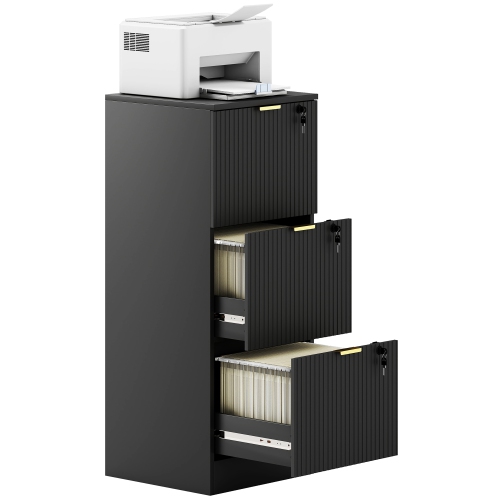

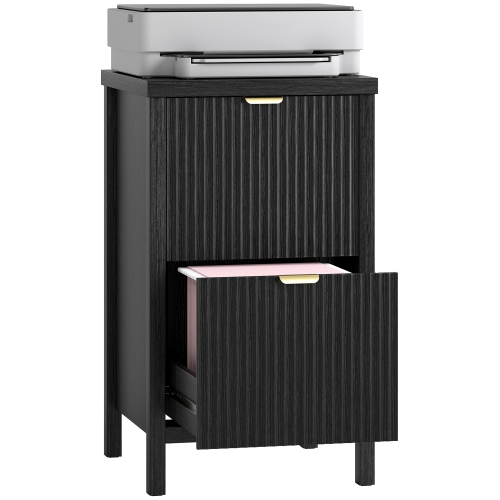
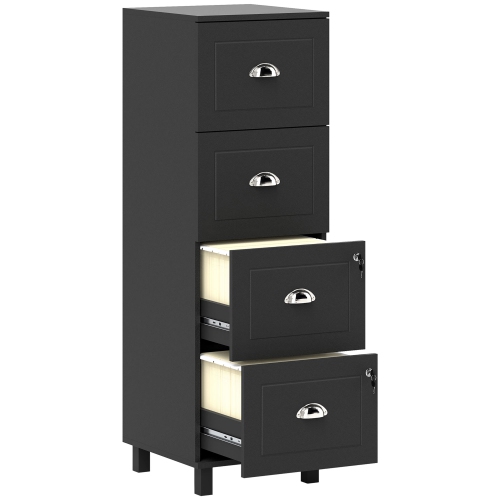

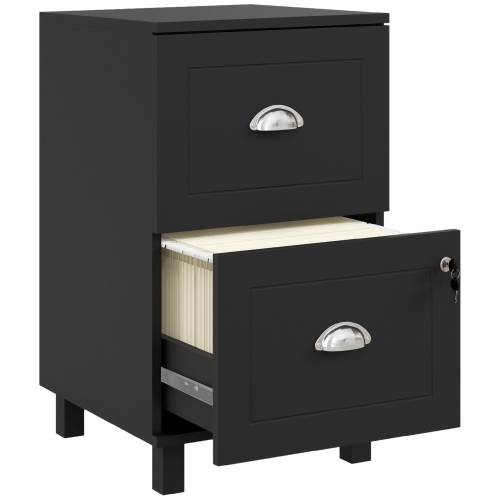
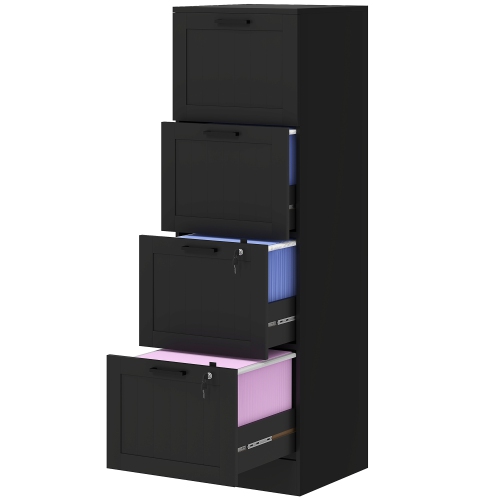
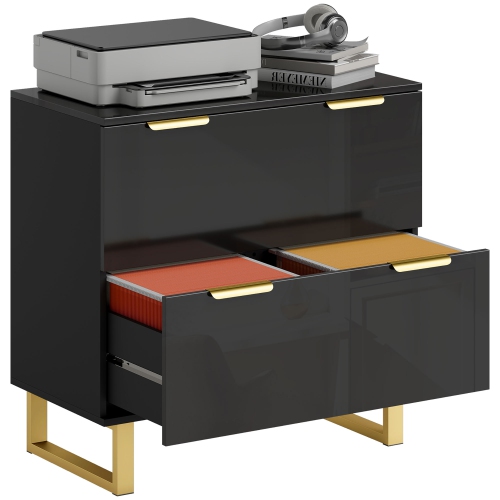
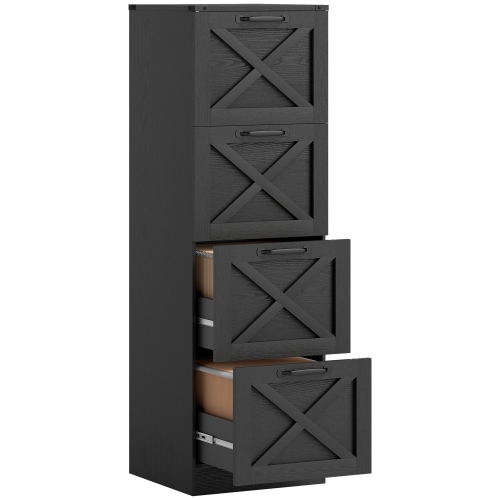
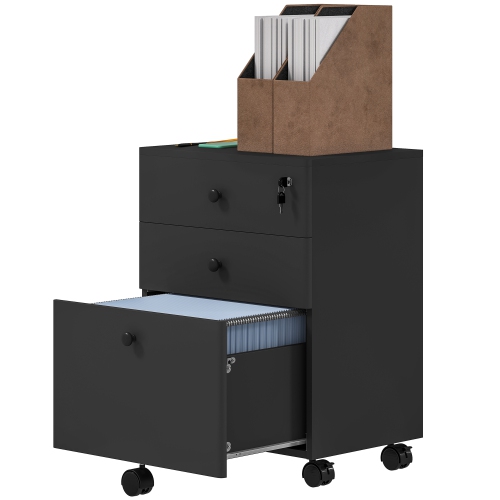



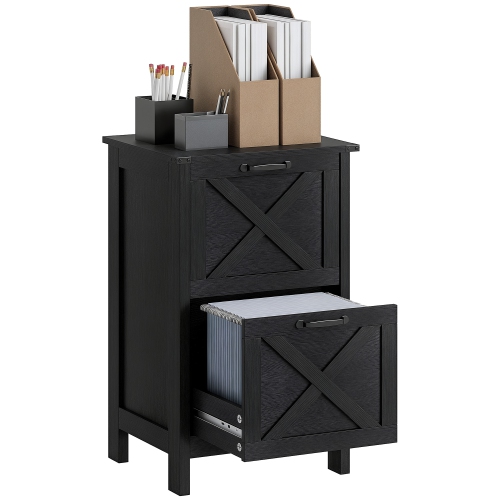
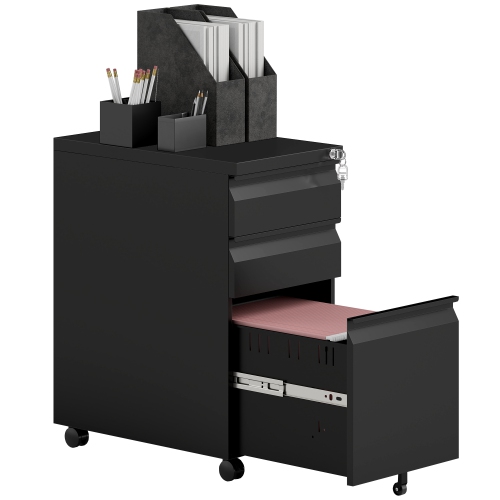
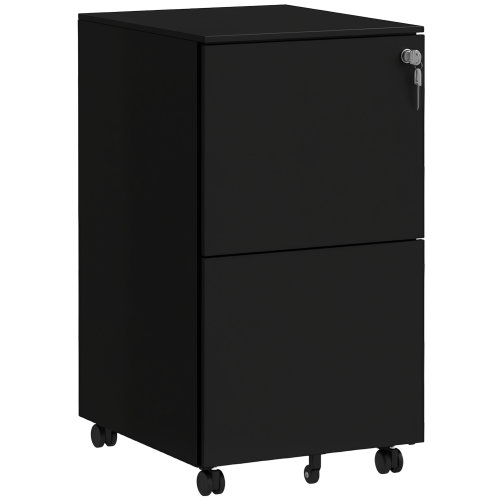

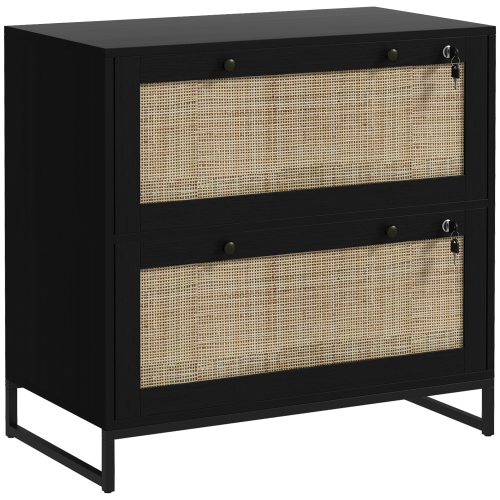
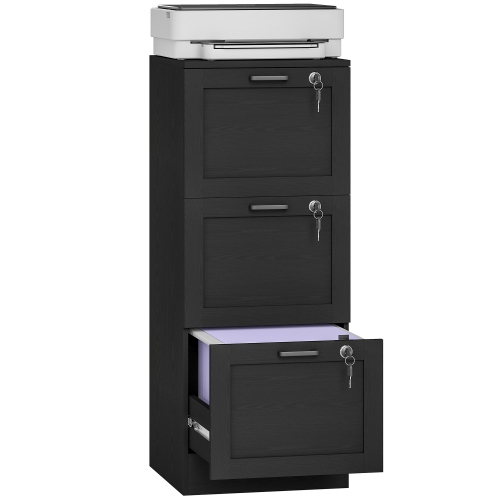
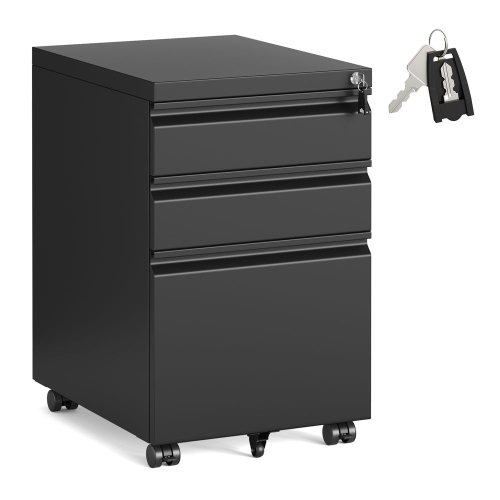
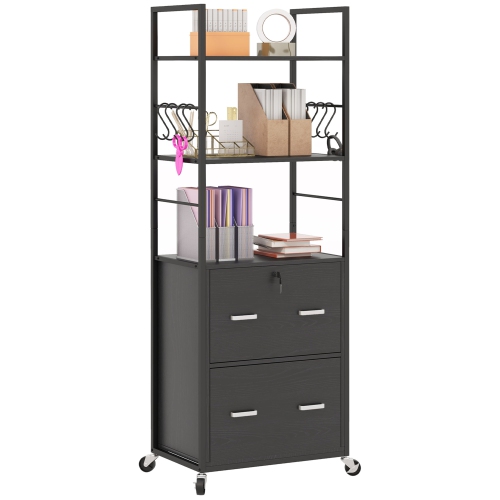
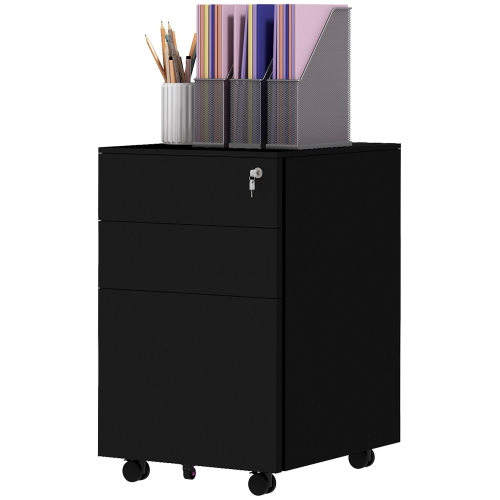
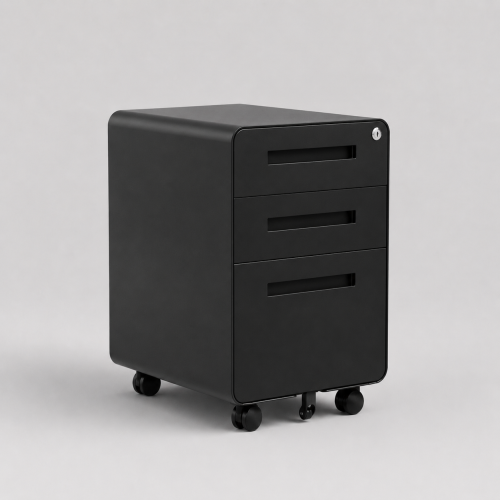
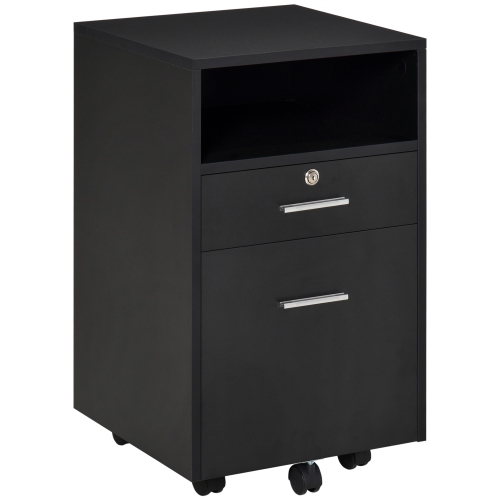
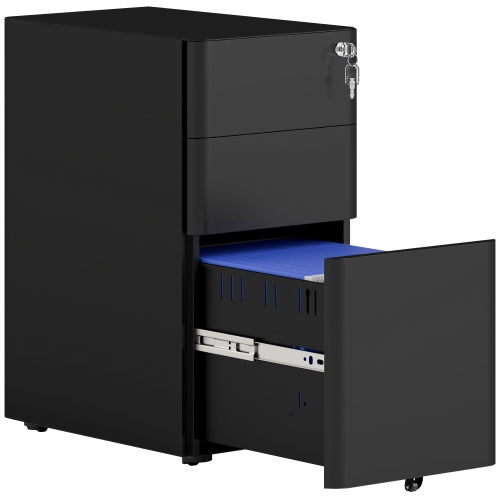
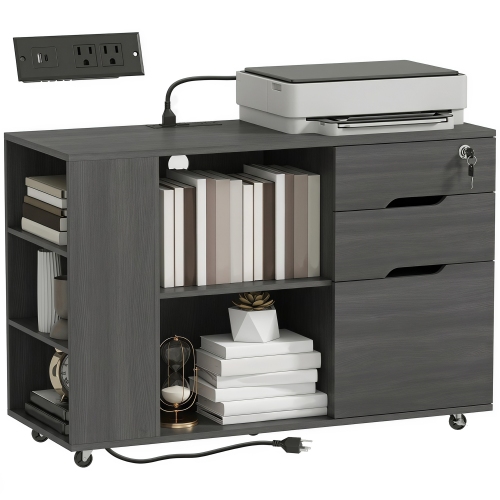
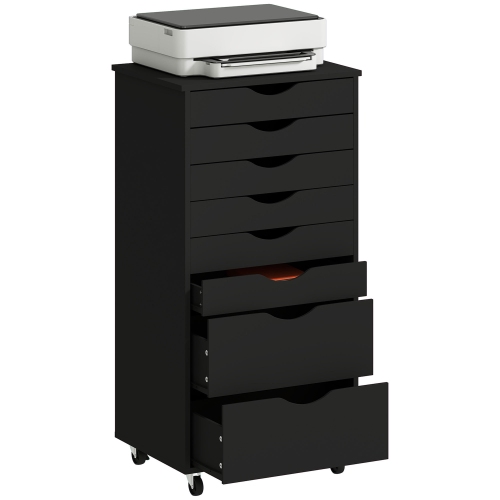
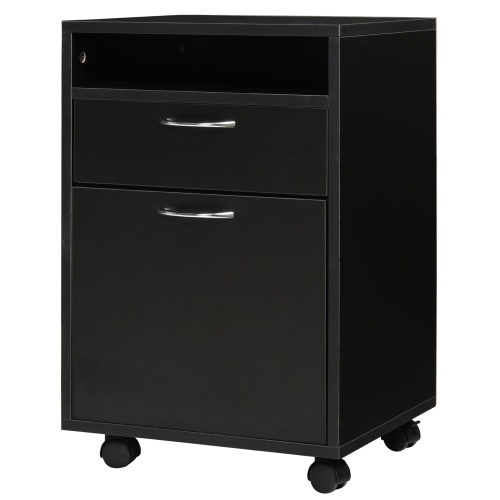
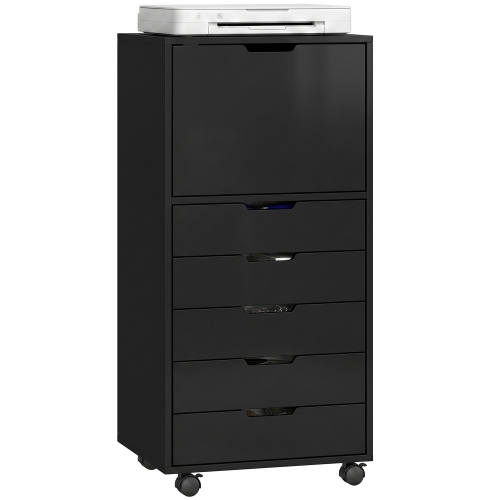
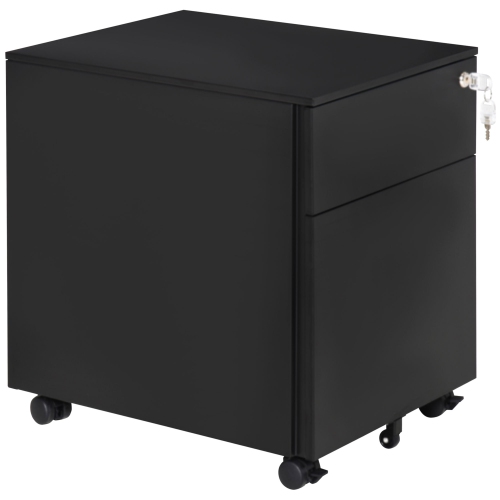
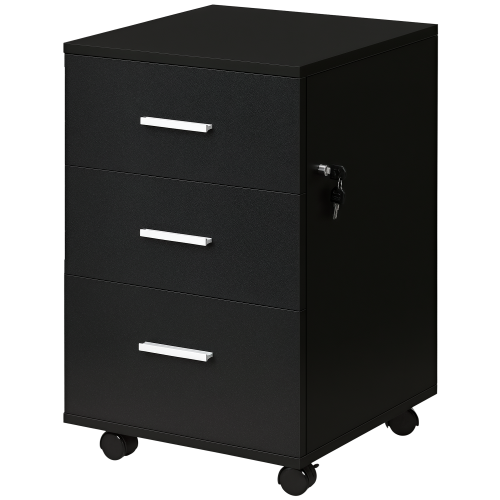
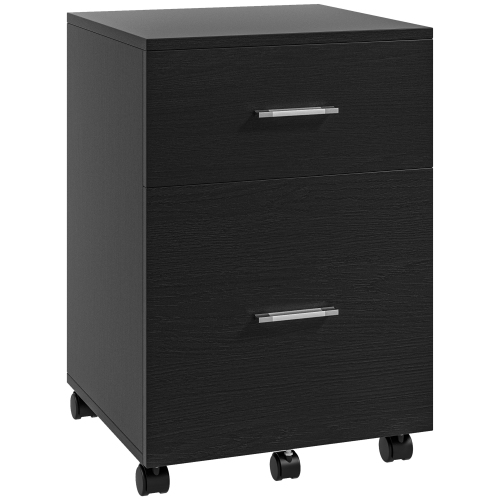
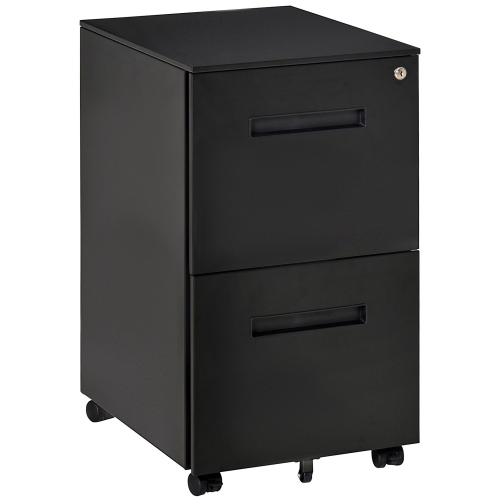
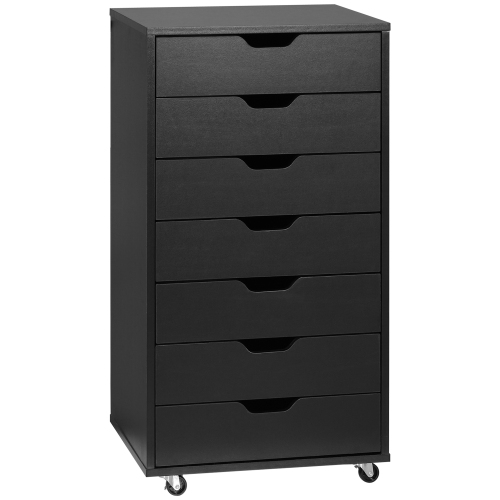
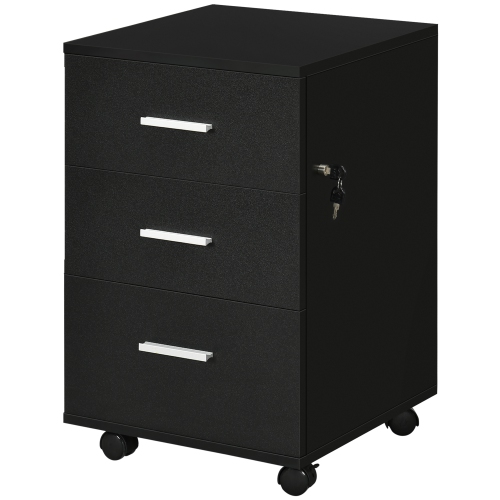
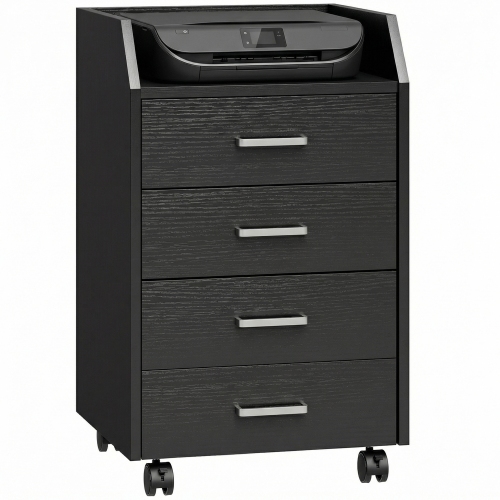
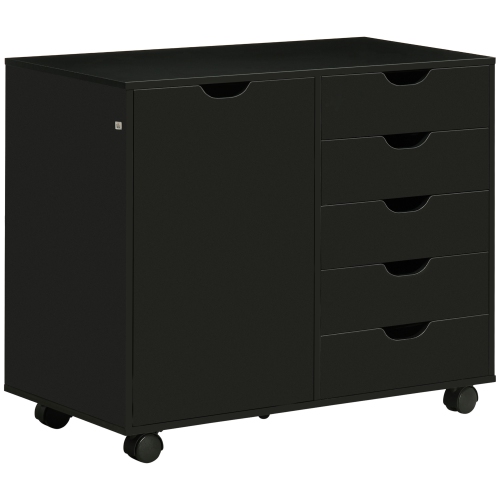
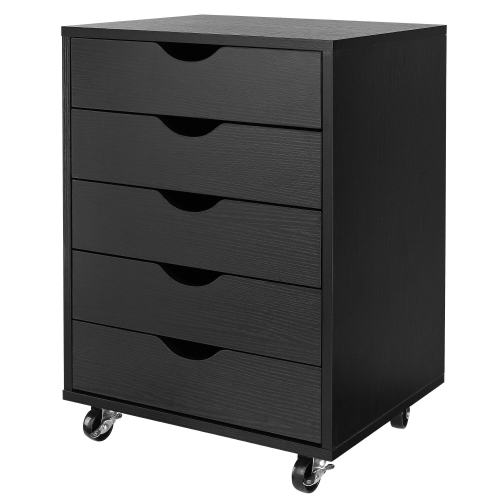
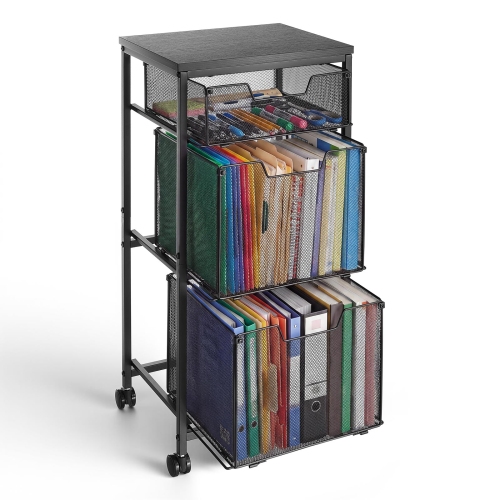
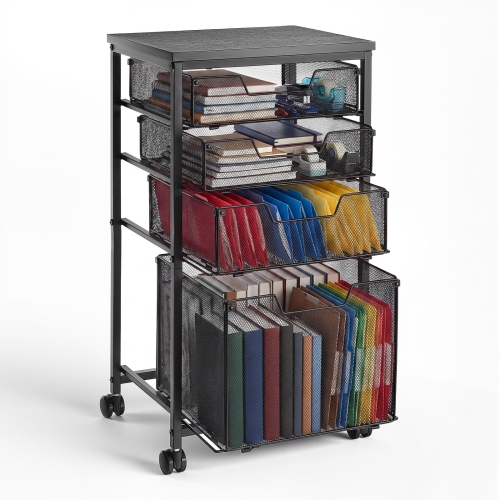
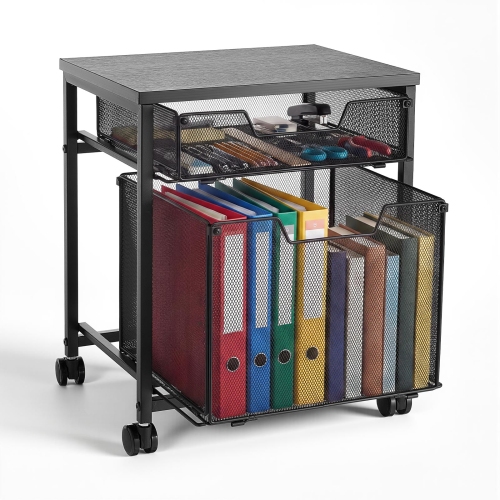
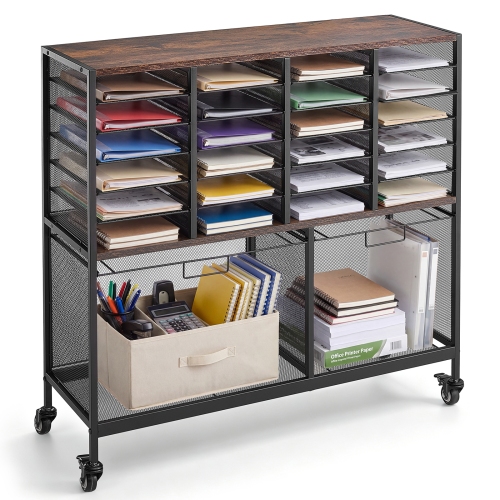

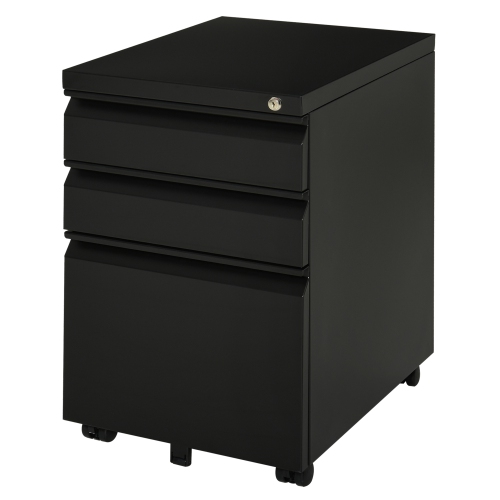
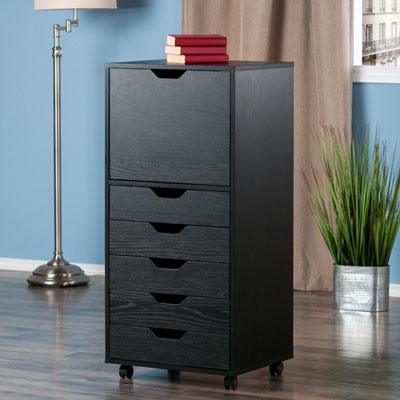
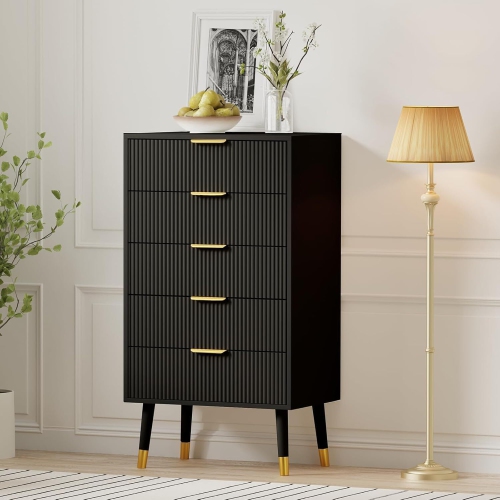
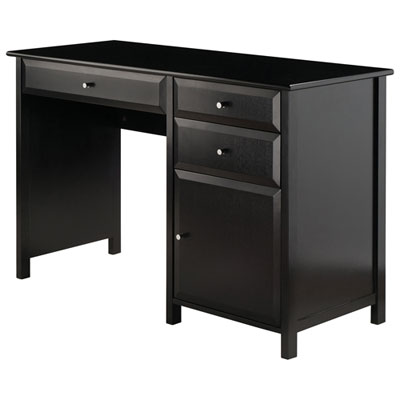
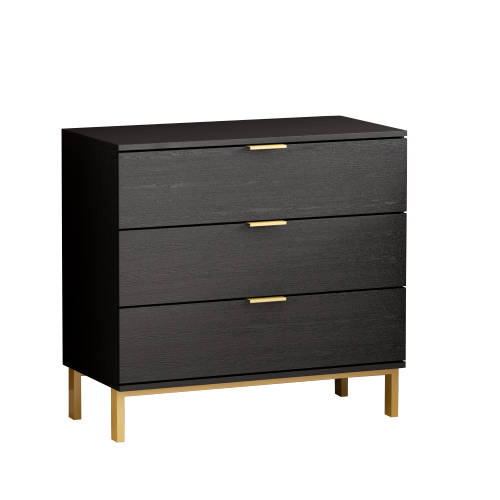
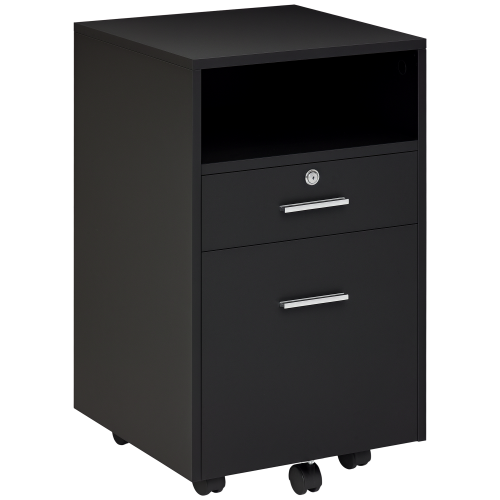

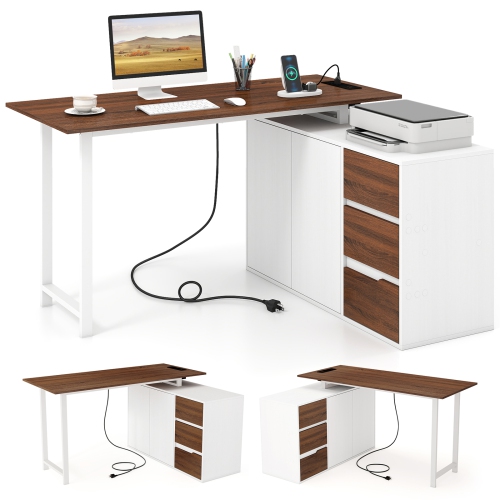
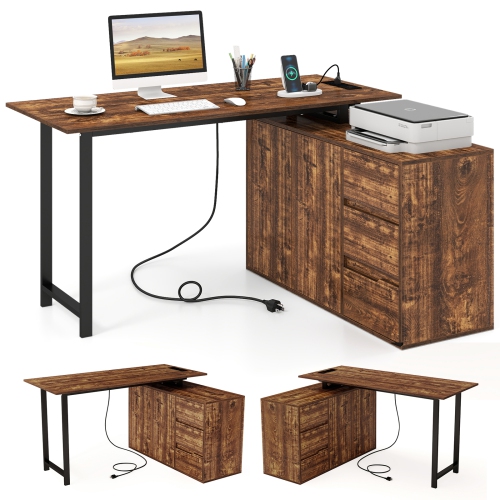
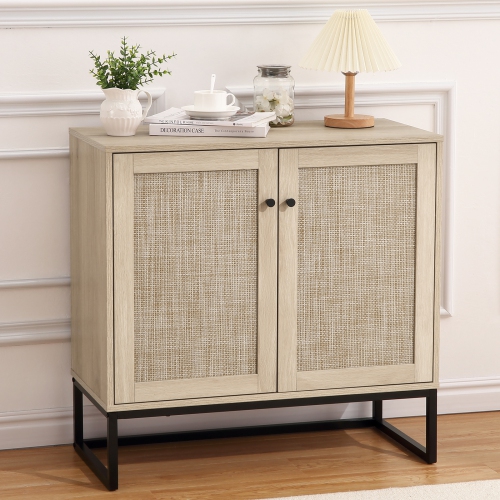
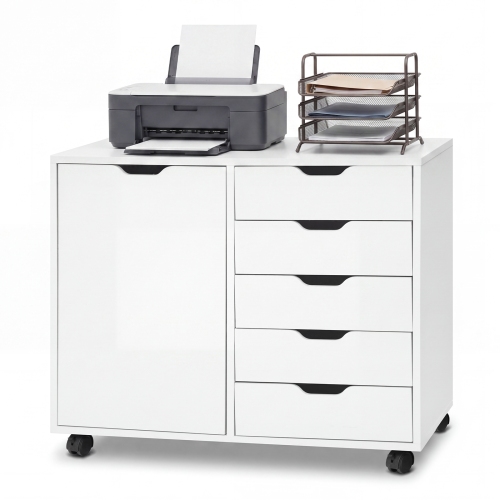
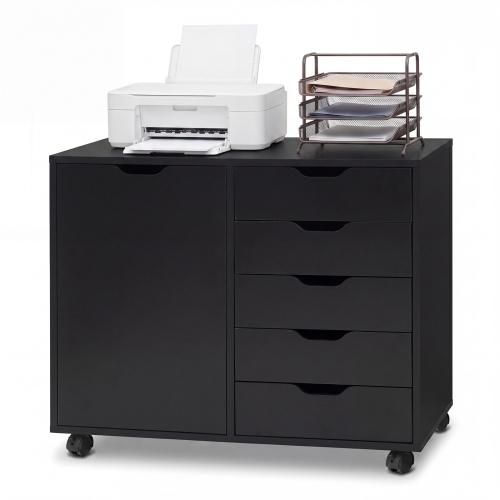
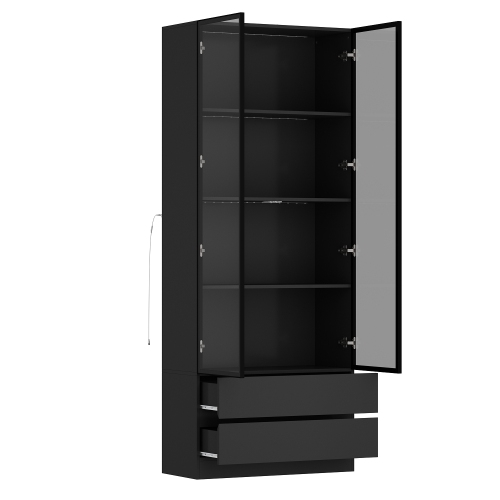

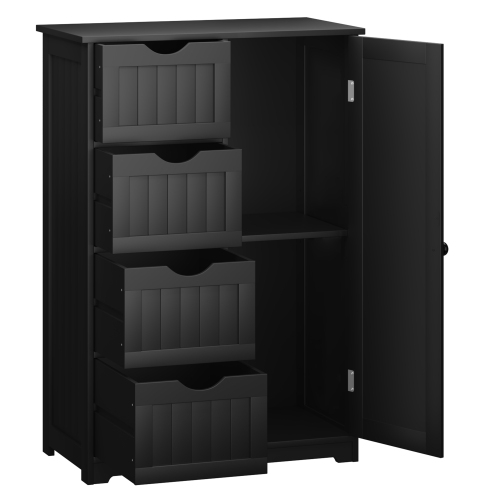
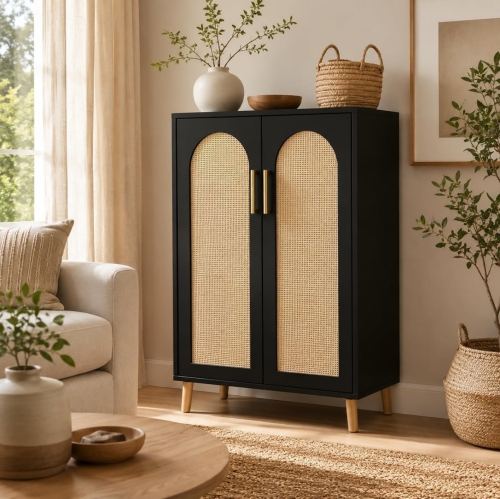
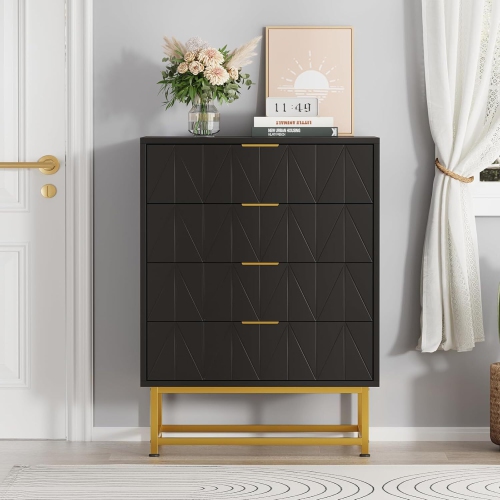
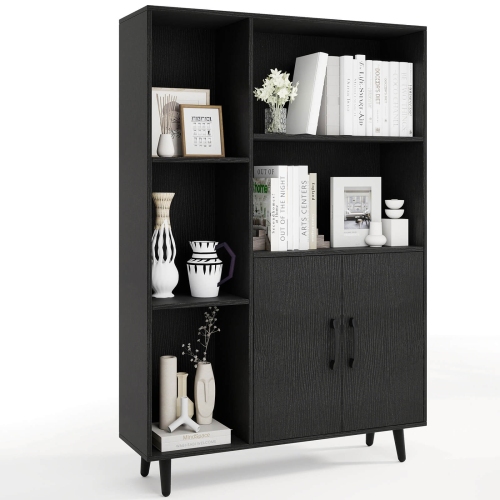
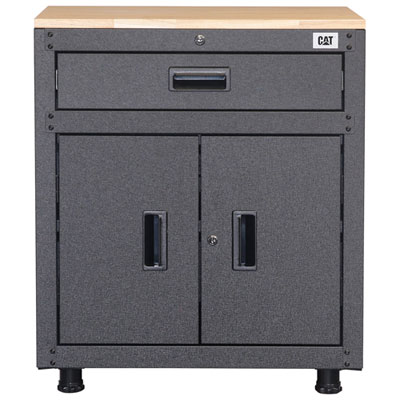
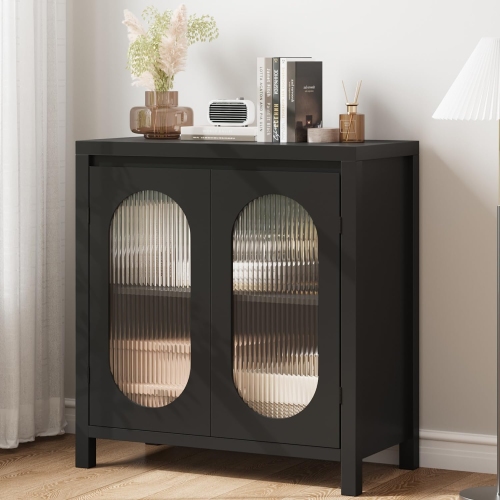
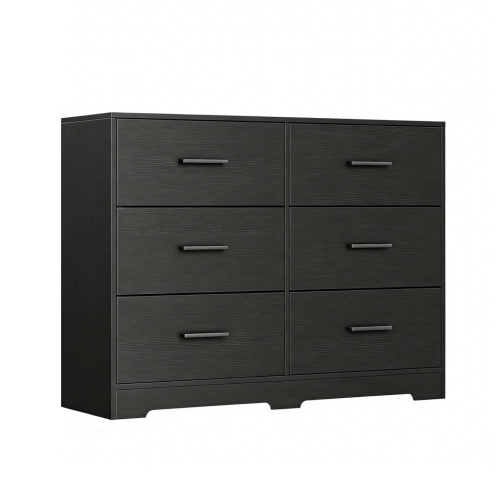
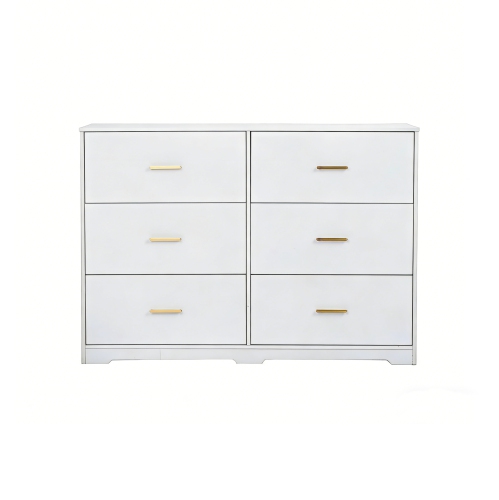
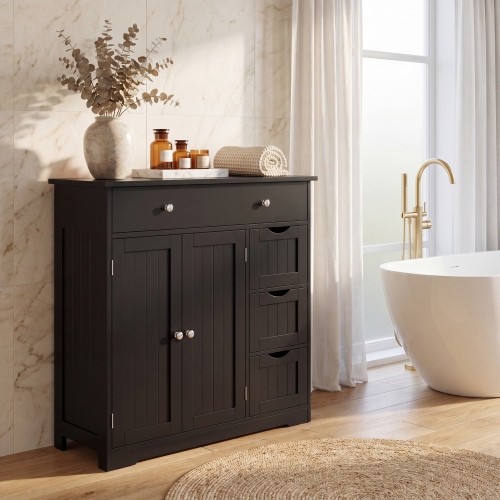
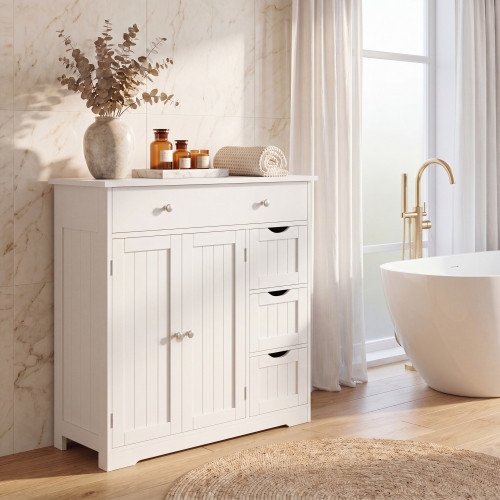
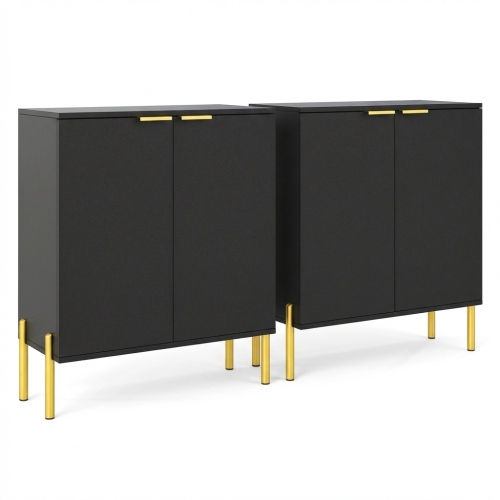
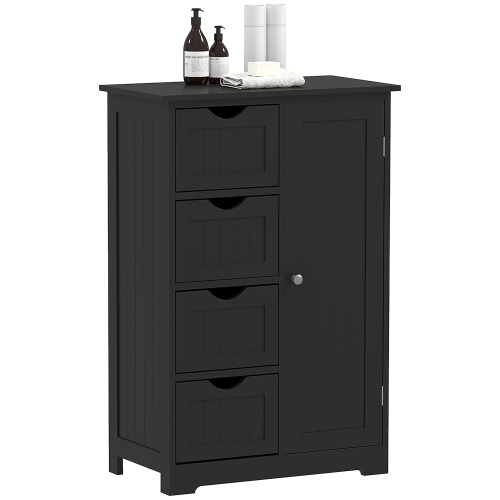
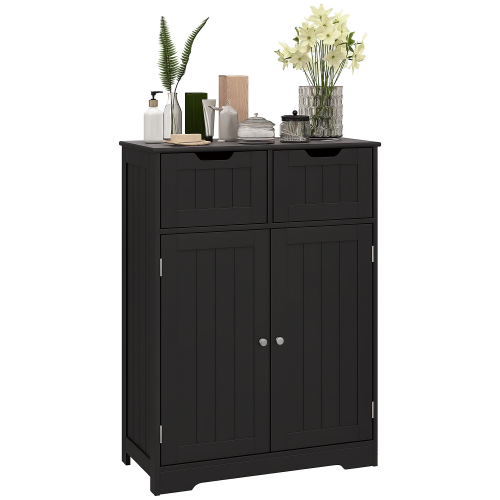
Practical file storage goes beyond a dark finish
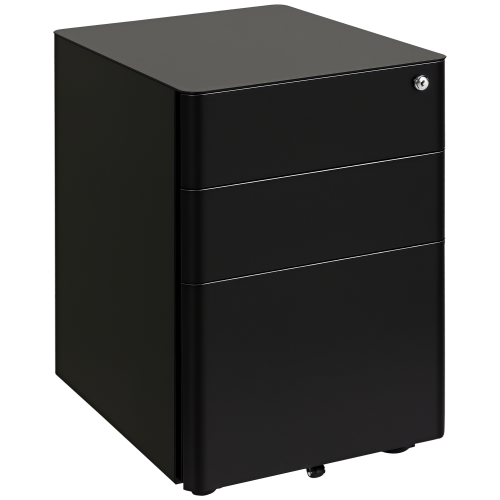
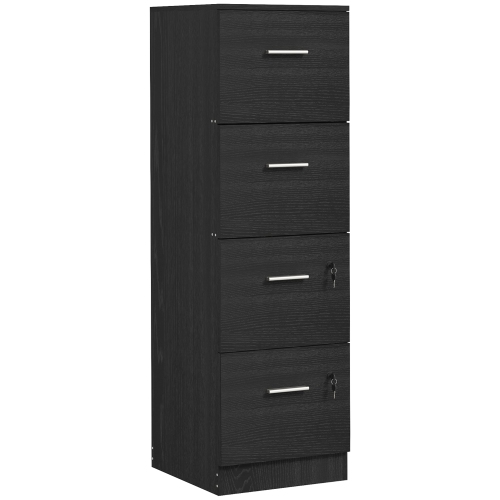
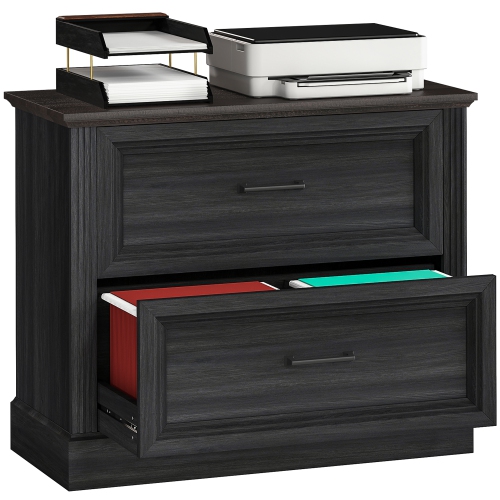
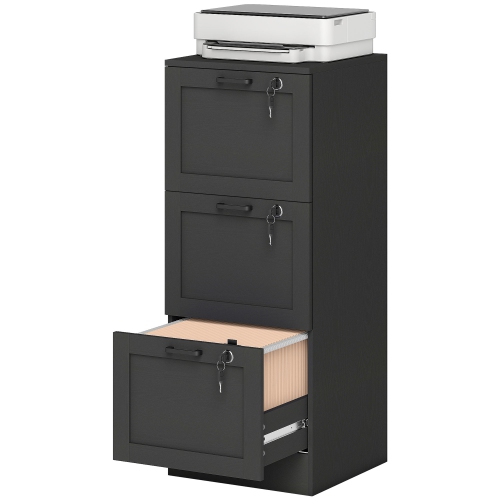
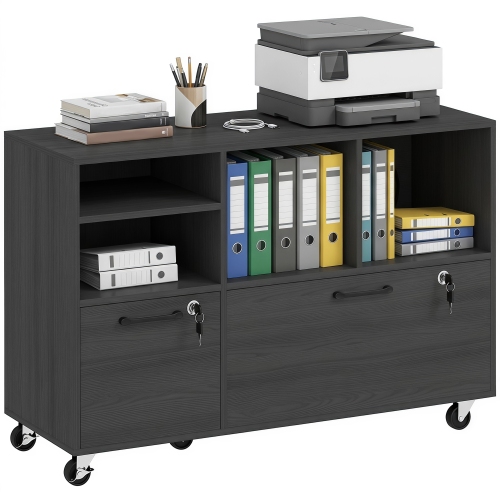
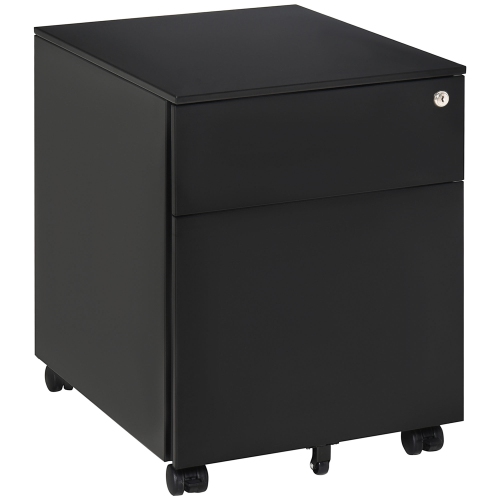
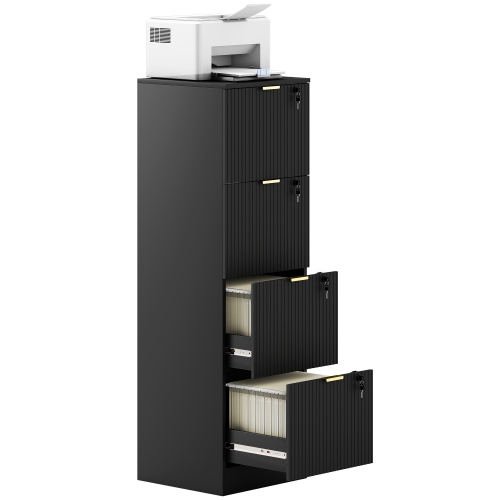
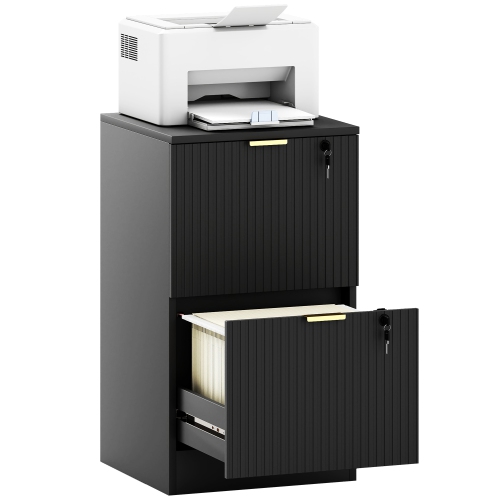
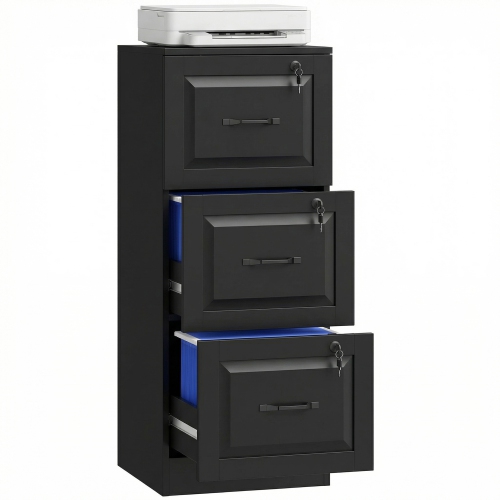
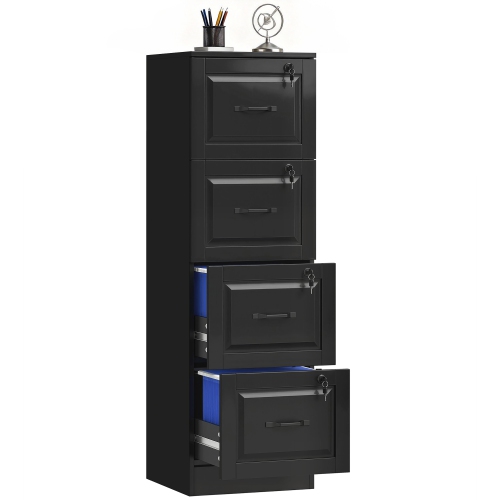
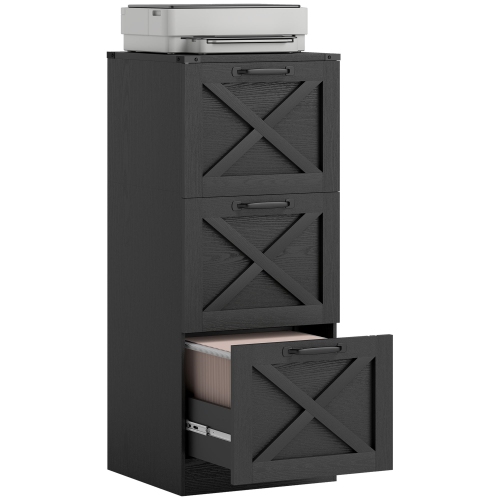
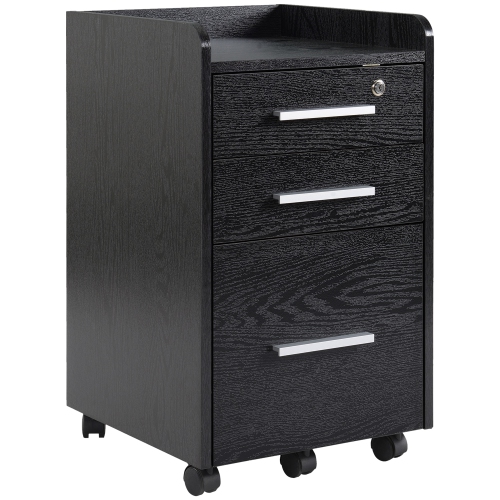
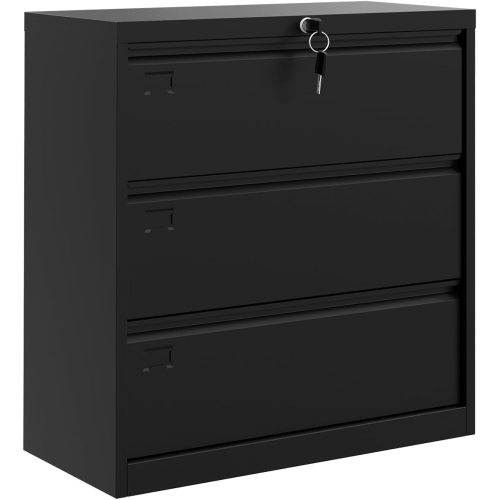
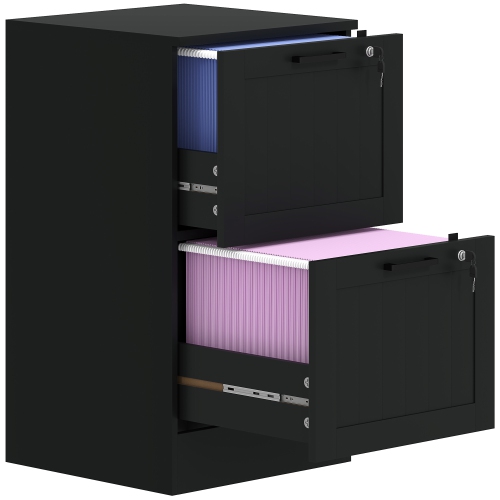
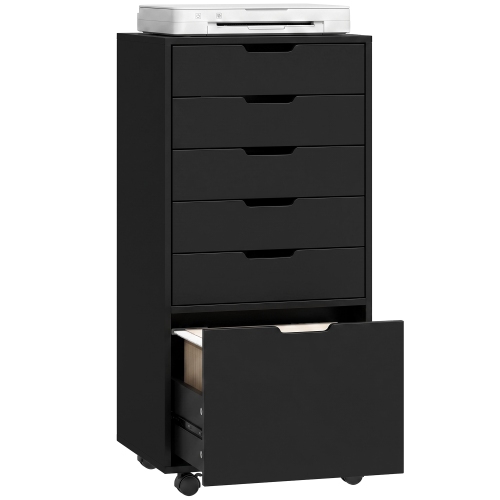
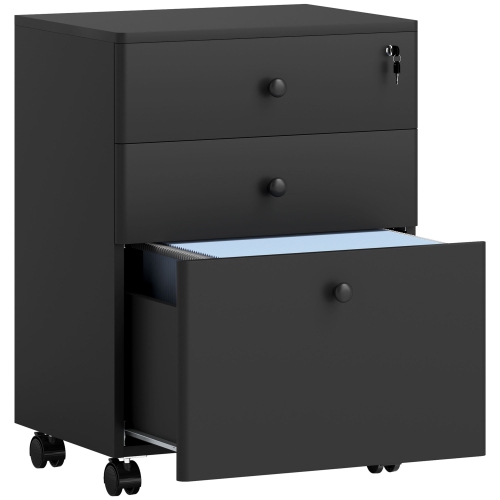
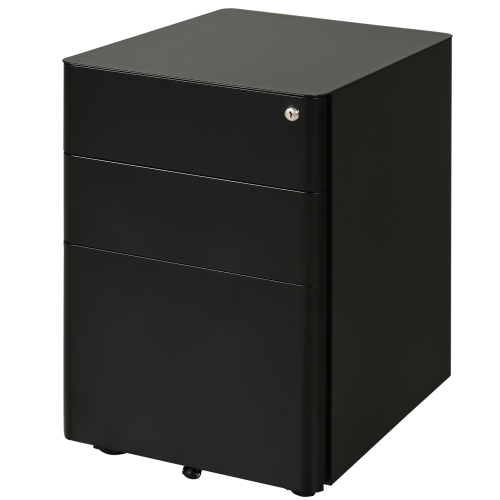
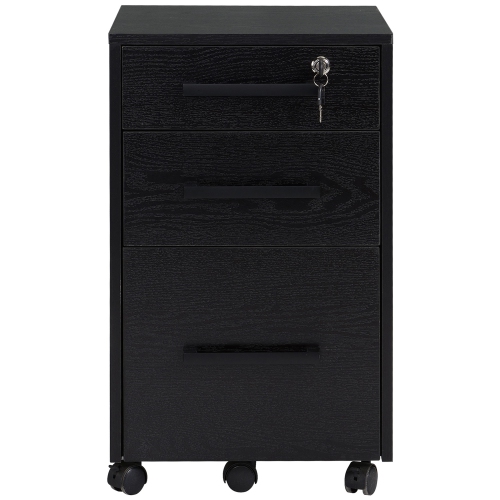
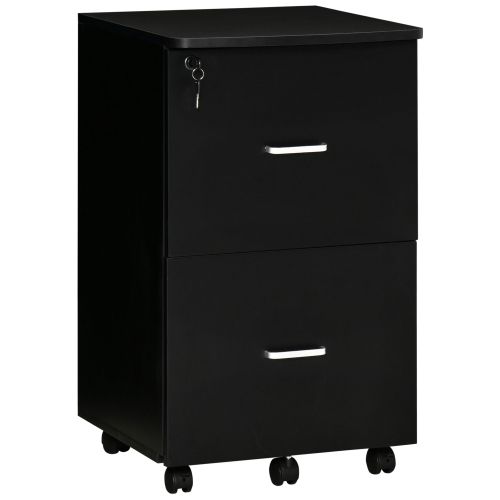
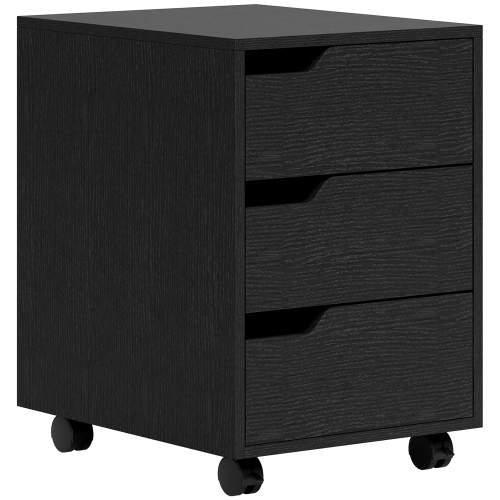
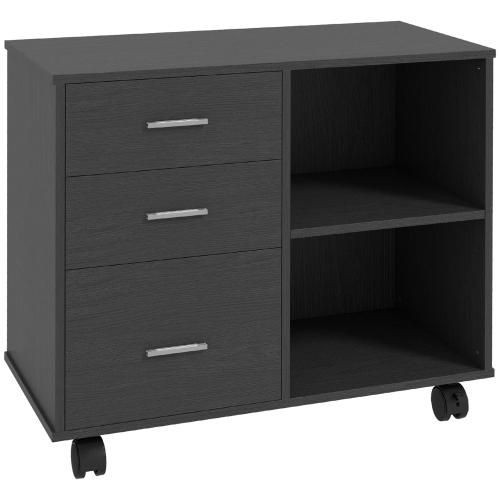
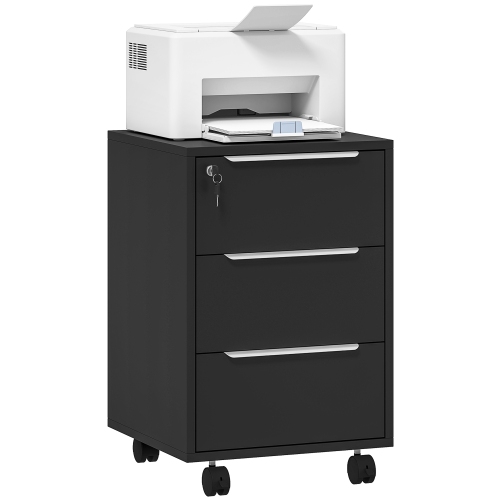
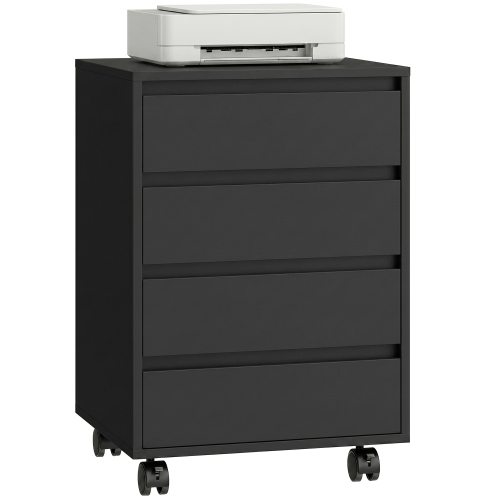
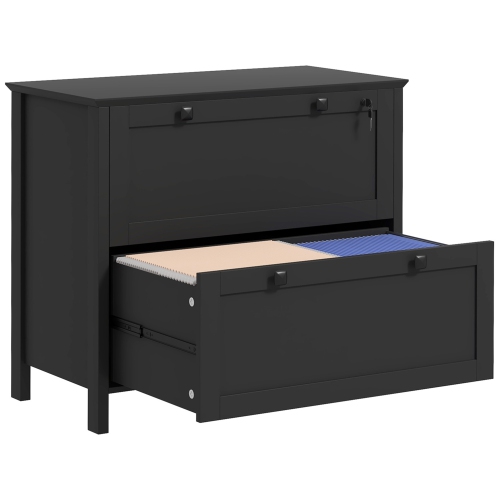
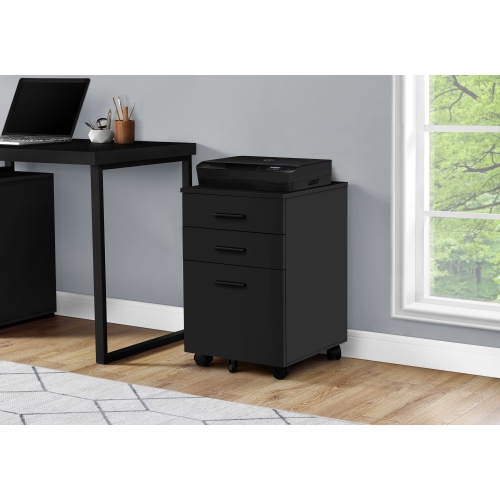
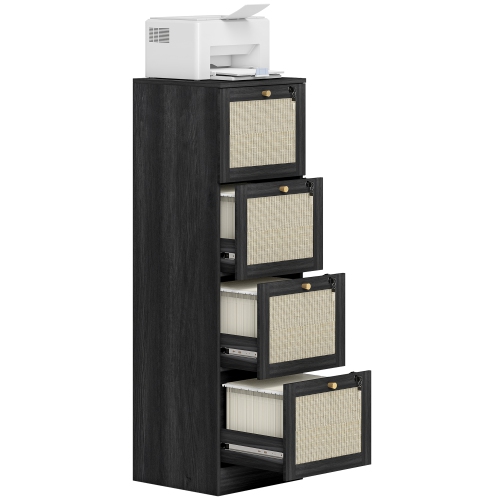
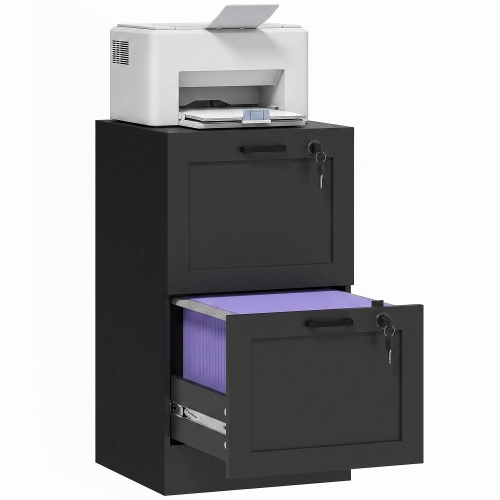
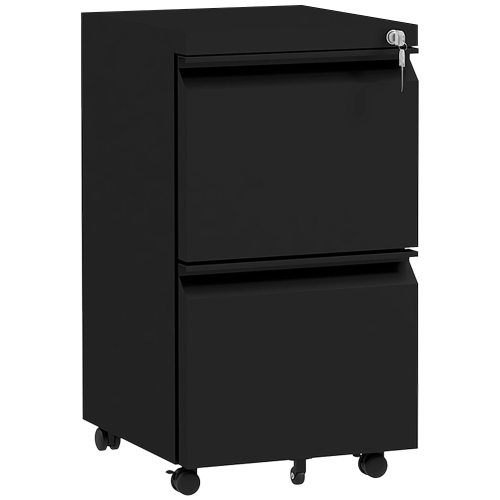
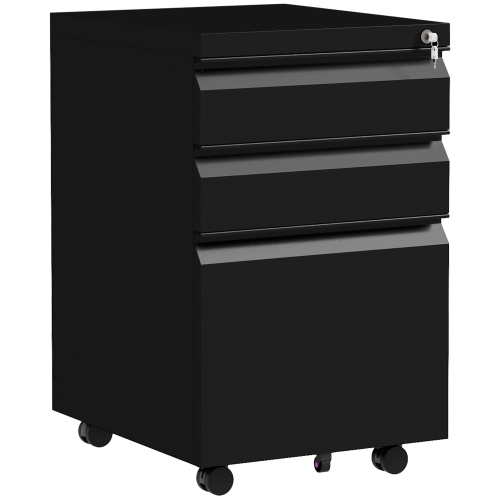
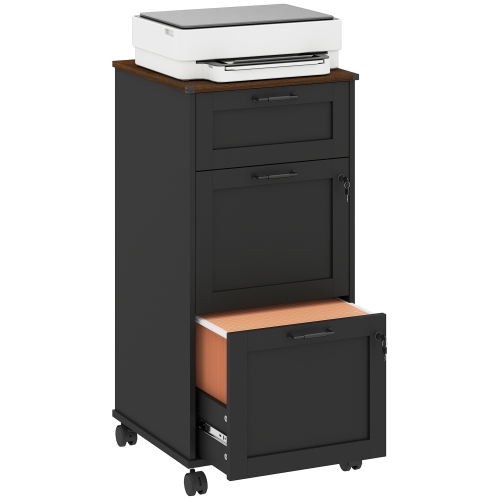
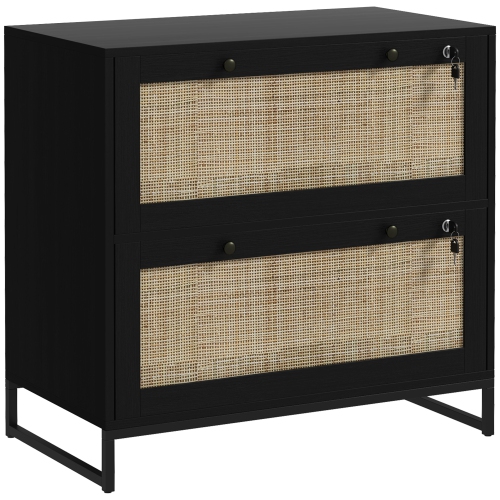
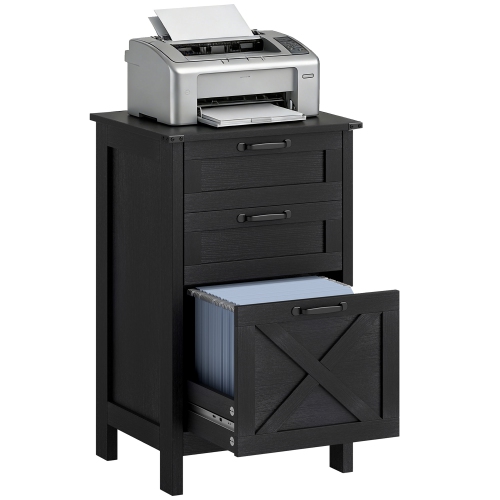
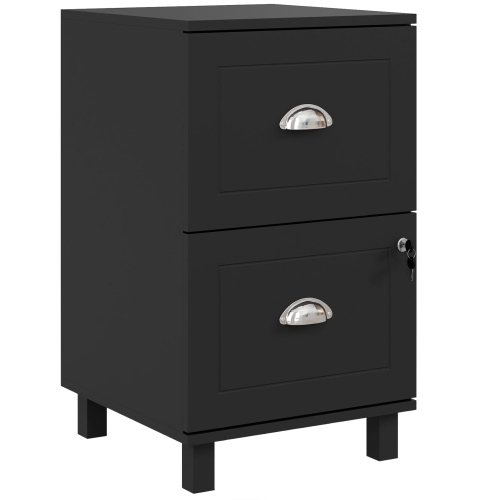
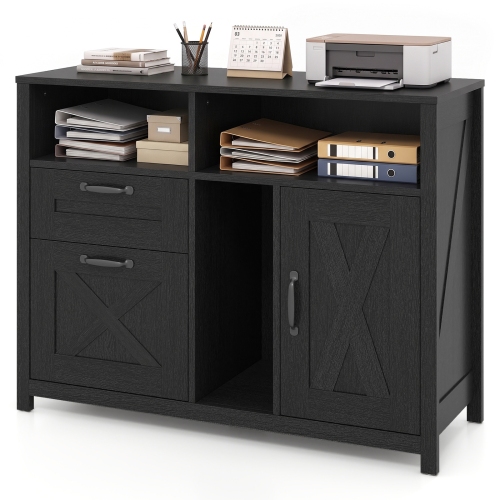
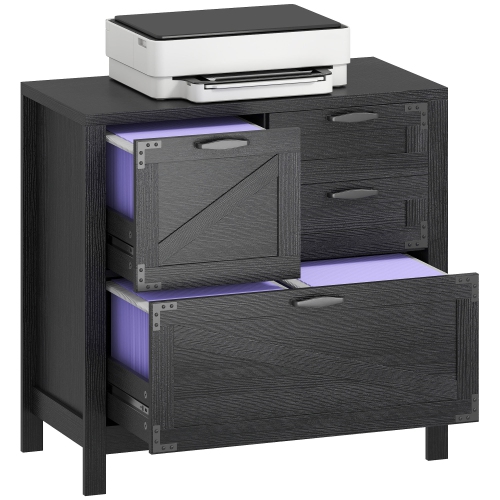
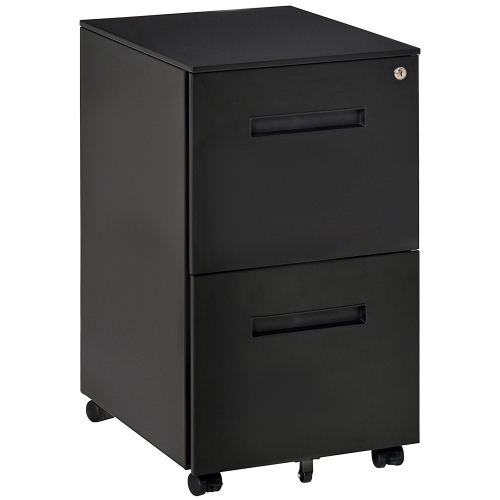
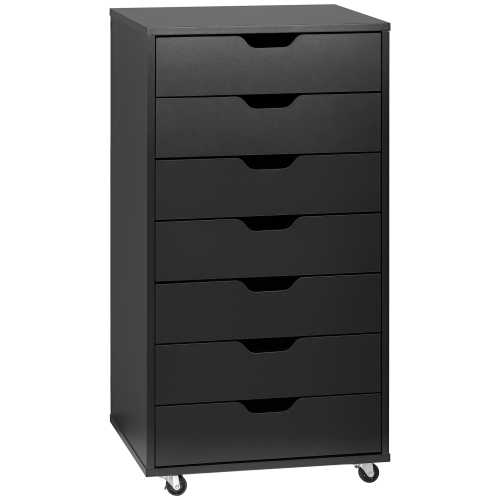
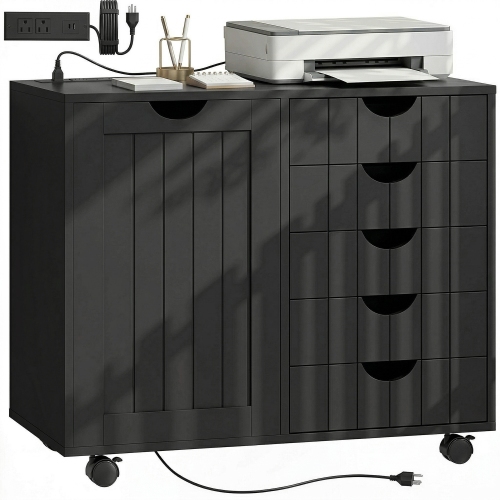
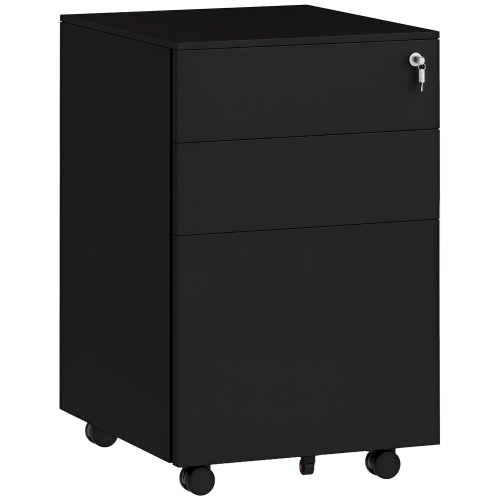
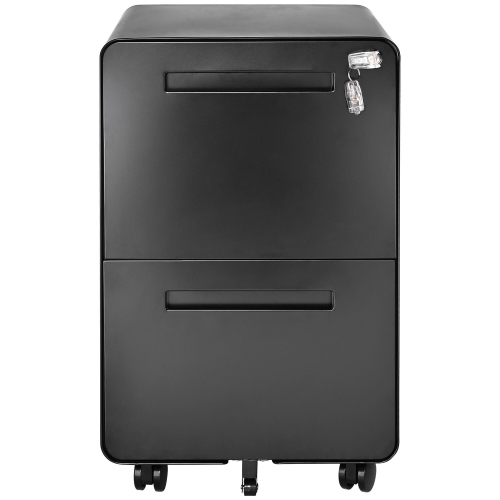
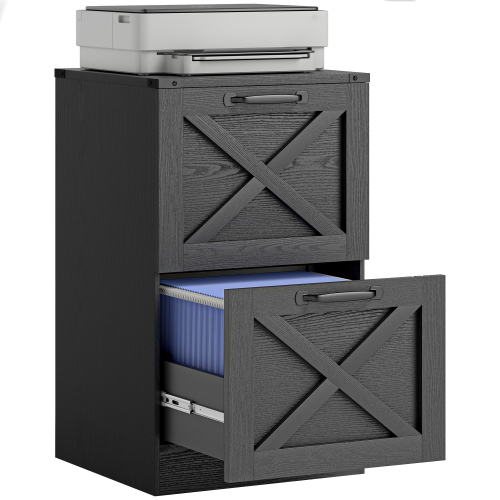
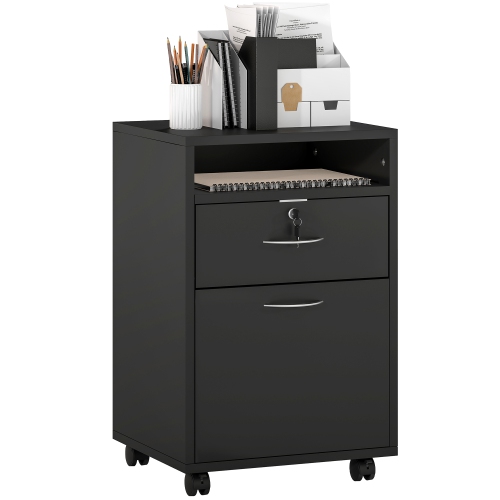
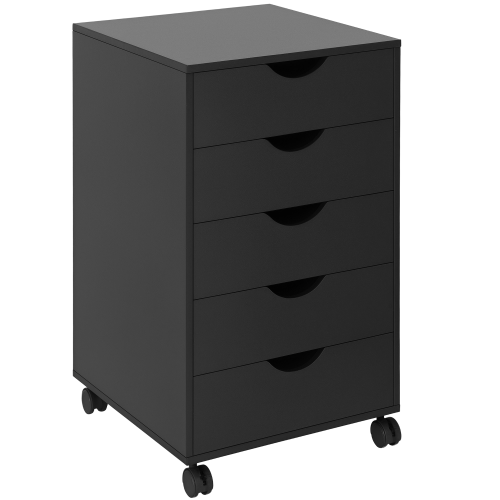
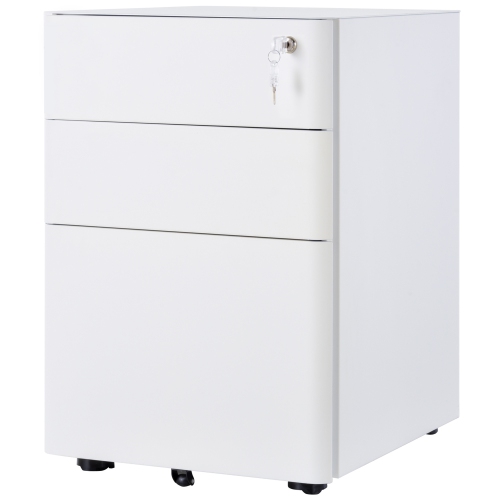
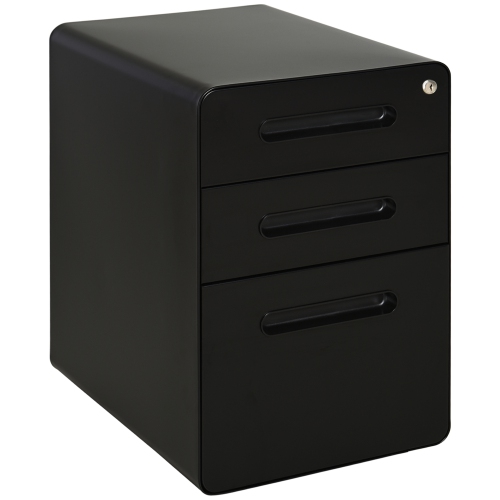
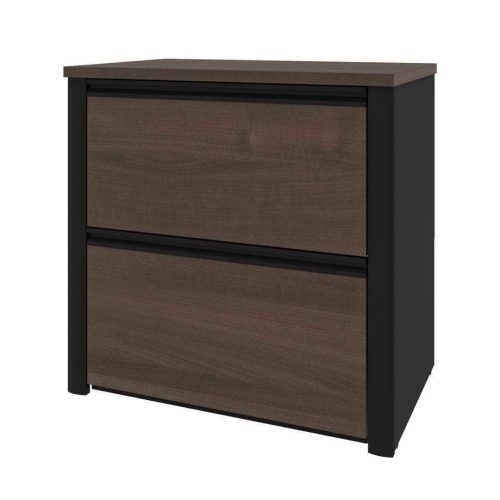
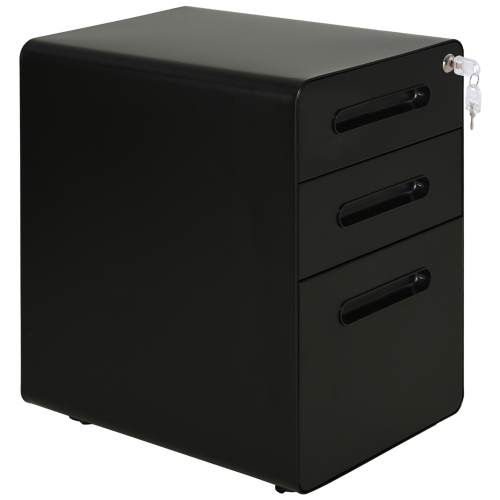
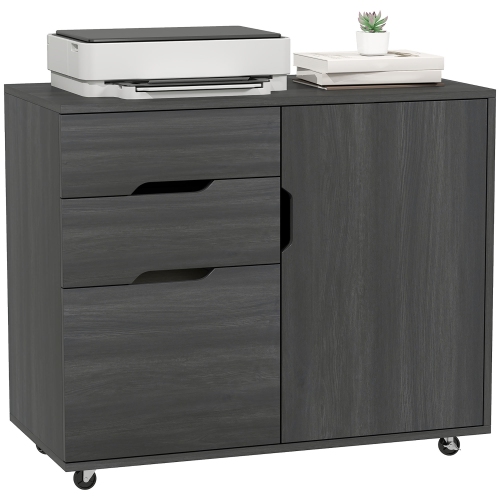
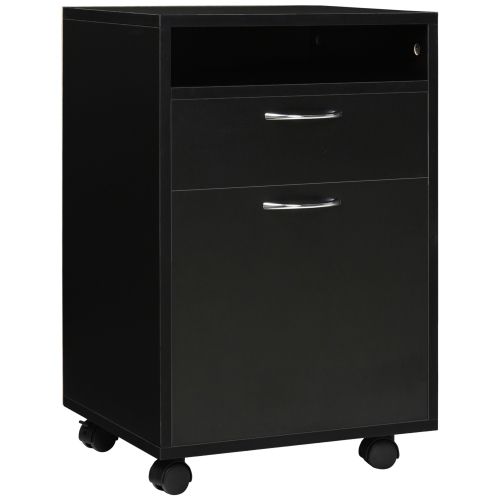
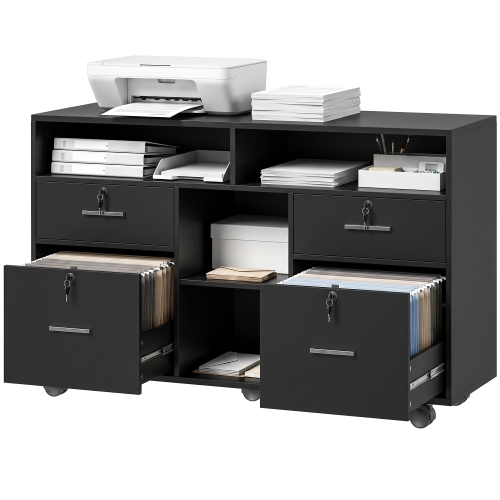
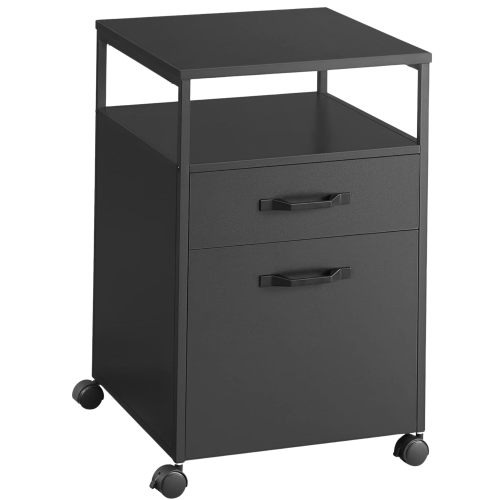
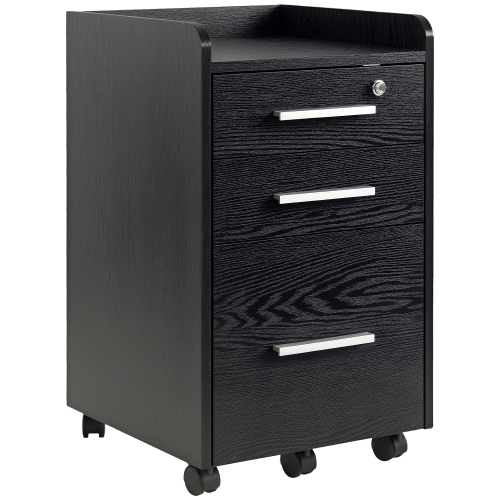
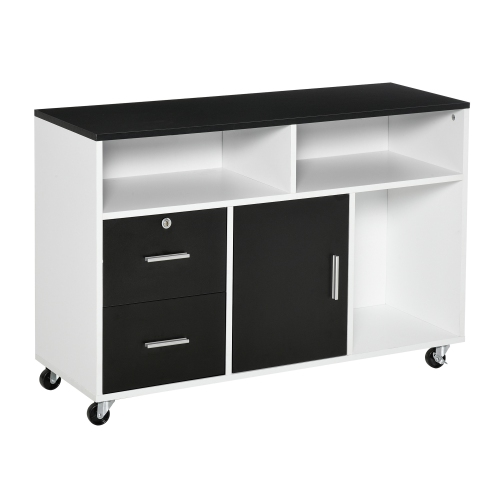
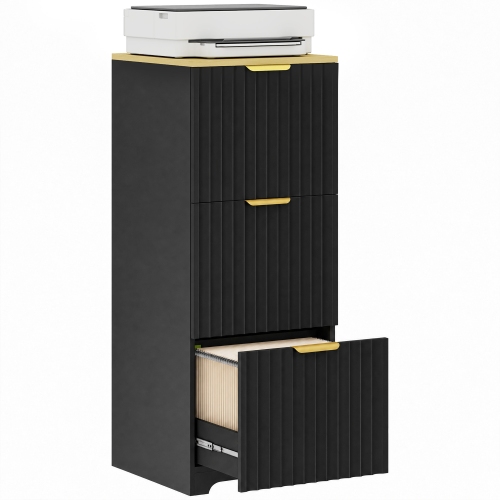
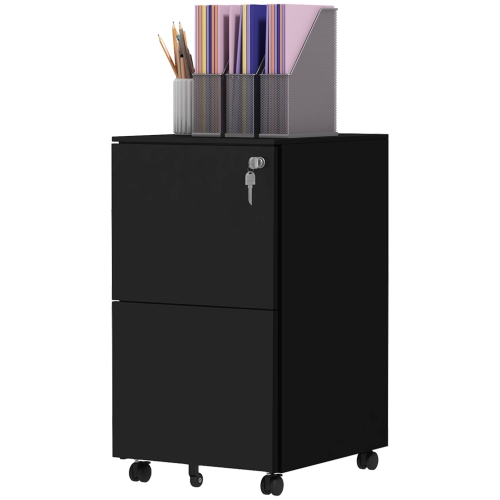
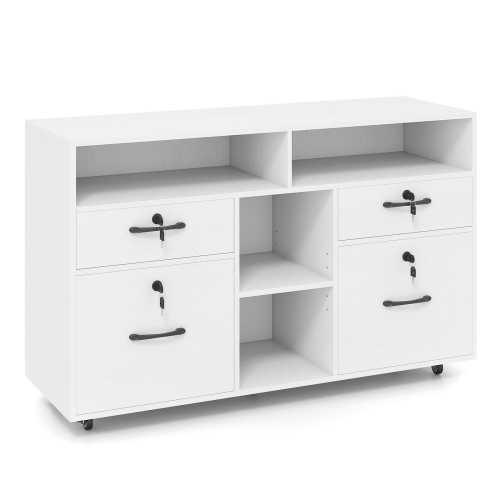
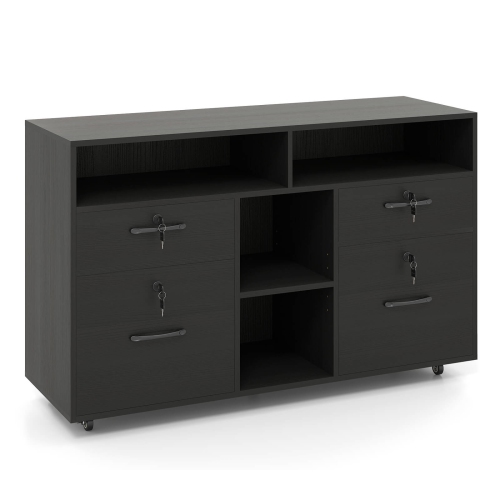
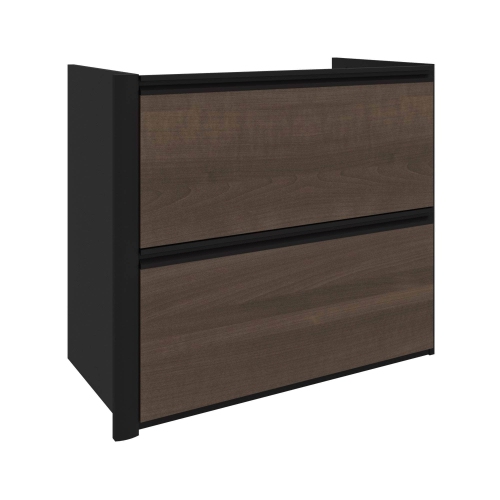
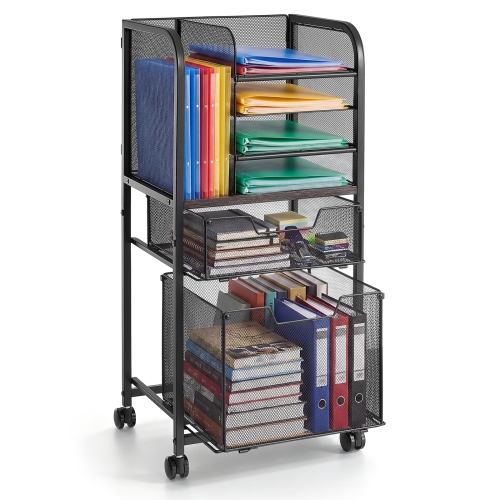
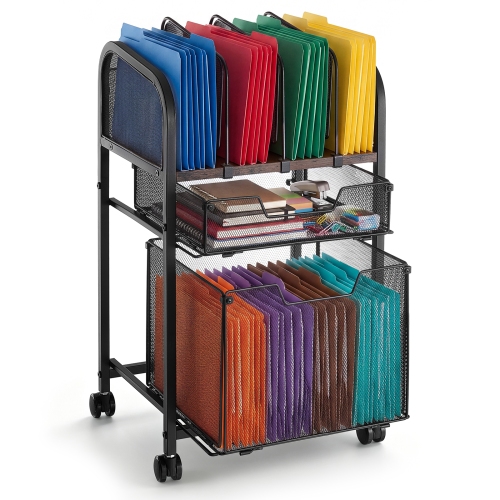
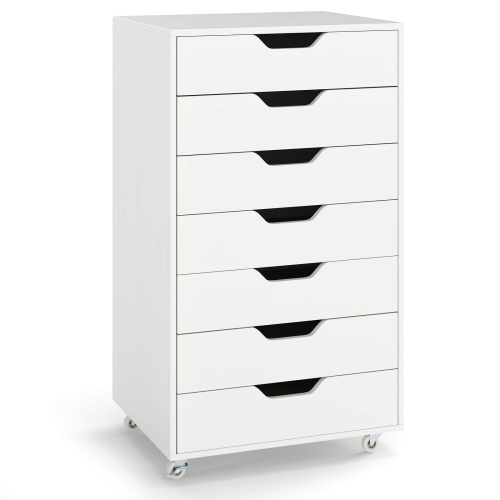
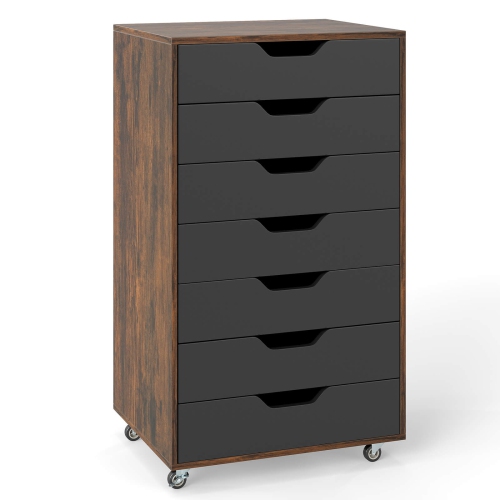
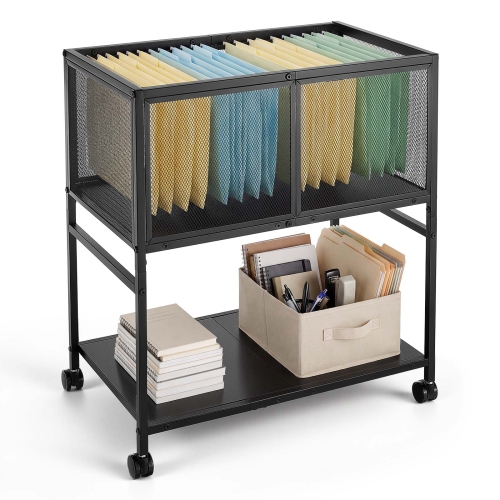
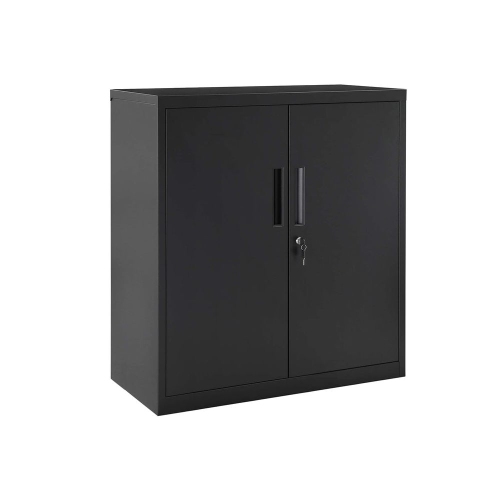
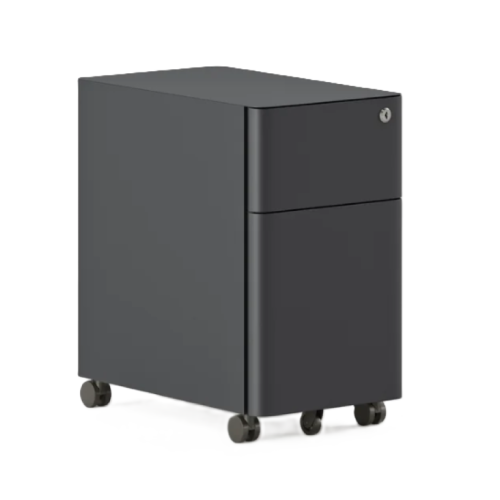
Black file cabinets bring dedicated document storage into home offices, shared workspaces, reception areas, and study corners without adding much visual distraction. Their dark finish works comfortably beside a light wood desk, a black metal frame, or shelving in mixed neutral colours, giving paperwork a defined place while keeping the room looking cohesive. They are useful for everything from household insurance records and school documents to client folders, invoices, and reference materials that still need to be kept on paper. The main differences between cabinets come down to their proportions, drawer layout, construction, and filing compatibility. Vertical file cabinets generally have a narrower footprint, with folders arranged from front to back in deeper drawers. This format can suit a space beside a desk or between other pieces of office furniture, provided there is enough room in front to open the drawers fully. Lateral file cabinets have a wider profile and often accommodate side-to-side filing, although the arrangement depends on the internal rails. Their broader top surface can also provide room for a document tray or other office essentials within the stated weight limit. Compact pedestal cabinets fit closer to the working area and may combine a deep file drawer with shallower drawers for pens, notepads, and charging cables. Mobile versions can tuck beneath a desk or move alongside it, but their overall height needs to include the casters, and their position should leave comfortable knee room. In a small home office, even the projection of a drawer handle can make a difference to a walkway. Black creates a stronger visual outline against pale walls, while Gray File Cabinets offer another neutral option when a softer contrast suits the surrounding furniture. Either colour can support a coordinated workspace, but the cabinet’s usable dimensions matter more than its appearance alone.
Materials and drawer construction influence how a black filing cabinet feels in daily use. Steel cabinets are common in workspaces where drawers open frequently and paperwork carries considerable weight. A powder-coated finish can provide a smooth, durable surface, though resistance to scratching and marking varies with the finish and how the cabinet is handled. Wood and engineered wood cabinets can create a more furniture-like appearance, particularly beside a matching desktop or bookcase. Laminate surfaces are generally straightforward to wipe clean, while edges and joins deserve attention because standing moisture can damage some engineered wood materials. Black finishes also vary: matte surfaces give a quieter look, textured coatings can make minor marks less noticeable, and glossier surfaces may show fingerprints more readily. Inside the cabinet, drawer slides, hanging rails, and usable clearance are just as important as the exterior. Full-extension drawers allow access farther toward the back, making it easier to reach an older folder without shifting everything in front of it. Ball-bearing slides can help drawers move smoothly, but the stated drawer load rating remains the important limit when storing dense stacks of paper. Filing compatibility should match the documents being stored. Canadian households and offices commonly use letter-size paper, measuring 8.5 by 11 inches, and legal-size paper, measuring 8.5 by 14 inches; A4 documents may require a different rail position or a cabinet designed to accommodate them. External width alone does not confirm that a drawer will hold a particular folder size. Adjustable hanging rails can add flexibility, while follower blocks, where included, help keep upright files from slumping when a drawer is not full. A cabinet with separate supply drawers can be especially practical for someone who wants envelopes and stationery nearby without mixing them into labelled document folders. For a bookkeeper, student, or person managing household records, that separation can make a small workspace feel much more orderly.
Day-to-day practicality also depends on stability, access, and care. Lockable file cabinets add a barrier to casual access, which can be useful for personal records or shared offices, but locking arrangements differ. A central lock may secure several drawers together, while other layouts lock only an individual compartment. The presence of a lock does not establish a cabinet’s resistance to forced entry, fire, or water; those forms of protection need specific supporting ratings. Stability features are similarly worth distinguishing. Some cabinets have an interlock that limits opening to one drawer at a time, while some mobile designs include a support caster beneath the file drawer. These features do not replace correct loading, suitable floor placement, or any anchoring required by the manufacturer. Heavier files belong in the lower drawers, and a drawer should never serve as a step or seat. For mobile cabinets, locking casters help hold the unit in place during use, and wheel suitability matters on carpet, hardwood, or other flooring. A low cabinet beside a desk can keep frequently used folders within easy reach; a taller unit can concentrate storage along a wall when floor space is limited. Any equipment placed on top needs to remain within the surface load limit, with cords routed so they do not catch in drawers or obstruct movement. Routine care is usually simple: a soft cloth removes dust, and a lightly dampened cloth with a suitable mild cleaner can address fingerprints, following the finish’s care directions. Abrasive pads and excess moisture can harm coatings, edges, or hardware. Drawers also benefit from sensible spacing rather than tightly compressed folders that snag on rails or make retrieval awkward. Clearly labelled tabs, enough clearance above the files, and a little room for new paperwork help the cabinet remain useful as records accumulate. With the right proportions and internal layout, a black file cabinet becomes an everyday part of the workspace rather than a place where documents disappear from view.
Top selling and popular products
-
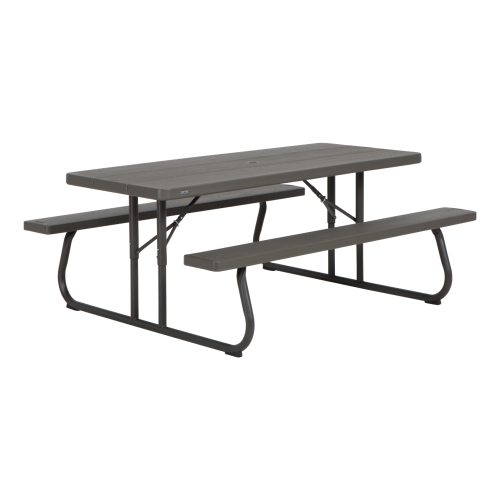 Your price for this item is $369.99
-
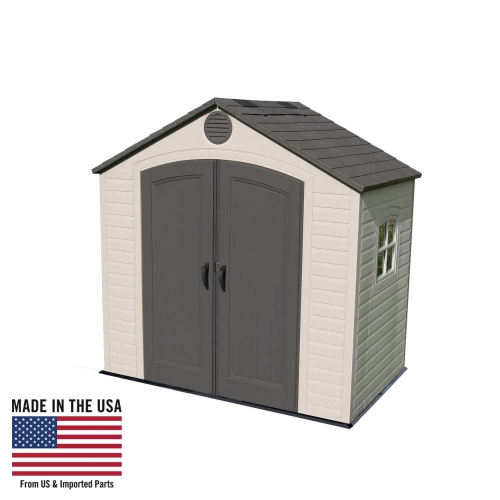 Your price for this item is $2249
-
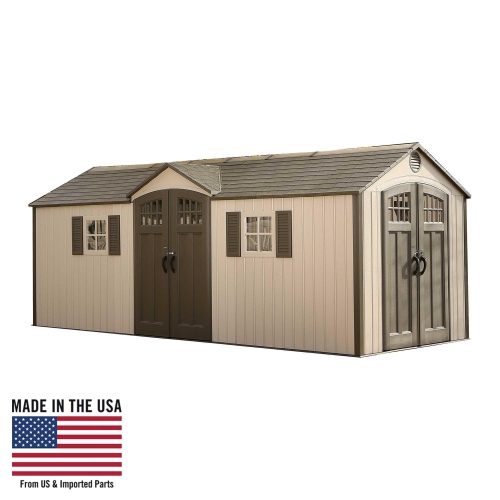 Your price for this item is $5999.99
-
 Your price for this item is $5999.99
-
 Your price for this item is $4499.99
-
 Your price for this item is $629.99
-
 Your price for this item is $369.99
-
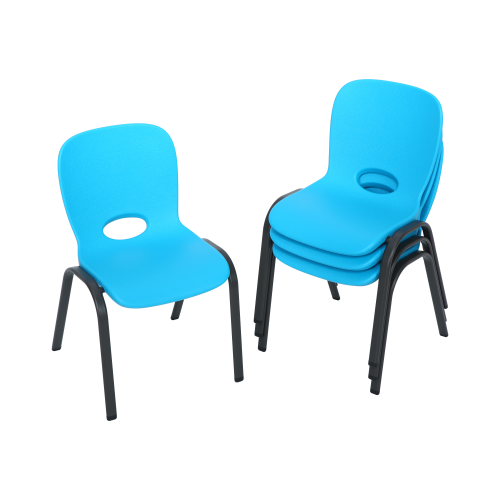 Your price for this item is $119.99
Discover more categories related to Black File Cabinets
Top Collections:
Best Black Friday Deals This Year, Best Black Friday Deals On Electronics, Kindle Devices, Dyson Airwrap, Best Cameras for Sports Photography, Best Budget Office Chairs, Canon G7X Cameras, PS5 Pro Consoles, Best Black Friday Deals On Apple Products, XBOX One S Consoles
Some products may be subject to Environmental Handling Fees
(EHF) depending on your province.
Learn more about EHFs.