Black Futon
Black futons are a versatile piece of furniture that can be used for seating, lounging, or sleeping. These multi-functional pieces of furniture are a great option for small spaces, as they can be used as a sofa during the day and a bed at night. Here are some great options available.
Sort


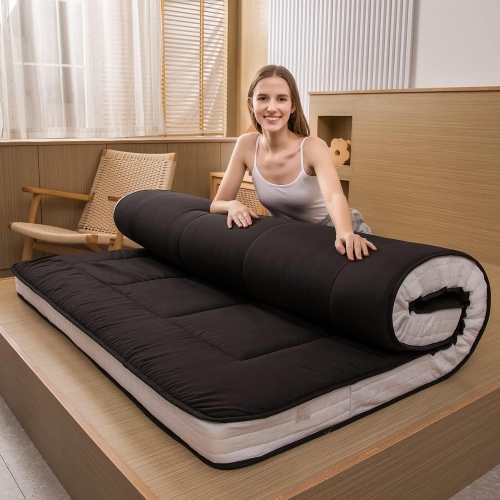
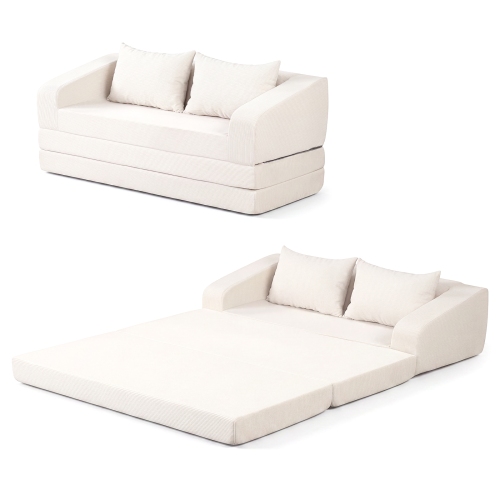
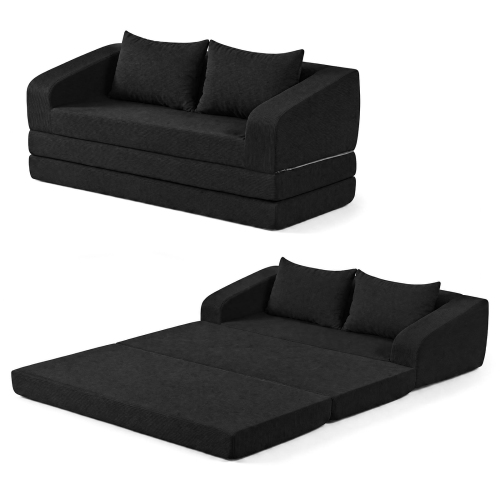
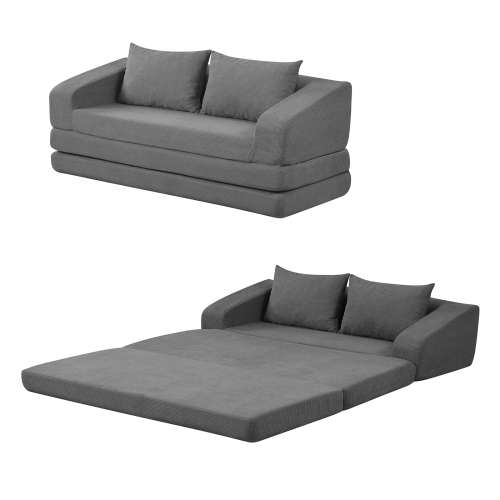
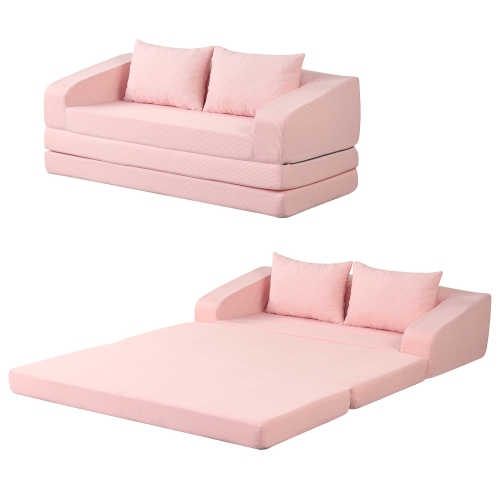
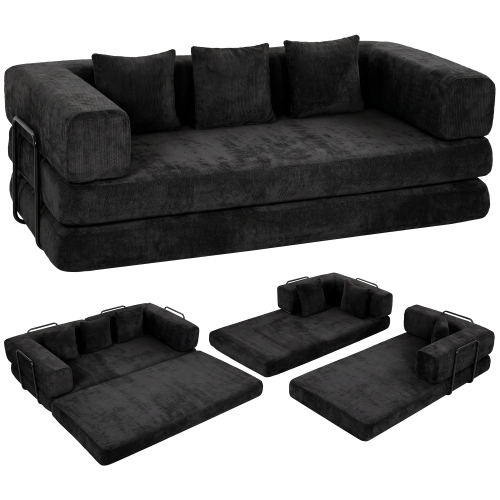
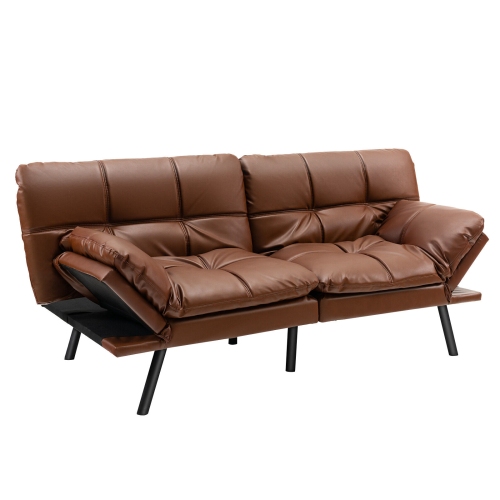
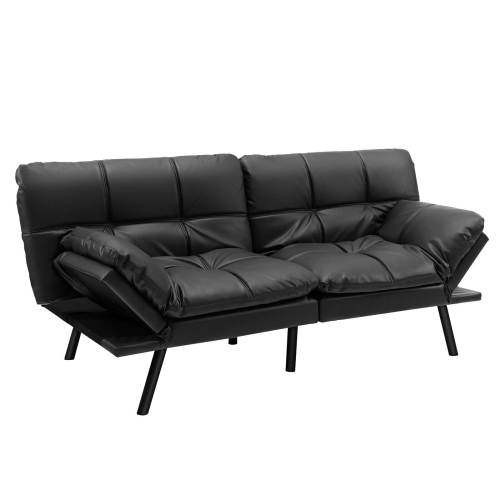

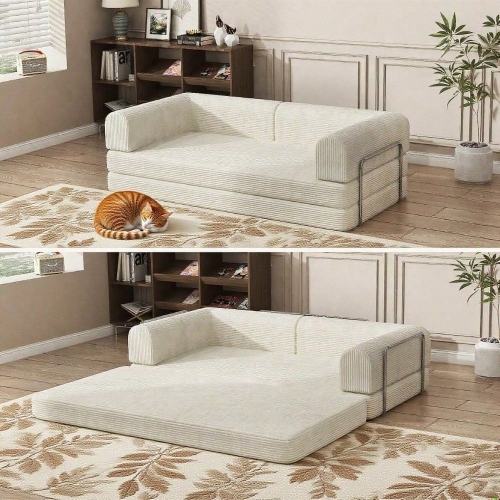


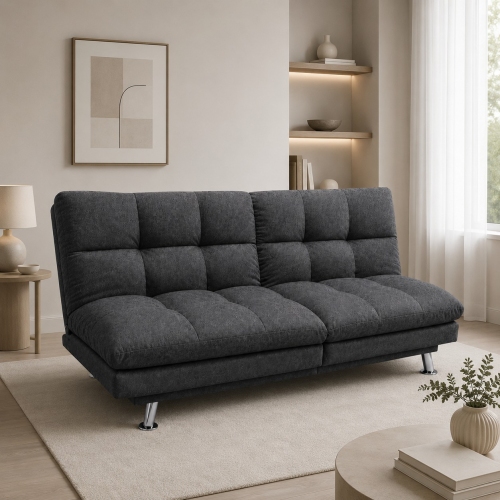
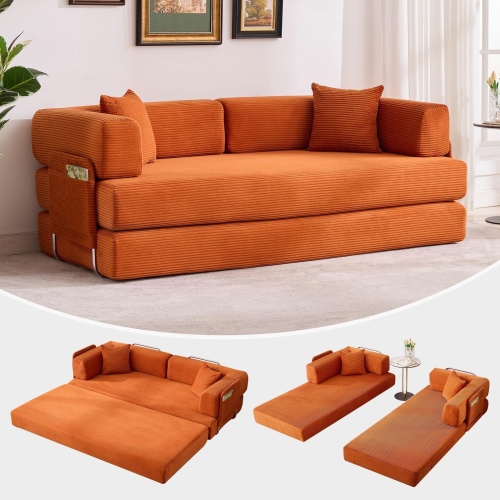


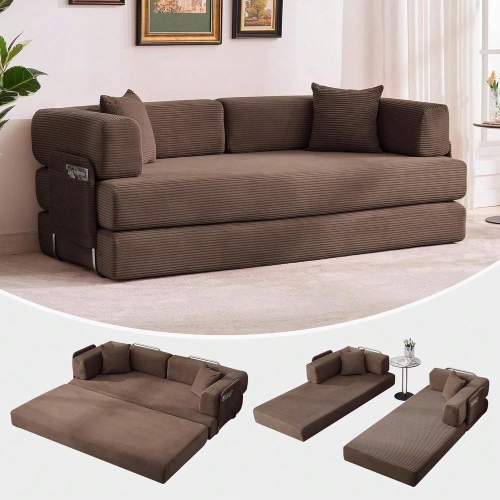
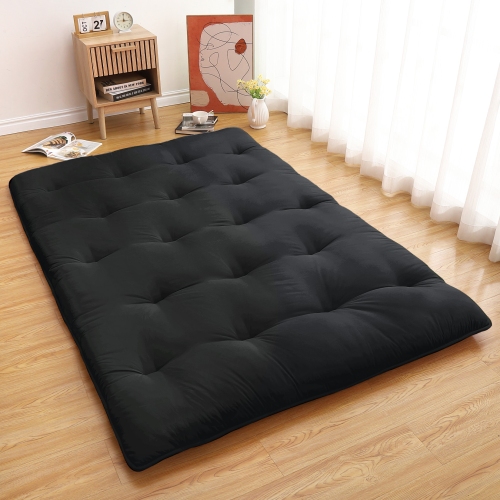

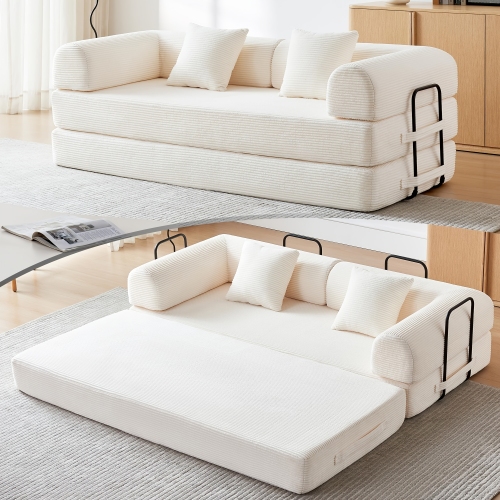

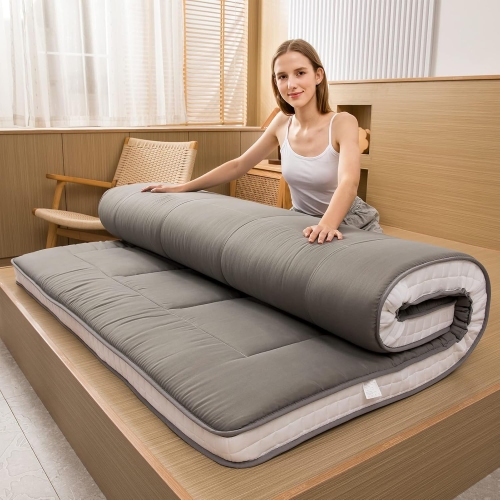
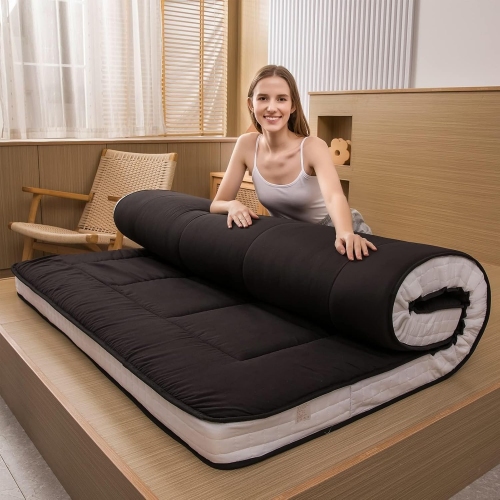
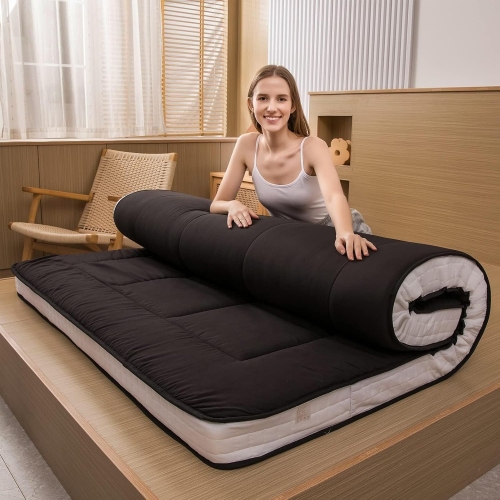

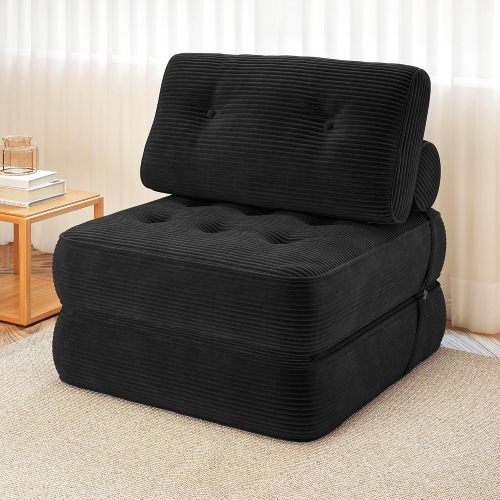
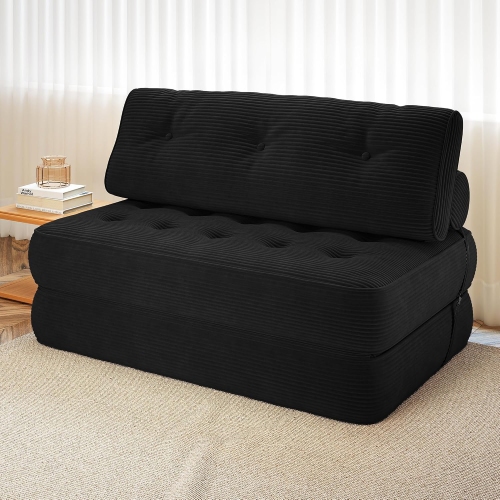


Everyday seating that opens up for overnight guests
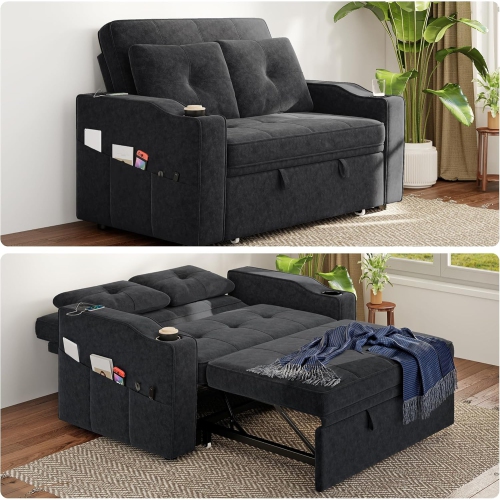
A black futon combines everyday seating with a surface that converts for rest or overnight guests, making it a practical choice for apartments, guest rooms, home offices, and multipurpose living spaces. The term can describe both a convertible sofa and a traditional foldable mattress, so the distinction between a complete seating unit and a mattress alone matters when comparing dimensions and intended use. For a living room or den, a futon sofa offers a place to sit, read, or watch a film before opening into a bed when needed. Black upholstery gives Futon Couches a defined silhouette that works with light wood, warm neutral fabrics, metal accents, and colourful cushions. A low-profile shape can keep a compact room feeling open, while padded arms and a taller back create a more substantial seating area. Armless designs make it easier to sit or stretch out across the full width, though they offer less support for someone who likes to lean against the end of a sofa. Conversion styles also affect how the furniture fits into daily life. Some backs fold down, some frames unfold beneath the mattress, and some designs have independently adjustable back sections. Each arrangement needs a different amount of clearance, especially behind the backrest or in front of the seat. The closed dimensions describe only part of the footprint; the fully extended sleeping surface determines whether nearby furniture, doorways, and walking routes remain accessible. In a home office, for example, a futon may sit comfortably opposite a desk but need extra room to open without moving the desk chair into the hallway. Door widths, stair turns, elevator space, and the size of any separate frame components also affect how easily a futon reaches its intended room. These practical details help distinguish a piece that simply fits against a wall from one that works comfortably in both positions.
Upholstery influences the feel, appearance, and care requirements of a black futon as much as its overall shape. Woven fabric can add texture to a room and feel less smooth against clothing than leather-look upholstery, while microfibre often has a soft surface with a subtle nap that changes appearance when brushed. Faux leather offers a sleek finish that may suit a modern office or minimalist living space, but cleaning methods and resistance to cracking or peeling depend on its composition and construction. Genuine leather has its own care requirements and can develop visible character with use. Material names alone do not establish durability: seam quality, fabric weave, cushion construction, and the way upholstery is secured around moving sections all contribute to how a futon holds up. Black can make some marks less noticeable, but pale pet hair, lint, crumbs, and dust may stand out clearly against it. A smooth finish and a textured weave also reveal wear differently, particularly along seat edges and fold lines. Routine care generally involves removing loose debris, addressing spills promptly according to the care label, and keeping cleaning products compatible with the surface. Removable covers are washable only when their instructions say so; a zipper does not necessarily mean the cover is intended for machine washing. Beneath the upholstery, foam, fibre fill, springs, or layered mattress materials affect support and comfort. A thick cushion is not automatically firmer or more supportive than a thinner one, and a surface that feels comfortable for sitting may feel different when lying across it. For someone who spends evenings reading on the futon, back support and seat depth may matter most. For an overnight guest, the position of seams, transitions between sections, and support across the full sleeping area become more important. An upright seat can suit conversation, while a deeper seat may feel better for lounging with feet raised.
The frame and conversion mechanism are central to the long-term usefulness of a black futon. Wood, metal, and combinations of materials can all form a sturdy base when the joints, supports, and hardware are well constructed. Published weight limits apply to the specified configuration, and seating capacity should not be assumed to match sleeping capacity. A mechanism that opens smoothly and locks securely makes a noticeable difference in a room where the furniture changes function often. Moving parts also need clear space, with fingers, bedding, and nearby objects kept away from hinges during adjustment. Children should not operate folding mechanisms without appropriate adult supervision. For occasional guests, a futon can turn a study into a sleeping space without dedicating the room to a permanent bed. More frequent overnight use calls for closer attention to the flatness of the sleep surface, the support beneath the hips and shoulders, and any limits described in the product information. Bedding fit depends on the actual open measurements rather than the sofa’s seating width, and thickness can affect whether a fitted sheet stays in place. A compatible mattress protector may simplify care, while sheets and pillows stored nearby make the room easier to prepare. Added padding must be removed before folding unless the design permits it to stay in place. In a shared apartment, a black futon can anchor a small lounge area; in a guest room, it can leave space for exercise or hobbies between visits. Felt pads or other suitable floor protectors may help prevent marks when the frame is repositioned, provided they are appropriate for the flooring and furniture feet. Cushions, throws, and a washable rug can soften the dark upholstery without changing the furniture itself. With proportions, construction, and care needs matched to the household, a black futon can serve as both a comfortable seat and a useful sleeping option.
Top selling and popular products
-
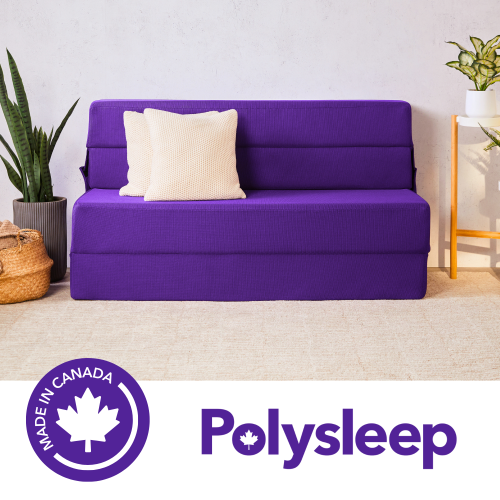 Your price for this item is $626.5
-
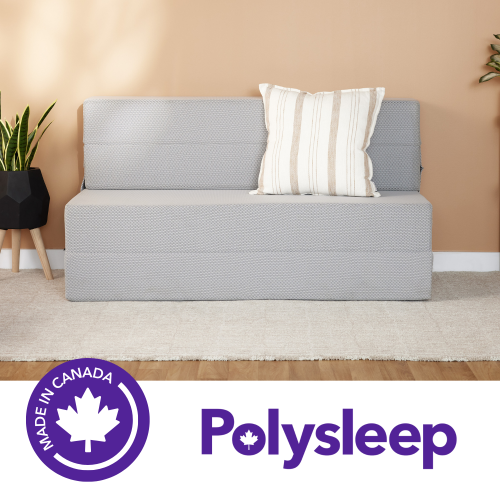 Your price for this item is $626.5
-
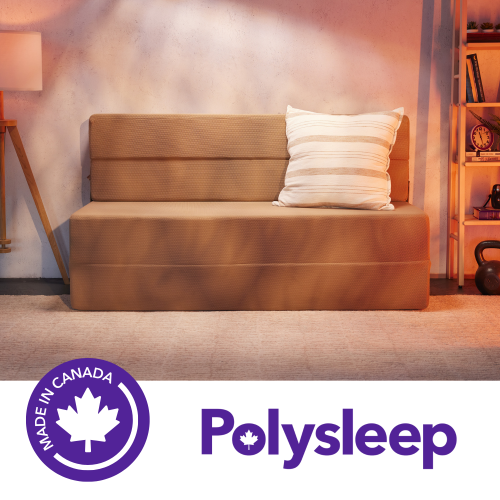 Your price for this item is $626.5
-
 Your price for this item is $136.99
-
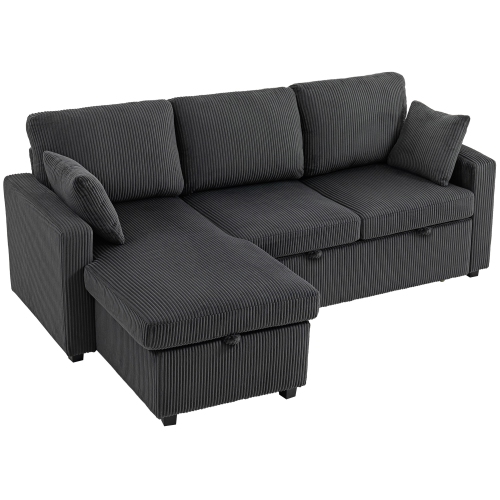 Your price for this item is $689.99
-
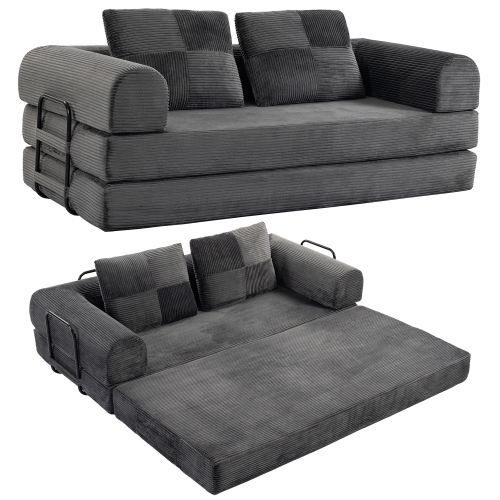 Your price for this item is $459.99
-
 Your price for this item is $479.99
-
 Your price for this item is $68.99
Discover more categories related to Black Futon

Top Collections:
Pokemon Centers, Best Black Friday Deals This Year, Best Black Friday Deals On Electronics, Kindle Devices, Best Budget Office Chairs, Best Black Friday Deals On Apple Products, Best Cameras for Sports Photography, Pokémon 30th Celebration Cards, Dyson Airwrap, Canon G7X Cameras
Some products may be subject to Environmental Handling Fees
(EHF) depending on your province.
Learn more about EHFs.