Black Kitchen Cabinets
Upgrade your kitchen with the sleek and sophisticated look of Modern Black Kitchen Cabinets. These stunning additions will instantly elevate the style and ambiance of your space, creating a modern and luxurious feel. Whether you're aiming for a contemporary or traditional aesthetic, black cabinets offer endless versatility to suit any design preference. With their bold and timeless appeal, these cabinets are sure to make a statement in your kitchen while providing ample storage for all your culinary essentials. Discover the perfect Modern Black Kitchen Cabinets to transform your cooking area into a stylish haven that you'll love spending time in.
Sort
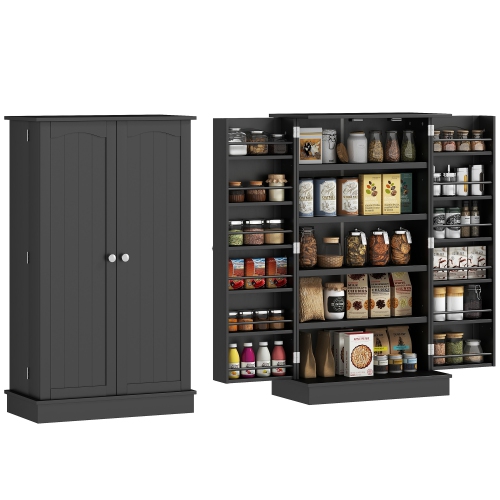
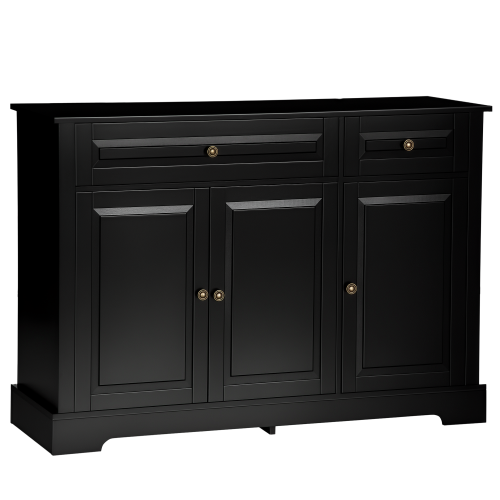
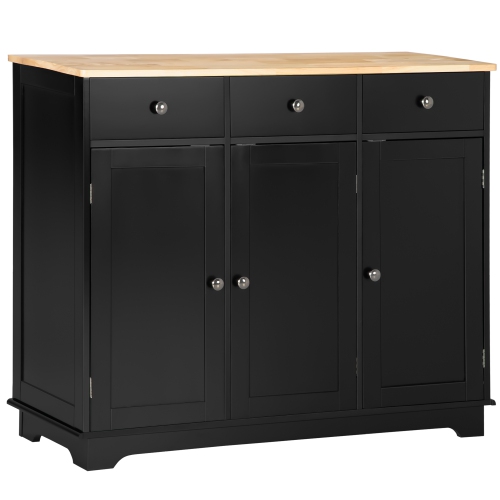
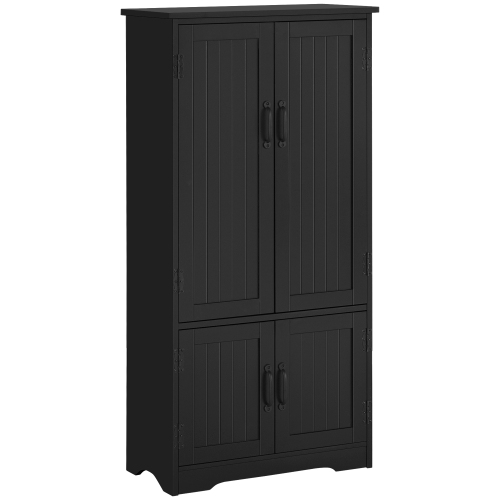
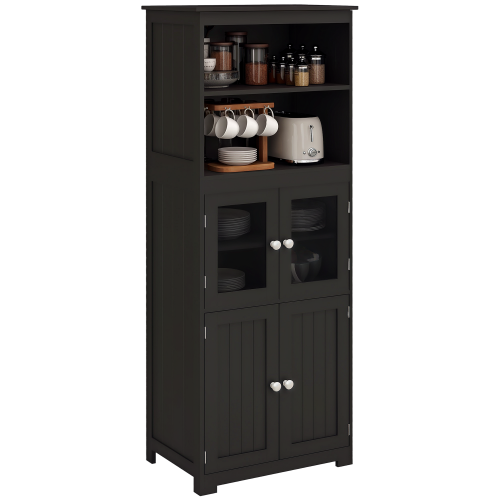
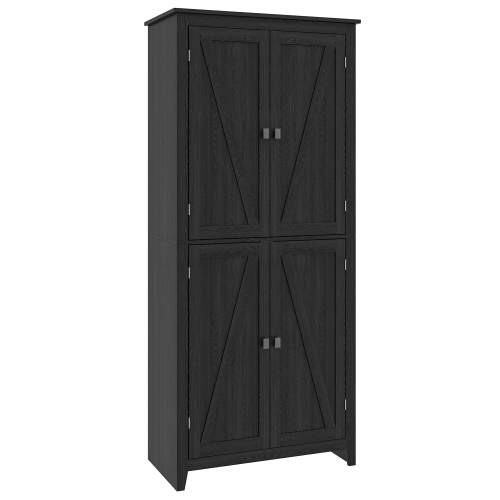

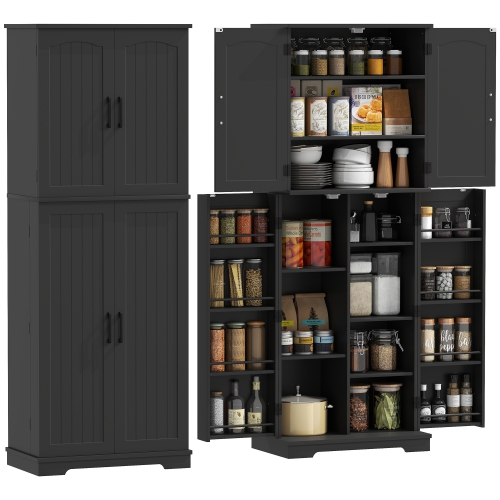
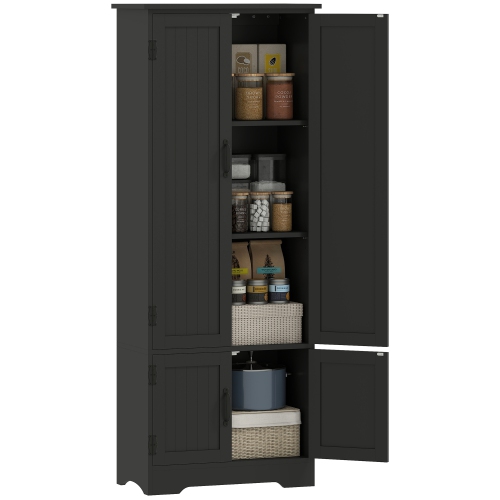
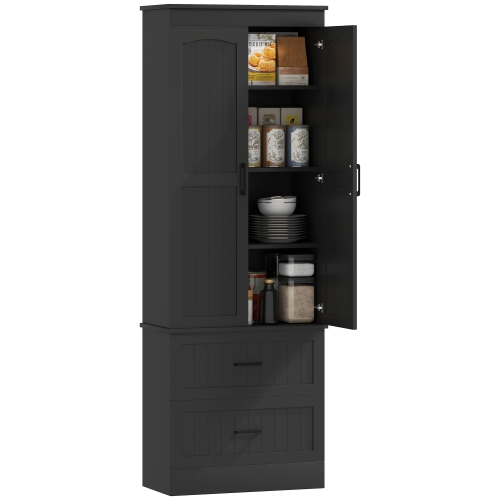
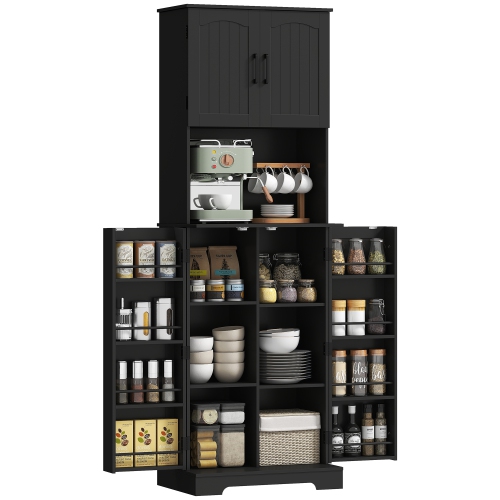
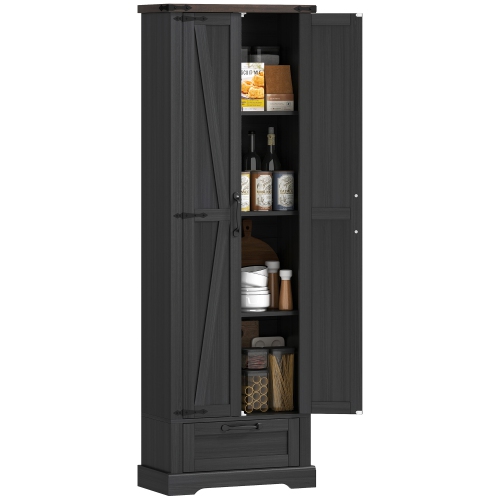
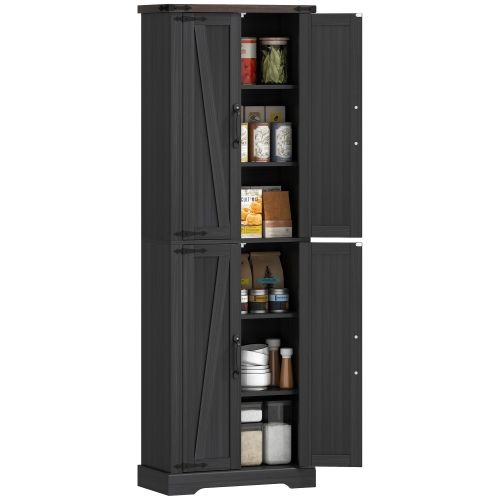
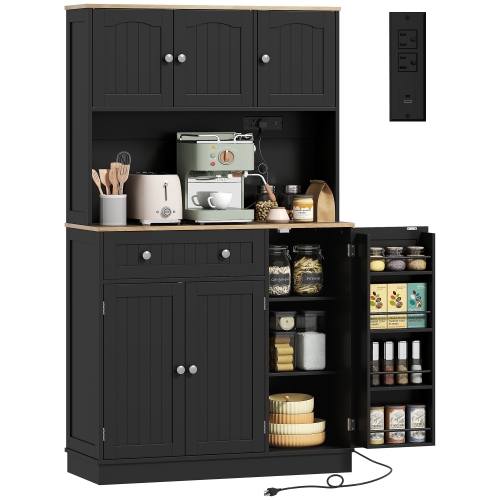
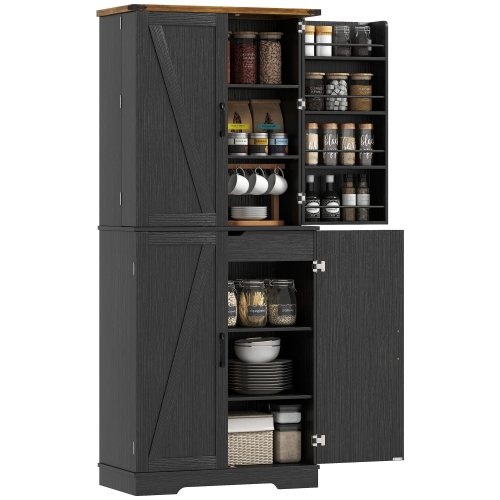
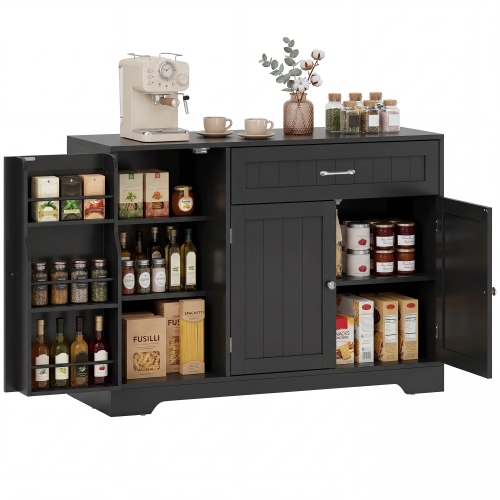
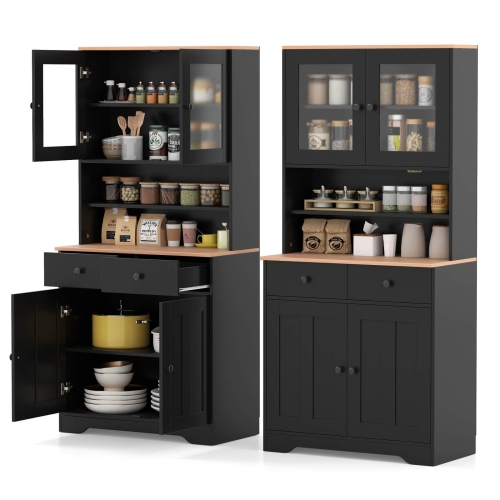
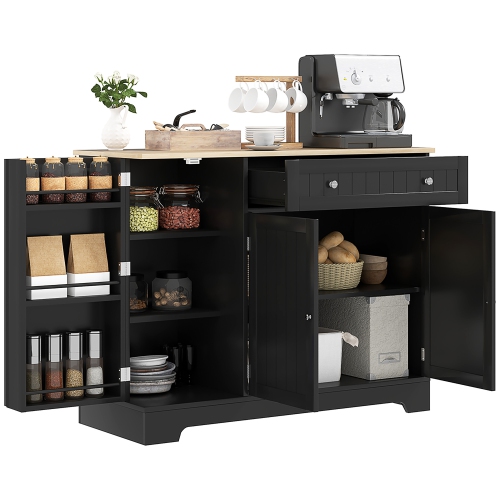
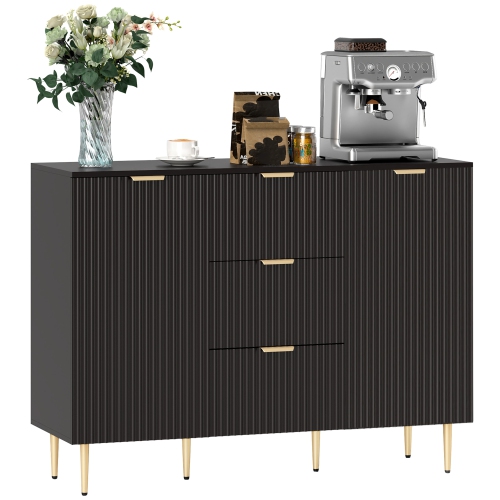
Bold contrast starts with door styles and finishes
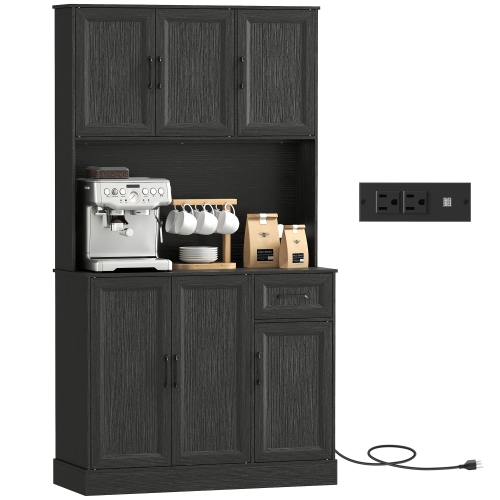
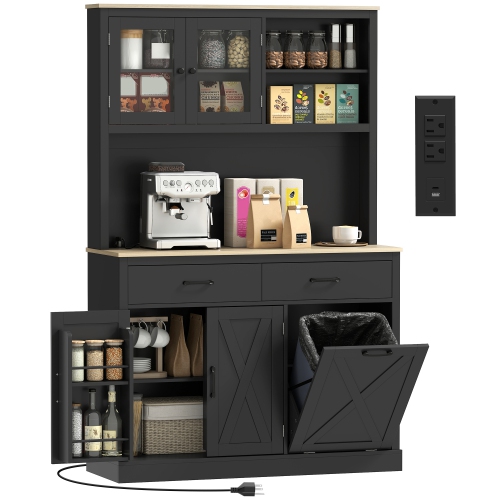
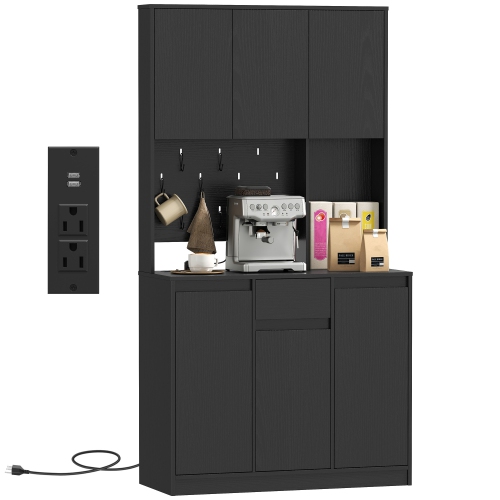
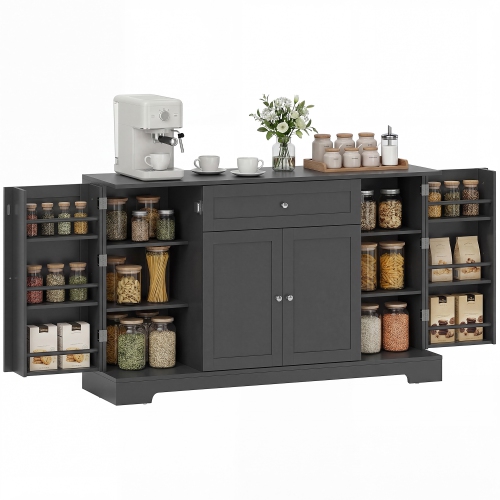
Black kitchen cabinets add bold contrast and visual depth, giving a kitchen a defined backdrop for countertops, hardware, and everyday activity. Their appearance can range from sleek and minimal to warm and traditional, depending on the door profile, finish, and surrounding materials. Flat-front doors create clean, uninterrupted lines, while Shaker-style doors add detail without overwhelming the room. Raised panels and more pronounced moulding lend a furniture-like character that can work well in a kitchen with classic architectural features. Black also provides a strong contrast against white tile, pale stone, and light-coloured walls, making the shape of each cabinet more noticeable. Paired with darker surfaces, it creates a quieter, more unified arrangement in which texture and lighting become especially important. A matte finish softens reflections and gives doors a subdued appearance; satin offers a gentle sheen, while gloss reflects more light and makes surface marks more noticeable from certain angles. The undertone matters, too: some black finishes lean towards charcoal or blue, while others look warmer beside cream walls and natural timber. For a combination of dark surfaces and visible grain, black and wood kitchen cabinets bring together strong contrast and the texture of wood. Hardware helps shape the overall effect, whether through brushed metal pulls, warm brass tones, or black handles that blend into the doors. The amount of black in the room is another consideration. A single freestanding pantry can provide a focal point without changing the entire kitchen, while a coordinated run of base and wall cabinets creates a more continuous look. In a compact kitchen, pale surrounding surfaces and well-placed task lighting can help keep storage areas easy to use. In a larger room, repeating the same black finish across separate storage zones can connect a cooking area with a breakfast nook or dining space.
The construction beneath a black finish has as much influence on everyday performance as the colour itself. Solid wood offers natural grain and can often be refinished, although its response to changes in indoor humidity makes sound joinery and appropriate care important. Wood veneer provides a real wood surface over a supporting core, with edges and seams worth examining because they receive frequent contact. Engineered wood, including medium-density fibreboard and particleboard, is widely used for cabinet doors, shelves, and boxes, but performance depends on the material, thickness, surface covering, and construction. A smooth painted door can deliver an even black finish, while laminate and other applied surfaces offer different textures and levels of resistance to everyday wear. No finish is entirely immune to scratches or chips, particularly around handles, lower edges, and corners that meet cleaning tools or moving chairs. In a busy kitchen, durability is also about how a cabinet works after repeated opening, closing, and loading. Sturdy drawer runners, secure hinges, and shelves suited to their intended loads help support regular use. Adjustable shelves make it easier to accommodate a tall cereal container one day and a stack of mixing bowls the next, while fixed shelves may contribute to the cabinet’s structure. Deep drawers can make heavier cookware easier to reach than a low cupboard with storage at the back, provided the runners are rated for the contents. Glass-front doors keep dishes visible and break up a solid bank of black cabinetry, although the contents remain part of the room’s appearance. Closed doors conceal everyday clutter and give small appliances a place to sit out of sight when the cabinet is designed to hold them. Appliances should only operate inside cabinetry specifically designed for that purpose, with the required ventilation and clearances. Soft-close hardware can reduce abrupt closing, but hinge adjustment, cabinet alignment, and careful assembly still matter.
A useful fit starts with the role the cabinets will serve, rather than their exterior dimensions alone. Base cabinets, wall-mounted cupboards, and freestanding pantry cabinets have different installation requirements and are not interchangeable. A cabinet intended for general storage should not be assumed to support a countertop, sink, or built-in appliance unless its specifications allow it. Measuring the intended space means allowing for skirting boards, uneven walls, nearby outlets, and enough clearance for doors and drawers to open fully. A tall pantry may fit against a wall yet interfere with a refrigerator door, while a drawer beside a projecting handle can catch before it opens far enough to reach the contents comfortably. Interior measurements are equally useful: the outside width does not reveal whether a wide serving platter or bulky countertop appliance will fit inside. In a shared household, frequently used dishes and snacks are easier to manage when they sit within comfortable reach, with less-used serving pieces stored higher up. A keen home cook may value deep, organized storage for cookware, while someone furnishing a condo may need a narrow cabinet that adds capacity without crowding a walkway. Secure installation is essential for both arrangements. Wall cabinets need appropriate structural support, and tall freestanding units should be secured against tipping according to their installation instructions. Day-to-day care helps preserve both the finish and the cabinet structure. A soft cloth and a cleaner suitable for the surface are generally preferable to abrasive pads, which can leave visible marks or alter the sheen. Wiping away grease and spills promptly, then drying the surface, helps prevent residue and moisture from collecting around seams and edges. Black finishes can make pale dust, dried droplets, and fingerprints stand out, although visibility varies with the texture, sheen, and direction of light. Handles reduce repeated contact with door fronts, and shelf liners can protect interiors if they are suitable for the finish and do not trap moisture. With the right proportions, practical storage, and care suited to the materials, black kitchen cabinets can provide a distinctive foundation for a kitchen that handles daily routines as comfortably as it displays favourite dishes.
Top selling and popular products
-
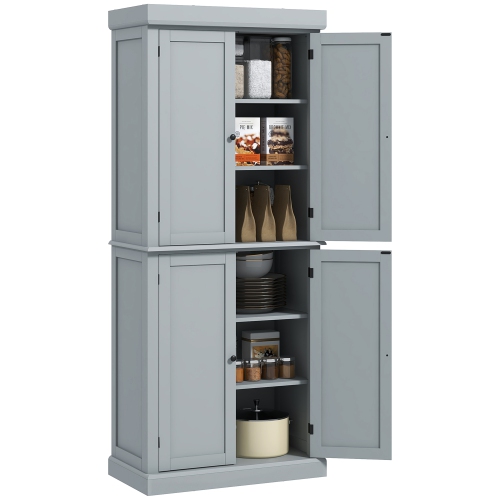 Your price for this item is $285
-
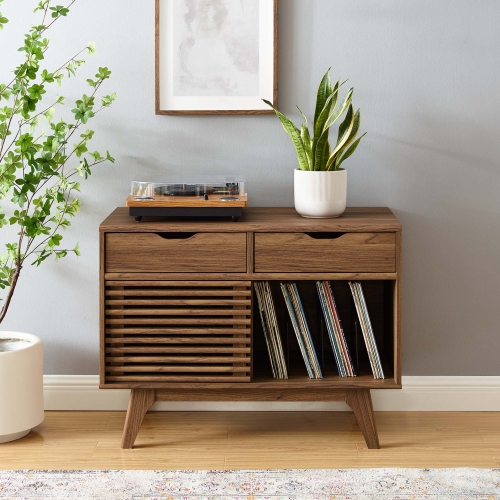 Your price for this item is $452.93
-
 Your price for this item is $155.99
-
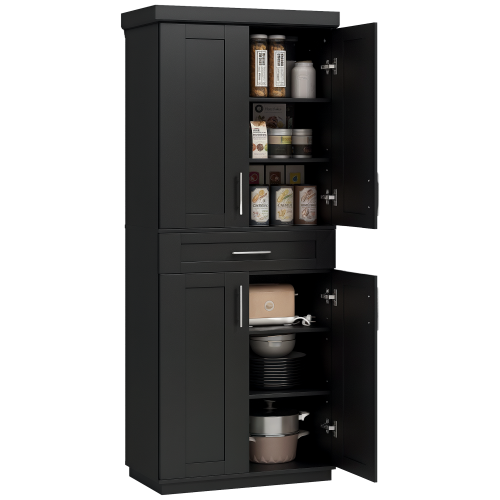 Your price for this item is $269.99
-
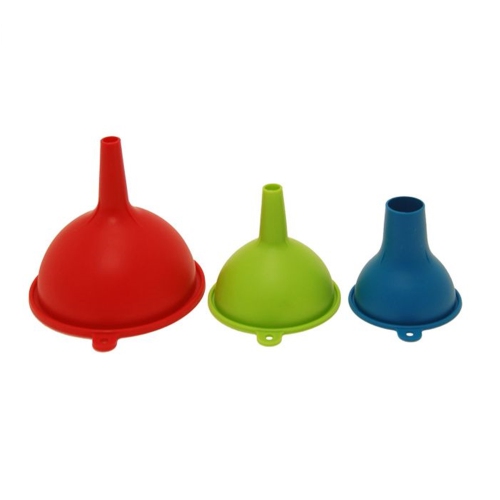 Your price for this item is $12.97
-
 Your price for this item is $155.99
-
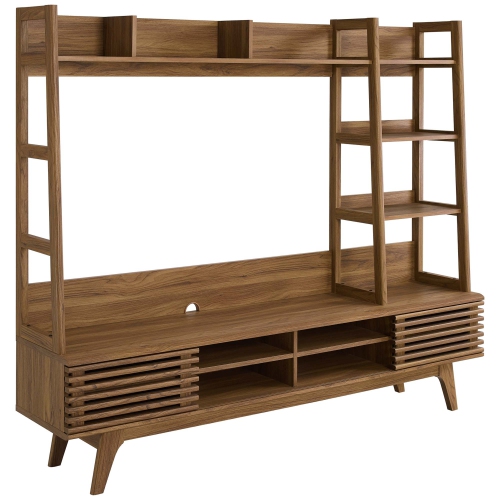 Your price for this item is $885.06
-
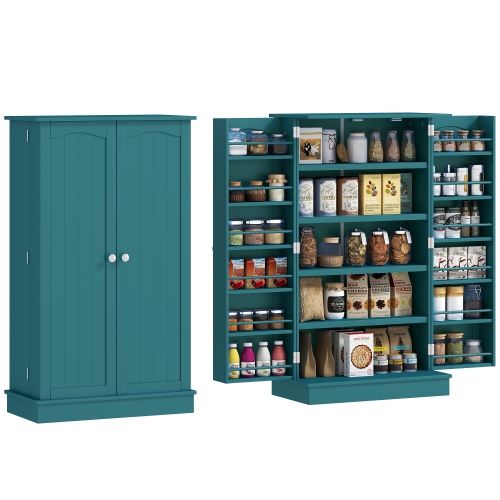 Your price for this item is $132.99
Discover more categories related to Black Kitchen Cabinets
Top Collections:
Best Black Friday Deals This Year, Best Black Friday Deals On Electronics, Kindle Devices, Dyson Airwrap, Best Cameras for Sports Photography, Best Budget Office Chairs, Canon G7X Cameras, PS5 Pro Consoles, Best Black Friday Deals On Apple Products, XBOX One S Consoles
Some products may be subject to Environmental Handling Fees
(EHF) depending on your province.
Learn more about EHFs.