Black Kitchen Carts
Upgrade your kitchen with sleek and versatile black kitchen carts. These stylish storage solutions are perfect for maximizing space and adding a touch of modernity to almost any culinary space. Whether you're looking for extra countertop space, additional storage options, or a portable island for meal prep, these black kitchen carts have got you covered. With their durable construction and functional design, these carts are not only practical but also make a statement in your kitchen.
Sort
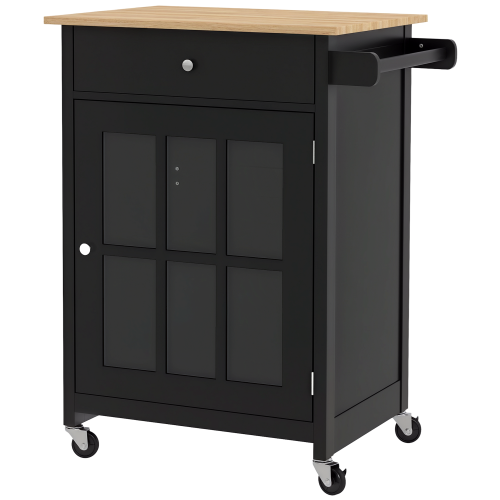
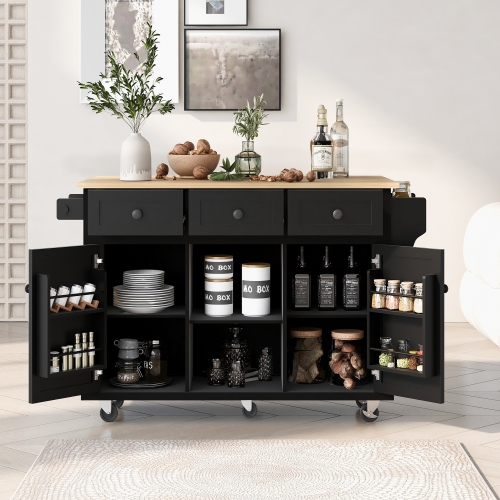
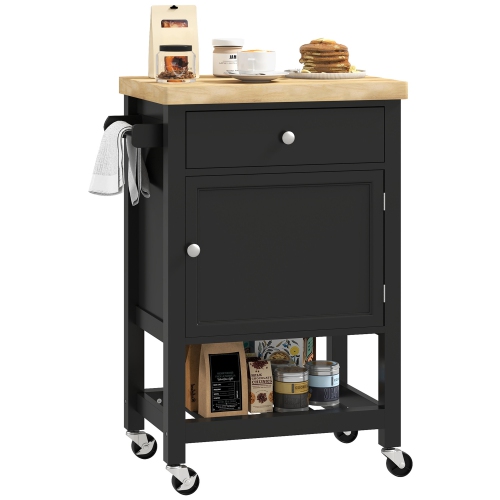
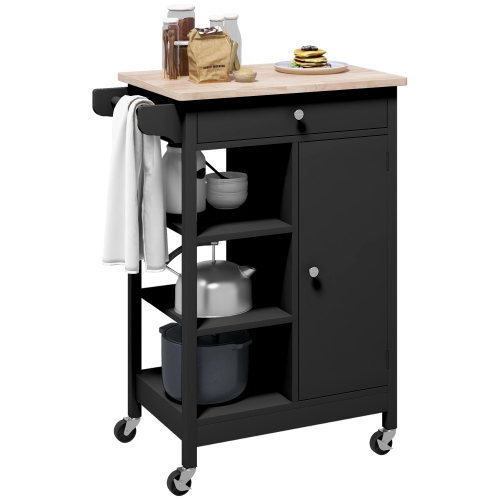

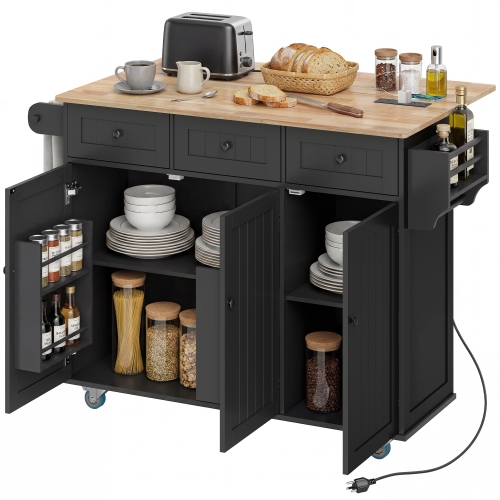
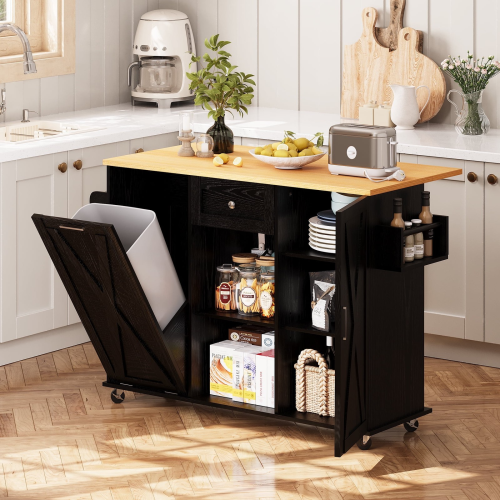
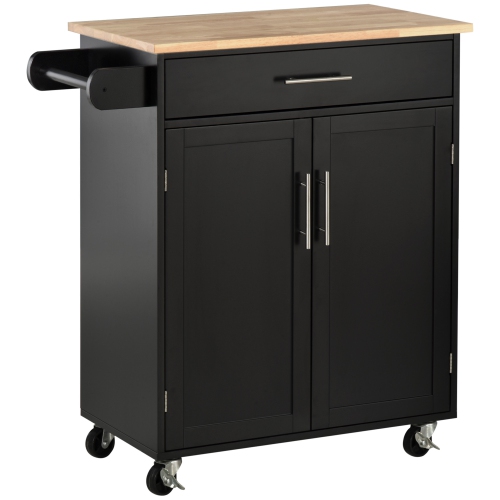
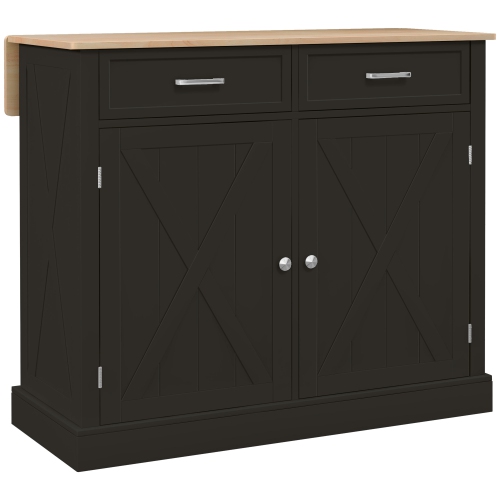
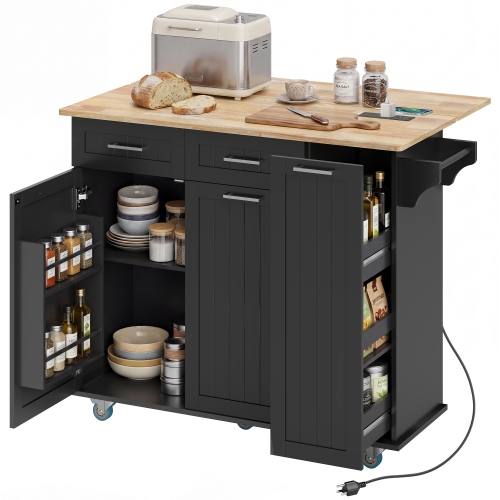
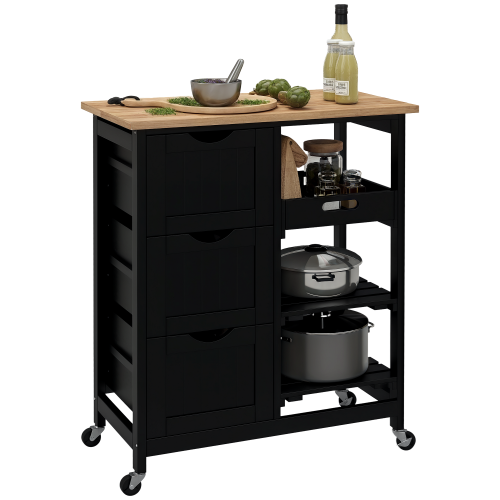
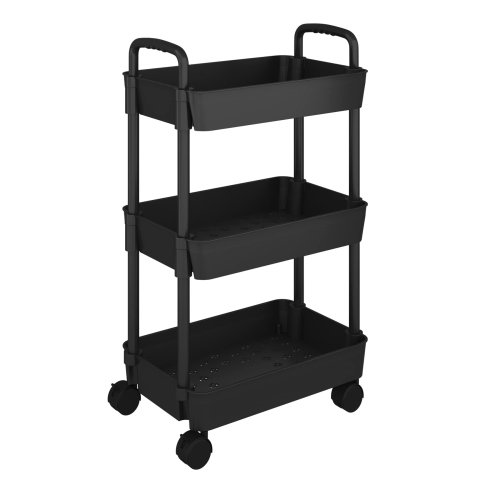
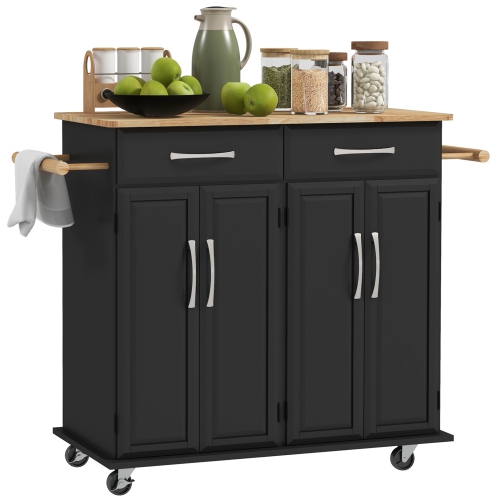

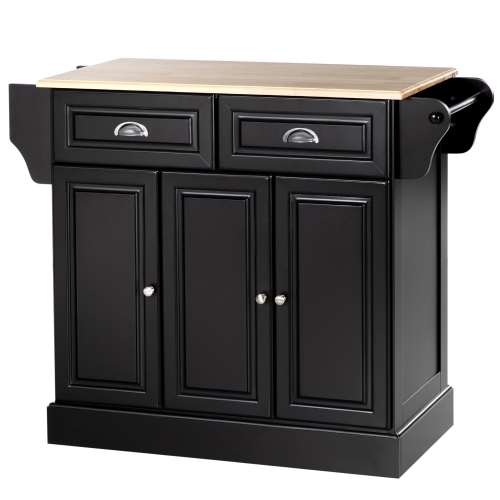
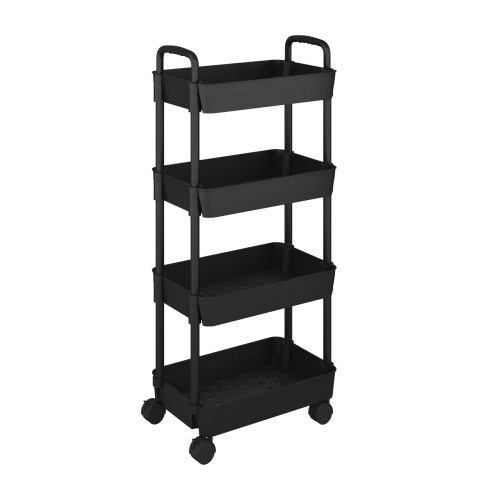
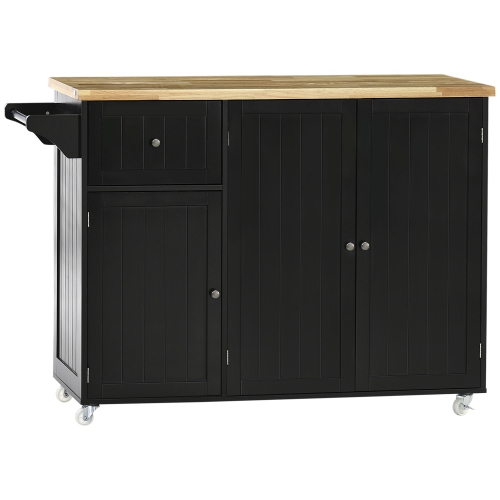
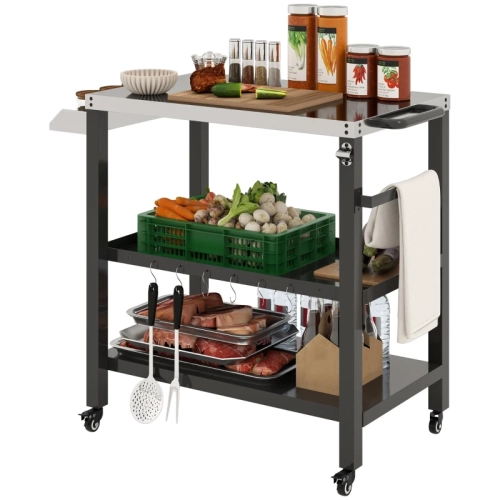
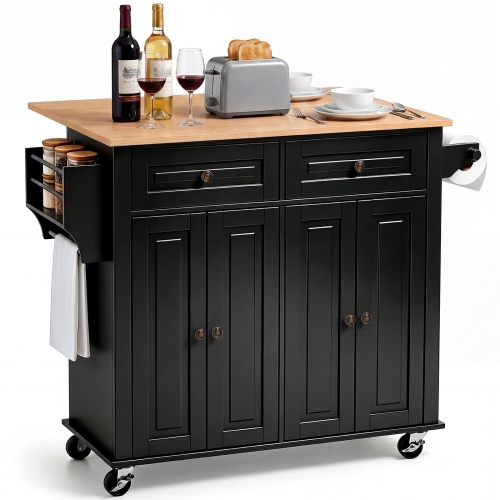
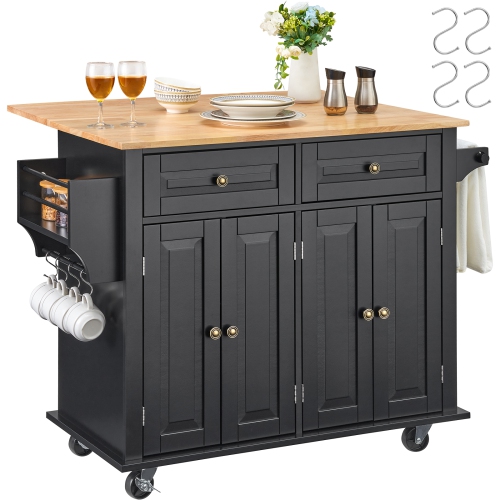
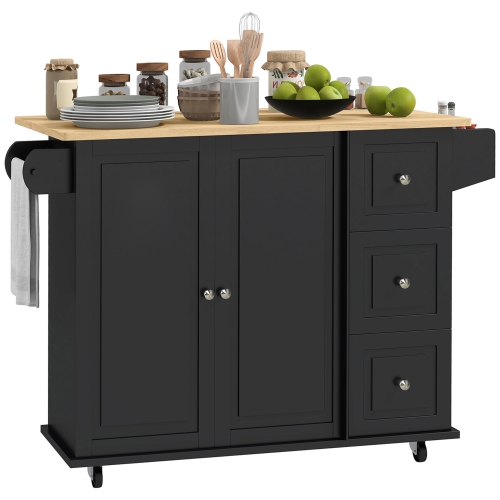
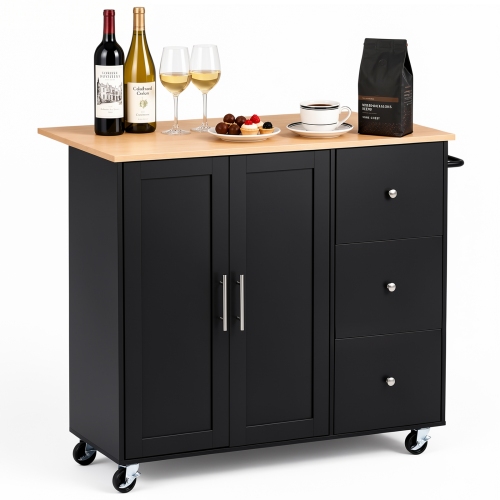
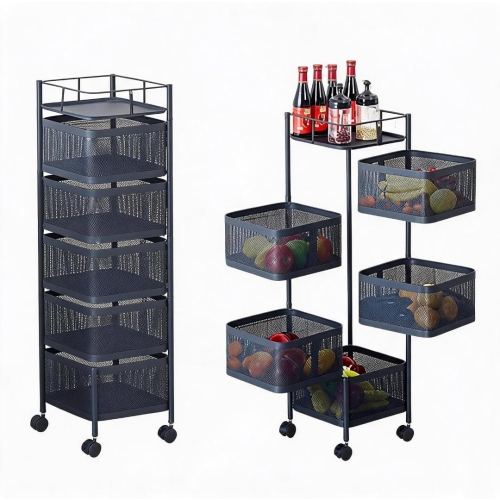
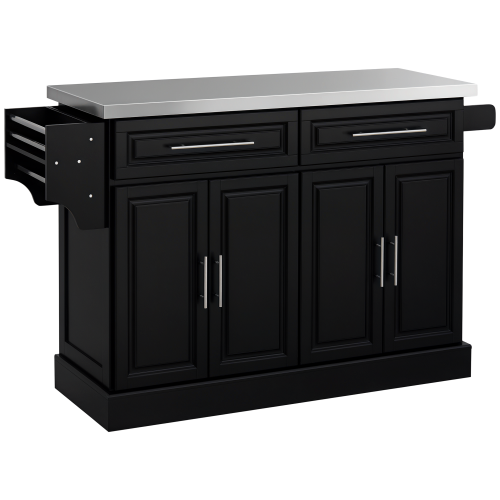
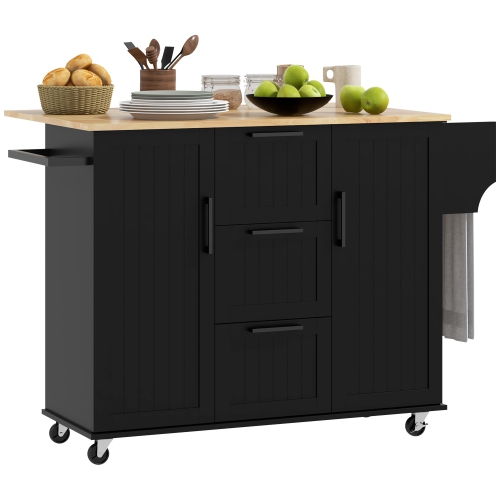
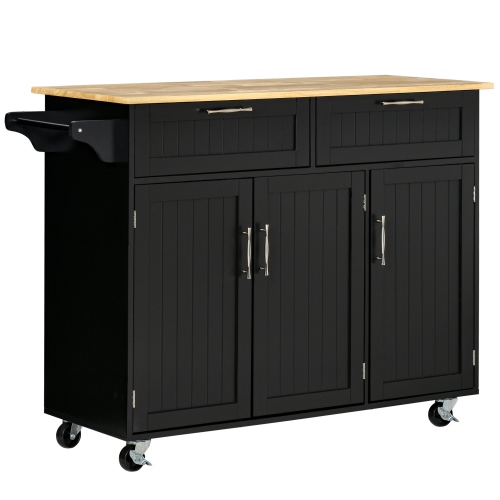
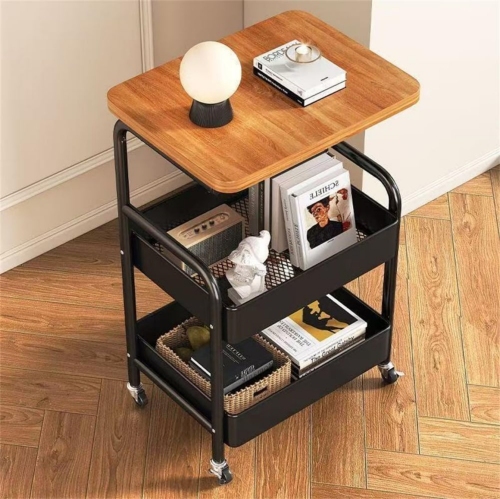
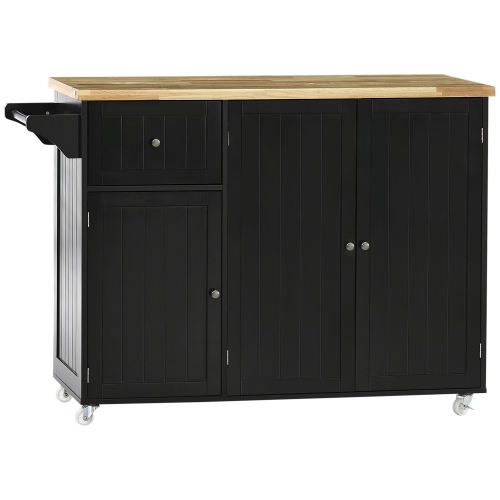
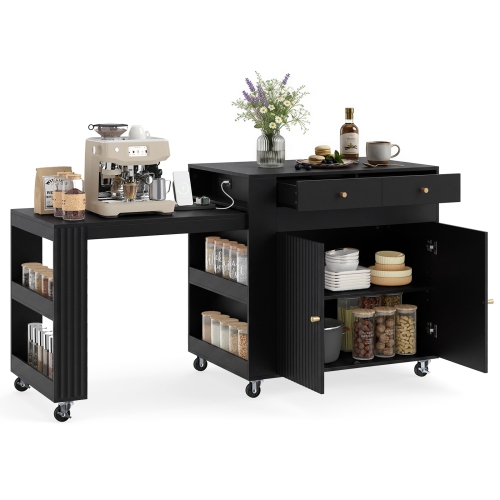
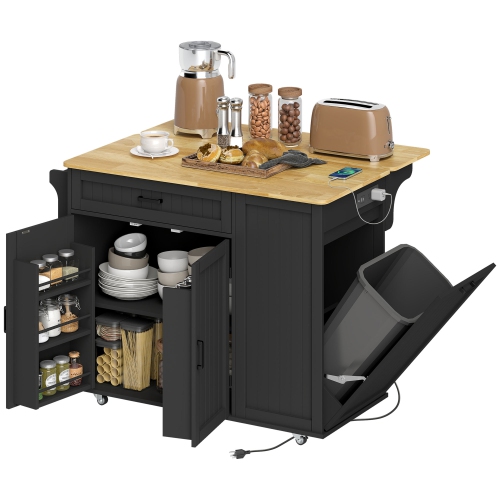
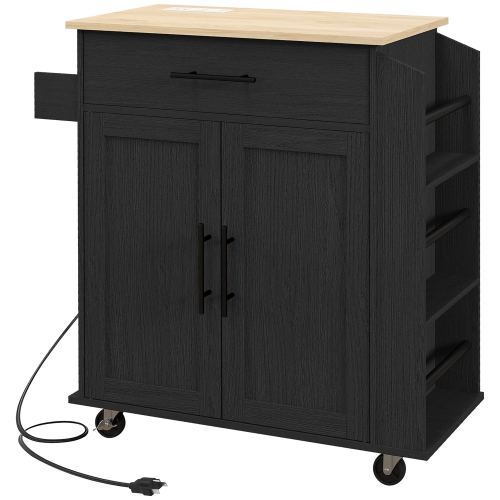
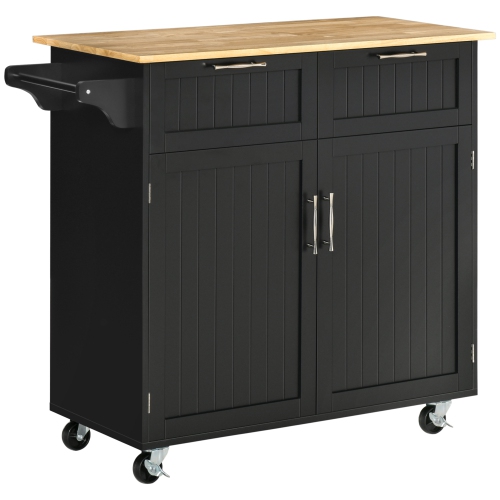
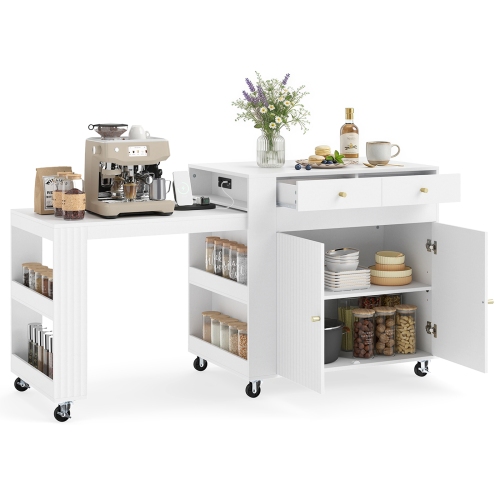
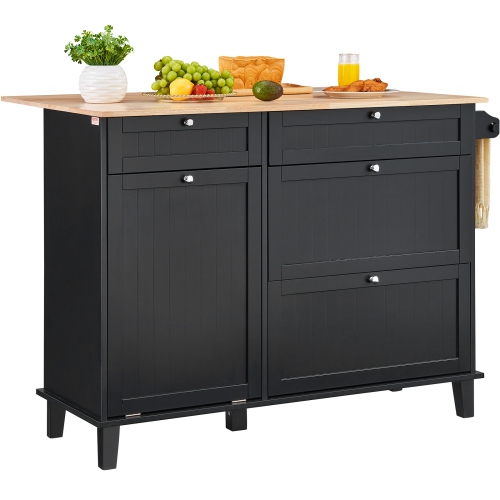
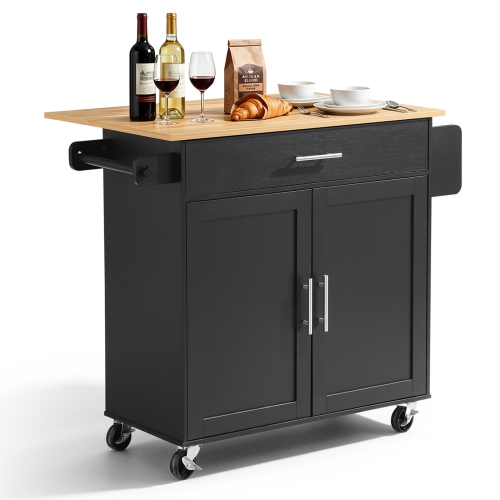
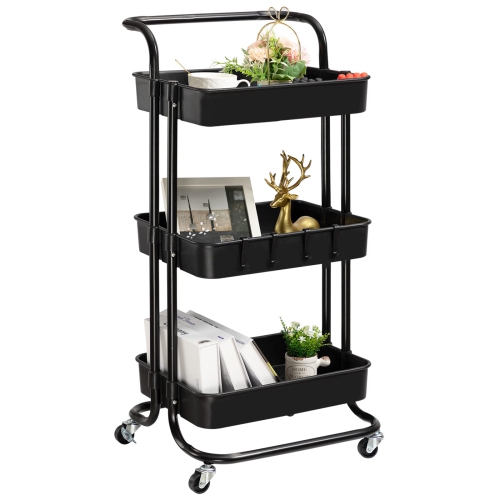
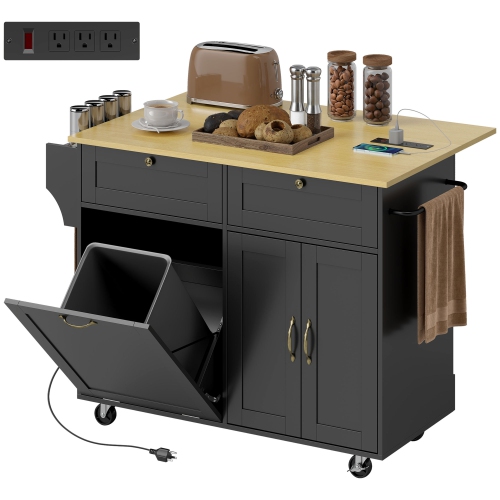
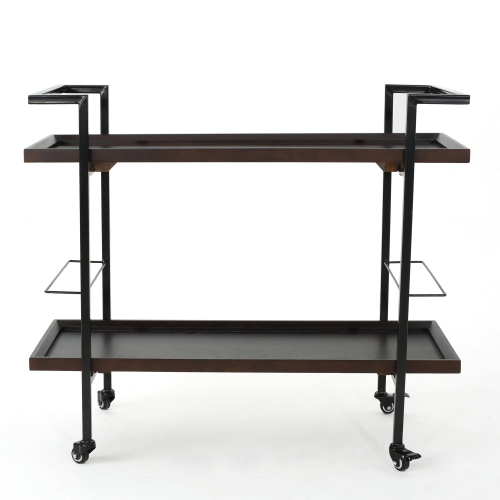
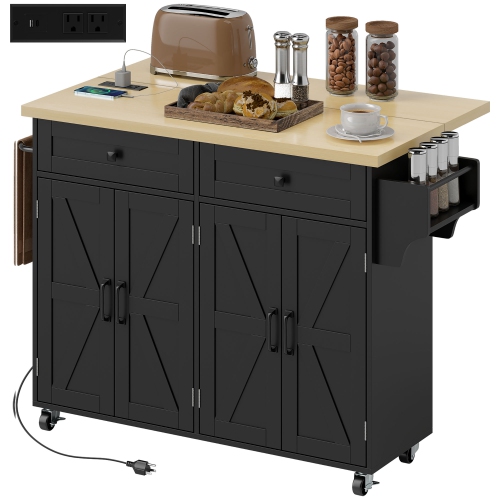
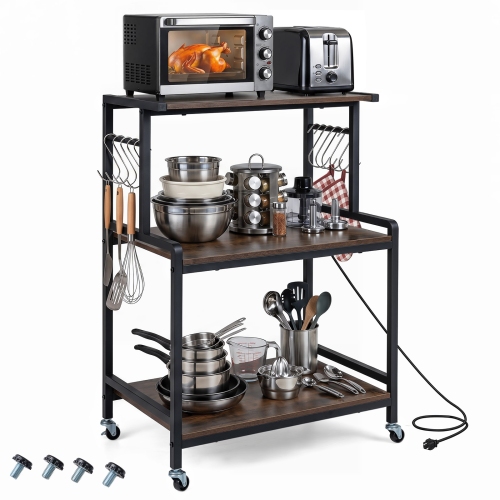
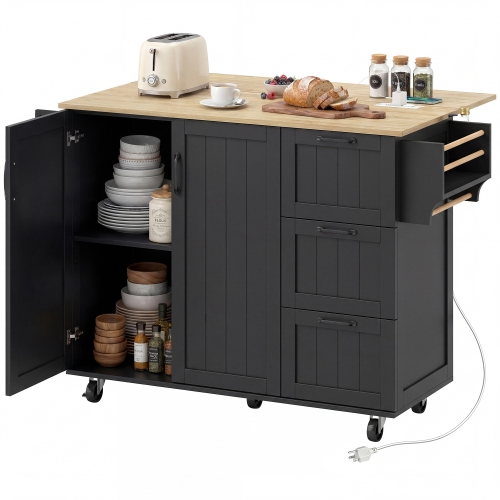
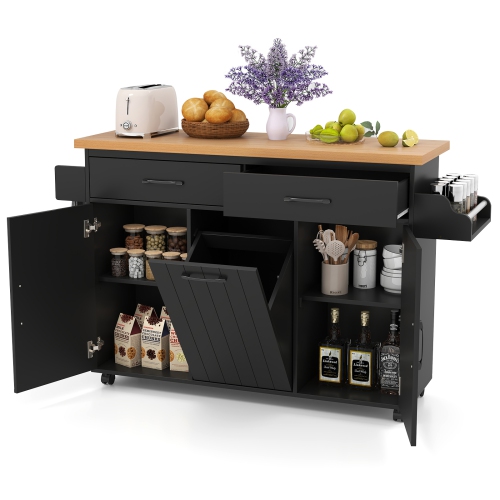
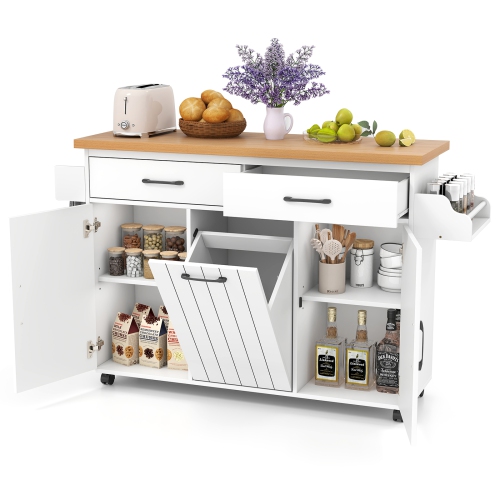
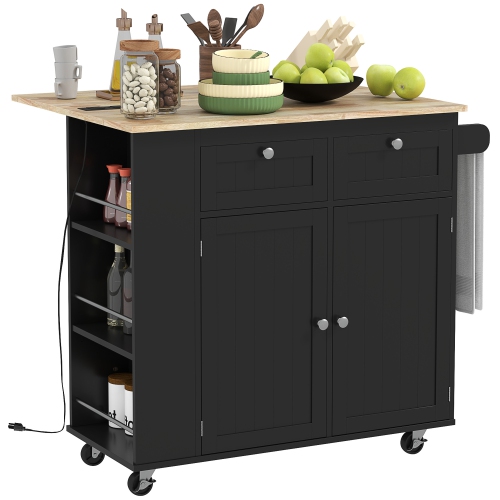
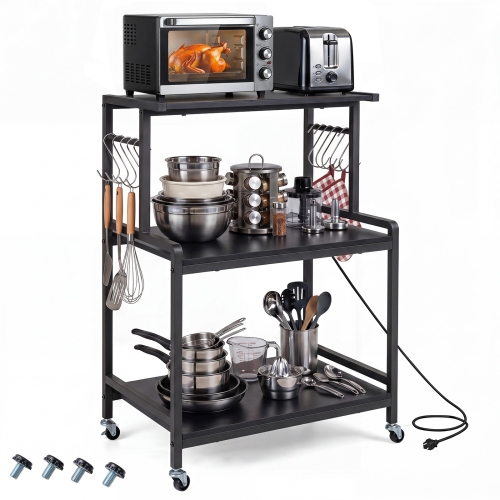
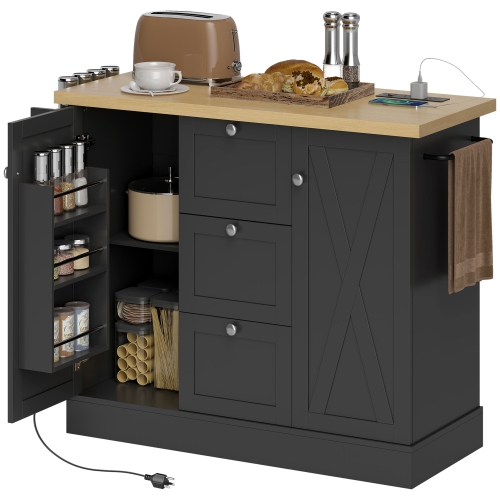
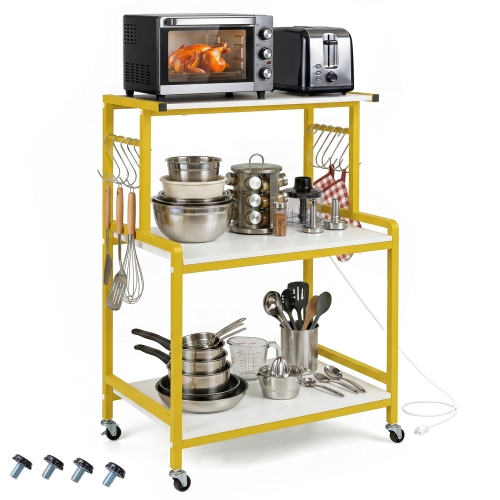
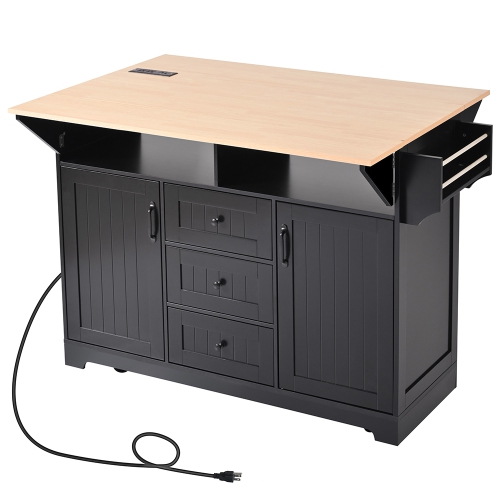
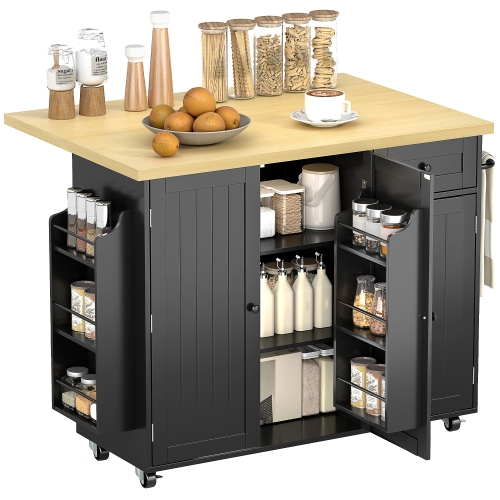
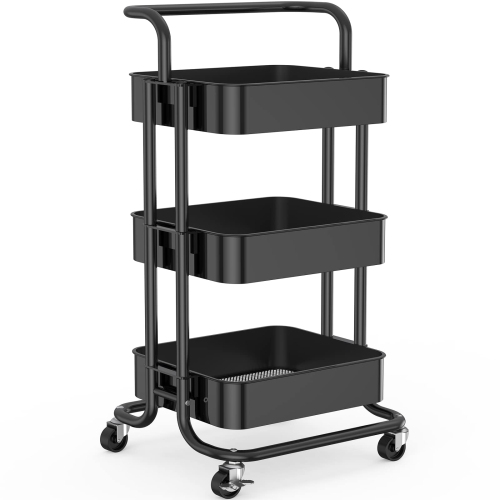
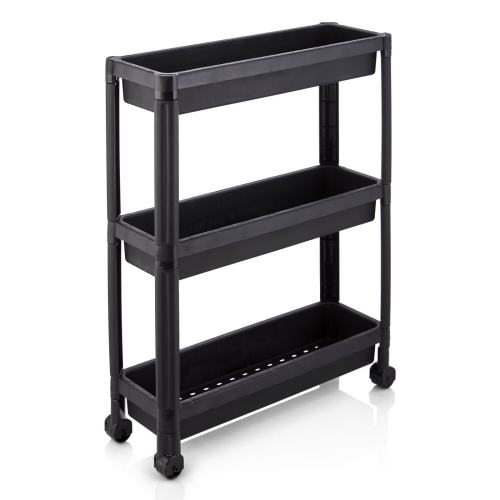
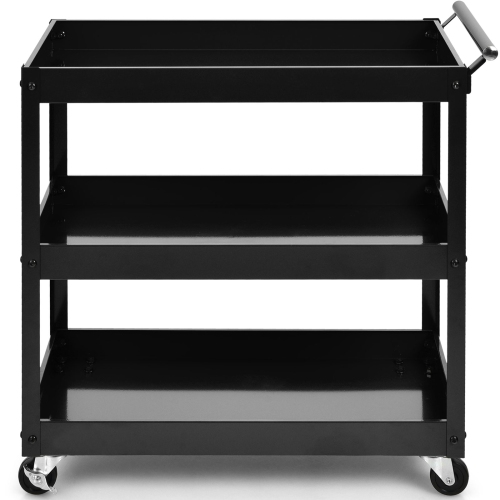
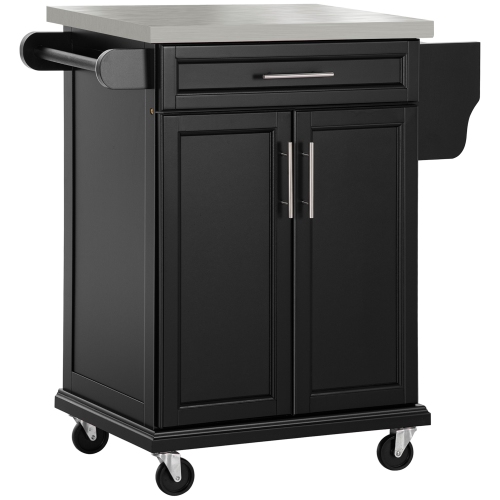
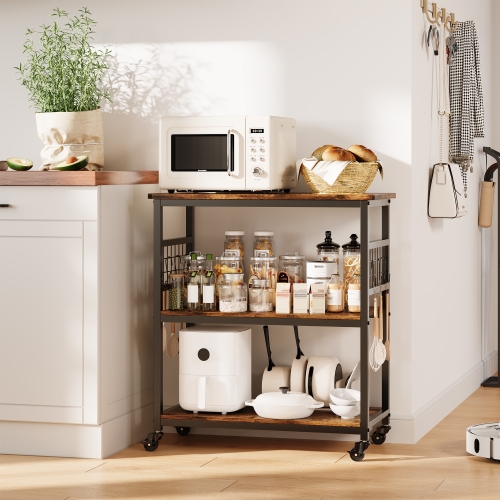
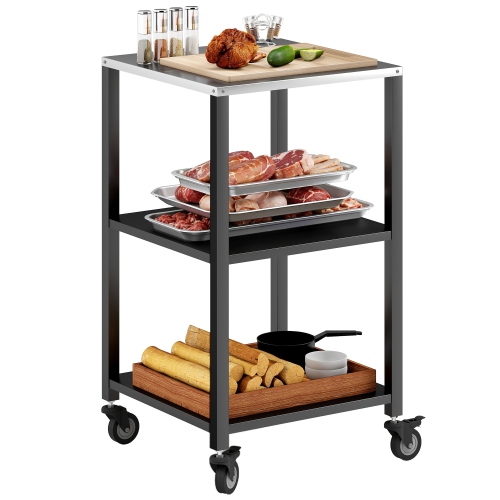
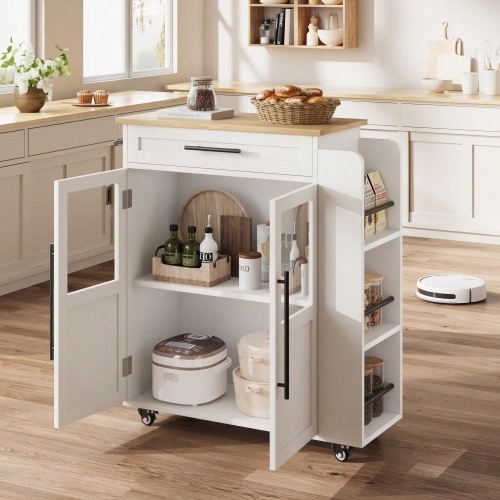
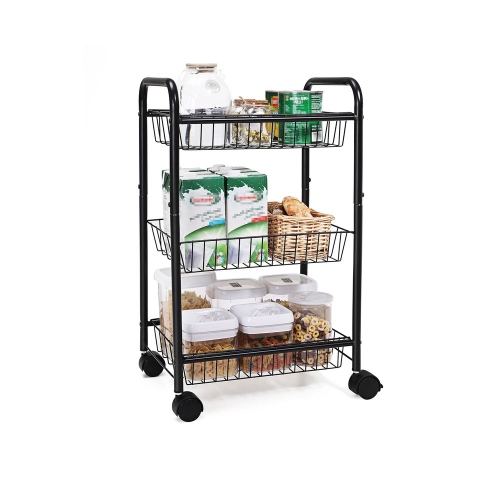
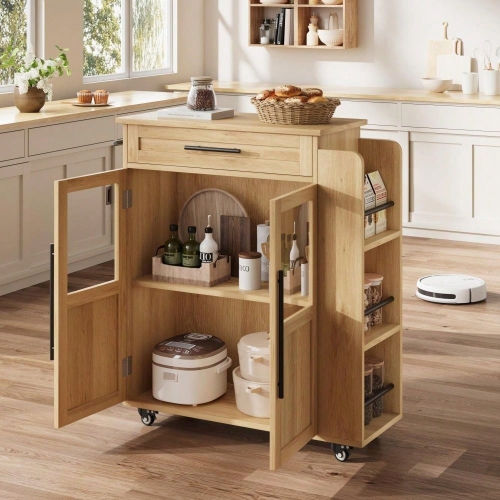
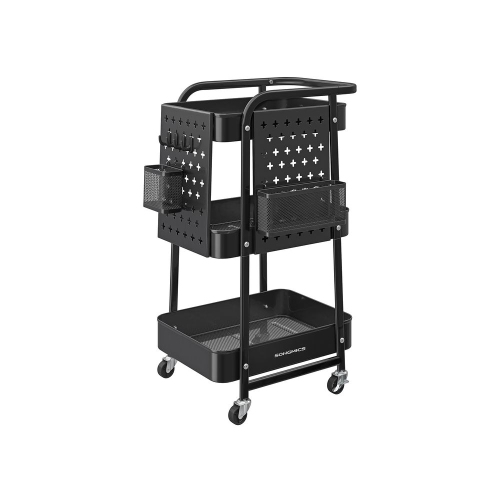
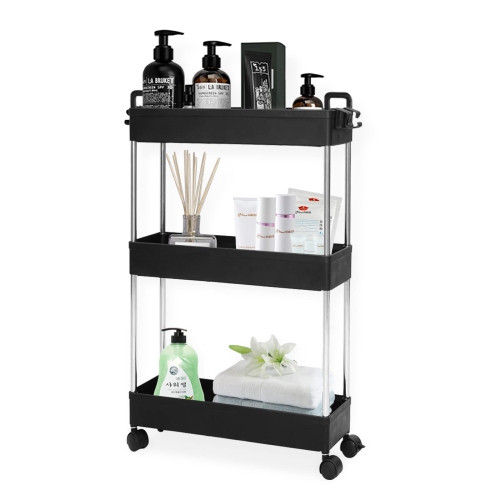
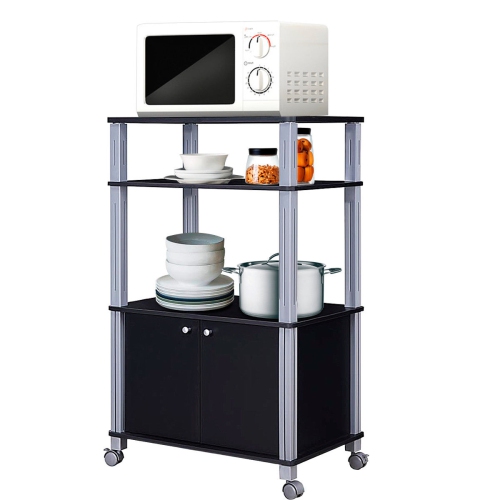
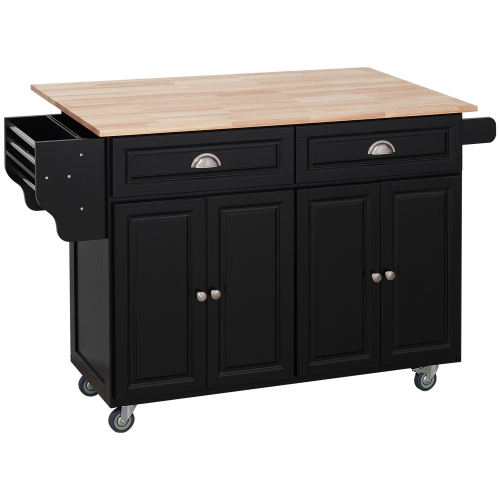
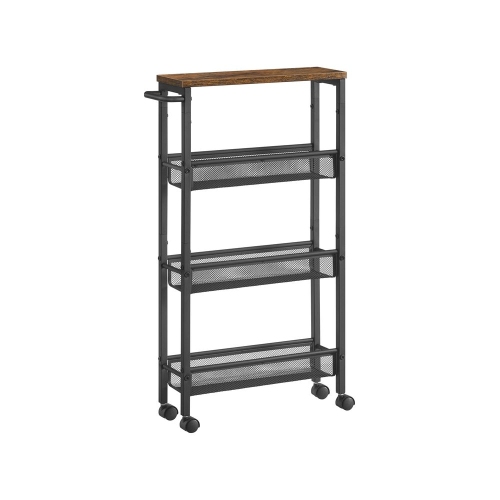
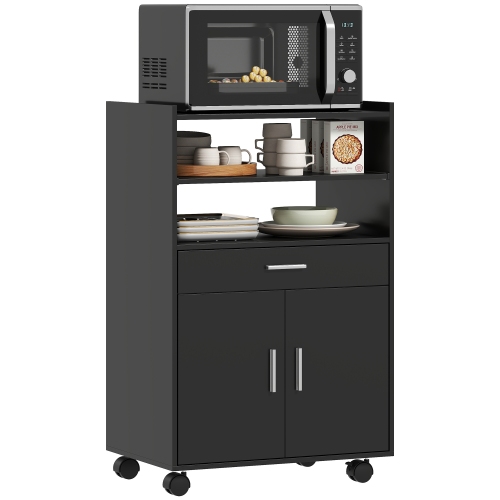
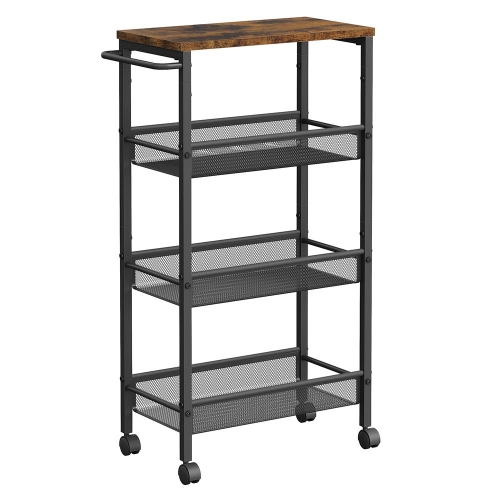
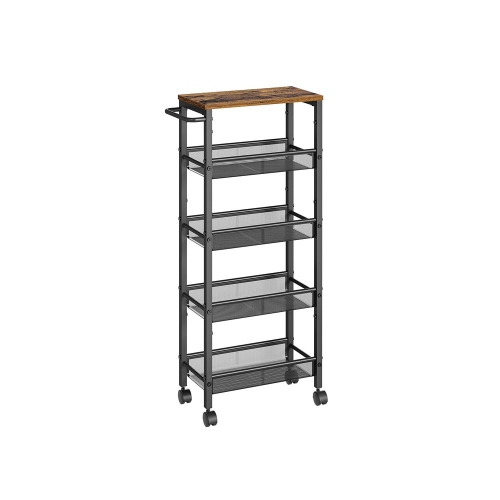
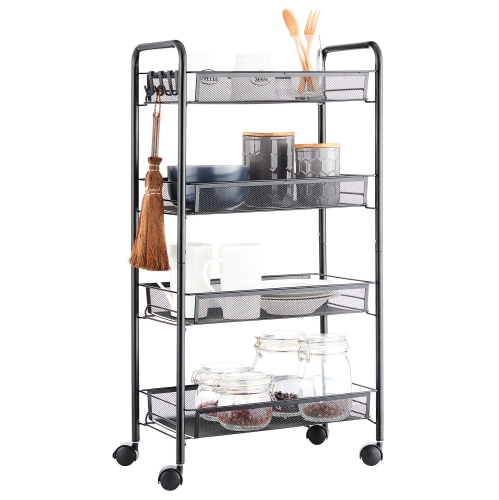
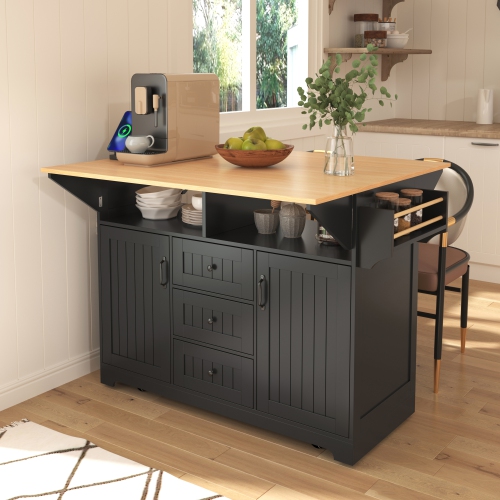
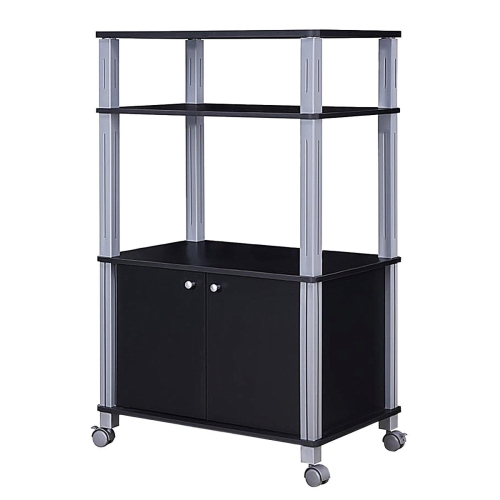
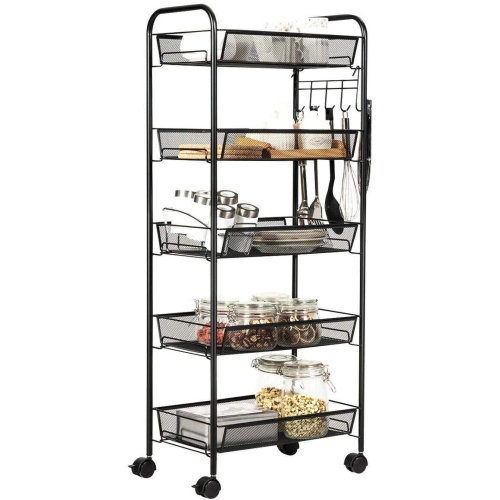
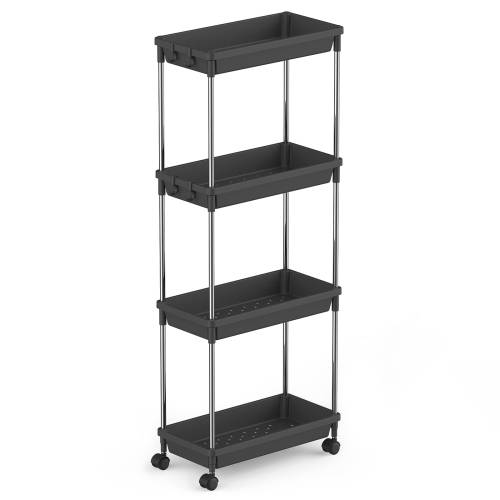
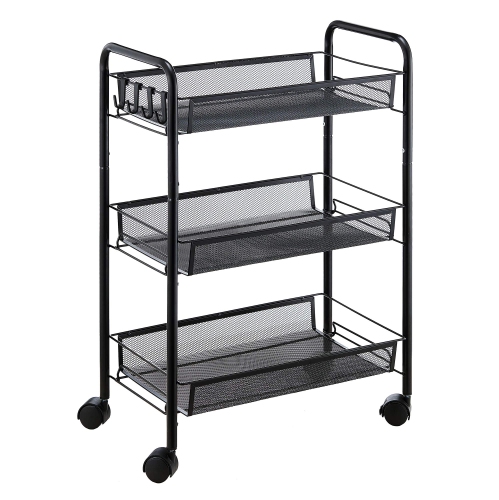
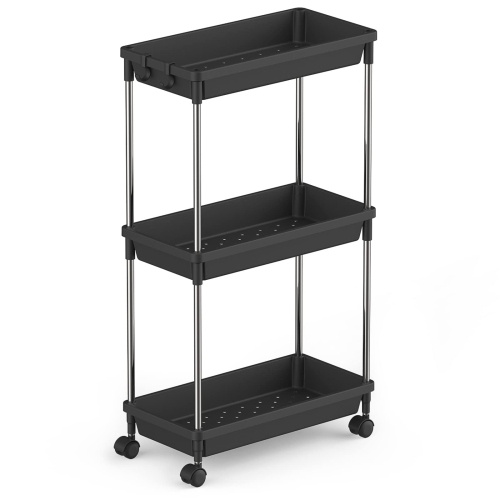
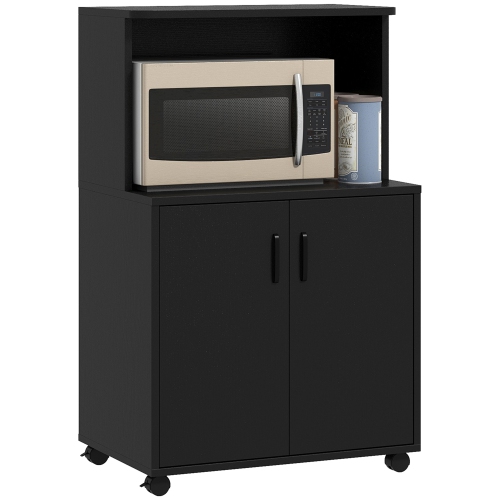
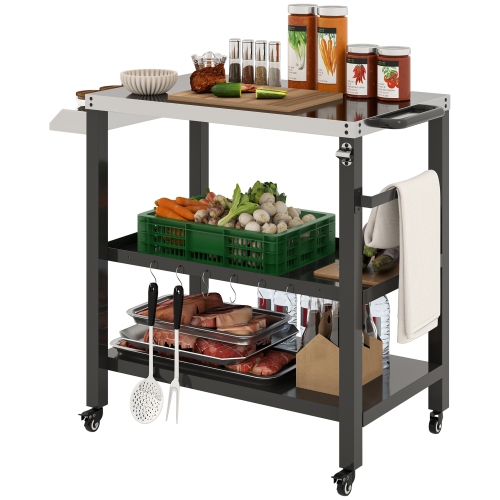
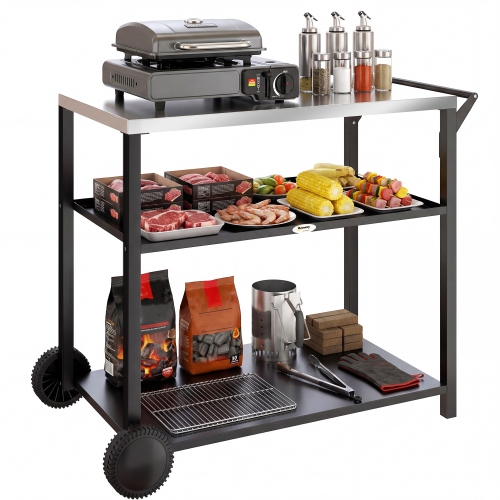
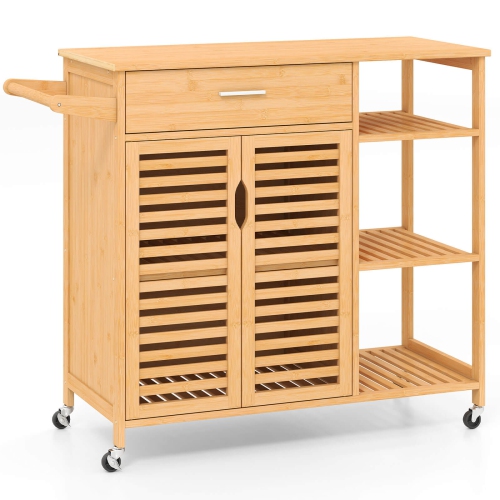
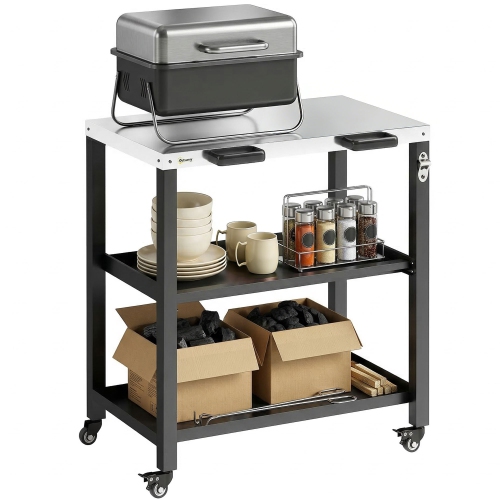
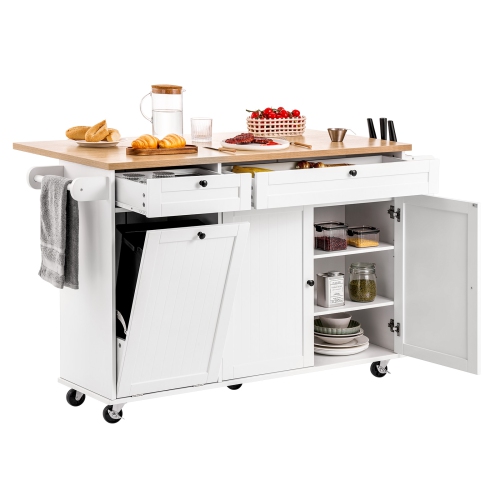
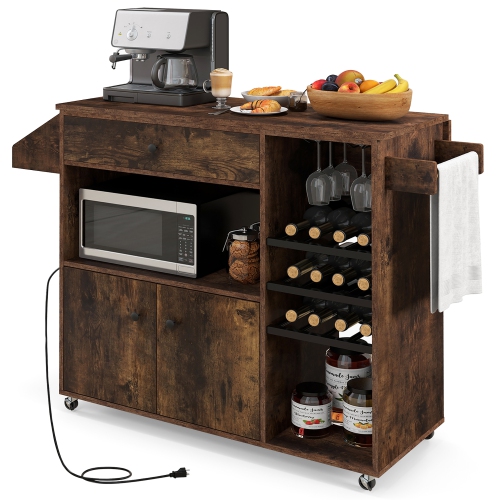

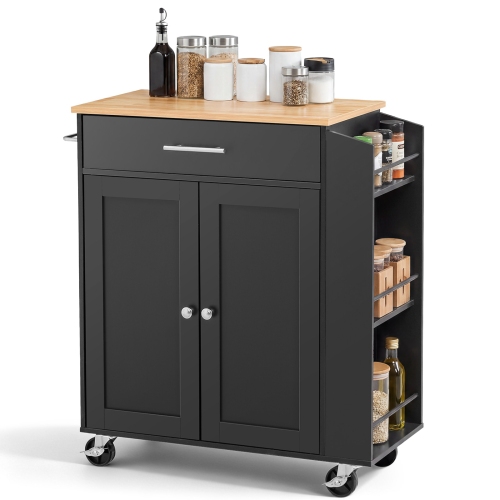
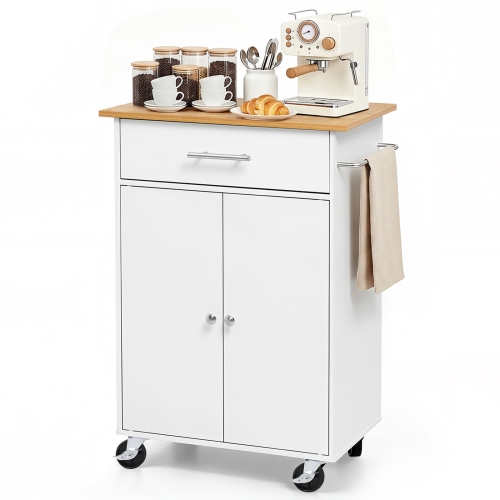
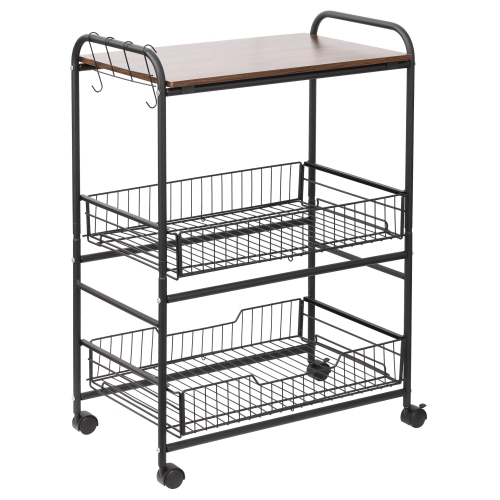
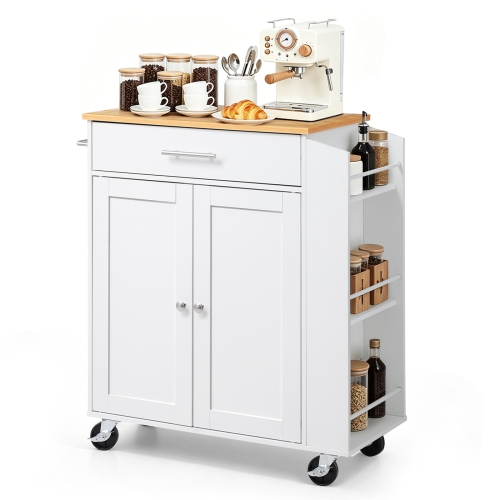
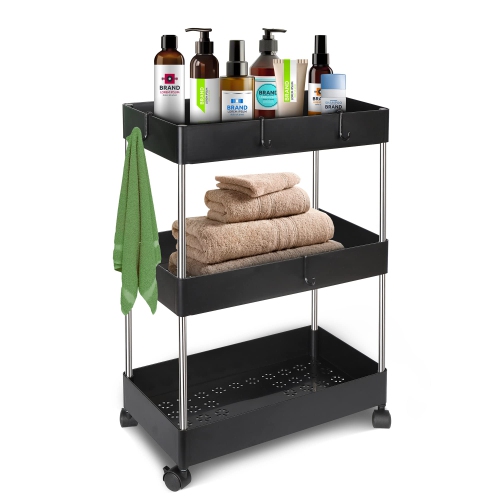
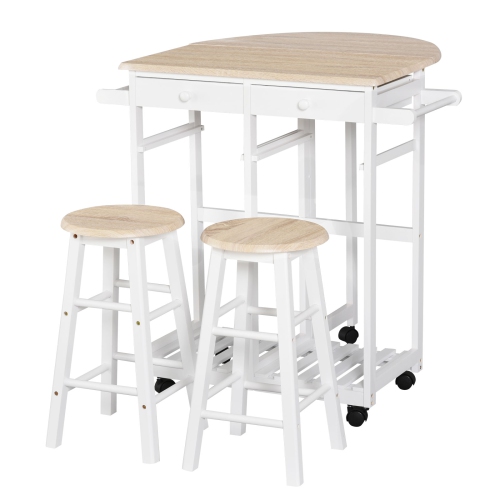
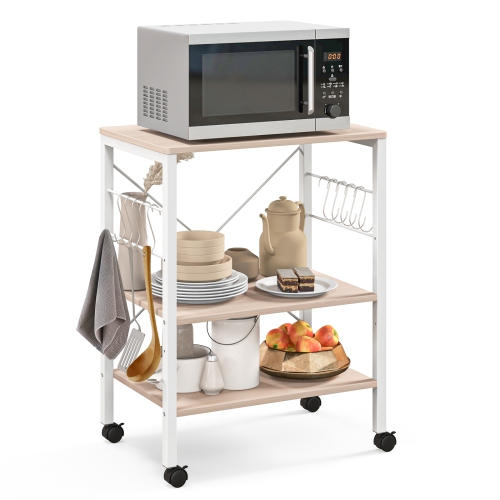
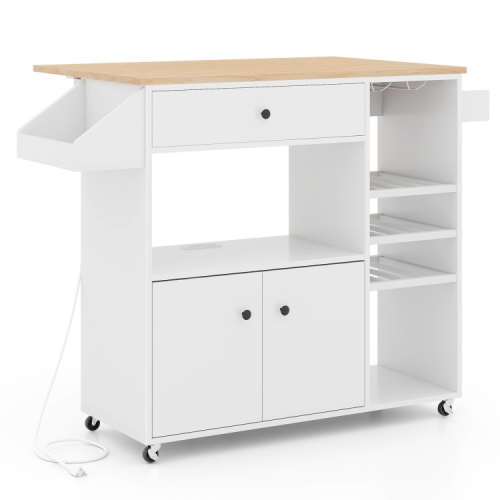
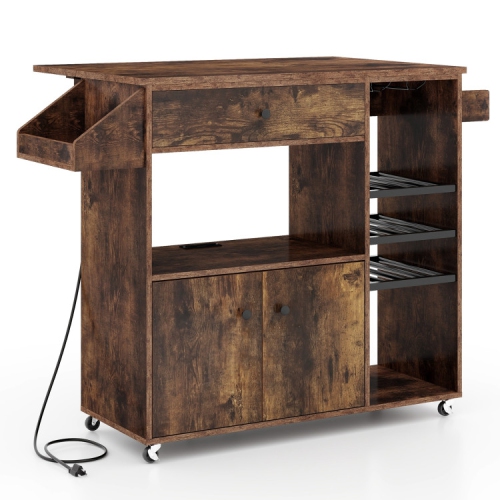
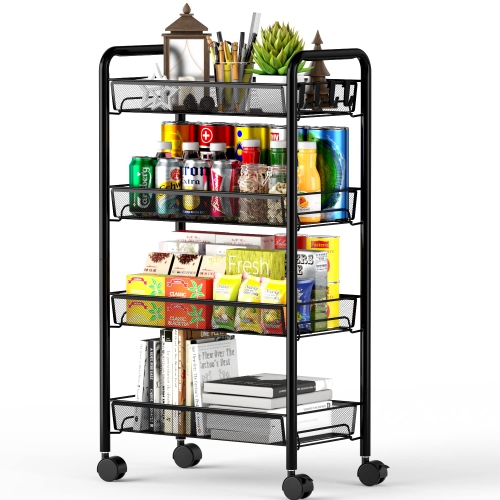

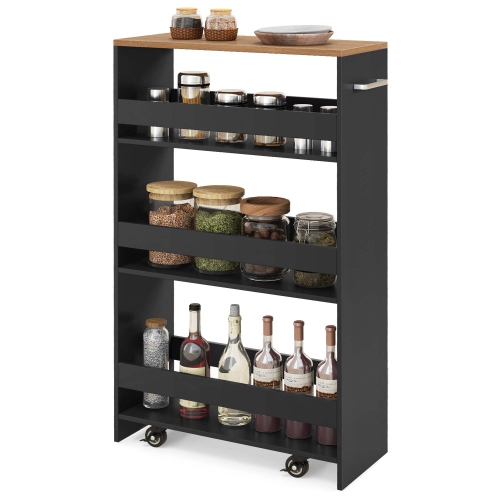
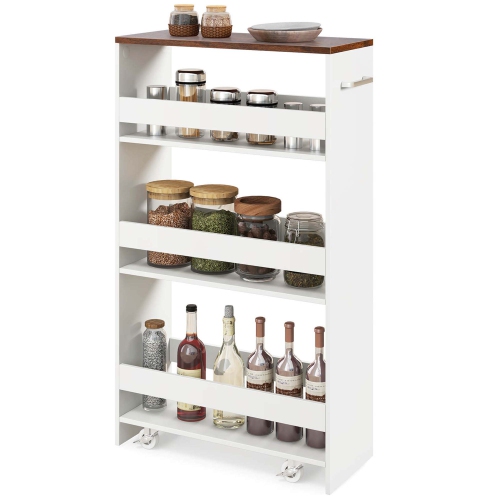
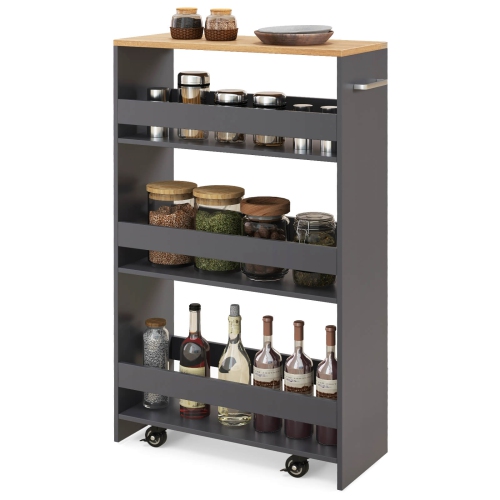
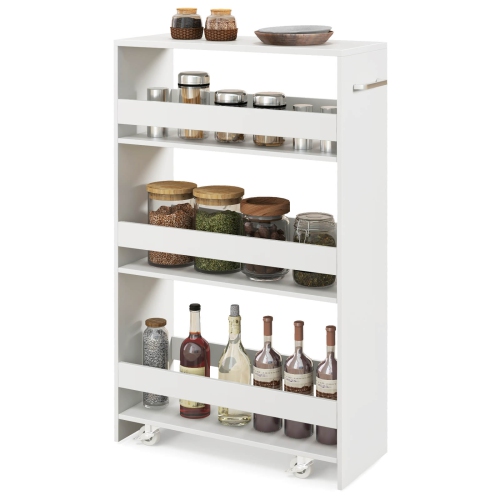
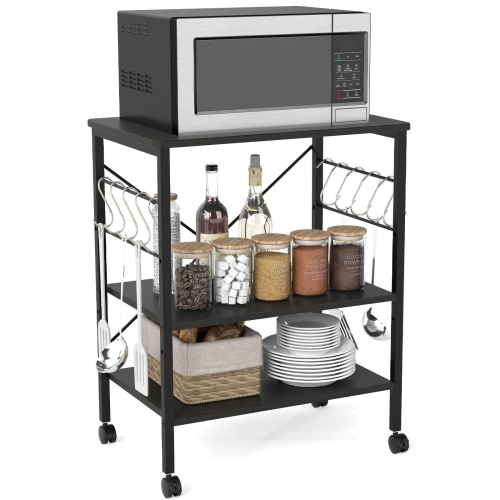
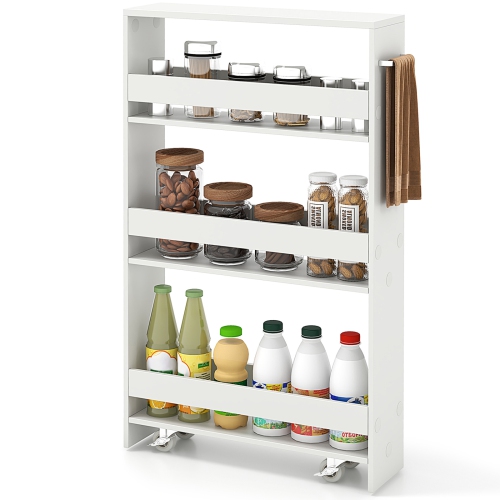
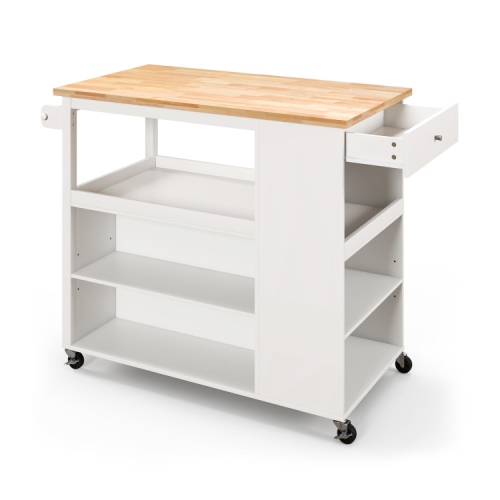
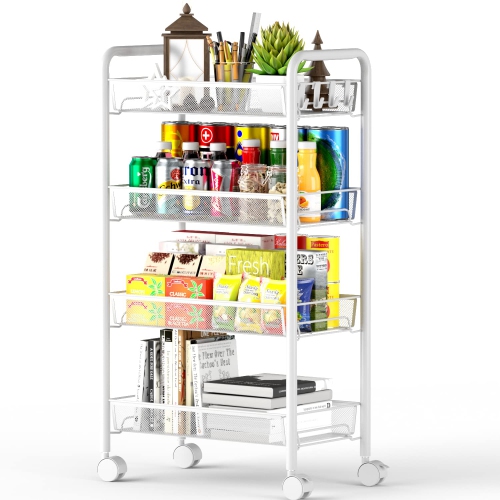
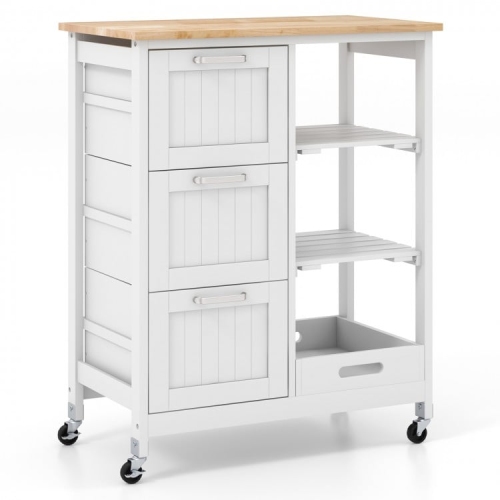
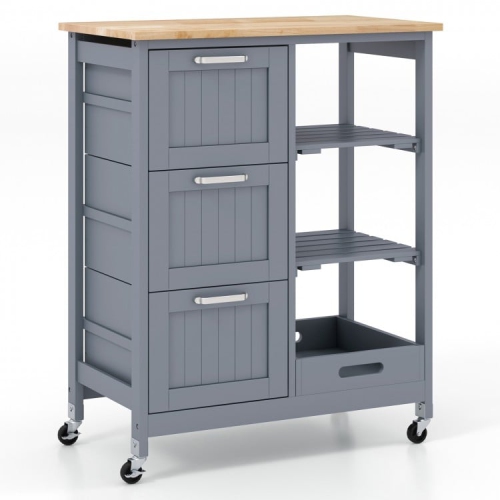
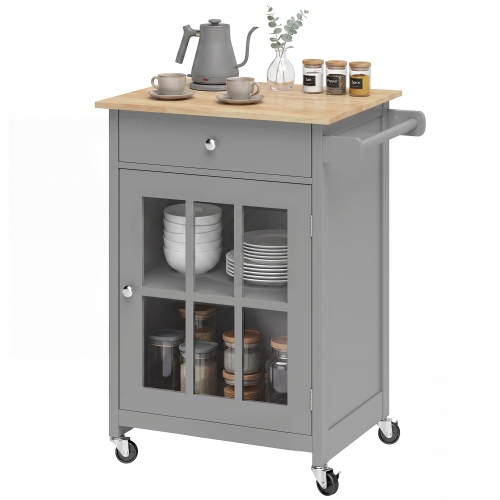
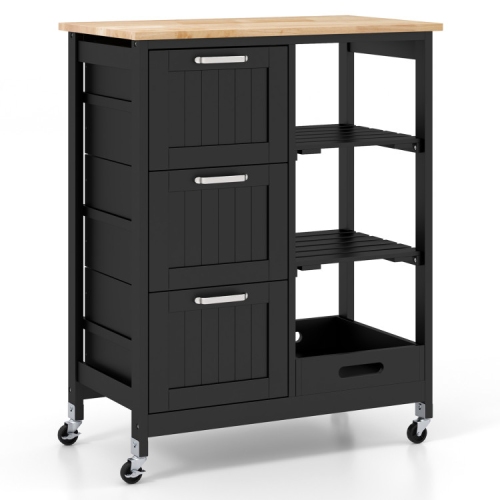
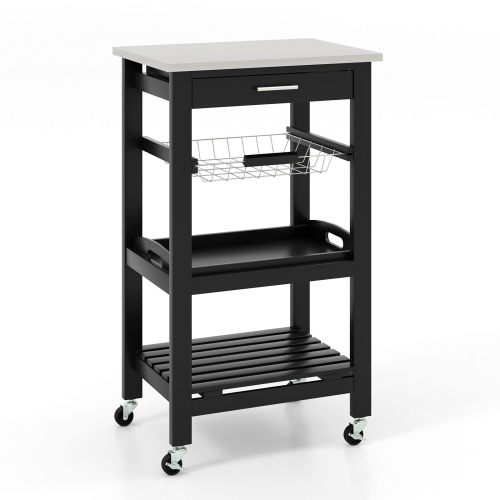
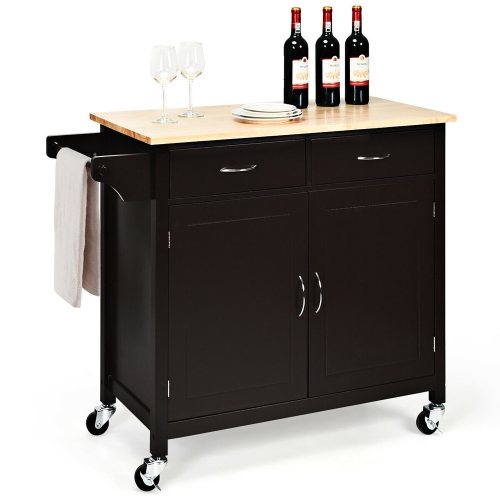
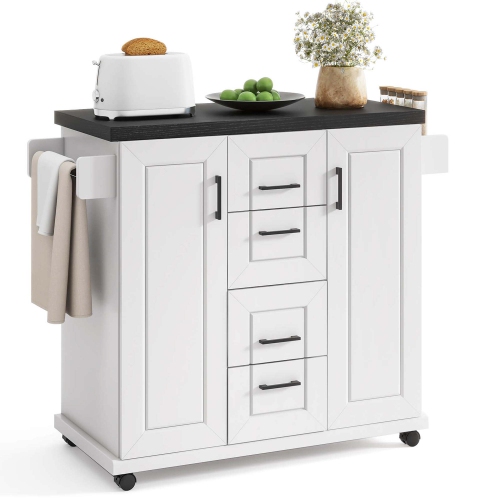


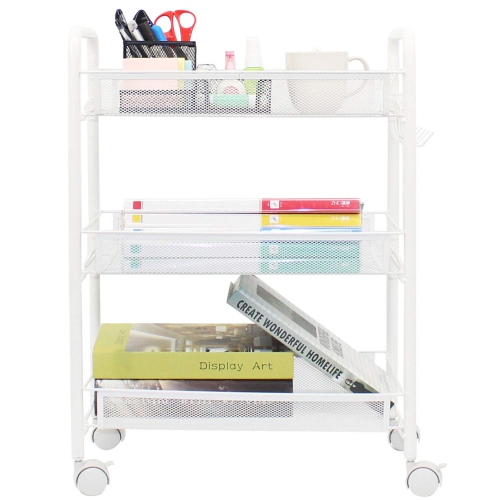
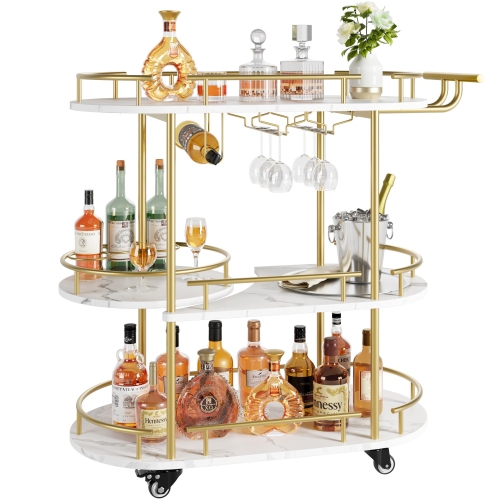
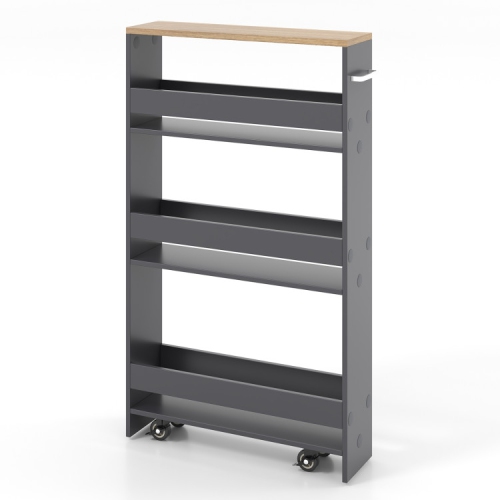
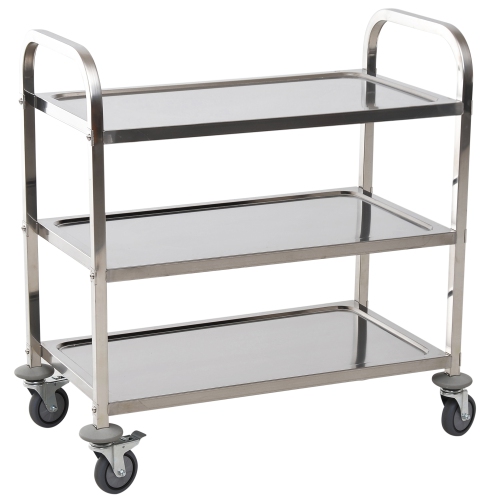
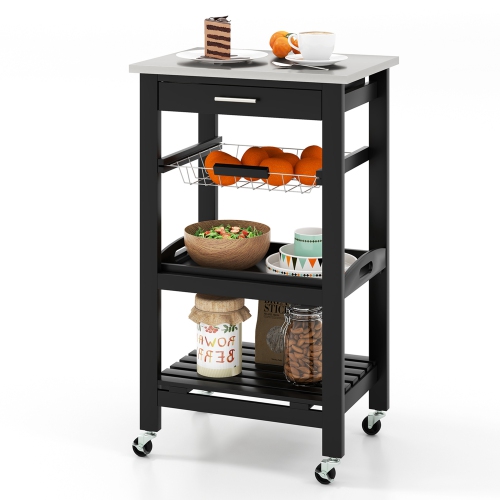

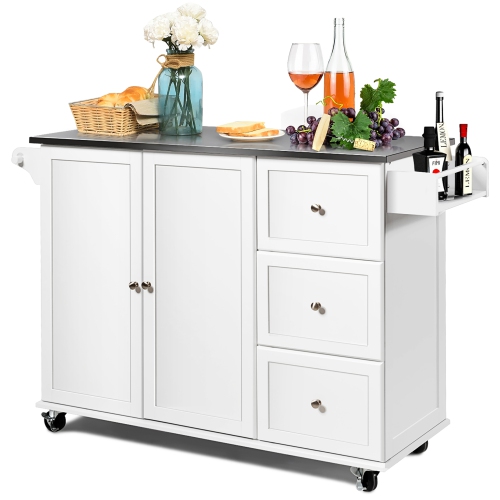
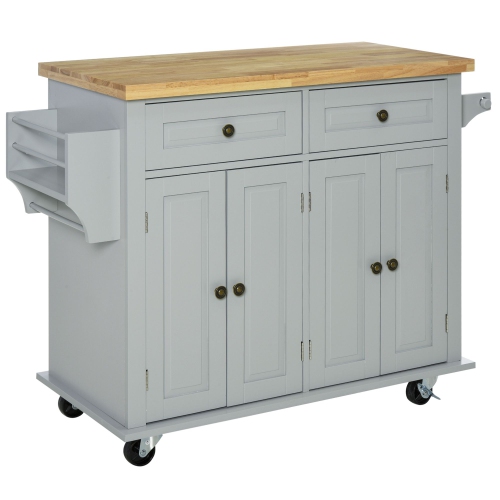
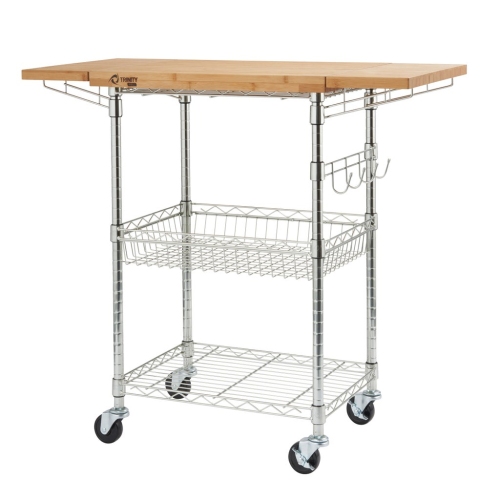
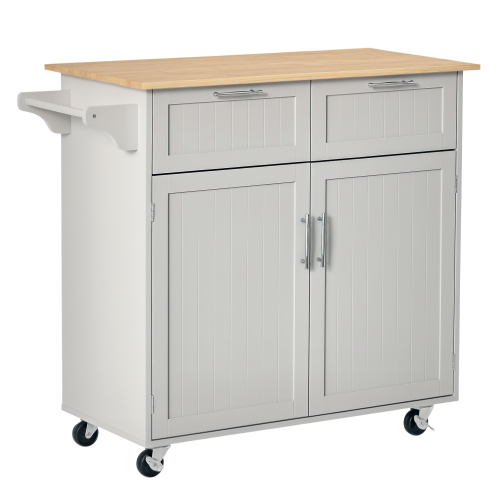
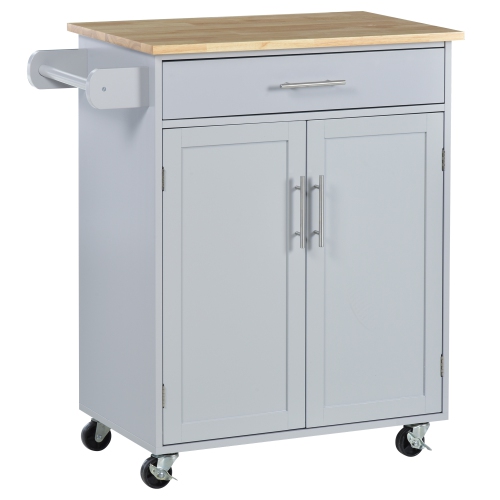
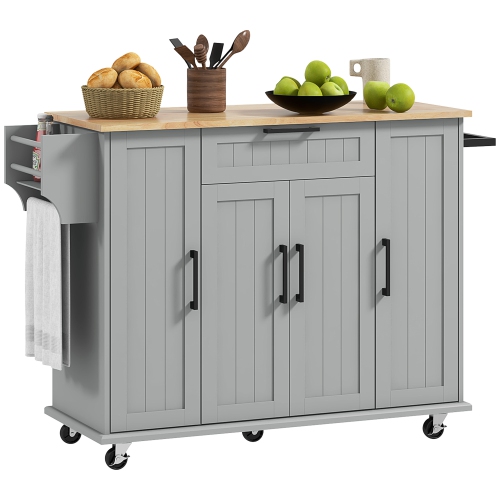
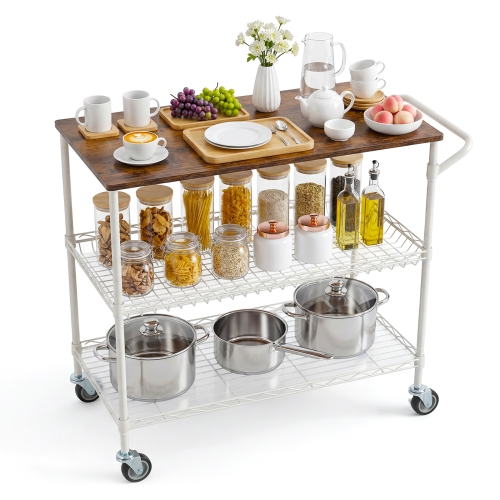
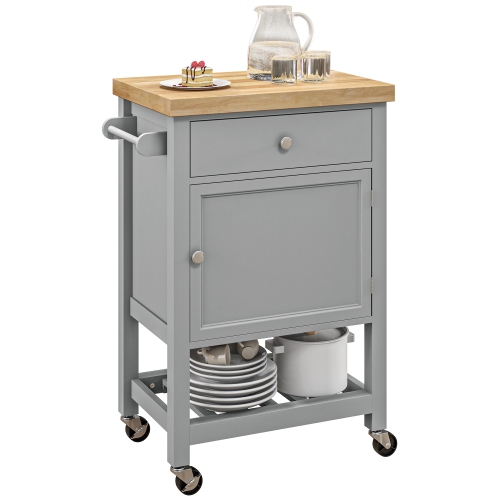
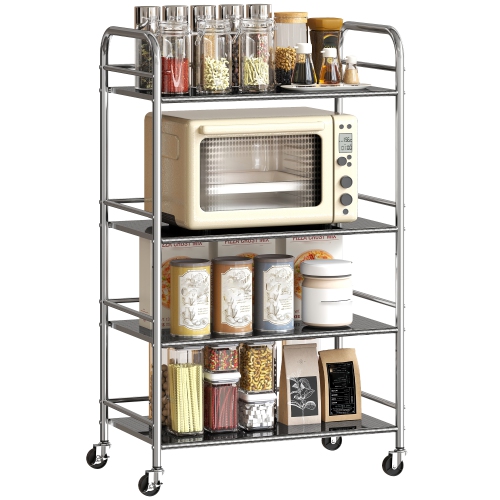
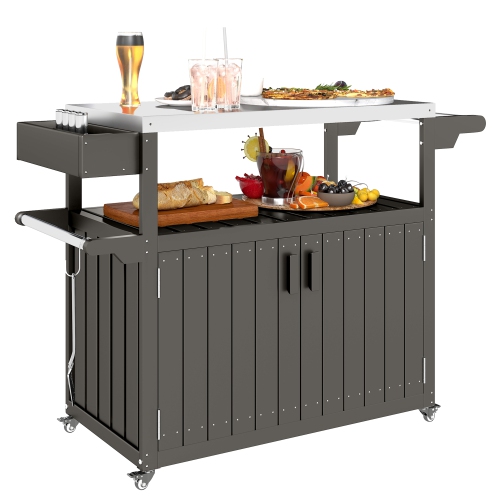
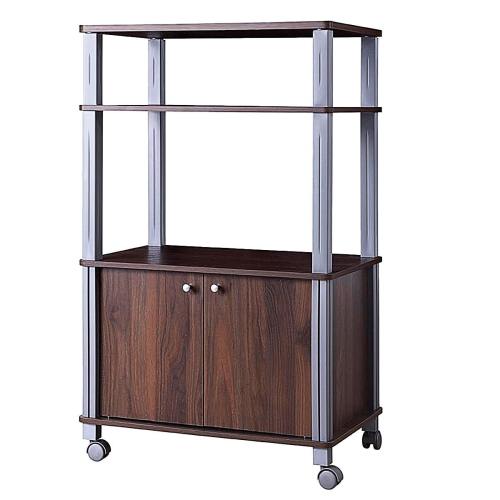
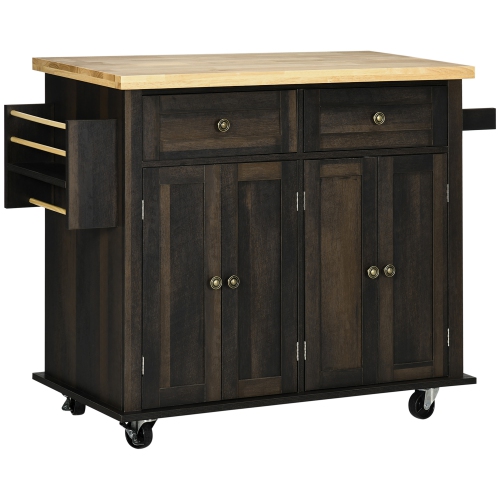
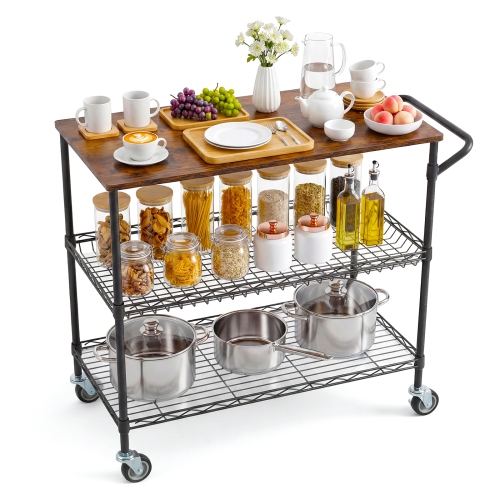
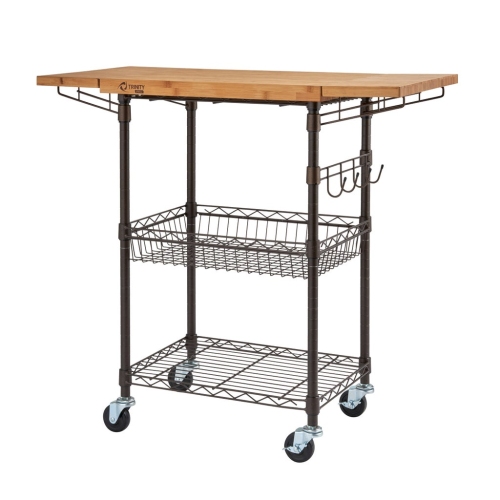
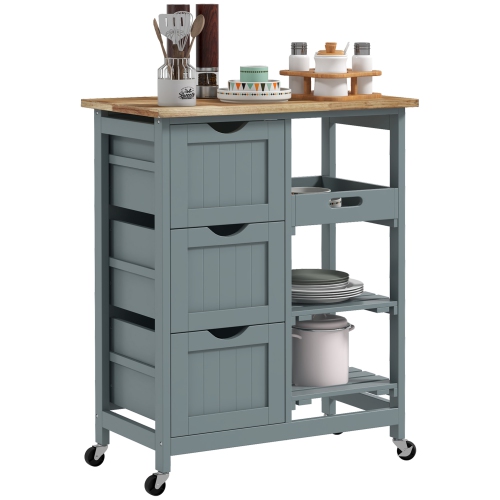
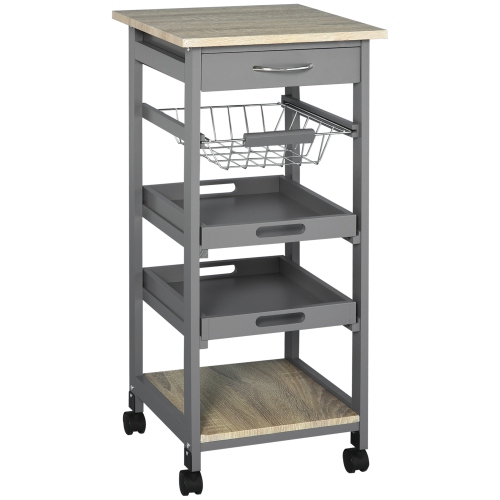

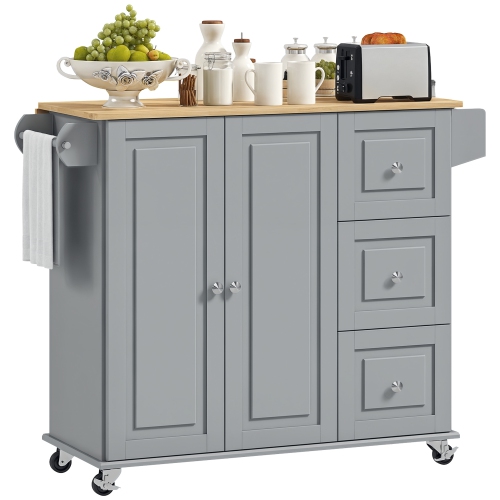
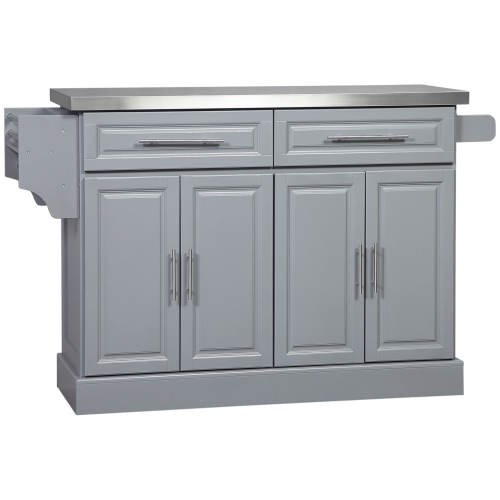
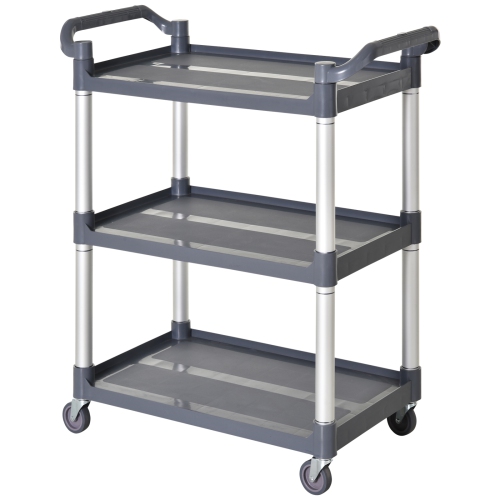
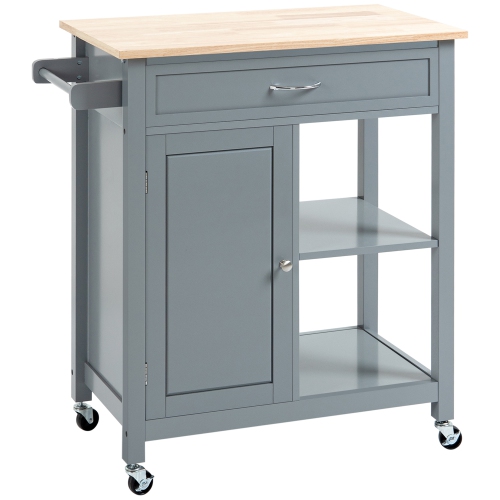
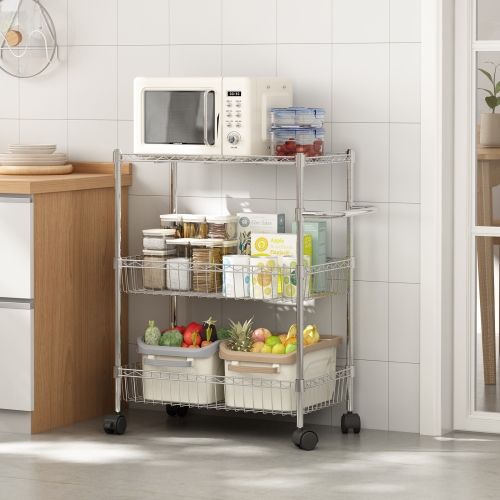
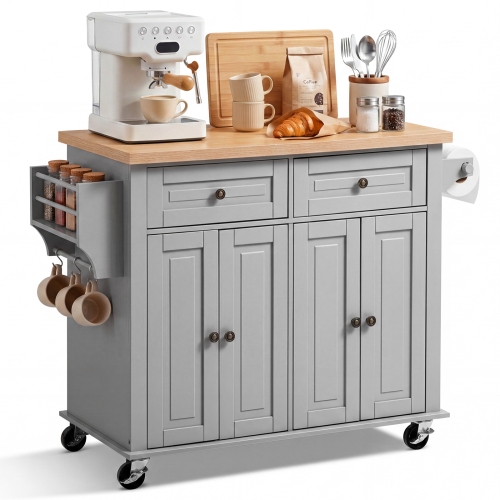
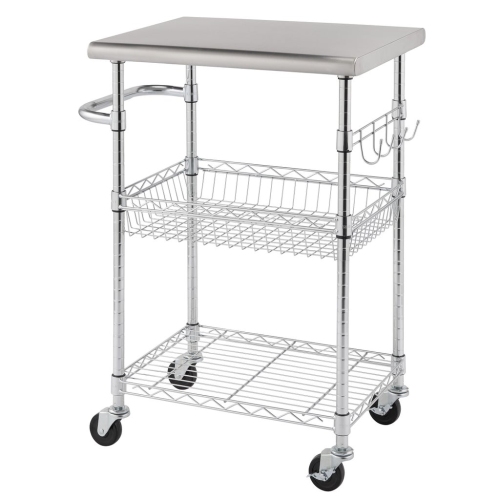
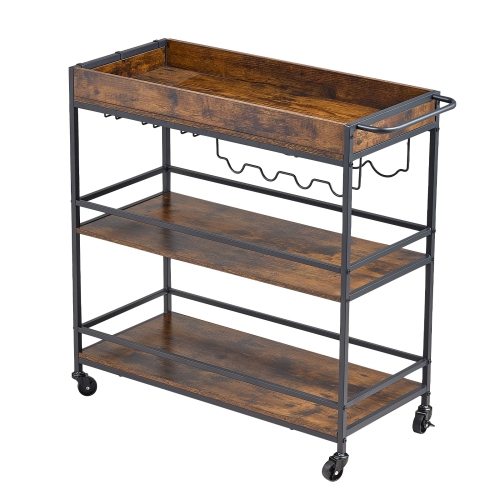
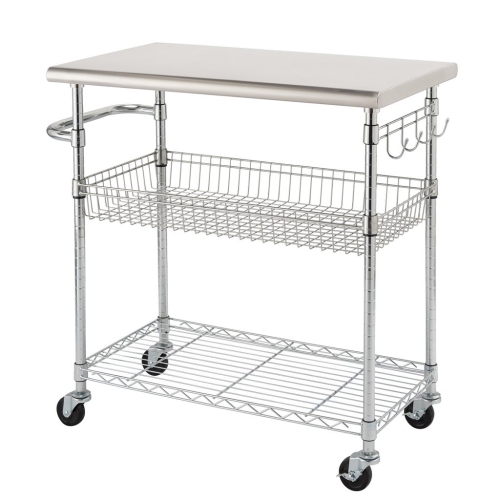
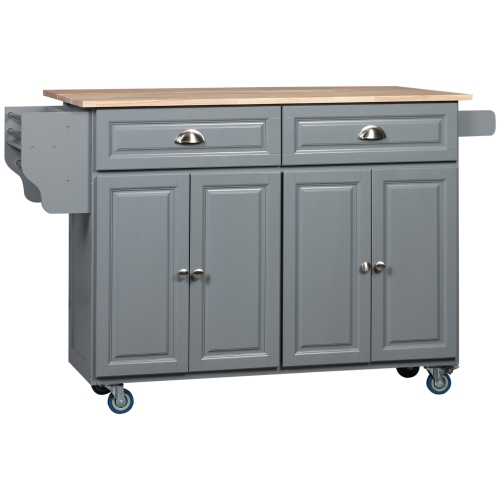

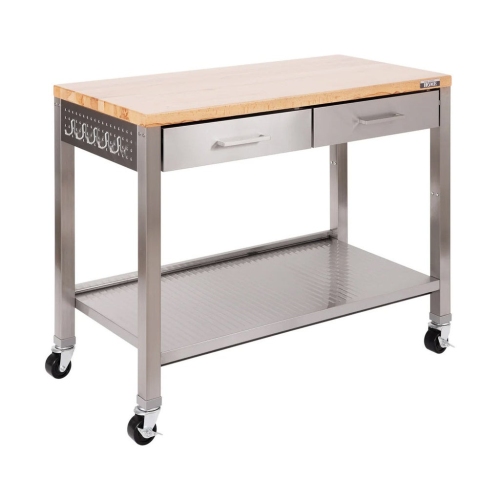
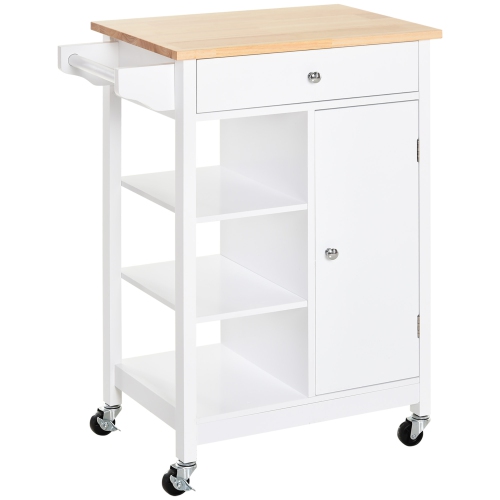
Extra kitchen workspace with a bold black finish
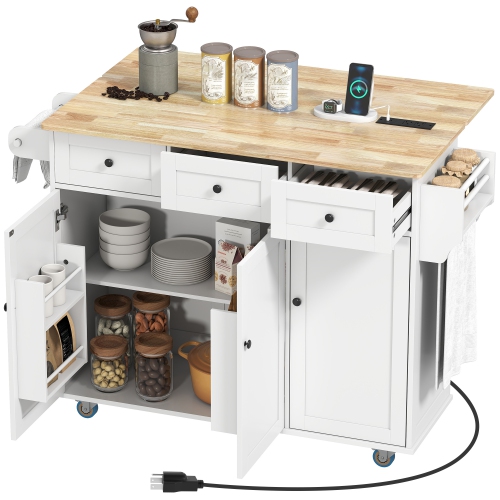
Black kitchen carts bring extra storage and a useful work surface into the kitchen without the permanence of built-in cabinetry. Their dark finish can anchor a bright room, complement black appliances, or create a clear contrast against pale wood, white cupboards, and light stone countertops. The overall effect depends on the details: a slim black metal frame with open shelves feels light and functional, while an enclosed cart with panelled doors has more of a furniture-like presence. A wood top adds warmth and visible grain, whereas a stainless steel surface introduces a more professional kitchen look. Matte and satin finishes offer a softer appearance than high-gloss surfaces, though each finish has its own cleaning requirements. For a different colour direction, White Kitchen Carts offer a lighter alternative that can blend with pale cabinetry. Beyond appearance, a kitchen cart gives everyday tasks a dedicated place. It might hold mixing bowls and baking supplies beside the main counter, keep serving dishes close to the dining area, or provide a spot for setting down groceries before they are put away. In a compact apartment, a narrow cart can turn an unused stretch of wall into practical storage. In a larger kitchen, a more substantial design can support a separate baking station or hold dishes used for family meals. Open-plan spaces also benefit from a cart that looks finished from several angles, especially when its back faces a living or dining area. Handles, shelf edges, door profiles, and the colour of the top all contribute to how comfortably it sits alongside existing furniture. A cart does not need to match every cabinet exactly; repeating one or two details, such as dark hardware or a similar wood tone, can make it feel connected to the room. The result is a flexible piece of kitchen furniture with a purpose that can change as household routines change.
A comfortable fit involves more than finding enough floor space for the cart itself. Its footprint needs to leave room for cupboard doors, appliance doors, and drawers to open, as well as a clear route between the sink, refrigerator, and cooking area. A cart positioned near a dishwasher should not block access when the dishwasher door is lowered. Handles, towel rails, and side racks may extend beyond the main body, so overall measurements matter more than the dimensions of the worktop alone. Height is equally important: a surface close to the surrounding counter height can feel natural for food preparation, while a lower cart may work better for storage or serving. Drop-leaf tops can provide extra surface area when needed, but their extended dimensions and support mechanisms deserve attention, particularly in narrow rooms. Storage layouts make a noticeable difference in daily use. Drawers keep utensils, tea towels, and small accessories contained; cupboards conceal larger cookware; and open shelves make frequently used bowls or baskets easy to reach. Adjustable shelves offer flexibility for taller containers, while fixed shelves provide a straightforward arrangement for dishes and pantry supplies. For a coffee station, the usable top should accommodate the appliance, cups, and access to its water reservoir, with the appliance’s required clearance and safe cord placement maintained. A serving cart may benefit more from accessible shelving and a top that is easy to wipe between meals. Wheels add flexibility, but their size, construction, and suitability for the floor affect how smoothly the cart moves. Locking castors help keep it in place during use, and locks should be engaged before working at the surface. A wheeled cart is not necessarily intended to travel while fully loaded. Heavier cookware belongs on lower shelves where practical, with loads kept within the stated limits for the top, drawers, and shelving. These details help distinguish a cart that simply fits the room from one that fits the way the kitchen is used.
Materials and construction influence how a black kitchen cart handles repeated use, spills, and movement. Solid wood can bring a substantial feel and distinctive grain, although its finish may need protection from standing water and prolonged contact with damp cloths. Wood veneers offer a real-wood surface over a supporting core, while painted or laminated engineered wood can provide a consistent appearance and enclosed storage without the same construction as solid timber. With these materials, sealed edges and prompt spill cleanup are particularly important around joints, seams, and exposed corners. Metal frames can provide sturdy support, but their durability also depends on the quality of the coating, connections, and overall design. Stainless steel tops are practical for many kitchen tasks, though they can show fingerprints and fine scratches. A black finish can also reveal flour, dust, or dried water marks, making a soft cloth and a cleaner approved for the surface useful for routine care. Abrasive pads and harsh cleaning products may dull or damage coatings. Unless a top is specifically intended for direct food preparation, a cutting board provides an appropriate surface for chopping and helps protect the cart beneath it. Trivets are useful for hot cookware, since a surface that looks substantial is not automatically heat-resistant. For wood worktops, any oiling or conditioning should follow the manufacturer’s care directions and use products suitable for the intended contact with food. Long-term practicality also comes from details such as secure drawer runners, properly aligned doors, and accessible fasteners that can be checked and tightened as directed. Assembly instructions matter, especially where castors, shelf supports, and drop-leaf brackets carry weight. Moving the cart by its designated handle rather than a towel rail helps avoid strain on fittings not designed for pulling. With the right balance of usable surface area, accessible storage, and manageable care, a black kitchen cart can become a dependable part of meal preparation, serving, and everyday organization.
Top selling and popular products
-
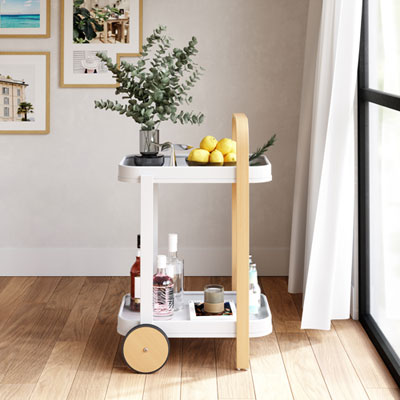 Your price for this item is $169.98
-
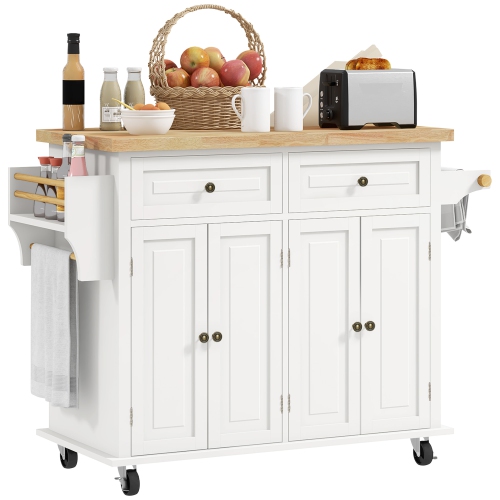 Your price for this item is $214.99
-
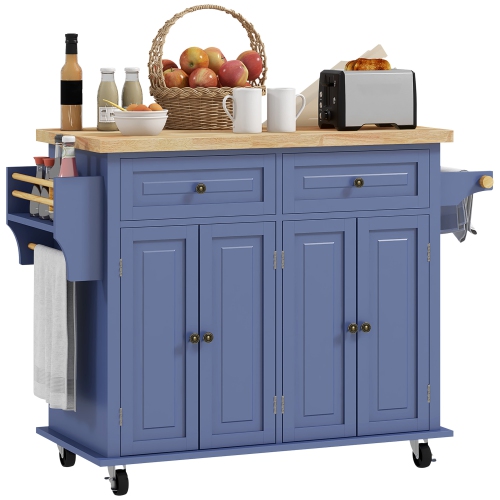 Your price for this item is $224.99
-
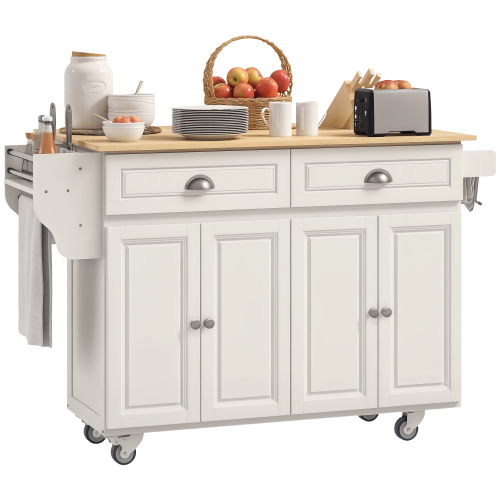 Your price for this item is $349.99
-
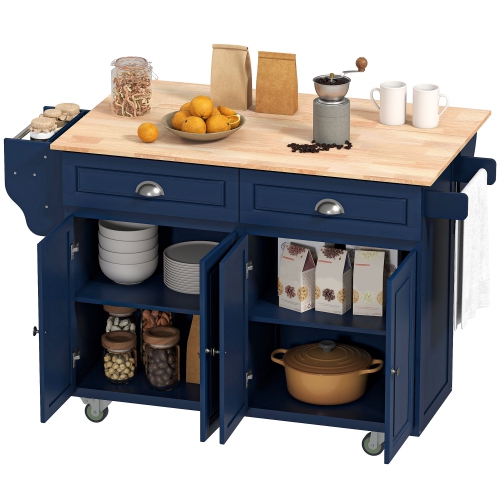 Your price for this item is $385.99
-
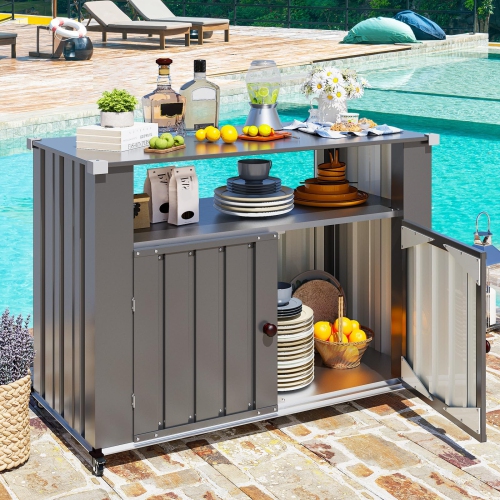 Your price for this item is $139.99
-
 Your price for this item is $93.99
-
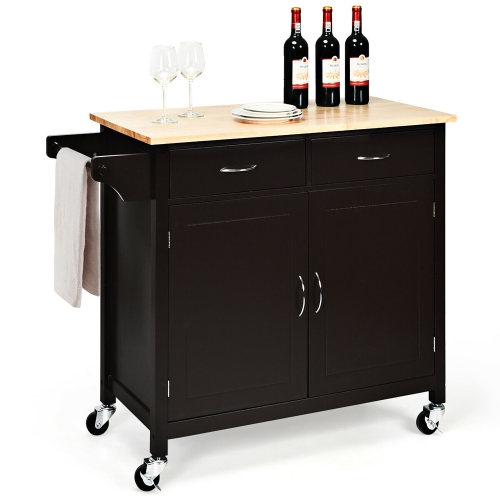 Your price for this item is $149.99
Discover more categories related to Black Kitchen Carts
Top Collections:
Best Black Friday Deals This Year, Best Black Friday Deals On Electronics, Kindle Devices, Dyson Airwrap, Best Cameras for Sports Photography, Best Budget Office Chairs, Canon G7X Cameras, PS5 Pro Consoles, Best Black Friday Deals On Apple Products, XBOX One S Consoles
Some products may be subject to Environmental Handling Fees
(EHF) depending on your province.
Learn more about EHFs.