Black Kitchen Tables
Black kitchen tables are a great way to add a modern touch to your kitchen. These tables will fit in almost any color scheme, and they will also make your kitchen look more elegant and sophisticated. Not only are black kitchen tables aesthetically pleasing, but they are also incredibly durable and easy to maintain. Here are some of the best options available.
Sort
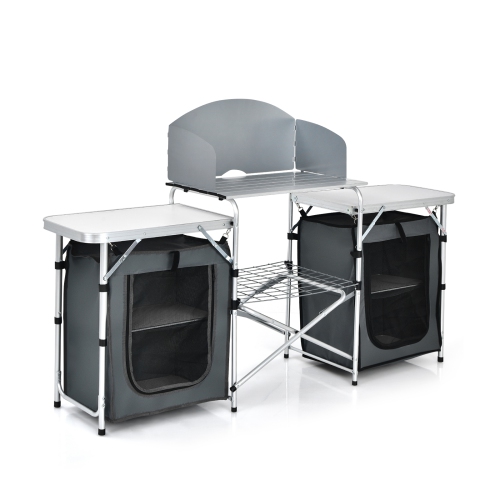
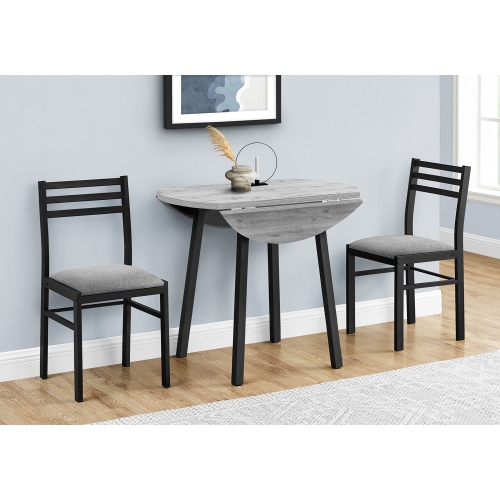
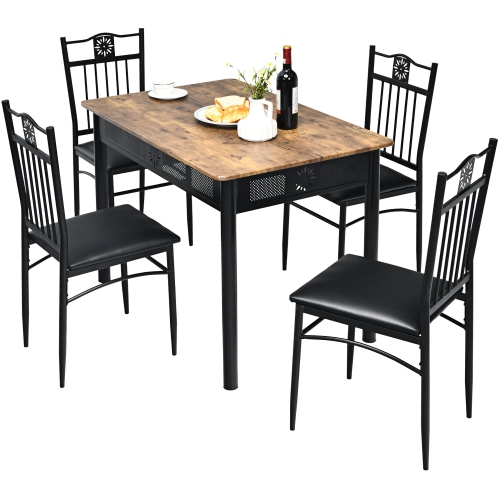
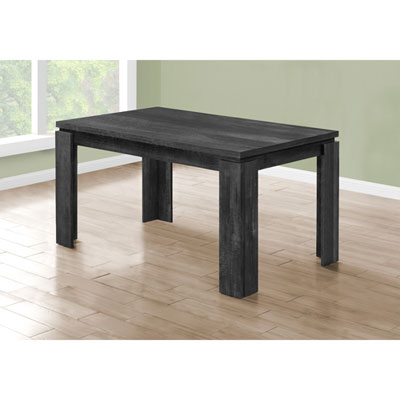
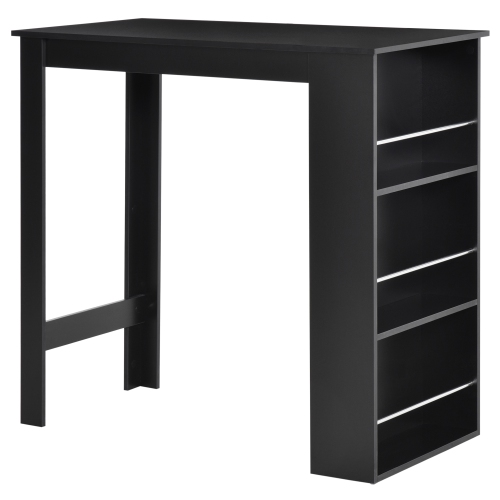
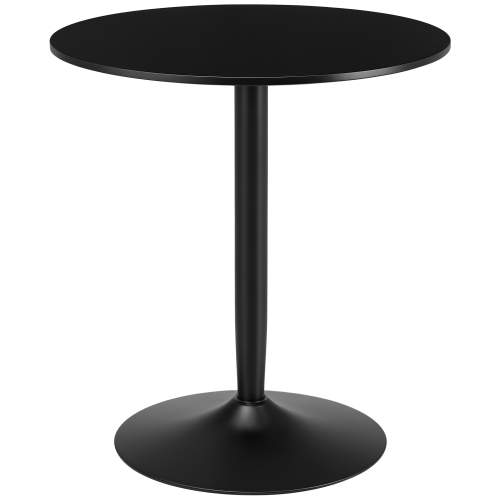
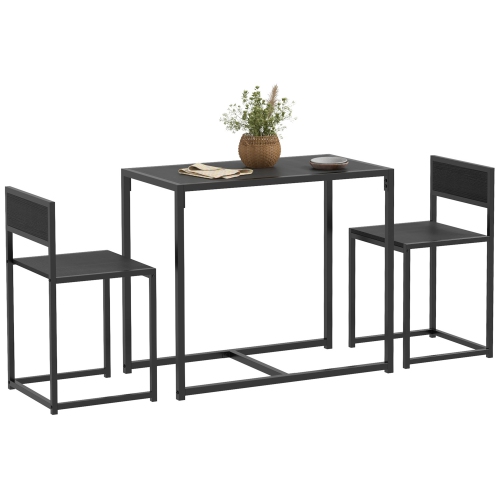
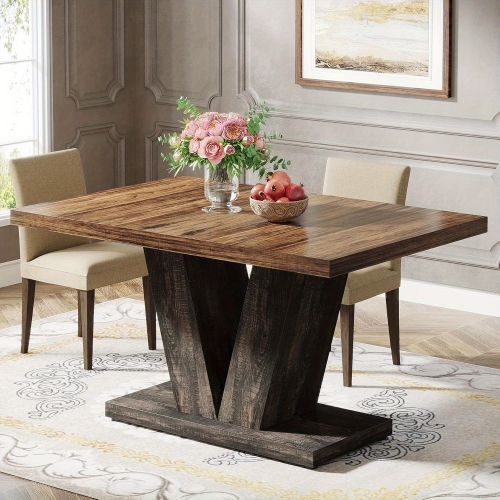

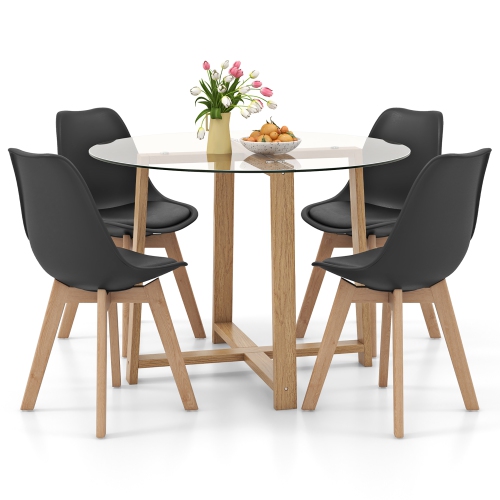
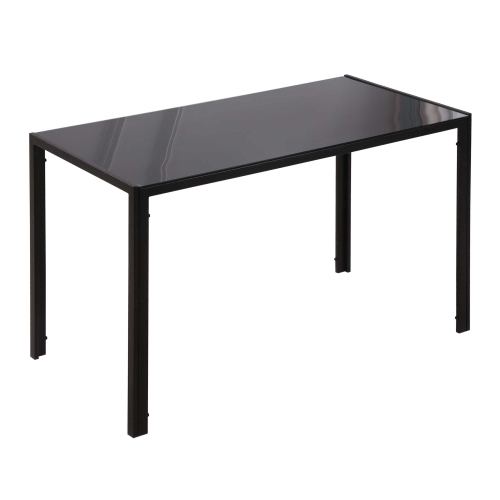
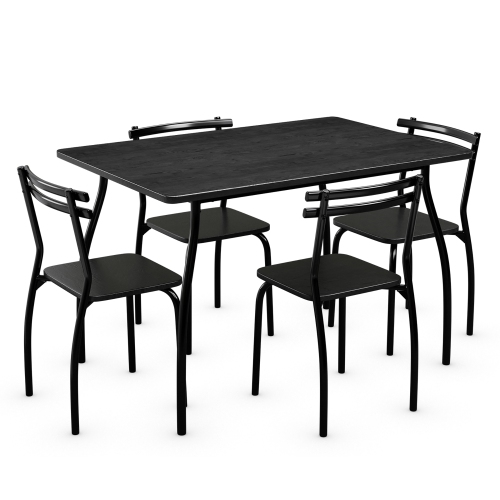
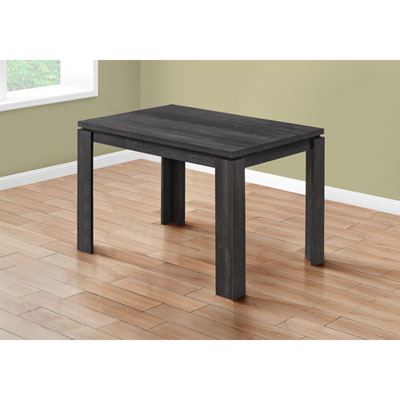
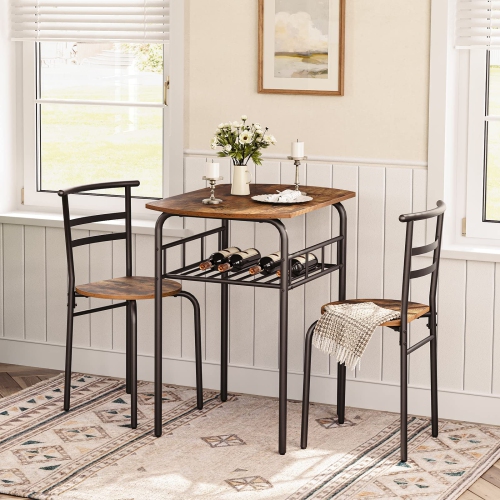
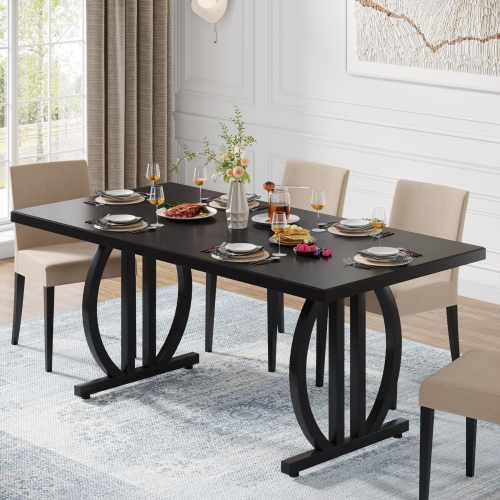
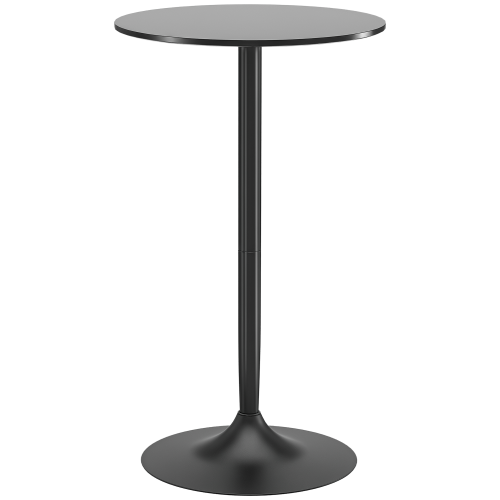
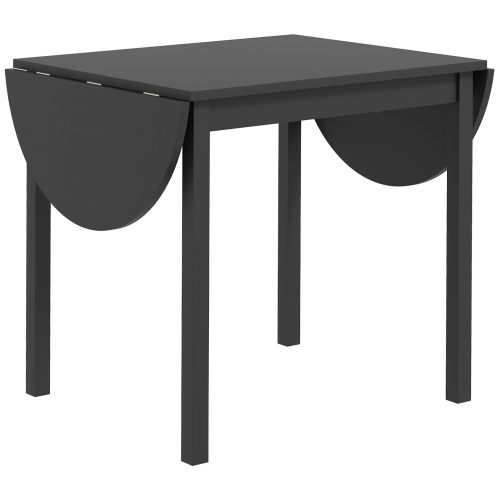
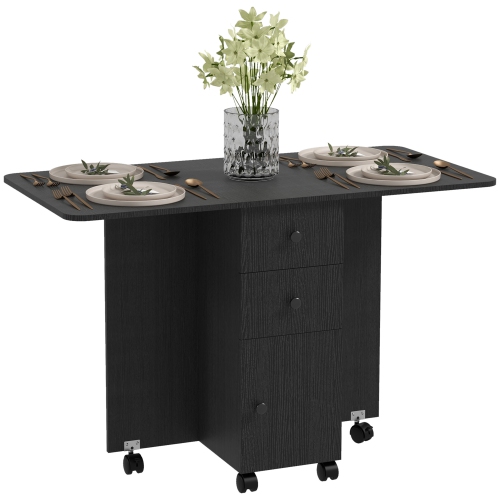
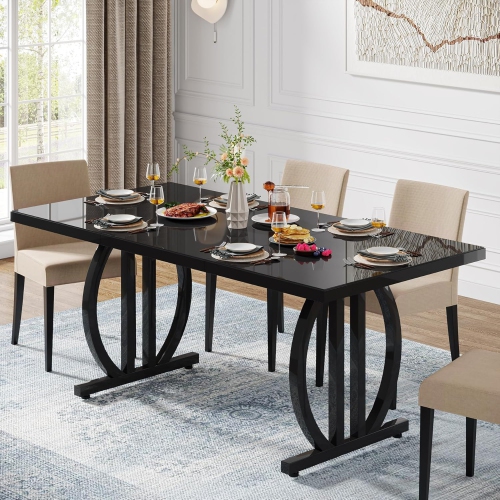
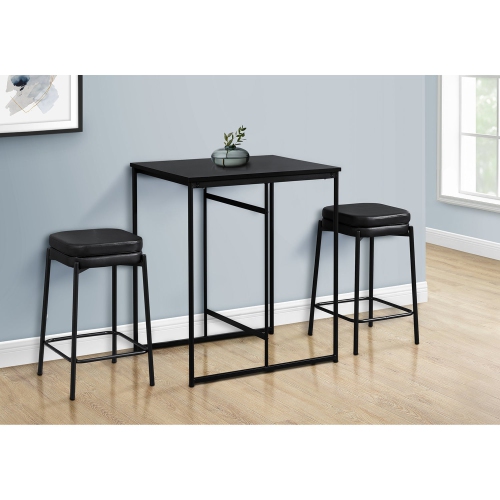
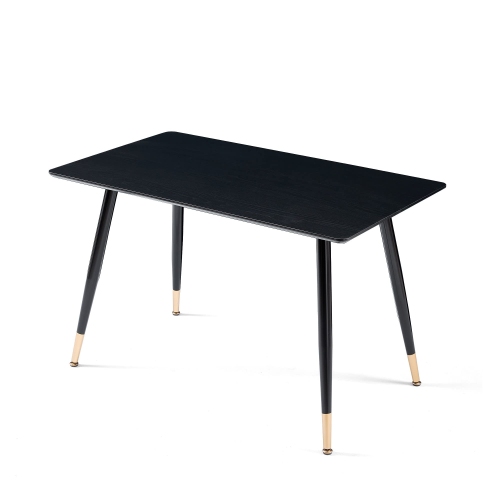
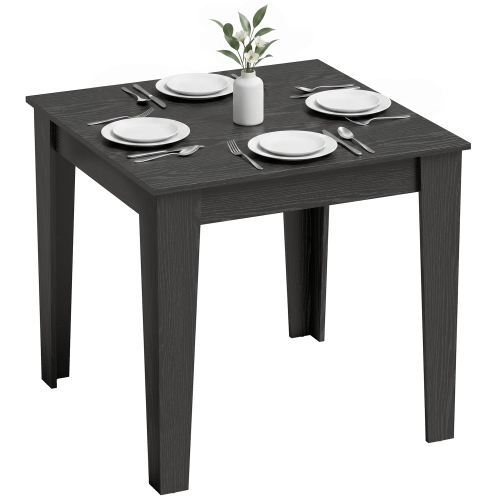
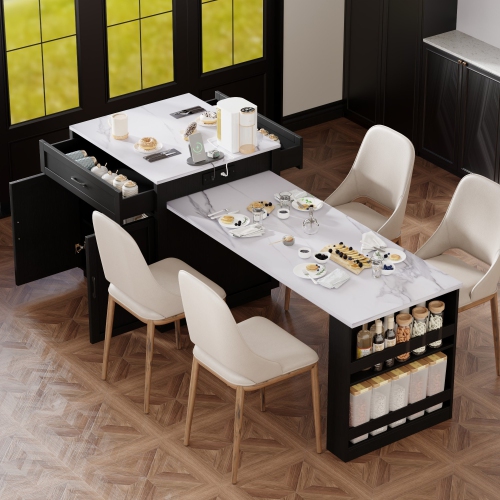
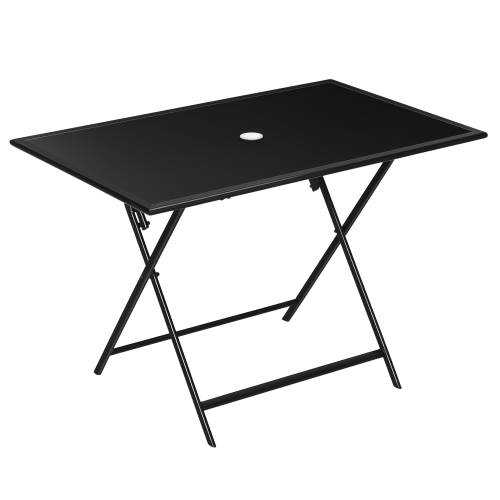
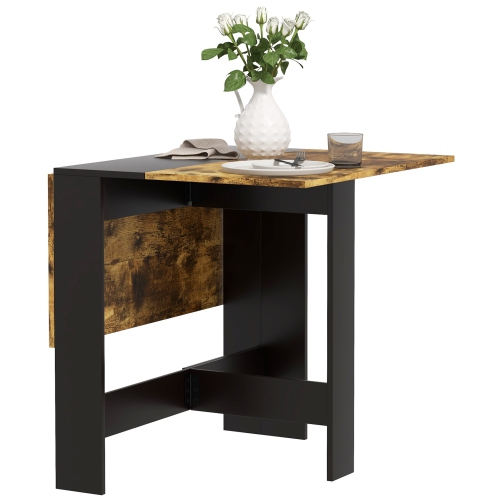


How a black tabletop ties your kitchen together
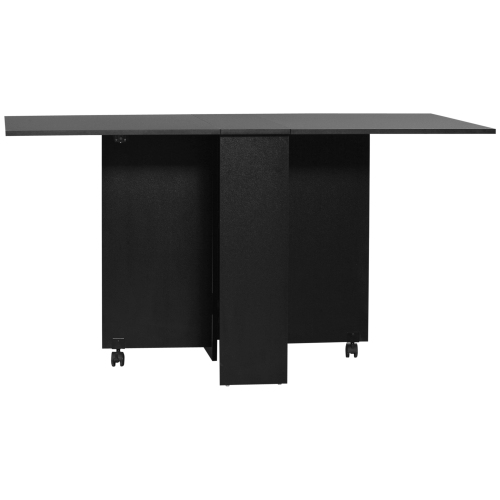
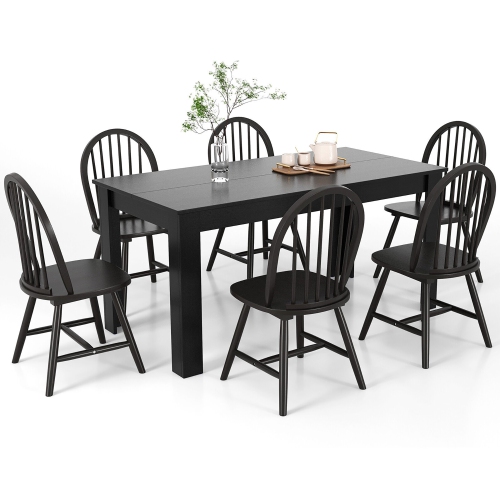
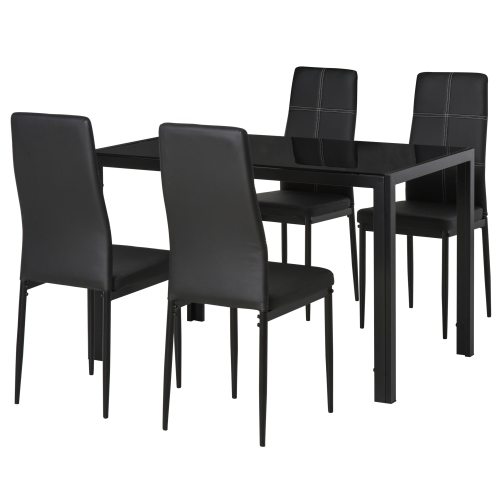
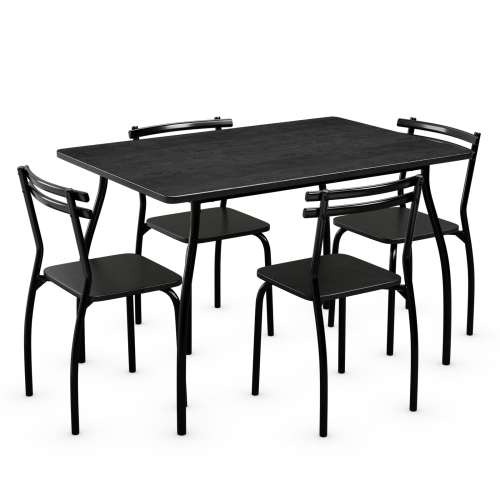
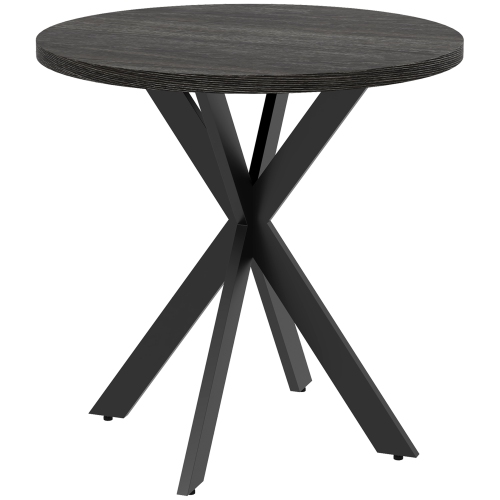
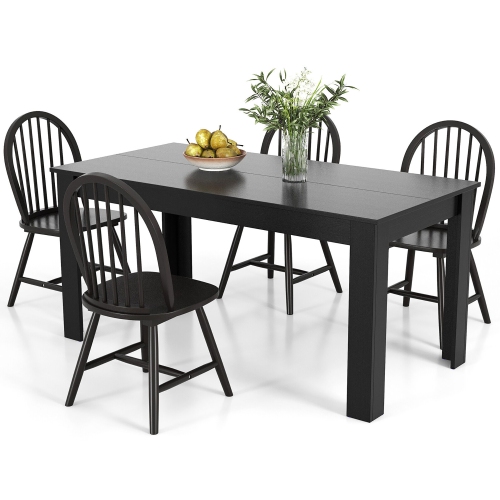
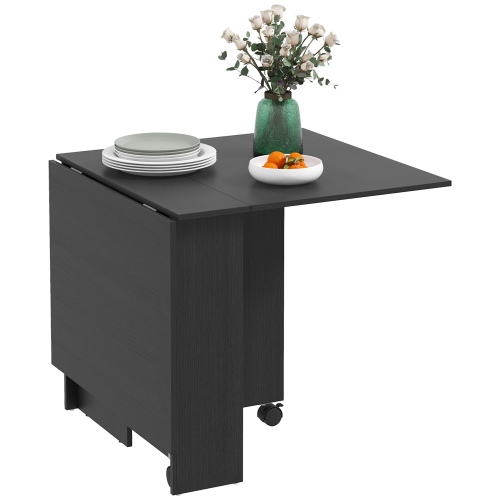
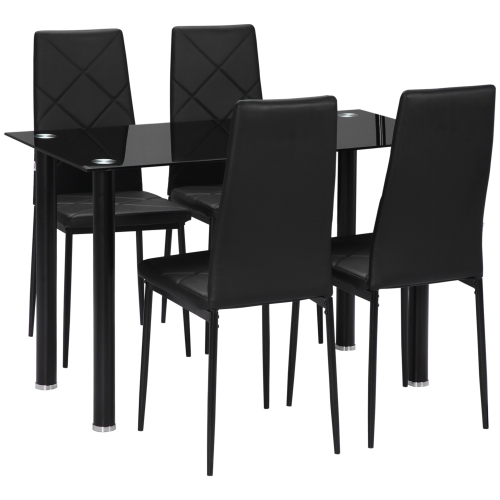
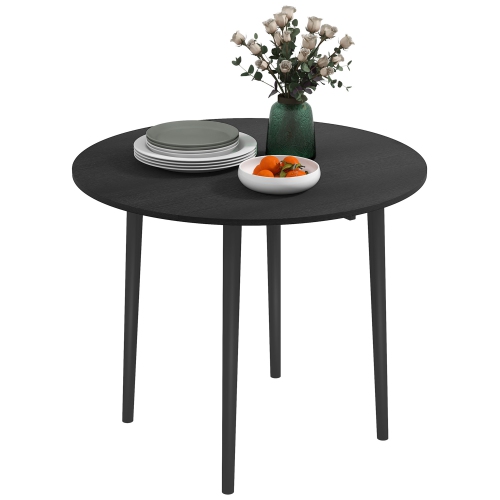
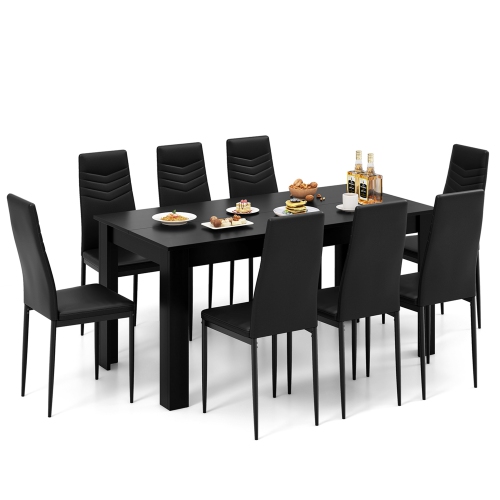
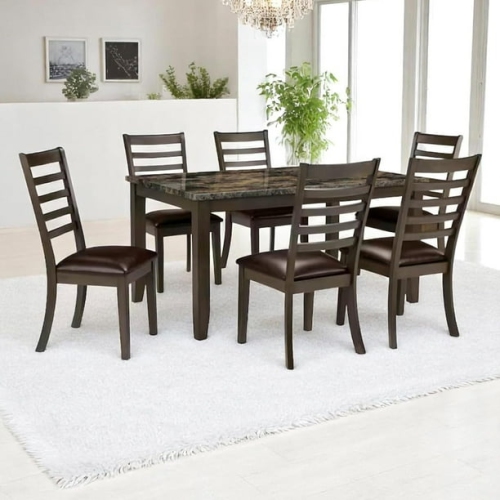
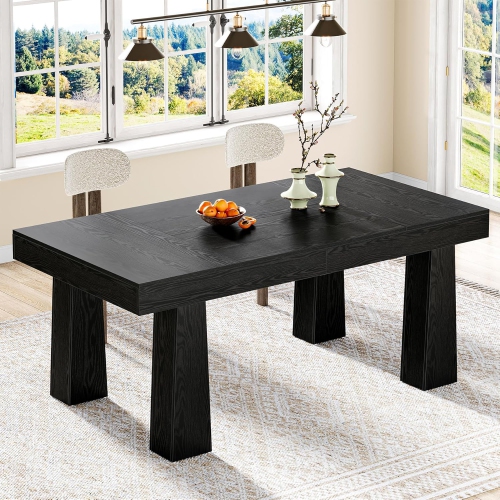
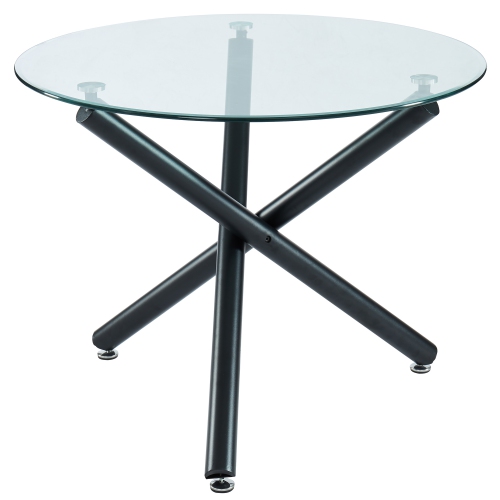
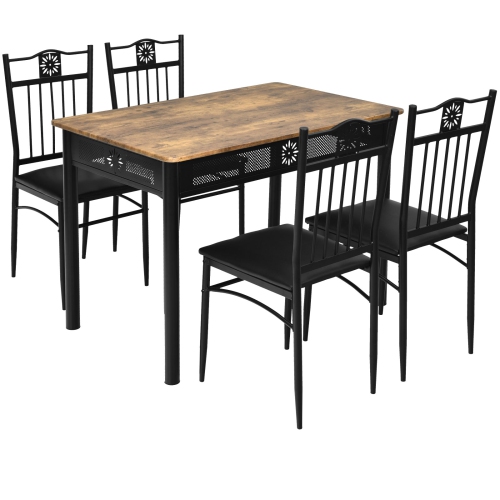
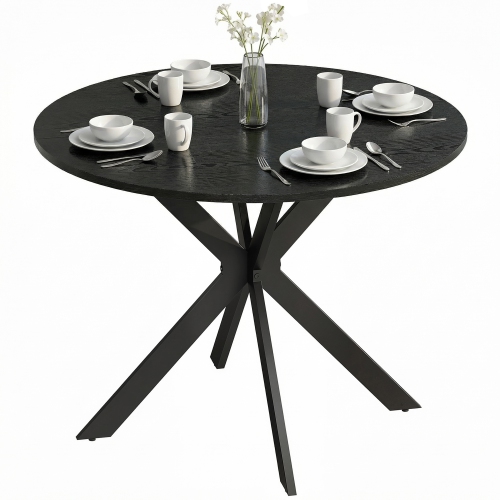
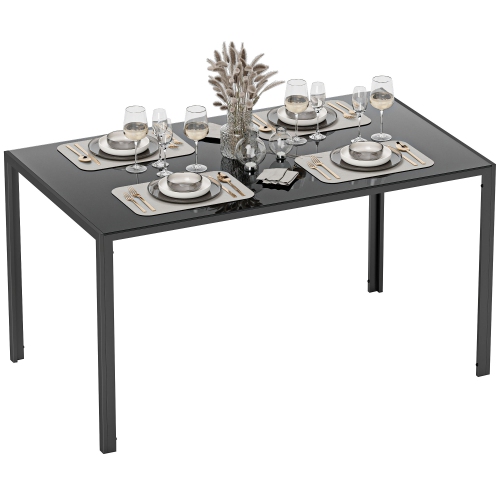
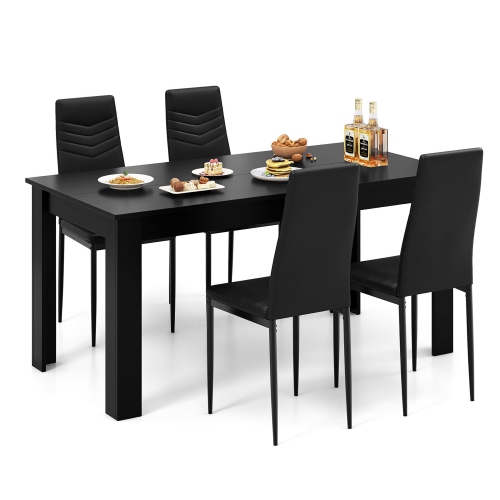
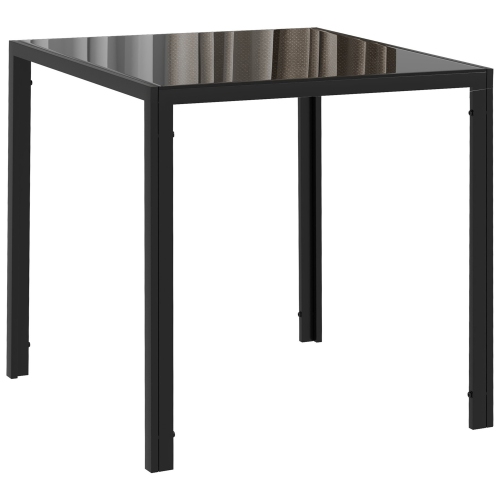
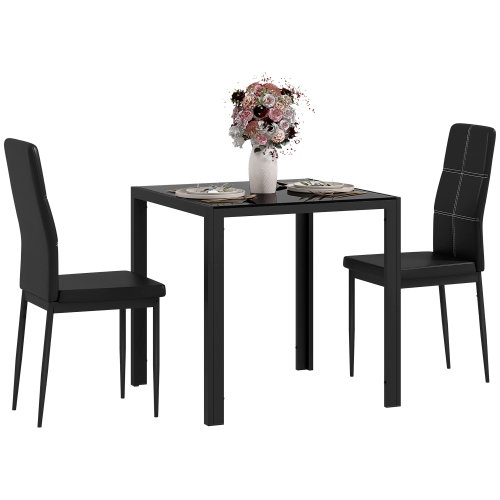
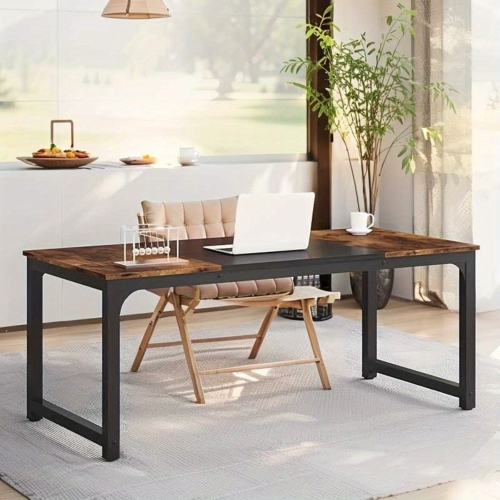
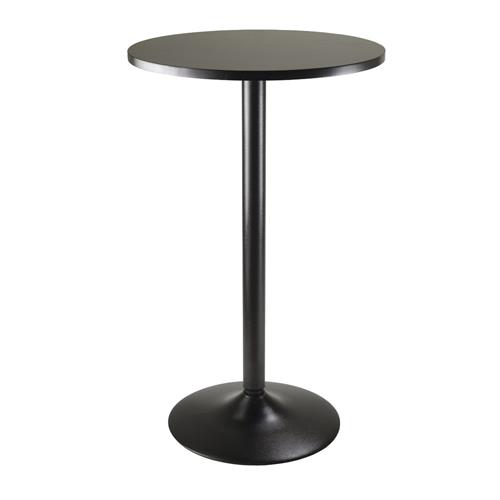
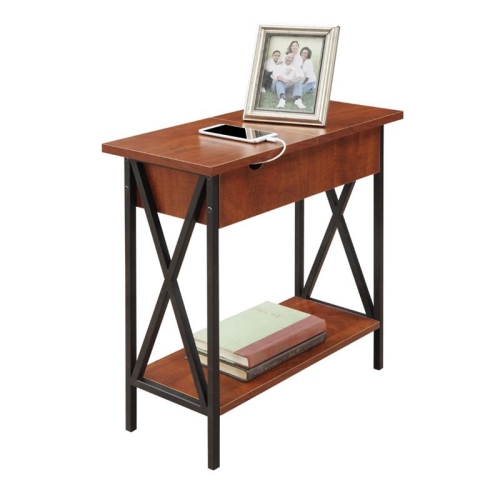
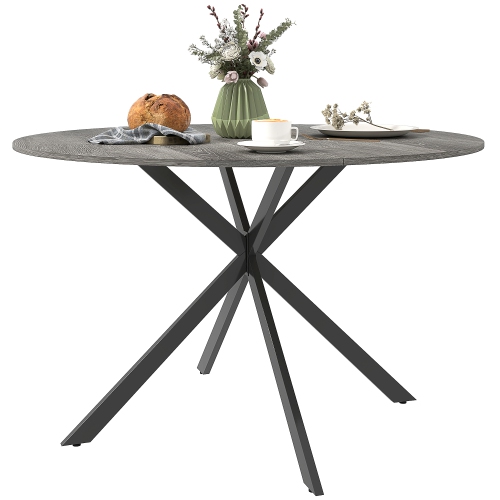
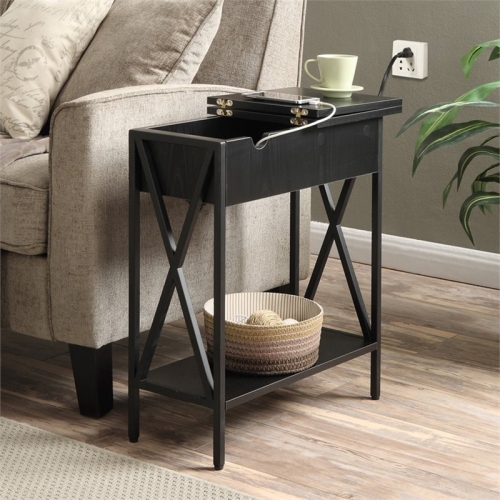
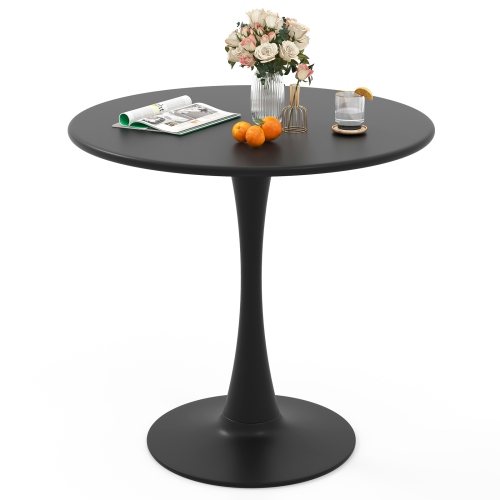
Black kitchen tables bring a defined focal point to everyday dining spaces, from a small breakfast nook to an open kitchen shared with a living area. Their appeal lies in contrast: a black tabletop can ground pale cabinetry, complement stainless steel appliances, or sit comfortably alongside warm wood floors without introducing another strong colour. The overall effect depends as much on the shape and finish as on the shade itself. A slim rectangular table with straight legs has a lighter visual presence than a broad table with a chunky base, while a round black table softens the lines of surrounding cupboards and counters. Matte finishes tend to look understated, satin surfaces add a gentle sheen, and glossy finishes reflect more light and nearby details. Black wood grain offers visible texture for a relaxed setting; a smooth, uniform surface creates a more streamlined look. These differences make black kitchen tables suitable for a range of interiors, including farmhouse kitchens, industrial lofts, and simple contemporary apartments. Chairs also influence the result. Natural wood seating brings warmth, upholstered chairs introduce softness, and metal frames can echo the table’s base or nearby cabinet hardware. A fully matched dining arrangement looks cohesive, but matching every finish is not necessary: black often works as the connecting element between different materials. For spaces centred on clean lines and minimal detailing, modern kitchen tables offer a related style direction. Practical use matters just as much as appearance. A kitchen table might hold breakfast dishes before becoming a homework spot, a place to sort paperwork, or a surface for a quiet board game. A couple furnishing a first apartment may value a compact footprint, while a busy household may need space for serving dishes alongside several place settings. The most comfortable arrangement gives those activities enough room without making the surrounding kitchen feel crowded.
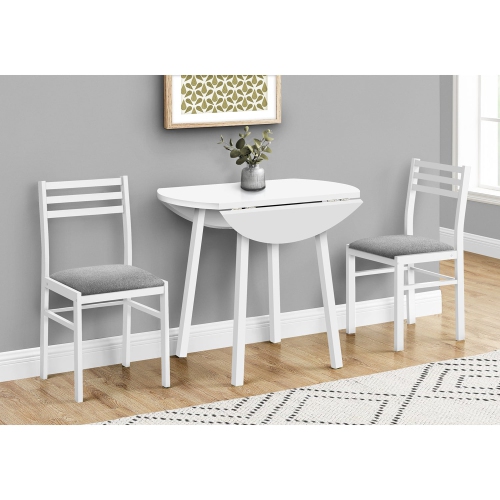
Shape, seating capacity, and clearance determine how naturally a black kitchen table fits into daily routines. Rectangular tables often suit longer rooms and defined dining zones, while square tables can make efficient use of a small, evenly proportioned nook. Round tables keep everyone facing towards the centre and remove projecting tabletop corners, although the chairs still need adequate space around the full perimeter. Oval designs offer a longer dining surface with curved ends, making them useful where a rectangular top would feel too angular beside a walkway. Seating capacity depends on usable edge space and the position of the base, not simply the tabletop’s overall dimensions. As a general planning allowance, approximately 24 inches of table edge per person gives diners room for a place setting and some elbow movement; wide chairs or generous place settings may need more. A pedestal base can free up space around the edge, but its footprint still affects where feet and chair legs can rest. Corner legs, crossbars, and trestle supports can limit seating positions even beneath a fairly large top. Around the table, roughly 36 inches of clearance from the edge to a wall or other furniture is a useful starting point for pulling out chairs, with additional room needed along busy routes. In a working kitchen, open appliance doors, drawers, and cupboard access deserve a place in that calculation. Seat height is another important detail: a gap of about 10 to 12 inches between the seat and the underside of the tabletop usually allows comfortable legroom, though a deep apron can reduce it. Counter-height tables require appropriately sized seating rather than standard dining chairs. Drop-leaf and extending designs can support different routines, keeping a smaller footprint for everyday meals and providing extra surface when needed. Their usefulness depends on having room to open the leaves, move the chairs, and store any removable extension sections. For a table used with a mobility aid, clear knee space and an unobstructed approach matter more than the stated seat count alone.
Materials and construction influence how a black kitchen table feels, wears, and responds to the spills and movement of everyday use. Solid wood offers natural variation beneath a stained finish, while painted wood generally has a more uniform appearance. Some solid wood surfaces can be refinished, depending on their construction and coating, but neither a dark stain nor a painted finish makes wood immune to moisture or heat. Wood veneer provides a real wood surface over a supporting core, and its thinner outer layer calls for care when dealing with scratches or worn edges. Laminate and other coated engineered wood surfaces can be straightforward to wipe down, although standing liquid may damage joints or exposed edges. Glass tops bring reflection and a different visual texture, but fingerprints, crumbs, and streaks may be noticeable against a dark surface. Metal bases can provide slender support, with stability depending on the design, joints, and assembly rather than the material alone. A well-supported top, secure fasteners, and feet that sit evenly on the floor contribute to a table that feels steady when someone cuts food or writes a note. Adjustable levelling feet can help on slightly uneven flooring, while suitable floor protectors reduce scraping when the table moves. Black finishes vary in how readily they show wear: pale dust may stand out on a smooth dark top, and a scratch can be conspicuous if it exposes a lighter material underneath. Surface texture and sheen can change how visible those marks are, but no finish is entirely maintenance-free. For most everyday cleaning, a soft cloth and prompt spill removal are sensible habits, with cleaning products chosen according to the manufacturer’s directions. Coasters, placemats, and heat-resistant trivets help separate the surface from drinks, dishes, and hot cookware; abrasive pads can leave marks or change the sheen. Rounded edges may be preferable in a family eating area, while easy-to-reach surfaces simplify cleanup after crafts or shared meals. With dimensions, seating, and finish suited to its setting, a black kitchen table can serve as a dependable everyday gathering place without overwhelming the room around it.
Shape, seating capacity, and clearance determine how naturally a black kitchen table fits into daily routines. Rectangular tables often suit longer rooms and defined dining zones, while square tables can make efficient use of a small, evenly proportioned nook. Round tables keep everyone facing towards the centre and remove projecting tabletop corners, although the chairs still need adequate space around the full perimeter. Oval designs offer a longer dining surface with curved ends, making them useful where a rectangular top would feel too angular beside a walkway. Seating capacity depends on usable edge space and the position of the base, not simply the tabletop’s overall dimensions. As a general planning allowance, approximately 24 inches of table edge per person gives diners room for a place setting and some elbow movement; wide chairs or generous place settings may need more. A pedestal base can free up space around the edge, but its footprint still affects where feet and chair legs can rest. Corner legs, crossbars, and trestle supports can limit seating positions even beneath a fairly large top. Around the table, roughly 36 inches of clearance from the edge to a wall or other furniture is a useful starting point for pulling out chairs, with additional room needed along busy routes. In a working kitchen, open appliance doors, drawers, and cupboard access deserve a place in that calculation. Seat height is another important detail: a gap of about 10 to 12 inches between the seat and the underside of the tabletop usually allows comfortable legroom, though a deep apron can reduce it. Counter-height tables require appropriately sized seating rather than standard dining chairs. Drop-leaf and extending designs can support different routines, keeping a smaller footprint for everyday meals and providing extra surface when needed. Their usefulness depends on having room to open the leaves, move the chairs, and store any removable extension sections. For a table used with a mobility aid, clear knee space and an unobstructed approach matter more than the stated seat count alone.
Materials and construction influence how a black kitchen table feels, wears, and responds to the spills and movement of everyday use. Solid wood offers natural variation beneath a stained finish, while painted wood generally has a more uniform appearance. Some solid wood surfaces can be refinished, depending on their construction and coating, but neither a dark stain nor a painted finish makes wood immune to moisture or heat. Wood veneer provides a real wood surface over a supporting core, and its thinner outer layer calls for care when dealing with scratches or worn edges. Laminate and other coated engineered wood surfaces can be straightforward to wipe down, although standing liquid may damage joints or exposed edges. Glass tops bring reflection and a different visual texture, but fingerprints, crumbs, and streaks may be noticeable against a dark surface. Metal bases can provide slender support, with stability depending on the design, joints, and assembly rather than the material alone. A well-supported top, secure fasteners, and feet that sit evenly on the floor contribute to a table that feels steady when someone cuts food or writes a note. Adjustable levelling feet can help on slightly uneven flooring, while suitable floor protectors reduce scraping when the table moves. Black finishes vary in how readily they show wear: pale dust may stand out on a smooth dark top, and a scratch can be conspicuous if it exposes a lighter material underneath. Surface texture and sheen can change how visible those marks are, but no finish is entirely maintenance-free. For most everyday cleaning, a soft cloth and prompt spill removal are sensible habits, with cleaning products chosen according to the manufacturer’s directions. Coasters, placemats, and heat-resistant trivets help separate the surface from drinks, dishes, and hot cookware; abrasive pads can leave marks or change the sheen. Rounded edges may be preferable in a family eating area, while easy-to-reach surfaces simplify cleanup after crafts or shared meals. With dimensions, seating, and finish suited to its setting, a black kitchen table can serve as a dependable everyday gathering place without overwhelming the room around it.
Top selling and popular products
-
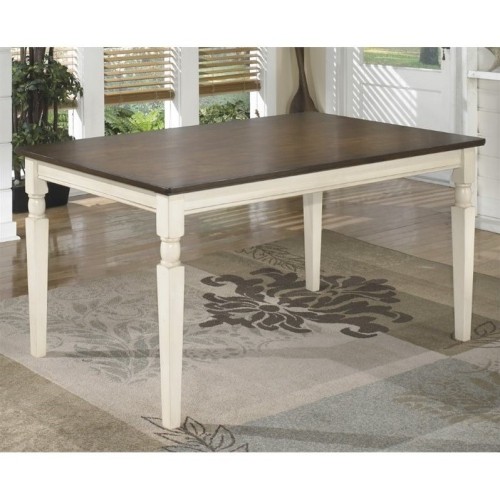 Your price for this item is $399
 -
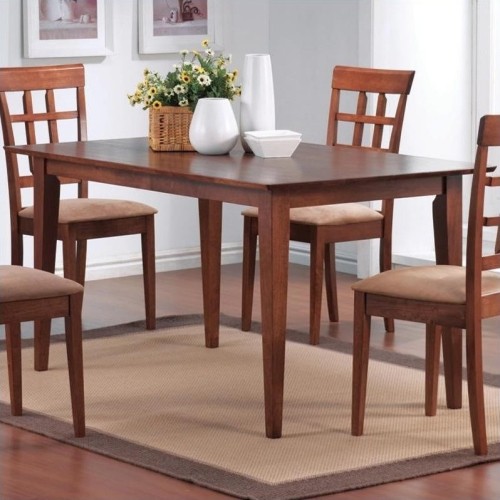 Your price for this item is $564.16
 -
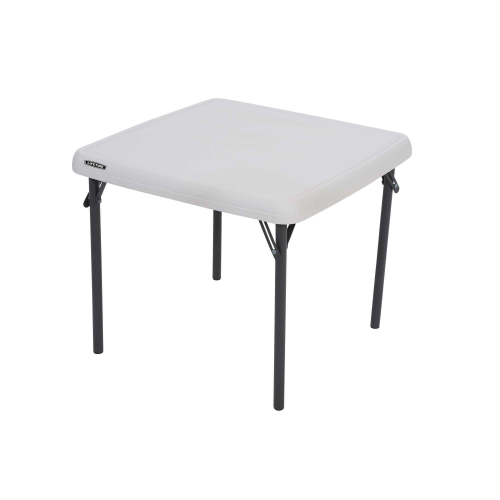 Your price for this item is $71.99
 -
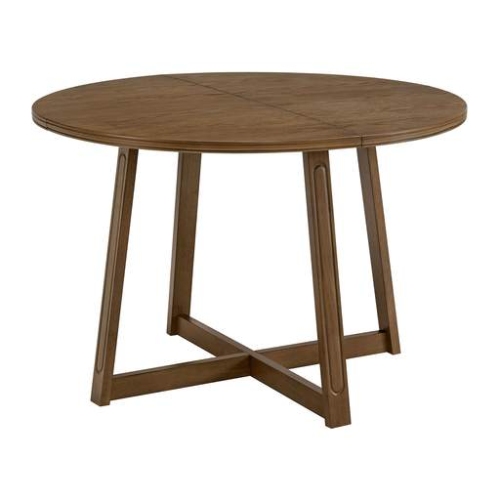 Your price for this item is $752.99
 -
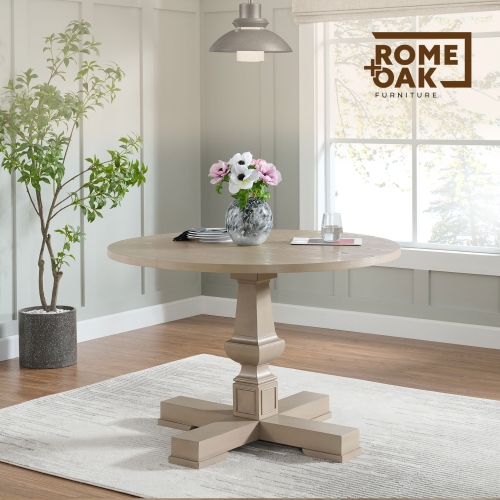 Your price for this item is $918.99
 -
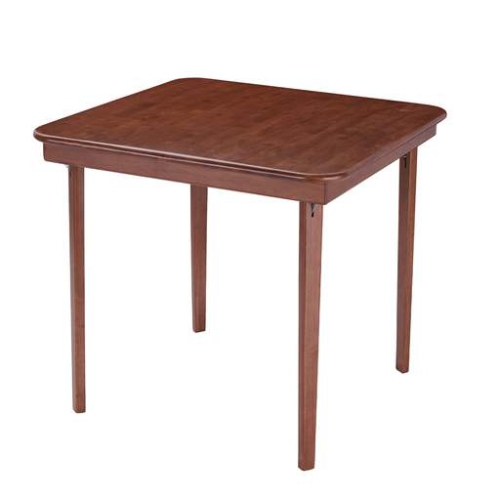 Your price for this item is $394.99
 -
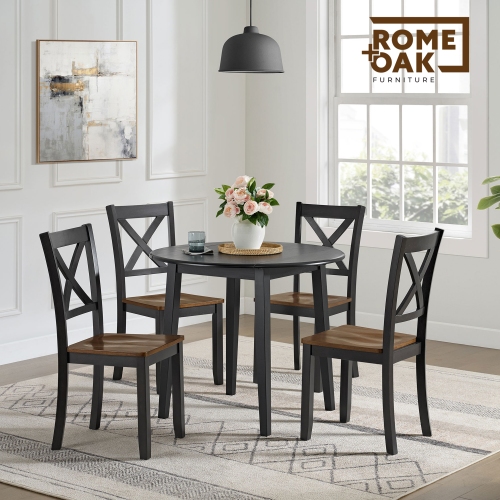 Your price for this item is $313.99
 -
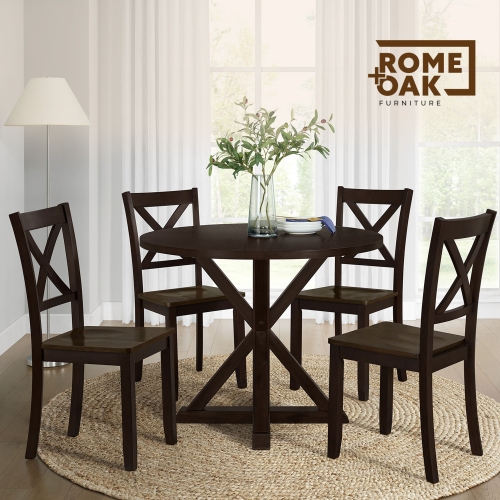 Your price for this item is $782.99
Discover more categories related to Black Kitchen Tables
Top Collections:
Pokemon Centers, Budget 4K TVs, Kindle Devices, Canon G7X Cameras, Apple iPhones 16, iPhone 15 Apple, Laptops for Business Work, Flip Phones, Xiaomi Phones, Refurbished Apple Laptops
Some products may be subject to Environmental Handling Fees
(EHF) depending on your province.
Learn more about EHFs.