Black Metal Raised Garden Beds
Black Metal Raised Garden Beds offer a sleek and modern solution for enhancing any outdoor space. Designed to complement a variety of garden styles, these raised beds provide an attractive foundation for growing flowers, vegetables, and herbs. Their classic black finish adds a touch of sophistication, making them a popular choice for both beginner and experienced gardeners. Explore the selection of Black Metal Raised Garden Beds to find the perfect addition to your backyard or patio.
Sort
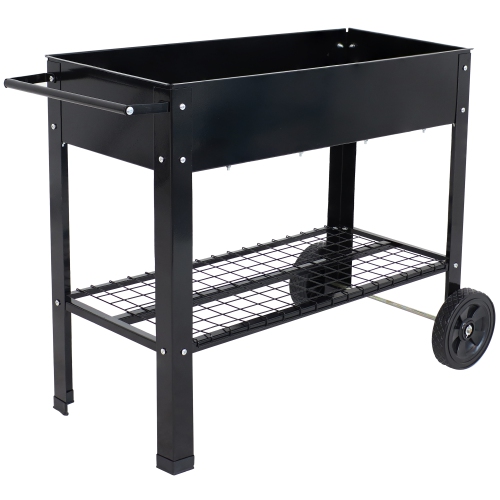
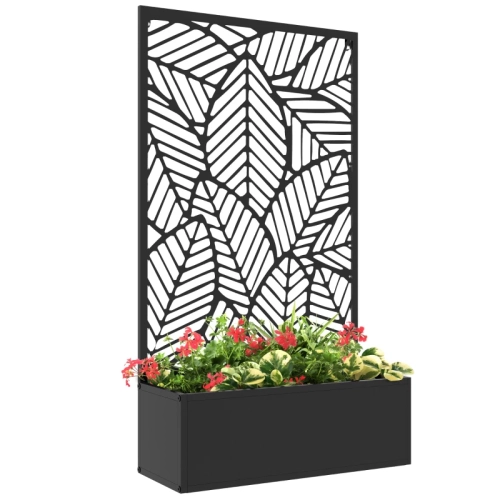
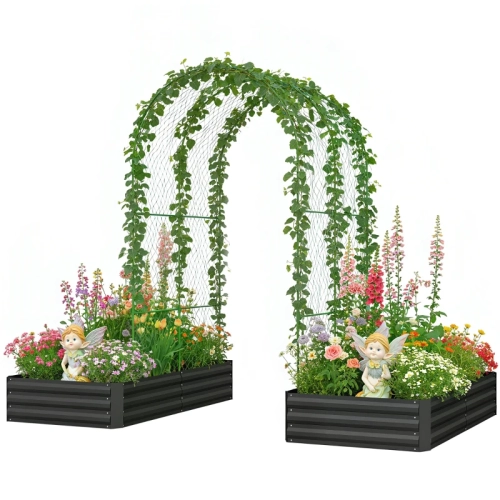
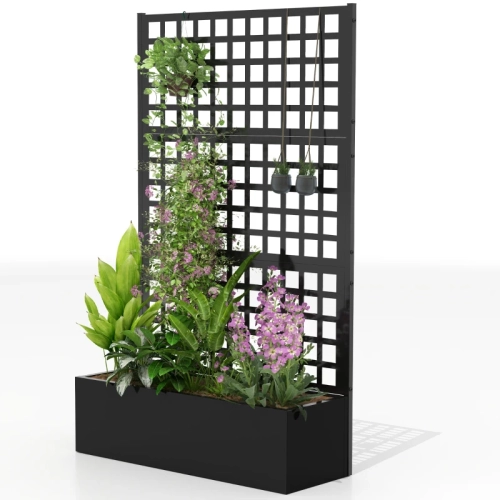
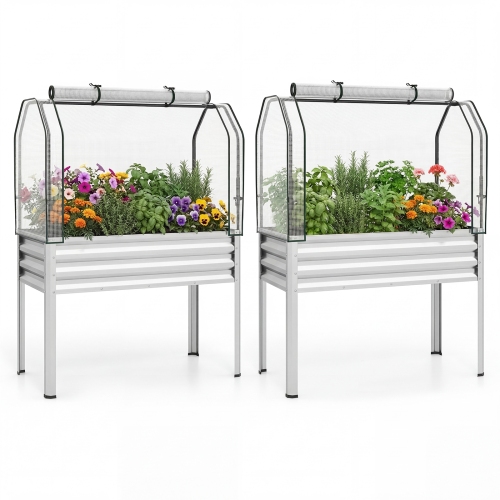
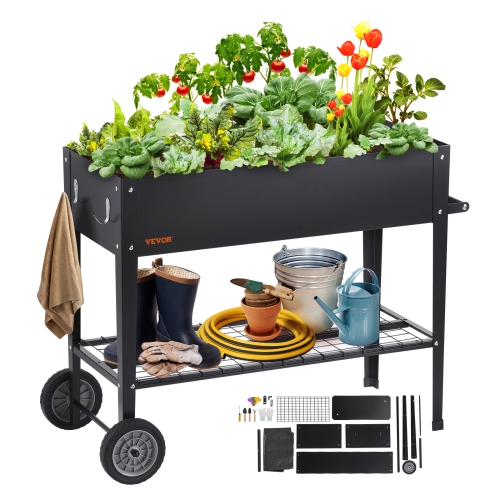
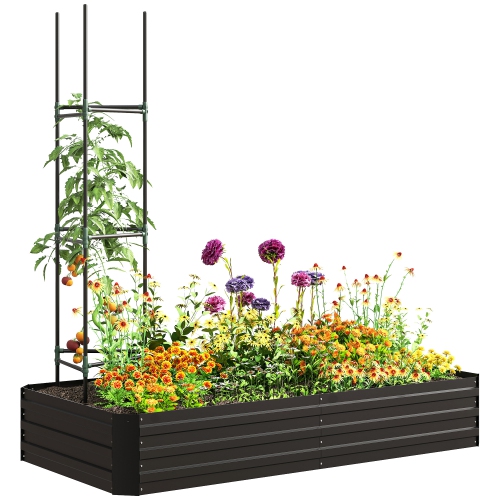
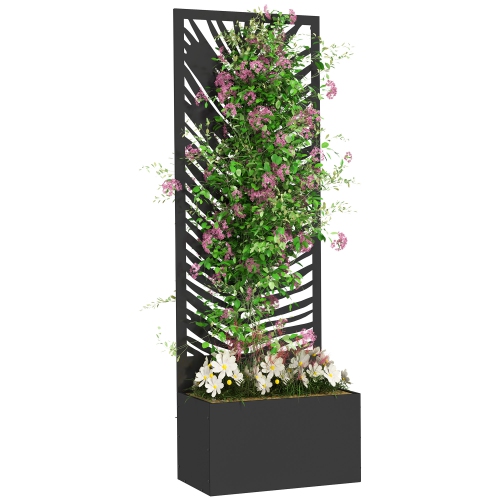
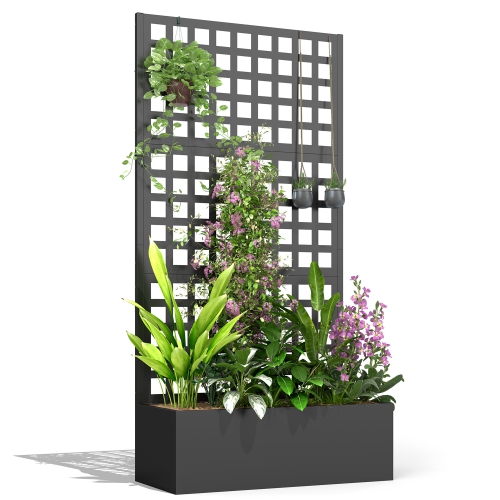
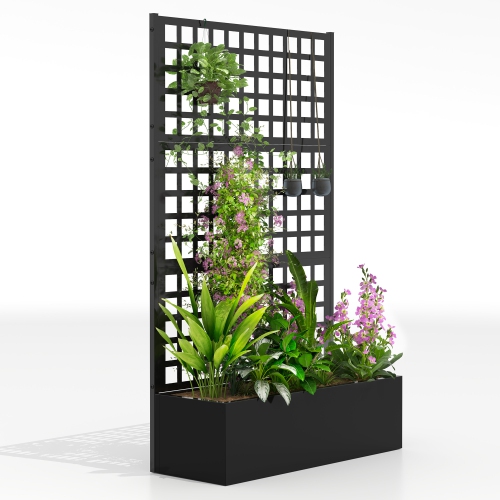
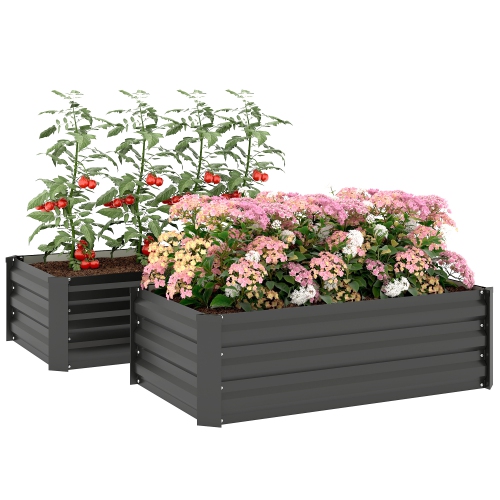
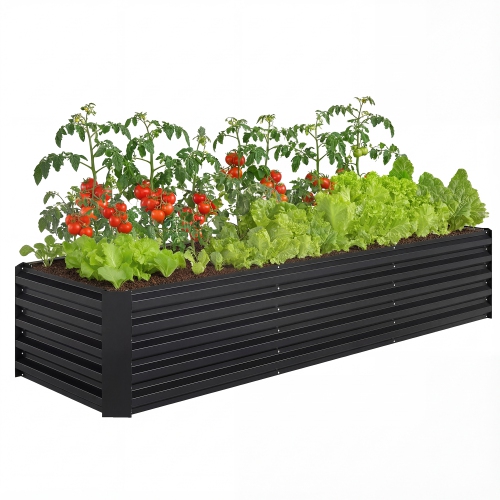
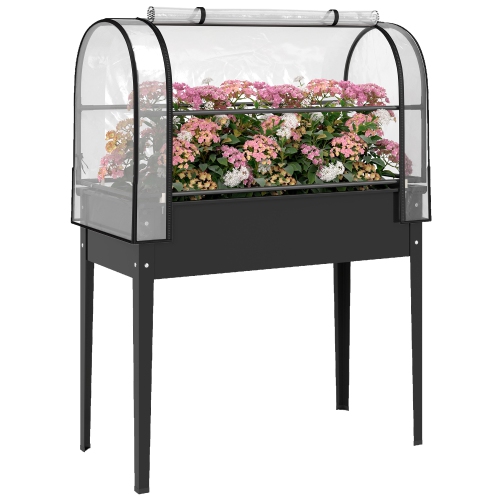
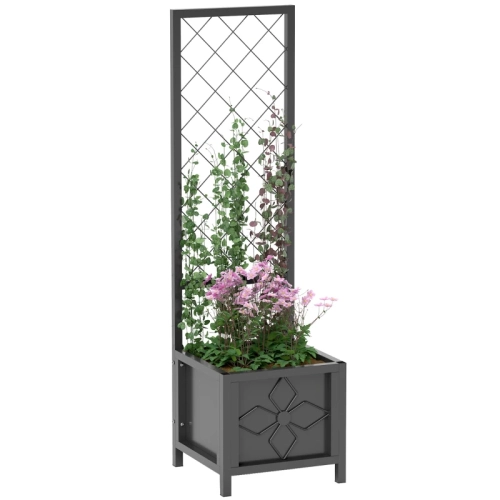
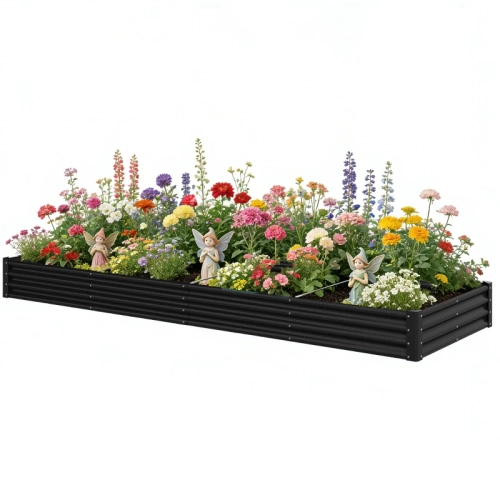
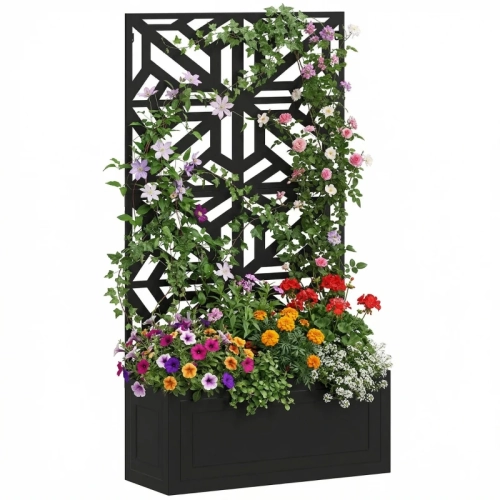
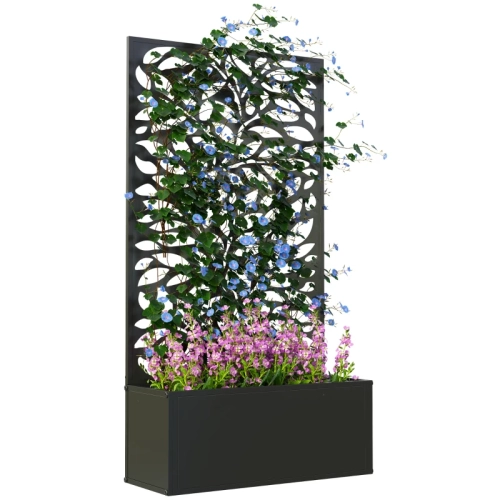
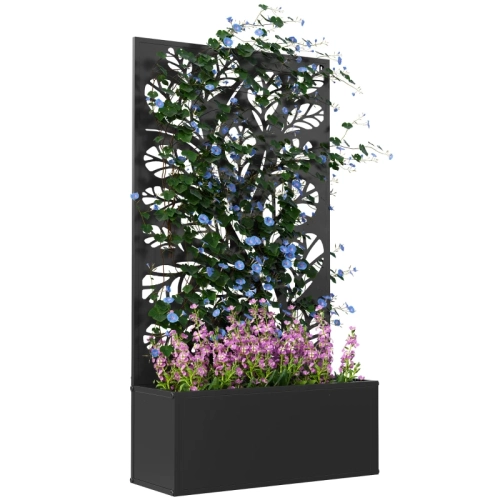
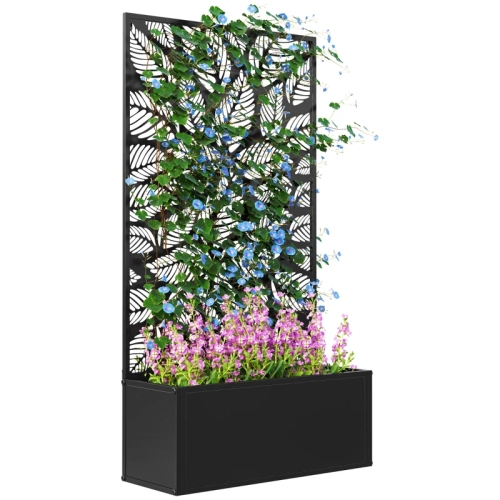
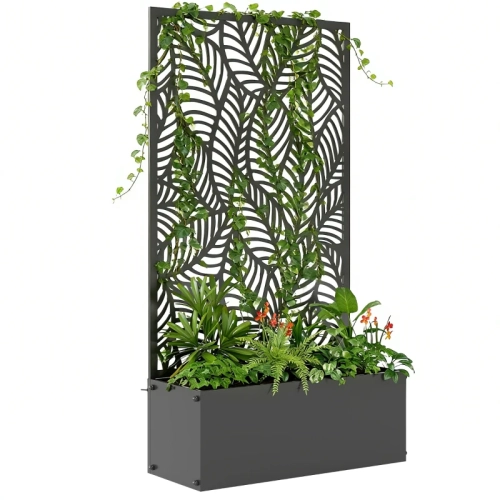
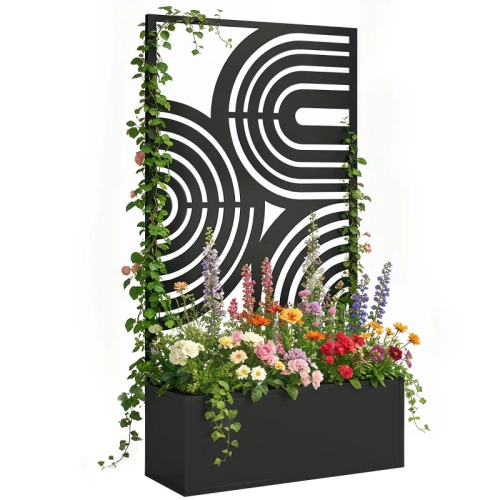
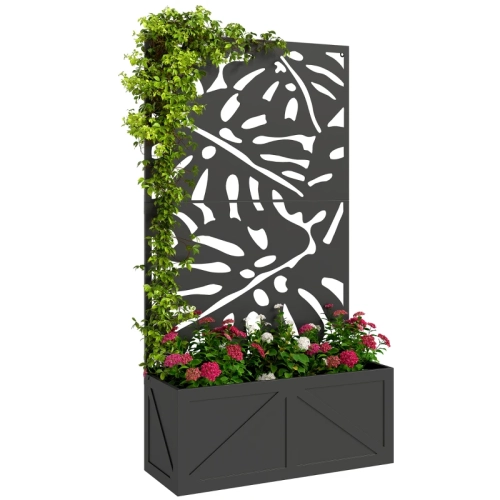
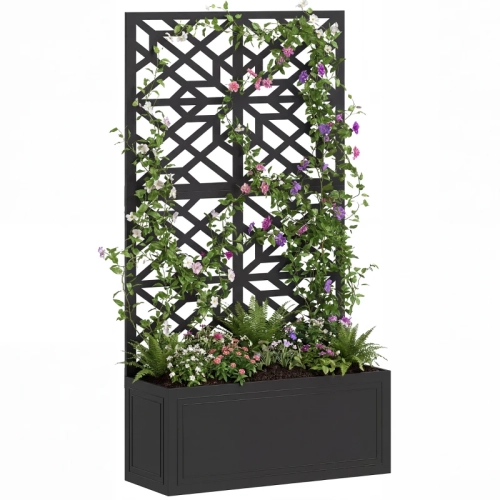
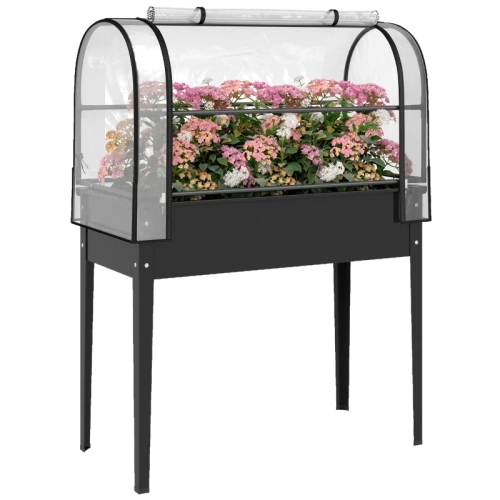
Black frames put your planting in the spotlight
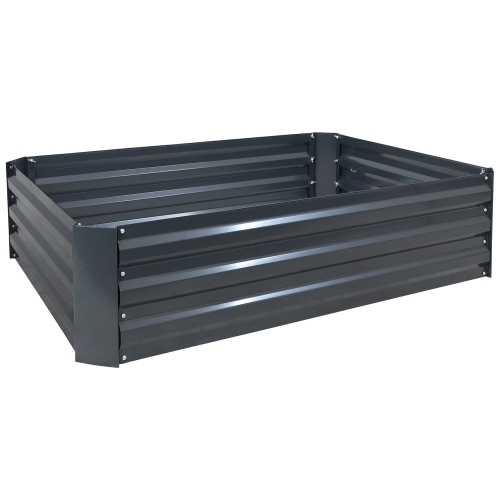
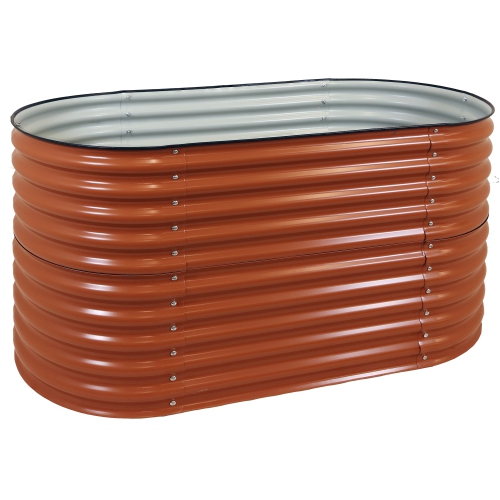
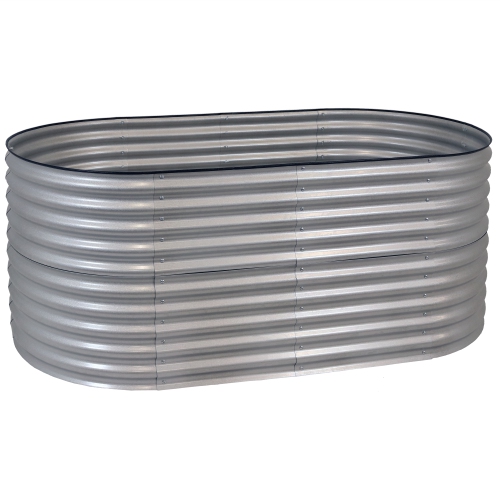
Black metal raised garden beds bring a clean, defined look to planting spaces, pairing dark frames with the colour and texture of vegetables, herbs, flowers, and ornamental grasses. Their simple outlines suit both neatly arranged kitchen gardens and more relaxed backyard planting areas. Against black sides, pale gravel, green foliage, and trailing flowers create a striking contrast without making the bed itself the centre of attention. These beds are typically made from steel, with galvanized surfaces, powder-coated finishes, or a combination of treatments intended to help protect the metal from corrosion. Galvanizing adds a protective zinc layer, while powder coating provides a finished outer surface; the exact construction matters more than colour alone when assessing durability. Metal does not rot like wood, but its resistance to rust depends on the material, coating quality, drainage, and condition of exposed edges and fasteners. Corrugated panels add rigidity through their shaped profile, while smooth-sided designs offer a more understated appearance. Panel thickness, corner connections, and internal supports all contribute to how well a bed holds its shape once filled. A black finish can also absorb more sunlight than a lighter surface, potentially warming soil near the walls. The effect varies with sun exposure, bed size, soil moisture, and planting density, so dark metal should not be treated as a guarantee of faster growth. For edible crops, manufacturer information confirming suitability for growing food is more useful than appearance alone. These garden beds can appeal to first-time growers who want a clearly defined planting area, experienced gardeners organizing crops into separate plots, or households looking to keep herbs within easy reach of an outdoor seating area. They can also make a thoughtful gift for someone establishing a garden, provided the recipient has a suitable location and is comfortable with the assembly, filling, and ongoing care involved. Unlike a small flowerpot, a filled raised bed is generally a lasting part of the layout rather than something to move casually.
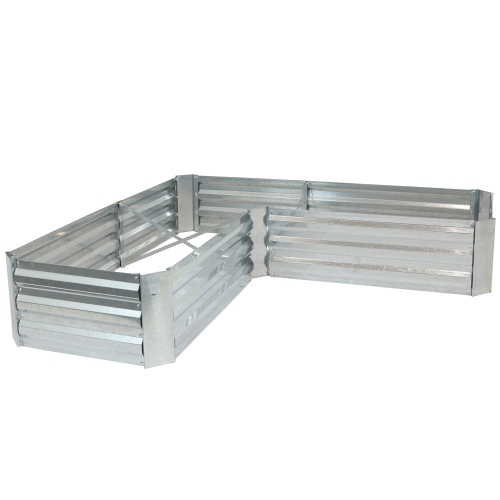
The distinction between a ground-level raised bed and an elevated planter is especially important when matching the design to its intended location. Many black metal raised garden beds are open at the bottom and sit directly on soil, allowing drainage into the ground and giving roots access below the frame where ground conditions permit. An open bottom does not, by itself, stop burrowing animals or prevent weeds from entering. Where burrowing pests are a concern, an appropriately fitted metal mesh barrier may help, although the mesh opening and installation need to suit the animals involved. Elevated planters have a contained planting box supported by legs or a stand, bringing the soil surface closer to the gardener. They may reduce bending, but their comfort depends on the working height, reach distance, and clearance underneath. Designs with a base need suitable drainage outlets, and water leaving the planter must have somewhere appropriate to go. Open-bottom frames are not automatically suitable for balconies or finished patios: escaping soil, water runoff, surface staining, and the weight of the filled bed all deserve attention. Even a modest container can become very heavy when its soil is saturated. For balconies and rooftop spaces, building rules and verified load limits are essential considerations. In a backyard, the useful footprint includes more than the frame itself. There needs to be room to walk beside the bed, kneel if necessary, carry a watering can, or move a wheelbarrow between planting areas. A narrow rectangular bed can work well beside a path, while a square or rounded layout may suit a space with access on several sides. Width affects whether the centre can be reached without stepping onto the soil, particularly when a bed sits against a fence. For broader planting layouts, Large Metal Raised Garden Beds offer a related option, with soil volume and access remaining important considerations. Modular construction can provide flexibility in shape, but only the configurations supported by the manufacturer should be used.
Planting depth helps determine what a raised garden bed can comfortably support. Many herbs, leafy greens, and compact flowers can grow in shallower planting spaces than deep-rooted vegetables or larger fruiting plants, although the needs of the particular variety still matter. An open-bottom bed over workable soil offers a different root space from a closed planter of the same wall height, especially if the ground beneath is compacted. Taller sides can provide more room for planting mix and reduce the distance needed to bend, but they also increase the amount of material required to fill the bed. A long bed planted with lettuces and parsley has different support needs from one holding tomatoes or climbing beans. Stakes, cages, and trellises need secure placement, and a garden bed wall should not be assumed capable of supporting a loaded climbing structure unless it was designed for that purpose. Soil suitable for raised beds should hold enough moisture for roots while allowing excess water to drain; dense soil that packs tightly can undermine the benefits of a well-made frame. The black metal sides may feel warm in direct sun, making soil moisture near the perimeter worth checking rather than judging the whole bed from its centre. For everyday handling, folded or rolled edges and properly fitted protective trim can make the upper rim more comfortable around hands and forearms. Assembly requirements vary, with some designs using bolts, washers, corner brackets, or cross braces that need careful positioning before filling. Once installed, routine care generally involves removing soil from exterior surfaces, cleaning with mild soap and water where permitted, and checking joints, trim, and fasteners for wear. Abrasive cleaners and rough tools can damage protective finishes, while scratches may need treatment according to the manufacturer's directions. Keeping drainage openings clear and avoiding prolonged contact with spilled fertilizer can also help protect the structure. With the right dimensions, suitable construction, and a practical placement, a black metal raised garden bed provides an orderly home for everything from a small herb collection to a mixed planting of vegetables and flowers.
The distinction between a ground-level raised bed and an elevated planter is especially important when matching the design to its intended location. Many black metal raised garden beds are open at the bottom and sit directly on soil, allowing drainage into the ground and giving roots access below the frame where ground conditions permit. An open bottom does not, by itself, stop burrowing animals or prevent weeds from entering. Where burrowing pests are a concern, an appropriately fitted metal mesh barrier may help, although the mesh opening and installation need to suit the animals involved. Elevated planters have a contained planting box supported by legs or a stand, bringing the soil surface closer to the gardener. They may reduce bending, but their comfort depends on the working height, reach distance, and clearance underneath. Designs with a base need suitable drainage outlets, and water leaving the planter must have somewhere appropriate to go. Open-bottom frames are not automatically suitable for balconies or finished patios: escaping soil, water runoff, surface staining, and the weight of the filled bed all deserve attention. Even a modest container can become very heavy when its soil is saturated. For balconies and rooftop spaces, building rules and verified load limits are essential considerations. In a backyard, the useful footprint includes more than the frame itself. There needs to be room to walk beside the bed, kneel if necessary, carry a watering can, or move a wheelbarrow between planting areas. A narrow rectangular bed can work well beside a path, while a square or rounded layout may suit a space with access on several sides. Width affects whether the centre can be reached without stepping onto the soil, particularly when a bed sits against a fence. For broader planting layouts, Large Metal Raised Garden Beds offer a related option, with soil volume and access remaining important considerations. Modular construction can provide flexibility in shape, but only the configurations supported by the manufacturer should be used.
Planting depth helps determine what a raised garden bed can comfortably support. Many herbs, leafy greens, and compact flowers can grow in shallower planting spaces than deep-rooted vegetables or larger fruiting plants, although the needs of the particular variety still matter. An open-bottom bed over workable soil offers a different root space from a closed planter of the same wall height, especially if the ground beneath is compacted. Taller sides can provide more room for planting mix and reduce the distance needed to bend, but they also increase the amount of material required to fill the bed. A long bed planted with lettuces and parsley has different support needs from one holding tomatoes or climbing beans. Stakes, cages, and trellises need secure placement, and a garden bed wall should not be assumed capable of supporting a loaded climbing structure unless it was designed for that purpose. Soil suitable for raised beds should hold enough moisture for roots while allowing excess water to drain; dense soil that packs tightly can undermine the benefits of a well-made frame. The black metal sides may feel warm in direct sun, making soil moisture near the perimeter worth checking rather than judging the whole bed from its centre. For everyday handling, folded or rolled edges and properly fitted protective trim can make the upper rim more comfortable around hands and forearms. Assembly requirements vary, with some designs using bolts, washers, corner brackets, or cross braces that need careful positioning before filling. Once installed, routine care generally involves removing soil from exterior surfaces, cleaning with mild soap and water where permitted, and checking joints, trim, and fasteners for wear. Abrasive cleaners and rough tools can damage protective finishes, while scratches may need treatment according to the manufacturer's directions. Keeping drainage openings clear and avoiding prolonged contact with spilled fertilizer can also help protect the structure. With the right dimensions, suitable construction, and a practical placement, a black metal raised garden bed provides an orderly home for everything from a small herb collection to a mixed planting of vegetables and flowers.
Top selling and popular products
-
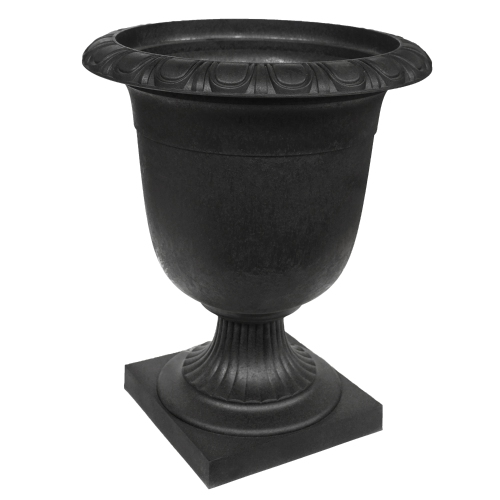 Your price for this item is $69.99
 -
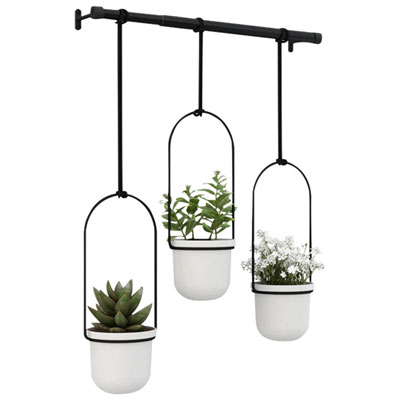 Your price for this item is $54.98
 -
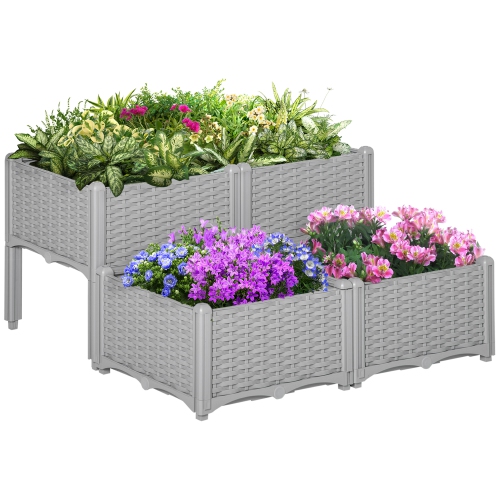 Your price for this item is $89.99
 -
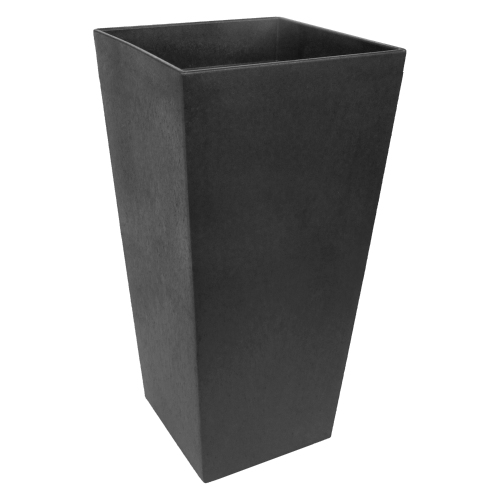 Your price for this item is $79.99
 -
 Your price for this item is $104.99
 -
 Your price for this item is $141.99
 -
 Your price for this item is $117.75
 -
 Your price for this item is $117.75
Discover more categories related to Black Metal Raised Garden Beds
Top Collections:
Pokemon Centers, Kindle Devices, Best Budget Office Chairs, Apple iPhones 16, Best Laptops for Writers, iPhone 15 Apple, Canon G7X Cameras, Refurbished Apple Laptops, Alarm Clock, Motorola Razr Phones
Some products may be subject to Environmental Handling Fees
(EHF) depending on your province.
Learn more about EHFs.