Black Outdoor Benches
A black outdoor bench is a great way to add seating and style to your outdoor space. The right one can be an elegant accent in a garden or a practical place to sit and enjoy the view. Here are some of our favorite black benches for your outdoor space.
Sort

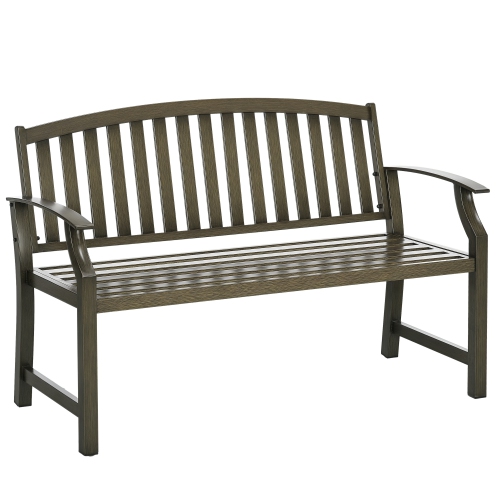


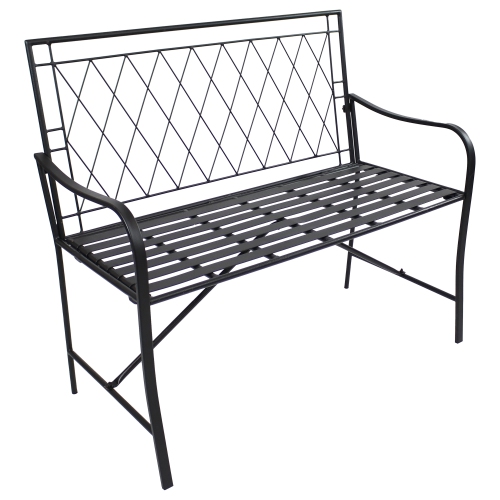


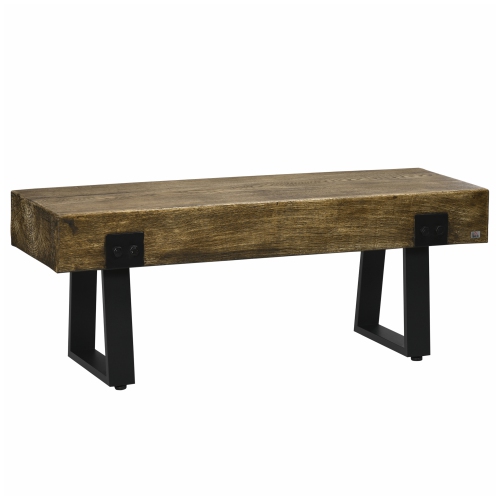
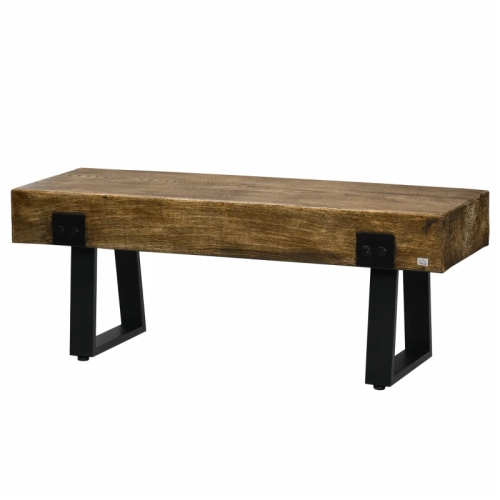


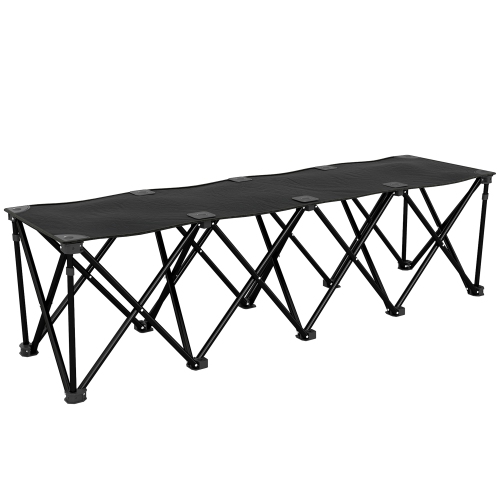


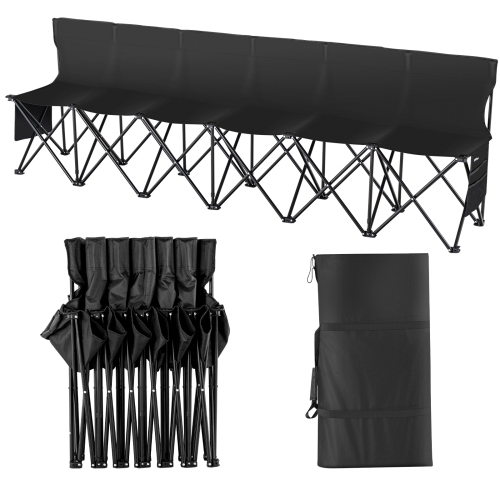


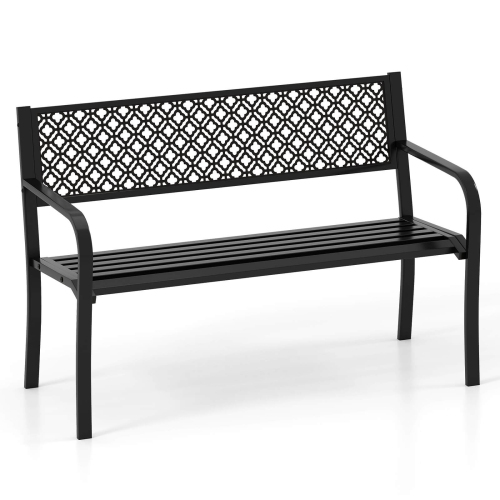


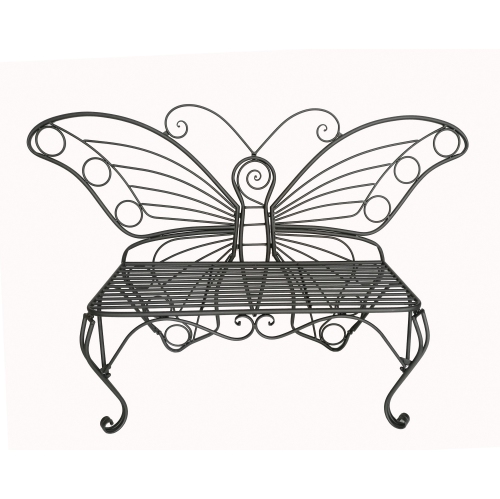






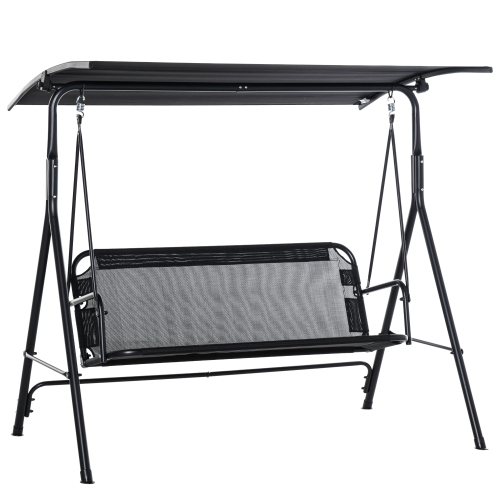

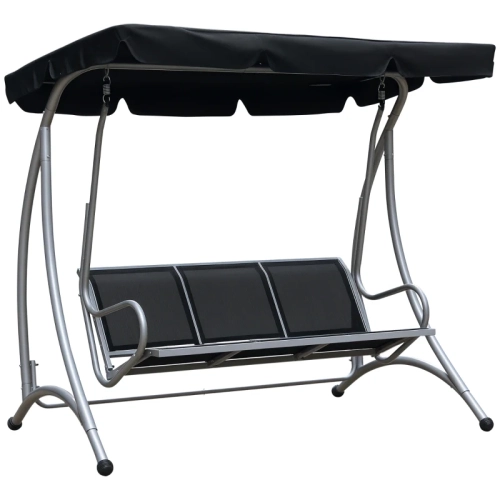


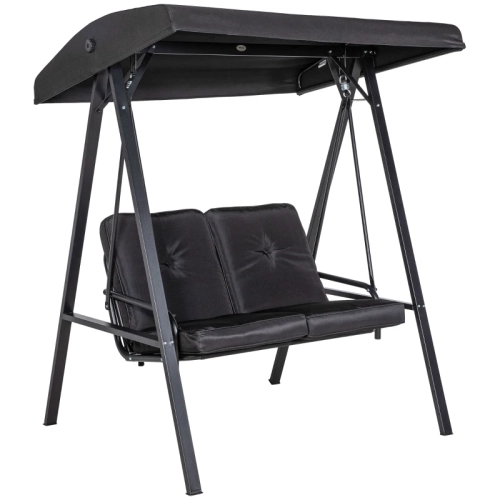
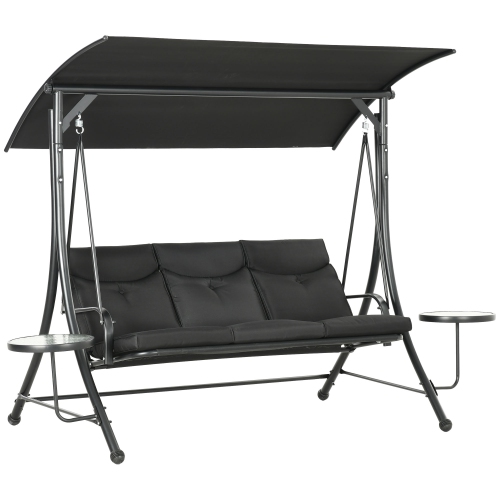





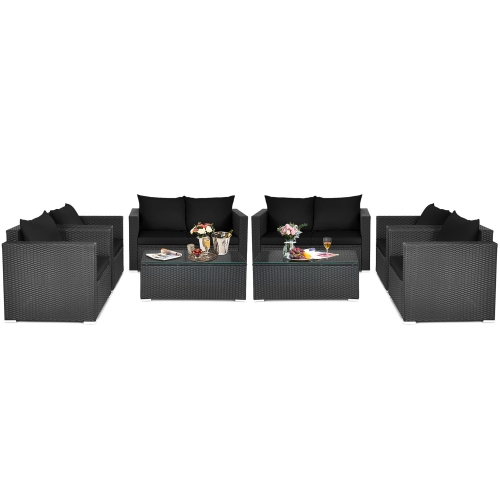


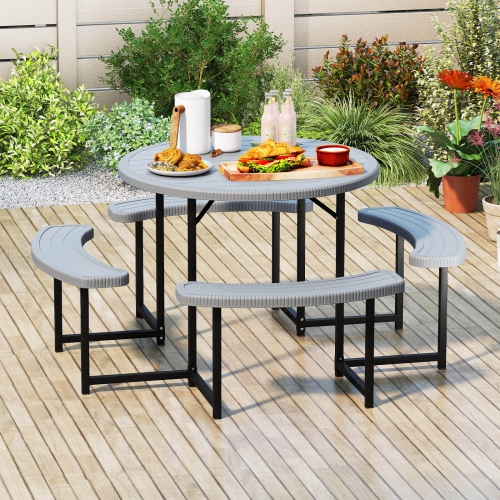
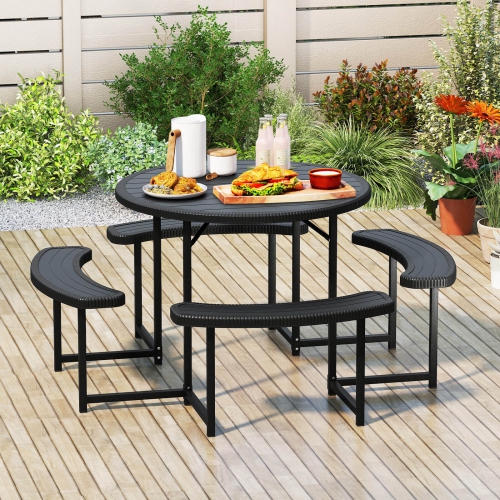
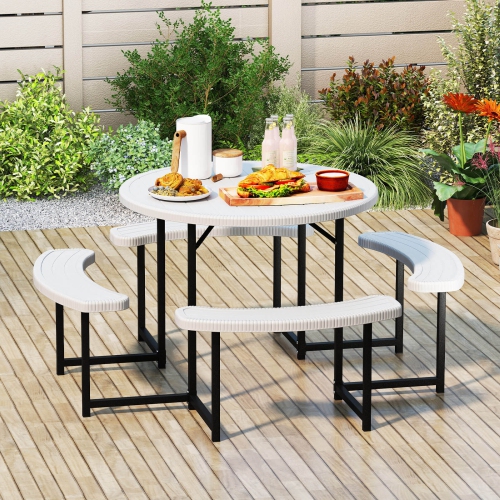

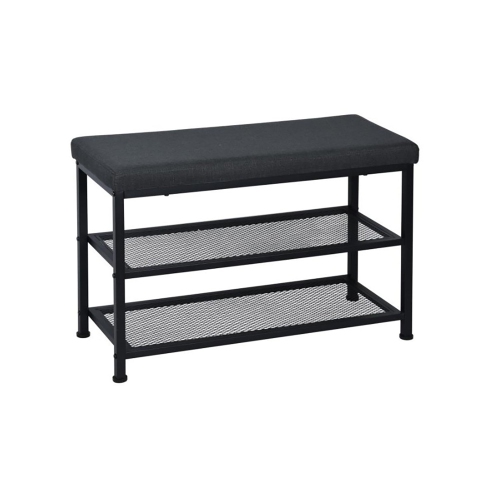
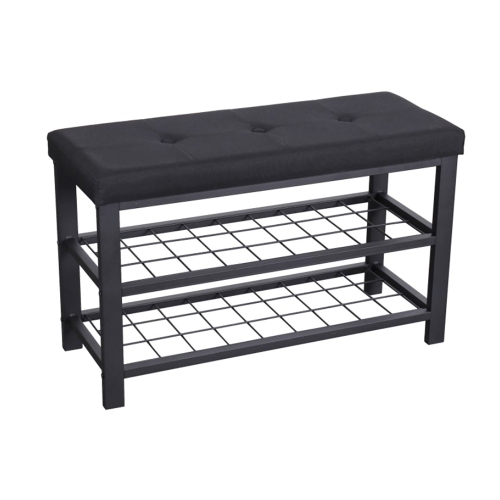

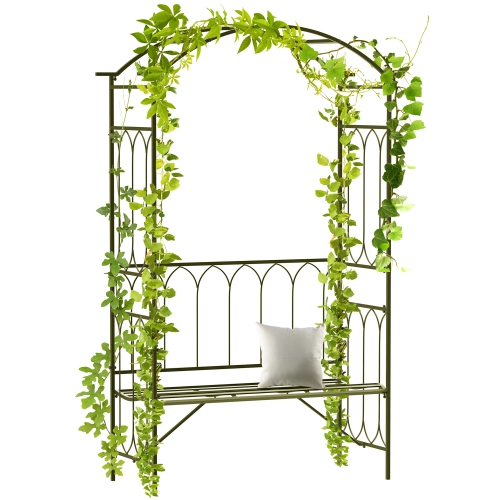


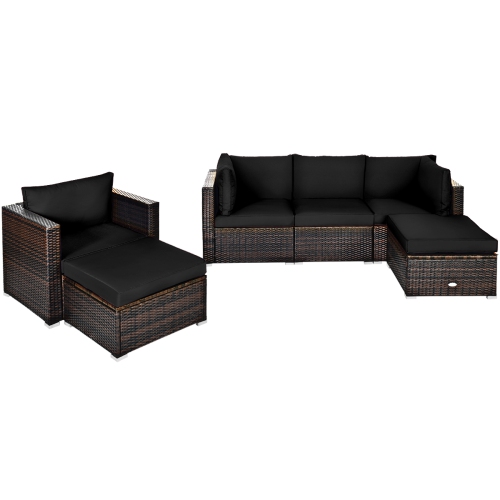

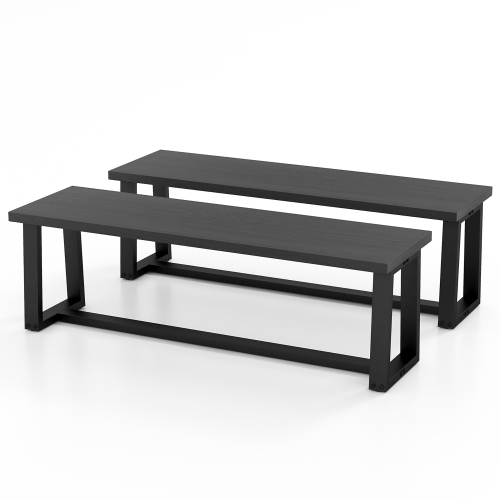
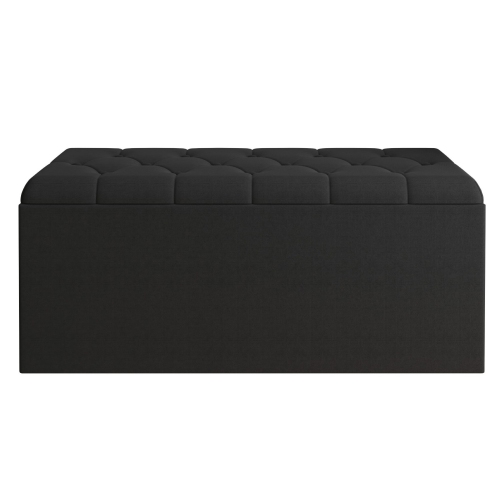



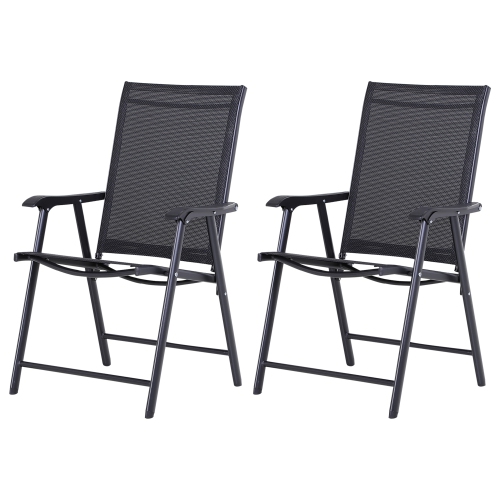


How a dark bench anchors your outdoor space
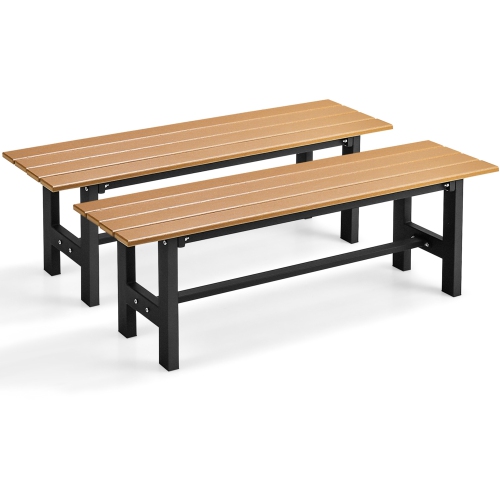
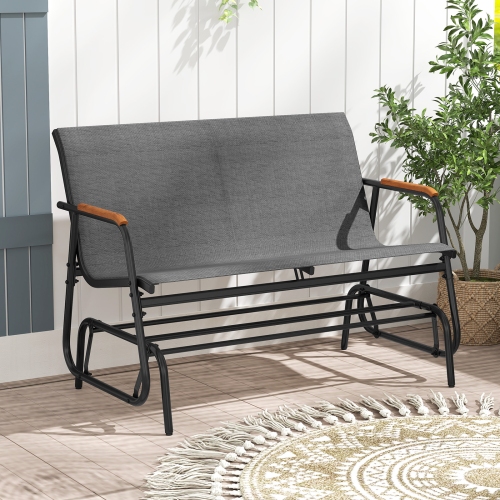
Black outdoor benches bring a crisp, grounded look to patios, front porches, balconies, and garden paths, combining practical seating with a finish that suits many architectural styles. Against pale paving, a black bench creates a clear focal point; beside brick, timber, or leafy planting, it adds definition without competing with the surrounding textures. The shape of the bench has just as much influence as its colour. Straight slats and a simple frame suit a contemporary courtyard, while curved arms and an ornamental backrest feel at home beside a traditional entrance or flower bed. Backless designs keep sightlines open and can tuck beneath a compatible outdoor table, while benches with backs create a more settled place to sit with a book or chat with a neighbour. Within the broader category of Outdoor Garden Benches, black designs can coordinate with railings, planters, and door hardware, or provide contrast against lighter furniture. A bench near the front door offers somewhere to set a bag while finding keys; one along a garden path creates a destination rather than simply filling an empty corner. Getting the proportions right matters in either setting. Overall width determines whether the frame fits, but usable seat width determines how much room people actually have between the arms. Seat depth, backrest angle, and arm placement also affect comfort. A compact two-person bench may suit an entrance alcove, while a wider design can anchor a larger seating area without requiring several separate chairs. Leave enough clear space for doors to open, people to pass, and seated users to stretch their legs. On a balcony or narrow terrace, the footprint should account for projecting arms and angled legs, not just the length of the seat.
Materials influence the weight, feel, and upkeep of black outdoor benches. Powder-coated steel offers a firm structure and can support anything from slim, straight-lined frames to more elaborate metalwork. Its protective finish helps limit exposure to moisture, although scratches, chipped edges, and exposed fasteners still deserve attention because steel can rust where its protection is compromised. Cast iron components tend to add weight and a substantial appearance, making them better suited to a position where frequent moving is unnecessary. Aluminium generally weighs less and does not develop the red rust associated with iron, though its finish and fittings still need appropriate care. Black-painted or stained wood offers a different character, with grain and slatted construction giving the dark finish texture rather than a completely uniform surface. The wood species, coating, joinery, and maintenance requirements all affect how well it holds up outdoors. Plastic and high-density polyethylene benches provide another option, often with colour throughout the material and no painted surface to touch up; construction quality, reinforcement, and resistance to fading vary by design. Slatted seats can help water drain instead of collecting on a broad, solid surface, but drainage alone does not make a bench maintenance-free. Connections, joints, and the underside of the frame need occasional inspection, particularly where moisture or debris can linger. Routine cleaning usually starts with a soft cloth or brush and a mild soap solution, followed by the care method recommended for the material. Abrasive pads and unsuitable cleaners can dull a black finish or damage its protective layer. Black surfaces can also become hot in direct sunlight, making placement and suitable cushions practical comfort considerations. For covered storage or a protective cover, a clean, dry bench and adequate airflow help prevent trapped moisture. Durability comes from the whole construction, including stable legs, secure hardware, sound joints, and a finish maintained according to its care instructions.
Comfort and intended use help distinguish a bench for a brief pause from one meant for longer conversations. A supportive backrest, gently shaped seat, and armrests can make sitting more relaxed, while a flat, backless bench offers flexibility around a dining table or in a shared seating arrangement. Seat height matters for anyone who finds very low seating difficult, and firmly attached arms may provide a useful handhold when sitting down or standing up. For shared seating, the stated weight capacity should suit the combined users and any belongings placed on the bench; physical width alone is not a reliable measure of load capacity. A level, stable base is equally important. Paving stones, decking, and a firm patio surface provide different footing from loose gravel or soft soil, where narrow legs may sink or sit unevenly. Protective feet can help reduce contact marks on suitable surfaces, while an approved anchoring method may be appropriate where the bench needs to remain fixed. Cushions can soften a metal or wooden seat and introduce colour through muted stripes, earthy tones, or a bright accent against the black frame. Their dimensions should match the usable seat, with ties or other suitable fastenings to help limit movement. Outdoor fabric still needs care, and removable cushions are easier to bring indoors when not in use. Storage benches add another function for small patios, but an enclosed compartment should not be assumed to be watertight; hinges, ventilation, and the suitability of stored contents all matter. A black outdoor bench can also make a thoughtful housewarming gift for someone furnishing a first patio or finishing a garden seating area, provided its size, assembly needs, and upkeep suit the recipient. Whether placed beside an entrance, paired with a table, or positioned to face a favourite view, the most useful bench balances appearance with everyday details: enough room to sit comfortably, a stable frame, manageable care, and a shape that belongs in the space.
Top selling and popular products
-
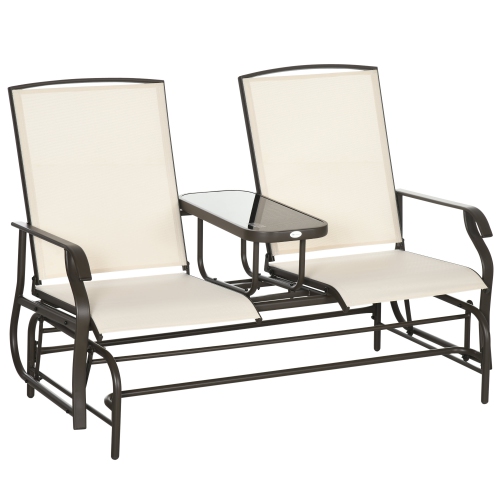 Your price for this item is $209.99
-
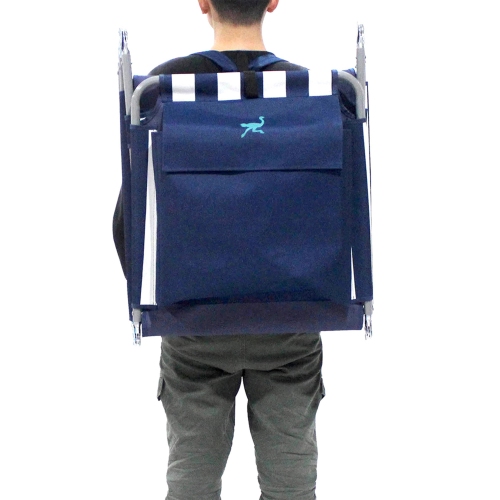 Your price for this item is $223.99
-
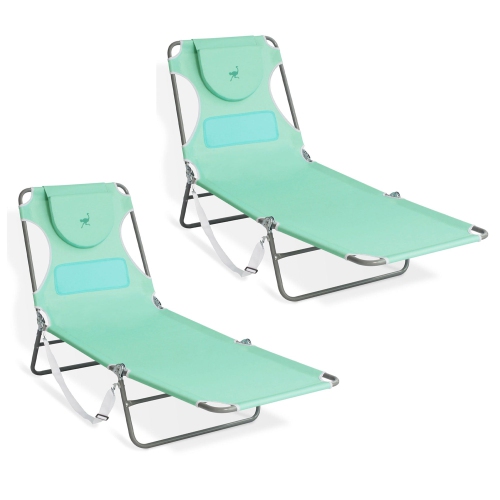 Your price for this item is $408.99
-
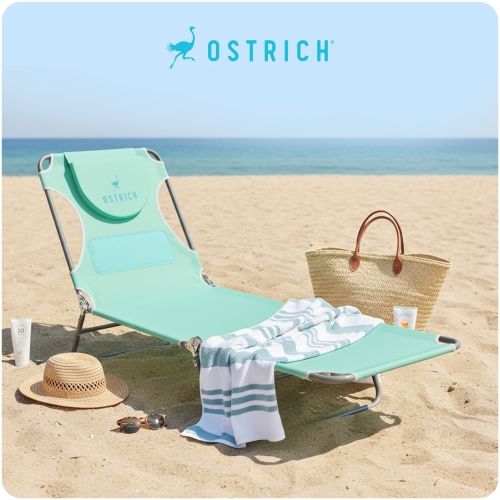 Your price for this item is $188.99
-
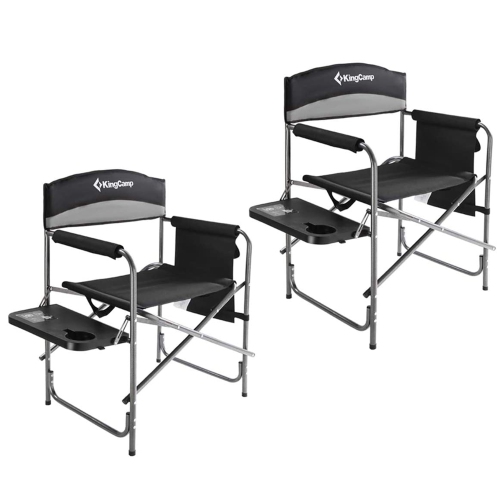 Your price for this item is $246.99
-
 Your price for this item is $714.99
-
 Your price for this item is $178.99
-
 Your price for this item is $459.99
Discover more categories related to Black Outdoor Benches

Top Collections:
Best Black Friday Deals This Year, Best Black Friday Deals On Electronics, Kindle Devices, Pokemon Centers, Best Black Friday Deals On Apple Products, Best Cameras for Sports Photography, Dyson Airwrap, Pokémon 30th Celebration Cards, Apple iPhone 17 Pro, Canon G7X Cameras
Some products may be subject to Environmental Handling Fees
(EHF) depending on your province.
Learn more about EHFs.