Black Wire Shelving
Looking to maximize your storage space while keeping things sleek and organized? Look no further than black wire shelving. With its versatile design and durable construction, black wire shelving offers a stylish solution for all your storage needs. Whether you're looking to tidy up your garage, organize your pantry, or create an efficient workspace, black wire shelving provides a modern and functional solution that will seamlessly blend into any room. Explore the possibilities of black wire shelving and discover how it can transform your space into a clutter-free haven.
Sort
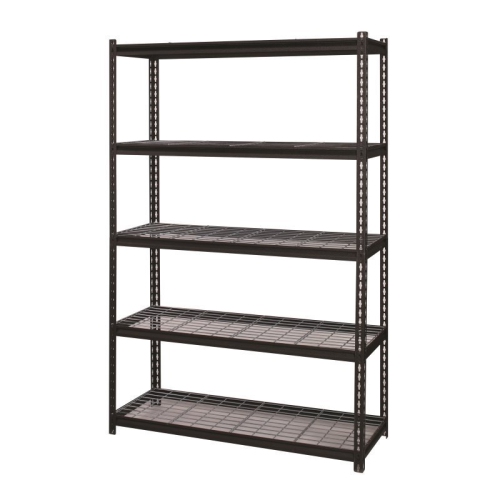
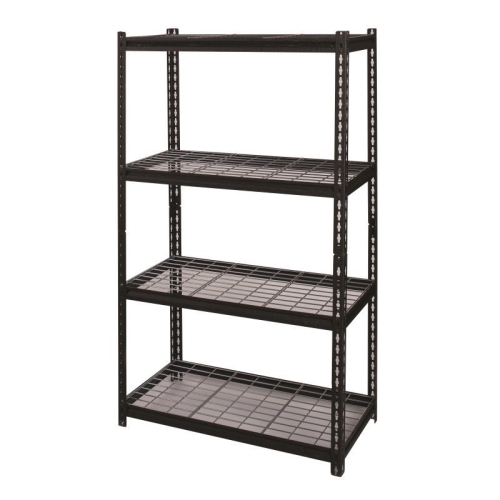

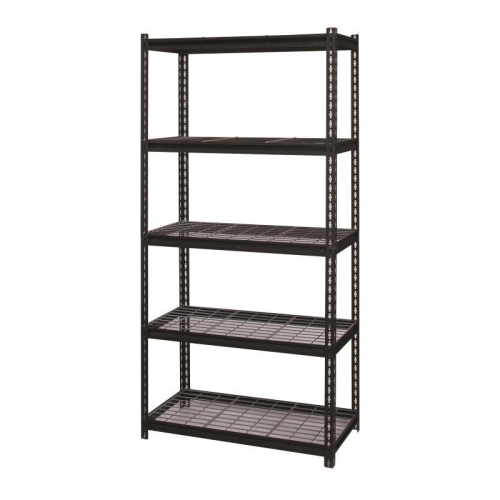
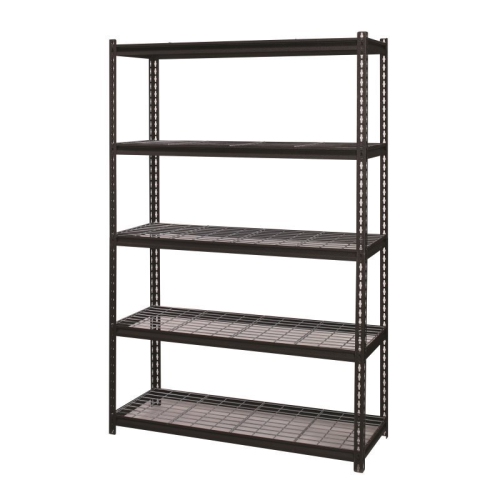

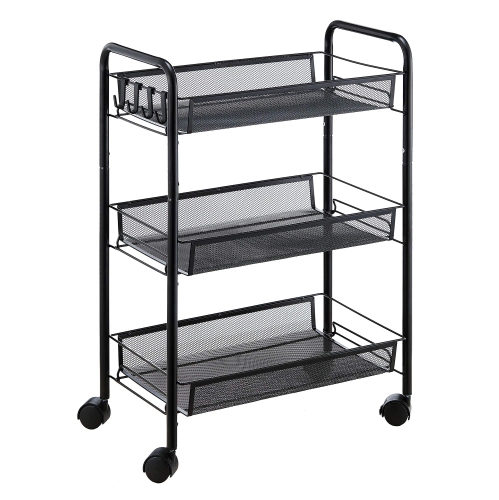
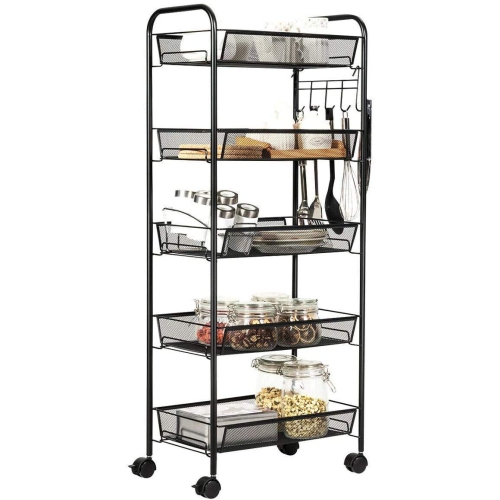
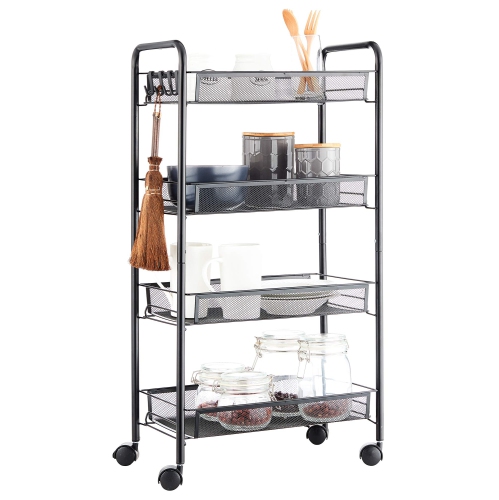
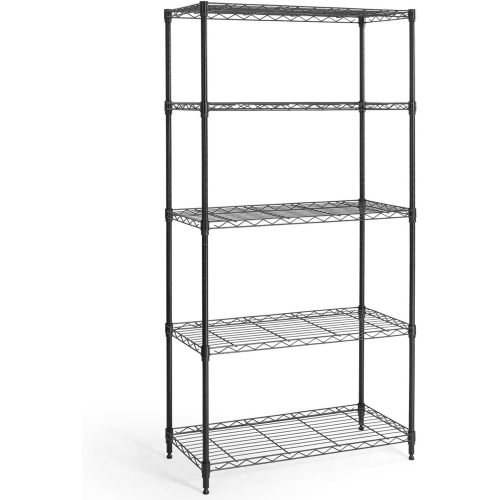
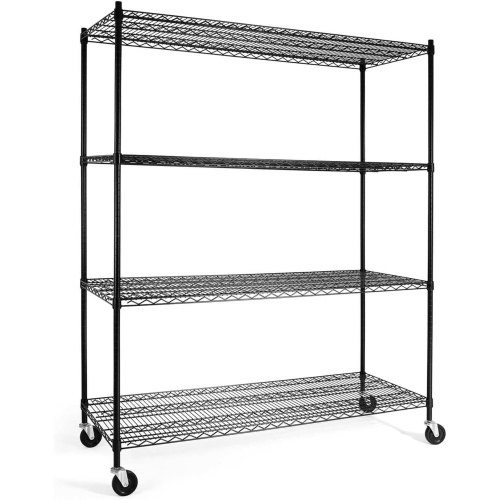
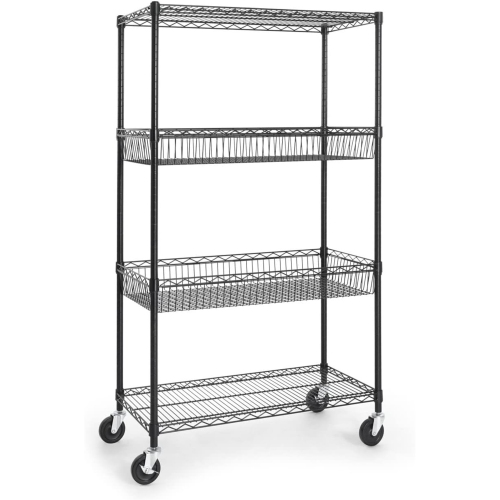
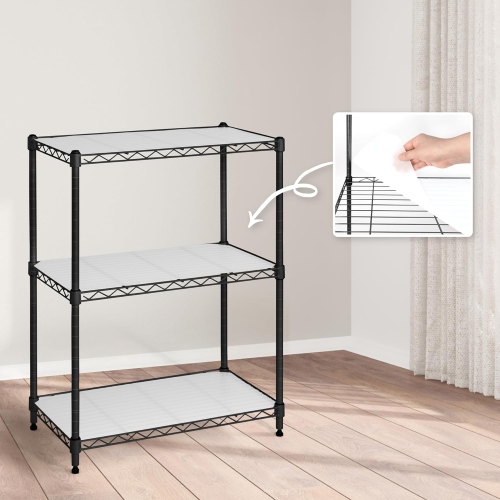
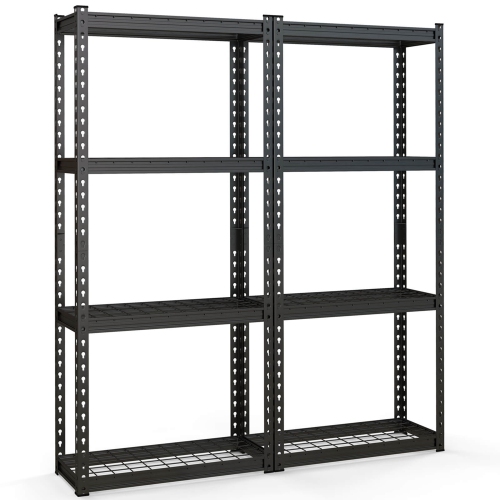

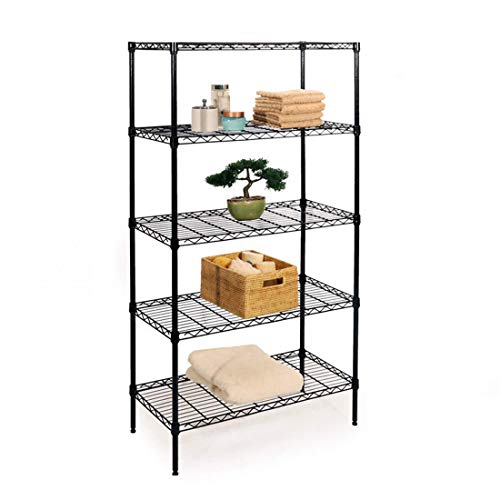
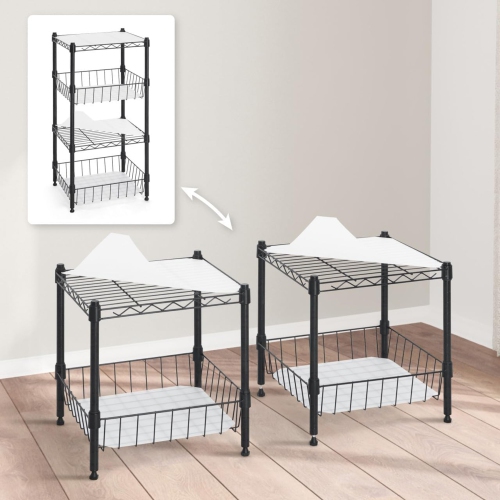
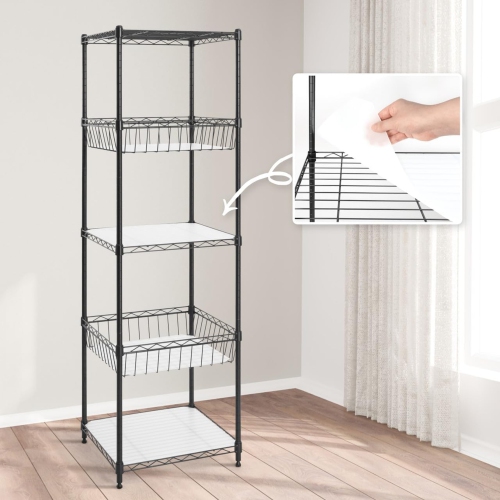
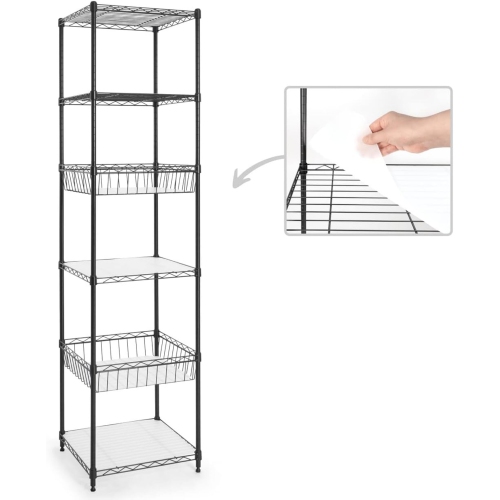
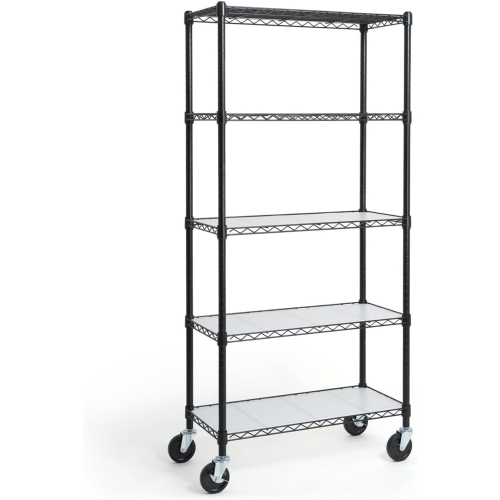
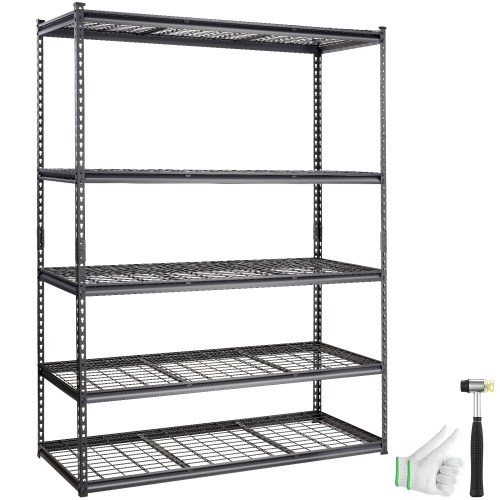
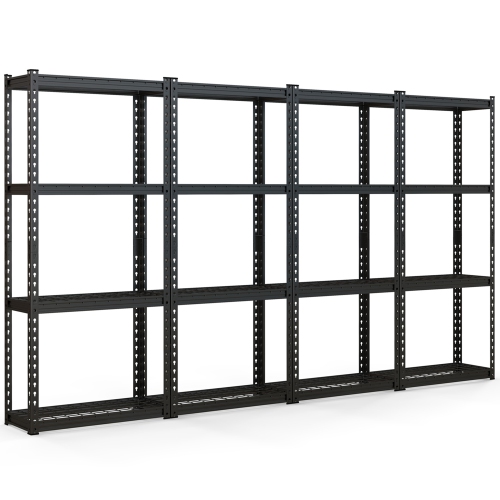

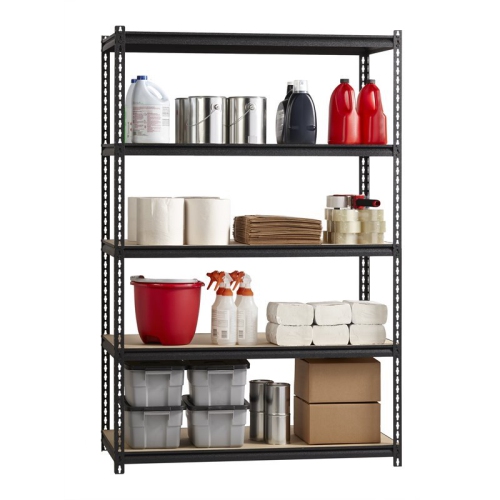
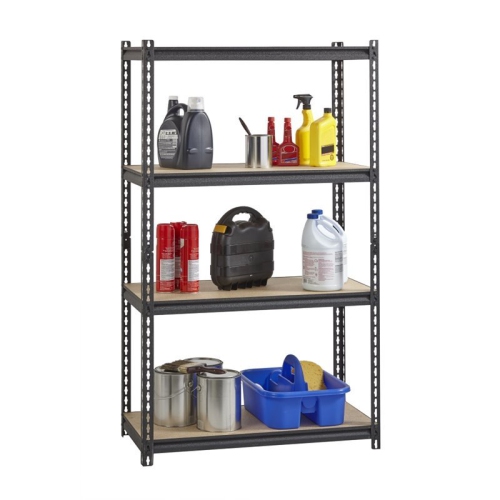
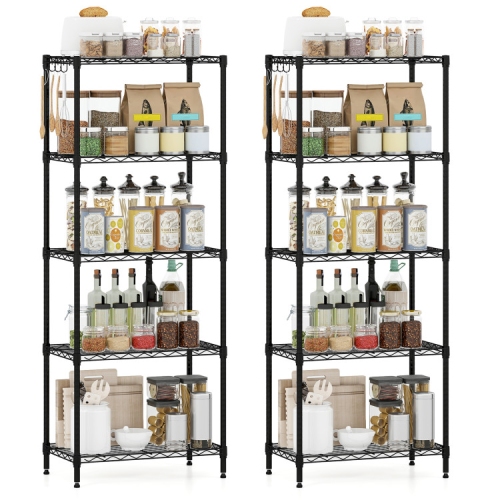
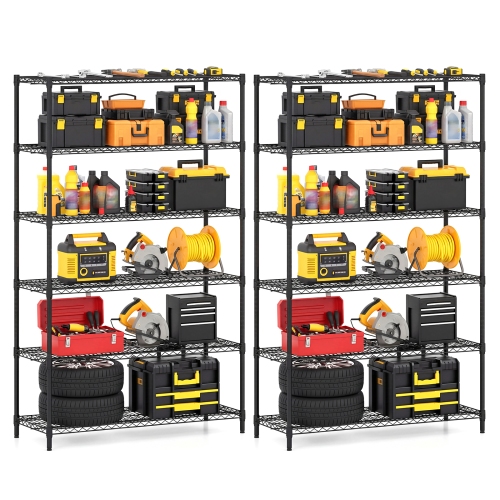
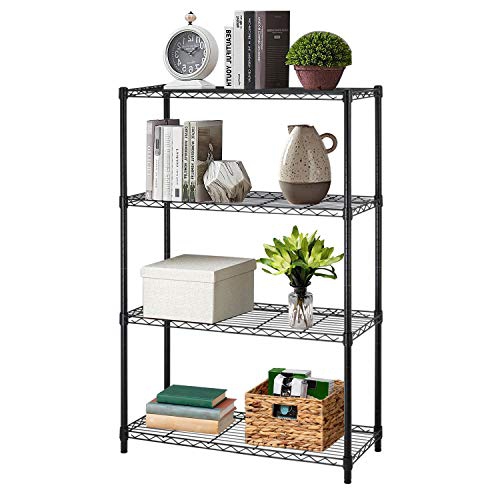
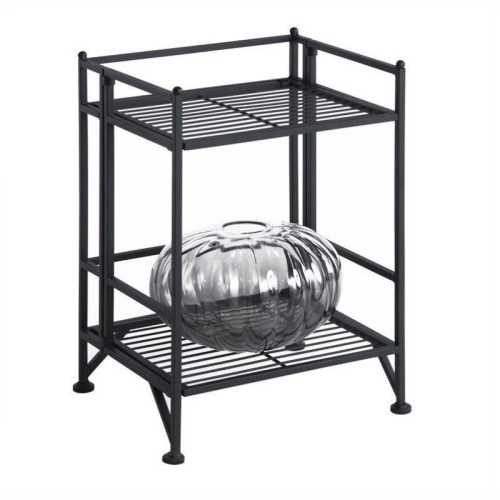
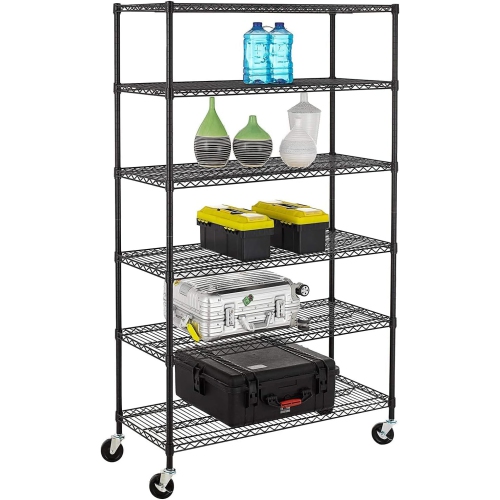
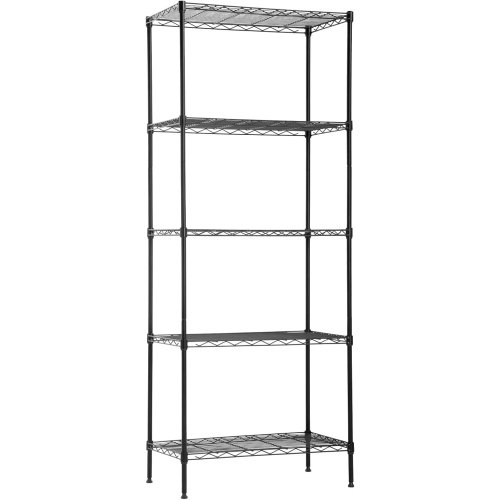
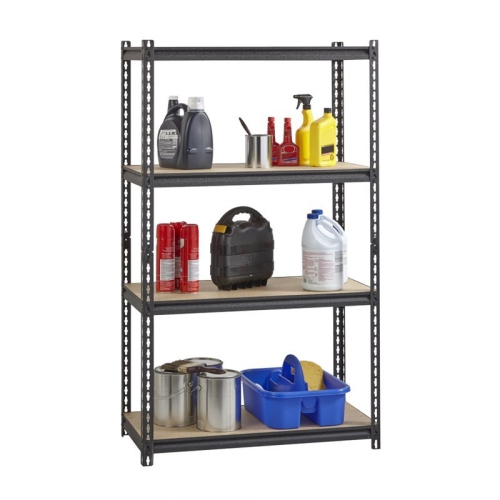

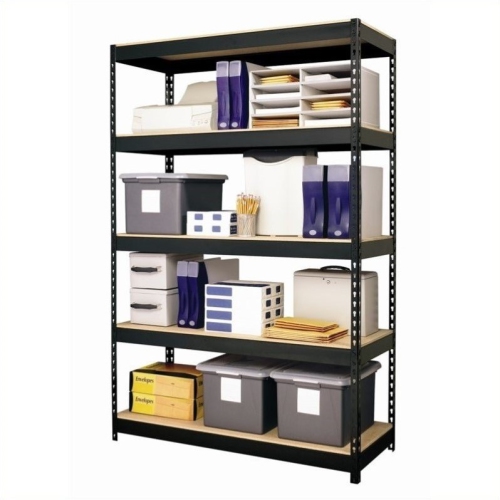

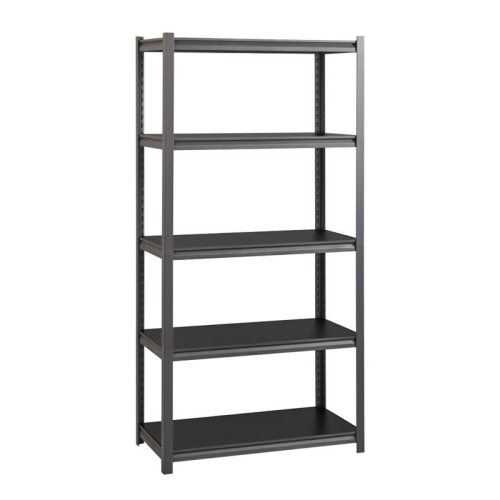
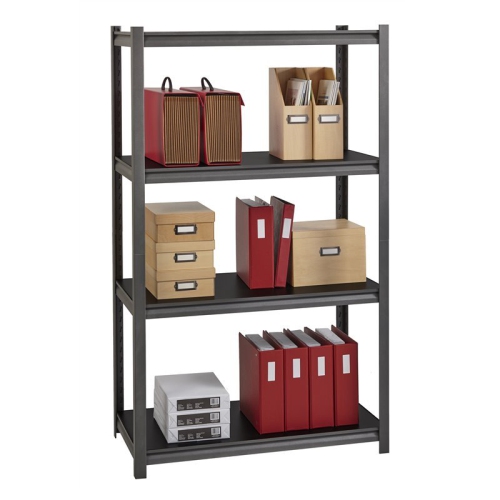
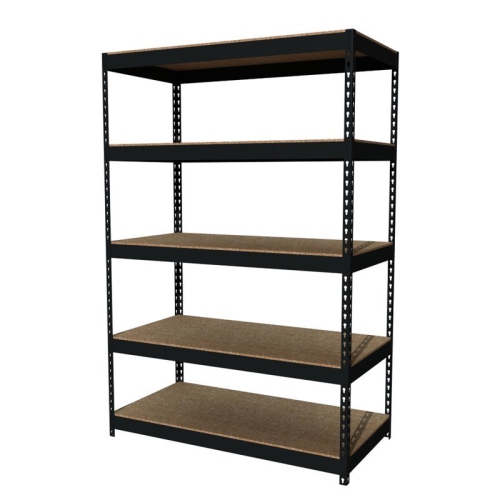
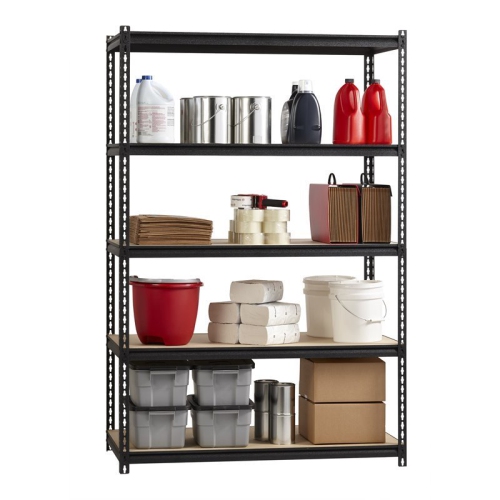
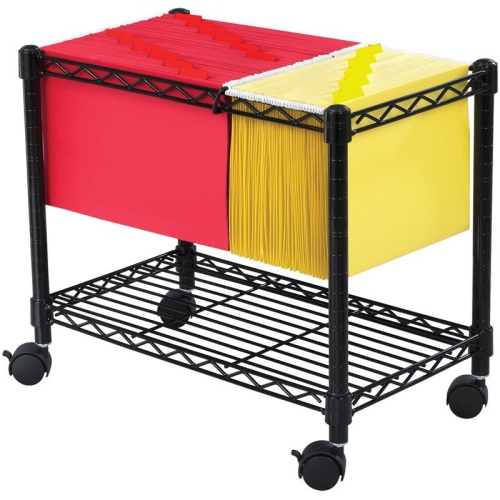
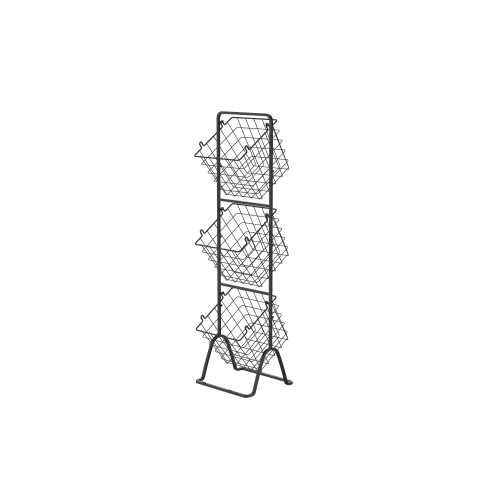
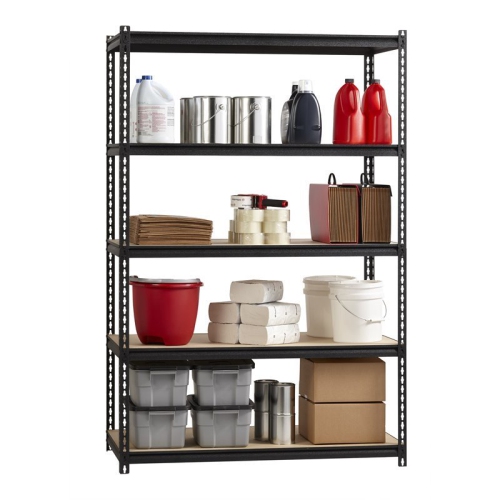
Open storage that puts everyday essentials in view
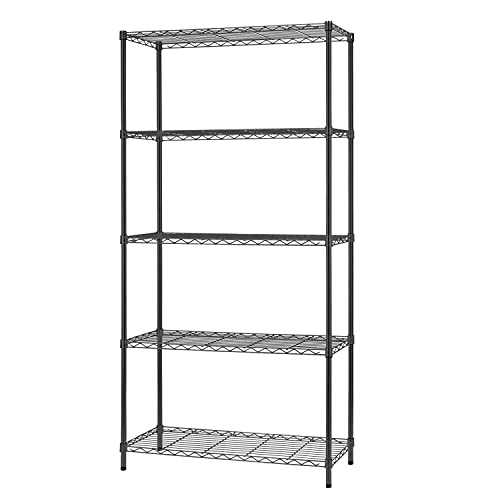
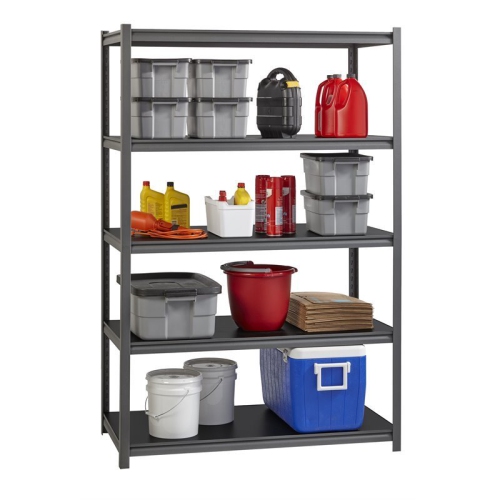
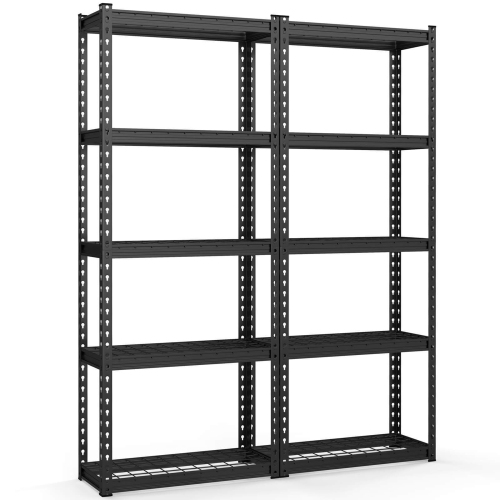
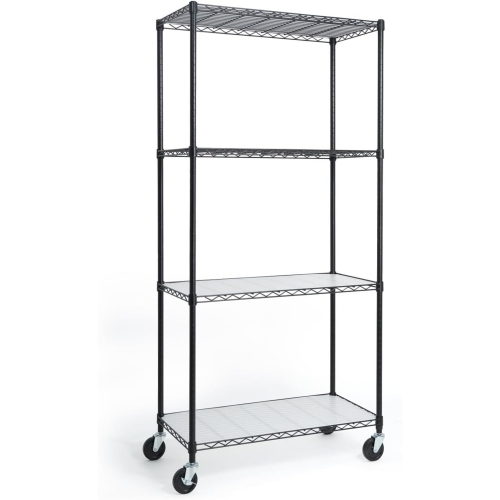
Black wire shelving brings open, practical storage to spaces where everyday essentials need a clear home. Its dark finish gives the structure a defined outline, while the open grid keeps the unit from looking as solid or bulky as a closed cabinet. That balance suits a kitchen pantry, laundry room, home office, utility area, or garage, especially where visibility matters more than hiding everything behind doors. On a pantry shelf, the wire construction makes it easier to see a basket of snacks or a row of storage containers at a glance. Beside a desk, it can keep paper, cables, and equipment within reach without taking over the work surface. Black also pairs easily with wood, stainless steel, white cabinetry, and other neutral finishes, making shelving feel intentional even when it serves a purely practical purpose. The effect depends partly on how the shelves are arranged: matching bins create a tidy rhythm, while a mix of baskets and open space gives frequently used belongings room to breathe. Across the broader range of Wire Shelving Racks, differences in shelf depth, overall height, and frame design can matter as much as the finish. A shallow unit can make useful storage out of a narrow stretch of wall, whereas deeper shelving gives bulky containers a more comfortable footprint. Tall configurations use vertical space, but the highest shelf is generally better suited to light belongings that are not needed every day. Lower shelves are more convenient for heavier loads and supplies that get handled often. For renters, students, families, and people setting up a dedicated workspace, freestanding shelving can add organization without the commitment of built-in cabinetry. It also keeps storage flexible as routines change, whether a spare room takes on office duties or a laundry area needs a clearer place for towels and cleaning supplies. Where a unit sits in plain view, the combination of a black frame and neatly grouped belongings can make functional storage feel like part of the room rather than an afterthought.
Materials and construction determine how well black wire shelving handles those daily demands. Many designs use steel wire shelves supported by metal posts, with a black coating that provides the colour and helps protect the underlying metal. Coating type, wire thickness, shelf supports, and connection points all influence durability, so a similar appearance does not necessarily mean similar performance. Powder-coated finishes can stand up well to routine handling, but dragging rough containers across a shelf or striking a post can still leave scratches or chips. A black finish alone does not establish resistance to moisture or suitability for every location; the manufacturer's stated use is the more useful reference. Weight ratings deserve the same attention. A shelf rating may assume an evenly distributed load, which is different from concentrating the same weight in one small area. The capacity of the complete unit also matters, and movable configurations may have different limits from those fitted with levelling feet. Heavy belongings generally belong low down, spread across the shelf rather than balanced near an edge. Adjustable shelf positions can accommodate taller containers or create tighter spacing for folded linens, although the adjustment intervals vary by design. Wire spacing affects everyday usability, too. A wide grid works well beneath substantial bins, but small objects, narrow bottle bases, or soft packages may need a compatible shelf liner or tray for steadier support. Liners should fit properly and should not be assumed to increase load capacity. In kitchens, shelving can hold packaged food and kitchen supplies, while direct food contact requires materials specifically intended for that purpose. In work areas, the open structure makes cable routing easier, though cords still need a clear path away from wheels, sharp edges, and walkways. Together, these details shape whether a rack feels dependable in use: containers sit flat, the frame stays steady, and there is enough clearance to lift something out without catching it on the shelf above.
Fit starts with the full space the shelving will occupy, not just the width of an empty wall. Baseboards, door swings, nearby drawers, and the route through a room can all affect placement. Shelf depth needs to leave enough space for a person to pass comfortably, particularly in a pantry or laundry area where baskets and open appliance doors already compete for room. External dimensions may also differ from the usable space between posts, which matters when fitting several containers side by side. A little clearance above each container makes a noticeable difference when reaching in with both hands. Levelling feet can help a compatible unit sit properly on a slightly uneven floor, while castors can make repositioning easier when the design supports them. Wheels are most useful where there is a clear route and a suitable floor surface; locks help hold the unit in place but do not replace careful loading. Assembly and any required wall anchoring should follow the supplied directions, especially in homes with children or pets. Shelves are not steps, and frequently used supplies are best placed within easy reach rather than where someone might be tempted to climb. Routine care is usually straightforward: remove loose dust with a soft cloth or brush, wipe suitable surfaces with a lightly damp cloth and mild cleaner as directed, and dry them thoroughly. Wire intersections, shelf corners, and the area around post connections can collect dust or residue, so they benefit from occasional closer attention. Abrasive pads and harsh cleaners may damage the finish, and any chipped coating, loose fitting, or bent wire warrants inspection before continued use. An organized layout makes that upkeep easier. Washable bins can contain small supplies, trays can catch minor drips, and clear labels reduce rummaging. With dimensions, construction, and placement matched to the task, black wire shelving offers accessible storage that works quietly in the background, keeping useful space open and everyday belongings easier to find.
Materials and construction determine how well black wire shelving handles those daily demands. Many designs use steel wire shelves supported by metal posts, with a black coating that provides the colour and helps protect the underlying metal. Coating type, wire thickness, shelf supports, and connection points all influence durability, so a similar appearance does not necessarily mean similar performance. Powder-coated finishes can stand up well to routine handling, but dragging rough containers across a shelf or striking a post can still leave scratches or chips. A black finish alone does not establish resistance to moisture or suitability for every location; the manufacturer's stated use is the more useful reference. Weight ratings deserve the same attention. A shelf rating may assume an evenly distributed load, which is different from concentrating the same weight in one small area. The capacity of the complete unit also matters, and movable configurations may have different limits from those fitted with levelling feet. Heavy belongings generally belong low down, spread across the shelf rather than balanced near an edge. Adjustable shelf positions can accommodate taller containers or create tighter spacing for folded linens, although the adjustment intervals vary by design. Wire spacing affects everyday usability, too. A wide grid works well beneath substantial bins, but small objects, narrow bottle bases, or soft packages may need a compatible shelf liner or tray for steadier support. Liners should fit properly and should not be assumed to increase load capacity. In kitchens, shelving can hold packaged food and kitchen supplies, while direct food contact requires materials specifically intended for that purpose. In work areas, the open structure makes cable routing easier, though cords still need a clear path away from wheels, sharp edges, and walkways. Together, these details shape whether a rack feels dependable in use: containers sit flat, the frame stays steady, and there is enough clearance to lift something out without catching it on the shelf above.
Fit starts with the full space the shelving will occupy, not just the width of an empty wall. Baseboards, door swings, nearby drawers, and the route through a room can all affect placement. Shelf depth needs to leave enough space for a person to pass comfortably, particularly in a pantry or laundry area where baskets and open appliance doors already compete for room. External dimensions may also differ from the usable space between posts, which matters when fitting several containers side by side. A little clearance above each container makes a noticeable difference when reaching in with both hands. Levelling feet can help a compatible unit sit properly on a slightly uneven floor, while castors can make repositioning easier when the design supports them. Wheels are most useful where there is a clear route and a suitable floor surface; locks help hold the unit in place but do not replace careful loading. Assembly and any required wall anchoring should follow the supplied directions, especially in homes with children or pets. Shelves are not steps, and frequently used supplies are best placed within easy reach rather than where someone might be tempted to climb. Routine care is usually straightforward: remove loose dust with a soft cloth or brush, wipe suitable surfaces with a lightly damp cloth and mild cleaner as directed, and dry them thoroughly. Wire intersections, shelf corners, and the area around post connections can collect dust or residue, so they benefit from occasional closer attention. Abrasive pads and harsh cleaners may damage the finish, and any chipped coating, loose fitting, or bent wire warrants inspection before continued use. An organized layout makes that upkeep easier. Washable bins can contain small supplies, trays can catch minor drips, and clear labels reduce rummaging. With dimensions, construction, and placement matched to the task, black wire shelving offers accessible storage that works quietly in the background, keeping useful space open and everyday belongings easier to find.
Top selling and popular products
-
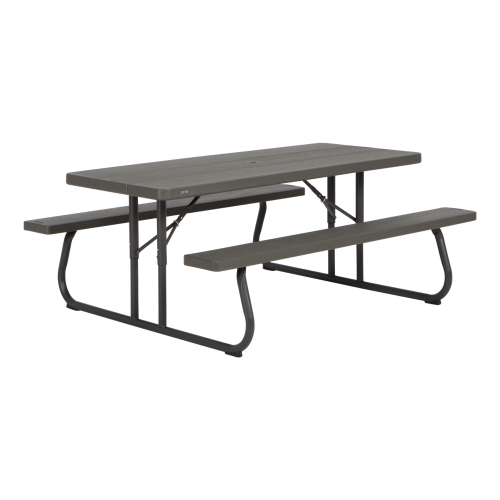 Your price for this item is $369.99
 -
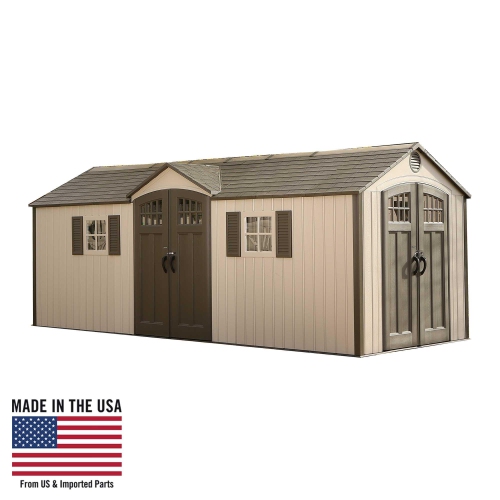 Your price for this item is $5599.99
 -
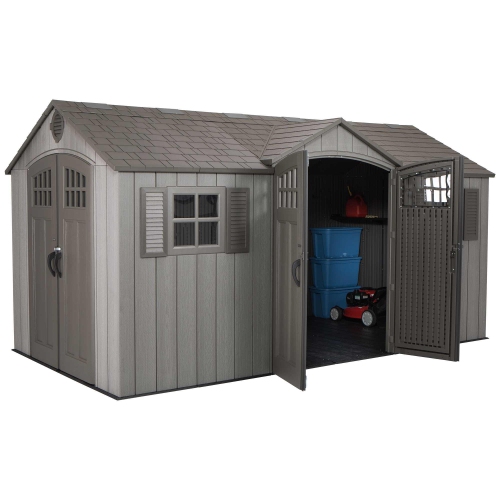 Your price for this item is $4269.99
 -
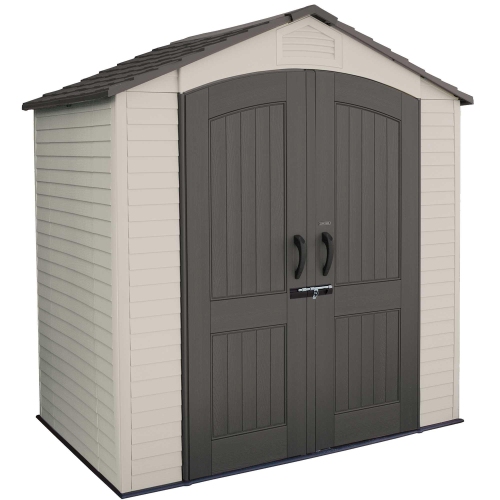 Your price for this item is $1639.99
 -
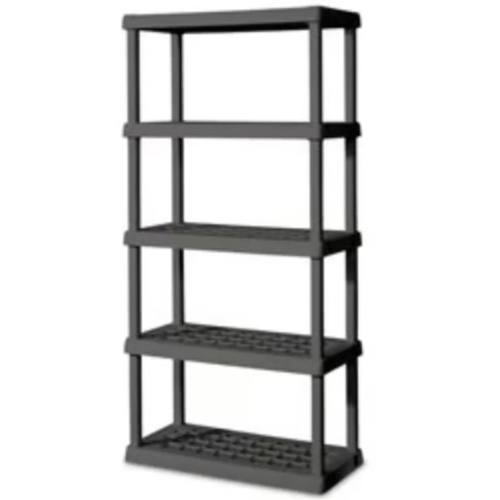 Your price for this item is $967.99
 -
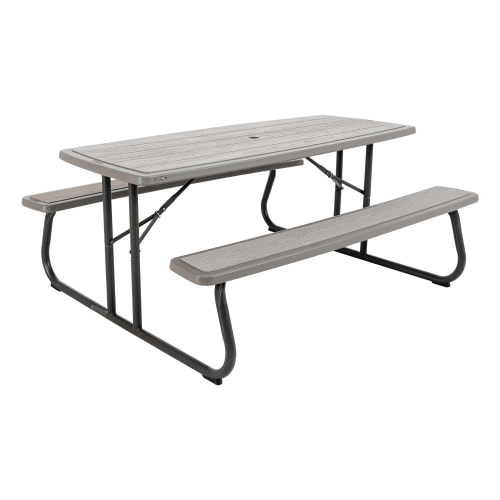 Your price for this item is $369.99
 -
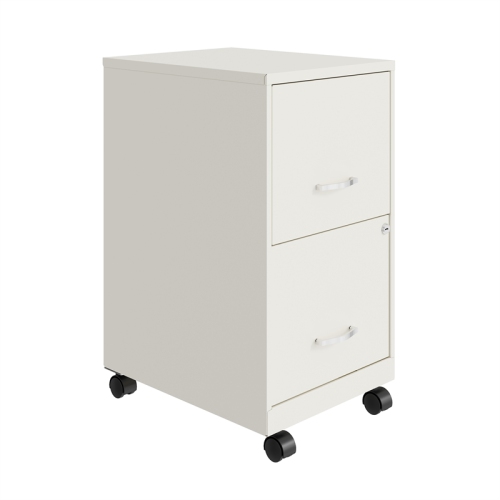 Your price for this item is $399.93
 -
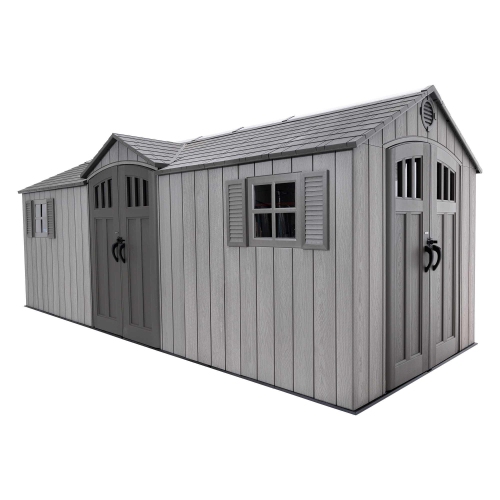 Your price for this item is $5589.99
Discover more categories related to Black Wire Shelving

Top Collections:
Pokemon Centers, Kindle Devices, Best Budget Office Chairs, Apple iPhones 16, Best Laptops for Writers, iPhone 15 Apple, Canon G7X Cameras, Refurbished Apple Laptops, Alarm Clock, Motorola Razr Phones
Some products may be subject to Environmental Handling Fees
(EHF) depending on your province.
Learn more about EHFs.