Steel Wire Shelving
Looking for a versatile and durable storage solution for your home or office? Look no further than steel wire shelves. Designed to provide reliable support and organization, steel wire shelves are a popular choice for those in need of sturdy and adjustable storage options. With their sleek design, easy assembly, and customizable configurations, steel wire shelving is an ideal choice for any space.
Sort
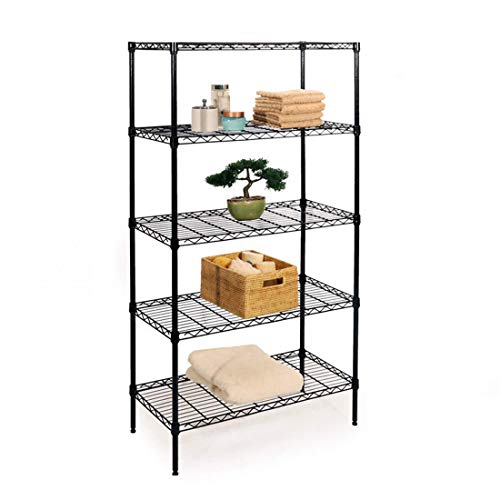
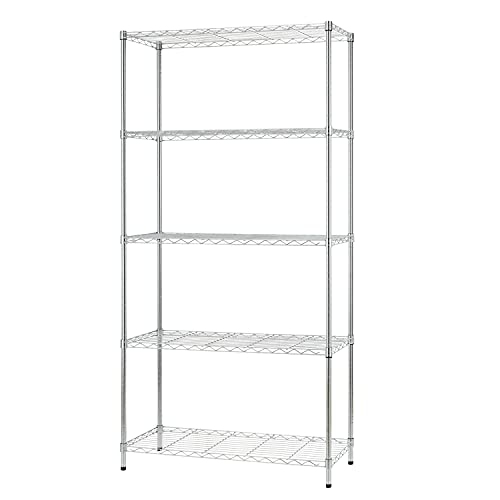
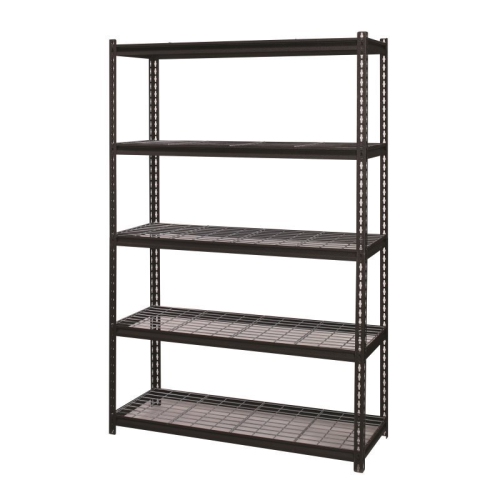
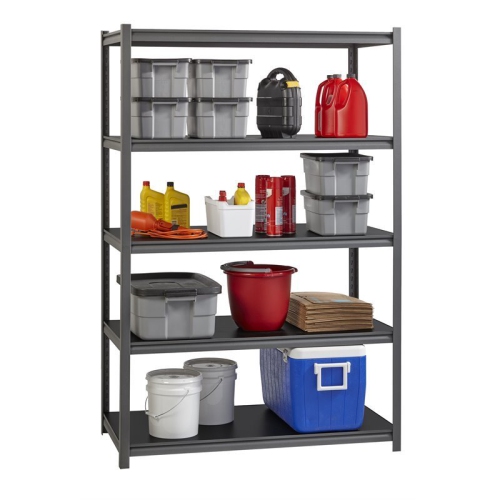
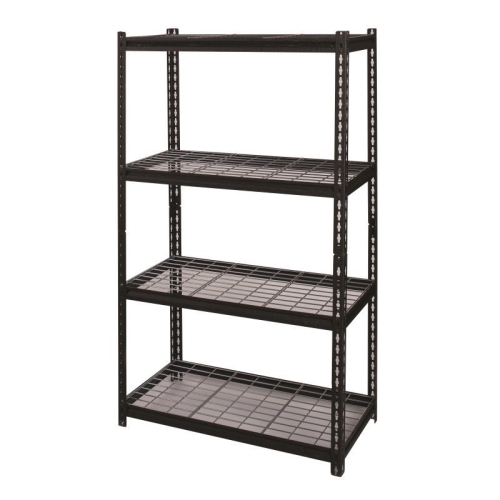
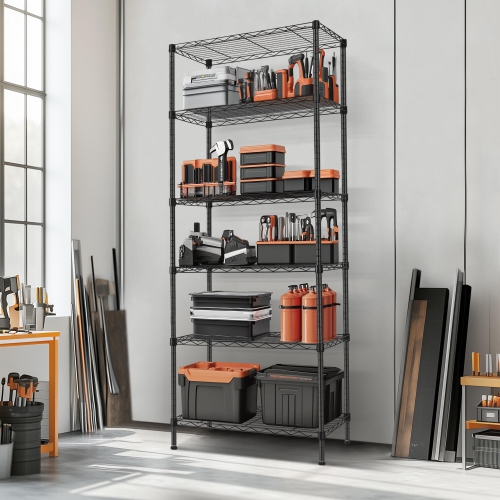
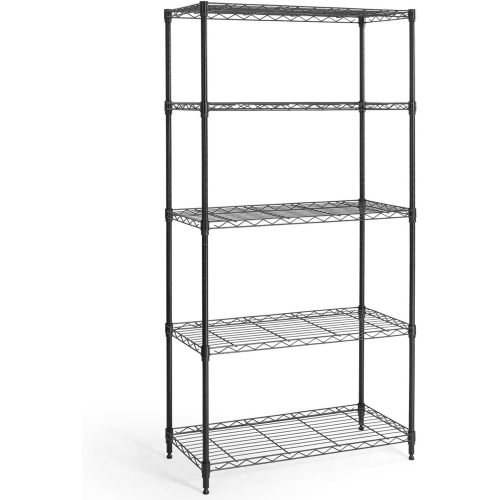
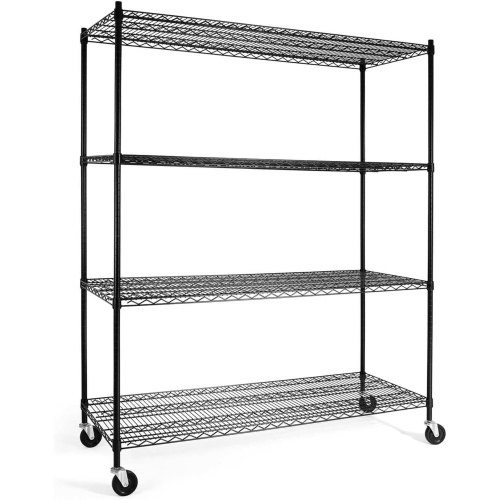
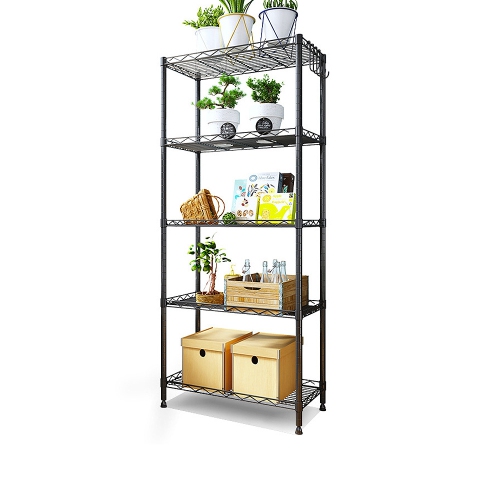
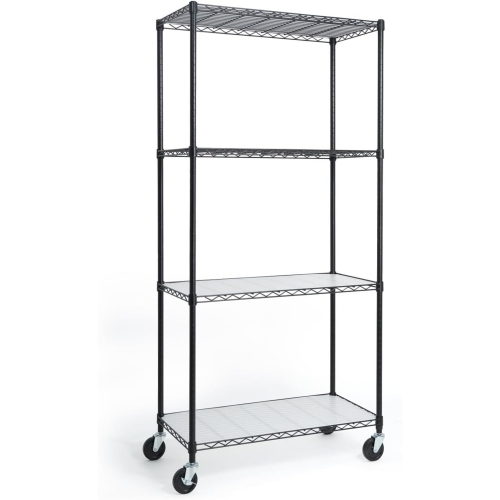
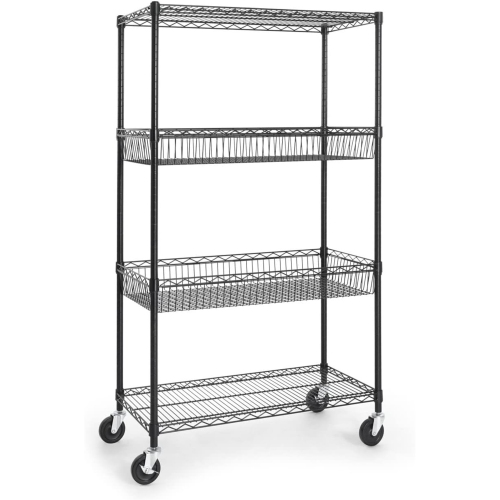
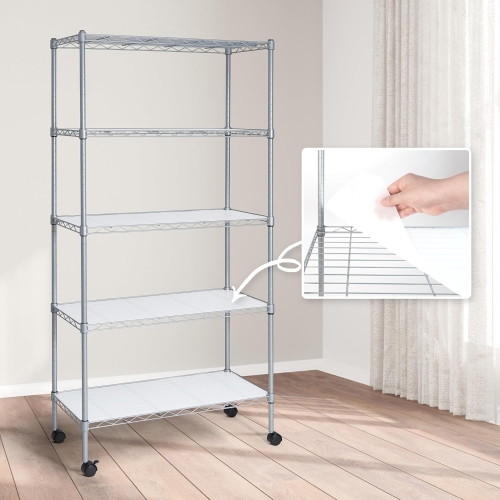
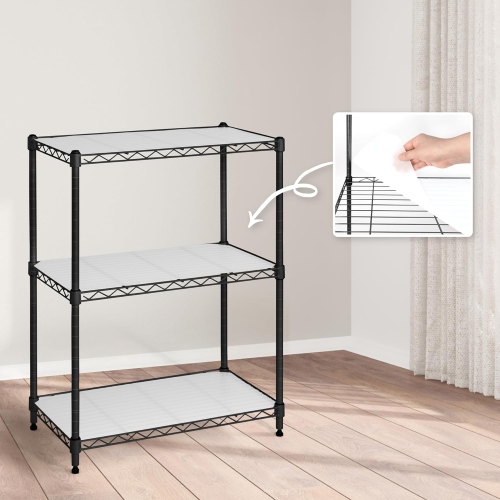
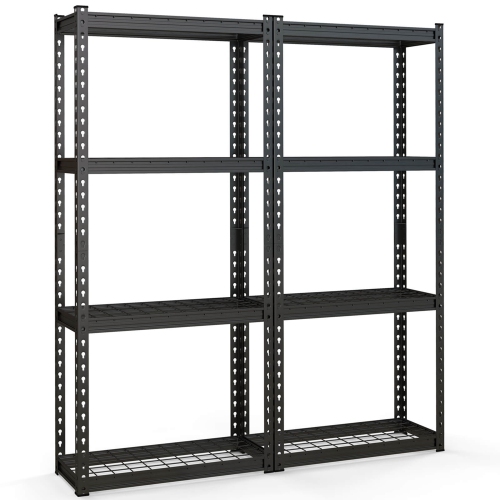


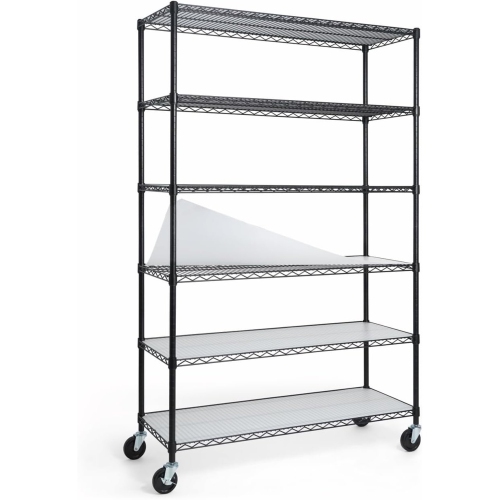

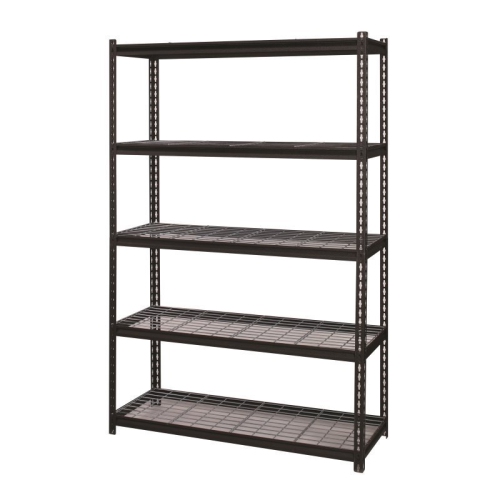
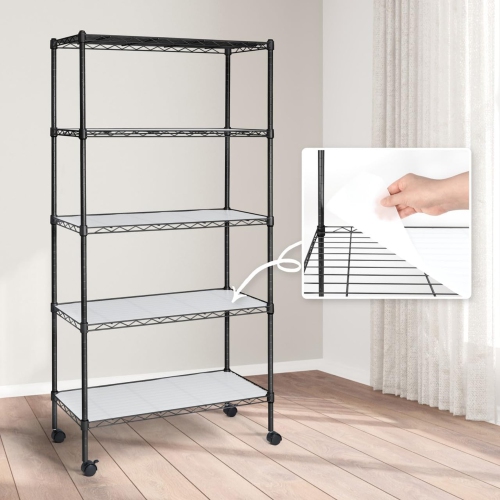
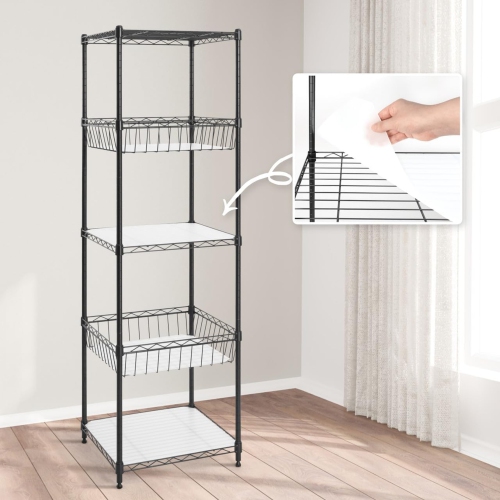
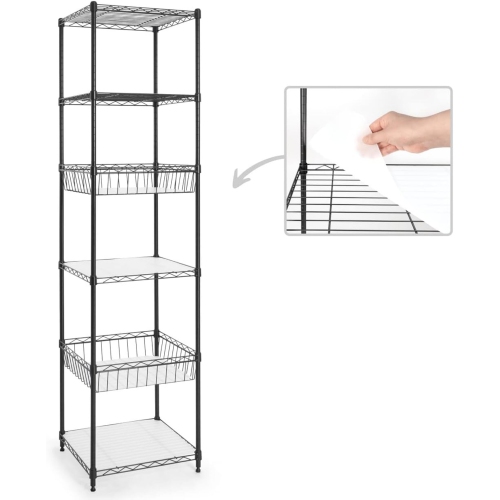
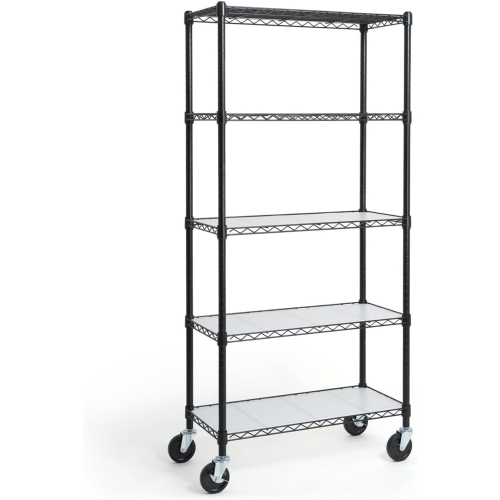

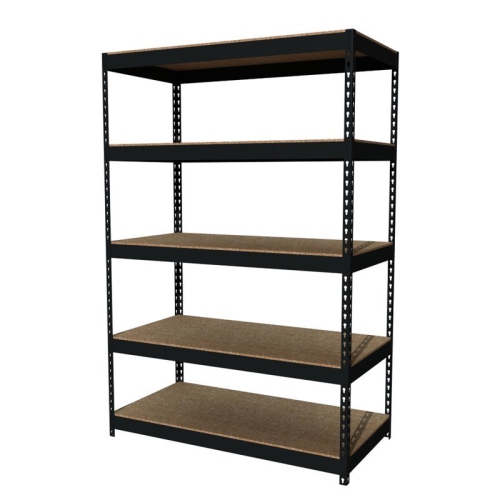
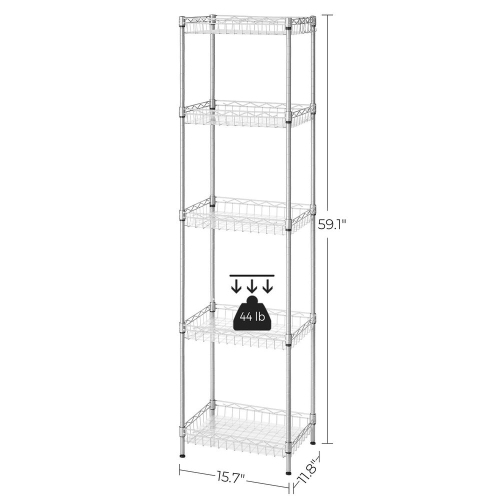
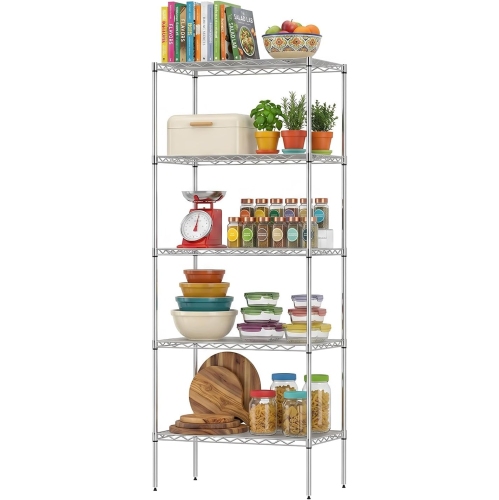
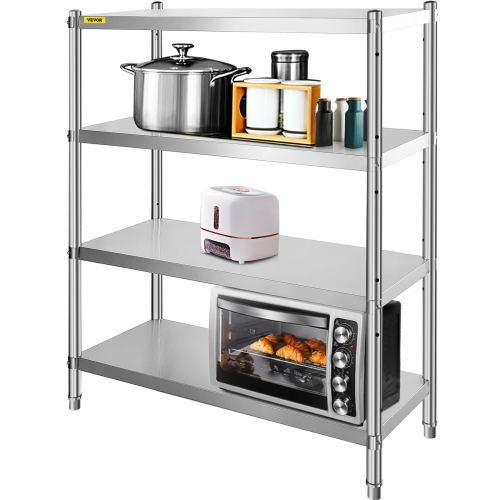
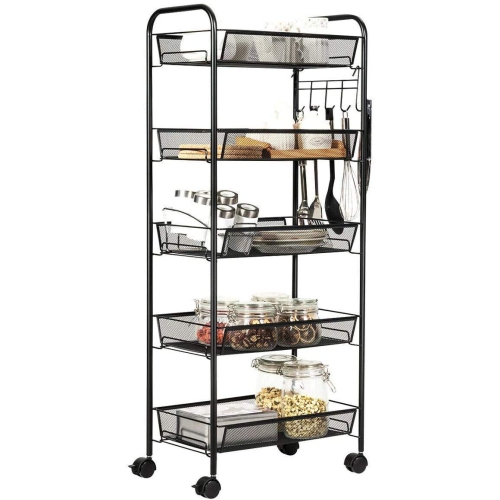
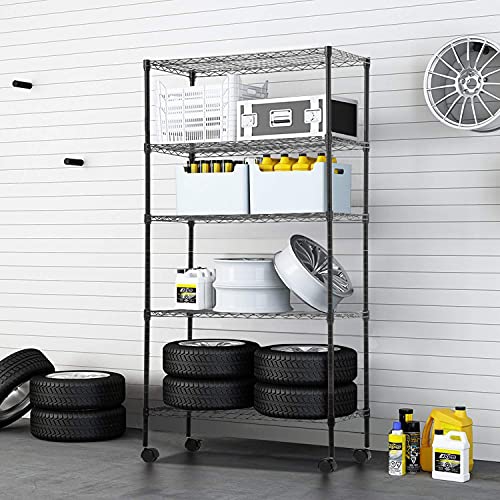
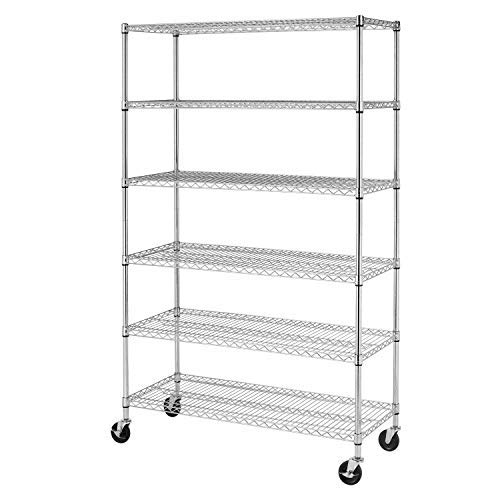
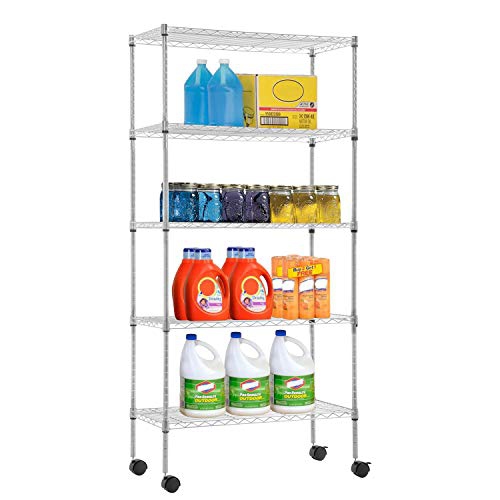

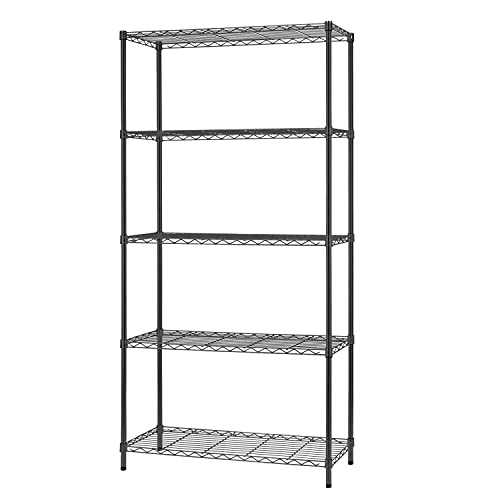
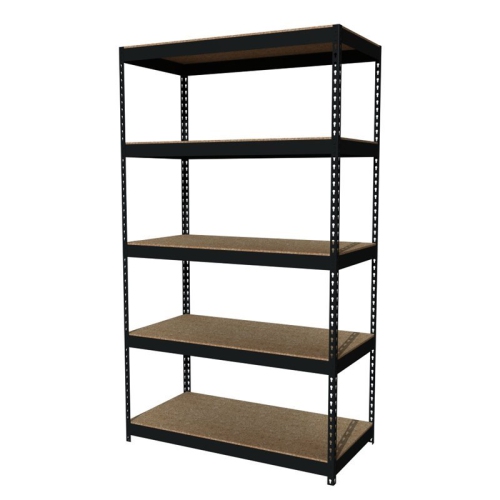
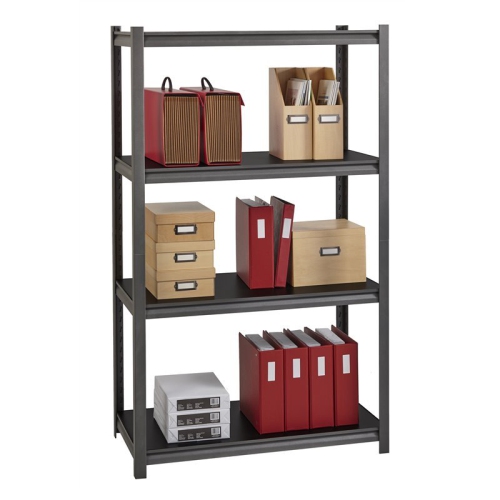
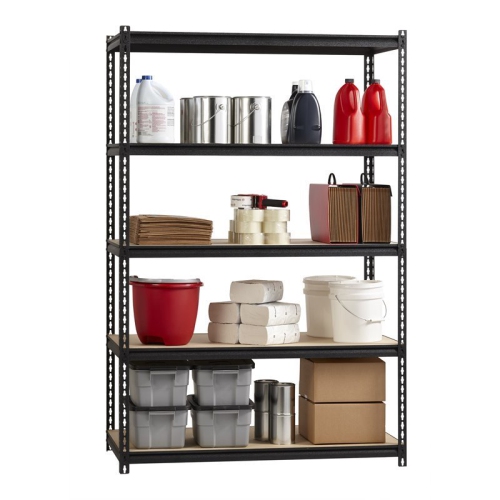


Open storage ideas for rooms, routines, and changing needs
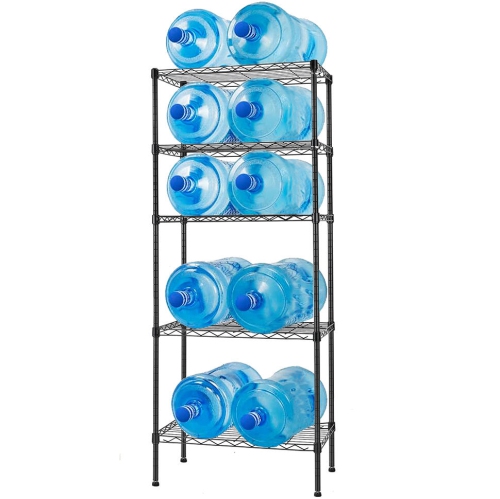
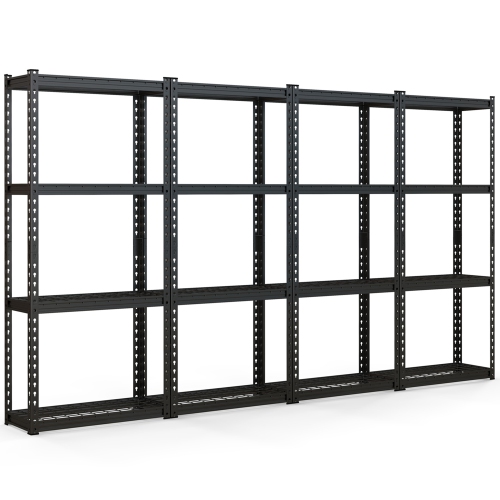
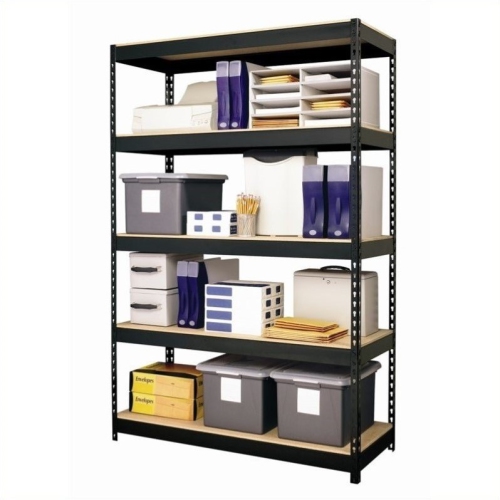
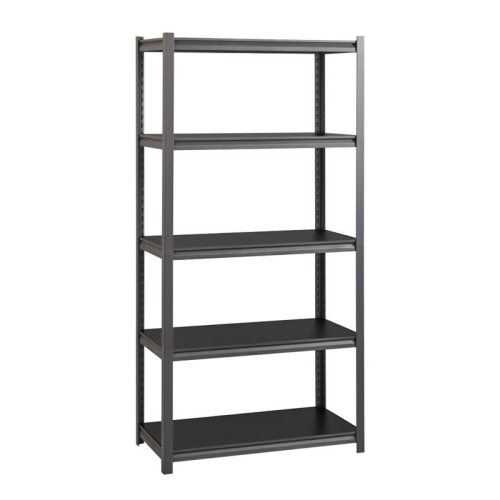
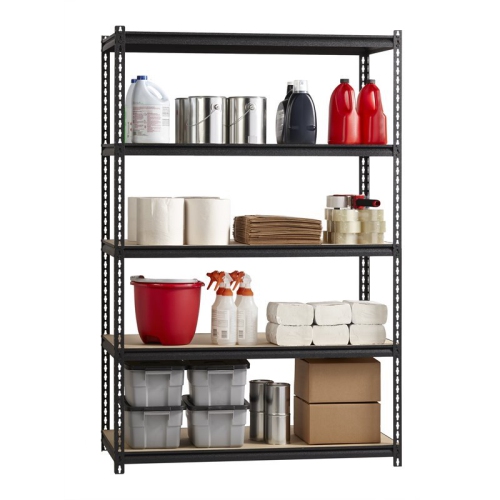
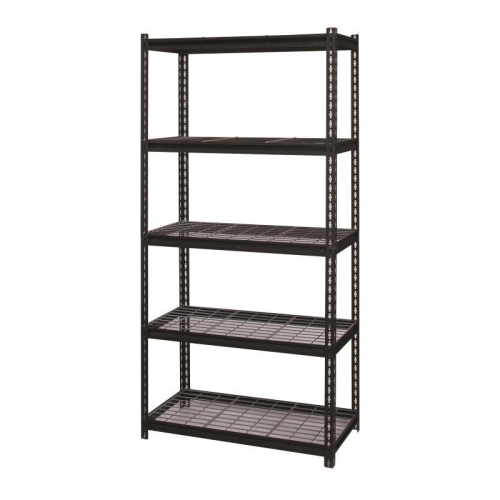
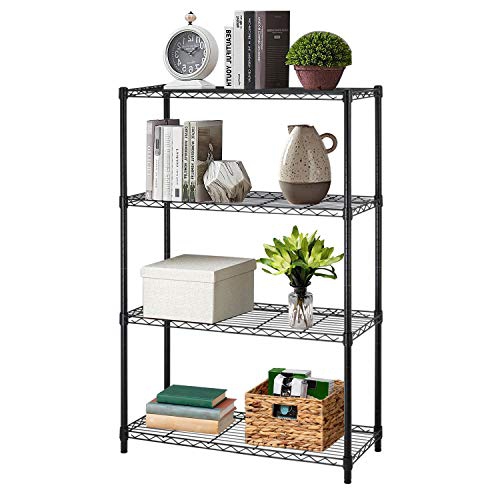
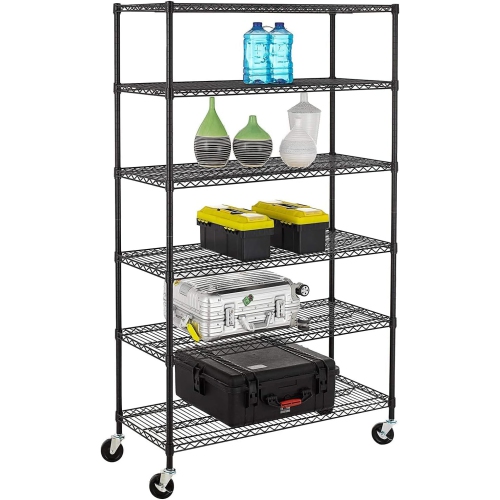
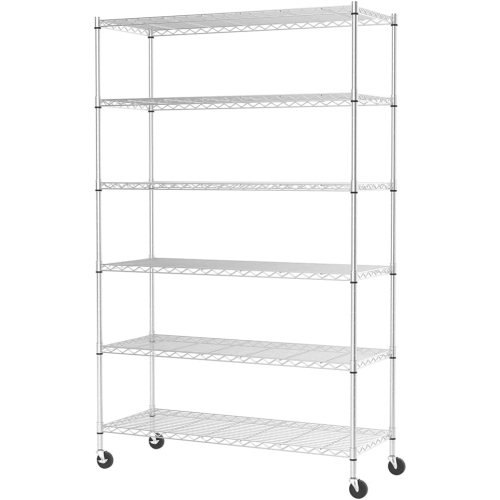
Steel wire shelving brings practical storage to spaces that need order without feeling closed in. Its open-frame design keeps belongings visible, allows air to circulate, and makes it easier to reach items from different angles. In a basement, a set of shelves can turn scattered paint supplies, seasonal decorations, tool cases, and storage bins into an organised system with clear zones. In a kitchen or pantry, the tiers can hold small appliances, serving pieces, dry goods, and frequently used cookware while keeping counters less crowded. Laundry rooms benefit from the same approach, with room for detergents, towels, cleaning supplies, and baskets. The clean, straightforward appearance also suits home offices, workshops, entryways, and utility rooms, where shelves need to be useful without taking over the room. Because the wire surface has a light visual profile, it can help a compact area feel less crowded than solid shelving might, while still providing dependable space for everyday storage. Some households use steel wire shelving to create a dedicated landing spot near the door for bags, footwear, and outdoor accessories during the cooler months. Others place a unit in a hobby room to keep craft materials, fabric, board games, or model-building supplies arranged by project. A well-planned shelving setup can make a difference in small routines: a frequently used item stays at eye level, heavier containers rest on lower levels, and less-used belongings move to the upper shelves instead of forming a pile on the floor.
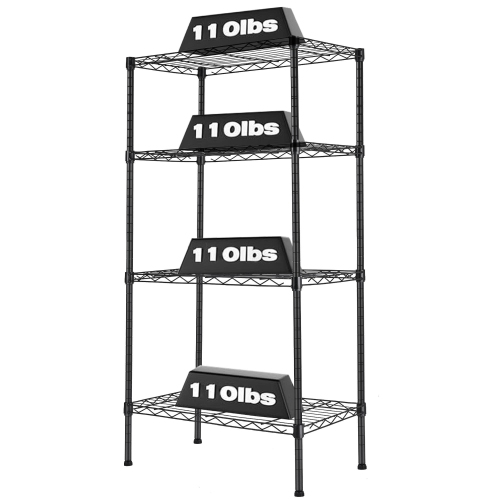
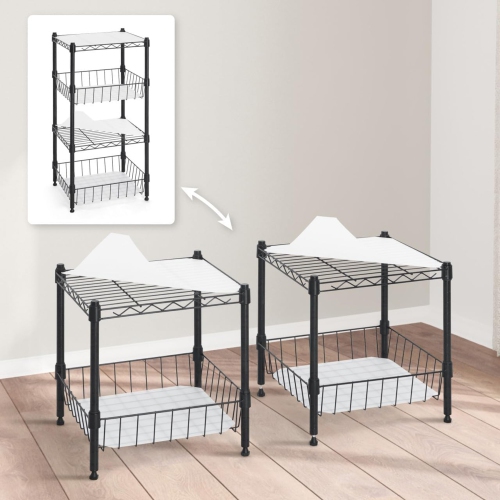
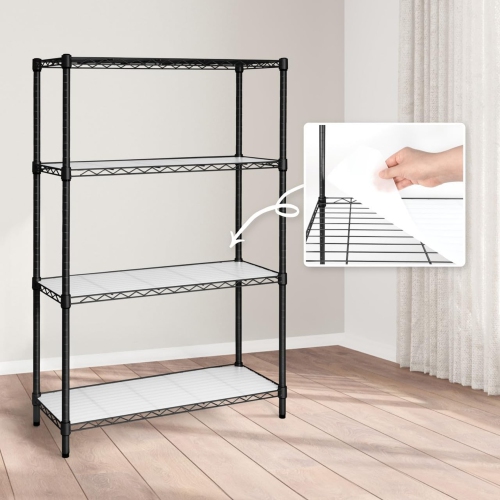
When comparing steel wire shelving, start with the space rather than the items you hope to store. Measure the available width, depth, and height, and account for baseboards, door swings, vents, windows, and any clearance needed to walk around the unit. A tall shelf can make good use of vertical space, but a shorter design may be more convenient where ceilings are low or where children need access to selected items. Check the weight capacity for each shelf and for the complete unit, remembering that heavy books, small appliances, canned goods, and tool boxes add up quickly. Load-bearing details matter particularly in a garage, workshop, or pantry, where shelves may carry dense items that look compact but are surprisingly heavy. Adjustable shelf levels are useful when storage needs change throughout the year. They let you create extra room for a tall container, then reposition the shelf when that item is moved elsewhere. Look for sturdy posts, secure connectors, and feet or levellers that help the unit sit firmly on an uneven floor. Casters can be convenient for cleaning or rearranging a room, while fixed feet may be preferable when stability is the priority. The spacing between wires is another practical consideration: wider openings suit larger bins and boxes, while smaller openings provide better support for narrow containers and loose items. A shelf liner or flat storage tray can help keep small pieces from slipping through, and placing the heaviest belongings on the lowest level can improve balance. Assembly is usually more manageable when the pieces are laid out first and the instructions are followed in sequence. Having a second person nearby can make it easier to hold the frame upright, especially for a taller unit. For additional options and different configurations, explore Wire Shelving Racks and compare the dimensions, shelf count, materials, and included accessories that suit your room.
Steel wire shelving can also be a thoughtful choice for someone setting up a first home, organising a new workspace, or preparing a spare room for changing household needs. It is useful for students who need a compact place for books, supplies, snacks, and personal items; for home cooks who want pantry ingredients close at hand; and for hobbyists who prefer to see their materials rather than search through stacked boxes. A family member moving into a new apartment may appreciate a shelving unit for making the most of limited storage, while someone who enjoys hosting can use one to keep table linens, serving dishes, and entertaining supplies together. These shelves are especially helpful in transitional spaces: a mudroom that handles wet footwear, a storage room being reorganised, or a home office that has gradually collected paper, equipment, and accessories. During the cooler months, they can hold extra blankets, winter gear, humidifiers, and seasonal household items without blocking access to everyday essentials. In a garage or utility area, keeping products off the floor can make sweeping easier and create a clearer path around stored equipment. For best results, group similar items together, label opaque bins, and leave a little room between categories so the shelves remain easy to use as routines change. Store delicate or moisture-sensitive belongings in suitable containers, and avoid overloading a shelf simply because there is still visible space. A practical arrangement should make daily tasks simpler: frequently reached items near the front and at a comfortable height, heavier supplies down low, and occasional-use belongings safely stored above. With the right size, spacing, and capacity, steel wire shelving can provide an adaptable foundation for a tidy home, a more efficient work area, or a storage space that feels easier to navigate from floor to ceiling.
When comparing steel wire shelving, start with the space rather than the items you hope to store. Measure the available width, depth, and height, and account for baseboards, door swings, vents, windows, and any clearance needed to walk around the unit. A tall shelf can make good use of vertical space, but a shorter design may be more convenient where ceilings are low or where children need access to selected items. Check the weight capacity for each shelf and for the complete unit, remembering that heavy books, small appliances, canned goods, and tool boxes add up quickly. Load-bearing details matter particularly in a garage, workshop, or pantry, where shelves may carry dense items that look compact but are surprisingly heavy. Adjustable shelf levels are useful when storage needs change throughout the year. They let you create extra room for a tall container, then reposition the shelf when that item is moved elsewhere. Look for sturdy posts, secure connectors, and feet or levellers that help the unit sit firmly on an uneven floor. Casters can be convenient for cleaning or rearranging a room, while fixed feet may be preferable when stability is the priority. The spacing between wires is another practical consideration: wider openings suit larger bins and boxes, while smaller openings provide better support for narrow containers and loose items. A shelf liner or flat storage tray can help keep small pieces from slipping through, and placing the heaviest belongings on the lowest level can improve balance. Assembly is usually more manageable when the pieces are laid out first and the instructions are followed in sequence. Having a second person nearby can make it easier to hold the frame upright, especially for a taller unit. For additional options and different configurations, explore Wire Shelving Racks and compare the dimensions, shelf count, materials, and included accessories that suit your room.
Steel wire shelving can also be a thoughtful choice for someone setting up a first home, organising a new workspace, or preparing a spare room for changing household needs. It is useful for students who need a compact place for books, supplies, snacks, and personal items; for home cooks who want pantry ingredients close at hand; and for hobbyists who prefer to see their materials rather than search through stacked boxes. A family member moving into a new apartment may appreciate a shelving unit for making the most of limited storage, while someone who enjoys hosting can use one to keep table linens, serving dishes, and entertaining supplies together. These shelves are especially helpful in transitional spaces: a mudroom that handles wet footwear, a storage room being reorganised, or a home office that has gradually collected paper, equipment, and accessories. During the cooler months, they can hold extra blankets, winter gear, humidifiers, and seasonal household items without blocking access to everyday essentials. In a garage or utility area, keeping products off the floor can make sweeping easier and create a clearer path around stored equipment. For best results, group similar items together, label opaque bins, and leave a little room between categories so the shelves remain easy to use as routines change. Store delicate or moisture-sensitive belongings in suitable containers, and avoid overloading a shelf simply because there is still visible space. A practical arrangement should make daily tasks simpler: frequently reached items near the front and at a comfortable height, heavier supplies down low, and occasional-use belongings safely stored above. With the right size, spacing, and capacity, steel wire shelving can provide an adaptable foundation for a tidy home, a more efficient work area, or a storage space that feels easier to navigate from floor to ceiling.
Top selling and popular products
-
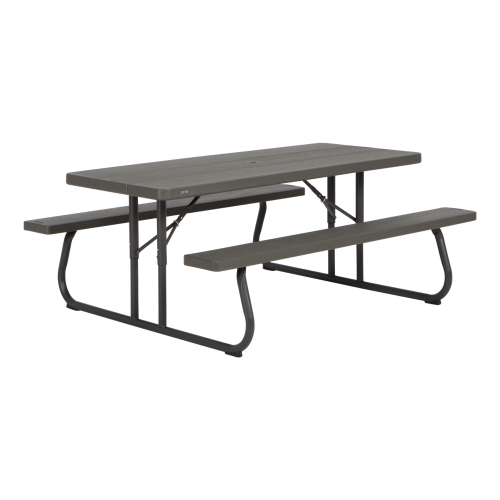 Your price for this item is $369.99
 -
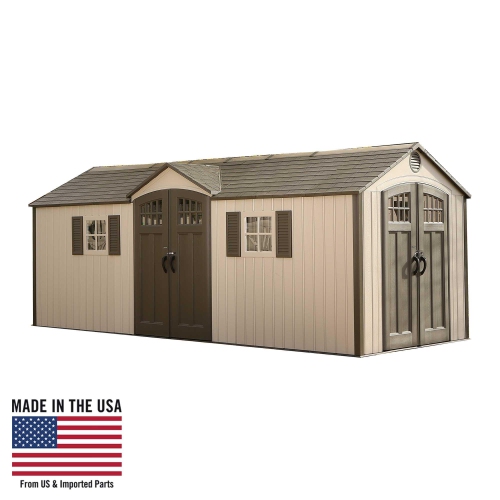 Your price for this item is $5599.99
 -
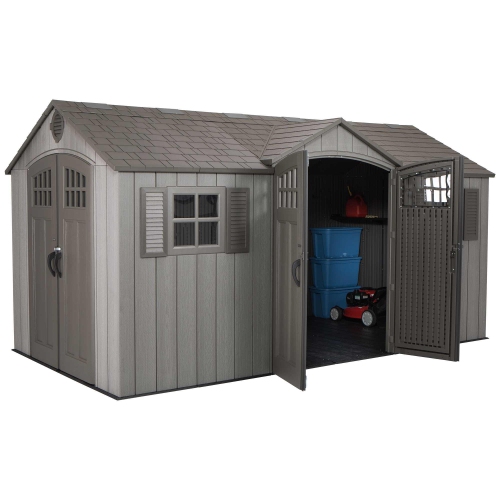 Your price for this item is $4269.99
 -
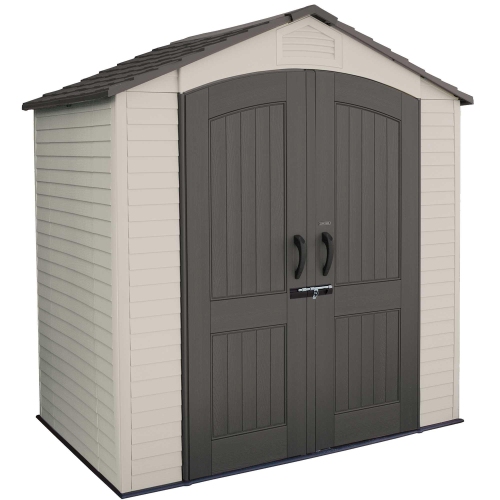 Your price for this item is $1639.99
 -
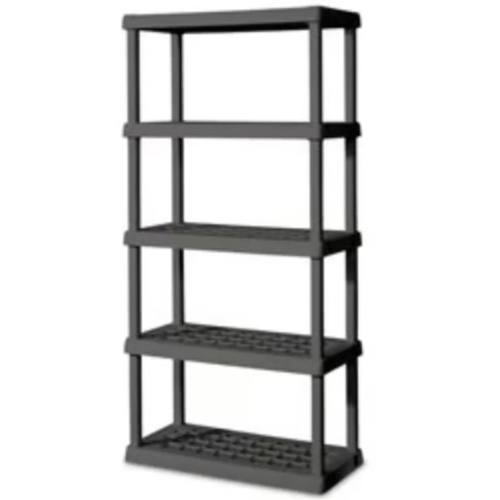 Your price for this item is $967.99
 -
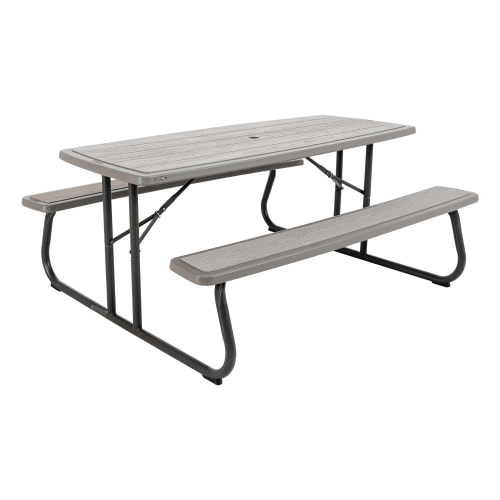 Your price for this item is $369.99
 -
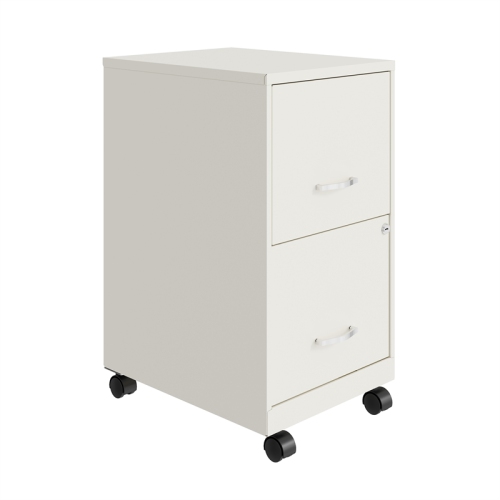 Your price for this item is $399.93
 -
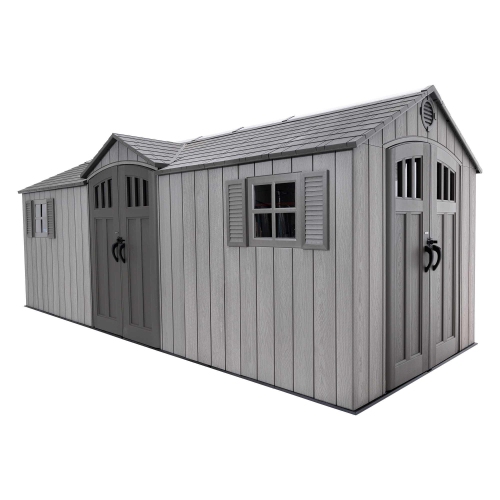 Your price for this item is $5589.99
Discover more categories related to Steel Wire Shelving
Top Collections:
Pokemon Centers, Kindle Devices, Best Budget Office Chairs, Apple iPhones 16, Best Laptops for Writers, iPhone 15 Apple, Canon G7X Cameras, Refurbished Apple Laptops, Alarm Clock, Motorola Razr Phones
Some products may be subject to Environmental Handling Fees
(EHF) depending on your province.
Learn more about EHFs.