Blanket Storages
Transform your living space into an organized haven with versatile storage blankets. These multi-functional essentials not only add a touch of style to any room but also provide a practical solution for decluttering. Whether you're looking to store seasonal clothing, bedding, or miscellaneous items, storage blankets offer a discreet and elegant way to keep your home tidy. With a variety of textures and colors available, they seamlessly blend with your décor while ensuring your belongings are neatly tucked away. Explore the perfect balance of functionality and design with storage blankets that cater to all your organizational needs.
Sort
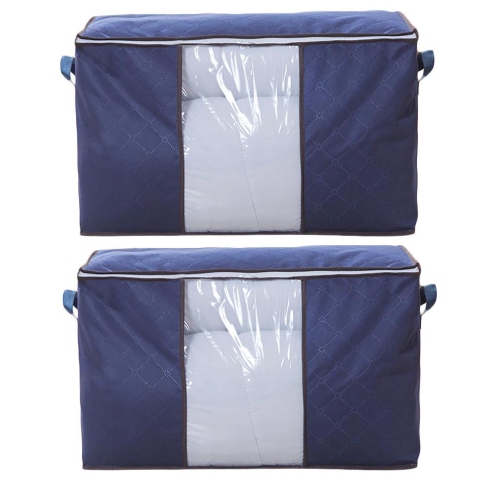
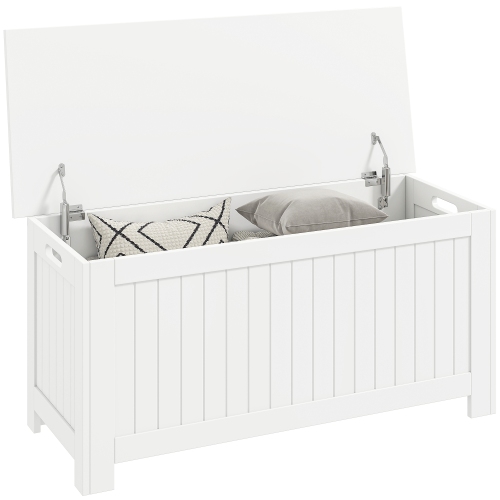
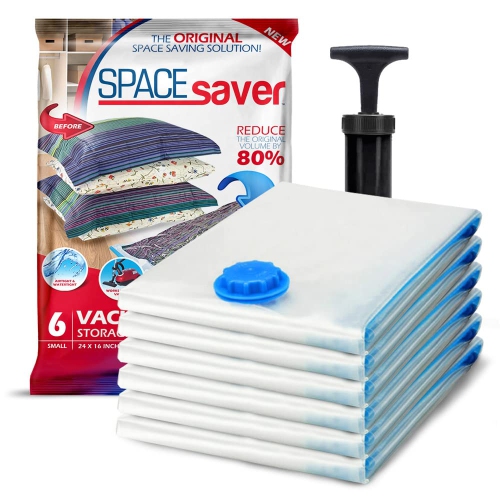
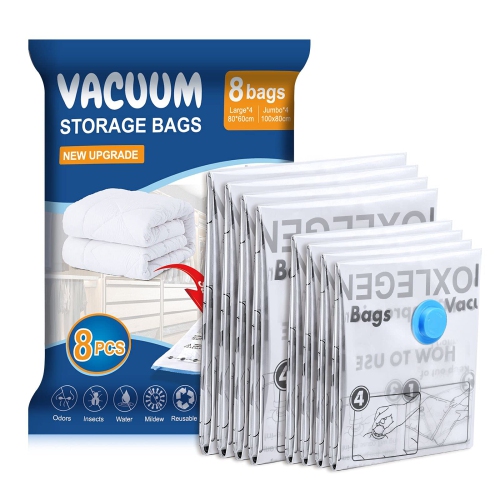

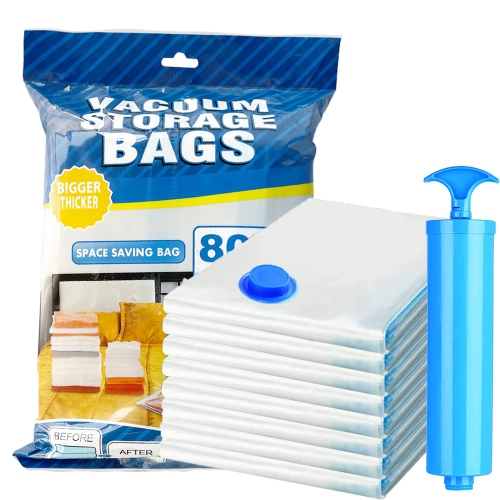
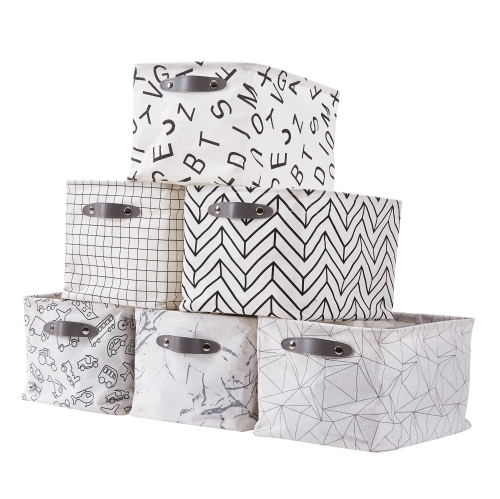
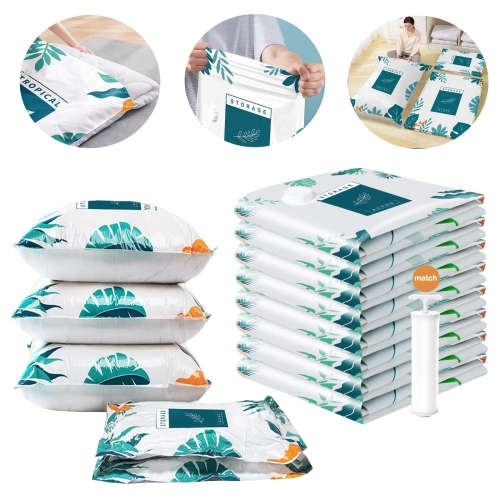
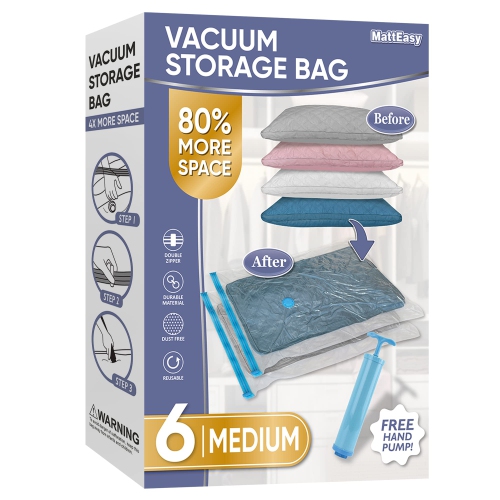
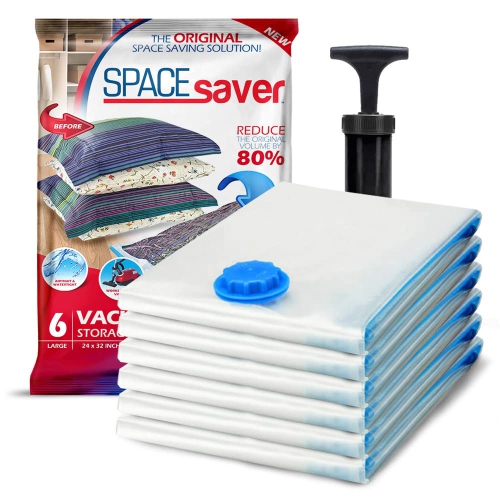
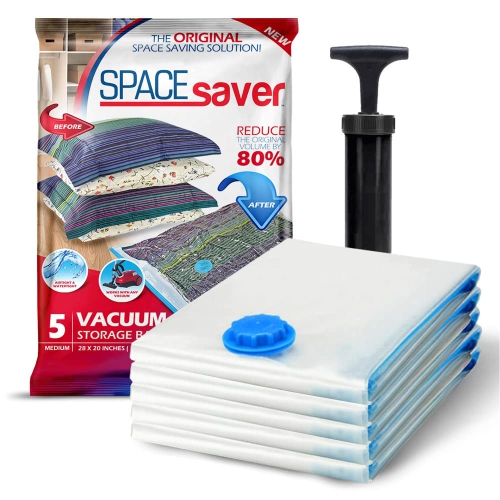

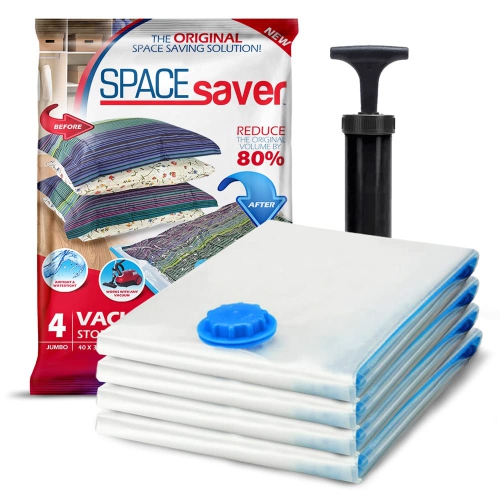
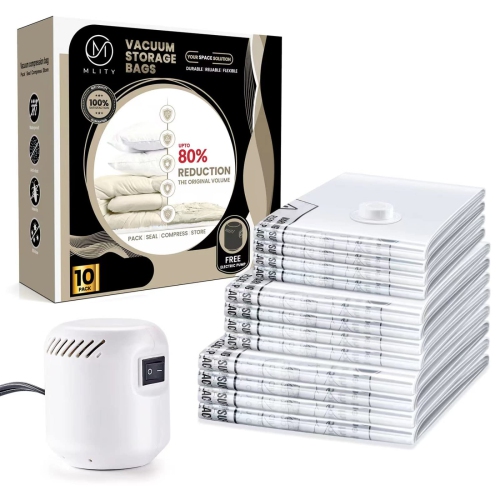
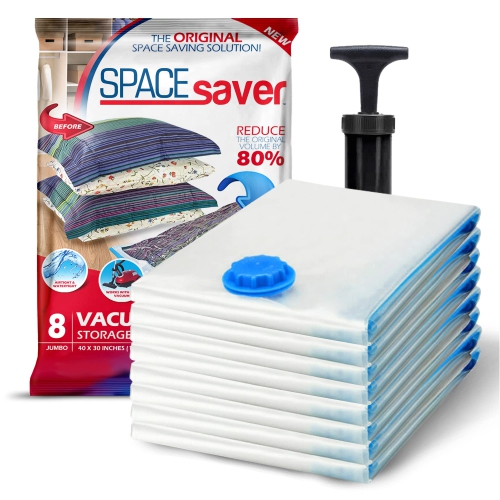
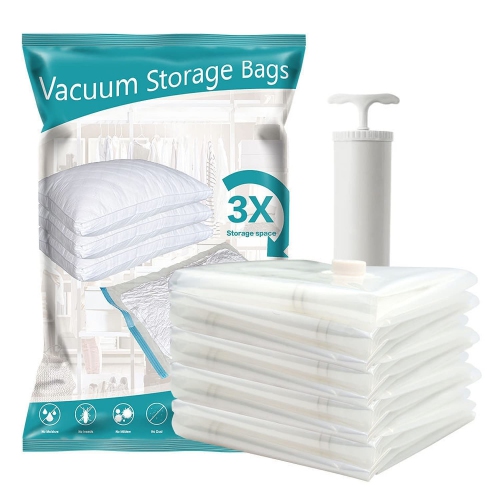
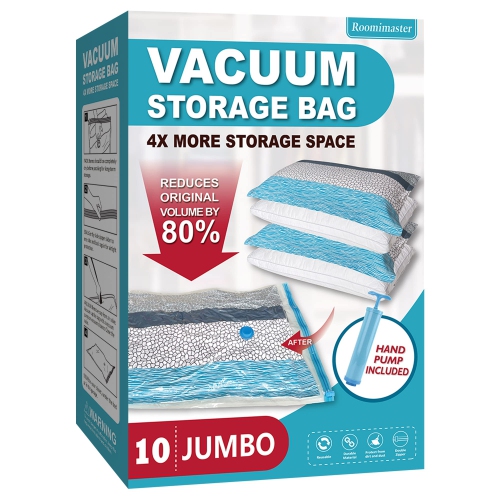
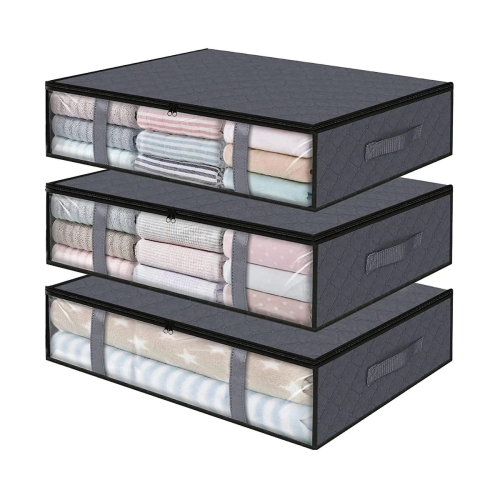
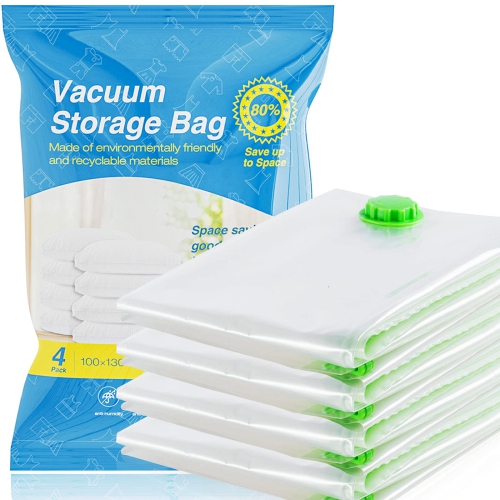
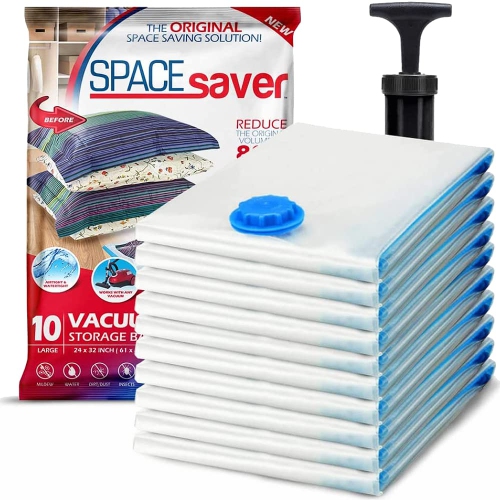
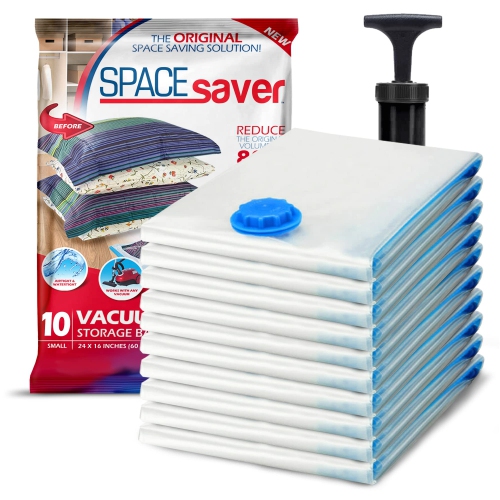
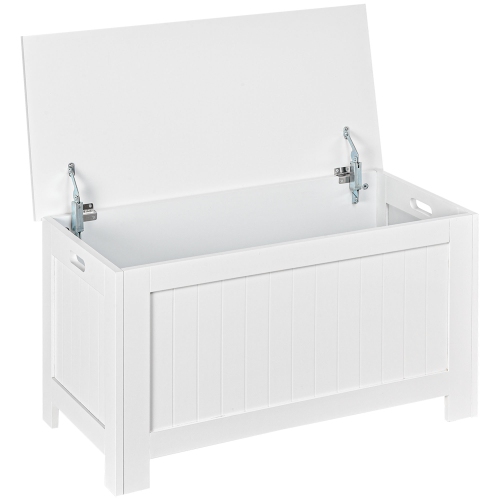
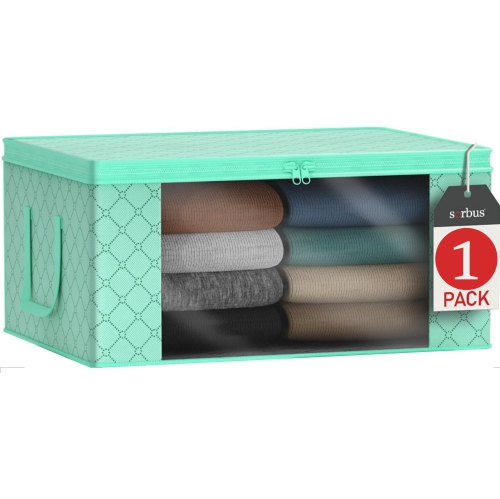
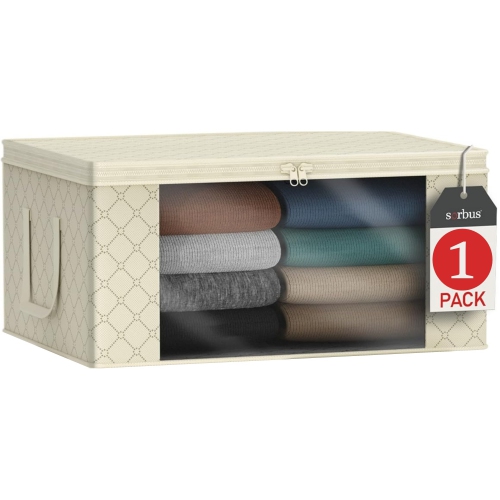
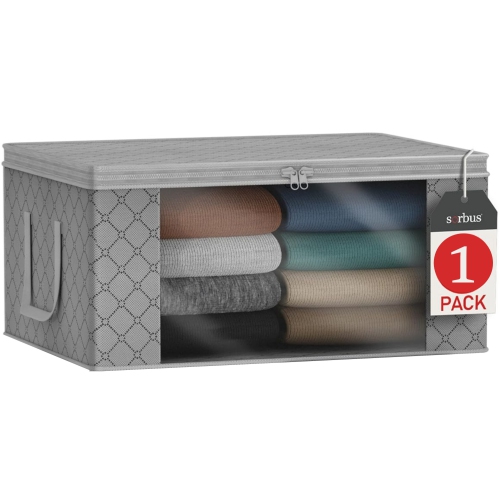
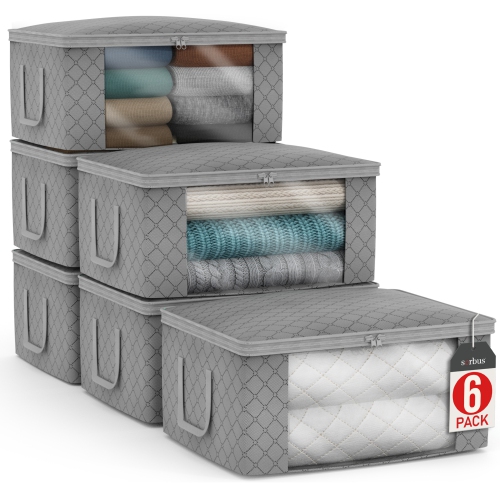
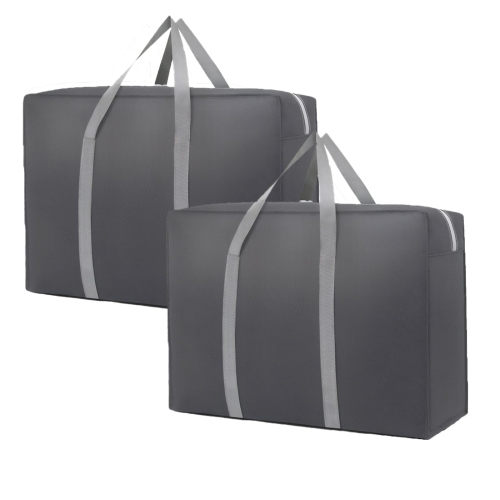
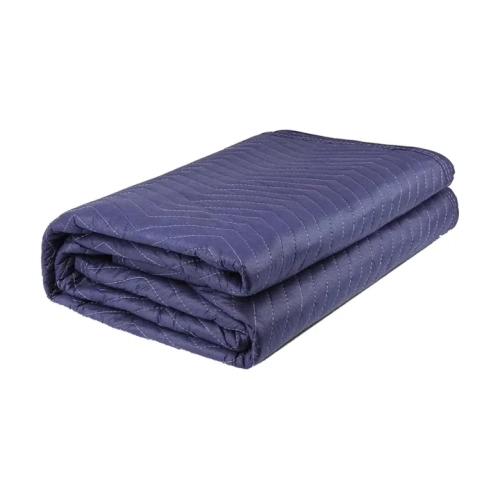
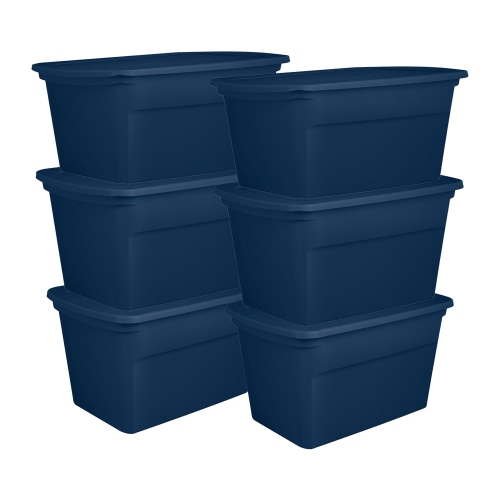
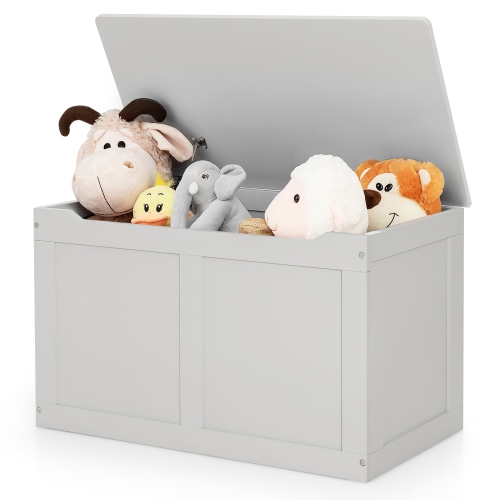
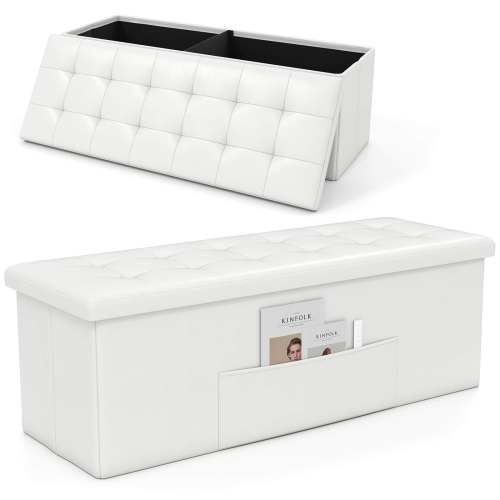
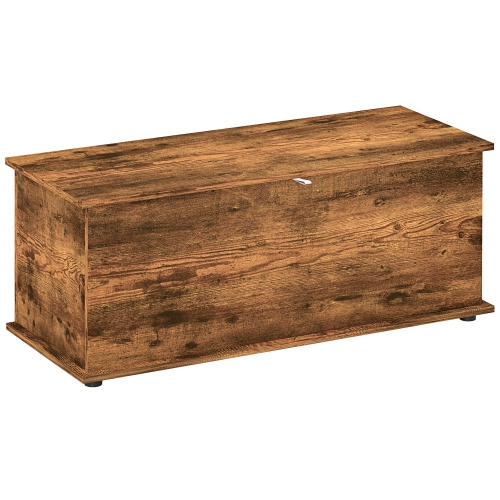
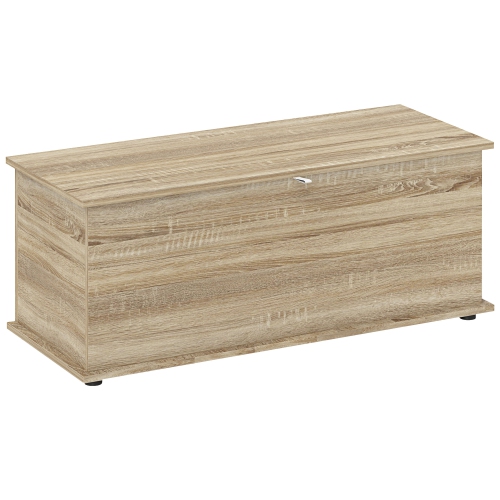
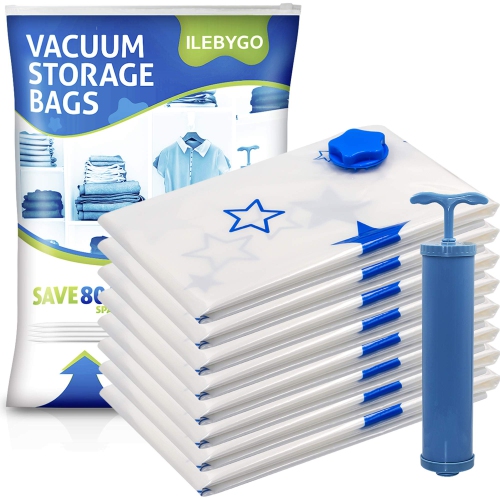

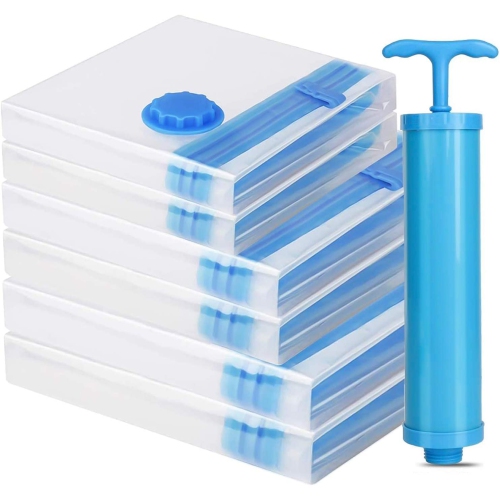
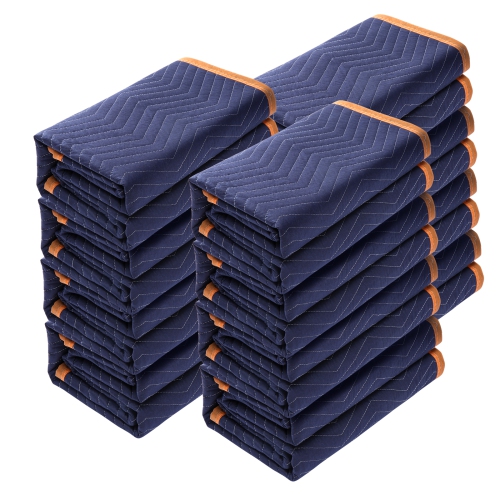
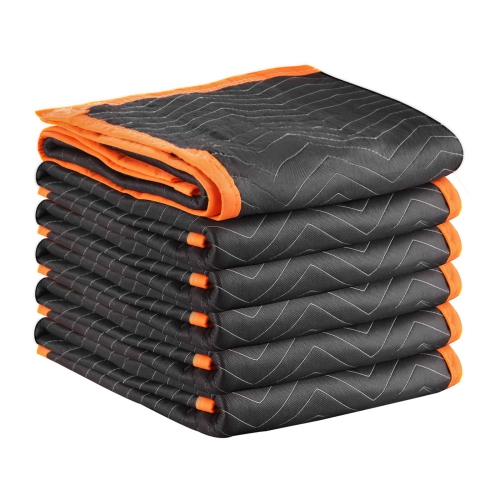
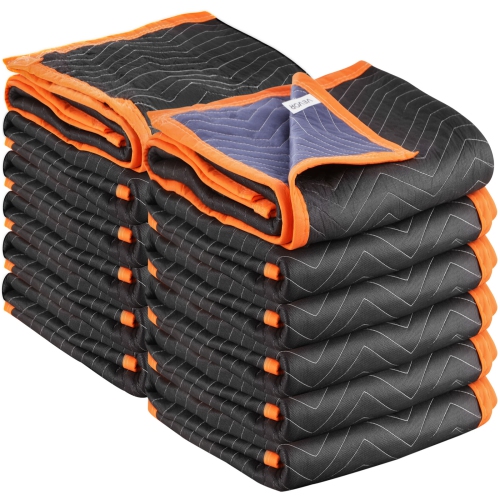
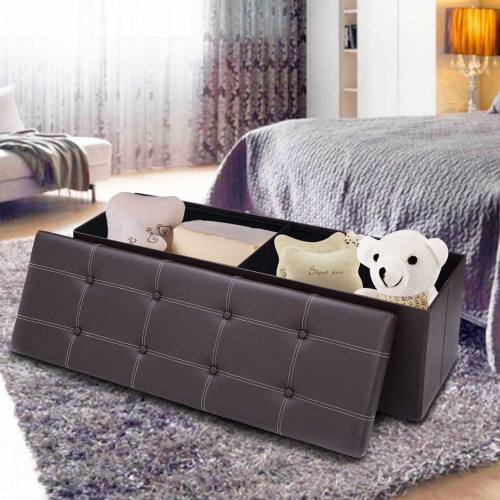
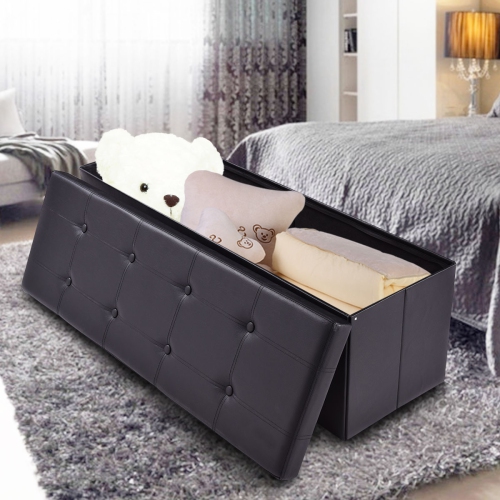

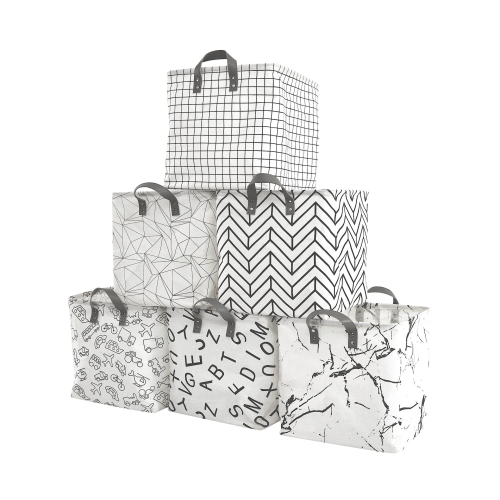
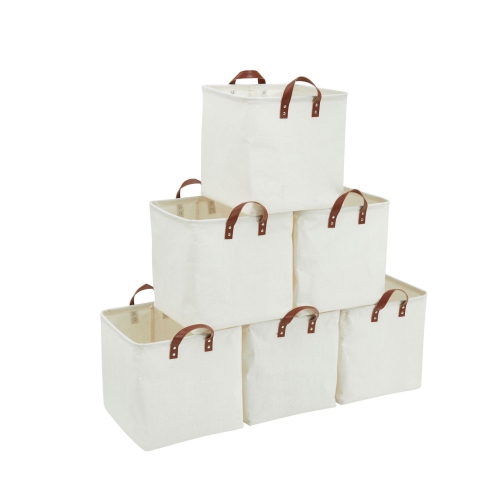
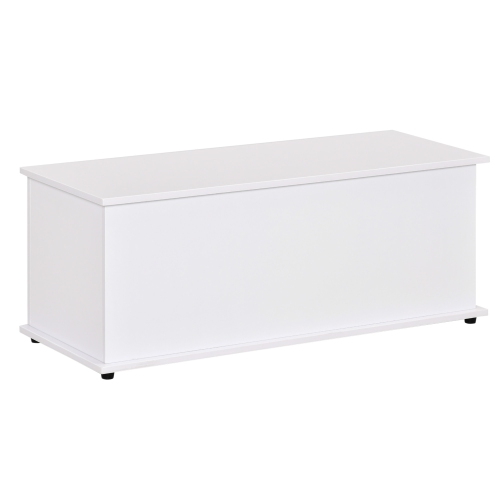
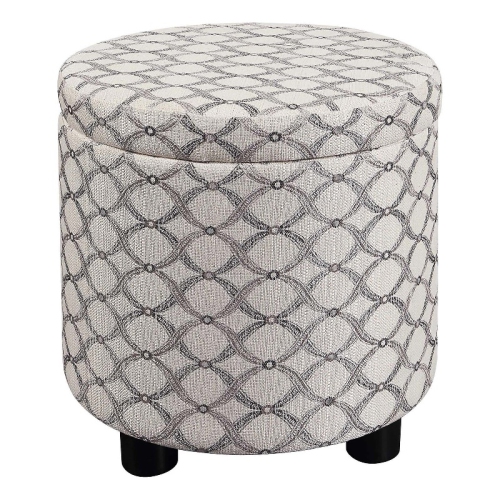
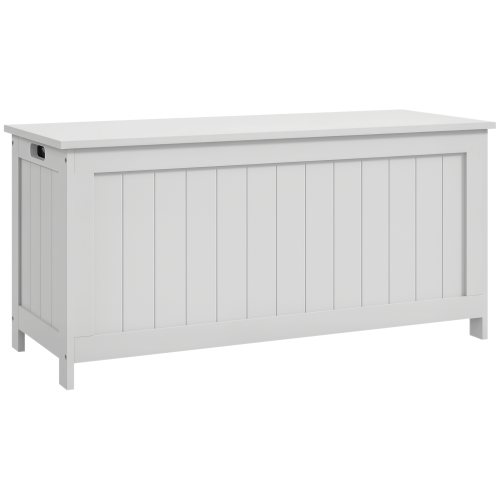
Everyday throws within reach, spare bedding tucked away
Blanket storage keeps throws, quilts, and extra bedding organized without letting them take over the sofa, bed, or linen cupboard. The most useful designs suit both the size of the blankets and the way they are used: open baskets make everyday throws easy to reach, while lidded chests, storage ottomans, and zippered bags keep folded bedding out of sight. A woven basket beside a favourite chair gives a casually folded blanket a home; a chest at the foot of the bed can hold larger layers without using up wardrobe shelves. For rooms with limited floor space, low-profile under-bed containers make use of an otherwise overlooked area, and blanket ladders display textiles vertically against a wall. Each format offers a different balance of access, capacity, and presentation. An open basket is convenient when family members reach for the same blankets every day, while an enclosed container helps protect less frequently used bedding from settling dust. Blanket ladders keep patterns and textures visible, making them a good match for throws that contribute to the room’s look. Rung spacing and width affect how neatly the fabric hangs, particularly with thick quilts or fringed edges. When pairing storage with throw blankets, consider the folded dimensions rather than relying on the blanket’s size when spread out. A loosely knitted throw can occupy more space than a larger, thinner woven blanket. Interior measurements matter more than exterior dimensions, especially for upholstered storage pieces with thick walls or padded lids. A basket intended for one sofa throw needs much less capacity than a container holding spare bedding for overnight guests. Leaving a little room around the contents makes blankets easier to lift out and put away, rather than requiring a tightly packed arrangement after every use. In shared living spaces, separate compartments or smaller containers can also keep frequently used throws apart from neatly folded guest linens, so reaching for one does not disturb the rest.
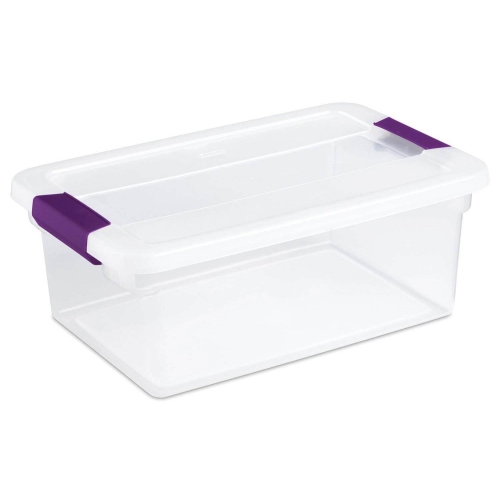
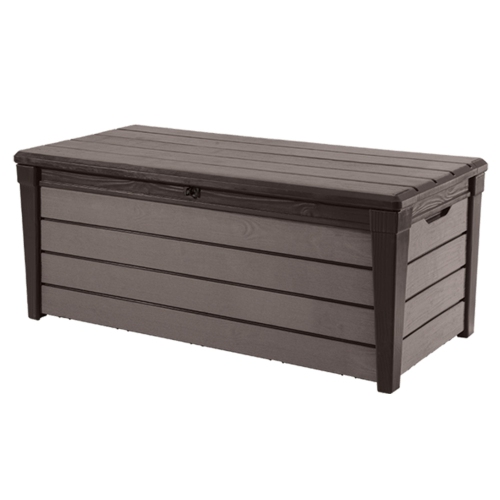
Materials influence how blanket storage looks, how it handles regular use, and how gently it holds fabric. Cotton rope and fabric baskets have a softer feel and work well beside upholstered furniture, though flexible sides may slump when the basket is empty or only partly filled. Wicker and other woven designs offer a more structured shape with visible texture; a smooth lining can help keep delicate knits from catching on rough edges. Wooden chests provide a defined furniture silhouette, with finishes ranging from light tones to deeper colours that can coordinate with a bed frame or side table. Smooth interior surfaces, well-finished corners, and sturdy hardware are worth attention wherever blankets touch the storage piece. Upholstered ottomans conceal their contents beneath a padded top, helping storage blend into a seating area. Only designs specifically rated for sitting should be used as seats, and the stated weight capacity should suit the intended use. A lid that opens easily, stays securely supported as designed, and closes without catching fabric makes a noticeable difference during everyday tidying. In households with children, hinge construction and lid safety deserve particular attention; a large storage chest should never become a play space. Lightweight fabric bags are practical for cupboard shelves because they add little bulk around folded bedding, while clear panels make the contents easier to identify without opening every bag. Rigid plastic containers hold their shape and can be wiped clean, but their dimensions need to fit both the storage area and the route used to move them. Handles should feel secure when the container is filled, and zippers should close without straining against the contents. Reinforced seams, firmly attached handles, and a stable base are useful signs of construction suited to repeated handling. For blanket ladders, smooth rungs help protect fabric, and the manufacturer’s placement or anchoring directions should be followed. These display pieces are not climbing ladders, even when their shape resembles one.
The right fit includes the space needed to use the storage, not just the space it occupies when closed. At the foot of a bed, a chest or bench should leave a comfortable walking route and enough clearance to open its lid fully. Beside a sofa, a basket should be easy to reach without blocking a doorway or crowding a side table. Under-bed storage needs clearance beneath the frame, including any centre supports, and enough room alongside the bed to pull the container out. Wheels can make larger bins easier to move on a suitable floor surface, while soft-sided bags may be easier to carry between rooms. For upper cupboard shelves, manageable containers are often more practical than one oversized bag that becomes awkward when full. Matching the format to the routine helps keep the arrangement useful: an open basket suits quick living-room tidying, a divided ottoman can separate blankets from other household textiles, and labelled bags help distinguish bedding sizes in a shared linen cupboard. Care is equally important for both the storage and its contents. Blankets should be clean and completely dry before being put away, and their care labels should determine washing and drying methods. Vacuum compression can reduce the bulk of some bedding, but it is not suitable for every filling or fabric; check the bedding manufacturer’s guidance before compressing down, wool, or other delicate materials. Storage containers also need occasional attention. Fabric liners may be removable for cleaning, woven surfaces can collect dust between their fibres, and wood or upholstery requires cleaning methods suited to its finish. Avoid packing blankets against damp surfaces or forcing closures over an overfilled container. For a first apartment, a shared family room, or a guest bedroom, blanket storage can make a familiar space feel more orderly without changing how it is used. It can also be a practical housewarming gift when the recipient’s room dimensions, preferred colours, and storage habits are known. A well-proportioned piece gives every blanket a clear place to return to, whether it is displayed over a rung or tucked neatly beneath a lid.
Materials influence how blanket storage looks, how it handles regular use, and how gently it holds fabric. Cotton rope and fabric baskets have a softer feel and work well beside upholstered furniture, though flexible sides may slump when the basket is empty or only partly filled. Wicker and other woven designs offer a more structured shape with visible texture; a smooth lining can help keep delicate knits from catching on rough edges. Wooden chests provide a defined furniture silhouette, with finishes ranging from light tones to deeper colours that can coordinate with a bed frame or side table. Smooth interior surfaces, well-finished corners, and sturdy hardware are worth attention wherever blankets touch the storage piece. Upholstered ottomans conceal their contents beneath a padded top, helping storage blend into a seating area. Only designs specifically rated for sitting should be used as seats, and the stated weight capacity should suit the intended use. A lid that opens easily, stays securely supported as designed, and closes without catching fabric makes a noticeable difference during everyday tidying. In households with children, hinge construction and lid safety deserve particular attention; a large storage chest should never become a play space. Lightweight fabric bags are practical for cupboard shelves because they add little bulk around folded bedding, while clear panels make the contents easier to identify without opening every bag. Rigid plastic containers hold their shape and can be wiped clean, but their dimensions need to fit both the storage area and the route used to move them. Handles should feel secure when the container is filled, and zippers should close without straining against the contents. Reinforced seams, firmly attached handles, and a stable base are useful signs of construction suited to repeated handling. For blanket ladders, smooth rungs help protect fabric, and the manufacturer’s placement or anchoring directions should be followed. These display pieces are not climbing ladders, even when their shape resembles one.
The right fit includes the space needed to use the storage, not just the space it occupies when closed. At the foot of a bed, a chest or bench should leave a comfortable walking route and enough clearance to open its lid fully. Beside a sofa, a basket should be easy to reach without blocking a doorway or crowding a side table. Under-bed storage needs clearance beneath the frame, including any centre supports, and enough room alongside the bed to pull the container out. Wheels can make larger bins easier to move on a suitable floor surface, while soft-sided bags may be easier to carry between rooms. For upper cupboard shelves, manageable containers are often more practical than one oversized bag that becomes awkward when full. Matching the format to the routine helps keep the arrangement useful: an open basket suits quick living-room tidying, a divided ottoman can separate blankets from other household textiles, and labelled bags help distinguish bedding sizes in a shared linen cupboard. Care is equally important for both the storage and its contents. Blankets should be clean and completely dry before being put away, and their care labels should determine washing and drying methods. Vacuum compression can reduce the bulk of some bedding, but it is not suitable for every filling or fabric; check the bedding manufacturer’s guidance before compressing down, wool, or other delicate materials. Storage containers also need occasional attention. Fabric liners may be removable for cleaning, woven surfaces can collect dust between their fibres, and wood or upholstery requires cleaning methods suited to its finish. Avoid packing blankets against damp surfaces or forcing closures over an overfilled container. For a first apartment, a shared family room, or a guest bedroom, blanket storage can make a familiar space feel more orderly without changing how it is used. It can also be a practical housewarming gift when the recipient’s room dimensions, preferred colours, and storage habits are known. A well-proportioned piece gives every blanket a clear place to return to, whether it is displayed over a rung or tucked neatly beneath a lid.
Top selling and popular products
-
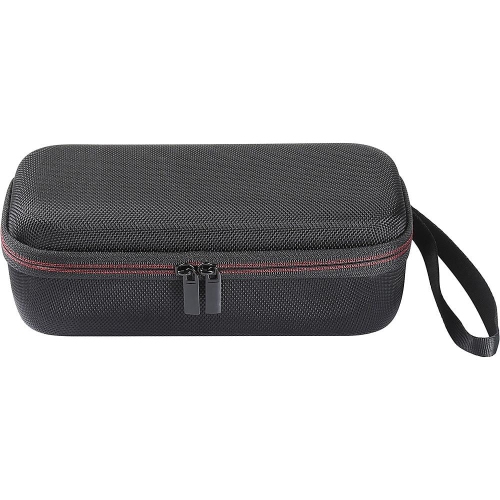 Your price for this item is $59
 -
 Your price for this item is $35
 -
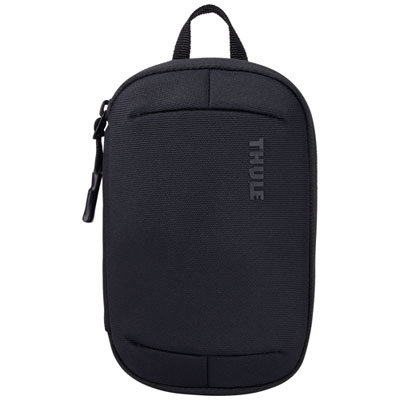 Your price for this item is $29.99
 -
 Your price for this item is $89.99
 -
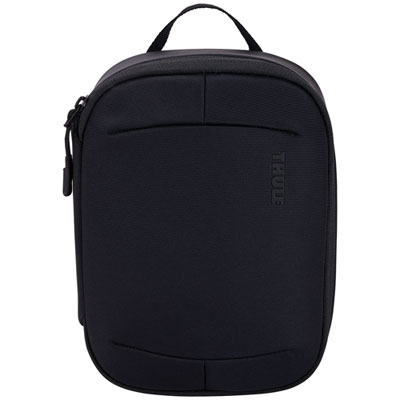 Your price for this item is $39.99
 -
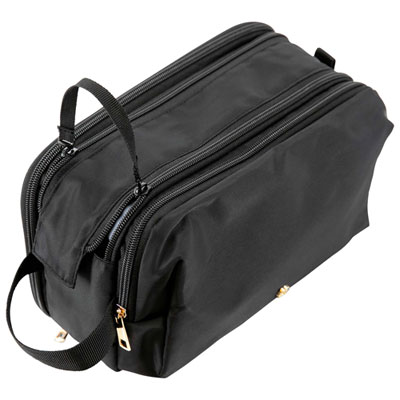 Your price for this item is $49.99
 -
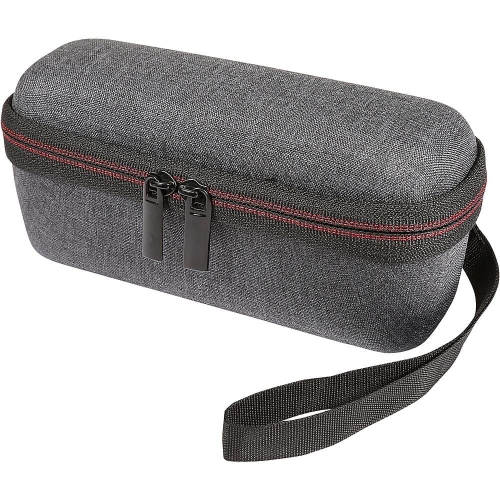 Your price for this item is $59.99
 -
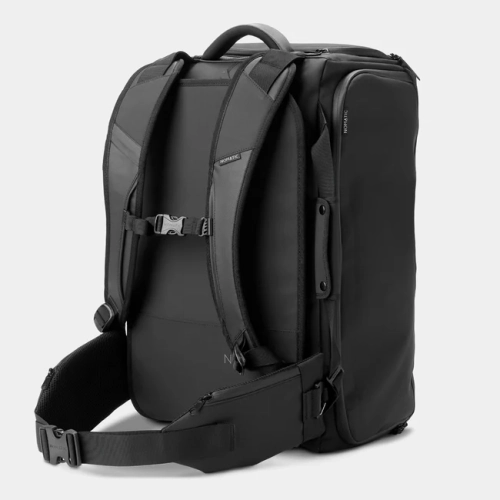 Your price for this item is $49.99
Discover more categories related to Blanket Storages
Top Collections:
Pokemon Centers, Kindle Devices, Best Budget Office Chairs, Apple iPhones 16, Best Laptops for Writers, iPhone 15 Apple, Canon G7X Cameras, Refurbished Apple Laptops, Alarm Clock, Motorola Razr Phones
Some products may be subject to Environmental Handling Fees
(EHF) depending on your province.
Learn more about EHFs.