Storage Boxes for Blankets
Organizing and decluttering your living space has never been easier with these storage boxes for blankets. Whether you're looking to neatly stow away extra blankets in your bedroom or keep your cozy throws within arm's reach in the living room, these versatile storage solutions are designed to meet your needs. With a variety of sizes, styles, and materials to choose from, you'll find the perfect storage box that not only keeps your blankets protected but also adds a touch of style to your home decor.
Sort
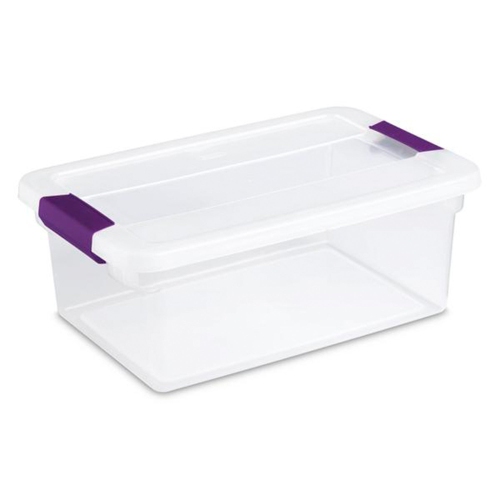
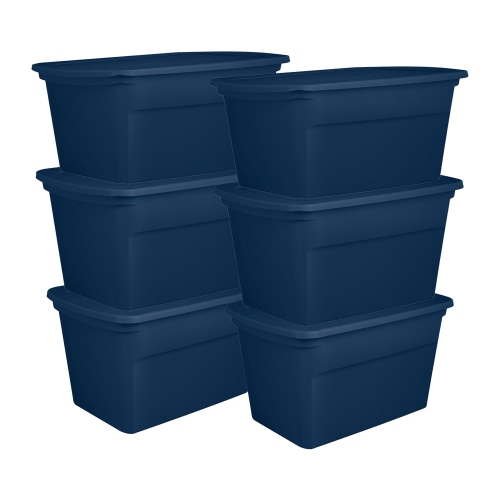

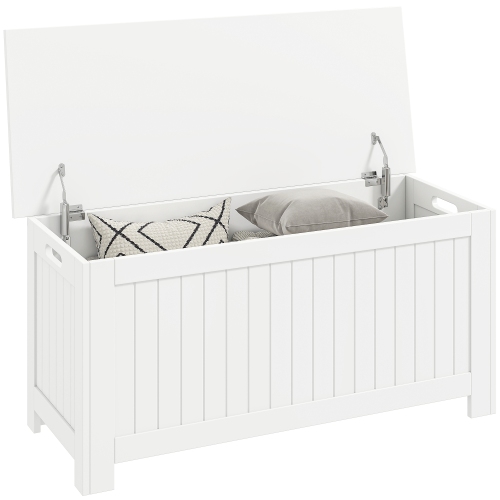

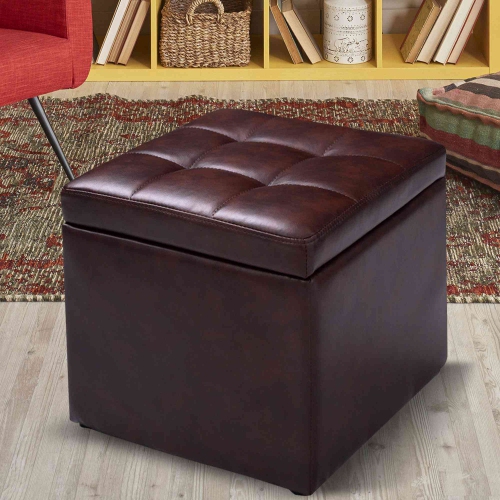
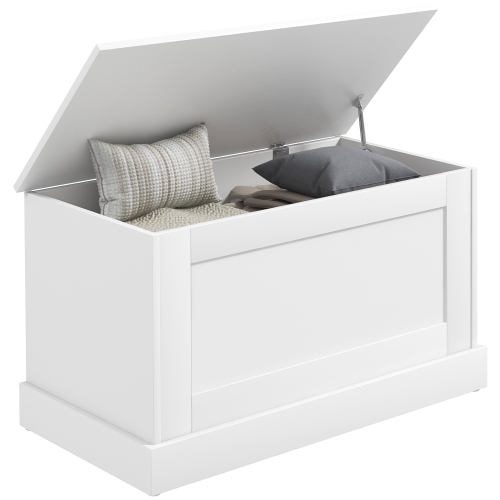
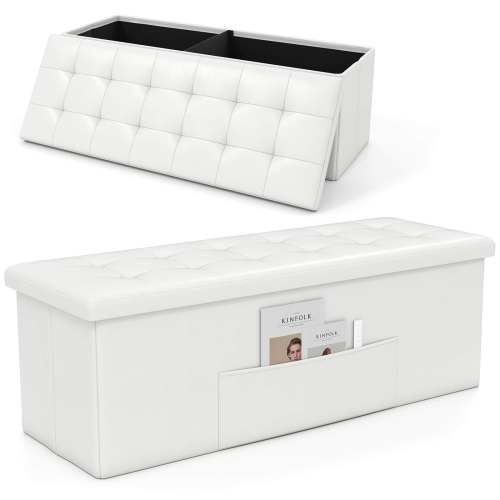
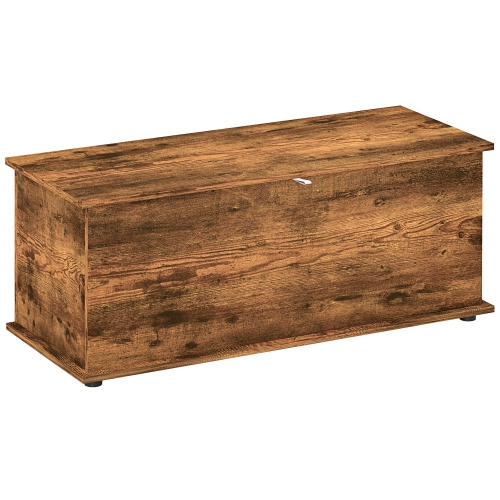
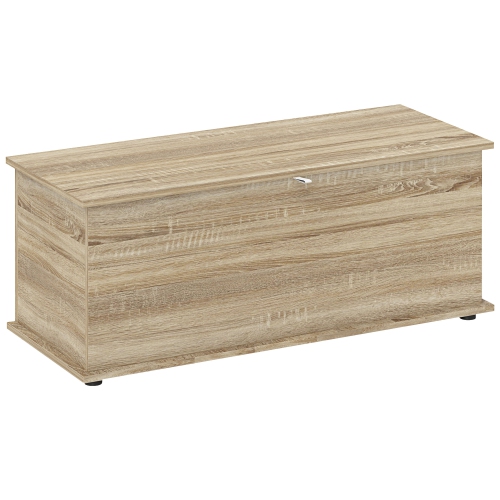
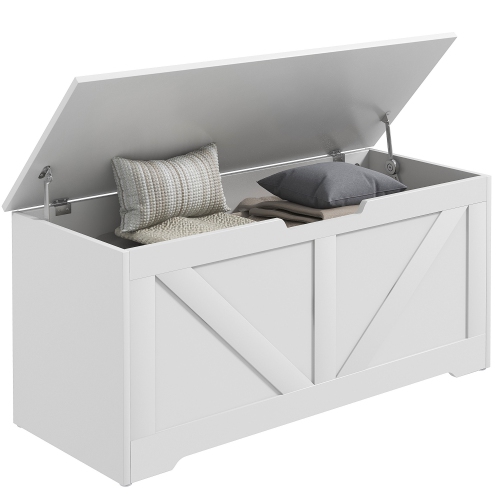
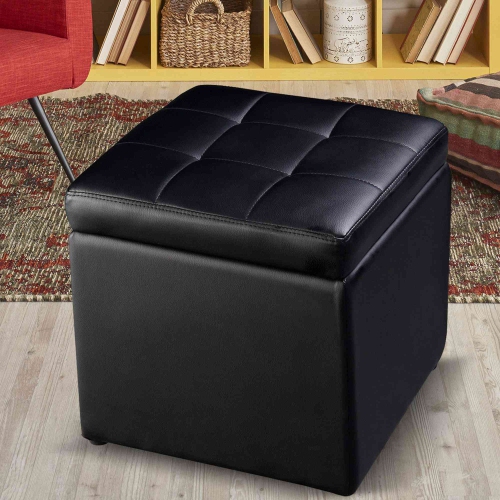
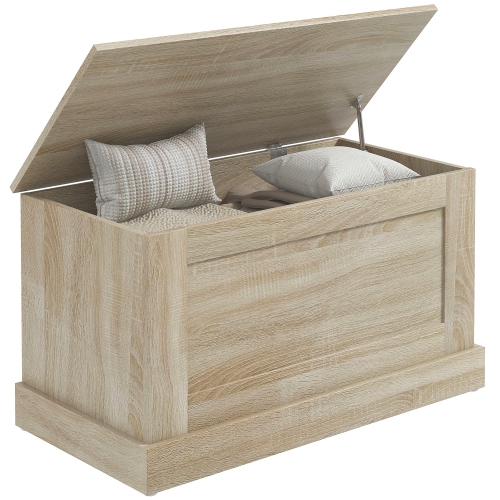
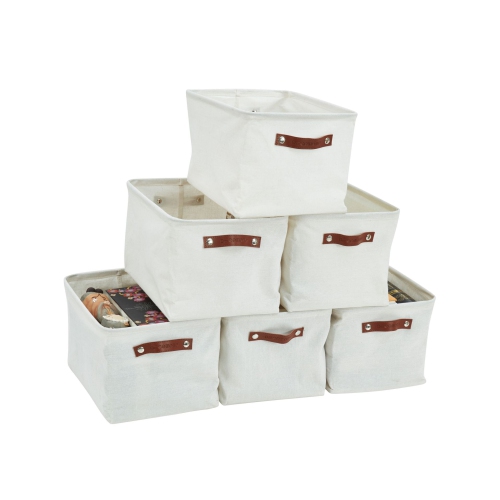
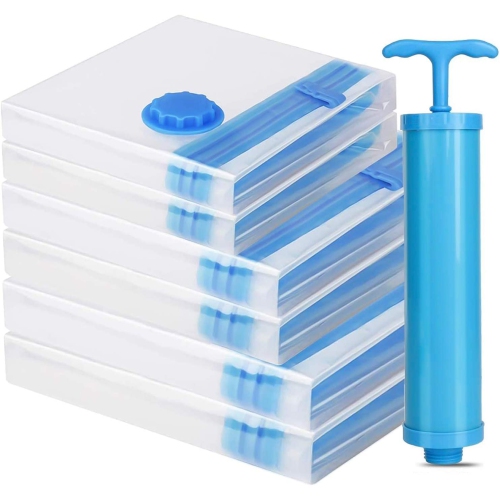
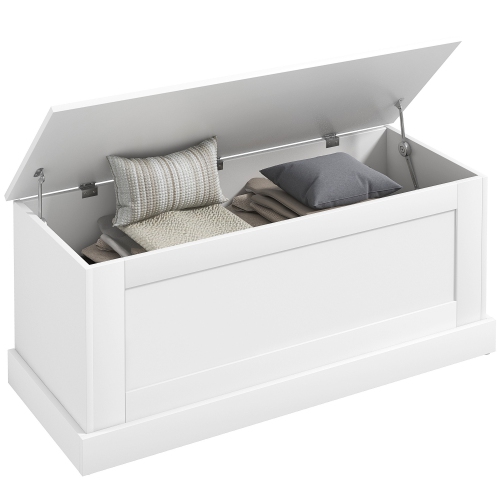

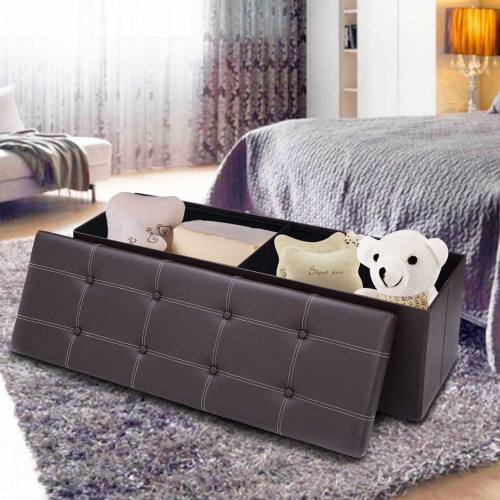
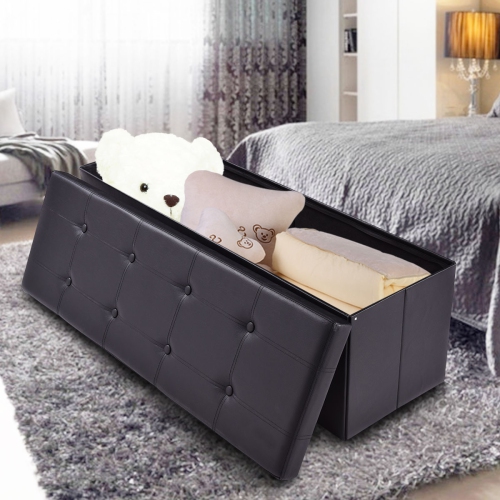
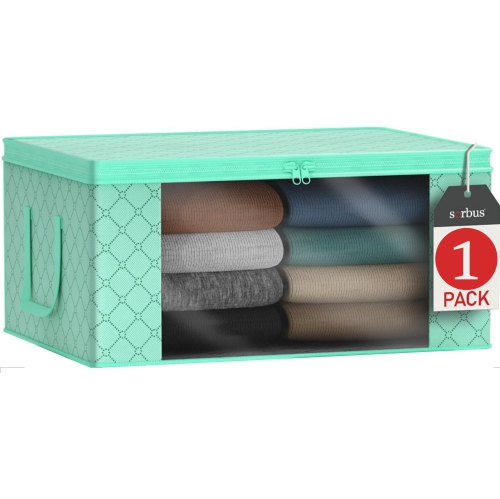
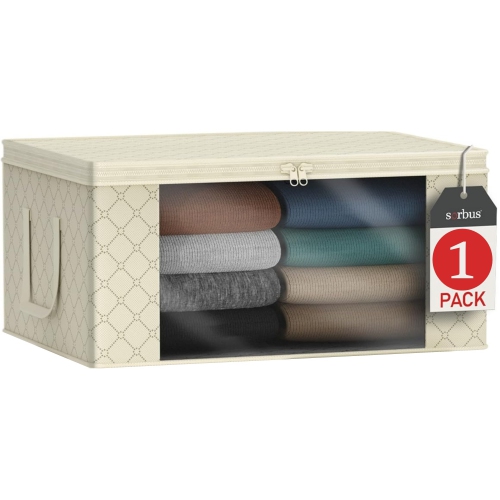
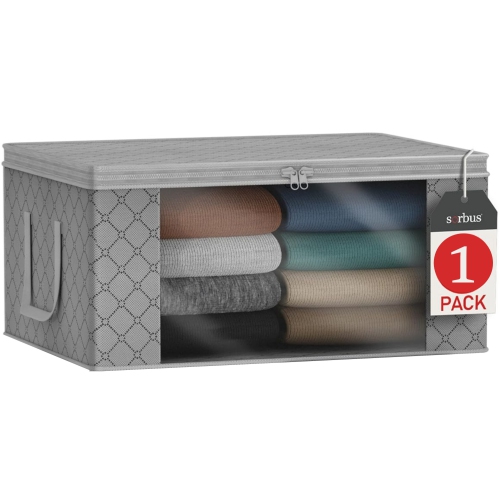
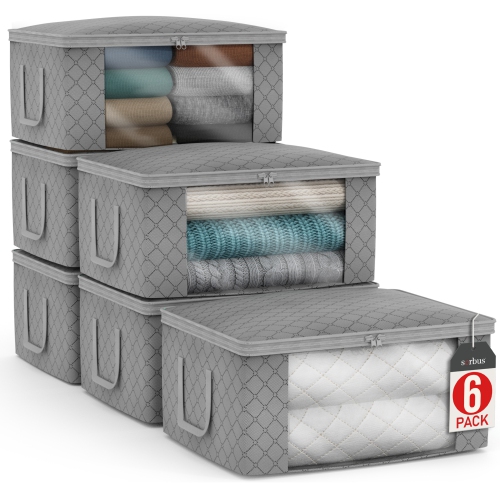
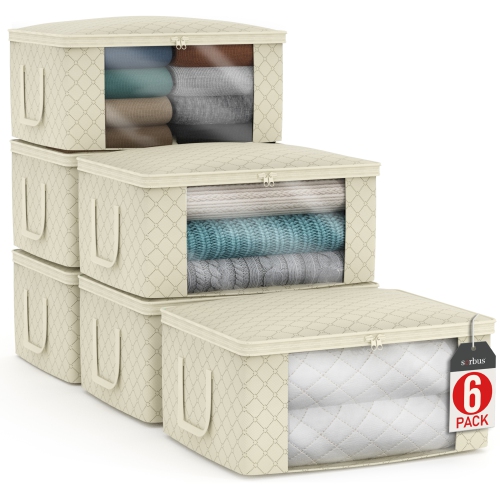
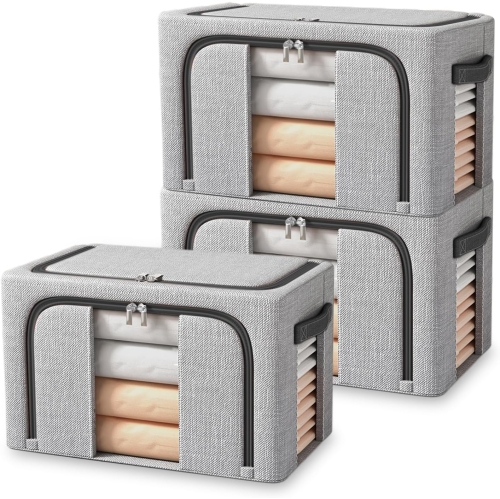
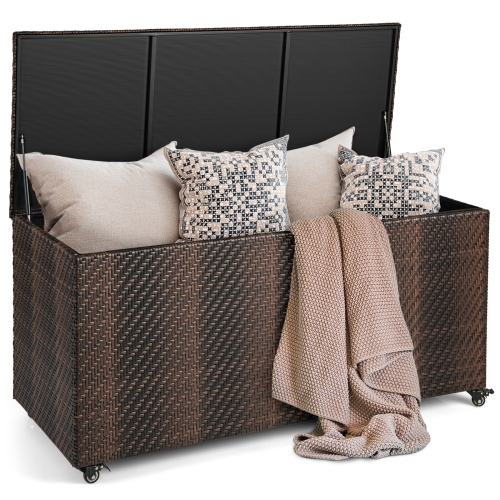
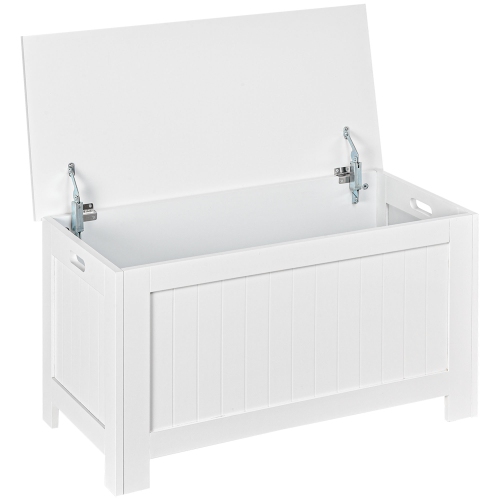
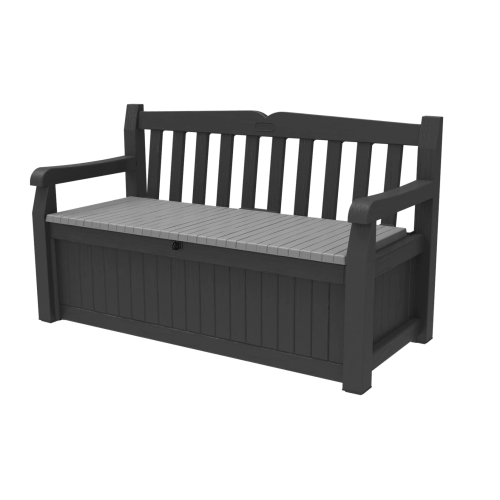
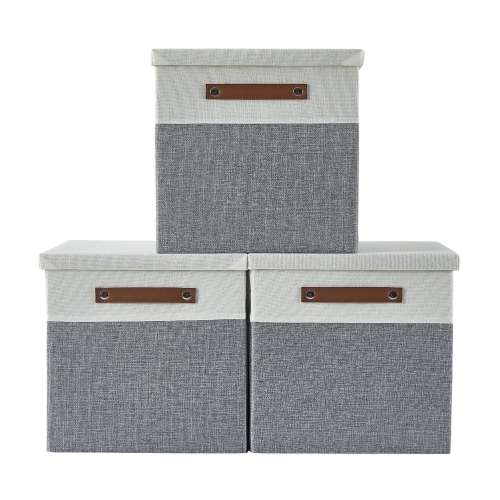
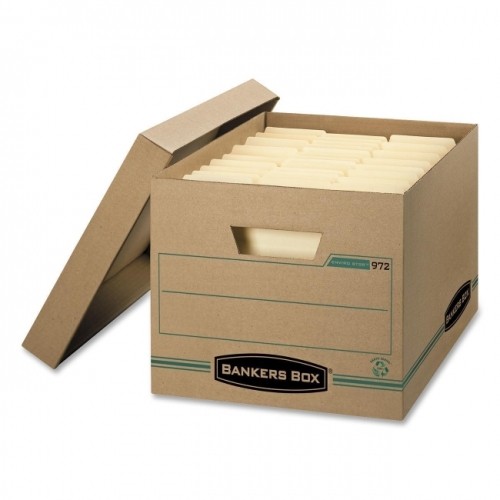
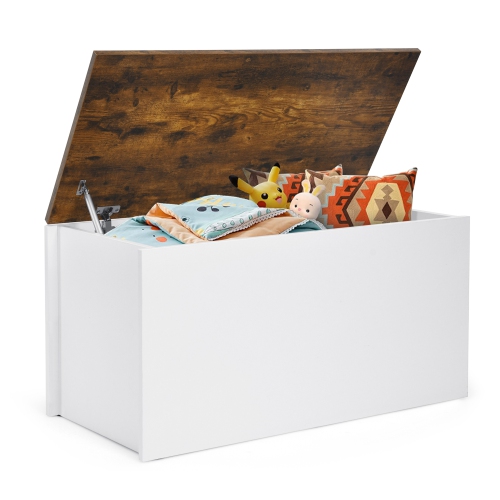
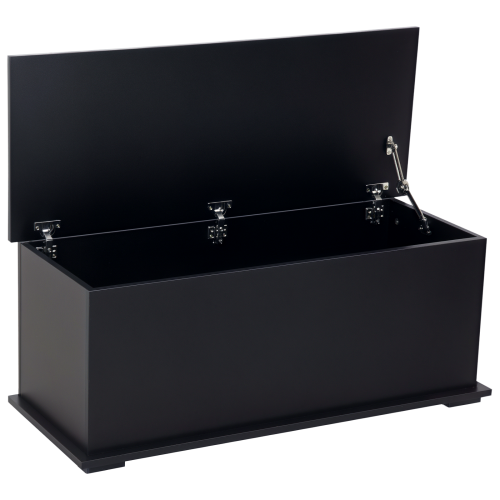
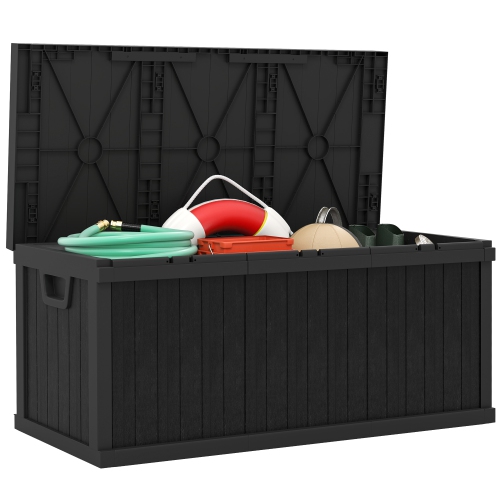
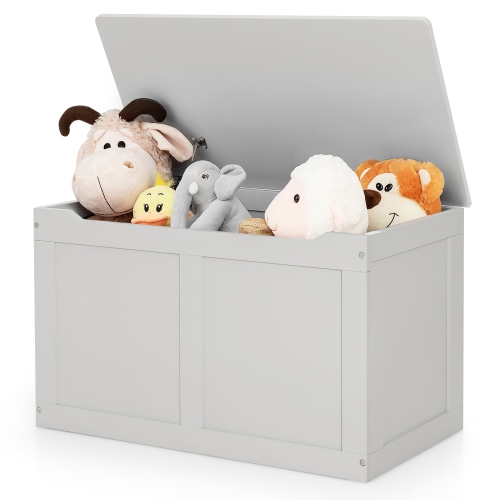
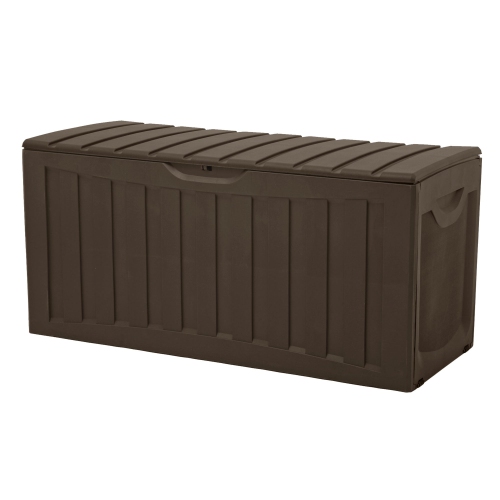
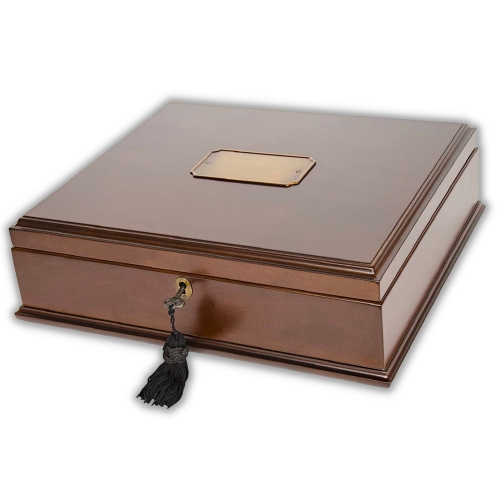
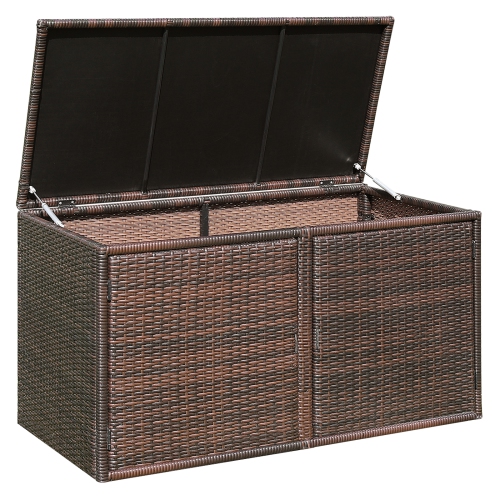
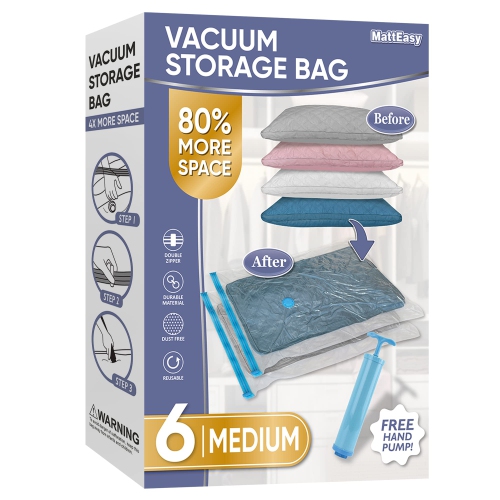
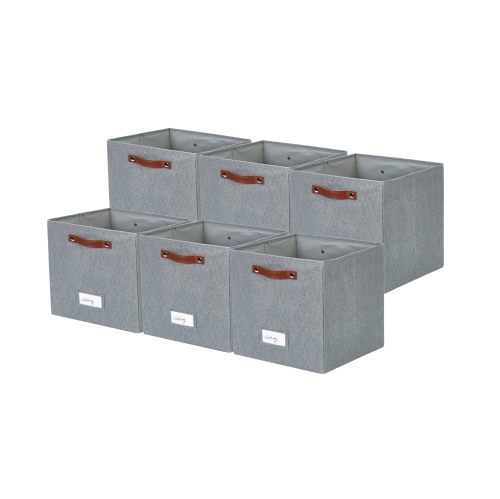
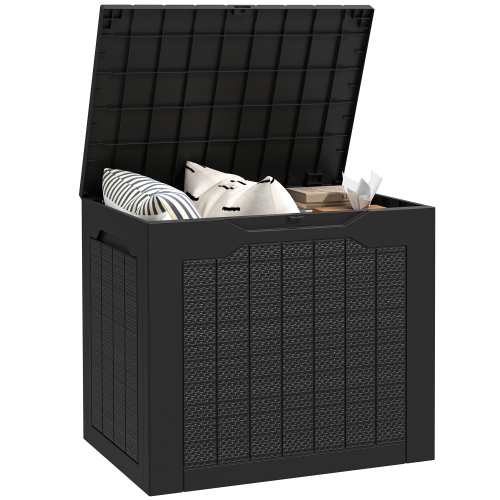
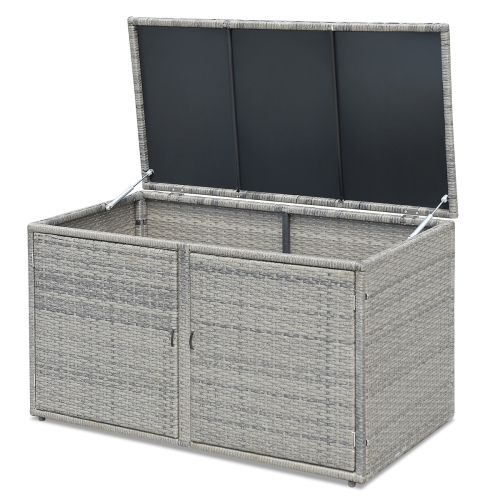
Room for bulky bedding without the cupboard clutter
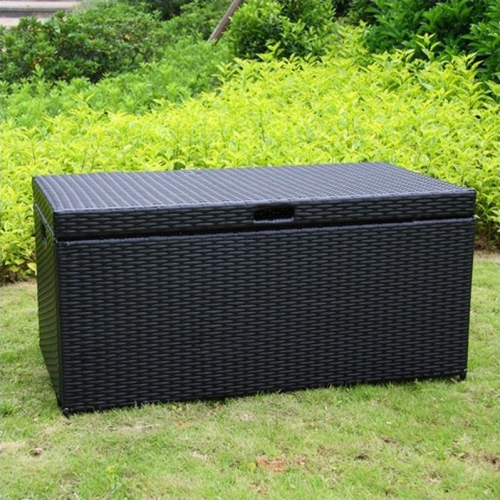
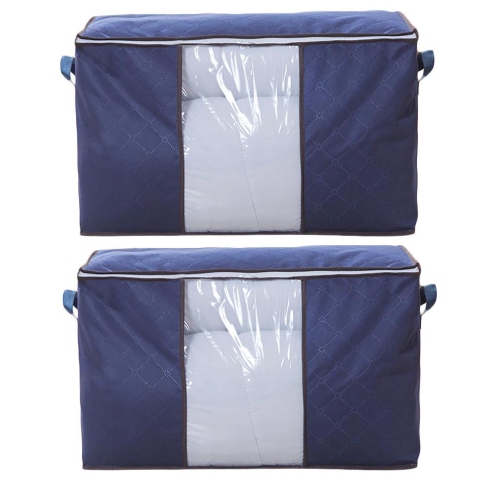
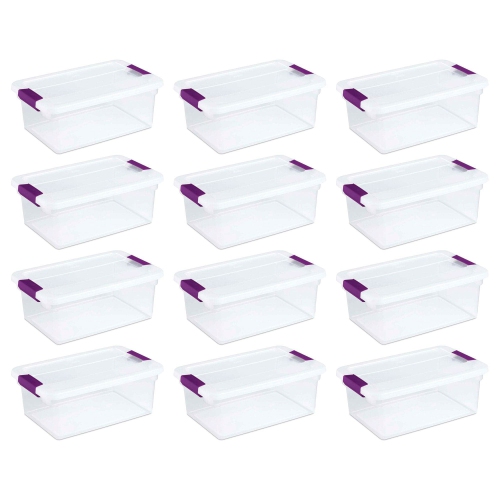
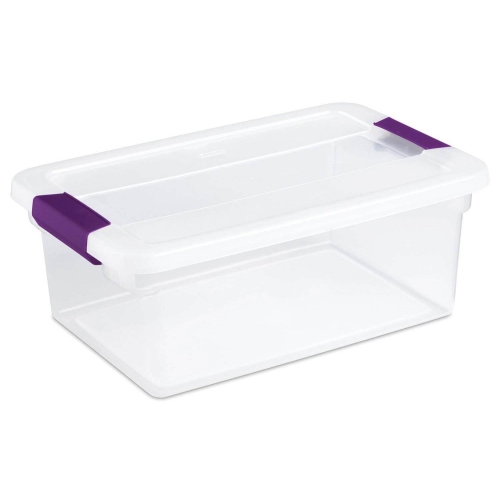
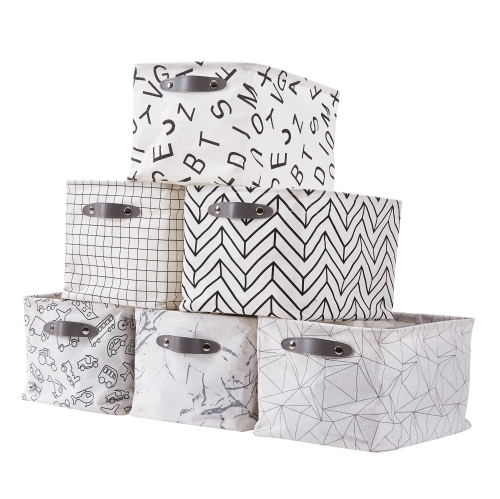
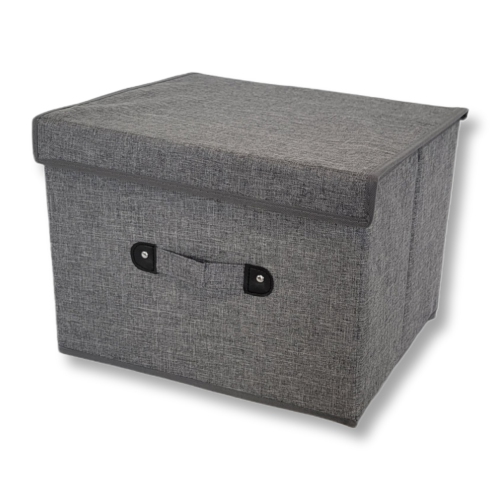
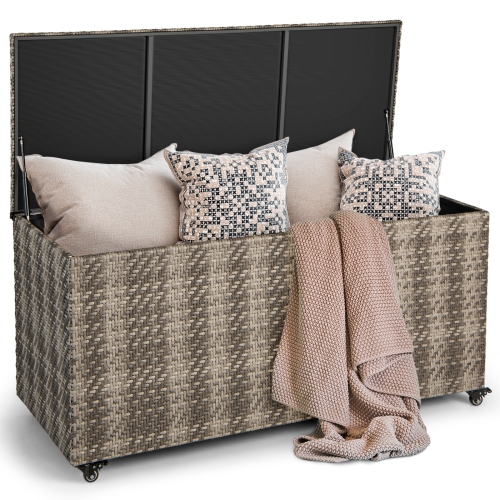
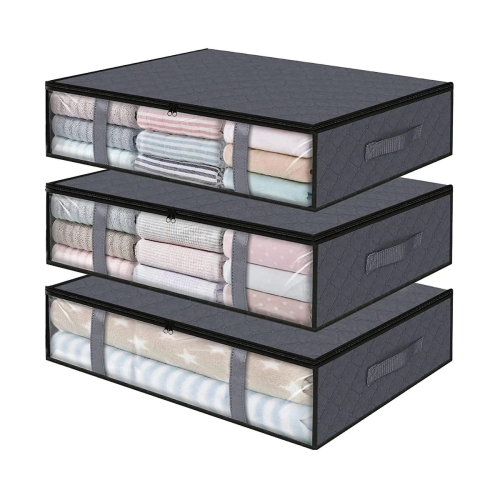
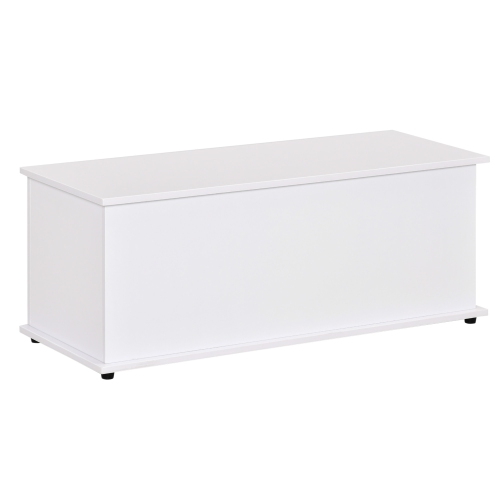
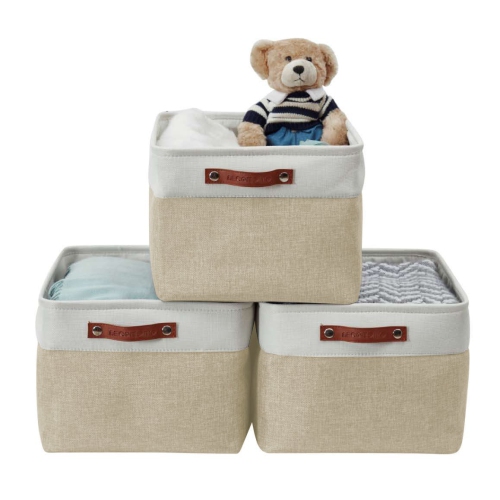
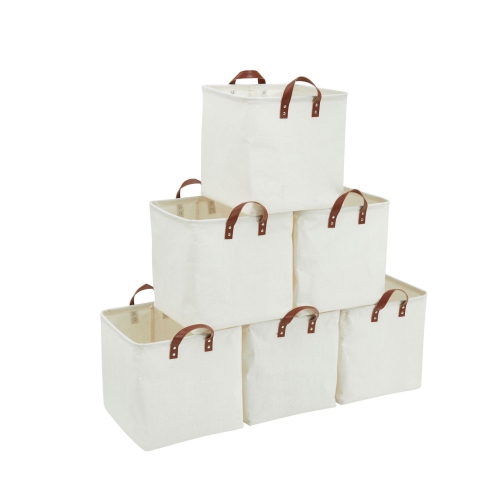
Storage boxes for blankets keep bulky bedding together, protect it from everyday dust, and make spare throws easier to find without taking over a linen cupboard. The most practical shape and construction depend on where the box will sit and how often its contents will be used. A low, rectangular box can make use of the space beneath a bed, while a deeper container suits a roomy cupboard shelf or the floor of a closet. For blankets that come out regularly, an easy-opening lid or wide zippered opening makes a noticeable difference: a folded throw can be lifted out without pulling everything else loose. Fabric boxes with clear windows offer a useful balance of visibility and flexibility, particularly when several similar containers share a shelf. Reinforced handles help with moving a full box, although the seams, base, and stated weight limit matter as much as the handles themselves. Rigid boxes hold their shape more consistently and can be helpful when a neat, stable arrangement is the priority. Foldable designs take up less room when empty, making them useful in apartments, shared homes, and multipurpose rooms where storage needs change. Capacity is about more than the number of blankets a container claims to hold. A thick comforter occupies considerably more space than a lightweight throw, and loosely folded bedding needs a wider opening than a tightly rolled fleece blanket. Internal dimensions give a clearer picture of usable space than exterior measurements alone, especially when lids, tapered sides, or interior dividers reduce the room inside. A box should accommodate the bedding without forcing the lid closed or straining a zipper. For a guest room, keeping a blanket and its matching linens together can simplify preparing the bed; beside a sofa, a smaller box can keep a few frequently used throws within reach. Households organizing more than bedding can also explore storage boxes for containers that suit other cupboard, closet, and shelving needs.
Materials influence how blanket storage boxes look, how they hold their shape, and how much care they need. Woven fabric exteriors can blend naturally with upholstered furniture, while smooth plastic surfaces are often straightforward to wipe clean. Fabric-covered boxes may use cardboard or other rigid panels for structure, so their care requirements can differ from those of an unstructured storage bag. A removable fabric cover is not necessarily machine washable, and soaking a box with internal board supports can damage its shape. Care labels and manufacturer instructions are the best reference for cleaning methods. Plastic boxes should be allowed to dry fully after washing before bedding goes back inside. Whatever the container material, blankets should also be clean and completely dry before storage; a closed lid does not prevent problems caused by trapped moisture. Breathable fabric construction can allow more air exchange than a tightly sealed container, but it is not a substitute for a dry storage location. For wool blankets, down-filled bedding, and other textiles with specific care requirements, the blanket’s own label should guide folding and storage choices. Overpacking can put unnecessary pressure on delicate trims, flatten loft, and make removal awkward. A little space around the contents makes it easier to keep folds tidy without pressing everything into a dense block. Durability often shows up in small details: securely stitched handle attachments, reinforced corners, a supportive bottom panel, and a zipper that moves freely around the opening. A transparent viewing panel is convenient for identifying colours and patterns, while a label holder can distinguish guest bedding from everyday throws when the contents are hidden. For boxes that stay visible, neutral colours, textured finishes, and simple profiles can help storage feel like part of the room rather than an afterthought. Decorative appeal still needs to work alongside practical access. A handsome lidded box is less useful if its lid cannot open beneath the shelf above it, or if its handles are difficult to grip in a narrow gap.
Fit becomes especially important when blanket boxes need to work around furniture that is already in place. Underbed storage depends on the clearance beneath the bed frame, not the height of the mattress, and centre supports or low side rails can limit how far a box slides in. Wheels and raised lids also count towards the overall height. On a shelf, enough clearance above the container allows it to be lifted or opened without scraping the underside of the next shelf. The depth should leave room for doors to close, and a handle that projects beyond the front edge may need extra space. Stackable boxes can make better use of vertical room, but only designs intended for stacking should be used that way, within their stated limits. Heavier bedding is generally easier to manage in lower storage positions, while smaller containers can prevent a single load from becoming cumbersome. This matters with dense quilts and weighted blankets, which may reach a container’s weight limit before filling its volume. Dividing bedding between two manageable boxes can be more convenient than lifting one oversized bin. Access also shapes everyday usefulness. A removable lid suits a box that can be pulled fully into the room, whereas a front-opening design may be more practical on a shelf, provided the structure supports that use. In a living room, keeping the opening unobstructed makes it easy to put a throw away after reading or watching a film. In a guest room, a clear window can reveal the extra blanket without a search through several cupboards. Students, people settling into a first apartment, and households combining linen collections may find blanket storage useful for giving each textile a consistent place. These containers can also make a practical housewarming gift when the recipient’s space and preferences are known. The most useful choice fits the room, supports the weight of its contents, and makes taking blankets out just as simple as putting them away.
Materials influence how blanket storage boxes look, how they hold their shape, and how much care they need. Woven fabric exteriors can blend naturally with upholstered furniture, while smooth plastic surfaces are often straightforward to wipe clean. Fabric-covered boxes may use cardboard or other rigid panels for structure, so their care requirements can differ from those of an unstructured storage bag. A removable fabric cover is not necessarily machine washable, and soaking a box with internal board supports can damage its shape. Care labels and manufacturer instructions are the best reference for cleaning methods. Plastic boxes should be allowed to dry fully after washing before bedding goes back inside. Whatever the container material, blankets should also be clean and completely dry before storage; a closed lid does not prevent problems caused by trapped moisture. Breathable fabric construction can allow more air exchange than a tightly sealed container, but it is not a substitute for a dry storage location. For wool blankets, down-filled bedding, and other textiles with specific care requirements, the blanket’s own label should guide folding and storage choices. Overpacking can put unnecessary pressure on delicate trims, flatten loft, and make removal awkward. A little space around the contents makes it easier to keep folds tidy without pressing everything into a dense block. Durability often shows up in small details: securely stitched handle attachments, reinforced corners, a supportive bottom panel, and a zipper that moves freely around the opening. A transparent viewing panel is convenient for identifying colours and patterns, while a label holder can distinguish guest bedding from everyday throws when the contents are hidden. For boxes that stay visible, neutral colours, textured finishes, and simple profiles can help storage feel like part of the room rather than an afterthought. Decorative appeal still needs to work alongside practical access. A handsome lidded box is less useful if its lid cannot open beneath the shelf above it, or if its handles are difficult to grip in a narrow gap.
Fit becomes especially important when blanket boxes need to work around furniture that is already in place. Underbed storage depends on the clearance beneath the bed frame, not the height of the mattress, and centre supports or low side rails can limit how far a box slides in. Wheels and raised lids also count towards the overall height. On a shelf, enough clearance above the container allows it to be lifted or opened without scraping the underside of the next shelf. The depth should leave room for doors to close, and a handle that projects beyond the front edge may need extra space. Stackable boxes can make better use of vertical room, but only designs intended for stacking should be used that way, within their stated limits. Heavier bedding is generally easier to manage in lower storage positions, while smaller containers can prevent a single load from becoming cumbersome. This matters with dense quilts and weighted blankets, which may reach a container’s weight limit before filling its volume. Dividing bedding between two manageable boxes can be more convenient than lifting one oversized bin. Access also shapes everyday usefulness. A removable lid suits a box that can be pulled fully into the room, whereas a front-opening design may be more practical on a shelf, provided the structure supports that use. In a living room, keeping the opening unobstructed makes it easy to put a throw away after reading or watching a film. In a guest room, a clear window can reveal the extra blanket without a search through several cupboards. Students, people settling into a first apartment, and households combining linen collections may find blanket storage useful for giving each textile a consistent place. These containers can also make a practical housewarming gift when the recipient’s space and preferences are known. The most useful choice fits the room, supports the weight of its contents, and makes taking blankets out just as simple as putting them away.
Top selling and popular products
-
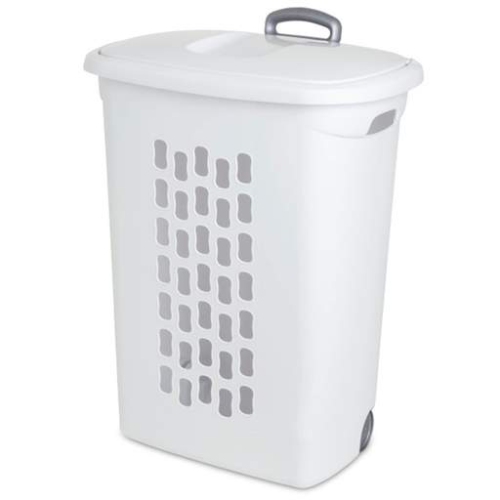 Your price for this item is $1089.99
 -
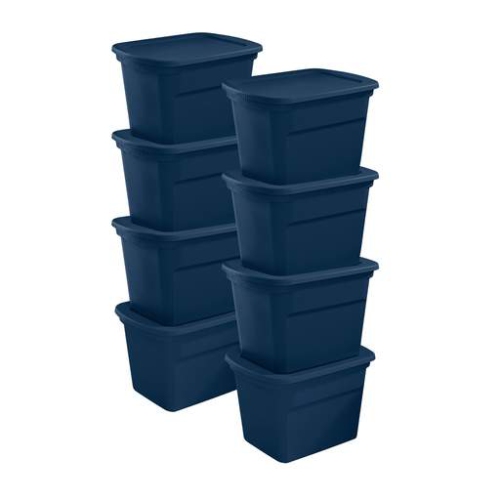 Your price for this item is $246.99
 -
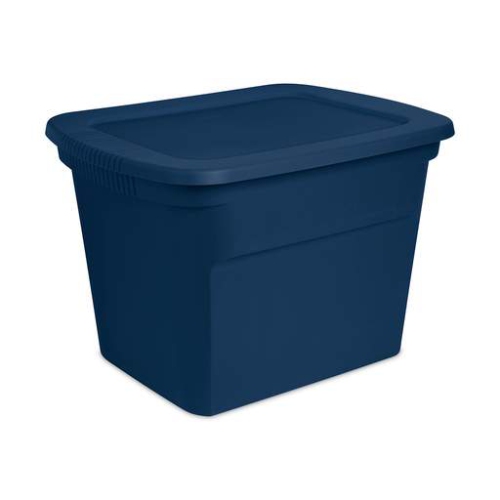 Your price for this item is $679.99
 -
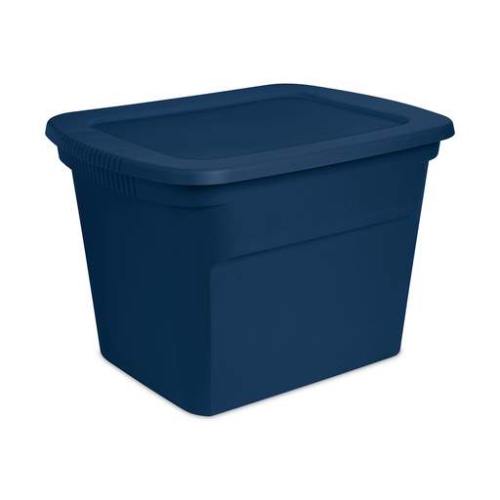 Your price for this item is $906.99
 -
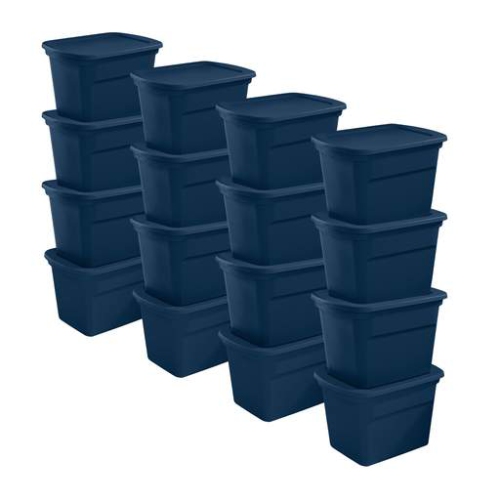 Your price for this item is $452.99
 -
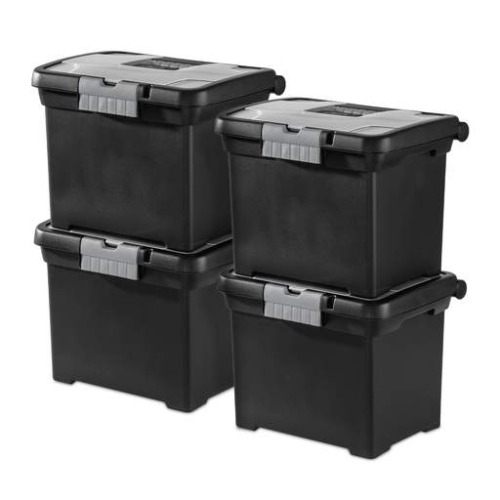 Your price for this item is $133.99
 -
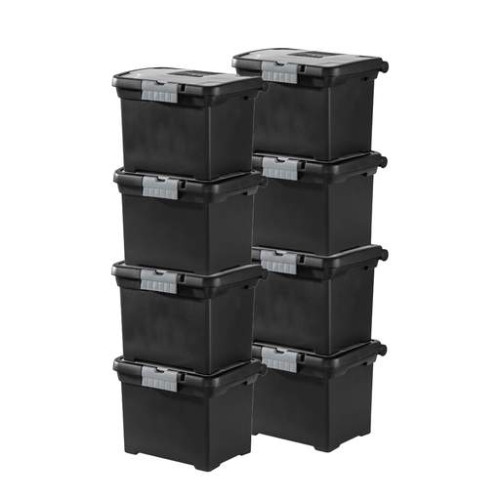 Your price for this item is $264.99
 -
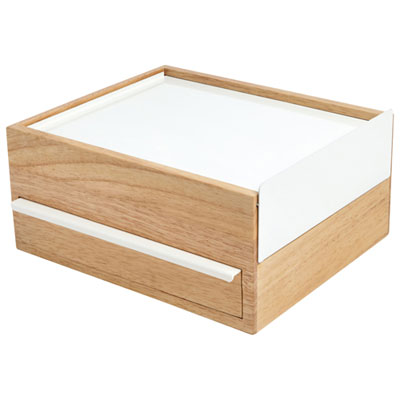 Your price for this item is $64.98
Discover more categories related to Storage Boxes for Blankets
Top Collections:
Pokemon Centers, Kindle Devices, Best Budget Office Chairs, Apple iPhones 16, Best Laptops for Writers, iPhone 15 Apple, Canon G7X Cameras, Refurbished Apple Laptops, Alarm Clock, Motorola Razr Phones
Some products may be subject to Environmental Handling Fees
(EHF) depending on your province.
Learn more about EHFs.