Blue Leather Dining Chairs
Elevate your dining experience with the timeless elegance of blue leather dining chairs. Perfect for adding a touch of sophistication to any dining room, these chairs combine luxurious comfort with stylish design. Whether you're hosting a dinner party or enjoying a quiet family meal, blue leather dining chairs offer both durability and aesthetic appeal. Their rich color and sleek finish make them an ideal choice for modern and classic interiors alike. Discover the perfect blend of form and function with our selection of blue leather dining chairs, designed to enhance your home's ambiance effortlessly.
Sort
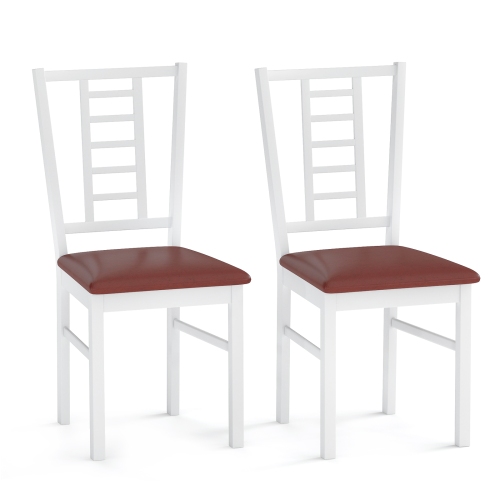
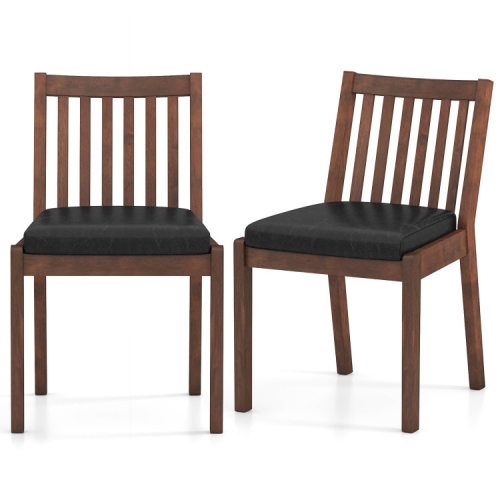
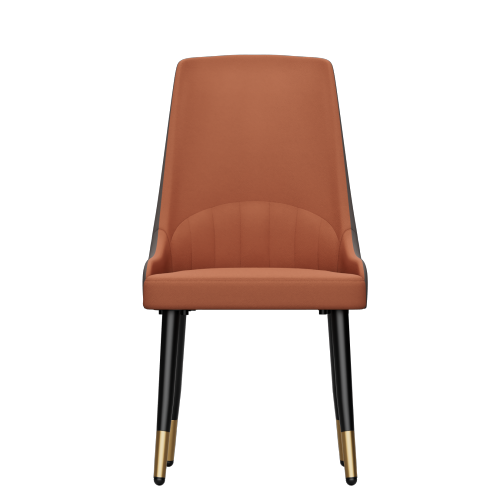
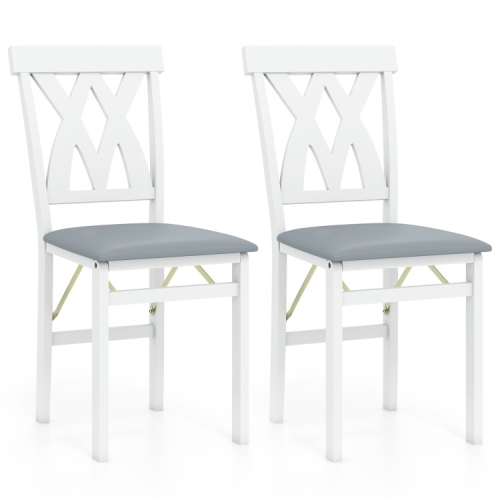
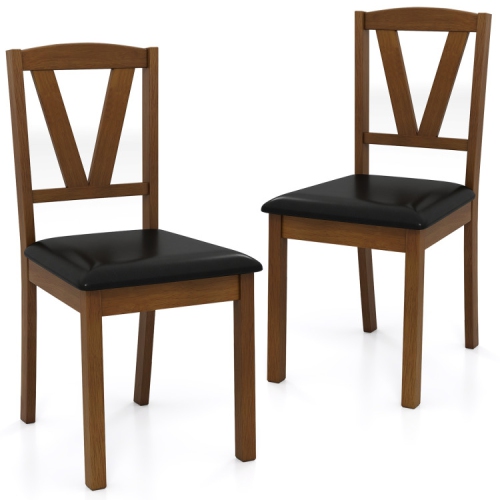
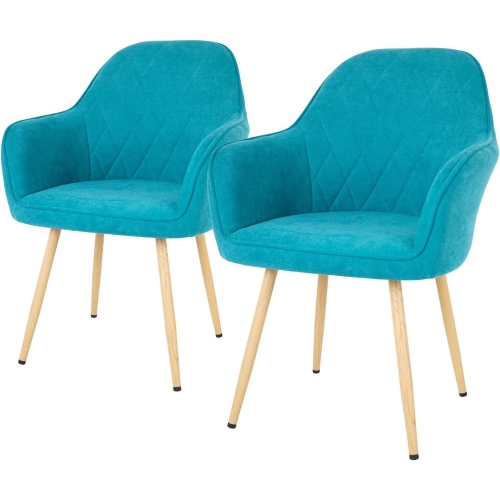
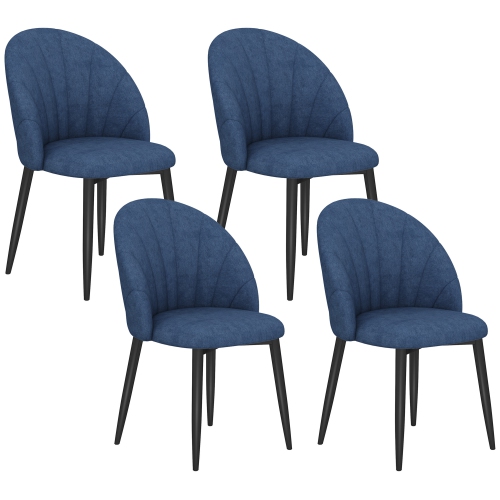
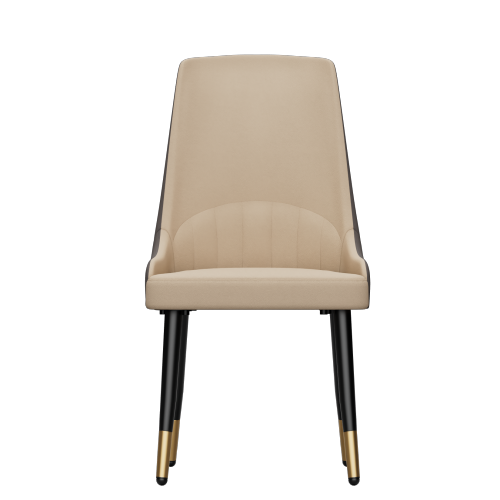
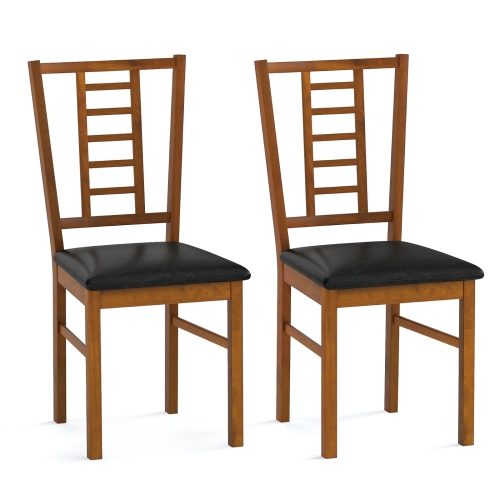
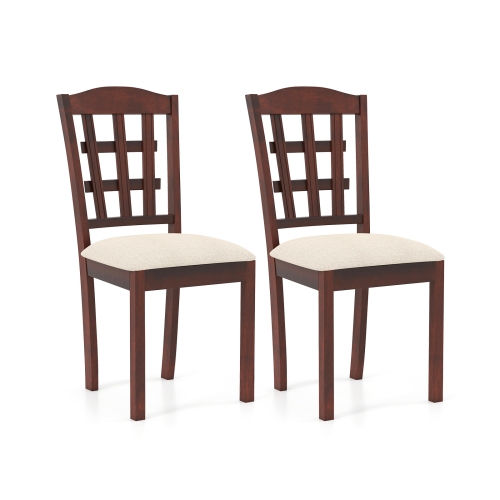
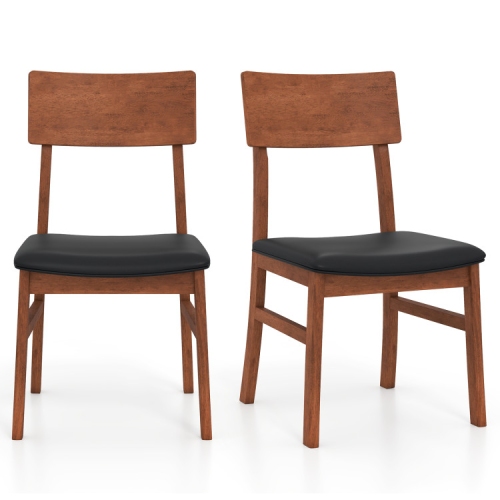
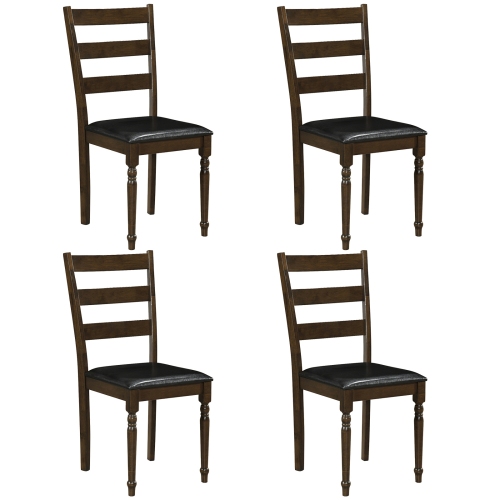
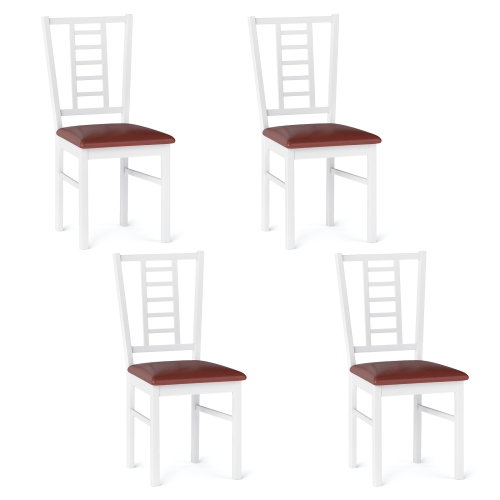
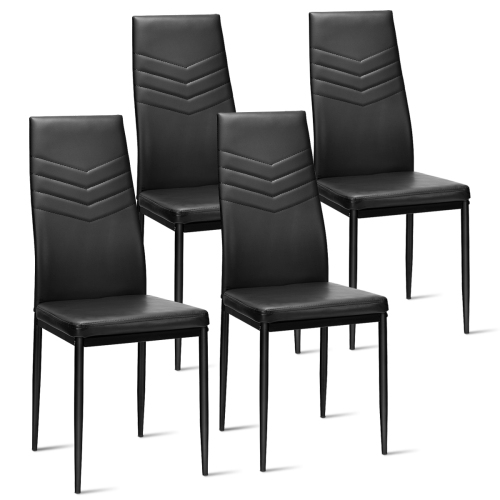
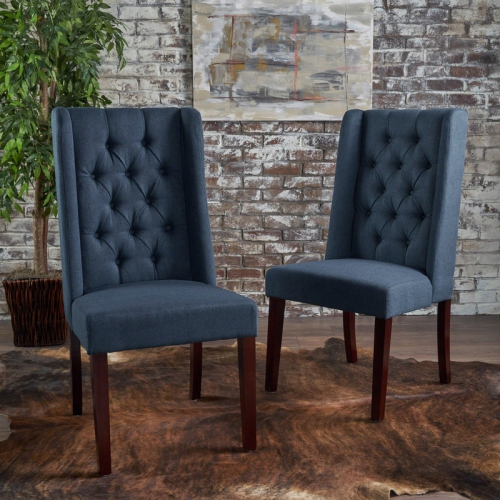
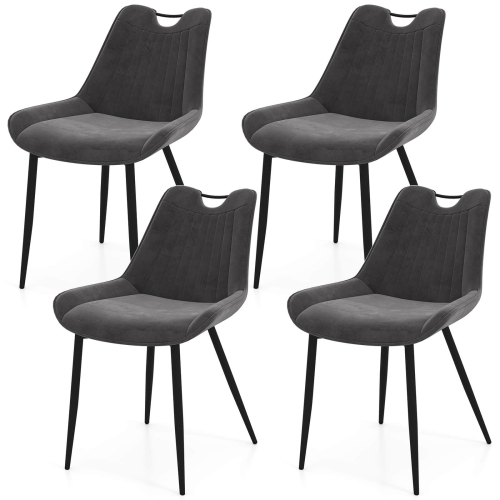

How blue upholstery shapes your dining space
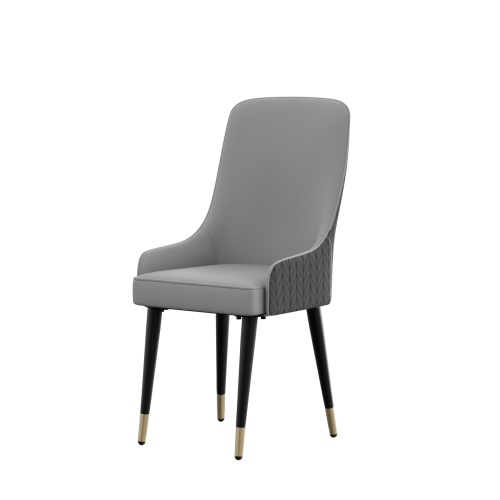
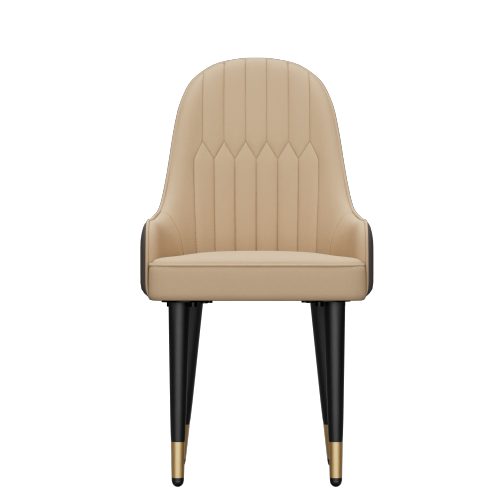
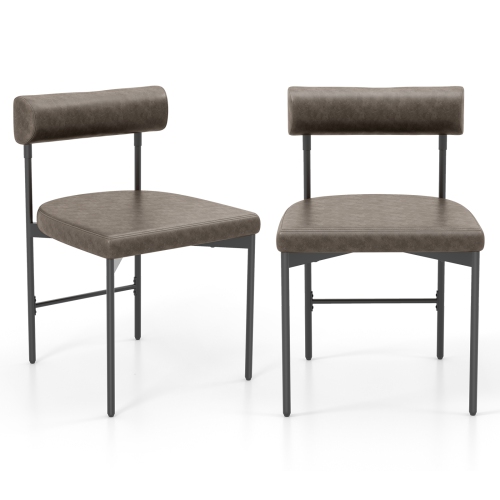
Blue leather dining chairs bring colour, texture, and comfortable seating to dining rooms, kitchen eating areas, and open-plan living spaces. Shades range from pale powder blue and muted slate to rich teal-blue and deep navy, giving this furniture style a place in both understated and expressive interiors. Navy upholstery can provide a strong contrast against a light oak table, while softer blue tones sit comfortably beside white cabinetry, pale wood, and brushed metal details. A blue chair with warm walnut legs has a different presence from one with a slim black steel frame, even when the upholstery colours are similar. Mid-century designs often feature tapered legs, gently curved backs, and compact proportions; contemporary styles tend towards simple silhouettes and tailored seams. Metal-framed chairs can bring a more industrial character, particularly beside a substantial wood tabletop. Button detailing, stitched panels, and upholstered arms add visual weight, while an open base or narrow frame keeps the arrangement feeling lighter. In a smaller dining area, low-profile backs can preserve sightlines across the room without making the table feel crowded. Taller backs create a more defined dining setting and may suit a separate room or a larger table. Blue also works well as a repeated accent: a chair colour can pick up a thread in a rug, a painted cabinet, or artwork without requiring every element to match. Upholstery can appear different under daylight and household lighting, and screen images may not show its exact tone or sheen. Colour descriptions and close-up material photographs help distinguish a grey-blue finish from a brighter blue or a navy that looks nearly black. For a coordinated arrangement, matching chairs give the table a consistent rhythm; blue upholstered armchairs at the ends of a table can also complement simpler side chairs. The broader leather dining chairs category offers context for comparing upholstery types and frame styles, with blue seating adding a distinct colour choice to this familiar dining room staple.
The upholstery description matters as much as the shade, since genuine leather, bonded leather, and faux leather are different materials with different care needs. Genuine leather is made from animal hide, and its grain, finish, and protective coating influence how it feels and wears. Some types show natural markings and develop a patina with use, while more heavily coated finishes generally have a more uniform appearance. Faux leather, including polyurethane-coated upholstery often described as PU leather, provides a leather-like surface without being genuine hide. It can be convenient for routine wiping, but its resistance to scratching, cracking, and peeling depends on the quality of the coating, its backing, and how the chair is used and maintained. Bonded leather contains leather fibres combined with binding materials and should not be confused with a solid hide surface. Clear material specifications make these differences easier to understand than broad descriptions such as “leather look” or “premium upholstery”. Comfort also comes from what sits beneath and behind the covering. Seat padding, the supporting base, backrest shape, and upholstery tension all contribute to the feel of a chair during a quick breakfast or a long conversation after dinner. A generously padded seat may feel inviting at first, but padding thickness alone does not establish lasting support. Foam quality, seat construction, and frame stability are important parts of durability. Curved backs can offer a more embracing feel, while straighter backs encourage a more upright dining position. Arms provide a resting place for elbows, though they add width and may prevent a chair from sliding fully beneath the tabletop. Wood frames can show grain and subtle finish variations; steel frames offer another construction option, with joint quality and protective finishes worth noting. Secure connections, even footing, and a stated weight capacity are more useful indicators of suitability than appearance alone. For households where chairs move between the dining table, a puzzle, and occasional desk work, manageable weight and a supportive shape can matter just as much as the upholstery.
A good fit depends on the relationship between the chair, the table, and the room around them. Seat height is measured from the floor to the top of the seat, while overall chair height includes the backrest; confusing the two can make a dining arrangement uncomfortable. Many standard dining tables pair with seats roughly 10 to 12 inches below the tabletop, though a deep table apron and thick cushioning can reduce usable legroom. Dining chairs are not interchangeable with counter-height or bar-height seating, even when their styling is similar. Seat width and depth affect both comfort and the number of people who can sit comfortably together. Table legs and pedestal bases can limit knee space, so a tabletop that appears wide enough for several chairs may not offer equally useful seating along every edge. Space behind each chair also needs to accommodate pulling it out and walking past, especially when the dining area shares a route to the kitchen. Armless designs often tuck in more neatly, while chairs with arms can suit the table ends where there is extra room. For everyday care, crumbs and grit are best removed gently before they rub against the upholstery, and spills should be blotted promptly with a soft cloth. Cleaning products must suit the stated material and finish: a conditioner intended for certain genuine leathers may be unsuitable for coated upholstery or faux leather. Manufacturer care directions take priority over general cleaning advice, and testing an approved cleaner on an inconspicuous area helps avoid visible damage. Abrasive pads, harsh solvents, and excessive moisture can harm upholstery or its finish. Navy and other darker blues may make some marks less noticeable, but they are not stain-proof and can still show pale crumbs, scratches, or residue. Suitable floor protectors help reduce scraping when chairs are moved, while occasional checks of fasteners can keep assembled frames secure. With proportions, materials, and maintenance needs matched to the household, blue leather dining chairs can serve everything from everyday family meals to relaxed dinners with friends.
Top selling and popular products
-
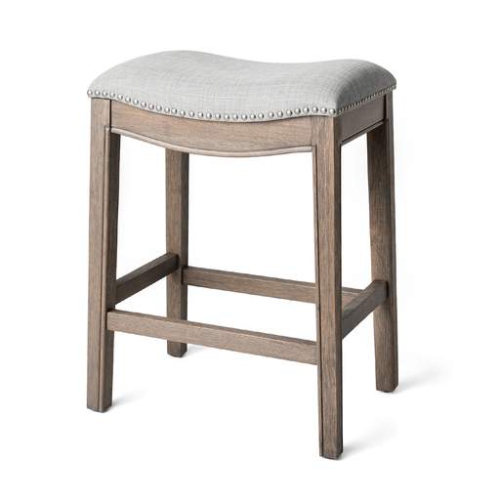 Your price for this item is $227.99
-
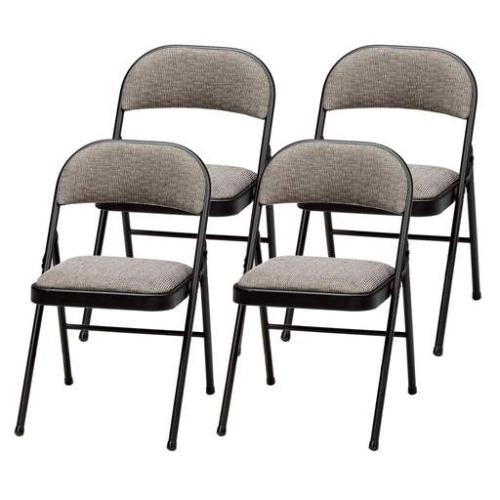 Your price for this item is $363.99
-
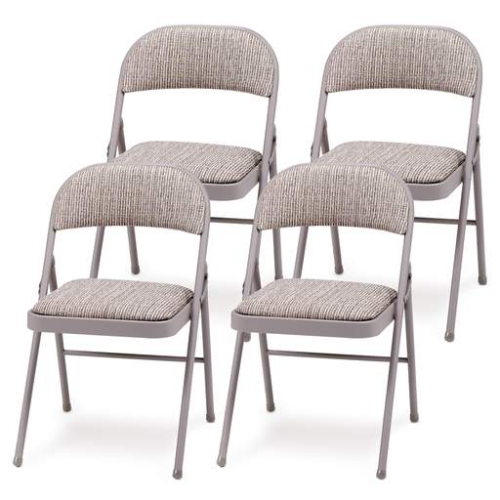 Your price for this item is $398.99
-
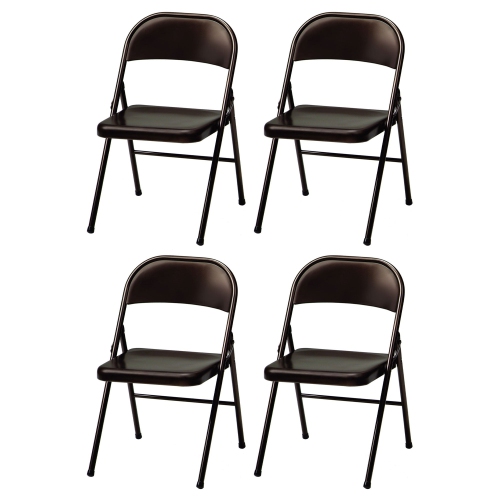 Your price for this item is $212.99
-
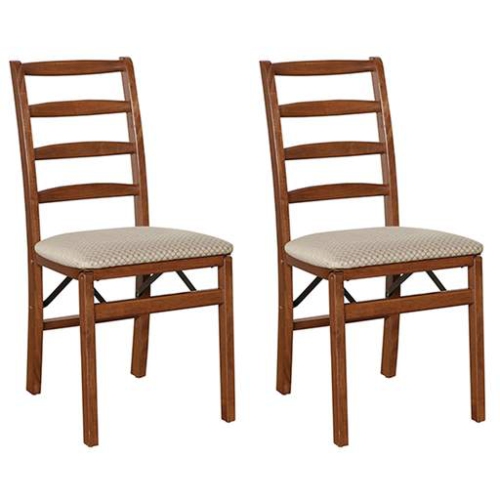 Your price for this item is $364.99
-
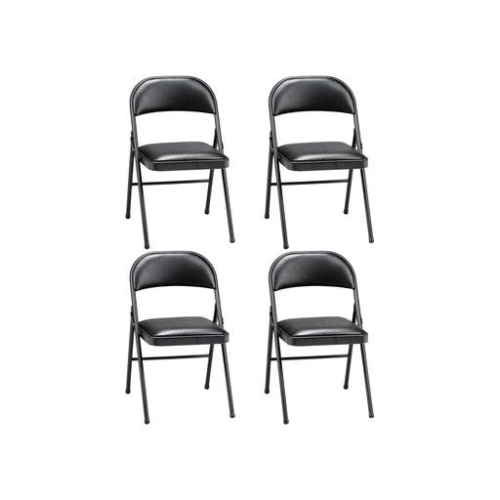 Your price for this item is $376.99
-
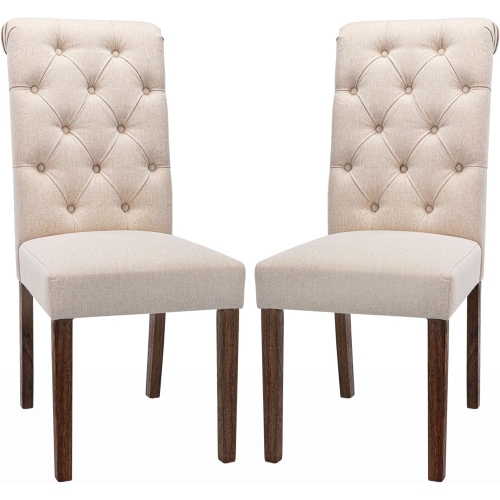 Your price for this item is $210
-
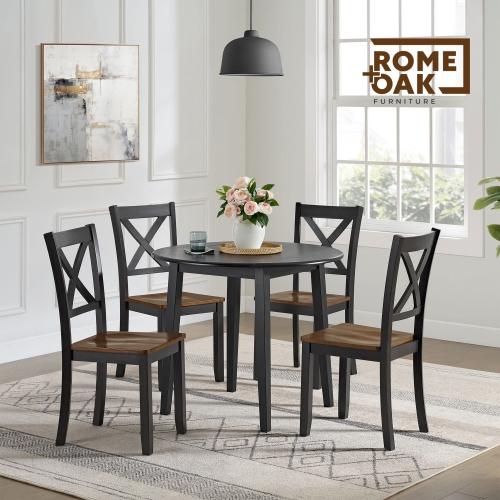 Your price for this item is $423.99
Discover more categories related to Blue Leather Dining Chairs
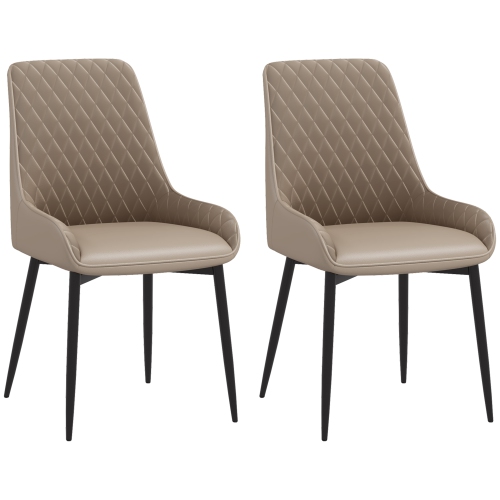
Top Collections:
Best Black Friday Deals This Year, Best Black Friday Deals On Electronics, Kindle Devices, Pokemon Centers, Best Black Friday Deals On Apple Products, Best Cameras for Sports Photography, Dyson Airwrap, Pokémon 30th Celebration Cards, Apple iPhone 17 Pro, Canon G7X Cameras
Some products may be subject to Environmental Handling Fees
(EHF) depending on your province.
Learn more about EHFs.