Blue Rugs
Transform your living space with our collection of stylish blue rugs. From soothing aqua tones to deep navy hues, our selection offers a range of shades to complement any decor style. Whether you're looking to add a pop of color or tie together your room's aesthetic, these blue rugs are sure to elevate the look and feel of your home. Explore our assortment of sizes, patterns, and textures to find the perfect rug that suits your taste and enhances the ambiance of your space.
Sort
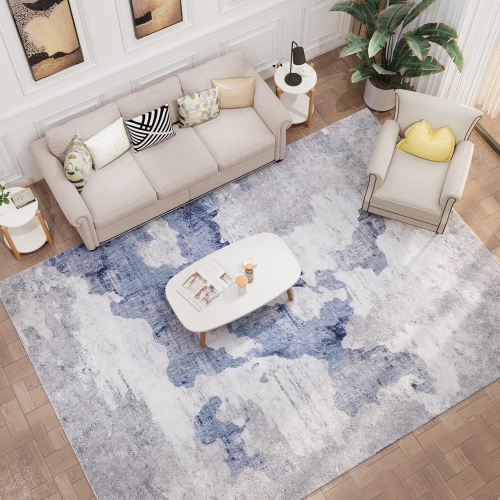
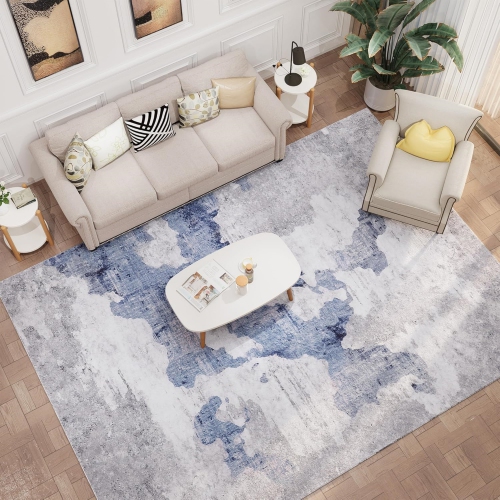
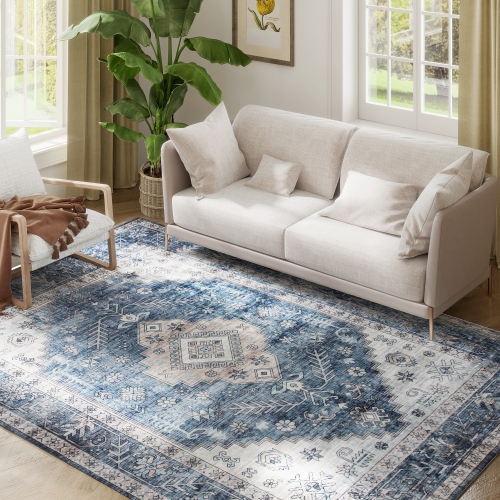
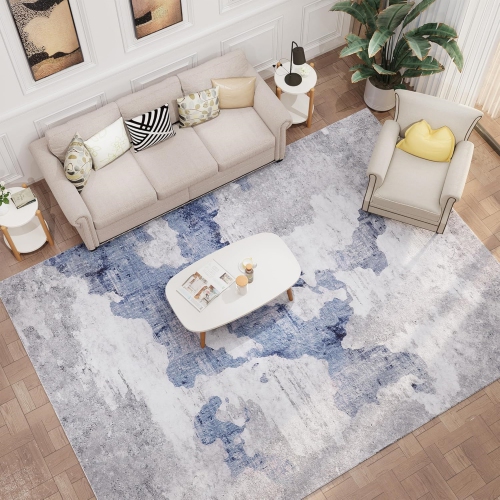

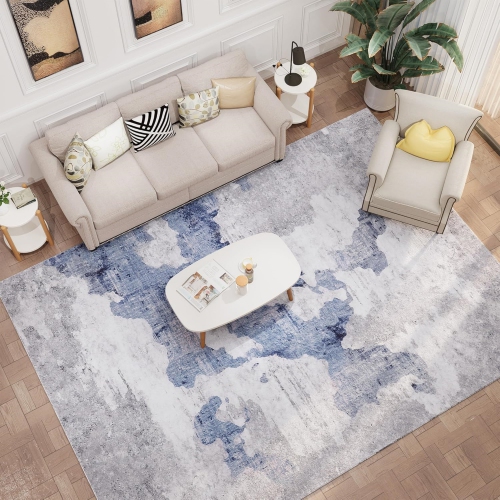
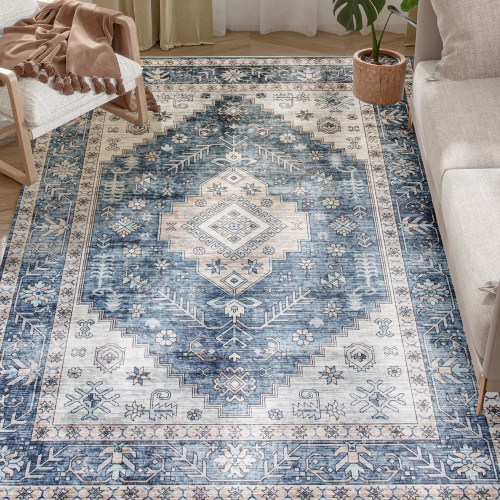
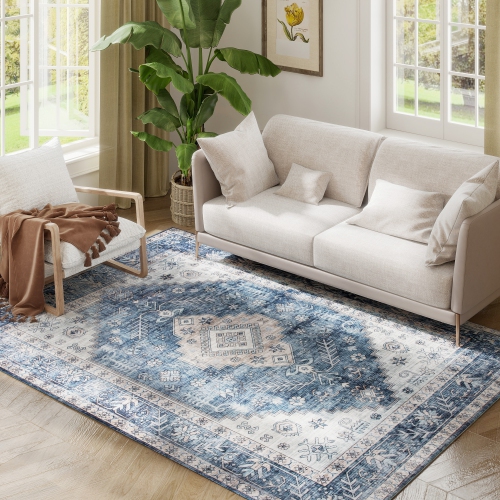


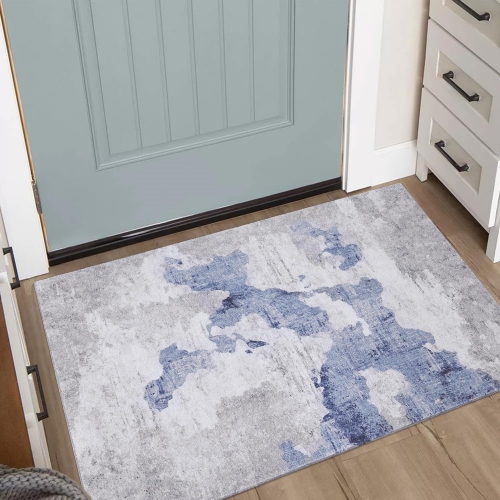





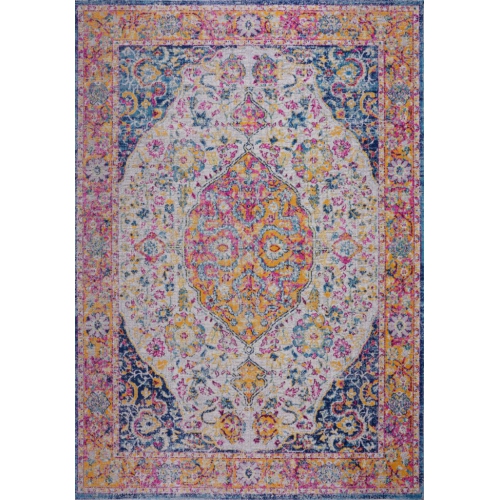
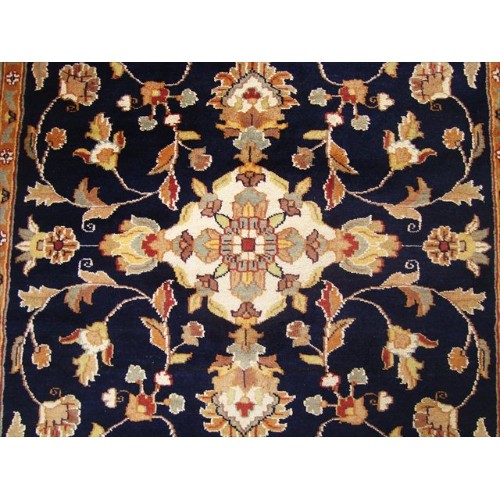
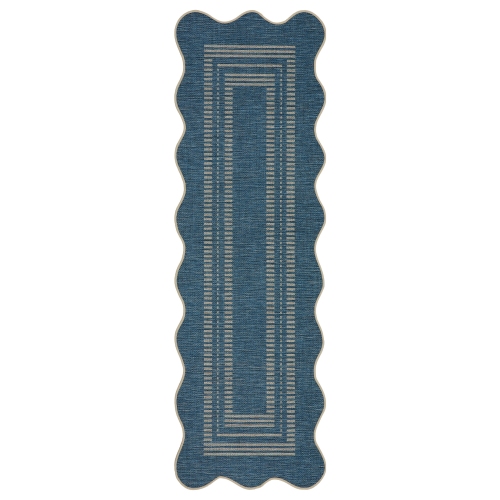
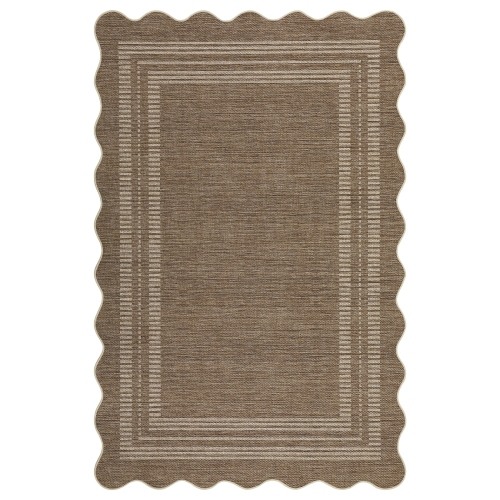
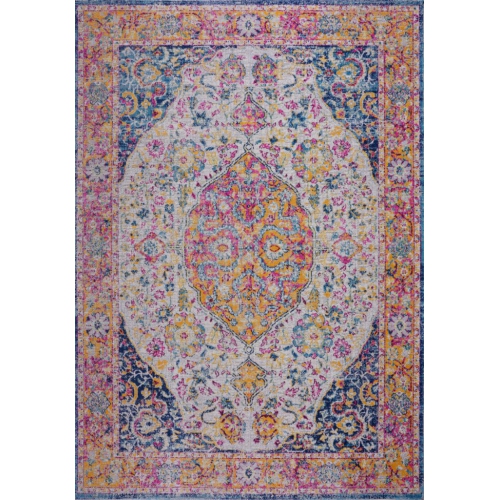


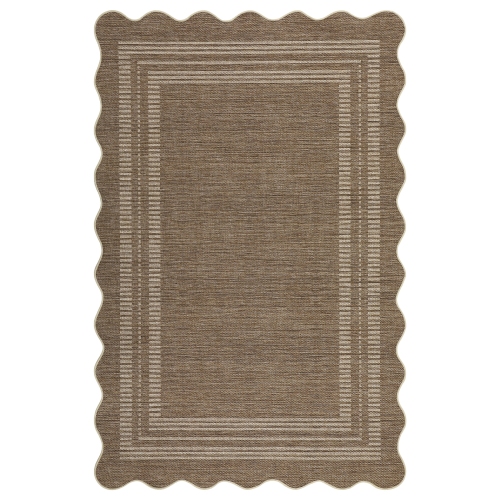
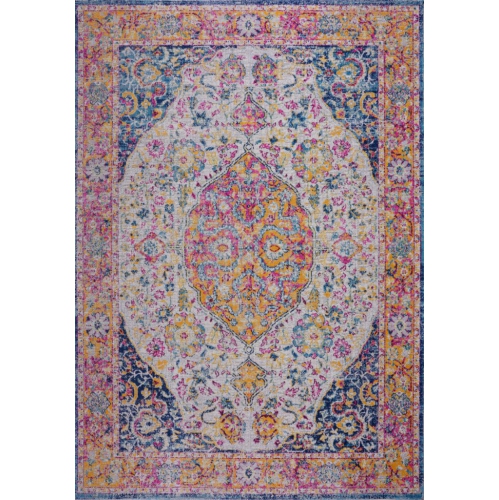


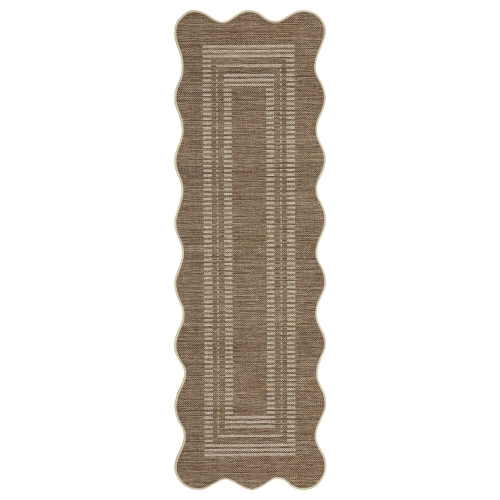


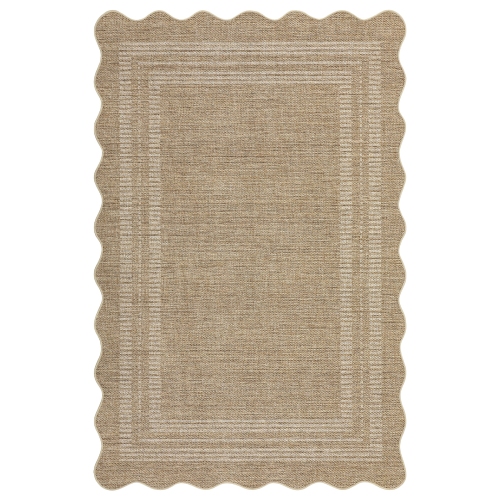
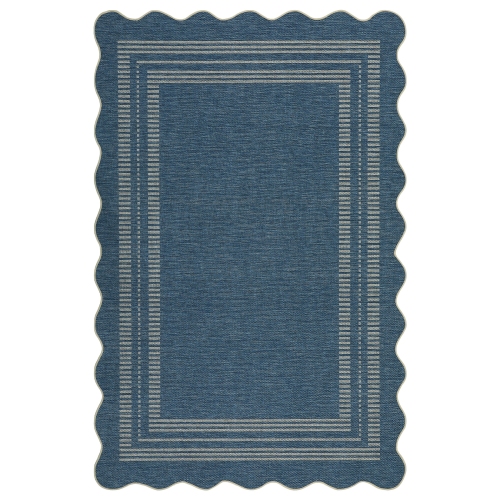


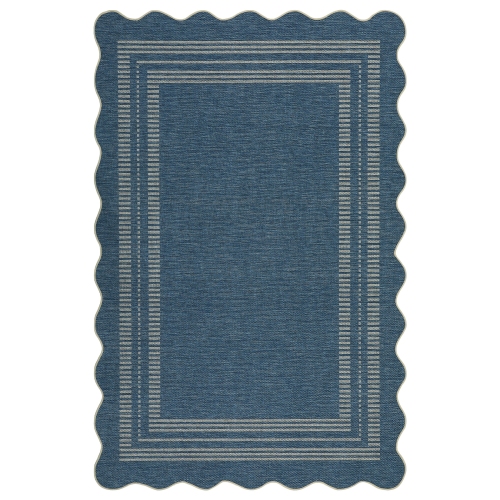
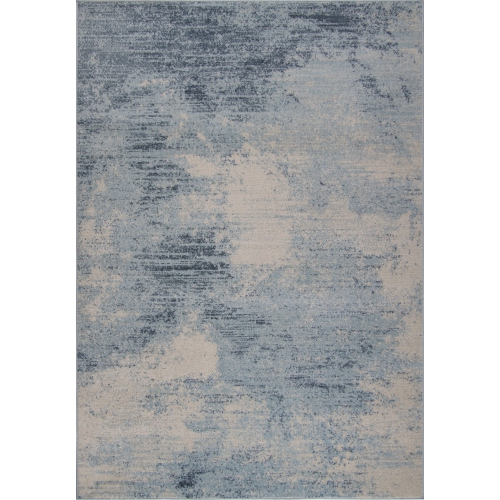
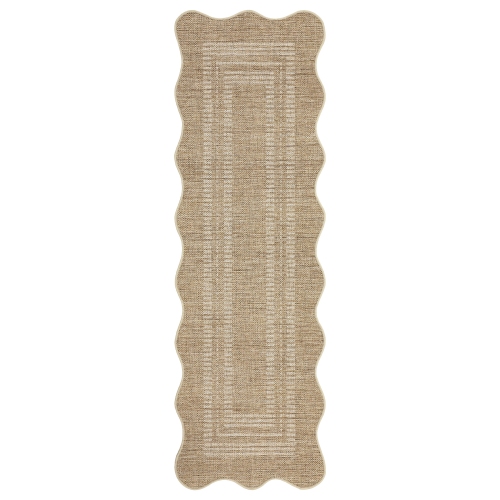

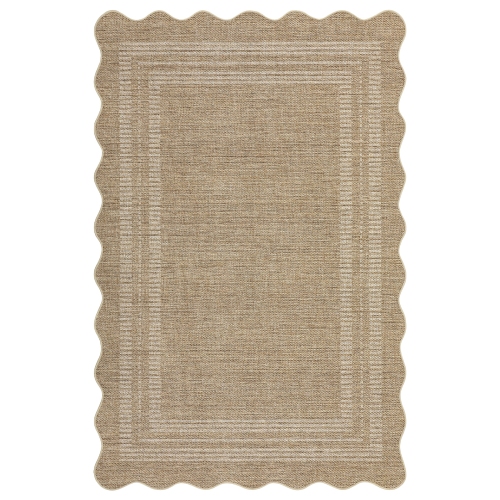


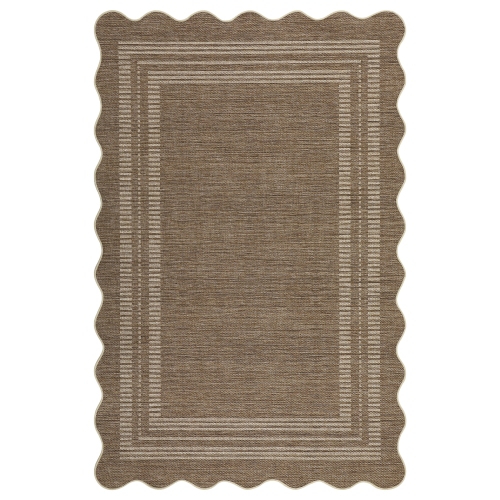


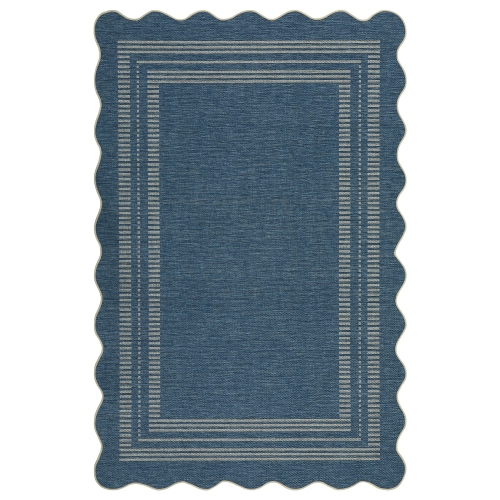



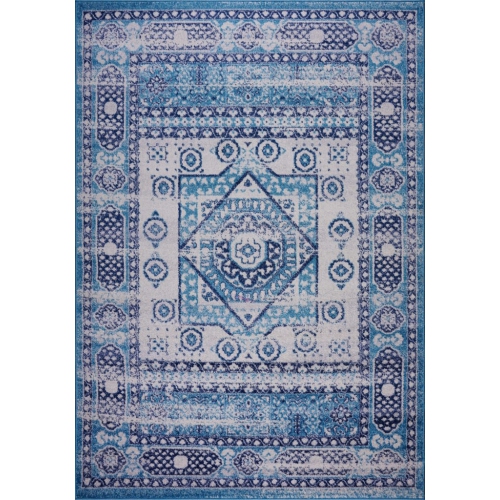
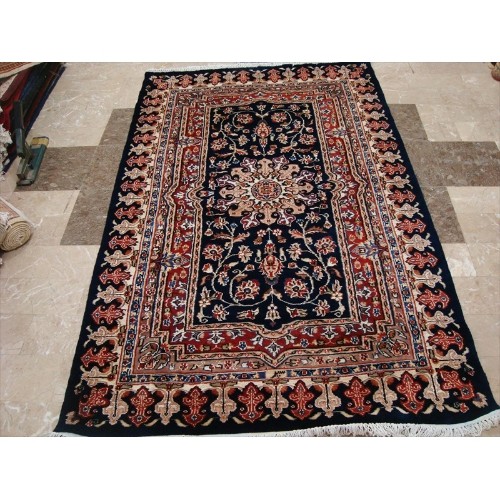
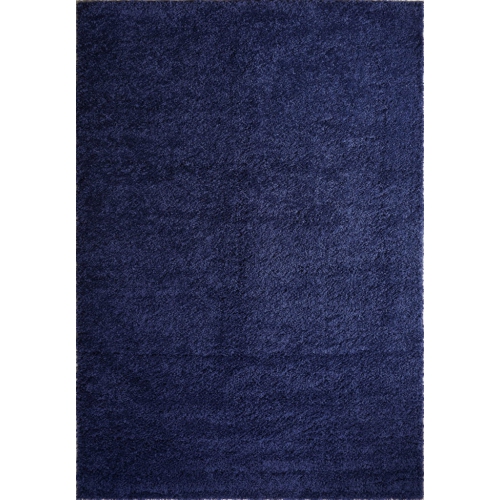
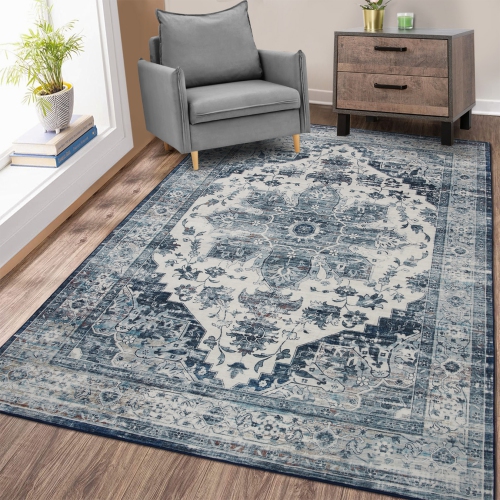
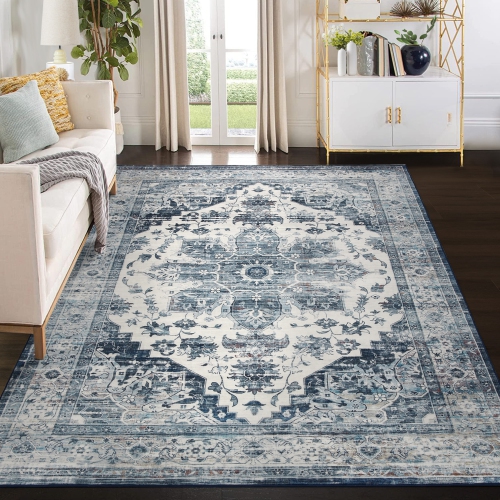

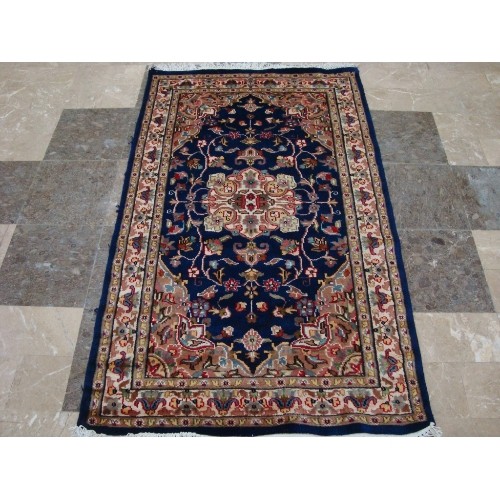
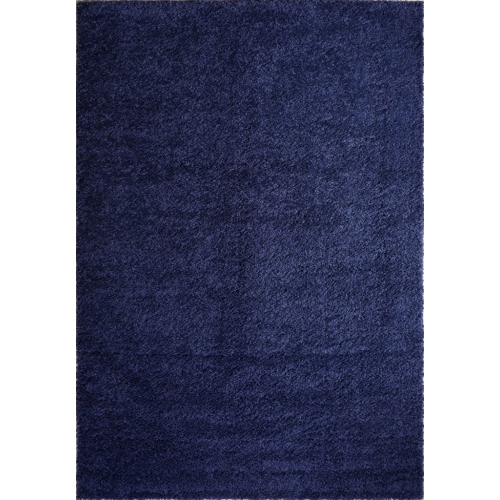
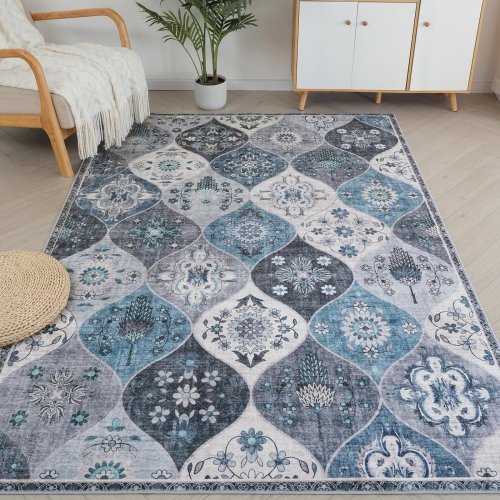









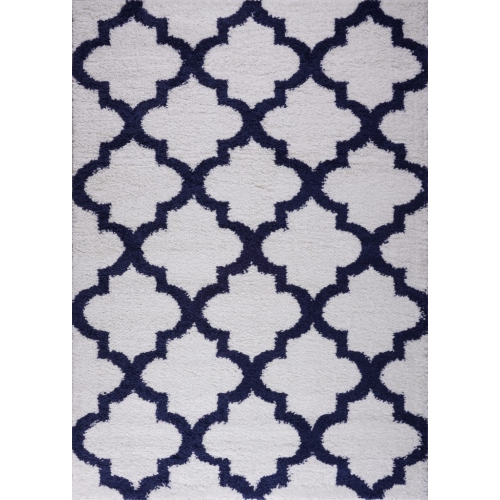


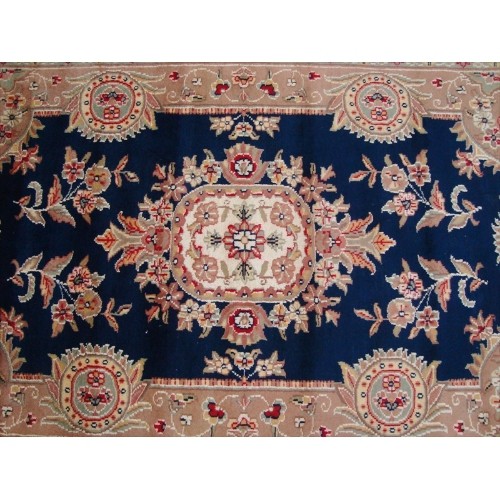


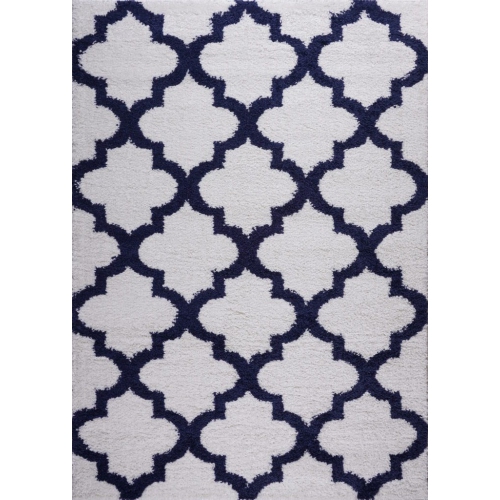


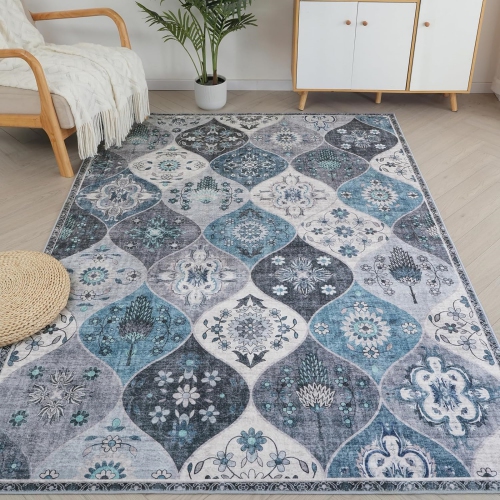













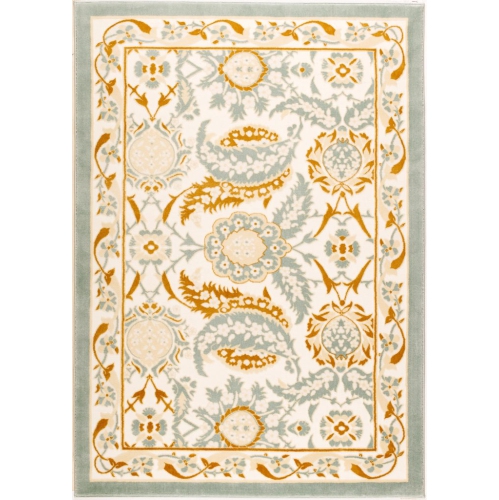


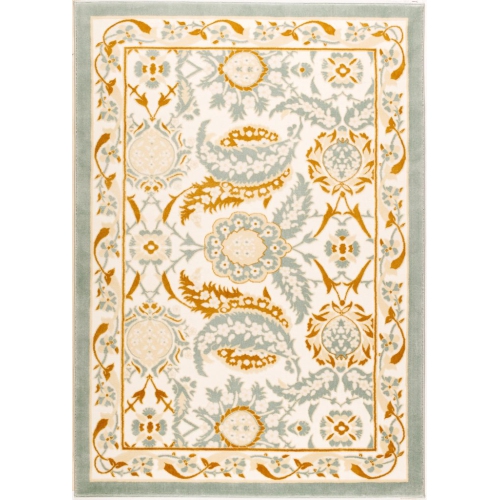
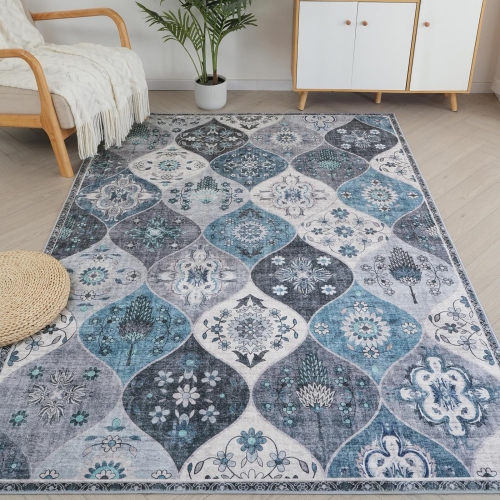
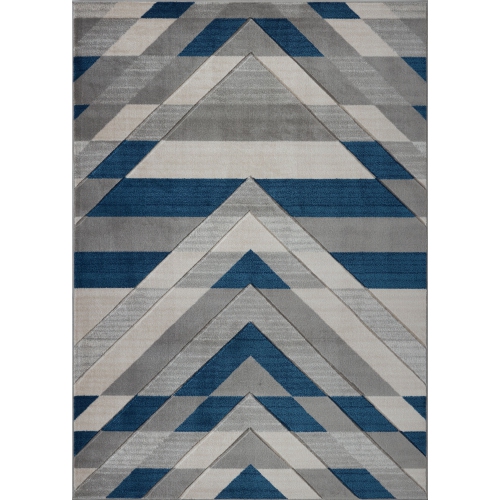

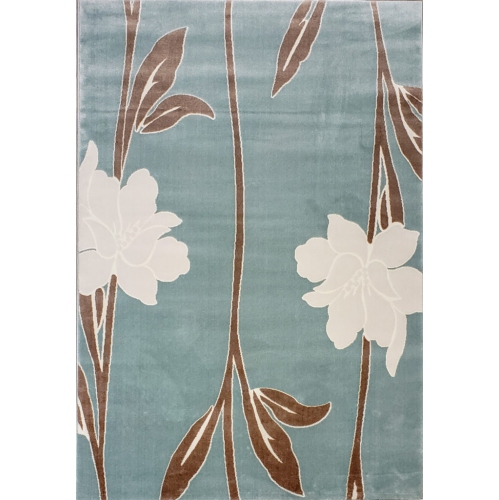


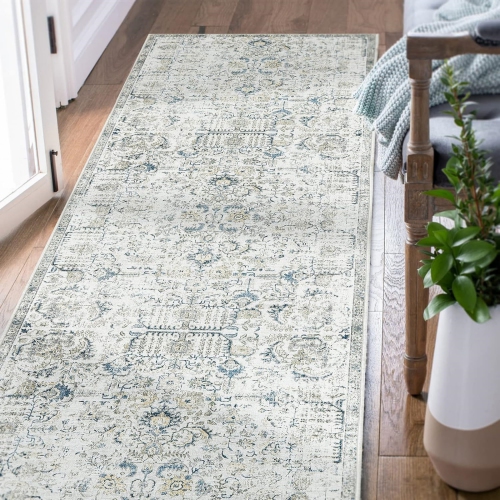

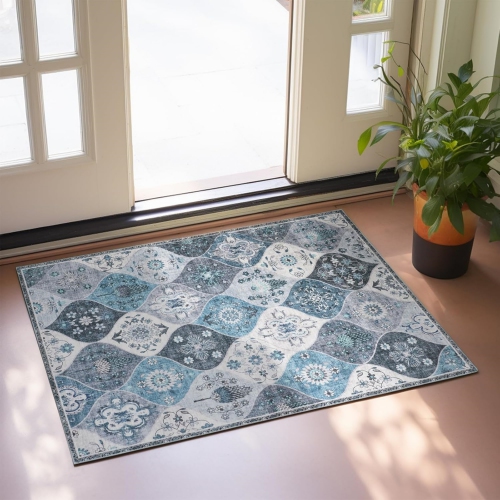


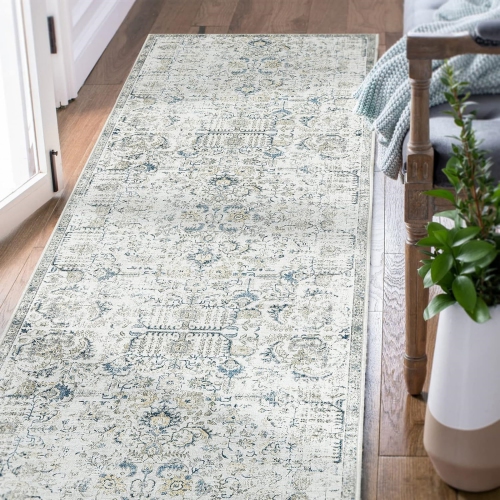


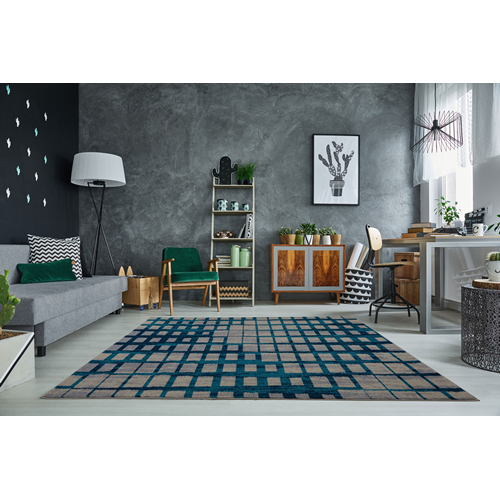


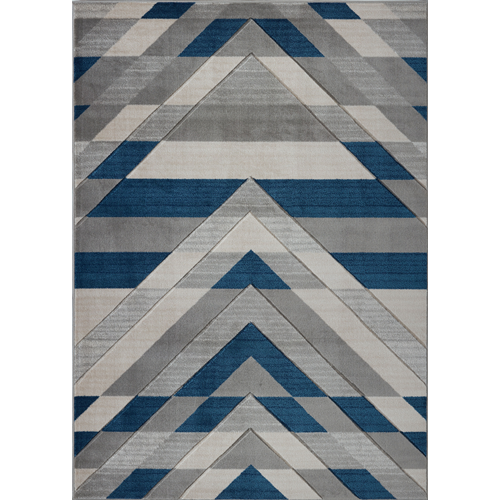
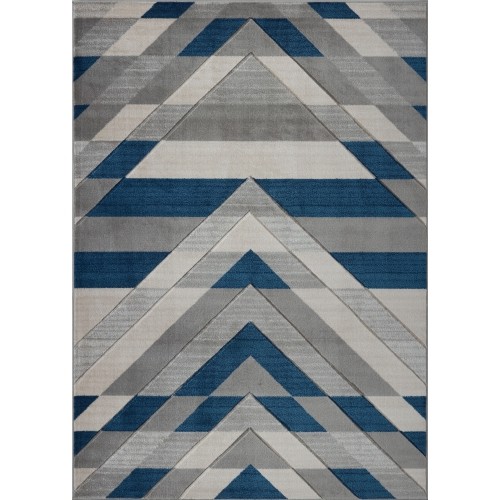
How blue shades change the feel of a room
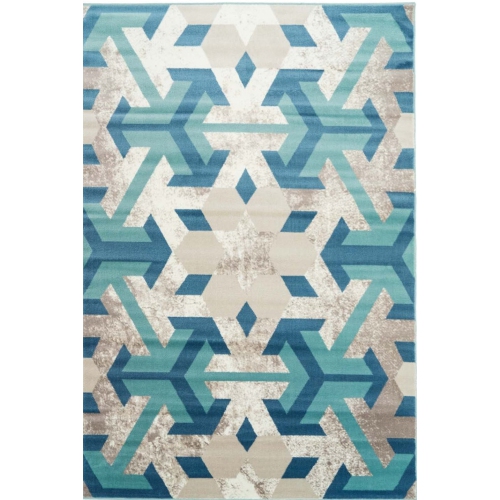
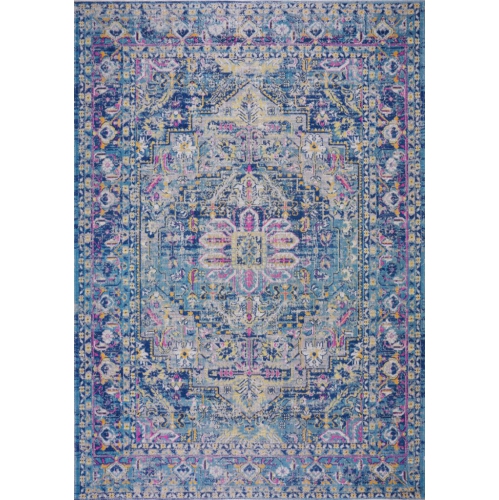
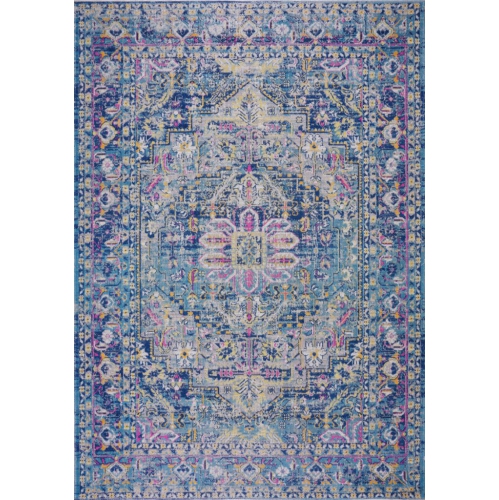
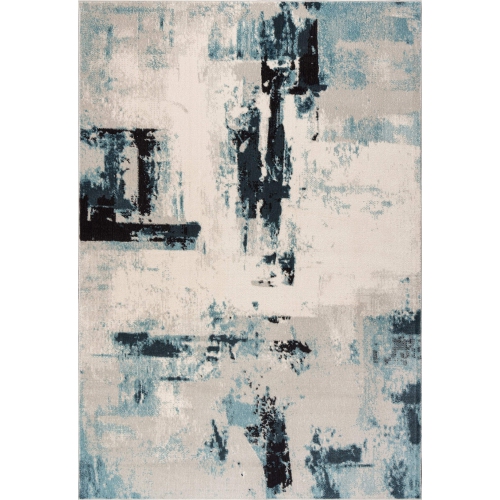
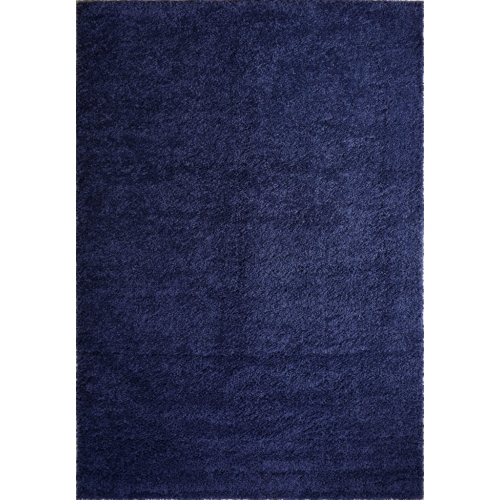
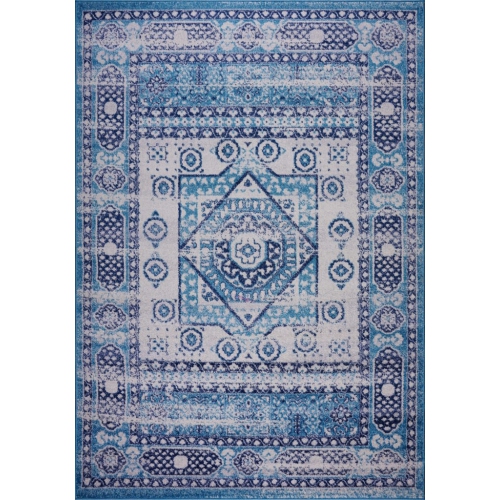
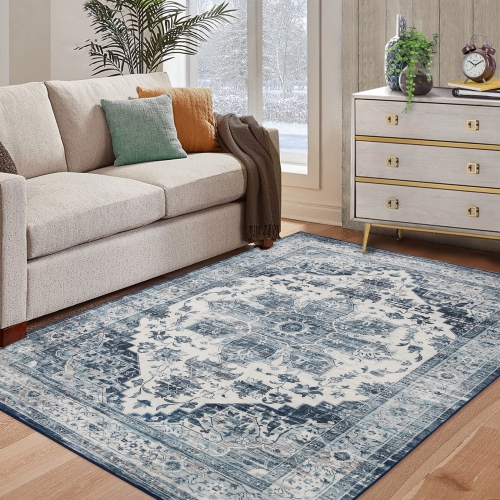
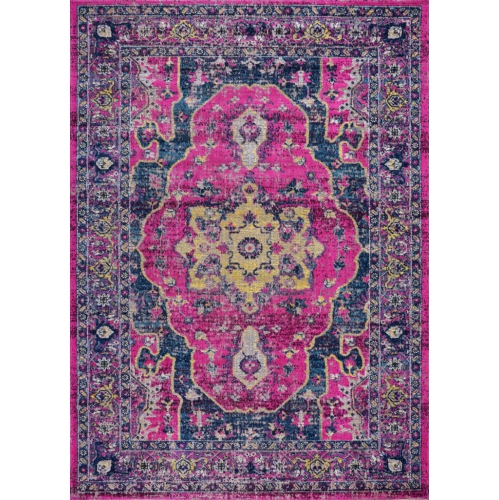
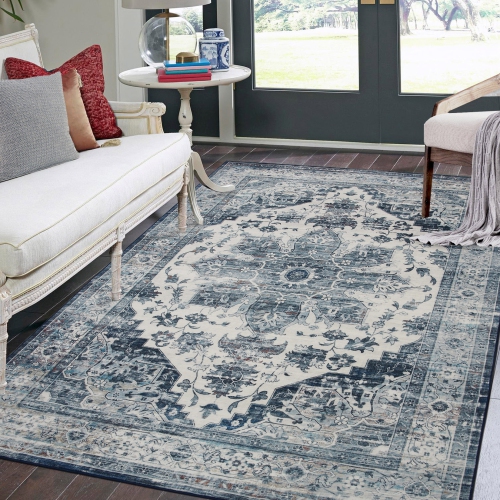
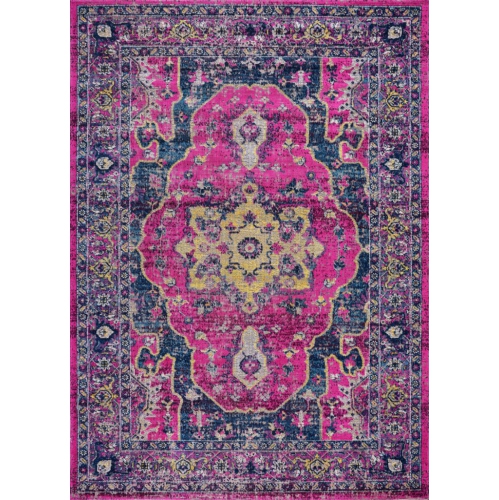
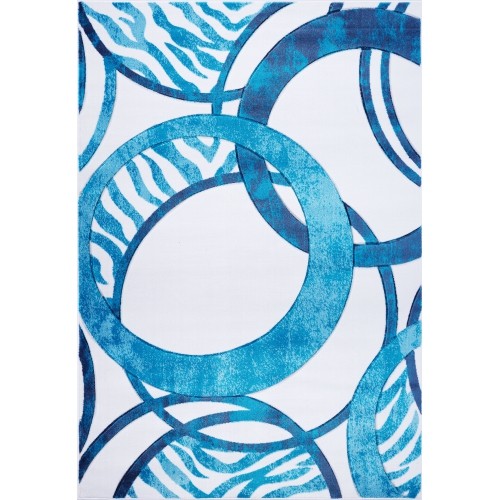
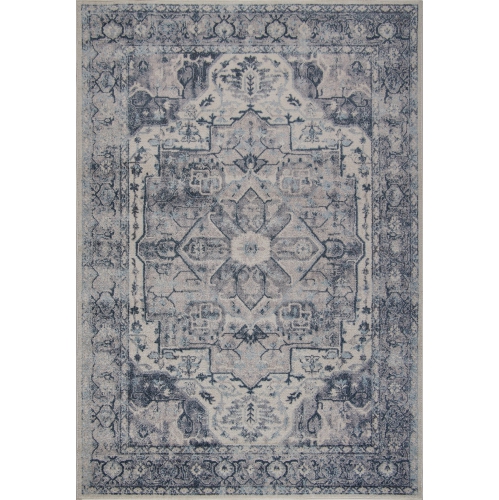
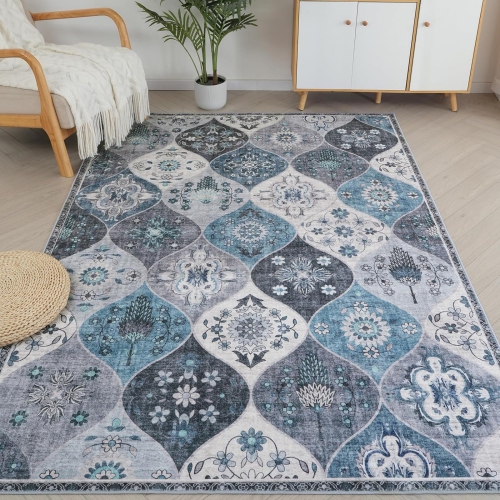
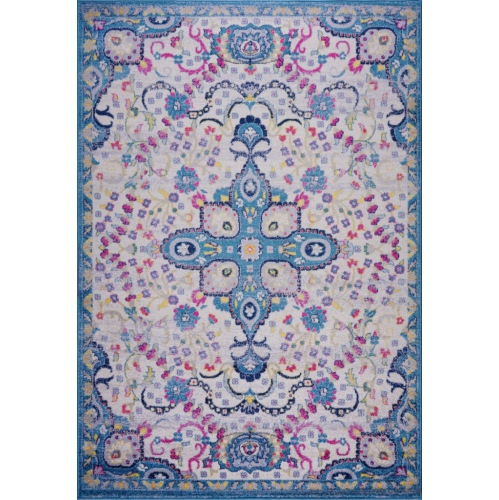
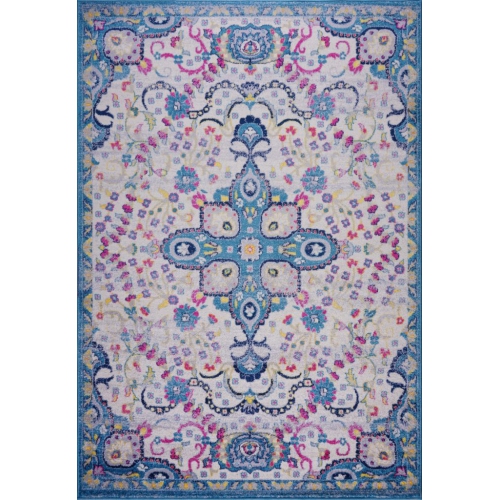
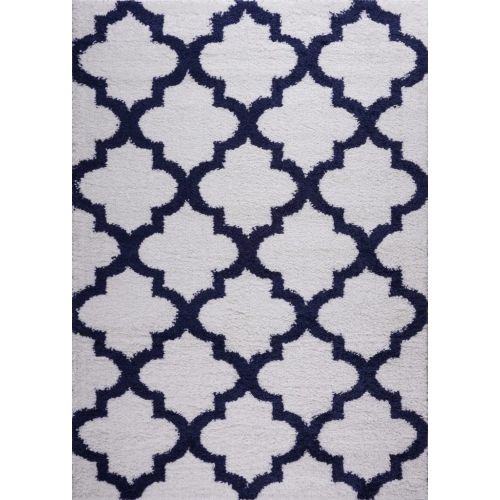
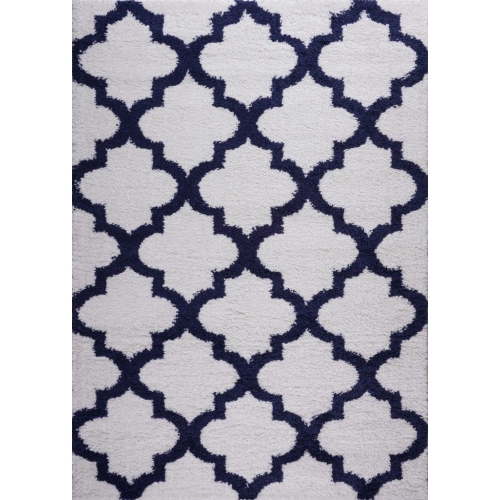
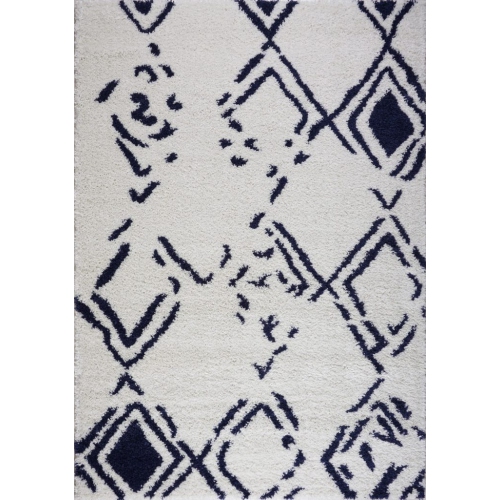
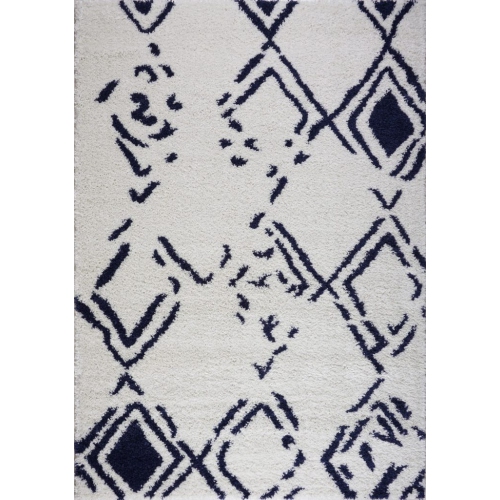
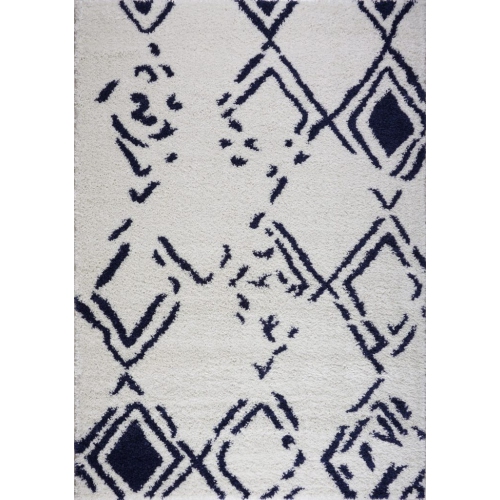
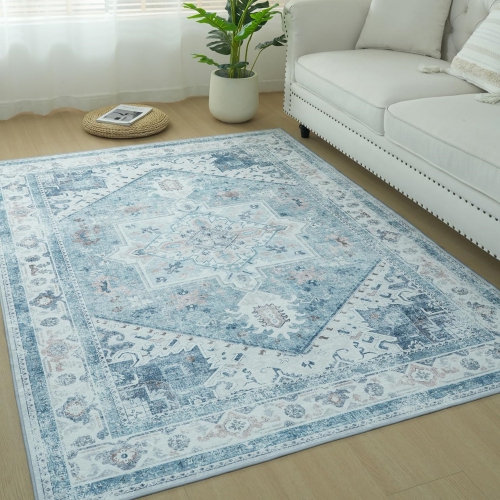
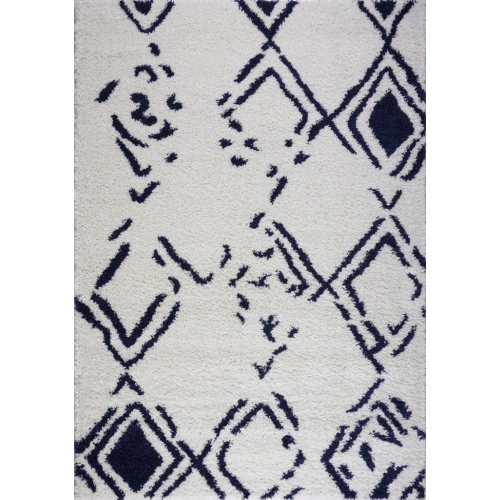
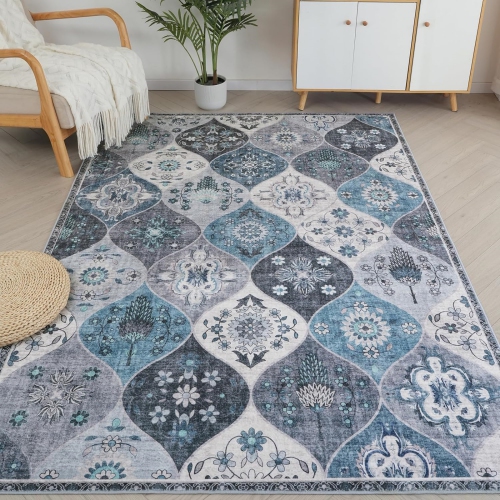
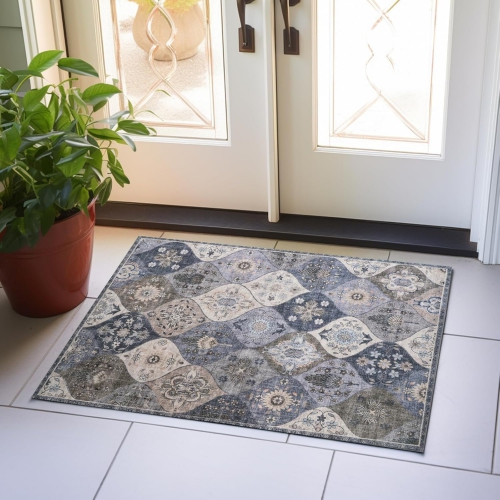
Blue rugs bring colour, texture, and definition to living rooms, bedrooms, dining areas, and hallways, with shades ranging from pale sky blue and dusty denim to rich cobalt and deep navy. The shade, pattern, material, and size all influence how a rug looks and feels in a room. Light blue rugs can create a gentle, airy impression alongside cream upholstery, pale wood, and white walls, while navy rugs add visual depth beneath a light-coloured sofa or dining table. Teal-leaning blues work well with warm wood finishes, and grey-blue tones offer a quieter backdrop for furniture with clean lines. The amount of blue in the design matters just as much as the shade: a mostly blue rug makes a stronger colour statement than one with blue accents woven through an ivory or beige background. For a softer contrast that connects blue accents with neutral furniture, blue and beige rugs offer a balanced combination. Traditional floral motifs and bordered patterns can give a seating area a defined, layered appearance, while geometric designs introduce structure and abstract patterns create a more fluid look. Moroccan-inspired diamond patterns can complement relaxed furnishings without requiring every accessory to match. A solid blue rug puts more emphasis on texture, making differences between a flat weave, a looped surface, and a plush pile especially noticeable. In a room with patterned curtains or a busy sofa fabric, a quieter rug helps the furnishings sit comfortably together. Where furniture and walls are mostly plain, a patterned blue rug can provide the main visual interest. Colours also appear different under daylight and artificial lighting, so the surrounding finishes deserve attention. A blue that looks crisp beside white cabinetry may feel more muted beside warm oak. Repeating a small amount of the rug’s colour in cushions, artwork, or bedding can connect the room without making every surface look coordinated. In an open-plan space, a blue area rug can also distinguish the sitting area from a nearby dining arrangement while maintaining a shared colour palette.
Material and construction determine how a blue rug handles daily use, how it feels underfoot, and what cleaning it requires. Wool rugs are valued for their resilient fibres and comfortable texture, making them suitable for living spaces where softness and durability both matter. Wool has some natural resistance to soiling, but spills still need prompt attention, and some shedding can occur, particularly when a rug is new. Cotton rugs often have a lighter, more casual feel; some are washable, although the care label, rug dimensions, and washing machine capacity must all support that method. Synthetic fibres such as polypropylene, polyester, and nylon offer different practical advantages. Polypropylene generally absorbs little moisture and can be straightforward to maintain, polyester can provide softness and strong colour definition, and nylon is known for resilience under repeated foot traffic. These characteristics do not make every rug equally durable, since fibre quality, pile density, backing, and construction also affect performance. Low-pile and flatwoven blue rugs often suit dining rooms, hallways, and home offices because their surfaces are easier to vacuum and less likely to interfere with chair movement than a deep pile. A thick, plush rug can feel inviting beside a bed or beneath a lounge chair, but its longer fibres may hold crumbs and pet hair more readily. For a household with children who play on the floor, a soft surface with manageable cleaning requirements may be more useful than an intricate texture that needs delicate care. Homes with pets may benefit from a lower pile, secure edges, and a pattern that makes everyday lint less noticeable, though exposed loops can be vulnerable to catching on claws. Smooth, lustrous fibres can produce subtle variations in blue as the pile changes direction, but some require more specialized cleaning than their appearance suggests. A rug intended for a covered patio or another outdoor-use space needs an appropriate use designation; a blue colour alone says nothing about moisture tolerance. Matching the construction to the room’s activities helps keep comfort, appearance, and upkeep in balance.
Size and placement give a blue rug its relationship to the furniture around it. In a living room, a rug large enough to sit beneath the front legs of the sofa and nearby chairs usually creates a more connected seating arrangement than a small rug floating under the coffee table. A spacious layout may accommodate all furniture legs on the rug, while a compact room may work better with a consistent strip of visible flooring around its edges. Dining room rugs need enough extra width and length for chairs to remain on the surface when pulled away from the table; roughly 24 to 30 inches beyond each side of the tabletop is a useful starting point, adjusted for the chairs and available space. Beside a bed, the most practical placement is one that gives feet a soft landing without crowding doorways or neighbouring furniture. Hallway runners should leave clearance for doors and keep their edges out of busy crossing points. Measuring the furniture arrangement, rather than only the room, helps establish useful proportions. A rug pad suited to both the rug and the flooring can reduce movement, add cushioning, and limit friction beneath the backing; its compatibility matters particularly on floors with specific finish requirements. Regular care starts with the manufacturer’s instructions. Vacuuming helps remove grit before it settles into the fibres, but delicate weaves, fringe, and some wool constructions may need suction without an aggressive rotating brush. Blot spills with a clean cloth instead of rubbing them across the blue surface, and test an approved cleaning solution in an inconspicuous area before wider use. Washable rugs still have limits on water temperature, detergents, and drying methods, while other rugs may need professional cleaning. Occasional rotation can help distribute foot traffic and light exposure more evenly. For a housewarming gift, a blue rug is most thoughtful when the recipient’s room dimensions, colour preferences, and care needs are already known. Those same details make it easier to find a rug that belongs naturally in a home, whether its role is a comfortable bedside accent or the foundation of a busy family seating area.
Top selling and popular products
-
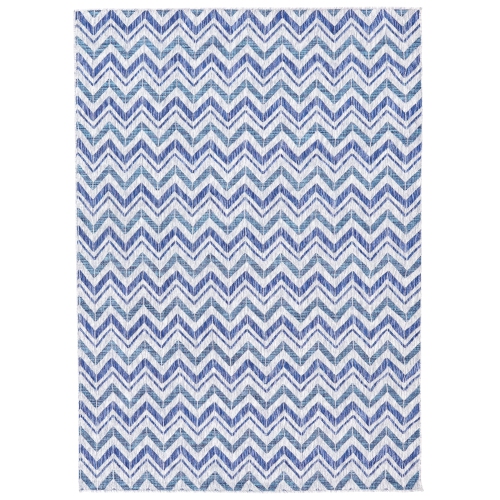 Your price for this item is $129.15
-
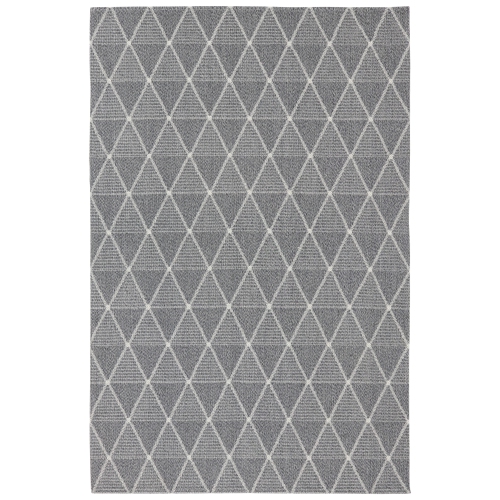 Your price for this item is $130.55
-
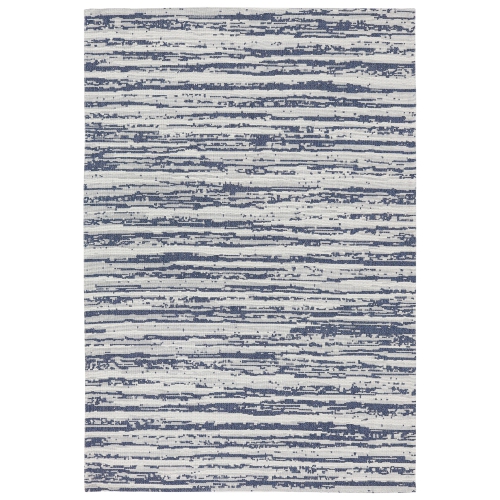 Your price for this item is $130.55
-
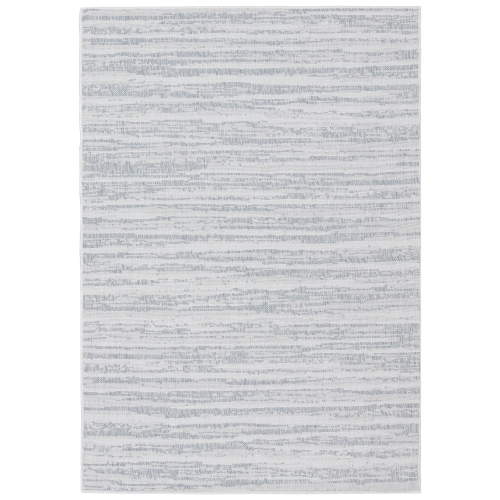 Your price for this item is $129.15
-
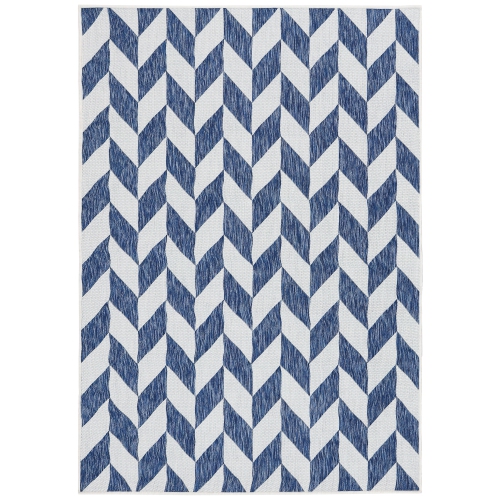 Your price for this item is $129.15
-
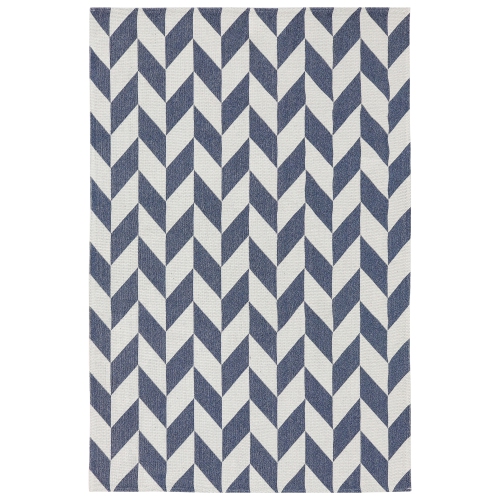 Your price for this item is $130.55
-
 Your price for this item is $111.99
-
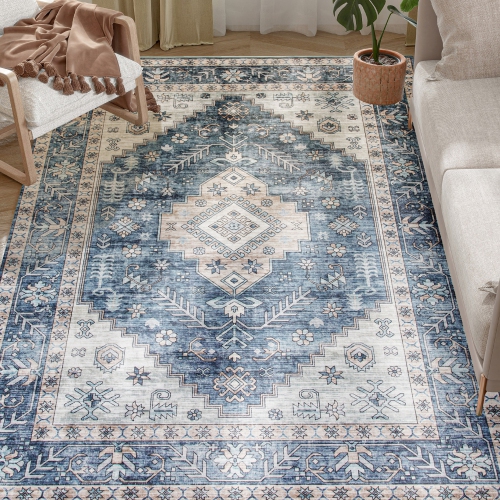 Your price for this item is $124.99
Discover more categories related to Blue Rugs
Top Collections:
Pokemon Centers, Kindle Devices, Best Cameras for Sports Photography, Pokémon 30th Celebration Cards, Apple iPhones 16, Canon G7X Cameras, iPhone 15 Apple, Flip Phones, Samsung Galaxy Phones, Alarm Clock
Some products may be subject to Environmental Handling Fees
(EHF) depending on your province.
Learn more about EHFs.