Bold Color Area Rugs
Bold Color Area Rugs bring vibrant energy and personality to any room, making it easy to refresh your space with eye-catching style. Whether you want to brighten up a living area, add a pop of color to a bedroom, or create a lively atmosphere in your home office, these rugs are designed to stand out. With a variety of sizes, patterns, and hues available, Bold Color Area Rugs offer versatile options to suit your décor and express your unique taste. Explore the selection to find the perfect piece that enhances your home's look and feel.
Sort



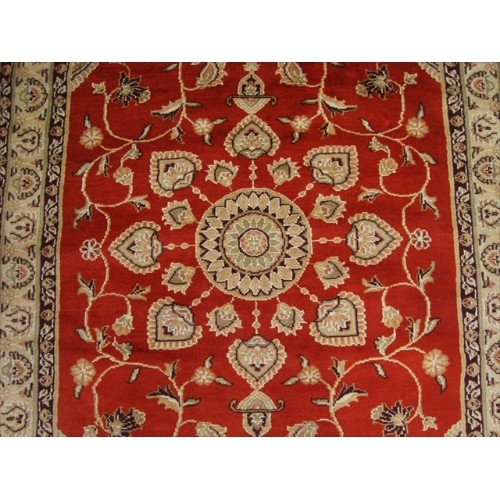
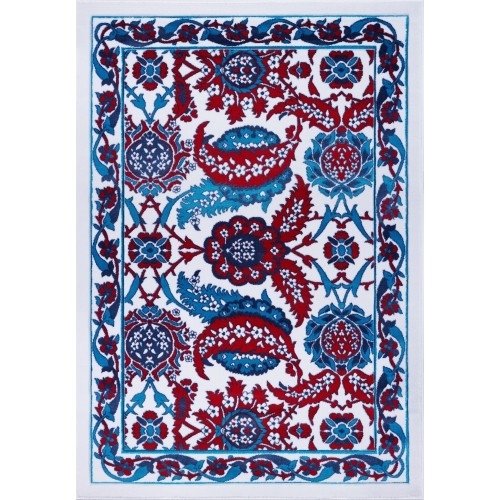
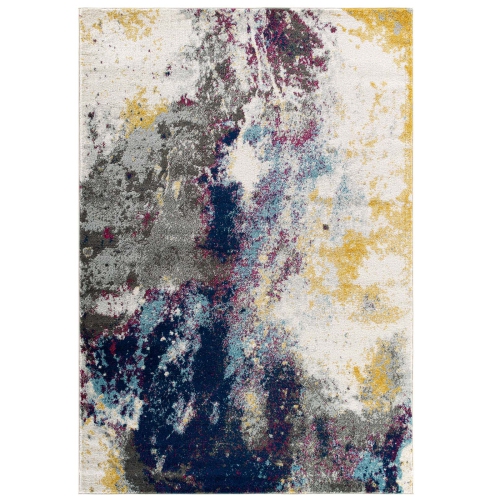
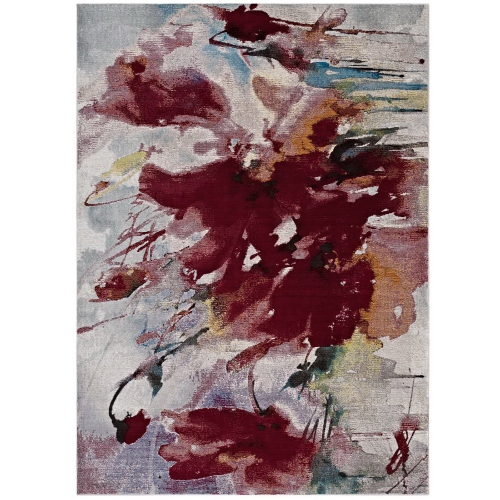
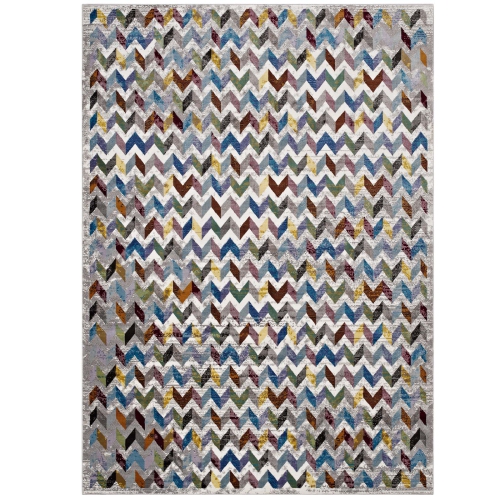
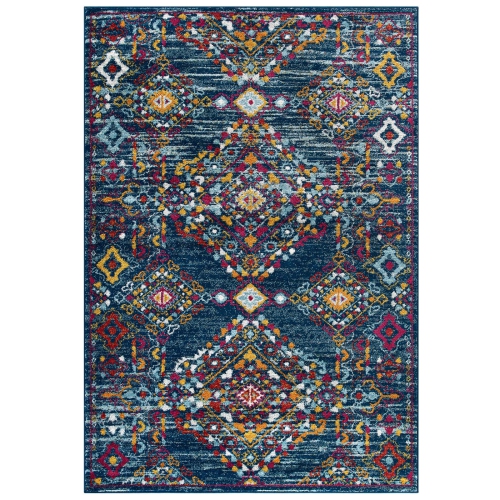

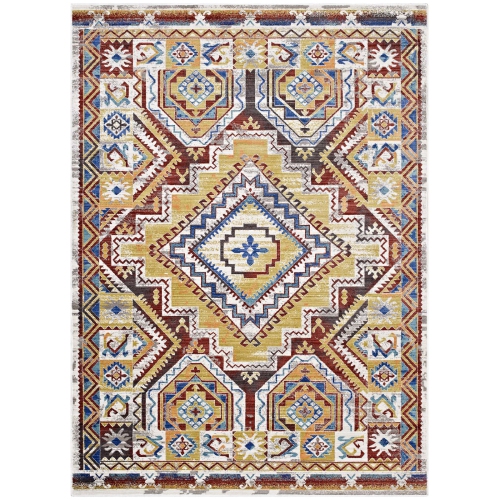
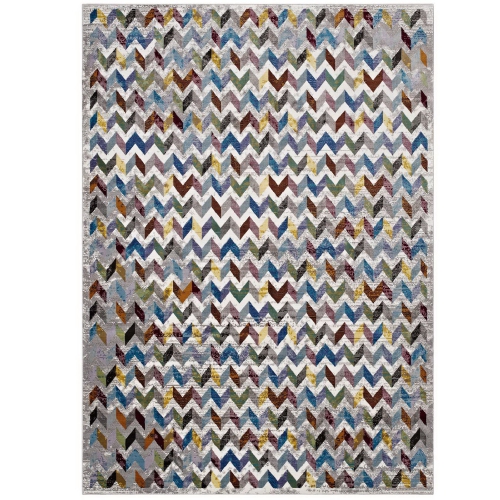
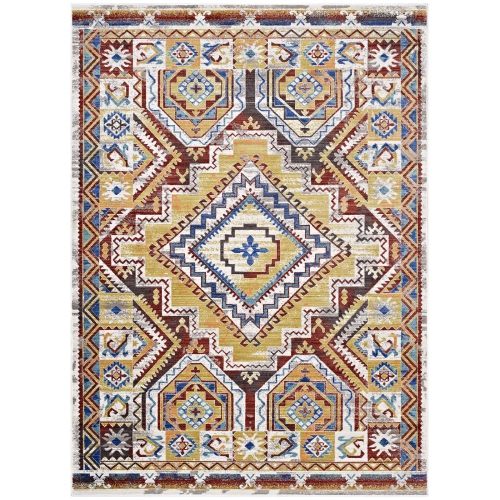
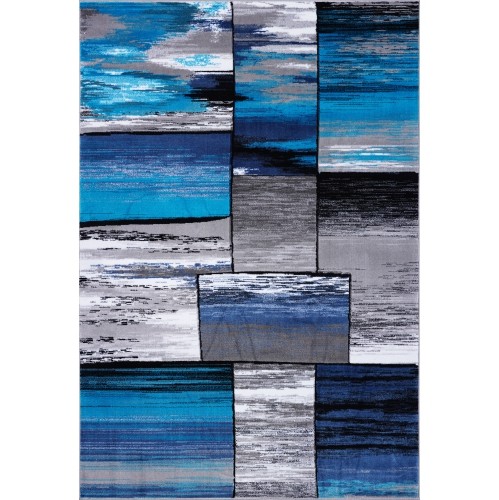
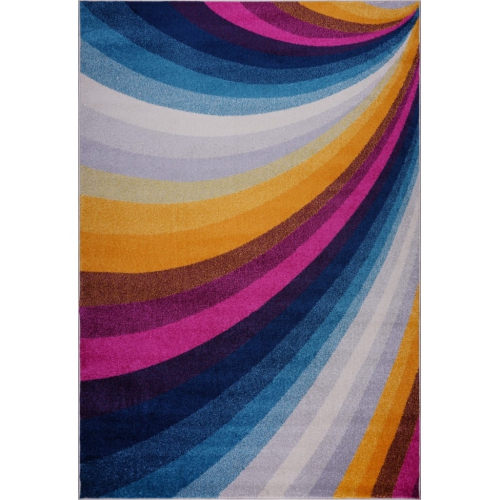
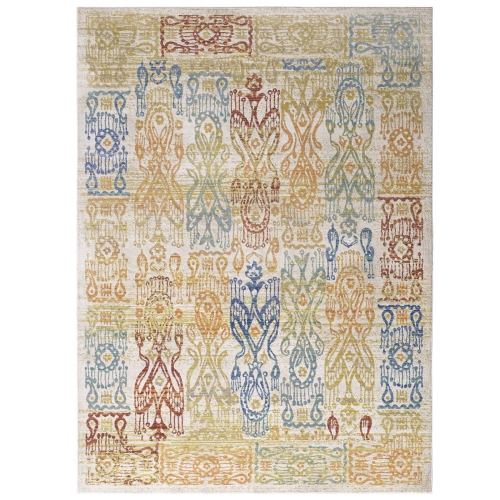

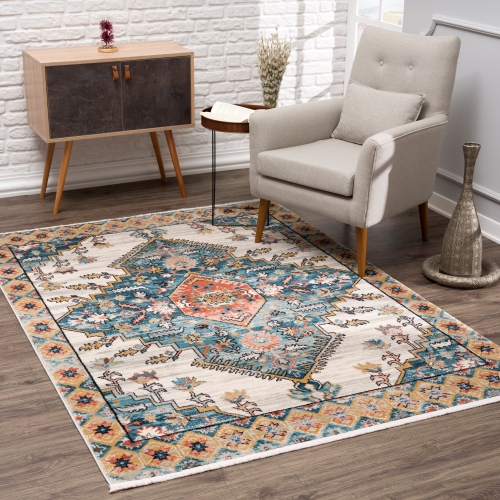
How one vivid rug ties a room together
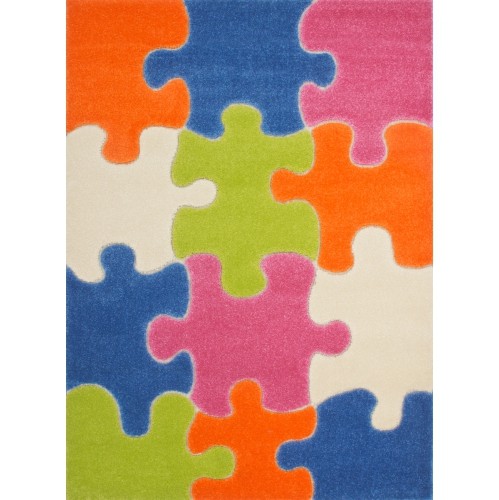
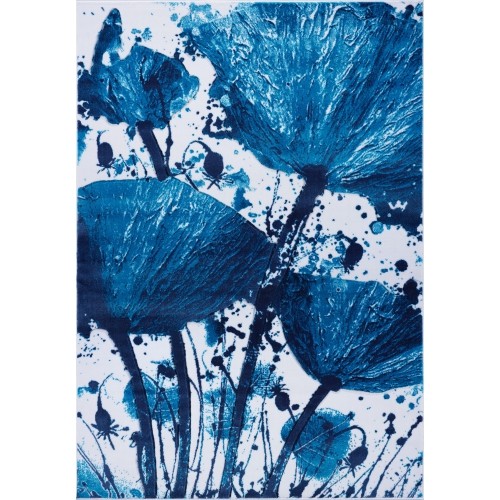
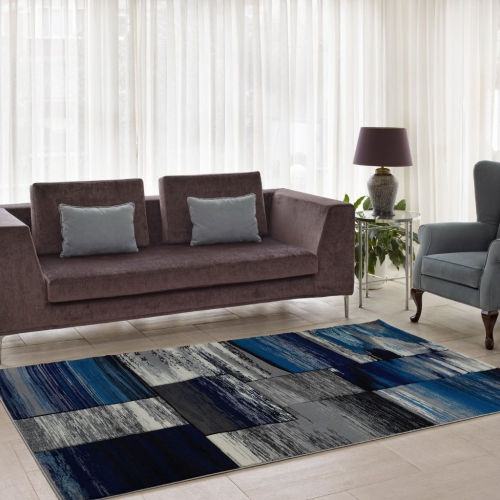
Bold colour area rugs bring a strong visual focal point to a room, adding depth to neutral furniture and giving mixed furnishings a shared colour palette. A saturated blue rug beneath a light grey sofa can make a living room feel more defined, while mustard, coral, or emerald tones introduce contrast against pale flooring and simple upholstery. Colourful rugs can also anchor rooms that already feature expressive artwork, patterned cushions, or painted furniture. The effect depends as much on the balance of colours as on their intensity: a rug with a cream background and vivid accents feels different from one covered edge to edge in rich jewel tones. Large geometric shapes create a graphic foundation, floral designs introduce flowing detail, and abstract patterns can bring the look of brushstrokes or layered paint into everyday spaces. Traditional motifs in unexpected shades offer another way to combine familiar shapes with a more playful palette. Repeating one or two colours from the rug in curtains, cushions, or wall art helps connect the room without making every surface match. For a quieter balance, plain upholstery and wood furniture leave space for the pattern to stand out. Red Area Rugs offer a focused direction within this broader palette, from deep wine shades that complement dark wood to bright scarlet accents against charcoal or ivory furnishings. Colour also changes with lighting and nearby surfaces. A teal rug may appear greener beside honey-toned wood and bluer next to cool grey furniture, while a multicoloured design can reveal different accents across the day. These rugs suit living rooms, bedrooms, dining areas, home offices, and play spaces where a distinctive floor covering can make a practical area feel more personal. Their appeal is not limited to maximalist interiors; one vivid rug can supply most of the colour in an otherwise restrained room.
The dimensions and shape of a bold area rug influence how comfortably it sits within a layout. In a living room, a rug large enough to hold at least the front legs of the sofa and nearby chairs creates a connected seating area, rather than leaving a small patch of pattern beneath the coffee table. A larger rug can accommodate the full furniture arrangement when there is enough floor space, with a visible border around the edges to keep the layout balanced. In open-plan homes, separate rugs can distinguish a conversation area from a dining space without adding physical dividers. Related accent colours help these zones feel connected, even when the patterns differ. Rectangular rugs often follow the proportions of sofas, beds, and dining tables, while round rugs can soften a room filled with straight lines or echo the shape of a circular table. Under a dining table, sufficient coverage matters because chair legs should remain supported by the rug when someone pulls a chair out to sit down. A low, relatively even pile also makes moving chairs and clearing crumbs easier. Beside or beneath a bed, a soft rug provides a comfortable landing and brings colour into the space without requiring patterned bedding. Placement affects how much of the design remains visible: a prominent central motif may disappear beneath a bed or large table, while an all-over pattern maintains its character around furniture. In a home office, a flat surface is generally easier for a desk chair to move across than a deep, plush pile, although chair and flooring compatibility still matter. Door clearance, floor vents, walking routes, and nearby storage also deserve attention. A rug that catches a door or curls into a busy passage can become frustrating regardless of its appearance. Painter’s tape laid out to the intended dimensions can help show how much floor the rug will cover before the room is rearranged.
Materials and construction determine how a colourful rug feels underfoot and how it handles daily use. Wool offers natural resilience and a soft texture, making it appealing for comfortable seating areas and bedrooms; some wool rugs shed loose fibres, particularly when new. Nylon is known for its resilience in frequently used spaces, while polyester can provide softness and vivid colour. Polypropylene is often chosen for its resistance to moisture absorption and many everyday stains, though performance varies by construction and treatment. Cotton rugs can feel lighter and more casual, and some are washable, but laundering suitability depends on the individual care label, dimensions, and backing. Viscose has a light-catching sheen that can make colours look especially rich, yet it generally needs more cautious handling around moisture and spills. A dense, low pile is often practical in dining rooms, entrances, and homes with pets because debris is easier to reach than in a deep pile. Plush textures offer more cushioning for lounging, reading, or playing on the floor, but can require additional effort to keep clean. Pattern can soften the appearance of everyday lint and small marks, though it does not replace regular care. Bright colour alone is not a guarantee of colourfastness, stain resistance, or fade resistance, so the stated care requirements matter as much as the fibre name. Vacuuming with a setting suited to the rug’s construction helps remove grit without unnecessarily pulling at loops, fringe, or delicate fibres. Spills are best blotted promptly with a clean cloth rather than rubbed across the surface, with cleaning products tested in an inconspicuous area and used according to the care instructions. Rotating a rug periodically can help distribute foot traffic and light exposure more evenly. A properly sized rug pad adds cushioning and helps limit movement, provided its material is compatible with both the rug backing and the flooring beneath it. For busy households, the most satisfying choice balances expressive colour with a texture, size, and care routine that fit the way the room is actually used.
Top selling and popular products
-
 Your price for this item is $130.55
-
 Your price for this item is $129.15
-
 Your price for this item is $130.55
-
 Your price for this item is $129.15
-
 Your price for this item is $129.15
-
 Your price for this item is $130.55
-
 Your price for this item is $144.99
-
 Your price for this item is $103.99
Discover more categories related to Bold Color Area Rugs

Top Collections:
Best Black Friday Deals This Year, Best Black Friday Deals On Electronics, Kindle Devices, Dyson Airwrap, Best Cameras for Sports Photography, Best Budget Office Chairs, Canon G7X Cameras, PS5 Pro Consoles, Best Black Friday Deals On Apple Products, XBOX One S Consoles
Some products may be subject to Environmental Handling Fees
(EHF) depending on your province.
Learn more about EHFs.