Bookcase Headboards for Full Size Beds
Bookcase Headboards For Full Size Beds offer a smart and stylish way to enhance any bedroom setup. Designed to combine storage and convenience, these headboards help keep your essentials within easy reach while adding a touch of personality to your space. Whether you’re looking to organize books, display decorative items, or simply maximize functionality, Bookcase Headboards For Full Size Beds provide an ideal solution for full-size bed frames. Explore a variety of options to find the perfect fit for your room and lifestyle.
Sort
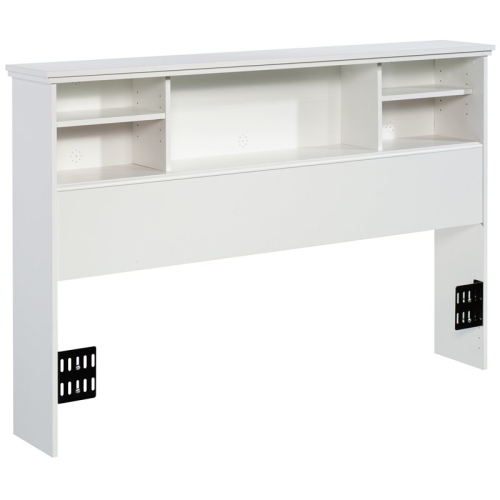

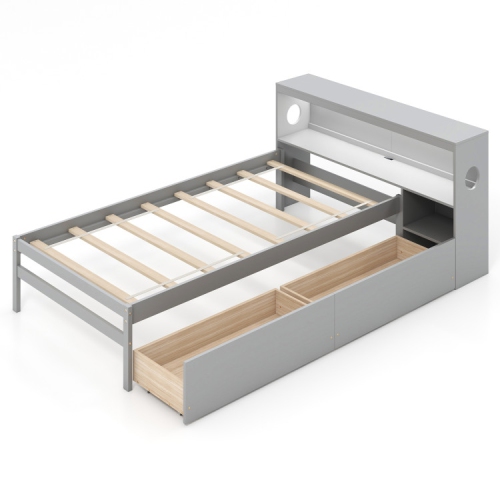
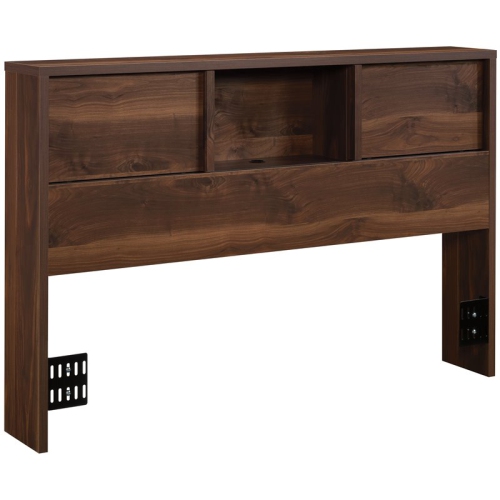
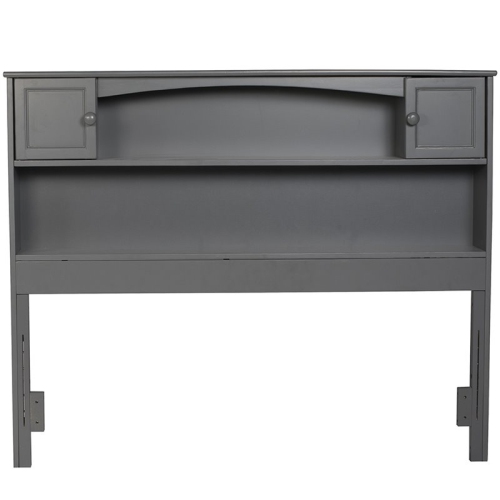
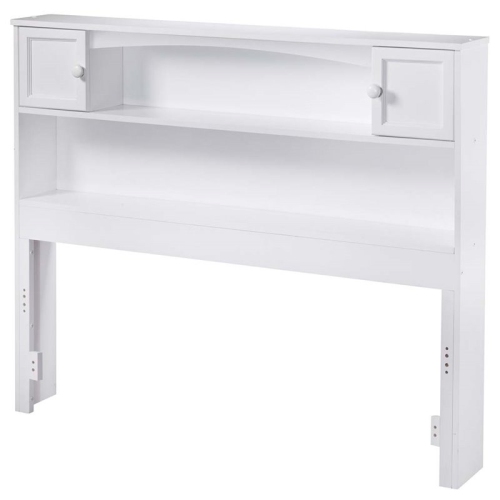
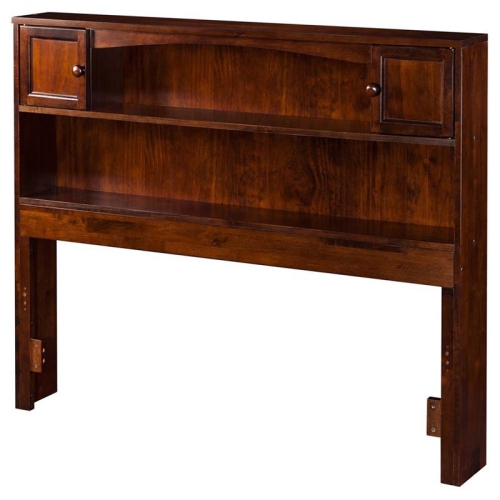
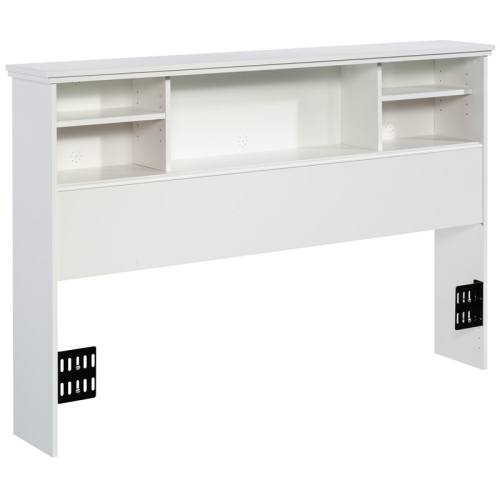
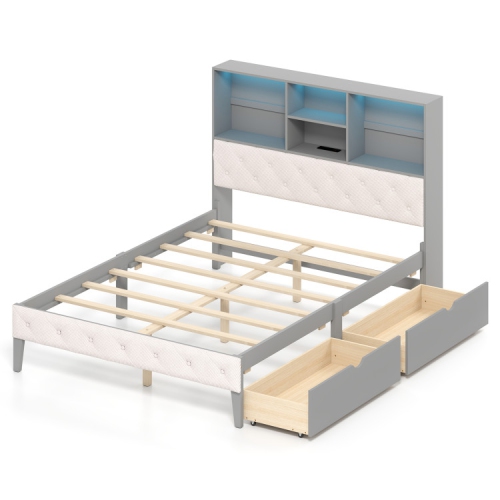
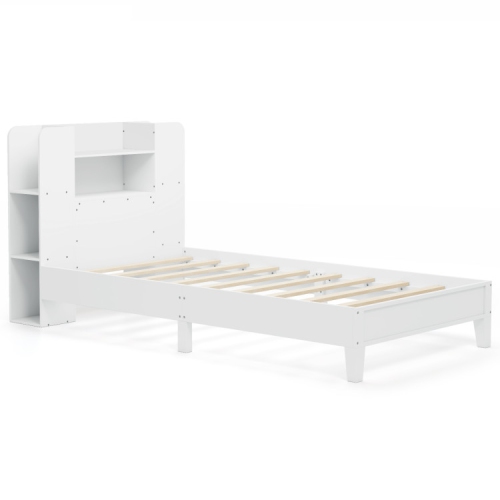
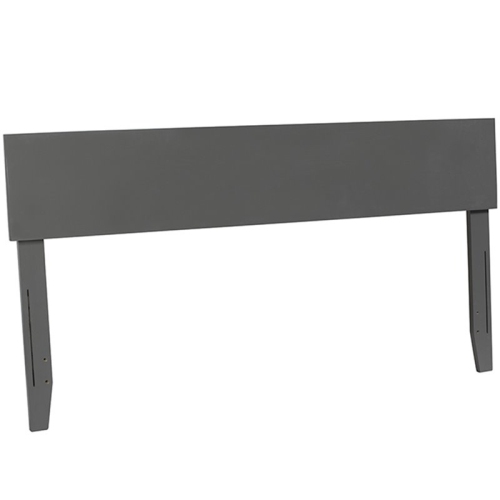
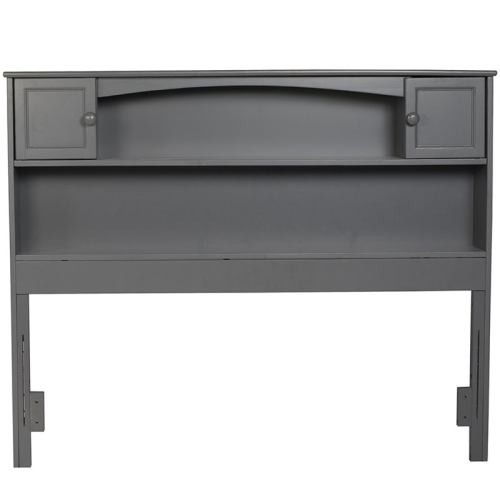
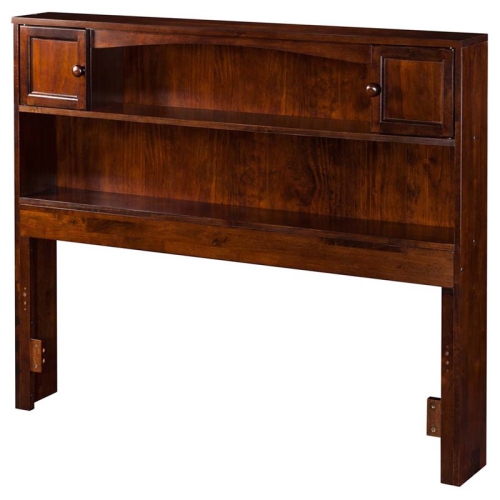

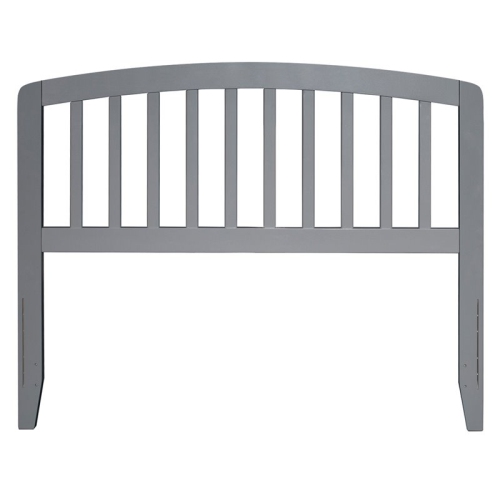
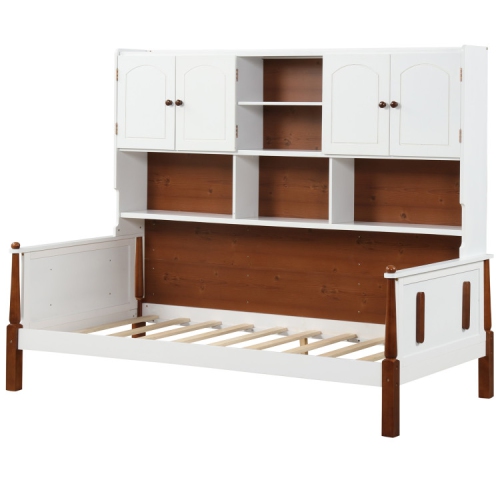
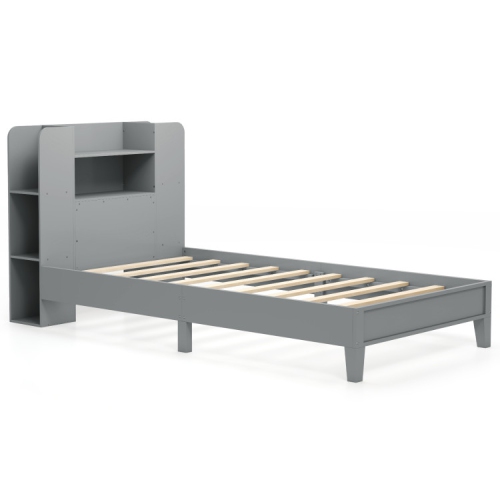
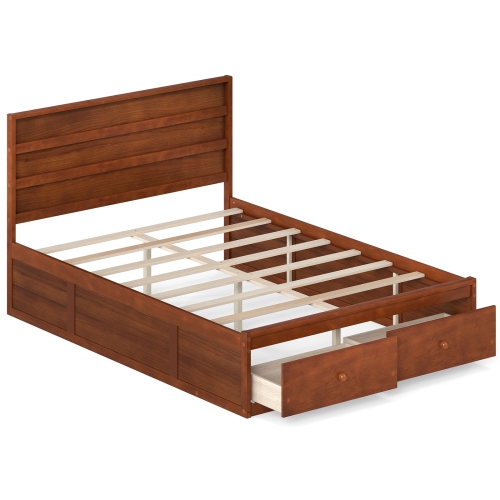
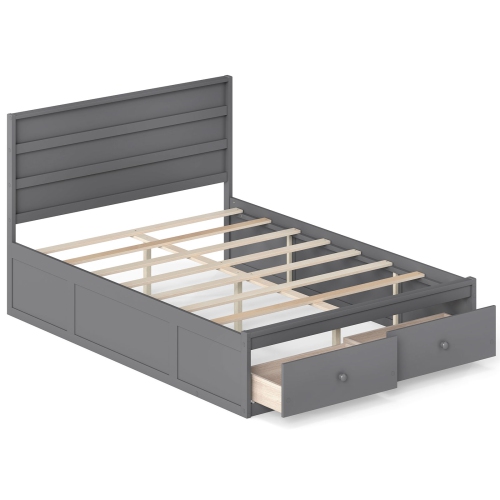
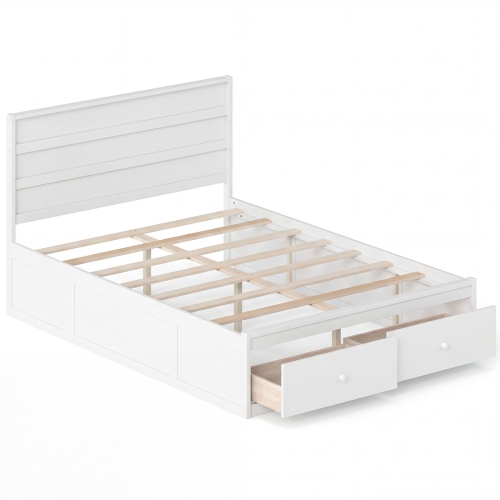
Built-in shelves put bedtime books within easy reach
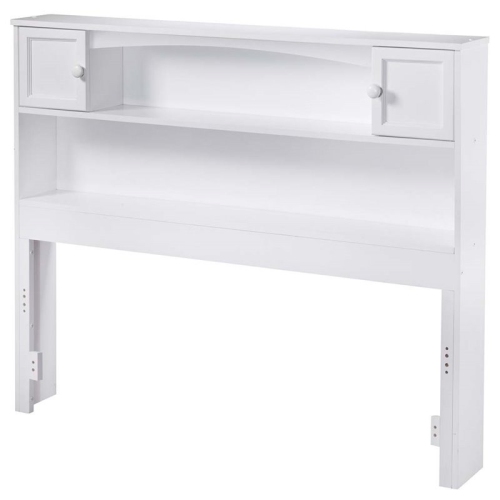
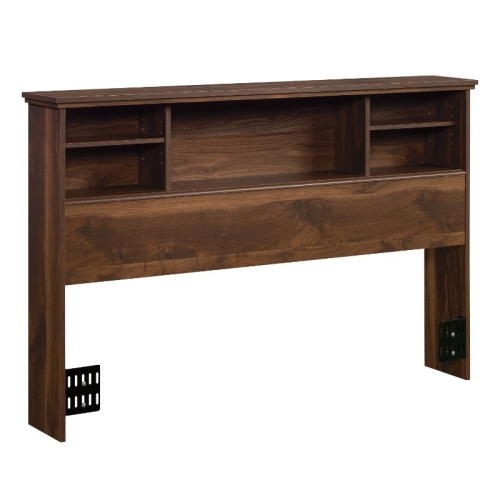
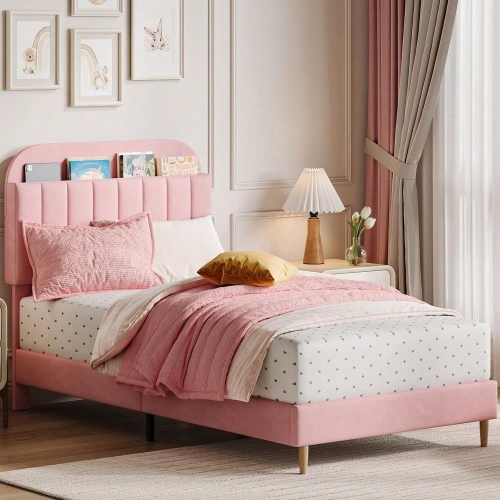
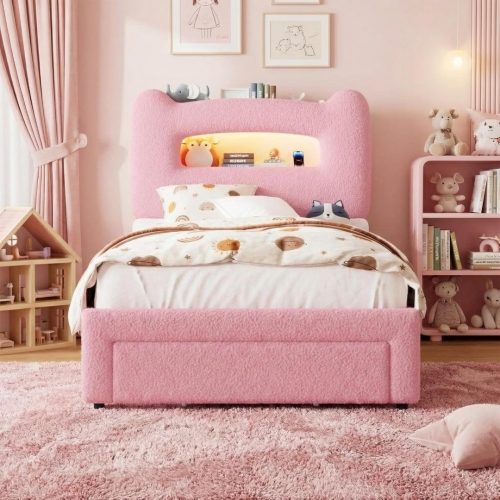
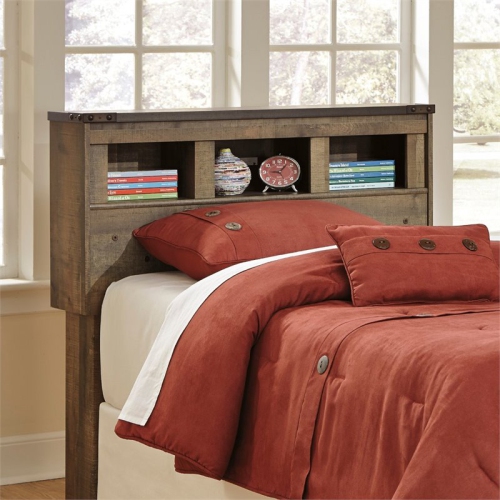
Bookcase headboards for full size beds combine a headboard with built-in shelves or cubbies, giving books, reading glasses, and other bedside essentials a place within reach. Designed for the head of a full bed, also called a double bed, they add storage above the mattress rather than relying entirely on furniture beside it. A standard full mattress measures approximately 54 inches wide by 75 inches long, while the headboard is usually wider to frame the bed and accommodate its construction. Some full-size bookcase headboards measure roughly 56 to 65 inches across, although dimensions vary and shared full/queen designs may extend farther on either side. The most useful fit depends on more than width: shelf depth, overall height, mattress thickness, and the method of attachment all affect how the piece works in a bedroom. Open compartments suit frequently used belongings, such as a paperback, a glasses case, or a small clock. Designs with doors or drawers can keep less frequently used essentials out of sight, while a combination of open and enclosed storage offers room for both. In a compact bedroom, this arrangement may reduce the need for a bedside table, provided the shelves are easy to reach and deep enough for what they need to hold. It can also help keep a shared bedroom organized by giving each sleeper a separate cubby. For someone who reads before bed, having a few favourite books close by can make the room feel more personal without filling the floor with another bookcase. Teen bedrooms, guest rooms, and smaller primary bedrooms are all natural settings for this type of furniture. The benefit is practical rather than simply visual: everyday belongings have a defined home, and the bed gains a finished backdrop. Those interested in a wider range of storage layouts can also explore Storage Headboards Full for other ways to combine a full-size sleeping area with accessible storage.
Materials and construction influence the appearance, weight, and everyday durability of a bookcase headboard. Solid wood can show natural grain variation and may develop small surface marks with use, while engineered wood offers a consistent surface that can be finished with laminate, veneer, or paint. These materials are not interchangeable: veneer is a thin layer of real wood over a core, whereas laminate provides a manufactured surface with its own texture and finish. A wood-grain appearance alone does not establish the underlying material, so construction details matter when comparing headboards. For shelves that will hold books, pay attention to stated weight limits, shelf thickness, and how the shelves connect to the side panels. Books can be surprisingly heavy when grouped together, and a long, unsupported shelf may behave differently from several smaller cubbies. Strong joints, firmly secured backing where specified, and properly fitted hardware help the assembled piece remain steady during ordinary use. Finish choice shapes the room as well. White or pale finishes can blend with light bedding and walls, darker wood tones can add contrast, and a simple wood-grain finish can work alongside furniture that does not belong to a matching set. Smooth edges and accessible corners make routine cleaning easier, particularly around shelf openings where dust collects. Care should follow the manufacturer's directions, but regular dusting with a soft cloth and prompt attention to spills are sensible habits for many finishes. Avoid letting moisture sit along seams or panel edges, and use only cleaners suited to the surface. A coaster can help protect a suitable shelf from a drinking glass, though liquids are best kept away from charging ports and electrical components. Where integrated lighting or charging features are included, the location of switches, outlets, and cable openings matters as much as the feature itself. A reading light should illuminate a book without shining directly into a pillow, and cables should have a clear route that does not leave them pinched behind the bed. Small details like these make storage easier to use day after day.
Fit deserves particular attention because a headboard labelled for a full bed is not necessarily compatible with every full-size frame. Some designs attach to a frame, some mount to a wall, and others stand behind the bed with securing requirements specified by the manufacturer. Matching the bed size is only the starting point; mounting-hole spacing, bracket position, required hardware, and the height of the frame must also agree. Adjustable beds and beds with unusual frame profiles may need additional clearance or may not suit a particular attachment system. Mattress height can change the usefulness of the lowest shelf: a thick mattress and tall pillows may cover a compartment that would remain accessible above a lower sleeping surface. Looking at the height of the shelf openings relative to the top of the mattress gives a clearer picture than overall headboard height alone. Depth is another important measurement, since a bookcase headboard generally projects farther from the wall than a flat panel and may move the bed farther into the room. That extra space can affect walking room at the foot of the bed, nearby drawers, closet access, and the swing of a bedroom door. Baseboards, wall outlets, and window trim can also prevent the back from sitting where expected. For comfortable use, keep frequently reached belongings in accessible compartments and leave enough space to sit up without leaning against a hard shelf edge. Heavy, fragile, or unstable objects should not be stored above the sleeping area, and shelves should never be treated as steps or climbing supports. Follow all assembly and anchoring instructions, including any supplied anti-tip requirements; placing the bed against the headboard is not a substitute for securing it as directed. In a guest room, an uncluttered shelf offers visitors a convenient place for glasses and a phone. In a teen's room, a few divided compartments can separate leisure reading from everyday essentials. A well-matched full-size bookcase headboard brings these small routines together, offering useful storage without losing sight of the bed's main purpose as a comfortable place to rest.
Materials and construction influence the appearance, weight, and everyday durability of a bookcase headboard. Solid wood can show natural grain variation and may develop small surface marks with use, while engineered wood offers a consistent surface that can be finished with laminate, veneer, or paint. These materials are not interchangeable: veneer is a thin layer of real wood over a core, whereas laminate provides a manufactured surface with its own texture and finish. A wood-grain appearance alone does not establish the underlying material, so construction details matter when comparing headboards. For shelves that will hold books, pay attention to stated weight limits, shelf thickness, and how the shelves connect to the side panels. Books can be surprisingly heavy when grouped together, and a long, unsupported shelf may behave differently from several smaller cubbies. Strong joints, firmly secured backing where specified, and properly fitted hardware help the assembled piece remain steady during ordinary use. Finish choice shapes the room as well. White or pale finishes can blend with light bedding and walls, darker wood tones can add contrast, and a simple wood-grain finish can work alongside furniture that does not belong to a matching set. Smooth edges and accessible corners make routine cleaning easier, particularly around shelf openings where dust collects. Care should follow the manufacturer's directions, but regular dusting with a soft cloth and prompt attention to spills are sensible habits for many finishes. Avoid letting moisture sit along seams or panel edges, and use only cleaners suited to the surface. A coaster can help protect a suitable shelf from a drinking glass, though liquids are best kept away from charging ports and electrical components. Where integrated lighting or charging features are included, the location of switches, outlets, and cable openings matters as much as the feature itself. A reading light should illuminate a book without shining directly into a pillow, and cables should have a clear route that does not leave them pinched behind the bed. Small details like these make storage easier to use day after day.
Fit deserves particular attention because a headboard labelled for a full bed is not necessarily compatible with every full-size frame. Some designs attach to a frame, some mount to a wall, and others stand behind the bed with securing requirements specified by the manufacturer. Matching the bed size is only the starting point; mounting-hole spacing, bracket position, required hardware, and the height of the frame must also agree. Adjustable beds and beds with unusual frame profiles may need additional clearance or may not suit a particular attachment system. Mattress height can change the usefulness of the lowest shelf: a thick mattress and tall pillows may cover a compartment that would remain accessible above a lower sleeping surface. Looking at the height of the shelf openings relative to the top of the mattress gives a clearer picture than overall headboard height alone. Depth is another important measurement, since a bookcase headboard generally projects farther from the wall than a flat panel and may move the bed farther into the room. That extra space can affect walking room at the foot of the bed, nearby drawers, closet access, and the swing of a bedroom door. Baseboards, wall outlets, and window trim can also prevent the back from sitting where expected. For comfortable use, keep frequently reached belongings in accessible compartments and leave enough space to sit up without leaning against a hard shelf edge. Heavy, fragile, or unstable objects should not be stored above the sleeping area, and shelves should never be treated as steps or climbing supports. Follow all assembly and anchoring instructions, including any supplied anti-tip requirements; placing the bed against the headboard is not a substitute for securing it as directed. In a guest room, an uncluttered shelf offers visitors a convenient place for glasses and a phone. In a teen's room, a few divided compartments can separate leisure reading from everyday essentials. A well-matched full-size bookcase headboard brings these small routines together, offering useful storage without losing sight of the bed's main purpose as a comfortable place to rest.
Top selling and popular products
-
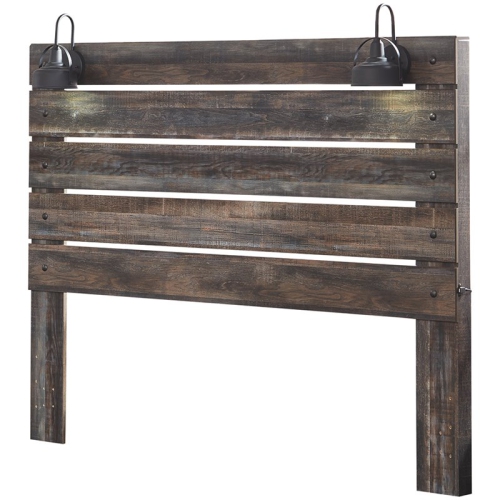 Your price for this item is $890.59
 -
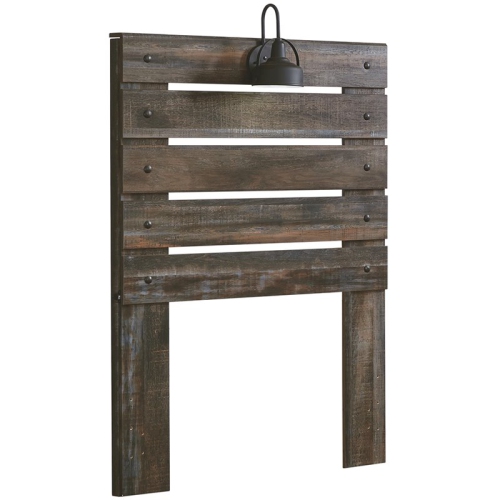 Your price for this item is $463.12
 -
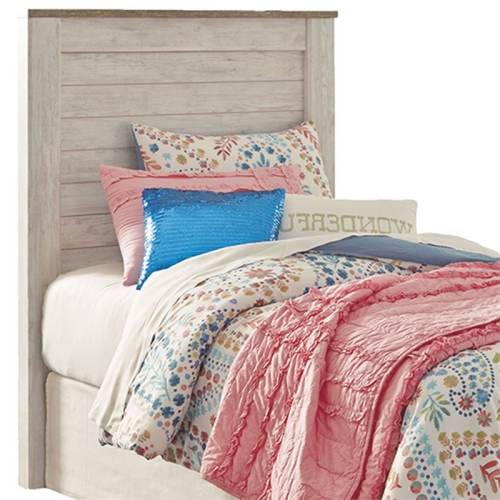 Your price for this item is $629.22
 -
 Your price for this item is $782.71
 -
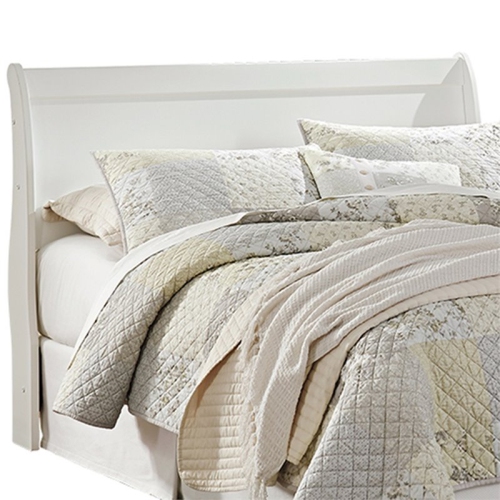 Your price for this item is $409.76
 -
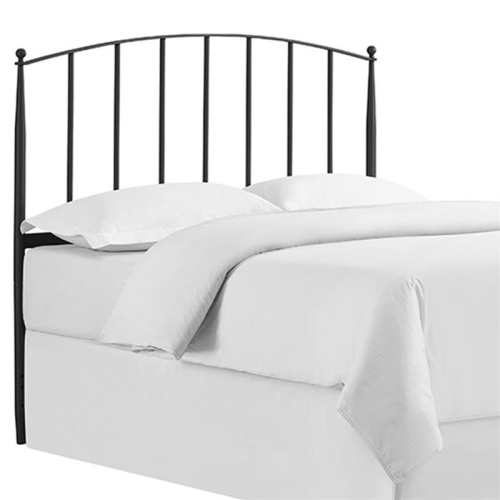 Your price for this item is $837.35
 -
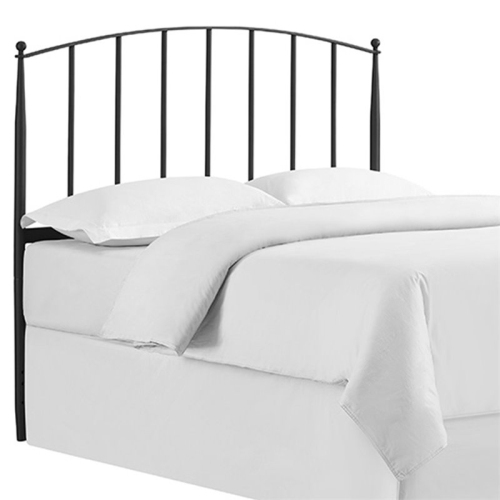 Your price for this item is $614.79
 -
 Your price for this item is $994.13
Discover more categories related to Bookcase Headboards for Full Size Beds

Top Collections:
Pokemon Centers, Kindle Devices, Best Budget Office Chairs, Apple iPhones 16, Best Laptops for Writers, iPhone 15 Apple, Canon G7X Cameras, Refurbished Apple Laptops, Alarm Clock, Motorola Razr Phones
Some products may be subject to Environmental Handling Fees
(EHF) depending on your province.
Learn more about EHFs.