Wooden Headboards for Full Beds
Elevate your bedroom décor with Wooden Headboards for Full Beds, designed to bring timeless style and warmth to any space. Perfect for adding a classic touch, these headboards blend seamlessly with a variety of interior themes. Whether you're refreshing a guest room or updating your own retreat, explore a wide selection of wooden headboards that complement full-size beds and create a cozy focal point in your home.
Sort
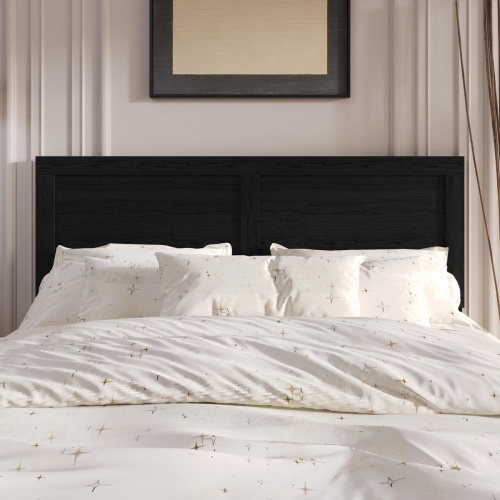
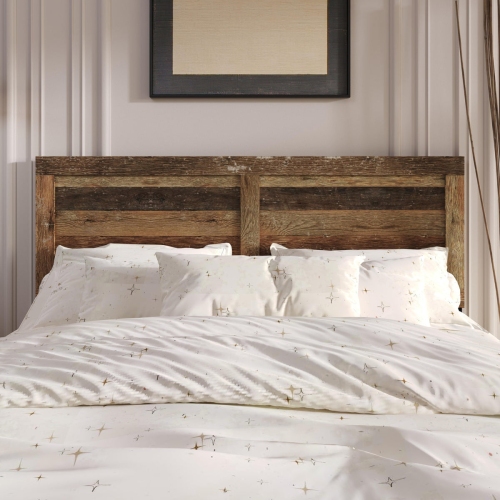
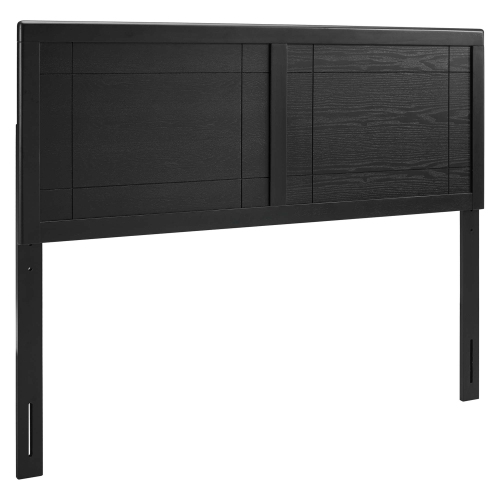
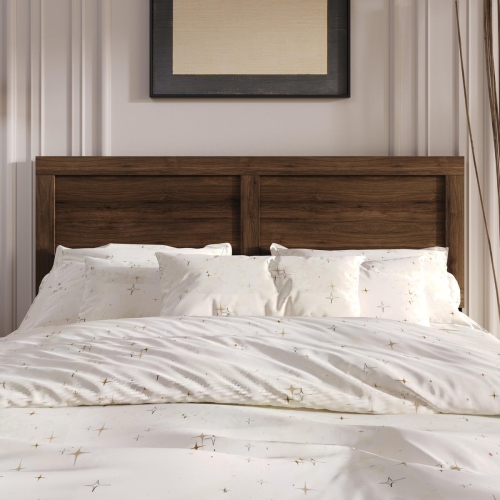
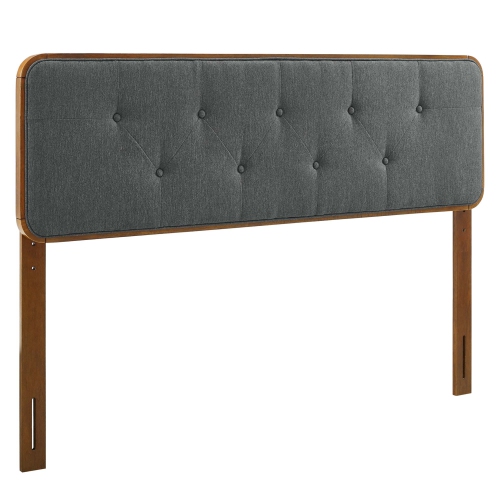
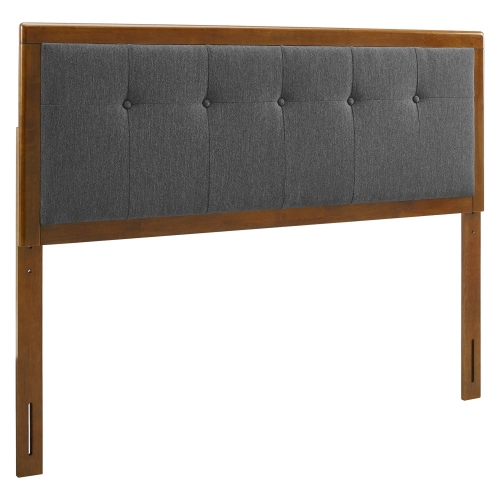
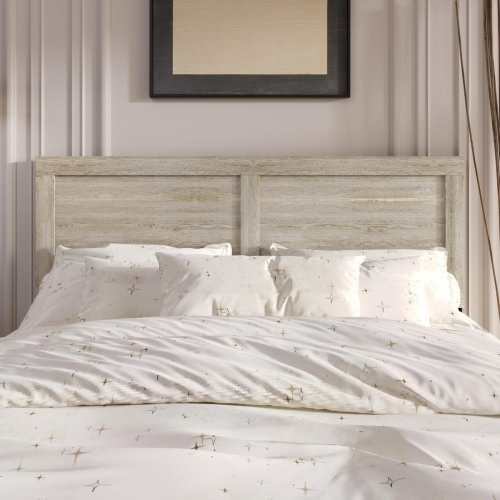
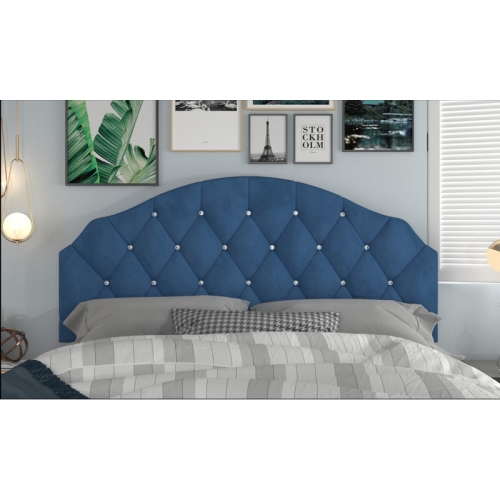
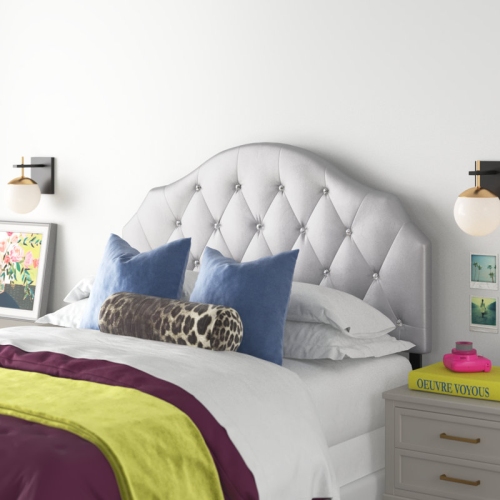
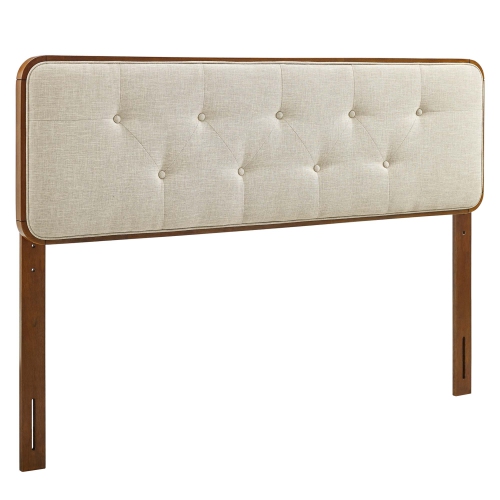

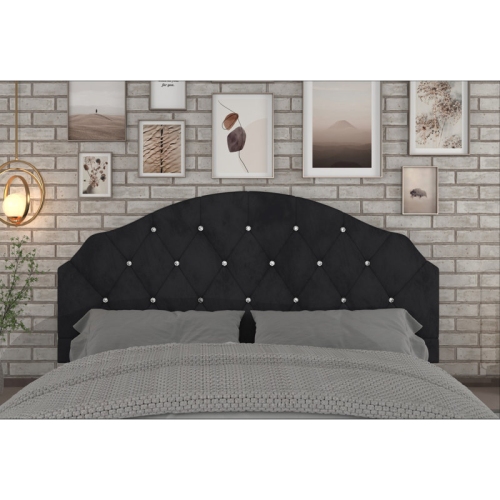
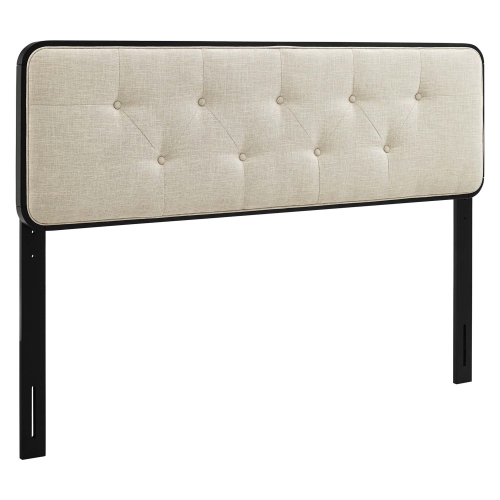
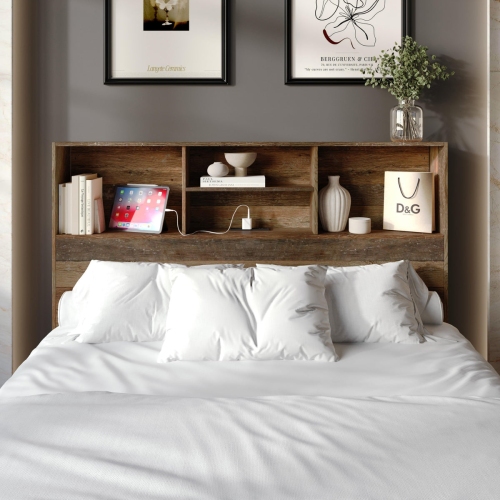
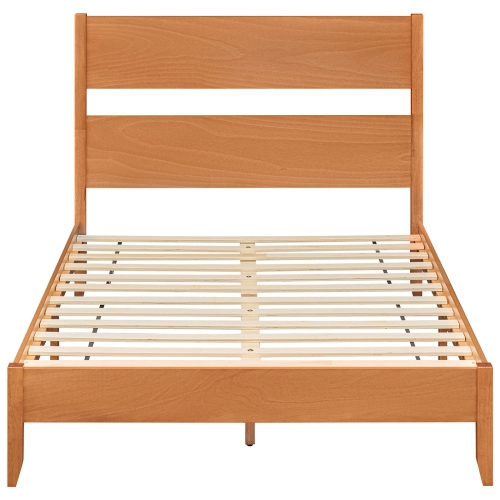
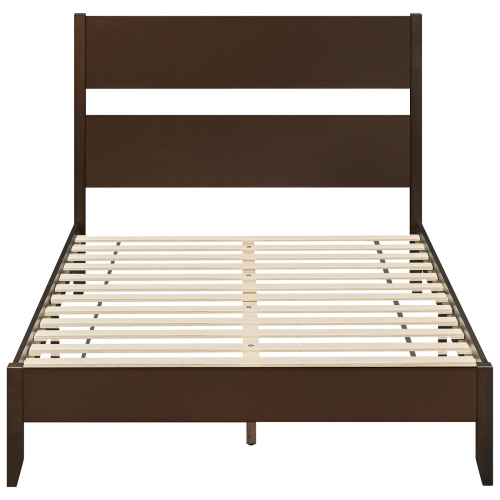
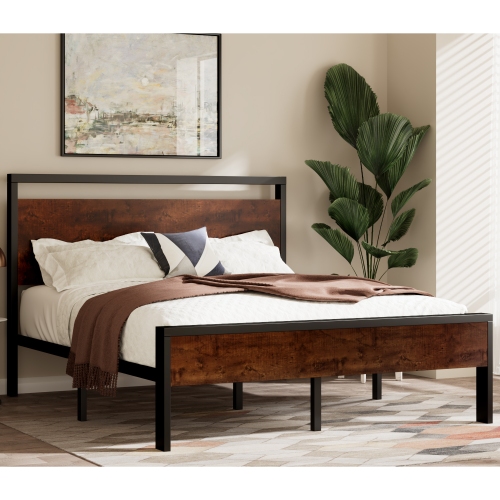
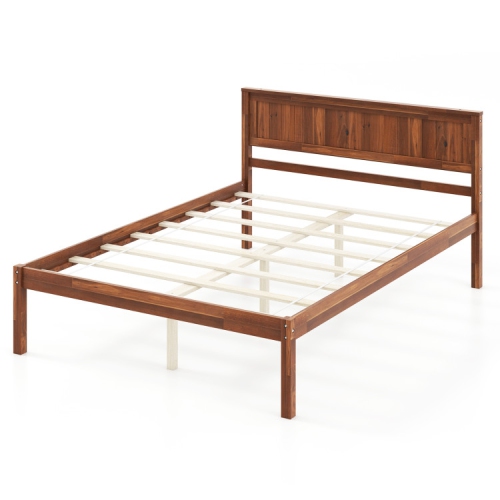
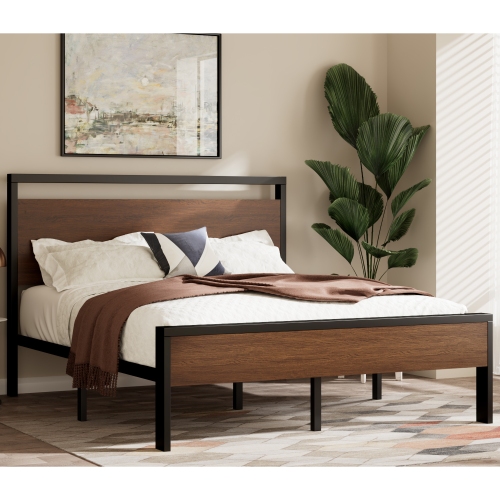
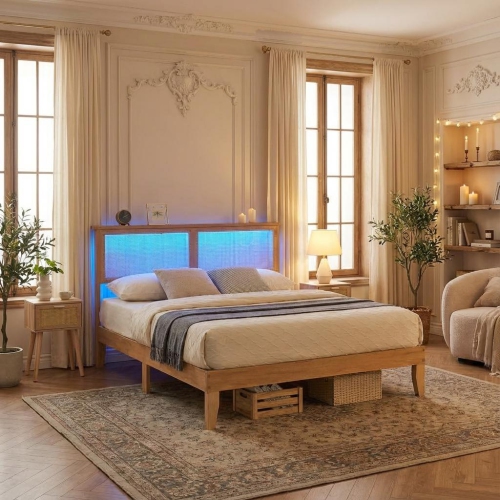
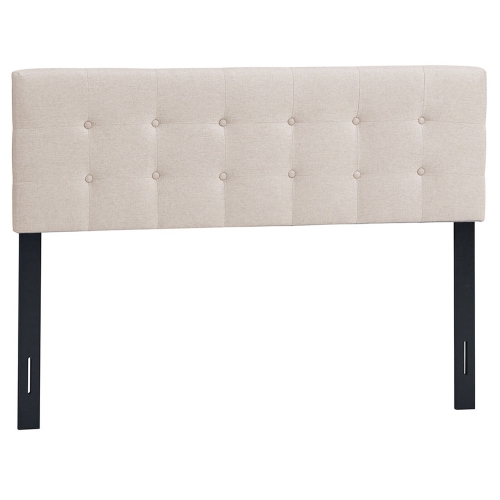
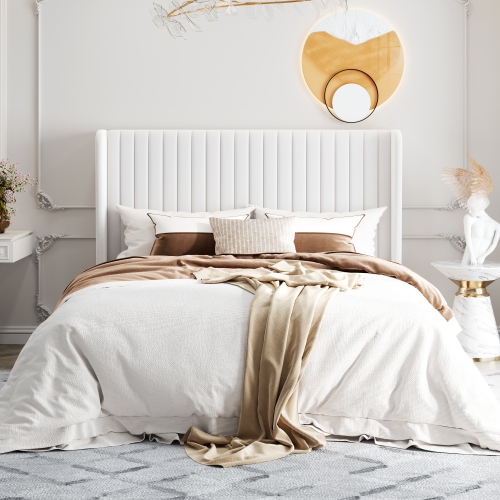
Wood grain sets the tone behind your pillows
Wooden headboards for full beds give a bedroom a defined focal point without requiring a complete furniture change. Also commonly called double beds, full beds suit many guest rooms, teenagers’ bedrooms, and smaller primary bedrooms, where the headboard can establish the room’s style while leaving the sleeping area unchanged. The character of wood comes through in its grain, knots, texture, and finish: a pale, smooth surface feels light and understated, while a deeper brown stain brings more visual weight behind neutral bedding. Slatted designs create an open outline, broad panels provide a more substantial backdrop, and framed or gently curved profiles can complement traditional furniture. A low, clean-lined headboard works well beneath artwork, while a taller design can hold its own against an otherwise bare wall. Material construction matters as much as appearance. Solid wood can show natural variations between boards and may develop small surface marks with everyday use; its ability to be refinished depends on the construction and coating. Wood veneer places a thin layer of real wood over a supporting core, offering visible grain without solid wood throughout. Engineered wood with a printed or laminated finish provides another approach, with care and repair requirements that differ from those of a real-wood surface. Oak often has a pronounced grain, while pine can show distinctive knots and a softer surface that marks more readily. The finish also affects daily wear: painted surfaces may reveal chips differently from stained wood, and heavily textured grain can take more attention to dust. For a cohesive room, the headboard does not need to match every bedside table or dresser exactly. Similar undertones, repeated hardware colours, or a shared furniture shape can connect mixed pieces without making the space feel overly matched. A warm wood headboard beside a simple painted chest, for example, can add texture while keeping the room balanced. Bedding then provides an easy way to soften the overall effect, whether through crisp white sheets, muted colours, or a patterned duvet.
Fit involves more than choosing a headboard labelled for a full bed. A standard full mattress is approximately 54 inches wide and 75 inches long, but the bed frame’s outside dimensions, mounting points, and surrounding furniture determine how a headboard will sit in the room. Some designs extend beyond the mattress edges, which can look intentional but may leave less space beside a narrow bedside table. Frame-mounted headboards need compatible brackets, bolt spacing, and hardware; a full-size label alone does not guarantee that two separate pieces will connect. Designs described as fitting more than one bed size may use several mounting positions, so the stated dimensions and attachment details deserve close attention. Wall-mounted headboards have different requirements, including suitable fixings for the wall construction and placement that works with the bed below. Freestanding styles also need to be positioned and secured as directed rather than assumed stable because they sit behind a mattress. Mattress thickness changes the finished look considerably. A deep mattress, topper, and stacked pillows can conceal much of a short headboard, while a thinner mattress may expose a gap that was less obvious in a styled photograph. Adjustable mounting heights can help where the design supports them, but the overall height should still suit nearby windows, shelves, and wall art. In a compact room, headboard depth matters too: projecting posts, ledges, or storage sections can push the bed farther from the wall and reduce space at the foot. Baseboards may keep the lower edge from sitting flush, and outlets behind the bed need enough clearance for plugs without crushing cords. For a room with a tight entrance, stairway, or hallway turn, packaged dimensions and assembly requirements are also practical considerations. A headboard that arrives in several sections may be easier to move into place, although assembly quality, correctly fitted hardware, and any required anchoring remain important to its stability.
Everyday routines help determine which wooden headboard details will feel useful rather than simply attractive. Someone who reads in bed may appreciate a broad surface behind supportive pillows, while a person who prefers a spare, uncluttered bedroom may favour a simple panel with little projection. Wood provides a firm backdrop, not the cushioning of an upholstered headboard, so pillows remain important for comfortable sitting. Open slats create a lighter appearance, though their spacing can affect how well pillows stay in place. In a guest room, a straightforward profile can work with different bedding styles and make the bed feel like a considered part of the room rather than a temporary arrangement. For bedrooms with limited bedside space, Bookcase Headboards for Full Size Beds can provide compartments for books, reading glasses, and small personal belongings, with extra depth and shelf clearance to account for in the layout. Any storage near the pillow area should be used within its stated limits, with heavy or easily tipped objects kept elsewhere. Care is usually simplest when it follows the finish manufacturer’s directions. A soft cloth removes loose dust from panels, edges, and joints; carved details and narrow slats may need more attention than a flat surface. If a slightly damp cloth is permitted, drying the surface promptly helps prevent moisture from lingering at seams. Abrasive pads, harsh cleaners, and furniture polish that is unsuitable for the coating can change the sheen or damage the finish. Repeated contact from jewellery, bed frames, or objects placed on a ledge may also leave marks, making construction and finish quality worth considering in a frequently used bedroom. Periodic checks of accessible fasteners can help address movement or rattling before connections loosen further. With suitable dimensions, compatible mounting, and a finish that fits the household’s habits, a wooden headboard can give a full bed a lasting sense of place while remaining easy to coordinate as bedding and surrounding furniture change.
Top selling and popular products
-
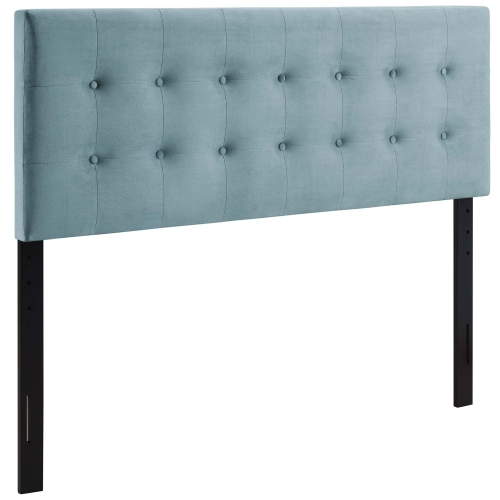 Your price for this item is $438.48
-
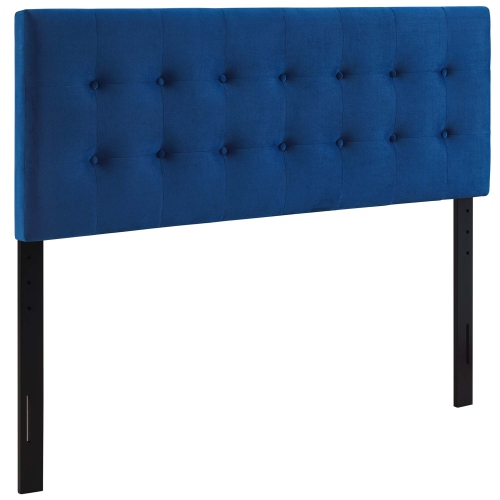 Your price for this item is $220.66
-
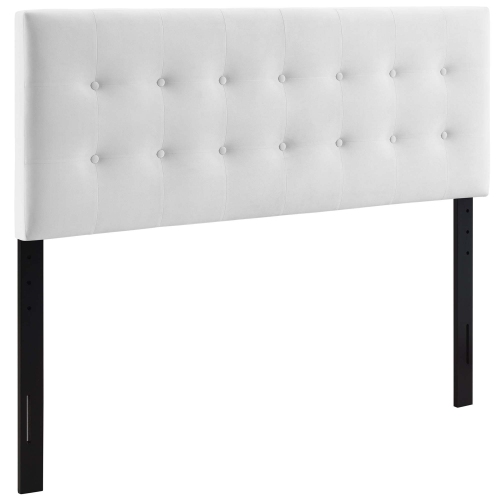 Your price for this item is $220.66
-
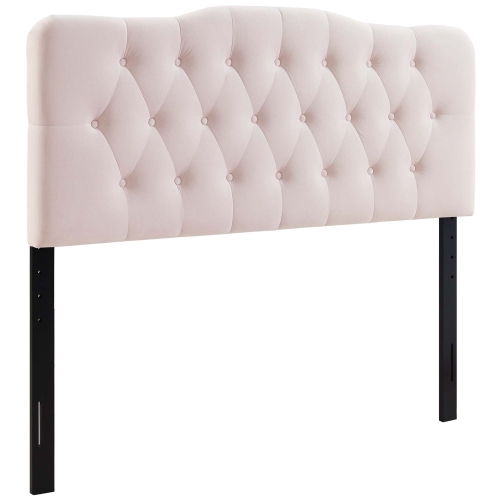 Your price for this item is $493.19
-
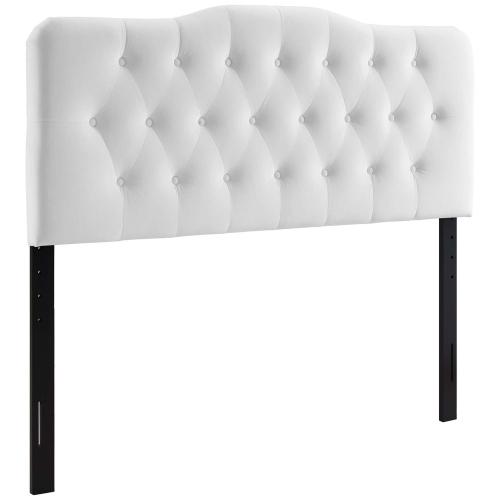 Your price for this item is $254.21
-
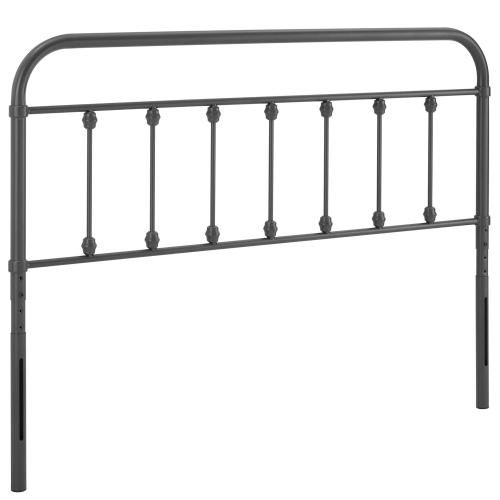 Your price for this item is $390.05
-
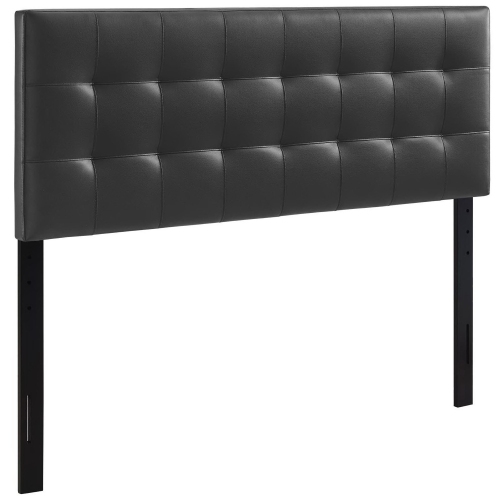 Your price for this item is $217.61
-
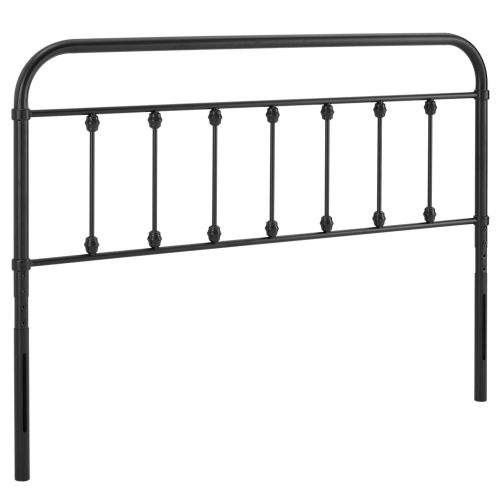 Your price for this item is $184.06
Discover more categories related to Wooden Headboards for Full Beds
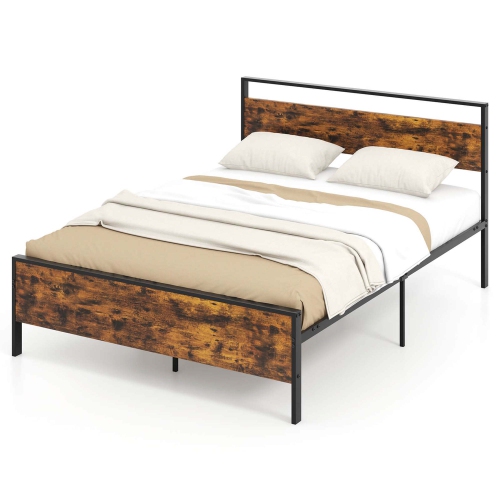

Top Collections:
Best Black Friday Deals This Year, Best Black Friday Deals On Electronics, Kindle Devices, Dyson Airwrap, Best Cameras for Sports Photography, Best Budget Office Chairs, Canon G7X Cameras, PS5 Pro Consoles, Best Black Friday Deals On Apple Products, XBOX One S Consoles
Some products may be subject to Environmental Handling Fees
(EHF) depending on your province.
Learn more about EHFs.