Bookshelf Ladders
Looking to add a touch of sophistication and functionality to your living space? Explore our collection of bookshelf ladders, where style meets practicality. These versatile pieces not only provide ample storage for your favorite books and decor but also serve as a statement piece in any room. Whether you're looking to maximize vertical space in a cozy apartment or add a touch of modern flair to your home office, our selection of bookshelf ladders offers a range of designs to suit your unique style and organizational needs.
Sort
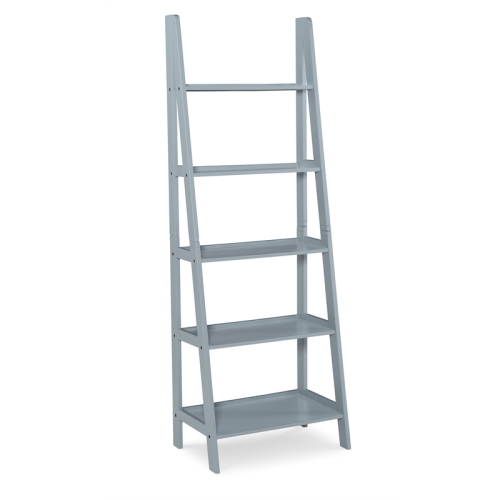
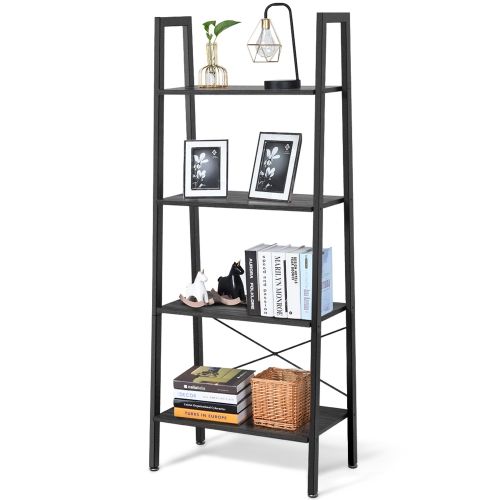
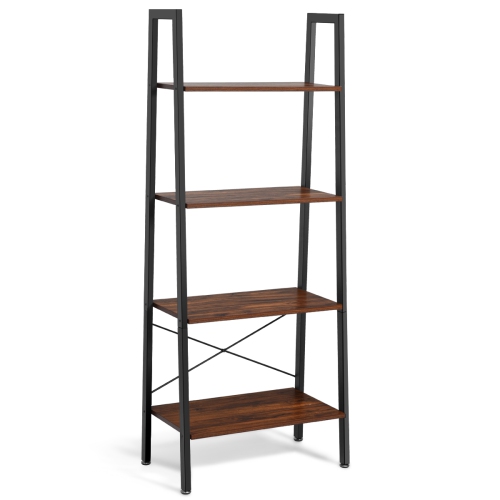
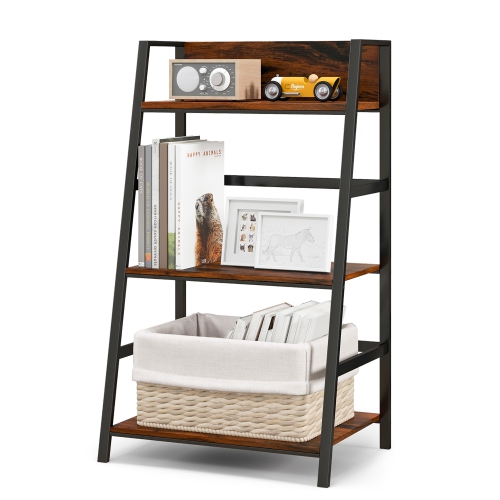
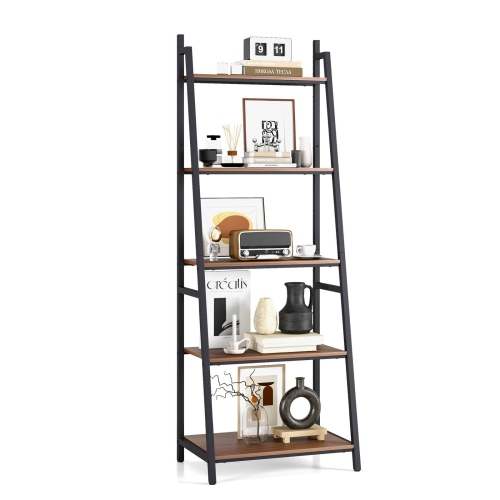
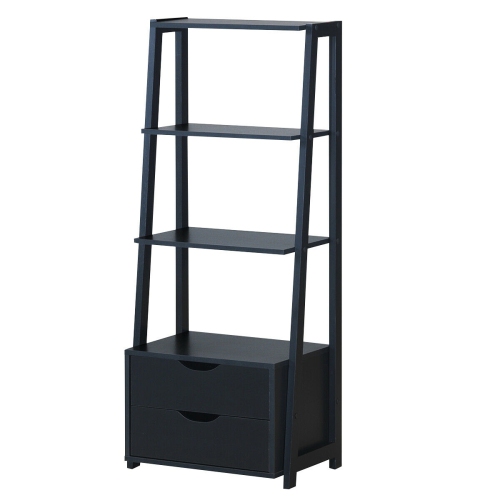
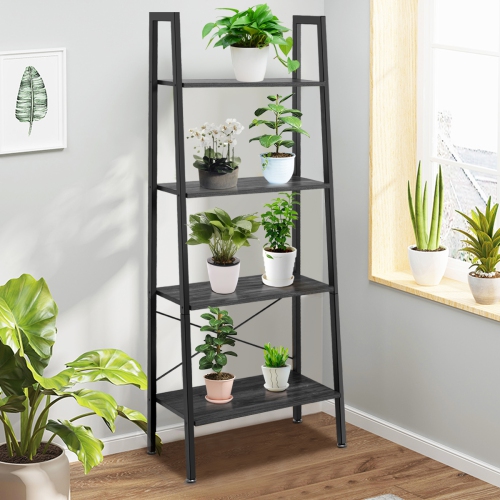
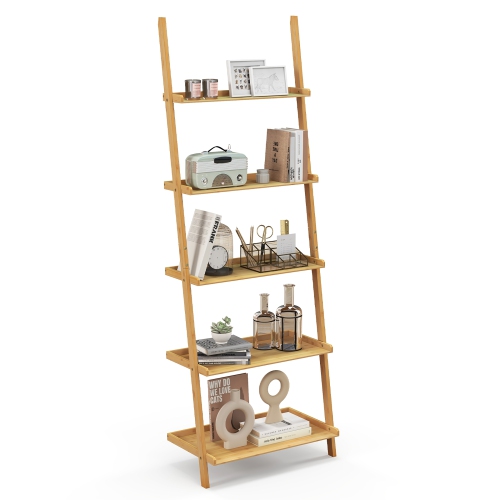
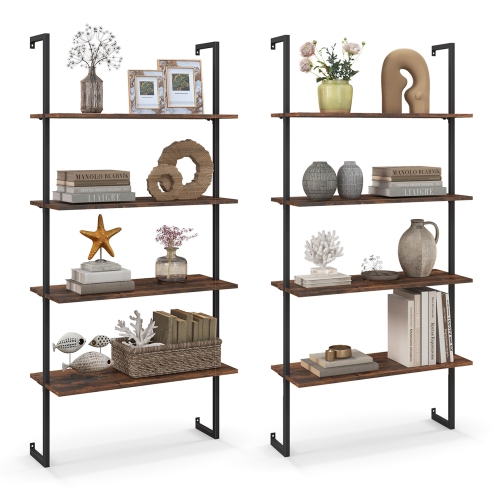
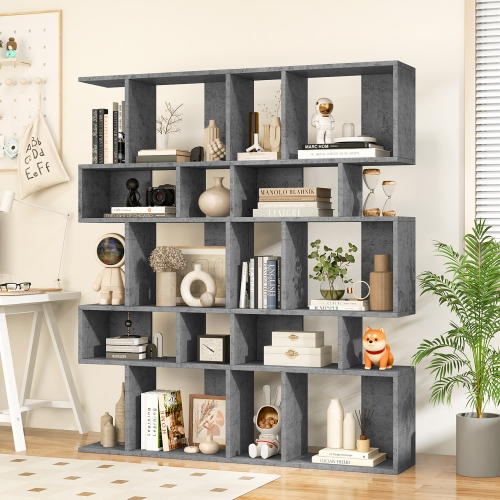
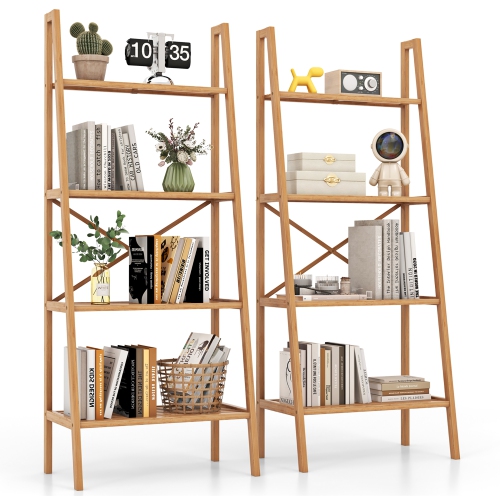
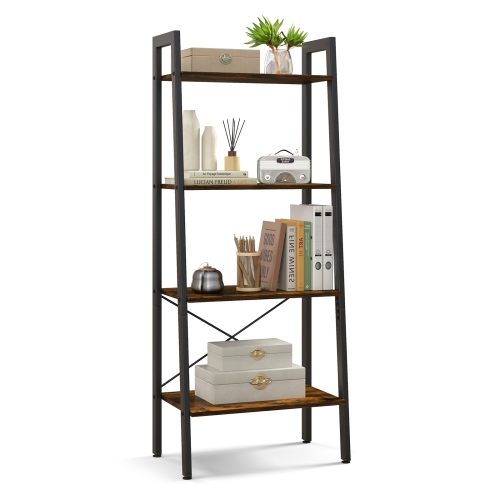

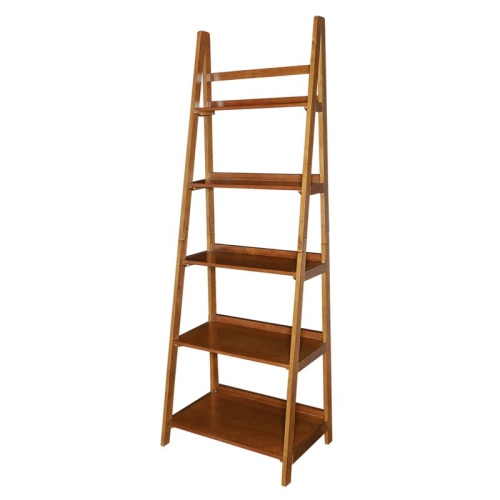
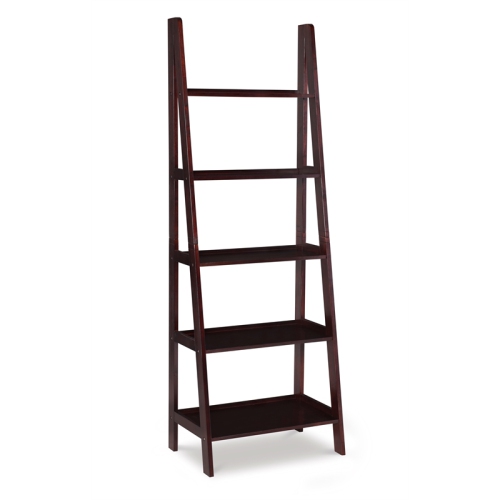

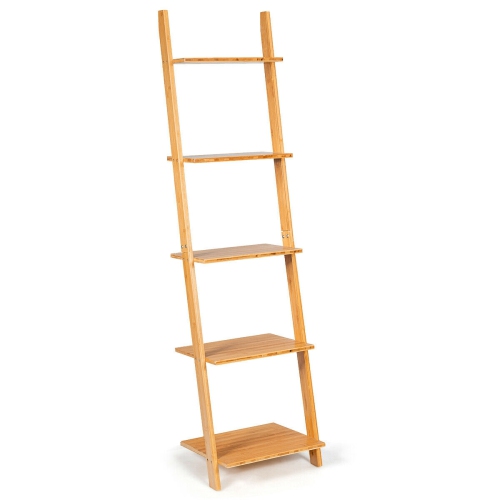
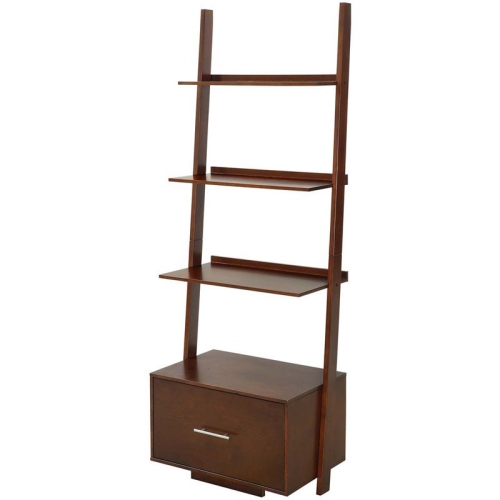
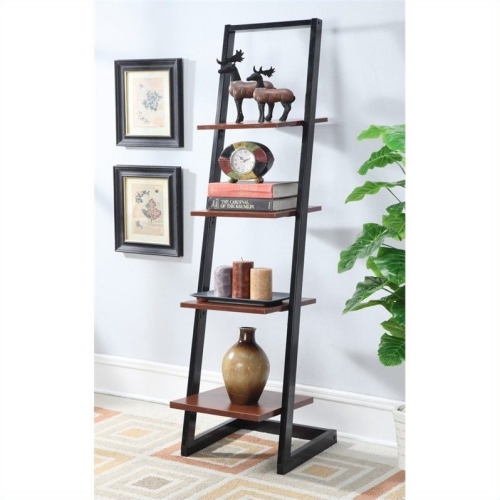
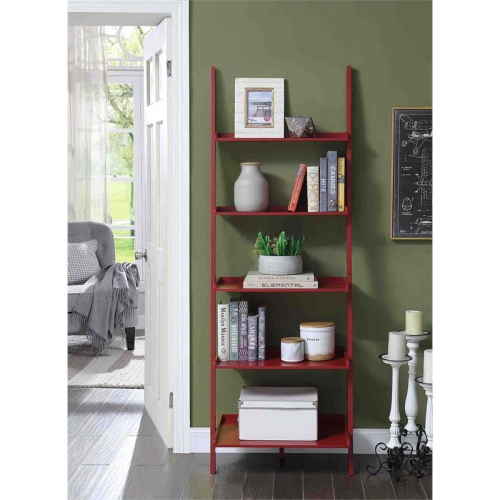
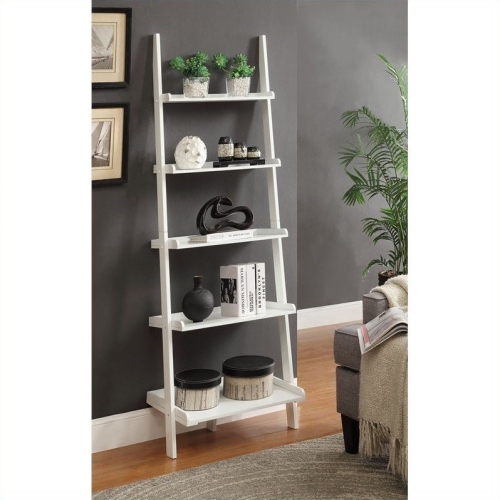
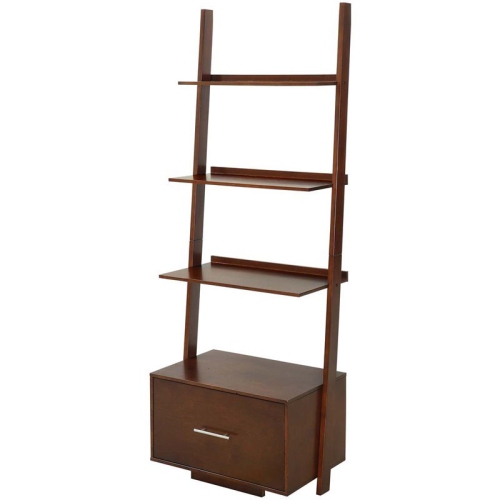
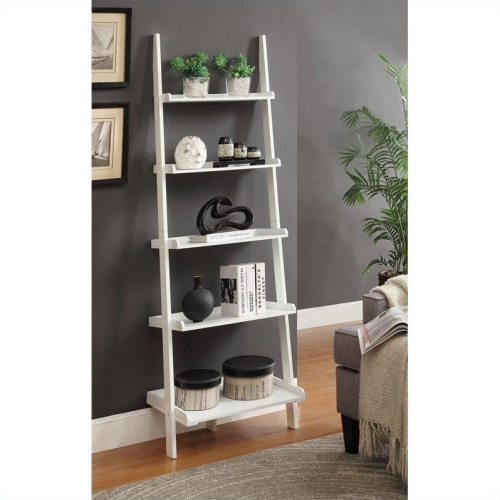
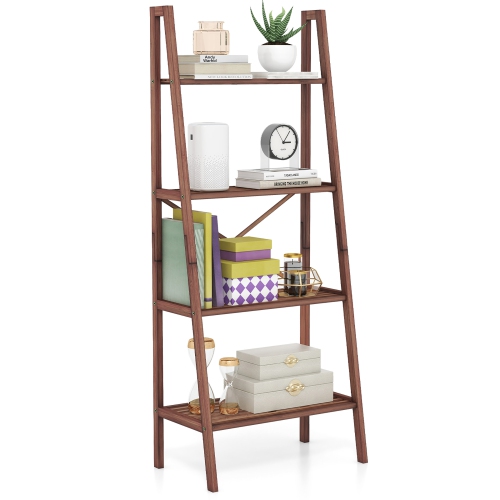
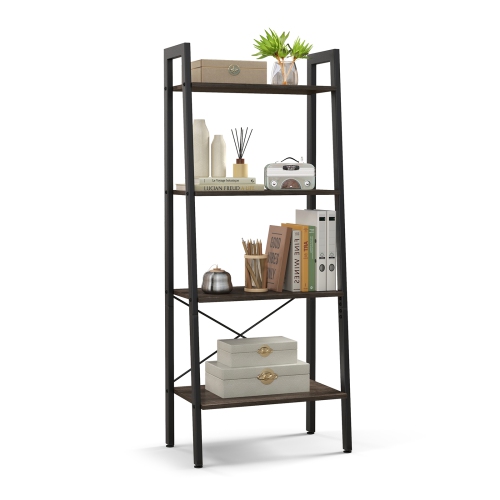
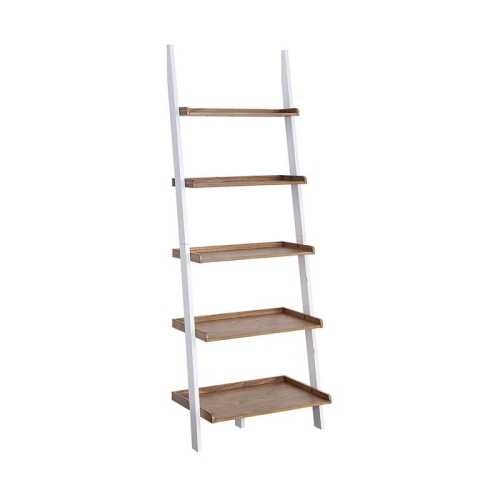
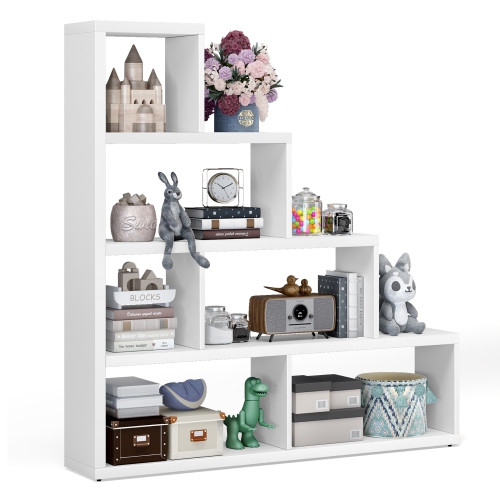
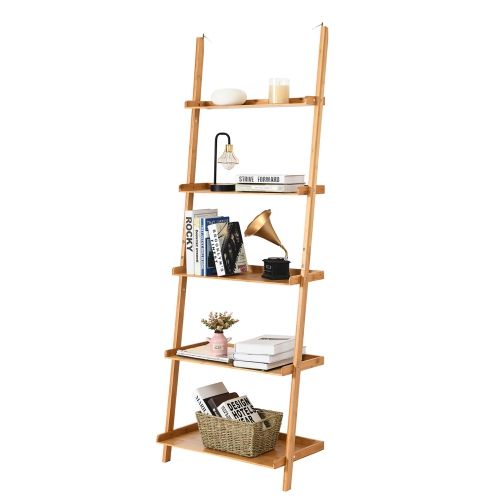
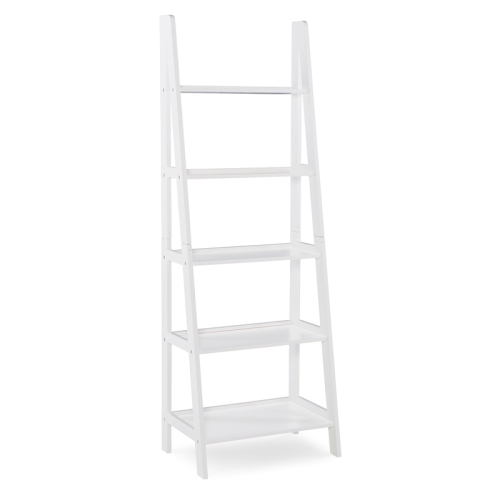
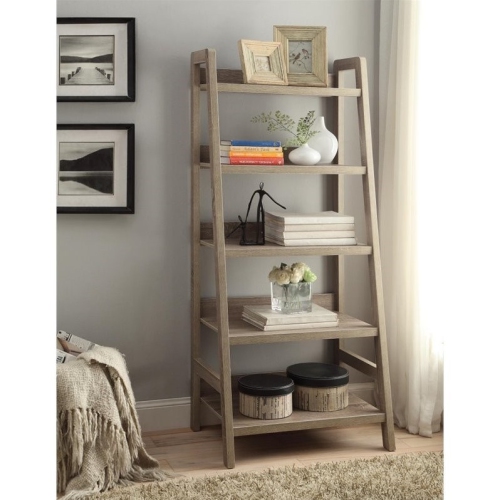


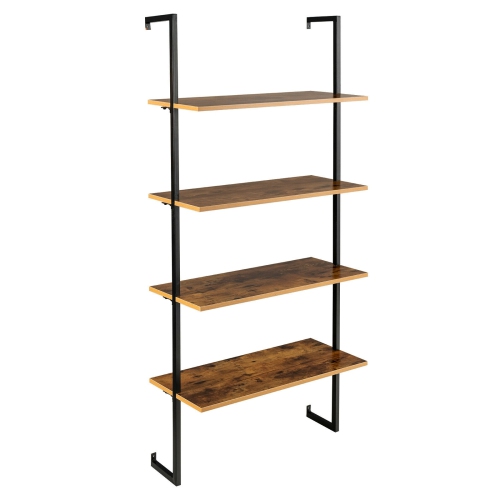
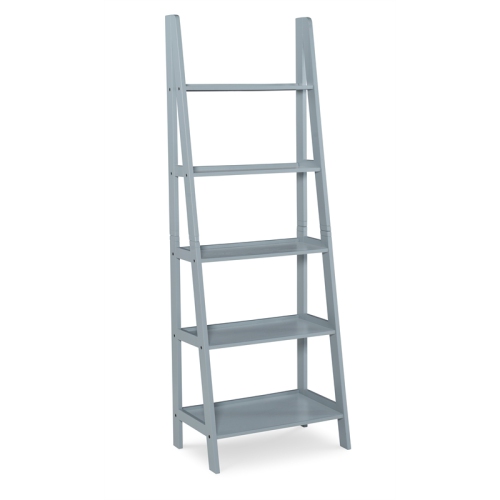
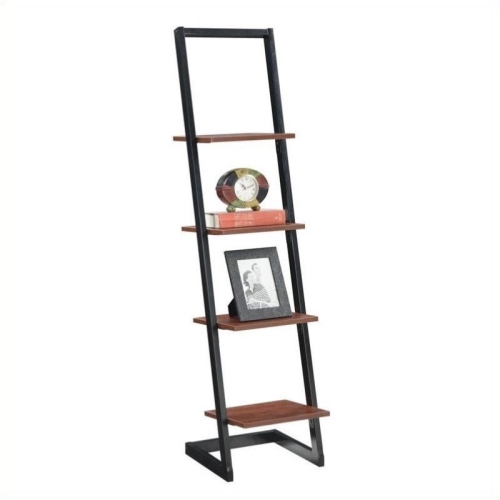
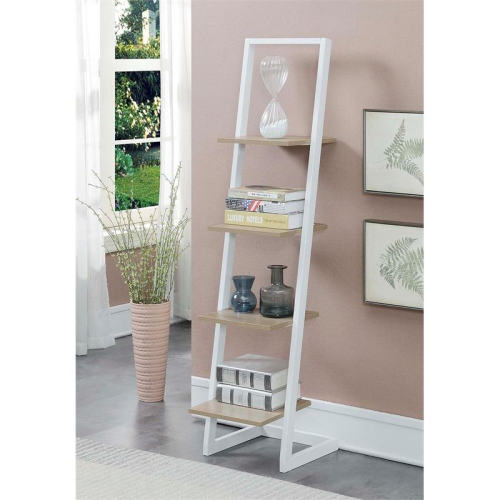
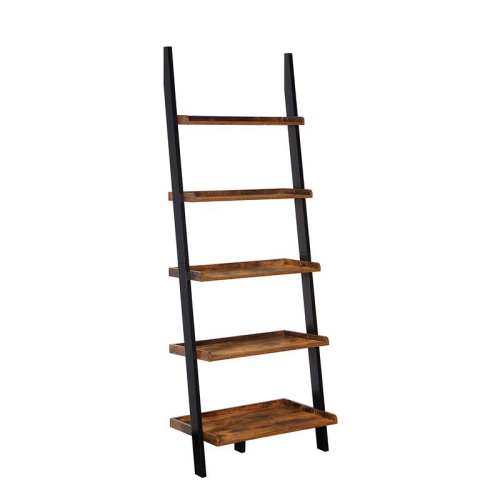

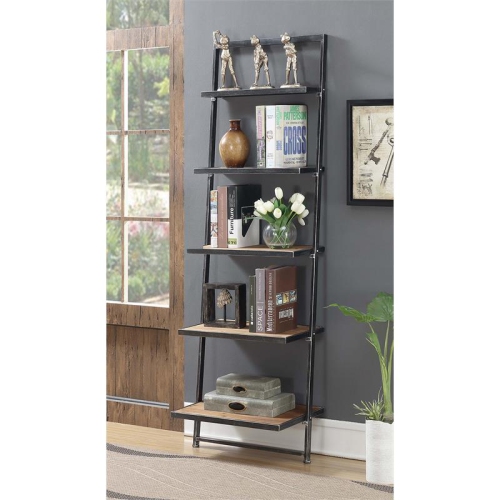
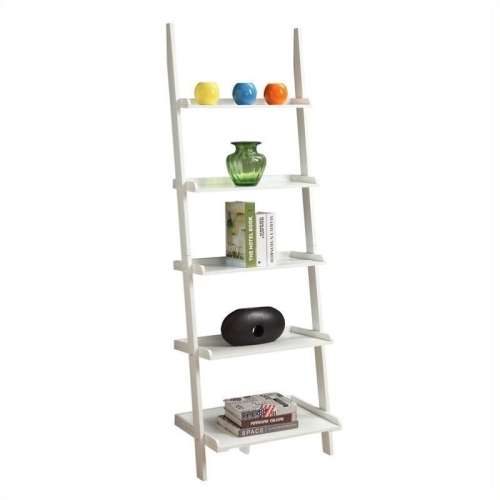
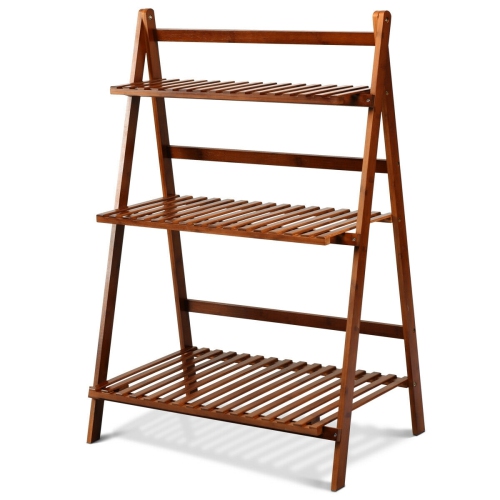
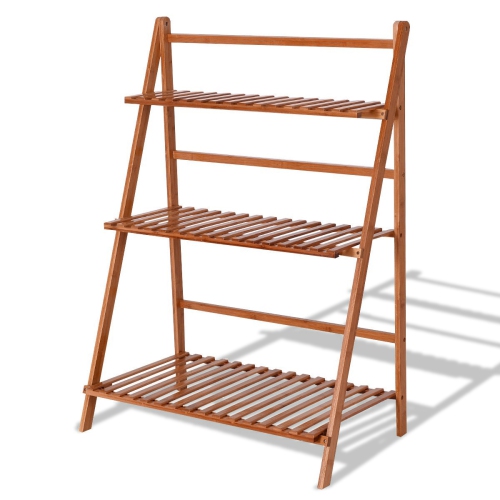
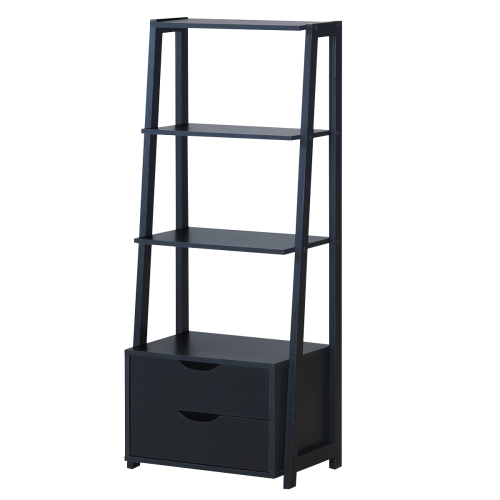

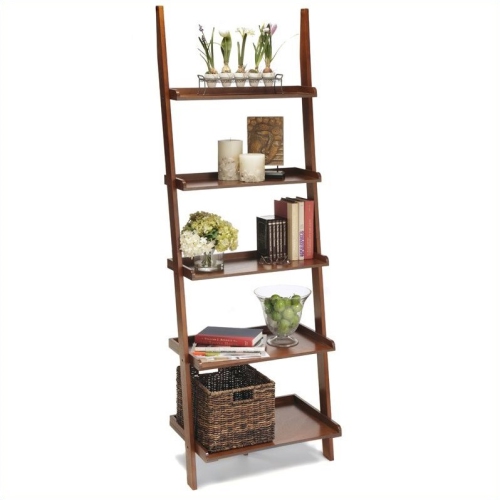
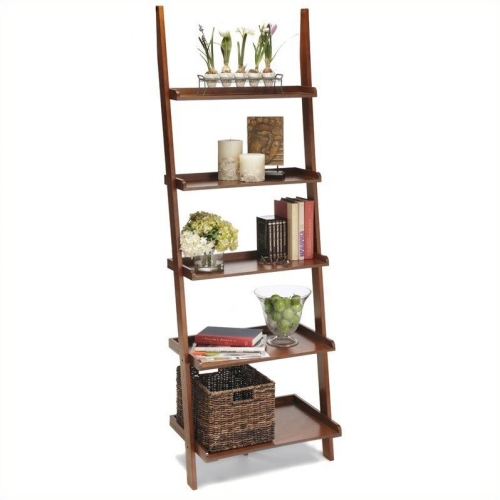
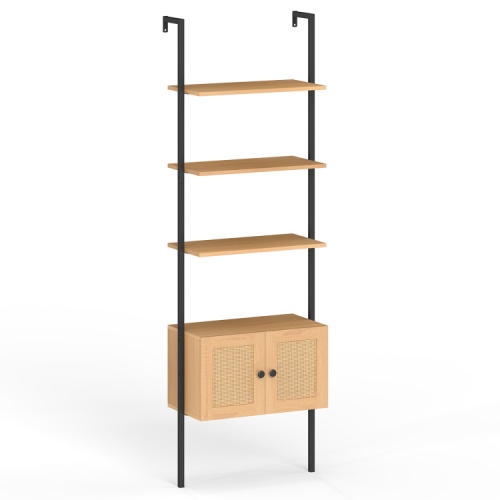
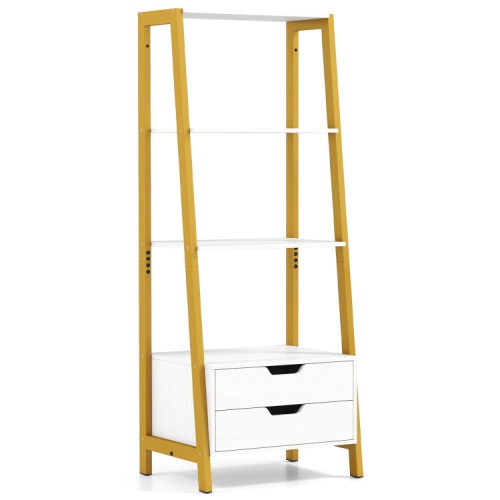
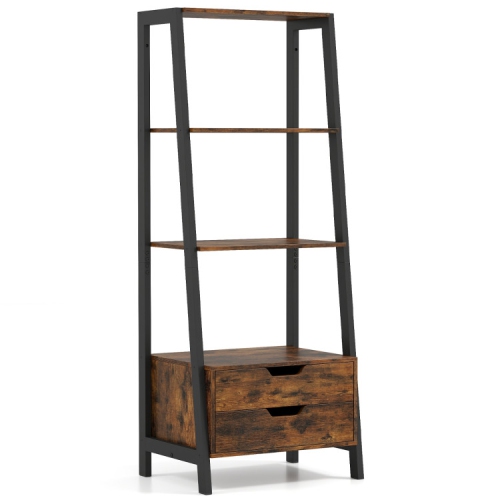

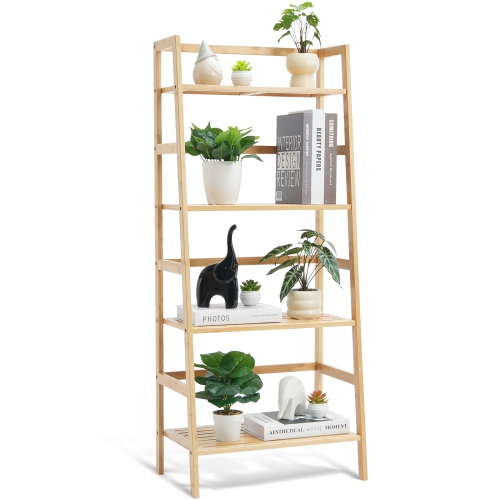
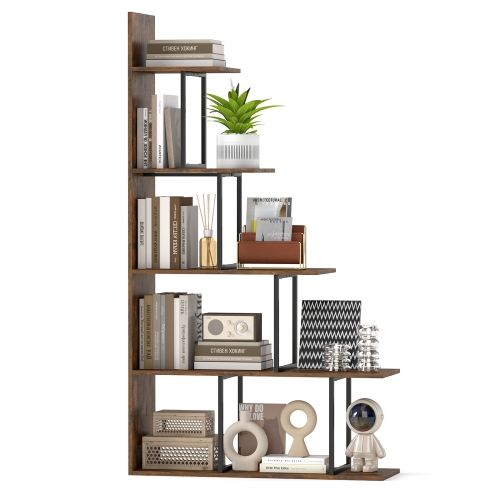
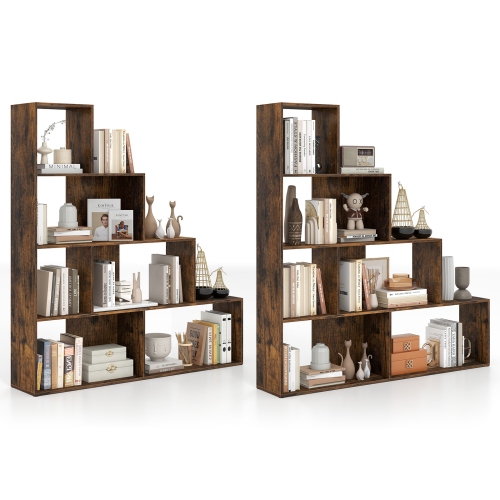
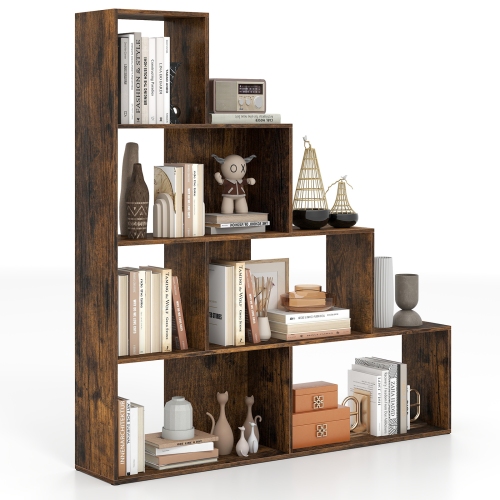
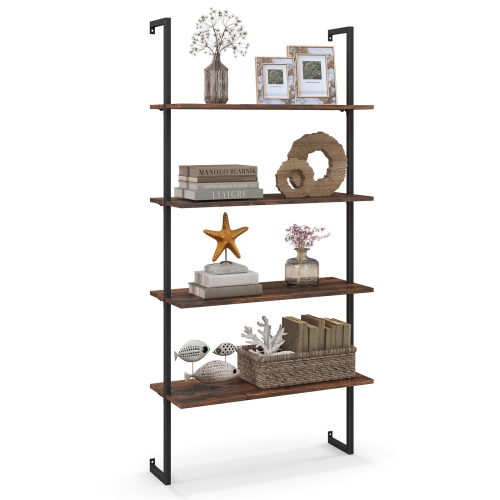
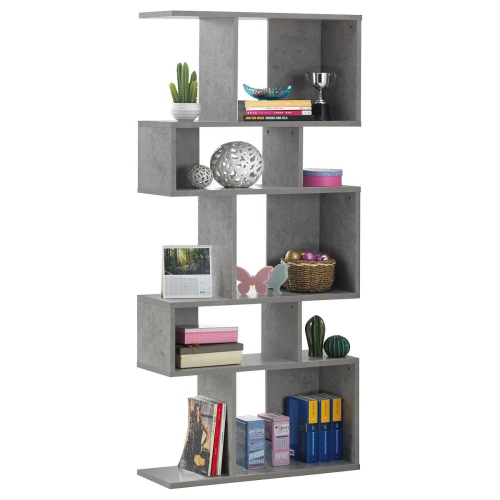
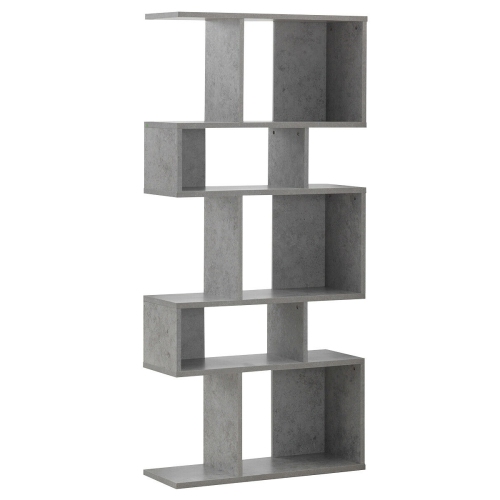
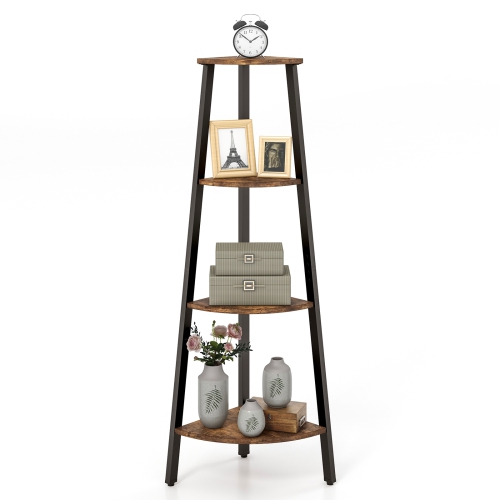
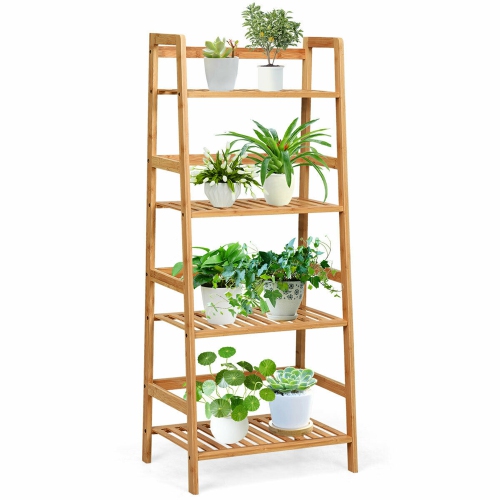
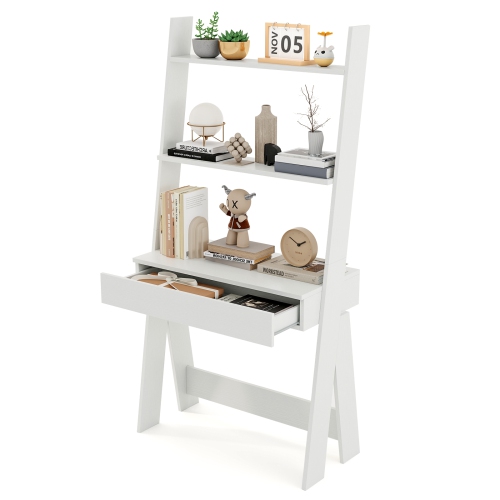
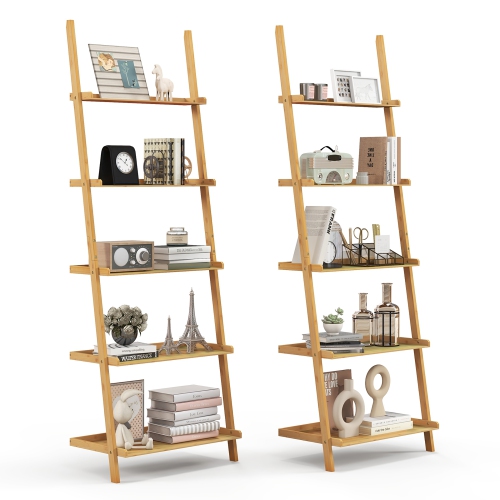
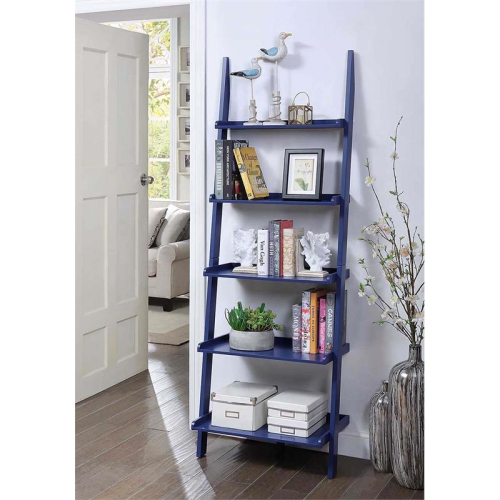
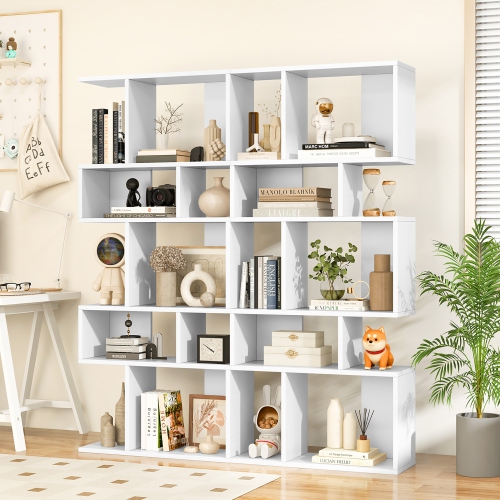
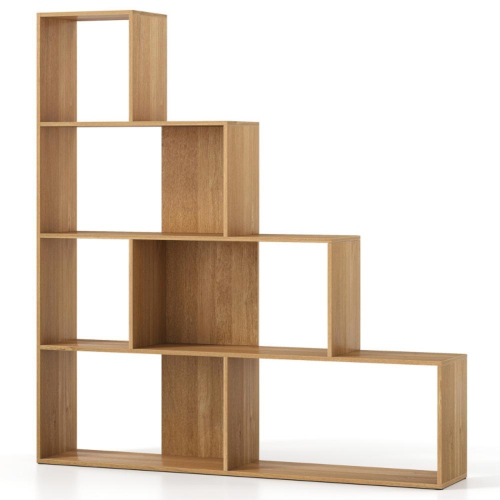
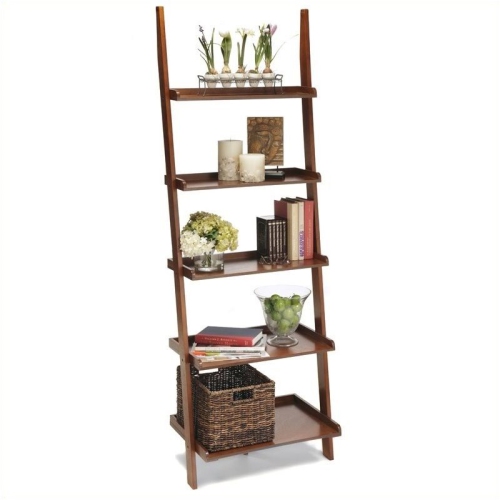
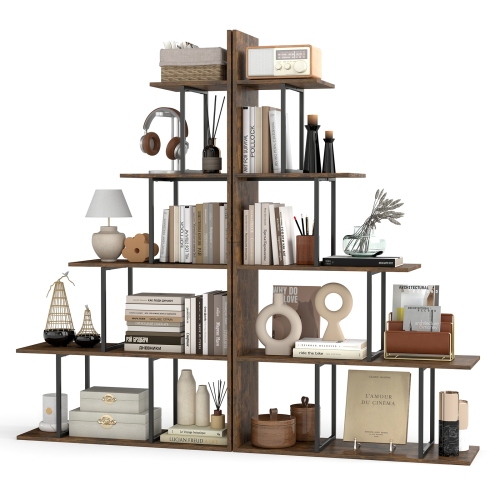
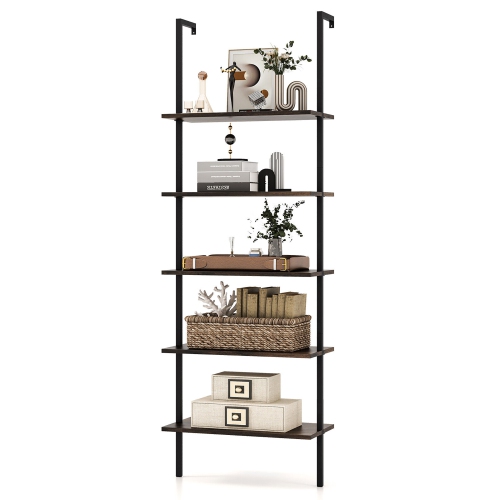
Tapered shelves balance book storage with an airy display
Bookshelf ladders are ladder-shaped shelving units that combine book storage with an open display area, often using shelves that become shallower towards the top. Also called ladder bookshelves or leaning bookcases, they are furniture for holding belongings, not ladders for climbing or reaching high shelves. Their tapered profile gives them a lighter visual presence than many enclosed bookcases, making them a natural fit beside a reading chair, along a home office wall, or in a bedroom corner. Lower tiers can hold larger books and storage baskets, while narrower upper shelves suit paperbacks, framed photographs, and small keepsakes, provided everything fits within the shelf dimensions and weight limits. The open sides leave book spines and displayed objects visible, although books may need bookends where there are no side panels to support them. Leaning designs rest at an angle against a wall and require secure installation according to their instructions. Freestanding designs have their own supporting structure, but that does not necessarily remove the need for wall anchoring. The distinction matters in homes with children or pets, as well as anywhere a shelf could be bumped while someone passes. Related Ladder Shelves can also serve broader storage and display needs beyond a book collection. In a living room, this style can bring novels, family photographs, and a favourite ceramic bowl together without the bulk of a full wall unit. In a study, it can keep reference books and notebooks close to a desk while leaving the work surface clear. For readers furnishing a first apartment, students arranging a compact room, or anyone creating a quieter reading spot, the appeal is practical as much as visual: everyday belongings have an assigned place, and the arrangement can change as the collection grows. Open shelving also makes it easier to see what is stored, rather than searching through stacked boxes or crowded cupboards.
Materials and construction influence how bookshelf ladders look, feel, and hold up to daily use. Solid wood brings natural grain and variation, with finishes that can range from pale and understated to rich and dark. Wood veneer offers a real wood surface over a core material, while laminated engineered wood can provide a consistent colour or wood-look finish that is straightforward to coordinate with existing furniture. Each has its own care requirements, and the surface finish matters just as much as the material underneath. Metal frames introduce a slimmer outline and can pair well with wood-look shelves, especially in rooms with black desk legs, metal lighting, or other clean-lined furniture. A frame's appearance alone does not establish its strength, however; shelf thickness, joints, fasteners, and the stated load capacity all contribute to suitability. A row of hardcovers weighs considerably more than a few photographs, so per-shelf limits deserve attention when the main purpose is book storage. Graduated shelves can be especially useful for a mixed collection, with deeper lower tiers accommodating larger volumes and slimmer upper tiers holding smaller formats. Tall art books, binders, and albums also need enough vertical clearance to stand upright without pressing against the shelf above. Shelf lips or rear rails may help keep objects in place, but they are not substitutes for a proper fit or secure anchoring. Visually, a light finish can blend into a pale wall, while a darker frame creates a more defined outline around books and objects. Matching every piece of furniture is unnecessary; repeating one wood tone or metal finish can make the room feel connected. For long-term use, well-fitted joints, intact shelf surfaces, and accessible hardware are useful details to consider. Furniture that will move between rooms or homes also benefits from assembly instructions that can be kept for later, since dismantling and rebuilding should follow the manufacturer's directions rather than relying on guesswork.
Fit involves more than finding an empty stretch of wall. The full assembled height, width, and depth determine whether a ladder bookcase sits comfortably in a room, and leaning designs may project farther into the floor area than their upper shelves suggest. Baseboards, nearby outlets, door swings, and heating vents can all affect placement. A narrow unit beside a sofa should leave enough space to walk past without catching a sleeve or knocking a book from an open edge. In a home office, keeping frequently used titles within comfortable reach makes the shelving more useful than an arrangement chosen only for appearance. Heavier books generally belong on lower shelves, within the stated limits, with lighter objects higher up to help keep the load balanced. No shelf should be used as a step, and wall restraints should be installed as directed with hardware suited to the wall construction. If the instructions require attachment to wall studs or particular fixings, that requirement is part of the furniture's safe setup, not an optional finishing touch. Care is usually uncomplicated but should follow the guidance for the finish: regular dusting with a soft cloth, prompt attention to spills, and avoiding excess moisture help protect shelf surfaces. Abrasive cleaners can damage finishes, while prolonged direct sunlight may alter the colour of wood and fade book covers. Planters need watertight protection underneath so a small watering spill does not sit unnoticed against the shelf. During the cooler months, a bookcase near a favourite chair can keep novels and a basket of reading accessories close by, but it should remain clear of fireplaces and other heat sources. Leaving a little open space between groups of books makes everyday tidying easier and gives displayed objects room to stand out. A ladder bookcase can also be a thoughtful housewarming gift for a reader or someone setting up a home office, particularly when the recipient's room dimensions, storage needs, and preferred finish are known. With suitable proportions and a considered arrangement, it becomes a useful part of daily life rather than simply another surface to fill.
Materials and construction influence how bookshelf ladders look, feel, and hold up to daily use. Solid wood brings natural grain and variation, with finishes that can range from pale and understated to rich and dark. Wood veneer offers a real wood surface over a core material, while laminated engineered wood can provide a consistent colour or wood-look finish that is straightforward to coordinate with existing furniture. Each has its own care requirements, and the surface finish matters just as much as the material underneath. Metal frames introduce a slimmer outline and can pair well with wood-look shelves, especially in rooms with black desk legs, metal lighting, or other clean-lined furniture. A frame's appearance alone does not establish its strength, however; shelf thickness, joints, fasteners, and the stated load capacity all contribute to suitability. A row of hardcovers weighs considerably more than a few photographs, so per-shelf limits deserve attention when the main purpose is book storage. Graduated shelves can be especially useful for a mixed collection, with deeper lower tiers accommodating larger volumes and slimmer upper tiers holding smaller formats. Tall art books, binders, and albums also need enough vertical clearance to stand upright without pressing against the shelf above. Shelf lips or rear rails may help keep objects in place, but they are not substitutes for a proper fit or secure anchoring. Visually, a light finish can blend into a pale wall, while a darker frame creates a more defined outline around books and objects. Matching every piece of furniture is unnecessary; repeating one wood tone or metal finish can make the room feel connected. For long-term use, well-fitted joints, intact shelf surfaces, and accessible hardware are useful details to consider. Furniture that will move between rooms or homes also benefits from assembly instructions that can be kept for later, since dismantling and rebuilding should follow the manufacturer's directions rather than relying on guesswork.
Fit involves more than finding an empty stretch of wall. The full assembled height, width, and depth determine whether a ladder bookcase sits comfortably in a room, and leaning designs may project farther into the floor area than their upper shelves suggest. Baseboards, nearby outlets, door swings, and heating vents can all affect placement. A narrow unit beside a sofa should leave enough space to walk past without catching a sleeve or knocking a book from an open edge. In a home office, keeping frequently used titles within comfortable reach makes the shelving more useful than an arrangement chosen only for appearance. Heavier books generally belong on lower shelves, within the stated limits, with lighter objects higher up to help keep the load balanced. No shelf should be used as a step, and wall restraints should be installed as directed with hardware suited to the wall construction. If the instructions require attachment to wall studs or particular fixings, that requirement is part of the furniture's safe setup, not an optional finishing touch. Care is usually uncomplicated but should follow the guidance for the finish: regular dusting with a soft cloth, prompt attention to spills, and avoiding excess moisture help protect shelf surfaces. Abrasive cleaners can damage finishes, while prolonged direct sunlight may alter the colour of wood and fade book covers. Planters need watertight protection underneath so a small watering spill does not sit unnoticed against the shelf. During the cooler months, a bookcase near a favourite chair can keep novels and a basket of reading accessories close by, but it should remain clear of fireplaces and other heat sources. Leaving a little open space between groups of books makes everyday tidying easier and gives displayed objects room to stand out. A ladder bookcase can also be a thoughtful housewarming gift for a reader or someone setting up a home office, particularly when the recipient's room dimensions, storage needs, and preferred finish are known. With suitable proportions and a considered arrangement, it becomes a useful part of daily life rather than simply another surface to fill.
Top selling and popular products
-
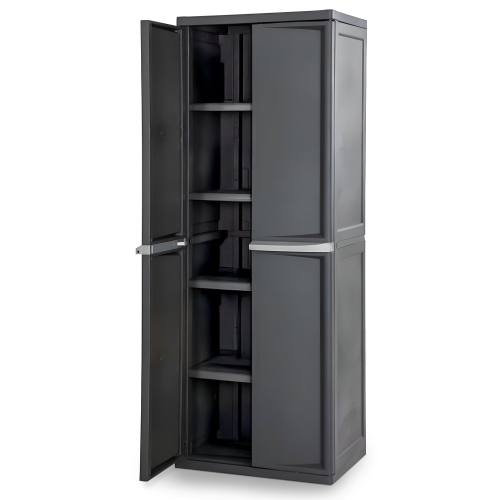 Your price for this item is $770.99
 -
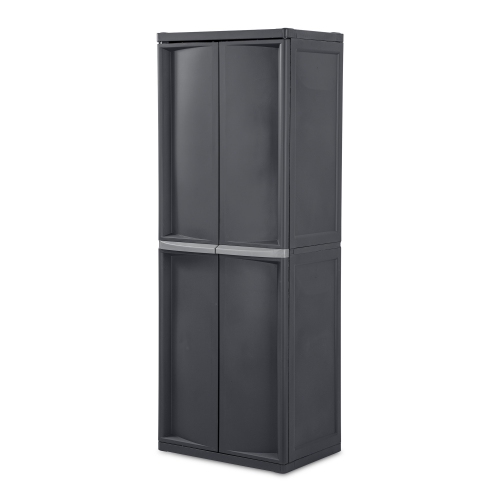 Your price for this item is $1520.99
 -
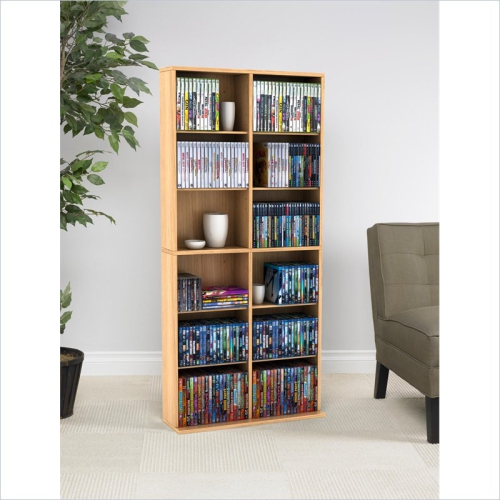 Your price for this item is $234.68
 -
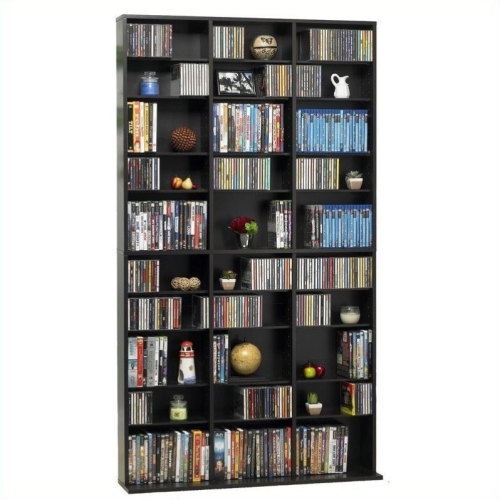 Your price for this item is $365.85
 -
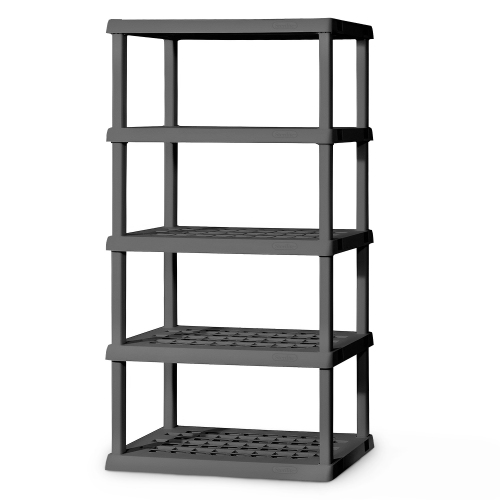 Your price for this item is $467.99
 -
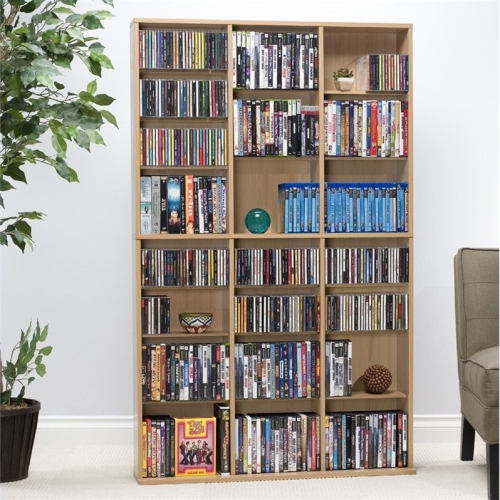 Your price for this item is $295.5
 -
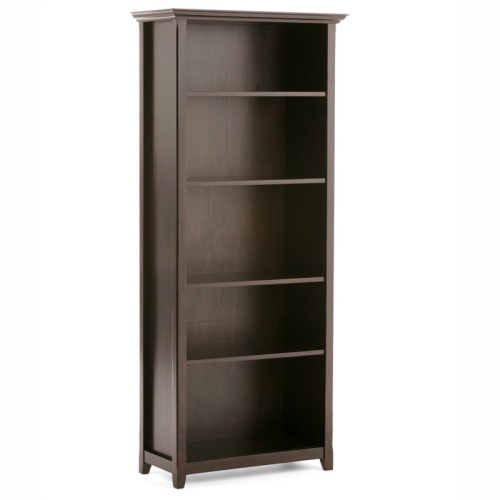 Your price for this item is $1001.48
 -
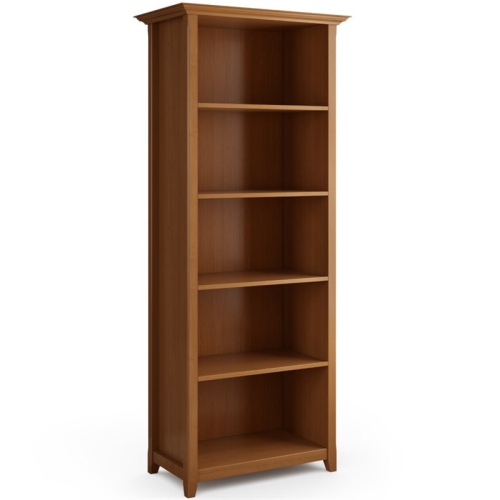 Your price for this item is $1000.15
Discover more categories related to Bookshelf Ladders
Top Collections:
Pokemon Centers, Kindle Devices, Best Budget Office Chairs, Apple iPhones 16, Canon G7X Cameras, iPhone 15 Apple, Alarm Clock, Refurbished Apple Laptops, Flip Phones, Best Laptops for Writers
Some products may be subject to Environmental Handling Fees
(EHF) depending on your province.
Learn more about EHFs.