Ladder Shelves
Ladder shelves are a stylish and practical way to add storage space to any room. These shelves are designed to look like a ladder, with several tiers that can be used for books, decorative items, or even plants. They come in a variety of sizes and styles, making them suitable for almost any room. Here are some great options for you.
Sort
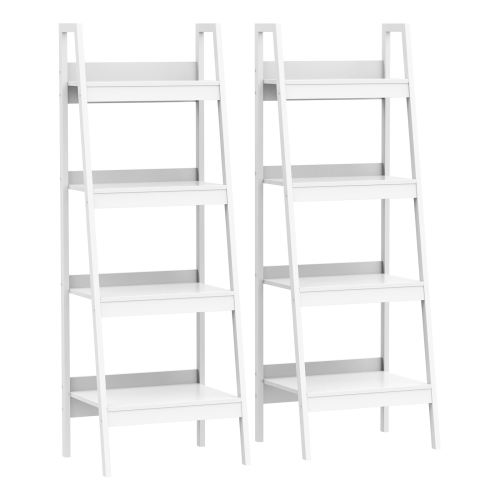
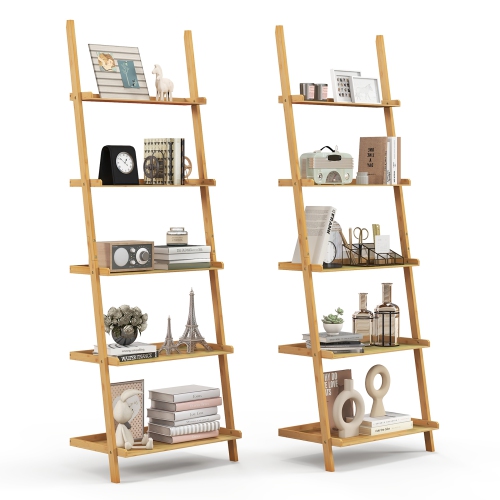
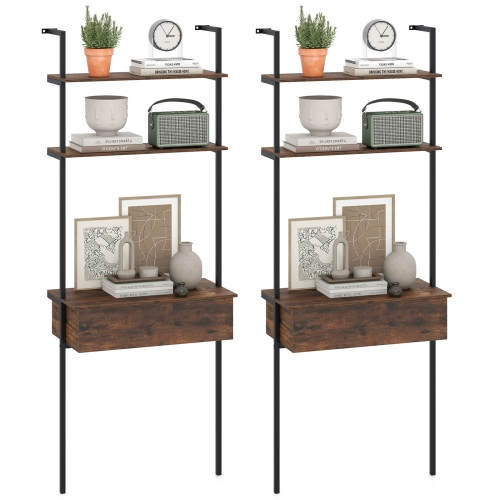
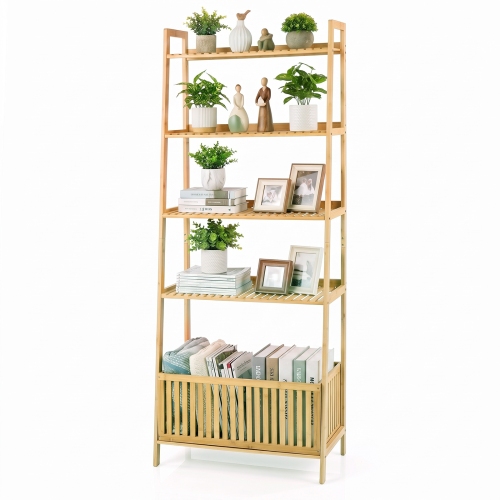
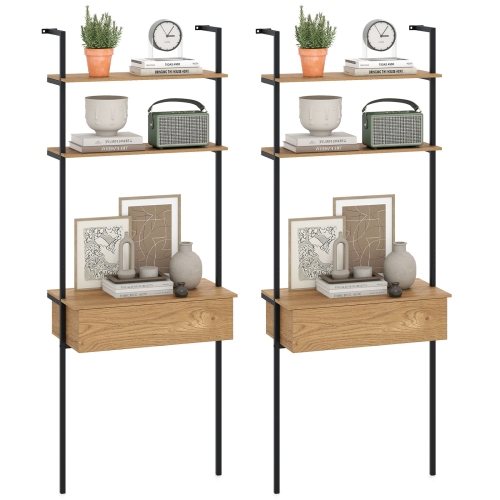
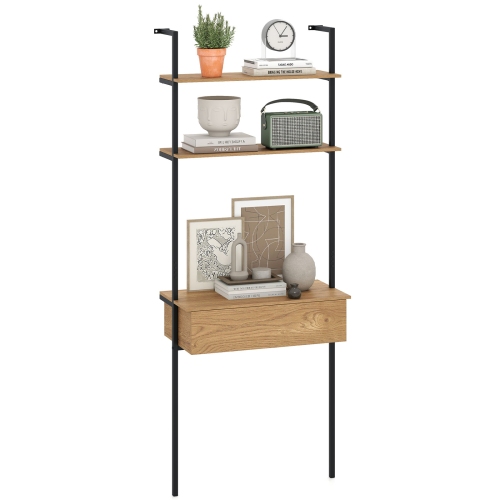
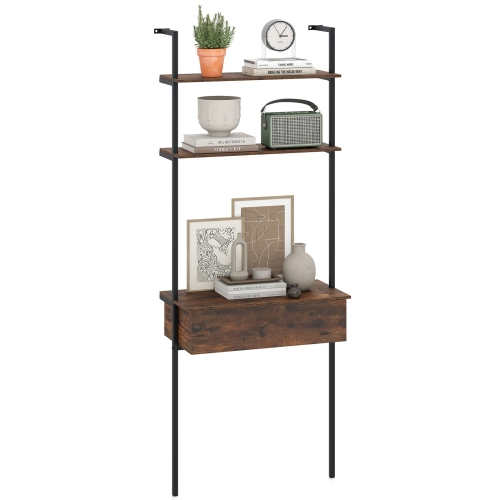
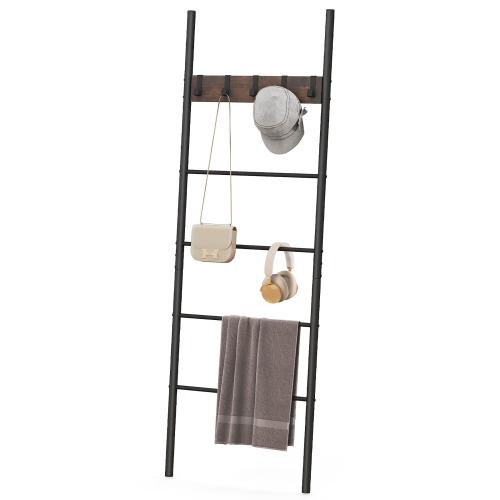
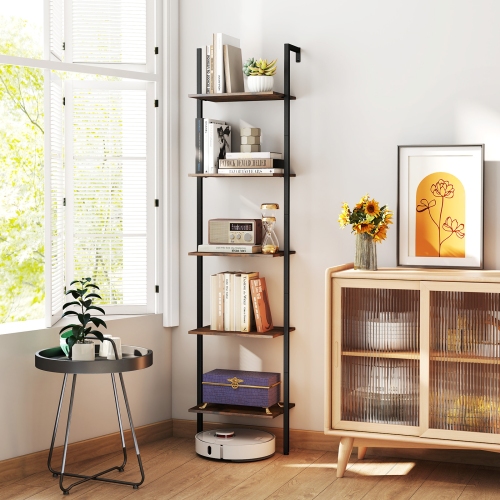
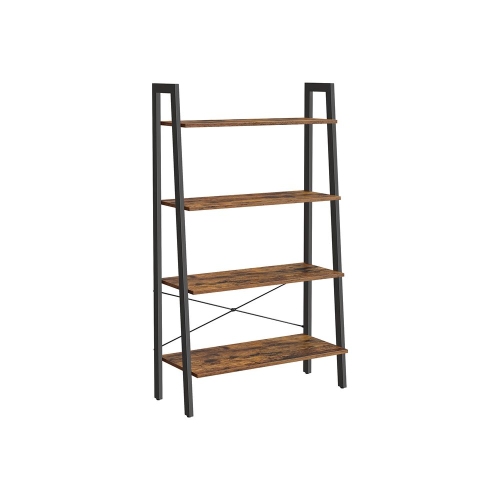
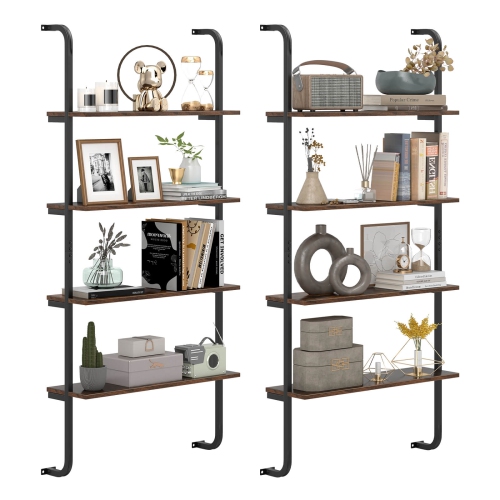

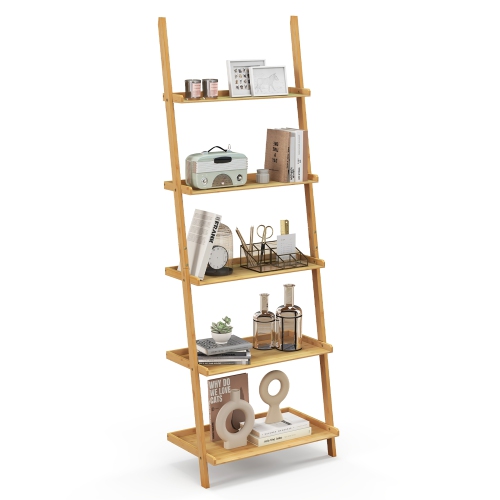
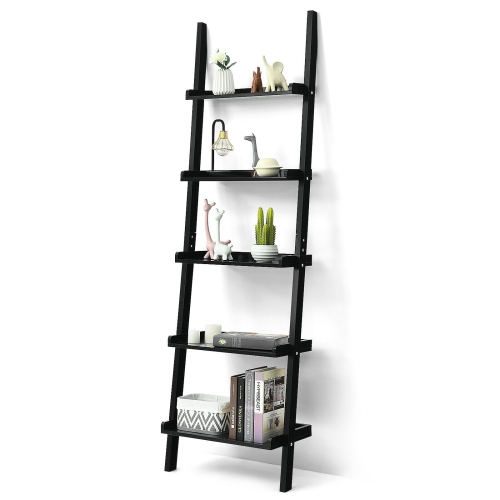
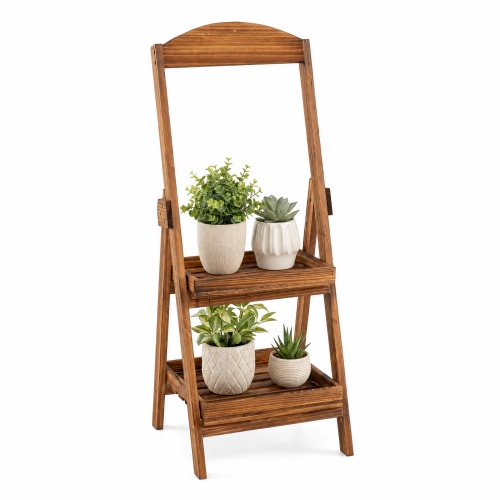
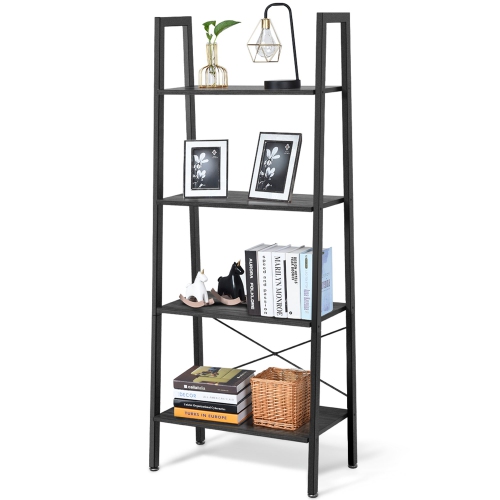
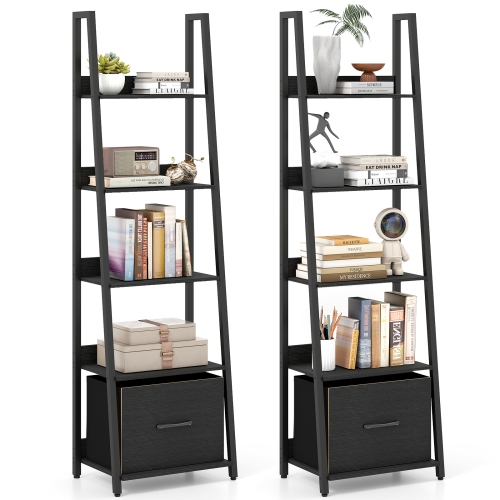
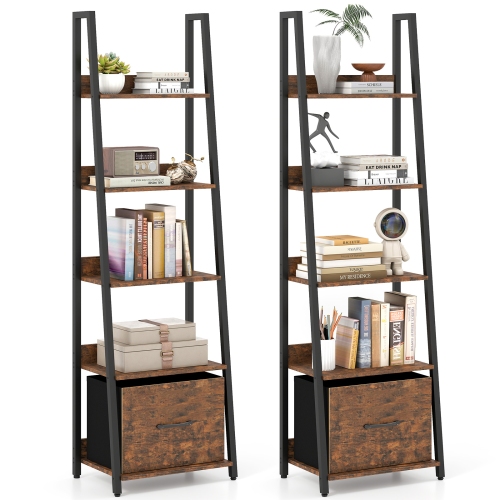
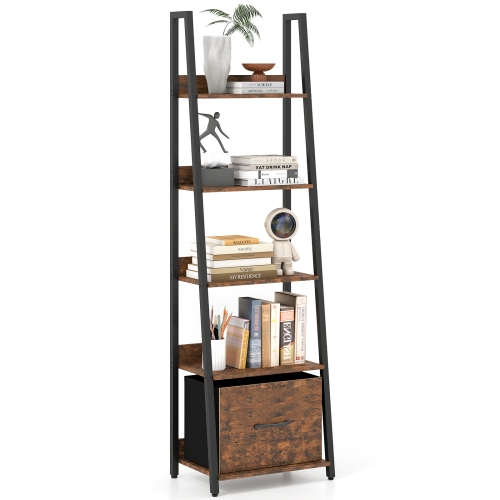
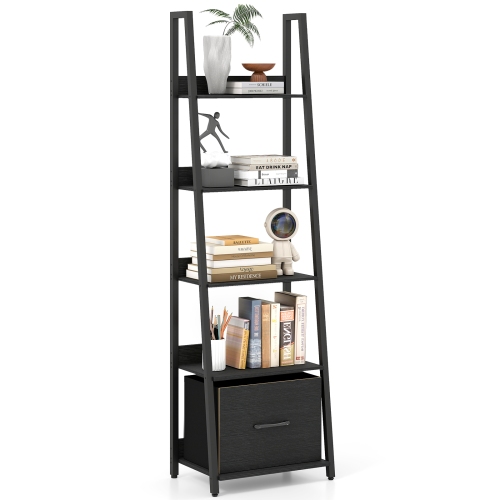
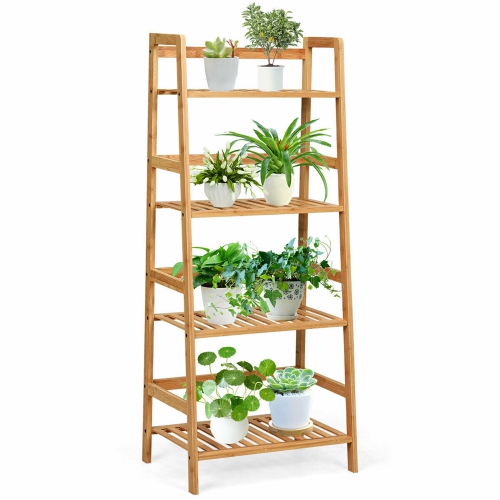
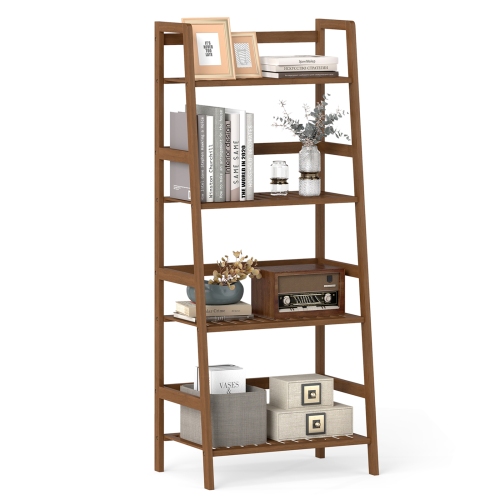
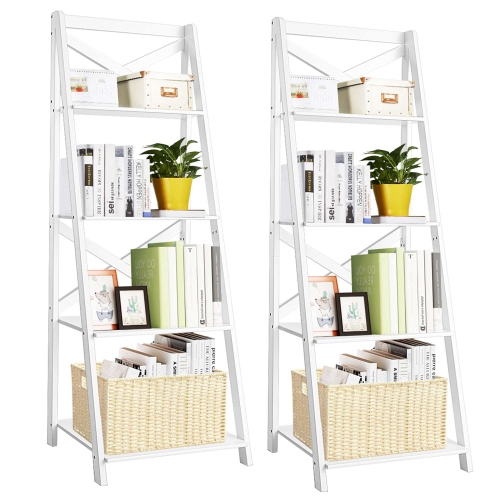
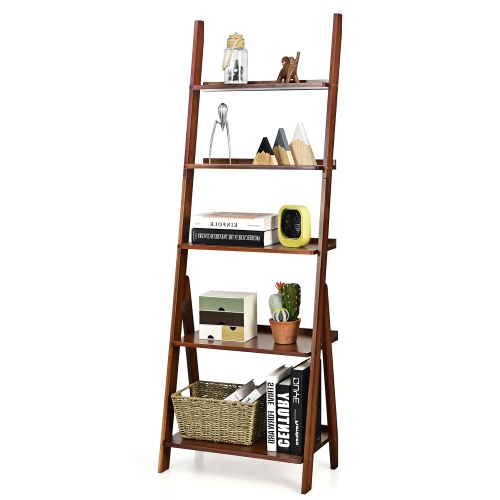

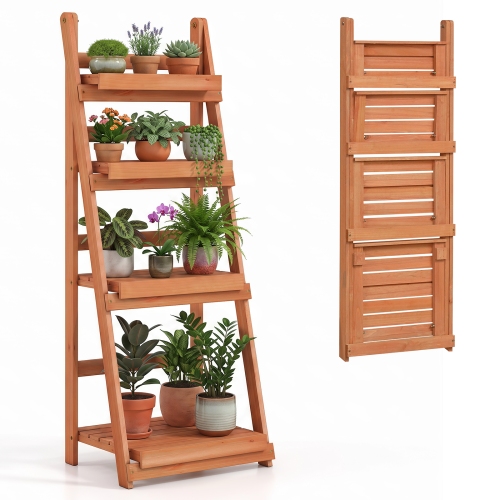
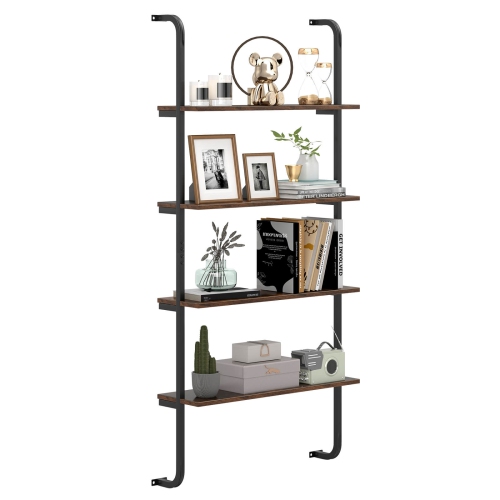

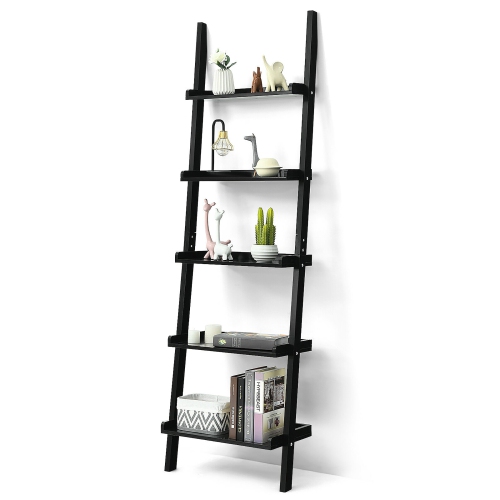
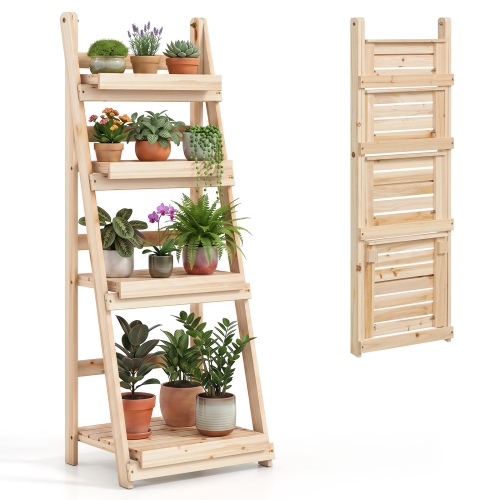
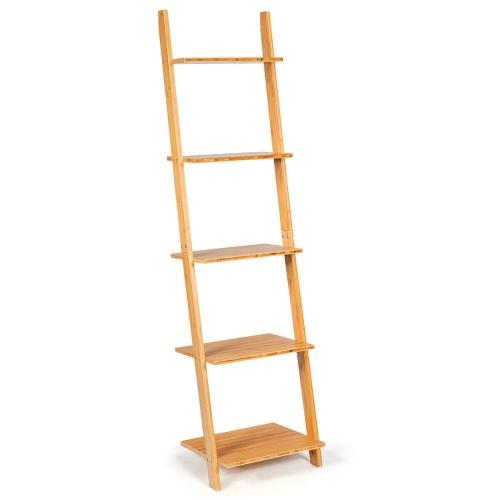
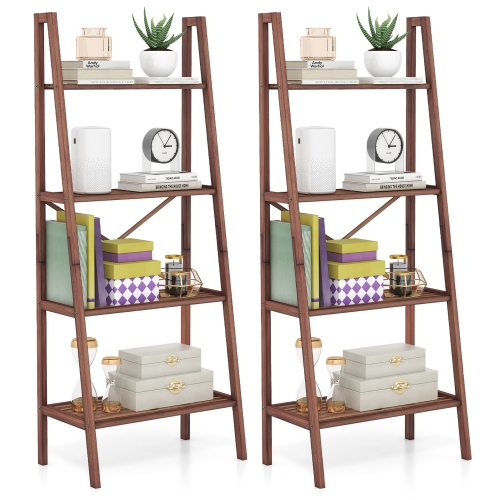
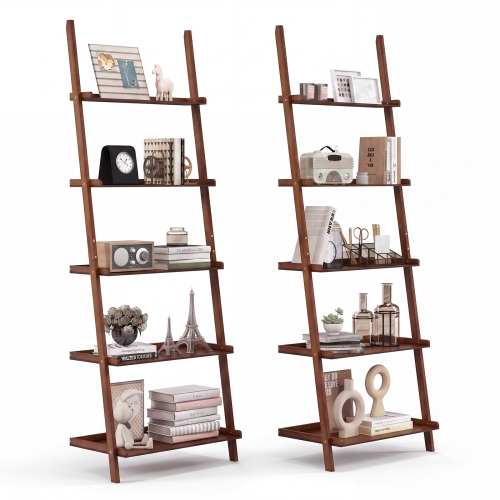
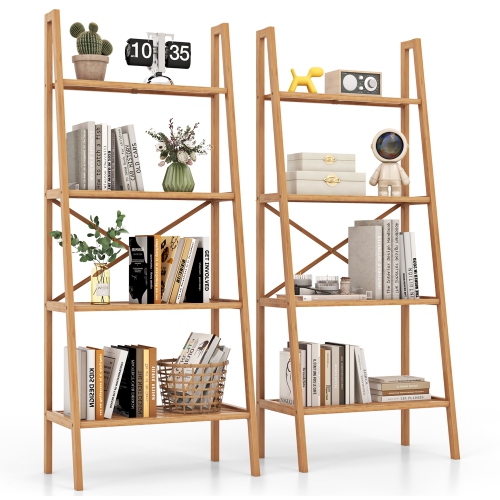

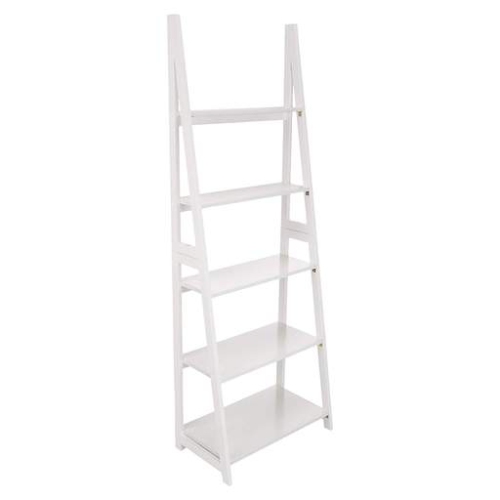
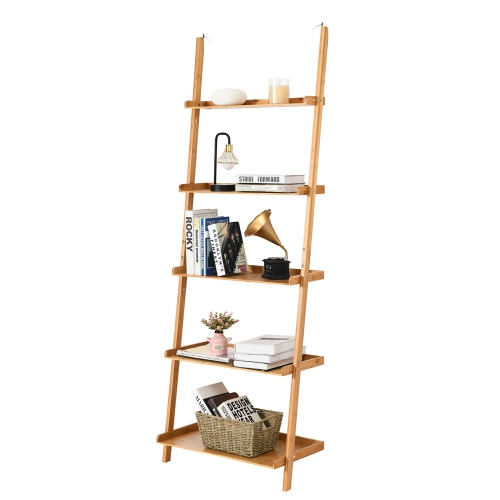
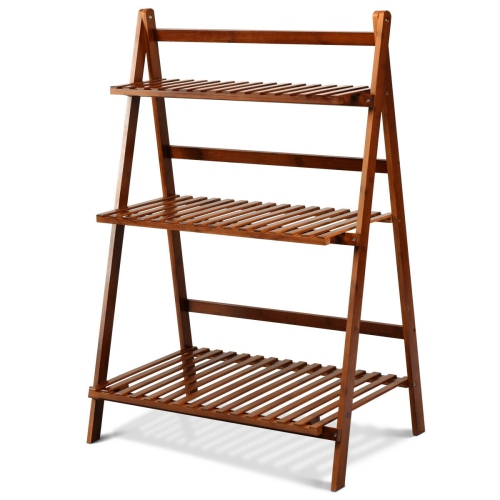
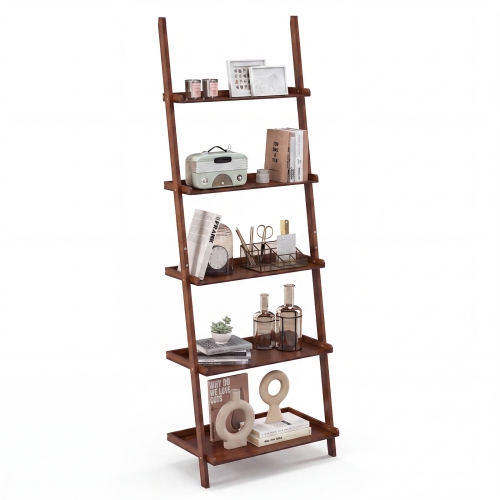
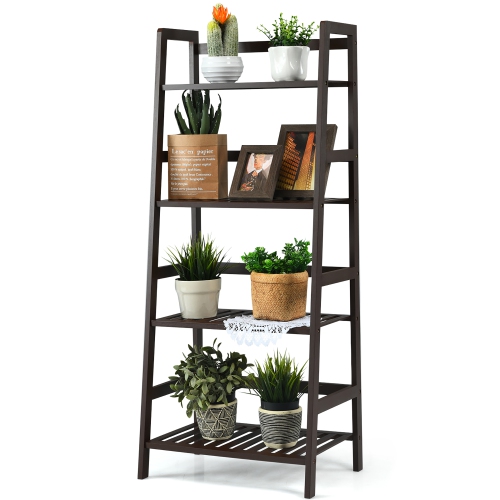
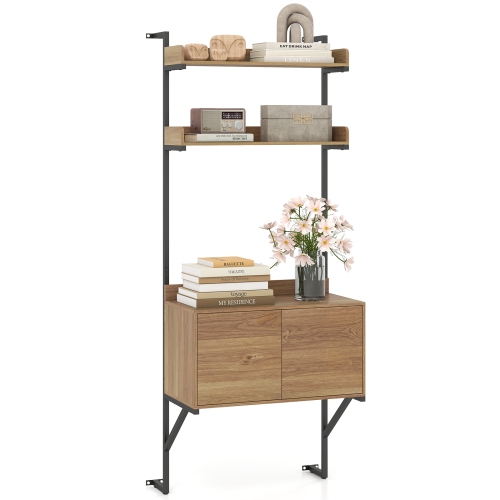
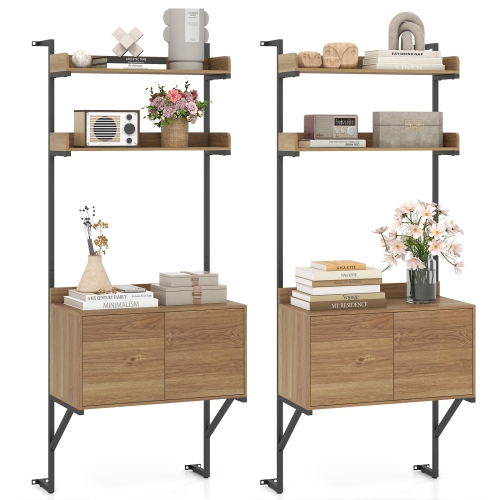
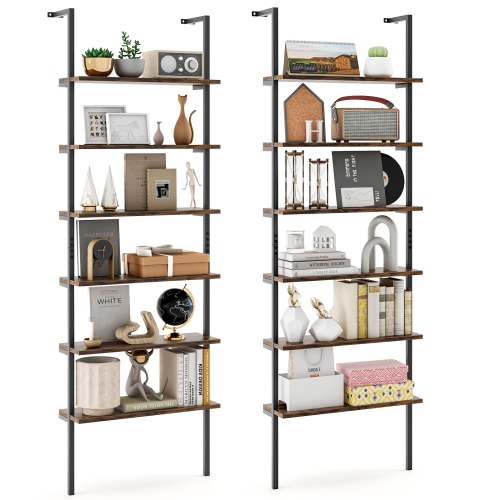
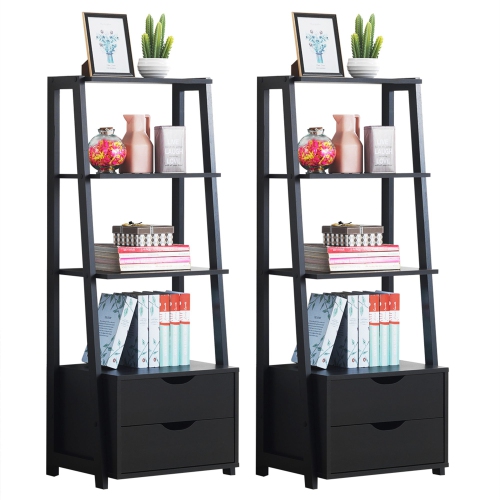
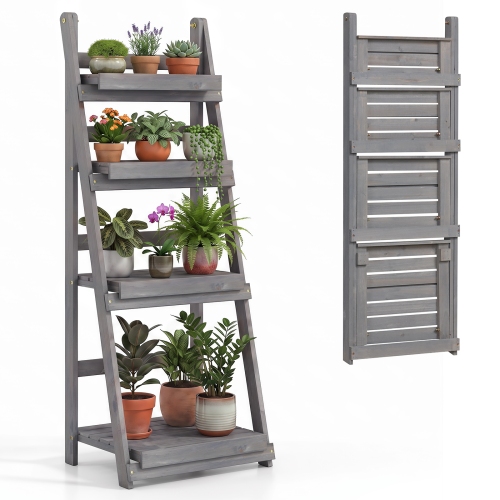
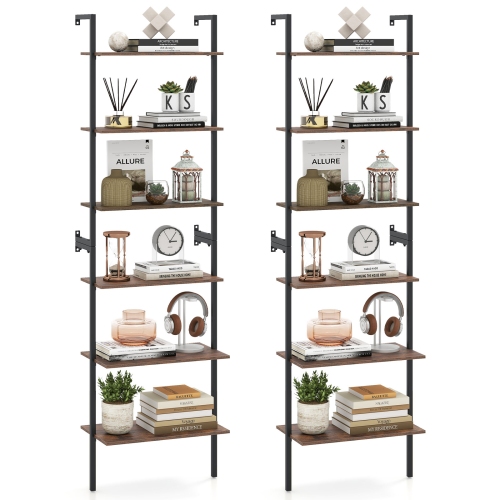
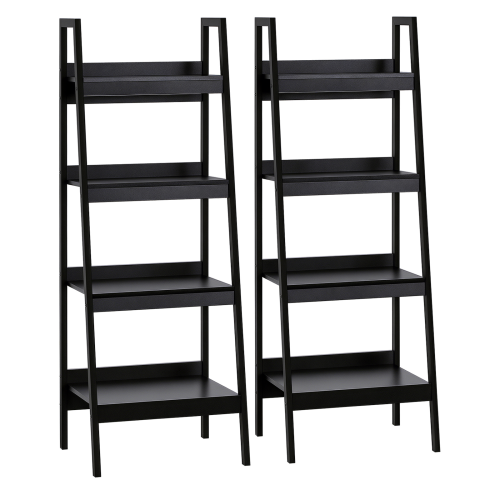
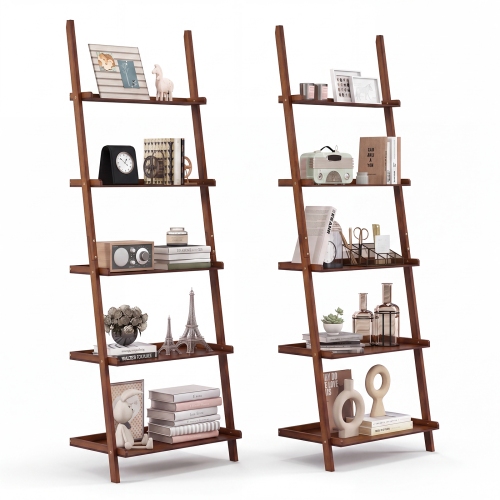
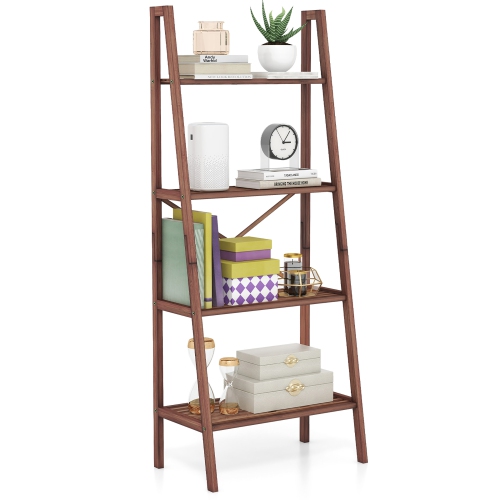
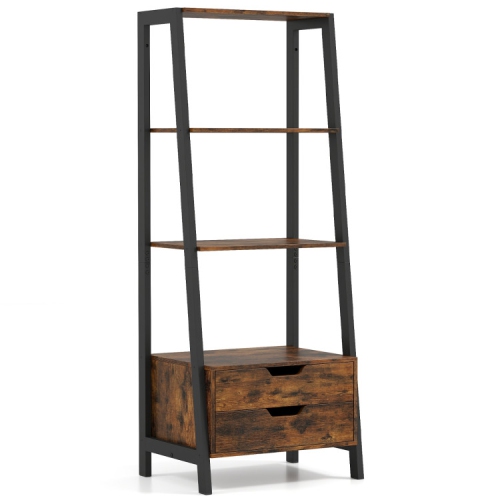
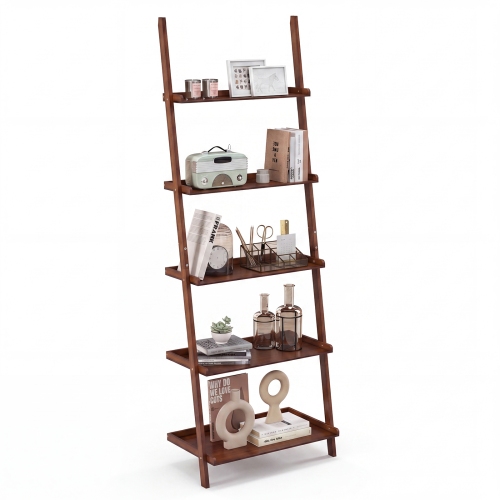
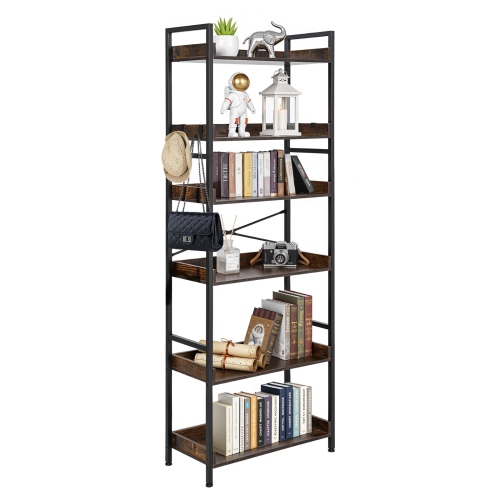

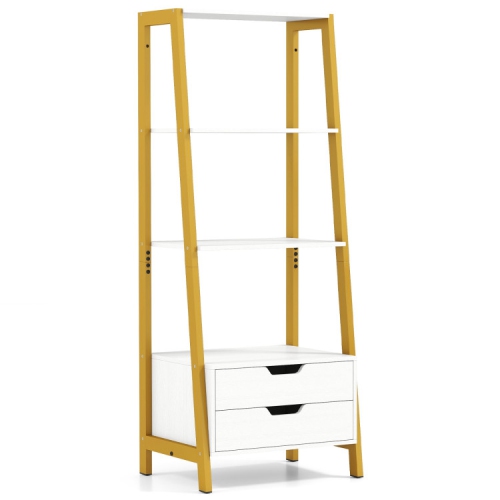
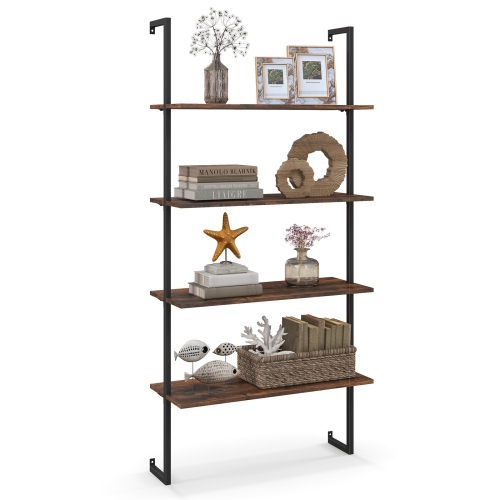
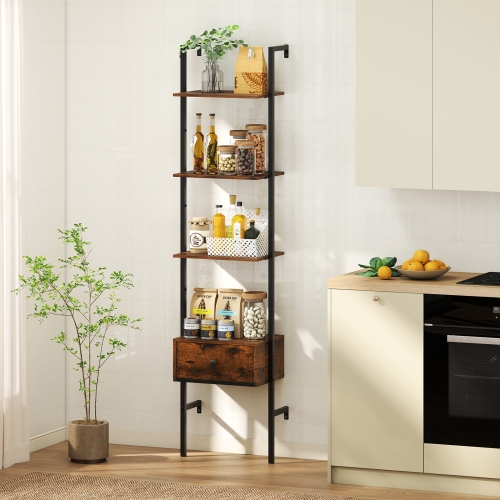
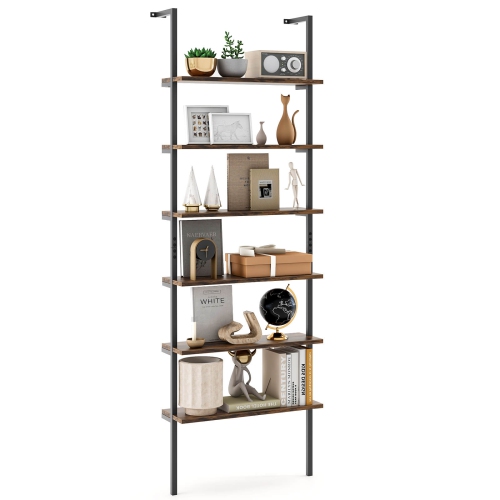

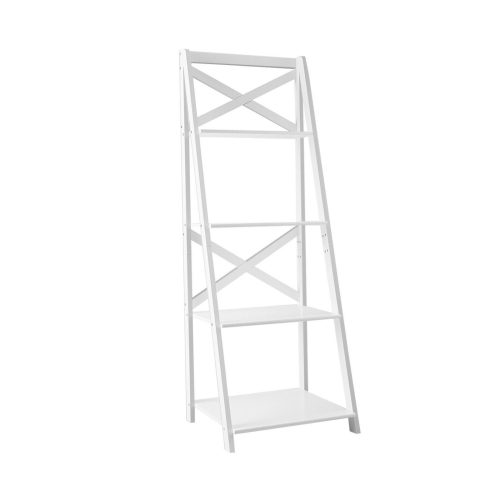
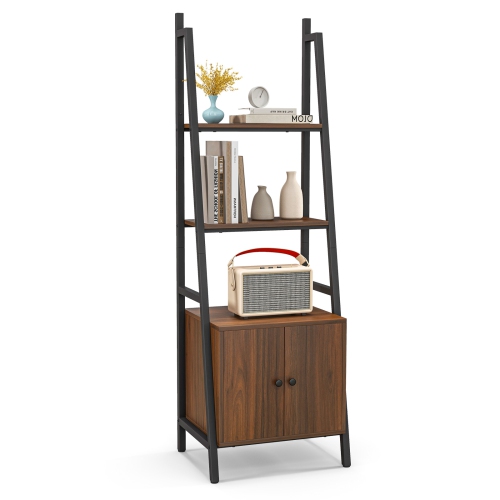
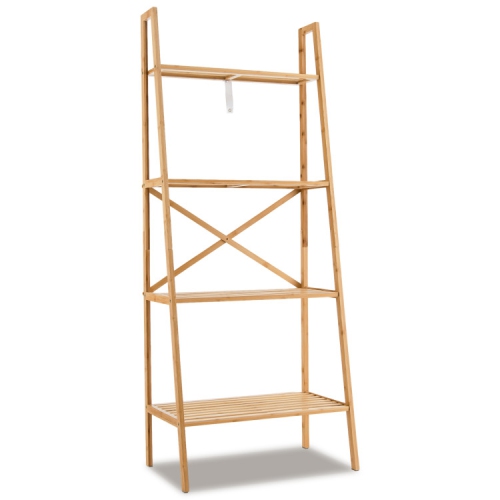
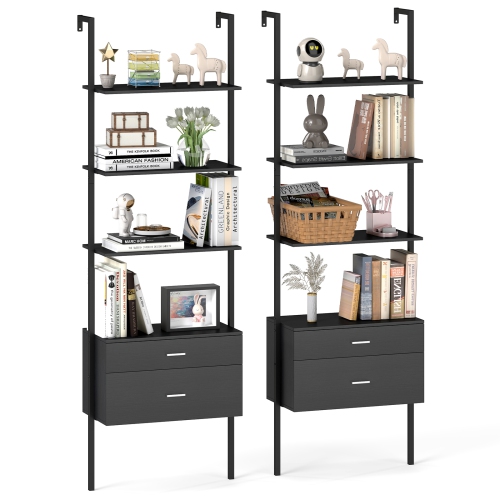
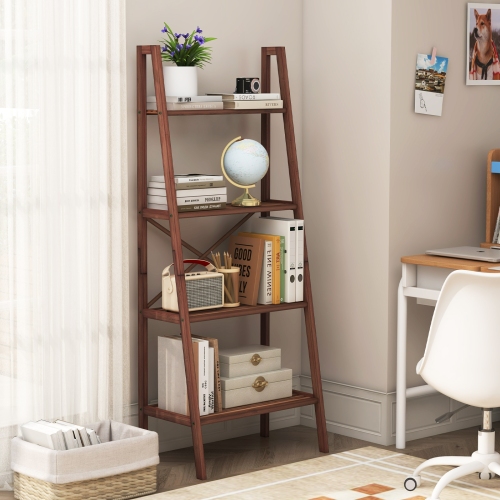
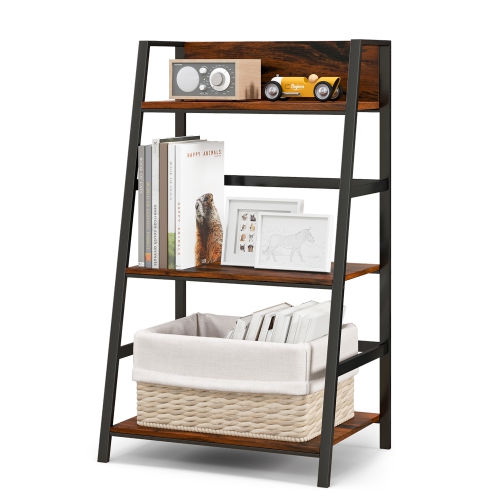
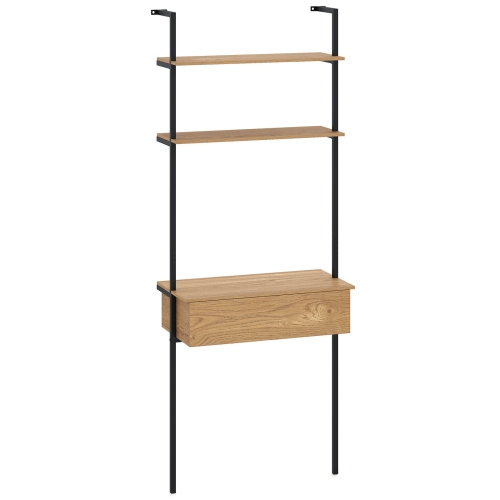
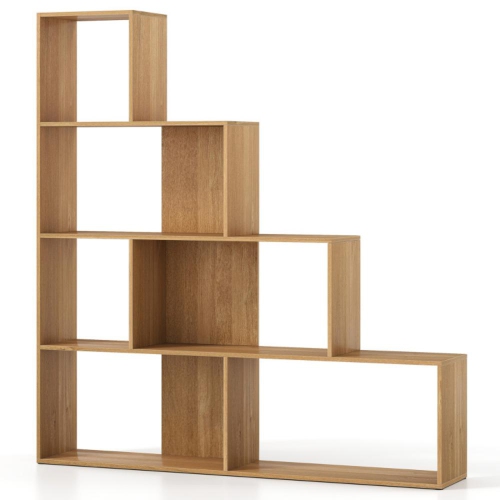
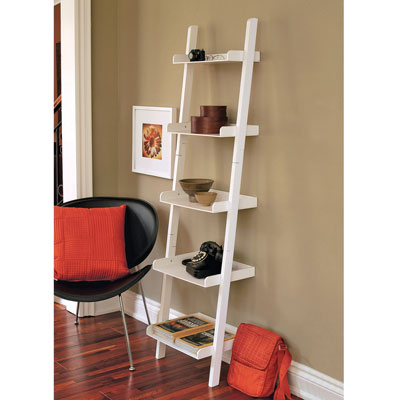
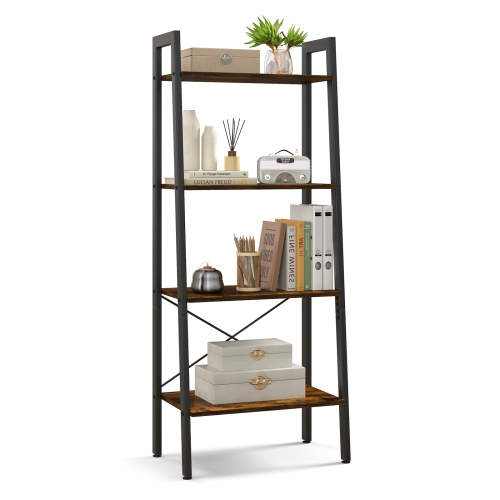
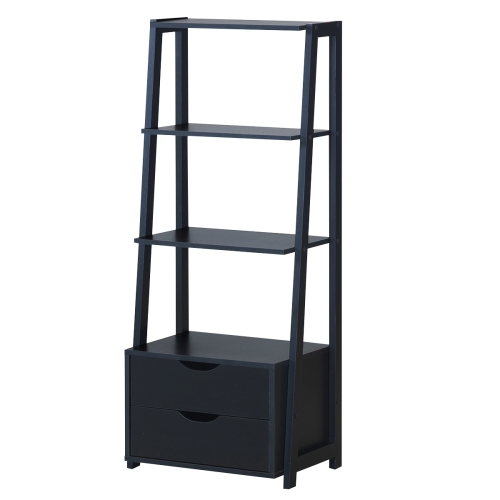
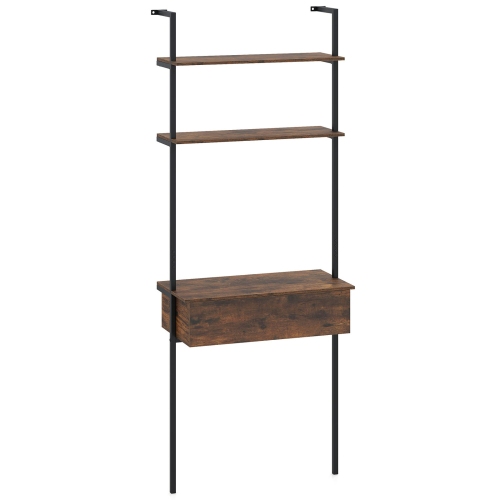
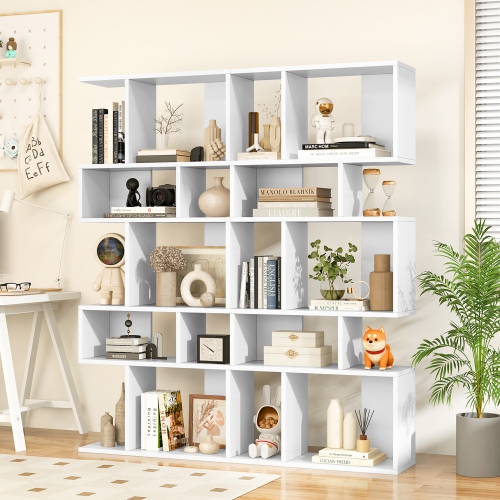
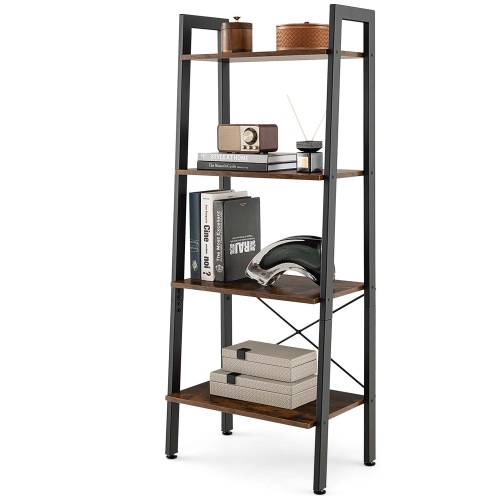
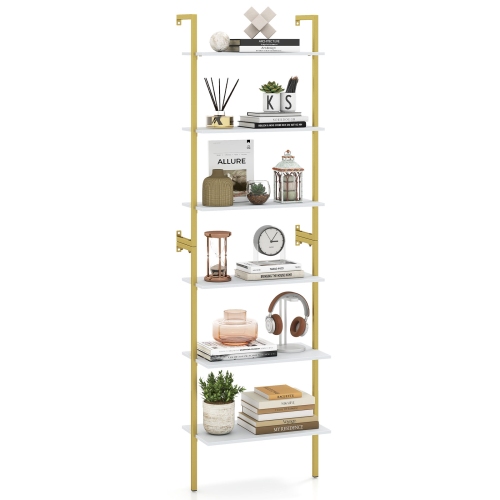
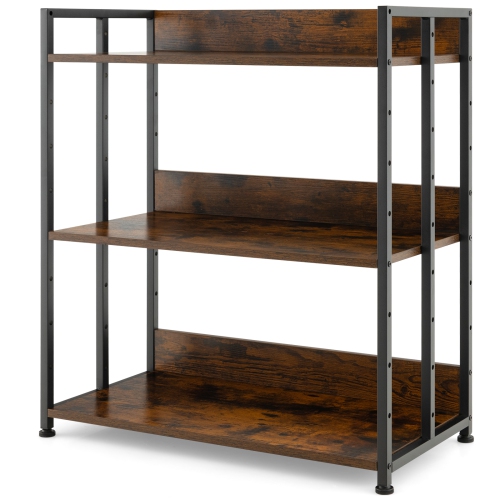
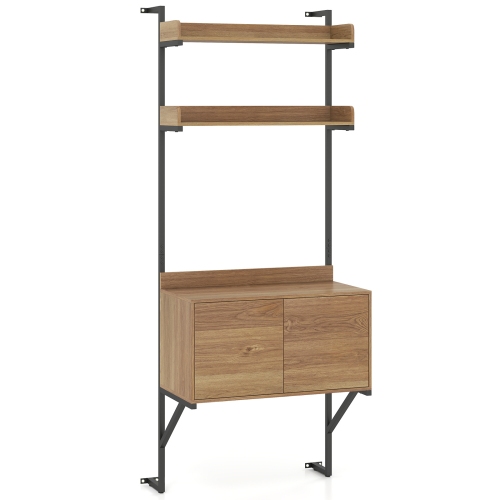
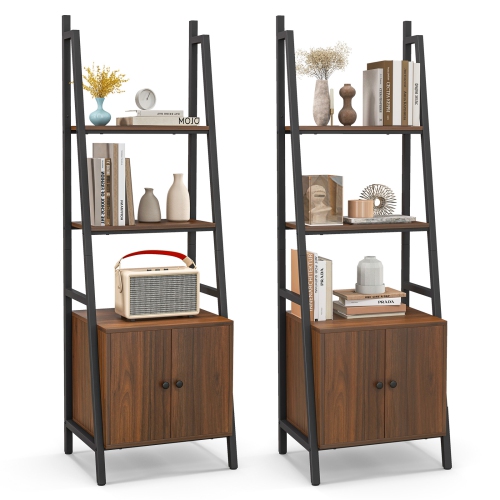
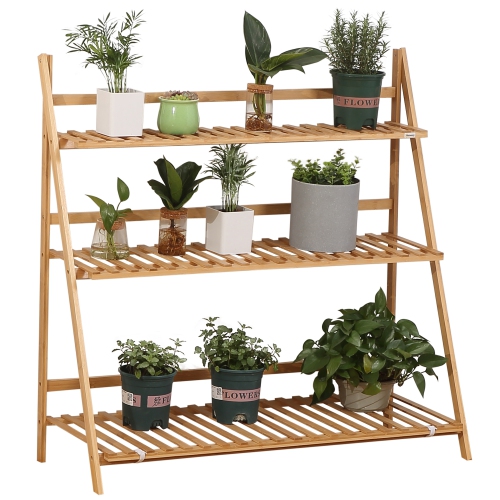
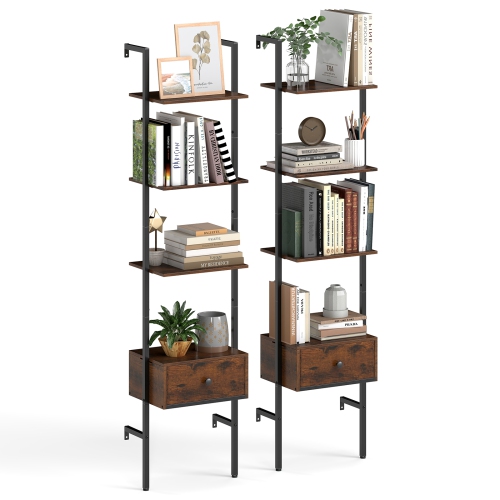
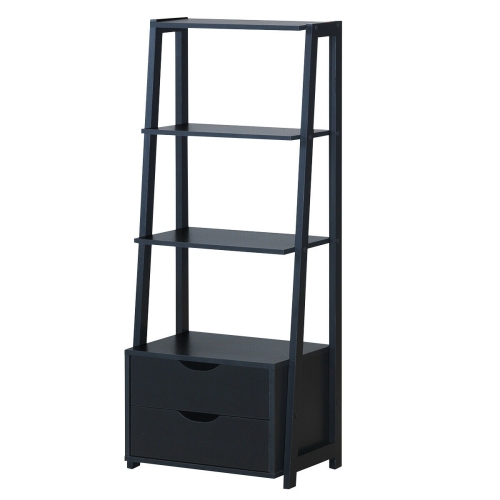
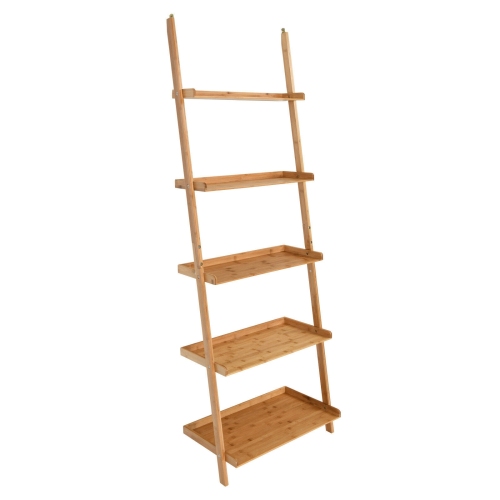
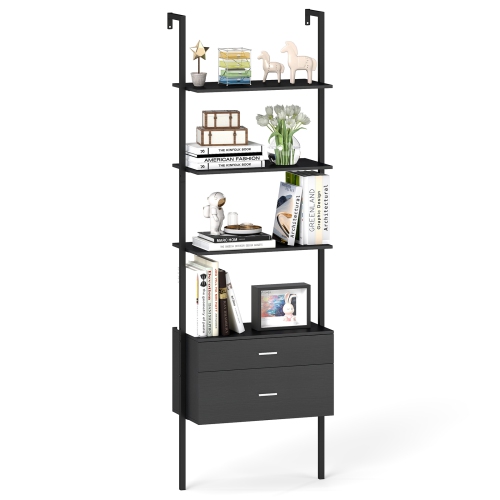
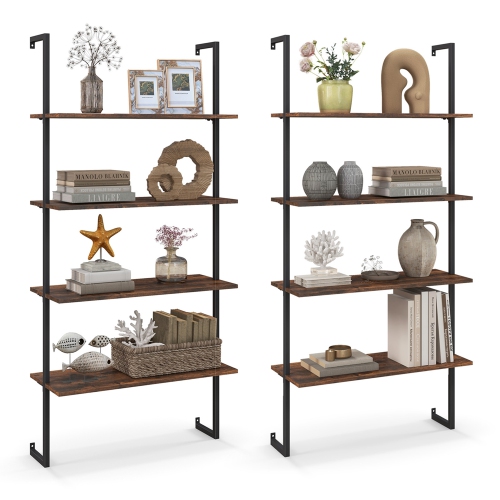
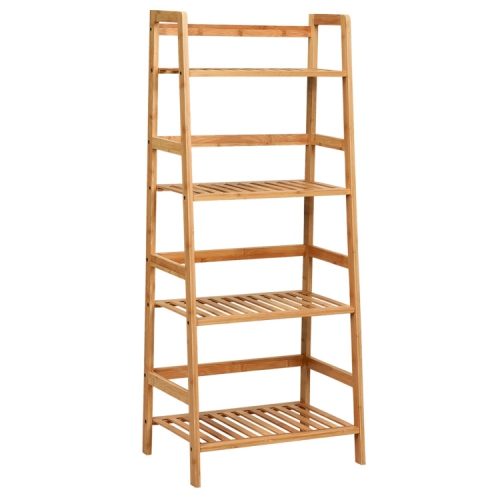
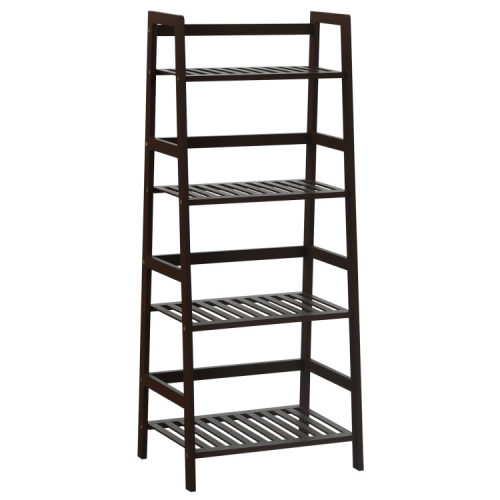
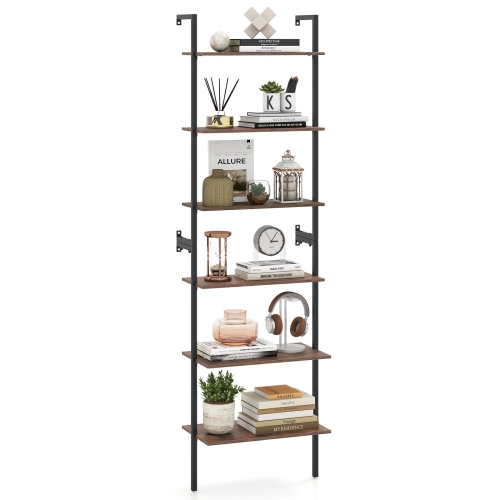

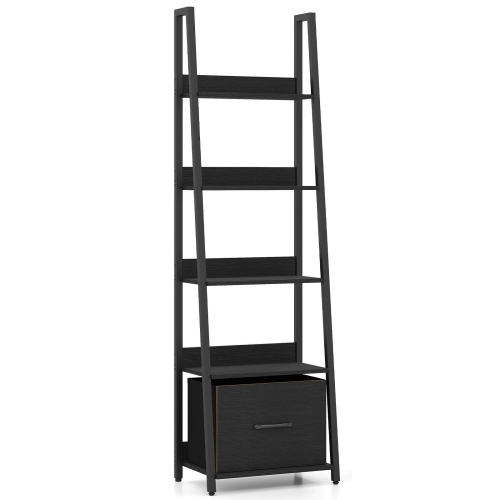
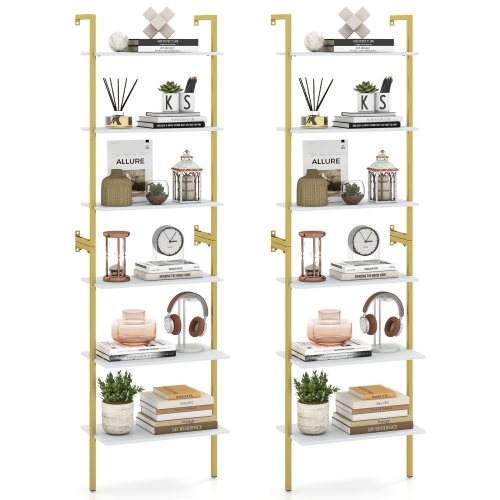
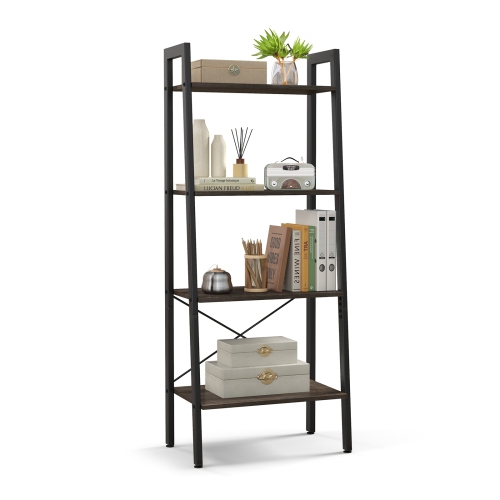
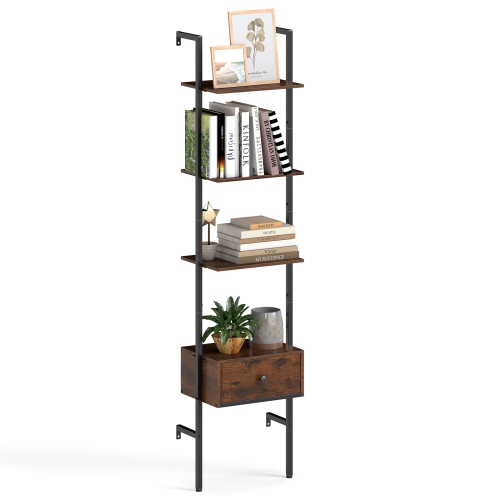

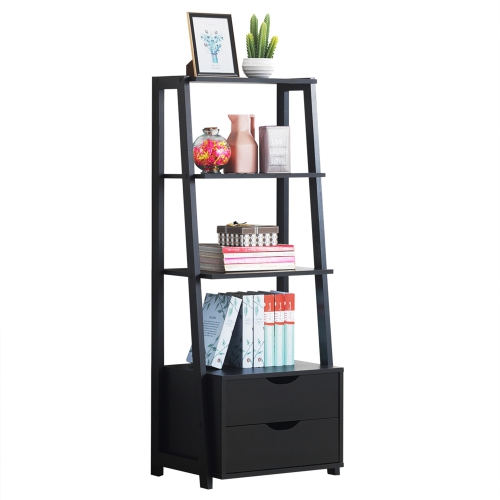
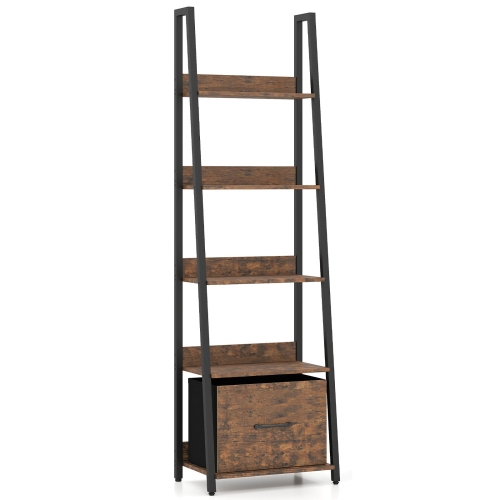
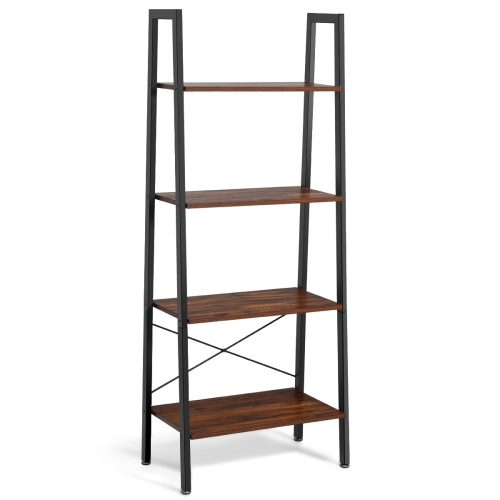
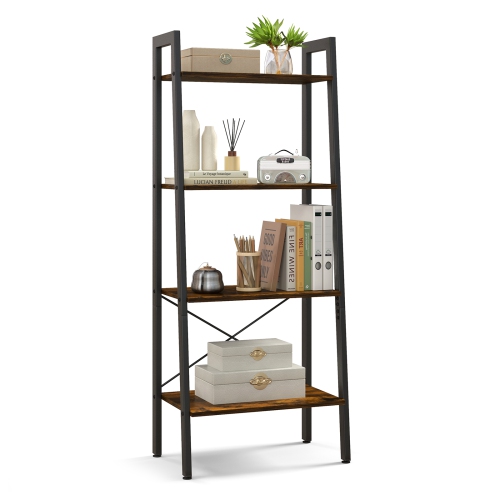

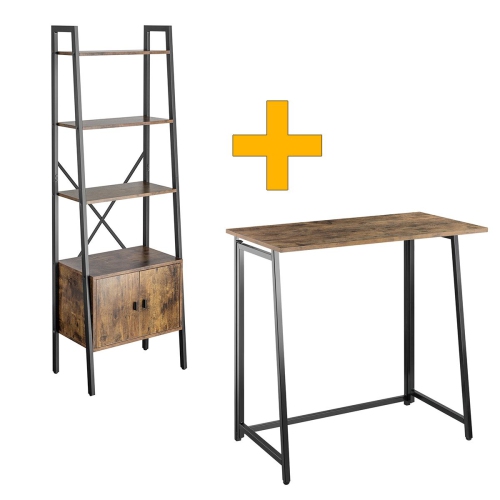
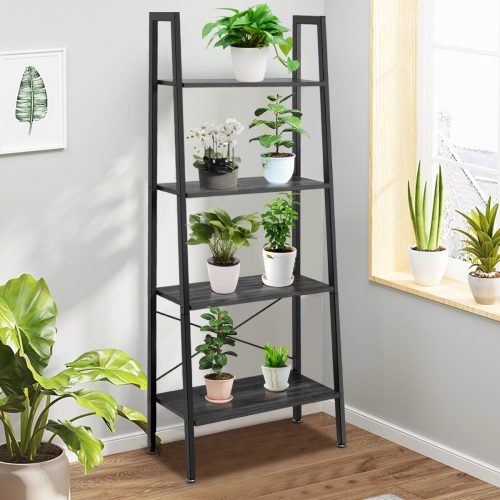
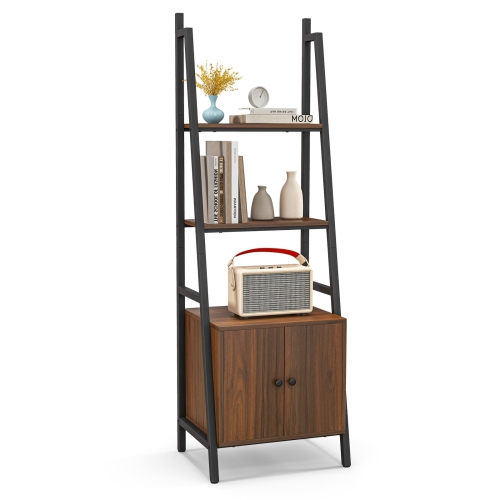
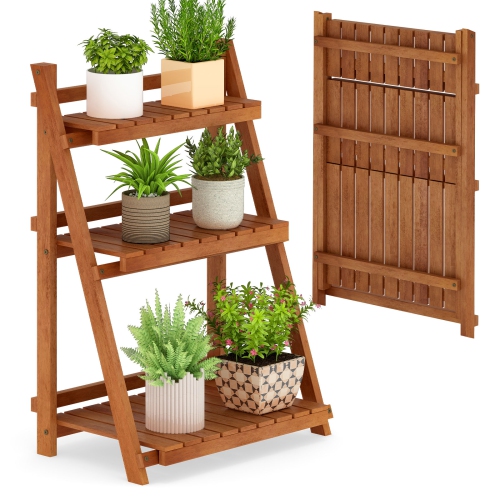
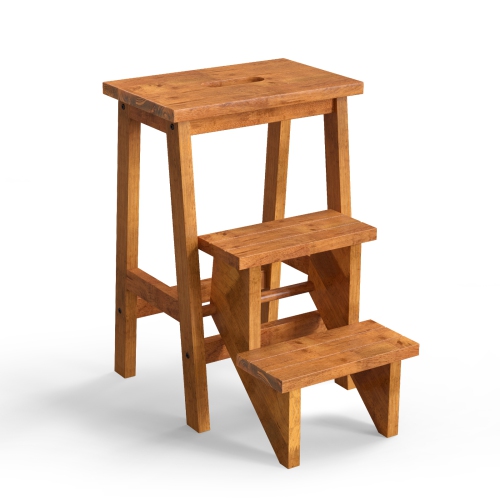
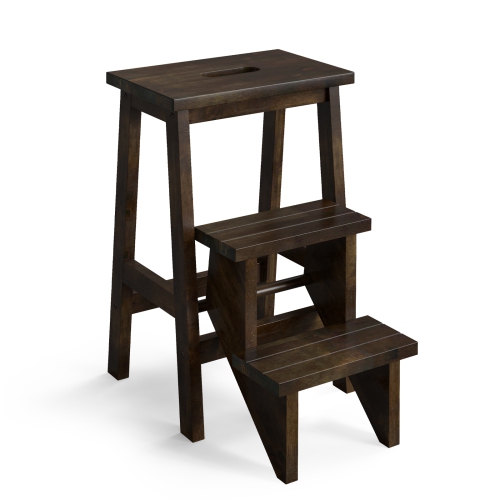
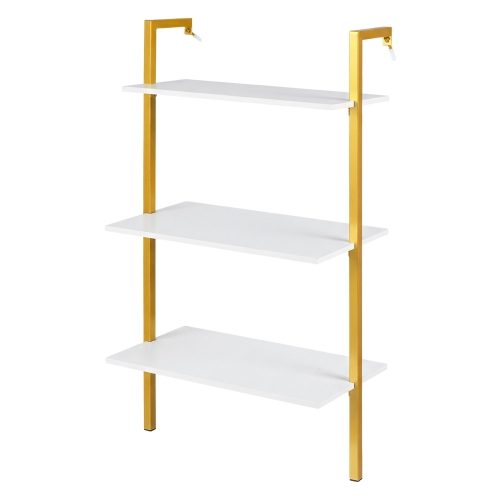

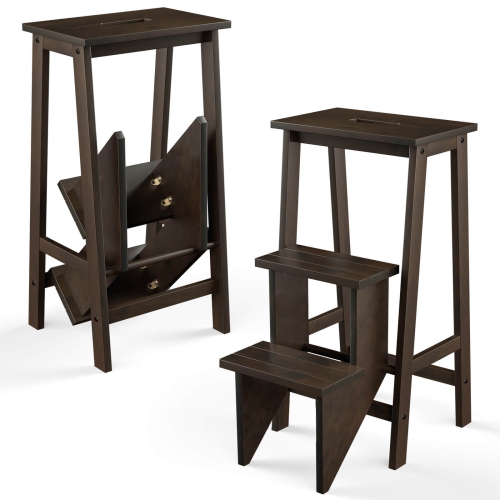
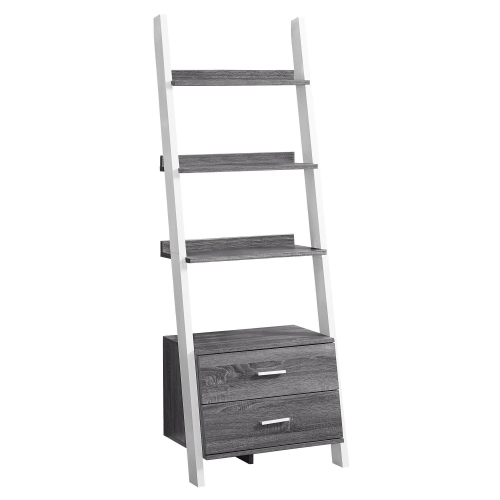
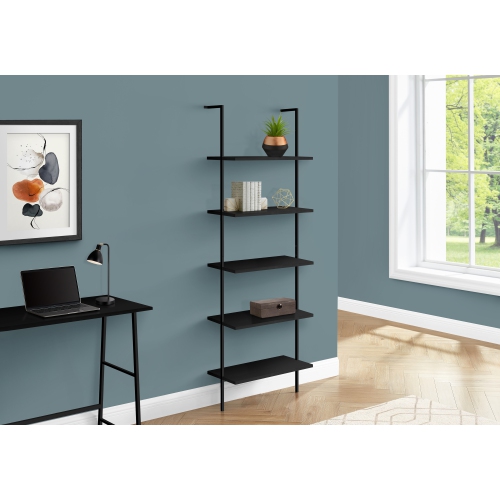
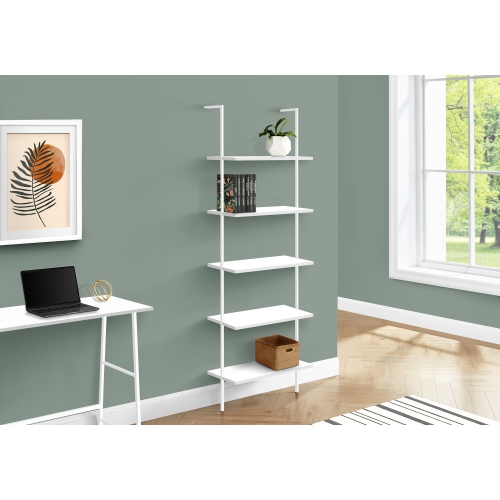
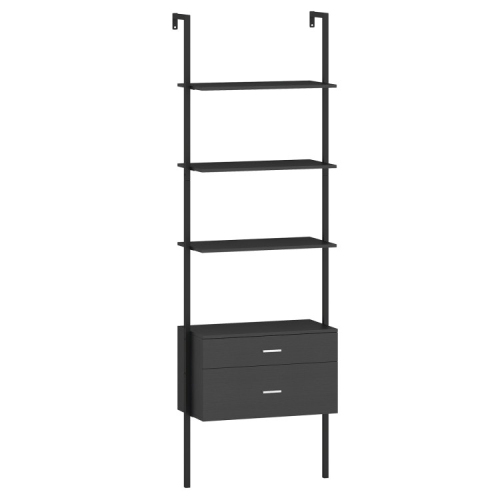
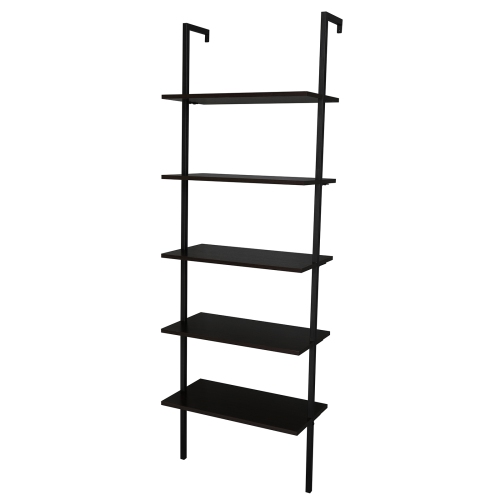
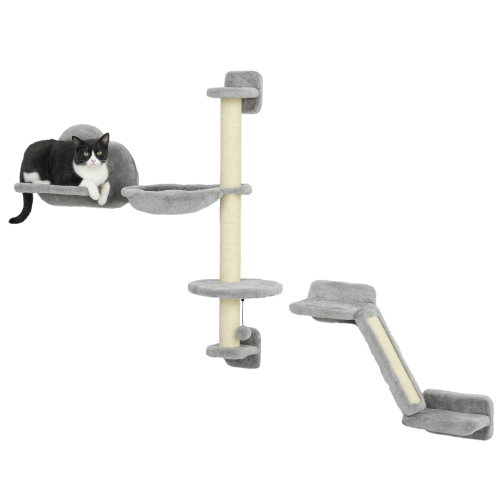
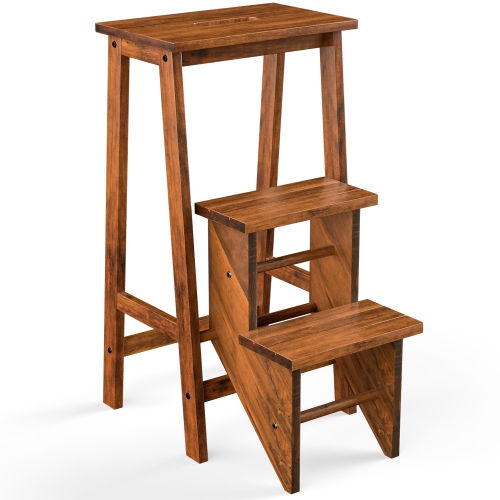
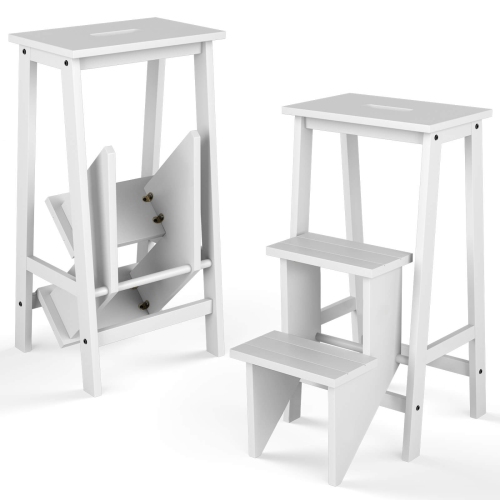


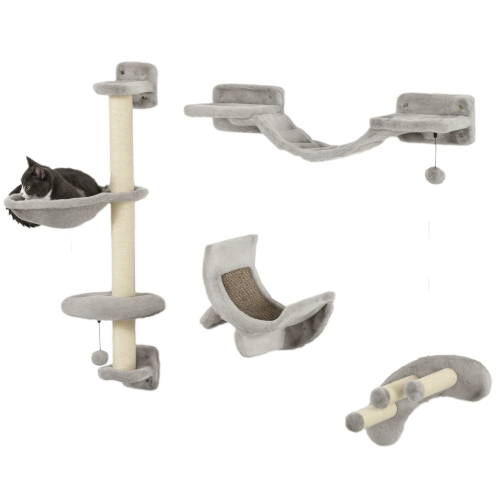

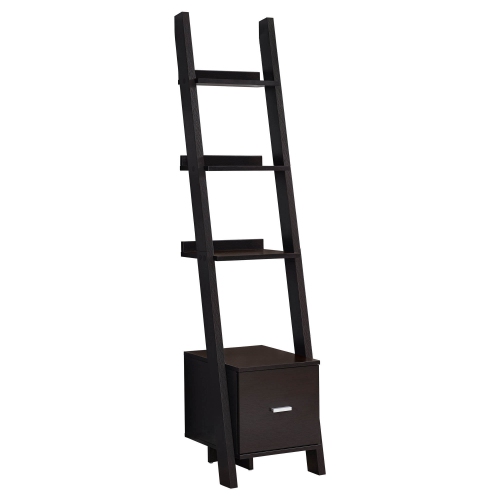
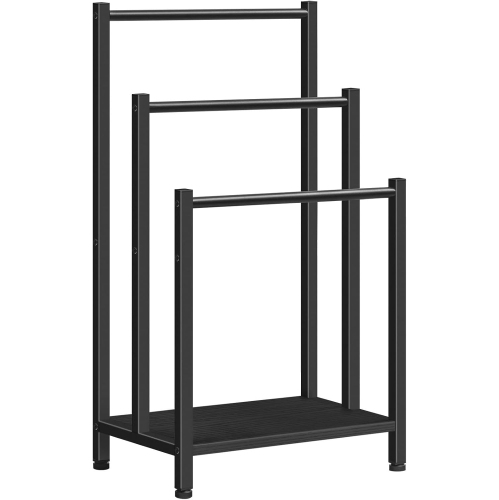
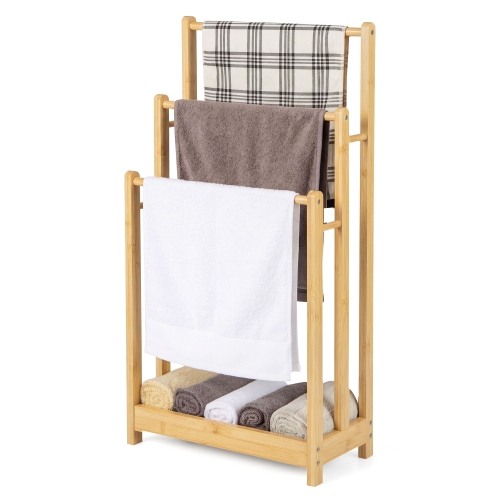
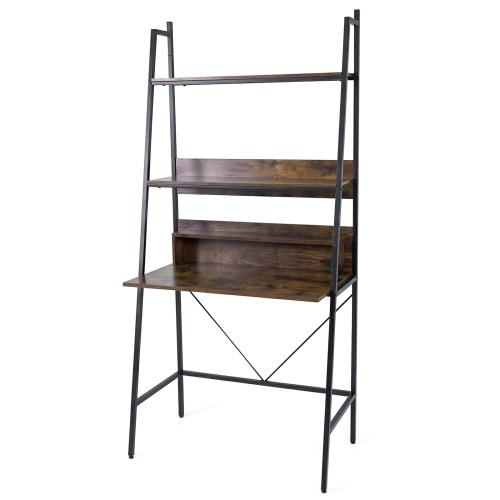
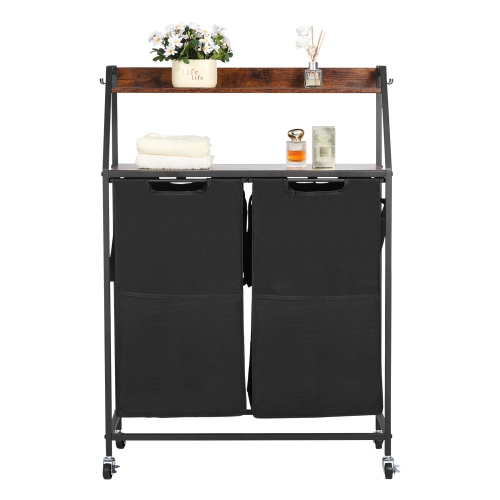
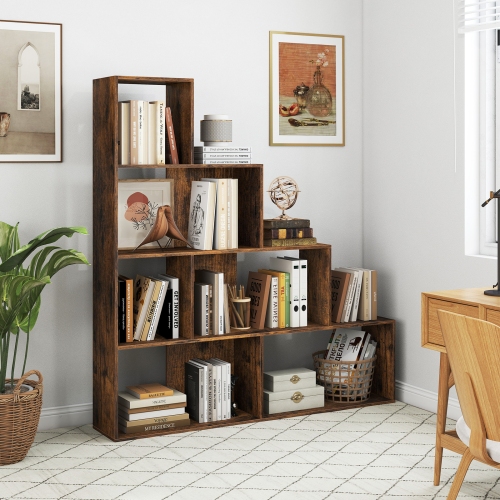
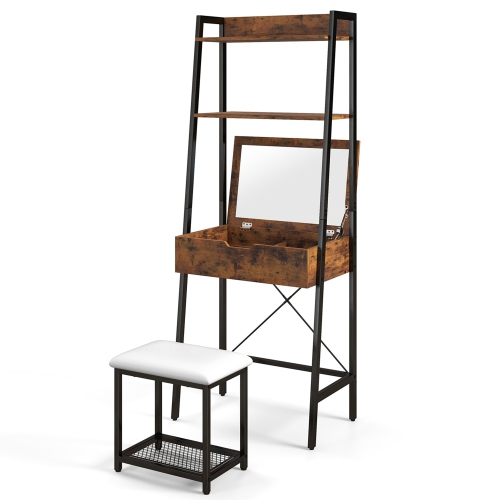
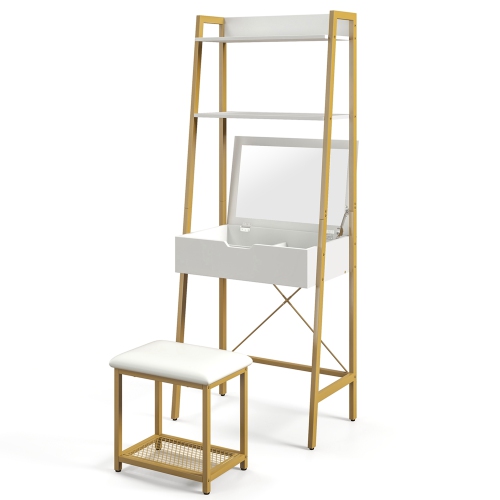
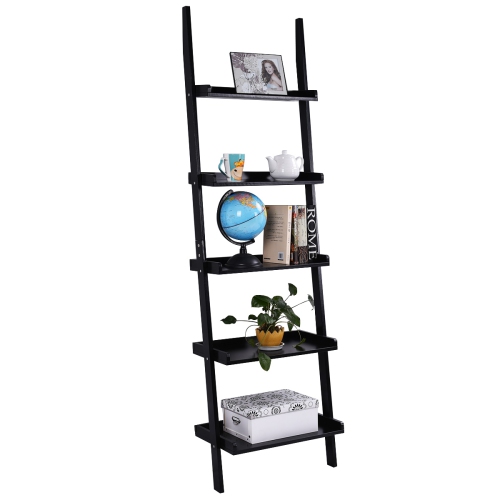
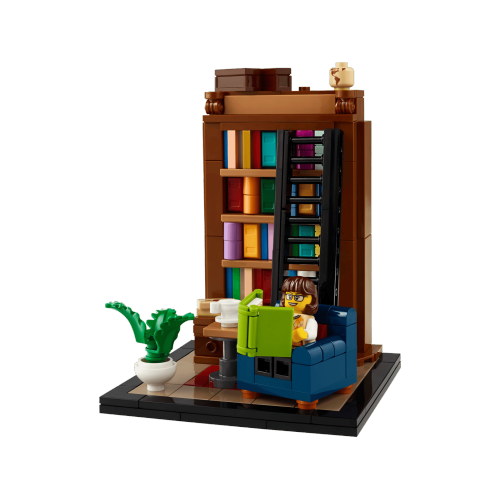
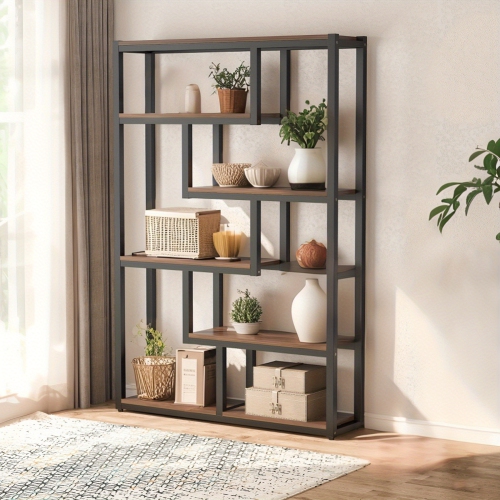
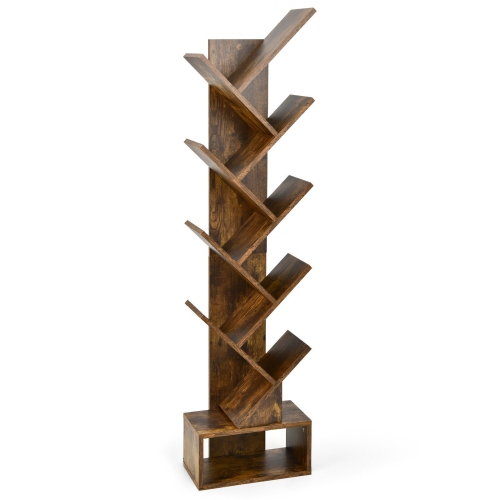
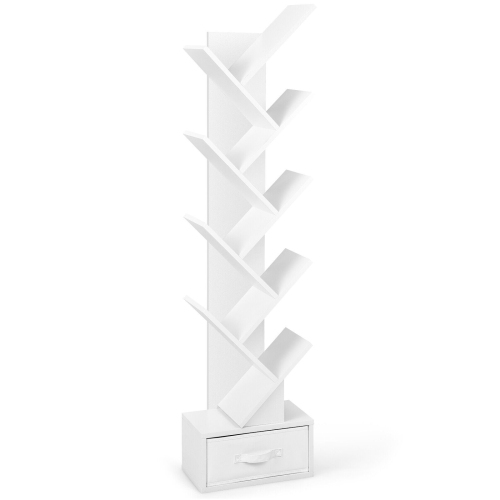
Open storage without the bulk of a bookcase
Ladder shelves are open storage units with a ladder-like profile, designed to display books, plants, framed photographs, and everyday essentials without the visual weight of a full bookcase. Many have shelves that become deeper towards the base, creating a stepped arrangement with room for larger baskets below and smaller accents above. Others use evenly sized shelves within an angled frame, so the shape and usable space can vary considerably. Leaning ladder shelves are designed to rest against a wall and may require specific attachment points, while freestanding ladder shelves have a supporting frame that allows them to stand upright without relying on the wall for their basic structure. Freestanding does not necessarily mean that wall anchoring is optional; the assembly instructions determine how each unit should be secured. Both styles suit rooms where open storage feels more practical than another enclosed cabinet. In a living room, a ladder bookshelf can hold a small reading collection beside an armchair, with a basket on the lowest tier for throws. In a home office, its shelves can keep notebooks and reference books close to a desk while leaving room for a few personal touches. A narrow ladder shelf can also make use of an otherwise overlooked stretch of wall in a bedroom or hallway, provided it leaves enough clearance for people to pass comfortably. The open sides allow the wall colour to show through, helping the piece feel less imposing in a compact room, though its actual footprint still needs careful measurement. Shelf depth matters as much as overall width: a unit that looks slim at the top may project considerably farther into the room at its base. The most useful fit balances the height of the frame, the depth of the lower shelves, and the size of what will sit on each tier. For renters, students, and anyone furnishing a smaller home, that balance can turn a modest area into useful storage without overcrowding the surrounding furniture.
Materials and construction influence how ladder shelving looks, how much it can hold, and how it responds to daily use. Solid wood brings visible grain and natural variation, with finishes ranging from pale and understated to dark and richly textured. Its surface may develop small marks over time, and its care needs depend on the finish rather than the wood alone. Engineered wood can provide a smooth, consistent appearance, often with a laminate or veneer surface; protected edges and careful handling help reduce damage from knocks and moisture. Metal frames offer a crisp outline that works well alongside wood shelves, while all-metal designs can feel lighter or more substantial depending on the thickness and shape of their supports. Bamboo has a distinctive grain and is another option for a warm, natural-looking finish, but suitability for damp rooms still depends on the construction and protective coating. A bathroom ladder shelf used for folded towels should be intended for that setting and kept away from direct splashes or persistent dampness. For any material, shelf thickness, frame joints, fasteners, and the stated weight limits are more useful indicators of everyday suitability than appearance alone. A shelf arranged with a few photographs places different demands on its frame than one filled with hardcovers. Check both individual shelf limits and any total capacity stated by the manufacturer, keeping heavier loads low and distributing weight evenly. The distance between tiers also affects function: tall binders, upright books, and baskets with handles need enough clearance to slide in and out without scraping the shelf above. Open-backed shelves may need bookends to keep books upright, particularly where the tiers have no raised side edges. Before placing a unit, account for baseboards, nearby outlets, door swings, and heating vents, along with the angle required by a leaning design. Secure it as directed using hardware suitable for the wall type, and keep tempting objects out of reach of young children. Ladder shelves are furniture, not climbing structures, even when their shape resembles a familiar household ladder.
The best arrangement gives each shelf a clear purpose while leaving enough open space to reach and move things easily. In a shared living area, lower baskets can gather loose accessories, while middle shelves hold frequently used books and upper tiers display lightweight keepsakes. In a bedroom, a ladder storage shelf can offer a place for folded linens and small personal belongings, although it is not a substitute for enclosed storage when dust protection or privacy matters. A practical gift for someone setting up a first apartment or refreshing a home office, ladder shelving works best when the recipient’s room dimensions, storage needs, and ability to secure the furniture are known in advance. Plant displays bring a different set of considerations, especially when several pots share a tier. Shelves need enough depth to support each pot fully, and the weight allowance should account for the container, soil, and water rather than the empty pot alone. For arrangements built around greenery, Ladder Plant Shelves offer a related shelving style to consider alongside the light and space available in the room. Trailing foliage can soften the outline of an open frame, but leaves should not block access to other shelves or sit against hot surfaces. Protective saucers help contain drips, and plants are easier to maintain when they can be lifted out for watering without disturbing the whole display. Indoor shelving should not be treated as suitable for a balcony or patio unless it is specifically rated for outdoor use. Regular care is generally straightforward: remove dust with a soft cloth, wipe spills promptly, and follow the manufacturer’s directions for cleaning the finish. Avoid soaking joints or leaving wet containers directly on shelf surfaces. Periodically check accessible fasteners and wall attachments, particularly after moving the unit or rearranging its contents. With suitable materials, secure installation, and a layout matched to daily routines, ladder shelves provide approachable, flexible storage that feels at home beside both upholstered furniture and practical workspaces.
Top selling and popular products
-
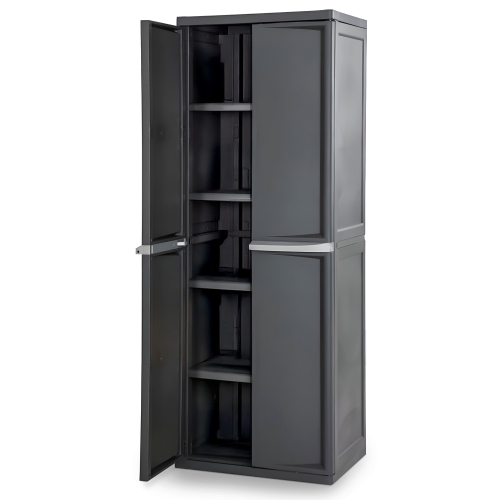 Your price for this item is $576.99
-
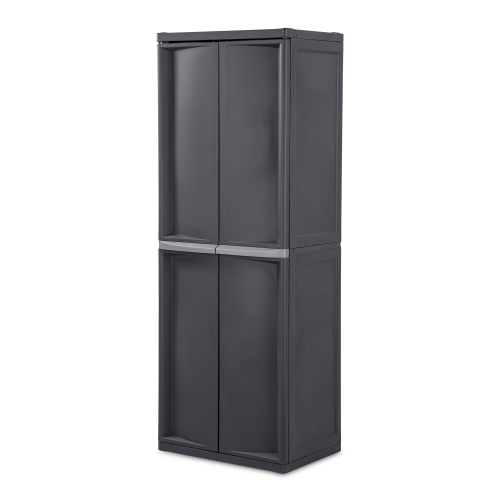 Your price for this item is $1132.99
-
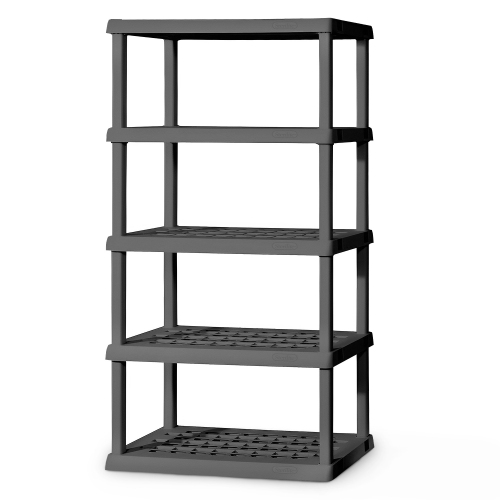 Your price for this item is $356.99
-
 Your price for this item is $208.99
-
 Your price for this item is $169.99
-
 Your price for this item is $604.99
-
 Your price for this item is $599
-
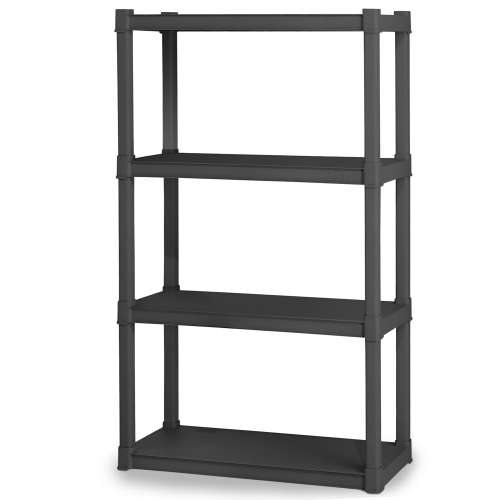 Your price for this item is $254.99
Discover more categories related to Ladder Shelves
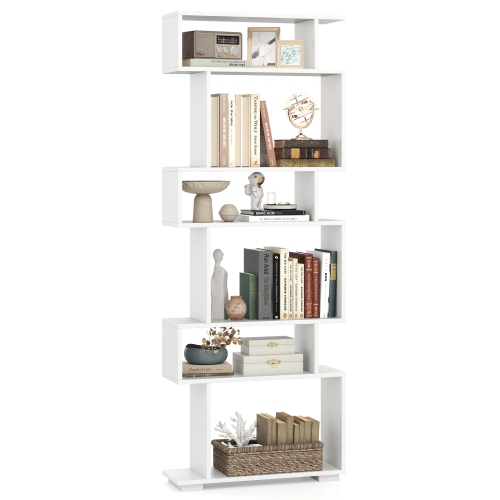
Top Collections:
Best Black Friday Deals This Year, Best Black Friday Deals On Electronics, Kindle Devices, Pokemon Centers, Best Black Friday Deals On Apple Products, Best Cameras for Sports Photography, Dyson Airwrap, Pokémon 30th Celebration Cards, Apple iPhone 17 Pro, Canon G7X Cameras
Some products may be subject to Environmental Handling Fees
(EHF) depending on your province.
Learn more about EHFs.