Brass Wall Decor
Elevate the style and sophistication of almost any space with our stunning collection of brass wall decor. From sleek and modern designs to intricate and artistic pieces, our selection offers a wide range of options to suit every taste and aesthetic. Whether you're looking to add a touch of glamour to your living room, create a focal point in your entryway, or bring a sense of refinement to your bedroom, brass wall decor is sure to make a statement in almost any room.
Sort


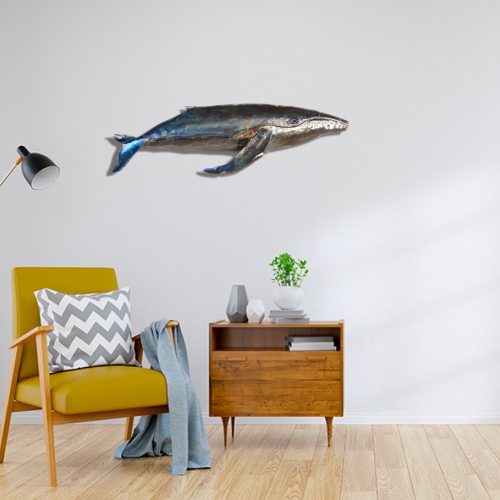
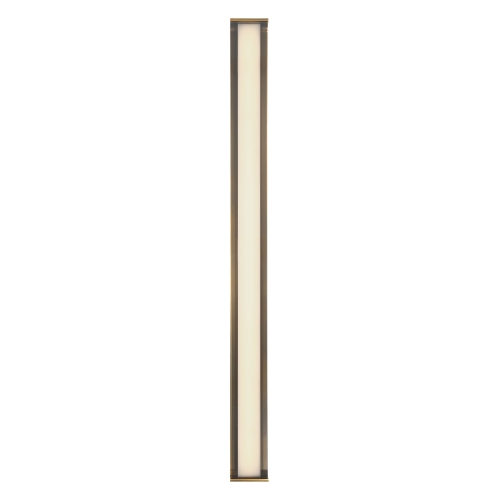
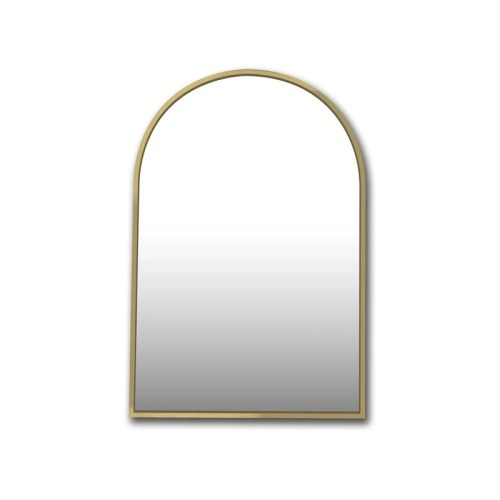


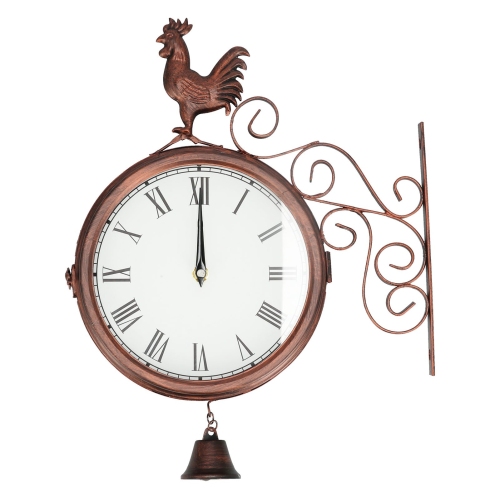

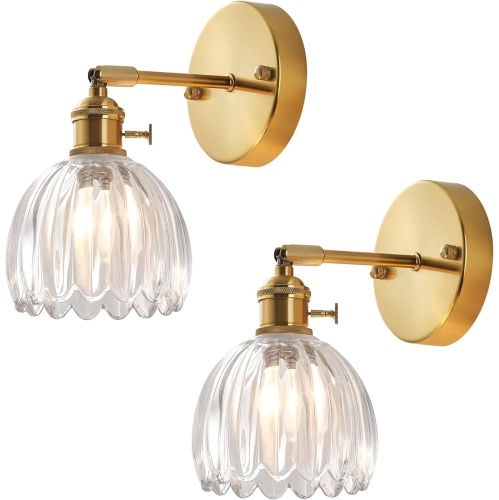


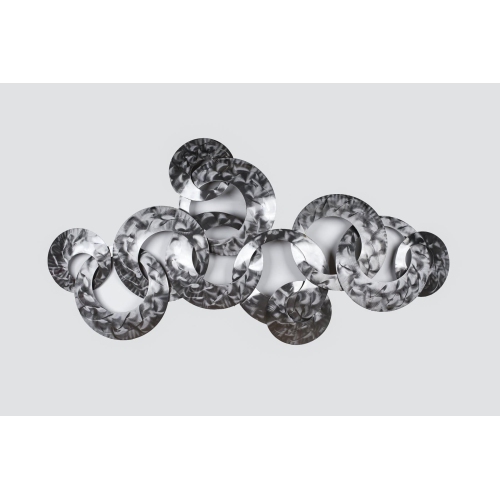
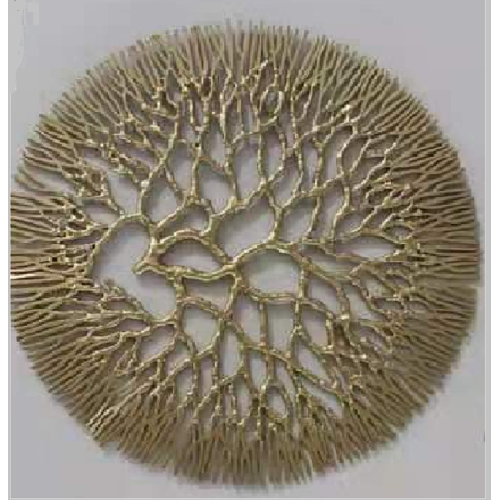
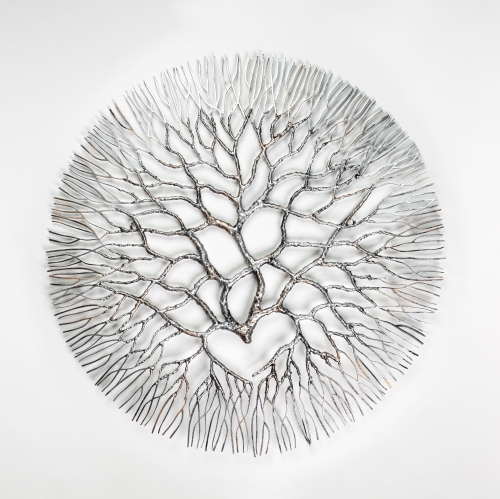






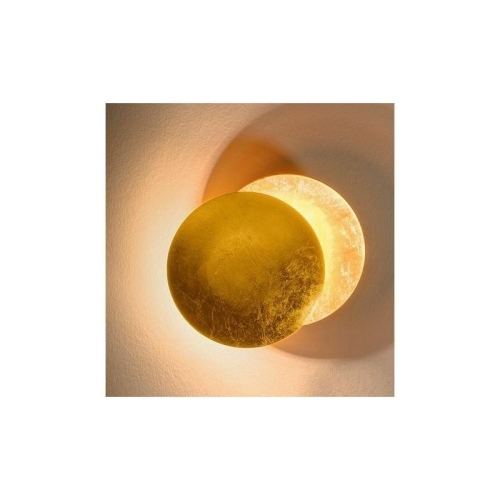

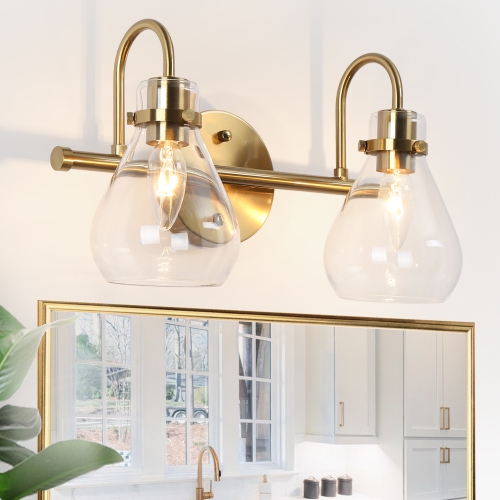
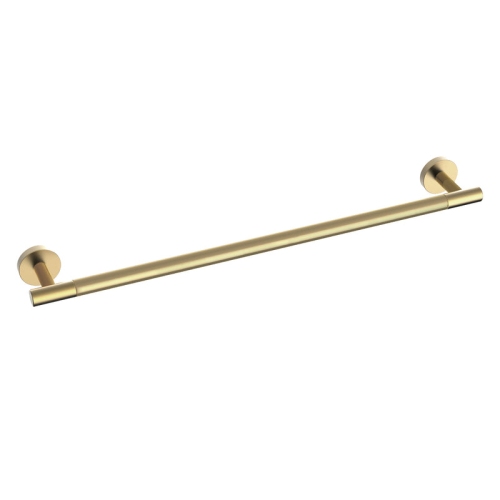
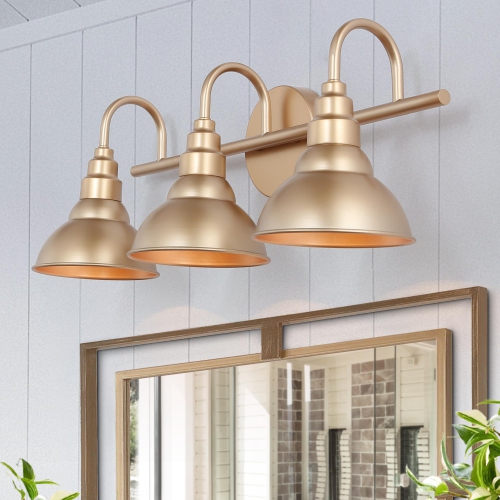

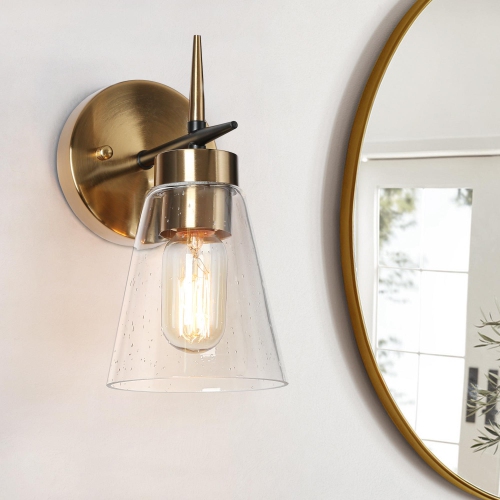
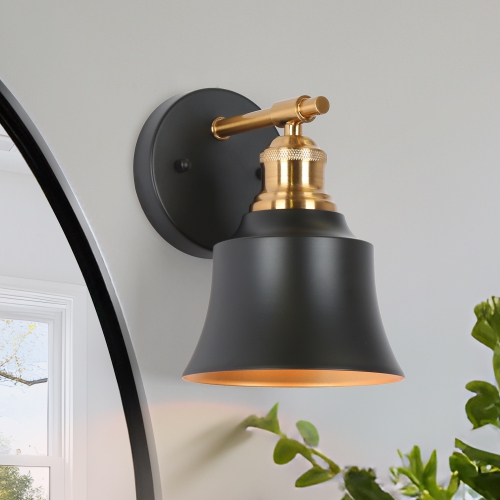
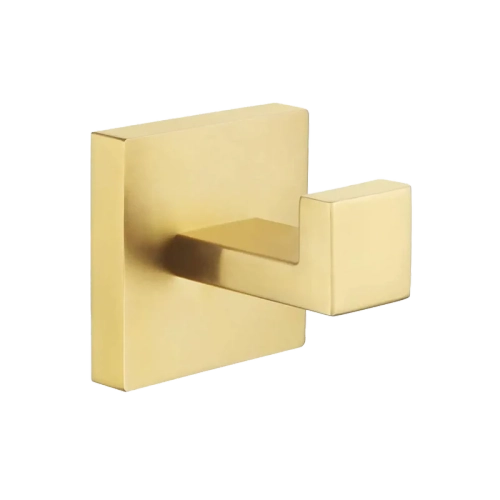



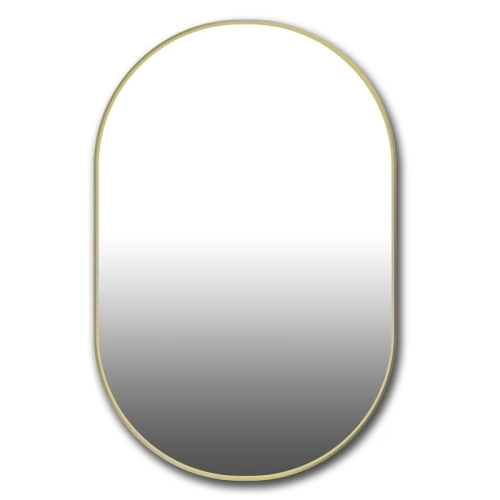
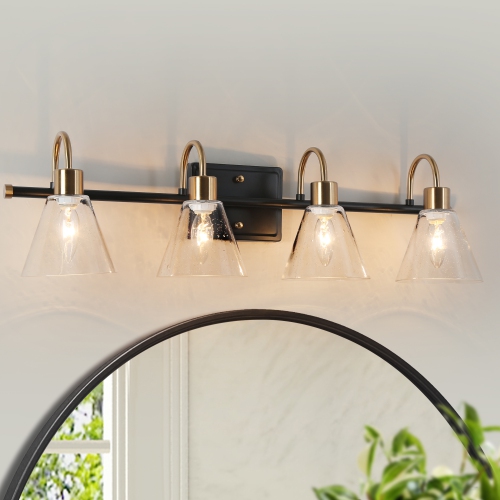

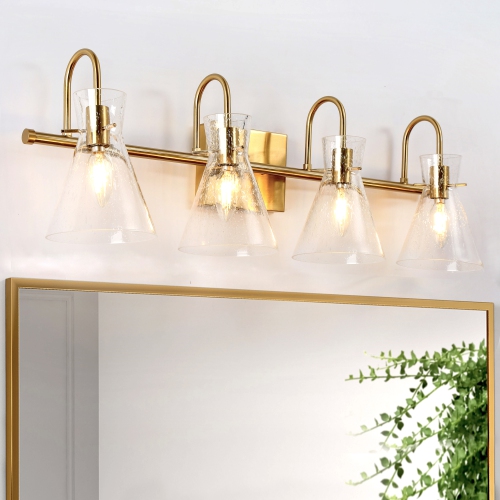

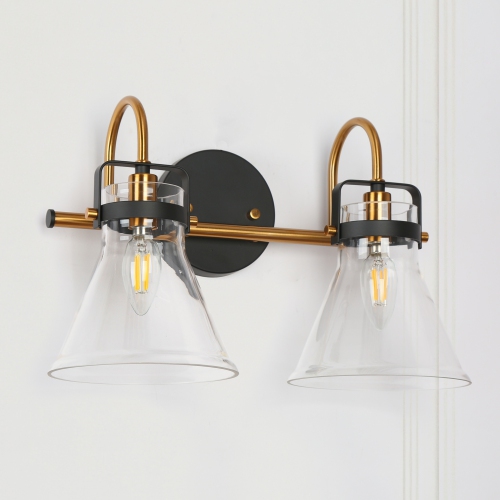
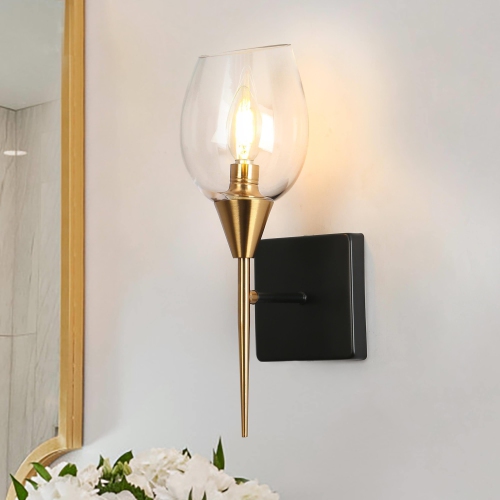


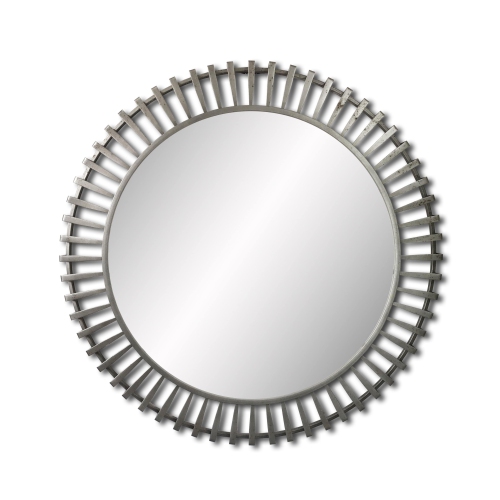
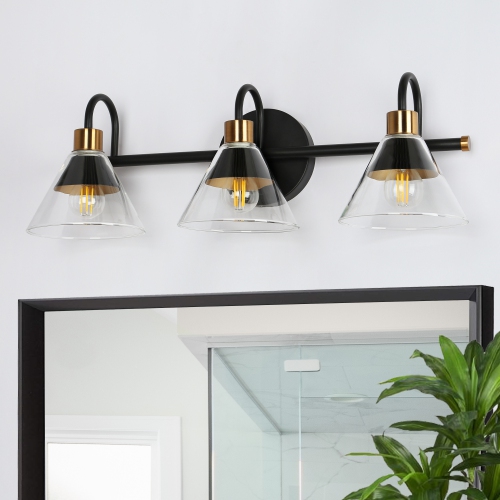
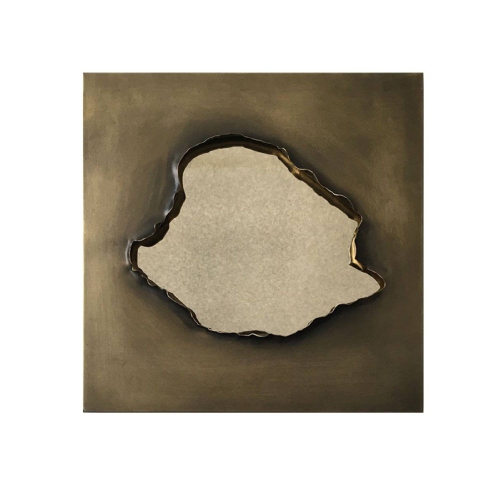




How brass finishes shape light and warmth at home
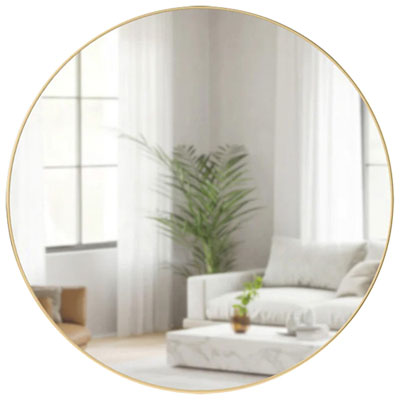
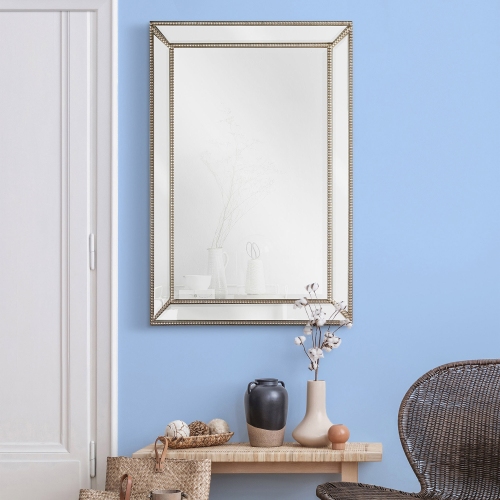
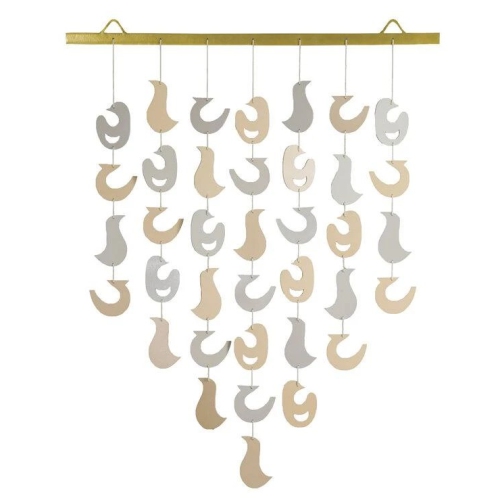
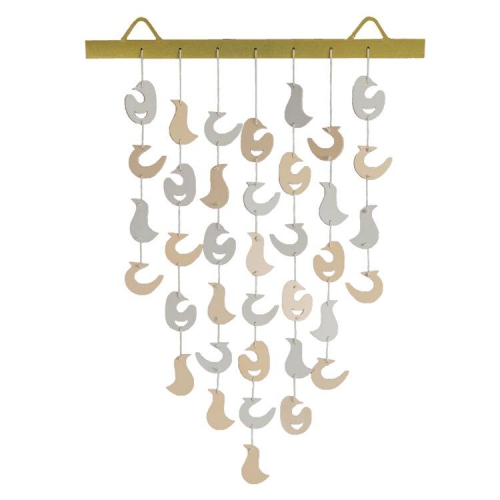
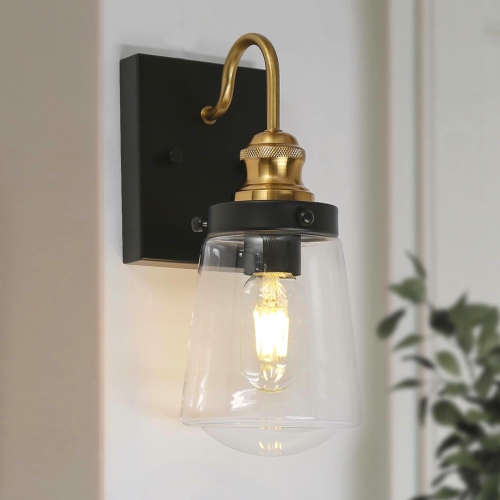
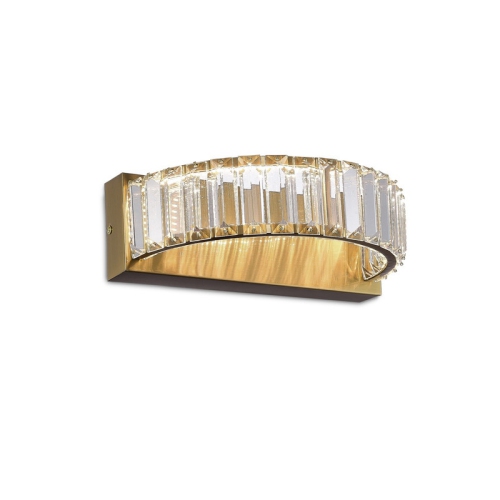
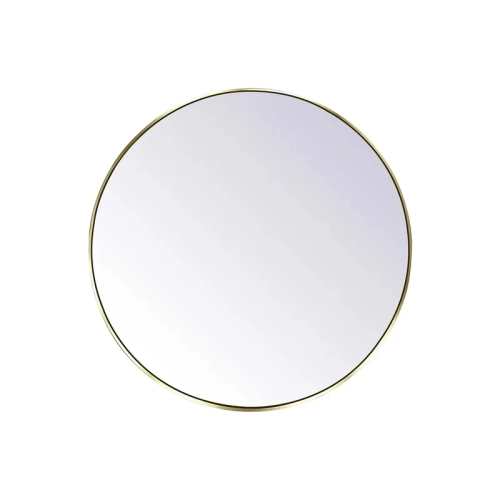
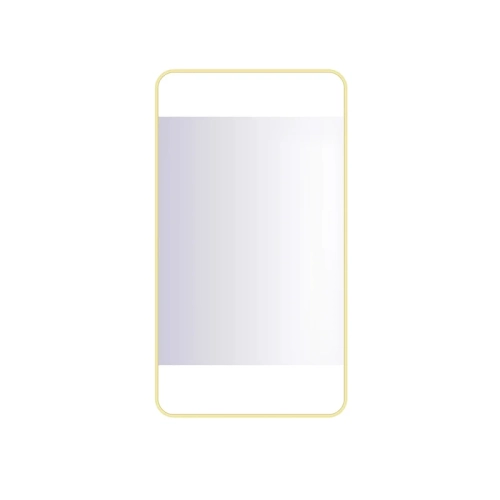
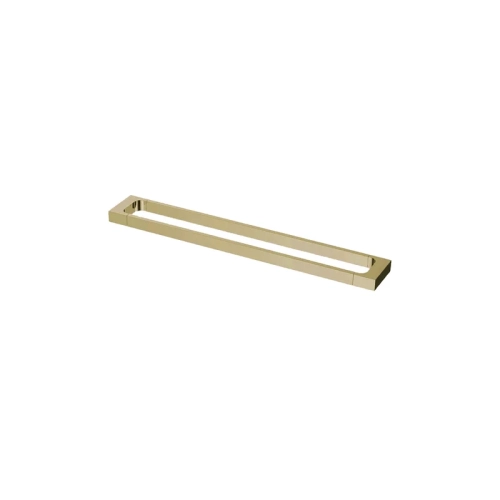
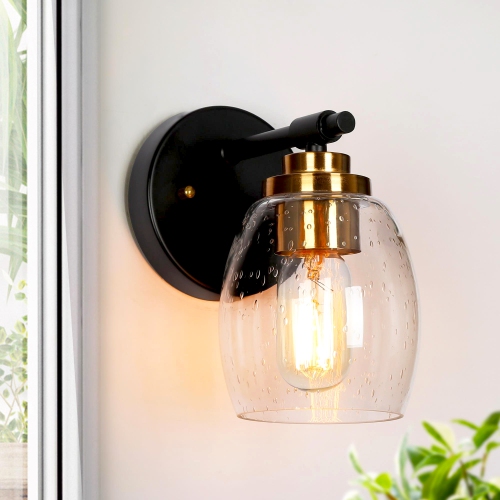
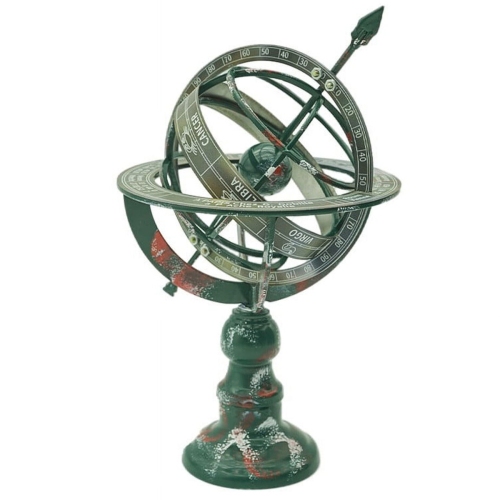
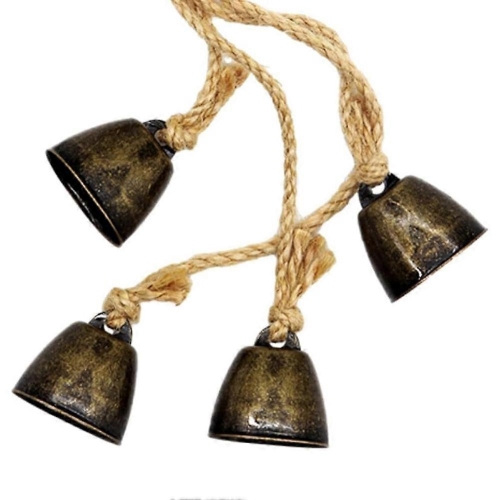
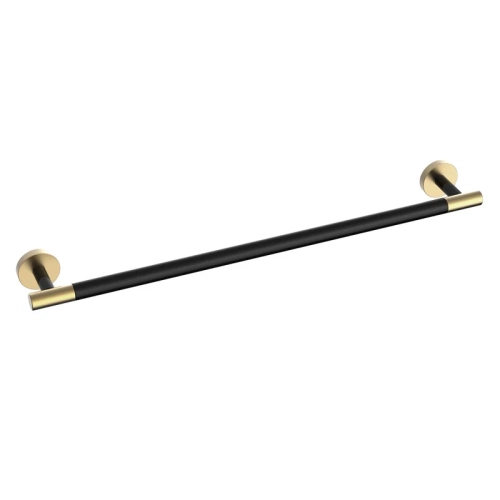
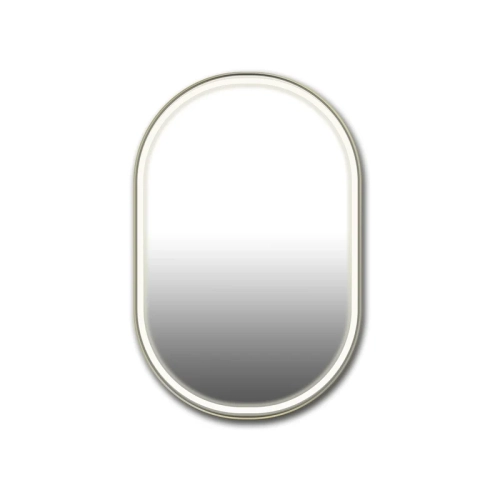
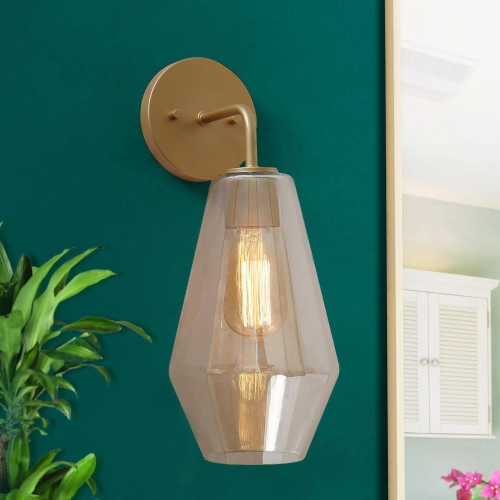
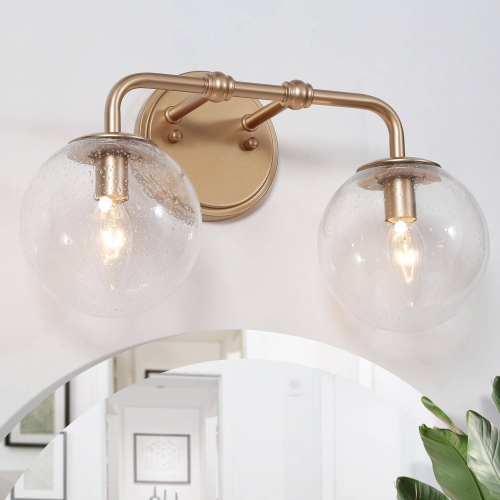
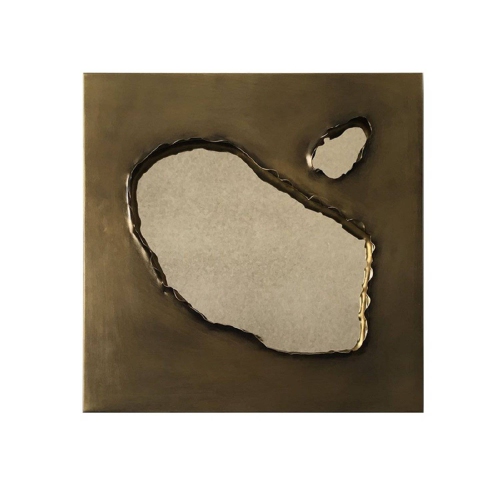
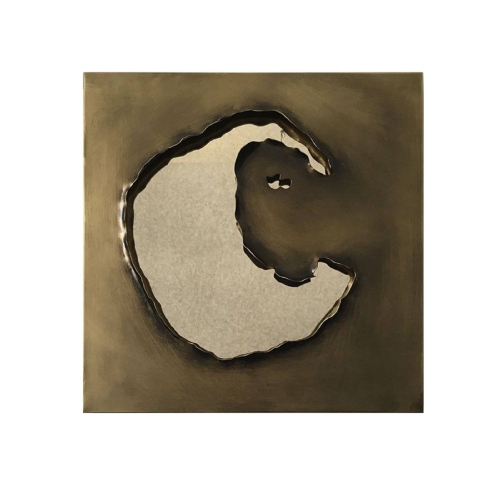
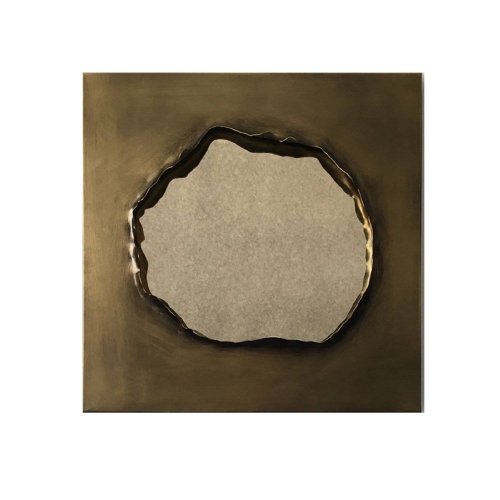
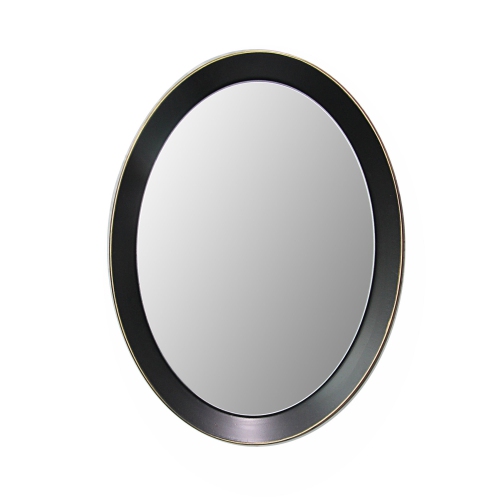
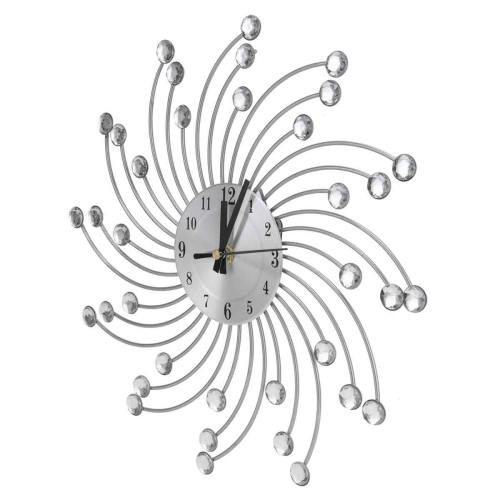
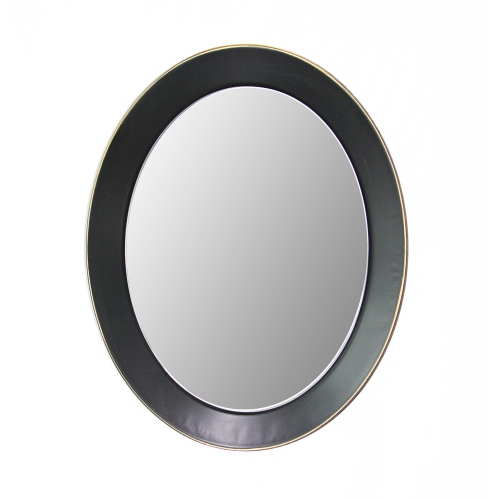
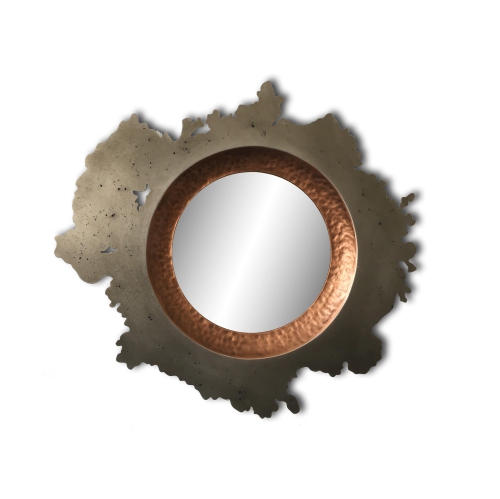
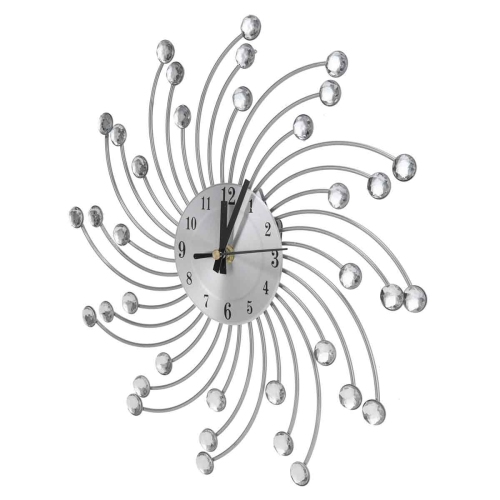
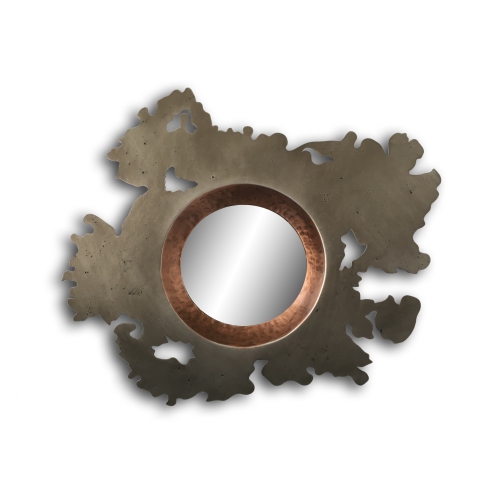
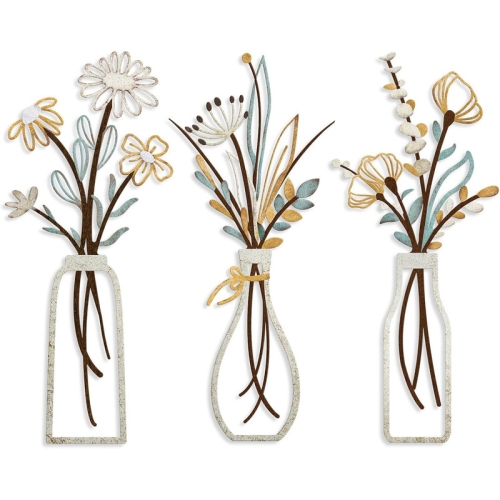
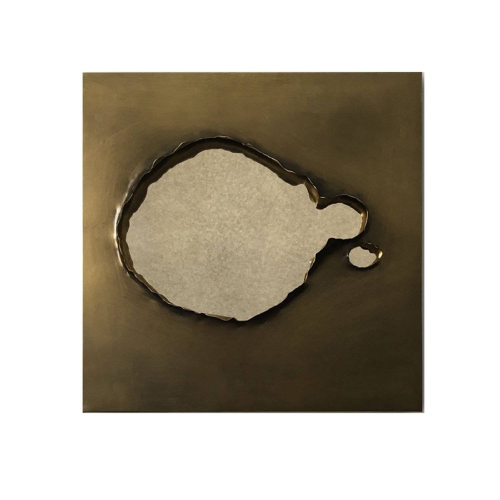
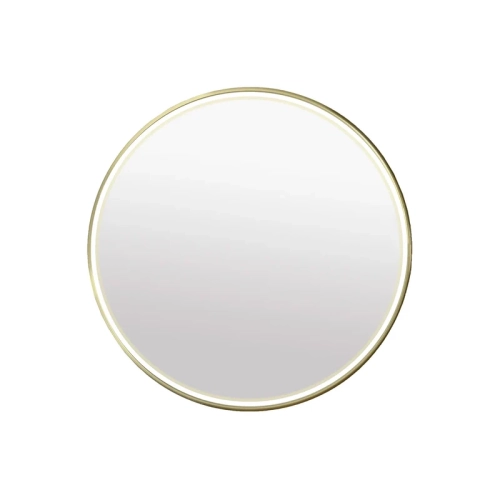
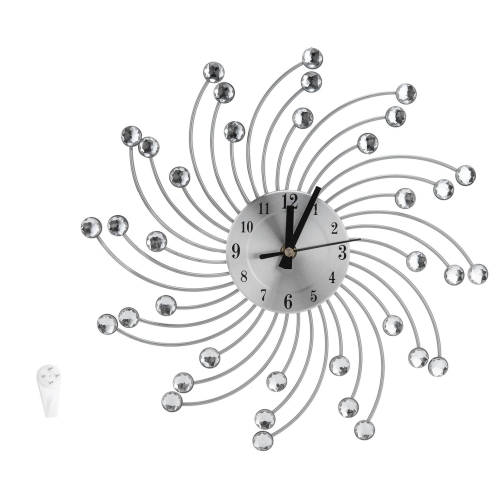
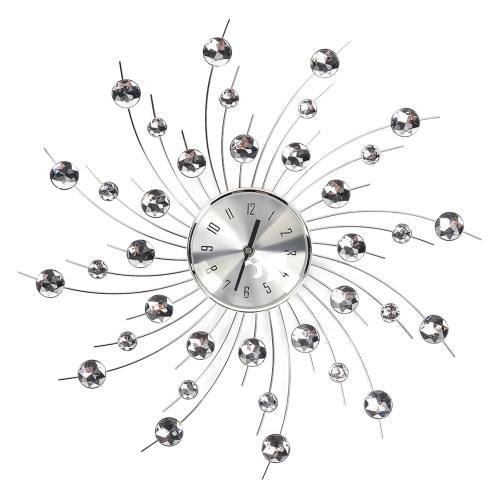
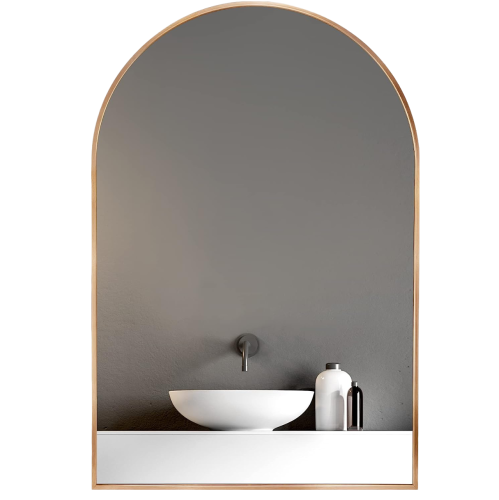
Brass wall decor brings a warm, golden tone to a room through metal artwork, sculptural accents, decorative mirrors, and other wall-mounted designs. Its appeal lies in the way the surface catches light: polished brass creates bright highlights, while brushed, hammered, and aged finishes offer a softer glow with more visible texture. The look can be crisp and architectural or intricate and ornamental, depending on the shape and treatment of the metal. Sunburst forms, abstract ribbons, and open geometric patterns suit mid-century modern interiors, where they sit comfortably alongside walnut furniture and clean upholstery lines. Leafy branches, floral silhouettes, and bird motifs introduce flowing shapes that contrast with the straight edges of shelving, doorways, and cabinetry. Traditional reliefs and detailed medallions bring a more formal presence, particularly when their raised surfaces cast subtle shadows against a plain wall. Brass also works across a broad colour palette. Against navy or charcoal, its golden colour feels pronounced; against cream, muted pink, or soft green, it creates a gentler contrast. On a white wall, the outline of the design often becomes as important as the finish itself. This makes openwork pieces especially useful when a room needs visual interest without a large block of colour. In a living room, a wide metal composition can connect a sofa with the empty wall above it. In an entryway, a brass-framed mirror can provide a practical place for a final glance before heading out while adding definition above a console. Smaller accents can give a reading corner or dining nook a finished appearance without dominating the space. Brass wall art can stand alone as a focal point or join framed prints, photographs, and other textures in a more personal arrangement. The most cohesive result usually comes from repeating one quality, such as a curved line or muted gold finish, rather than making every decorative element identical.
Material and construction make a meaningful difference to the appearance, weight, and long-term care of brass wall decor. Solid brass is an alloy of copper and zinc, while brass-plated designs have a thin brass layer over another material. A brass-coloured finish may create a similar visual effect without containing brass, so the material description matters when a particular metal or ageing characteristic is important. Solid brass can develop a natural patina as its surface reacts with air and handling, although a protective coating may slow that change. Some designs are deliberately given an antiqued finish, with darker recesses that emphasize relief work and hammered details. Others have a clear lacquer intended to preserve a more consistent appearance. Neither a bright finish nor a darker one is inherently the better choice; they simply create different effects and may need different care. Thickness, joined sections, edge finishing, and the strength of mounting points also influence durability. A broad, delicate arrangement of thin metal leaves needs more careful handling than a compact, rigid panel, even if both have a similar colour. Dimensions deserve equal attention. Width and height indicate the overall footprint, but depth reveals how far sculptural elements extend into the room. In a narrow hallway or beside a frequently used doorway, a flatter design is less likely to be brushed by a shoulder or bag. Above furniture, an arrangement generally looks more connected when its proportions relate to the furniture below, with enough clear wall around it to make the shape easy to read. For grouped accents, the spacing between pieces contributes to the total footprint. Weight, wall type, and the supplied mounting system determine which fixings are suitable; drywall, masonry, and studs require different approaches. Heavy mirrors and substantial metal artwork need properly rated hardware, and decorative pieces should not be placed where they could fall onto a bed or cot. Renters may also want to consider mounting requirements before choosing a large installation. For spaces that combine several metallic finishes, Metal Wall Decor offers a broader theme for coordinating brass tones with contrasting metal textures.
Everyday care helps brass wall decor retain the finish that made it appealing in the first place. A soft, dry microfibre cloth is usually suitable for routine dusting, with a light touch around narrow stems, wire details, and raised edges. Intricate designs can collect dust in recesses, so a soft brush may be useful where a cloth cannot reach, provided it will not snag delicate parts. Cleaning instructions should take priority because bare brass, plated surfaces, lacquered finishes, and intentionally aged treatments do not respond to the same methods. When the manufacturer permits damp cleaning, a cloth lightly moistened with mild soapy water can lift surface marks, followed by prompt drying with a soft cloth. Soaking is generally unsuitable for assembled wall accents, especially those with backing materials, adhesives, or mixed-metal components. Abrasive pads and strong chemical cleaners can scratch the surface or damage a protective coating. Metal polish also needs care: it may remove an intentional patina or wear through plating, so it should only be used when appropriate for the stated material and finish. Handling a piece by its sturdier sections, rather than its decorative tips, helps prevent bending during cleaning or relocation. Placement affects upkeep as well. A design near a cooking area may collect grease, while one beside a sink may be exposed to splashes; a drier interior wall is often a simpler setting for decorative metalwork unless the piece is rated for the intended location. Beyond practical considerations, brass accents can be a thoughtful gift for someone furnishing a first home, refreshing a favourite room, or marking a housewarming. The recipient’s taste and wall space matter more than an elaborate design. A restrained geometric form may suit a pared-back apartment, while botanical metalwork can complement a home filled with plants, woven textiles, and wood furniture. Symbolic or spiritual motifs are most meaningful when they reflect the recipient’s own beliefs and preferences. With a suitable scale, considered placement, and care matched to its finish, brass wall decor can add lasting character without requiring an entire room to be redesigned.
Top selling and popular products
-
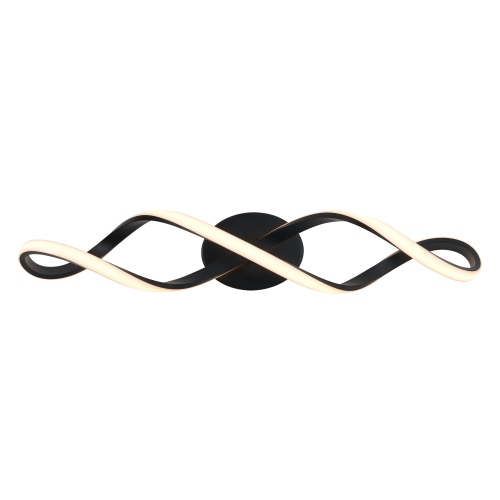 Your price for this item is $99.99
-
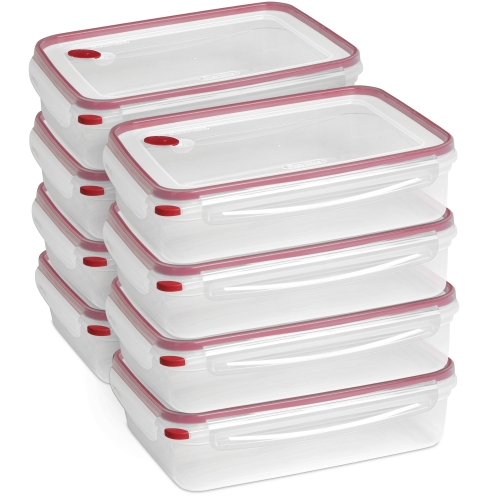 Your price for this item is $223.99
-
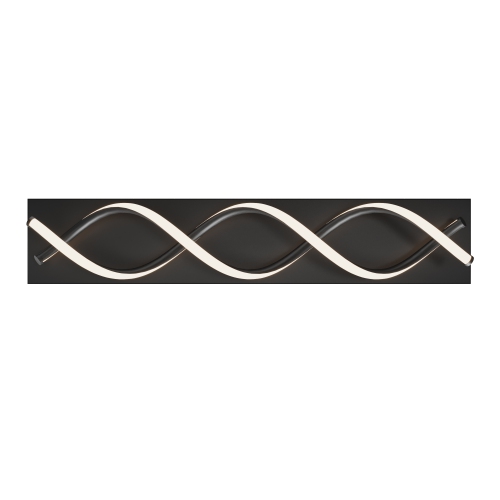 Your price for this item is $159
-
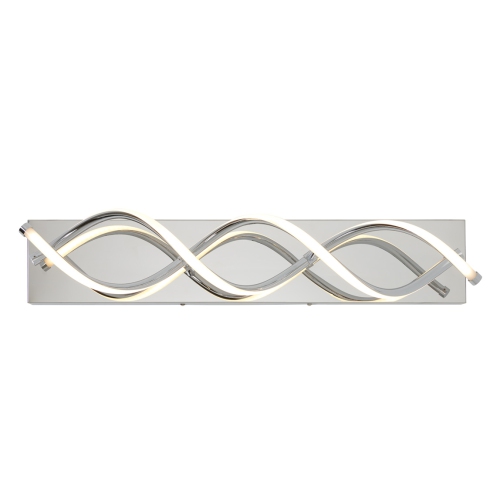 Your price for this item is $169.99
-
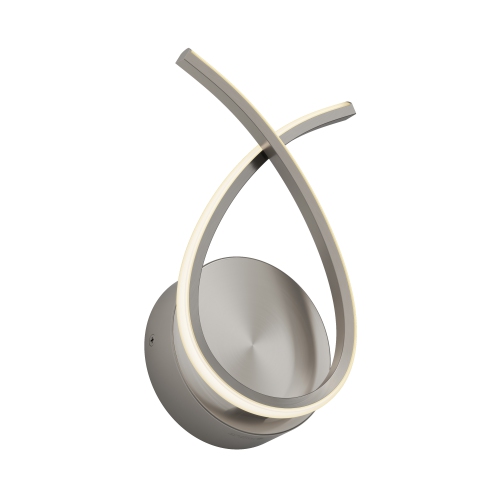 Your price for this item is $59.99
-
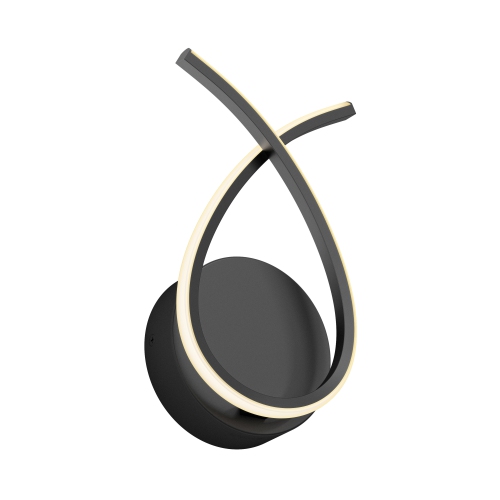 Your price for this item is $49.99
-
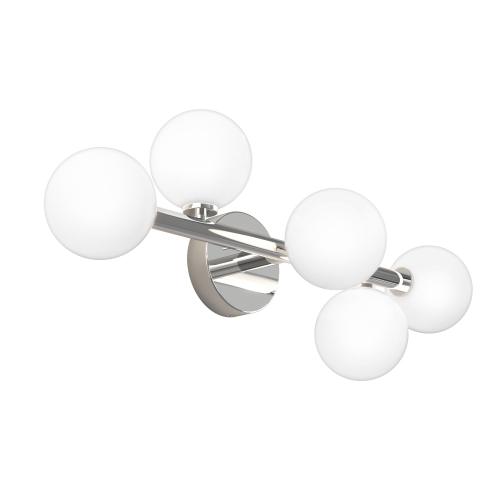 Your price for this item is $139
-
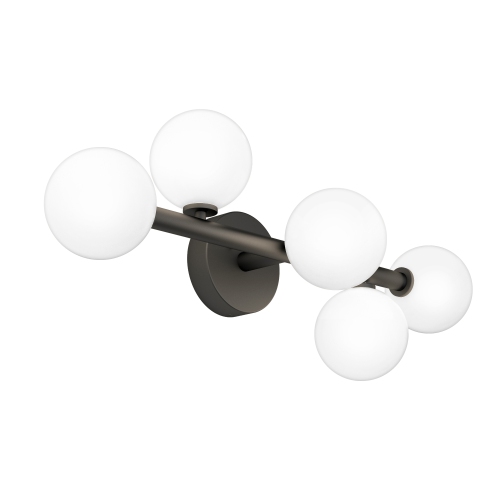 Your price for this item is $139
Discover more categories related to Brass Wall Decor
Top Collections:
Pokemon Centers, Best Cameras for Sports Photography, Kindle Devices, Samsung Galaxy Phones, Canon G7X Cameras, Pokémon 30th Celebration Cards, Refurbished Apple Laptops, iPhone 15 Apple, Laptops for Students, Budget Smartphones
Some products may be subject to Environmental Handling Fees
(EHF) depending on your province.
Learn more about EHFs.