Bright White LED Lights
Upgrade your lighting game with these bright white LED lights. Whether you're looking to illuminate your living space, office, or outdoor area, these energy-efficient and long-lasting LED lights are the perfect choice. With their crisp, white light and various brightness options, you can create a vibrant and inviting atmosphere in almost any room. Say goodbye to dull and dim lighting and say hello to the brilliance of bright white LED lights.
Sort
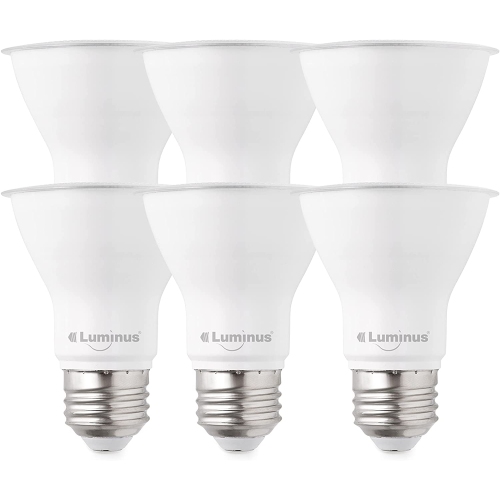

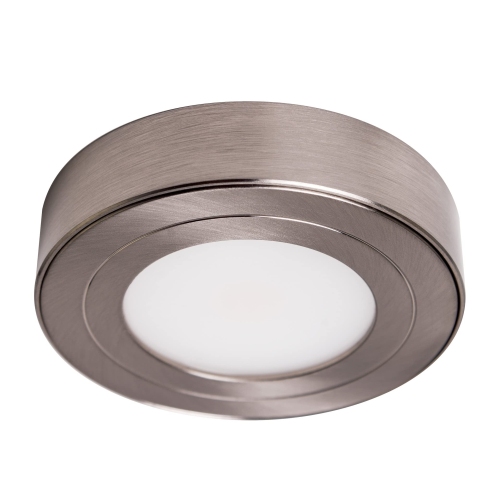
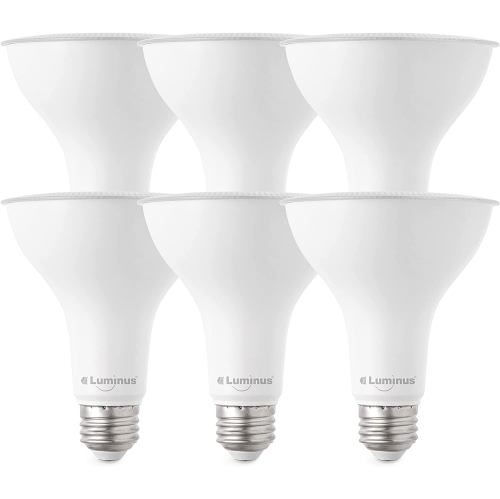
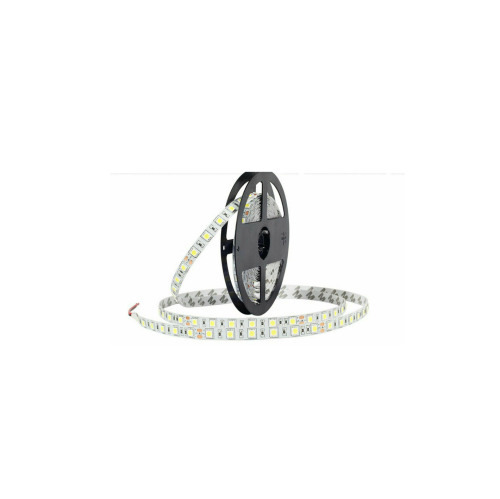
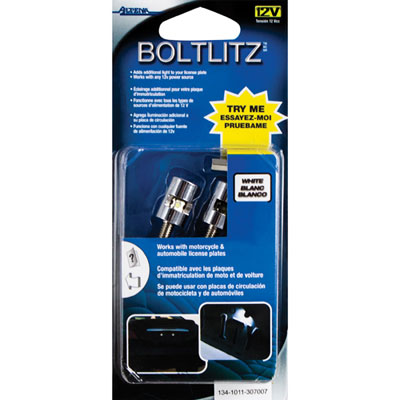
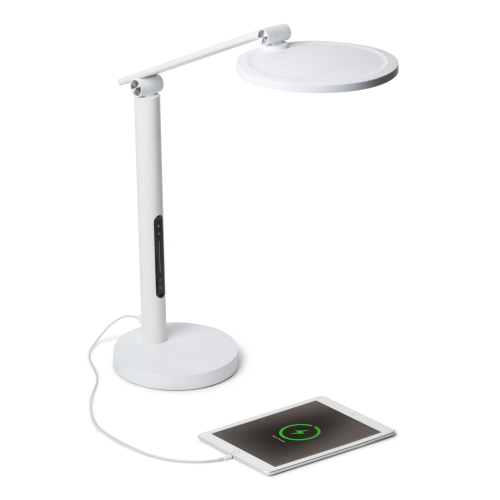
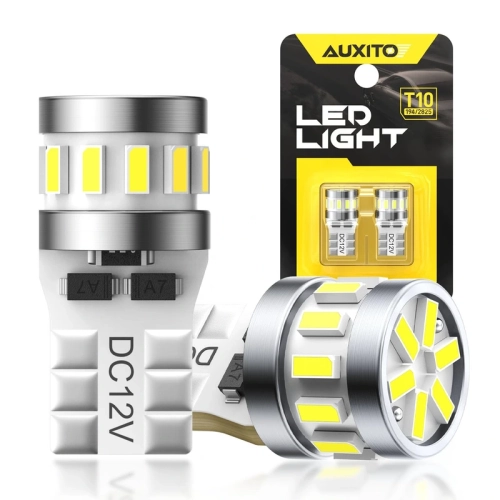
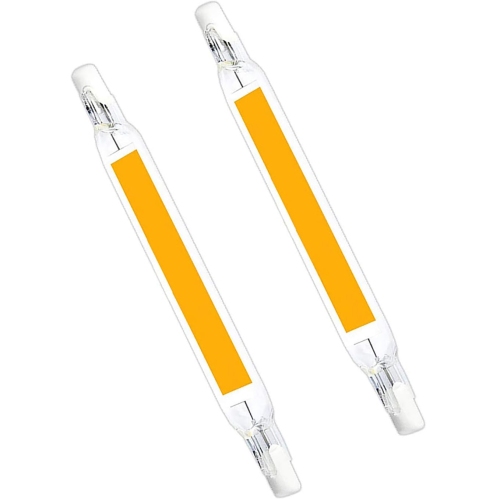
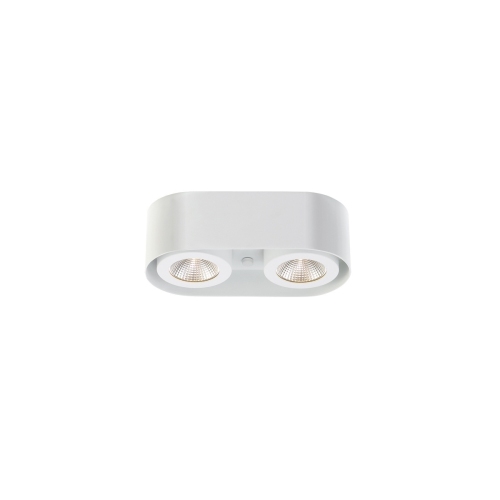
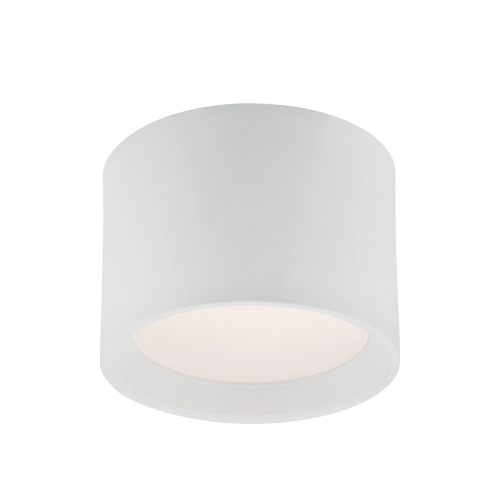
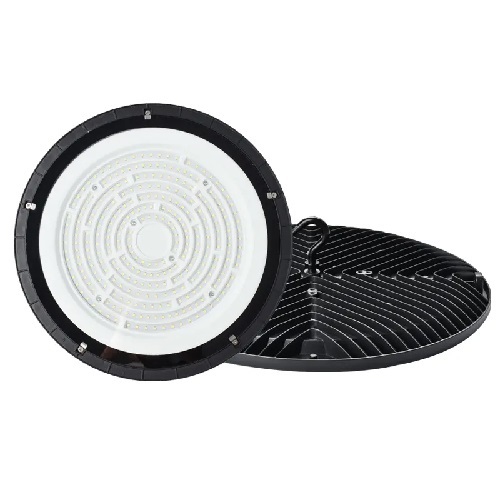
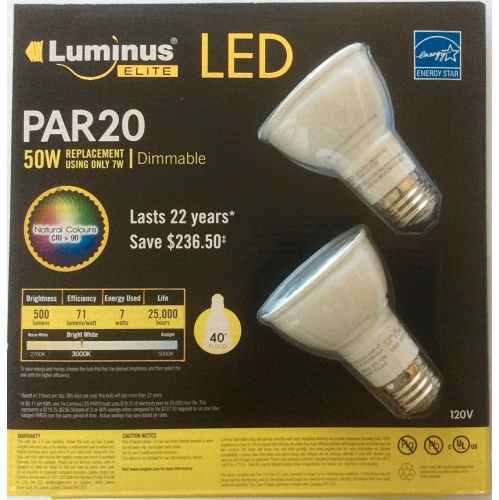
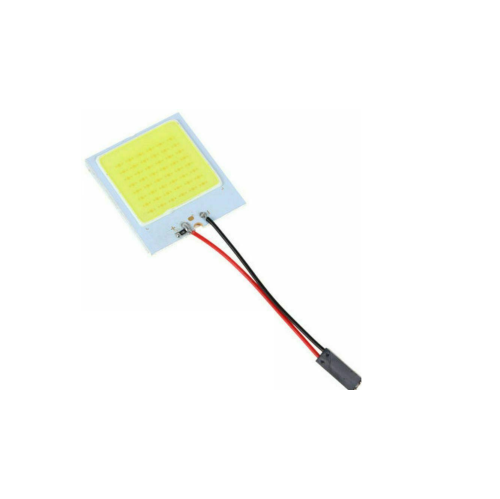
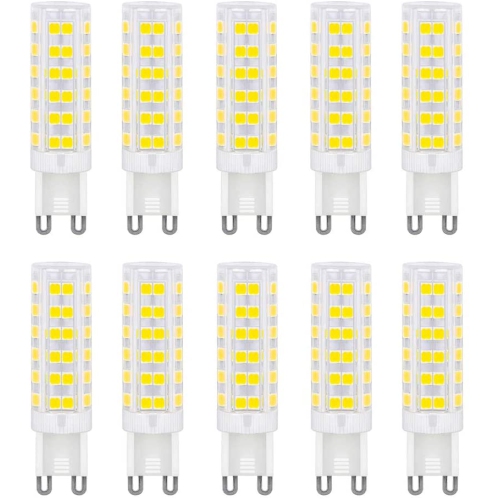
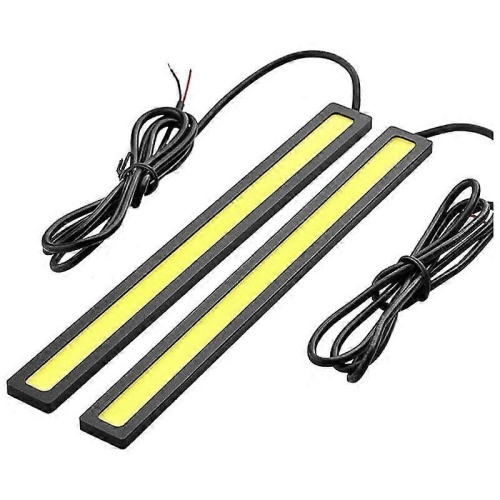
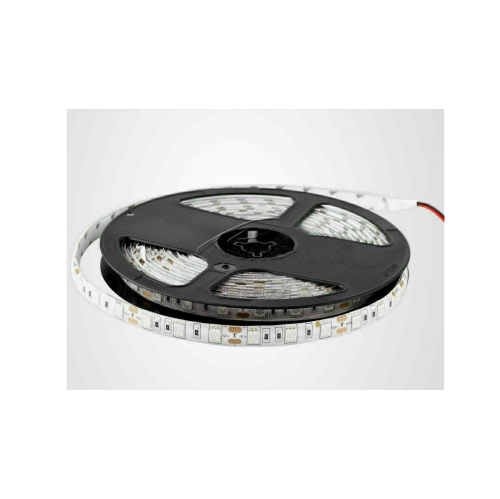
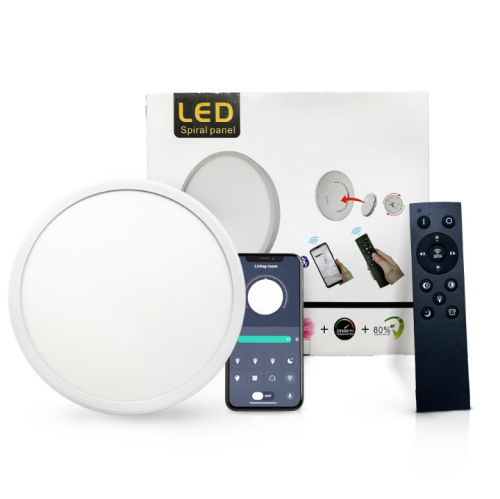

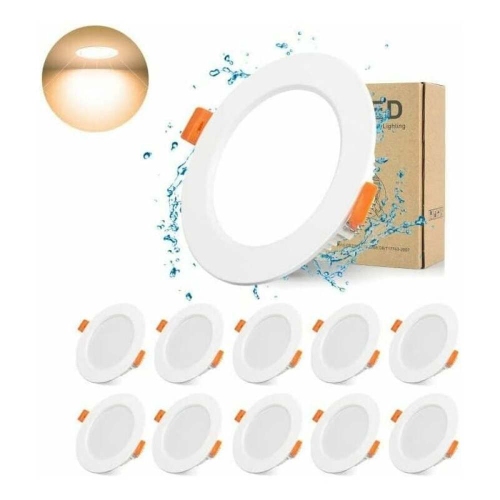
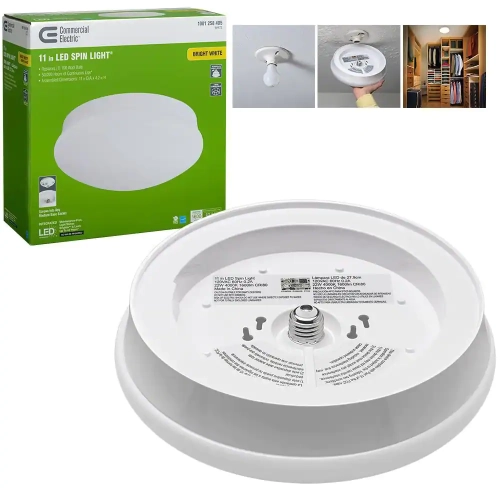
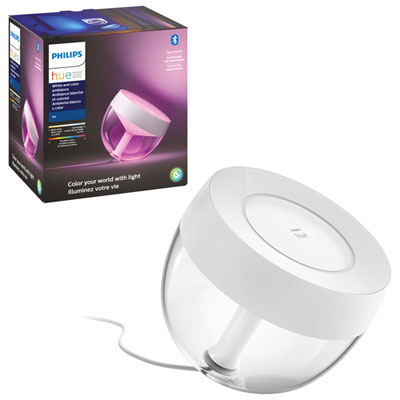
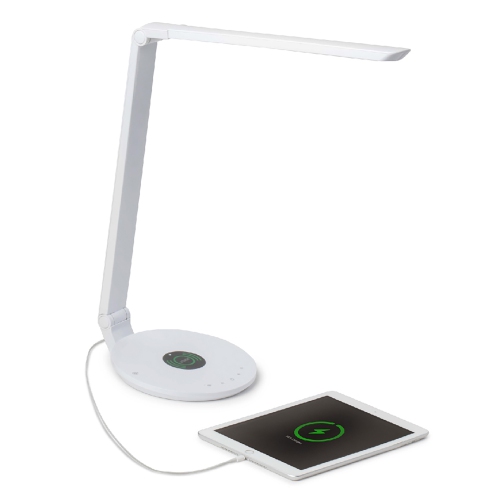
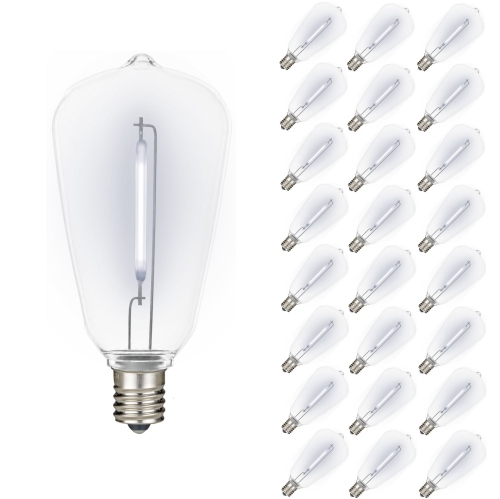
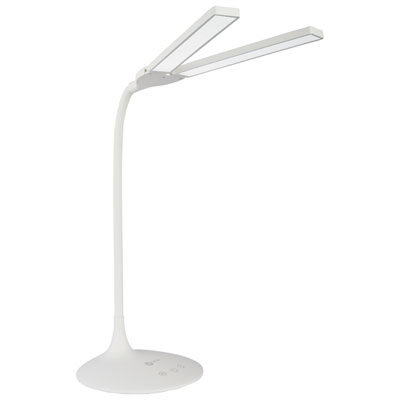

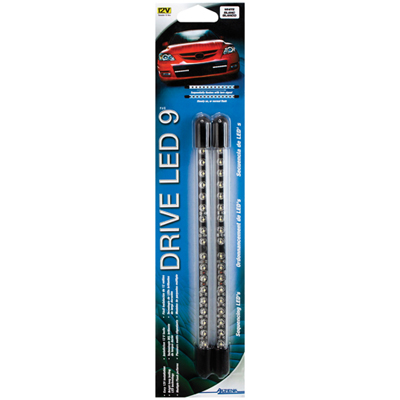
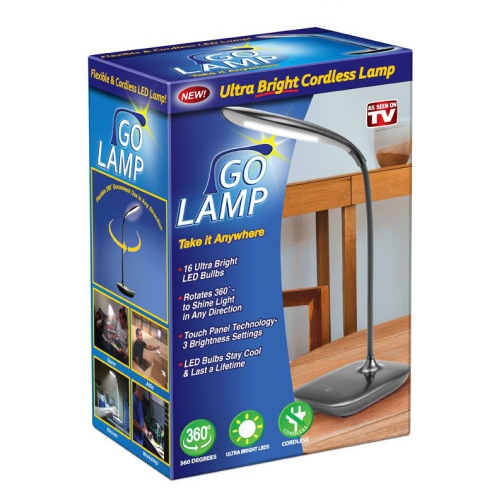


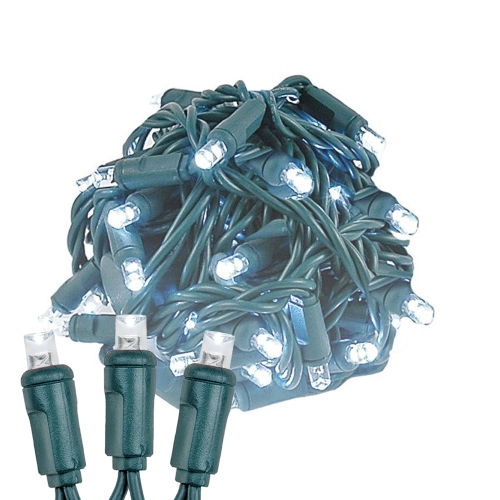
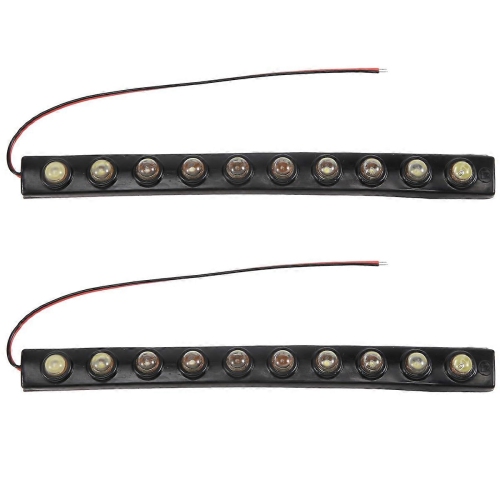

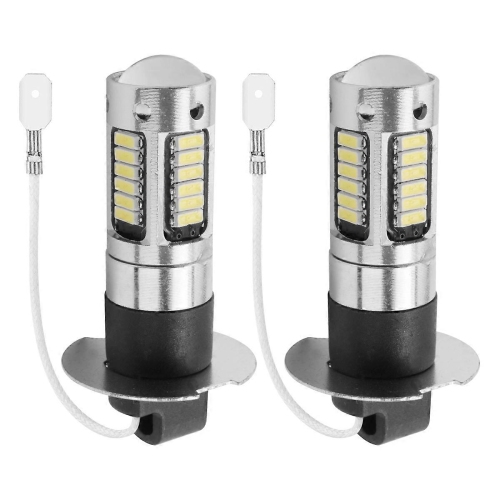
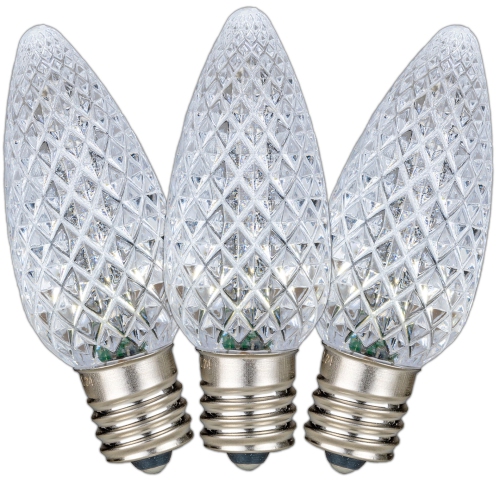
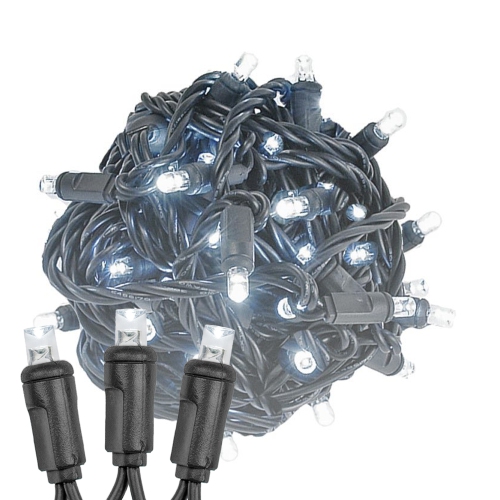


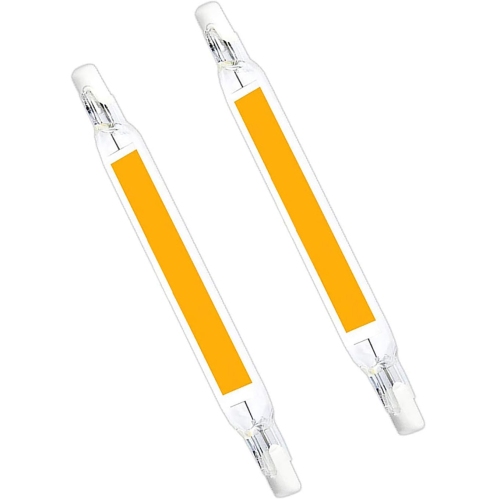

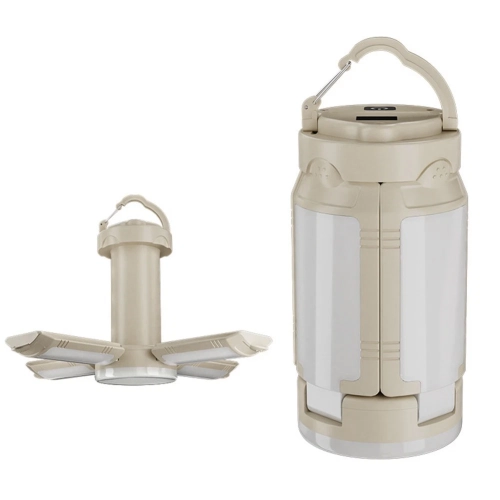
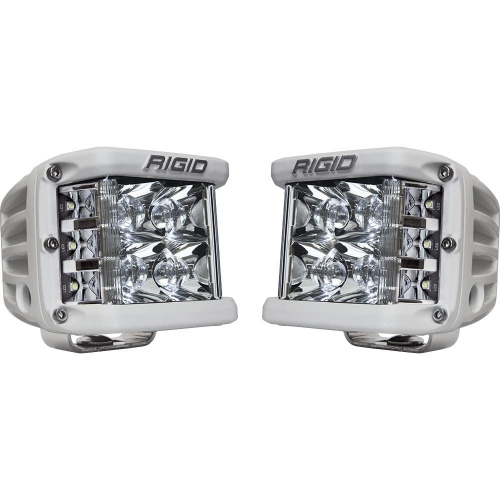
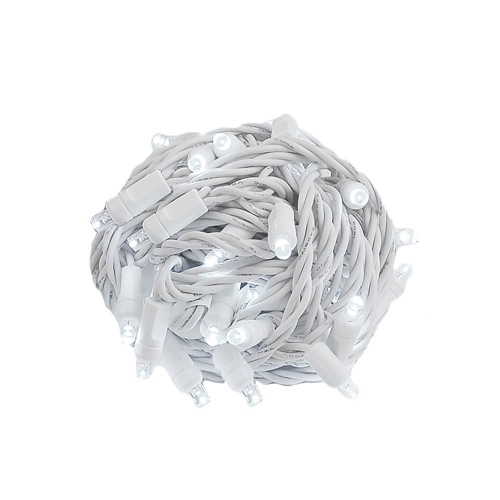
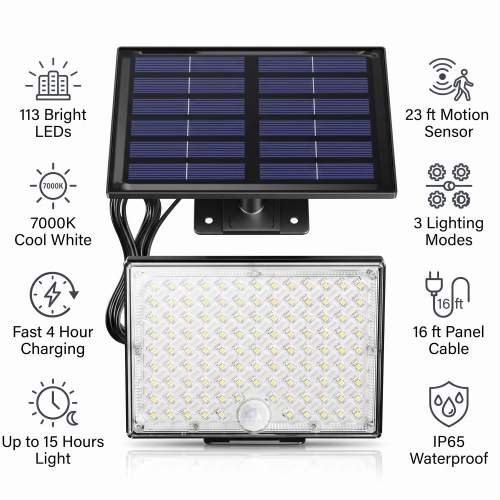
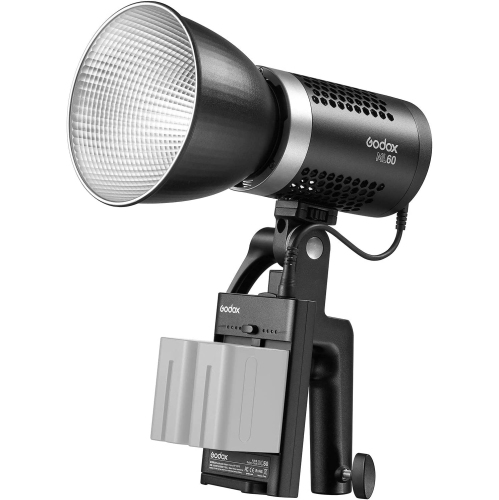
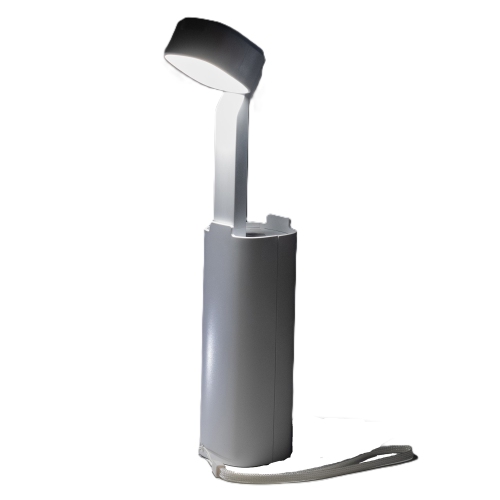
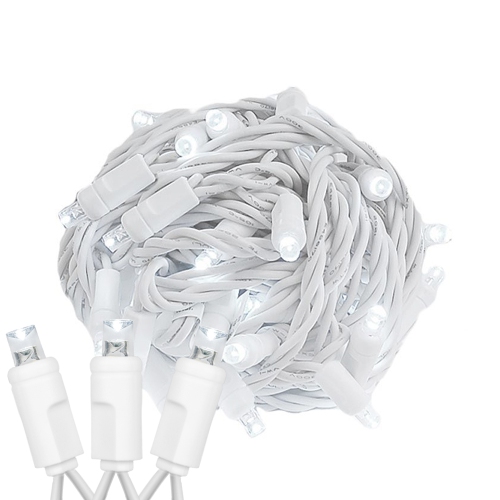
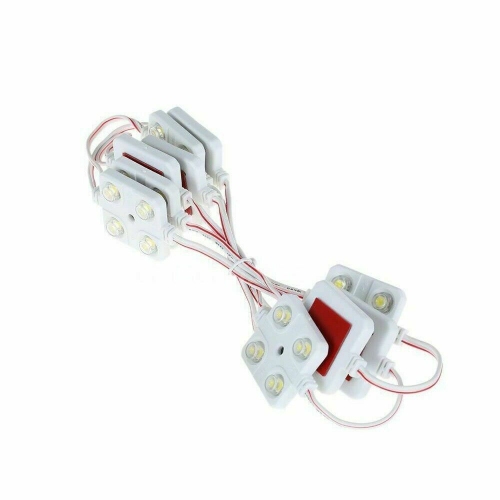
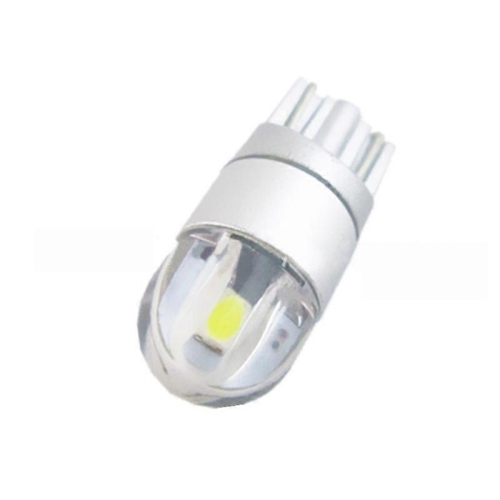
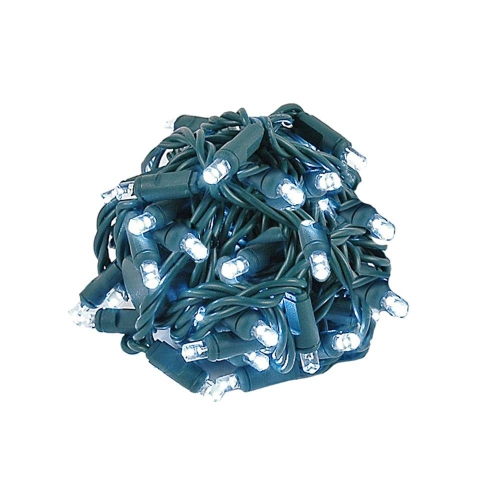
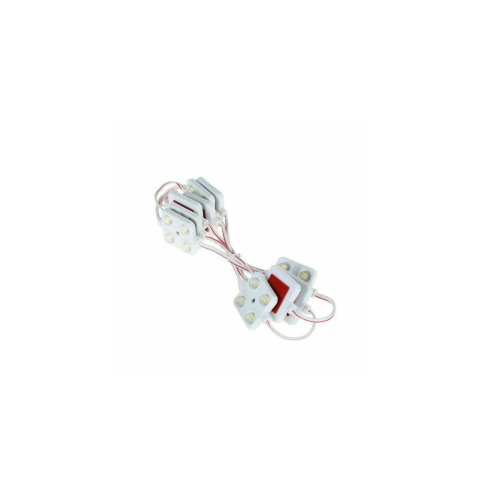
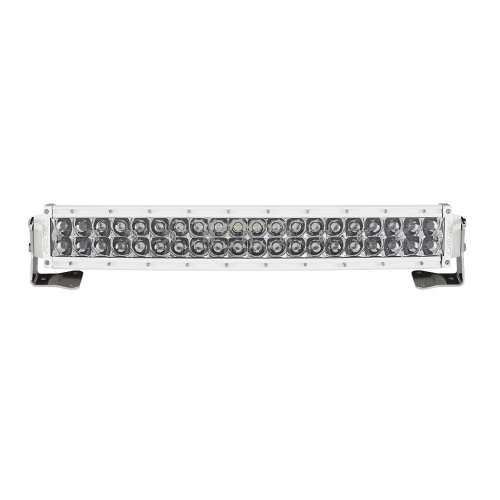
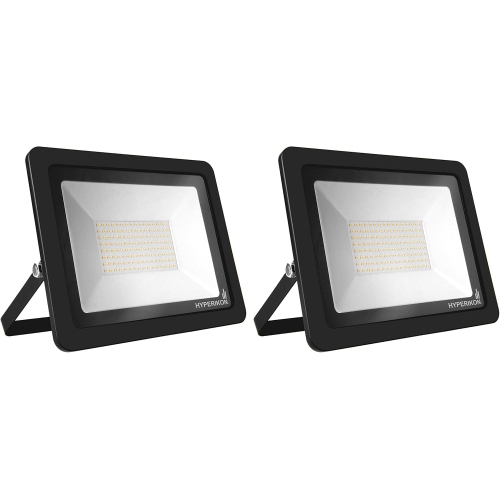
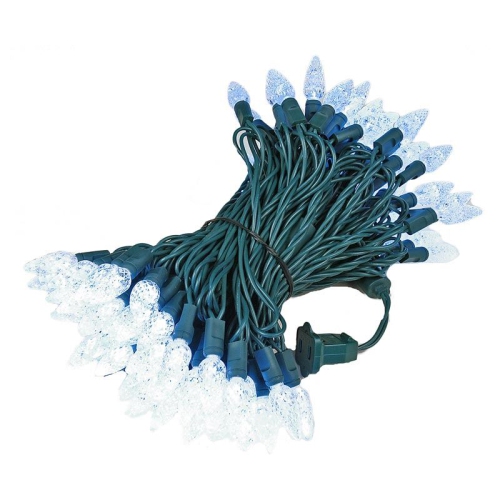
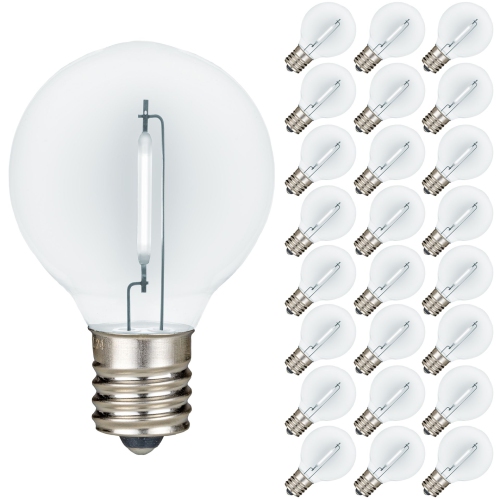
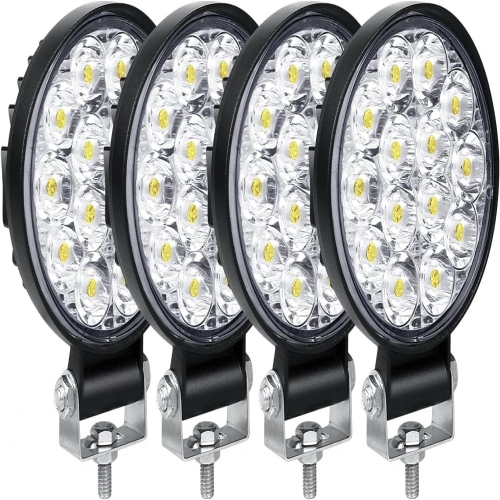
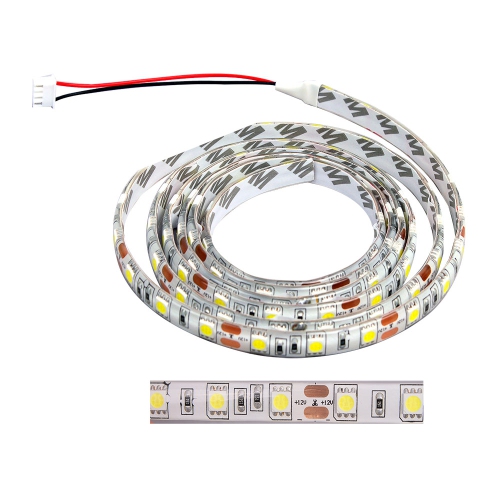


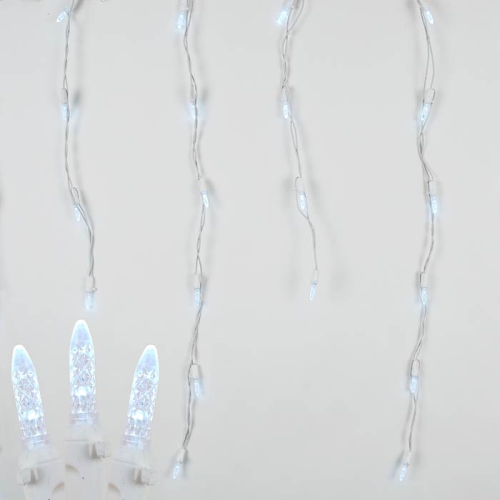

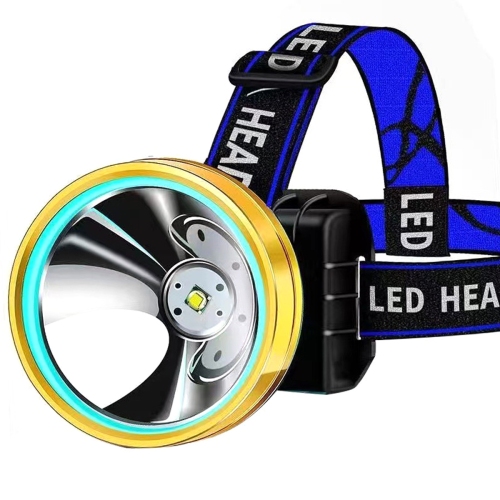
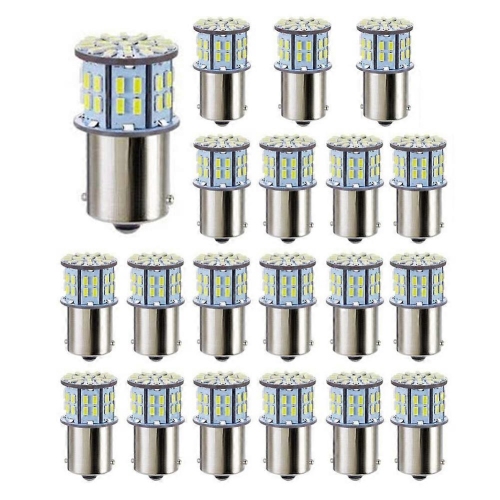
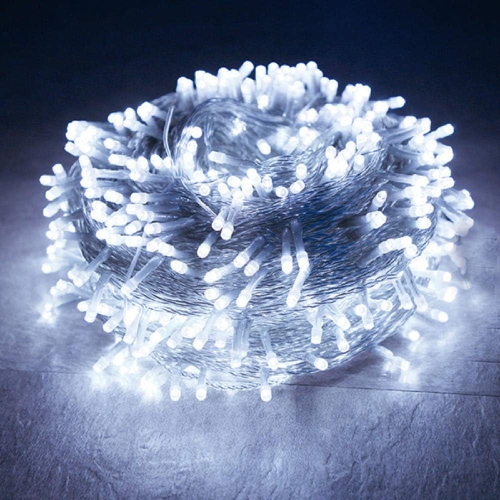

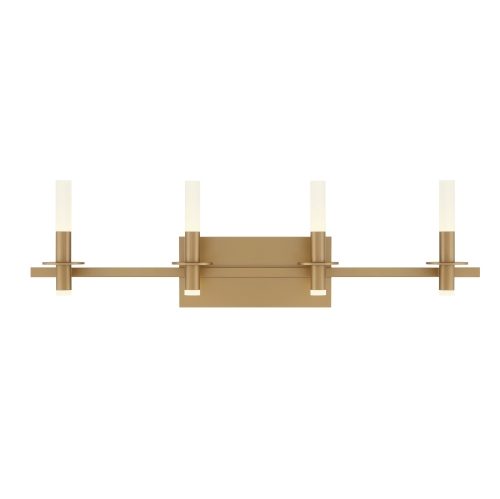
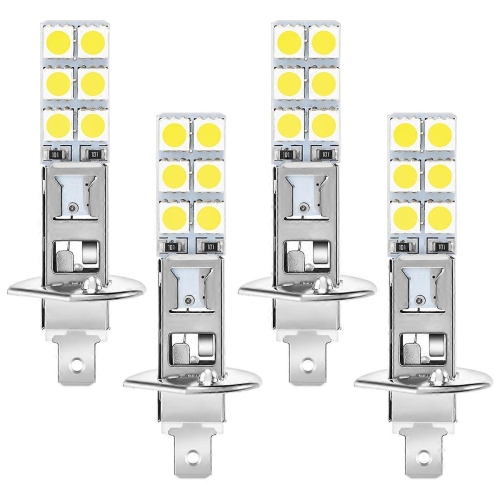

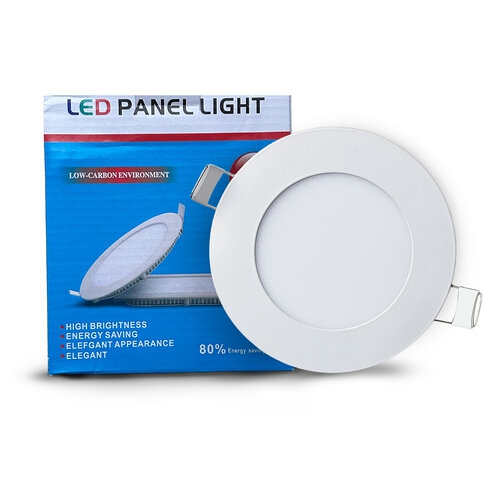
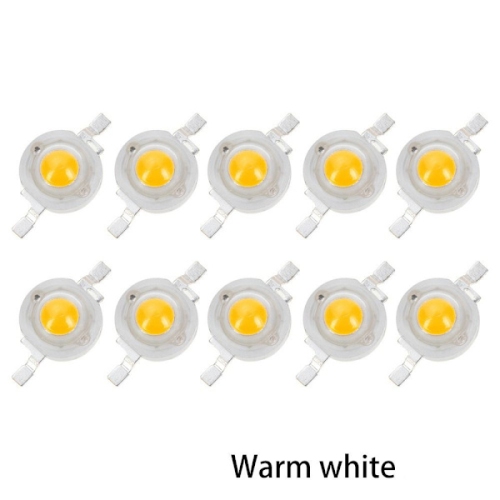
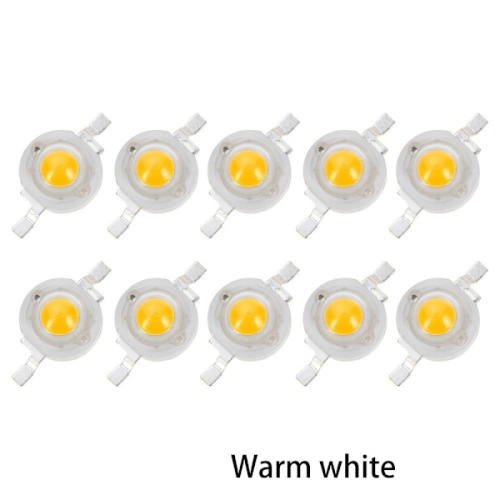
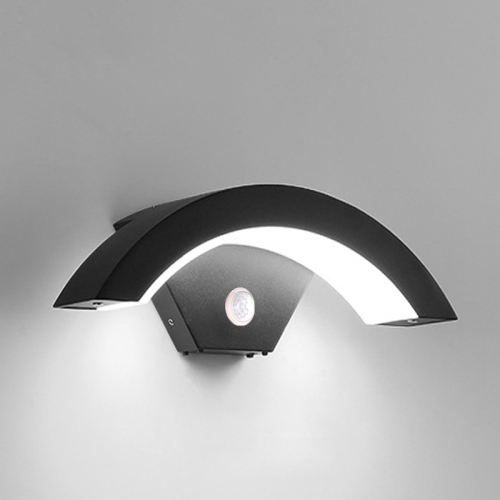
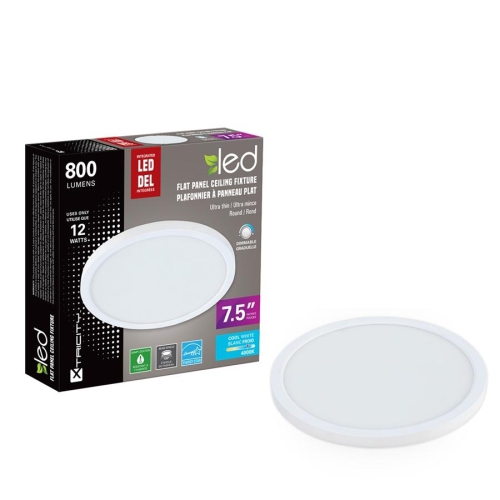
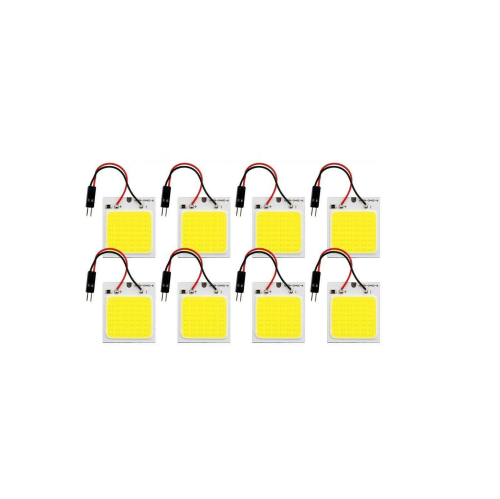
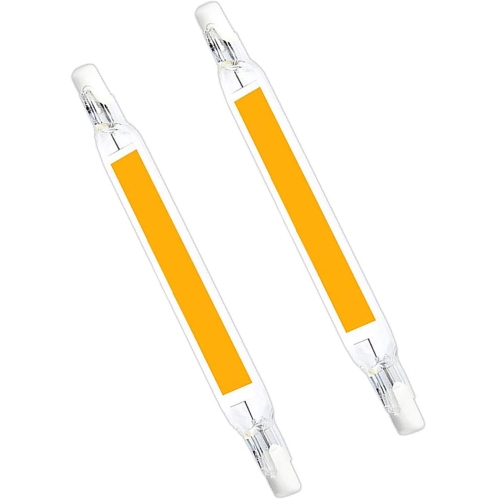
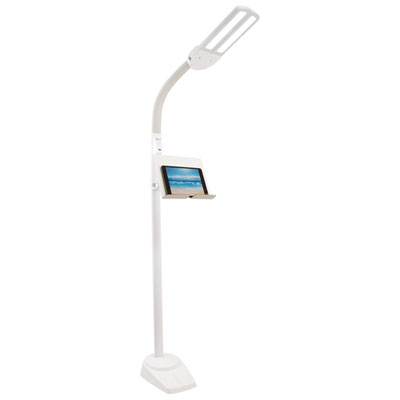
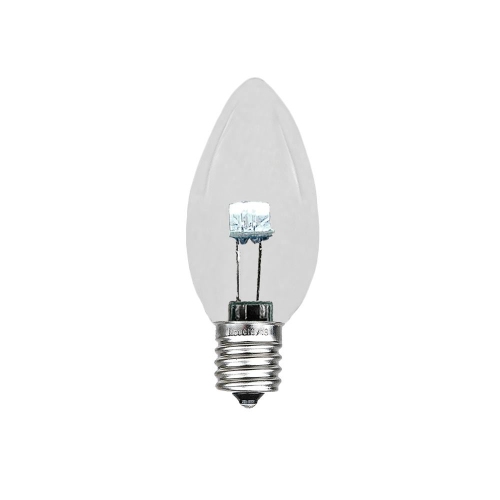
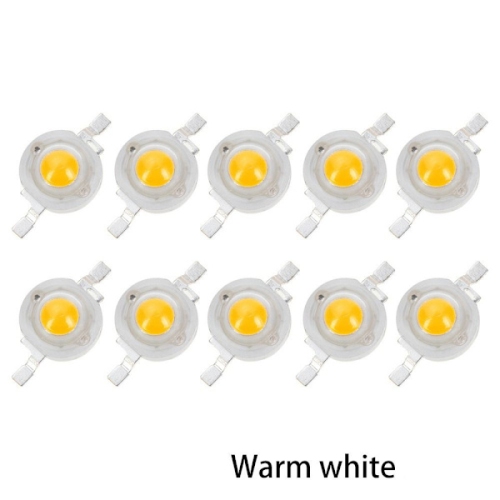
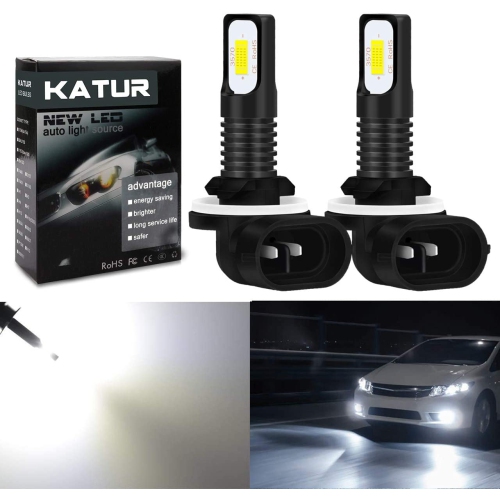
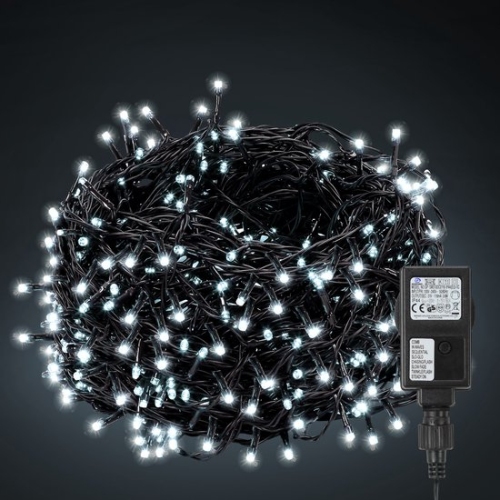
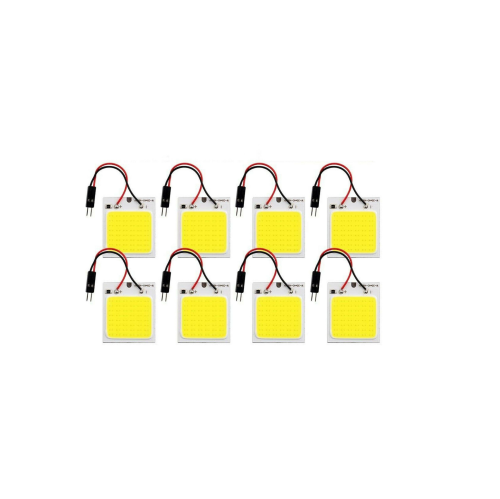

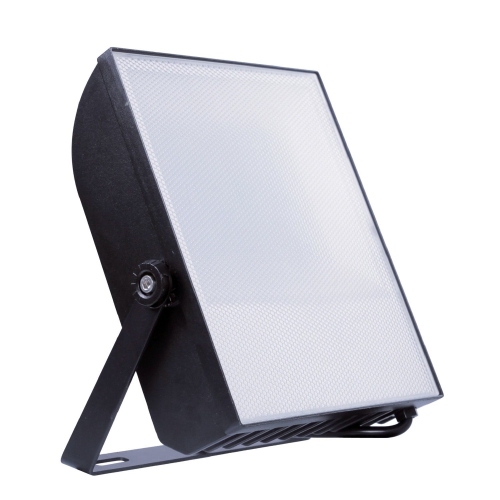
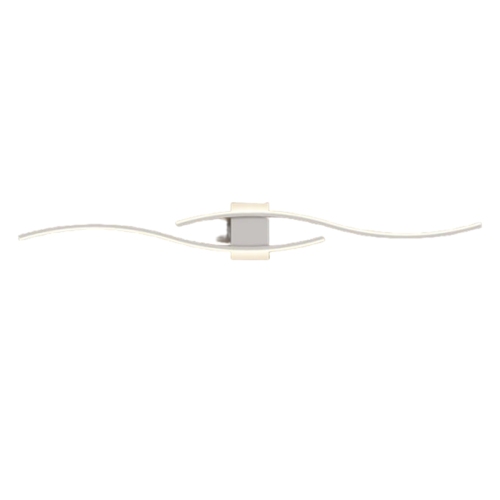
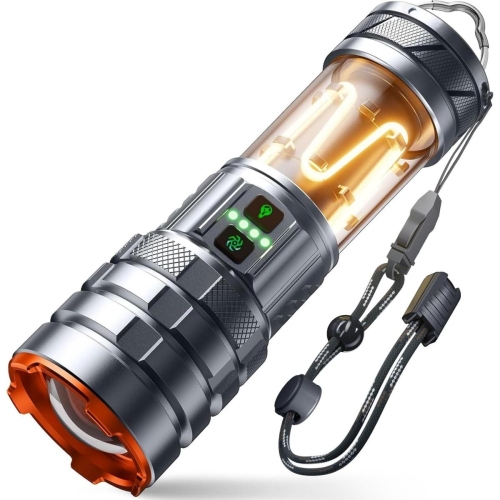
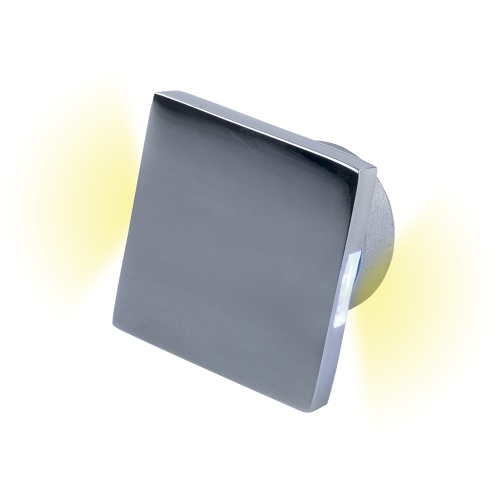
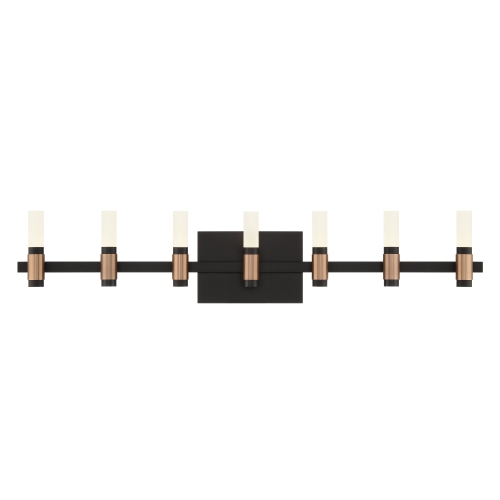
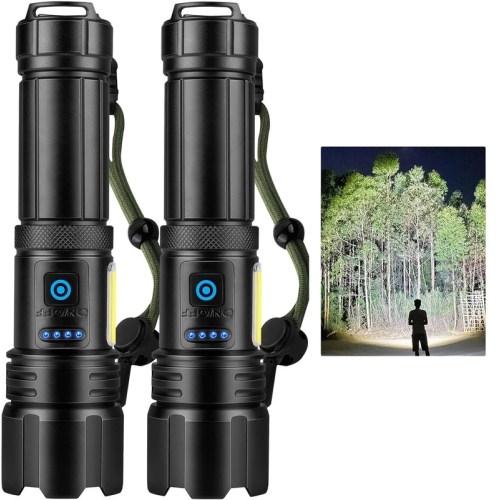
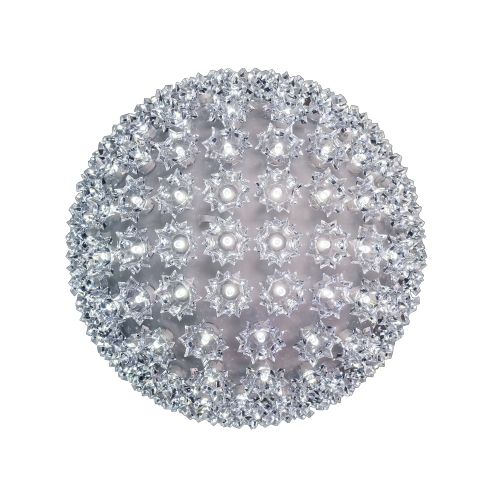
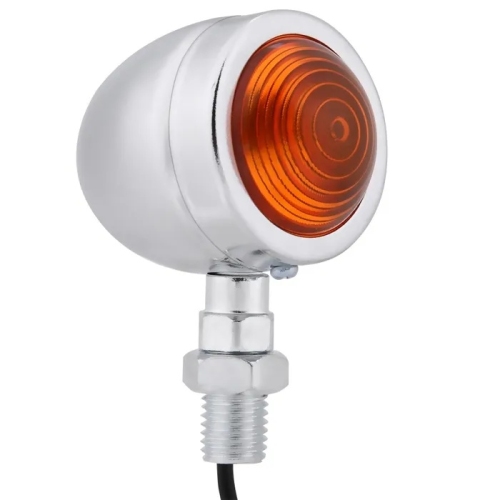
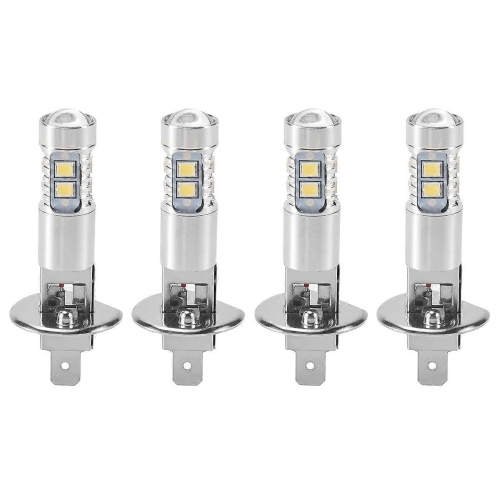

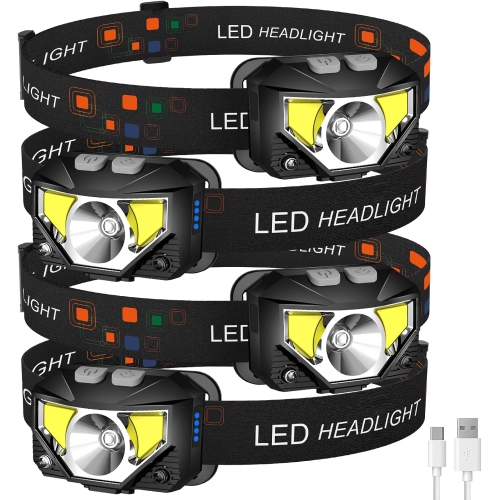
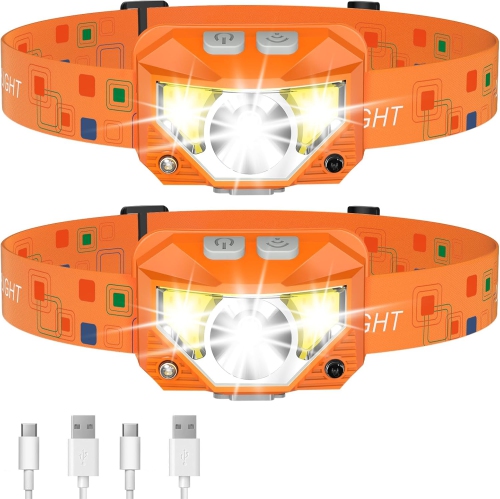
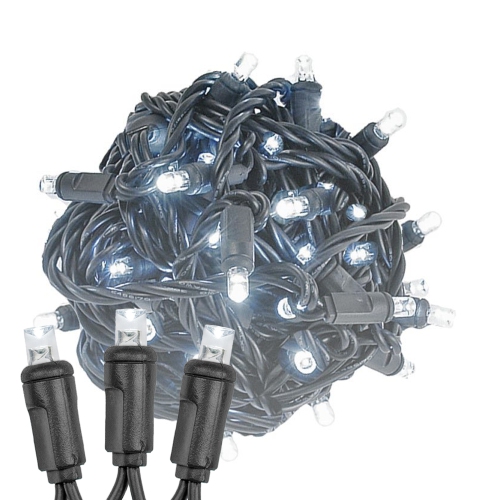
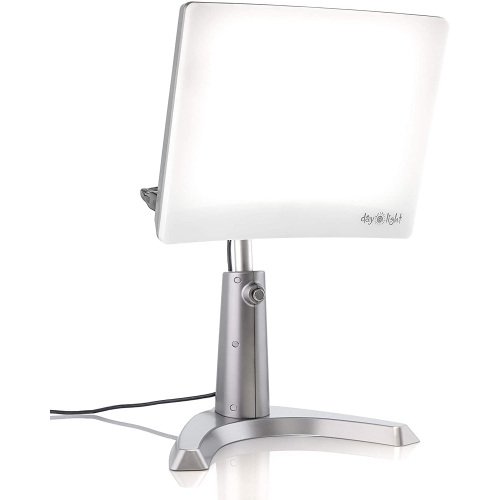
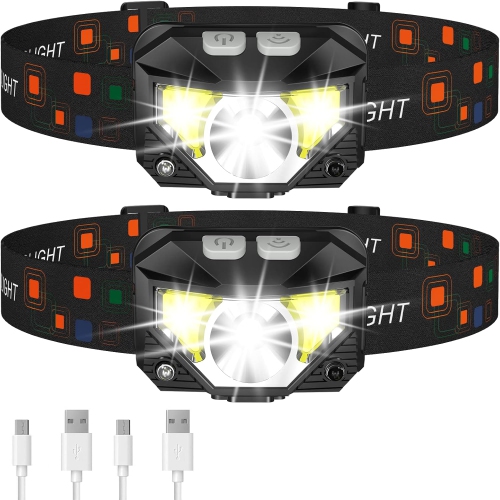
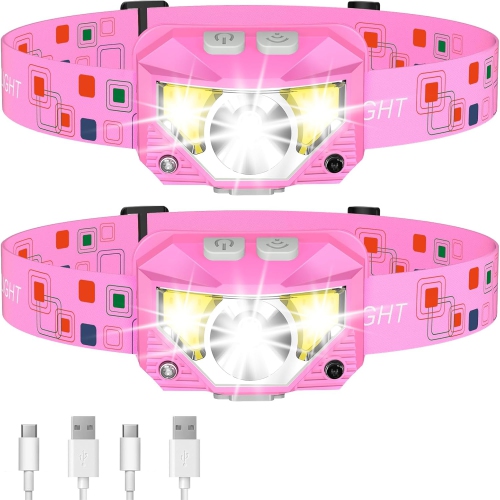
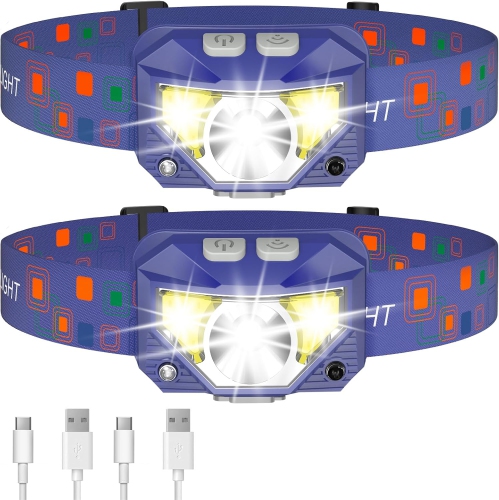
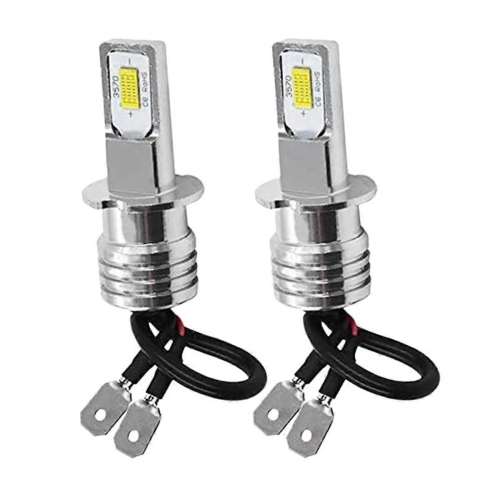
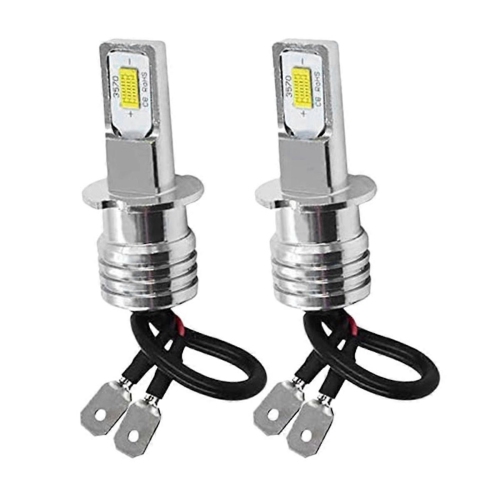

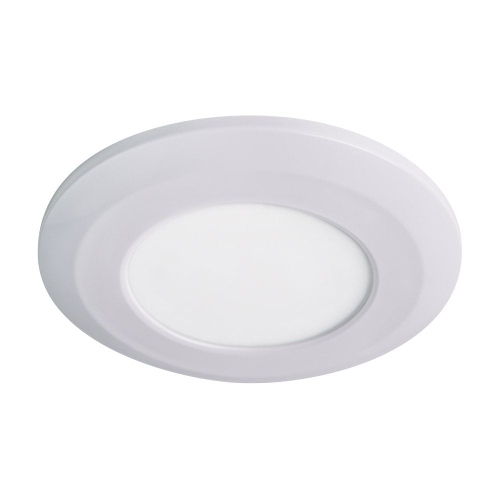

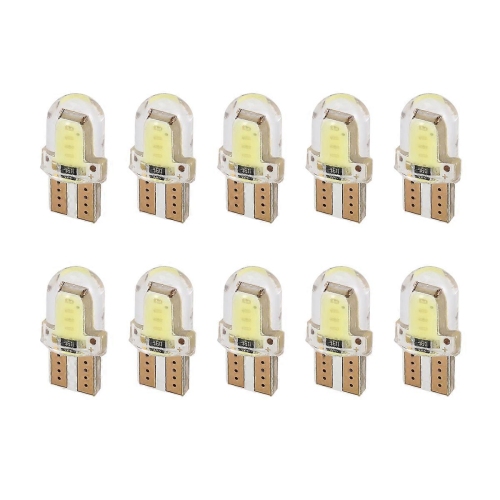
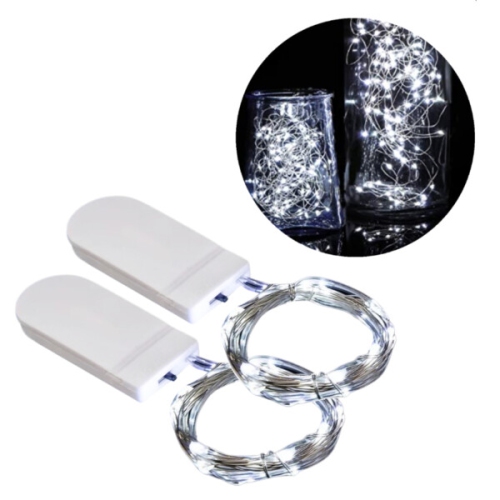
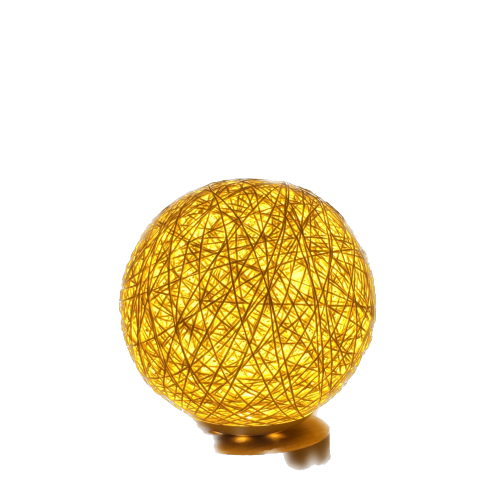
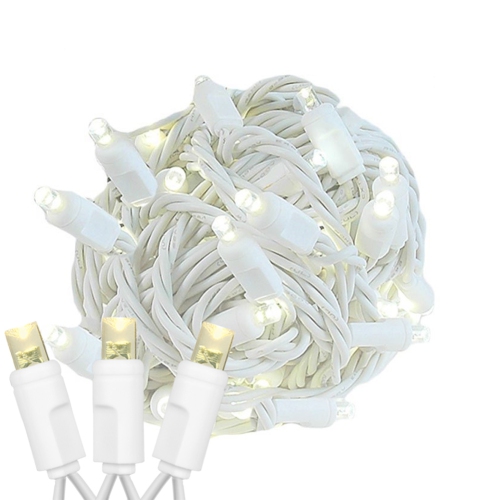
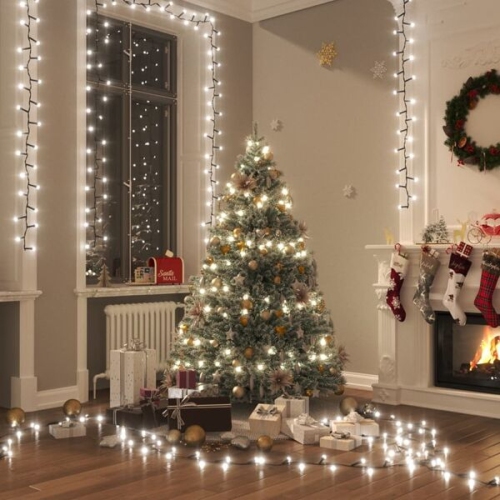

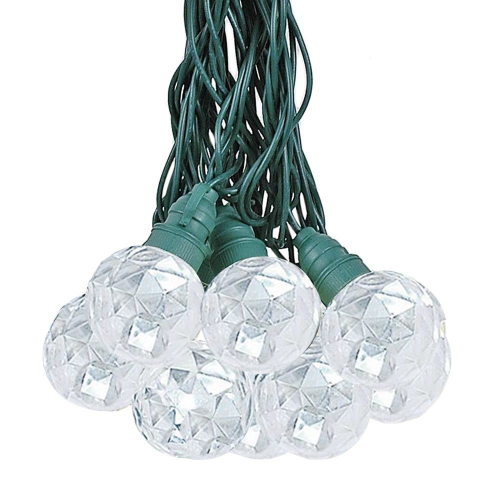
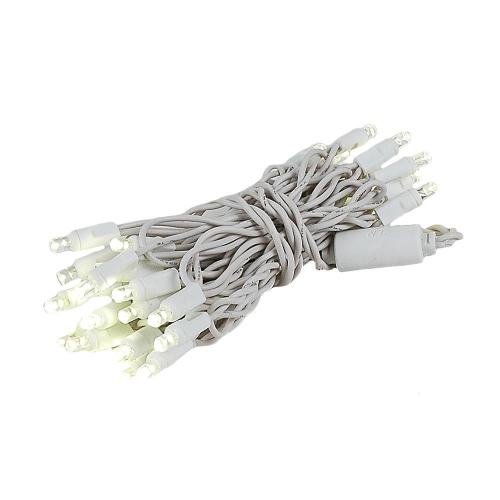
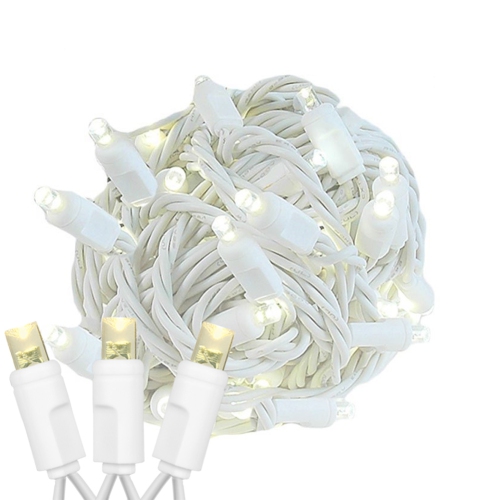

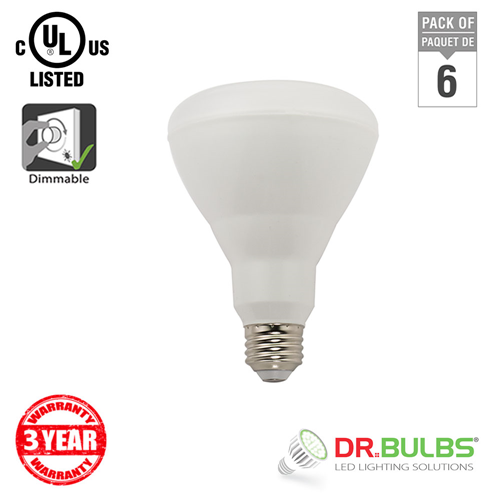
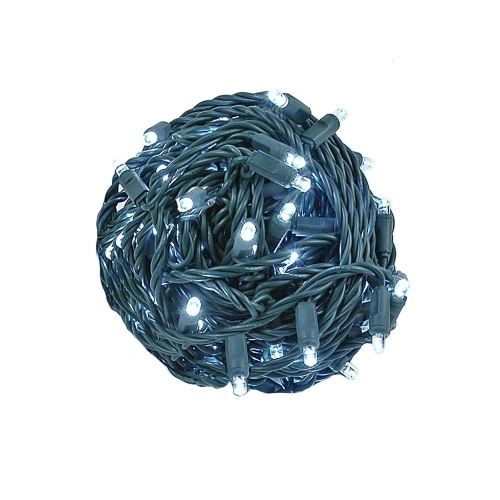
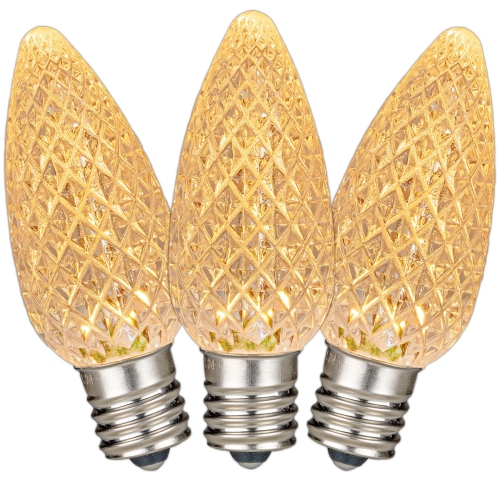
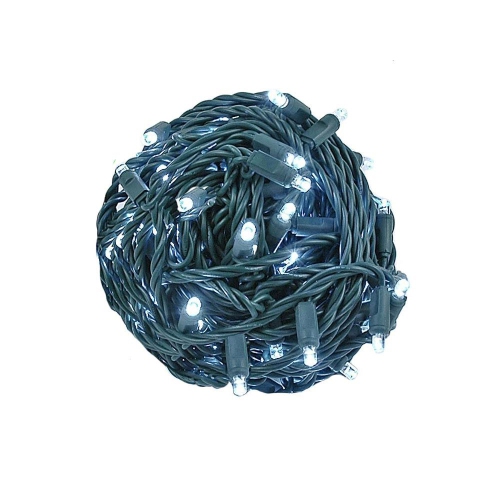

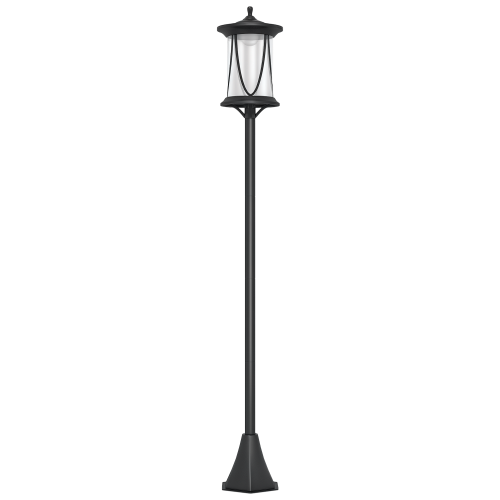

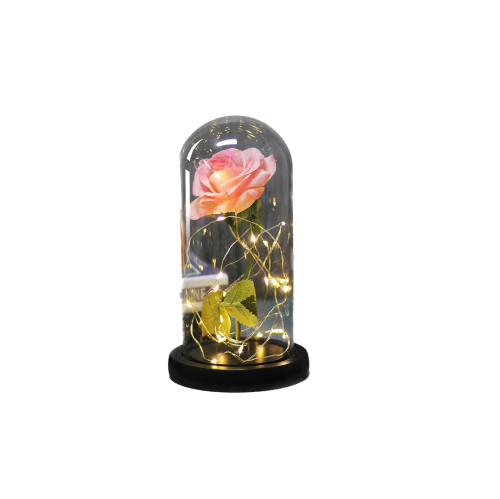
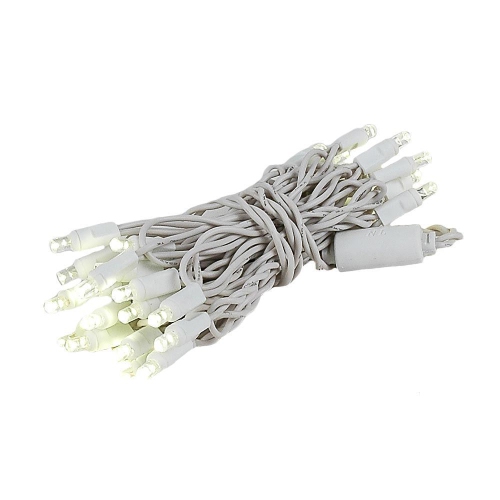
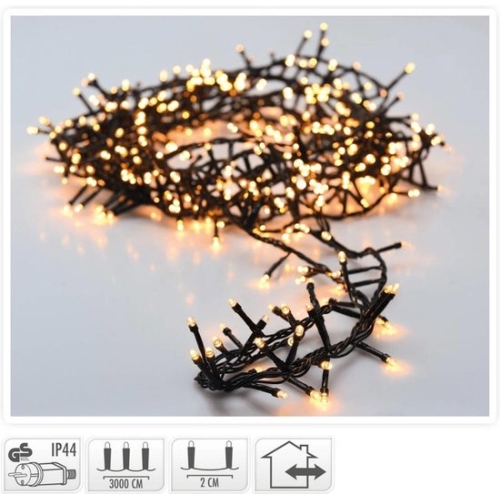
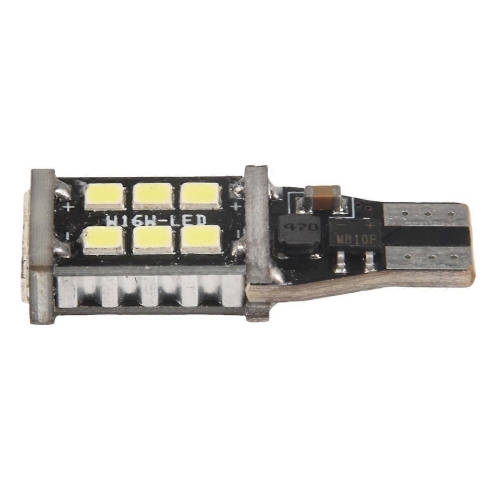

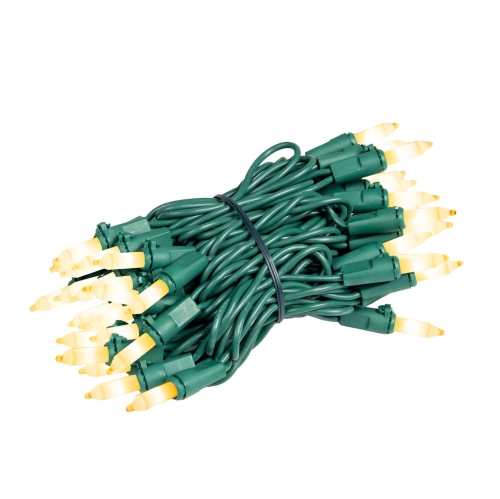
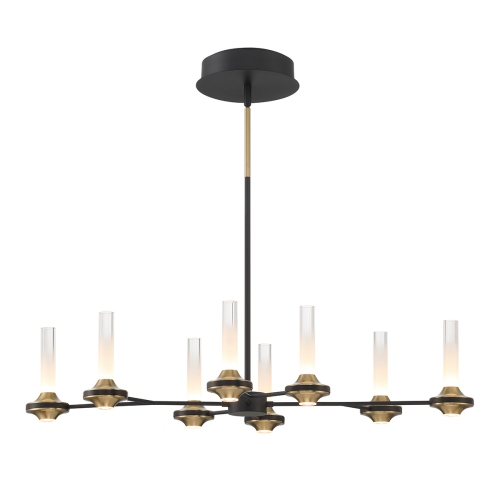
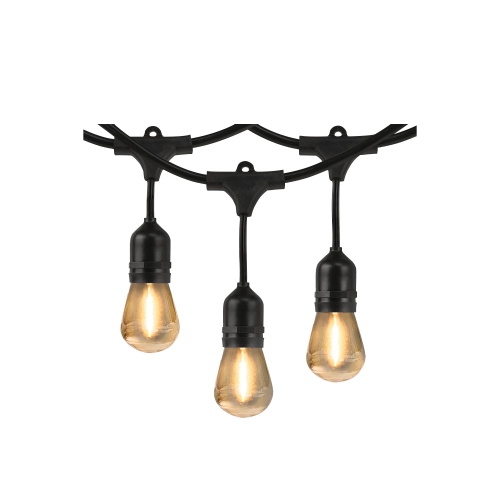
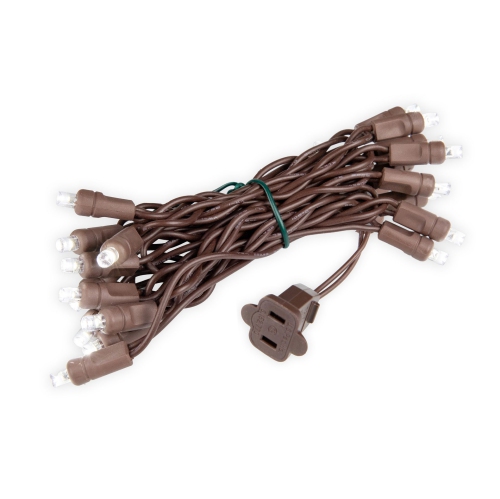
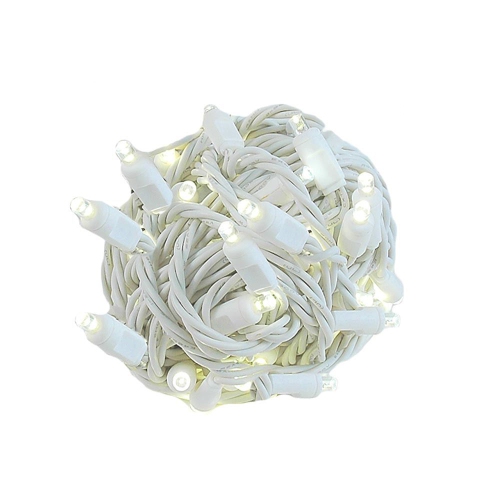

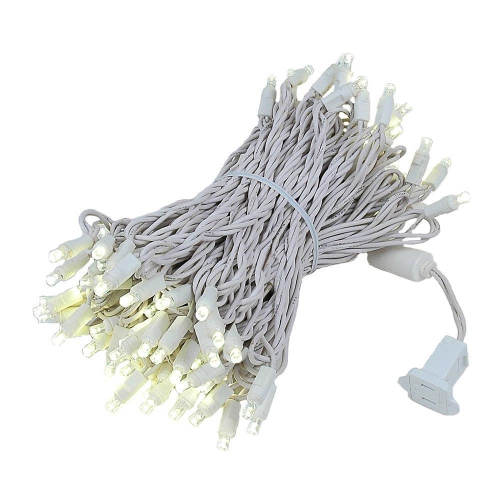

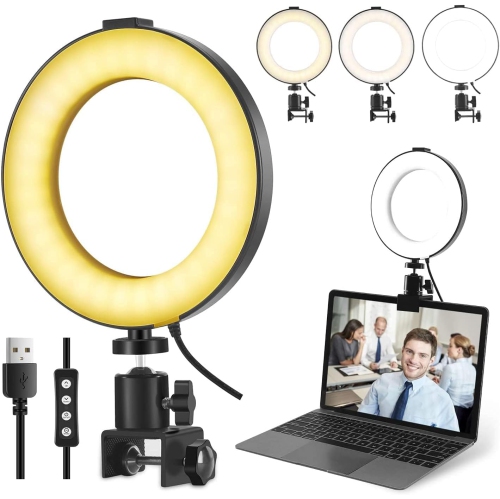
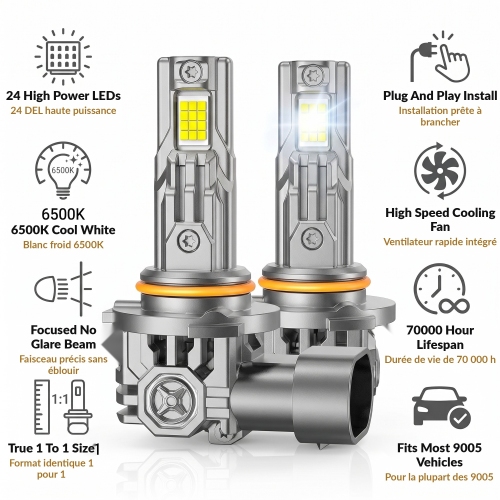
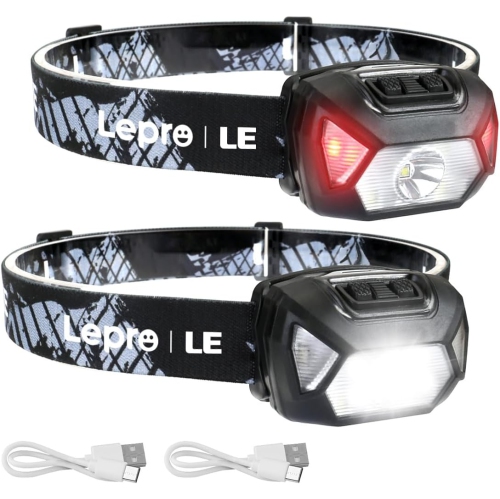

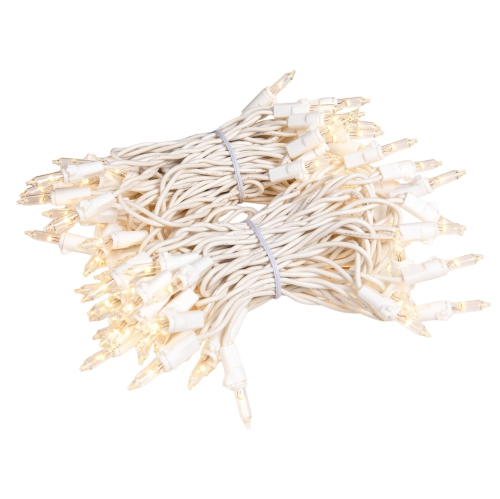
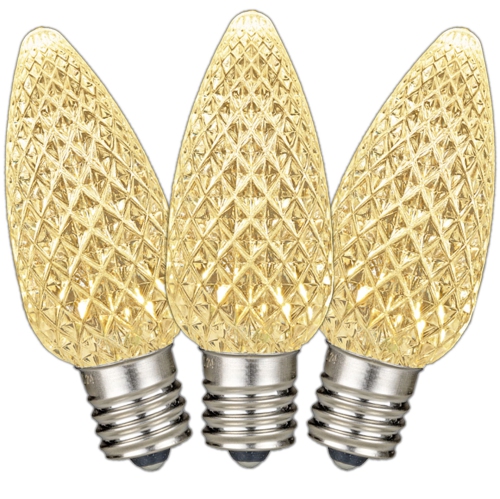
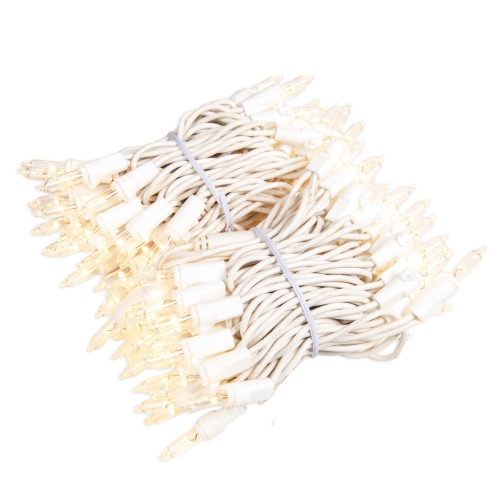
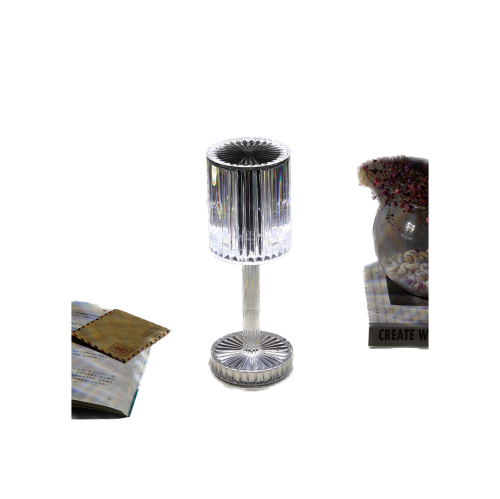
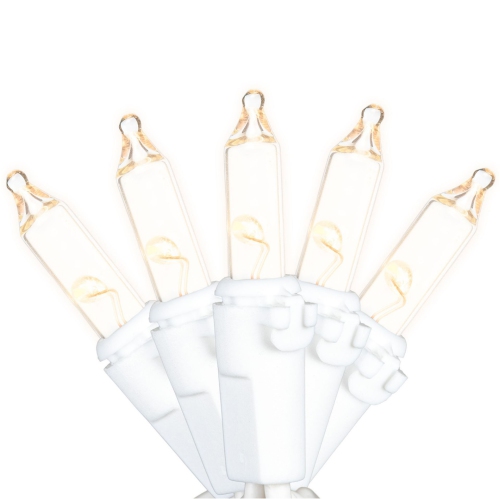
Why whiter light does not always mean brighter light
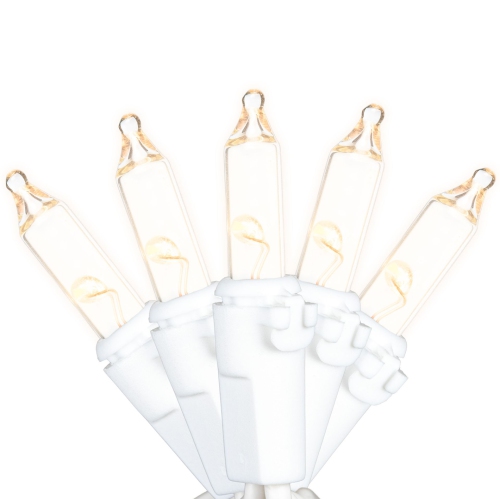
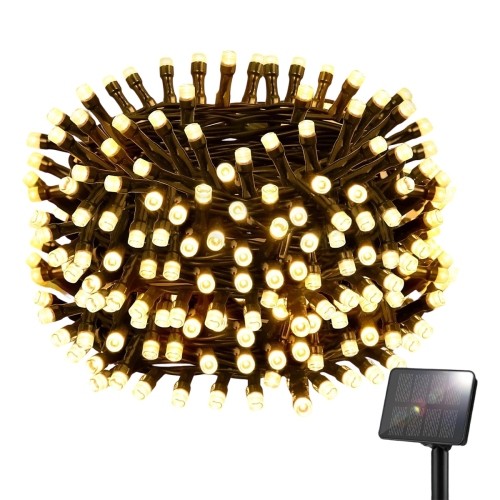
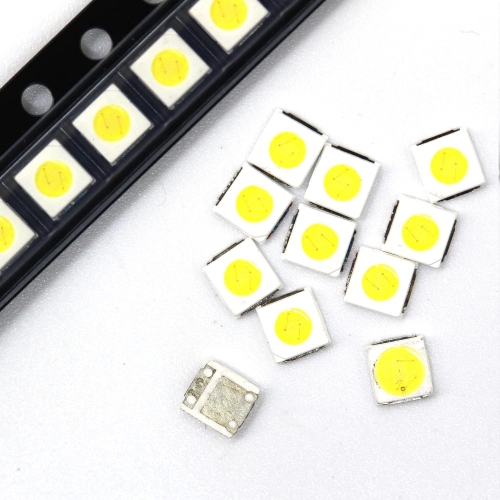
Bright white LED lights provide crisp, clear illumination for spaces where visibility matters, from kitchen counters and bathroom vanities to home offices and workbenches. The term commonly describes light in the 4000K to 5000K range on the Kelvin colour temperature scale, although naming conventions vary by manufacturer. Around 4000K, white light generally looks neutral and clean; closer to 5000K, it takes on a cooler, daylight-like appearance. Some packaging describes 5000K and higher as daylight rather than bright white, so the Kelvin rating is a more useful comparison than the colour name alone. Colour temperature describes how the light looks, not how much light it produces. Brightness is measured in lumens, while wattage indicates electrical power consumption. Two LED bulbs can have the same white tone but noticeably different light output, making lumens an important detail when comparing lighting for a small reading corner and a large kitchen. Beam angle also affects the result: a narrow beam concentrates light on a particular area, while a wider beam spreads it across a broader surface. Bright white illumination can make printed instructions, countertop ingredients, and small parts easier to distinguish when the light is positioned well. It also changes how a room’s finishes appear. White cabinetry may look particularly crisp, while grey tile, metal hardware, and blue accents can take on a sharper appearance than they would under warm white light. Colour rendering matters alongside the white tone, especially around mirrors, artwork, food preparation areas, and craft tables. A higher colour rendering index, or CRI, generally helps colours look more faithful under the light. Matching the Kelvin rating across neighbouring fixtures helps create a cohesive appearance, particularly in open-plan rooms where ceiling lights, pendants, and under-cabinet lighting are visible at the same time.
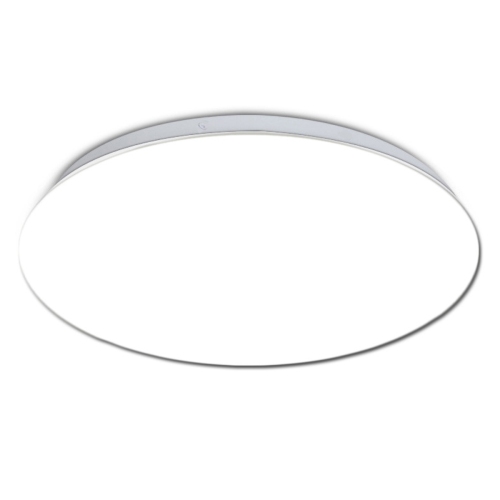
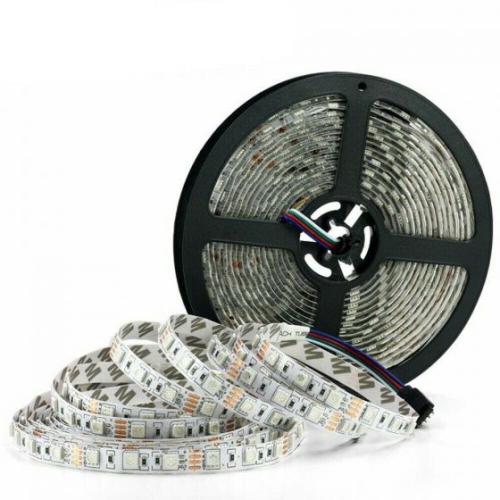
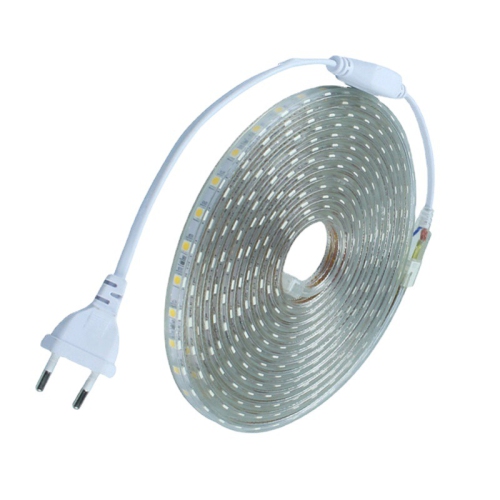
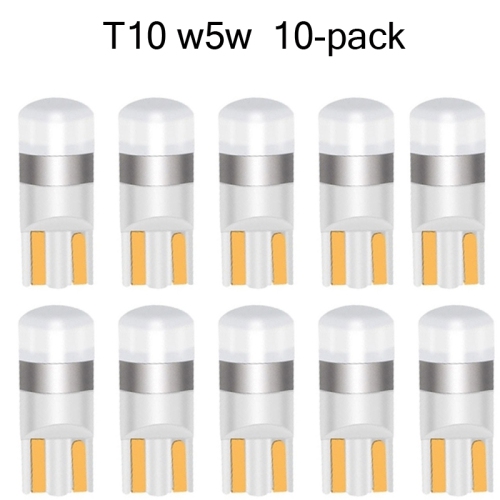
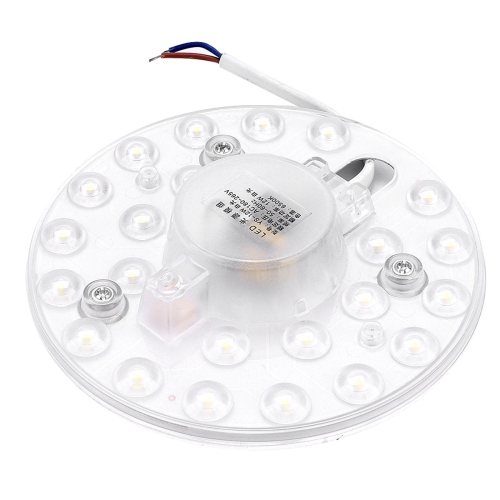
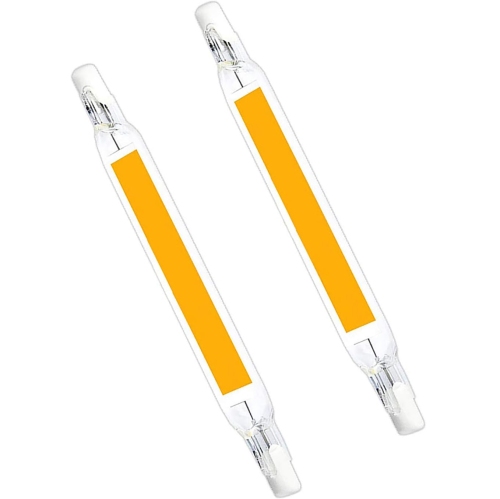
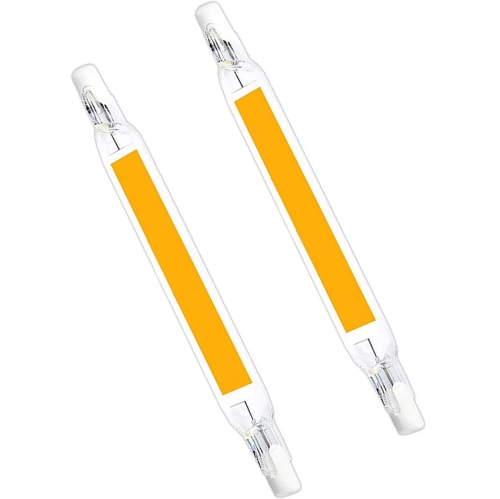
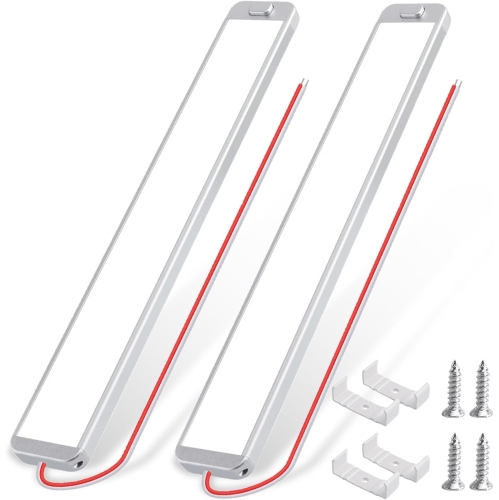
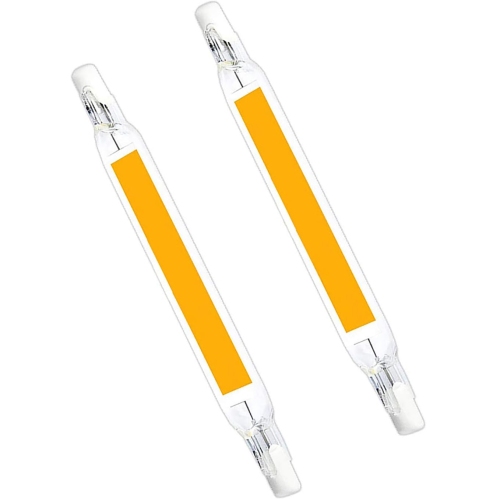
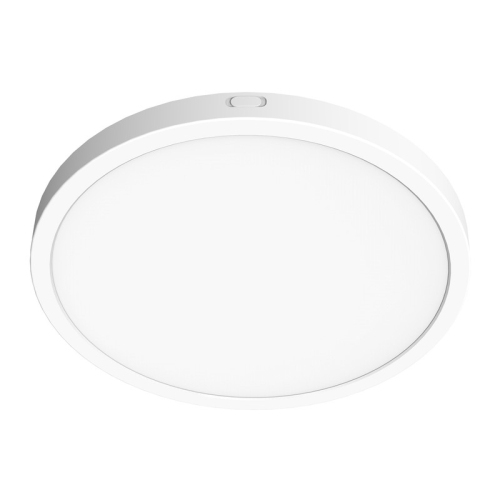
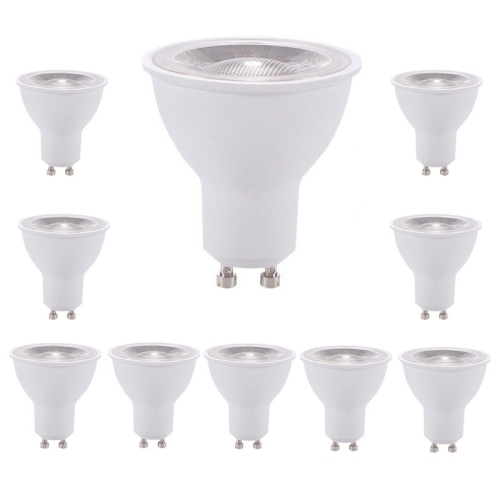
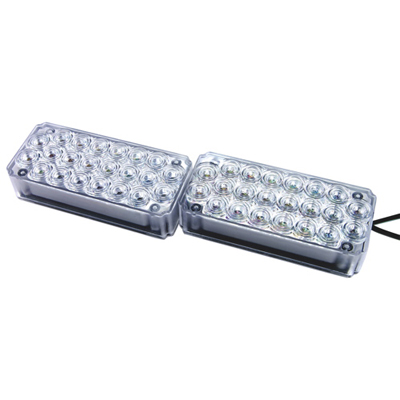
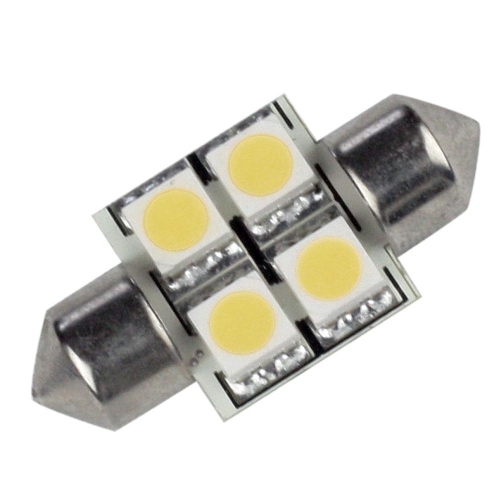
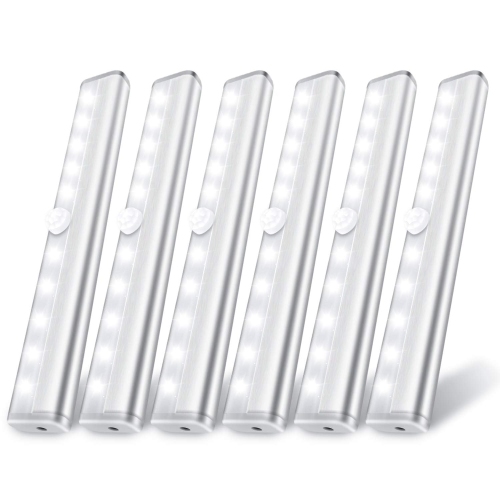
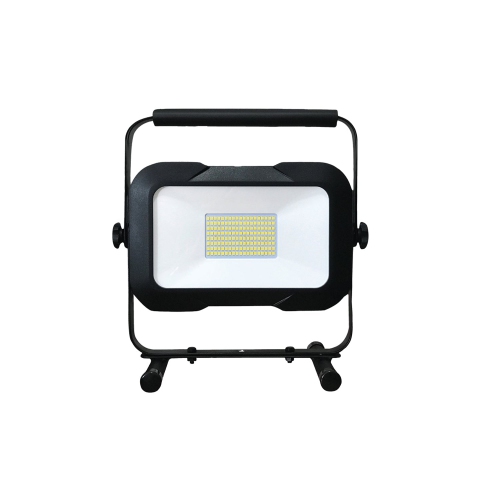
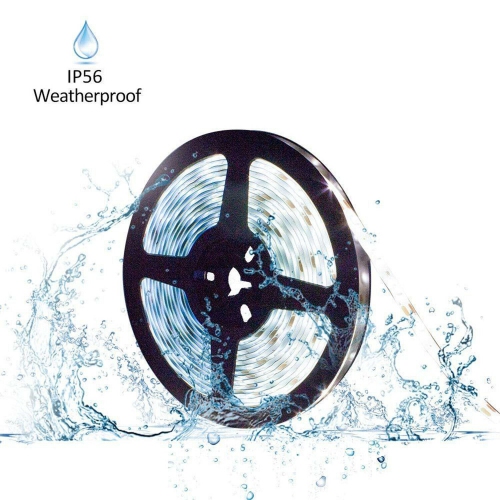
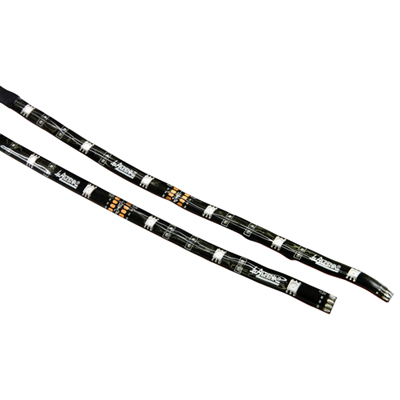
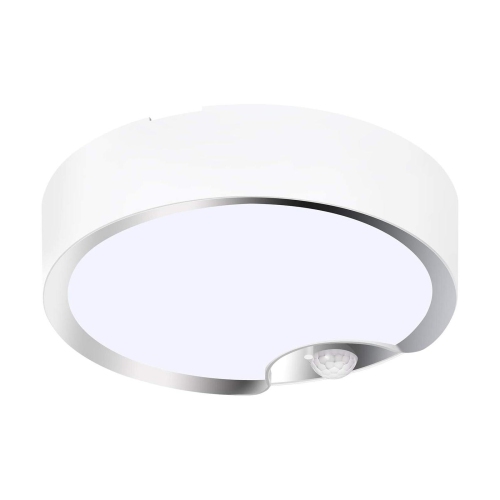
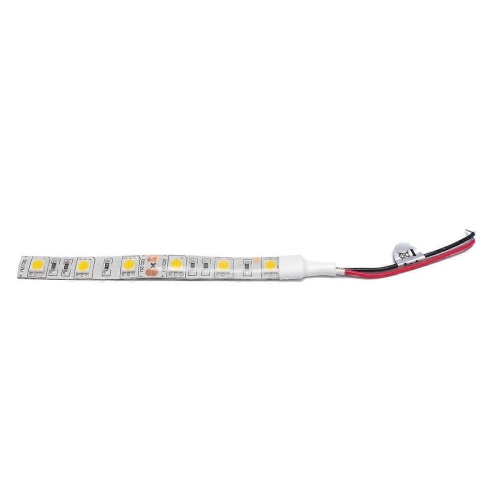
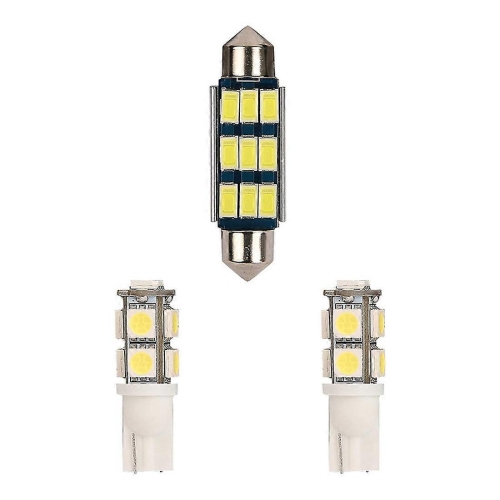
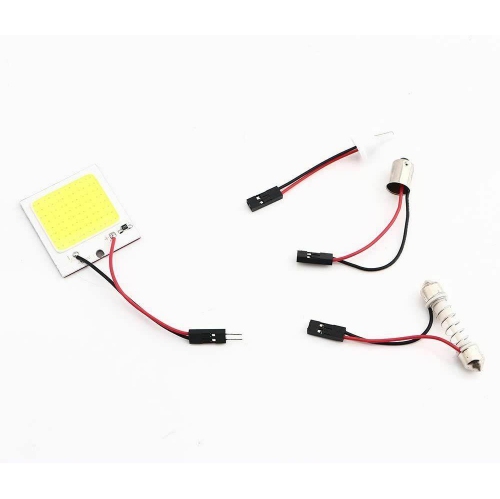
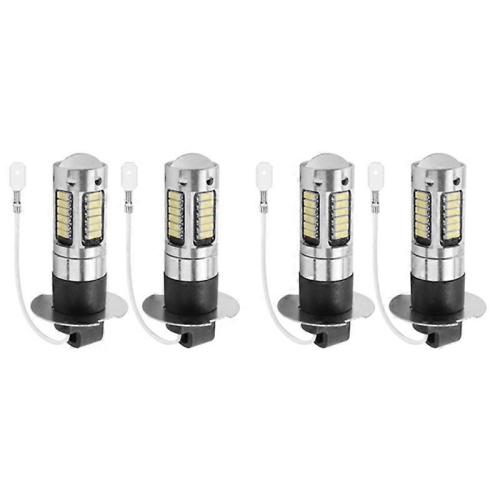
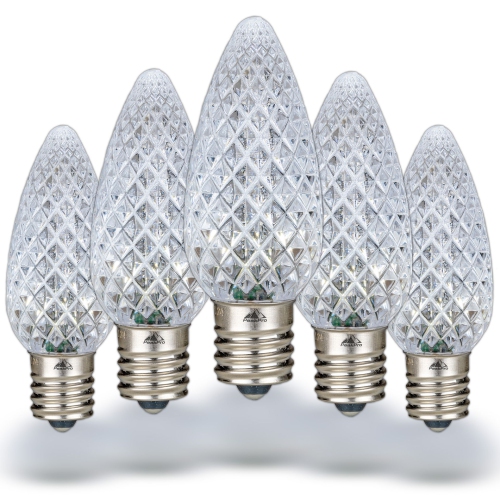
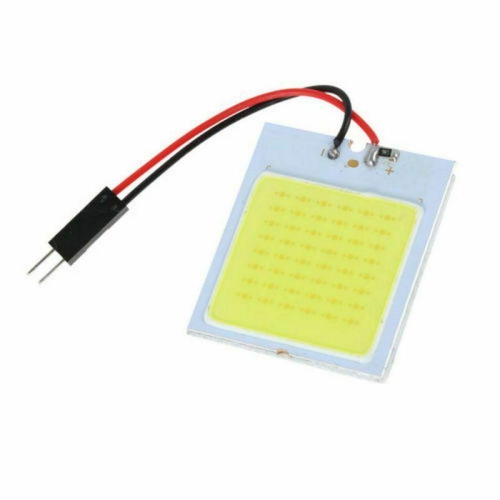
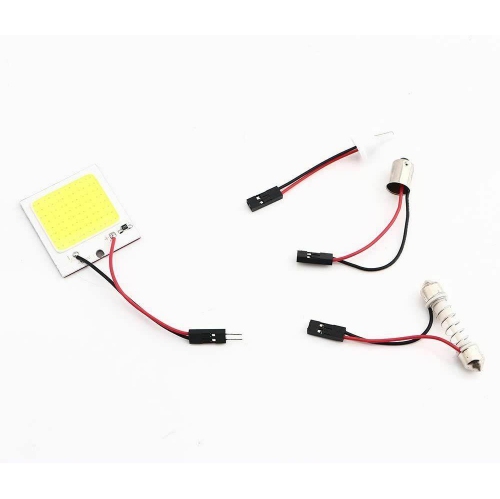
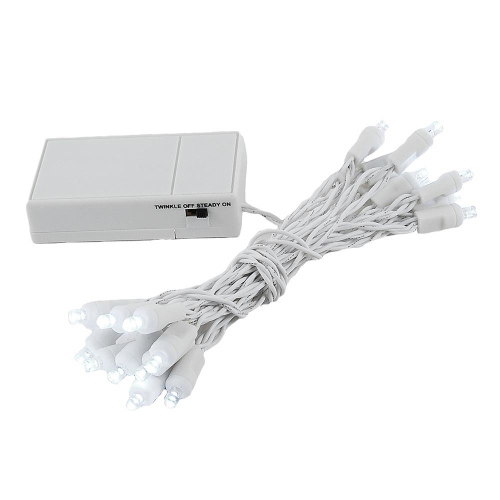
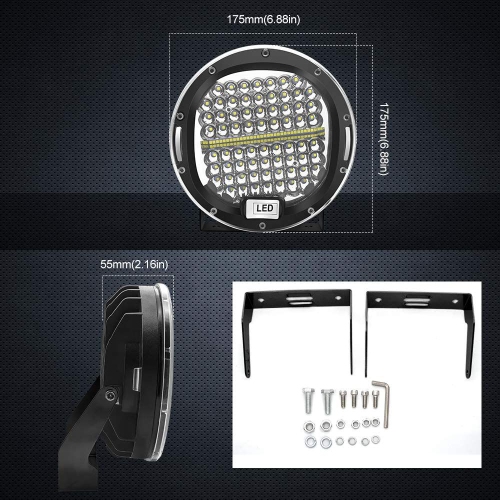
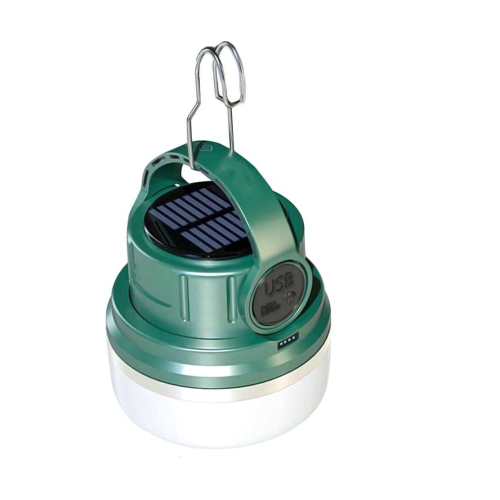
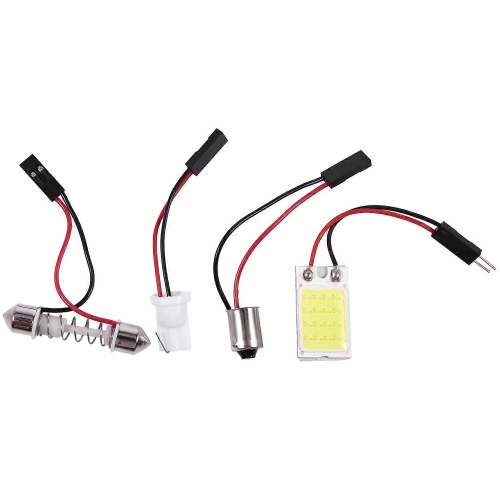
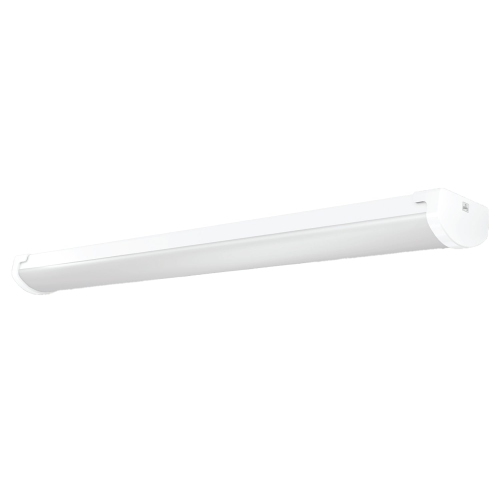
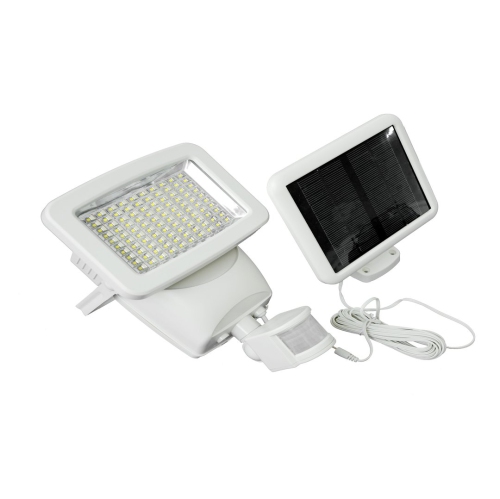
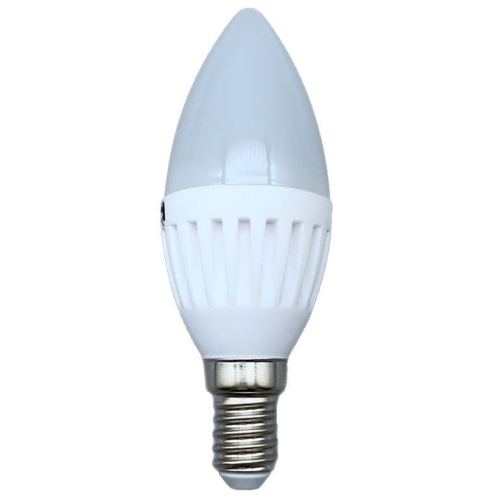
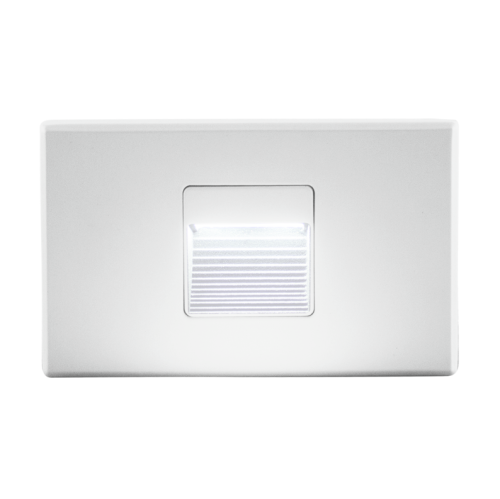
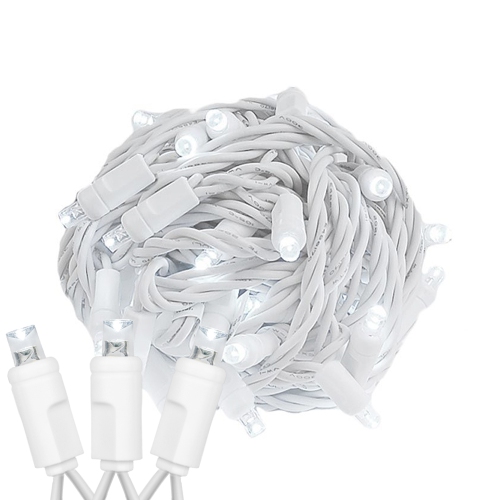
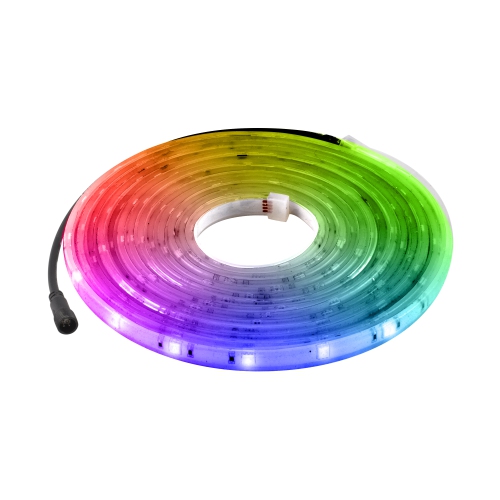
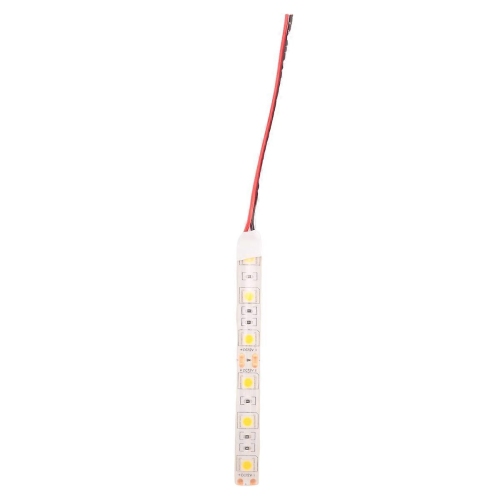
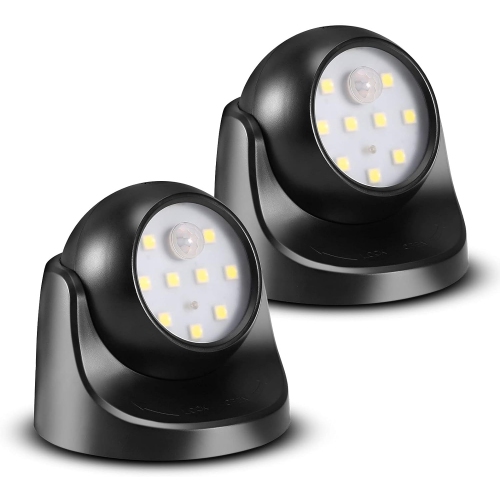
Bright white LED lighting comes in several formats, with fit and installation requirements that are just as important as appearance. Replaceable bulbs suit compatible lamps and fixtures, while integrated LED fixtures incorporate the light source into the fitting itself. Light strips can illuminate the underside of cabinets or shelves, and slim panels can provide broader coverage without a bulky shade. The broader Bright LED Lights selection offers another way to compare lighting formats when light output is the main consideration. For replacement bulbs, the base type, bulb shape, overall dimensions, and fixture requirements all need to match. A bulb that fits the socket may still be too wide for a narrow shade or too long for a covered fitting. Fixture labels also specify limits and conditions of use, including whether a bulb must be suitable for an enclosed housing. LEDs still produce heat, and restricted airflow can affect performance and service life. Integrated fixtures have their own mounting dimensions, power requirements, and servicing arrangements; some allow components to be replaced, while others require replacement of the complete fitting when the light source reaches the end of its useful life. Materials vary with the format. Glass or plastic diffusers soften the appearance of individual light points, while metal housings can provide structural support and help manage heat. A frosted cover may feel more comfortable in a fixture that is directly visible, whereas a clear design can produce more noticeable sparkle or sharper shadows. Dimming requires compatible components: an LED labelled dimmable still needs a suitable dimmer, and older controls may cause flickering, buzzing, or an uneven adjustment range. Smart lighting may add scheduling, remote control, or adjustable white tones, but connection requirements differ. Some designs use Wi-Fi, others need a separate hub, and not every model supports the same voice assistant or control system. Plug-in and battery-powered formats offer different placement options from hardwired fixtures, which require appropriate electrical installation and may call for a qualified electrician.
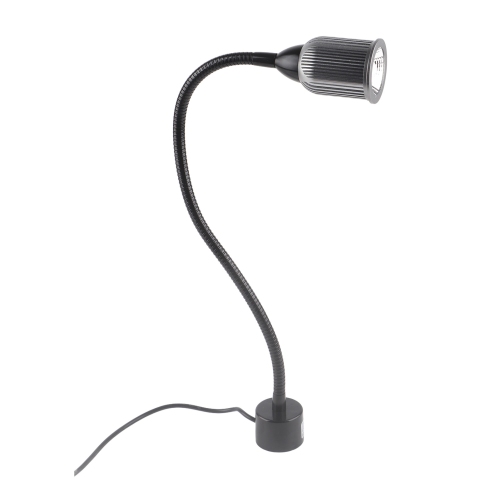
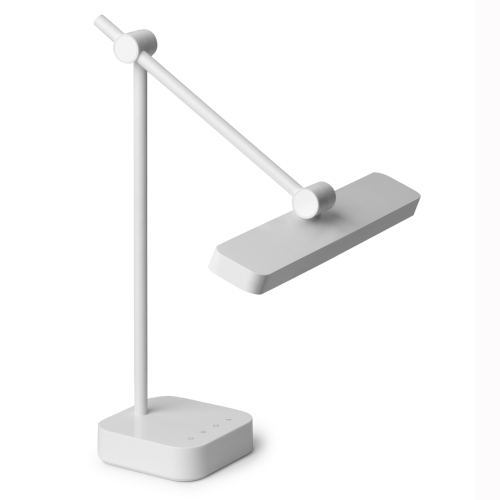
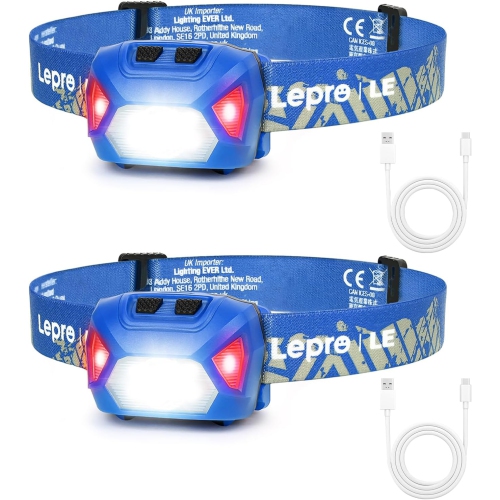
The most useful bright white lighting suits the activity without making the space feel harsh. At a kitchen counter, lighting positioned beneath the cabinets can put illumination directly onto a cutting board instead of leaving hands and utensils in the shadow of an overhead fixture. At a desk, an adjustable lamp can brighten paperwork while keeping its reflection off a monitor. Beside a bathroom mirror, balanced illumination from more than one direction can reduce the deep facial shadows created by a single ceiling light. Reading, sewing, model building, and other detailed hobbies often benefit from a well-placed task light rather than simply increasing the brightness of the whole room. Older adults may also appreciate additional task lighting, with glare control and accessible switches making everyday use more comfortable. Bright white lighting can be a practical gift for someone setting up a study area, workshop, or craft space, provided the fitting and controls suit the recipient’s room. In shared spaces, a combination of general and task lighting gives different activities their own level of illumination. Diffusers, shades, and thoughtful positioning help keep bright light out of direct sightlines, especially near seating or glossy surfaces. Durability depends on more than the stated lifespan: the power supply, housing, installation conditions, and daily operating hours all contribute. Rated life is an estimate rather than a promise that every light will perform identically, and LED output can gradually decline with use. Care is usually straightforward. With the power switched off and the fitting cool, dust can be removed using the cleaning method specified by the manufacturer; moisture and cleaning sprays should be kept away from electrical components unless the instructions permit them. Locations exposed to splashes or moisture need lighting explicitly rated for those conditions, since a dry-location fitting is not interchangeable with a damp- or wet-location design. Taken together, suitable brightness, consistent white tones, comfortable light distribution, and the right physical fit help bright white LED lights feel purposeful in the spaces used every day.
Top selling and popular products
-
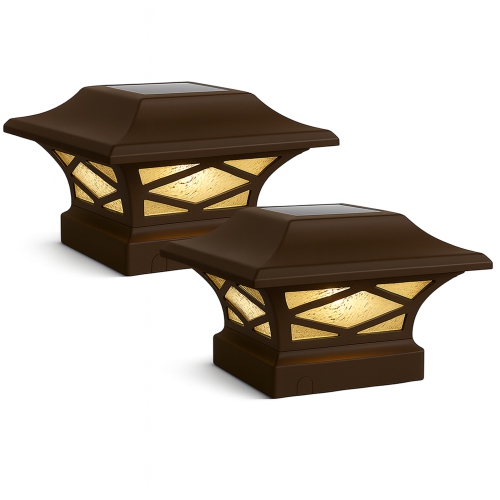 Your price for this item is $99.99
-
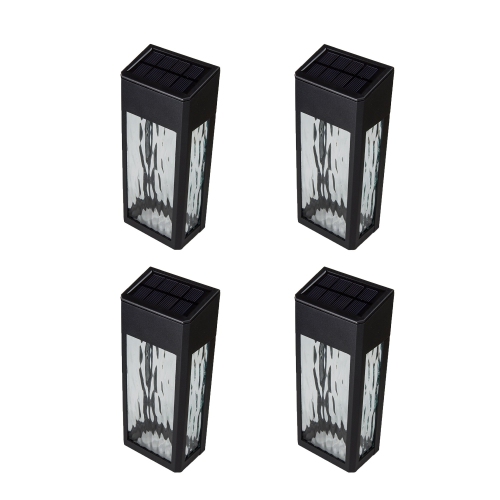 Your price for this item is $73.99
-
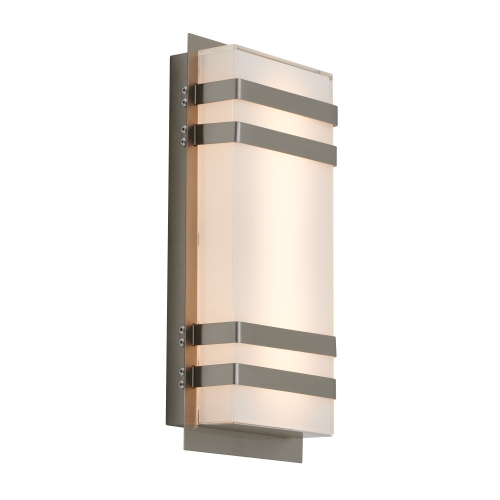 Your price for this item is $69.99
-
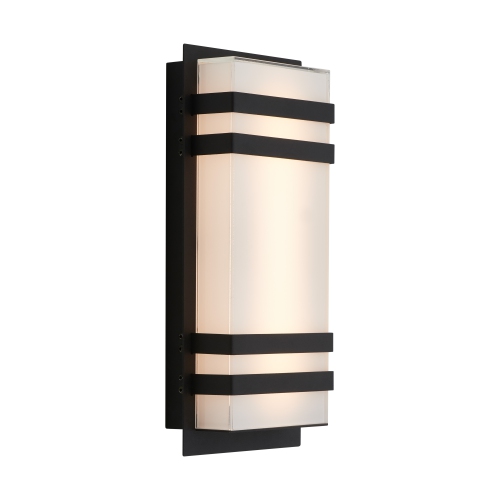 Your price for this item is $59.99
-
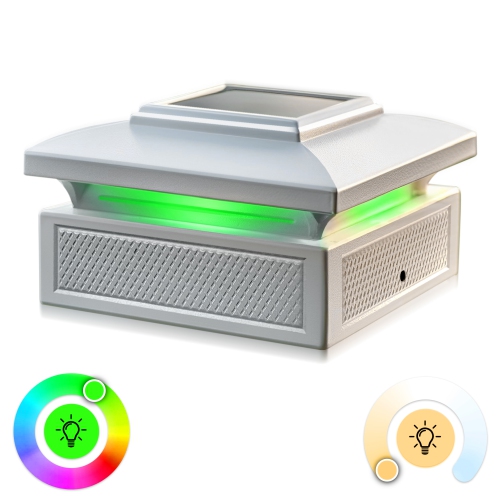 Your price for this item is $99.99
-
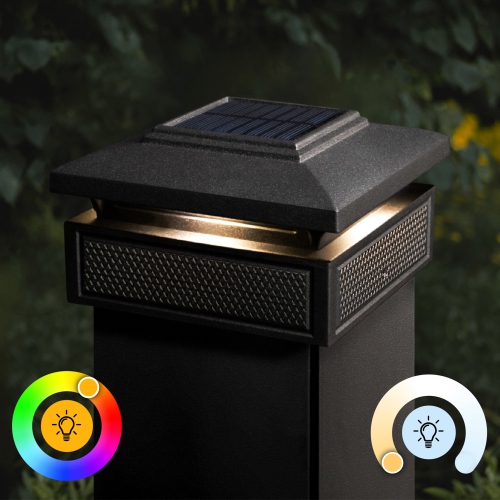 Your price for this item is $99.99
-
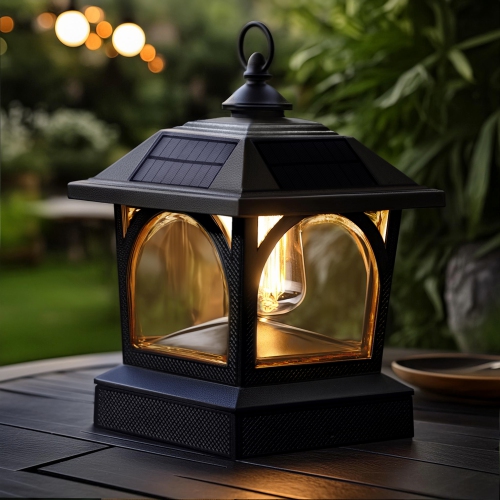 Your price for this item is $99.99
-
 Your price for this item is $99
Discover more categories related to Bright White LED Lights
Top Collections:
Best Black Friday Deals This Year, Best Black Friday Deals On Electronics, Kindle Devices, Best Black Friday Deals On Apple Products, Best Budget Office Chairs, Best Cameras for Sports Photography, Dyson Airwrap, Canon G7X Cameras, Best Laptops for Writers, Samsung Galaxy Phones
Some products may be subject to Environmental Handling Fees
(EHF) depending on your province.
Learn more about EHFs.