Brown Chest Of Drawers
Add a touch of elegance and functionality to your bedroom or living space with our selection of brown chests of drawers. Whether you need extra storage for clothing, accessories, or other essentials, these versatile pieces of furniture combine style and practicality. Explore our wide range of brown chests of drawers and discover the perfect piece to enhance your home organization today.
Sort
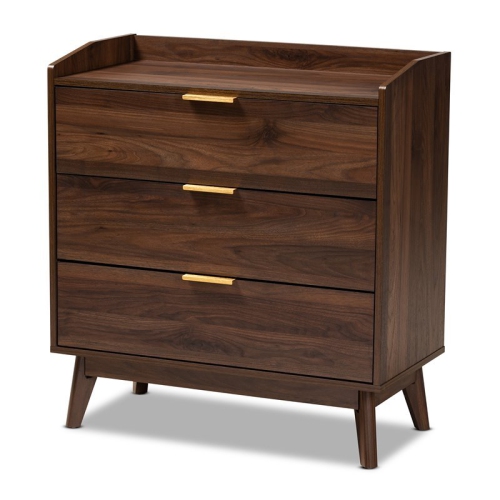
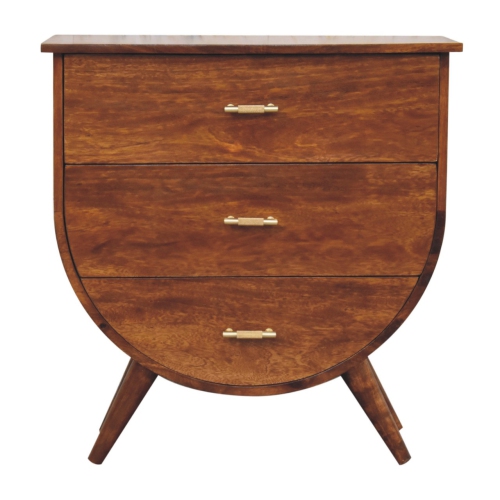
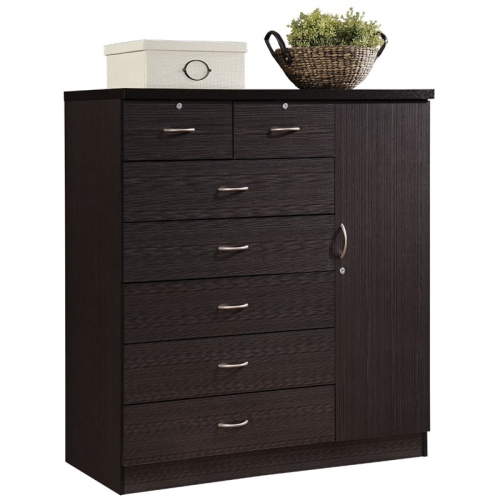
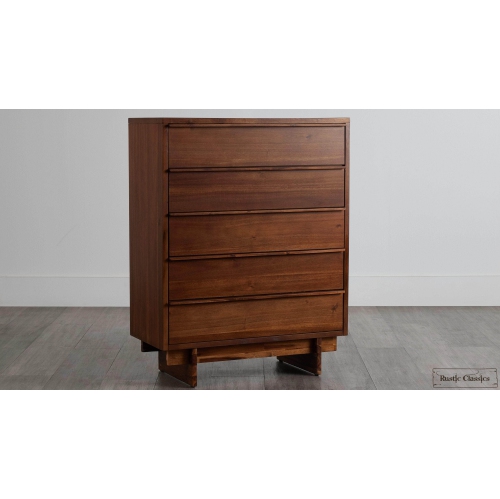
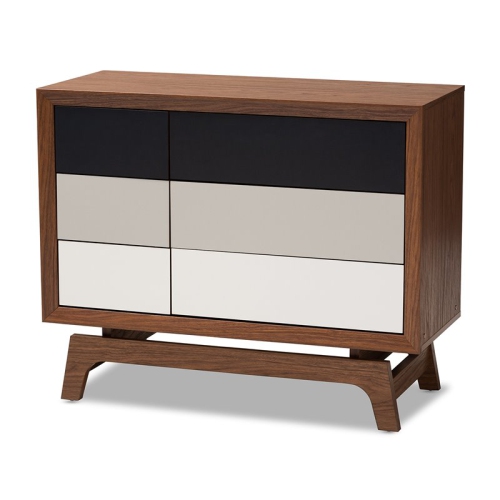
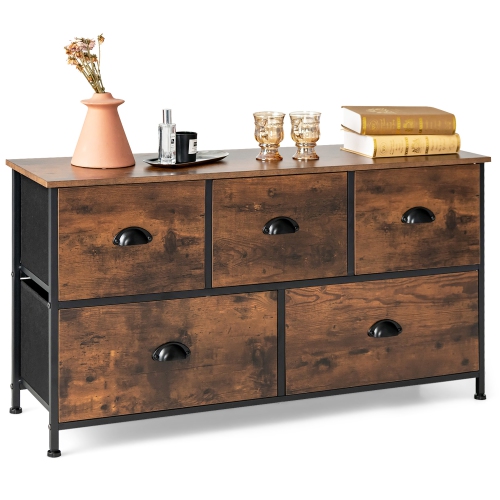
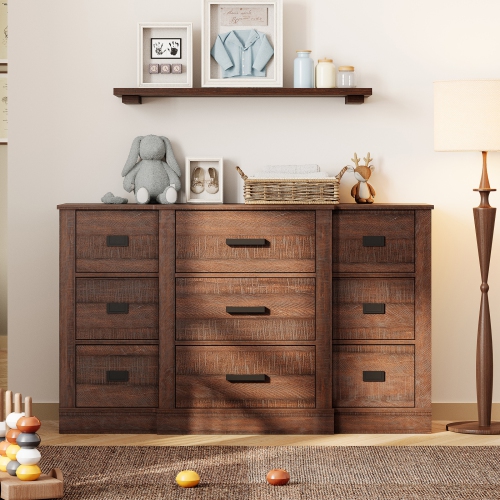
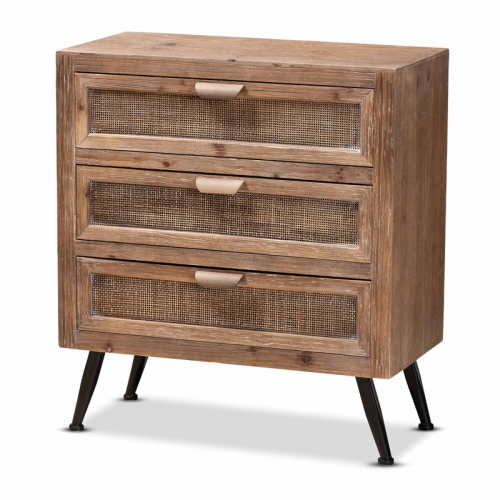
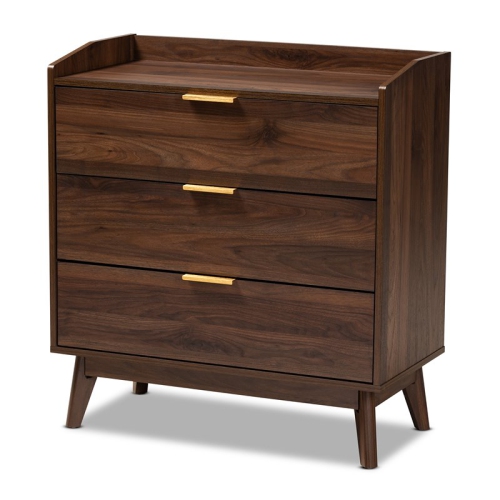
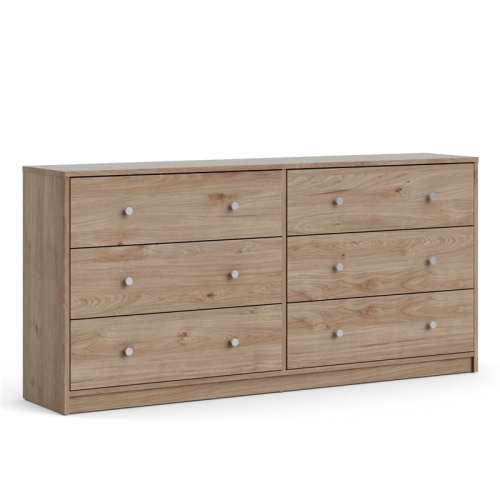
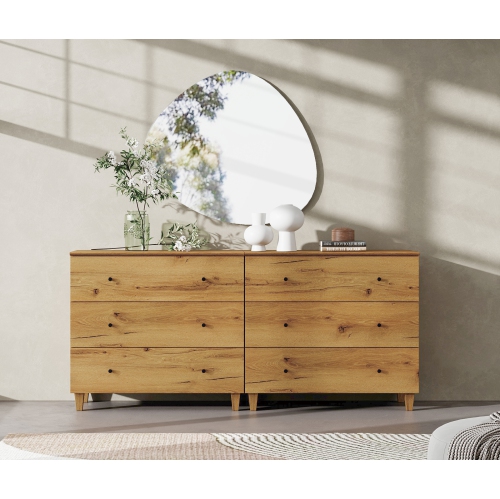
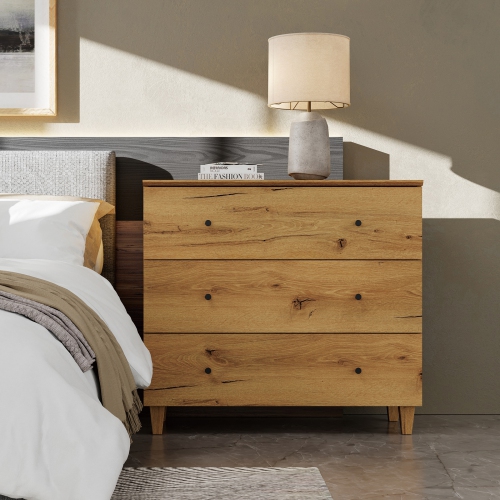
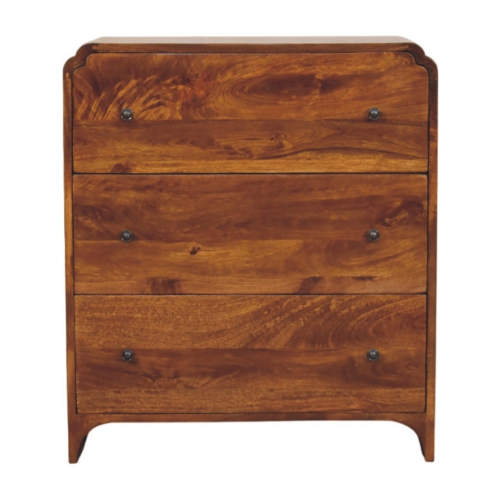
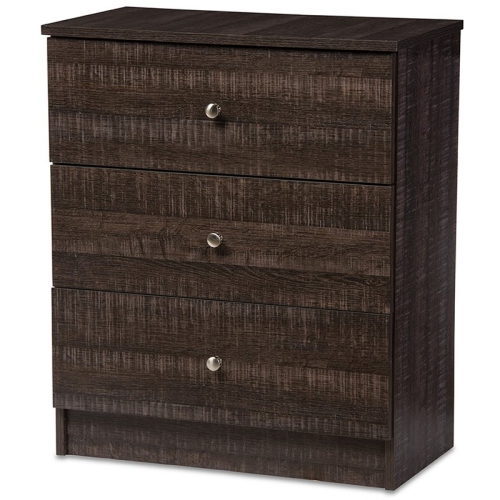
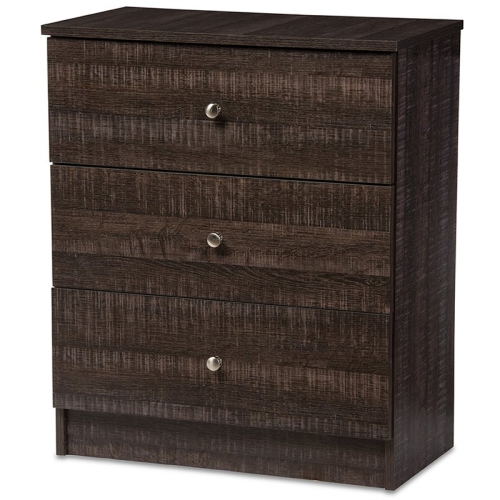
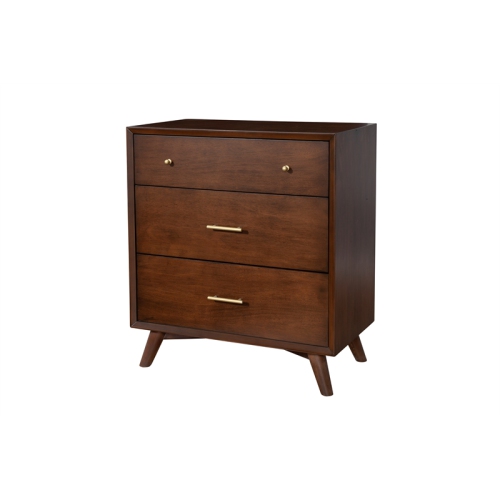
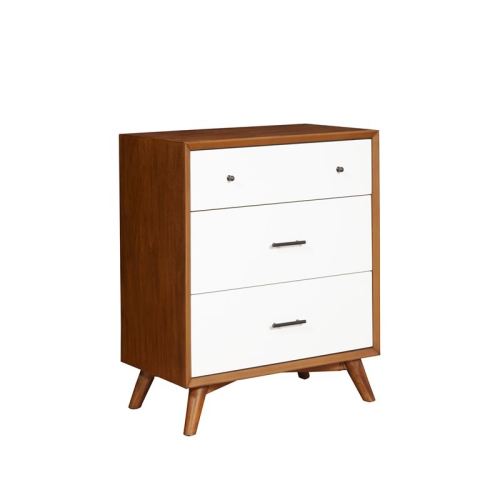
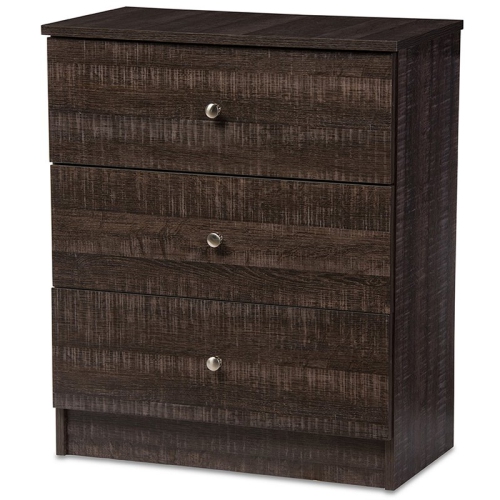

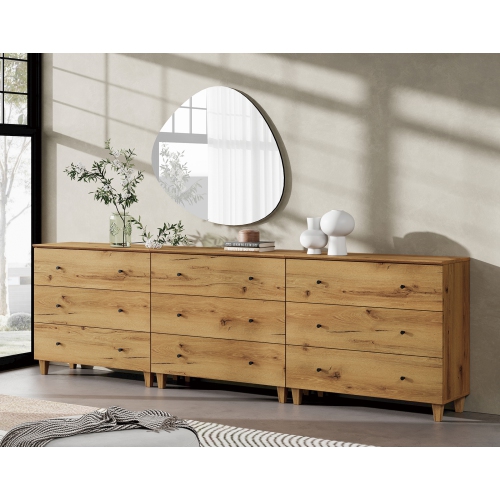
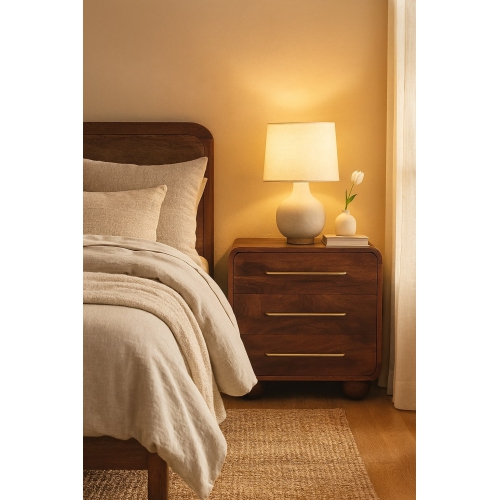
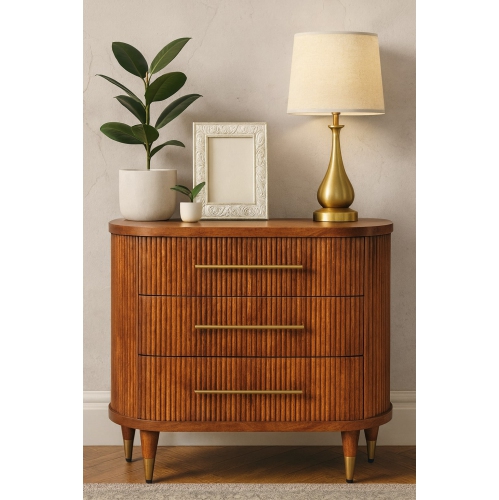
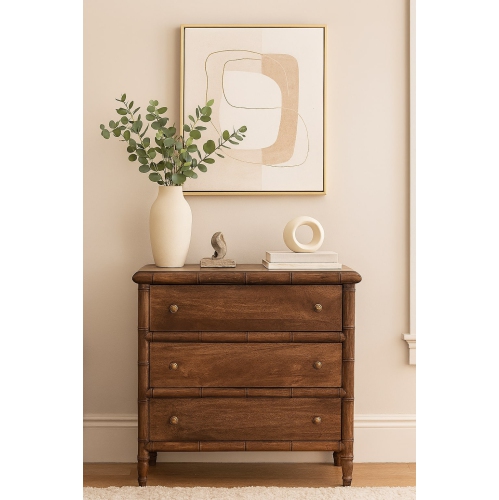
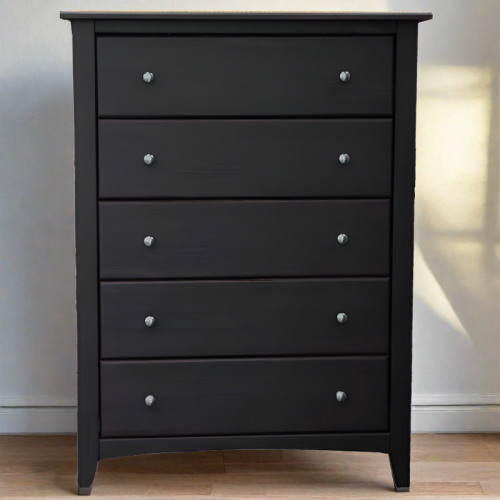
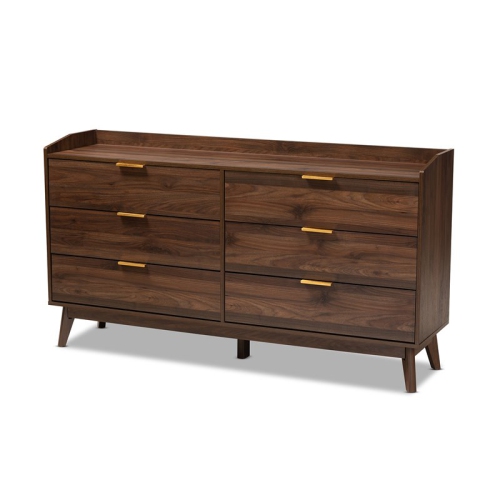

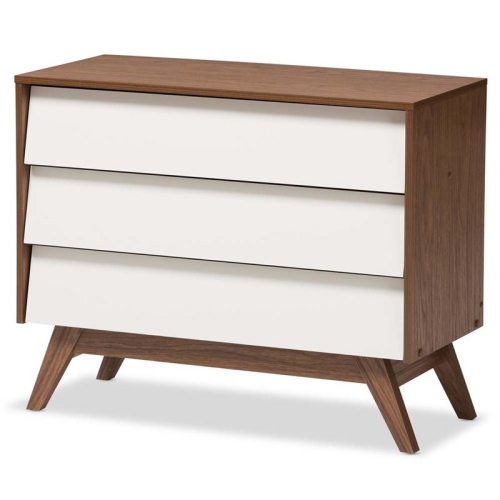
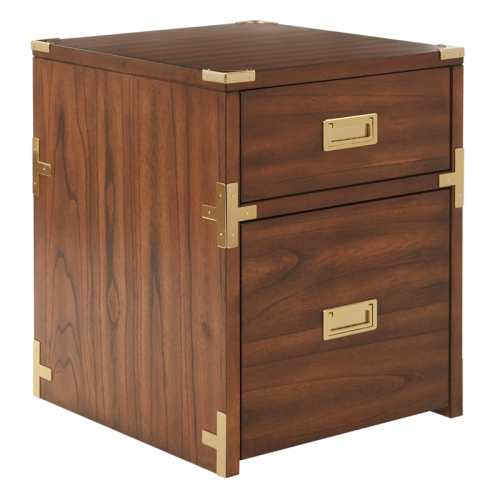
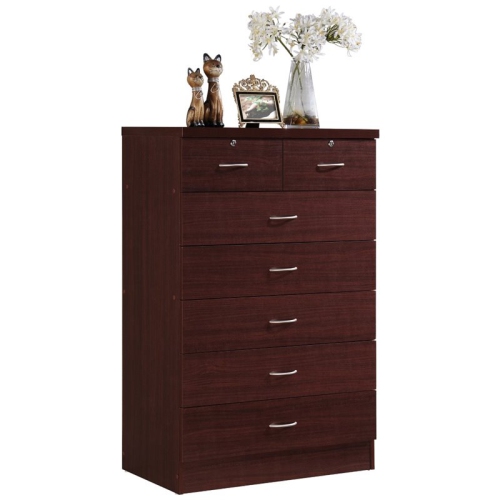
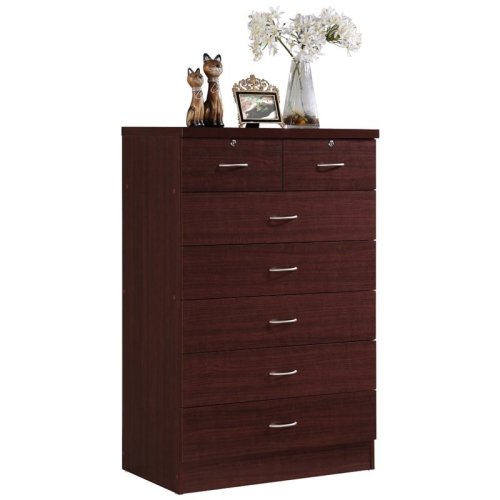
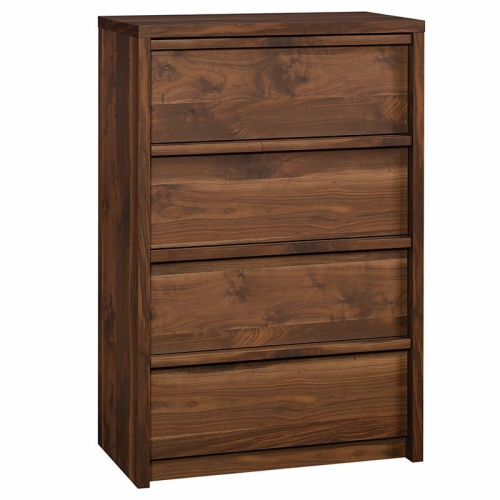
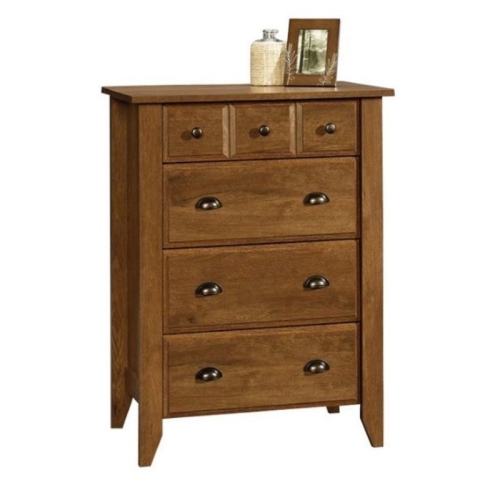
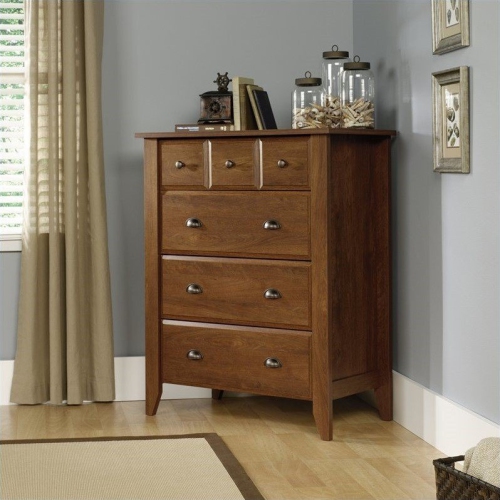
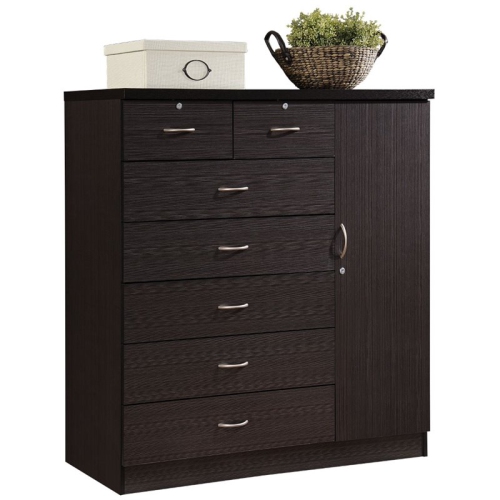
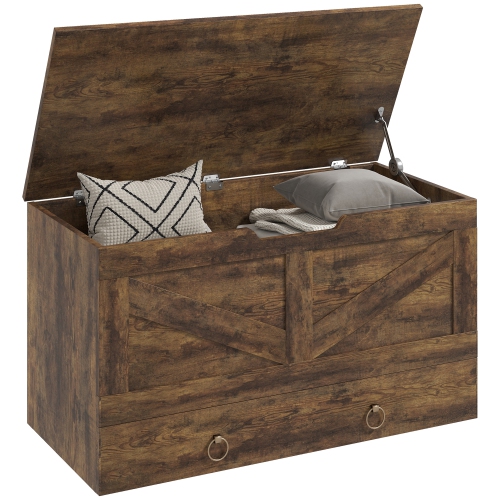
Warm brown finishes that work with your existing furniture
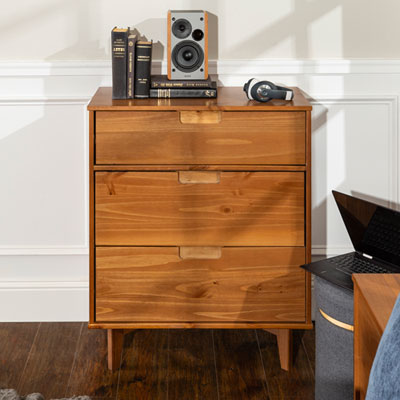
Brown chests of drawers bring useful storage and a warm, grounded look to bedrooms, guest rooms, and other spaces where everyday belongings need a place of their own. Brown spans a broad range of finishes, from light honey and golden oak tones to reddish chestnut and deep walnut shades. Each creates a different effect: a lighter finish can sit comfortably beside pale walls and woven textiles, while a richer brown can add definition against cream bedding or a soft grey rug. Visible grain introduces variation across drawer fronts, giving a simple piece more texture without relying on elaborate details. The shape of the chest matters just as much as its colour. Straight edges, flat fronts, and understated pulls tend to suit contemporary rooms, while framed drawers, shaped feet, and rounded edges work well with more traditional furnishings. Brown furniture does not need to match every wooden surface exactly. A chest can look at home beside a bed frame or bedside table in a different finish when the pieces share a warm undertone, similar hardware, or a repeated design detail. Brass-toned handles can bring out golden notes in the finish, while dark metal pulls create a sharper outline. For a contrasting look, Black Chest Drawers offer another way to anchor a room, particularly where darker accents already appear in lighting or picture frames. A brown chest also has a practical role beyond the main bedroom. In a guest room, it gives visitors somewhere to unpack rather than live out of a suitcase. In a home office, appropriately sized drawers can hold spare cables, stationery, and folded textiles. For someone furnishing a first apartment or setting up a shared bedroom, a chest offers enclosed storage with a relatively compact footprint, helping keep the room feeling settled without requiring a full suite of matching furniture.
The best fit depends on both the space around the chest and what will go inside it. A tall, narrow design uses vertical space and can work along a short stretch of wall, while a lower, wider chest spreads storage across a larger footprint and may make upper drawers easier to reach. Exterior dimensions tell only part of the story. Drawer interiors can be noticeably smaller than the cabinet, so usable width and depth deserve attention when storing bulky sweatshirts, folded jeans, or spare bedding. Shallow drawers are useful for socks, accessories, and small garments that otherwise disappear beneath larger stacks; deeper drawers can accommodate thicker clothing when their stated load limits allow it. A layout with several smaller drawers can help separate belongings between two people, while broad drawers make it easier to see folded clothing side by side. Drawer dividers can add order without changing the furniture, especially for ties, scarves, and other pieces that tend to drift into a jumble. In the room itself, allow enough clearance to open drawers fully while still moving comfortably between the chest and the bed. Nearby doors, wardrobe openings, baseboards, and heating vents can all affect placement. The delivery route matters too, including stair turns, narrow halls, and doorways, particularly for furniture that arrives largely assembled. A chest intended for daily dressing should have handles that feel comfortable to grip and drawers that open smoothly without needing a firm tug. Where drawer stops or soft-close mechanisms are included, these features can make repeated use more controlled, though they do not replace proper installation. Secure the chest to the wall according to the manufacturer’s instructions, using anchoring hardware suited to the wall type. This is especially important in homes with children, but tip-over precautions matter in any household. Keep heavier belongings in lower drawers, avoid opening several drawers at once, and never treat a chest as a step or climbing surface.
Materials and construction influence how a brown chest looks, feels, and holds up to everyday use. Solid wood often displays natural differences in grain and tone, so adjoining panels may not look perfectly uniform. Wood veneer provides a thin layer of real wood over a supporting core, offering visible grain while relying on the underlying construction for much of its strength. Engineered wood with a laminate or other applied finish can provide a more consistent appearance, with performance depending on the quality of the panels, edges, hardware, and assembly. A brown finish alone does not identify the material: a walnut-coloured surface, for example, is not necessarily made from walnut wood. Material descriptions help clarify those differences. Details such as well-supported drawer bottoms, secure joints, neatly finished edges, and suitable drawer slides are worth considering alongside appearance. A drawer filled with denim places different demands on its base and runners than one used for lightweight accessories, making the stated weight capacity relevant to everyday use. Assembly also affects stability and drawer alignment. Following the specified sequence, squaring the cabinet, and tightening fittings as directed can help prevent uneven gaps or drawers that catch. For ongoing care, follow the finish-specific instructions rather than assuming every brown surface needs wood polish. A soft cloth is generally useful for removing dust, and spills should be addressed promptly without leaving moisture along seams or drawer edges. Avoid abrasive pads and harsh cleaners unless the manufacturer specifically permits them. A protective pad beneath a jewellery tray or lamp can reduce surface wear, while a coaster helps keep a bedside glass from leaving a ring. Direct sunlight can alter some finishes over time, so placement and window coverings may help preserve a more even appearance. Leave enough room on the top surface to set down daily essentials without creating clutter, and respect its load limit. With dimensions, drawer layout, and care needs suited to the household, a brown chest of drawers can serve as a dependable place for clothing and personal belongings while bringing a cohesive, lived-in feel to the room.
The best fit depends on both the space around the chest and what will go inside it. A tall, narrow design uses vertical space and can work along a short stretch of wall, while a lower, wider chest spreads storage across a larger footprint and may make upper drawers easier to reach. Exterior dimensions tell only part of the story. Drawer interiors can be noticeably smaller than the cabinet, so usable width and depth deserve attention when storing bulky sweatshirts, folded jeans, or spare bedding. Shallow drawers are useful for socks, accessories, and small garments that otherwise disappear beneath larger stacks; deeper drawers can accommodate thicker clothing when their stated load limits allow it. A layout with several smaller drawers can help separate belongings between two people, while broad drawers make it easier to see folded clothing side by side. Drawer dividers can add order without changing the furniture, especially for ties, scarves, and other pieces that tend to drift into a jumble. In the room itself, allow enough clearance to open drawers fully while still moving comfortably between the chest and the bed. Nearby doors, wardrobe openings, baseboards, and heating vents can all affect placement. The delivery route matters too, including stair turns, narrow halls, and doorways, particularly for furniture that arrives largely assembled. A chest intended for daily dressing should have handles that feel comfortable to grip and drawers that open smoothly without needing a firm tug. Where drawer stops or soft-close mechanisms are included, these features can make repeated use more controlled, though they do not replace proper installation. Secure the chest to the wall according to the manufacturer’s instructions, using anchoring hardware suited to the wall type. This is especially important in homes with children, but tip-over precautions matter in any household. Keep heavier belongings in lower drawers, avoid opening several drawers at once, and never treat a chest as a step or climbing surface.
Materials and construction influence how a brown chest looks, feels, and holds up to everyday use. Solid wood often displays natural differences in grain and tone, so adjoining panels may not look perfectly uniform. Wood veneer provides a thin layer of real wood over a supporting core, offering visible grain while relying on the underlying construction for much of its strength. Engineered wood with a laminate or other applied finish can provide a more consistent appearance, with performance depending on the quality of the panels, edges, hardware, and assembly. A brown finish alone does not identify the material: a walnut-coloured surface, for example, is not necessarily made from walnut wood. Material descriptions help clarify those differences. Details such as well-supported drawer bottoms, secure joints, neatly finished edges, and suitable drawer slides are worth considering alongside appearance. A drawer filled with denim places different demands on its base and runners than one used for lightweight accessories, making the stated weight capacity relevant to everyday use. Assembly also affects stability and drawer alignment. Following the specified sequence, squaring the cabinet, and tightening fittings as directed can help prevent uneven gaps or drawers that catch. For ongoing care, follow the finish-specific instructions rather than assuming every brown surface needs wood polish. A soft cloth is generally useful for removing dust, and spills should be addressed promptly without leaving moisture along seams or drawer edges. Avoid abrasive pads and harsh cleaners unless the manufacturer specifically permits them. A protective pad beneath a jewellery tray or lamp can reduce surface wear, while a coaster helps keep a bedside glass from leaving a ring. Direct sunlight can alter some finishes over time, so placement and window coverings may help preserve a more even appearance. Leave enough room on the top surface to set down daily essentials without creating clutter, and respect its load limit. With dimensions, drawer layout, and care needs suited to the household, a brown chest of drawers can serve as a dependable place for clothing and personal belongings while bringing a cohesive, lived-in feel to the room.
Top selling and popular products
-
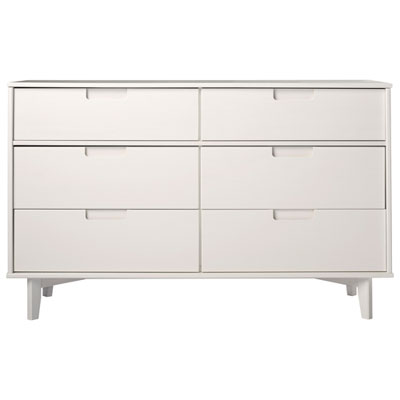 Your price for this item is $569.99
 -
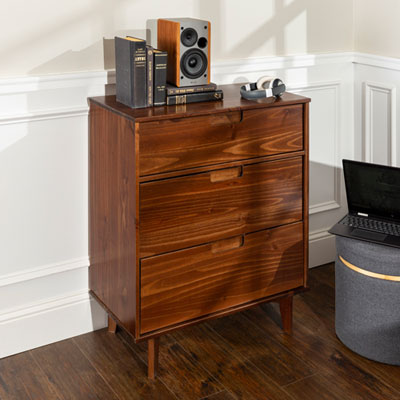 Your price for this item is $364.99
 -
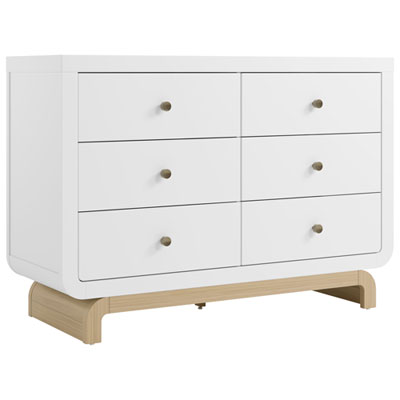 Your price for this item is $899.99
 -
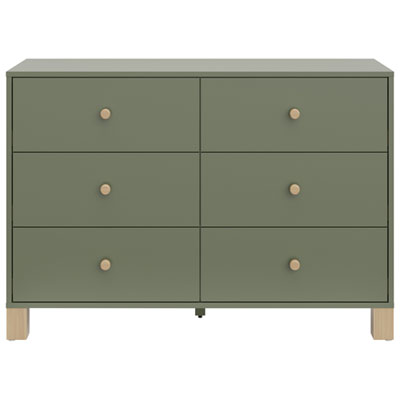 Your price for this item is $699.99
 -
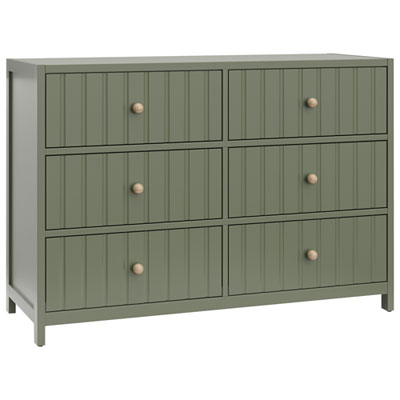 Your price for this item is $699.99
 -
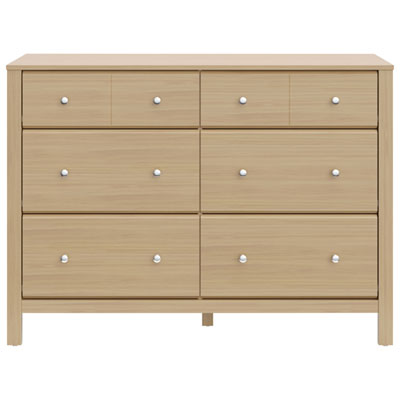 Your price for this item is $399.99
 -
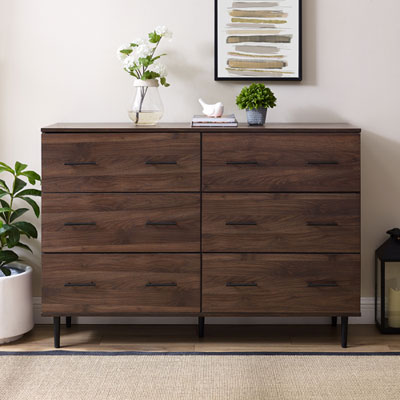 Your price for this item is $886.99
 -
 Your price for this item is $364.99
Discover more categories related to Brown Chest Of Drawers
Top Collections:
Pokemon Centers, Kindle Devices, Best Budget Office Chairs, Apple iPhones 16, Canon G7X Cameras, iPhone 15 Apple, Alarm Clock, Refurbished Apple Laptops, Flip Phones, Best Laptops for Writers
Some products may be subject to Environmental Handling Fees
(EHF) depending on your province.
Learn more about EHFs.