Brown Leather Dining Chairs
Brown leather dining chairs are the epitome of elegance and sophistication. Its rich, warm color adds a touch of luxury to almost any dining room. Not only does it provide comfort during meals, but it also enhances the overall aesthetic appeal of the space. With its timeless design and durability, investing in these brown leather dining chairs is a wise choice that will elevate your dining experience for years to come. Here are some of the great options.
Sort
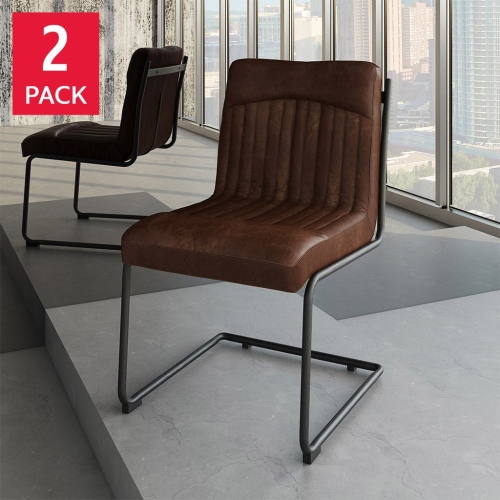

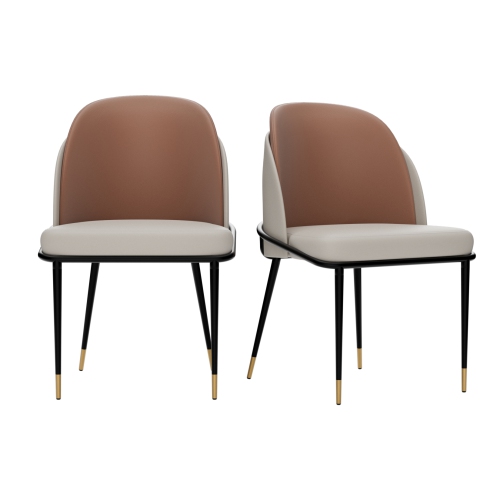


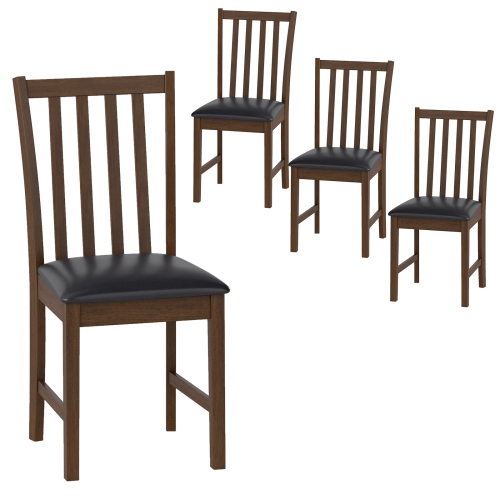


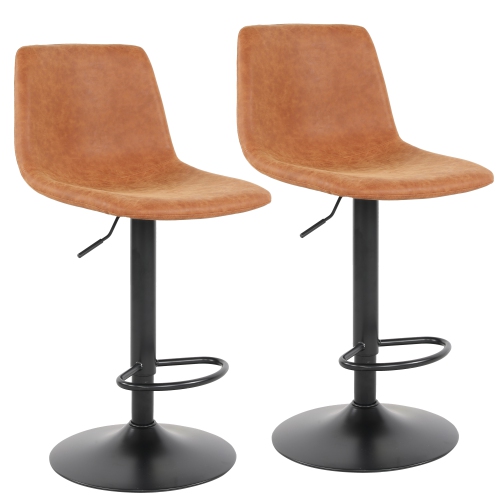


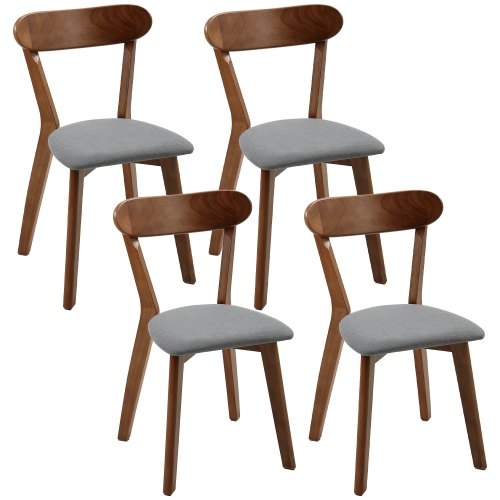

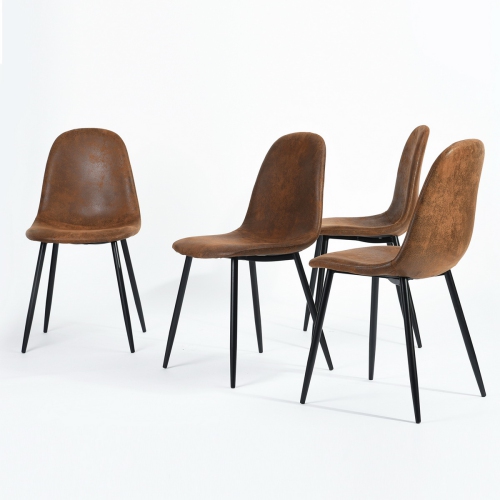


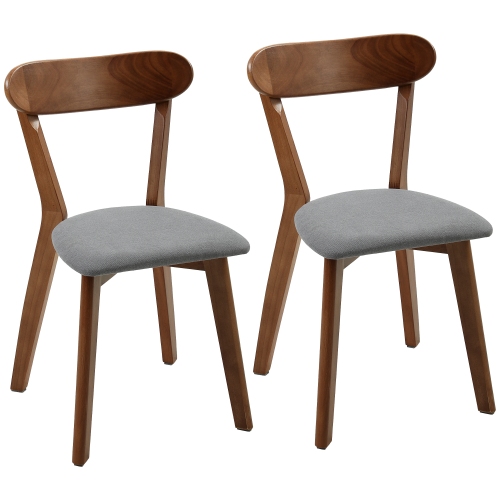
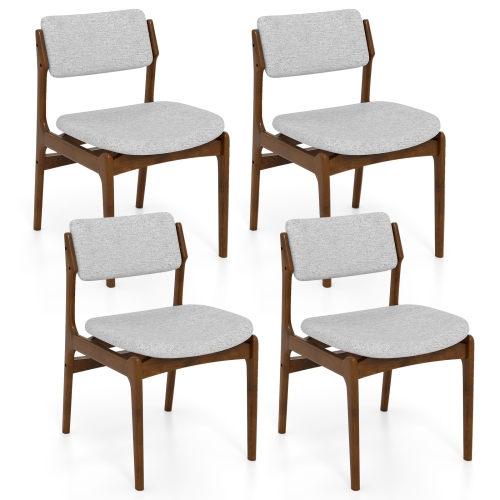


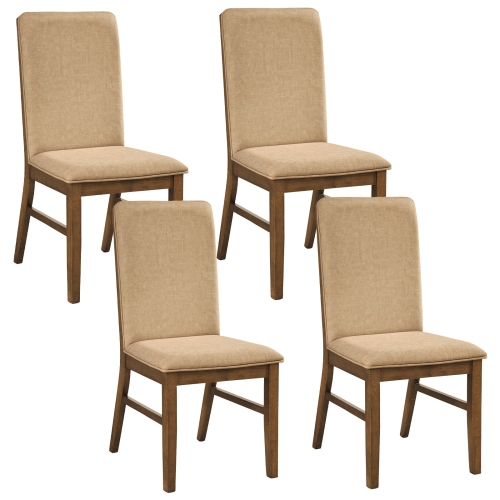

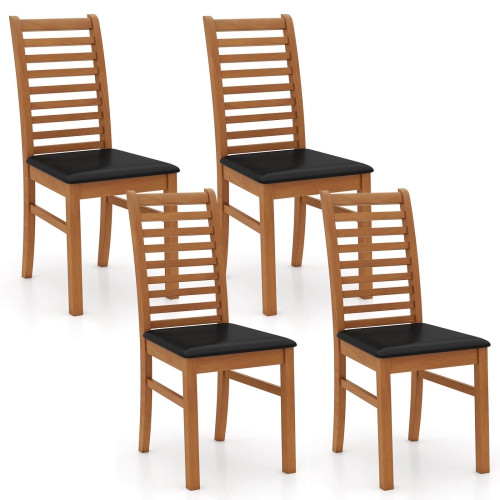

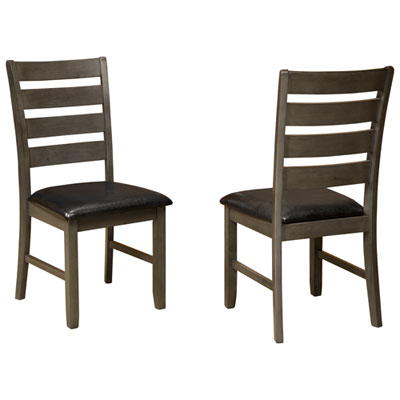

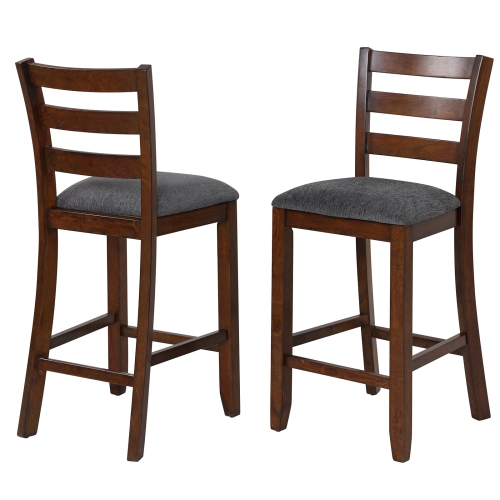

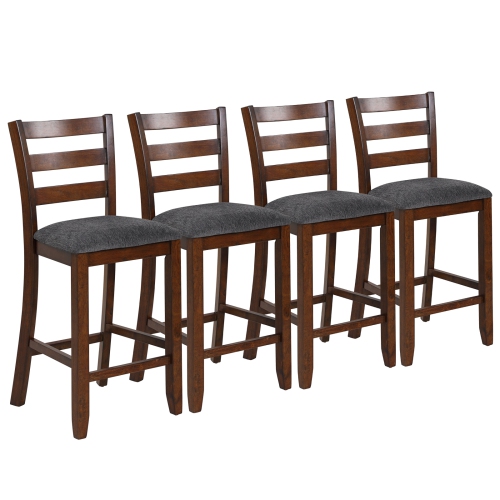

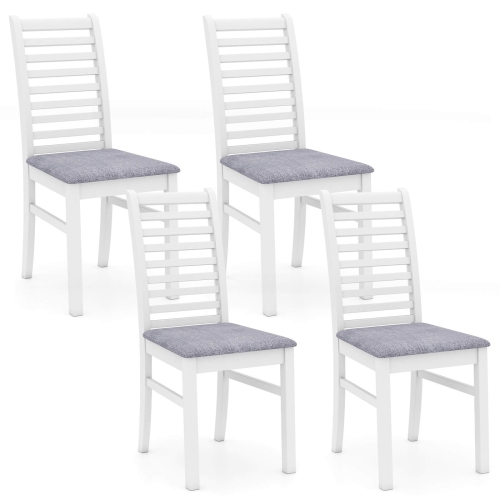
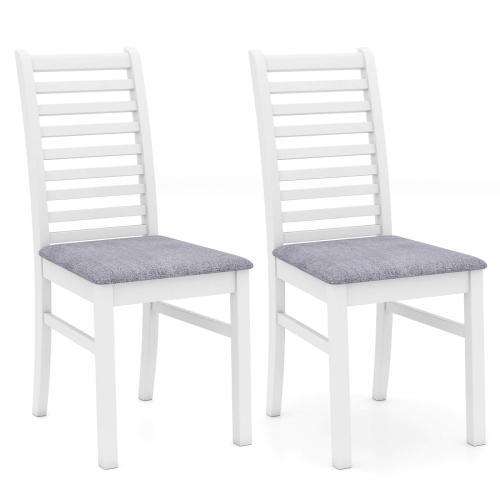


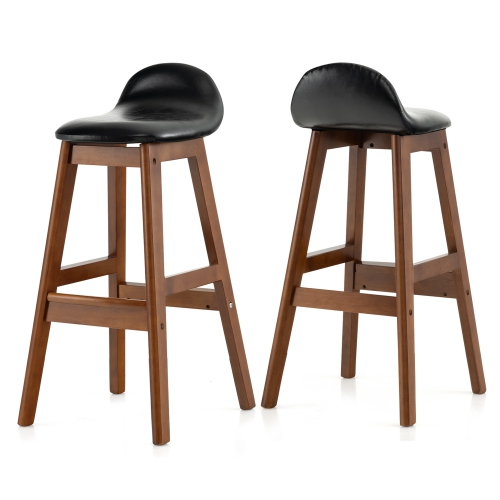


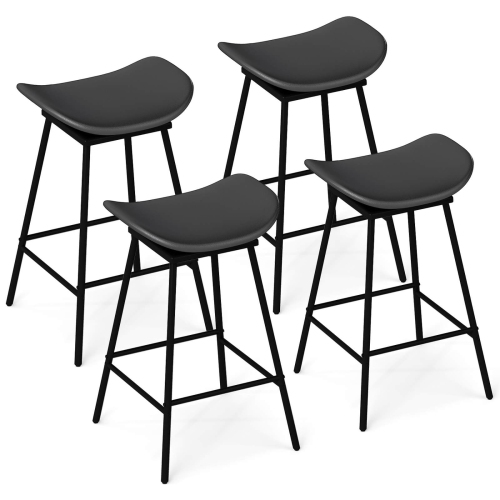


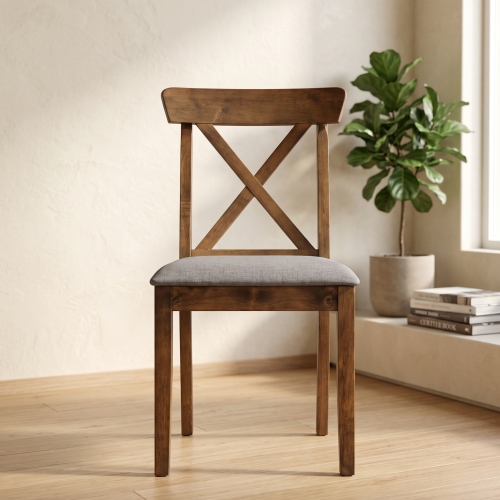


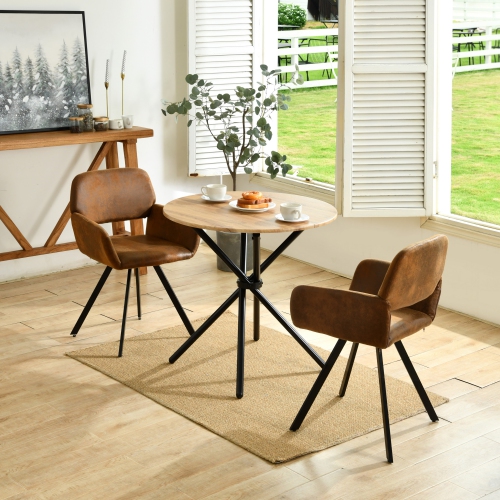


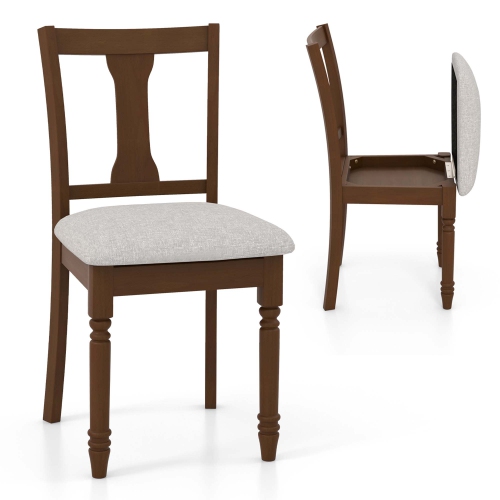


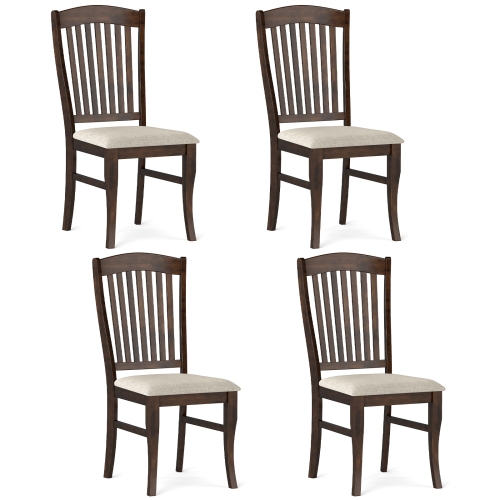


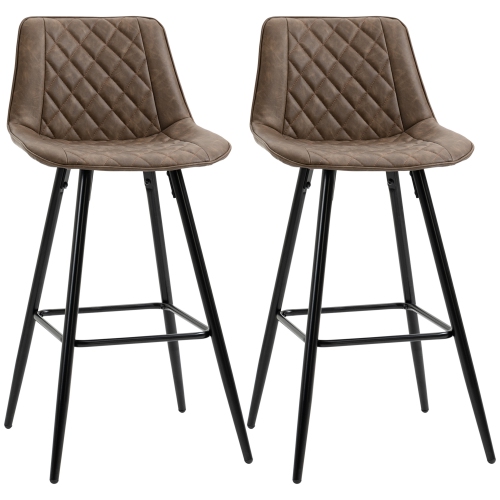


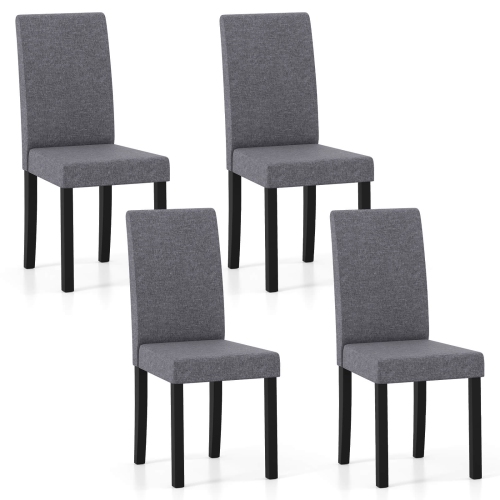


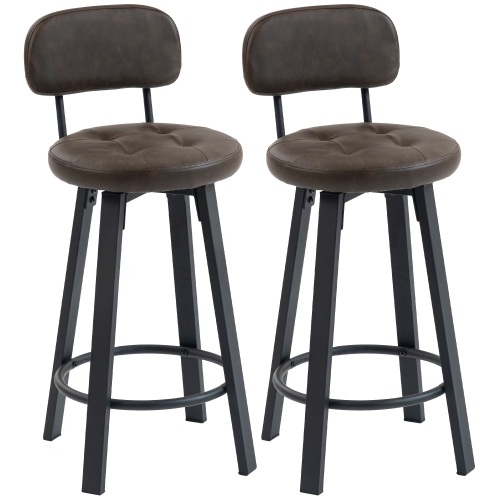
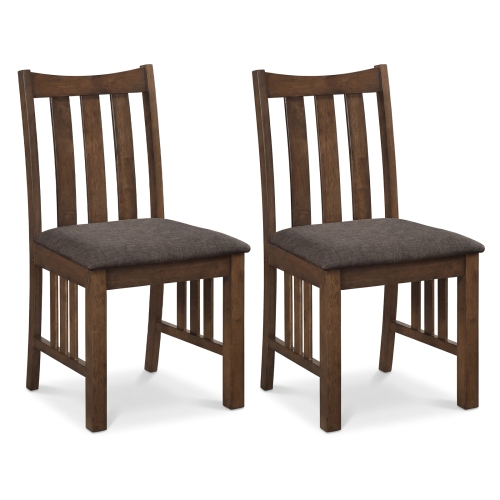

How brown leather tones shape your dining space
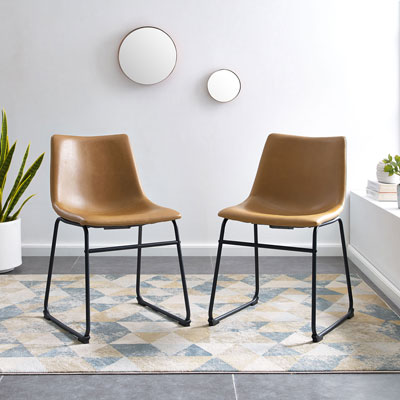
Brown leather dining chairs bring warmth and texture to the dining area, pairing the familiar richness of leather with shades that range from light tan and chestnut to deep chocolate. Lighter browns can soften the look of a glass or metal table, while darker tones create a more grounded arrangement beside oak, walnut, or painted wood. The finish matters as much as the colour: a smooth, lightly polished surface feels more tailored, whereas visible grain and subtle tonal variation give a chair a more relaxed character. In an open-plan home, brown seating can also connect the dining table with wood shelving, a leather sofa, or warm-toned flooring without requiring every finish to match. Clean-lined chairs with slim legs suit smaller dining spaces and contemporary interiors, while generously padded seats, curved backs, and stitched details bring a fuller presence to a dedicated dining room. Armless designs keep the arrangement visually light and make it easier to move around the table; chairs with arms can feel especially inviting at either end of a rectangular table, provided there is enough clearance. Brown is versatile enough for everyday breakfasts, family dinners, and longer evenings spent talking after the plates have been cleared. A caramel shade alongside a pale tabletop creates an easy contrast, while dark brown upholstery against a darker table produces a quieter, more unified look. Rugs, curtains, and table linens can introduce additional texture without competing with the seating. For a sharper contrast or a mixed-colour arrangement, black leather dining chairs offer another way to frame the table. When combining colours, a shared leg finish, similar back height, or repeated chair shape helps the arrangement feel intentional. Brown leather seating also works beyond a formal dining room, including an eat-in kitchen, a breakfast nook with sufficient space, or a multipurpose apartment where the dining table doubles as a place for paperwork and conversation.
The upholstery description is an important part of understanding how brown leather dining chairs will look, feel, and wear. Genuine leather has natural variations in grain and tone, so two chairs may not look perfectly identical even when they share the same finish. Full-grain leather retains more of the hide’s original surface, while top-grain leather has been refined for a more uniform appearance; the protective finish also influences softness, stain resistance, and care requirements. Some leather develops a patina with use, adding variation in areas that receive regular contact. Faux leather has a manufactured surface that can provide a consistent colour and an easy-to-wipe finish, although its resistance to cracking, peeling, and abrasion depends on its composition and construction. Bonded leather contains leather fibres held together with binding materials and should not be confused with a continuous hide. Clear material descriptions help set realistic expectations, especially for seating used several times a day. Beneath the upholstery, frame construction, joints, cushioning, and the way the seat is supported all contribute to comfort and durability. Solid wood frames bring visible grain and a traditional furniture feel, while metal frames can create a slimmer outline; either can work well when the construction suits the intended use. A padded seat should feel supportive rather than simply soft, particularly when dinner stretches into a board game or an afternoon of homework. Backrest height, angle, and shape influence how comfortably someone can sit against the chair, and a curved back may feel quite different from a straight, upright design. Shallow seats can be easier for shorter people to use, while deeper seats may appeal to taller adults. Households with children may value accessible surfaces and fewer deep seams where crumbs can collect. For frequent hosting, manageable chair weight makes it easier to pull out extra seating, rearrange the table, and return the room to its everyday layout.
A comfortable dining arrangement depends on how the chairs fit both the table and the room around it. Seat height should leave enough space beneath the tabletop for legs to move comfortably, taking into account any apron or support rail underneath. Armrests need their own clearance if the chairs are meant to tuck in fully, and wide or flared backs can occupy more room than the seat dimensions suggest. Around a round table, chair width and the position of the table base affect how closely people can sit; around a rectangular table, corner legs may limit where the end seats can go. There also needs to be space behind occupied chairs for someone to pass without repeatedly asking others to move. These details are particularly noticeable in condos, narrow dining rooms, and kitchen dining areas beside a busy walkway. Checking the stated weight capacity and assembly requirements adds another layer of confidence about everyday use. Floor protection deserves attention, too: suitable glides or felt pads can help limit marks on hardwood, and their condition should be checked as chairs are moved and cleaned. Leather care is usually straightforward when it follows the upholstery manufacturer’s directions. Regular dusting with a soft cloth helps keep grit from settling into seams, and spills are best blotted promptly rather than rubbed into the surface. Cleaning agents and conditioners should be approved for the particular material, since a treatment intended for genuine leather may not suit faux or bonded leather. Direct sunlight and nearby heat sources can contribute to fading or drying, making chair placement worth considering beside a bright window or heating vent. Dark brown upholstery may make some everyday marks less noticeable, but no shade removes the need for gentle cleaning and sensible care. With proportions that suit the table, supportive seating, and a finish suited to the household’s routines, brown leather dining chairs can make the dining area feel welcoming through quick weekday meals, quiet cups of tea, and unhurried gatherings during the cooler months.
Top selling and popular products
-
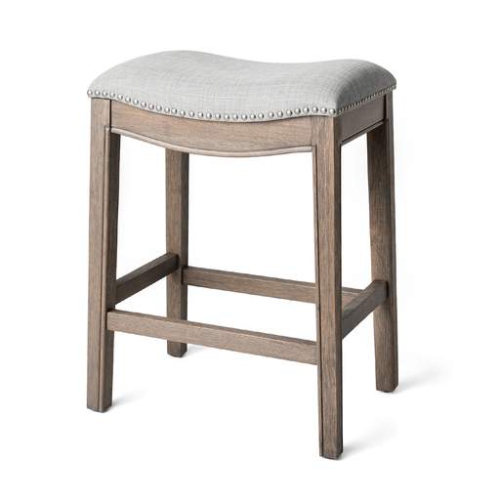 Your price for this item is $176.99
-
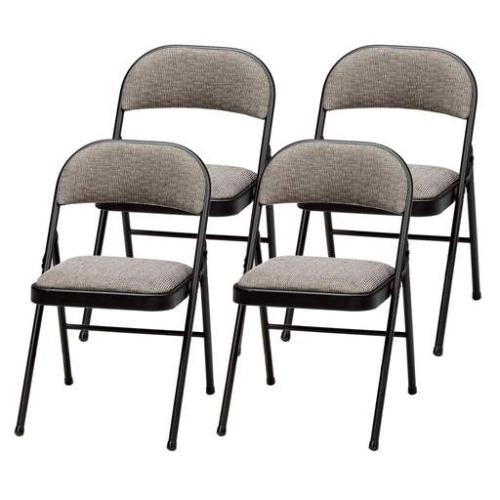 Your price for this item is $270.99
-
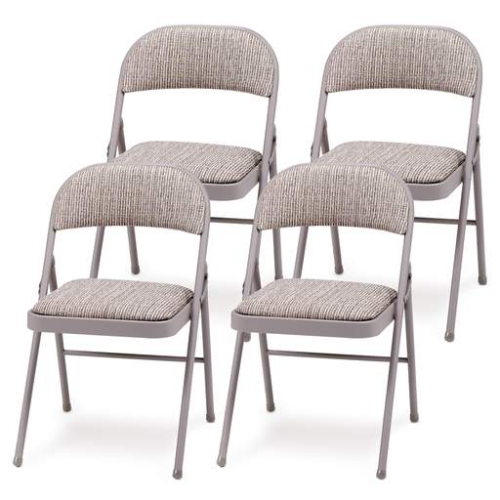 Your price for this item is $317.99
-
 Your price for this item is $430.14
-
 Your price for this item is $498.07
-
 Your price for this item is $155.99
-
 Your price for this item is $431.99
-
 Your price for this item is $431.99
Discover more categories related to Brown Leather Dining Chairs
Top Collections:
Pokemon Centers, Best Cameras for Sports Photography, Kindle Devices, Samsung Galaxy Phones, Canon G7X Cameras, Pokémon 30th Celebration Cards, Refurbished Apple Laptops, iPhone 15 Apple, Laptops for Students, Budget Smartphones
Some products may be subject to Environmental Handling Fees
(EHF) depending on your province.
Learn more about EHFs.