Brown Rattan Furniture
A brown rattan furniture is used in many different types of homes around the world. This kind of furniture is used in both traditional and modern homes. Here are some great options for brown rattan furniture available today.
Sort
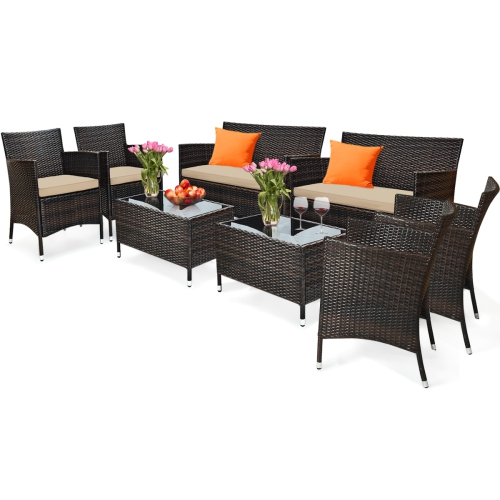
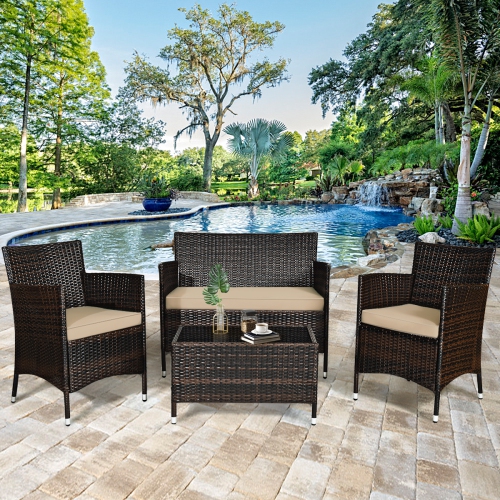


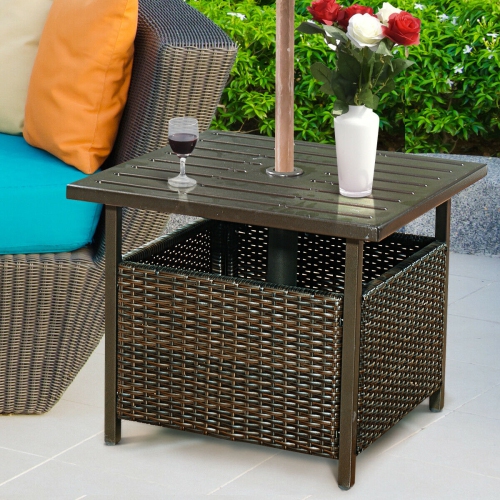
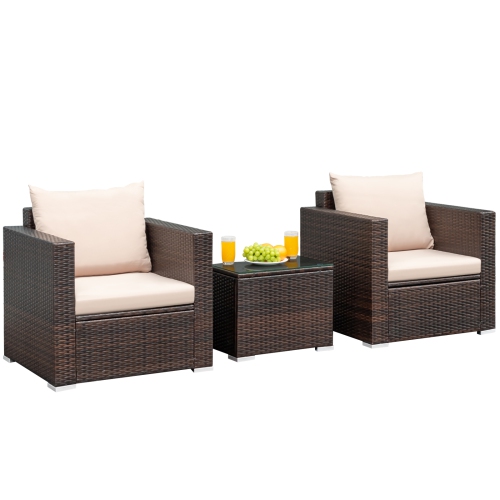
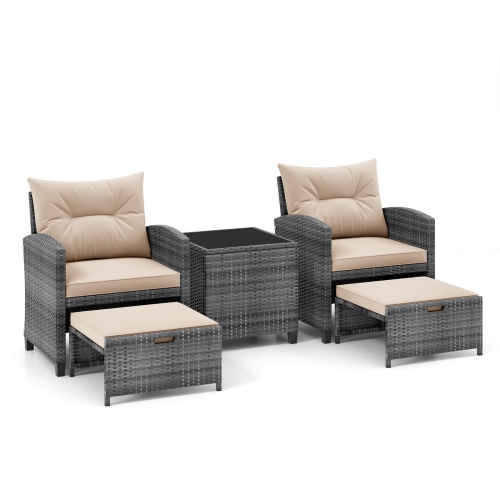
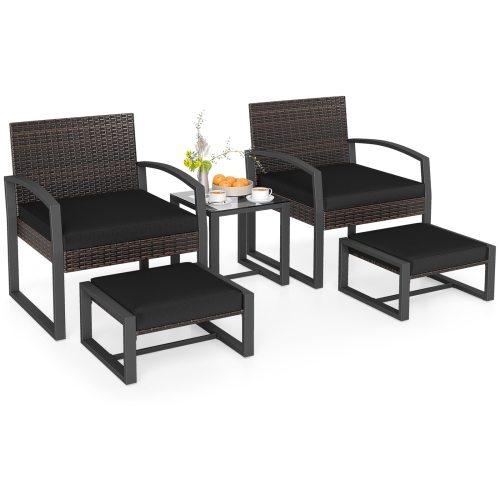
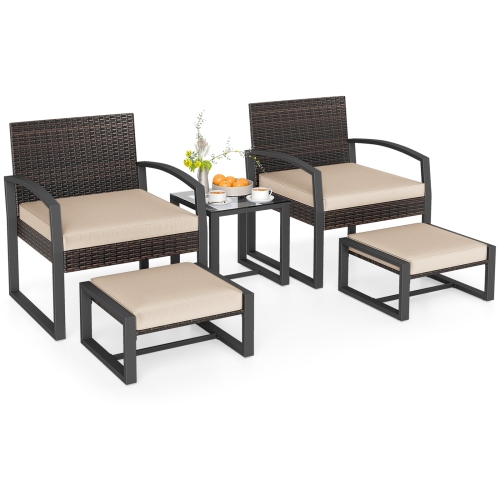
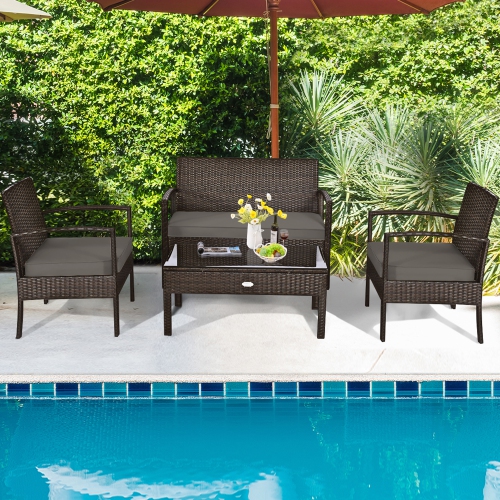


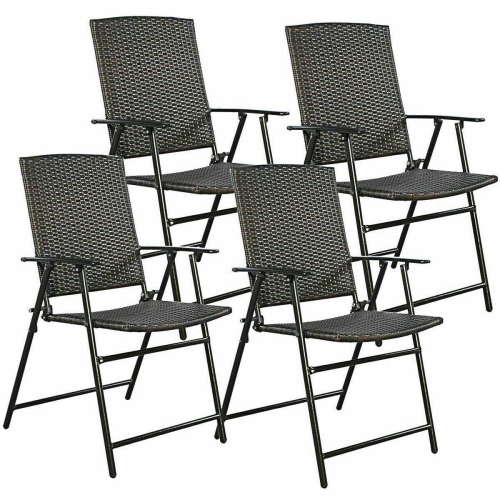
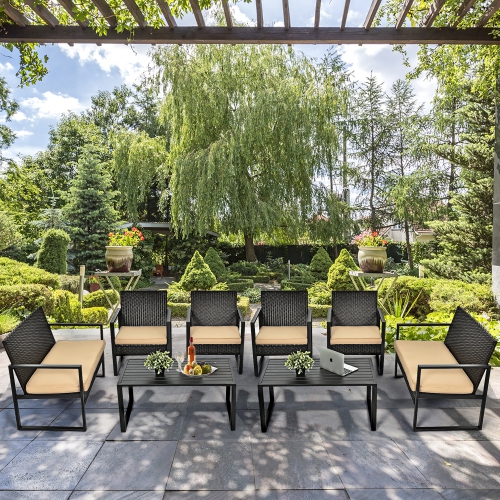
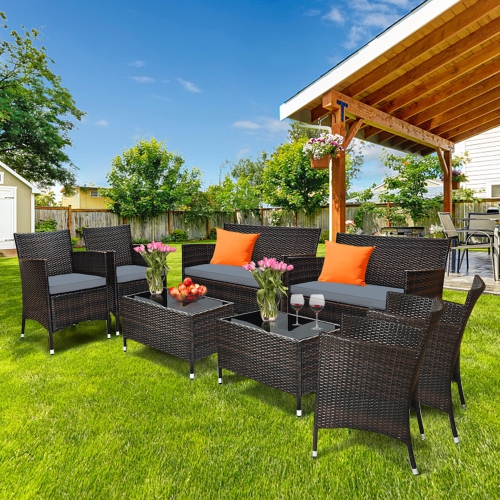

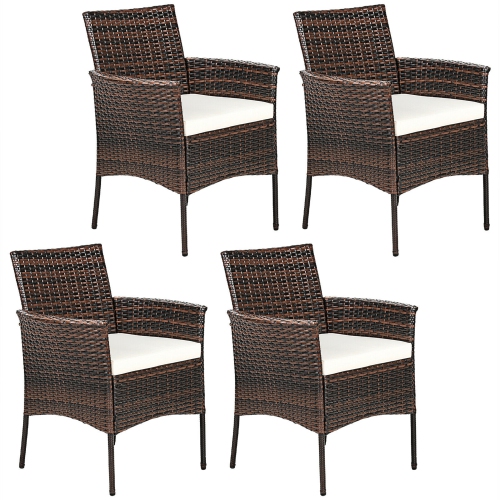
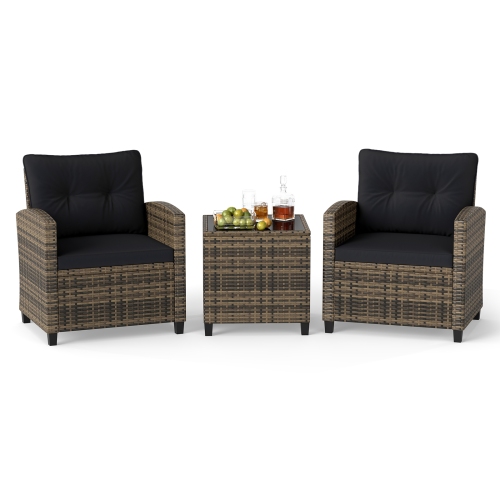

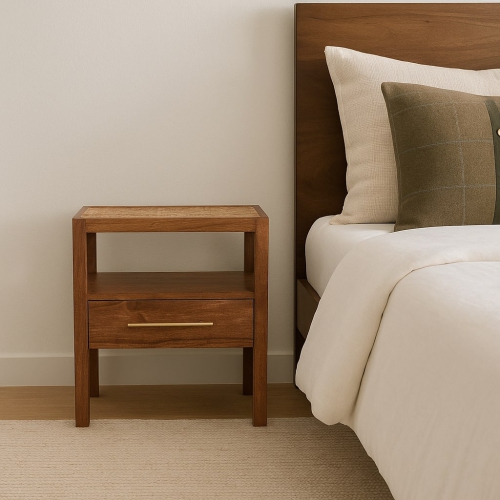
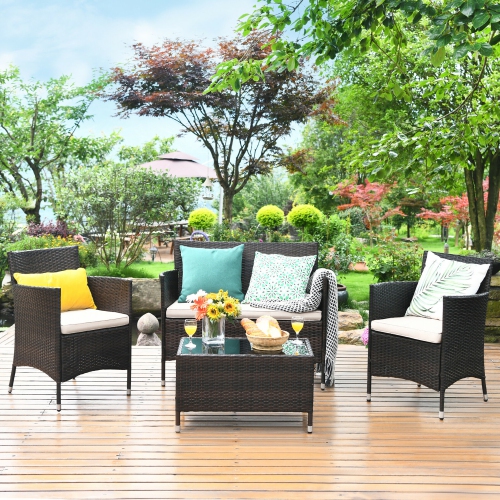
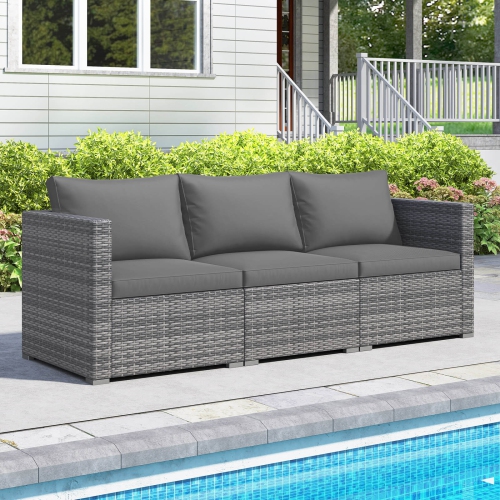
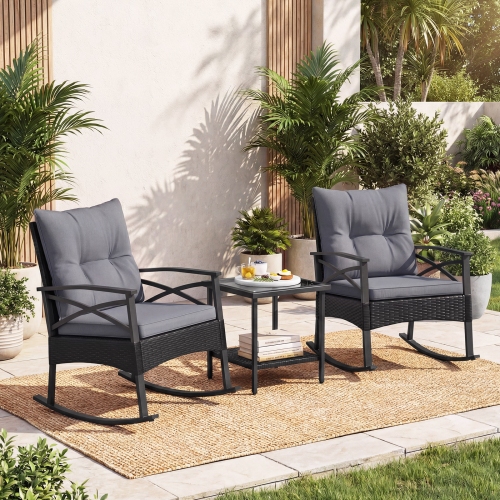

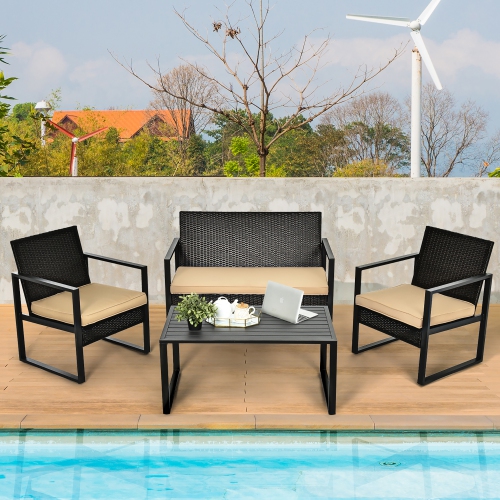
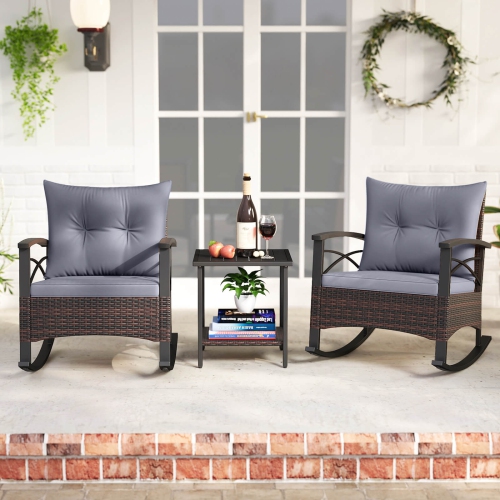
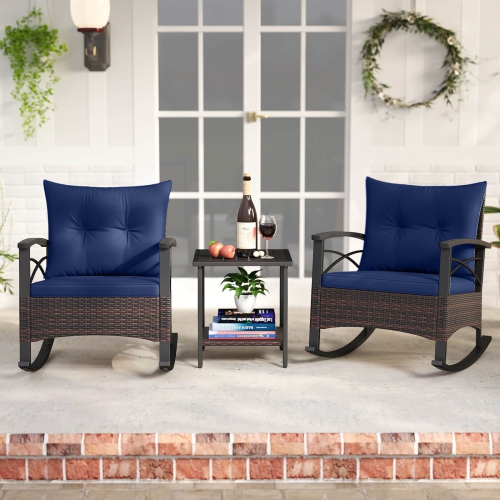
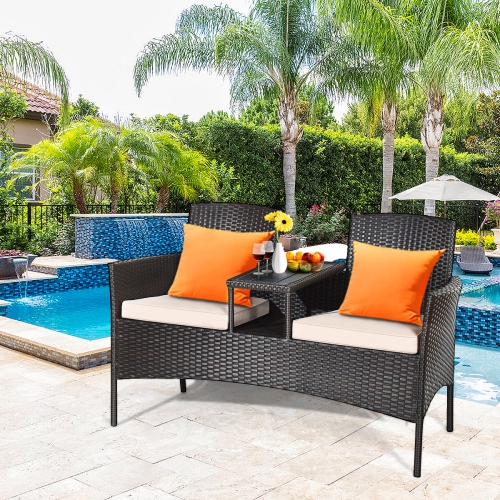
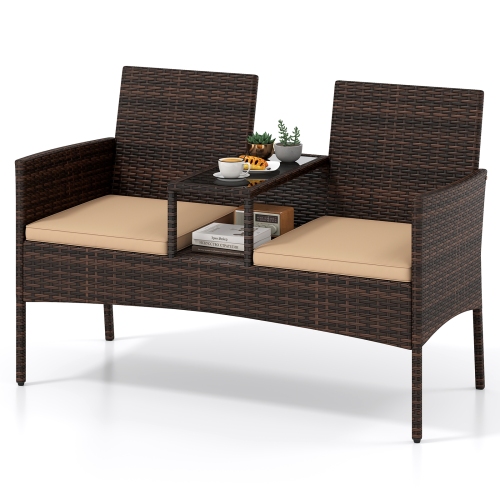
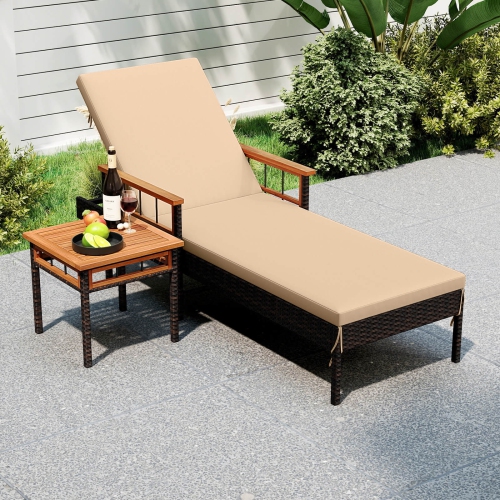
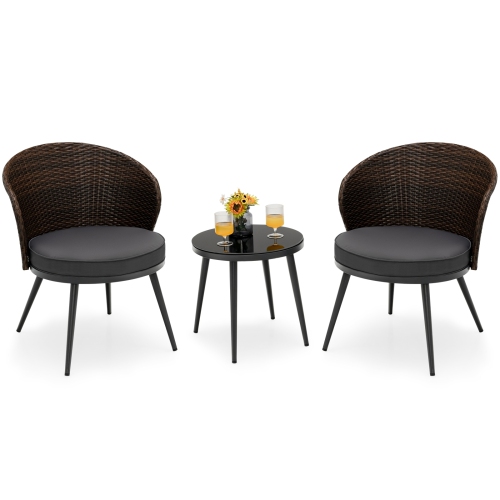

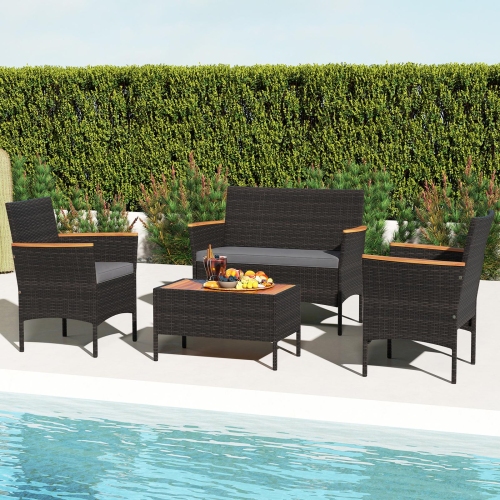
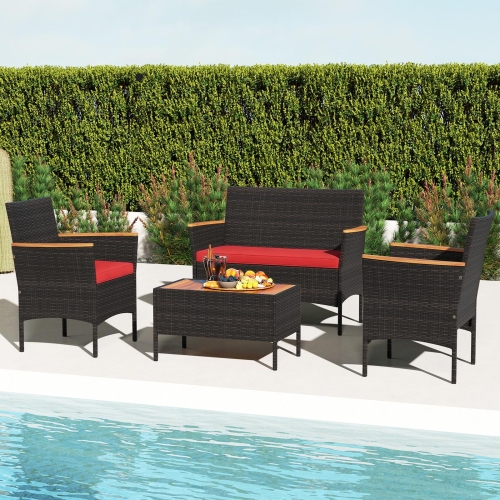
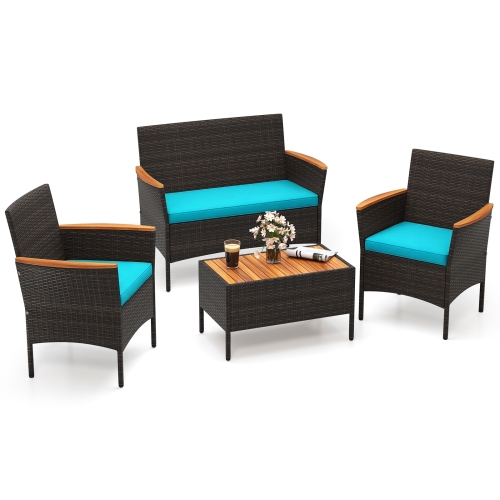
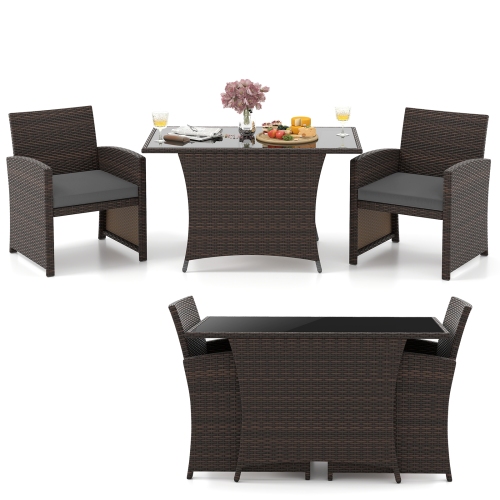
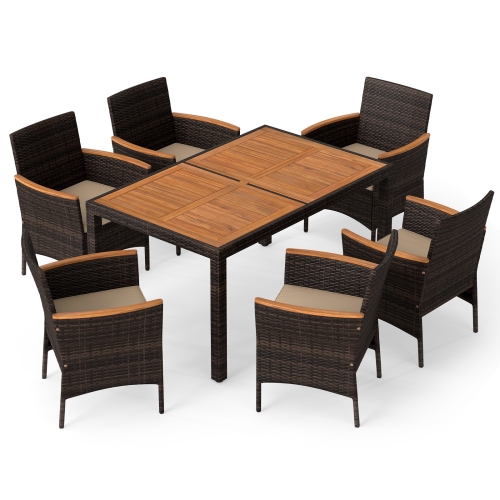
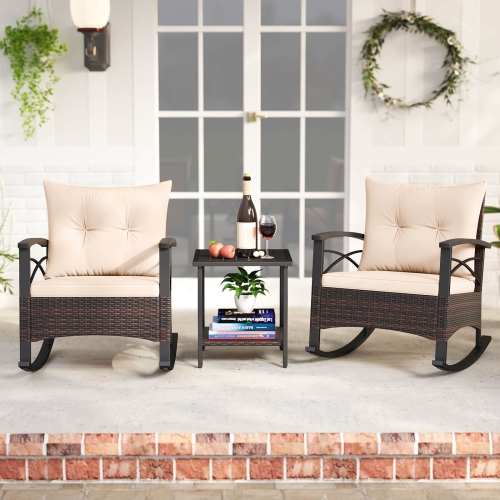
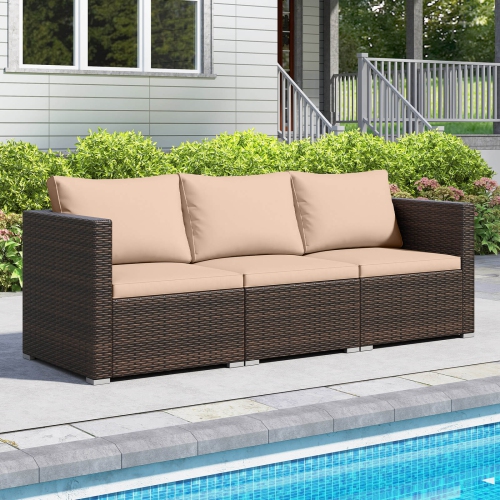
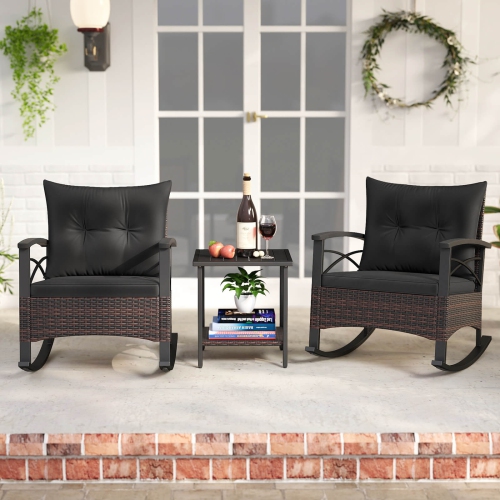




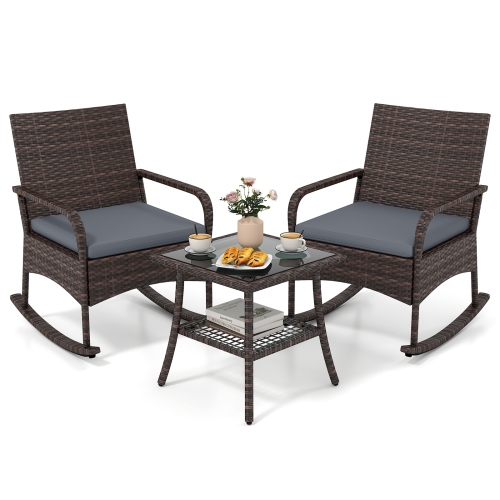
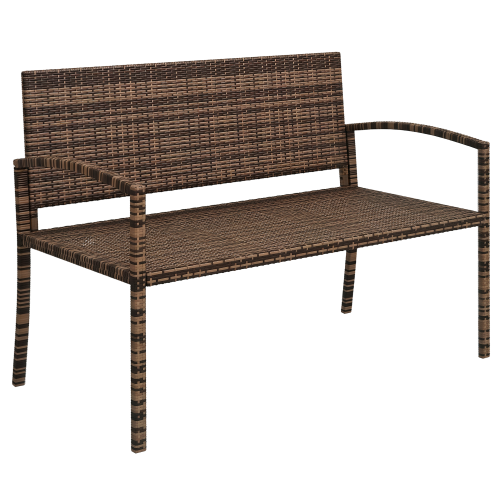
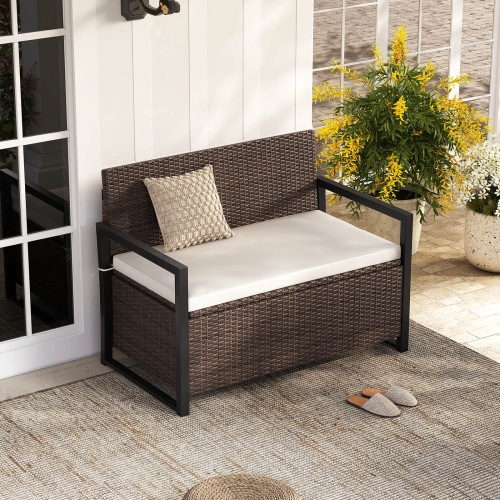
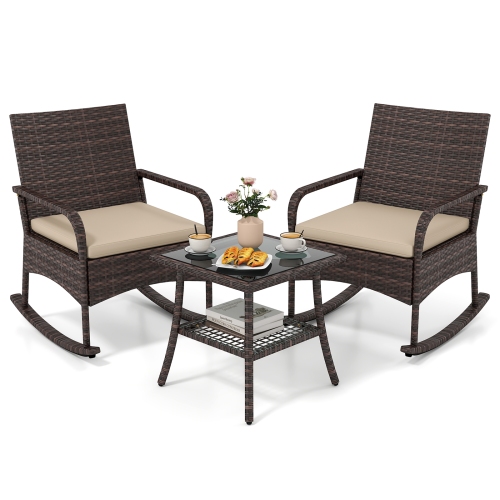

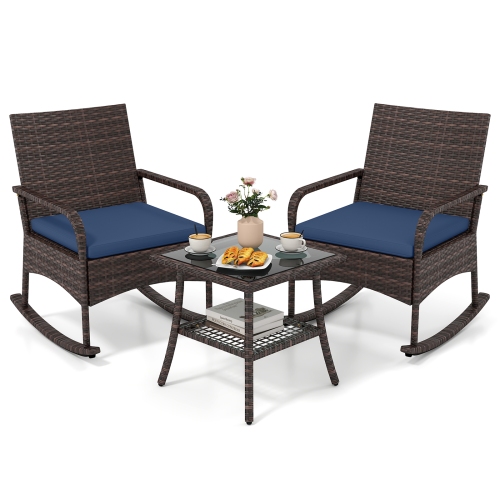
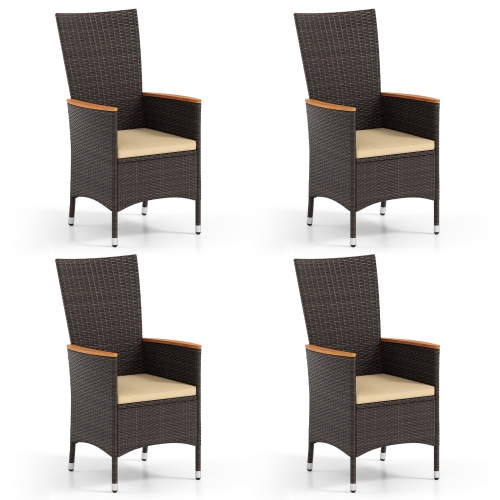
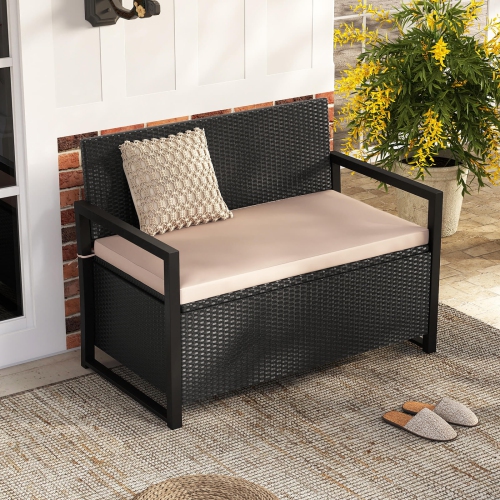
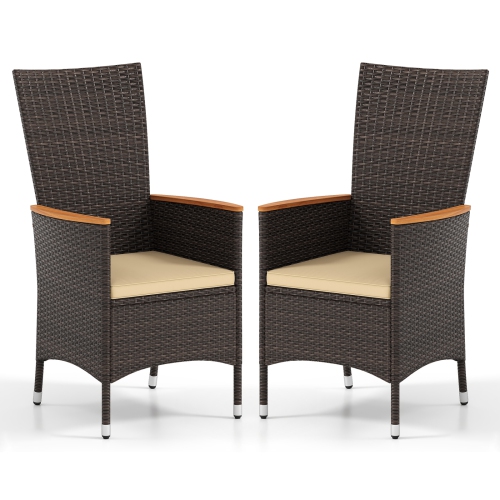
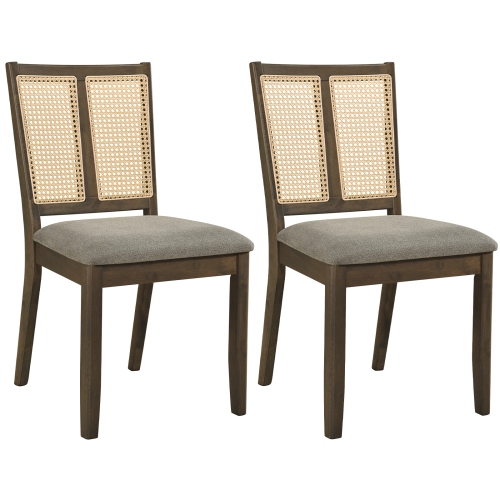
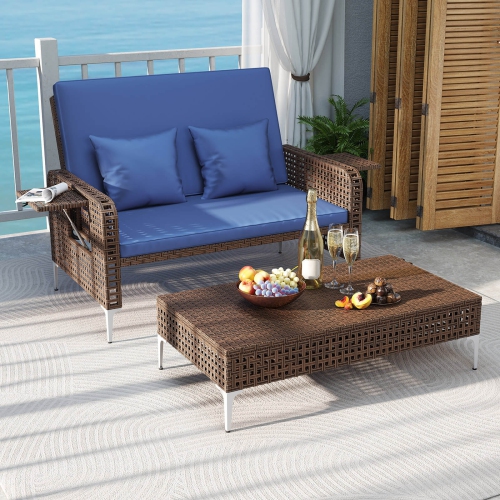
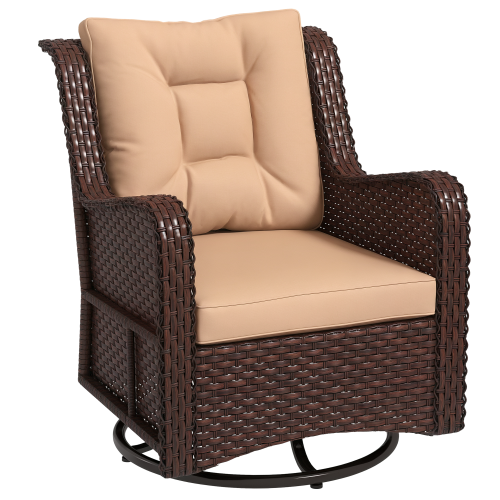

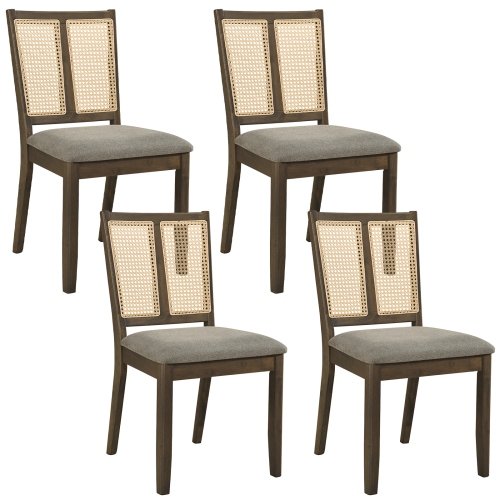
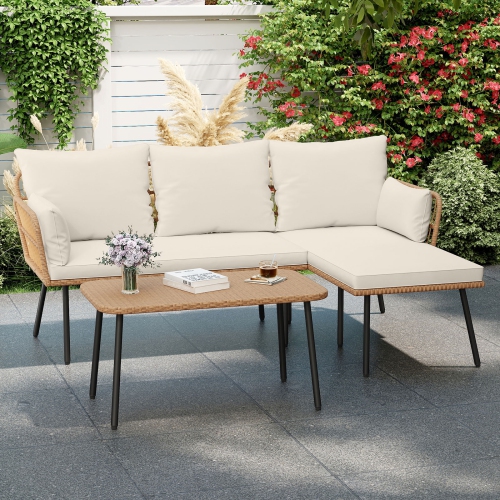
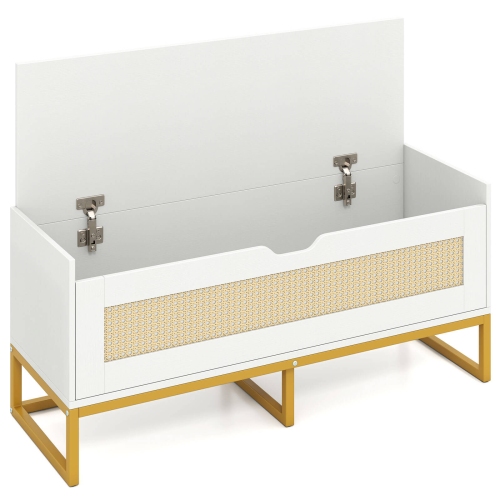
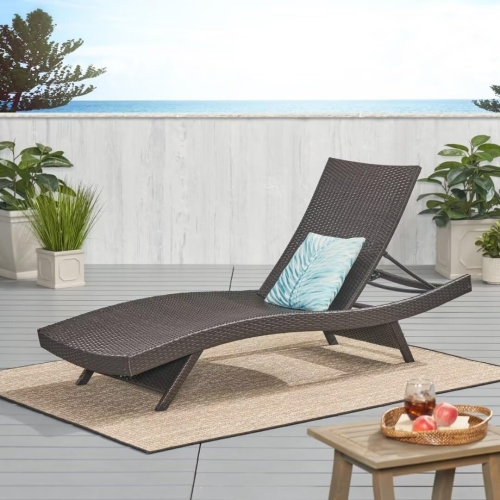
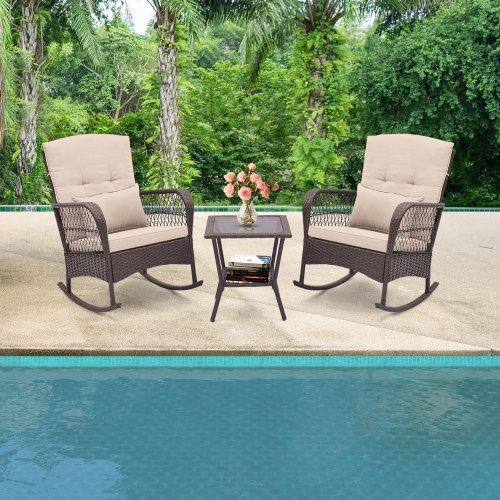
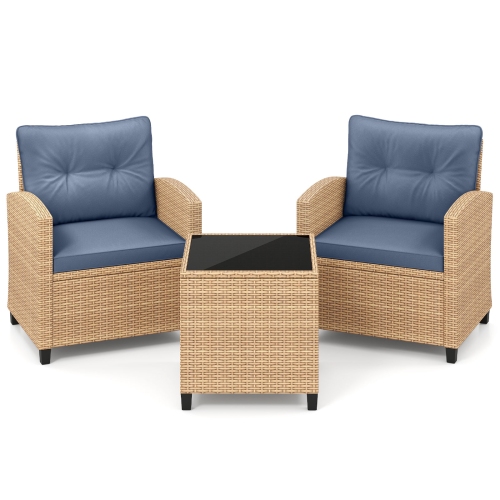
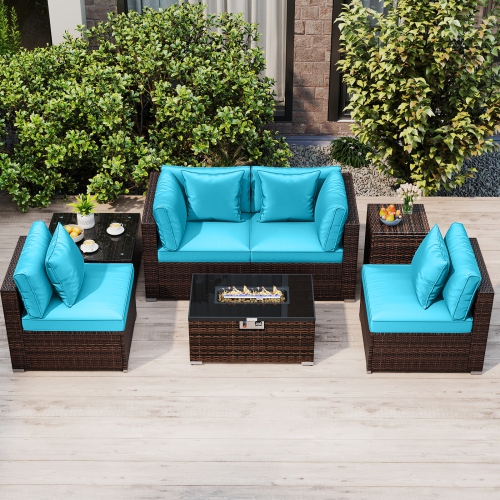
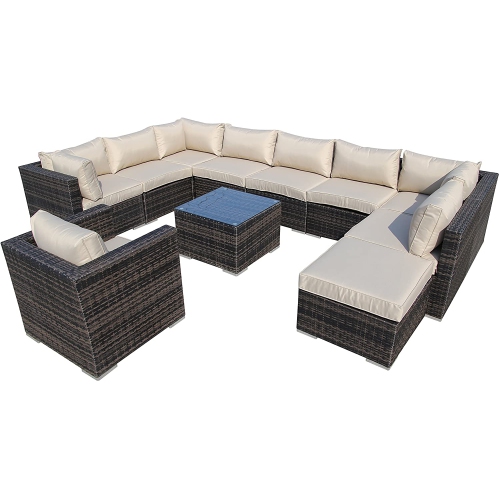

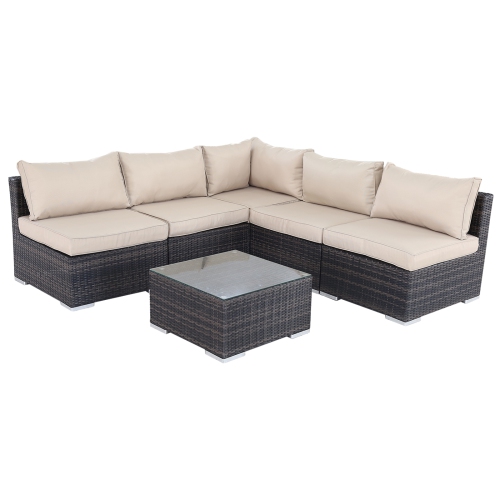

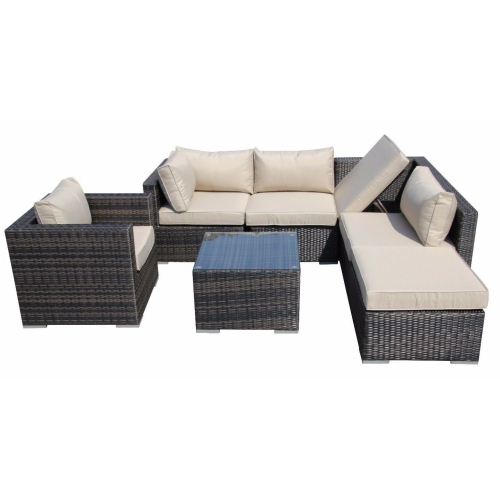
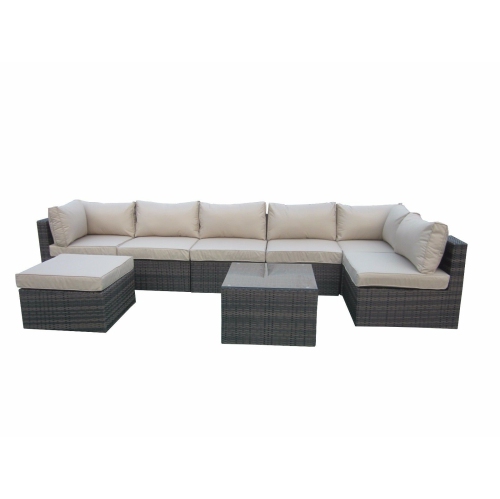
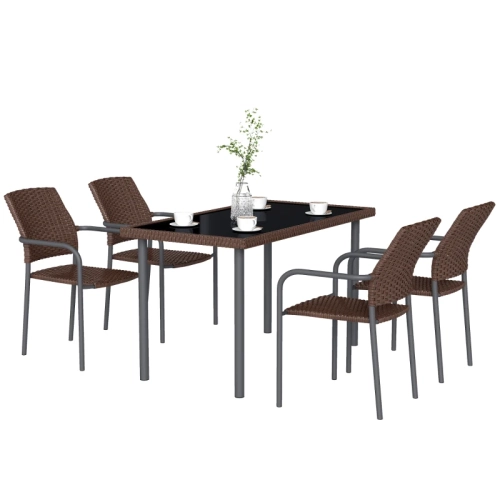
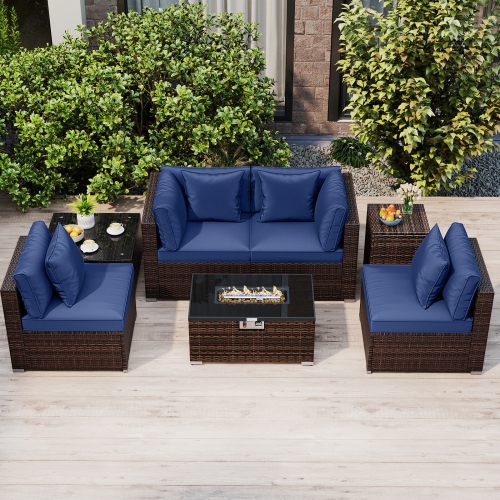
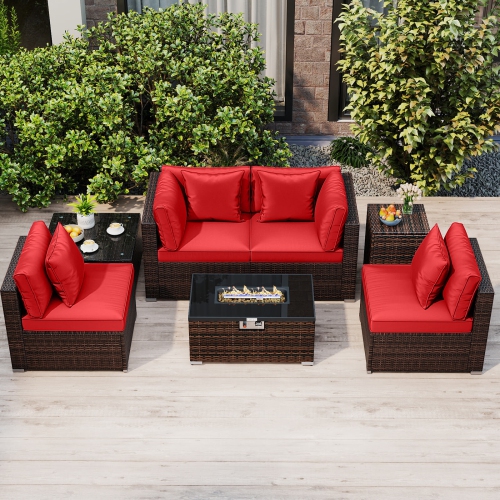


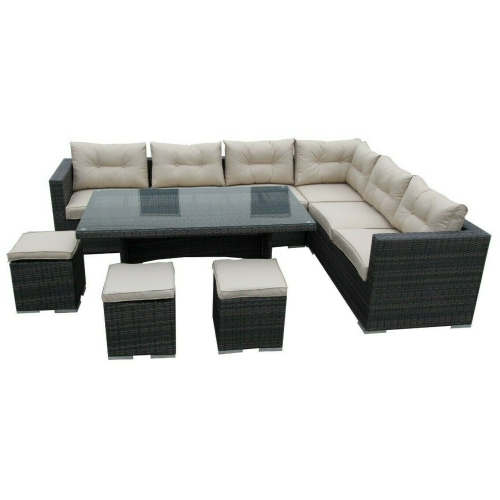
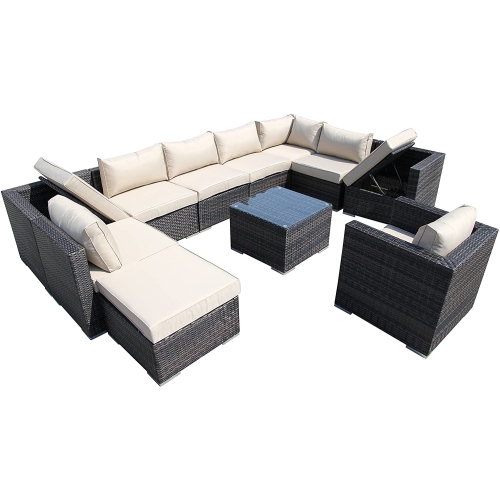
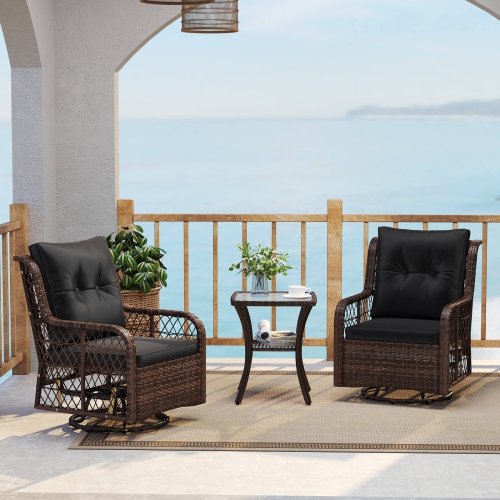


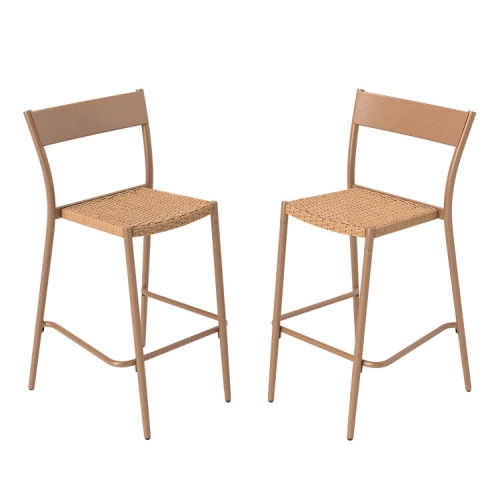
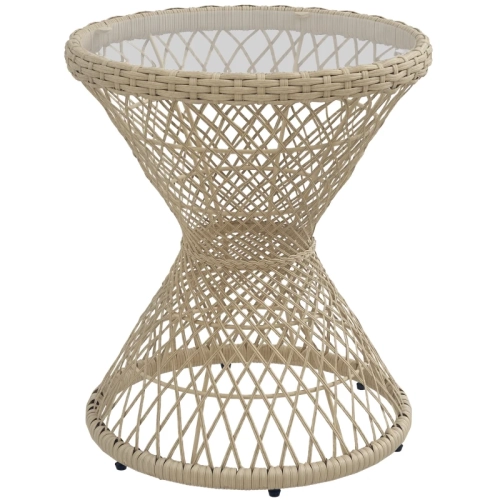
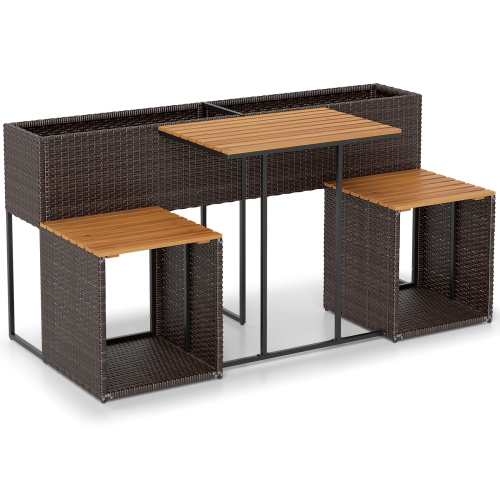
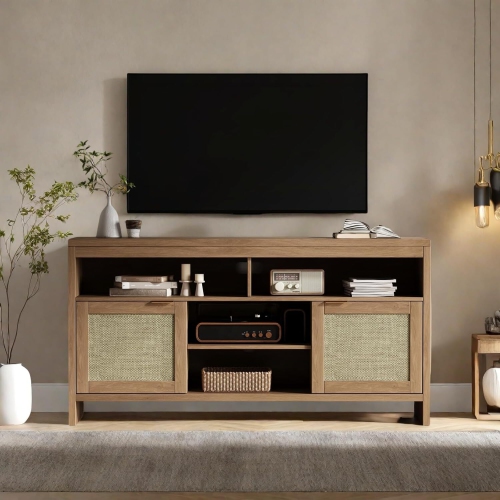
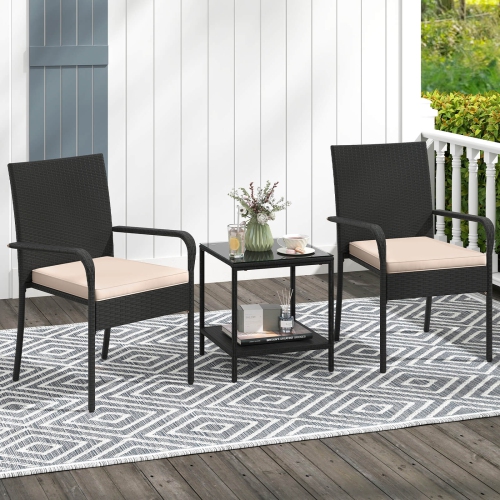
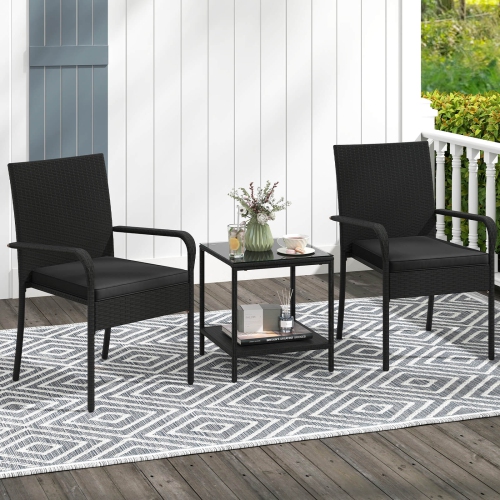
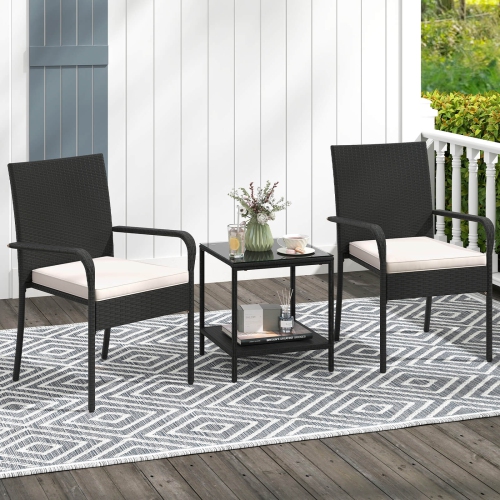

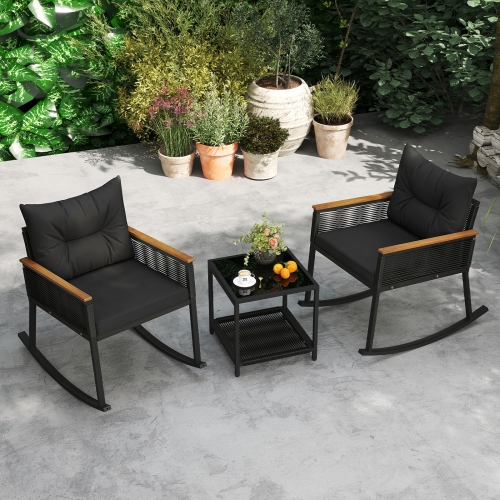

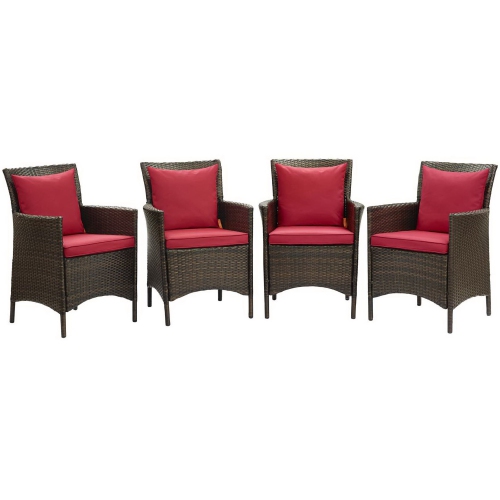
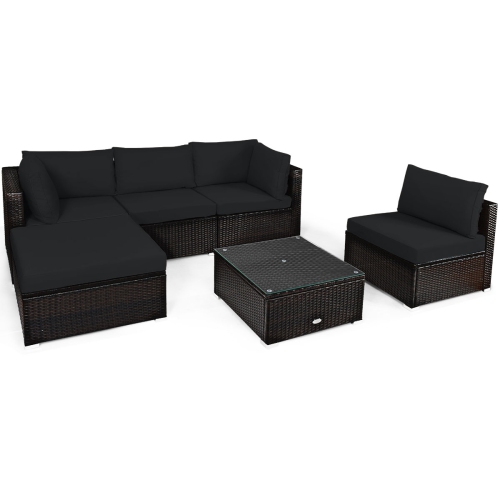
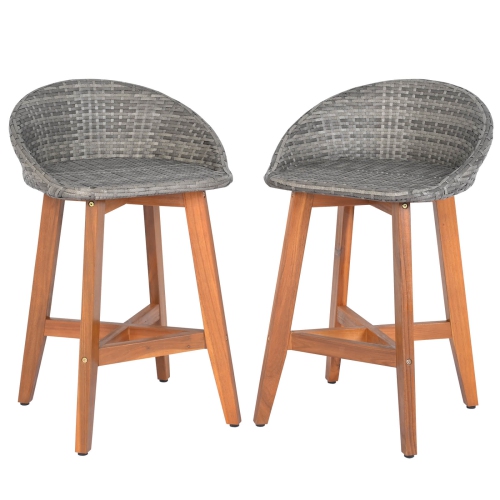
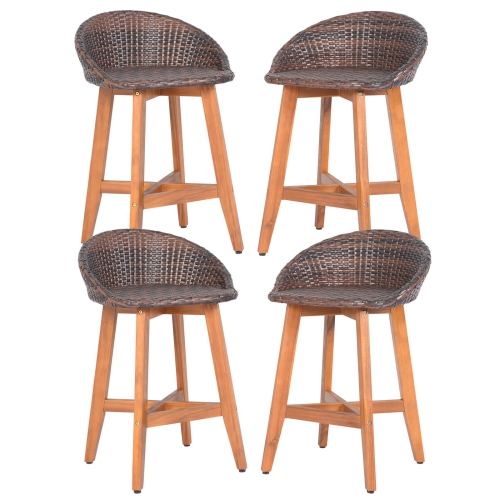


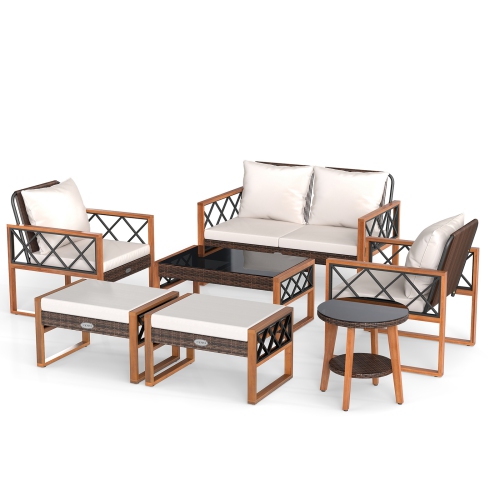


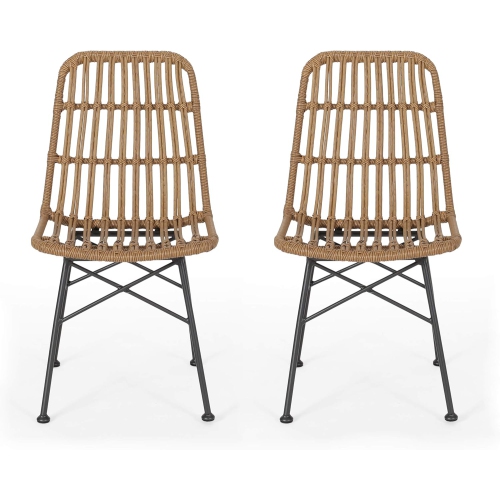
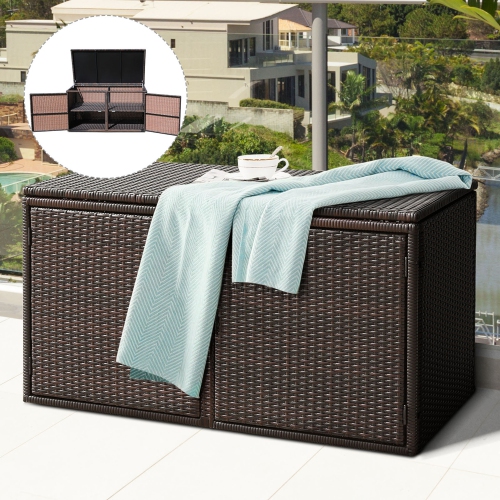
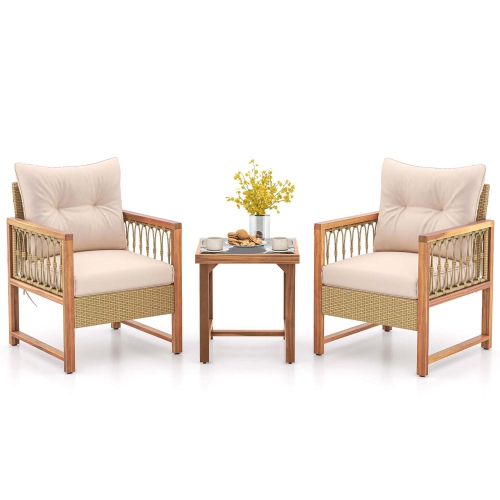
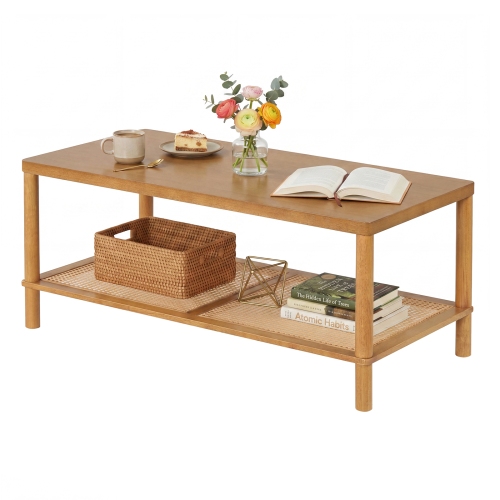
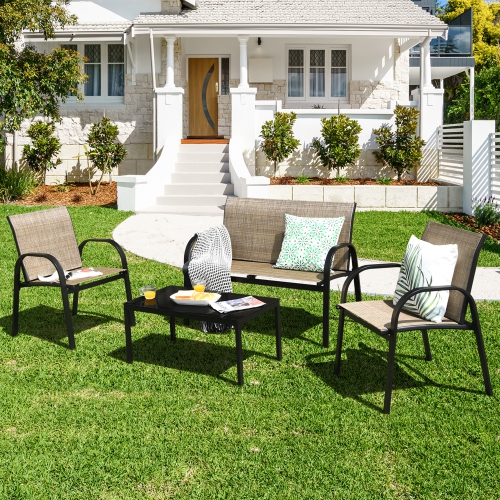
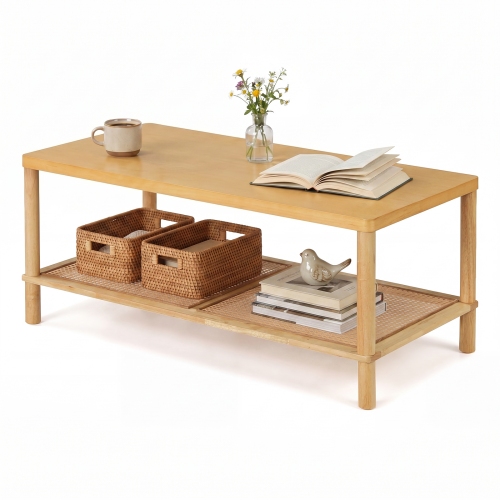
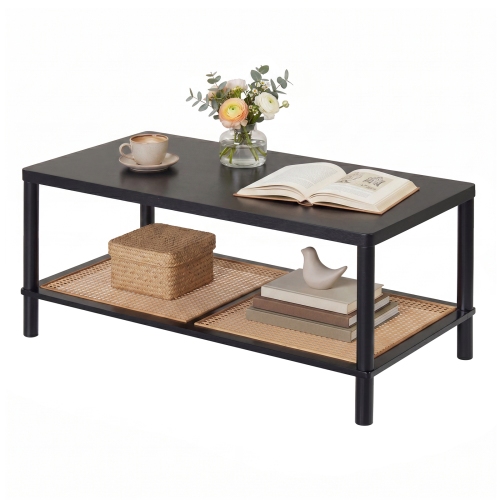
How colour and construction shape rattan’s character
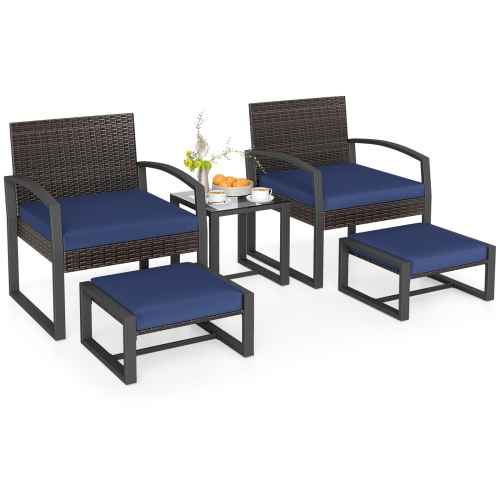
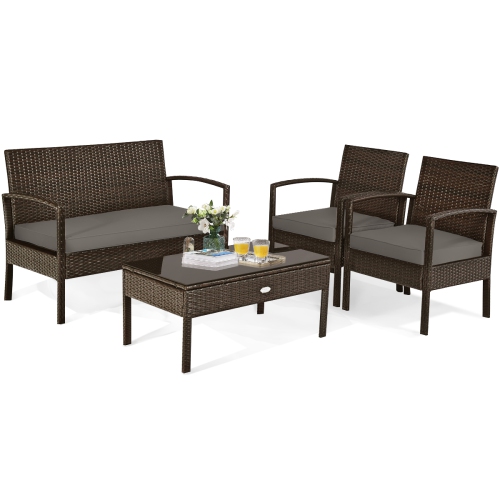
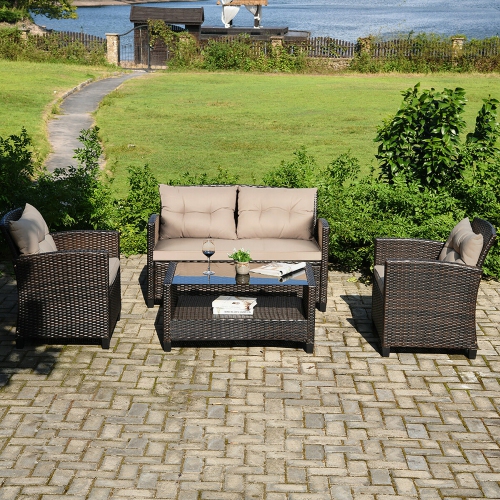
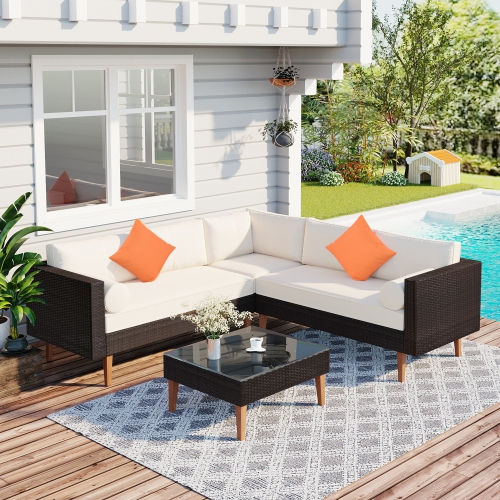
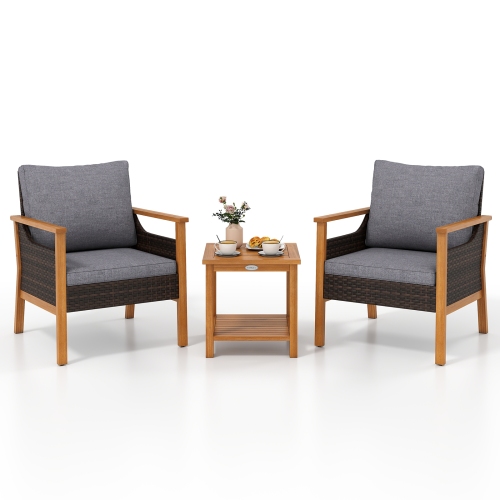
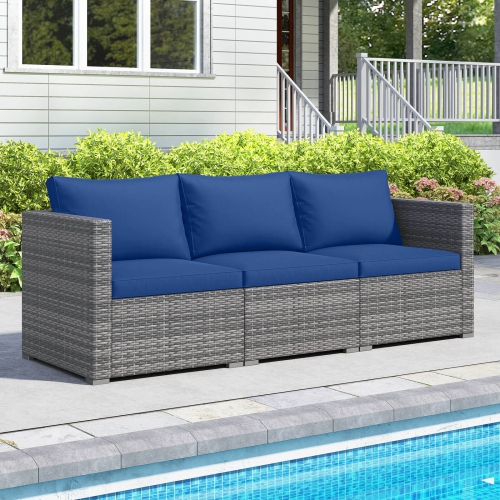
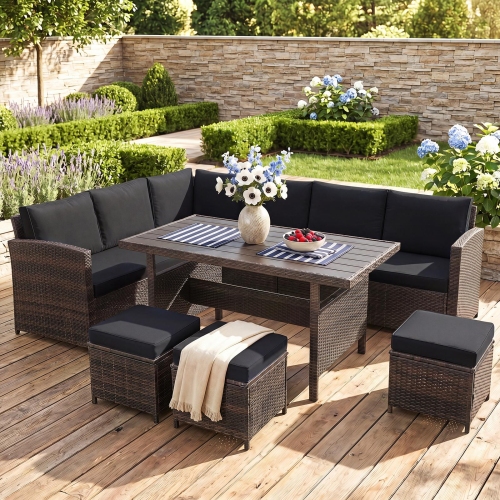
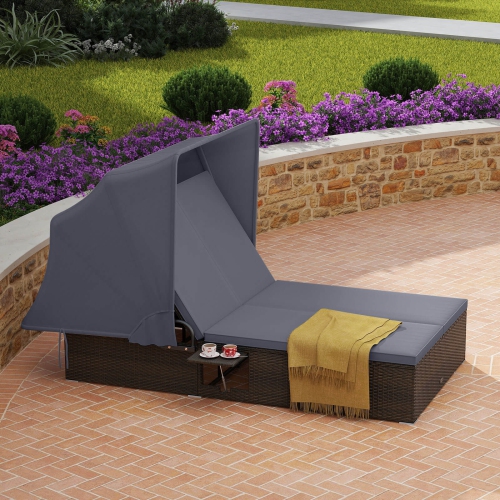
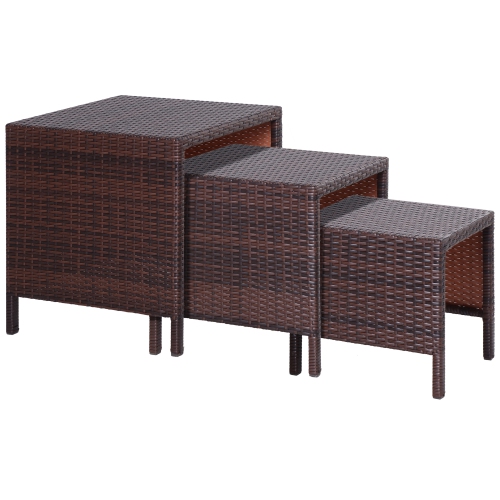
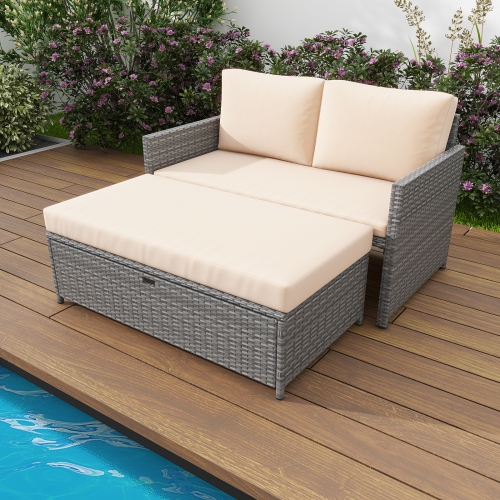
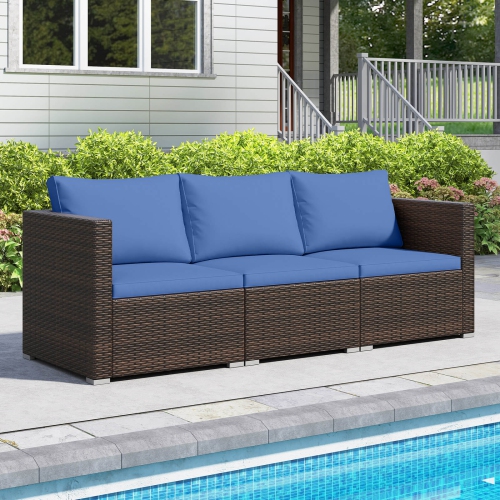
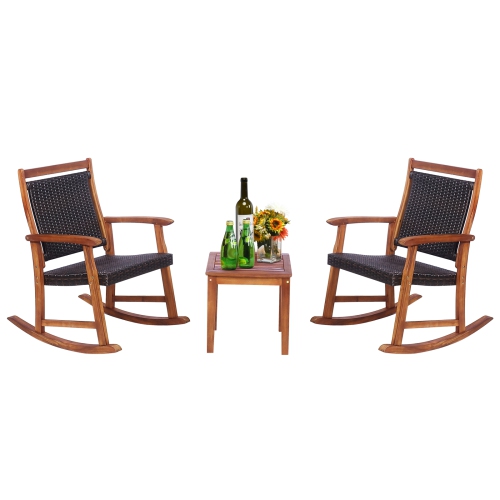
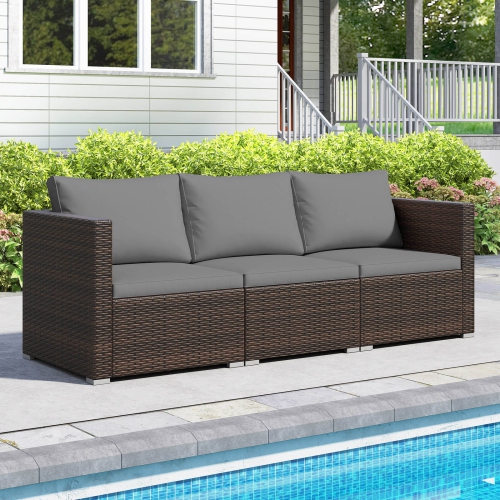
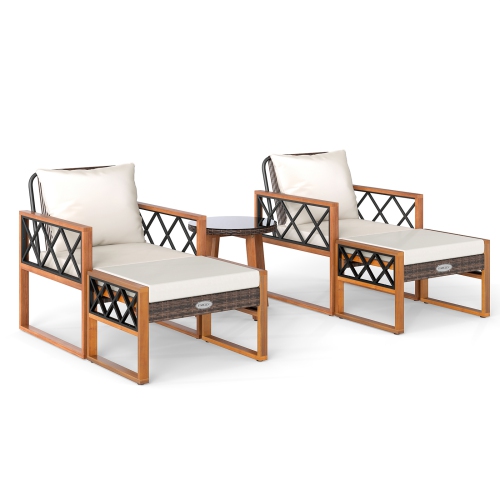
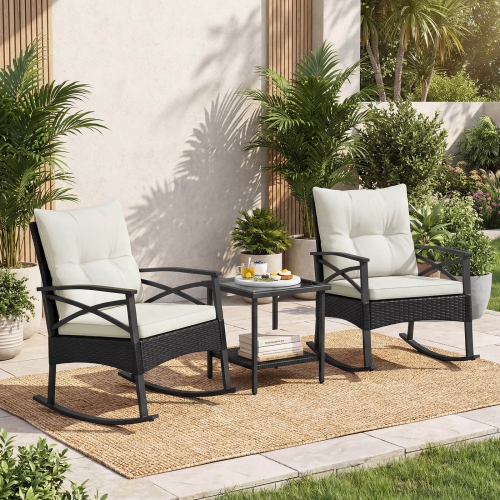
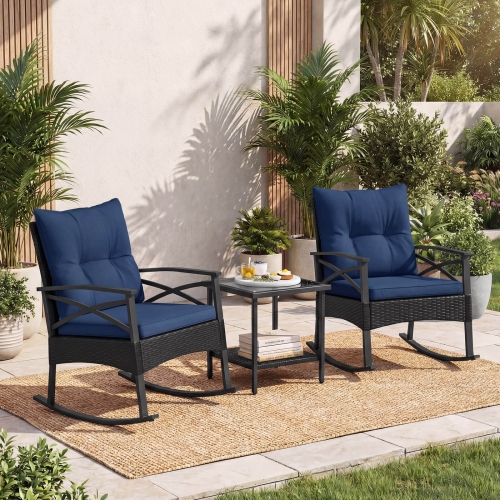
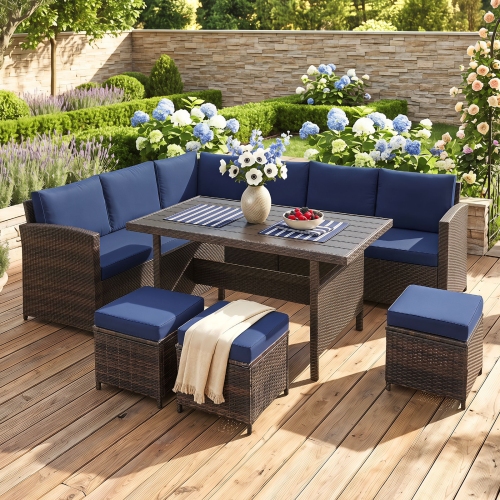
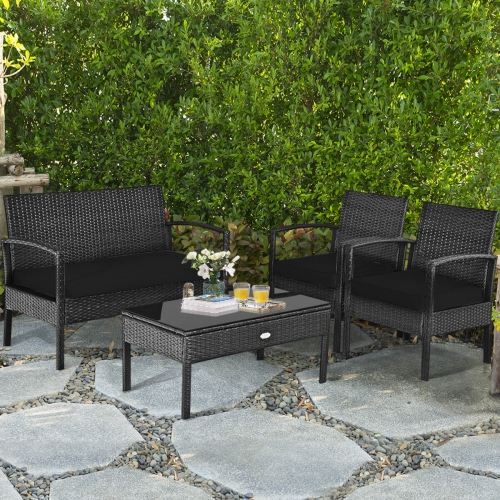
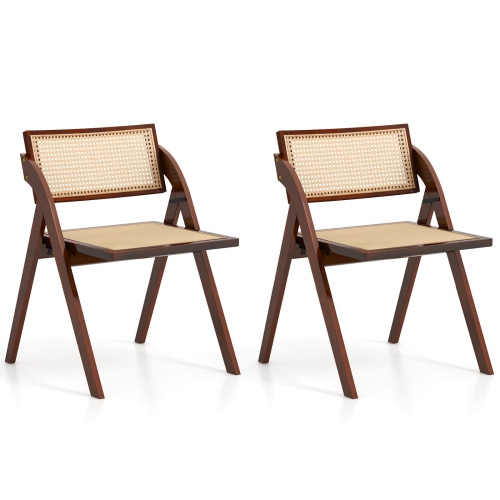
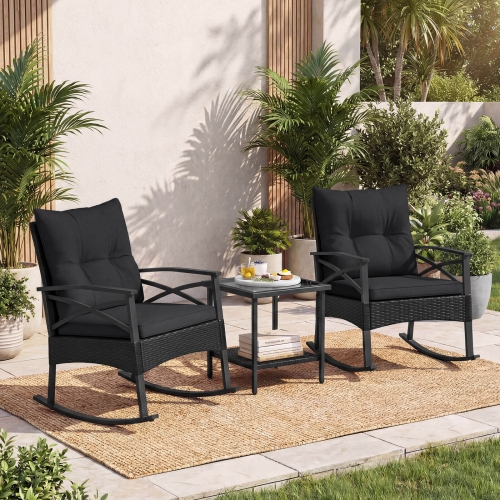
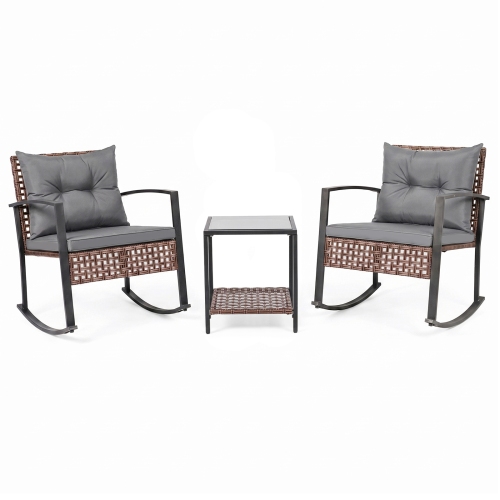
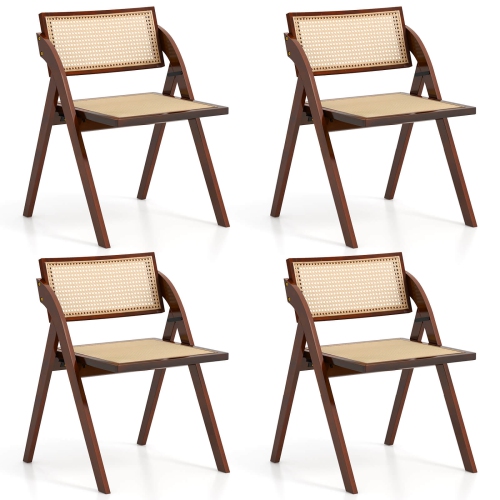
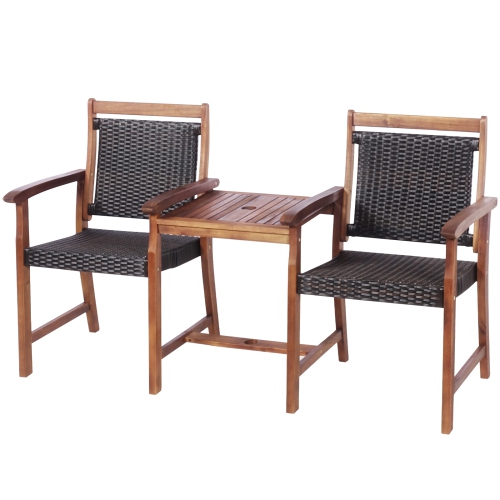
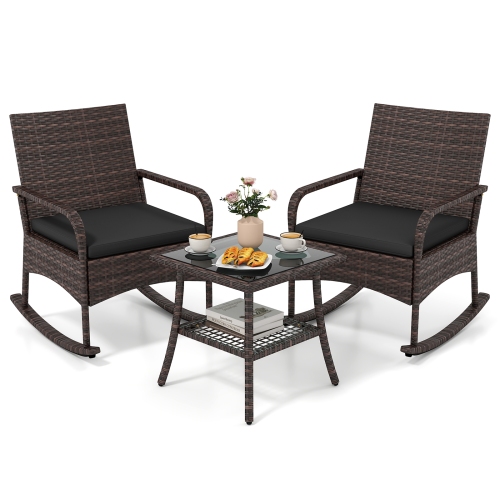
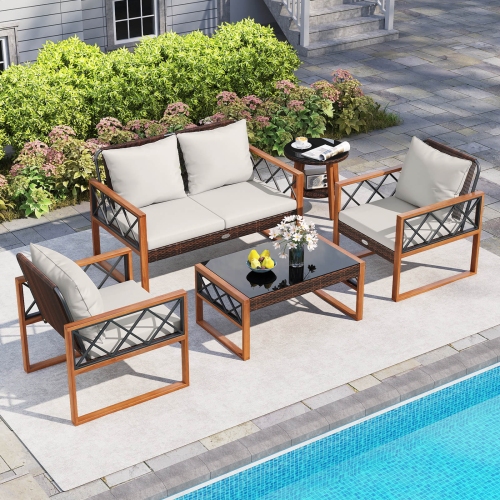
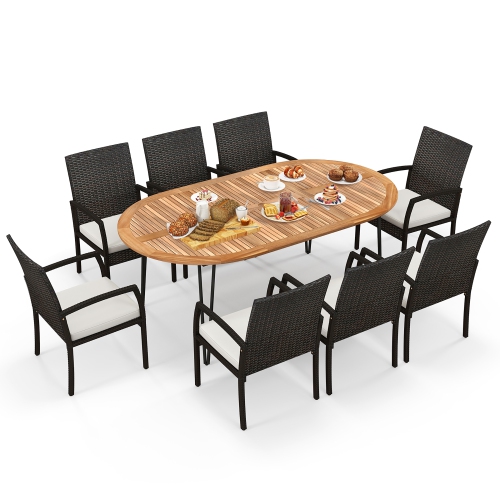
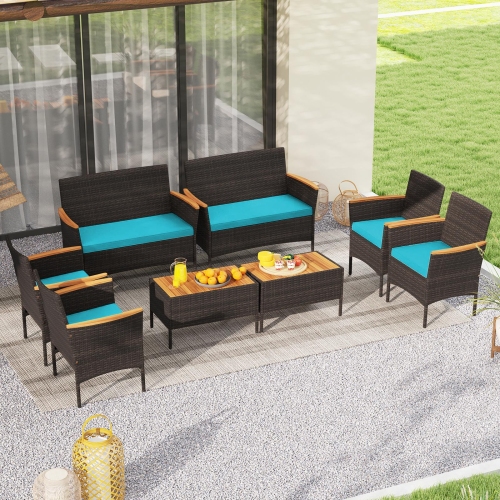
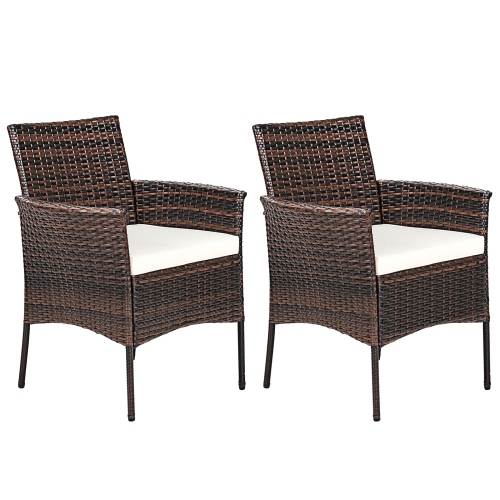
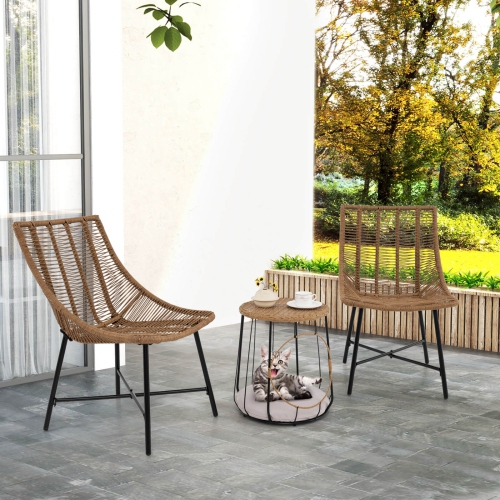
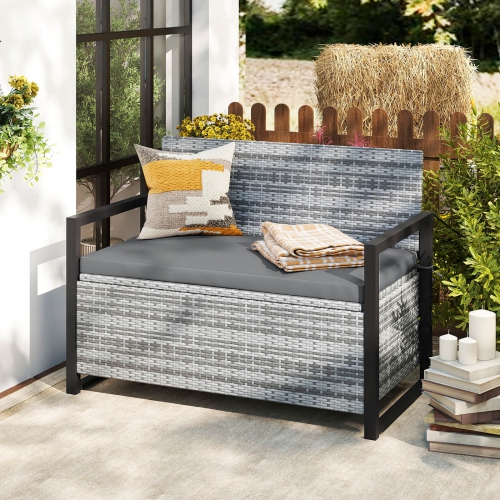
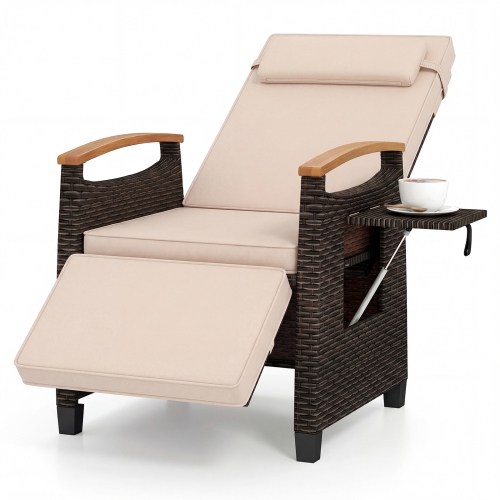
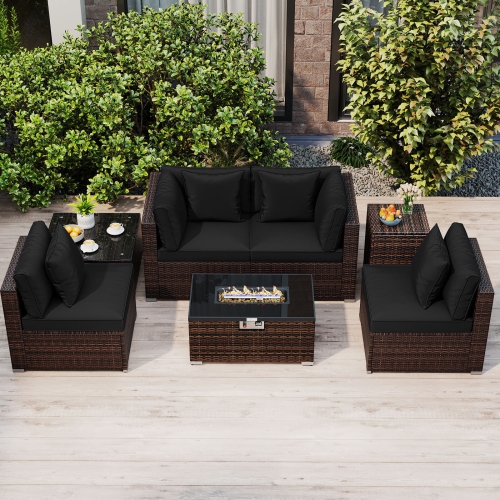
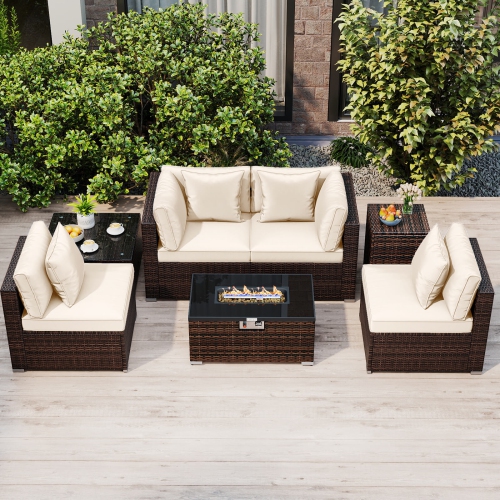
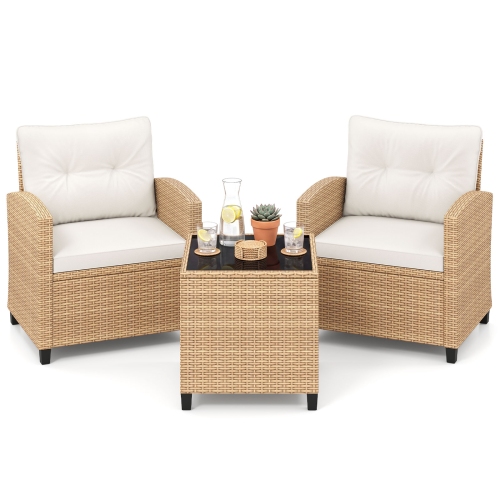
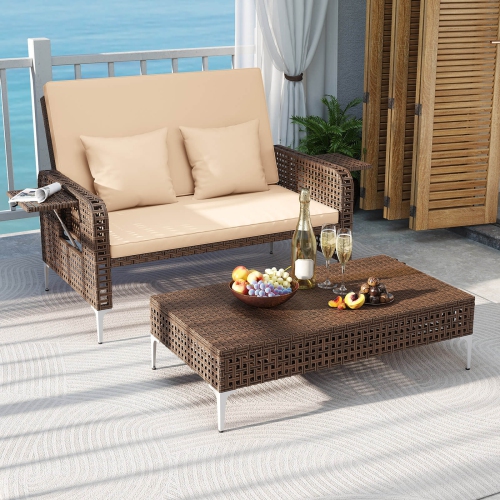
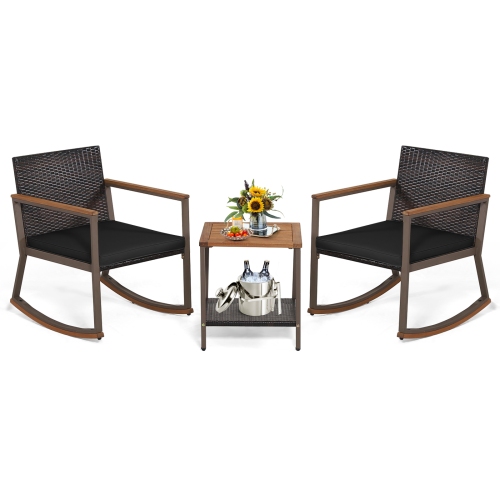
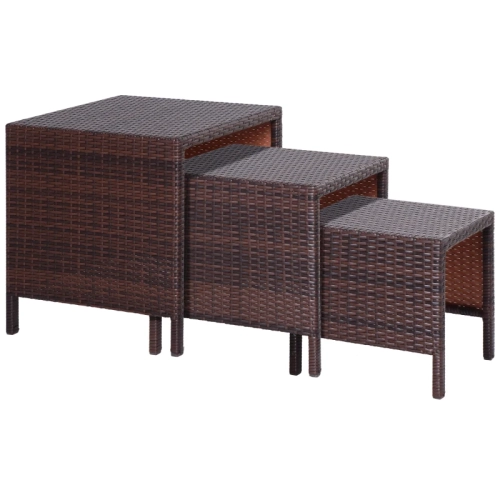
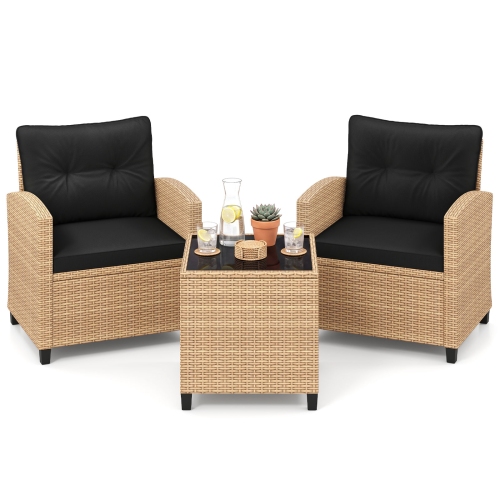
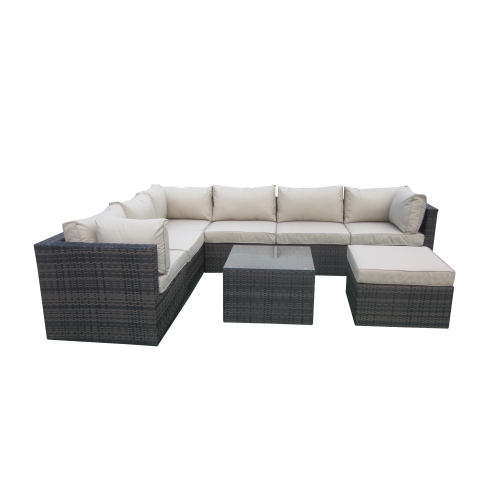
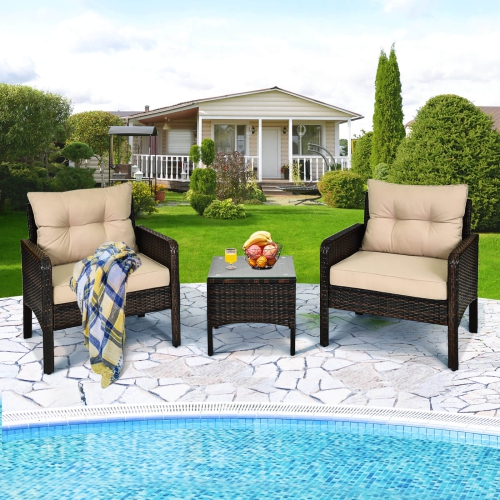
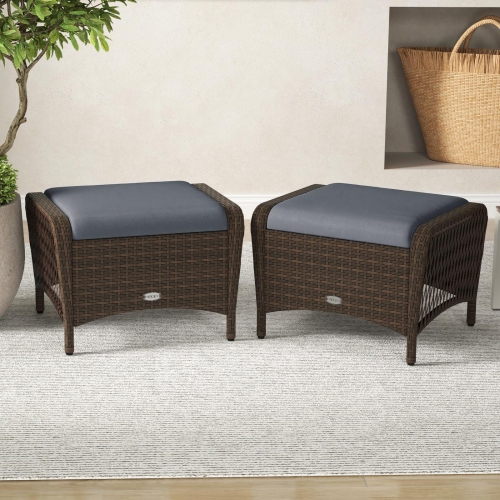
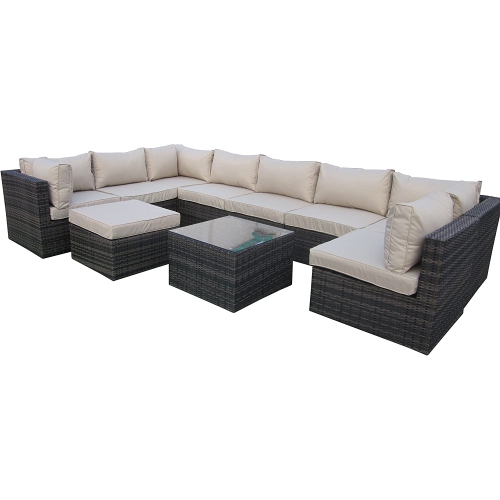
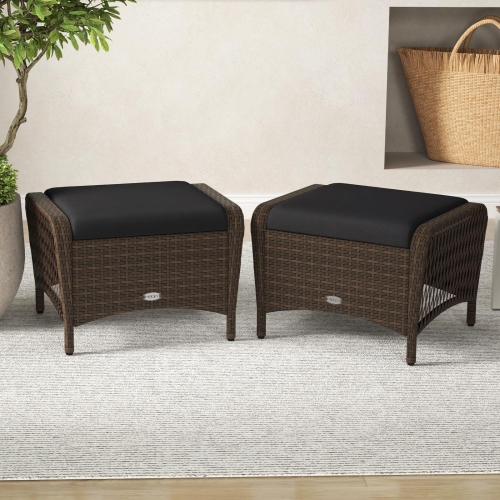
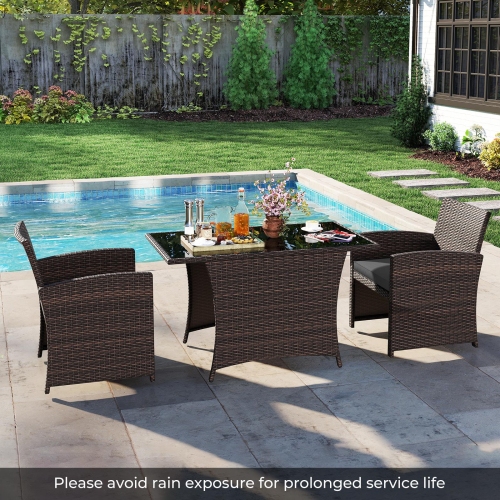
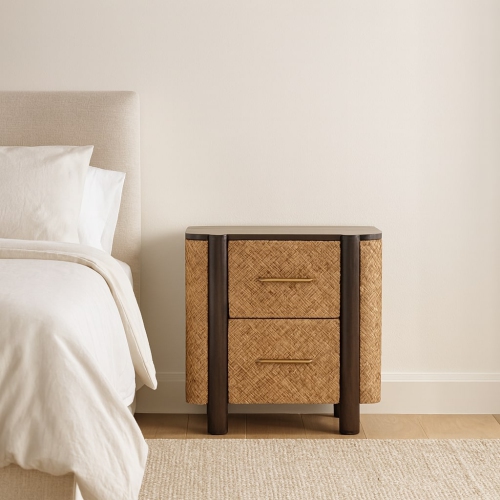
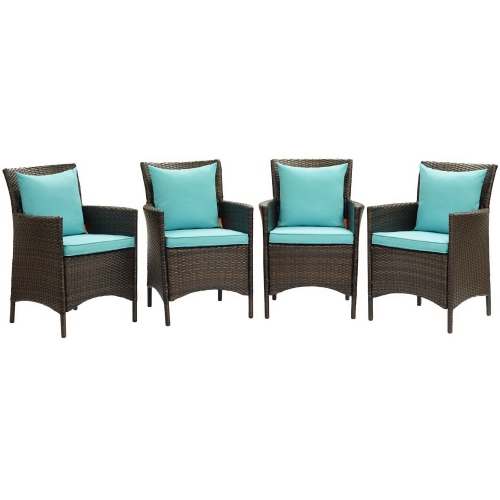
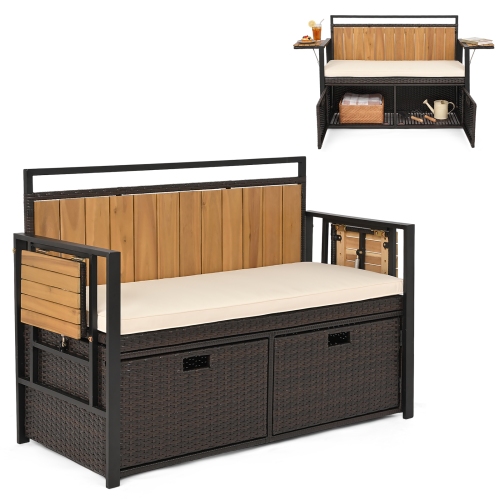
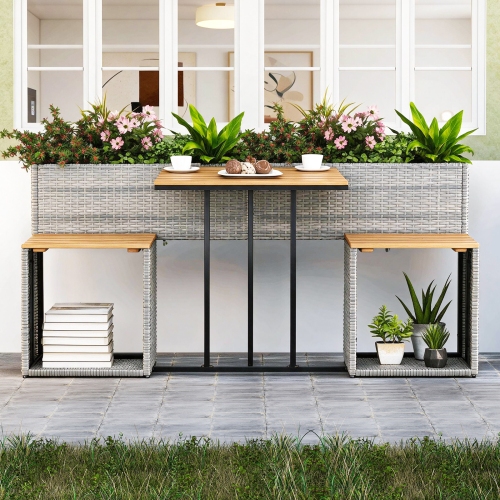
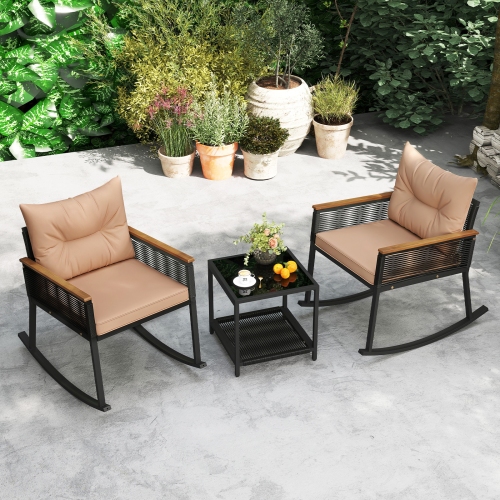
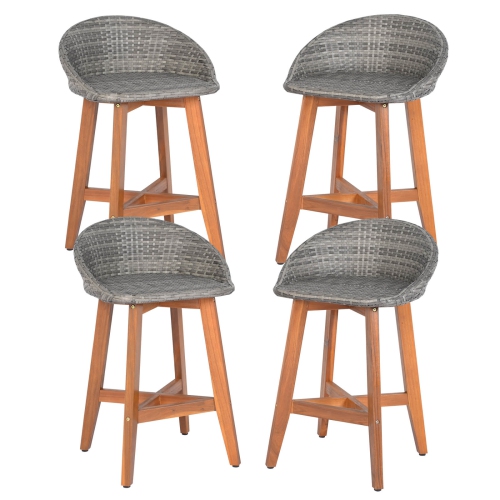
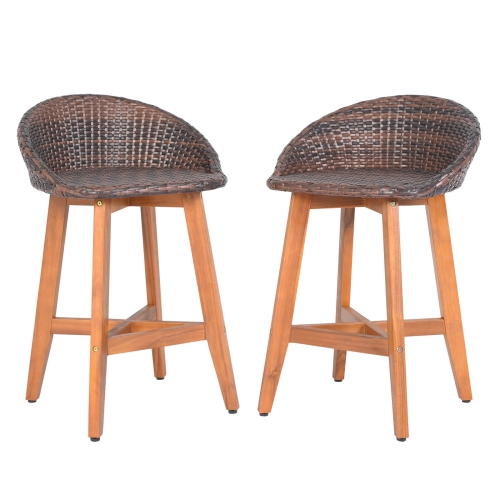
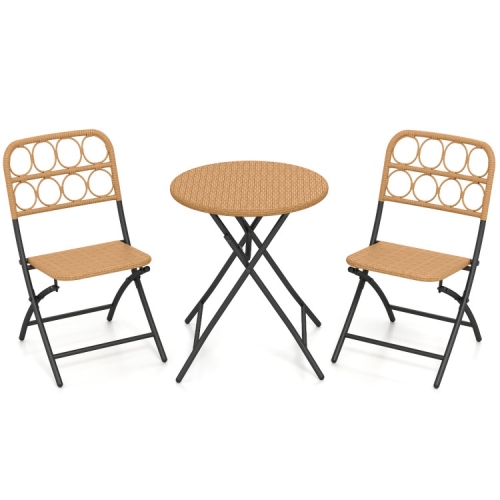
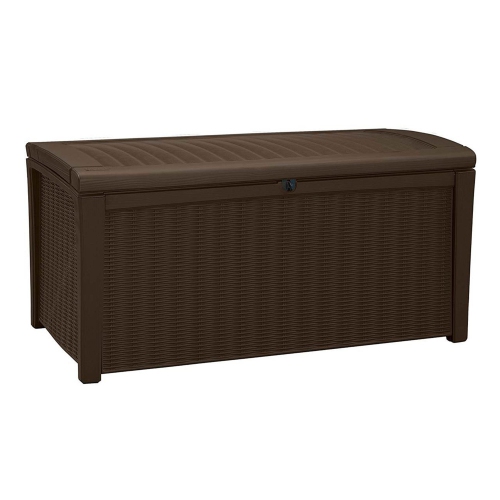
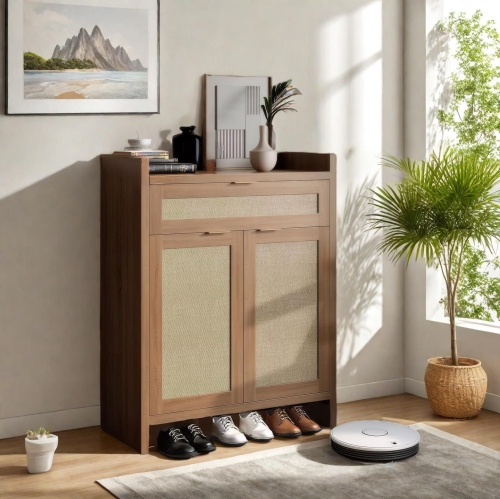
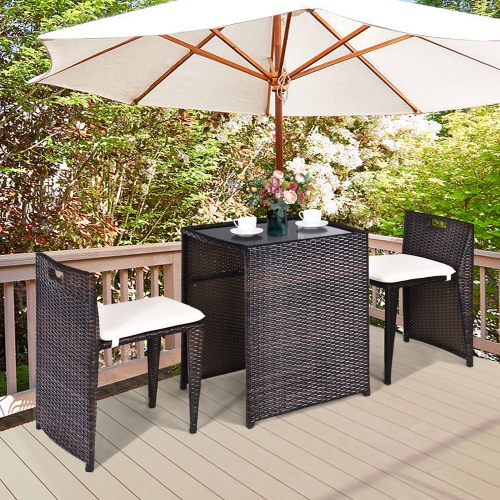
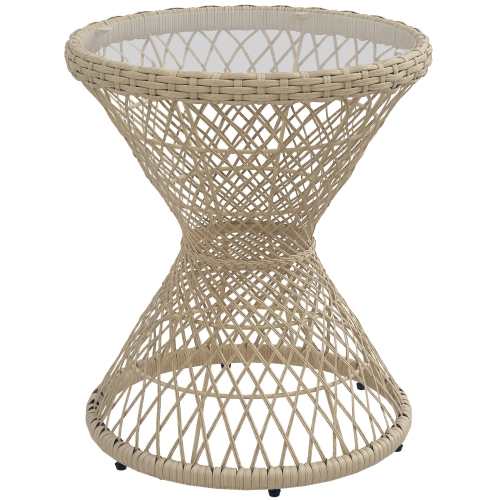
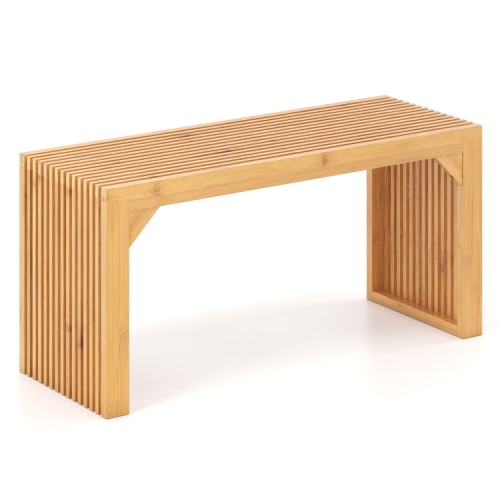
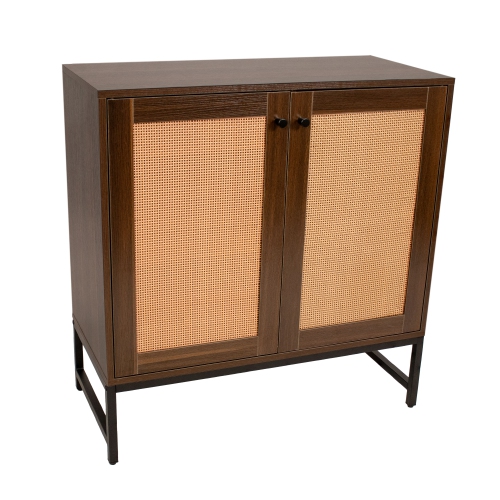
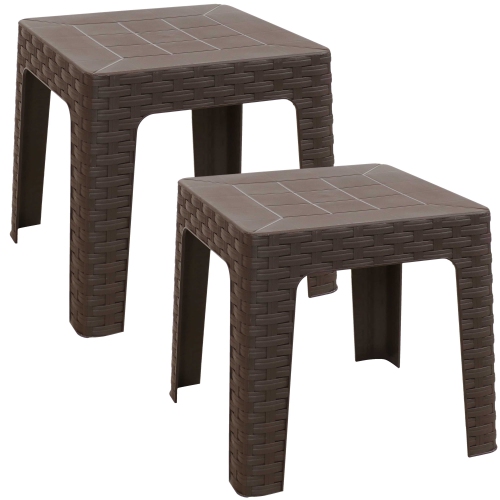
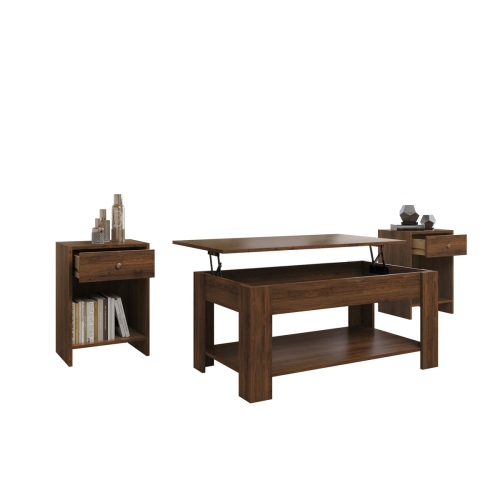
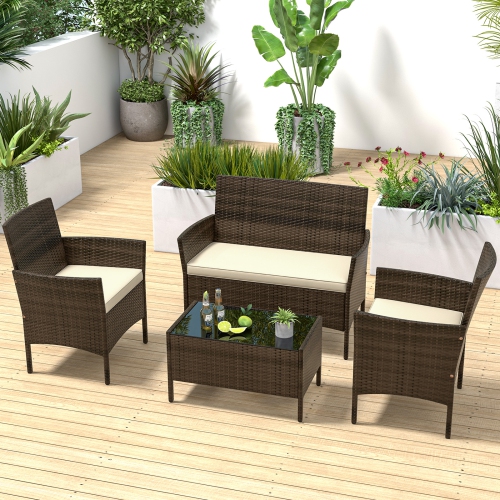
Brown rattan furniture brings woven texture and warm colour to living rooms, dining spaces, bedrooms, and covered outdoor seating areas. The category can include accent chairs, sofas, dining chairs, coffee tables, side tables, and storage furniture, with finishes ranging from light caramel and honey brown to chestnut and deep espresso. Those shades create quite different effects: a lighter weave can sit comfortably beside pale oak and cream upholstery, while a darker brown can give definition to a room with white walls, brass accents, or charcoal cushions. Rattan and wicker are often mentioned together, but they describe different things. Natural rattan is a climbing palm whose canes can be used for furniture frames, while split rattan can be woven into seats, backs, and panels. Wicker refers to the weaving technique rather than a single material. Furniture described as rattan may therefore use natural rattan, synthetic strands, or a combination of woven panels and wood or metal supports. Polyethylene, often shortened to PE, is one material used for synthetic rattan-style weaving. Understanding that distinction helps explain why two brown woven chairs can look similar yet have different care needs and intended uses. Natural rattan is generally best suited to indoor settings where prolonged dampness can be avoided; synthetic versions may be designed for outdoor use when their frames, finishes, and cushions are also suitable. The brown colour itself may come from the material, a stain or coating, or colour incorporated into synthetic strands. Some variation in natural cane can lend depth to the finish, whereas synthetic weaving may have a more uniform appearance. Rounded frames, open cane backs, and tightly woven panels each give brown rattan furniture a different character, from relaxed and coastal to vintage-inspired or contemporary. The result depends as much on the shape and construction as on the colour, making this a versatile furniture style rather than a single fixed look.
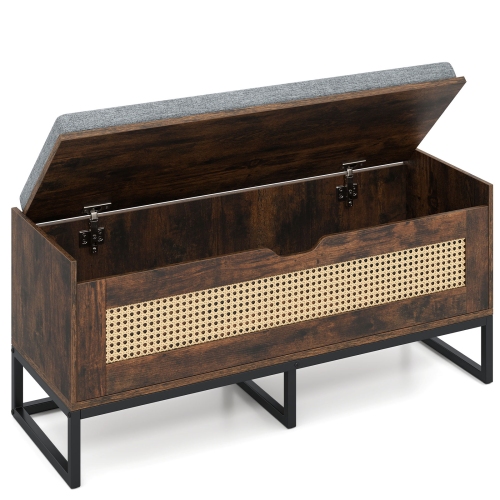
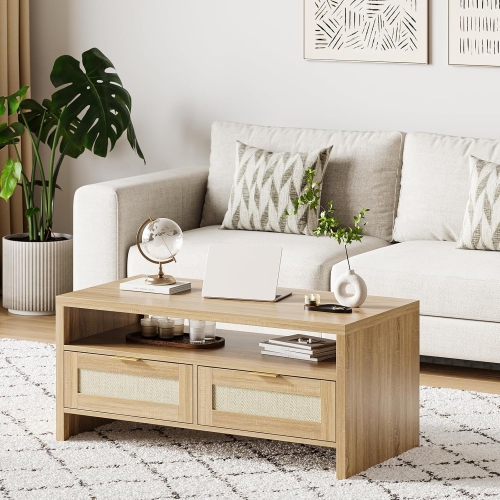
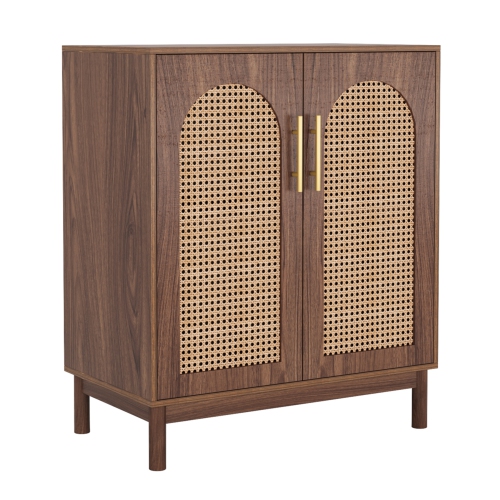
Fit and comfort matter just as much as the weave, particularly when brown rattan furniture will be used every day. A compact armchair can create a reading spot beside a bookcase, while a sofa and a pair of chairs can define a conversation area without every piece needing to match exactly. Open-backed designs allow more of the room to remain visible, which can make them feel less visually bulky in a smaller space, although the full footprint still needs to suit the layout. Rounded arms and flared legs sometimes extend beyond the seat, so overall width and depth are more useful for planning than seat dimensions alone. Clearance around doors, drawers, walkways, and nearby seating keeps a room comfortable to move through. For dining chairs, seat height, arm height, and the space beneath the table apron affect whether the chairs tuck in neatly and allow enough legroom. Lounge seating calls for a different balance: a deep, low seat may suit stretching out, while a firmer cushion and more upright back can feel more supportive for reading or conversation. Cushion thickness is only one part of comfort; filling, seat support, back angle, and arm placement also contribute. Removable cushion covers can make routine care more manageable, but washing instructions vary by fabric and construction. Brown rattan coffee tables provide a useful focal point for a seating arrangement, especially when their height and reach work comfortably with the surrounding chairs or sofa. A solid tabletop offers a steadier surface for cups and small objects than an open weave, while glass can leave the woven detail visible underneath. Storage furniture with rattan fronts introduces similar texture in an entryway or bedroom, where shelf depth, door clearance, and the contents being stored determine its usefulness. For a new household or a thoughtfully chosen housewarming gift, a smaller accent piece can be easier to accommodate than a large seating arrangement, provided the recipient’s space and preferences are known.
Durability depends on the entire construction, not simply whether the furniture has a natural or synthetic weave. A supportive frame, secure joints, neatly finished edges, and consistent weaving all contribute to how a piece handles regular use. Weight limits and assembly requirements deserve attention, particularly for seating, because decorative woven panels do not necessarily provide the main structural support. Metal frames may have protective finishes, while wood frames have their own care requirements; neither should be assumed suitable for outdoor placement based on appearance alone. For a balcony or patio, the intended-use information for the frame, woven material, cushions, and hardware should all agree with the planned setting. Indoor care is usually straightforward when matched to the materials. A soft brush or a vacuum with a brush attachment can lift dust from the spaces between strands without pulling at the weave. Spills are best blotted promptly, and any cleaning solution should follow the furniture’s care instructions rather than a general assumption that all woven surfaces can be washed. Excess water can be difficult to remove from natural fibres and concealed joints. Cushion covers may require spot cleaning even when they unzip, and cushions should be fully dry before being put back into use or stored. Coasters and suitable placemats help protect finished tabletops from moisture and heat, while lifting furniture rather than dragging it reduces strain on legs and joints. Smooth floor protectors can also help prevent scratches on hard flooring. Placement away from direct heat sources supports the condition of natural cane and finished surfaces. In a busy household, an even weave with no protruding ends, accessible areas for cleaning, and suitable upholstery can make daily use more practical. Paired with linen-look fabrics, patterned cushions, a wool rug, or simple wood pieces, brown rattan furniture offers texture without requiring an entirely woven room. Its strongest contribution is often that balance: a distinctive material presence alongside the comfort, proportions, and function the space needs.
Top selling and popular products
-
 Your price for this item is $246.99
-
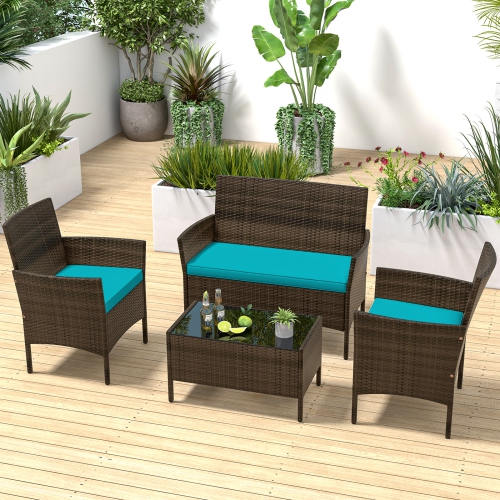 Your price for this item is $243.99
-
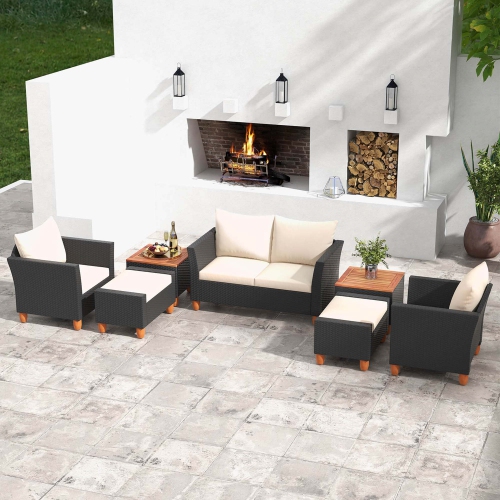 Your price for this item is $629.99
-
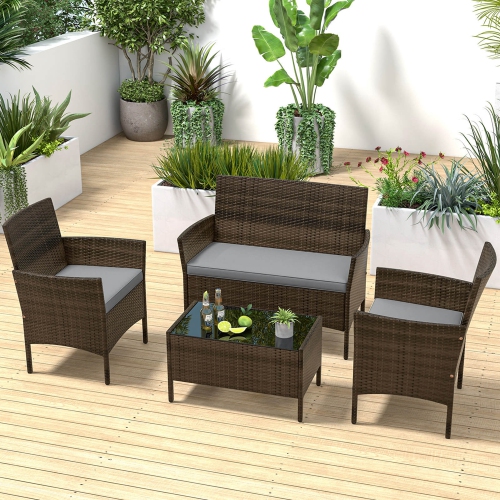 Your price for this item is $236.99
-
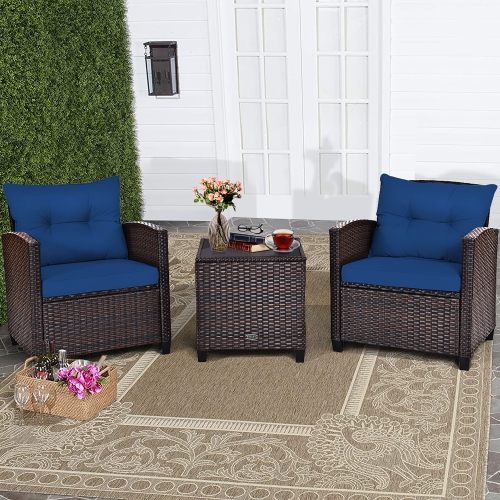 Your price for this item is $220.99
-
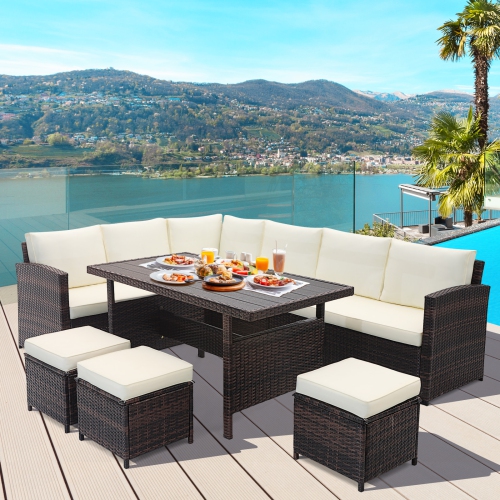 Your price for this item is $828.99
-
 Your price for this item is $654.99
-
 Your price for this item is $972.99
Discover more categories related to Brown Rattan Furniture
Top Collections:
Best Black Friday Deals This Year, Best Black Friday Deals On Electronics, Kindle Devices, Dyson Airwrap, Best Cameras for Sports Photography, Best Budget Office Chairs, Canon G7X Cameras, PS5 Pro Consoles, Best Black Friday Deals On Apple Products, XBOX One S Consoles
Some products may be subject to Environmental Handling Fees
(EHF) depending on your province.
Learn more about EHFs.