Cake Cutting Sets
Elevate your special occasions with our exquisite collection of cake-cutting sets. Perfect for weddings, birthdays, anniversaries, and any celebration that calls for a beautifully sliced cake, these sets combine elegance and functionality. Designed to make every slice effortless and picture-perfect, our range of cake cutting sets ensures that your moments are not only memorable but also stylishly presented. Explore our selection to find the ideal set that complements your event's theme and adds a touch of sophistication to your dessert table.
Sort


A knife and server that keep cake layers intact
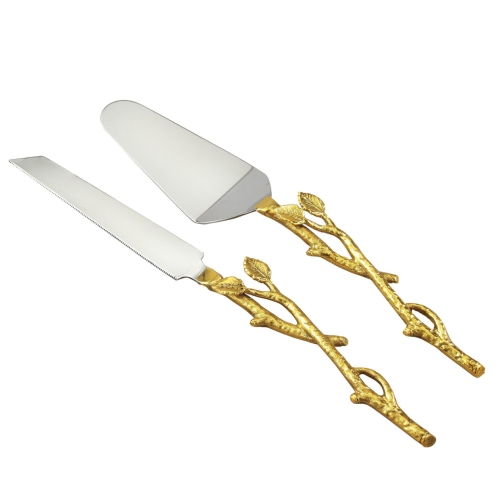
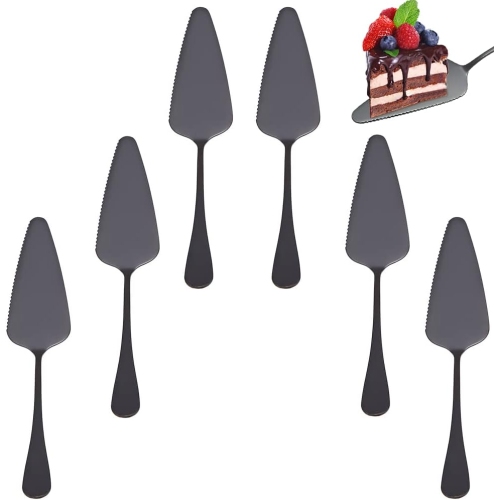
Cake cutting sets pair a cake knife with a matching server, bringing together the two tools needed to cut a dessert and transfer each slice to a plate. A standard two-piece set usually includes a long knife and a flat, often triangular serving blade, while larger sets may include dessert forks or a presentation box. The knife handles the cutting; the server supports the slice from underneath so that sponge, filling, and icing arrive together rather than sliding apart. These coordinated utensils are closely associated with wedding receptions, but their usefulness extends to birthday cakes, anniversary celebrations, retirement parties, and smaller gatherings around the dining table. A neatly served slice of chocolate layer cake feels just as fitting at a family supper as it does at a formal event. The right proportions depend on what is being served: a broad server gives generous wedges a stable base, while a narrower shape can slip beneath smaller portions without disturbing the neighbouring slice. For rectangular sheet cakes, a serving surface with straighter sides may suit the shape of the portions better than a sharply tapered point. Anyone comparing serving shapes separately can explore Cake Servers alongside coordinated knife-and-server sets. The overall appearance matters, too, particularly when the utensils will sit beside a cake stand or appear in celebration photographs. Polished silver-tone finishes have a familiar tableware look, while gold-tone, rose-gold-tone, brushed, or ornamental styles create different effects against linens and plates. A simple handle can move easily between casual and formal settings; a more elaborate design may suit a ceremonial first slice. Matching every piece of tableware is not essential, but repeating a finish or handle shape can help the setting feel considered. Beyond the photograph, a comfortable grip and a server that carries the portion securely are what make the set pleasant to use throughout the celebration.
Materials and construction influence both the feel of cake cutting utensils and how well they stand up to repeated use. Stainless steel is a common choice for blades and serving surfaces because it offers strength and resistance to corrosion, although it still needs proper cleaning and drying. Handles may also be stainless steel, or they may incorporate wood, resin, glass, crystal accents, or a plated finish. Each brings a different weight, texture, and care requirement. An all-metal design can feel substantial and straightforward, while a shaped handle may offer a more defined place for the fingers. Smooth, rounded edges are useful where the handle rests against the palm, especially when several portions need to be served in succession. A secure connection between the handle and blade is important: twisting or looseness makes it harder to control a cut or keep a loaded server level. Knife measurements deserve close attention because overall length is not the same as usable blade length. A blade long enough to reach across the intended cutting area reduces the need for repeated short strokes, but an oversized utensil may feel awkward beside a small cake stand. For larger cakes, a blade around 10 to 12 inches may be useful, provided its weight and balance remain comfortable. Edge style also affects performance. A finely serrated edge can help work through firmer icing or crust with a gentle sawing motion, while a sharp, smooth edge can suit soft cakes and creamy desserts. Results depend on the recipe, filling, and temperature as much as on the knife itself. A tall slice with soft mousse needs more support than a shallow piece of fruit cake, and neither benefits from being squeezed against a blunt edge. For tiered cakes, the serving plan must also account for internal boards and supports; a longer knife is not a substitute for separating tiers appropriately. Matching the tool to the dessert helps preserve the shape and layers that make each portion appealing.
Care and storage play a large part in keeping a cake knife and server ready for the next occasion. Dishwasher suitability varies by construction, so the care directions for the complete utensil matter more than the blade material alone. Stainless steel blades do not automatically make a set dishwasher-safe if the handles contain wood, bonded accents, plating, or other details that need gentler treatment. Where hand washing is specified, mild dish soap, warm water, and a soft cloth or sponge are generally preferable to abrasive pads that can mark a polished surface. Prompt cleaning prevents icing and filling from drying into joints or patterned handles, while thorough drying helps limit water spots. Prolonged soaking can be unsuitable for wood and assembled handles, and sharp blades are safest washed individually rather than left hidden beneath suds. Between celebrations, a fitted box, protective sleeve, or separate drawer compartment can help prevent scratches and accidental contact with the cutting edge. During serving, wiping the blade between cuts helps keep dark cake crumbs out of pale buttercream and stops sticky filling from dragging across the next portion. A little space beside the cake stand for a resting plate and a clean cloth makes this easier when guests are waiting. Cake cutting sets can also make thoughtful gifts for couples, enthusiastic home bakers, or hosts who enjoy bringing everyone together over dessert. For a wedding or anniversary gift, an engravable surface may offer room for initials or a meaningful date, where the material and finish are suitable for engraving. A presentation box can give the utensils a practical home after the event as well as making the gift feel complete. For frequent use, comfort, easy upkeep, and a versatile serving shape may matter more than elaborate detailing. For occasional ceremonial use, appearance and keepsake value may carry greater weight, but the pieces should still perform their everyday jobs well. Whether brought out for a milestone celebration or a homemade cake during the cooler months, a well-suited set combines a steady cut, reliable support, and a finish that fits naturally at the table.
Top selling and popular products
-
 Your price for this item is $130
-
 Your price for this item is $150
-
 Your price for this item is $150
-
 Your price for this item is $109.99
-
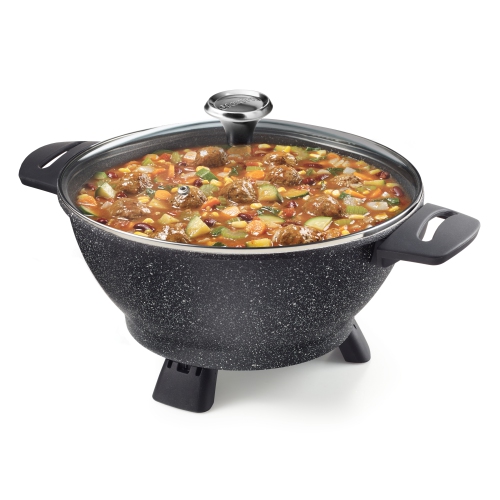 Your price for this item is $79.99
-
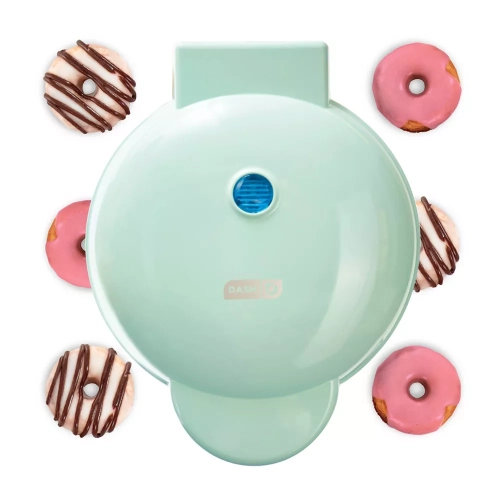 Your price for this item is $87.99
-
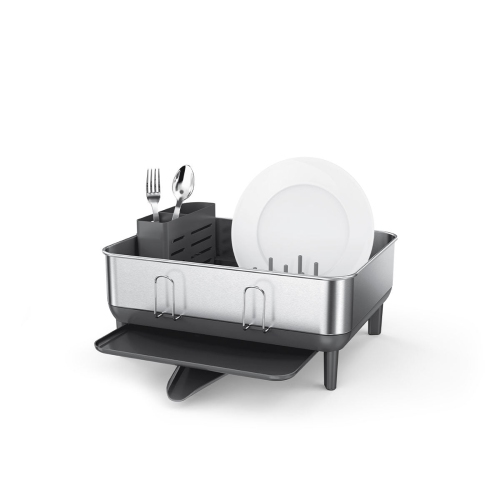 Your price for this item is $100
-
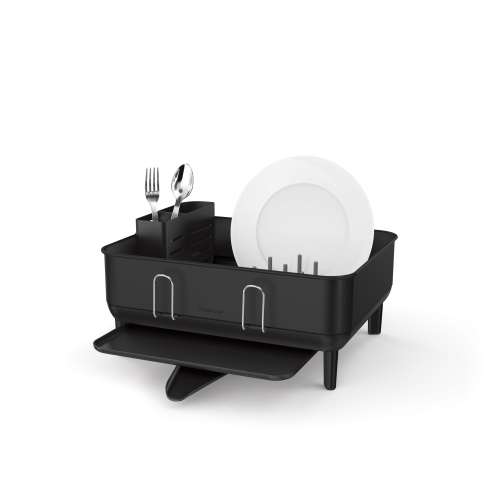 Your price for this item is $120
Discover more categories related to Cake Cutting Sets

Top Collections:
Best Black Friday Deals This Year, Best Black Friday Deals On Electronics, Kindle Devices, Pokemon Centers, Best Black Friday Deals On Apple Products, Best Cameras for Sports Photography, Dyson Airwrap, Pokémon 30th Celebration Cards, Apple iPhone 17 Pro, Canon G7X Cameras
Some products may be subject to Environmental Handling Fees
(EHF) depending on your province.
Learn more about EHFs.