Cake Moulds
Our selection of cake moulds offers a variety of shapes and sizes to help you bring your baking creations to life. From classic round pans to intricate silicone moulds, these high-quality tools are designed to make baking your favorite treats a breeze. Whether you're a seasoned baker or just starting out, finding the perfect cake mould can make all the difference in achieving professional results right in your own kitchen. Browse our collection now and get ready to bake up something extraordinary!
Sort
Why mould shape matters beyond the finished look
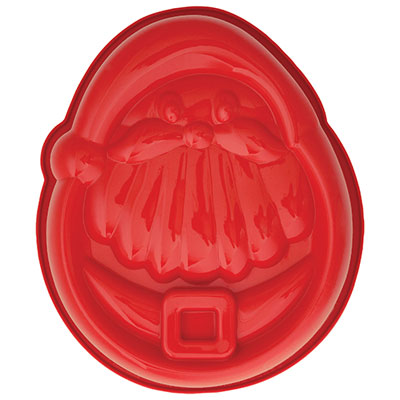
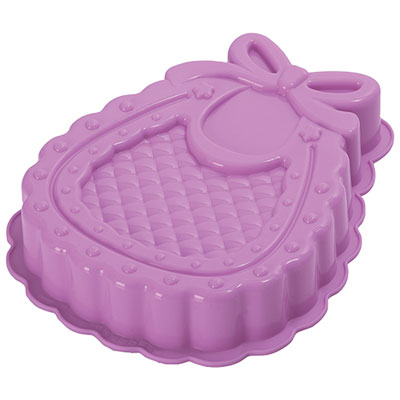
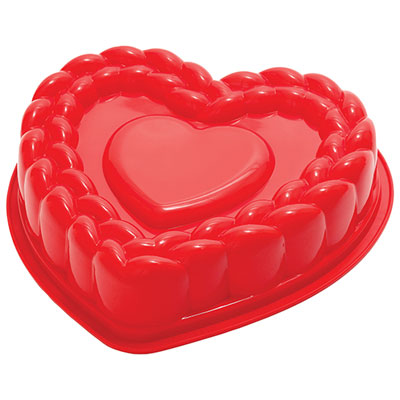
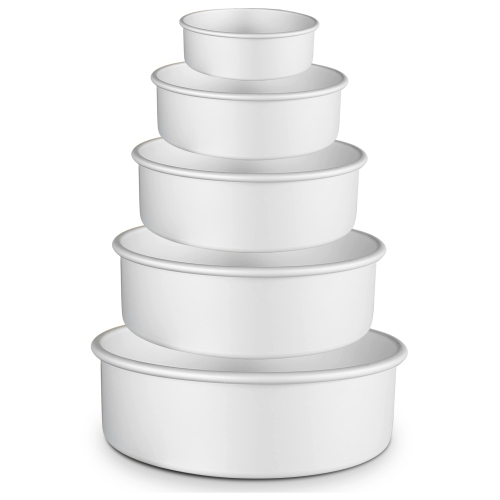
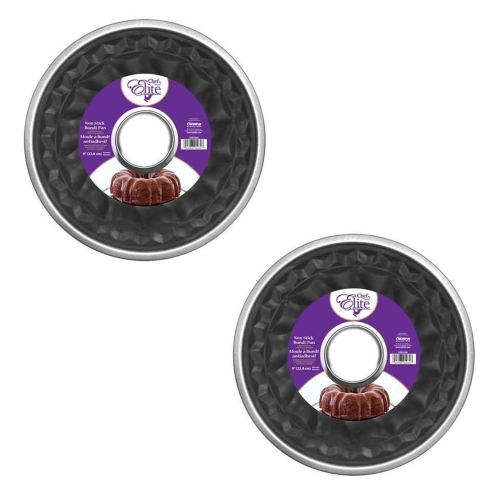
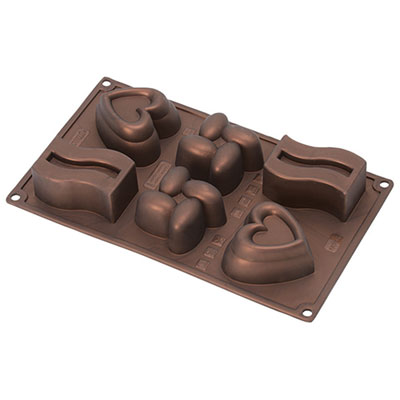
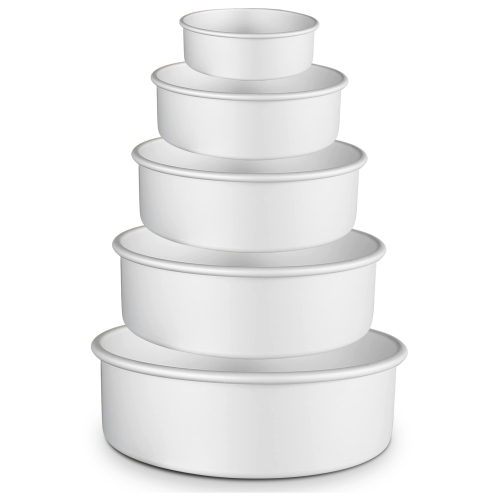
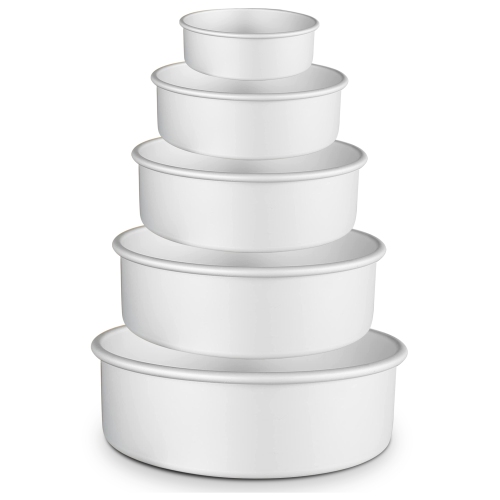
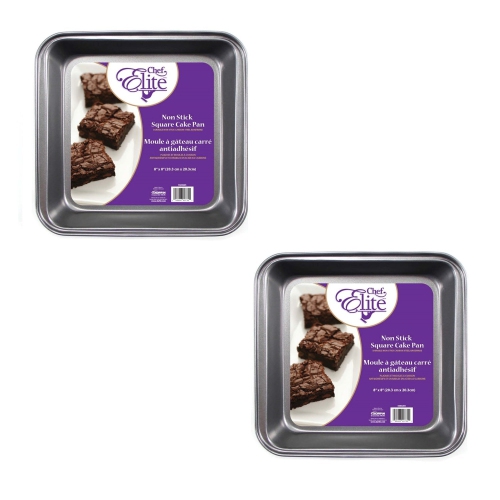
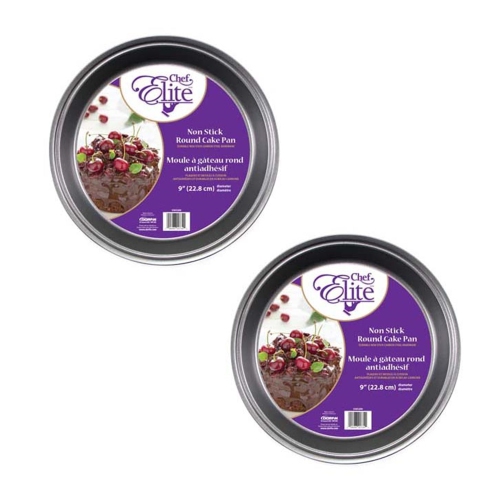
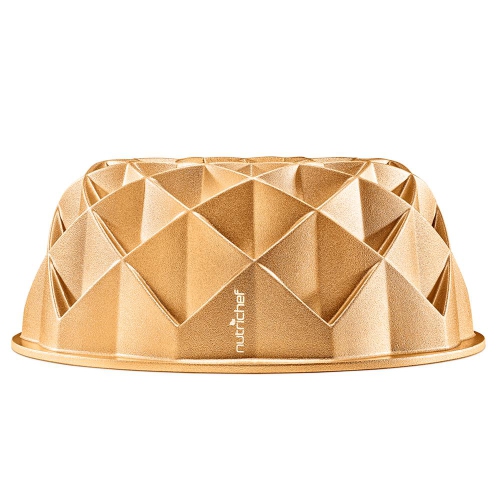
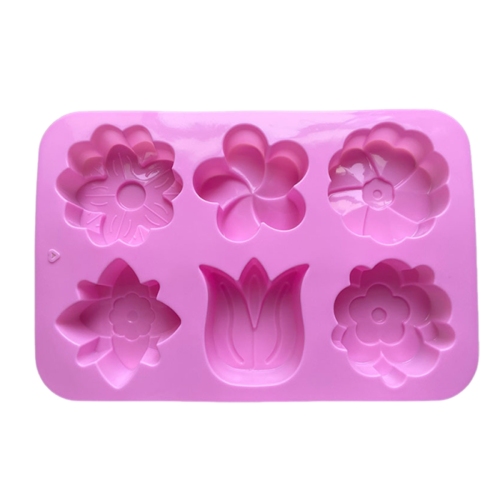
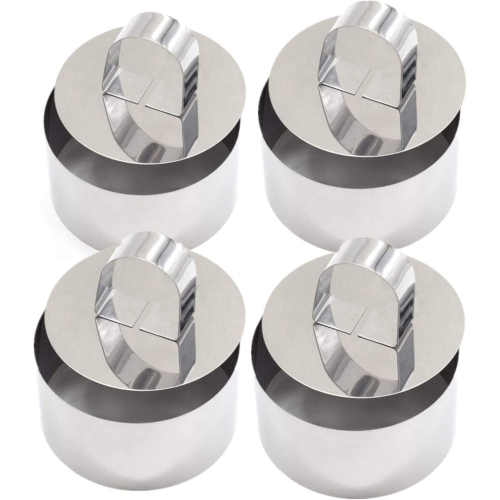
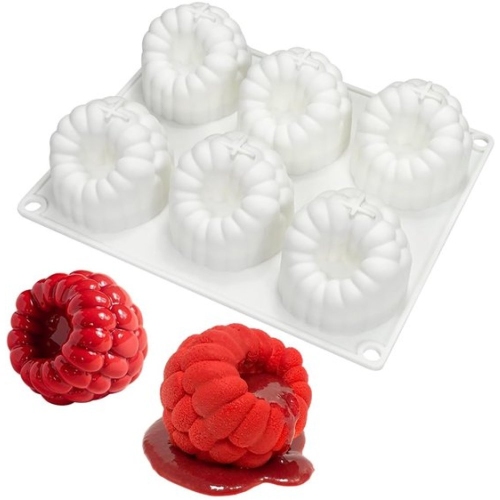
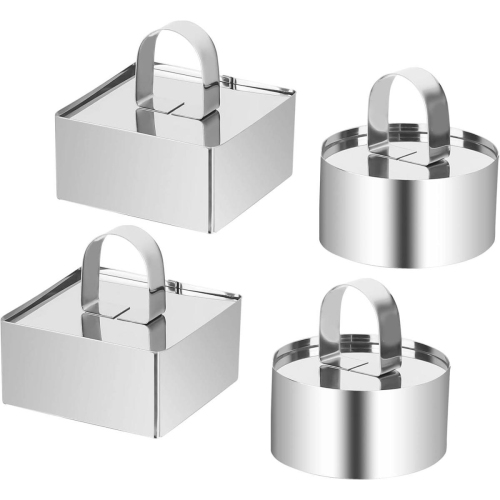
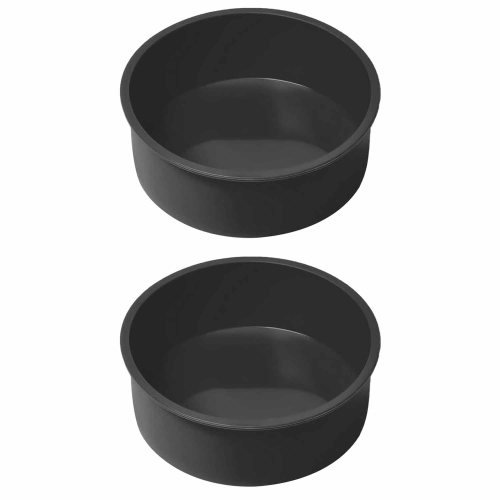
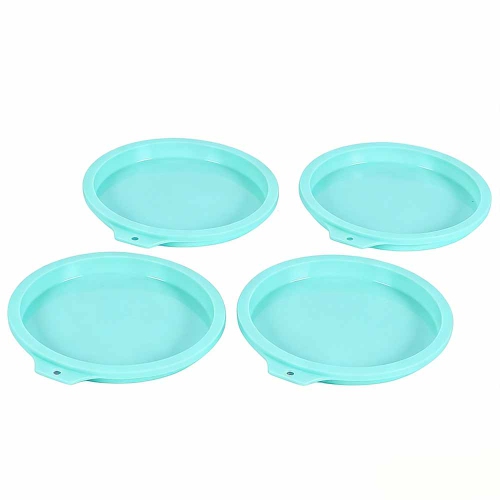
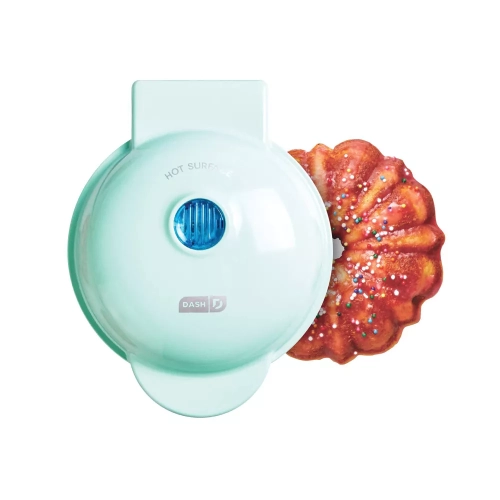
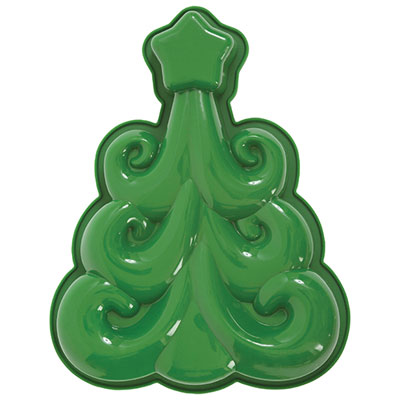
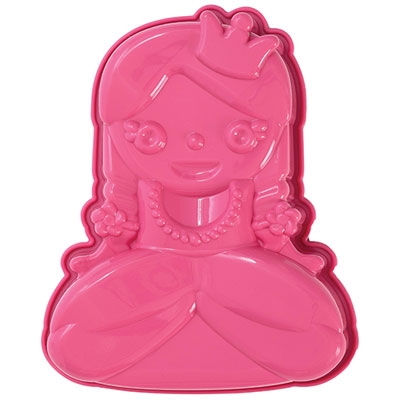
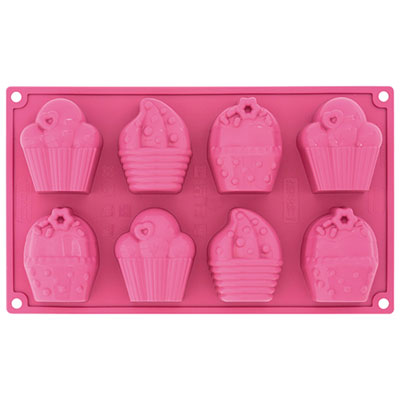
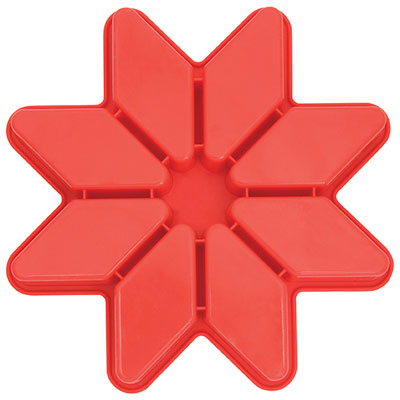
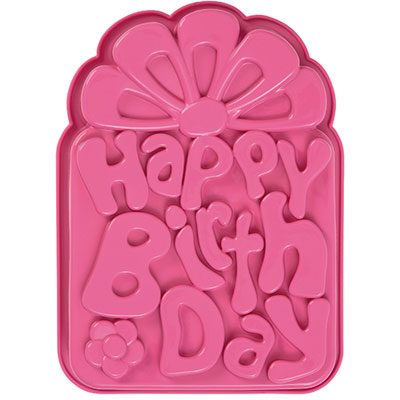
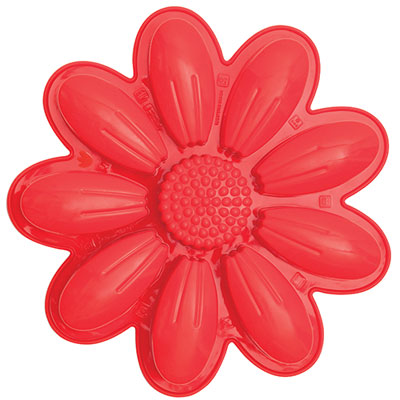
Cake moulds give batter its shape and help determine how a cake bakes, releases, and looks on the plate. From a simple round sponge to a deeply fluted ring cake, the shape and construction of the mould influence both the finished texture and the amount of decorating needed. Round cake moulds are a familiar choice for birthday cakes and layered desserts, with straight sides that make it easier to stack sponges and apply an even coat of icing. Square and rectangular pans suit cakes cut into tidy portions for family gatherings, bake sales, or shared lunches. Ring moulds have a centre opening that allows heat to reach more of the batter, helping thick cakes bake through while creating a distinctive silhouette. Fluted designs add ridges and curves that can look finished with little more than a light dusting of icing sugar or a thin glaze. More detailed cake moulds create flowers, geometric patterns, and other sculpted shapes, where a recipe with a fine, close crumb generally captures the design more clearly than one with large chunks of fruit or nuts. Springform pans serve a different purpose: their clasp opens the outer ring so it can be lifted away from delicate desserts rather than turning them upside down. This construction is particularly useful for cheesecakes and some chilled, layered desserts, although the join between the base and sides is not necessarily watertight. Loose-bottom pans also help release cakes without inverting them, provided the base is supported carefully when the pan is moved. Smaller moulds create individual servings with their own defined edges, making them useful for dessert platters or portions that can be finished separately. For home bakers, occasional party hosts, and experienced cake decorators alike, the most useful shape is one that suits the desserts they actually enjoy making, whether that means an everyday sponge with jam in the middle or a sculpted cake that needs very little extra decoration.
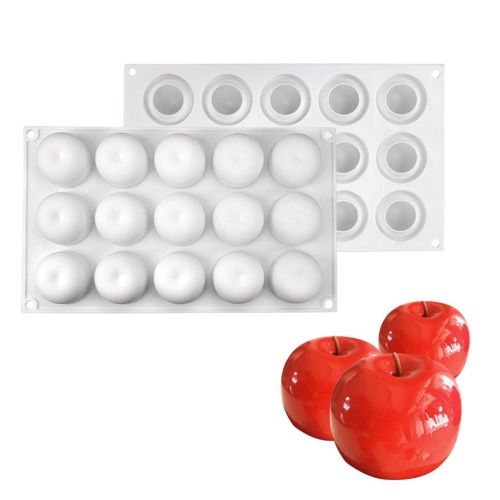
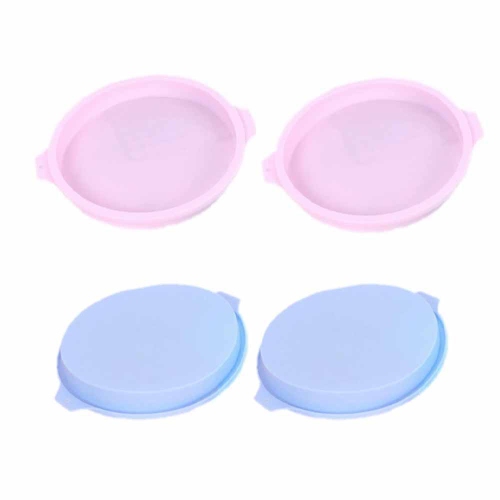
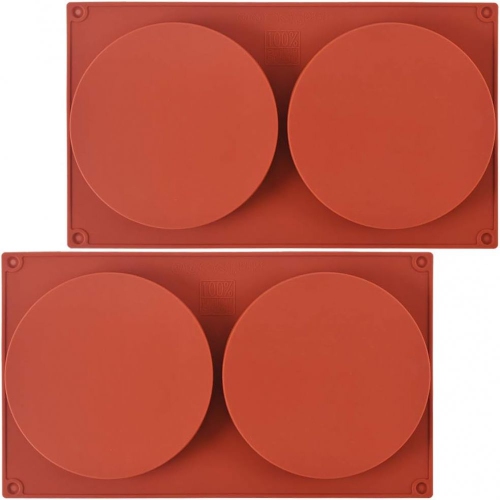
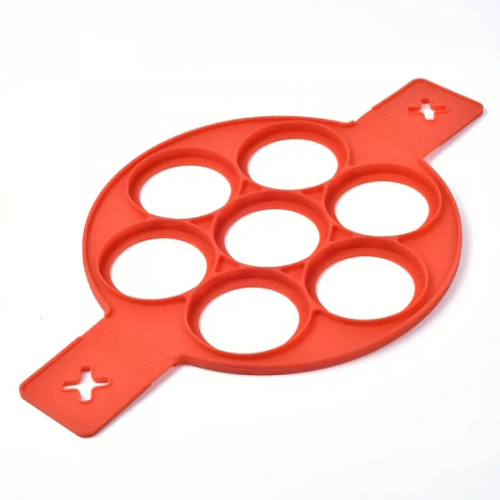
Material makes a noticeable difference to how cake moulds handle heat and how easily the finished bake comes away from the surface. Aluminum conducts heat well and is commonly used for cakes that benefit from even baking across the base and sides. Anodized aluminum has a treated surface that improves resistance to corrosion and wear, though care requirements still depend on the manufacturer. Carbon steel offers a sturdy structure and often comes with a non-stick coating, while stainless steel is valued for its durability and resistance to rust. Stainless steel does not conduct heat as readily as aluminum, so the overall construction matters as much as the material name. Dark metal surfaces tend to brown cake edges more quickly than light-coloured surfaces, which can affect the result when a recipe was developed using a different pan. Flexible silicone cake moulds bend away from the cake to help release curved edges and fine details. They generally produce less pronounced browning than metal and can be useful for shaped cakes or chilled desserts when approved for that use. Because silicone is flexible, placing the mould on a suitable rigid baking sheet before filling makes it easier to carry without spilling or distorting the shape. Size deserves equal attention: diameter, depth, and usable capacity all affect whether a mould is a good match for a recipe. Two moulds with the same width may hold quite different amounts if one has taller sides, a centre tube, or a detailed interior. A deeper mould is not automatically a direct substitute for a shallow one, since a thicker layer of batter needs a different baking time and may cook unevenly without recipe adjustments. Leaving the recommended space for the batter to rise helps prevent overflow and preserves the intended shape. Exterior measurements matter too, especially for compact ovens, where wide rims and handles can take up more room than the stated cake diameter suggests. A mould should sit level on the rack with adequate clearance, rather than touching the oven walls or door.
Good release and straightforward care make cake moulds easier to enjoy over many baking sessions. A non-stick surface can reduce sticking, but it does not always remove the need for preparation; the recipe and the mould’s care directions should determine whether grease, flour, or a baking spray is appropriate. In an intricately patterned mould, a thin, even layer of preparation needs to reach the grooves without collecting in thick patches that obscure the design. Flat-bottomed pans may also benefit from a fitted piece of baking parchment, particularly when a soft sponge needs to lift away cleanly. Cooling time matters just as much: a cake turned out too soon may break, while one left too long can cling to the surface, depending on the recipe and mould. Flexible silicone is best peeled gently away from the edges rather than pulled sharply, and a springform clasp should be released only when the dessert has set sufficiently. For cleaning, soft cloths or non-abrasive sponges help protect coatings and polished surfaces. Dishwasher suitability varies, so handwashing may be necessary even when a mould feels robust. Metal utensils, sharp knives, and abrasive scrubbers can damage non-stick finishes; transferring the cake before slicing helps keep the baking surface intact. Thorough drying is especially important around rolled rims, seams, and springform mechanisms where water can collect. When moulds are stacked, a soft separator can prevent neighbouring pans from scratching their interiors. Practical storage also makes a difference for occasional bakers: nesting shapes fit neatly in cupboards, while sculpted moulds may need their own space to protect detailed edges. As gifts, cake moulds suit people who enjoy baking for birthdays, sharing homemade desserts, or developing their decorating skills, with familiar shapes offering broad everyday use and patterned designs adding a more personal touch. Bakers who like finishing cakes with edible accents can also use chocolate moulds to create separate chocolate shapes for the top or sides. A well-matched cake mould supports the whole process, from filling and baking to releasing a cake with clean edges, a clear pattern, and a surface ready for its finishing touches.
Material makes a noticeable difference to how cake moulds handle heat and how easily the finished bake comes away from the surface. Aluminum conducts heat well and is commonly used for cakes that benefit from even baking across the base and sides. Anodized aluminum has a treated surface that improves resistance to corrosion and wear, though care requirements still depend on the manufacturer. Carbon steel offers a sturdy structure and often comes with a non-stick coating, while stainless steel is valued for its durability and resistance to rust. Stainless steel does not conduct heat as readily as aluminum, so the overall construction matters as much as the material name. Dark metal surfaces tend to brown cake edges more quickly than light-coloured surfaces, which can affect the result when a recipe was developed using a different pan. Flexible silicone cake moulds bend away from the cake to help release curved edges and fine details. They generally produce less pronounced browning than metal and can be useful for shaped cakes or chilled desserts when approved for that use. Because silicone is flexible, placing the mould on a suitable rigid baking sheet before filling makes it easier to carry without spilling or distorting the shape. Size deserves equal attention: diameter, depth, and usable capacity all affect whether a mould is a good match for a recipe. Two moulds with the same width may hold quite different amounts if one has taller sides, a centre tube, or a detailed interior. A deeper mould is not automatically a direct substitute for a shallow one, since a thicker layer of batter needs a different baking time and may cook unevenly without recipe adjustments. Leaving the recommended space for the batter to rise helps prevent overflow and preserves the intended shape. Exterior measurements matter too, especially for compact ovens, where wide rims and handles can take up more room than the stated cake diameter suggests. A mould should sit level on the rack with adequate clearance, rather than touching the oven walls or door.
Good release and straightforward care make cake moulds easier to enjoy over many baking sessions. A non-stick surface can reduce sticking, but it does not always remove the need for preparation; the recipe and the mould’s care directions should determine whether grease, flour, or a baking spray is appropriate. In an intricately patterned mould, a thin, even layer of preparation needs to reach the grooves without collecting in thick patches that obscure the design. Flat-bottomed pans may also benefit from a fitted piece of baking parchment, particularly when a soft sponge needs to lift away cleanly. Cooling time matters just as much: a cake turned out too soon may break, while one left too long can cling to the surface, depending on the recipe and mould. Flexible silicone is best peeled gently away from the edges rather than pulled sharply, and a springform clasp should be released only when the dessert has set sufficiently. For cleaning, soft cloths or non-abrasive sponges help protect coatings and polished surfaces. Dishwasher suitability varies, so handwashing may be necessary even when a mould feels robust. Metal utensils, sharp knives, and abrasive scrubbers can damage non-stick finishes; transferring the cake before slicing helps keep the baking surface intact. Thorough drying is especially important around rolled rims, seams, and springform mechanisms where water can collect. When moulds are stacked, a soft separator can prevent neighbouring pans from scratching their interiors. Practical storage also makes a difference for occasional bakers: nesting shapes fit neatly in cupboards, while sculpted moulds may need their own space to protect detailed edges. As gifts, cake moulds suit people who enjoy baking for birthdays, sharing homemade desserts, or developing their decorating skills, with familiar shapes offering broad everyday use and patterned designs adding a more personal touch. Bakers who like finishing cakes with edible accents can also use chocolate moulds to create separate chocolate shapes for the top or sides. A well-matched cake mould supports the whole process, from filling and baking to releasing a cake with clean edges, a clear pattern, and a surface ready for its finishing touches.
Top selling and popular products
-
 Your price for this item is $96.99
 -
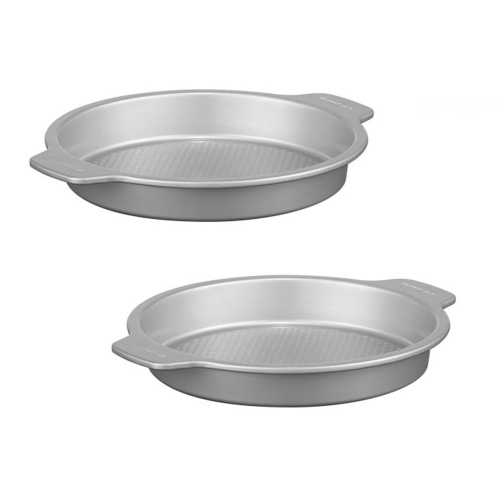 Your price for this item is $25.97
 -
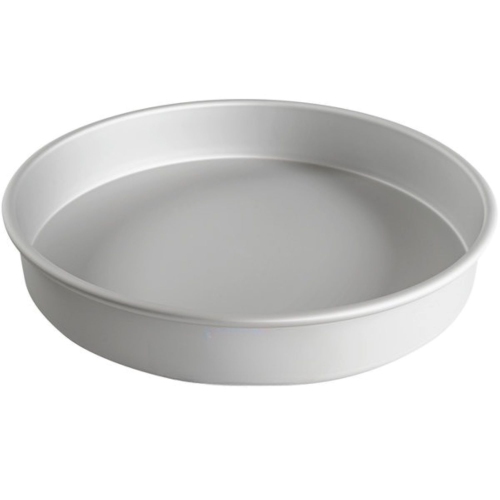 Your price for this item is $19.25
 -
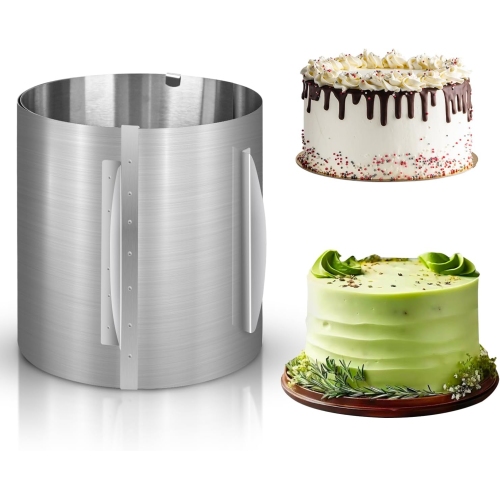 Your price for this item is $34.84
 -
 Your price for this item is $36.99
 -
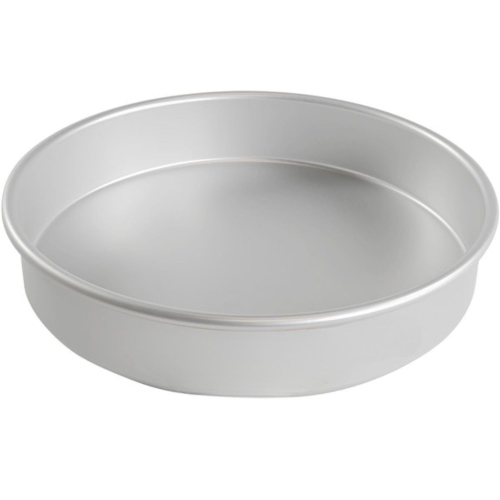 Your price for this item is $16.95
 -
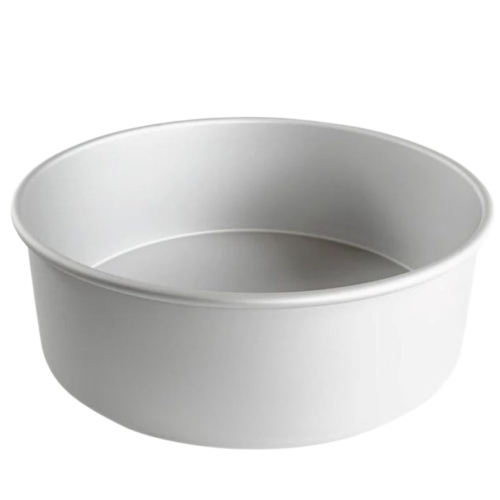 Your price for this item is $24
 -
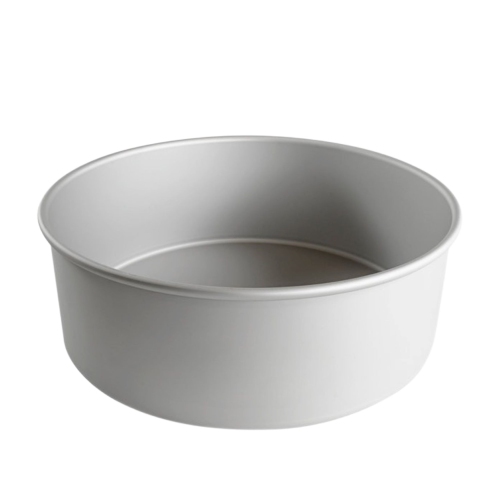 Your price for this item is $21.75
Discover more categories related to Cake Moulds
Top Collections:
Pokemon Centers, Kindle Devices, Best Budget Office Chairs, Apple iPhones 16, Best Laptops for Writers, iPhone 15 Apple, Canon G7X Cameras, Refurbished Apple Laptops, Alarm Clock, Motorola Razr Phones
Some products may be subject to Environmental Handling Fees
(EHF) depending on your province.
Learn more about EHFs.