Candy Christmas Decorations
Get ready to add a sweet touch to your holiday decor with our collection of candy Christmas decorations. Transform your home into a candy wonderland with these whimsical and delightful ornaments, lights, and accessories. From colorful candy cane garlands to sparkling lollipop tree toppers, these festive decorations will bring joy and cheer to your space. Here are some great options available.
Sort
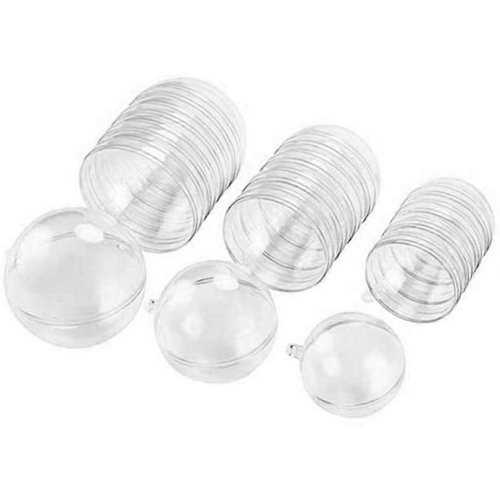


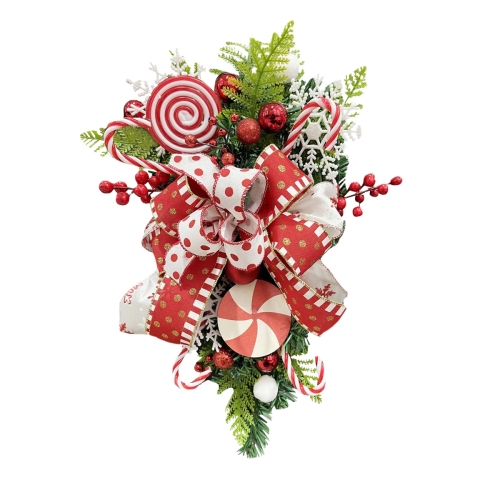
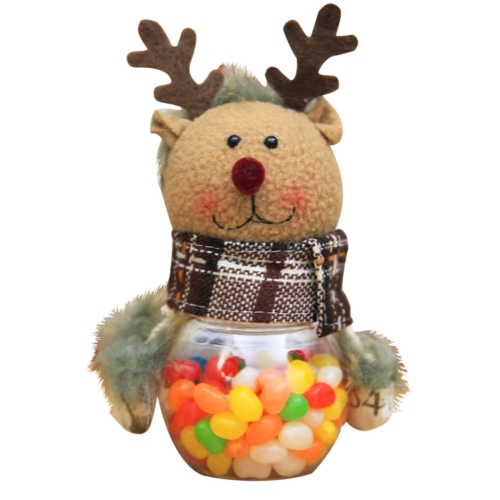
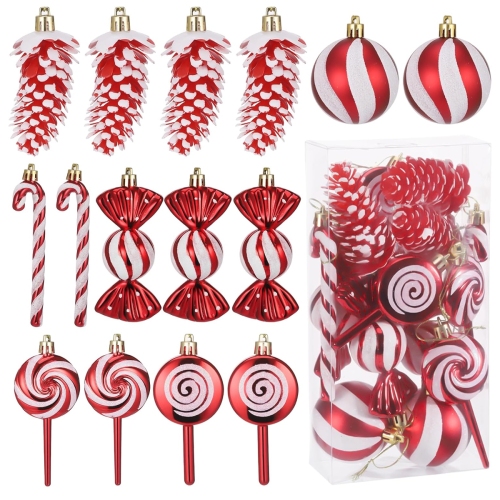


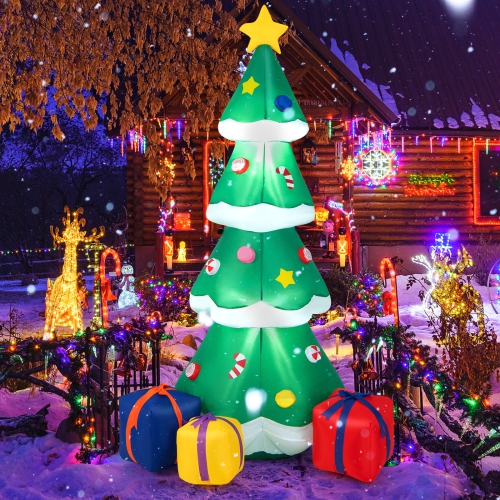
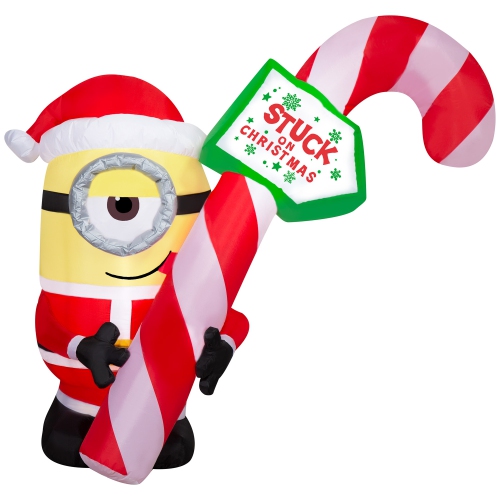

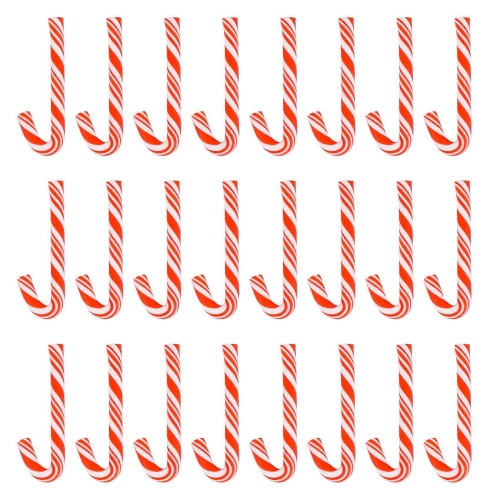
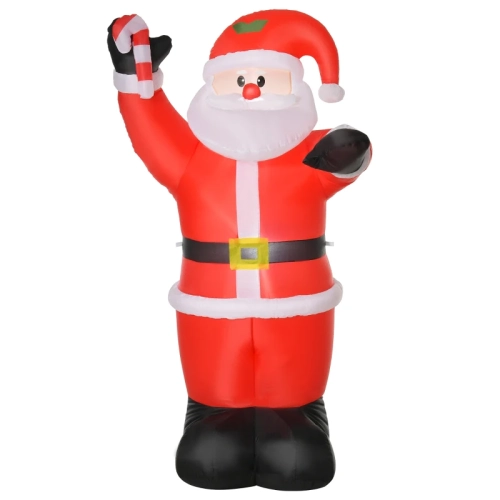
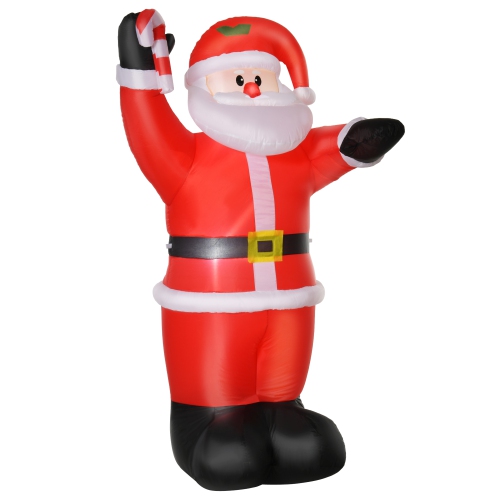


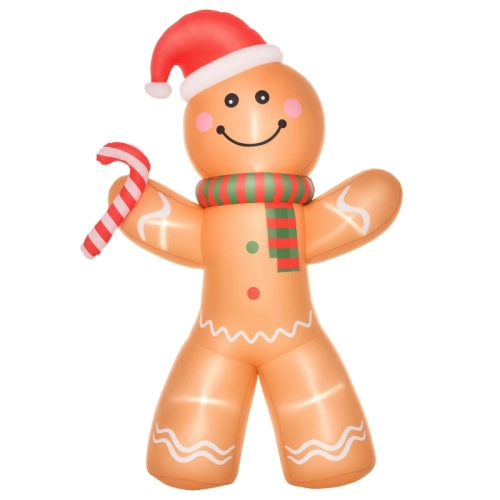
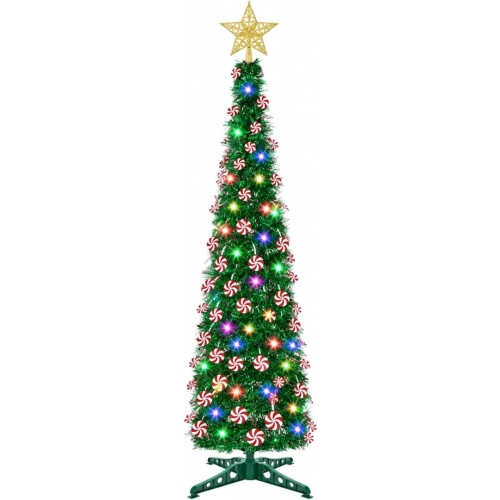
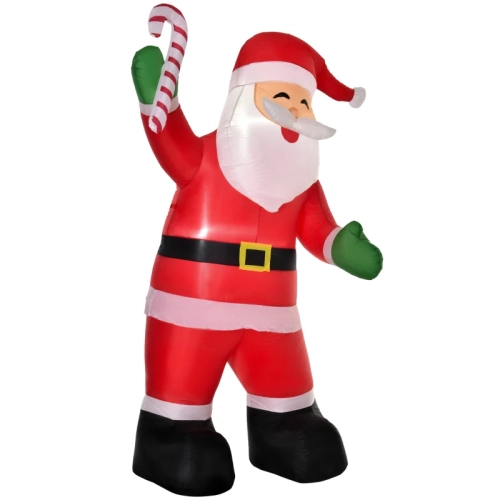
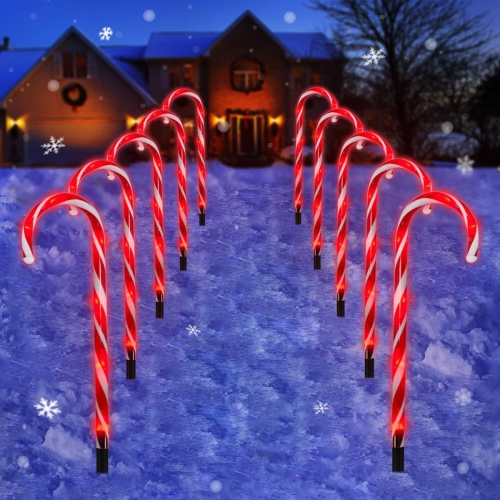
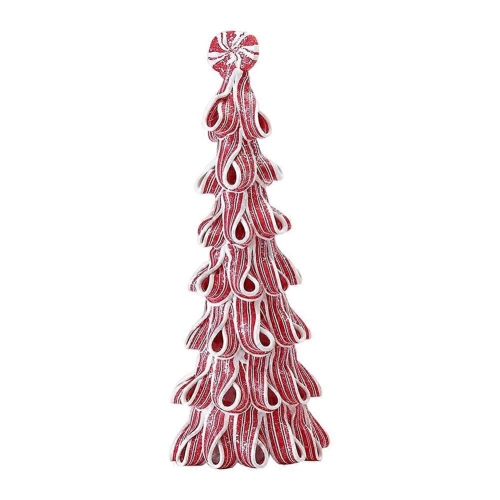

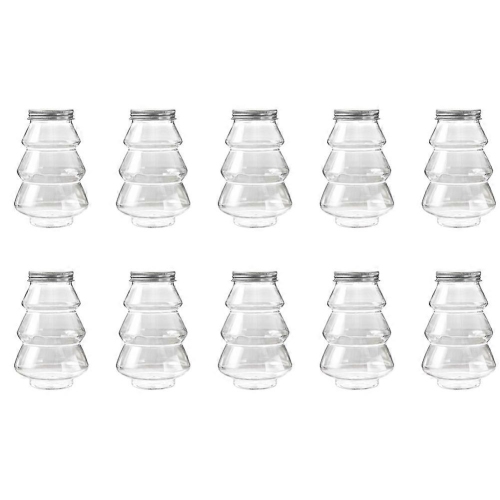
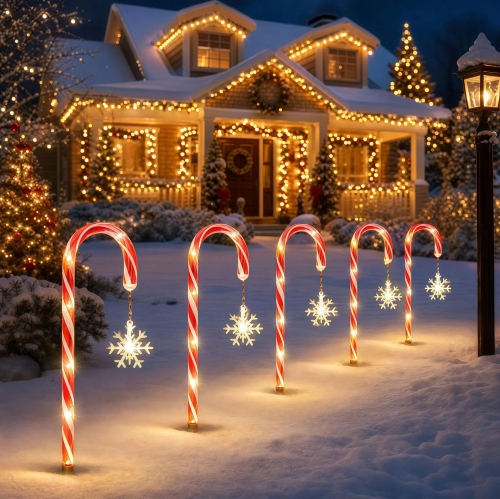
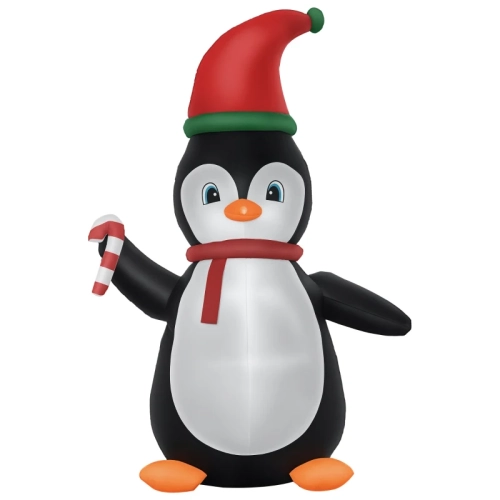


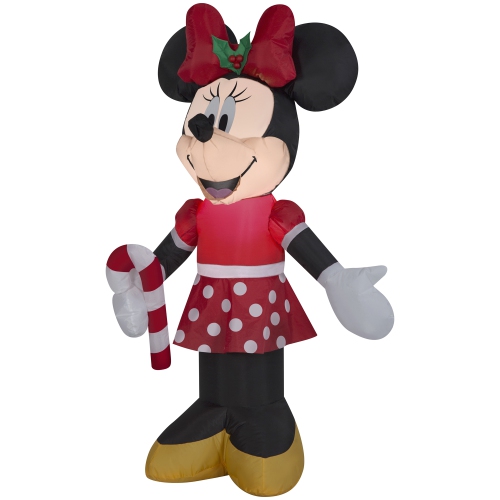
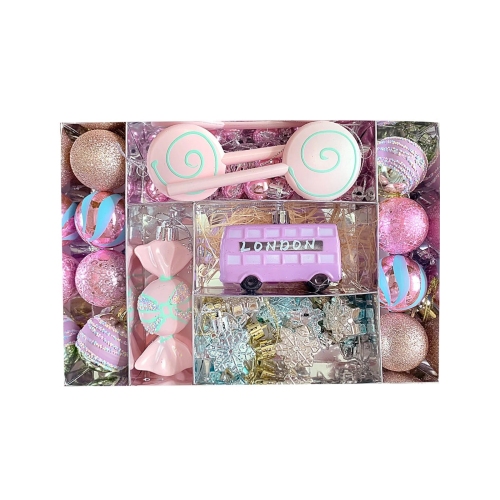
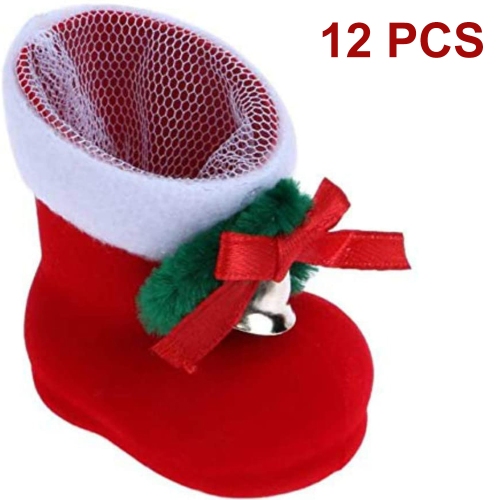
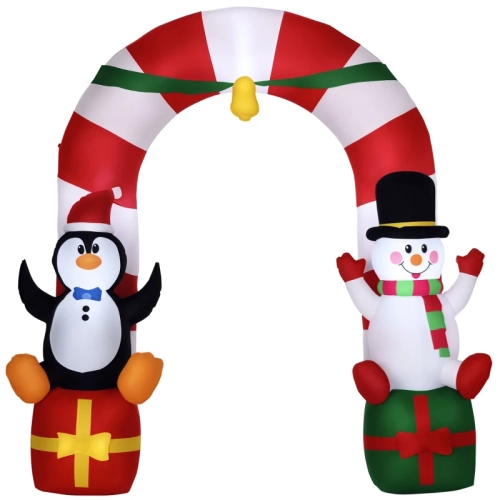


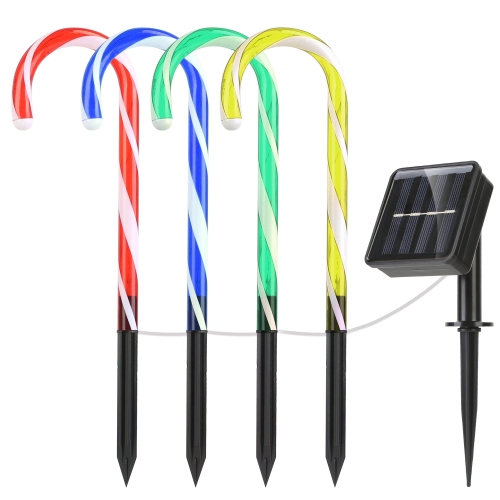
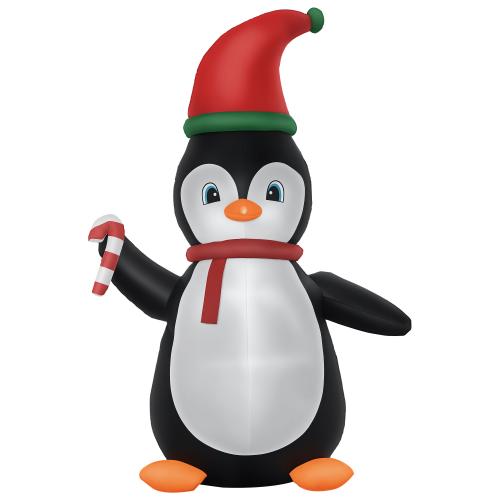

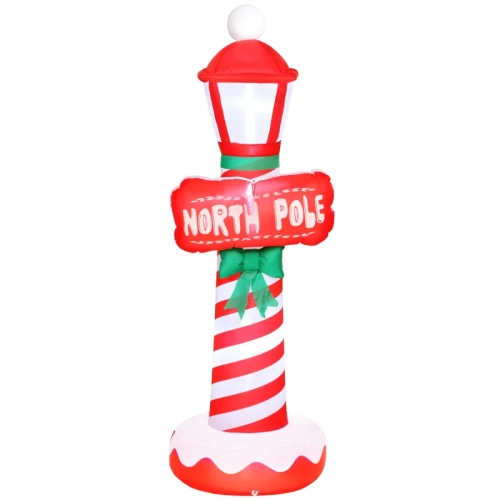


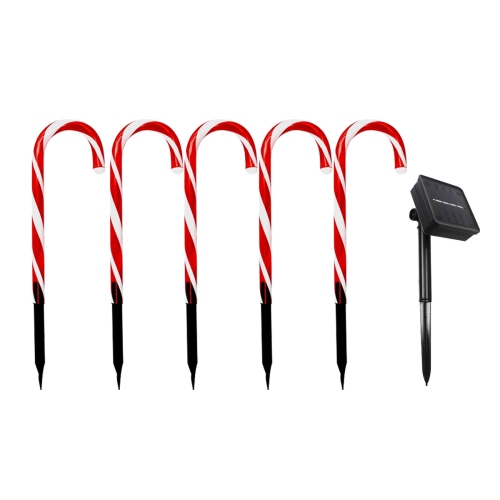

Sweet-shop charm with peppermint stripes and frosted finishes
Candy Christmas decorations bring the look of a sweet shop to holiday displays through peppermint swirls, striped candy canes, wrapped-sweet shapes, lollipops, and gingerbread-inspired accents. The theme can feel nostalgic or fanciful depending on the colours, proportions, and finishes used together. Red and white create a familiar peppermint palette that sits comfortably against green branches, while pink, mint, lilac, and cream give a display the softer appearance of a confectionery window. Bright multicoloured accents suit a more playful arrangement, especially when a few repeated shapes keep the overall look connected. On a Christmas tree, small candy-shaped ornaments add detail near the branch tips, while larger pieces give the eye somewhere to settle among ribbons and lights. A mantel offers room for a different balance: a few substantial accents can anchor the ends, with a garland carrying the colours across the middle, provided everything remains clear of heat and flames. Candy motifs also work well in a welcoming entryway, beside a holiday village, or as part of a dining-room display that leaves enough space for serving dishes and conversation. For a coordinated striped accent, Christmas Candy Canes complement peppermint rounds and other sweet-inspired shapes without introducing a competing pattern. The appeal comes partly from contrast: smooth, glossy surfaces suggest hard candy, frosted textures recall icing, and small sparkling details catch the light like sugar crystals. Repeating one or two of those finishes can make a colourful arrangement feel considered rather than crowded. This style is especially suited to households that enjoy cheerful holiday traditions, hosts creating a family-friendly gathering space, and anyone drawn to the storybook charm of candy-shop windows. It can also be restrained: a handful of red-and-white accents against simple greenery gives a room the same sweet character without filling every surface.
Materials affect how candy-themed Christmas accents look, where they fit, and how comfortably they can be displayed. Moulded plastic can provide bright colour and detailed shapes without the weight of some solid ornaments, while foam allows larger silhouettes to remain relatively light. Neither material is automatically unbreakable, and projecting details or attached embellishments may still need gentle handling. Glass brings shine and a delicate appearance, but it belongs where accidental knocks are less likely. Resin can capture icing ridges, wrapper folds, and other fine details, although its weight makes secure placement important. Fabric and felt offer a softer, matte contrast to glossy surfaces; depending on their construction, they may be better suited to dry indoor spaces than exposed porches. Fit involves more than the dimensions of an ornament. A wide peppermint disc needs enough open branch space to show its face, and a long candy-cane shape needs clearance below its hanging point. Smaller accents generally suit narrow trees or compact tabletop arrangements, while oversized shapes are easier to appreciate across a larger room. On a tree, heavier ornaments need sturdy branches and suitable hangers, with lighter pieces reserved for more flexible tips. Hanging loops, attachment points, and any visible joins deserve attention because they carry the load throughout the display period. For garlands, the length needed depends on whether the intended look is a gentle curve, a deeper drape, or several passes around a tree. Around stairs and doorways, keeping accents clear of handrails, door swings, and walking routes matters as much as appearance. Outdoor use requires explicit suitability for that setting; a glossy finish alone does not mean an accent can tolerate moisture, wind, or freezing temperatures. Lighted pieces also need the appropriate indoor or outdoor rating and power connections installed according to their instructions. A covered entrance may offer some shelter, but it does not make an indoor-only decoration suitable for outdoor use.
Candy-inspired holiday displays are most enjoyable when their intended use is clear and their upkeep fits the household. Although they resemble treats, decorative sweets should be treated as display objects rather than food or toys unless they are expressly designed and labelled otherwise. In homes with young children or pets, small detachable parts, loose glitter, hanging cords, and realistic candy shapes are reasons to place accents well out of reach. A higher shelf can preserve the playful look without putting tempting shapes beside a snack bowl. On a dining table, keeping non-food-safe ornaments separate from unwrapped food helps distinguish the centrepiece from the refreshments, while a low arrangement lets guests see one another comfortably. For family tree-trimming traditions, adults can handle fragile or heavy pieces and leave accessible, suitable placements for lighter accents. Candy motifs can also make a thoughtful gift for someone who enjoys collecting Christmas ornaments, setting up a themed tree, or dressing a small apartment for holiday gatherings. A recipient’s existing colours, available display space, and storage habits are useful considerations: a compact accent may be easier to enjoy than an oversized piece that needs its own container. Care requirements vary by material and finish, so the manufacturer’s directions should take priority. A soft, dry cloth or gentle brush may be appropriate for routine dusting when permitted, while soaking can damage glued details, painted surfaces, fabric layers, or electrical components. Glittered and textured finishes benefit from minimal rubbing, and delicate attachments should not be used as lifting points. Before storage, pieces should be clean and fully dry, with fragile shapes separated so they cannot knock together. Divided containers help protect glass and projecting details, while loosely coiled garlands are less likely to tangle than tightly compressed strands. Keeping similar colours and shapes together also makes the next arrangement easier to assemble. With thoughtful proportions, secure placement, and material-appropriate care, candy Christmas decorations can bring a distinctive mix of colour, nostalgia, and lighthearted detail to holiday spaces year after year.
Top selling and popular products
-
 Your price for this item is $176.99
-
 Your price for this item is $99.98
-
 Your price for this item is $69.98
-
 Your price for this item is $67.99
-
 Your price for this item is $39.98
-
 Your price for this item is $12.99
-
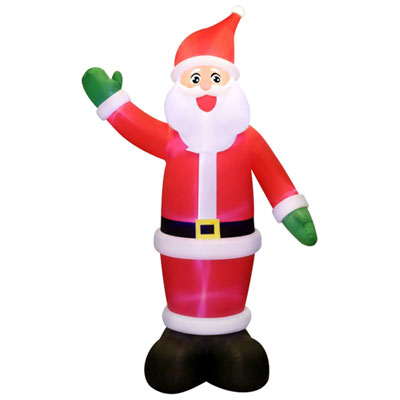 Your price for this item is $299.99
-
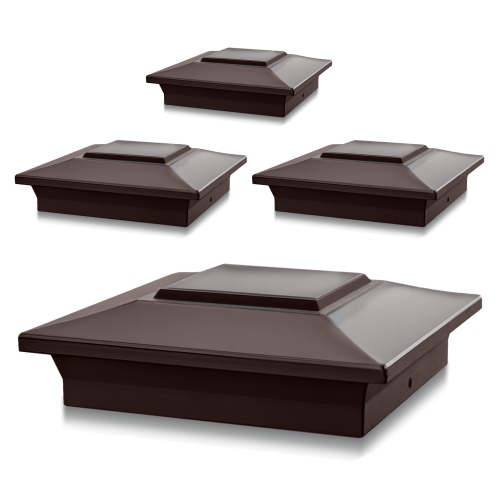 Your price for this item is $103.99
Discover more categories related to Candy Christmas Decorations

Top Collections:
Pokemon Centers, Best Cameras for Sports Photography, Kindle Devices, Samsung Galaxy Phones, Canon G7X Cameras, Pokémon 30th Celebration Cards, Refurbished Apple Laptops, iPhone 15 Apple, Laptops for Students, Budget Smartphones
Some products may be subject to Environmental Handling Fees
(EHF) depending on your province.
Learn more about EHFs.