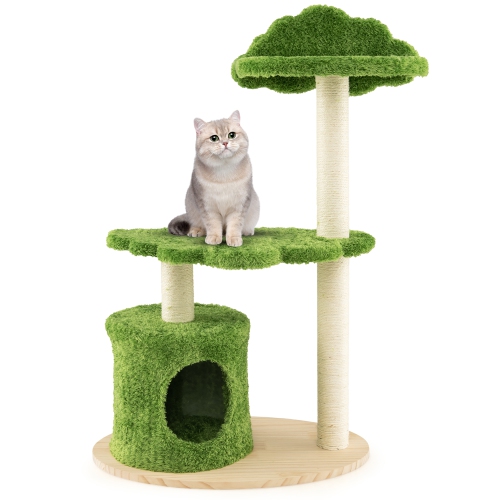
Cardboard Scratchers for Cats
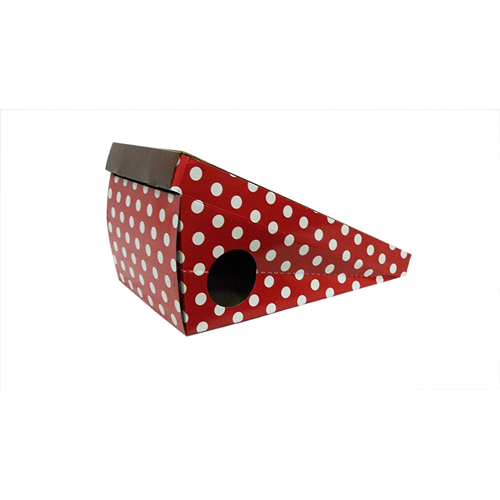
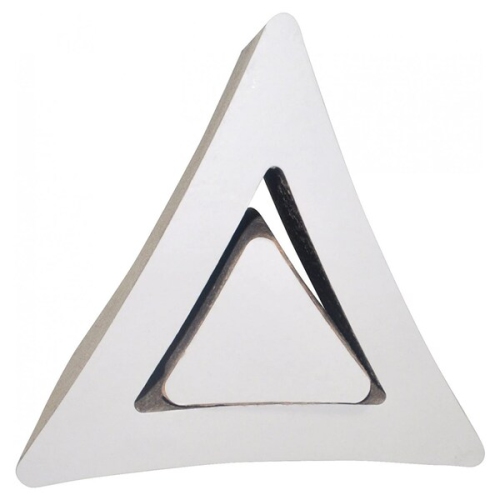
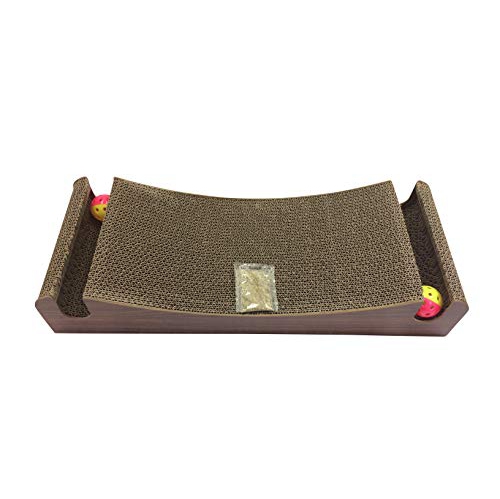
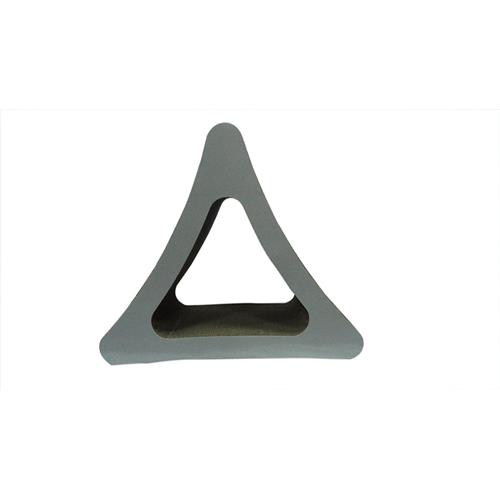
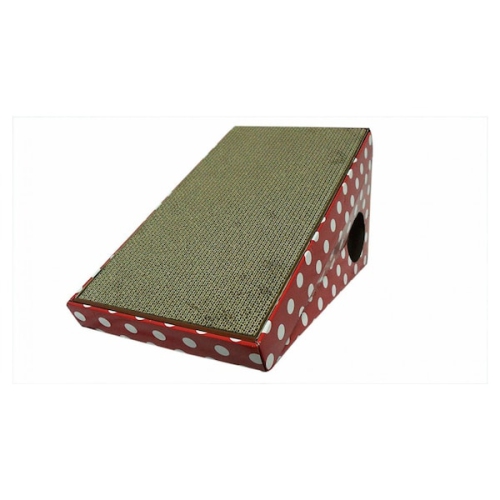
Looking for the purr-fect way to keep your feline friend entertained and their claws in check? Look no further than our collection of cardboard scratchers for cats! These scratchers are a must-have for any cat owner, providing a safe and satisfying outlet for their natural scratching instincts. Made from durable and eco-friendly materials, our range of cardboard scratchers offers a variety of shapes and sizes to suit every cat's preferences. Whether your furry companion prefers lounging, playing, or simply sharpening their claws, these scratchers are designed to provide endless hours of entertainment. Say goodbye to scratched furniture and hello to happy cats with our selection of cardboard scratchers!
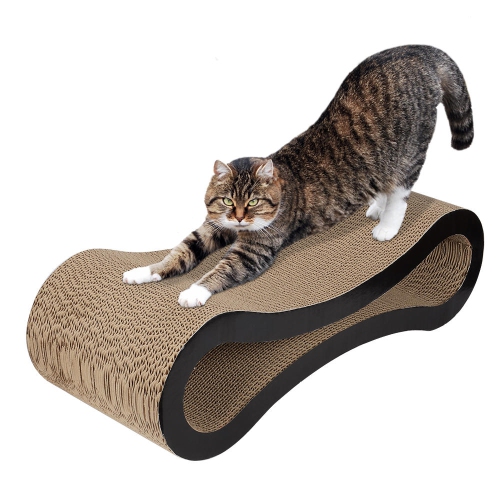
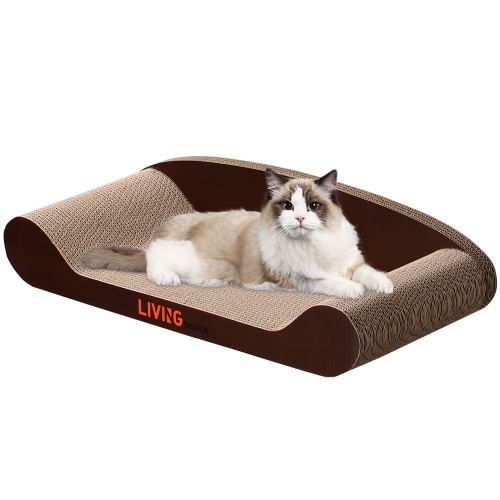
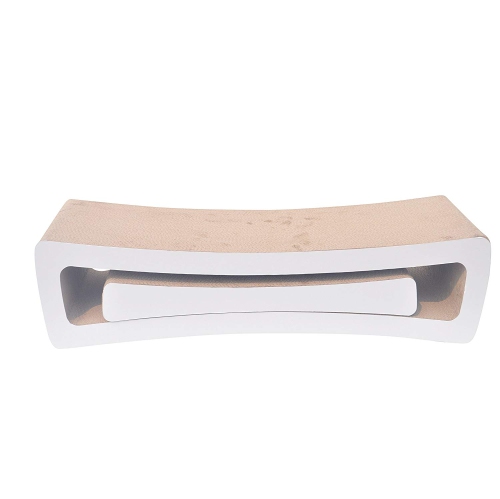
Why texture, placement and shape matter to cats
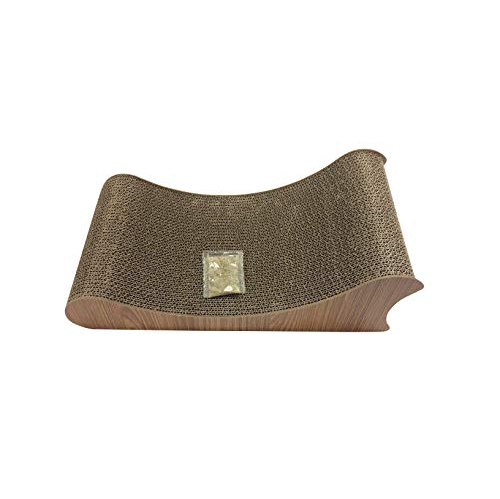
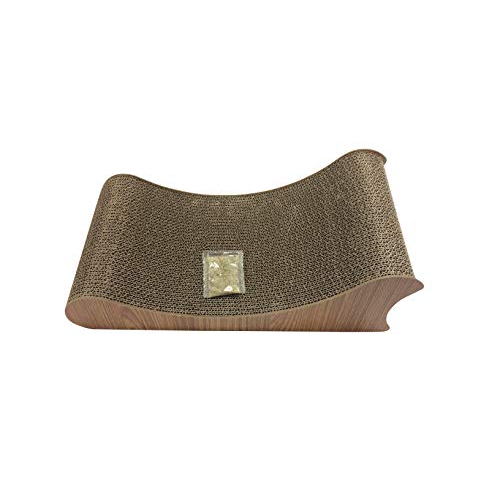
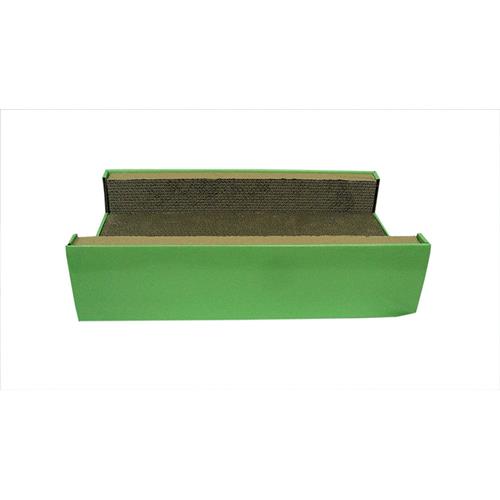
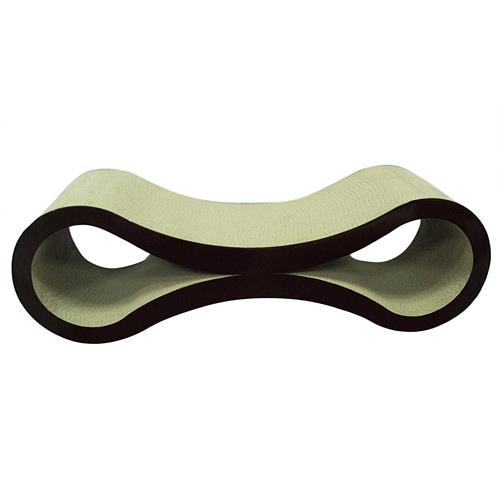
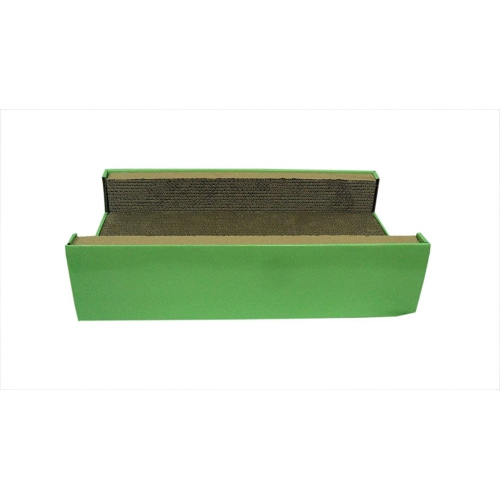
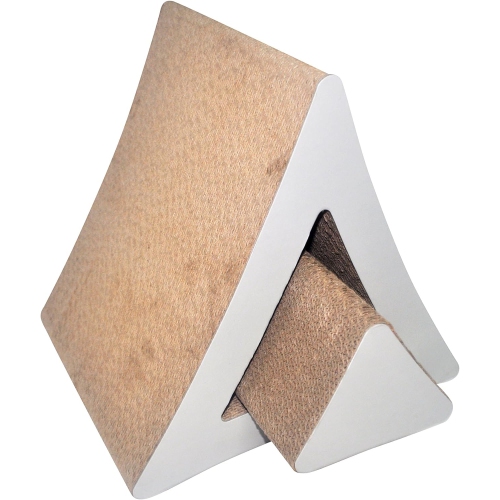
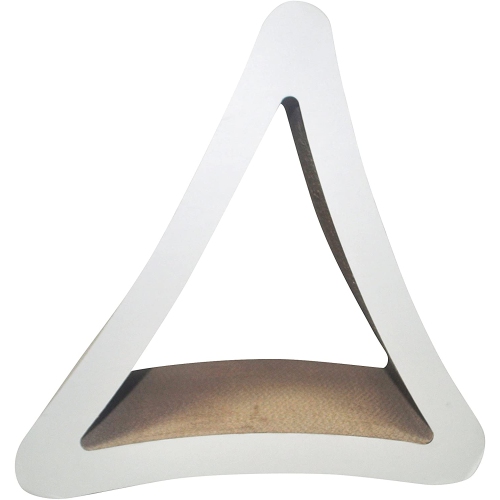
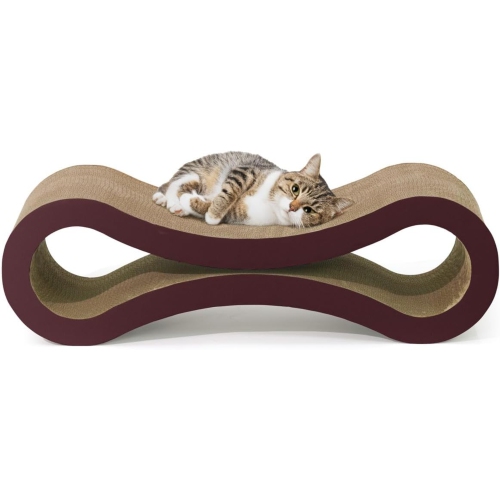
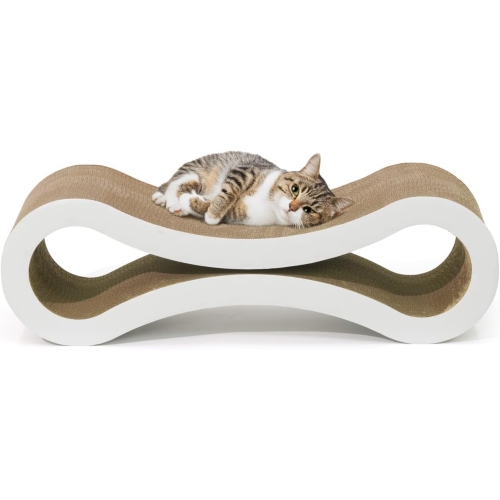
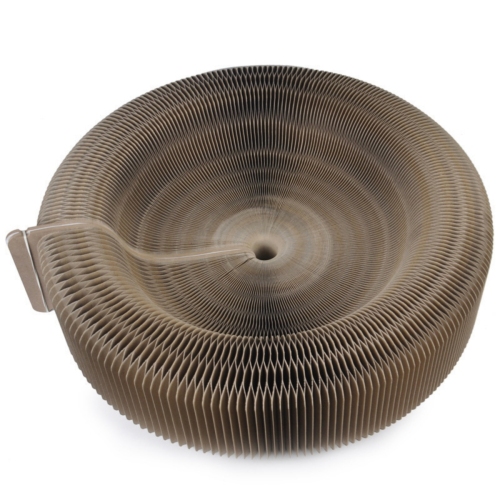
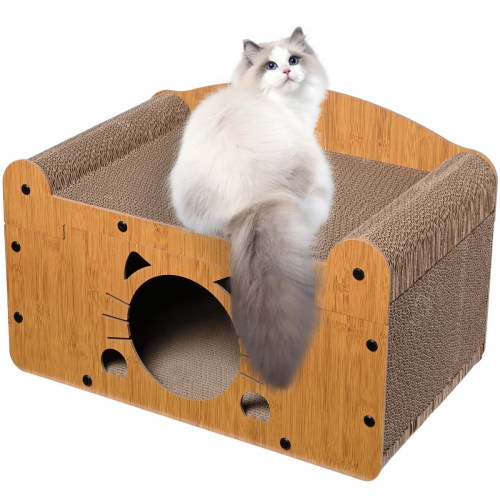
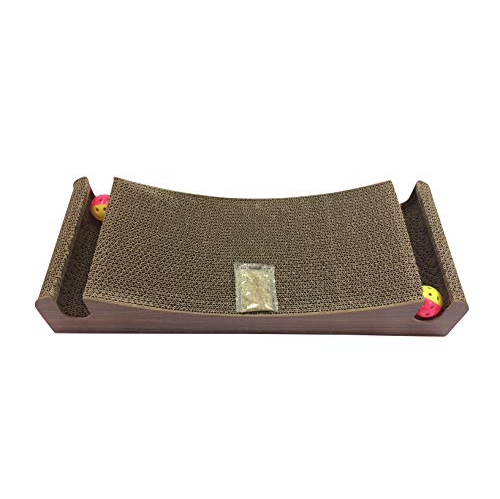
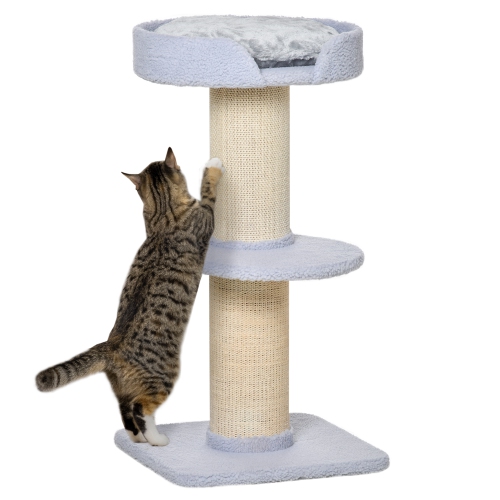
Placement often makes the difference between a scratcher that becomes part of the daily routine and one that is ignored. Set it near a spot your cat already visits, such as beside a favourite sleeping area, close to a window, near a hallway entrance or beside furniture that has attracted scratching in the past. Cats commonly scratch after waking, during energetic play and when they are seeking attention, so placing a cardboard pad near a resting place can catch that post-nap stretch. A stable base helps the scratcher stay in position while your cat presses down with both front paws; slipping or tipping can make a cat hesitant to use it. In a multi-cat household, providing more than one scratching location can reduce competition and give each cat a familiar option. It can also help to offer different orientations, particularly if one cat prefers a floor-level scratch while another enjoys standing and reaching. If the scratcher includes catnip or silvervine, a small amount can encourage investigation, although individual responses vary and some cats are more interested in the texture or shape than in any attractant. Gentle play nearby can also draw attention to the new surface without forcing your cat to use it. For kittens, cardboard scratchers can become a useful part of early home routines, giving them a designated outlet as they explore, play and develop their coordination. They can also make thoughtful gifts for new cat owners, people welcoming a kitten, or anyone creating a more engaging indoor environment for a companion animal. Households looking for a combined scratching and lounging area may also wish to browse Cat Scratcher Beds for styles that place a resting surface alongside a scratching area.
Cardboard scratchers are designed to show signs of use, and loose fibres or small paper pieces may appear as your cat digs in. Inspect the surface regularly and remove the scratcher when it becomes heavily worn, unstable or no longer provides a firm texture. Placing it inside a shallow tray, on a washable mat or in an easy-to-clean area can help collect scattered cardboard and keep the surrounding floor tidier. Some pads are reversible, allowing you to turn them over when one side has become flattened, while others are intended to be replaced after the corrugation is worn down. Keep the scratcher dry and away from areas where it may be splashed, since damp cardboard can lose its shape and texture. A quick check for loose parts is sensible, especially in homes with enthusiastic scratchers or curious kittens. During the warmer months, a cardboard pad near a sunny window can give a cat a familiar activity between naps, while during the cooler months it can provide an appealing indoor outlet when outdoor time is limited. The best choice depends on your cat’s size, scratching direction, activity level and available space, as well as whether you want a dedicated scratching pad, a lounge surface or a combination of both. With the right placement and a texture your cat enjoys, a cardboard scratcher can become a well-used part of the home—often marked by curled cardboard edges, a few scattered shreds and the unmistakable satisfaction of a cat stretching out after a good scratch.
Top selling and popular products
-
 Your price for this item is $105.99
 -
 Your price for this item is $99.99
 -
 Your price for this item is $266.99
 -
 Your price for this item is $58.69
 -
 Your price for this item is $73.99
 -
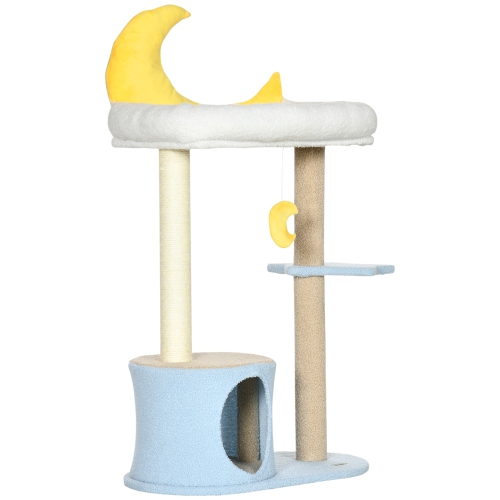 Your price for this item is $67.99
 -
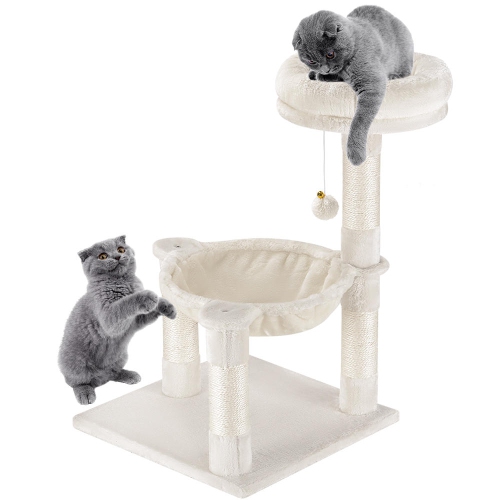 Your price for this item is $36.99
 -
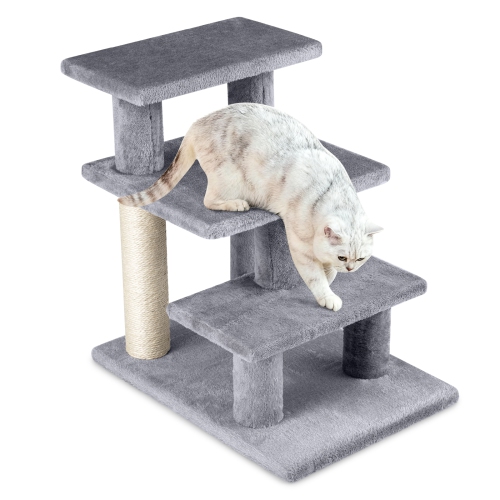 Your price for this item is $59.99