Cat Scratcher Pads
Looking for the perfect solution to keep your feline friend entertained and your furniture scratch-free? Look no further than our collection of Cat Scratcher Pads. These essential accessories provide a dedicated space for your cat to satisfy their natural scratching instincts, saving your beloved couches and chairs from their sharp claws. Available in a variety of shapes, sizes, and materials, our Cat Scratcher Pads offer durability and functionality while adding a touch of style to your home. Explore our wide selection of Indoor Cat Furniture today and find the purr-fect match for your furry companion.
Sort
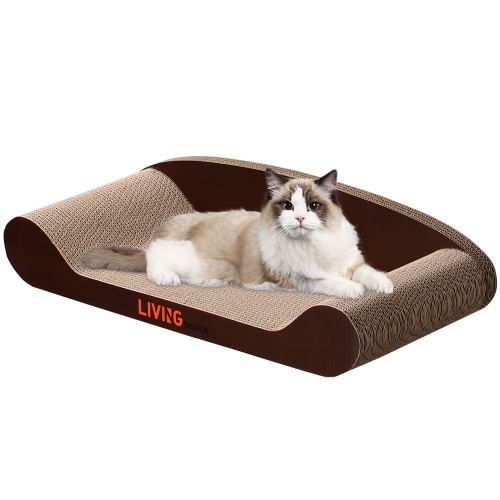
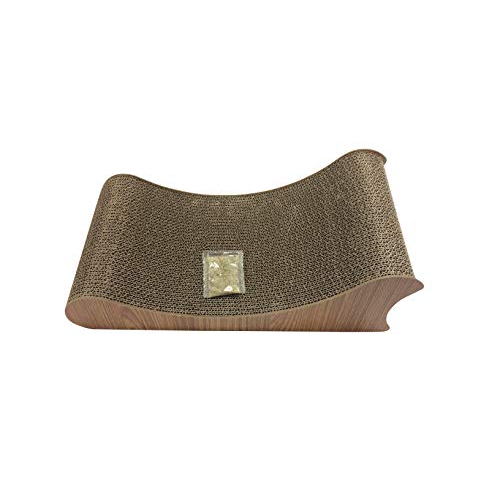
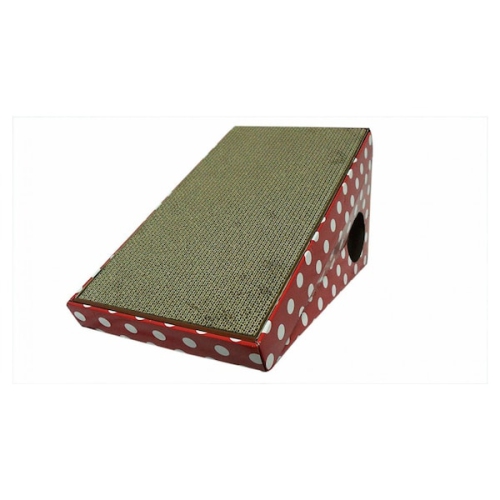
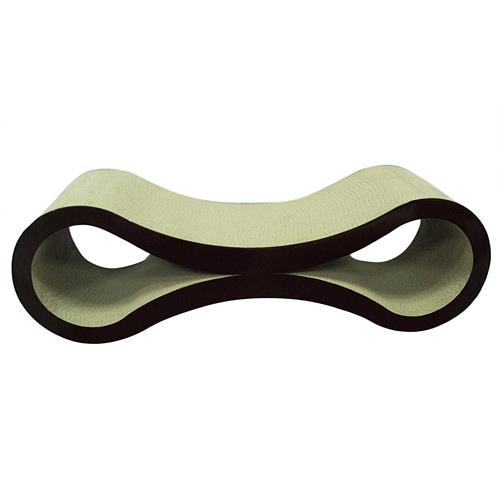
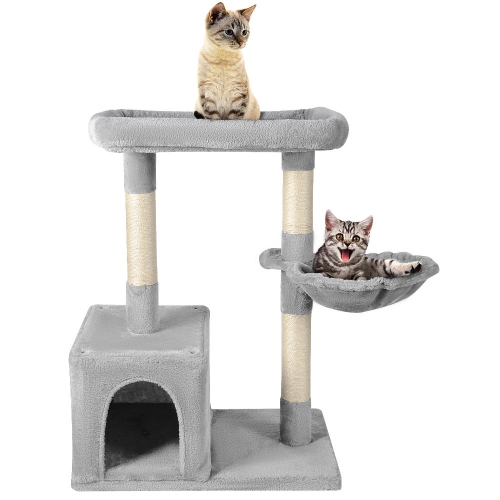
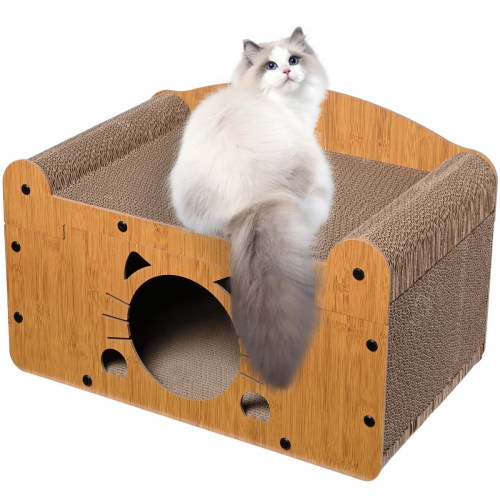
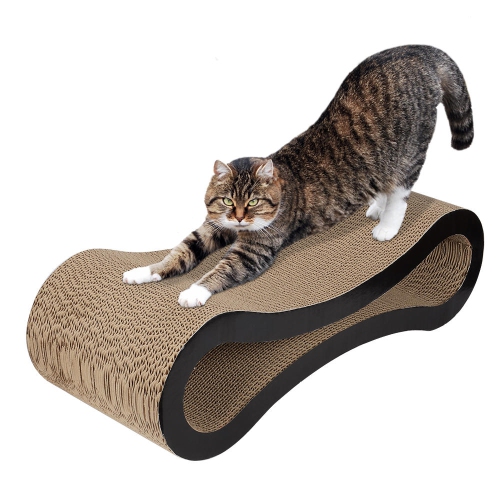
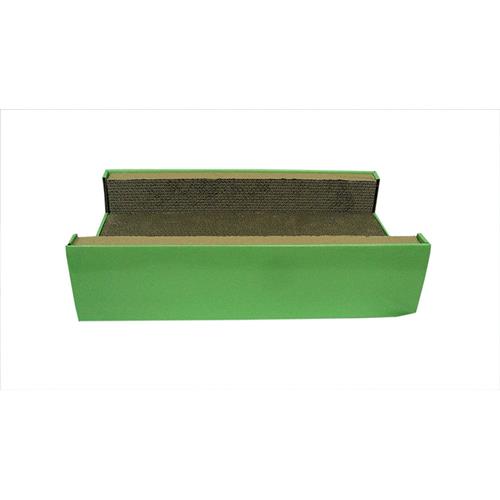
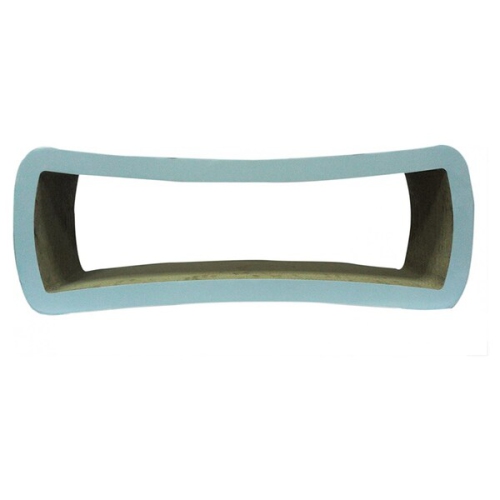
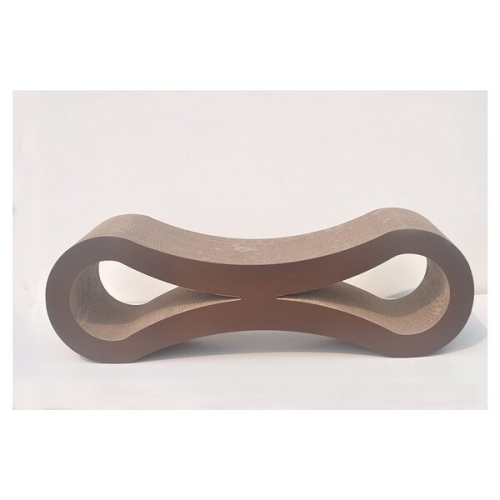
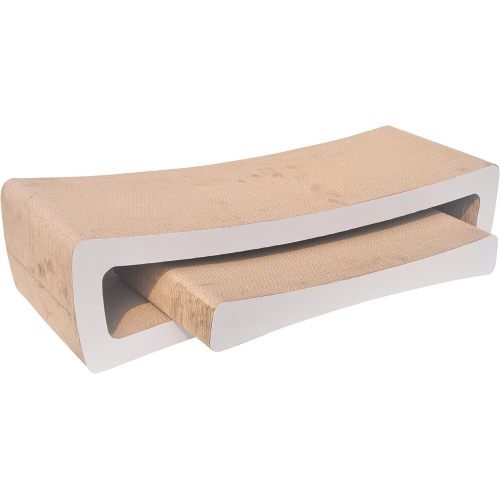
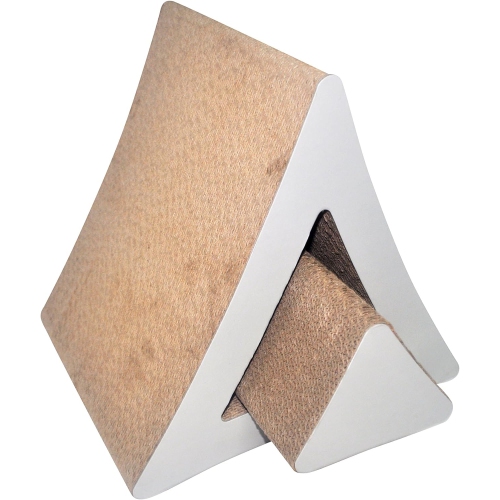
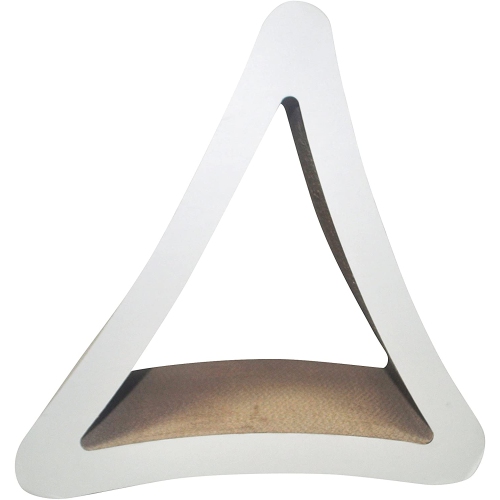
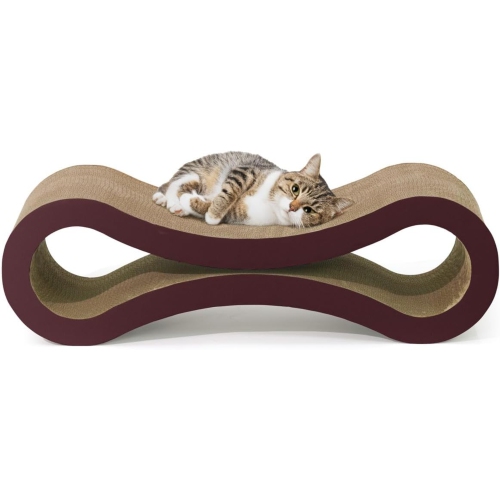
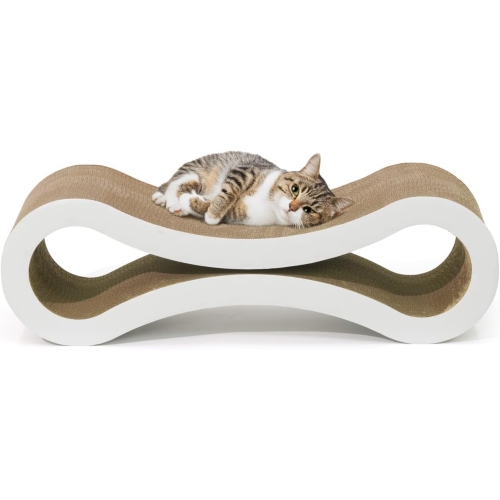

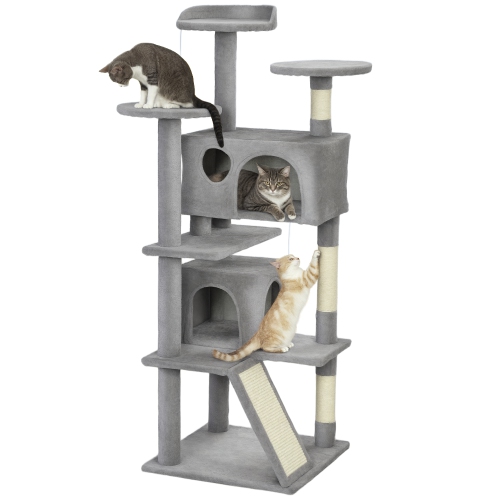
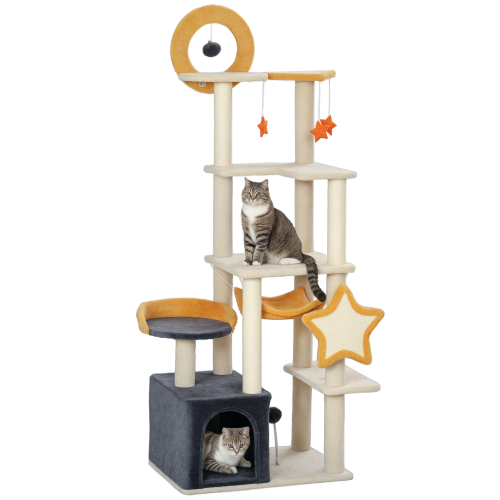
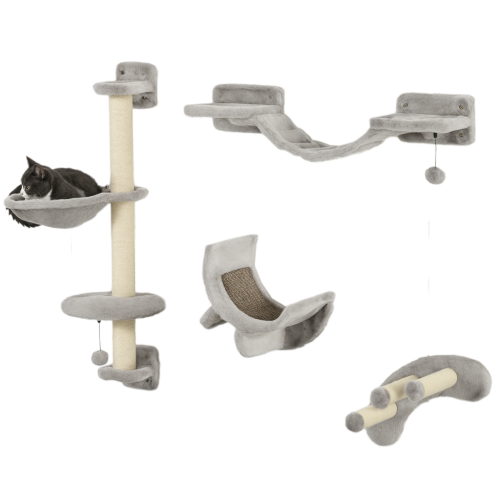
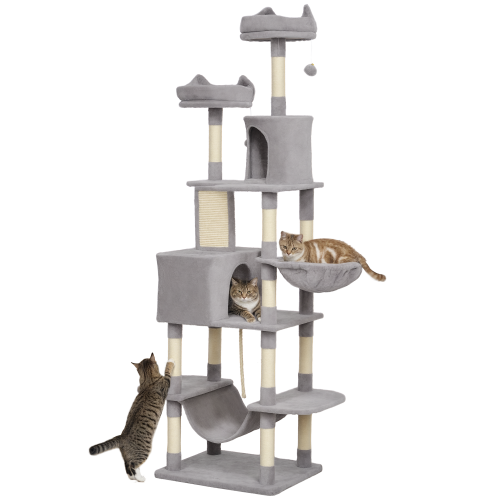
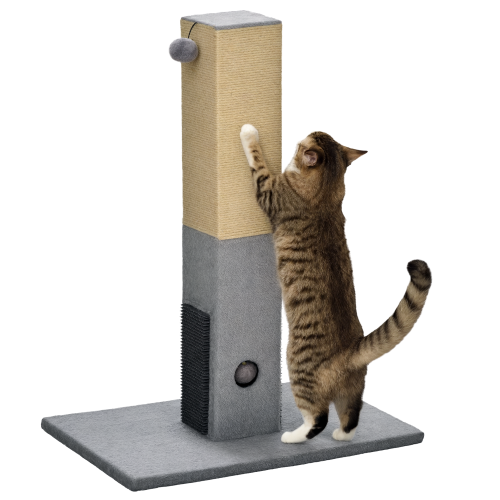
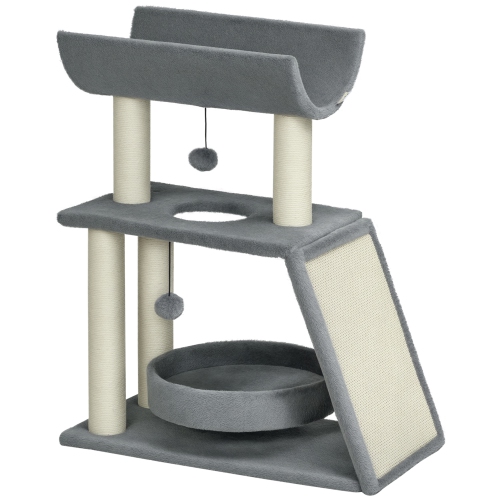
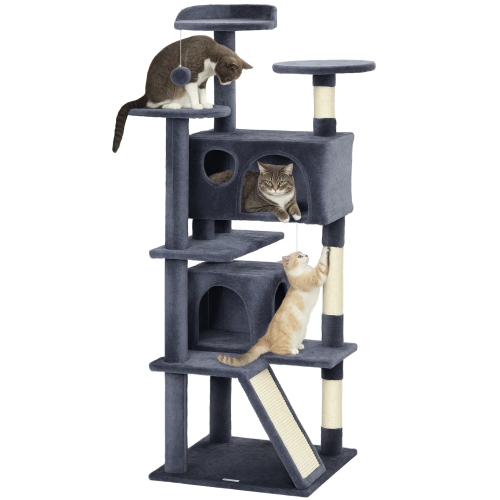
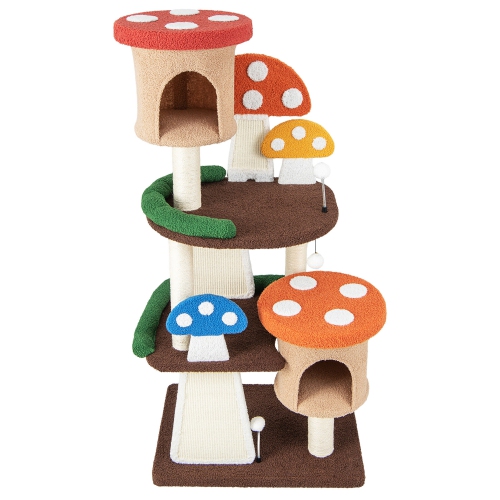
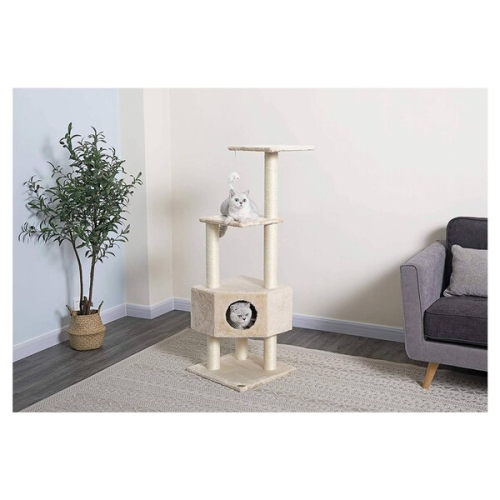
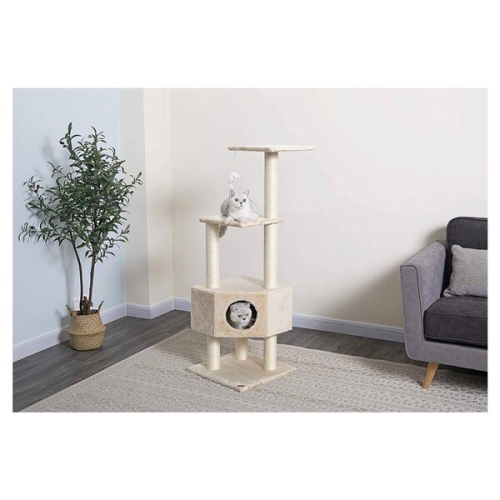
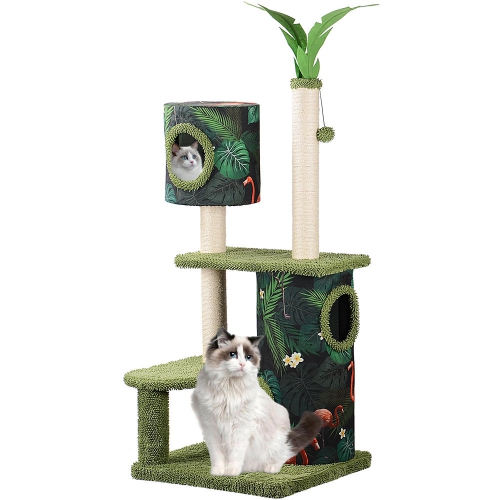
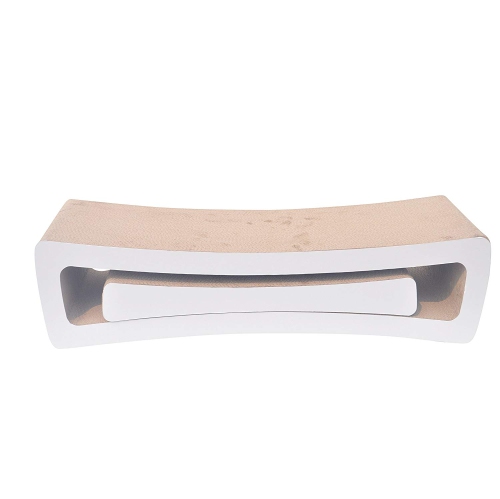
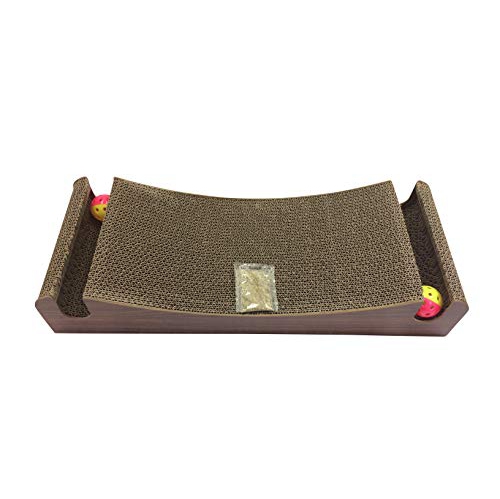
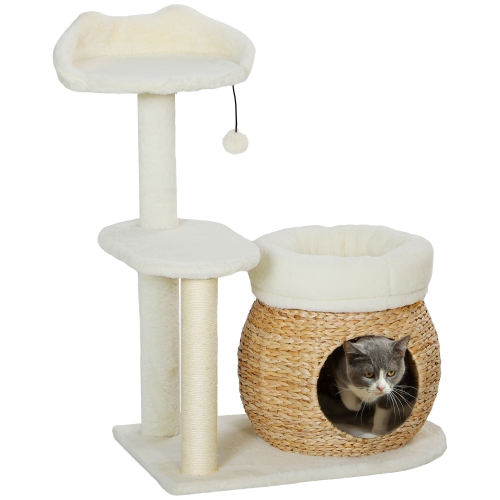
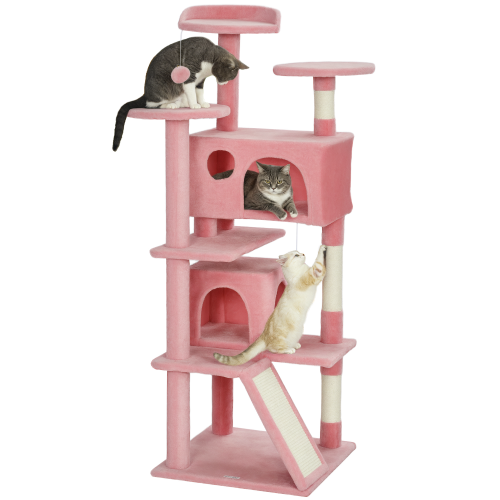
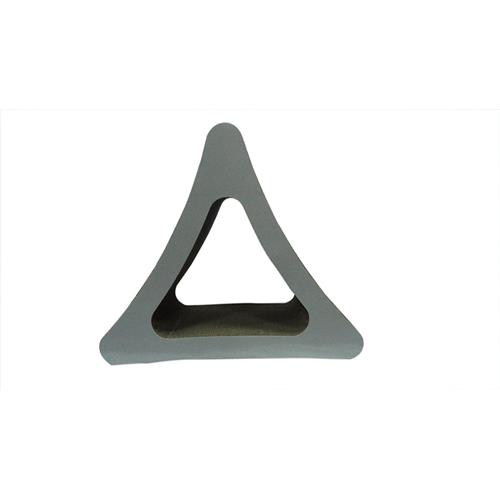
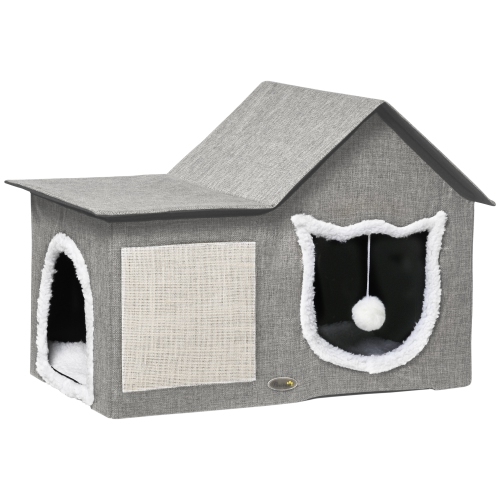
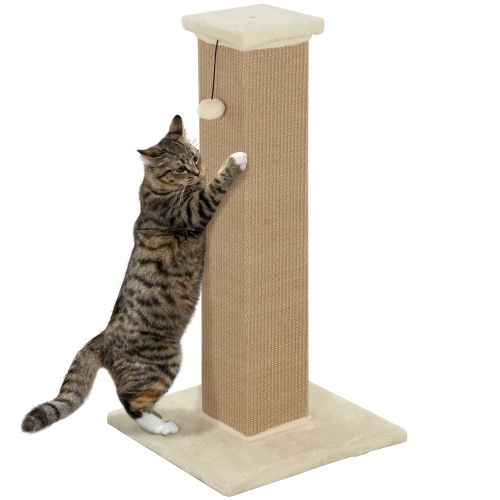
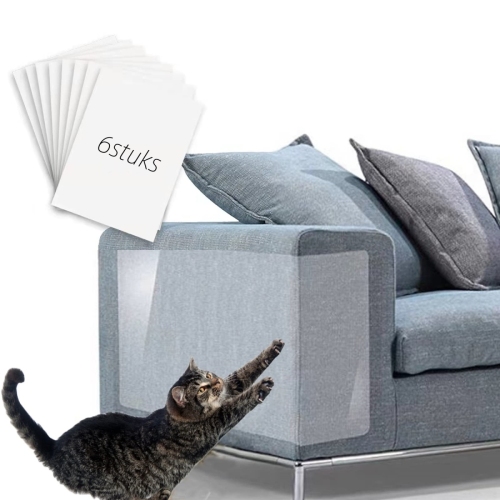
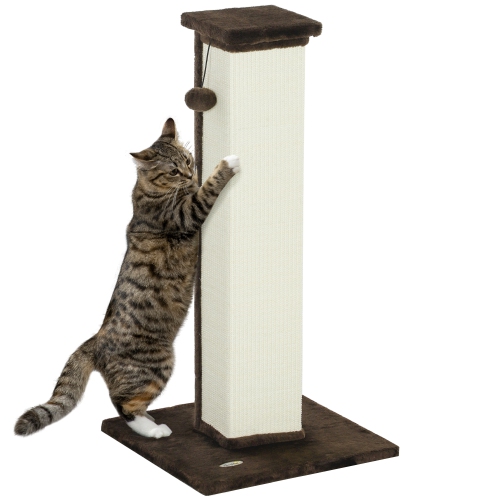
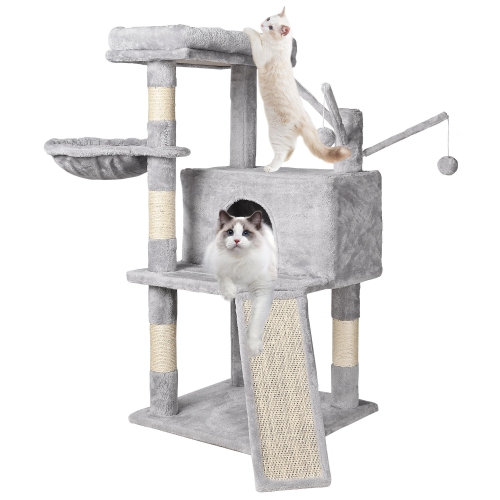
Support natural scratching habits while protecting shared living spaces
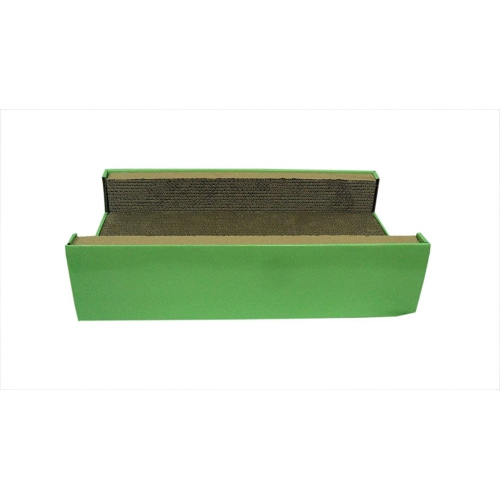
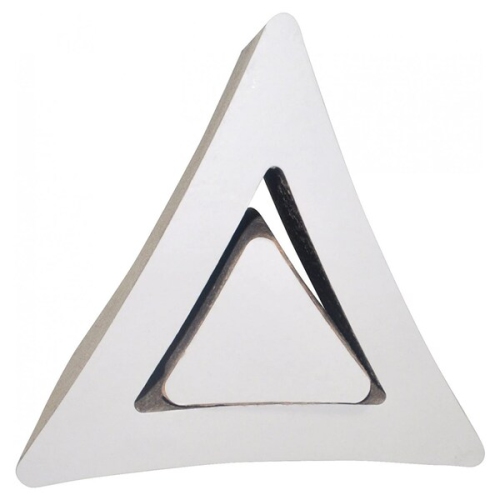
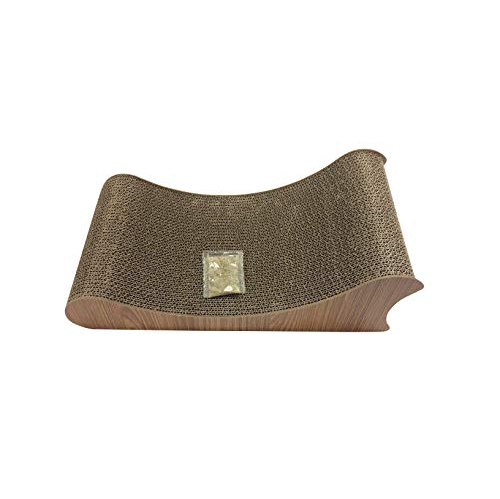
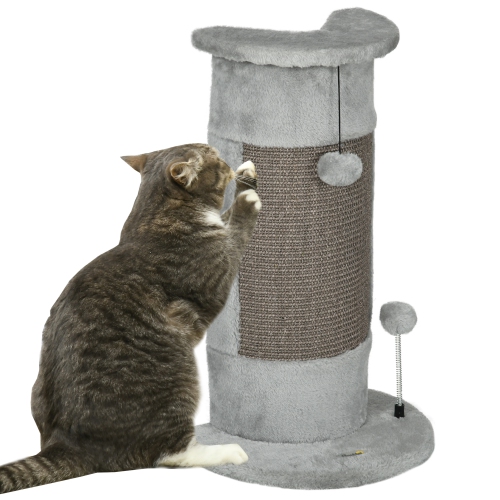
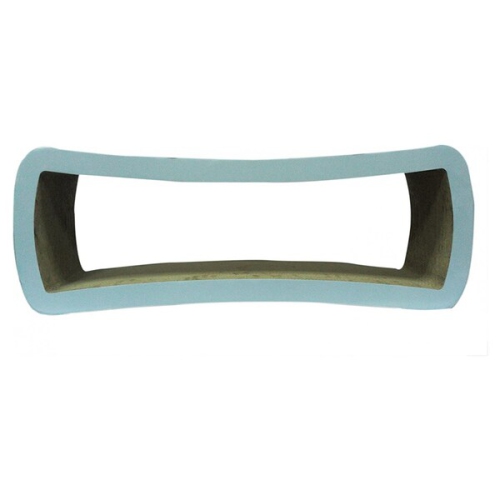
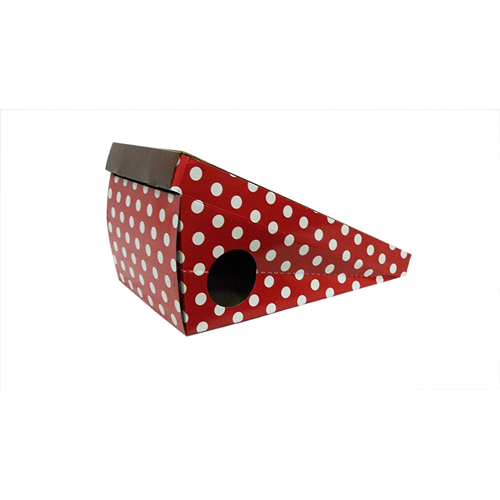
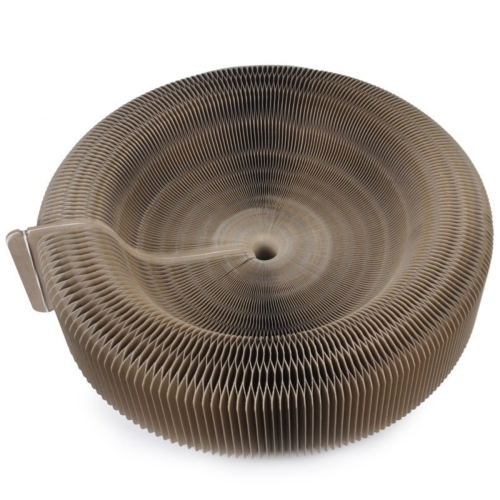
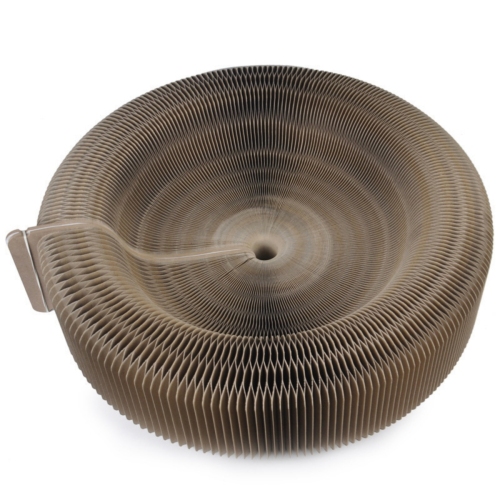
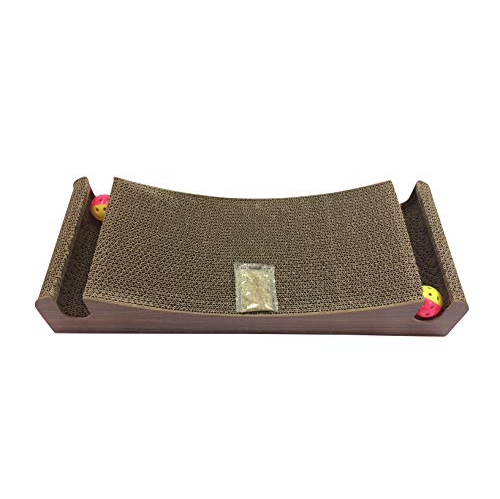
Cat scratcher pads give cats a dedicated place to stretch, exercise, and maintain their claws while adding useful enrichment to the home. Scratching is a natural behaviour rather than a sign of poor manners: cats scratch to condition their claws, work the muscles through their shoulders and back, mark familiar areas with scent, and release energy. A well-placed pad can help redirect that activity away from sofas, rugs, door frames, and other household furnishings. Flat cardboard pads are especially popular because they are lightweight, easy to move, and comfortable for cats that prefer to scratch close to the floor. The ridged surface of corrugated cardboard provides satisfying resistance as a cat drags its claws across it, while the broad shape allows room to brace the front paws and stretch forward. For cats that like to reach upward, a vertical or angled scratch pad may be a better fit, particularly when it is positioned beside a favourite napping spot or along a route the cat uses every day. Sisal and jute surfaces can offer a different texture, with a firm woven feel that suits cats who enjoy a more substantial scratching experience. Some pads are designed to sit flat, while others can lean against a wall, fit around a furniture leg, or combine horizontal and vertical scratching angles. Observing where and how a cat already scratches is one of the most useful ways to narrow down the right style. A cat that targets the corner of a rug may favour a horizontal pad, while one that reaches up the side of a chair may respond better to a tall or angled surface.
Placement has a noticeable effect on whether a cat uses a scratcher pad. A pad tucked away in a quiet corner may be overlooked, even if its material and size are otherwise suitable. Instead, place it near a sleeping area, beside a well-used walkway, or close to the furniture a cat has already chosen for scratching. Cats often scratch after waking, so positioning a pad near a bed or favourite perch can make it part of that natural routine. Stability matters as well. A pad that slides across the floor or tips during use can make a cat wary, whereas a broad, steady base encourages confident scratching and stretching. For a cat that prefers to scratch vertically, look for a design that can rest securely against a wall or furniture surface without shifting. It can also help to offer more than one texture or orientation, especially in a home with multiple cats or a kitten whose preferences are still developing. Keep the pad where the cat spends time, and move it gradually if it needs to be relocated. Gentle encouragement, praise, and familiar scents can make a new scratcher more inviting, while forcing a cat’s paws onto the surface may create an unpleasant association. Corrugated cardboard is often a practical choice for kittens, apartment cats, and households looking for a simple introduction to scratching furniture. Browse Cardboard Scratchers for Cats for flat and shaped options that can suit different rooms, scratching habits, and stages of life. As the pad becomes worn, inspect it for loose pieces, sharp edges, or a surface that no longer stays stable, and replace it when it has been thoroughly shredded or loses its useful texture.
Cat scratcher pads can be helpful for a wide range of households, from first-time cat owners setting up a new home to experienced pet parents refreshing a familiar play area. They are also thoughtful gifts for someone welcoming a kitten, moving into a new apartment, or creating a comfortable indoor space for an older cat. During the cooler months, cats may spend more time indoors and look for additional ways to stretch, play, and stay engaged between naps, making a conveniently placed scratch pad a useful part of their daily surroundings. A small flat pad can fit beside a sofa, under a side table, or near a window perch, while a larger model can become a more noticeable part of a dedicated cat corner. When choosing among cat scratcher pads, consider the cat’s size, age, mobility, clawing style, and preferred position, along with the available floor space. Kittens may benefit from a low, accessible surface that is easy to approach, while larger cats often appreciate enough length to extend their bodies fully. Older cats may prefer a stable, gently angled pad that does not require a high jump or awkward reach. Homes with limited space can benefit from lightweight designs that are easy to store or move between rooms, and multi-cat homes may need several pads to reduce competition around one popular spot. The most successful choice is usually the one that fits naturally into both the cat’s routine and the household’s layout. With regular inspection, sensible placement, and a surface that matches the cat’s preferred scratching motion, a scratcher pad can provide an outlet for instinctive behaviour, daily exercise, and satisfying play while helping make shared living spaces more comfortable for everyone.
Placement has a noticeable effect on whether a cat uses a scratcher pad. A pad tucked away in a quiet corner may be overlooked, even if its material and size are otherwise suitable. Instead, place it near a sleeping area, beside a well-used walkway, or close to the furniture a cat has already chosen for scratching. Cats often scratch after waking, so positioning a pad near a bed or favourite perch can make it part of that natural routine. Stability matters as well. A pad that slides across the floor or tips during use can make a cat wary, whereas a broad, steady base encourages confident scratching and stretching. For a cat that prefers to scratch vertically, look for a design that can rest securely against a wall or furniture surface without shifting. It can also help to offer more than one texture or orientation, especially in a home with multiple cats or a kitten whose preferences are still developing. Keep the pad where the cat spends time, and move it gradually if it needs to be relocated. Gentle encouragement, praise, and familiar scents can make a new scratcher more inviting, while forcing a cat’s paws onto the surface may create an unpleasant association. Corrugated cardboard is often a practical choice for kittens, apartment cats, and households looking for a simple introduction to scratching furniture. Browse Cardboard Scratchers for Cats for flat and shaped options that can suit different rooms, scratching habits, and stages of life. As the pad becomes worn, inspect it for loose pieces, sharp edges, or a surface that no longer stays stable, and replace it when it has been thoroughly shredded or loses its useful texture.
Cat scratcher pads can be helpful for a wide range of households, from first-time cat owners setting up a new home to experienced pet parents refreshing a familiar play area. They are also thoughtful gifts for someone welcoming a kitten, moving into a new apartment, or creating a comfortable indoor space for an older cat. During the cooler months, cats may spend more time indoors and look for additional ways to stretch, play, and stay engaged between naps, making a conveniently placed scratch pad a useful part of their daily surroundings. A small flat pad can fit beside a sofa, under a side table, or near a window perch, while a larger model can become a more noticeable part of a dedicated cat corner. When choosing among cat scratcher pads, consider the cat’s size, age, mobility, clawing style, and preferred position, along with the available floor space. Kittens may benefit from a low, accessible surface that is easy to approach, while larger cats often appreciate enough length to extend their bodies fully. Older cats may prefer a stable, gently angled pad that does not require a high jump or awkward reach. Homes with limited space can benefit from lightweight designs that are easy to store or move between rooms, and multi-cat homes may need several pads to reduce competition around one popular spot. The most successful choice is usually the one that fits naturally into both the cat’s routine and the household’s layout. With regular inspection, sensible placement, and a surface that matches the cat’s preferred scratching motion, a scratcher pad can provide an outlet for instinctive behaviour, daily exercise, and satisfying play while helping make shared living spaces more comfortable for everyone.
Top selling and popular products
-
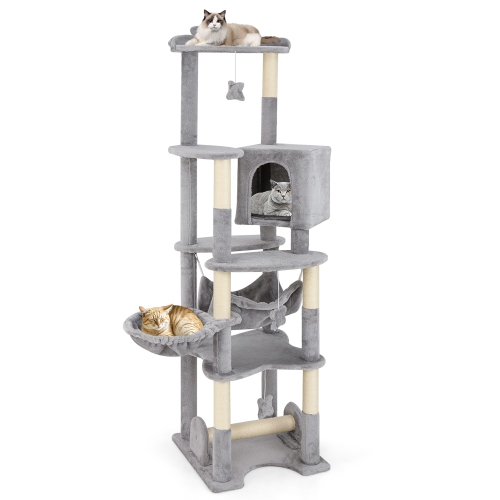 Your price for this item is $105.99
 -
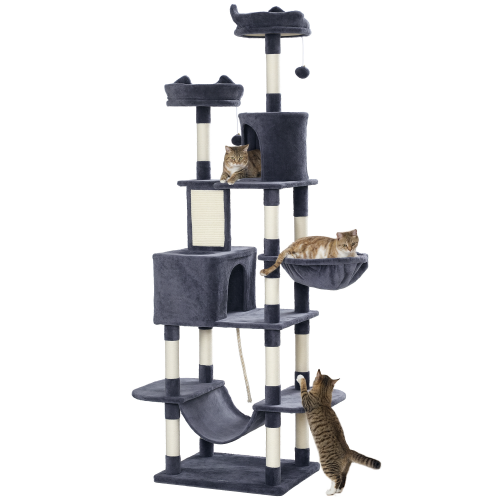 Your price for this item is $99.99
 -
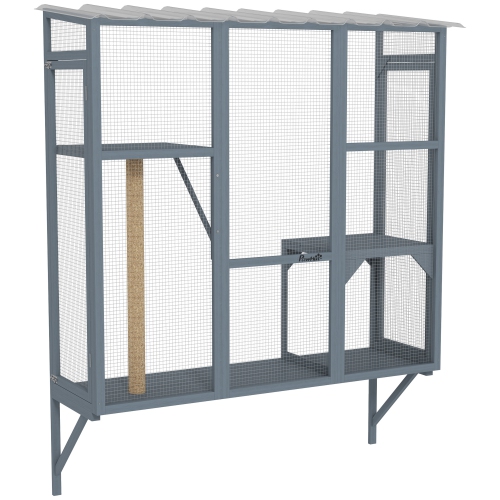 Your price for this item is $266.99
 -
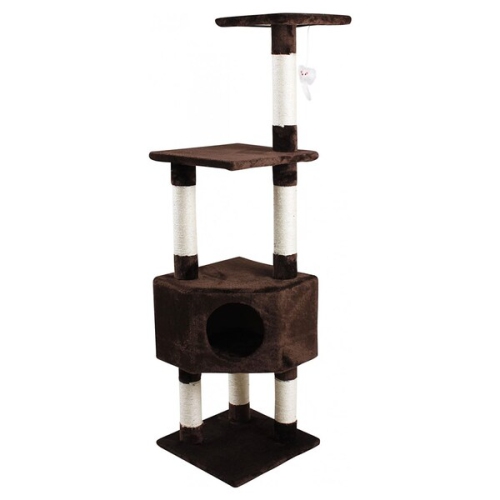 Your price for this item is $58.69
 -
 Your price for this item is $73.99
 -
 Your price for this item is $67.99
 -
 Your price for this item is $36.99
 -
 Your price for this item is $59.99
Discover more categories related to Cat Scratcher Pads
Top Collections:
Pokemon Centers, Kindle Devices, Best Budget Office Chairs, Apple iPhones 16, Best Laptops for Writers, iPhone 15 Apple, Canon G7X Cameras, Refurbished Apple Laptops, Alarm Clock, Motorola Razr Phones
Some products may be subject to Environmental Handling Fees
(EHF) depending on your province.
Learn more about EHFs.