Cast Iron Chairs
Enhance your outdoor space with the timeless charm and durability of cast iron chairs. Whether you're looking to create a cozy corner on your patio or add a touch of elegance to your garden, cast iron chairs are designed to elevate your outdoor living experience. Here are some great options available.
Sort
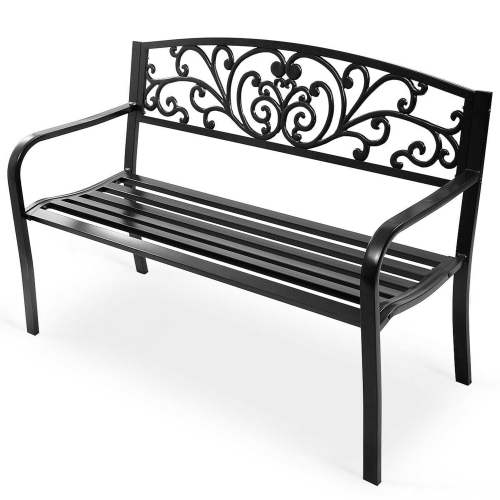
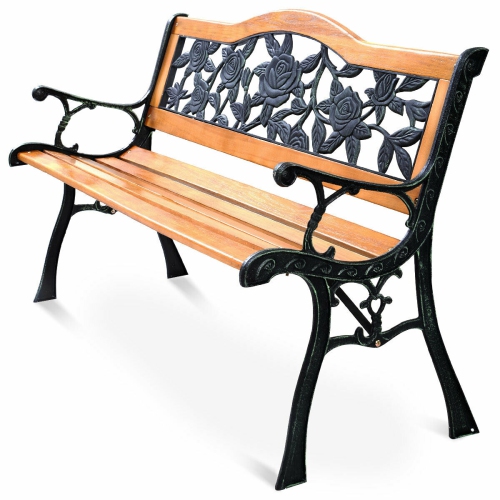
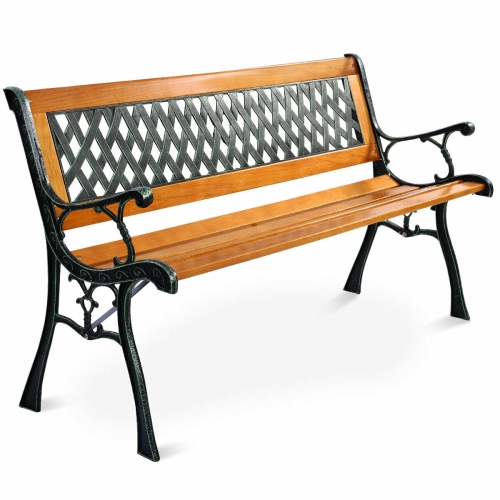
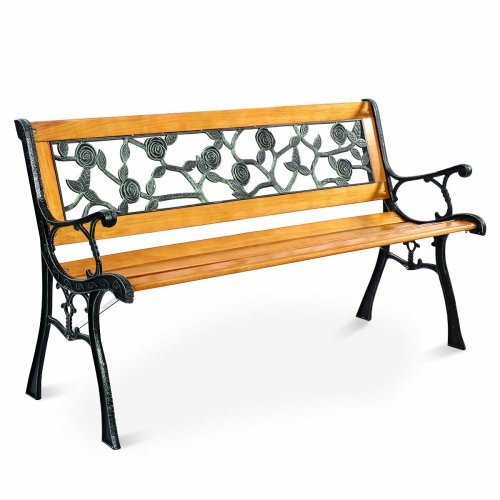

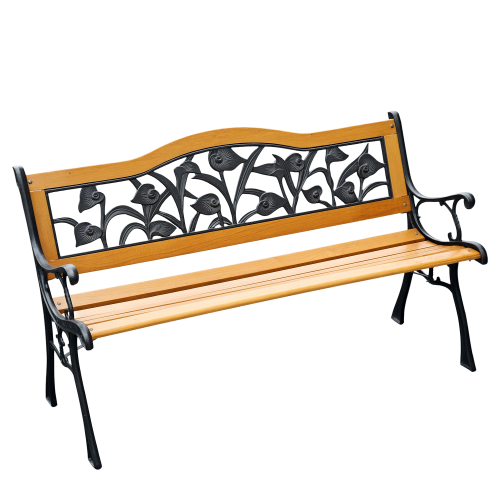

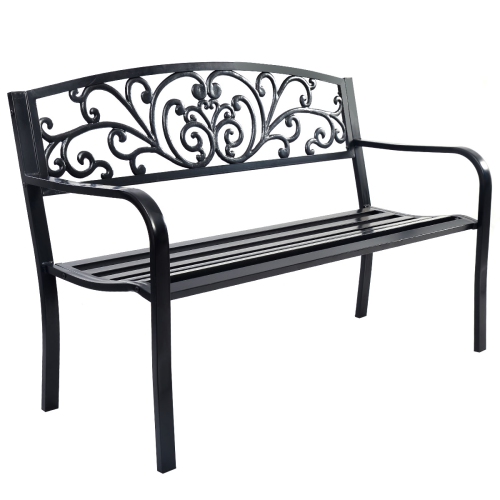

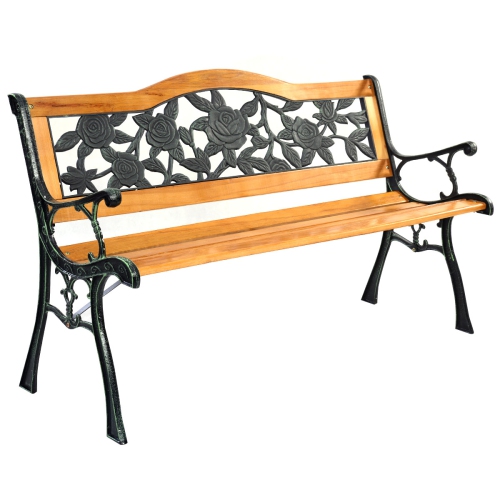
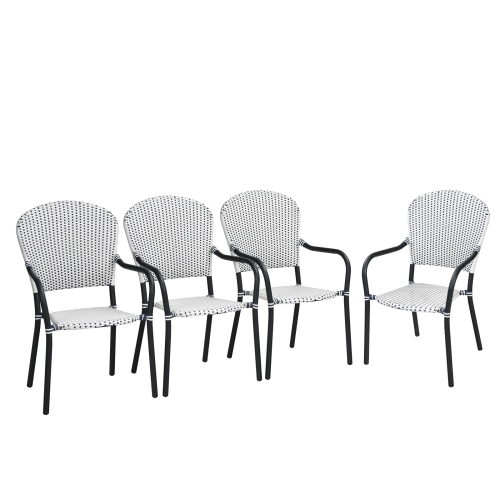
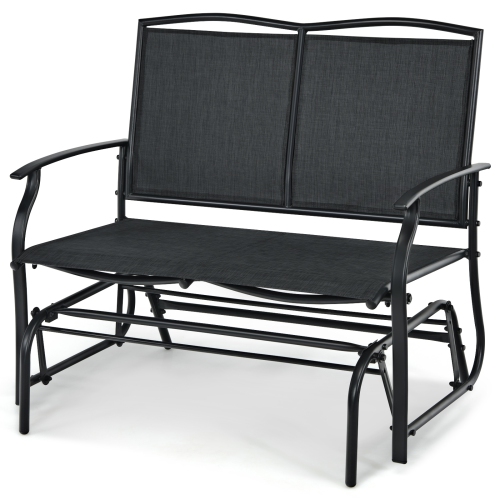


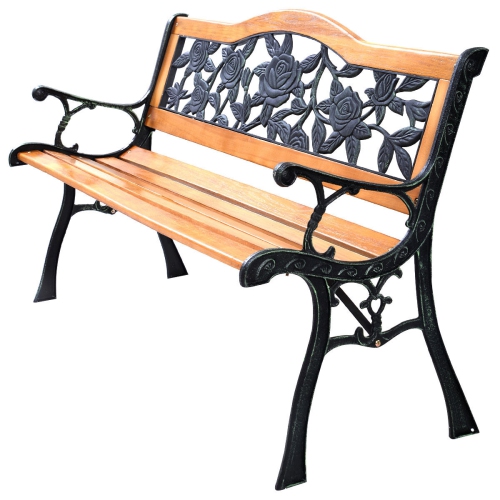


Sculpted detail meets the practical demands of everyday seating
Cast iron chairs bring substantial weight, sculpted detail, and a distinctive sense of permanence to a seating area. Their character comes partly from the casting process: molten iron is poured into a mould, allowing makers to create curved backrests, floral patterns, latticework, and other intricate shapes. That detail can give a simple chair the presence of a larger furnishing, whether it sits beside a garden path or at a small kitchen table. Not every chair described as cast iron is made entirely from that material. Some combine a cast iron backrest or decorative panels with a steel frame, metal seat, or wooden slats. The distinction matters because construction affects the chair’s overall weight, comfort, maintenance, and suitability for different locations. Cast iron also differs from wrought iron, which is shaped through working rather than casting, and cast aluminum, which is generally much lighter. A heavier chair can feel reassuringly planted during everyday use, but it may be less convenient for someone who regularly rearranges a dining area or needs to pull seating across a large space. Weight alone does not establish strength or safety; the manufacturer’s stated weight capacity, assembly requirements, and intended use remain the important references. Finishes influence both appearance and upkeep. Painted or powder-coated surfaces provide a barrier between the iron and moisture, while details such as brushed accents can emphasize raised patterns. Dark finishes tend to make ornate silhouettes stand out, whereas softer colours can give the same material a lighter visual presence. For someone furnishing a traditional dining nook, an enclosed entry, or an outdoor seating area, cast iron chairs offer a way to introduce texture without relying on upholstery. Their best fit depends on the complete construction, not simply the material named in the description.
Comfort and proportions are especially important with firm metal seating. Seat width, usable depth, backrest angle, and the position of armrests all affect how a chair feels during a quick coffee break compared with a long meal. A deeply patterned back can be visually striking, but a smoother contact area or a well-fitted cushion may be preferable for extended sitting. Cushions should match the seat’s actual shape and dimensions rather than hang beyond the edges, and ties or other suitable attachments help keep them positioned. Extra padding also changes the sitting height, which can reduce legroom beneath a table. For dining arrangements, the relationship between the chair and table matters as much as either piece on its own. Armrests need clearance beneath the tabletop or apron if the chairs are expected to tuck in, while the space between table legs must accommodate the chair’s width. There should also be enough room behind each seat to pull it out without scraping a wall or blocking a walkway. Armless designs can work well where seats need to sit closer together, while chairs with arms provide a place to rest forearms during relaxed conversation. A rocking design needs its own clear footprint and a level surface suitable for its runners; it should not be treated as interchangeable with a stationary dining chair. Indoors, a cast iron chair can serve as an accent beside a console or as occasional seating, provided its feet and finish suit the floor. Outdoors, the manufacturer should explicitly identify the chair as suitable for that use. Coordinating a seat with a table or bench from the wider range of Cast Iron Outdoor Furniture can help create a consistent arrangement, though matching every pattern is not essential. Repeating a finish, curve, or simple geometric detail often brings different pieces together without making the space feel overly formal.
The lasting appeal of cast iron chairs depends on practical details as much as their appearance. Iron can rust when exposed to moisture, particularly where paint or another protective coating has chipped, so a rust-resistant finish should not be understood as rustproof. Routine care generally starts with a soft cloth, mild soap, and thorough drying, subject to the manufacturer’s instructions. Harsh abrasives can damage a finish, and dirt trapped around scrollwork, joints, or fasteners can make small areas of wear harder to spot. A chair with wooden slats or other mixed materials may need a different care approach for each component. Any touch-up treatment should be compatible with the existing coating, and loose hardware should be addressed according to the assembly instructions rather than tightened indiscriminately. Floor contact deserves attention too. Suitable glides or protective pads can help limit marks on indoor flooring, while intact feet and a firm, level base support steady placement. Soft ground, narrow paving joints, and uneven surfaces may not provide reliable support for every leg design. Because cast iron can be brittle under a sharp impact despite its substantial feel, careful handling is preferable to dragging, dropping, or forcing a chair through a narrow doorway. Its weight may also make a second person helpful when moving it between locations. Where a chair will stay outdoors, a properly fitted cover and a dry storage option can simplify care; cushions should be maintained separately according to their fabric and filling requirements. Ease of upkeep is worth considering alongside ornate detail, particularly for seating used daily around food or drinks. Open patterns can collect crumbs in places that take a little longer to wipe clean, while simpler profiles are often easier to maintain. With suitable dimensions, a sound finish, and construction matched to the intended setting, cast iron chairs can provide distinctive seating for shared meals, quiet reading, or a welcoming place to pause beside the front door.
Top selling and popular products
-
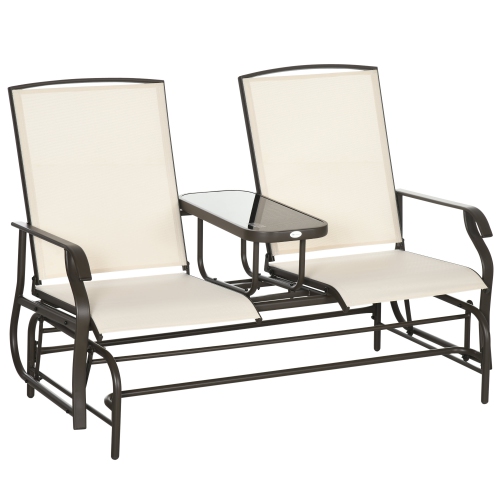 Your price for this item is $209.99
-
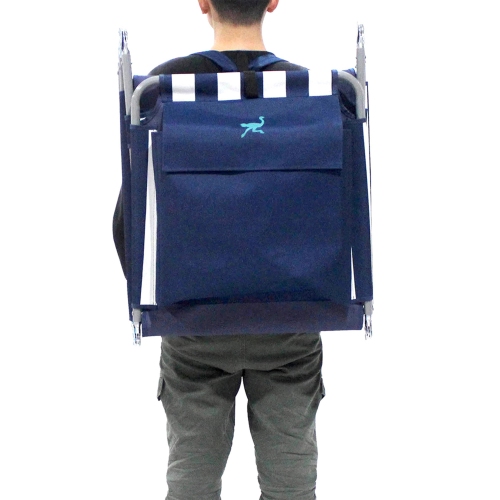 Your price for this item is $223.99
-
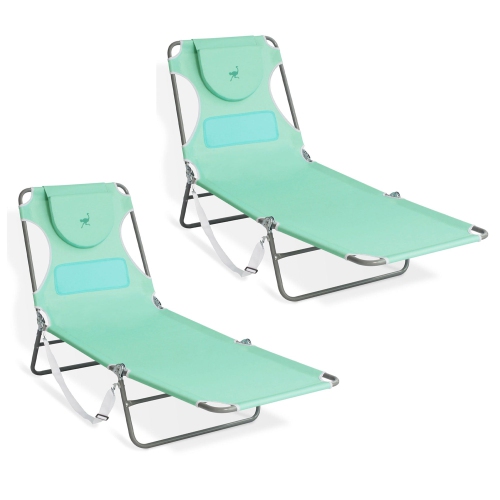 Your price for this item is $408.99
-
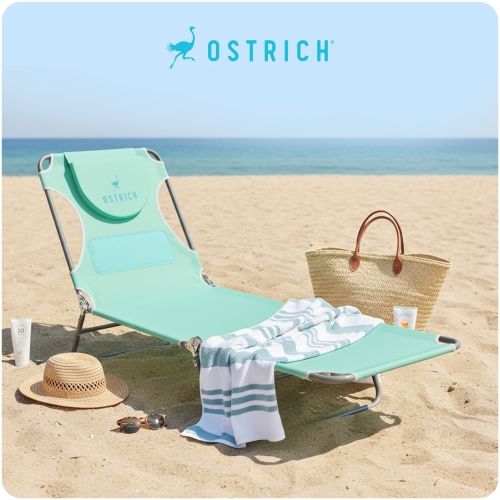 Your price for this item is $188.99
-
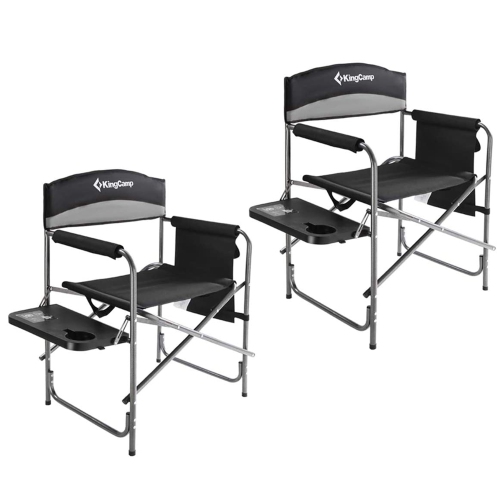 Your price for this item is $246.99
-
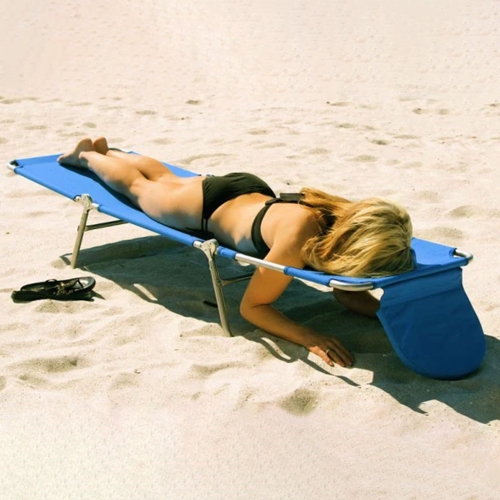 Your price for this item is $714.99
-
 Your price for this item is $178.99
-
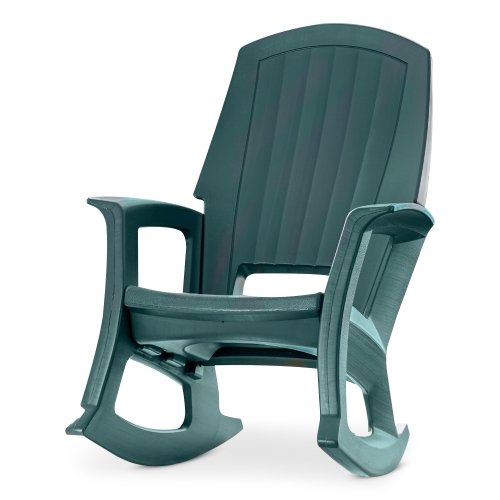 Your price for this item is $459.99
Discover more categories related to Cast Iron Chairs
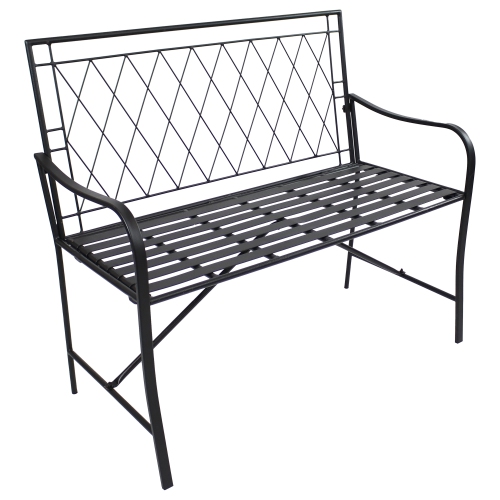
Top Collections:
Best Black Friday Deals This Year, Best Black Friday Deals On Electronics, Kindle Devices, Pokemon Centers, Best Black Friday Deals On Apple Products, Best Cameras for Sports Photography, Dyson Airwrap, Pokémon 30th Celebration Cards, Apple iPhone 17 Pro, Canon G7X Cameras
Some products may be subject to Environmental Handling Fees
(EHF) depending on your province.
Learn more about EHFs.