Cast Iron Cooking Utensils
Upgrade your kitchen essentials with our collection of cast iron cooking utensils. Crafted with durability and versatility in mind, these utensils are perfect for any home chef looking to elevate their cooking experience. From skillets and griddles to Dutch ovens and grill pans, our selection has everything you need to create delicious meals with ease. With their superior heat retention and even distribution, cast iron utensils ensure that your food is cooked to perfection every time. Whether you're a seasoned cook or just starting out, these high-quality cast iron cooking utensils are a must-have addition to your kitchen arsenal.
Sort
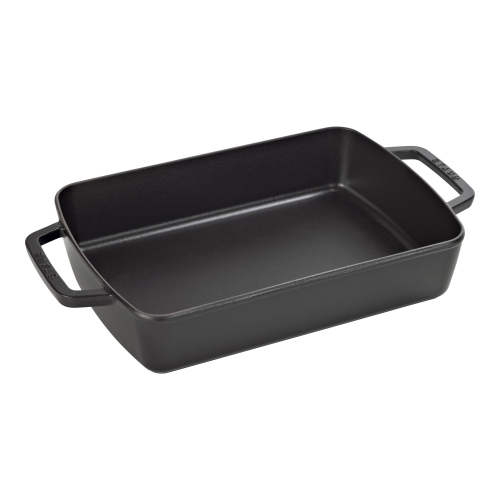
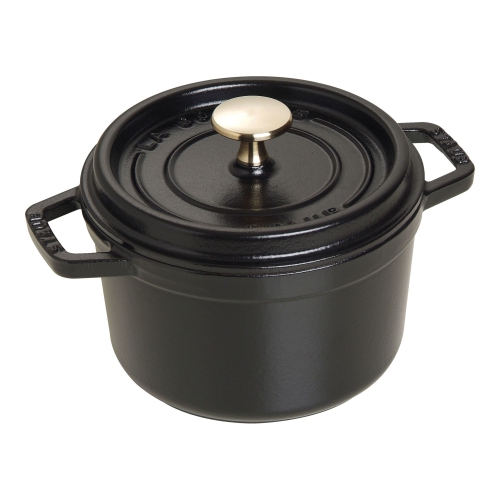
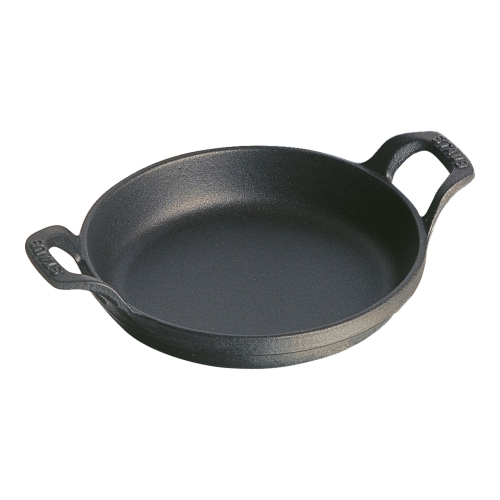
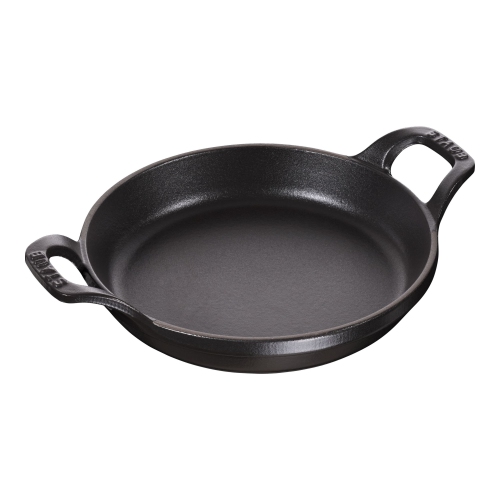

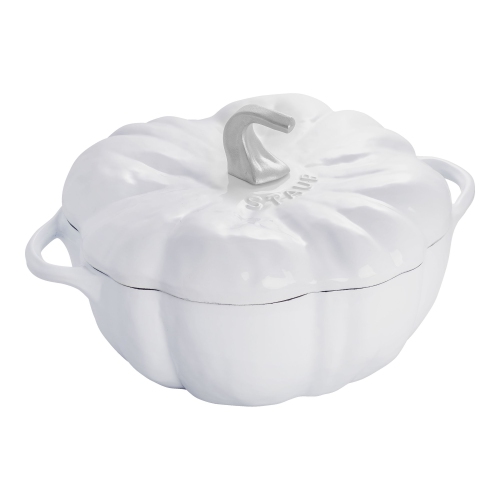
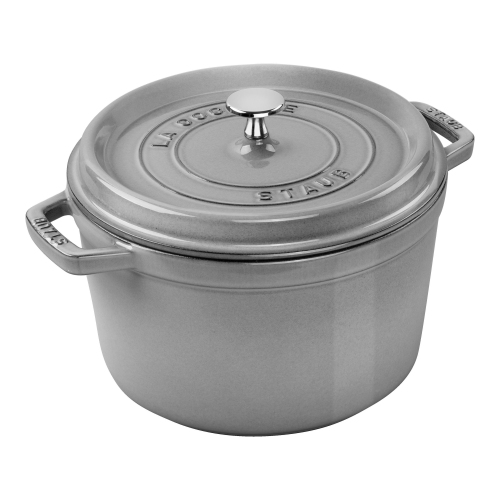
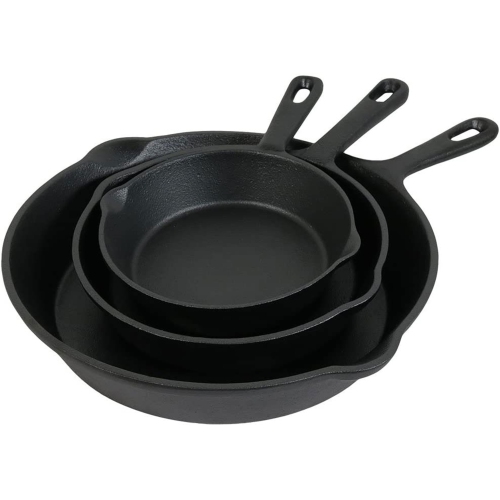
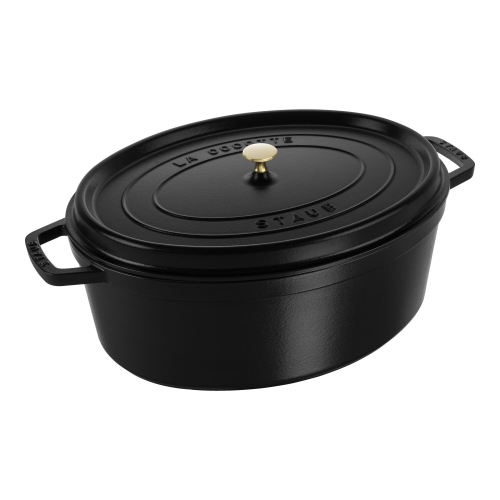

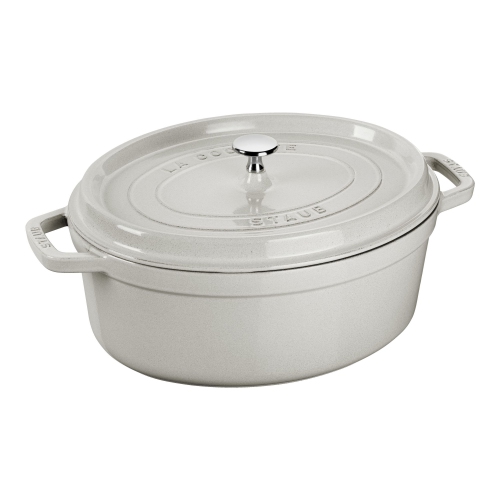
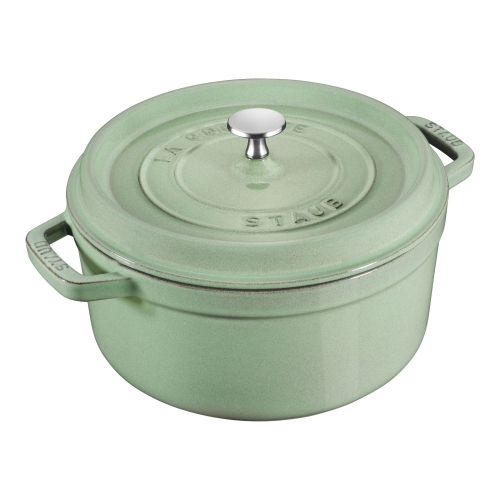
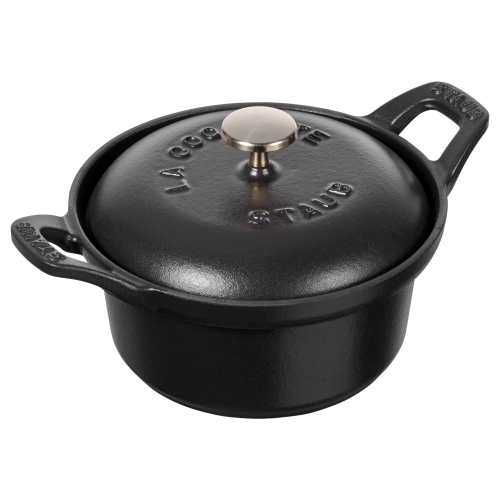
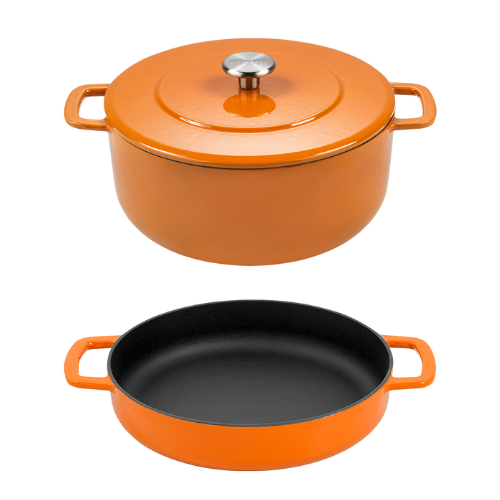
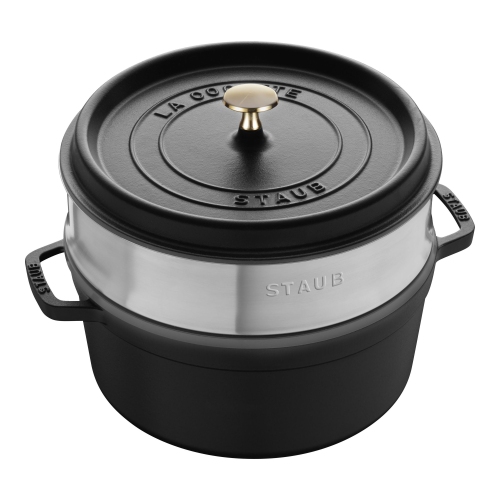
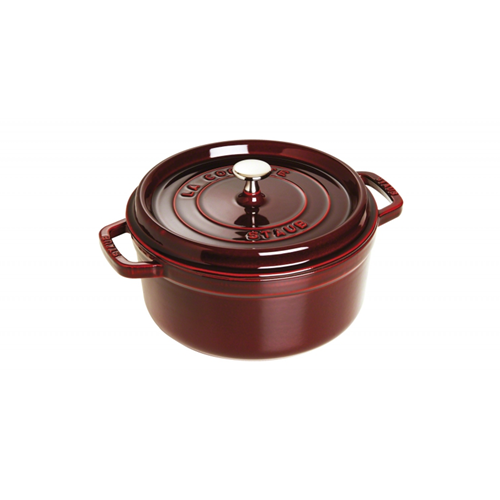
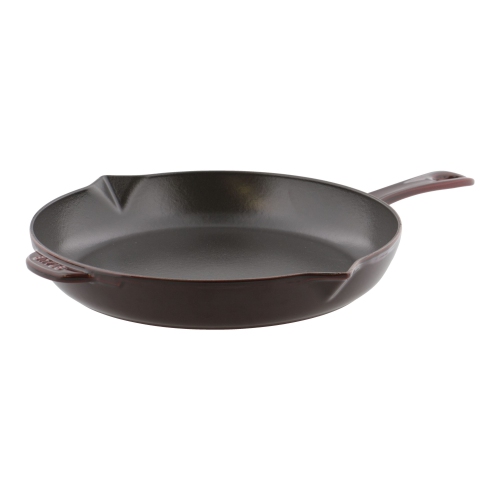
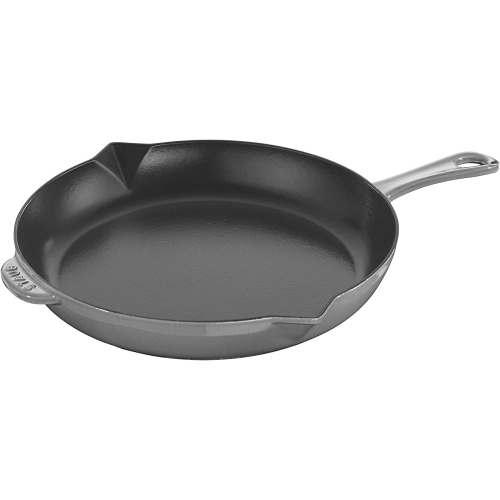
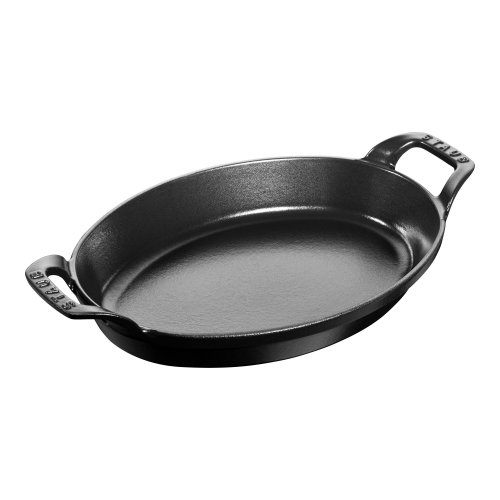
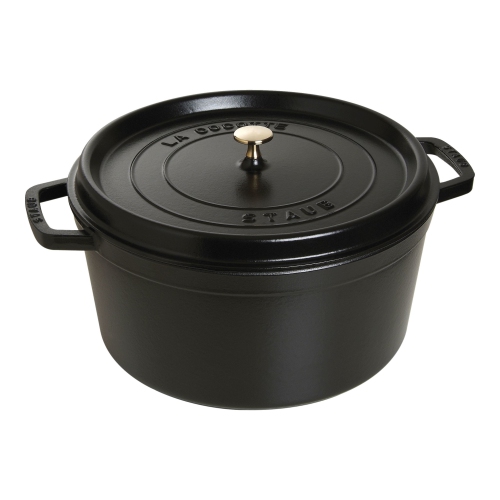


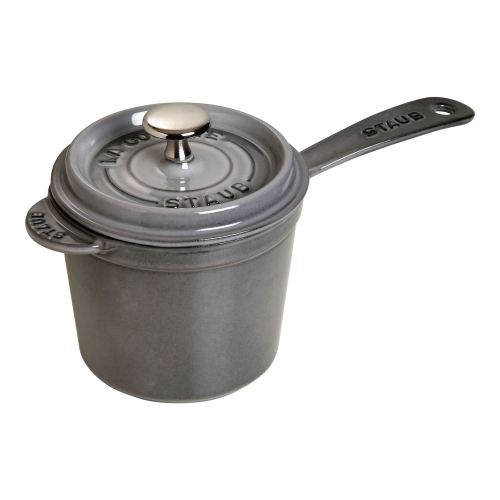
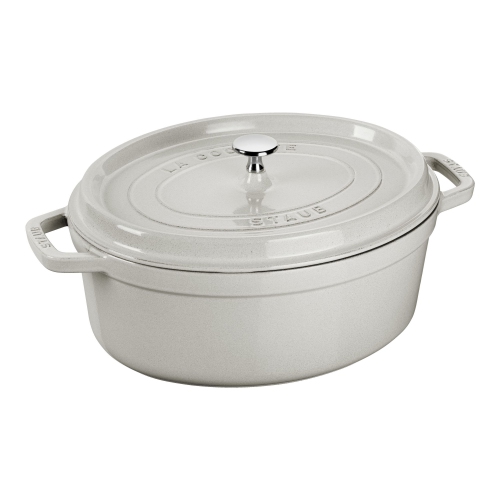


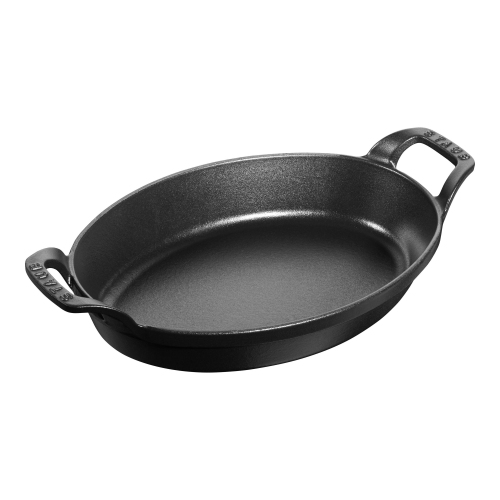
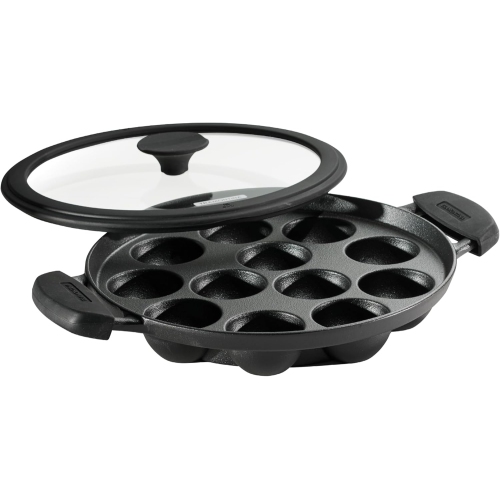
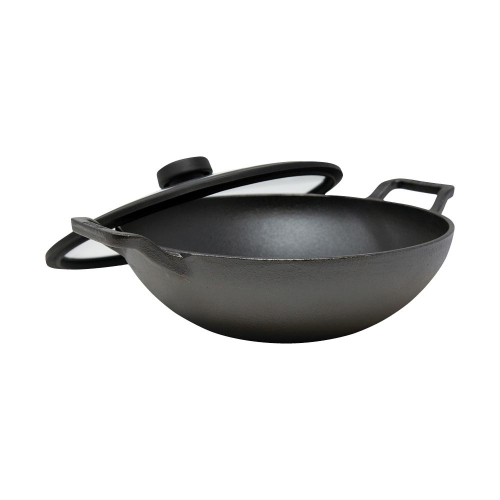
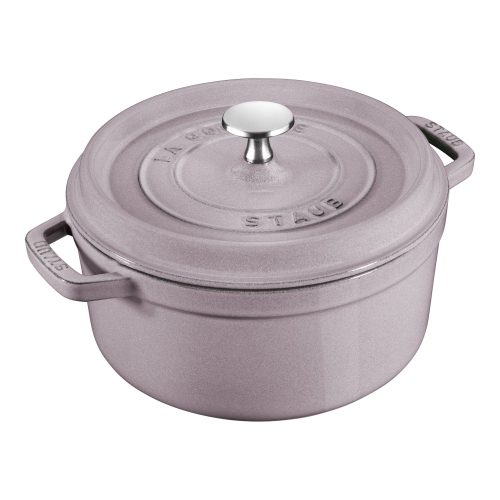
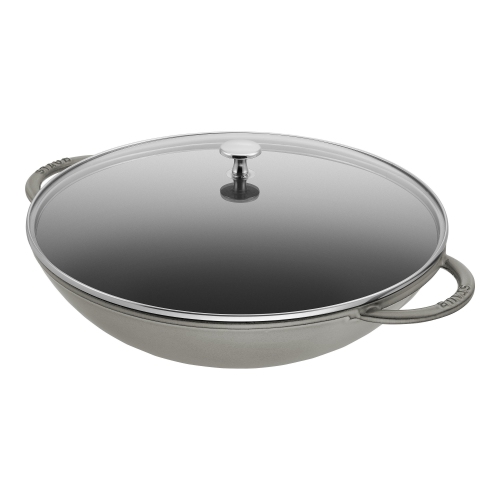
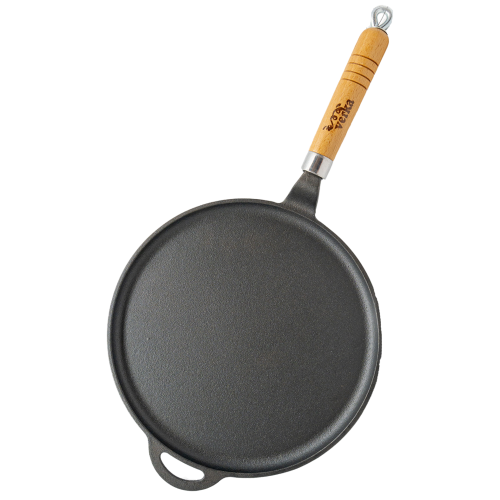
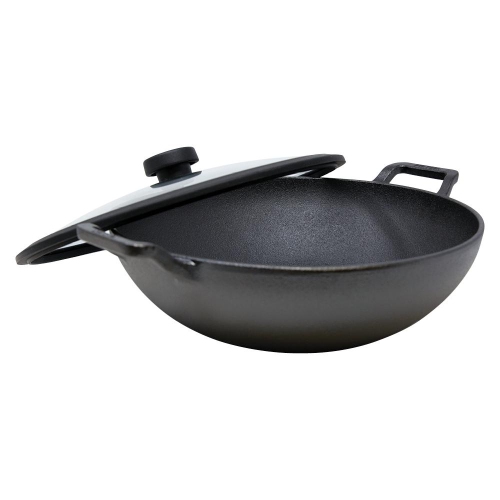
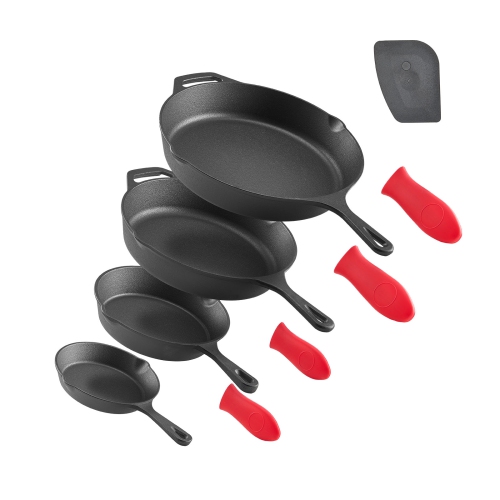
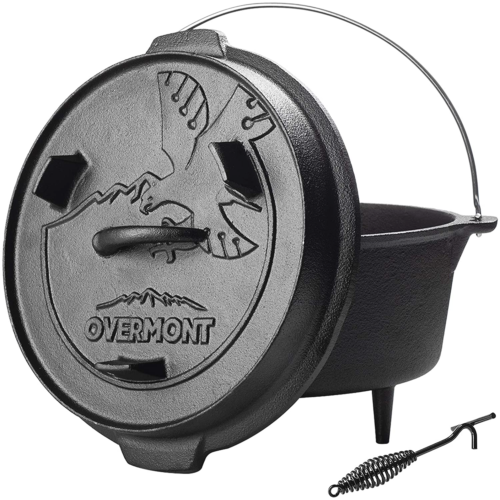
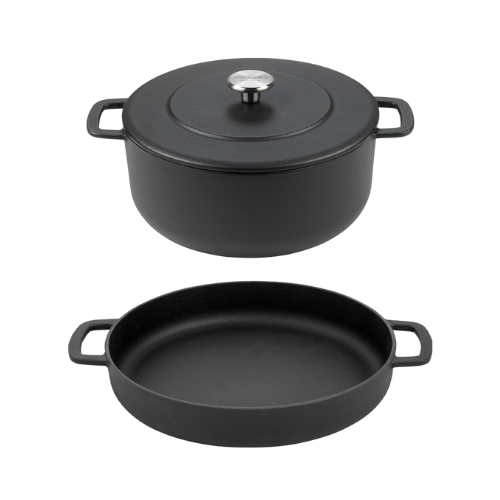
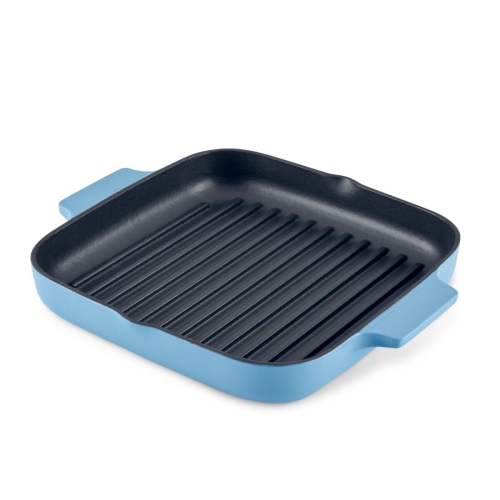
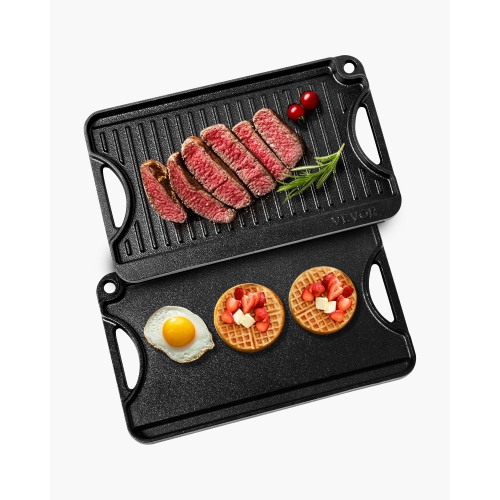
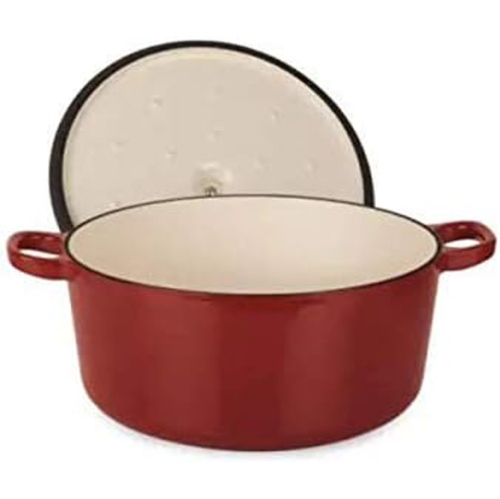
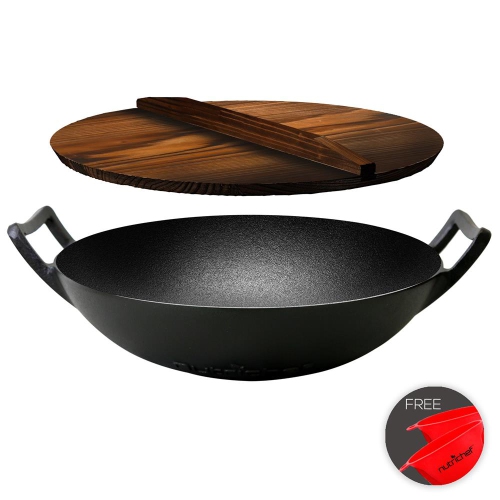
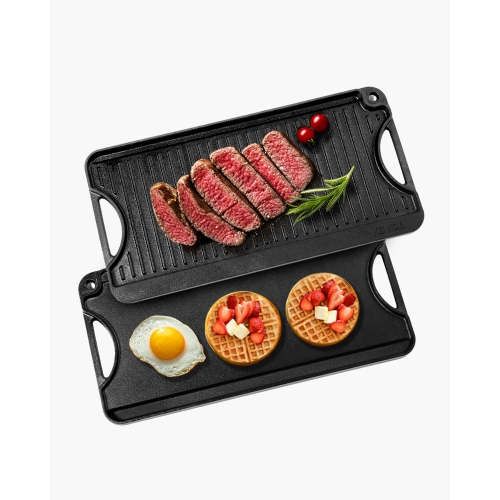
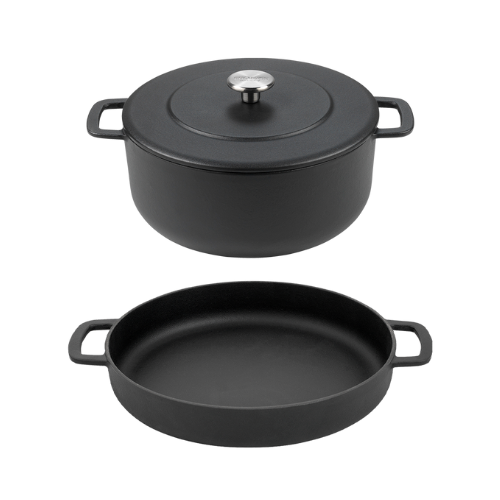

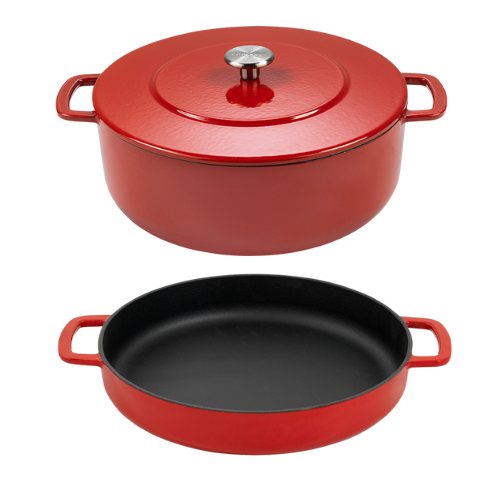
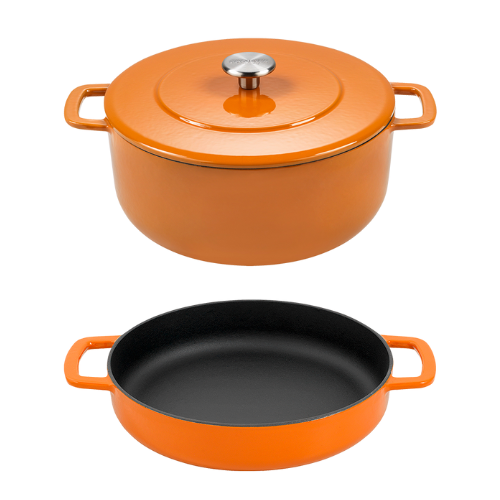
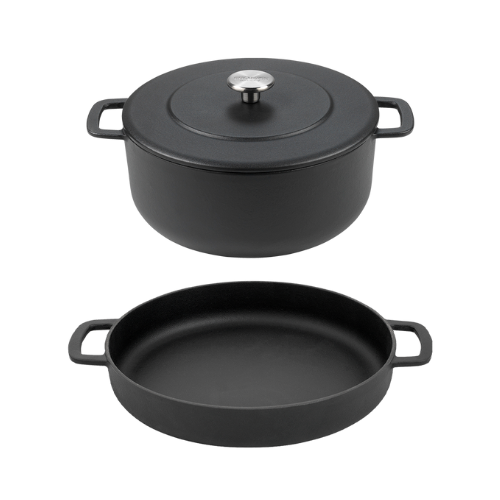
Reliable heat and versatile cooking from stovetop to oven
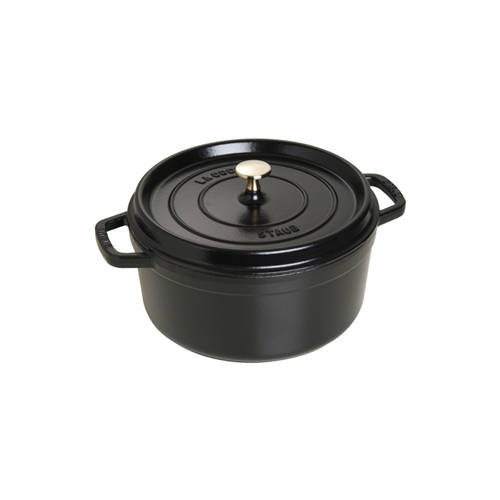
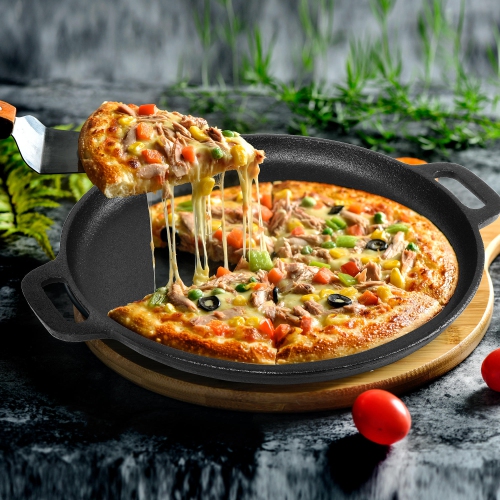
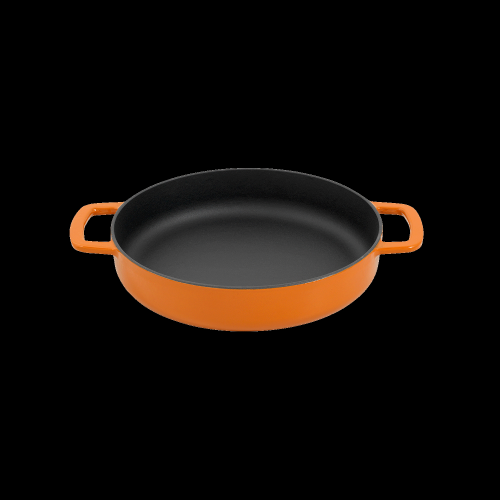
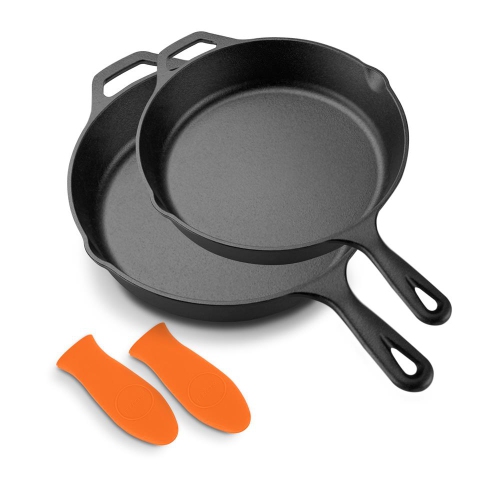
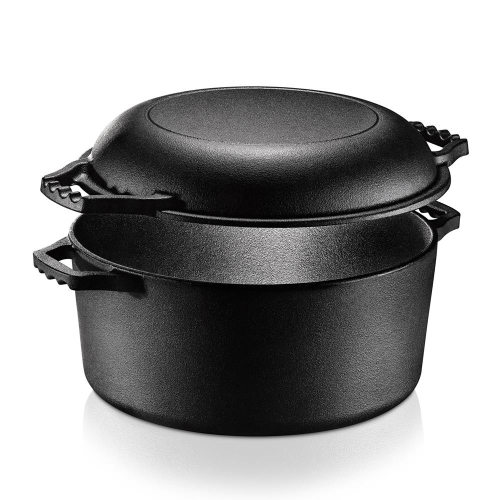
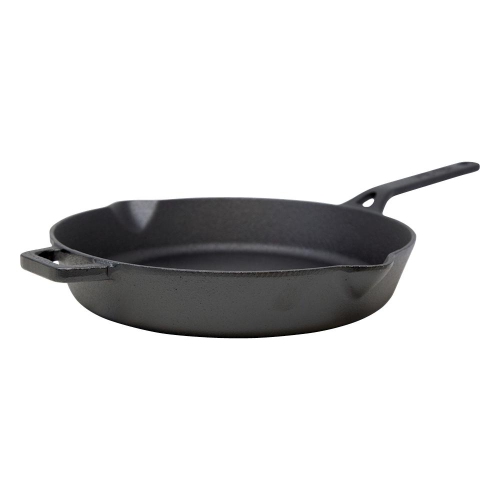
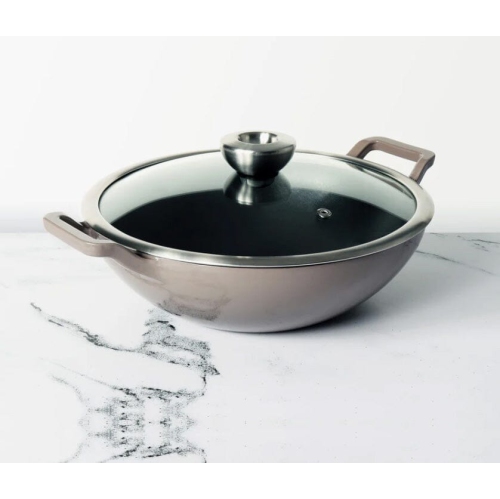
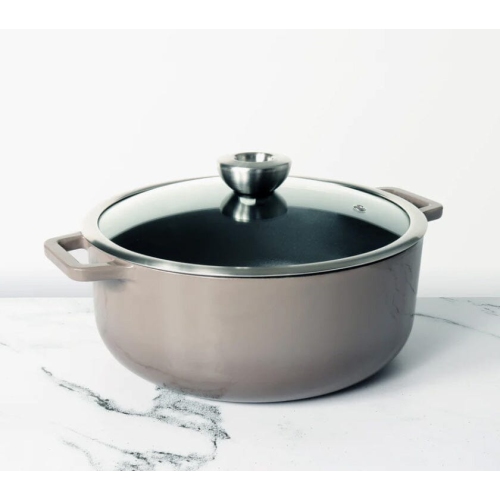
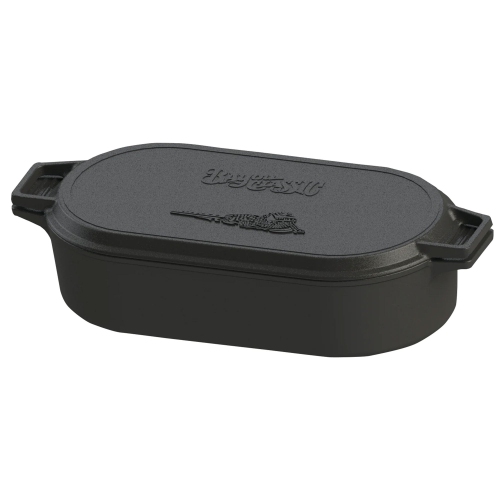
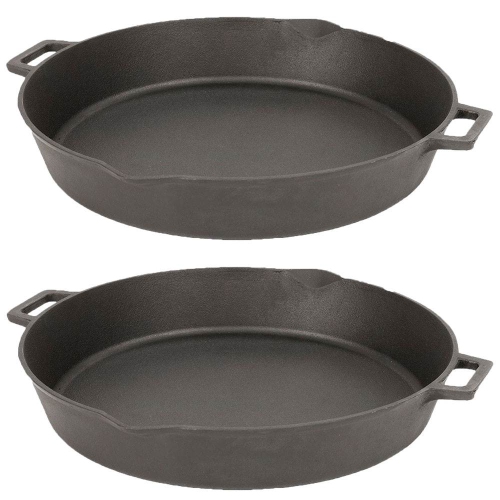
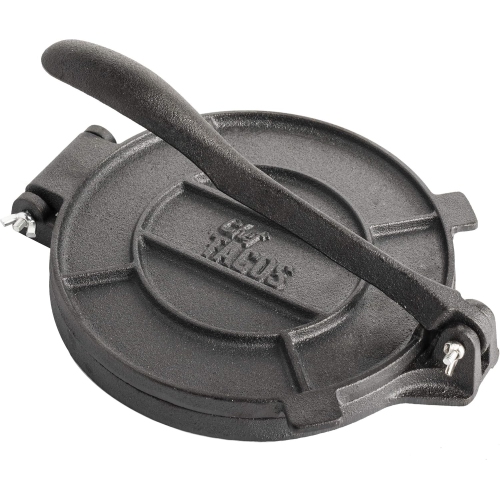
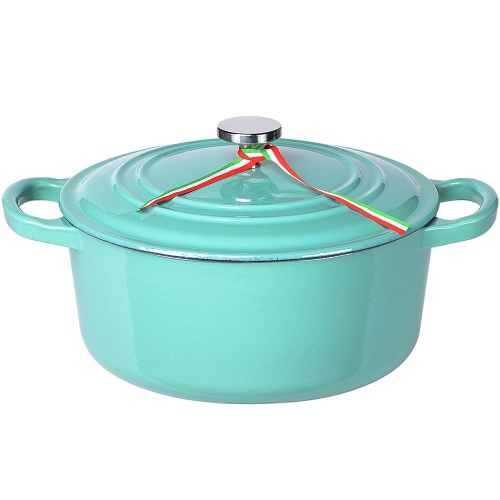
Cast iron cooking utensils bring a reassuring sense of permanence to the kitchen. Their substantial weight, excellent heat retention, and ability to move comfortably from stovetop to oven make them useful for everyday meals as well as slower weekend cooking. A cast iron skillet is a dependable choice for searing steak, browning vegetables, frying eggs, baking cornbread, or crisping the edges of a fruit dessert. Smaller pieces work well for individual servings and side dishes, while larger skillets provide room for family-size meals without crowding ingredients together. Cast iron Dutch ovens are suited to soups, stews, braises, casseroles, and rustic loaves of bread, holding a steady temperature as food simmers. Flat griddles offer a broad cooking surface for pancakes, bacon, grilled sandwiches, eggs, and vegetables. When choosing between these shapes, consider the meals prepared most often, the number of people served, available storage, and the strength needed to lift a fully heated or filled piece. Handles with a comfortable grip can make a noticeable difference, particularly when moving cookware from the stovetop to the oven. A helper handle on a larger pan can provide added control, while a lid helps retain moisture during braising and keeps heat circulating during covered cooking. Cast iron is compatible with many cooktops, including gas, electric, and induction, though it is wise to check the cookware and appliance instructions before use. Its heft can also scratch delicate glass surfaces if it is slid rather than lifted, so careful handling is important. Bare cast iron develops a seasoned cooking surface through repeated use and light oiling, while enameled cast iron offers a smooth coating that is especially convenient for acidic ingredients such as tomatoes, wine-based sauces, and citrus-forward dishes. Enameled finishes also come in a range of colours, making them easy to coordinate with other kitchen pieces, including Black Cooking Utensils for a cohesive look.
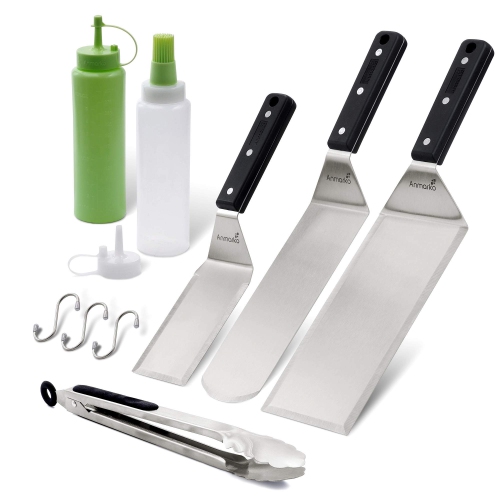
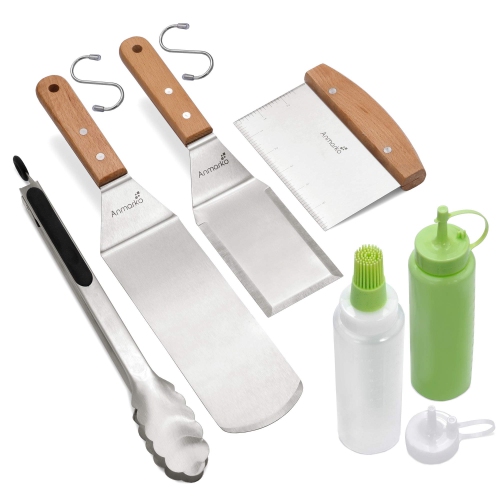
Getting the best results from cast iron starts with patient preheating. Place the cookware over medium-low heat and allow it to warm gradually for roughly 3 to 5 minutes before adding oil or food. A slow, even start helps reduce hot spots and gives ingredients a better chance to brown rather than stick. Once heated, cast iron holds its temperature well, which is useful when adding several pieces of meat, a batch of potatoes, or chilled batter to the cooking surface. A thin layer of cooking oil is generally enough; too much can leave food greasy and may produce a sticky coating on bare cast iron. Metal spatulas are often useful with traditional bare cast iron because a firm, flat edge can loosen browned bits and help maintain a smooth seasoned surface. For enameled cast iron, use wood, silicone, or other utensils recommended for coated cookware to help protect the finish from marks and chips. Cleaning is straightforward when done soon after cooking. Let the pan cool enough to handle safely, then wash it with warm water, a small amount of mild dish soap, and a stiff brush or suitable scrubber. Avoid leaving bare cast iron submerged for long periods, since standing water can encourage rust. Stubborn residue can often be loosened with warm water and gentle scrubbing rather than aggressive scraping. Dry the cookware thoroughly, including around handles and any pouring areas, then warm bare cast iron over low heat on the stovetop to remove lingering moisture. While it is still warm, rub on an ultra-thin layer of cooking oil and wipe away any visible excess. This simple routine takes only a few minutes and helps preserve the seasoning between uses. Enameled pieces generally do not require seasoning, but they still benefit from gentle cleaning and careful treatment around the rim. Avoid sudden temperature changes, such as placing very hot cookware under cold water, and use protective mitts because cast iron remains hot long after the burner is turned off.
Cast iron cooking utensils suit experienced home cooks, first kitchens, cottage kitchens, and anyone who appreciates tools that can handle regular use. They are particularly handy during the cooler months, when a Dutch oven filled with bubbling stew or a skillet of roasted vegetables can bring warmth and rich, savoury aromas to the kitchen. They are just as useful outdoors for campfire cooking, backyard meals, and breakfasts prepared on a barbecue, provided the cookware is suitable for the heat source and handled with care. A skillet or griddle can turn a relaxed gathering into a meal cooked in full view, while a covered Dutch oven can keep food warm as everyone settles around the table. Cast iron pieces also make thoughtful gifts for new homeowners, graduates setting up their first kitchen, frequent hosts, and cooks who enjoy learning traditional techniques. A versatile skillet can become the pan used for everything from a morning omelette to a late-season fruit crumble, gradually gaining a familiar finish and a collection of memories along the way. When selecting a gift, look at the recipient’s cooking habits, storage space, and comfort with heavier cookware. A compact piece may be easier to use in a smaller kitchen, while a larger covered option can support batch cooking and shared meals. Consider whether the recipient prefers the classic care routine of bare cast iron or the convenience of an enameled surface. Whichever style fits best, a well-chosen piece can support practical cooking for years, from seared vegetables and crisp-edged cornbread to slow-cooked beans and hearty braises. With gradual preheating, suitable utensils, thorough drying, and sensible storage, cast iron cooking utensils can become reliable favourites rather than occasional specialty items.
Getting the best results from cast iron starts with patient preheating. Place the cookware over medium-low heat and allow it to warm gradually for roughly 3 to 5 minutes before adding oil or food. A slow, even start helps reduce hot spots and gives ingredients a better chance to brown rather than stick. Once heated, cast iron holds its temperature well, which is useful when adding several pieces of meat, a batch of potatoes, or chilled batter to the cooking surface. A thin layer of cooking oil is generally enough; too much can leave food greasy and may produce a sticky coating on bare cast iron. Metal spatulas are often useful with traditional bare cast iron because a firm, flat edge can loosen browned bits and help maintain a smooth seasoned surface. For enameled cast iron, use wood, silicone, or other utensils recommended for coated cookware to help protect the finish from marks and chips. Cleaning is straightforward when done soon after cooking. Let the pan cool enough to handle safely, then wash it with warm water, a small amount of mild dish soap, and a stiff brush or suitable scrubber. Avoid leaving bare cast iron submerged for long periods, since standing water can encourage rust. Stubborn residue can often be loosened with warm water and gentle scrubbing rather than aggressive scraping. Dry the cookware thoroughly, including around handles and any pouring areas, then warm bare cast iron over low heat on the stovetop to remove lingering moisture. While it is still warm, rub on an ultra-thin layer of cooking oil and wipe away any visible excess. This simple routine takes only a few minutes and helps preserve the seasoning between uses. Enameled pieces generally do not require seasoning, but they still benefit from gentle cleaning and careful treatment around the rim. Avoid sudden temperature changes, such as placing very hot cookware under cold water, and use protective mitts because cast iron remains hot long after the burner is turned off.
Cast iron cooking utensils suit experienced home cooks, first kitchens, cottage kitchens, and anyone who appreciates tools that can handle regular use. They are particularly handy during the cooler months, when a Dutch oven filled with bubbling stew or a skillet of roasted vegetables can bring warmth and rich, savoury aromas to the kitchen. They are just as useful outdoors for campfire cooking, backyard meals, and breakfasts prepared on a barbecue, provided the cookware is suitable for the heat source and handled with care. A skillet or griddle can turn a relaxed gathering into a meal cooked in full view, while a covered Dutch oven can keep food warm as everyone settles around the table. Cast iron pieces also make thoughtful gifts for new homeowners, graduates setting up their first kitchen, frequent hosts, and cooks who enjoy learning traditional techniques. A versatile skillet can become the pan used for everything from a morning omelette to a late-season fruit crumble, gradually gaining a familiar finish and a collection of memories along the way. When selecting a gift, look at the recipient’s cooking habits, storage space, and comfort with heavier cookware. A compact piece may be easier to use in a smaller kitchen, while a larger covered option can support batch cooking and shared meals. Consider whether the recipient prefers the classic care routine of bare cast iron or the convenience of an enameled surface. Whichever style fits best, a well-chosen piece can support practical cooking for years, from seared vegetables and crisp-edged cornbread to slow-cooked beans and hearty braises. With gradual preheating, suitable utensils, thorough drying, and sensible storage, cast iron cooking utensils can become reliable favourites rather than occasional specialty items.
Top selling and popular products
-
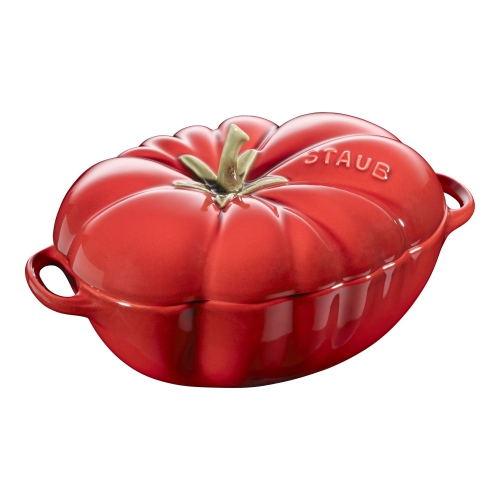 Your price for this item is $59.99
 -
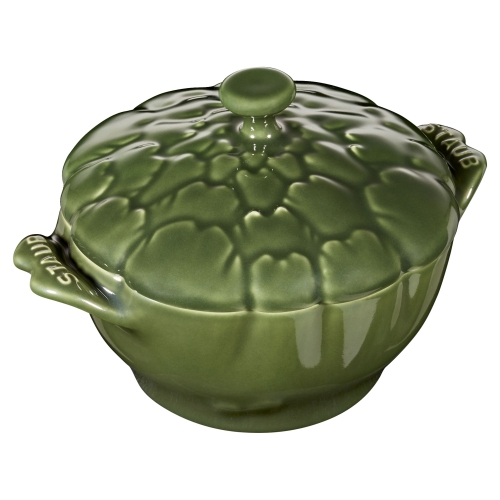 Your price for this item is $59.99
 -
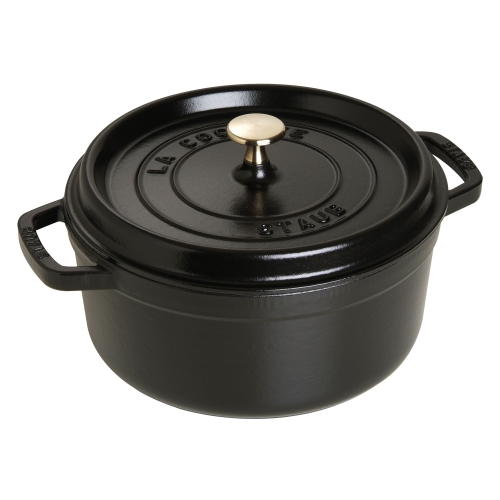 Your price for this item is $399.99
 -
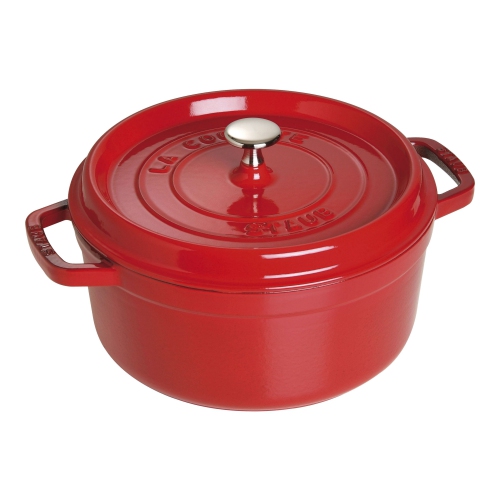 Your price for this item is $399.99
 -
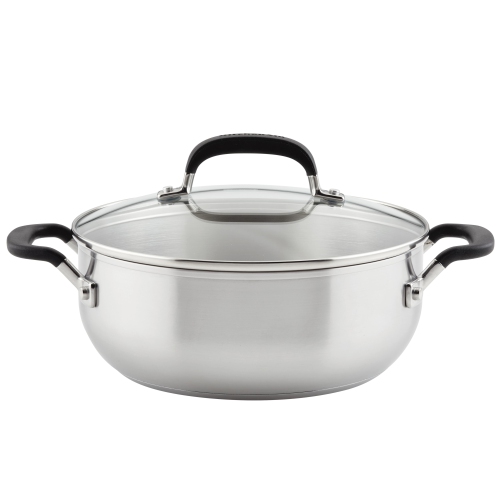 Your price for this item is $69.99
 -
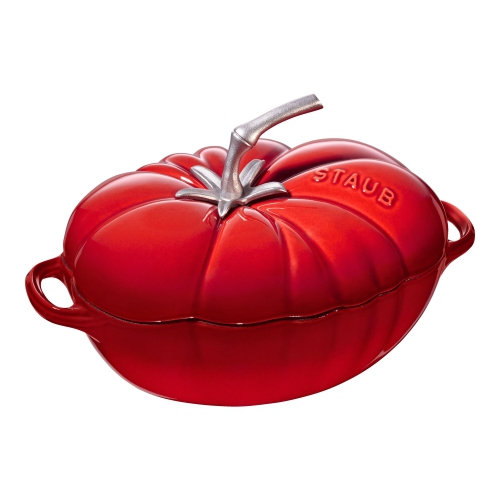 Your price for this item is $399.99
 -
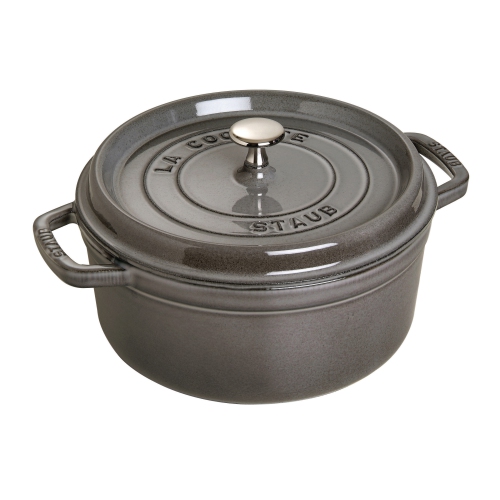 Your price for this item is $399.99
 -
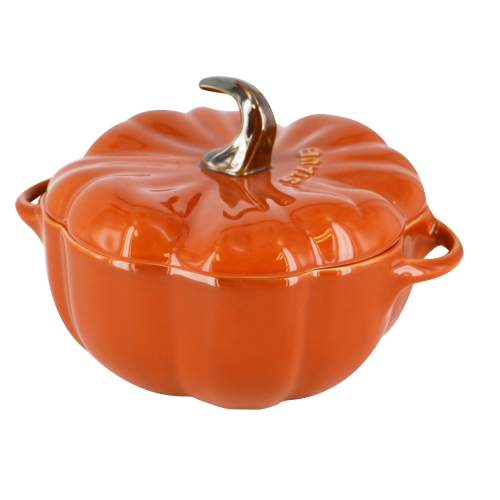 Your price for this item is $69.99
Discover more categories related to Cast Iron Cooking Utensils
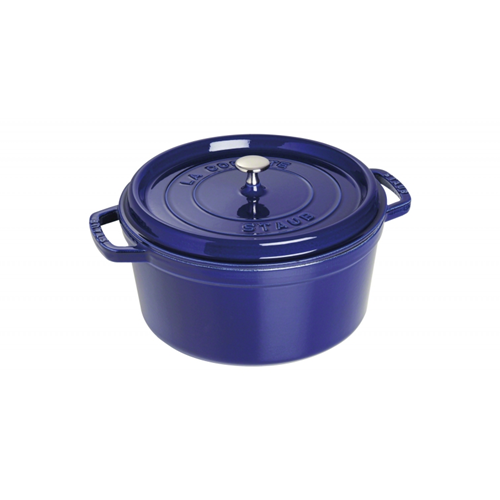
Top Collections:
Pokemon Centers, Kindle Devices, Best Budget Office Chairs, Apple iPhones 16, Best Laptops for Writers, iPhone 15 Apple, Canon G7X Cameras, Refurbished Apple Laptops, Alarm Clock, Motorola Razr Phones
Some products may be subject to Environmental Handling Fees
(EHF) depending on your province.
Learn more about EHFs.