Cast Iron Dishes
Cast iron dishes are a versatile and timeless addition to almost any kitchen, known for their durability and excellent heat retention properties. Whether you're searing steaks, baking casseroles, or sautéing vegetables, cast iron dishes can handle it all with ease. These classic cookware pieces are perfect for stovetop cooking, oven baking, and even outdoor grilling. With proper care, cast iron dishes can last a lifetime, making them a worthwhile investment for almost any home chef looking to elevate their cooking game.
Sort
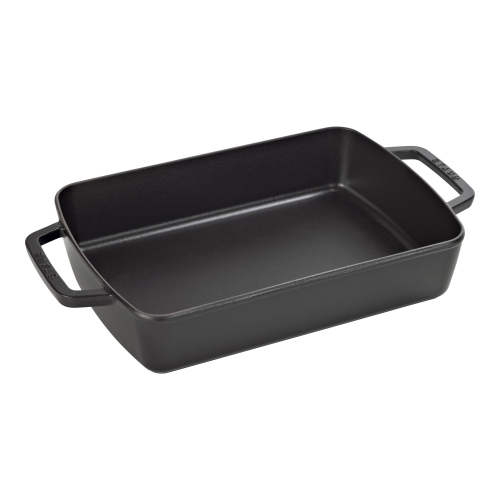
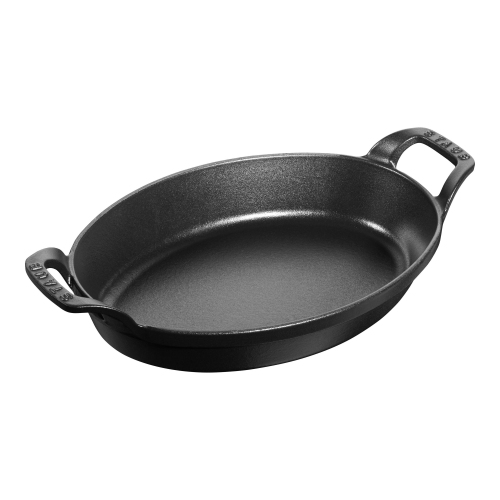
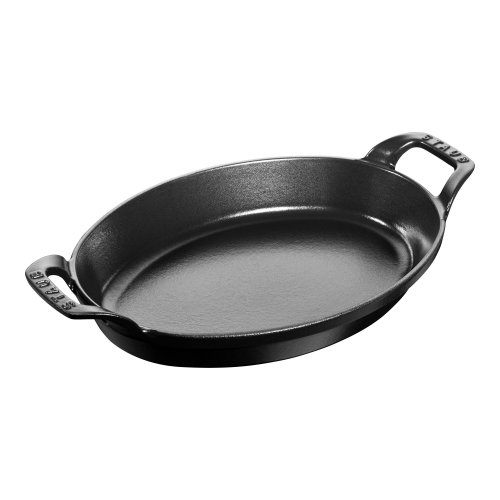
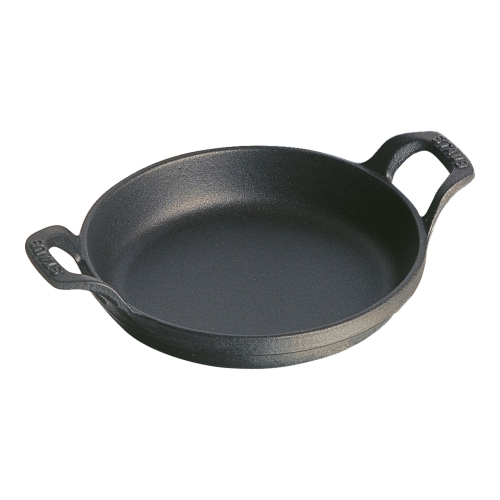
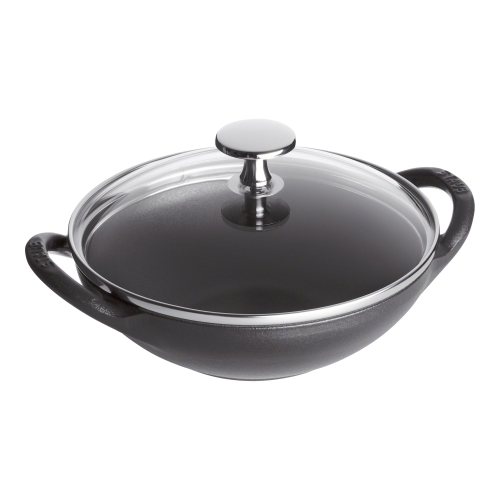
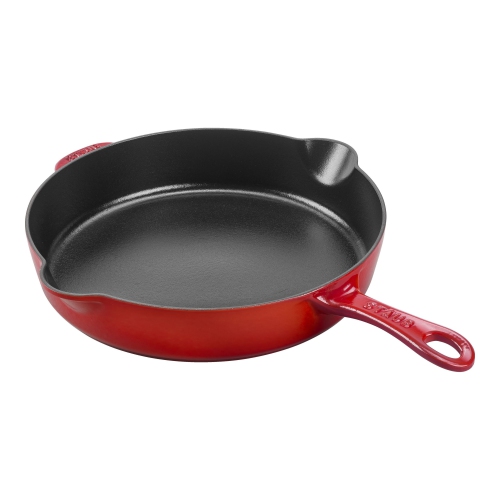
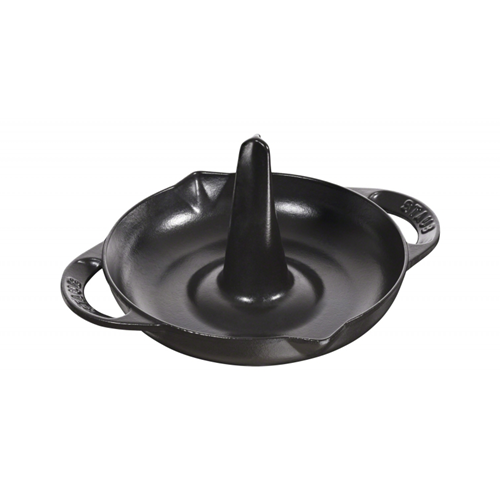
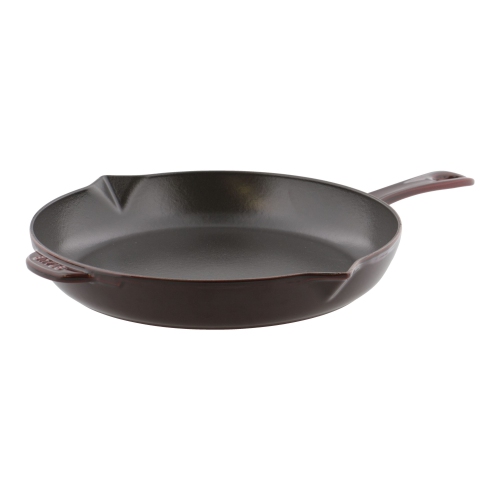





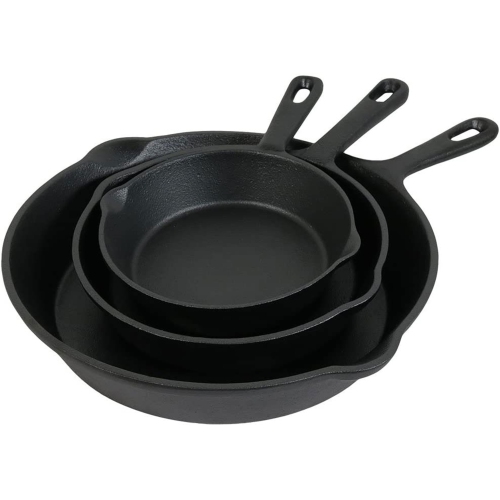
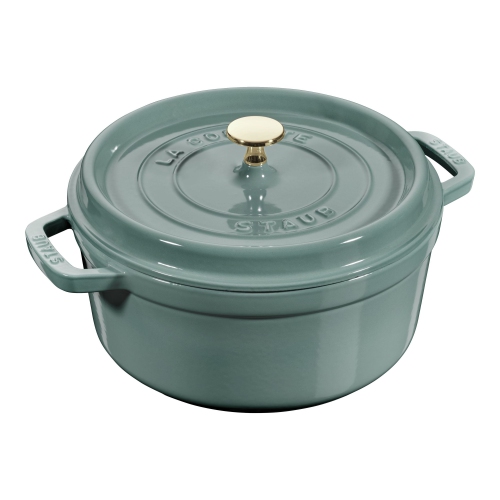
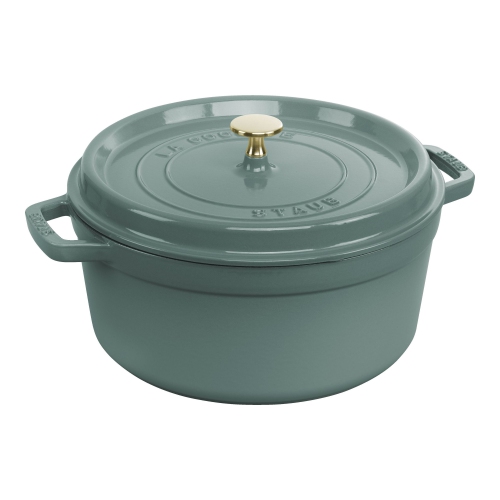
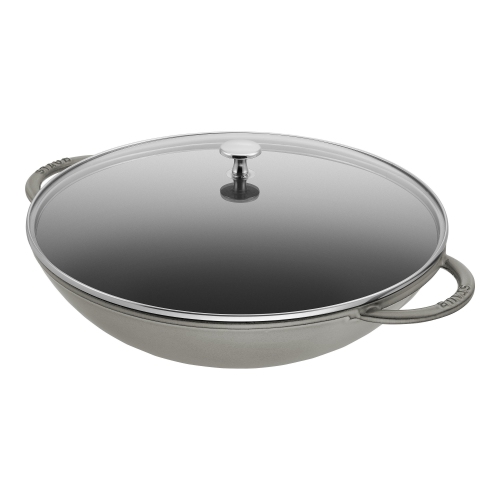
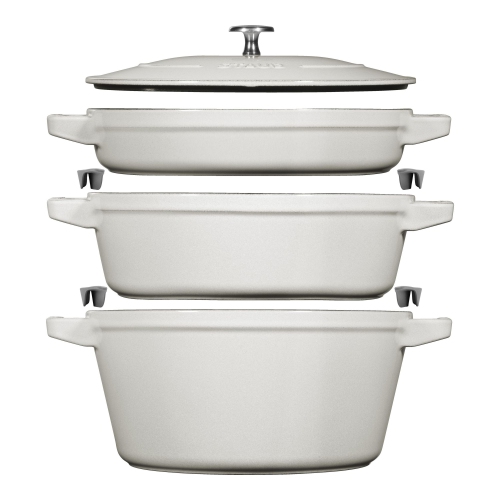
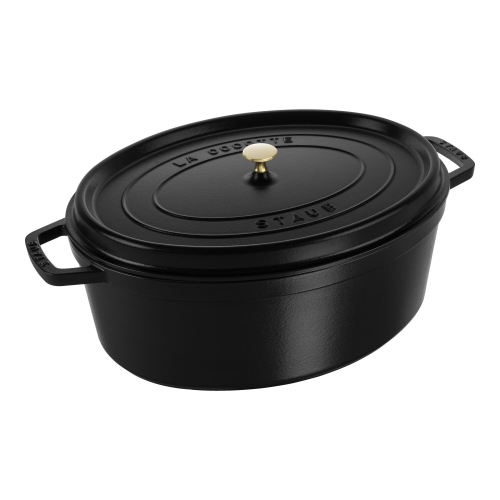
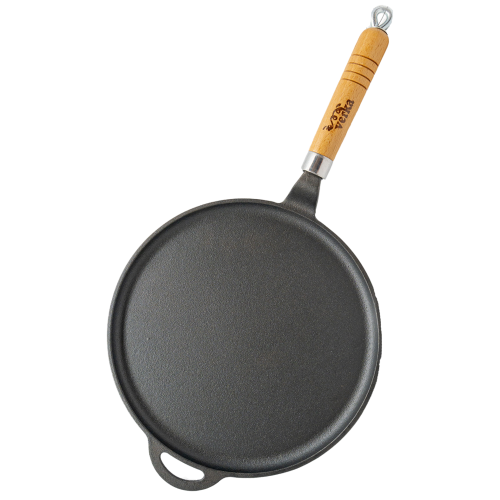
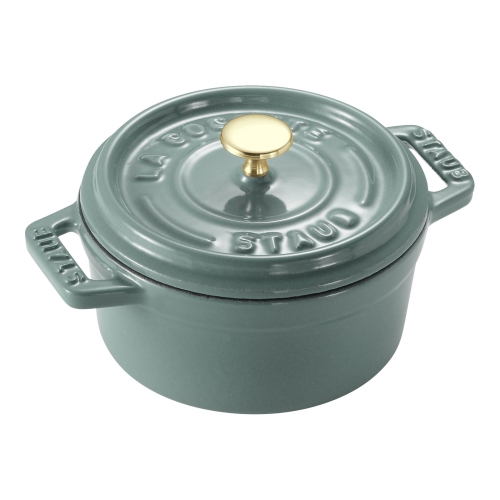


Steady heat for baking braising and serving comfort food
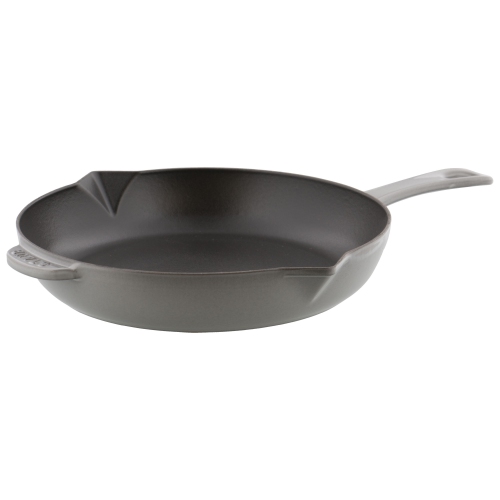
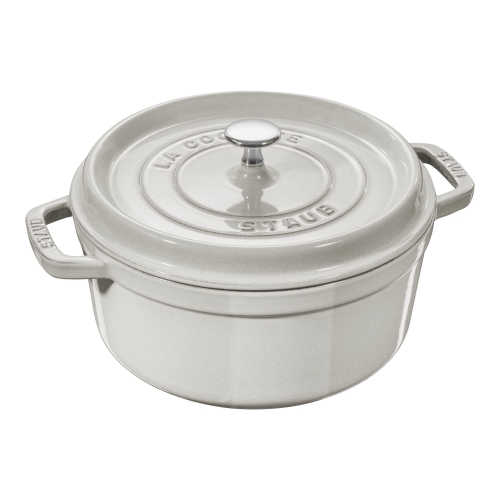
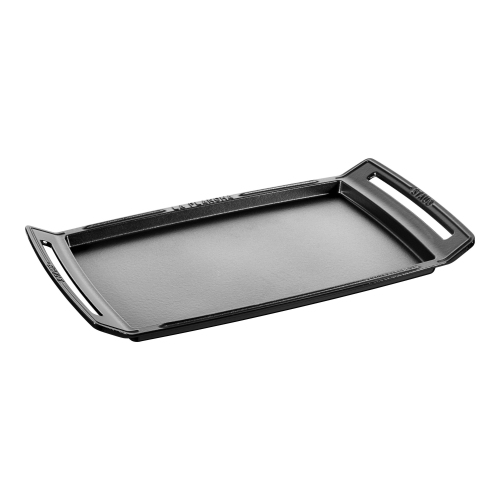
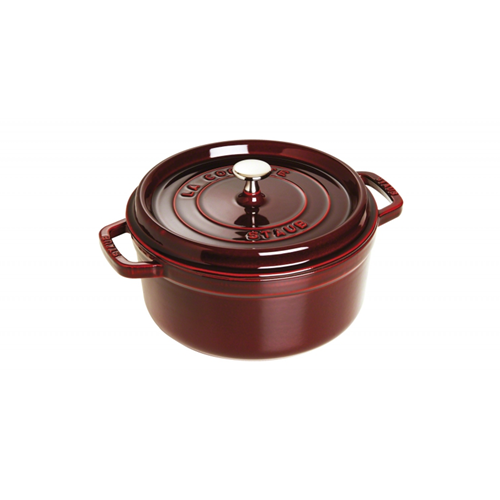
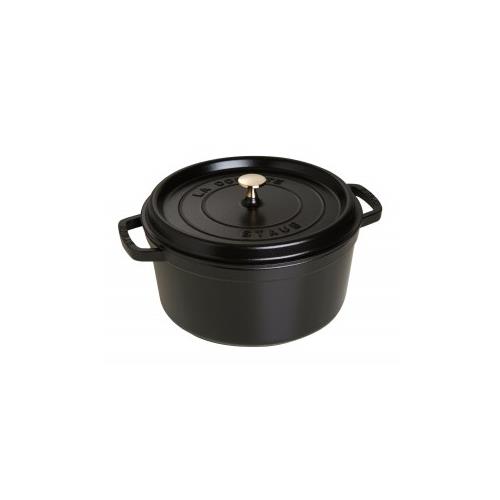
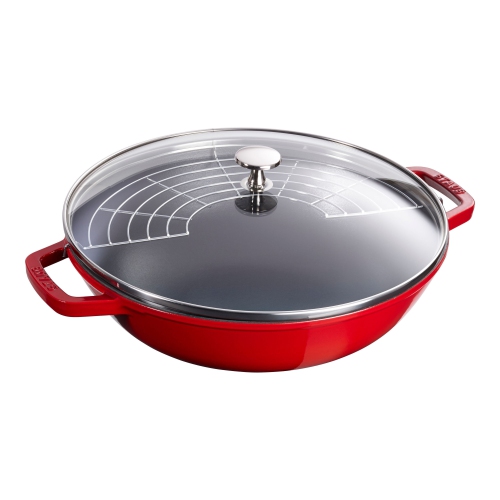
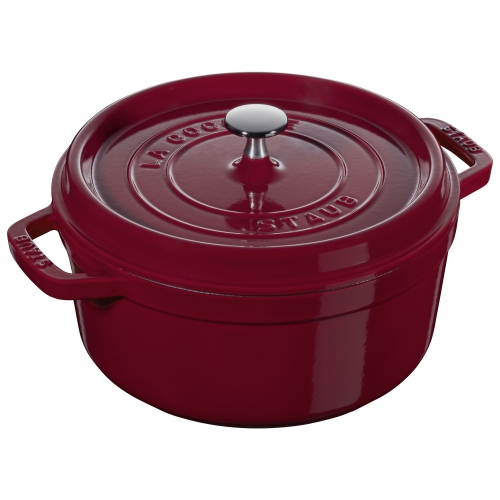
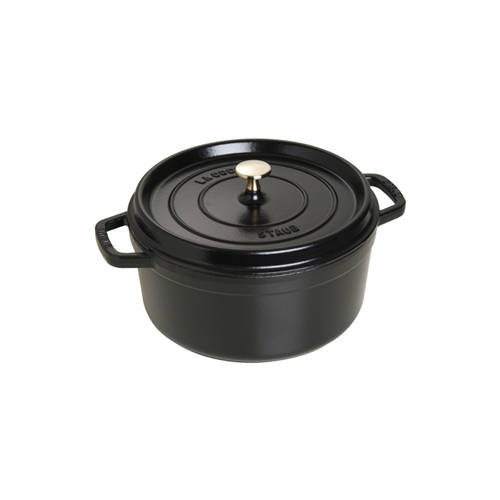
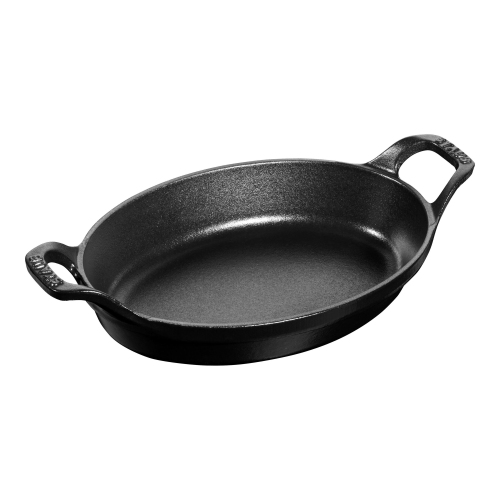
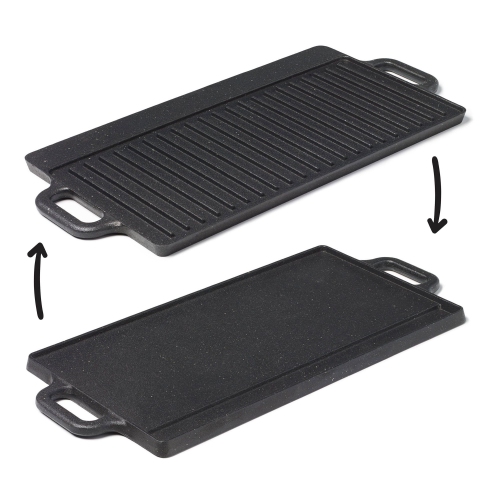
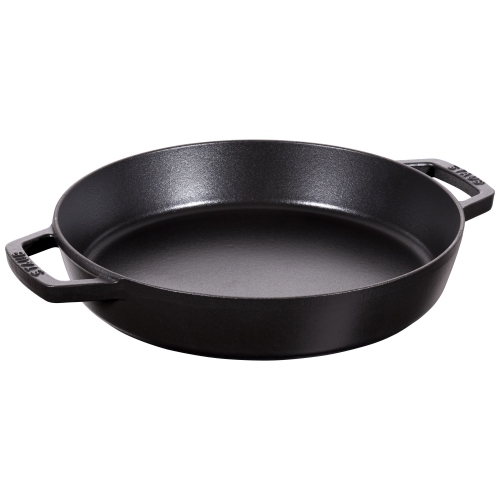
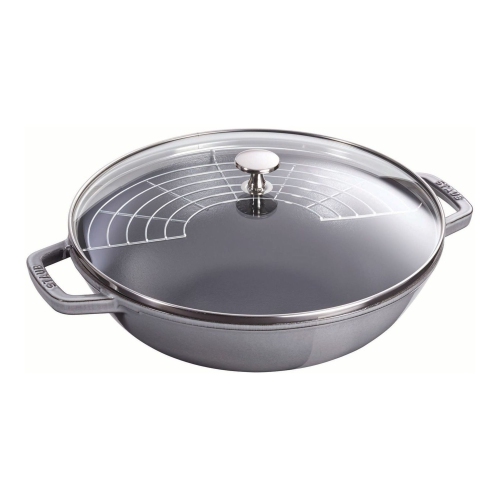
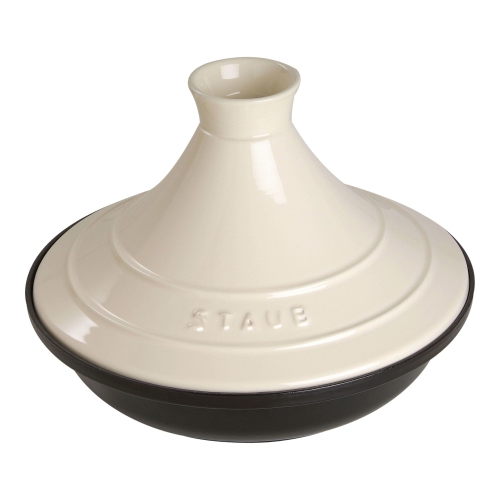
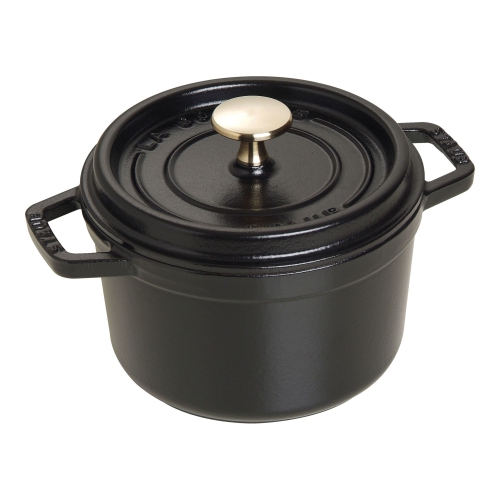
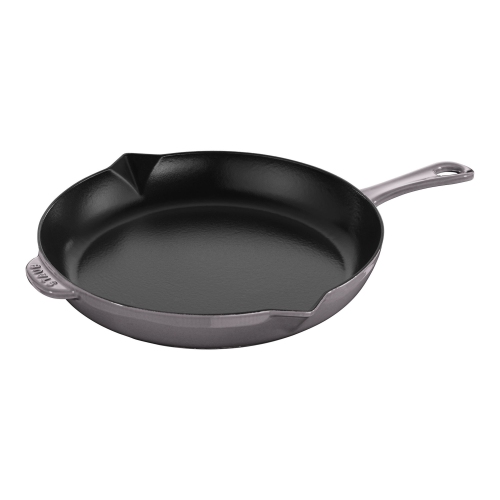
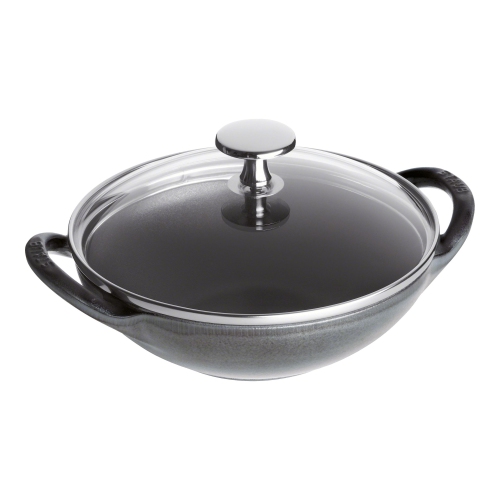
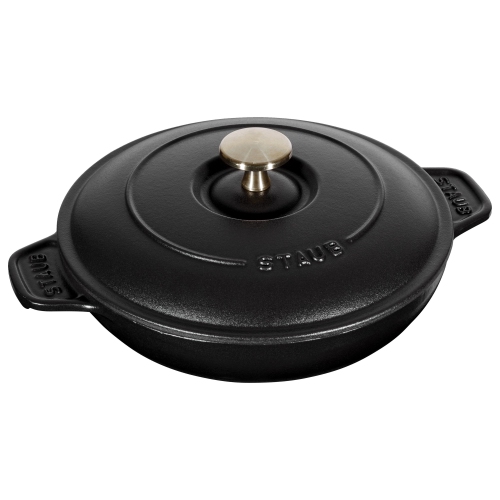
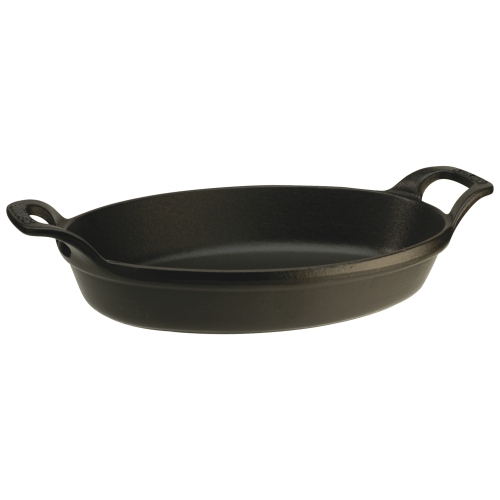
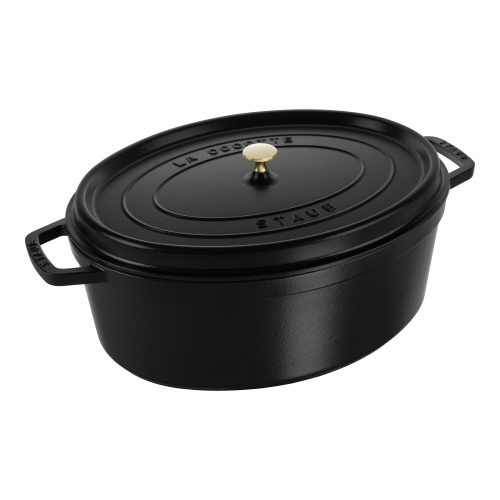
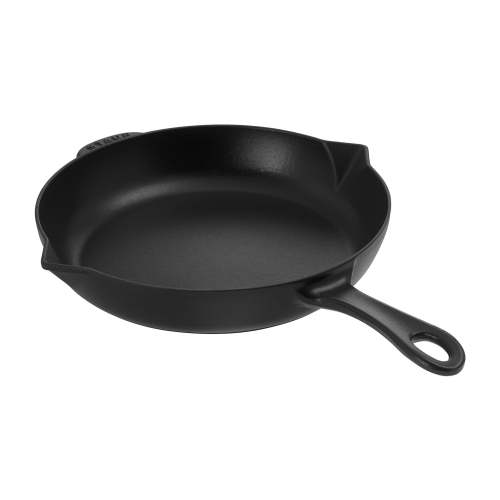
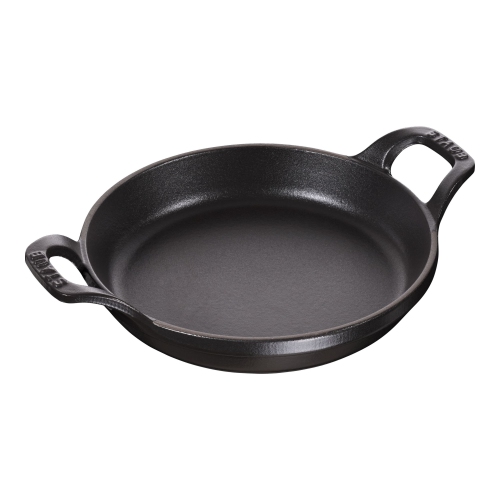
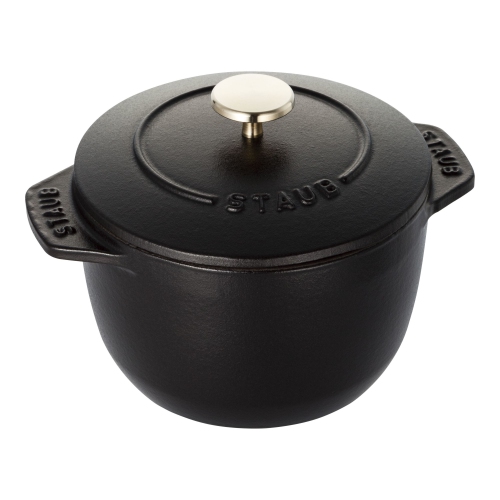
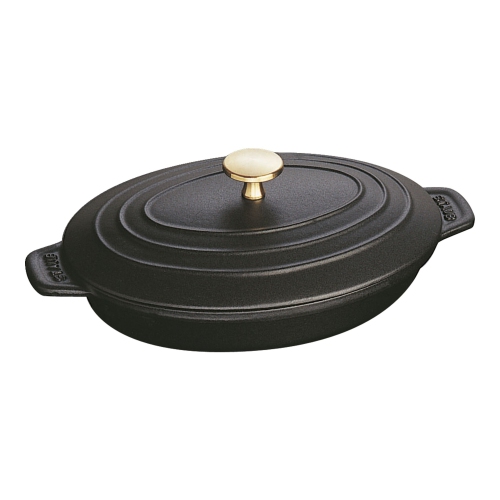
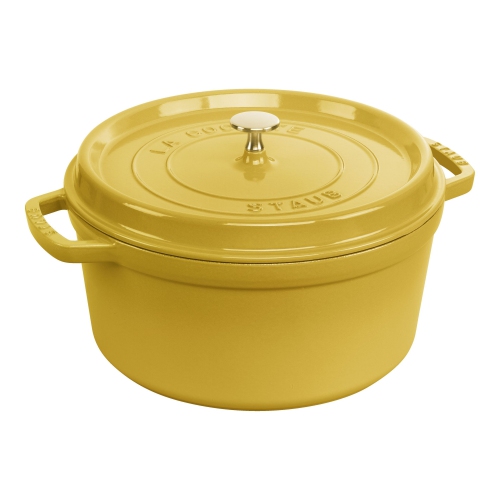
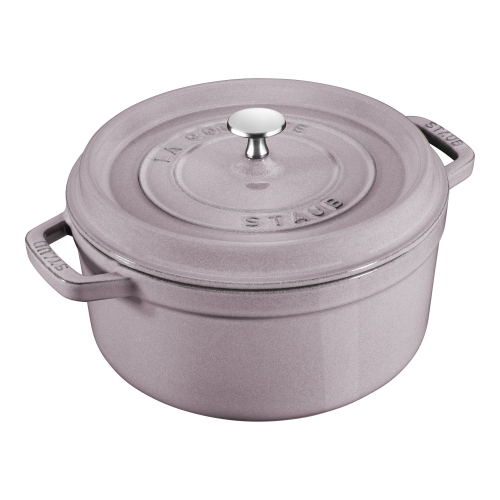
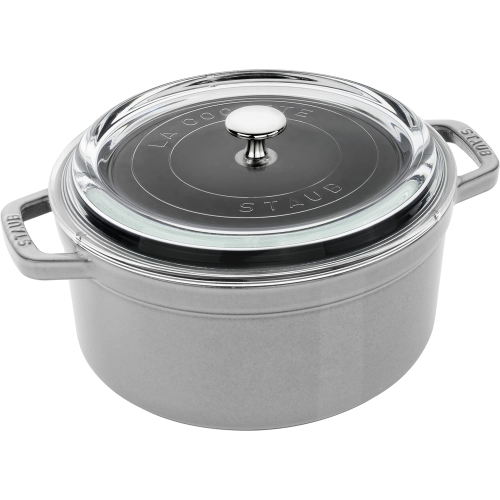
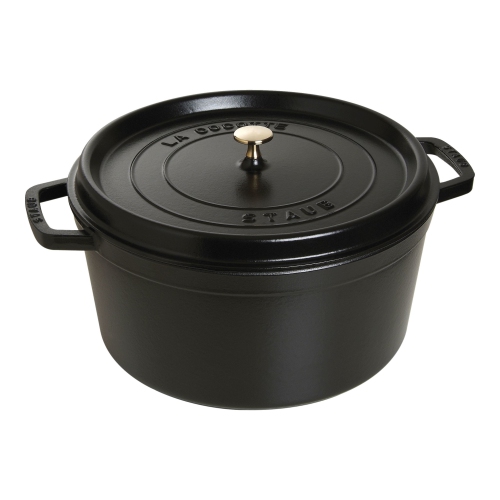
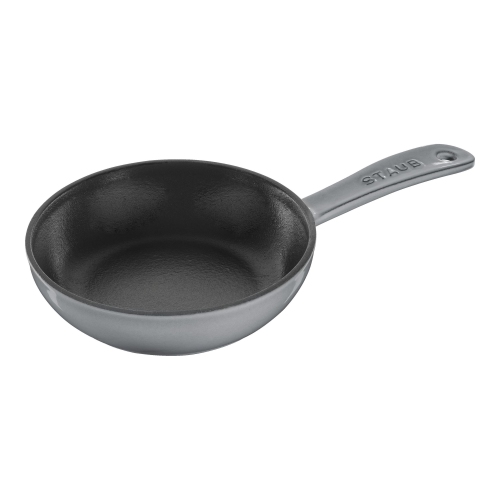
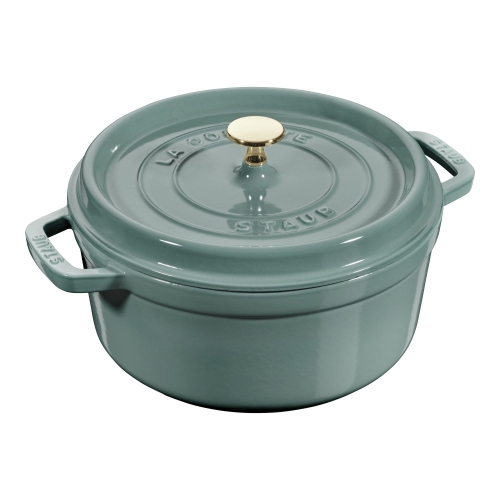
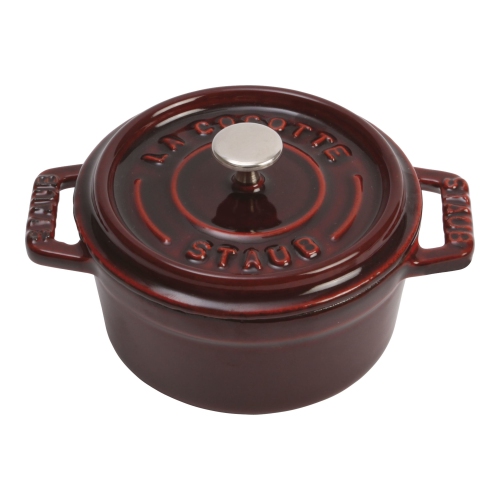
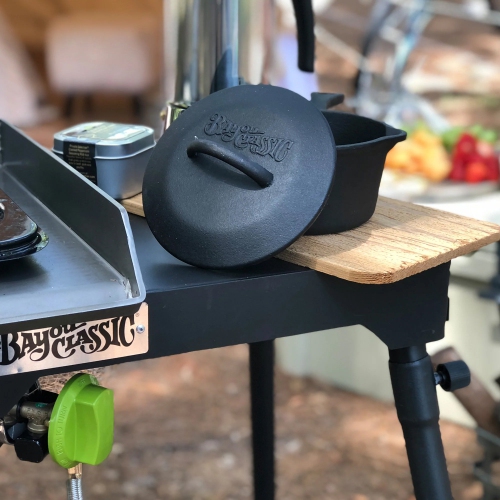
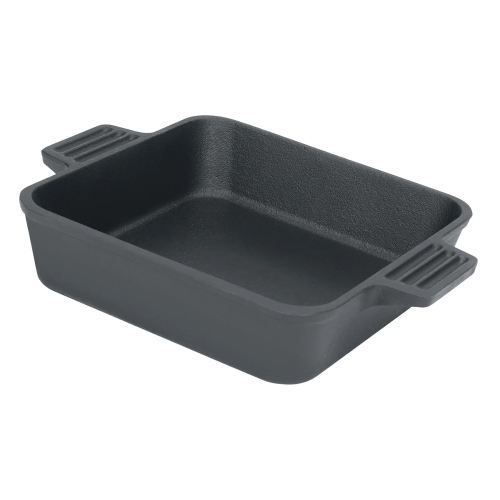
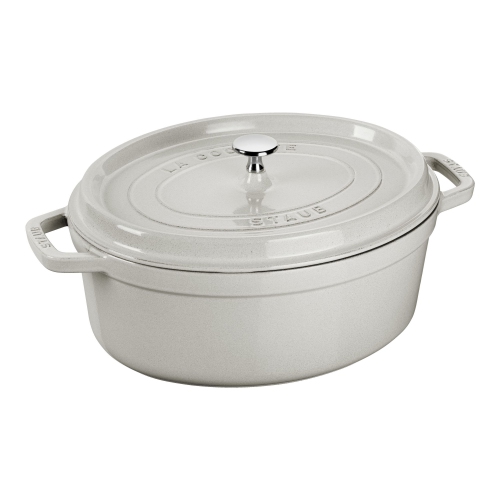
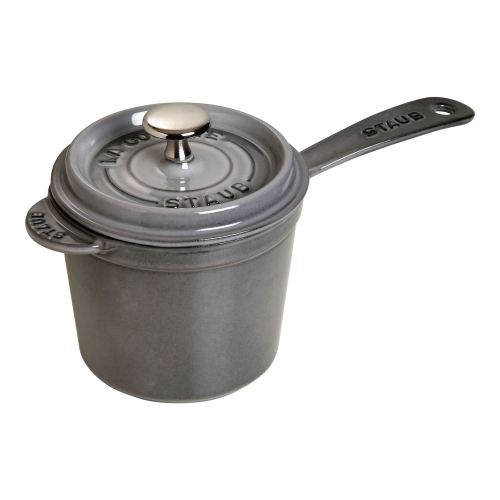
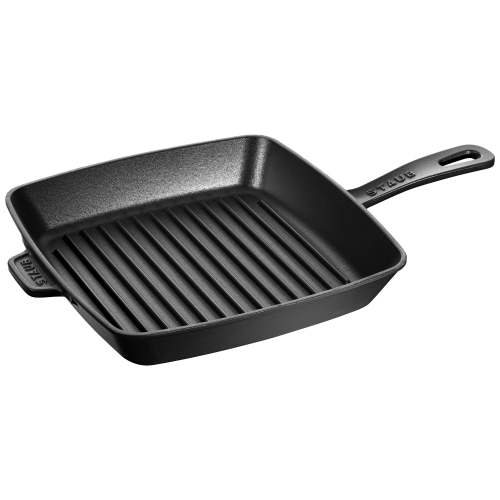
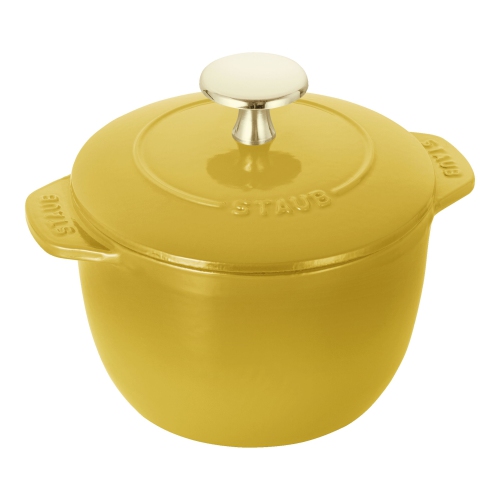
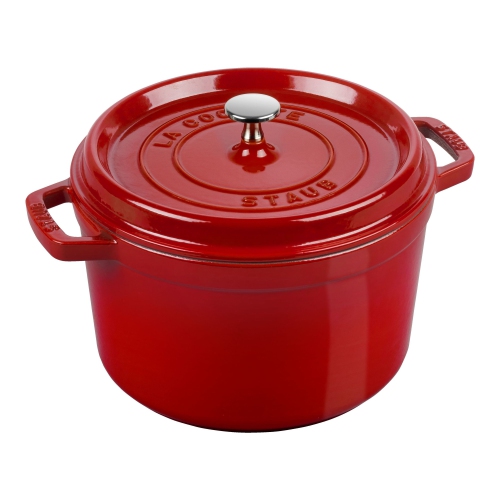
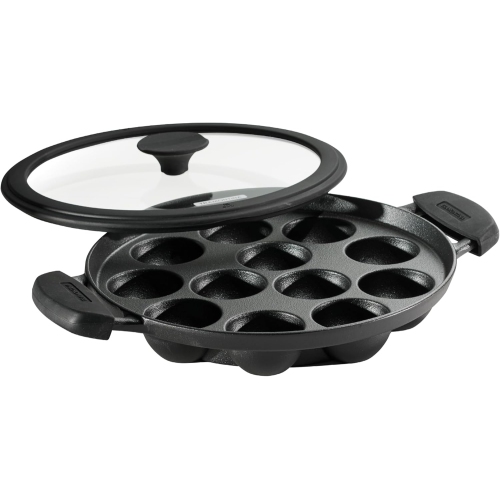
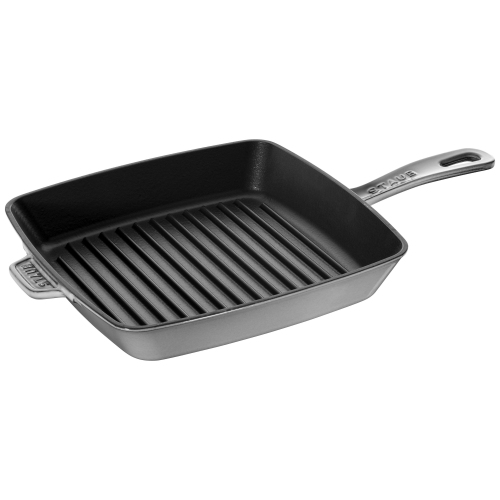
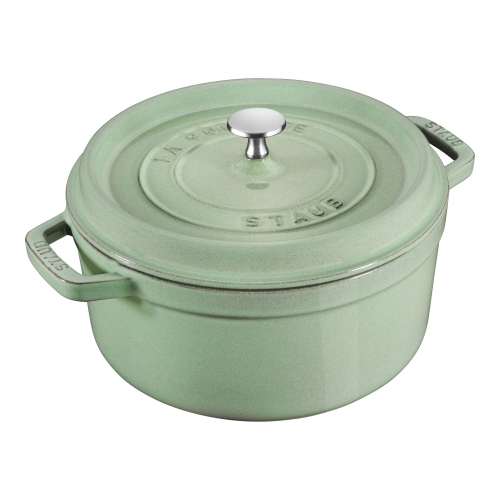
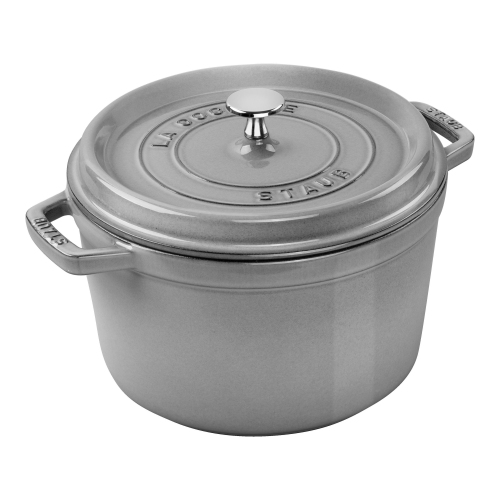
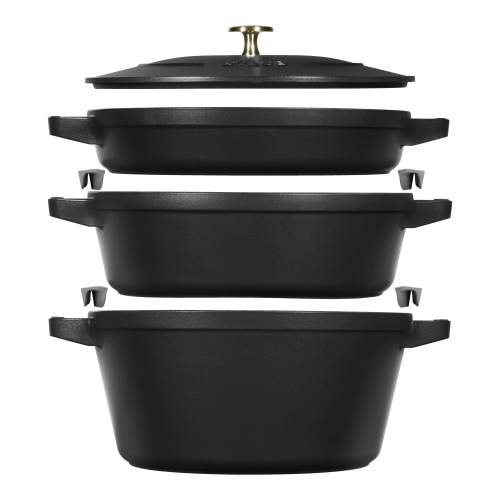
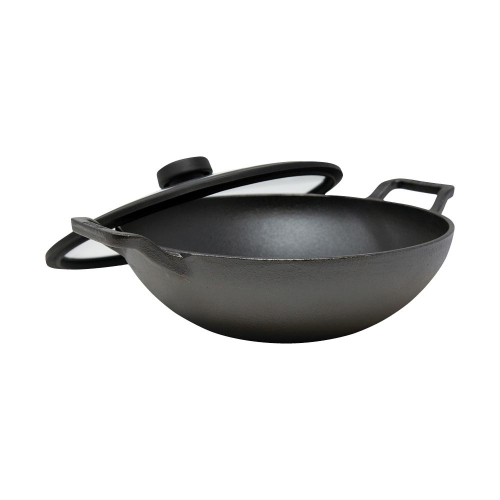
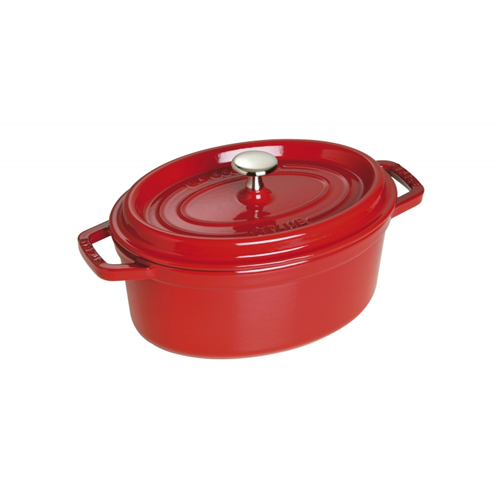
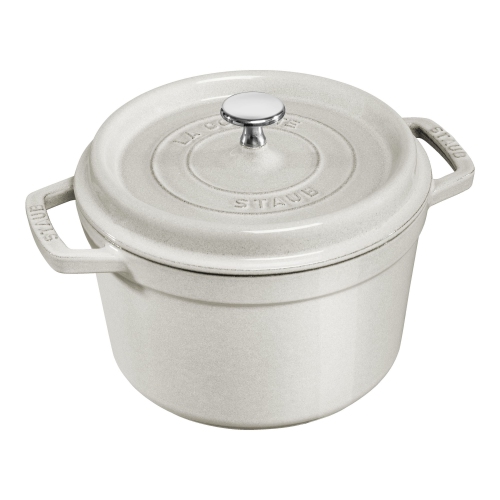
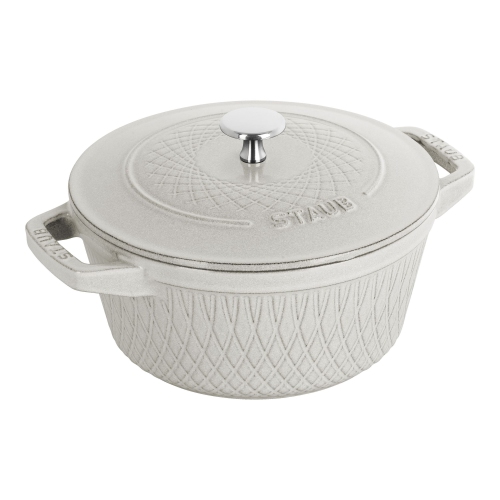
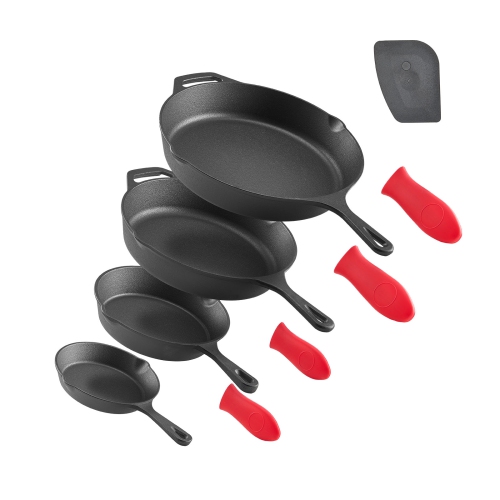
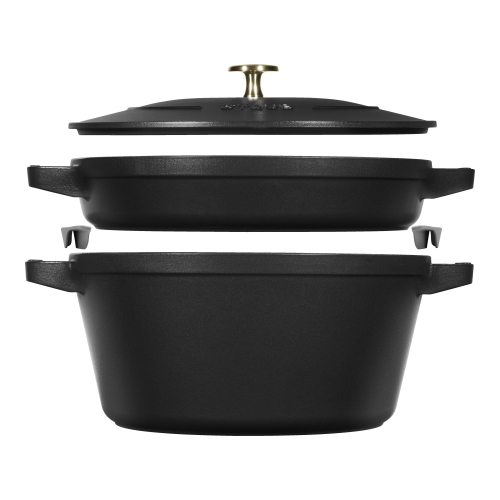
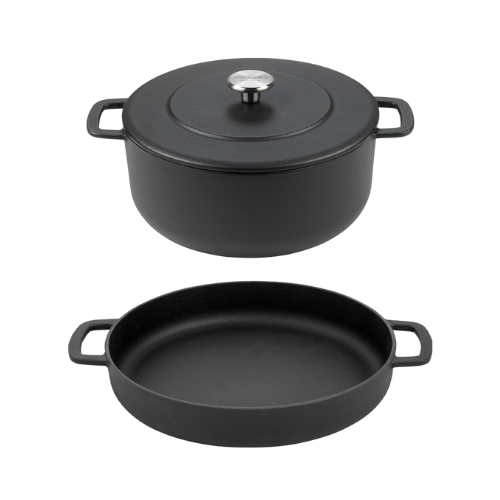
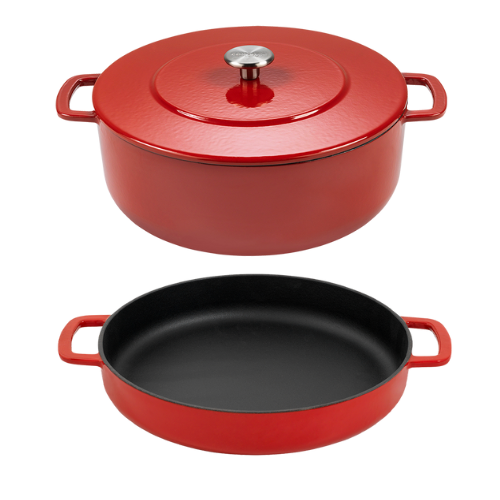
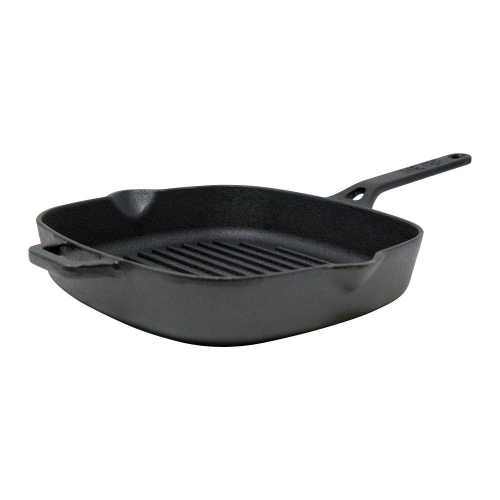
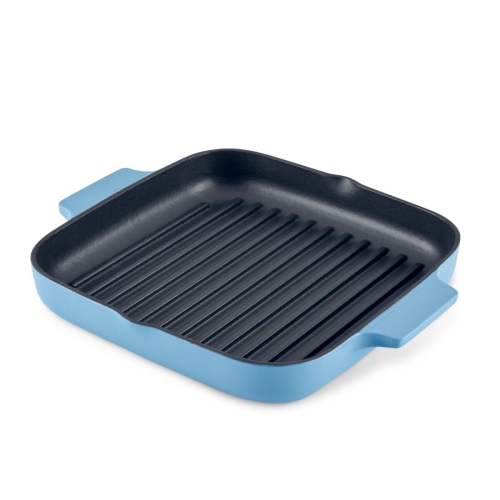
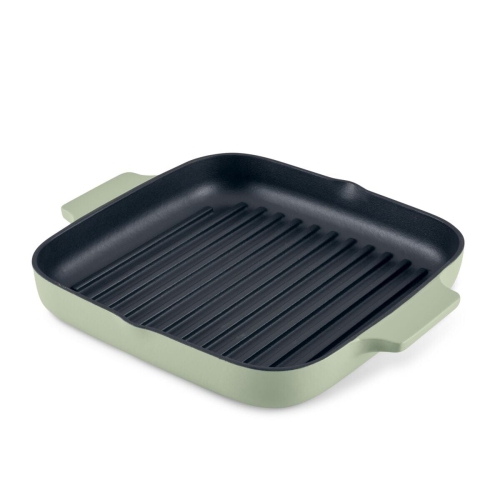
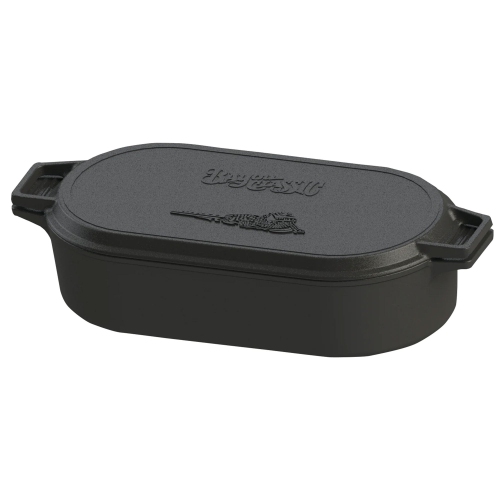
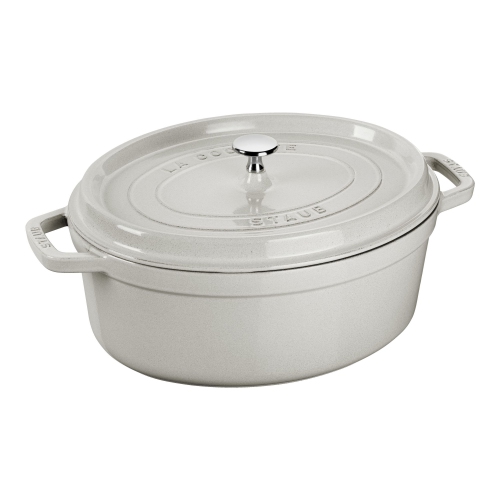
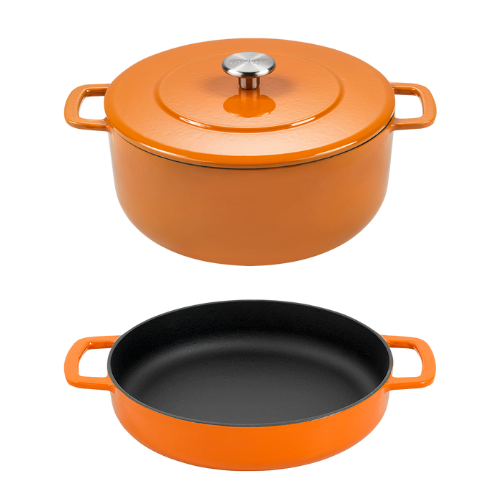
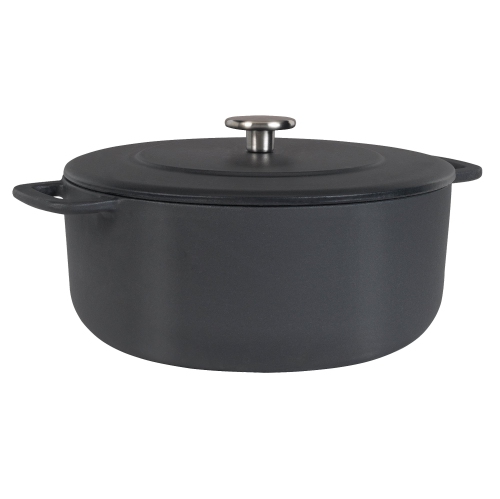
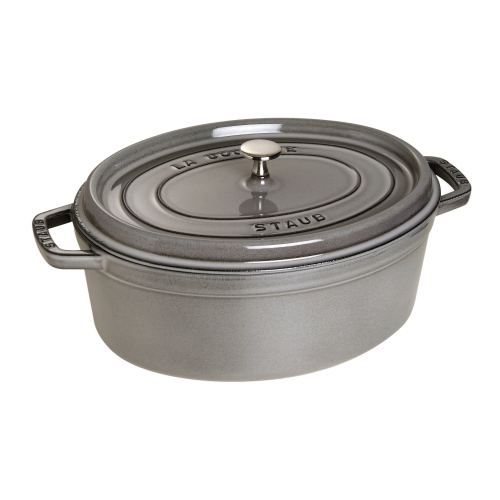
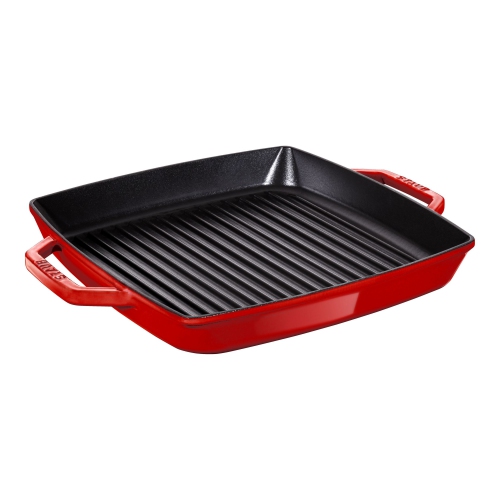
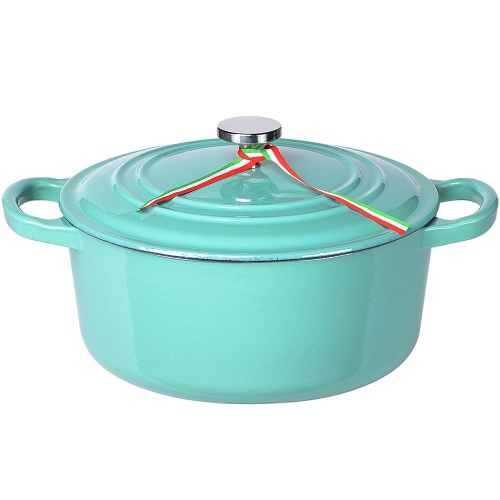
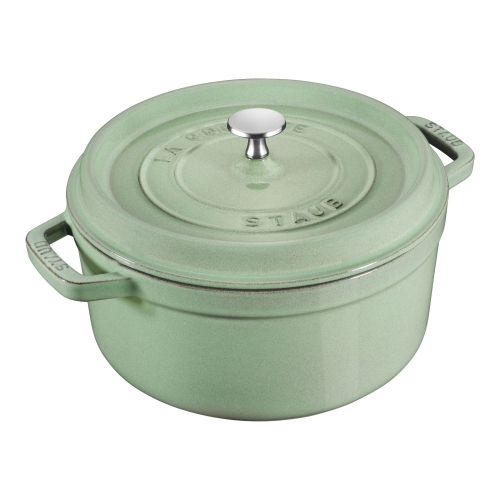
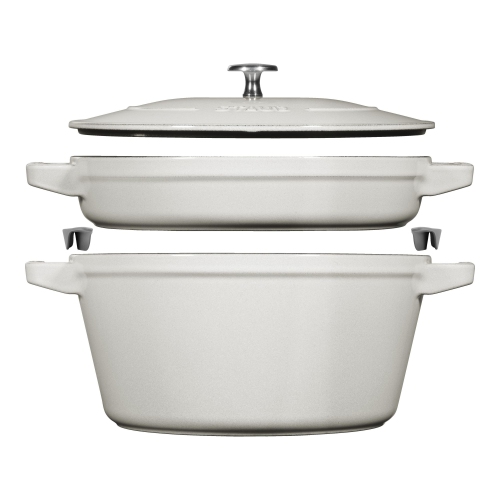
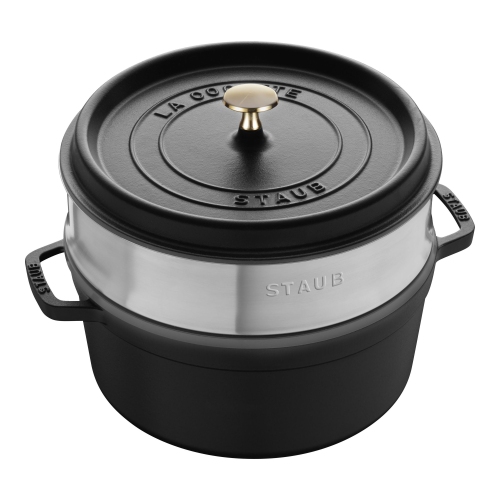
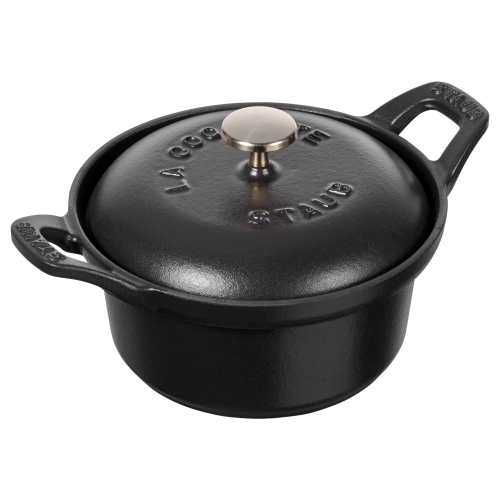
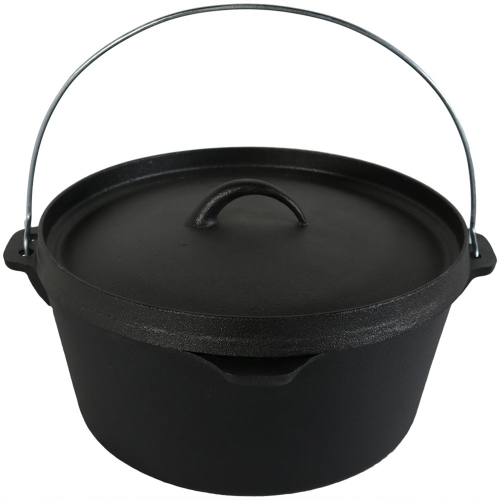
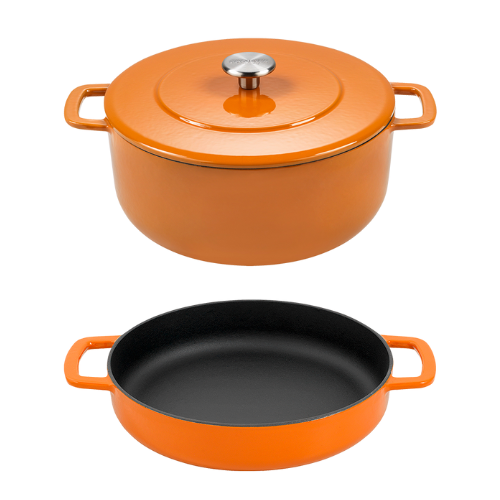
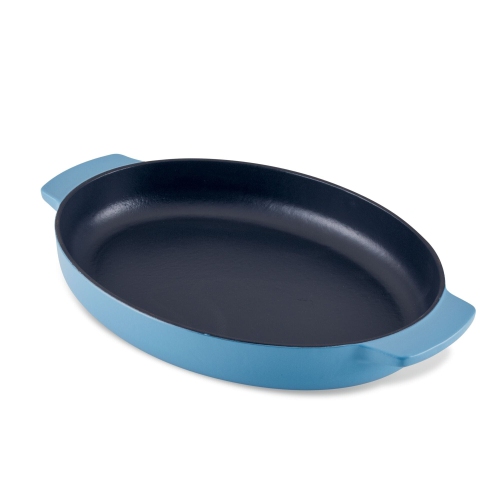
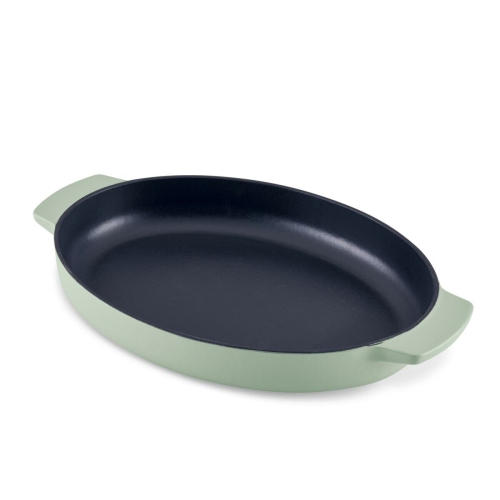
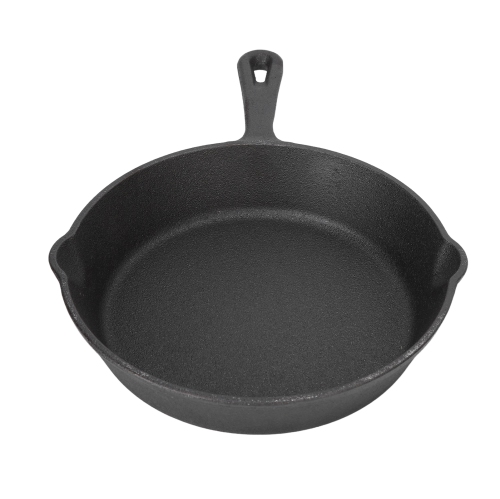
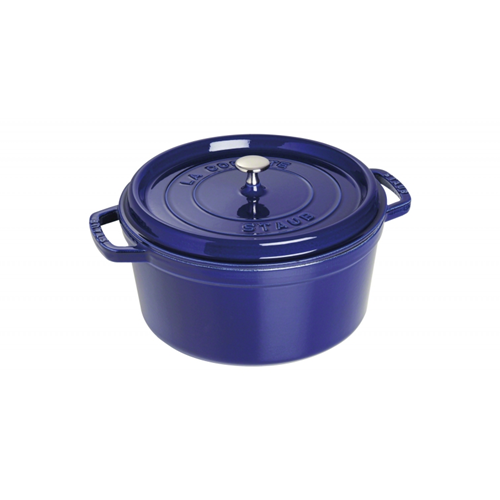
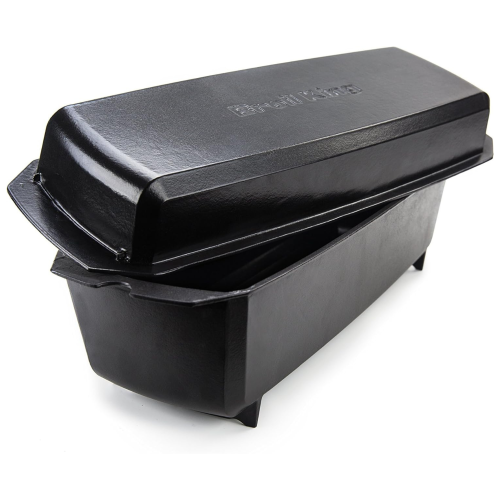
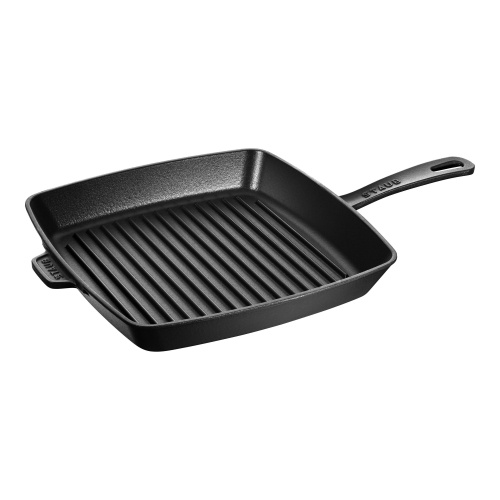
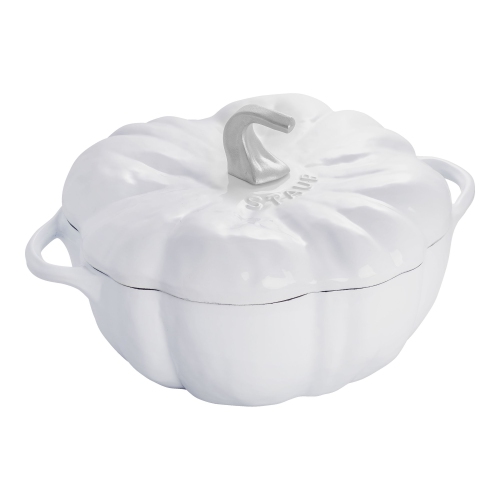
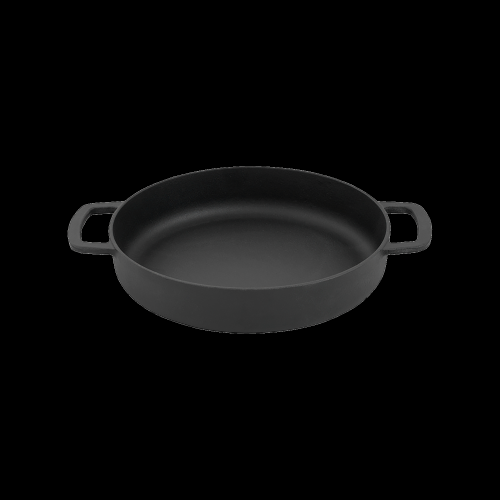
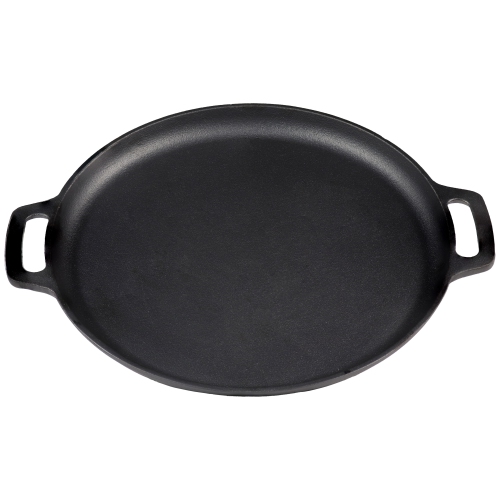
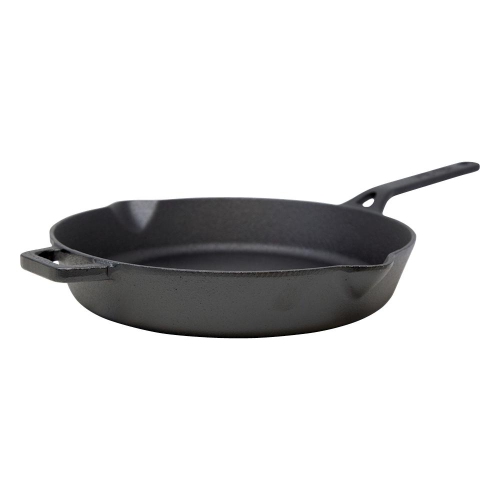
Cast iron dishes bring a reassuring sense of permanence to everyday cooking. Their substantial construction absorbs and holds heat, helping food cook steadily from the first sizzle to the final bubbling finish. Depending on the shape and finish, a cast iron dish can be used for baking, roasting, braising, broiling, serving, and preparing meals that move from the stovetop into the oven. A deep casserole-style dish is well suited to layered pasta, baked rice, cobblers, gratins, and generous portions of vegetables, while a shallow baking dish can be useful for cornbread, roasted roots, fruit crumbles, or other recipes where a broad cooking surface encourages browning. Many cast iron dishes are designed to go from the oven to the table, making them practical for family dinners and relaxed entertaining. The cookware stays warm for a long time after it leaves the oven, which is especially helpful when serving a meal over several sittings or setting out a dish for everyone to share. As the weather turns cooler, the weight and heat retention of cast iron suit the kind of comforting food that fills the kitchen with the aroma of slow-cooked onions, herbs, toasted cheese, and simmering stock. It can also be a thoughtful gift for someone setting up a first kitchen, a home cook who enjoys traditional cookware, or a host who likes serving food straight from the oven. For cooks building a coordinated collection, cast iron dishes can complement other oven-ready cookware, including Cast Iron Ovens, while adding a versatile option for baked and braised recipes.
When choosing a cast iron dish, start with the capacity, shape, and cooking surface that best match the meals you prepare. A smaller dish is convenient for side dishes, desserts, breakfast bakes, and meals for one or two people, while a larger rectangular or oval design can accommodate family-sized lasagna, layered casseroles, roast vegetables, or a hearty braise. Consider the dish’s dimensions in relation to your oven, storage space, and serving area, particularly if you have limited cupboard room or prefer cookware that can remain on a shelf or counter. Weight is another important detail: cast iron is intentionally heavy, and a sturdy design may feel reassuring during cooking but require two hands when it is full. Wide handles or integrated grips make it easier to move the dish safely with oven mitts. Look at the interior finish as well. Enameled cast iron has a smooth surface that is generally straightforward to clean and does not require the same seasoning routine as bare cast iron. It is a convenient choice for acidic ingredients such as tomatoes, wine, citrus, or fruit, and its finished appearance makes it comfortable to bring to the table. Bare cast iron develops a seasoned cooking surface through regular use and care, making it appealing to cooks who enjoy a more traditional approach. Regardless of the style, use the dish for recipes that benefit from stable, even heat rather than expecting it to behave like a lightweight pan that heats and cools instantly. Allow time for preheating where appropriate, avoid sudden temperature changes, and use substantial oven mitts because the handles and body remain hot well after cooking.
Good care helps a cast iron dish become a dependable part of the kitchen for years. Always follow the manufacturer’s instructions for oven temperature, stovetop compatibility, broiler use, and cleaning, as finishes and handles can vary. Let the dish cool before washing; placing hot cast iron under cold water can create thermal shock and may damage an enamel surface. Clean it with warm water, mild dish soap, and a soft sponge or cloth rather than abrasive pads, metal scouring tools, or harsh cleaners that can mark the finish. Stubborn baked-on food can usually be loosened by soaking the cooled dish in warm water or simmering a little water in it, then wiping gently once the residue softens. Dry the dish thoroughly before storing it, paying particular attention to rims, handles, and any recessed areas where moisture can remain. Bare cast iron may benefit from a light coating of cooking oil after cleaning, while enameled surfaces generally need no seasoning. Avoid sliding a heavy dish across delicate counters, and use trivets or heat-resistant mats when placing it on a dining table. With sensible handling, a cast iron dish can move easily from weekend baking to a bubbling weeknight supper, from a carefully prepared gift to a well-used piece of family cookware. Its ability to retain heat, present food attractively, and support both simple recipes and slow, layered cooking makes it a practical choice for cooks who value dependable results and a warm, shared meal during the cooler months.
When choosing a cast iron dish, start with the capacity, shape, and cooking surface that best match the meals you prepare. A smaller dish is convenient for side dishes, desserts, breakfast bakes, and meals for one or two people, while a larger rectangular or oval design can accommodate family-sized lasagna, layered casseroles, roast vegetables, or a hearty braise. Consider the dish’s dimensions in relation to your oven, storage space, and serving area, particularly if you have limited cupboard room or prefer cookware that can remain on a shelf or counter. Weight is another important detail: cast iron is intentionally heavy, and a sturdy design may feel reassuring during cooking but require two hands when it is full. Wide handles or integrated grips make it easier to move the dish safely with oven mitts. Look at the interior finish as well. Enameled cast iron has a smooth surface that is generally straightforward to clean and does not require the same seasoning routine as bare cast iron. It is a convenient choice for acidic ingredients such as tomatoes, wine, citrus, or fruit, and its finished appearance makes it comfortable to bring to the table. Bare cast iron develops a seasoned cooking surface through regular use and care, making it appealing to cooks who enjoy a more traditional approach. Regardless of the style, use the dish for recipes that benefit from stable, even heat rather than expecting it to behave like a lightweight pan that heats and cools instantly. Allow time for preheating where appropriate, avoid sudden temperature changes, and use substantial oven mitts because the handles and body remain hot well after cooking.
Good care helps a cast iron dish become a dependable part of the kitchen for years. Always follow the manufacturer’s instructions for oven temperature, stovetop compatibility, broiler use, and cleaning, as finishes and handles can vary. Let the dish cool before washing; placing hot cast iron under cold water can create thermal shock and may damage an enamel surface. Clean it with warm water, mild dish soap, and a soft sponge or cloth rather than abrasive pads, metal scouring tools, or harsh cleaners that can mark the finish. Stubborn baked-on food can usually be loosened by soaking the cooled dish in warm water or simmering a little water in it, then wiping gently once the residue softens. Dry the dish thoroughly before storing it, paying particular attention to rims, handles, and any recessed areas where moisture can remain. Bare cast iron may benefit from a light coating of cooking oil after cleaning, while enameled surfaces generally need no seasoning. Avoid sliding a heavy dish across delicate counters, and use trivets or heat-resistant mats when placing it on a dining table. With sensible handling, a cast iron dish can move easily from weekend baking to a bubbling weeknight supper, from a carefully prepared gift to a well-used piece of family cookware. Its ability to retain heat, present food attractively, and support both simple recipes and slow, layered cooking makes it a practical choice for cooks who value dependable results and a warm, shared meal during the cooler months.
Top selling and popular products
-
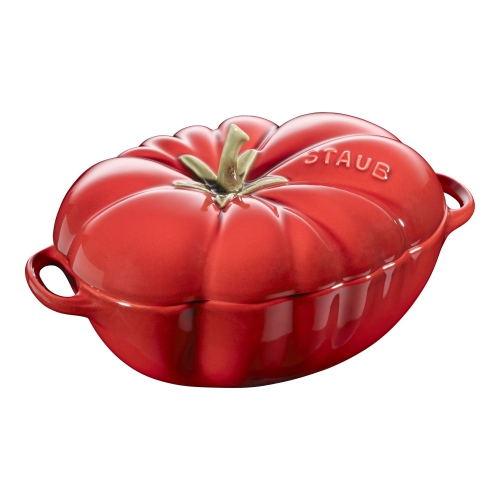 Your price for this item is $59.99
 -
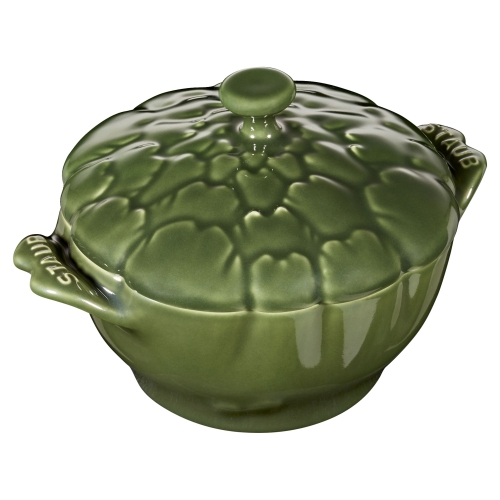 Your price for this item is $59.99
 -
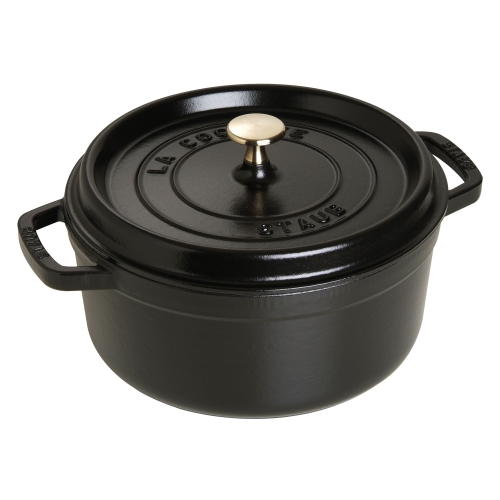 Your price for this item is $399.99
 -
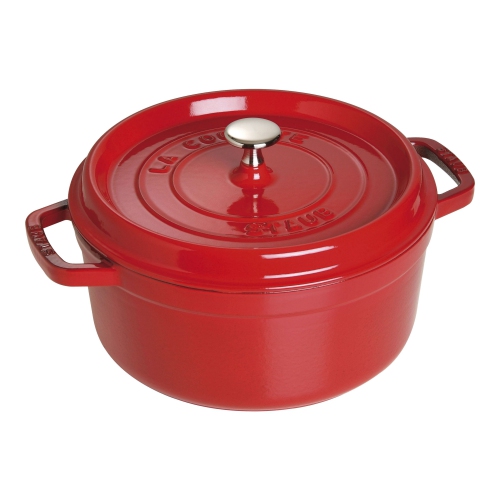 Your price for this item is $399.99
 -
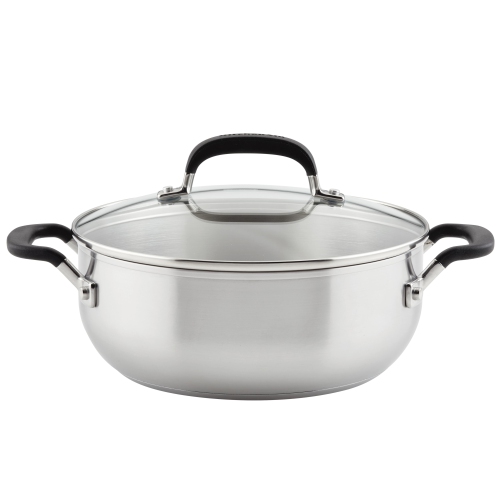 Your price for this item is $69.99
 -
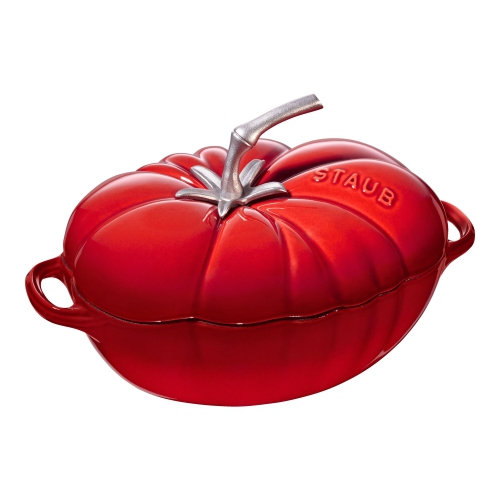 Your price for this item is $399.99
 -
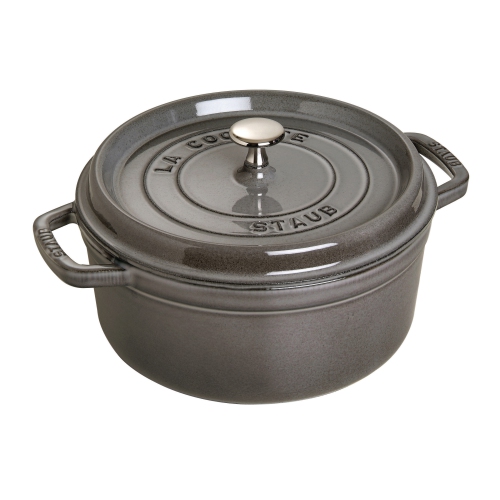 Your price for this item is $399.99
 -
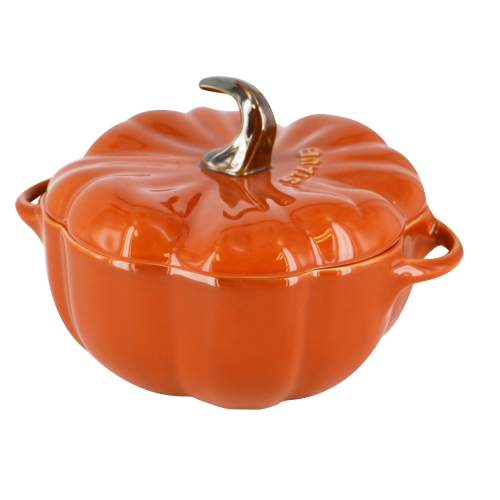 Your price for this item is $69.99
Discover more categories related to Cast Iron Dishes
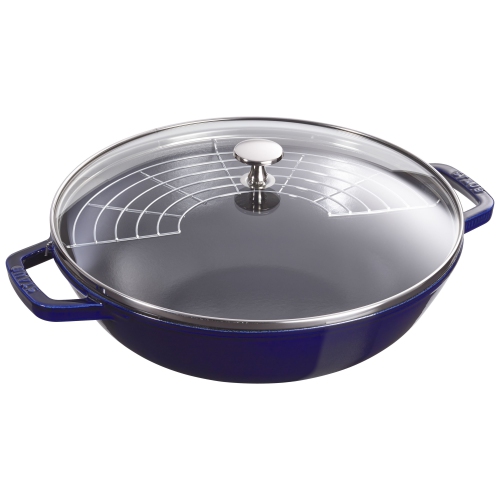
Top Collections:
Pokemon Centers, Kindle Devices, Best Budget Office Chairs, Apple iPhones 16, Best Laptops for Writers, iPhone 15 Apple, Canon G7X Cameras, Refurbished Apple Laptops, Alarm Clock, Motorola Razr Phones
Some products may be subject to Environmental Handling Fees
(EHF) depending on your province.
Learn more about EHFs.