Cast Iron Frying Pans
Looking to elevate your cooking game? Look no further than our selection of cast iron frying pans. Known for their durability and even heat distribution, these kitchen essentials are a must-have for any home chef. Whether you're searing steaks, sautéing vegetables, or baking cornbread, a cast iron frying pan is versatile enough to handle it all. Browse our range of sizes and styles to find the perfect addition to your cookware collection.
Sort

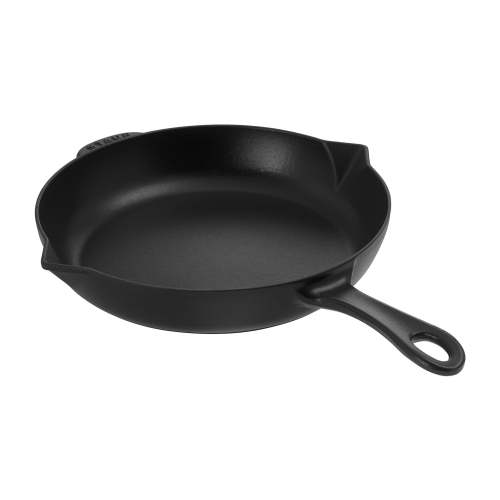

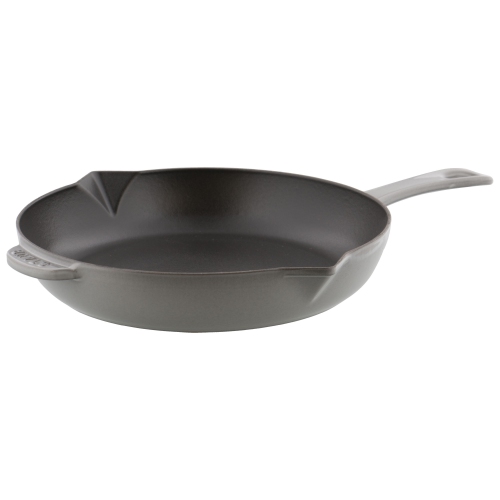
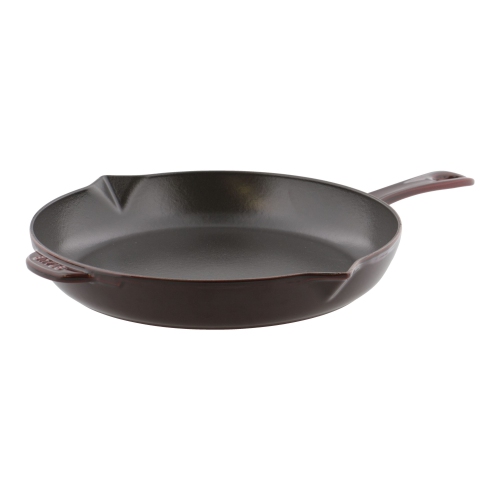
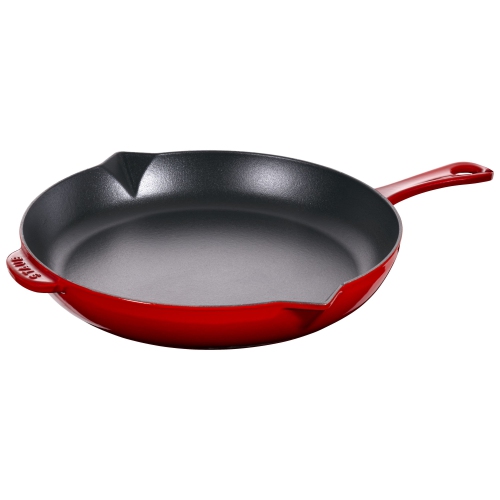
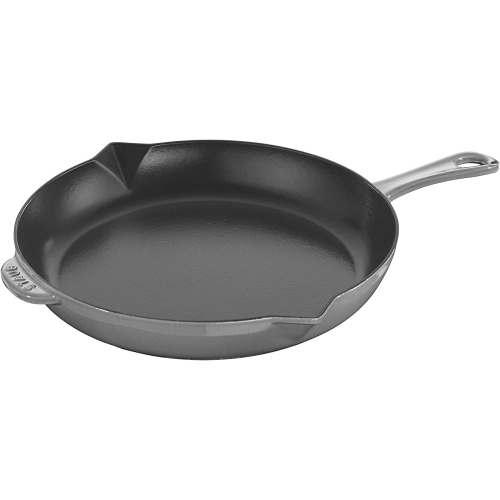
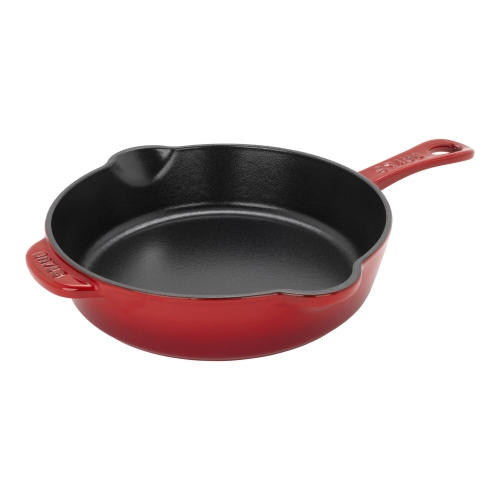
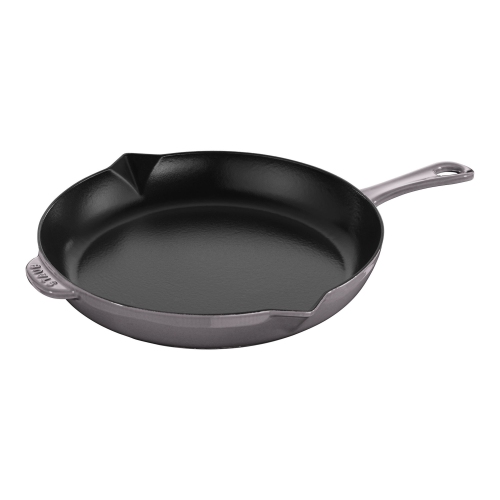
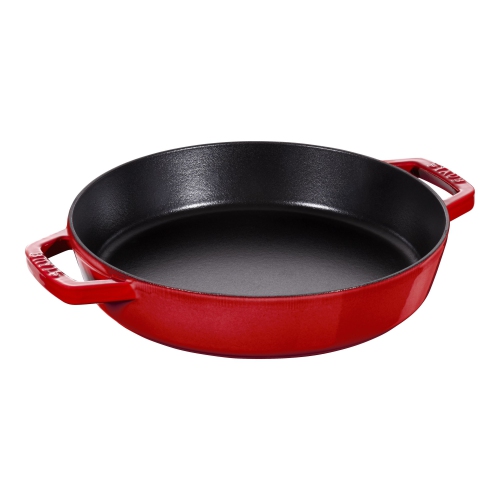
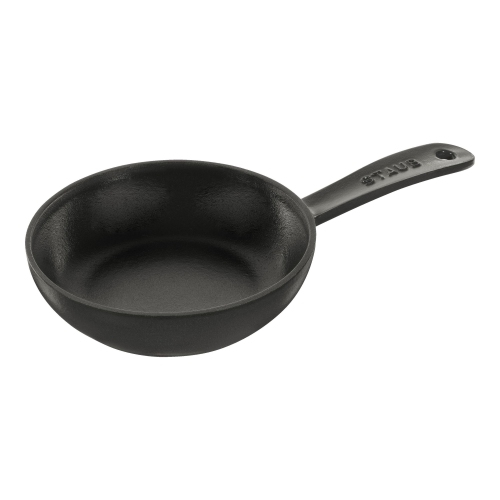
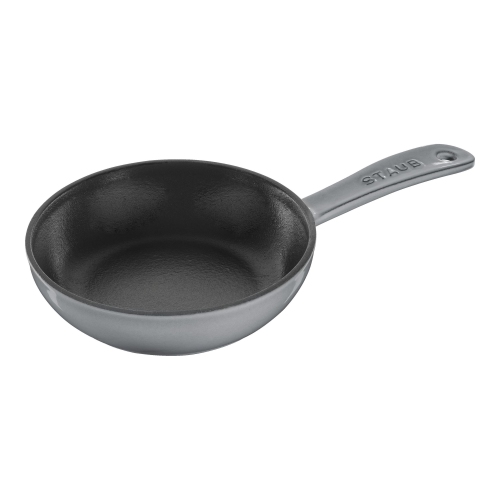

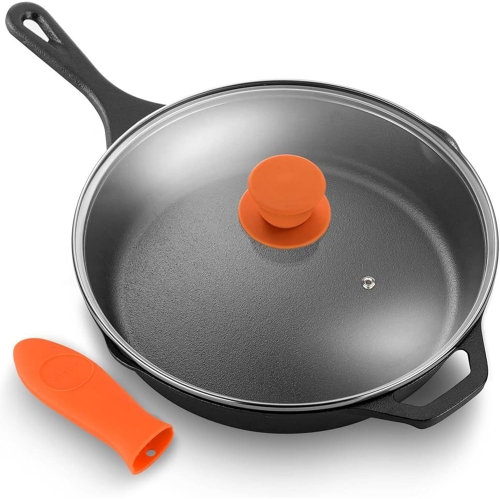
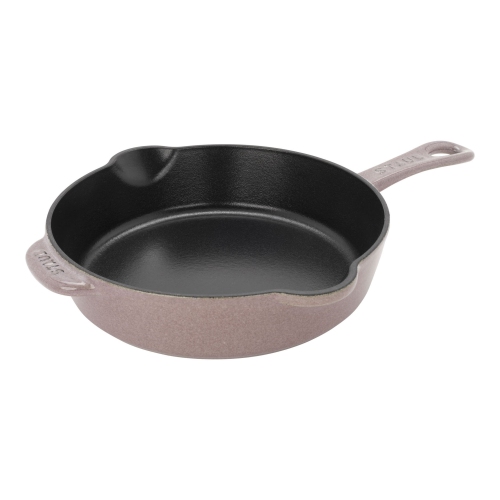
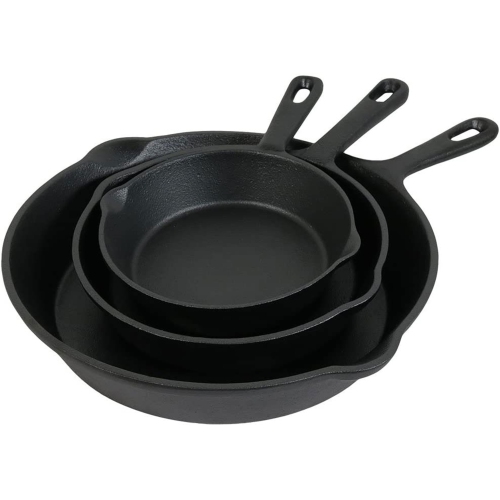
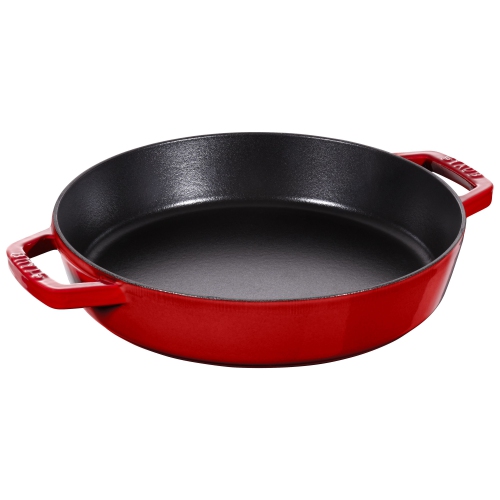
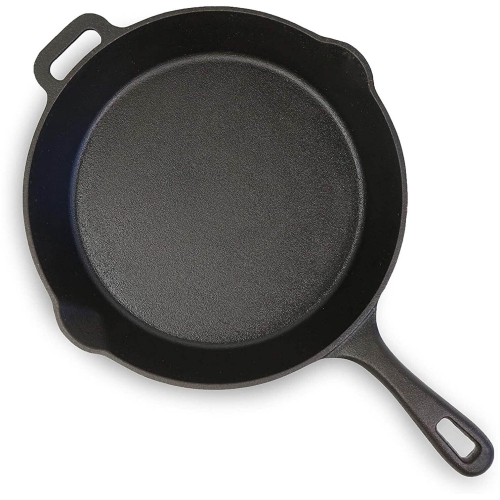
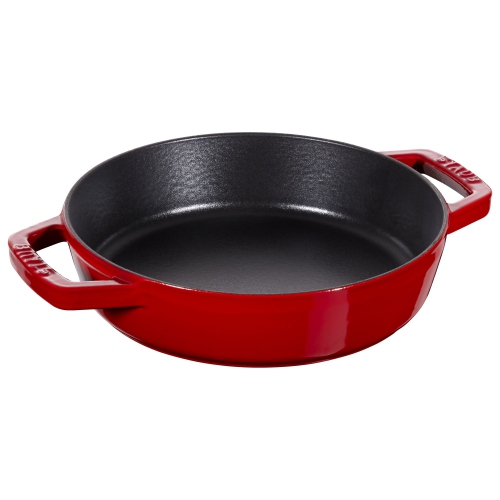


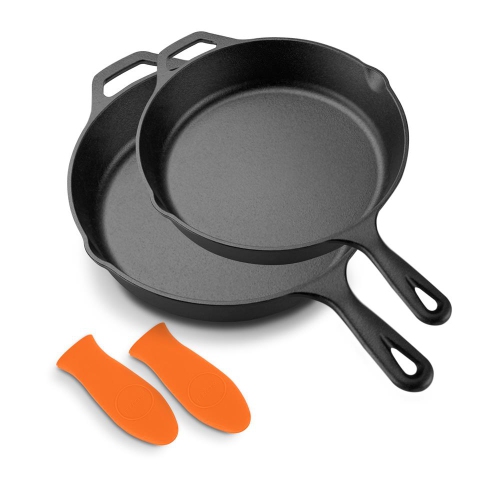
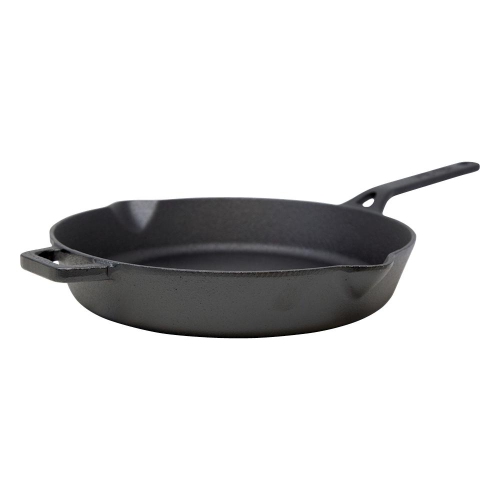

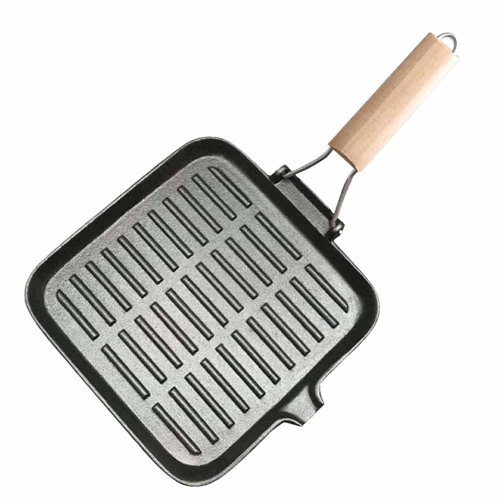
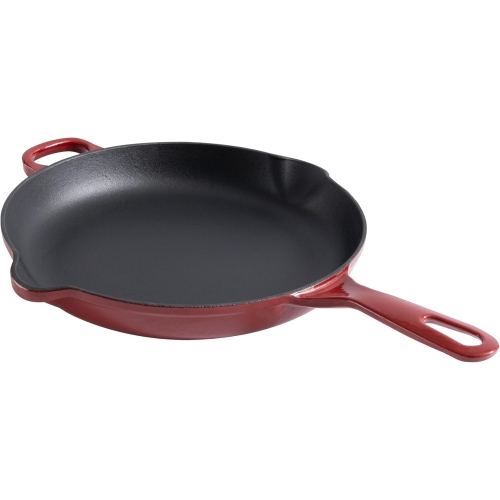
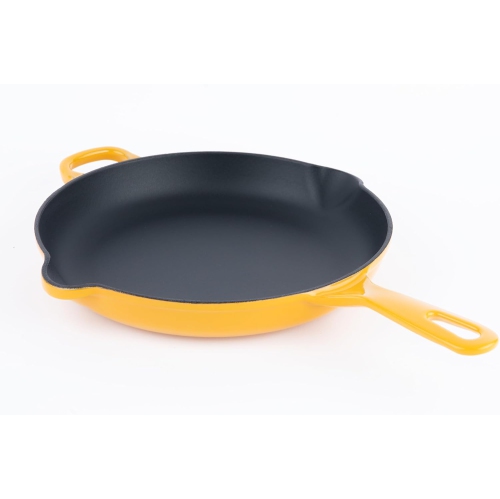

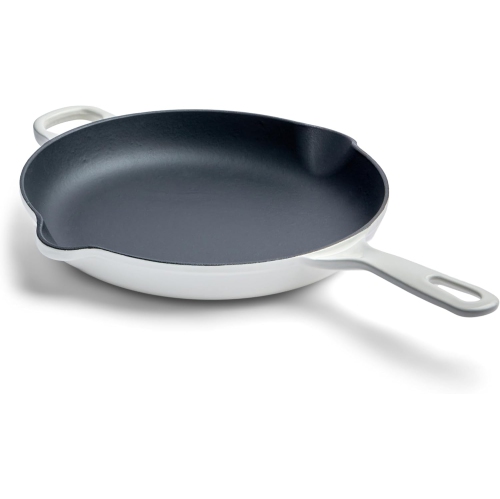
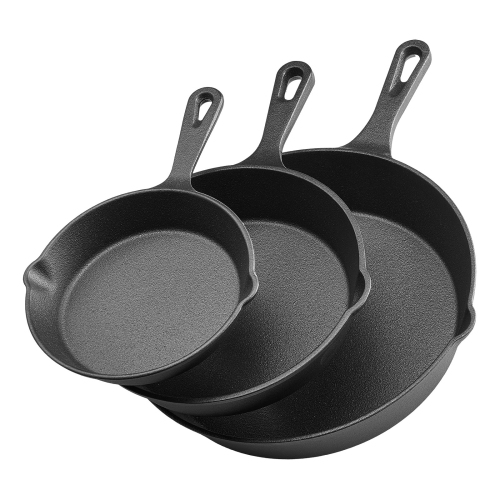
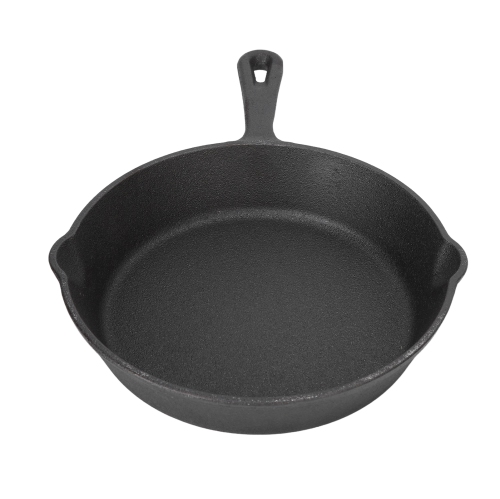
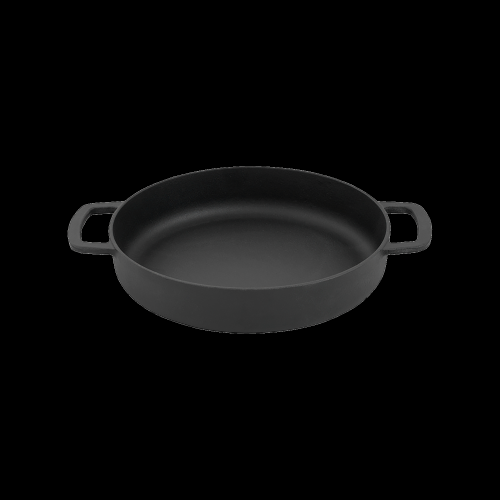
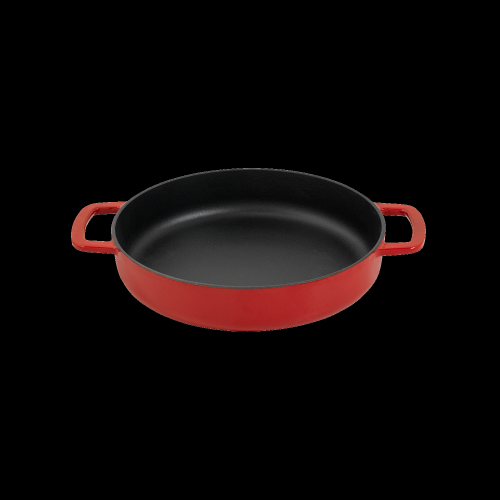
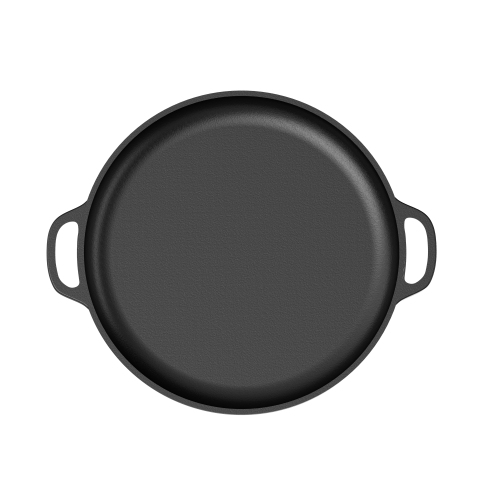
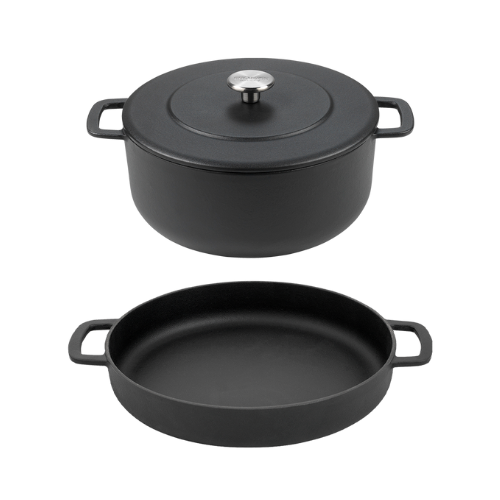

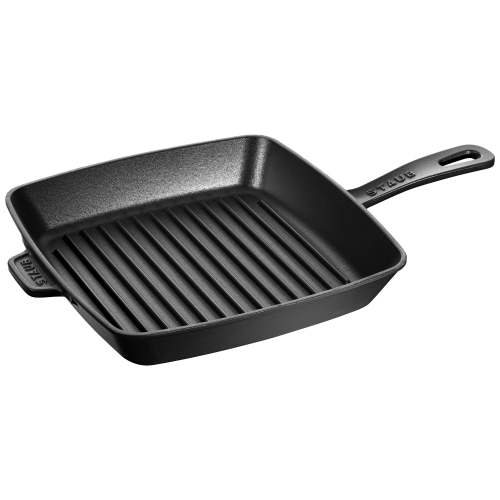
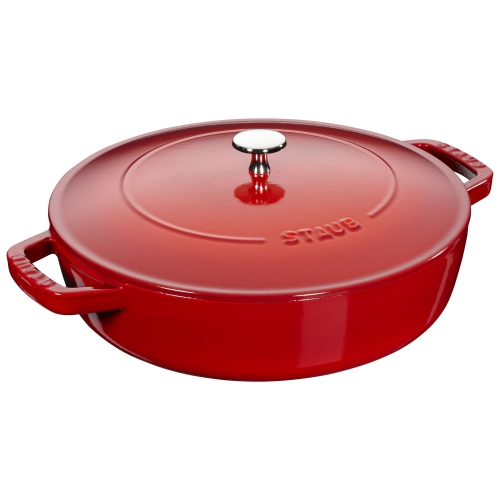
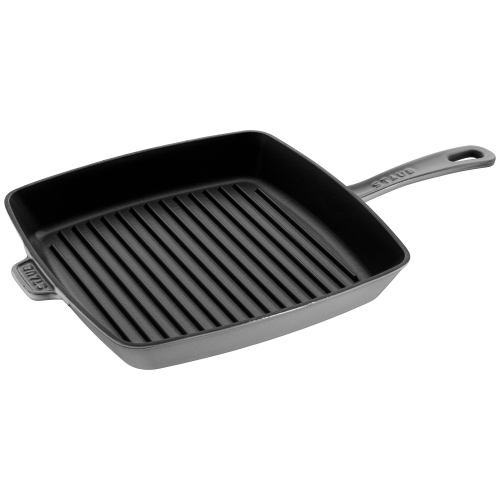
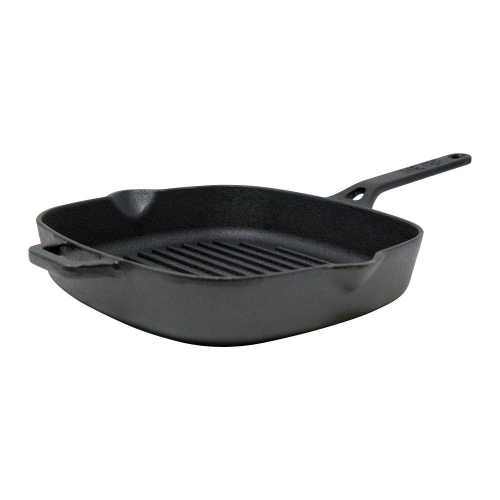
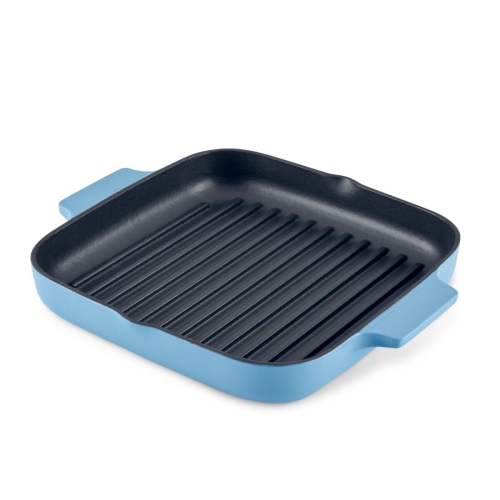
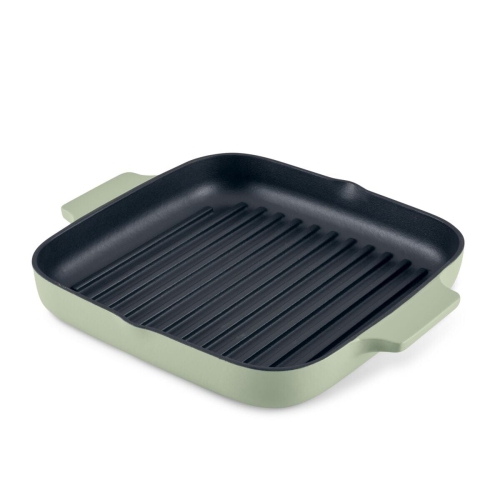
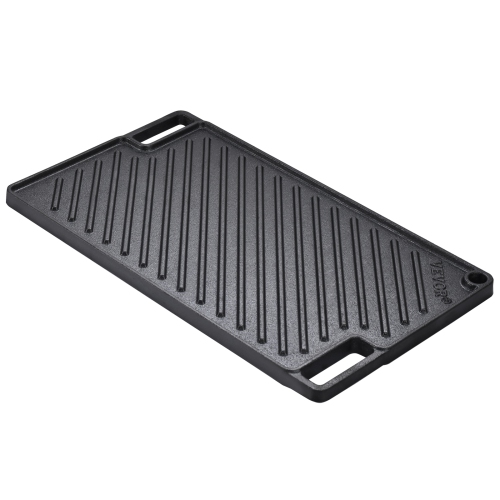
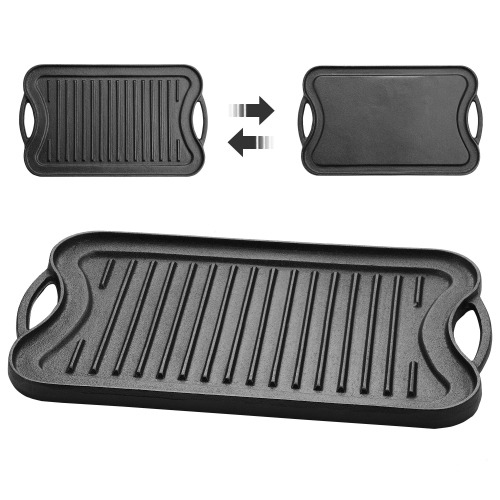
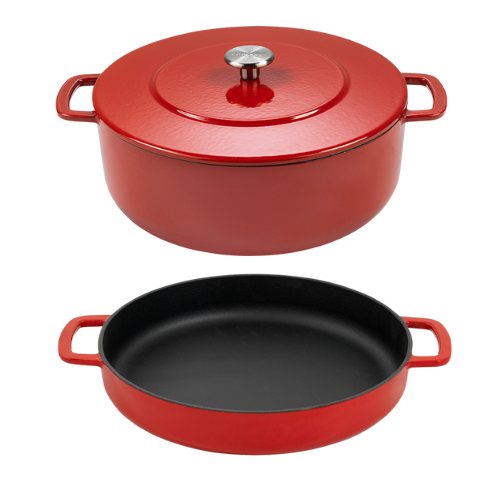
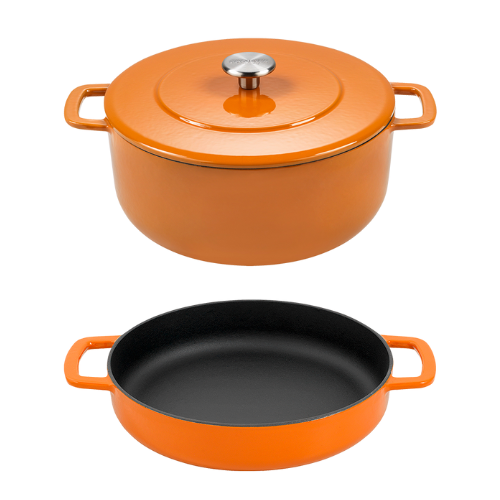
One pan for searing, baking, and hearty everyday meals
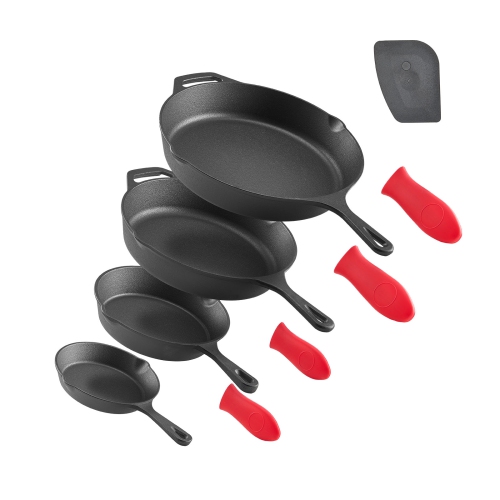
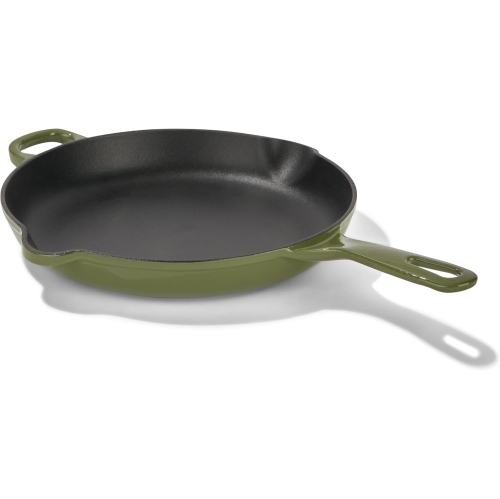
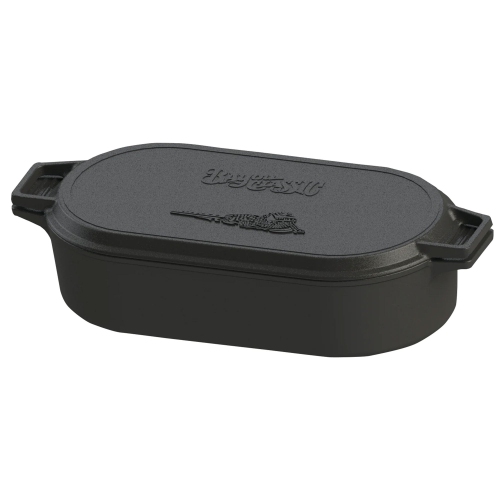
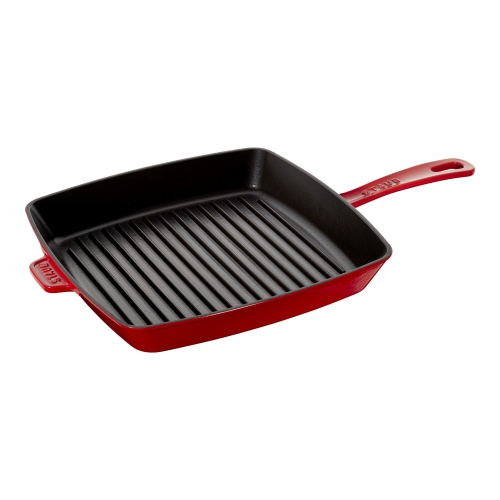
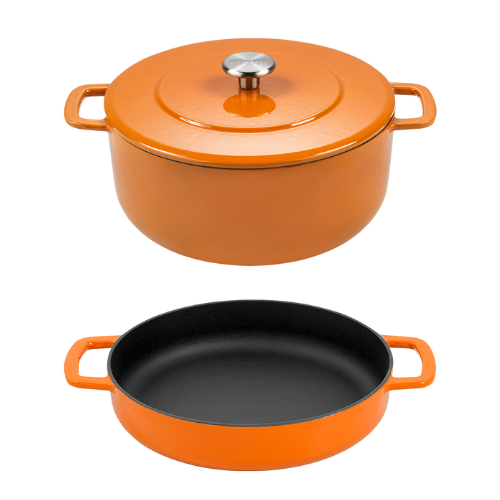
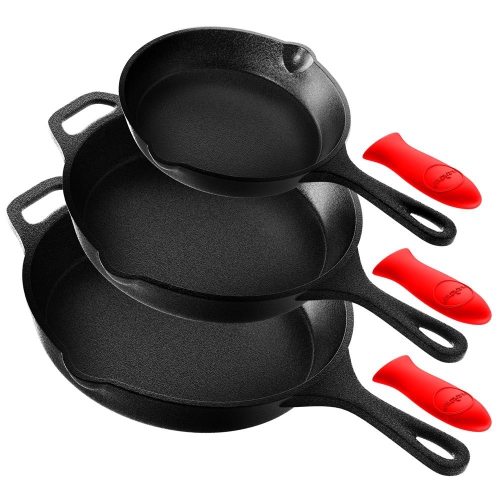
Cast iron frying pans are valued for their substantial build, dependable heat retention, and versatility from stovetop to oven. Unlike thinner pans that can lose heat when cold ingredients are added, cast iron warms gradually and holds a steady temperature, making it well suited to searing steaks, browning ground meat, crisping potatoes, frying eggs, baking cornbread, and finishing dishes under the broiler. A well-seasoned surface can become naturally slick with regular use, especially when the pan is preheated correctly and used with a small amount of cooking oil or butter. Cast iron is compatible with many cooking surfaces, including gas, electric, ceramic glass, and induction, although it is important to check the cookware and stovetop instructions before use. On a glass cooktop, lift rather than slide the pan to help prevent scratches, and remember that the handle and body can become extremely hot. A heat-resistant handle cover or oven mitt is helpful when moving the pan from the burner to the oven or serving table. These pans are available in several sizes, from compact options for a single grilled sandwich or personal serving to larger diameters for family breakfasts, skillet meals, and oven-baked dishes. Consider the pan’s weight as well as its cooking area: cast iron is intentionally heavy, and a larger pan may be excellent for batch cooking but less comfortable to lift with one hand. A helper handle can make a meaningful difference when pouring off fat or transferring a full pan. Smooth or textured interiors, raised or flat bottoms, pour spouts, fitted lids, and pre-seasoned finishes are other details worth comparing. Those who enjoy cooking over a campfire or outdoor grill may appreciate the sturdy construction, while home cooks who prefer one-pan recipes can use the same pan to brown ingredients on the stovetop and complete the meal in the oven. For dishes that need a broad, level cooking surface, explore Cast Iron Flat Pans as another option within this cookware style.
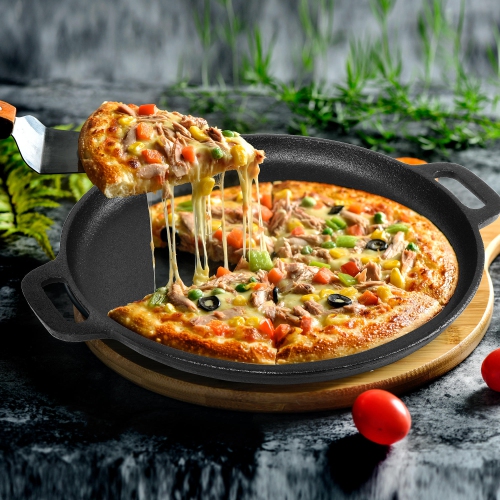
Using a cast iron frying pan well begins with a little patience. Place it over medium-low heat and allow it to warm slowly for roughly three to five minutes before adding ingredients. Cast iron stores heat efficiently, so a high burner setting is rarely necessary and may cause food to scorch before the centre is cooked. Once the pan is warm, add a small amount of oil or butter, then give it a moment to heat before placing food inside. Meat should be patted dry to encourage browning, and vegetables benefit from enough space to sear rather than steam. For foods that tend to stick, such as fish, eggs, or delicate pancakes, preheating, using sufficient fat, and waiting until the food has formed a light crust can make release easier. A cast iron pan is particularly effective for meals that move between cooking methods: chicken can be browned on the stovetop, vegetables can be added around it, and the entire pan can be placed in the oven for an evenly finished supper. It also creates the deep, browned edges that make roasted potatoes, cornbread, fruit crisps, and skillet pizzas especially appealing during the cooler months. Cast iron can be used with acidic ingredients, but long simmering with large amounts of tomato, wine, vinegar, or citrus may weaken the seasoning over time and leave a metallic taste. Shorter cooking times are generally more suitable, while heavily acidic recipes are better prepared in cookware designed for that purpose. After cooking, let the pan cool enough to handle safely but clean it while it is still warm. Rinse with warm water and use a stiff brush, sponge, or pan scraper to loosen stuck-on food. Mild dish soap is safe when needed; the main goal is to avoid soaking the pan for long periods or placing it in a dishwasher. Dry it thoroughly with a towel, then set it over low heat briefly if any moisture remains. A very thin layer of vegetable oil rubbed over the warm cooking surface helps protect the seasoning and keeps the pan ready for its next use. Avoid leaving pools of oil behind, as excess oil can become sticky. If the surface becomes dull, patchy, or prone to sticking, it can usually be refreshed by scrubbing away residue, drying the pan, applying a thin coat of oil, and baking it upside down in an oven at approximately 450°F to 500°F for one hour, following the cookware manufacturer’s care instructions and allowing it to cool safely.
Cast iron frying pans suit cooks who enjoy building confidence through familiar techniques and those who appreciate cookware that can handle breakfast, dinner, baking, and serving without constant changes between pans. They can be a thoughtful gift for someone setting up a first kitchen, a home cook who enjoys hearty one-pan meals, a baker who likes traditional skillet recipes, or a host who often serves food straight from the oven. Their weight and heat retention make them especially useful for dishes meant to arrive at the table sizzling, from browned sausages and roasted vegetables to baked dips and bubbling desserts. During late summer, a cast iron pan can move easily from the kitchen to a barbecue or outdoor cooking area, provided it is placed on a stable heat-safe surface. As the weather cools, it becomes a dependable choice for warming breakfasts, roasted suppers, and desserts served directly from the oven. When choosing one, think about the number of people you usually cook for, the storage space available, the strength and comfort of the handle, and whether the pan will be used on induction or a glass cooktop. A smaller pan heats quickly and is easier to manoeuvre, while a larger pan offers room for multiple portions and reduces the need to cook in batches. Look for a stable base, a securely attached handle, a comfortably shaped grip, and a finish that suits your preferred care routine. Proper seasoning improves with use, but it is not a substitute for sensible cooking habits: preheat gradually, use a little fat, avoid extreme temperature changes, and keep the pan dry after washing. With these straightforward practices, a cast iron frying pan can become a familiar part of everyday cooking, producing crisp edges, rich browning, and evenly heated meals for years of breakfasts, weeknight dinners, weekend baking, and shared gatherings.
Using a cast iron frying pan well begins with a little patience. Place it over medium-low heat and allow it to warm slowly for roughly three to five minutes before adding ingredients. Cast iron stores heat efficiently, so a high burner setting is rarely necessary and may cause food to scorch before the centre is cooked. Once the pan is warm, add a small amount of oil or butter, then give it a moment to heat before placing food inside. Meat should be patted dry to encourage browning, and vegetables benefit from enough space to sear rather than steam. For foods that tend to stick, such as fish, eggs, or delicate pancakes, preheating, using sufficient fat, and waiting until the food has formed a light crust can make release easier. A cast iron pan is particularly effective for meals that move between cooking methods: chicken can be browned on the stovetop, vegetables can be added around it, and the entire pan can be placed in the oven for an evenly finished supper. It also creates the deep, browned edges that make roasted potatoes, cornbread, fruit crisps, and skillet pizzas especially appealing during the cooler months. Cast iron can be used with acidic ingredients, but long simmering with large amounts of tomato, wine, vinegar, or citrus may weaken the seasoning over time and leave a metallic taste. Shorter cooking times are generally more suitable, while heavily acidic recipes are better prepared in cookware designed for that purpose. After cooking, let the pan cool enough to handle safely but clean it while it is still warm. Rinse with warm water and use a stiff brush, sponge, or pan scraper to loosen stuck-on food. Mild dish soap is safe when needed; the main goal is to avoid soaking the pan for long periods or placing it in a dishwasher. Dry it thoroughly with a towel, then set it over low heat briefly if any moisture remains. A very thin layer of vegetable oil rubbed over the warm cooking surface helps protect the seasoning and keeps the pan ready for its next use. Avoid leaving pools of oil behind, as excess oil can become sticky. If the surface becomes dull, patchy, or prone to sticking, it can usually be refreshed by scrubbing away residue, drying the pan, applying a thin coat of oil, and baking it upside down in an oven at approximately 450°F to 500°F for one hour, following the cookware manufacturer’s care instructions and allowing it to cool safely.
Cast iron frying pans suit cooks who enjoy building confidence through familiar techniques and those who appreciate cookware that can handle breakfast, dinner, baking, and serving without constant changes between pans. They can be a thoughtful gift for someone setting up a first kitchen, a home cook who enjoys hearty one-pan meals, a baker who likes traditional skillet recipes, or a host who often serves food straight from the oven. Their weight and heat retention make them especially useful for dishes meant to arrive at the table sizzling, from browned sausages and roasted vegetables to baked dips and bubbling desserts. During late summer, a cast iron pan can move easily from the kitchen to a barbecue or outdoor cooking area, provided it is placed on a stable heat-safe surface. As the weather cools, it becomes a dependable choice for warming breakfasts, roasted suppers, and desserts served directly from the oven. When choosing one, think about the number of people you usually cook for, the storage space available, the strength and comfort of the handle, and whether the pan will be used on induction or a glass cooktop. A smaller pan heats quickly and is easier to manoeuvre, while a larger pan offers room for multiple portions and reduces the need to cook in batches. Look for a stable base, a securely attached handle, a comfortably shaped grip, and a finish that suits your preferred care routine. Proper seasoning improves with use, but it is not a substitute for sensible cooking habits: preheat gradually, use a little fat, avoid extreme temperature changes, and keep the pan dry after washing. With these straightforward practices, a cast iron frying pan can become a familiar part of everyday cooking, producing crisp edges, rich browning, and evenly heated meals for years of breakfasts, weeknight dinners, weekend baking, and shared gatherings.
Top selling and popular products
-
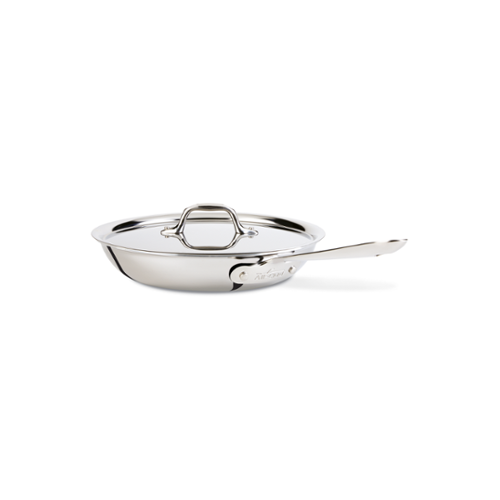 Your price for this item is $137.7
 -
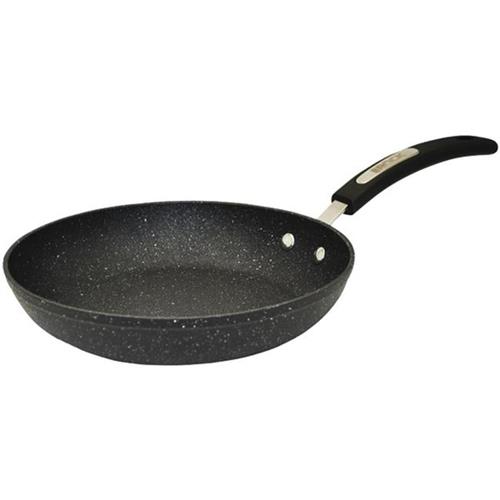 Your price for this item is $33.97
 -
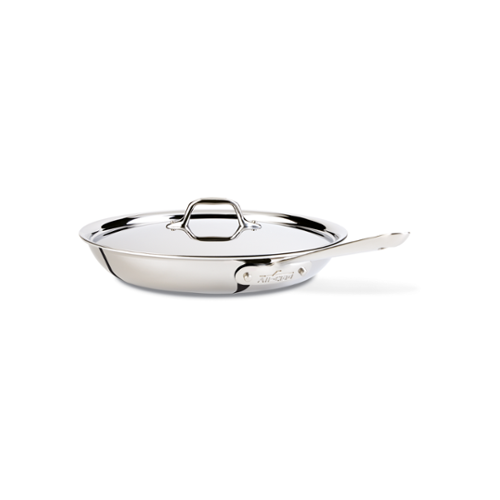 Your price for this item is $289.04
 -
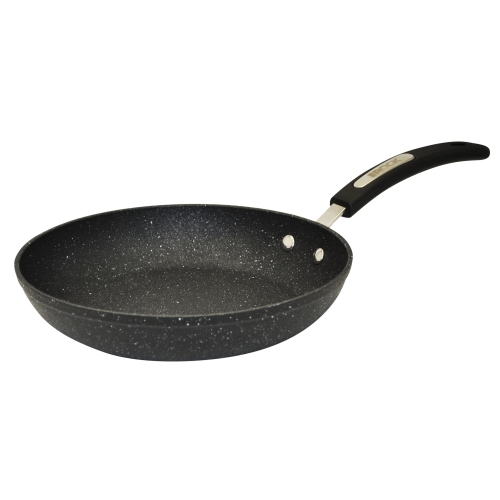 Your price for this item is $29.99
 -
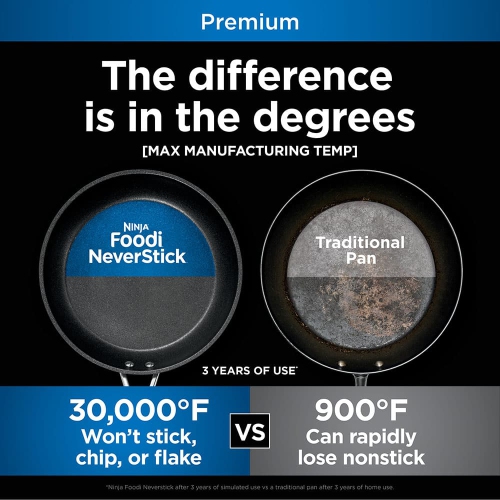 Your price for this item is $139.53
 -
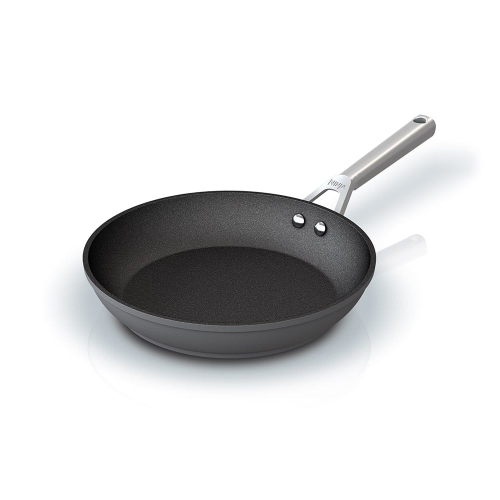 Your price for this item is $100.73
 -
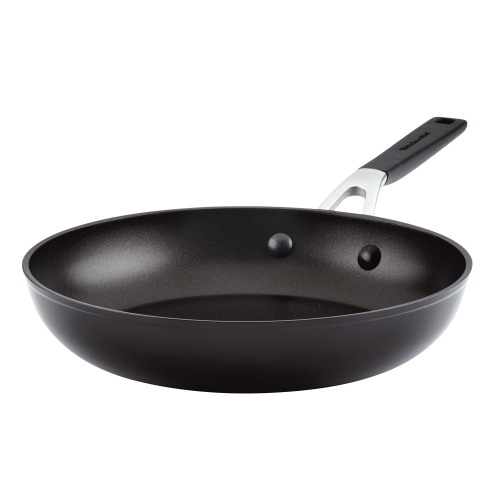 Your price for this item is $49.99
 -
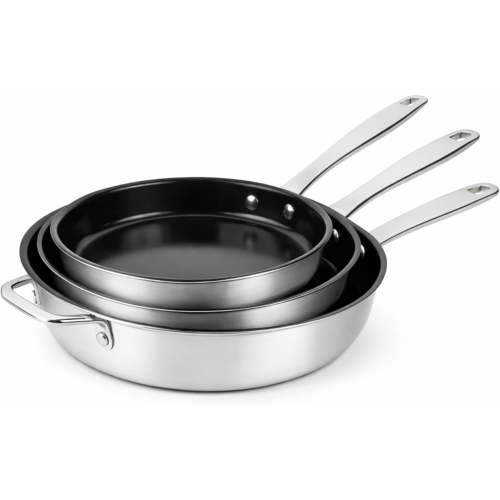 Your price for this item is $399
Discover more categories related to Cast Iron Frying Pans
Top Collections:
Pokemon Centers, Kindle Devices, Best Budget Office Chairs, Apple iPhones 16, Best Laptops for Writers, iPhone 15 Apple, Canon G7X Cameras, Refurbished Apple Laptops, Alarm Clock, Motorola Razr Phones
Some products may be subject to Environmental Handling Fees
(EHF) depending on your province.
Learn more about EHFs.